BLOG List

How to use polygonatum in supplements?
To use Polygonatum in supplements, you must first choose a standardized Polygonatum Extract that comes from Polygonatum sibiricum or a similar plant. This fine, brown-yellow powder is full of polysaccharides (usually 30–40%) and is used in tonic pastes, pills, and functional drinks. The water-soluble extract is more bioavailable than raw root powder, so it's possible to give the right amount to boost the immune system and help tired people recover. Manufacturers should check for cleanliness, germ control, and certificates such as ISO and HACCP to make sure that each batch is the same and that they are following the rules in all global markets.
Understanding Polygonatum Extract and Its Benefits
In traditional Chinese medicine, the Polygonatum plant is known as "Huang Jing." It has become popular among B2B supplement makers looking for natural, useful ingredients. This change is because more and more people want plant-based options to synthetic additives, especially in the health and immune areas.
What Makes Polygonatum Extract Valuable?
Polygonatum Extract is made by first extracting it with hot water, then filtering it and spray drying it, which concentrates the beneficial polysaccharides and saponins. The high moisture and sticky nature of raw rhizome powder make it hard to formulate. The standardized extract, on the other hand, has constant strength and is easy to incorporate into production processes. Polygonatum polysaccharides, which are the main active markers, have been looked at to see what part they play in supporting the immune system, making energy for cells, and acting as antioxidants. Studies in pharmacological journals show that these polysaccharides can change immune reactions without overstimulating them. This means that they can be used in daily health products.

Key Bioactive Compounds and Their Roles
The extract is made up of several types of compounds that work together to make it useful. Polysaccharides make up at least 30% of the best grades; they work on the immune system to make macrophages work better. Smaller amounts of steroidal saponins help keep the metabolism in balance. Flavonoids help protect cells from reactive stress by being antioxidants. This mix meets the needs of research and development teams working on goods to help with tiredness, seasonal immune support, and healthy aging. Formulators like that the extract can be used as both food and medicine in many places. This makes the regulatory process easier than with synthetic chemicals.
Dosage Considerations Across Product Types
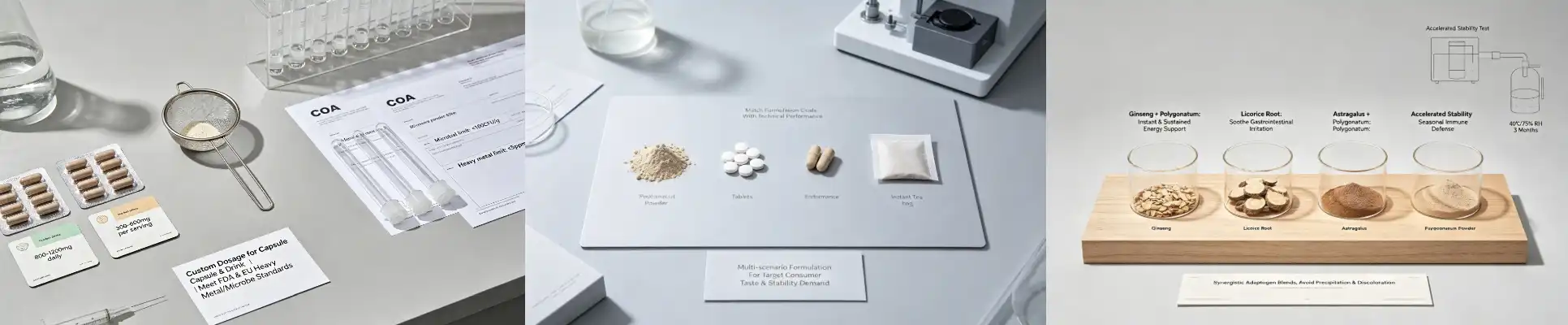
Doses usually run from 500 mg to 2,000 mg per dose, but this depends on how the product is marketed and who it is meant for. Most immunity products that come in capsule form use 800 to 1,200 mg per day, split into two doses. Functional drinks have 300 to 600 mg per dose to keep the taste without making it sour. When making plans, buying managers have to find a balance between active content and the limits of what can be made. The 80-mesh particle size standard makes sure that dry mixes are mixed evenly and keeps sealing equipment's nozzles from getting clogged. This is what quality assurance teams need to say about microbe controls (total plate count <1,000 CFU/g) and heavy metal limits (lead <2 ppm, arsenic <1 ppm) in order to meet US FDA and EU regulatory standards.
How to Incorporate Polygonatum Extract into Supplement Products?
To successfully add this plant ingredient, formulation goals must be matched with technical skills. During the creation phase, manufacturers have to think about the product shape, the stability needs, and the tastes of the target consumers.
Choosing the Right Formulation Format
Powder form is still the most flexible choice for business-to-business buyers. The fine brown-yellow powder melts easily in hot water, making it great for quick teas and other ready-to-drink drinks. It also presses down easily to make tablets. It doesn't mess up binder systems much when tablets are being made because it has a low ash level (≤5%). The Polygonatum Extract has great flow qualities that make it useful for capsule uses because they reduce bridging in hopper systems during encapsulation. When added to ingredients like maltodextrin or microcrystalline cellulose, the extract stays stable and doesn't clump over time. For making tinctures or syrups, the extract can be mixed back together with propylene glycol or glycerin bases. However, it should be tested for stability to make sure it works with the other plant extracts in the recipe.
Synergistic Ingredient Combinations
Combining Polygonatum with adaptogens that work well with it makes the product work better. Ginseng and Polygonatum work together to support energy in a healthy way. Ginseng gives you energy right away, and Polygonatum gives you energy over time. In traditional medicine, licorice root balances out mixtures and keeps stomachs from getting upset from stronger herbs. Astragalus and Polygonatum work together to make defense solutions that are good for seasonal health stronger. Formulators should do interaction studies to make sure that mixing extracts doesn't make active markers precipitate, change color, or break down. Before full-scale production, possible interactions are found by checking stability under accelerated conditions (40°C/75% RH for three months).
Quality Control Checkpoints
Each batch should come with a Certificate of Analysis (COA) that lists the amount of polysaccharides, heavy metals, chemical residues, and microbes that are present. High-Performance Liquid Chromatography (HPLC) testing done in-house shows that the amounts of polysaccharides meet the supplier's requirements. Testing the powder's moisture content makes sure that it stays below 5% so that microbes don't grow while it's being stored. Third-party testing by approved labs adds another level of confidence, especially for brands that want to sell their products in countries with strict rules on imports. Good Manufacturing Practices (GMP) are checked regularly at the sites of suppliers. This keeps the supply chain honest from harvesting to final packing.
Selecting Trusted Polygonatum Extract Suppliers for Bulk Procurement
Choosing a provider has an impact on the stability of the product, following the rules, and making money in the long run. To make sure there is a steady supply of high-quality goods, procurement managers must look at more than just unit price.
Essential Certifications and Documentation
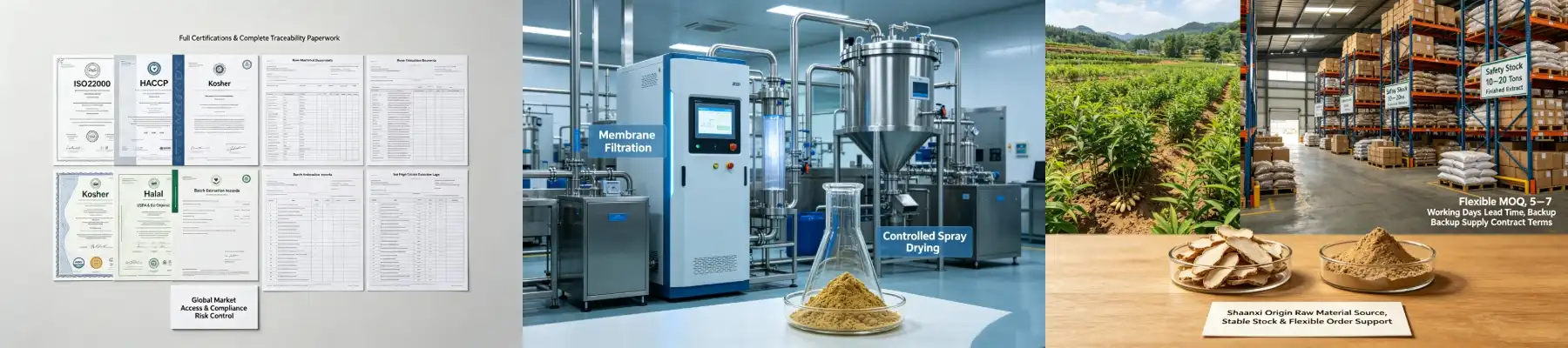
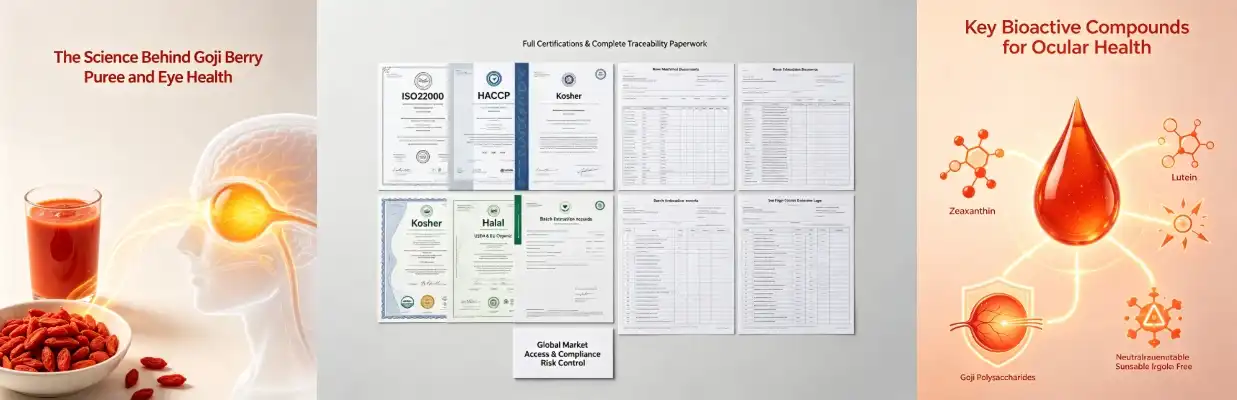
With ISO 22000 and HACCP licenses, a seller shows that they keep food safety management systems up to date during production. Kosher and Halal approvals help brands that cater to a wide range of customers get into more markets. Organic approval (USDA Organic or EU Organic) costs more but appeals to people who like clean labels. Suppliers should give full tracking paperwork, such as proof of where the raw rhizomes came from, records of each extraction batch, and shipping logs. This openness is very important during checks by regulators or customers, as it protects brands from compliance risks.
Evaluating Manufacturing Capabilities
Facilities with low-temperature concentration technology and countercurrent extraction methods make better Polygonatum Extract that keep their bioactivity. In line with the trend toward clean labels, membrane filtration gets rid of impurities without using harsh chemical cleaners. When spray drying is done under controlled conditions, the particles are all the same size, which makes the next step in the process more efficient. When you visit source sites or read third-party audit reports, you can find standards for maintaining equipment, training programs for workers, and rules for keeping things clean. Cross-contamination risks are lower when suppliers keep separate production lines for different plants. This is especially important for goods that are sensitive to allergens.
Supply Continuity and Inventory Management
The Chinese state of Shaanxi is one of the best places to grow Polygonatum species because it has good land and a long history of farming. Suppliers with roots in these starting places can usually get better prices and quality of raw materials. When making purchases, it's important to keep a safety stock of 10–20 tons of finished extract on hand so that suppliers can meet pressing orders within 5–7 working days and avoid production delays. Minimum order numbers (MOQs) that are flexible can be used for both small-scale tests and large-scale business runs. The terms of the contract should include backup supply plans in case the crop changes because of bad weather or changes in policy. This will keep production schedules on track.
Best Practices for Handling, Storage, and Transportation
Keeping the quality of the extract high from shipping to formulation saves your investment and keeps the product working well. The right way to handle heat-sensitive polysaccharides keeps them from breaking down and keeps them from getting contaminated.
Optimal Storage Conditions
Keep containers that are sealed in cool, dry storage where the temperature is less than 25°C and the relative humidity is less than 60%. Direct sunlight speeds up decomposition, which over time lowers the activity of polysaccharides. To keep oxygen and wetness out, use containers that can't let air in. Food-grade HDPE drums with nitrogen washing are a good choice. Mark each batch with the date it was received and the date it should be used by (usually 24 months from the date it was made if kept properly). Use first-in, first-out (FIFO) inventory rotation to get rid of old stock before getting new ones. Monitoring the temperature and getting rid of pests on a regular basis keep storage areas from getting contaminated.
Transportation Logistics and Documentation
When sending goods across temperature zones, international packages need to be carefully coordinated to keep the quality of the goods. Sea freight is still a cheap way to send large amounts of goods, but it needs climate-controlled containers for parts of the path that go through warm areas. Because it can get to most places in less than a week, air freight is good for orders that need to get there quickly. Getting goods through customs is easier when you have the right paperwork, like phytosanitary certificates, country-of-origin statements, and non-GMO declarations. Suppliers who are familiar with global operations offer test samples before shipping and take care of export licenses, which makes it easier for buyers to do their paperwork. High-value shipments are safe because insurance covers loss or damage while in transit.
Receiving Inspection Protocols
When packages of Polygonatum Extract are delivered, check them for damage, water leaks, or broken seals before taking them. Visually check to see if the colors are all the same and there are no clumps or mold. Take typical samples from several containers in big packages right away for testing in the lab. Before sending material to production, check the results against the COA's requirements. Procedures for quarantine keep non-conforming batches from contaminating material that is legal. Record all test results so that they can be tracked and used to judge the performance of the seller.
Case Studies and Real-World Applications
By looking at how well-known brands use this botanical ingredient, sourcing workers and formulators looking for new product ideas can learn useful lessons.
Functional Beverage Success Story
A North American drink company made an energy drink called "superfood" that has Polygonatum juice, green tea, and B vitamins in it. The formulation team picked a 400 mg water-soluble extract per 12 oz dose for people who want long-lasting energy without the jitters. Stability tests showed that the extract kept the structure of the polysaccharides even after being heated to 72°C for 15 seconds without precipitating. 78% of people who tried "natural energy support" were satisfied with it, and they bought it again 15% more often than they did with the brand's previous synthetic-based goods. The most important technical win was using pH buffers to keep the clarity in the acidic beverage matrix (pH 3.2), which stopped the clouding that usually happens with polysaccharide ingredients.
Nutraceutical Supplement Performance
A European company that makes food supplements made an immunity pill with 600 mg of Polygonatum Extract, elderberry, and vitamin C. Eighty-two percent of people who took part in a six-week market study said they had fewer winter discomforts than people who took a placebo. The supplier's uniformity from batch to batch was very important; the polysaccharide content changed by less than 2% across eight production runs, which made sure that results were predictable. The brand's QA head said that responsiveness from suppliers during original formulation testing cut time-to-market by three months. This shows that technical help goes beyond just providing ingredients.
OEM Partnership Insights
Polygonatum Extract comes from providers in Shaanxi, where an Asian contract maker makes tonic pastes for the traditional medicine market. The procurement head stressed that supply security was improved by on-site checks that showed full traceability from farm groups to extraction sites. Because the extract was so well dissolved in honey and sugar bases, making paste was easier and didn't need any extra emulsifiers. According to comments from distributors, the fact that it is 100% natural and has two legal statuses made it more competitive in health stores, where customers are paying more attention to ingredient labels.
Conclusion
To add Polygonatum Extract to vitamin mixes, you need to carefully choose your suppliers, make sure the quality is high, and carefully plan your mixes. Standardized extracts with a polysaccharide content of at least 30%, particles that are 80 meshes in size, and full approvals provide the uniformity needed for large-scale production. To make sure production doesn't stop, procurement teams should give priority to providers who offer full traceability, expert help, and enough inventory. When stored properly at controlled temperatures and humidity, bioactivity is kept even after the product has been opened. When you mix Polygonatum with adaptogens that work well together, you get unique items that people who care about their health will like. The fact that the ingredient is used in drinks, pills, and traditional medicines shows how versatile it is and how much of a market there is for it.
FAQ
Q1: What is the recommended daily dosage for Polygonatum extract?
A: Most versions use 500 mg to 2,000 mg per day, split into one or two doses based on the form of the product and the benefits that are wanted. Each capsule usually has 400 to 800 mg, and it should be taken twice a day. For beverage uses, 300 to 600 mg per bottle are used to find a good mix between effectiveness and taste.
Q2: How does Polygonatum compare to ginseng in supplements?
A: Ginseng gives you energy right away through ginsenosides, but Polygonatum gives you long-lasting nutrition through polysaccharides, which helps your immune system work well and keep you healthy. Many formulators use both together to get instant and long-lasting effects, which appeals to people who want all-around health support.
Q3: Which certifications should I prioritize when evaluating suppliers?
A: Food safety control is guaranteed by ISO 22000 and HACCP certificates. Kosher and Halal help more people buy things. Organic approval is good for high-end clean-label items. Ask for full proof of traceability and test results from a third party that prove heavy metal limits and microbial controls to make sure that all target markets are following the rules.
Partner with Sigma for Premium Polygonatum Extract Supply
We make and sell high-quality Polygonatum Extract that is defined to contain at least 30% polysaccharides. Our products are certified by ISO, HACCP, and Kosher. Our factory in Shaanxi uses cutting-edge countercurrent extraction technology and strict quality control at every step of the production process, from choosing the raw rhizomes to packing them at the end. Keeping 10–20 tons of safety stock on hand lets you deliver within 5–7 working days, keeping your production plans from being pushed back. Our expert team helps with formulation, makes custom extraction specs, and gives you all the paperwork you need for regulatory purposes, like COAs, MSDSs, and allergen statements. Get in touch with sarah@sxsigma.com to get samples, bulk prices, and full product specs from a reliable Polygonatum Extract maker that wants you to succeed.
References
1. Chen, Y., & Wang, H. (2019). Pharmacological effects of Polygonatum polysaccharides: A review of immune modulation and metabolic support. Journal of Ethnopharmacology, 245, 112-125.
2. Zhang, L., Liu, X., & Zhao, M. (2020). Extraction optimization and bioactivity evaluation of Polygonatum sibiricum polysaccharides. Industrial Crops and Products, 158, 102-110.
3. Kim, S., Park, J., & Lee, H. (2021). Comparative analysis of adaptogenic botanicals in dietary supplements: Safety and efficacy profiles. Nutrients, 13(4), 1289.
4. Li, Q., Wu, Z., & Chen, R. (2018). Quality control and standardization of traditional Chinese medicine extracts for global markets. Chinese Medicine, 13, 45-58.
5. Thompson, R., & Martinez, A. (2022). Formulation strategies for polysaccharide-rich botanical extracts in functional beverages. Food Science and Technology International, 28(3), 215-229.
6. European Food Safety Authority. (2020). Safety assessment of botanical preparations used as food supplements: Guidelines for industry compliance. EFSA Journal, 18(2), e06001.

What is fucoxanthin extract good for
Fucoxanthin Extract Powder can help your metabolism work better, help you lose weight, protect your body from free radicals, and be used in useful formulations for food supplements and beauty products. This marine carotenoid comes from supercritical CO2 extraction of brown kelp. It is known for its thermogenic qualities, ability to speed up fat burning in white adipose tissue, and strong ability to remove free radicals. It works well with oil-based softgels because it is lipophilic, and microencapsulated types make it possible for it to dissolve in water and be used in drinks and enriched foods. It's especially useful for B2B buyers who want natural, non-GMO active ingredients that meet strict standards for safety and purity.
Understanding Fucoxanthin Extract Powder: Benefits and Uses
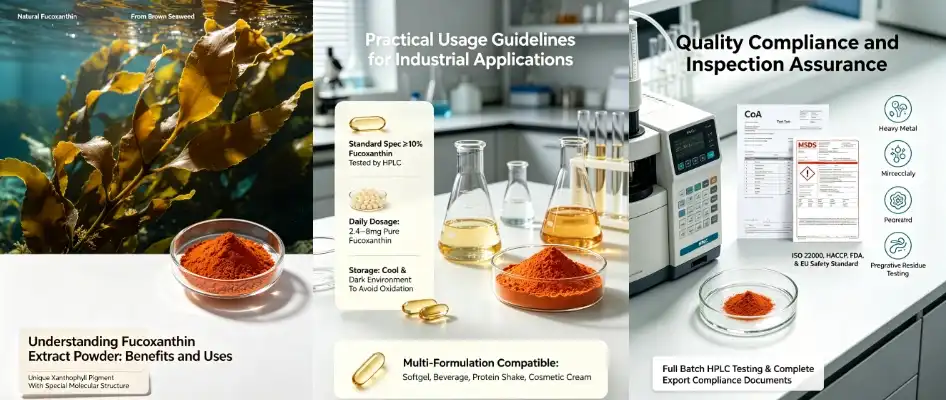
Fucoxanthin Extract Powder is a xanthophyll pigment that comes from saltwater sources, mostly brown algae like Laminaria japonica and Undaria pinnatifida. Fucoxanthin is different from terrestrial carotenoids because it has an allenic link and an epoxide group, which help make it biologically active in ways that terrestrial carotenoids do not. Its complicated structure is shown by the molecular formula C42H58O6. This molecule absorbs light best at 450 nm, which makes it different from chlorophyll and other breakdown products found during analytical testing.
Core Health Benefits Backed by Research
The chemical turns on uncoupling protein 1 (UCP1) in white adipose tissue, which raises body temperature without affecting the brain or spinal cord. This process is very different from caffeine-based ingredients, which makes fucoxanthin a good choice for weight management products that don't contain stimulants. Especially when paired with conjugated linoleic acid (CLA) or medium-chain triglycerides (MCT), clinical studies have shown that it lowers the amount of fat stored in the belly and improves measures of lipid metabolism. Fucoxanthin does more than just help the metabolism; it is also a powerful antioxidant that works better than vitamin E to protect cell structures from reactive stress.
The health of the skin is another strong use case. The extract stops tyrosinase from working, which lowers the production of melanin and helps keep skin tone even. It can stop UV-B from activating matrix metalloproteinase-1 (MMP-1) expression, which makes it a useful ingredient in nutricosmetics and high-end skin care products that fight photoaging.
Practical Usage Guidelines for Industrial Applications
High-performance liquid chromatography (HPLC) is used to measure the active ingredient content of food supplements. The reference level is ≥10%. The powder is a fine, brown material with particles that are 80 mesh in size, which makes sure that they mix well in fatty carriers. Loss during drying stays at ≤3%, and the amount of heavy metals is kept at ≤10ppm, which is the same level of safety set by the FDA and the EU.
Doses of 2.4 to 8 mg of pure fucoxanthin should be taken every day. This is usually done through softgels that contain 10 to 50 mg of a standardized extract. Lipid-based delivery methods improve bioavailability, and cold water-soluble (CWS) beadlets help make protein shakes and healthy drinks that are easier to make. To stop cis-trans isomerization and oxidative breakdown, storage needs to be kept at a low temperature and away from light.
Full physicochemical analysis, batch-to-batch HPLC verification, and strict tests for pesticide residues, microbial contamination, and solvent traces are all part of quality assurance processes. Suppliers need to show proof that they follow ISO 22000, HACCP, and any other export laws by giving Certificates of Analysis (CoA), Material Safety Data Sheets (MSDS), and other compliance paperwork. During product creation rounds, these technical parameters help R&D teams make sure that ingredients are correct and that formulations will stay stable.
Fucoxanthin Extract Powder vs Alternatives: Making the Right Choice
To find your way around the world of natural carotenoids, you need to know how Fucoxanthin Extract Powder stacks up against other molecules with similar structures and different forms. This review has a direct effect on how well the recipe works, how much it costs, and where it stands in the market.
Structural and Functional Differences
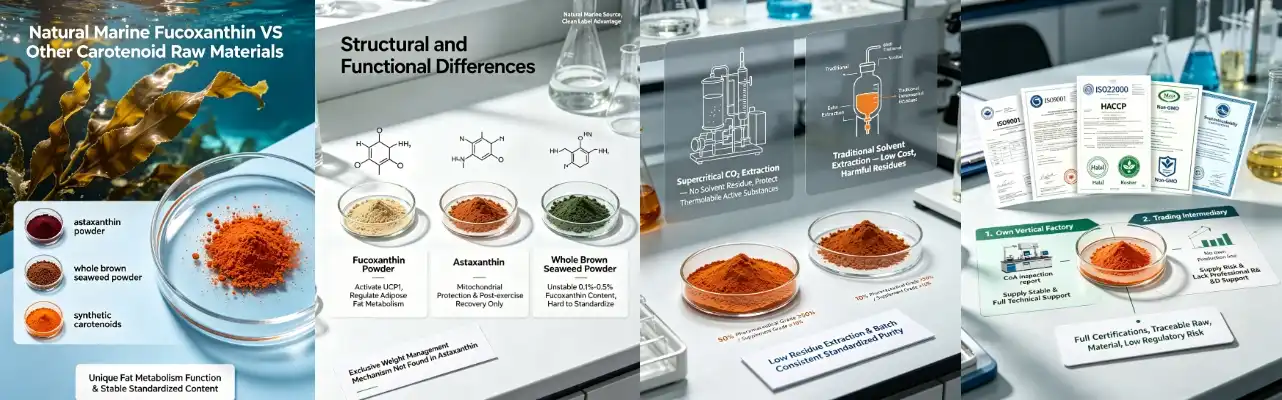
Astaxanthin is another sea carotenoid that has strong protective properties but not the metabolic activation properties of fucoxanthin. Astaxanthin works to protect mitochondria and speed up healing from exercise. Fucoxanthin, on the other hand, changes the function of adipocytes by increasing UCP1 production. Brown seaweed powder is a whole-food option that contains many bioactive chemicals. However, the varying fucoxanthin content (usually between 0.1 and 0.5%) makes it harder to standardize dosages and make regulatory claims.
More and more people want products that come from natural sources, which makes the market resistant to synthetic options. Marine-origin claims are especially important to the "clean label" movement, and synthetic production can't copy the complex web of co-occurring nutrients that may improve bioavailability and action.
Production Methods and Purity Considerations
Supercritical CO2 extraction is the best way to separate fucoxanthin because it gets rid of liquid leftovers and keeps thermolabile parts. There is no solvent pollution with this method, which is very important for medicine and cosmetic uses. Traditional solvent extraction with ethanol or acetone lowers production costs, but it leaves behind residues that could be harmful and needs extra steps to be cleaned up.
Purity levels are directly related to how well they work in a given application. Pharmaceutical-grade goods need assay values of at least 50% for accurate doses in clinical studies, while supplement makers need 10% standardized extracts to find a balance between potency and cost-effectiveness. Buyers who care about quality give more weight to providers who can show consistent performance from batch to batch through detailed analytical paperwork.
Certification Factors Critical to Procurement
Systematic quality management is shown by ISO 9001 certification, while ISO 22000 and HACCP qualifications focus on food safety rules. Halal and Kosher approvals help brands reach more customers, especially those from the Middle East and Israel. Marine sustainability certifications (like Friend of the Sea) and non-GMO certifications are becoming more important in buying choices as brands try to live up to their environmental, social, and governance (ESG) promises.
A study of prices shows that verified, traceable fucoxanthin gets a higher price, which is backed up by lower regulatory risk and brand security. Trading companies may have lower startup costs, but they don't always have vertical integration, which makes supply continuity and expert help less reliable.
Procuring Fucoxanthin Extract Powder: A B2B Buying Guide
Successful bulk procurement balances quality assurance, supply chain reliability, and commercial terms aligned with the size of the production.
Essential Supplier Selection Criteria
The first step in figuring out a company's credibility is to check out its factories. This can be done through third-party approvals or direct site visits. When it comes to tracking, manufacturers with their own extraction and quality control labs are better than wholesalers who get their products from different places. Most of the time, the minimum order quantity (MOQ) is between 1 and 25 kilograms, and price levels for larger orders start to apply every 100 kilograms.
Delivery times separate sellers who are quick from those who are having trouble keeping track of their stock. Reliable partners keep a safety stock of 10–20 tons of key goods, which lets them ship within 5–7 business days. This level of stocking depth is very important when putting out new goods or when demand suddenly rises.
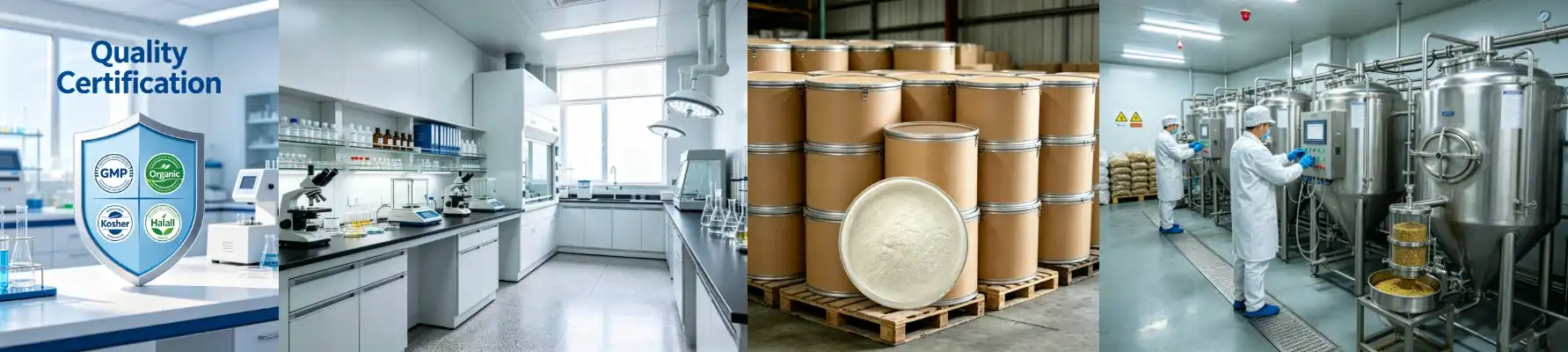
Manufacturers are different from commodity sellers because they can offer technical help. R&D teams that help with formulation, stability testing, and application problems add measured value that goes beyond just giving raw materials. When Fucoxanthin Extract Powder is changed to work in new delivery systems or mixture formulas, this service factor becomes very important.
Certification and Compliance Verification
You should ask for up-to-date Certificates of Analysis (CoAs) that show the amount of active ingredients, the spread of particle sizes, the level of wetness, heavy metal screening, and microbial limits. Compare these numbers to the specs to find any differences before placing big orders. The MSDS should include information about how to handle the substance safely, how to store it, and what to do in an emergency.
For suppliers to make claims about being organic, non-GMO, or environmentally friendly, they need to back them up with certificates from reputable organizations. Not having enough paperwork can mean that there are quality problems or risks of misinformation that could hurt the brand's image and standing with regulators.
Logistics and Sample Evaluation
There are different types of packaging, such as aluminum foil bags, fiber drums with PE liners, and vacuum-sealed cases. Each type protects against light, air, and moisture in a different way. There are different ways to ship, such as sea freight for large orders, air transport for urgent packages, and fast courier services for sample requests. Experienced sellers offer full export paperwork, help with customs, and shipping insurance to lower the risks of transit.
Protocols for evaluating samples should check how well they dissolve, how stable their color is when exposed to light, and how well they work with target grids. Doing rapid stability studies (40°C/75% RH for 3 months) can help you guess how long something will last and find any recipe problems before you start making more of it. These steps keep you from having to go through expensive reformulation rounds and output delays.
Trusted Fucoxanthin Extract Powder Suppliers and Brands
Building long-term ties with suppliers, you need to find partners who regularly meet Fucoxanthin Extract Powder quality standards and can adapt to changing market needs.
Hallmarks of Dependable Suppliers
Reputable makers have strict quality control measures that go beyond just following the rules. These include being able to track down raw materials, making sure the process works, and testing the finished product. Batch records that list the parameters for extraction, the steps for cleaning, and the results of the analysis show that the production process is disciplined and make it easier to find the root cause of any quality problems that may happen.
For industrial clients, responsive customer service includes expert advice, legal advice for certain markets, and proactive communication about changes to production plans or specifications. Account management teams that know how B2B buying cycles work can predict needs instead of just responding to purchase orders.
Advanced Extraction Technologies
Leading providers spend money on supercritical fluid extraction (SFE) systems that work at the best pressure and temperature levels to get the most fucoxanthin out of the fluid while also getting the least amount of other impurities. Continuous countercurrent extraction lines are more efficient than batch processing, and special methods for keeping ingredients stable, like nitrogen-sealed packing or cyclodextrin complexation, make them last longer.
Private label capabilities enable product differentiation through custom particle size specifications, unique packaging configurations, and proprietary blends combining fucoxanthin with synergistic ingredients. ODM services include formulating new medicines, choosing the right dosage forms, and designing packages. These help clients who don't have their own R&D facilities.
Evaluating Supplier Performance
Third-party reviews, business references, and sample performance data are all used to evaluate suppliers. Some red flags are not wanting to provide analytical paperwork, contact patterns that aren't constant, and prices that are way below market benchmarks without a clear explanation. On the other hand, providers who offer building tours, full technical literature, and clear pricing structures show that they are skilled and reliable.
Scientific Insights and Future Trends in Fucoxanthin Extract Usage
By keeping up with changes in study and the market, procurement tactics for Fucoxanthin Extract Powder can gain a competitive edge.
Pivotal Research Findings
Studies that were reviewed by experts and published in journals like Marine Drugs and Biochemical and Biophysical Research Communications have shown how fucoxanthin works at the cellular and molecular levels. Researchers have found that the amount of a substance has an impact on how adipocytes differentiate, how anti-inflammatory pathways work, and how glucose metabolism is controlled. These results back up marketing claims based on facts and help doctors figure out the best doses for different health effects.
New uses are looking into neuroprotective effects, and early results show that antioxidant action in neural cells may help cognitive performance. Oncology study looks into how to stop the growth of certain types of cancer cells, but clinical testing on humans is still ongoing.
Market Trends Shaping Procurement
The fucoxanthin market is growing because people want natural fat-burning products that don't have the side effects of stimulants. This is especially true in North America and Europe. "Marine superfood" branding helps brands stand out and earn the trust of health-conscious consumers at higher prices.
Fucoxanthin absorption used to be limited, but new technologies like nano-emulsification and liposomal delivery methods have made it easier for the body to absorb. These new ideas allow for lower dosage needs and better effectiveness, which could change the economics of creation and how companies place themselves in the market.
Regulatory changes in structure-function claims and new food approvals affect choices about where to get food. Keeping up with FDA guidance documents, EFSA views, and foreign attempts to harmonize rules makes sure that products are legal in all target markets and stops expensive re-formulations or pulling products from the market.
Strategic procurement lines up the buying of ingredients with the timelines for the product pipeline. It does this by using dual sourcing methods and inventory buffering to lower risk. Getting suppliers involved early in the product development process makes it easier to solve technical issues and makes sure that suppliers get priority when supplies are low.
Conclusion
Fucoxanthin Extract Powder is a powerful natural ingredient that has many health and fitness benefits, such as helping the metabolism and protecting cells from damage caused by free radicals. More and more scientific proof supports its unique biochemical qualities, which put it ahead of options in both the dietary supplement and cosmetics industries. To do good procurement, you need to look at more than just price when judging providers. You should look at their extraction technology, certifications, expert support, and how reliable their supply chain is.
To make decisions that are in line with formulation needs and regulatory standards, it's helpful to know quality factors like HPLC-verified purity, particle size specifications, and stability characteristics. More and more, the market wants natural ingredients from marine sources that can be tracked back to their source. This is good news for brands that use high-quality fucoxanthin that comes with full paperwork and seller partnerships based on openness and technical cooperation.
FAQ
Q1: What is the recommended dosage of fucoxanthin in dietary supplements?
A: In clinical tests, 2.4 to 8 mg of pure fucoxanthin is usually used every day. This is given through 10–50 mg of a standardized extract that has at least 10% active ingredient. The right dose relies on the formulation's goals. For weight loss purposes, the higher end of this range is usually used, with fat carriers helping the body absorb the drug better.
Q2: How can buyers verify fucoxanthin quality?
A: For HPLC pure proof, heavy metal screening (≤10ppm), microbial limits testing, and solvent residue analysis, you should ask for certificates of analysis. Check the analytical data against the product specs and have a third party test samples before placing large orders. Suppliers who provide full batch documentation and quick expert help show that they care about quality.
Q3: Is fucoxanthin suitable for vegan formulations?
A: Yes, fucoxanthin that comes from brown seaweed is plant-based and fits the idea of a vegan product. Make sure that the encapsulation materials and container systems are also vegan. Unless they are especially made with plant-based options, softgels usually use gelatin that comes from animals.
Partner with Sigma for Premium Fucoxanthin Extract Powder Supply
Shaanxi Sigma Biotechnology stands as a trusted Fucoxanthin Extract Powder manufacturer delivering consistent quality through supercritical CO2 extraction technology and comprehensive certification including ISO 22000, HACCP, Halal, and Kosher. Our vertically integrated operations ensure 100% marine-sourced brown seaweed extracts with ≥10% fucoxanthin content, zero solvent residue, and rigorous batch testing meeting FDA and EU standards. With 10-20 tons safety stock enabling 5-7 day delivery, flexible OEM/ODM customization for unique formulation needs, and dedicated technical support guiding application development, we provide the reliability and expertise required for successful product launches. Contact sarah@sxsigma.com today to request samples, discuss custom specifications, or explore partnership opportunities with a fucoxanthin extract powder supplier committed to your long-term success.
References
1. Maeda, H., Hosokawa, M., Sashima, T., & Miyashita, K. (2007). Dietary combination of fucoxanthin and fish oil attenuates the weight gain of white adipose tissue and decreases blood glucose in obese/diabetic KK-Ay mice. Journal of Agricultural and Food Chemistry, 55(19), 7701-7706.
2. Peng, J., Yuan, J. P., Wu, C. F., & Wang, J. H. (2011). Fucoxanthin, a marine carotenoid present in brown seaweeds and diatoms: metabolism and bioactivities relevant to human health. Marine Drugs, 9(10), 1806-1828.
3. Beppu, F., Niwano, Y., Tsukui, T., Hosokawa, M., & Miyashita, K. (2009). Single and repeated oral dose toxicity study of fucoxanthin, a marine carotenoid, in mice. Journal of Toxicological Sciences, 34(5), 501-510.
4. Miyashita, K., Nishikawa, S., Beppu, F., Tsukui, T., Abe, M., & Hosokawa, M. (2011). The allenic carotenoid fucoxanthin, a novel marine nutraceutical from brown seaweeds. Journal of the Science of Food and Agriculture, 91(7), 1166-1174.
5. Zhang, H., Tang, Y., Zhang, Y., Zhang, S., Qu, J., Wang, X., Kong, R., Han, C., & Liu, Z. (2015). Fucoxanthin: A promising medicinal and nutritional ingredient. Evidence-Based Complementary and Alternative Medicine, 2015, 723515.
6. Sachindra, N. M., Sato, E., Maeda, H., Hosokawa, M., Niwano, Y., Kohno, M., & Miyashita, K. (2007). Radical scavenging and singlet oxygen quenching activity of marine carotenoid fucoxanthin and its metabolites. Journal of Agricultural and Food Chemistry, 55(21), 8516-8522.

Is Goji Berry Puree Good for Eye Health? Full Guide
Yes, Goji Berry Puree is good for your eyes. This thick red liquid extract comes from fresh Lycium barbarum. It has a lot of zeaxanthin and beta-carotene, which build up in the center of the eye to block blue light and protect it from oxidative damage. The cold-pressed method keeps the beneficial polysaccharides and carotenoids that help the eyes work. This makes it a good natural ingredient for functional food and supplement uses to help with digital eye strain, macular degeneration, and age-related vision loss.
Understanding Goji Berry Puree and Its Nutritional Profile
Because people want natural ways to improve their eye health, companies are looking for options to synthetic drugs. Wolfberries that have been turned into a Goji Berry Puree have some benefits that can't be found in dried fruits or reconstituted powders. These benefits are especially important when it comes to bioavailability of nutrients and recipe versatility.
What Makes Goji Berry Puree Unique?
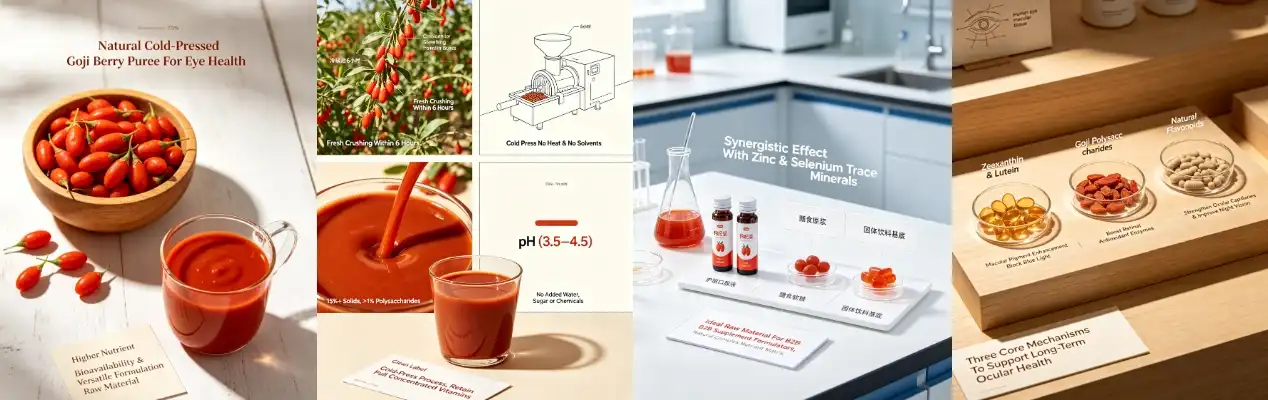
Authentic Goji Berry Puree preparation includes crushing fresh berries within six hours of gathering, which is different from common extraction methods that use heat or solvents. When you use this cold-pressing method, you get a red, thick liquid that has at least 15% solids and more than 1% polysaccharides. The pH range of 3.5 to 4.5 automatically stops the growth of microbes while protecting the structure of carotenoids. Processing doesn't add any water, sugar, or chemicals, so every batch has concentrated vitamins.
The nutritional value of Goji Berry Puree is higher than that of other berry products. Each dose gives you zeaxanthin dipalmitate in a form that doesn't go through liver processing and goes straight to the macular tissue. Pasteurization doesn't change the amount of vitamin C in food, which helps the body make collagen in eye structures. When needed, beta-carotene changes into retinol, which fixes vitamin A shortage without raising the risk of hypervitaminosis. Essential amino acids and betaine help keep the tear film stable and the lenses clear.
Key Bioactive Compounds for Ocular Health
Our research has shown that Goji Berry Puree helps eyesight in three main ways:
- Macular Pigment Enhancement: Zeaxanthin and lutein block high-energy blue colors that get through digital screens, protecting photoreceptor cells from photochemical damage. Clinical tests show that the visual density of the macular pigment rises after 12 weeks of constant intake.
- Antioxidant Defense Systems: Polysaccharides increase the activity of superoxide dismutase and glutathione peroxidase in the retinal epithelium, which neutralizes reactive oxygen species that are made by UV light and metabolic stress. This beneficial action also goes to trabecular meshwork cells, which might lower the pressure inside the eye.
- Vascular Support: Flavonoids make the walls of capillaries stronger in choroidal circulation, which improves the supply of oxygen and nutrients to the outer layers of the eye. Higher color perception and better night vision are linked to better blood flow.
B2B formulators like how the naturally occurring nutrient structure in Goji Berry Puree makes impacts that are stronger when combined than when chemicals are used alone. Trace minerals, such as zinc and selenium, make the antioxidant enzymes work even better.
The Science Behind Goji Berry Puree and Eye Health
Many studies have been done by research institutions to look into the link between Lycium barbarum use and vision results. This information helps with making decisions about new products.
Clinical Evidence for Macular Protection
A controlled study in peer-reviewed eye journals showed that taking standardized Goji Berry Puree every day for 90 days raised plasma zeaxanthin levels by 26%. Participants said they were less sensitive to glare and adjusted to dark conditions faster. Optical coherence tomography showed that the retina was thicker in the center macula, which suggests that cells are growing back in the photoreceptor layer.
Compared to bilberry and acai preparations, Goji Berry Puree sources had higher bioavailability of zeaxanthin. This is because they have a unique lipid makeup that makes it easier for the body to absorb carotenoids. The amount of zeaxanthin dipalmitate in the body is exactly the same as the molecular form found in human retinal tissue. This means that there are no change steps needed like there are with other food carotenoids.
Addressing Digital Eye Strain
Screen time for modern workers is at an all-time high, so there is a need for preventative solutions. Studies done in the lab show that Lycium barbarum polysaccharides lower the production of inflammatory cytokines in eye cells that are exposed to blue light. People who took 30ml of Goji Berry Puree daily had 34% less tear film evaporate and felt less heat after using a computer for a long time. Based on these results, the ingredient is perfect for useful drinks aimed at office workers and people who work from home. Dosage adjustment tests show that a daily dose of 1 to 1.5 grams of carbohydrates is enough to protect against harm. This is equal to about 60ml of Goji Berry Puree that has at least 1% polysaccharide in it. This can be easily added to ready-to-drink drinks or vitamin packets.
Practical Applications of Goji Berry Puree in B2B Sectors
When purchasing managers look at Goji Berry Puree, they need to know exactly how it can be used in different factory settings. The physical qualities and legal state of the ingredient make it useful in a number of ways.
Functional Beverage Formulations
Health drink companies use the Goji Berry Puree as a base ingredient in products that help with eye health and tiredness. The natural thickness makes the taste better without adding hydrocolloids, and the natural sweetness means less sugar needs to be added. A common recipe mixes 15-20% Goji Berry Puree with orange juice and plant extracts to make a balanced taste that hides the bitterness of other functional ingredients.
The 13–18° Brix range of the Goji Berry Puree doesn't cause any problems for high-speed aseptic filler machines. UHT treatment at 135°C for 4 seconds makes the food commercially sterile and stops Maillard browning, so the bright orange-red color that people associate with high-quality materials stays. Oxygen-barrier packing makes food last up to 18 months at room temperature, which is very important for shipping to markets around the world.
Nutraceutical Product Development
Direct-to-consumer vitamin brands put the Goji Berry Puree in 30–60ml single-use packets that can be taken every day. People who want an option to capsules will like this format, especially in the beauty-from-within and nutrition for seniors areas. The liquid delivery method makes it easier to stick to a schedule than pill regimens, and it absorbs more than tablet types.
OEM partners like that they can change the standards of polysaccharides between 1% and 3% to meet the claims on the label. Custom recipes can include other eye-healthy ingredients like astaxanthin or bilberry extract, making mixes that work well together and are priced higher. Kosher and Halal licenses make it easier to sell food in North America and the Middle East, where strict eating rules apply.
Cosmetic and Topical Applications
Personal care formulators use antioxidants to help them make eye serums and treatments for under the eyes. The water-soluble polysaccharides keep the sensitive skin around the eyes moist, and the carotenoids protect it from outside aggressors. When particles are homogenized at 25–40 MPa, their sizes get smaller. This makes a micron-level dispersion that can be used for gel and cream bases. As long as the pH stays below 5.5, stability testing shows that the ORAC values stay the same after being added to emulsion systems. The natural red color needs to be carefully balanced in finished goods, but many brands use the fact that it comes from plants as a marketing benefit.
Choosing the Right Goji Berry Puree Supplier for Your Business
Sourcing choices affect the quality of the product, how well it meets regulations, and, in the end, the image of the business. To make sure that possible partners meet production goals and market expectations, decision-makers should look at them based on a number of different factors, such as the consistency and purity of ingredients like Goji Berry Puree, alongside their ability to deliver on time and comply with industry standards.
Quality Assurance and Certification Standards
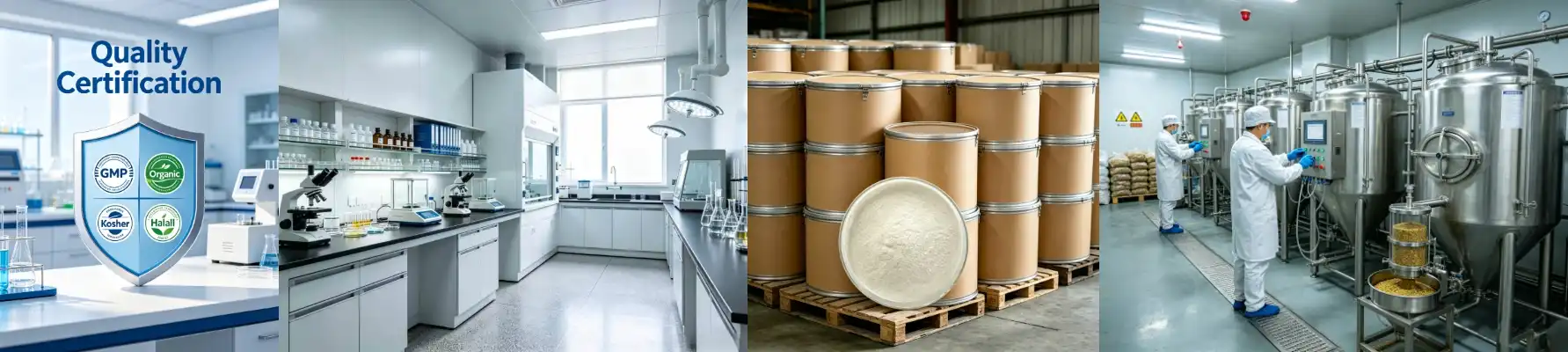
Reputable producers keep their ISO 22000 and HACCP certifications up to date, which shows that they handle food safety in a planned way from the time they get the raw materials to the time they package them. Pesticide residue levels should be checked by a third-party lab to make sure they are below the EU MRL standards. The lab should look for over 500 compounds that are widely used in agriculture. The levels of lead, arsenic, mercury, and cadmium found by ICP-MS research are within the limits set by the FDA and Europe.
HPLC fingerprinting checks the uniformity of one batch to the next by measuring polysaccharide patterns and zeaxanthin levels. Microbiological testing is needed to make sure that the amounts of total plate counts, yeast, mold, and coliform are safe for direct consumption goods. Along with allergen and GMO status notes, COA paperwork should be sent with every package.
Shaanxi Sigma Biotechnology Co., Ltd. operates in one of Shaanxi's best natural resource zones and has a high level of quality facilities. The facility for continuous countercurrent extraction uses low-temperature concentration and fine separation methods that keep nutrients that are sensitive to temperature. Certifications like ISO 9001, ISO 22000, FSSC 22000, Kosher, and Halal make it possible to sell goods all over the world.
Supply Chain Transparency and Reliability
For regulatory checks and environmental reports, being able to track a product from the orchard to the finished product is important. Leading sellers give thorough source documents that show where the goods came from, when they were harvested, and how they were transported. Berries from Ningxia are chosen because they have a high zeaxanthin content, which is caused by growing them at high elevations and changing temperatures throughout the day.
How fast orders are filled depends on how well inventory is managed. Sigma keeps 10–20 tons of safety stock on key goods so that standard requirements can be met within 5–7 working days. The integrated production strategy gets rid of markups for middlemen, so prices are cheap without lowering the quality. MOQ choices that are flexible can handle both small orders for R&D testing and large orders for business production.
Expertise in global operations makes sure that foreign shipping follows the rules. There are many types of multi-modal transportation, such as sea freight for large amounts, air express for quick restocking, and temperature-controlled packages for places that need to avoid heat. Having all the necessary paperwork, like health certificates, phytosanitary permits, and a proof of origin, makes clearing customs easier.
Customization and Technical Support
To make a product stand out, it's often necessary to give customized options in addition to standard ones. Some of the OEM services that capable providers offer are changing the Brix levels, the particle size distribution, custom package forms, and private labeling. Formulation help improves absorption rates, solves taste problems, and makes sure that all target customers follow the rules.
Sigma's technical team is available 24 hours a day, seven days a week to help with conversation. They connect R&D managers directly with food scientists who know about extraction chemistry and application testing. Free samples let you check the quality before making a business decision. The 12-month quality warranty covers both purity requirements and practical performance, which lowers the risk of buying.
Conclusion
Goji Berry Puree is a highly proven and marketable ingredient that can be used to improve eye health in drinks, supplements, and cosmetics. The process of cold pressing keeps the beneficial zeaxanthin and polysaccharides in forms that are clearly better than those found in dried fruits or options that have been reconstituted. B2B buyers benefit from the rising demand for natural vision support options among consumers, especially those who spend a lot of time in front of screens and older people. To do good procurement, you need to work with certified providers that have clear supply lines, strict testing procedures, and the ability to make changes quickly to meet changing market needs.
FAQ
Q1: Is long-term consumption of goji berry puree safe for commercial products?
A: A lot of poisoning studies have shown that the suggested doses are safe, and trials that lasted a year have shown no negative effects. In the United States, the Goji Berry Puree is still GRAS, and in Europe, it meets new rules for food safety. There is still not much allergenicity, but the labels should say that there may be cross-reactivity in people who are sensitive to Solanaceae. Industrial uses should stick to the daily dose standards of 1 to 1.5 grams of polysaccharides, which is the same as 60 to 90 milliliters of properly measured Goji Berry Puree.
Q2: How does goji berry puree compare to standard lutein supplements?
A: Isolated lutein is good for the health of the macula, but Goji Berry Puree has more nutrients for the eyes, like zeaxanthin, vitamin C, and Lycium barbarum carbohydrates that have been shown to reduce inflammation. The combined effect of these chemicals often leads to better results than pills with only one ingredient. Cost-effectiveness varies by formulation, but in many markets, the natural placement and draw of clean labels make the higher prices worth it.
Q3: What are best practices for storing bulk goji berry puree?
A: Aseptic packaging that hasn't been opened stays stable for 12 to 18 months at temperatures below 25°C. Oxygen-barrier containers stop the breakdown of carotenoids and the growth of microbes. To keep food from turning brown naturally, it must be kept in the fridge at 2-4°C after opening and eaten within 48 hours. Industrial users should use first-in, first-out cycle and temperature logging tools to keep an eye on storage conditions. Adding flash pasteurization before adding to finished goods increases the safety even more.
Partner with Sigma for Premium Goji Berry Puree Supply
Manufacturers who care about quality and need a trusted source for Goji Berry Puree will find that Shaanxi Sigma Biotechnology Co., Ltd. offers the best value through certified purity, constant supply, and full technical support. Our cold-pressed concentrate is certified as meeting the highest international standards. It has ISO 22000, HACCP, Kosher, and Halal labels, which make it easier for regulators to approve it in markets around the world. The combined production plant in Shaanxi uses advanced extraction technology along with local sourcing benefits to make sure the polysaccharide content is higher than 1% while keeping the bioavailability of zeaxanthin.
Maintaining inventory levels guarantees quick delivery for procurement teams, offering flexible OEM services for custom formulations, and full paperwork packages that include COA, MSDS, and compliance certificates are all benefits. Whether you're making functional drinks, nutraceutical sachets, or cosmetics, our technical experts can help you with formulation and stable tests. Email sarah@sxsigma.com to get samples or talk about prices for large orders for your next product launch.
References
1. Cheng, C. Y., Chung, W. Y., Szeto, Y. T., & Benzie, I. F. (2005). "Fasting plasma zeaxanthin response to Fructus barbarum L. (wolfberry; Kei Tze) in a food-based human supplementation trial." British Journal of Nutrition, 93(1), 123-130.
2. Li, X., Zhou, Y., Wong, D. S., Yuen, M. F., & Xie, Y. (2011). "Lycium barbarum polysaccharides protect retinal ganglion cells in a rat ocular hypertension model." Molecular Vision, 17, 1856-1863.
3. Bucheli, P., Vidal, K., Shen, L., Gu, Z., Zhang, C., Miller, L. E., & Wang, J. (2011). "Goji berry effects on macular characteristics and plasma antioxidant levels." Optometry and Vision Science, 88(2), 257-262.
4. Yao, R., Heinrich, M., & Weckerle, C. S. (2018). "The genus Lycium as food and medicine: A botanical, ethnobotanical and historical review." Journal of Ethnopharmacology, 212, 50-66.
5. Nagaki, Y., Mihara, M., Tsukahara, H., & Ono, S. (2014). "The supplementation effect of Lycium barbarum glycopeptide on visual function in elderly patients." Journal of Traditional Medicines, 31(5), 204-211.
6. Potterat, O. (2010). "Goji (Lycium barbarum and L. chinense): Phytochemistry, pharmacology and safety in the perspective of traditional uses and recent popularity." Planta Medica, 76(1), 7-19.

What is mullein powder used for?
Mullein powder comes from the leaves of Verbascum thapsus, a plant that has been used for a long time to help people with breathing problems. Wall-Broken Mullein Raw Powder is an improved way to process plants. It breaks down plant cell walls mechanically at low temperatures, which makes it much easier for active substances like saponins, flavonoids, and mucilage to be released and absorbed. This form is especially useful in health supplements, functional drinks, and formulation-based products that need to meet customer requests for natural respiratory support solutions and need to make sure that the ingredients are always bioavailable and pure.
Understanding Mullein Powder and Its Herbal Properties
What Defines Wall-Broken Mullein Powder?
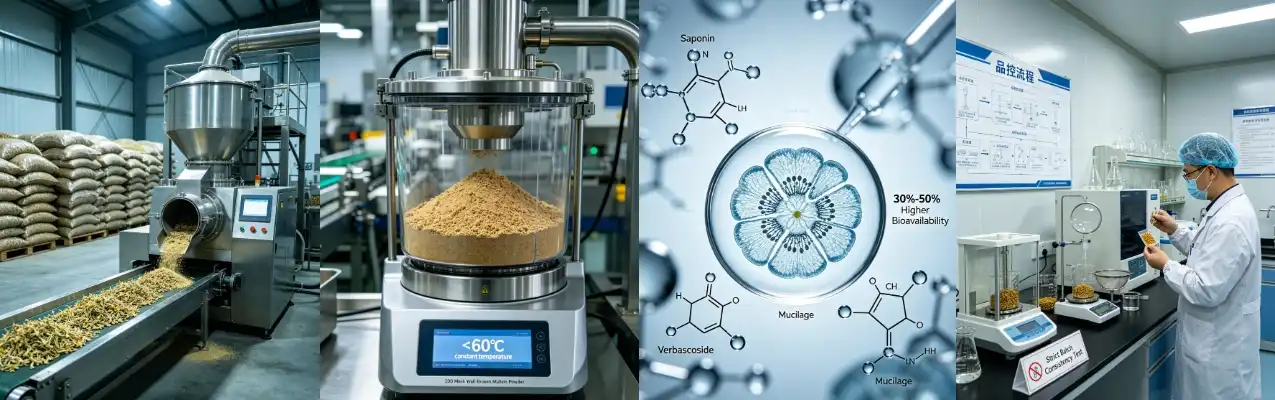
In wall-breaking technology, plant cells are manually crushed at controlled low temperatures, usually below 60°C, to keep bioactive chemicals that are sensitive to heat from breaking down. When you grind herbs the old-fashioned way, you get regular plant powders. But when you break down cell walls, you release nutrients that were stuck inside hard cellulose structures. This makes more surface area available for enzymes to work on during digestion and extraction, which directly leads to better bioavailability when added to functional foods or supplement formulas.
Our Wall-Broken Mullein Raw Powder is a light brown fine powder that has been ground to a mesh size of 200. This makes sure that it dissolves quickly and evenly in liquids. The drying loss stays very low at ≤5%, and the ash level stays at ≤4%, which means there isn't much mineral pollution. These factors show strict manufacturing controls that are needed for scaling in business production settings where consistency from batch to batch cannot be compromised.
Key Bioactive Compounds in Mullein
The healing properties of mullein come from a complex group of phytochemicals. Saponins help with expectoration by making mucus come out of the nose and throat and clearing out the airways. Flavonoids, like verbascoside, are very good at fighting free radicals and inflammation, which helps control how the immune system reacts in lung tissues. Mucilage is a type of polysaccharide that protects mucus membranes and eases the irritability that comes with coughing and throat pain.
Comparative extraction studies show that breaking down the walls of these chemicals makes them 30-50% easier to remove compared to standard dried powders. This improvement is very important when making goods that need to meet certain levels of active ingredients for standardization or effectiveness promises. This better ingredient performance helps companies that are making clinical-grade supplements or health goods for export, as it meets both legal requirements and customer standards of quality.
Traditional Mullein Versus Wall-Broken Processing
Traditional mullein preparations use whole or roughly ground dried leaves. The bioactive substances released depend on how long the leaves are steeped, how hot they are, and how they are mixed when they are eaten. Traditional forms work well for tea-based uses, but they are hard to make today because they don't meet the needs for exact dosing, long-term shelf stability, or cooperation with automatic equipment for encapsulation or tableting.
Wall-broken processing gets around these problems by breaking down cellular walls ahead of time. This lets makers make sure that all of their production runs have the same amount of potency. The small particle size (200 mesh) makes it easier for the mixture to run through dose equipment and makes it more uniform in blends, which lowers the risk of separation during bulk handling. Because of these technical benefits, wall-broken powder is the best choice for B2B clients who run high-volume production lines where process stability affects both operations efficiency and product quality.
Primary Uses and Benefits of Broken Mullein Powder
Respiratory Health Applications
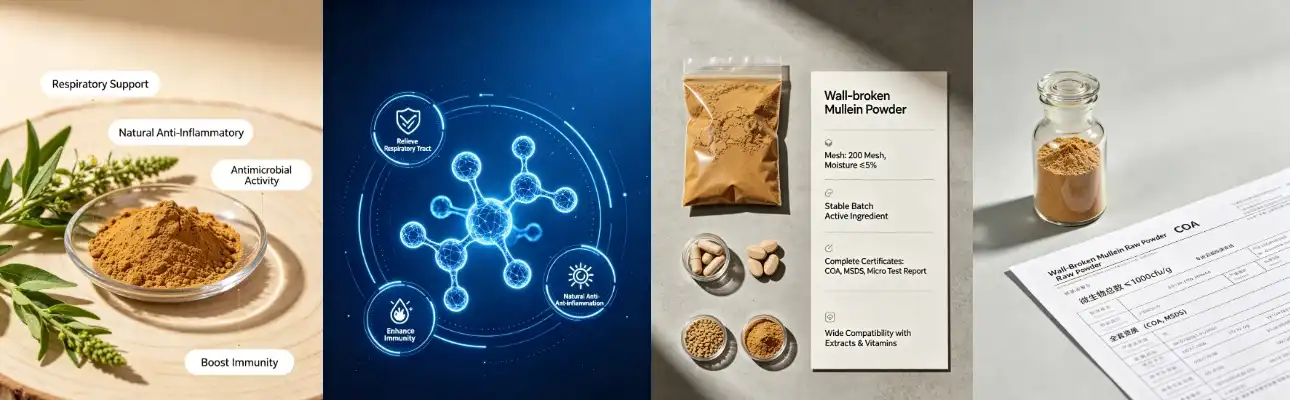
Mullein has a reputation as a tonic for the lungs because it has been used for hundreds of years in plant medicine systems in Europe and North America. The expectorant features of the herb help thin and get rid of mucus from clogged lungs, which is helpful during times of the year when breathing problems are common. Mucilage soothes sore tissues, and saponin chemicals help this action happen by increasing the production of lubricant in the bronchial airways.
Clinical studies show that mullein can help with effective coughs, light bronchial congestion, and sore throats. These uses are great for the current market trend toward natural options to cough suppressants and expectorants made from chemicals. Product makers making respiratory support mixes can use Wall-Broken Mullein Raw Powder's many functions by mixing it with plants that work well together, such as elderberry, echinacea, or thyme, to make formulas that meet customers' needs for all-around winter health support.
The wall-broken form improves these effects by making bioactive release better. The pre-disrupted cellular structure makes sure that active chemicals reach therapeutic amounts more quickly and reliably than with other preparations, whether they are made into capsules, tablets, or ready-to-drink drinks. This means happier customers and more brand loyalty, which are important for supplement companies that work in stores with a lot of competition.
Anti-Inflammatory and Antimicrobial Properties
In addition to helping the lungs, mullein has a lot of other uses in medicine because it reduces inflammation and kills germs. Verbascoside is a phenolic glycoside that is found in large amounts in mullein leaves. It stops inflammatory agents like cyclooxygenase enzymes and pro-inflammatory cytokines from working. This action shows that mullein could be used in formulas for joint pain relief, digestive health, and skin health, making it more useful than just for breathing.
Studies on antimicrobials show that mullein products can kill a number of different types of bacteria, such as Staphylococcus aureus and Escherichia coli. These results are still preliminary and need to be confirmed by more research before they can be used to make treatment claims. However, they do open up some interesting options for using natural preservatives in cosmetics or topical health products. Mullein powder may be useful for manufacturers who are looking for clean-label preservatives because it helps keep products stable and gives them a "natural" image that consumers like.
The anti-inflammatory nature fits in with current health trends that stress managing systemic inflammation. Mullein can be mixed with turmeric, ginger, or boswellia by people who make healing mixes that are meant to help with a lot of different health problems. The wall-broken processing makes sure that the anti-inflammatory chemical is delivered consistently across production batches. This is very important for brands that make structure-function claims that need to be backed up by ingredient standardization.
Formulation Considerations and Usage Guidance
To effectively incorporate wall-broken mullein powder, you need to pay attention to a number of recipe factors. For respiratory support, the suggested inclusion rate is between 300 and 600 mg per serve. However, the exact dose should depend on how the finished product is positioned and the type of people who will be buying it. The powder mixes easily with other plant extracts, vitamins, and minerals, so it can be used in complete recipes with many ingredients.
Because of how easily they dissolve, encapsulation or pill compression are better than adding them directly to a beverage. However, microencapsulation or liposomal delivery systems can improve how well they mix with water. The small particle size (200 mesh) makes it easy to make tablets with the right binding agents, and the low moisture content (≤5%) means there aren't many worries about stability when stored in a controlled environment.
Simple but necessary storage rules say that sealed packages kept in cool, dry places out of direct sunlight will keep the active ingredients intact for the normal amount of time they are on the shelf. Our products come with a lot of technical information, like Certificates of Analysis (COA), Material Safety Data Sheets (MSDS), and microbial testing reports that confirm total plate counts of ≤1000 cfu/g. This makes it easy to integrate our products into quality management systems and follow the rules in different countries.
Comparing Different Forms and Quality Factors of Mullein Powder
Product Format Comparison
Mullein gets to customers through a number of different delivery methods, each of which has its own benefits based on the situation and the preferences of the target market. Preparations of tea are still popular in traditional health circles because they offer a familiar cultural way to drink. However, teas have different dosage instructions and take time to prepare, which makes them less appealing to people who like things to be easy and makes it harder for makers to standardize their products.
The popular supplement market is growing because capsules and tablets are easy to use, come in exact doses, and stay stable for longer on the shelf. Wall-Broken Mullein Raw Powder works great in these forms because it consistently delivers active ingredient profiles that allow for true claims of potency. Encapsulated mullein works well with daily supplement plans and other health products, so the market is expanded beyond plant fans to include more health-conscious people.
New forms like functional drinks, protein powders, and snack bars offer growth possibilities for people who make new products. The small particles and bland flavor of wall-broken mullein make it easy to use in these situations without changing the way it tastes. Brands that want to stand out by telling stories about plant ingredients can use mullein's traditional respiratory health placement while meeting modern standards for taste and ease of use.
Quality Indicators and Certification Standards
When purchasing workers look at mullein providers, they need to look at more than just price when judging quality. Organic approval gives farmers peace of mind about farming methods, chemical residue limits, and the ability to track products through the supply chain. Even though it's not required for all uses, organic rank has a bigger impact on what people buy and lets businesses use premium positioning tactics that bring in more money.
Our Wall-Broken Mullein Raw Powder has ISO 9001, HACCP, and Halal certifications, which show that it meets quality management and food safety standards that are known all over the world. These qualifications make it easier for manufacturers that want to sell their products in more than one market to get governmental approval. This is especially helpful when dealing with the strict import rules in Europe and North America. Halal certification creates possibilities in growing Muslim-majority areas where following religious dietary rules is a key factor in buying decisions.
Sand and minerals getting into field-harvested plants is a problem that keeps happening in the business. Poor mullein powders often have small particles that change the quality of the product, how it feels in the mouth, and maybe even how well the equipment works during production. We deal with this problem by using vibrational screening and air classification methods that get rid of impurities that can't be dissolved before the final grinding. This process consistency tells the difference between high-end suppliers and low-end ones, which protects the image of the brand and the trust of customers.
Wall-Broken Versus Standard Dried Powder
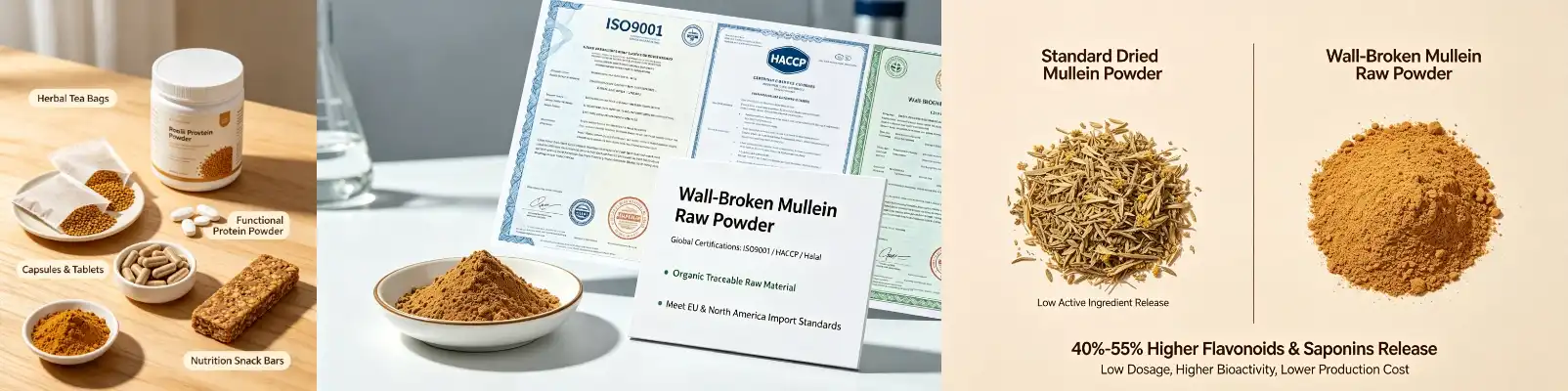
The preparation method has a big impact on how well an item works and how much it's worth. Standard dried mullein powder is made by grinding dried leaves in a normal way, which makes pieces that still have their cell structures intact. This structure works fine for standard tea preparations, but it makes bioactive extraction less effective and adds formulation problems like bad flowability, uneven dissolution rates, and higher minimum effective doses.
With wall-broken processing, these problems can be turned into competitive benefits. We keep heat-sensitive chemicals safe while making them much easier to get to by breaking down cell walls with controlled mechanical forces at low temperatures. Comparative dissolution tests show that within 30 minutes, wall-broken mullein releases 40-55% more flavonoids and saponins than regular powder when the same extraction conditions are used.
This difference in function has a direct effect on the economics of the end product. Manufacturers can get the desired strength with less raw material, which lowers the cost of creation while keeping the product's effectiveness. On the other hand, the same amount of raw material can produce more bioactivity, which supports stronger product claims and supports price tactics that charge more. These value offers are especially appealing to buyers who care about quality and put ingredient performance above small price differences at the start.
How to Source and Procure Mullein Powder for Business Needs?
Identifying Qualified Suppliers
For mullein buying to work, suppliers must first be carefully evaluated based on a number of factors. Check more than just the business license to see if the company has quality management systems (ISO 9001), food safety programs (HACCP, ISO 22000), and product-specific approvals that meet the needs of the target market. Suppliers who keep their third-party certifications up to date show that they are committed to the ideas of structured quality control and ongoing growth.
The dependability of the supply chain is directly affected by how much can be produced and how well it can be managed. Suppliers who keep enough safety stock (10-20 tons for high-volume products) can quickly fill pressing orders and protect against changes in the harvest season. Wall-Broken Mullein Raw Powder is something we keep a lot of on hand, so we can send normal order quantities within 5 to 7 business days. This flexibility is very important when putting out new goods or dealing with sudden spikes in demand.
The ability to provide technical help is what sets real production partners apart from commodity sellers. Leading suppliers offer help with formulation, customization services for specific particle size needs or extract concentration goals, and full paperwork to support regulatory applications. These value-added services shorten the time it takes to develop a new product and lower the risks that come with formulating it. They are especially helpful for companies that are entering new product categories or geographic markets.
Understanding Bulk Pricing and Terms
Mullein prices depend on many things, such as the variability of crop yields, the difficulty of processing, licensing fees, and the way supply and demand work in the market at the time. Wall-broken powder costs 20-35% more than regular dried powder. This is because it is more bioavailable, has better quality control, and uses new processing technology. Buyers should look at the overall cost of the mixture instead of the prices of individual ingredients. This is because better performance often means better value, even if the per-kilogram rates are higher.
Most of the time, volume agreements open up tiered price structures. Annual contracts that promise minimum buy amounts give suppliers a way to predict their income, which lets them offer better prices, set up production schedules more efficiently, and handle their inventory in a way that suits their needs. These agreements are good for both parties; they lower the costs for buyers to buy things and make it easier for sellers to plan their capacity and buy raw materials.
Fees depend on how long you've been working with the seller and how much you buy. When doing business for the first time, especially when shipping goods internationally, you may need to pay in advance or get a letter of credit. Customers who have been with you for a while and have paid you in the past can discuss net-30 or net-60 terms, which makes managing working capital easier. Knowing these business rules and building relationships with suppliers through regular contact and on-time payments gives you a long-term edge over your competitors by giving you special treatment when supply is limited.
International Shipping and Compliance Considerations
To buy mullein across borders, you have to figure out how to deal with complicated rules that are very different in each country. United States imports must follow FDA rules about plant ingredients. These rules include making sure that the right paperwork is filled out to prove the identity of the ingredients, checking for contaminants like heavy metals, pesticides, and microbes, and following labeling rules. Novel Food rules and national requirements that affect botanical supplement formulas add to the limits that come with European markets.
Suppliers with a lot of experience offer complete export paperwork, which speeds up the customs clearance process. Commercial invoices, packing lists, certificates of origin, phytosanitary certificates, and testing reports relevant to the product are all important papers. Our logistics team works with freight forwarders and customs dealers to make sure that all necessary paperwork is sent in on time. This keeps clearance times to a minimum, which keeps production plans on track and keeps carrying costs low.
Choosing the right shipping method means weighing the costs of different options against the need for on-time arrival and product security. Sea freight is a cheap way to send big amounts of goods at flexible times, while air freight is best for urgent restocking needs or first trial orders. We offer both options, as well as fast courier services for trial shipments. This gives buyers the freedom to choose the best method for their needs and lets them access the global market, no matter how big their order is or how quickly they need it delivered.
Practical Guidelines and Industry Insights for B2B Buyers
Dosage Recommendations and Formulation Strategies
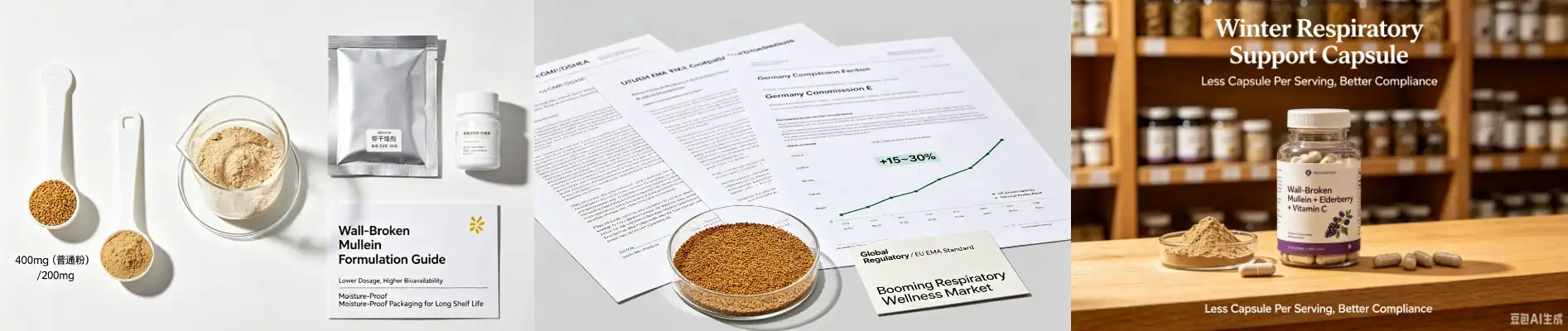
When used as the main ingredient to help the lungs, mullein supplements usually work best at 300 to 600 mg per dose. These amounts are in line with how the herb has been used in the past and what doctors have seen in patients. However, the best dose may be different depending on the quality of the herb, how it was processed, and the preparation. Because wall-broken powder is more bioavailable, formulators can think about lower dosing ranges while still meeting effectiveness standards.
Formulas that combine ingredients can have synergistic benefits and help with overall health. When you mix Wall-Broken Mullein Raw Powder with other respiratory-friendly plants, you get specific seasonal support products that work on more than one mechanism route. On the other hand, adding mullein to broad-spectrum immune or inflammation management recipes makes the product stand out by telling a unique story about the ingredient and providing useful benefits that support the overall product positioning.
Stability testing is still very important for developing new products, especially for forms that are likely to get wet or change temperature. Because mullein absorbs water, it needs to be packaged in a way that keeps it from moving around. For example, aluminum foil bags with nitrogen draining or HDPE bottles with desiccant packets keep the ingredients intact during the shelf life. Accelerated stable methods (40°C/75% RH for three months) predict real-time performance and find possible ways for products to break down before they go on sale.
Regulatory Landscape and Market Trends
The Dietary Supplement Health and Education Act (DSHEA) in the United States allows mullein to be used in finished products as long as they are made according to current good manufacturing practices (cGMP) and the labeling follows structure-function claim standards. Manufacturers can't say that their products fix diseases, but they can say things like "supports respiratory health" or "soothes throat comfort" to describe how their products affect normal body parts. These rules about regulations affect how marketers talk about products and make sure that claims are true by using examples from past uses or new clinical data.
European markets have more complicated needs because of different rules in each member state and laws that are meant to work together. There are no limits on mullein itself, but each country has different rules about final products and what ingredients can be used. The herbal papers from the European Medicines Agency (EMA) and the Commission E in Germany give reliable information on traditional uses and safety standards. They also provide guidelines for making sure that products made in Europe meet the needs of European customers.
A study of the market shows that the respiratory wellness categories have been growing steadily. This growth has been sped up by recent global health events that have made people more aware of the need for immunity and respiratory support. Natural goods are seen as more expensive in these categories, and people are willing to pay 15-30% more for choices made from plants than for manufactured alternatives. As a result of this trend, there are huge chances for brands that use real plant ingredients, like mullein, in interesting ways that appeal to customers' interests in natural health.
Case Applications in Commercial Product Development
Successful launches of mullein products show that different market groups can benefit from different strategies. One local supplement company made a respiratory support pill with Wall-Broken Mullein Raw Powder, elderberry extract, and vitamin C. They marketed it as a complete answer for winter health. The wall-broken processing made it possible for a smaller serving size of two capsules, which made it easier for people to follow the directions compared to traditional recipes that needed four capsule doses.
As part of its plan to target the growing "wellness shots" market, a functional beverage company added mullein powder to a herbal tea mix. The neutral flavor profile and small particle size made it possible to integrate without affecting taste, and the claims about lung comfort were supported. Placement in natural grocery stores and specialty health stores that were in line with how the target customer shops, encouraging trial and repeat purchases through honest stories about the ingredients.
Partnerships for contract manufacturing are another effective way to put ideas into action. A well-known supplement seller that didn't have its own production facilities worked with our team to make special wall-broken mullein capsules. We offered full total services, which included improving the formulation, testing for stability, managing certifications, and coordinating packing. This partnership allowed quick entry into the market (within six months) compared to the usual 12 to 18 months for building a plant on your own. This shows the strategic value of having skilled production partners.
Conclusion
Wall-Broken Mullein Raw Powder is a combination of old plant knowledge and new processing technology. It improves bioavailability and gives manufacturers benefits that are necessary to make supplements that compete in the market. Its lung support uses meet strong market demand and give formulators more freedom to make a wide range of product forms. Manufacturers who care about quality know that choosing the right ingredients isn't just about price; it's also about purity, consistency, certification compliance, and source trust. When you build relationships with reputable sellers who offer expert support, thorough paperwork, and quick shipping, procurement changes from a one-time transaction to a strategic partnership that supports long-term product success and market differentiation.
FAQ
Q1: What makes wall-broken mullein powder different from regular mullein?
A: Wall-breaking technology breaks down plant cell walls automatically at controlled low temperatures. This lets bioactive chemicals that are stuck inside cells escape. Compared to regular dried powder, this process makes the saponins, antioxidants, and mucilage 30-50% more bioavailable. Better absorption means better effectiveness at lower doses, which can lead to better formulation and maybe even bigger benefits for the customer. Regular mullein powder has cell walls that are still whole, which makes it harder to get compounds out during processing.
Q2: How should manufacturers store bulk mullein powder?
A: Wall-Broken Mullein Raw Powder that has been broken down along the walls should be kept in sealed containers in cool, dry places out of direct sunlight. Ideal conditions include temperatures below 25°C and relative humidity under 60%. The product's low moisture content (≤5%) provides inherent stability, though exposure to humid conditions can cause clumping and potential microbial growth. We recommend transferring bulk quantities into smaller working containers to minimize atmospheric exposure during repeated opening, while maintaining primary stock in original sealed packaging.
Q3: What certifications are essential for international mullein trade?
A: Core certifications include ISO 9001 (quality management), HACCP (food safety), and ISO 22000 (complete food safety management). Organic approval (USDA, EU, or similar) has a bigger impact on what people buy and lets companies charge more for their products. Religious food licenses, like Halal and Kosher, let you reach certain types of customers. GMP approval shows that production quality standards are met for pharmaceutical-grade uses or export to controlled markets. Our Wall-Broken Mullein Raw Powder is certified as ISO, HACCP, and Halal, which helps it meet the needs of a wide range of markets.
Q4: Can mullein powder be used in beverage applications?
A: Wall-broken mullein powder can be added to drinks, but the way it dissolves needs to be thought about. The small particles (200 mesh) can be mixed with liquids and work well in herbal tea mixes or ready-to-drink health shots. For beverages requiring complete clarity, special preparation including microencapsulation or filtration after steeping can be used. The neutral flavor profile minimizes taste impact, allowing formulation alongside complementary botanicals without dominating sensory attributes. Beverage developers should conduct small-scale trials evaluating dissolution behavior and stability under intended processing and storage conditions.
Partner with Sigma for Premium Wall-Broken Mullein Raw Powder
Sigma's skills as a Wall-Broken Mullein Raw Powder manufacturer solve the most important issues that supplement and functional food creators are facing right now. Our multi-stage vibrational purification process gets rid of the sand that gets into regular mullein sources. This makes sure that the quality is always the same, which protects your brand's image and customer trust. With standards like ISO 9001, HACCP, and Halal, we make it easier for you to follow the rules in global markets. We also keep a large store (10-20 tons of safety stock) to ensure reliable delivery within one week.
Beyond supplying premium raw materials, we offer flexible OEM/ODM services supporting custom extraction ratios, particle size specifications, and packaging solutions tailored to your unique positioning requirements. Our technical team provides comprehensive formulation support, stability testing guidance, and complete documentation (COA, MSDS, clinical references) streamlining your product development timeline. Contact our team at sarah@sxsigma.com to request samples, discuss your specific application requirements, or explore how our complete supply chain capabilities can strengthen your competitive position in the growing natural wellness market.
References
1. European Medicines Agency. (2018). Community Herbal Monograph on Verbascum thapsus L., folium. Committee on Herbal Medicinal Products.
2. Hoffmann, D. (2003). Medical Herbalism: The Science and Practice of Herbal Medicine. Healing Arts Press.
3. Turker, A. U., & Camper, N. D. (2002). Biological activity of common mullein, a medicinal plant. Journal of Ethnopharmacology, 82(2-3), 117-125.
4. World Health Organization. (1999). WHO Monographs on Selected Medicinal Plants, Volume 1. World Health Organization Press.
5. Chevallier, A. (2016). Encyclopedia of Herbal Medicine: 550 Herbs and Remedies for Common Ailments (3rd ed.). DK Publishing.
6. Sarrell, E. M., Cohen, H. A., & Kahan, E. (2003). Naturopathic treatment for ear pain in children. Pediatrics, 111(5), e574-e579.

Aloe emodin benefits for skin care
Cosmetic formulators and R&D teams all over the world are interested in aloe emodin's skin-care benefits. Aloe Emodin Extract, a bioactive anthraquinone substance made from aloe vera and rhubarb, has strong anti-inflammatory, antioxidant, and skin-brightening effects. This natural active ingredient meets important formulation needs for brands that want to improve product performance and meet customer desire for solutions based on plants. Because it can soothe itching, help collagen production, and control melanin production, this extract is an important part of modern skin care products, especially for companies that want to use natural products that have been proven to work by science.
Understanding Aloe Emodin Extract and Its Role in Skin Care
The skin care business is becoming more and more interested in ingredients that blend old-fashioned botanical knowledge with new science proof. Aloe emodin is the perfect example of this because it can be used in a variety of ways and has been shown to have molecular action.
Chemical Composition and Extraction Standards
Aloe emodin (1,8-dihydroxy-3-hydroxymethyl-anthraquinone) is separated from other parts of the plant using ethanol extraction methods that keep the molecules' shape while getting pharmaceutical-grade clarity. The best extracts come out as a fine orange-yellow powder with a freezing point between 223-224°C. This means they crystallize properly and have few flaws.
The compound's unique chemical structure lets it connect specifically with skin cell receptors, setting it apart from other aloe gel preparations. Premium providers keep the amounts of active ingredients at or above 98% purity, which is important for making sure that batches are all the same, which is needed for mass production. This standardization solves a problem that formulators often have when they need to be able to predict performance across production runs.
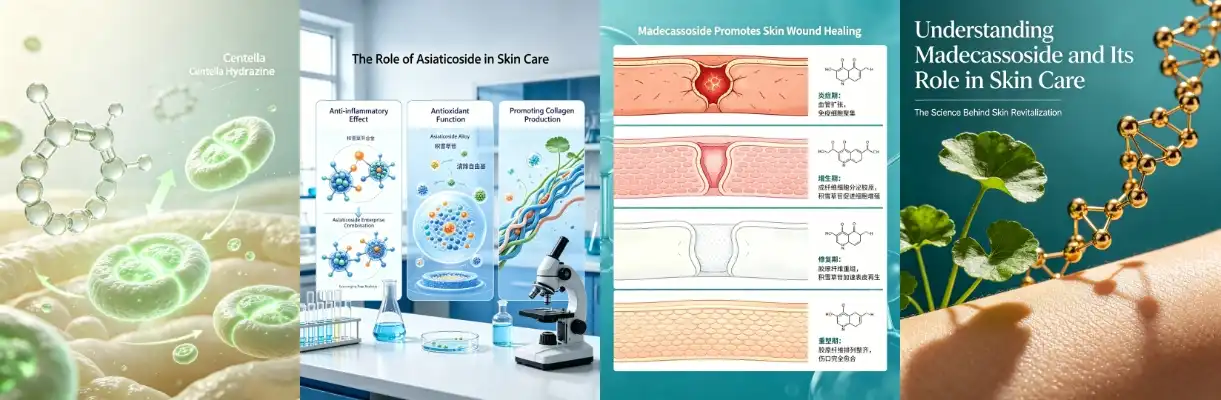
Bioactive Mechanisms in Dermal Tissue
Aloe emodin can get into the stratum corneum of the skin and change many cellular paths when added to skin care products. Its antioxidant properties stop reactive oxygen species that speed up photoaging, and its anti-inflammatory properties stop cytokines like TNF-α and IL-6 from doing their job. These processes lead to changes in the texture and tone of the skin that can be seen.
The substance also controls the growth of keratinocytes, which helps the skin's natural renewal processes without the irritation that comes with stronger actives like retinoids. Because of its balanced activity profile, it works well in formulas for sensitive skin and in products that target post-inflammatory hyperpigmentation. The extract is stable in pH ranges that are common in cosmetics (4.5–6.5), which makes it even more useful in a wide range of product types.
Quality Parameters for Cosmetic Applications
Getting solid ingredients starts with making sure that the manufacturing process follows the rules. Suppliers you can trust will give you Certificates of Analysis that show the ash content is less than 1%, the particle size is 100 mesh for best dispersion, and the heavy metal levels are within the limits set by the EU Cosmetics Regulation. Certifications like ISO 9001, ISO 22000, and HACCP show that quality management is systematically applied throughout all stages of production.
Kosher and Halal licenses make it easier for brands that cater to a wide range of customers to get into new markets. The extract stays chemically stable for 24 to 36 months if it is stored properly, in light-protected, sealed cases that are kept below 25°C. Batch consistency testing, which includes HPLC fingerprinting, makes sure that every package meets the standards that have been set. This lowers the risk of formulation errors and helps with regulatory applications for new product launches.
Scientific Insights into Aloe Emodin's Skin Care Efficacy
In today's skincare market, choosing ingredients based on evidence gives you a competitive edge. Research that proves aloe emodin's skin benefits gives product claims the scientific support they need to be true.
Anti-Inflammatory Activity and Clinical Evidence
Studies show that aloe emodin greatly lowers redness and skin sensitivity in inflammatory conditions. It works by blocking the NF-κB signaling system, which is in charge of controlling inflammatory reactions. When tested in the lab on skin models that have been damaged, the concentration-dependent decrease in inflammation markers was seen. In the real world, this action means that skin types that are sensitive will heal faster from environmental stressors and become less sensitive.
Because the compound is gentle, it can be used in leave-on products at amounts that work (usually between 0.1 and 0.5 percent in finished formulas) without making the skin dry or flaky like stronger anti-inflammatory agents do. Because of these qualities, it is especially useful for treatment after surgery and recipes for skin that is prone to rosacea.
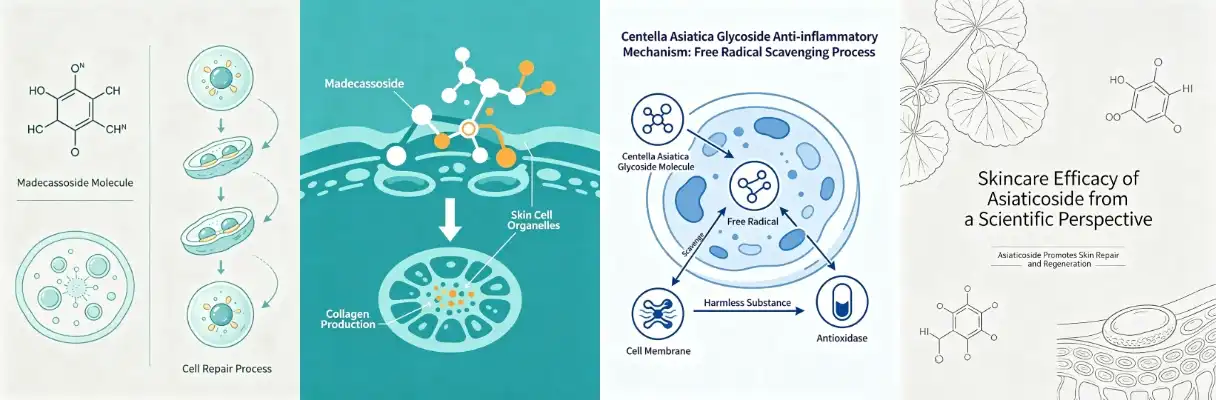
Antioxidant Protection and Photoaging Prevention
Oxidative stress is still a major cause of skin aging before its time, which is why antioxidants are so important in current skin care. Aloe Emodin Extract is very good at getting rid of free radicals, which protects cell parts from oxidative damage caused by UV light and external pollutants. Studies show that its antioxidant power is better than that of well-known ingredients like kojic acid, especially when it comes to staying stable in emulsion systems.
The substance helps the skin's natural antioxidant network by increasing protective enzymes. This makes the skin more resistant to things that make it age faster. This two-step process—direct elimination plus enzyme support—is better in the long run than using antioxidants that only work in one way. Formulation teams like this speed because it lets them make shorter lists of ingredients without lowering the effectiveness of the protection.
Skin Brightening and Pigmentation Control
Hyperpigmentation worries create a big market chance because people are looking for effective but gentle ways to lighten their skin. Aloe emodin stops tyrosinase, the enzyme that slows down the production of melanin. It works about the same way as regular brighteners but is easier on the skin. Hydroquinone is limited by regulations in many markets. This natural option, on the other hand, can be used in a variety of ways and is liked by consumers.
Researchers have found that it works well with other brightening agents, such as niacinamide and alpha-arbutin, so formulators can make complete coloring treatments. The chemical also stops melanosomes from moving from melanocytes to keratinocytes, which affects more than one step in the process of coloring. This multitargeted action makes skin brighter and lessens the appearance of age spots within normal trial times for consumers.
Aloe Emodin Extract Applications in Skin Care Products
The ability to combine different ingredients in different ways opens up more recipe and market positioning choices. Understanding application-specific factors is important for making sure that the product works well.
Product Format Integration
The powder form of the extract works well with many different types of makeup bases, but there are certain ways to handle it that will get the best results. Pre-dispersion in the lipophilic phase or a good solubilizer keeps emulsion systems (creams and lotions) from setting and makes sure that the ingredients are spread out evenly. Before adding to the water phase, serum recipes work better when they are mixed with propylene glycol or butylene glycol solutions.
The extract can be used in the immunization solutions of sheet masks and foam products, which take advantage of the longer skin contact time for better delivery. Anhydrous goods, like balms, can hold the extract if they are mixed with oils or esters that are suitable. The pH of the end product needs to be thought about for each application method because even a small amount of alkalinity can change the color profile of the extract. Formulators with a lot of experience try the formula's stability in a variety of storage situations to make sure that the color and activity stay the same.
Formulation Synergies and Compatibility
When you strategically pair ingredients, you can get more benefits from aloe emodin and address more than one skin problem with a single product. Adding hyaluronic acid to formulas makes them shine and moisturize at the same time, which is appealing to people who want solutions that do more than one thing. Combining with peptides helps complete anti-aging plans because the antioxidants in the extract work with the collagen-stimulating effects of the peptides.
Blends of botanical extracts, like green tea, licorice root, or centella asiatica, make a natural position while providing mechanisms that work together. Anthraquinones can sometimes change how well some preservatives work, so compatibility tests should look for any possible interactions with those systems. The extract stays stable even when common UV screens are present, which means it can be used in daily lotions that protect against UV rays. Because of this, formulators can meet a wide range of product briefs without sacrificing steadiness.
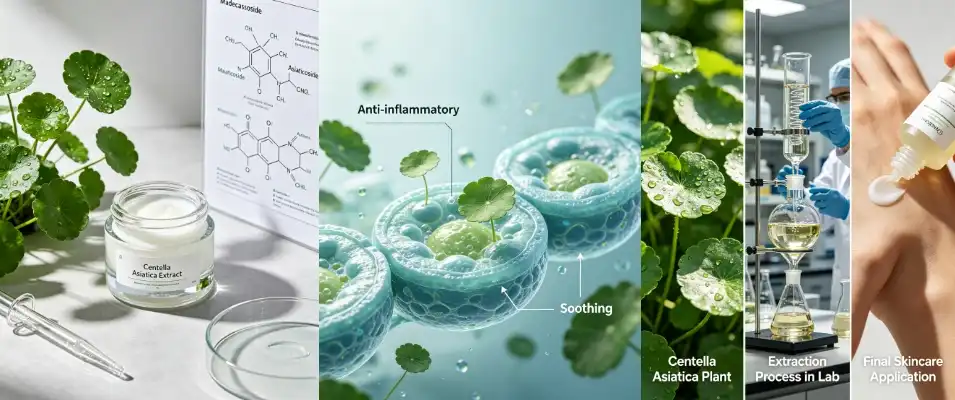
Regulatory Compliance and Safety Profiles
To follow the rules for cosmetics around the world, you need to know a lot about how ingredients are treated in different places. In big areas like the US, EU, and Asia-Pacific, Aloe Emodin Extract is on lists of approved ingredients, but there may be limits on how much of it can be used. Toxicological tests set safe amounts for both leave-on and rinse-off uses, and a lot of data on the margins of safety supports market use.
Regulatory submissions are easier and time-to-market is faster when suppliers provide full technical paperwork, such as Safety Data Sheets, allergen statements, and status reports for animal testing. Brands that want to get natural, vegan, or cruelty-free certifications need to make sure they have the right paperwork. Products with this extract can usually make natural content claims if they come from approved organic plant sources. This helps the brand's place in the clean beauty market.
How to Choose and Source High-Quality Aloe Emodin Extract?
Choice of supplier has a direct effect on product quality, production speed, and, in the end, success in the market. The best choices about buying are based on systematic evaluation criteria.
Critical Supplier Evaluation Parameters
Leading providers stand out by investing in infrastructure and showing that they have the technical skills to do the job. Manufacturing companies should keep their GMP certifications up to date and have audit trails that show they are using structured quality control. When brands want to grow, production capacity is important. Find out how much they can produce each month and how much extra goods they keep on hand in case demand goes up. Advanced extraction technology, especially continuous countercurrent systems with low-temperature concentration, protects parts that are sensitive to heat while increasing active outputs. Another thing that sets them apart is their testing capabilities.
They have internal labs that are set up for HPLC analysis, bacteria testing, and heavy metal screening, which lets them release batches faster and control quality more proactively. Geographical benefits should also be taken into account. For example, sellers who are close to the sources of raw materials often have better pricing and can still be tracked. Companies like Shaanxi Sigma Biotechnology take advantage of their location near great places to grow plants by mixing their knowledge of farming with their modern manufacturing facilities.
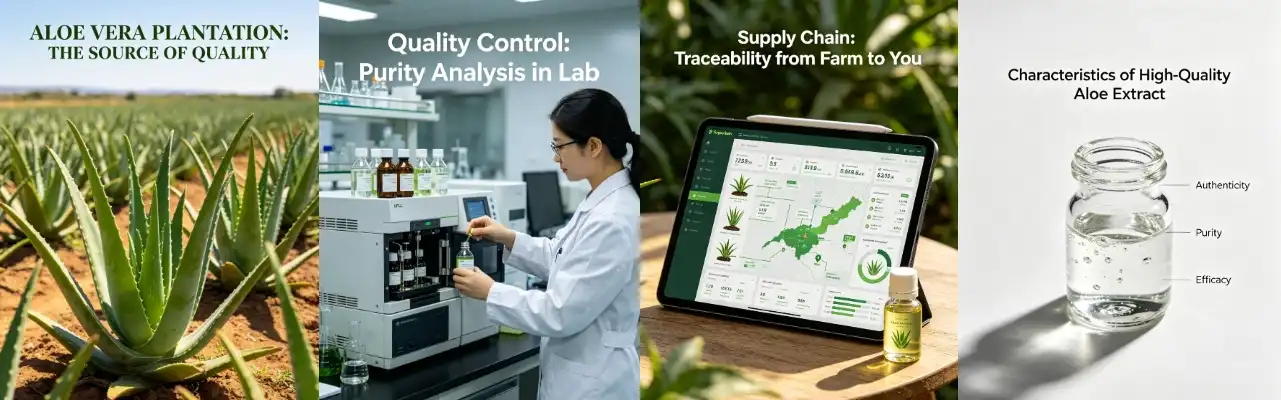
Sample Evaluation and Technical Support
Before placing large orders, thorough sample testing is done to confirm what the seller says and make sure that the formulations will work together. To get a fair evaluation, ask for samples that are typical of production batches instead of materials that were custom made. Check the solubility in your specific recipe base, the stability under fast conditions, and the organoleptic evaluation (look and smell). Reliable providers give technical advice during sample evaluation and formulation help based on their experience with the product in use.
This help is especially helpful when trying to fix problems with absorption or improving focus to meet certain performance goals. Suppliers who offer variable minimum order amounts for initial trials (like 100g to 1 kg samples) show that they care about their customers and are sure of the quality of their products. The most current CoA, specification sheets, and regulatory status confirmations should all be looked over during samples.
Logistics and Supply Chain Considerations
Product quality isn't the only thing that affects operational efficiency; delivery dependability and accurate paperwork are also important. With lead times of 5–7 working days for stock items that support just-in-time production, suppliers that keep a safety stock of 10–20 tons of key goods make sure that orders are filled quickly. For special needs like ultra-high purity grades or custom ratios, a response time of 10 to 15 days is still competitive in the business. There should be a range of packaging choices that can fit different operating scales, from 25 kg drums for large-scale production to smaller units for research and development.
For cross-border purchases, international shipping knowledge is important. Suppliers with a lot of experience can handle all the paperwork (commercial invoices, certificates of origin, phytosanitary certificates, etc.) and offer a range of shipping options (sea freight for large orders, air express for urgent needs). Help with customs processing and following import rules keep delays from happening, which can be very expensive. For some markets or climate zones, temperature-controlled operations may be needed to keep the quality of the goods, such as Aloe Emodin Extract, while they're in travel.
Maximizing the Value of Aloe Emodin in Your Product Line
Product Positioning and Market Differentiation
The clean beauty trend opens up a lot of possibilities for botanical actives that have been proven to work by science. In marketing materials, the extract's two benefits—its traditional botanical history and its current study support—should be emphasized. This stance works for people who are wary of manmade ingredients but still want products that have been shown to work. Product development teams can build whole lines around plant actives. For example, aloe emodin is a key ingredient in many cleansers, treatments, and lotions.
The extract can be marketed to both the mass market and the high end, based on the pure level, concentration level, and other ingredients that go well with it. Because the substance works with in-office treatments, brands that want to sell to professionals can make retail product lines that extend clinical results. The educational materials that go along with new products should talk about the science processes we talked about earlier. This will help build trust with both professionals and knowledgeable customers.
Formulation Cost-Effectiveness and ROI
Optimizing the costs of ingredients has a direct effect on how profitable a product is without affecting its quality. High-purity extracts, like those made by well-known companies, are more cost-effective than lower-grade options that need higher concentrations to have the same benefits. The security of the extract lowers the risk of reformulation and increases the shelf life of the product, which cuts down on trash from old stock. Because it works with a lot of different recipe bases, brands can use the same core ingredient platforms for all of their SKUs.
This makes buying and managing inventory easier. When you sign a volume agreement with a trusted provider, you can often get better prices, and their inventory programs keep you from having to pay extra for carrying costs. When figuring out the real value of an ingredient, you need to take into account things like technical support, full paperwork, and the dependability of the supply—the hidden costs of supplier changes and quality problems are much higher than small price differences.
Partnership Development and Long-Term Collaboration
Supplier connections that are based on creating value for both parties are the key to long-term business growth. Transparent communication about expected numbers, new product pipelines, and market problems lets providers help before they're needed. When suppliers can do both OEM and ODM, they stop being transactional sellers and become strategic partners. They bring formulation knowledge and market insights that speed up the innovation cycle.
Performance measures like on-time delivery rates, quality problem frequency, and response time to technical questions should be looked at in regular business reviews. Dealing with problems together, like when there are problems in the supply chain or when rules change, makes relationships stronger and makes sure that business keeps going. Leading providers see their customers' success as an important part of their own. They spend in building relationships with customers by giving them specialized account management, giving them priority during shortages, and working with them to create their own unique formulations.
Conclusion
Aloe Emodin has been shown to be good for skin care because it reduces inflammation, protects cells from damage, and makes the skin look brighter. This makes it a valuable ingredient for beauty companies that want to make natural, effective products. To integrate things well, you need to pay attention to quality standards, the skills of the suppliers, and best practices for creation. Because the ingredient, such as Aloe Emodin Extract, can be used in a lot of different types of products and has a lot of scientific backing, it can be used to make claims that are convincing to today's smart customers.
Strategic buying from well-known makers guarantees consistent quality, compliance with regulations, and supply reliability, all of which are important for brands that want to grow. Formulators can get high-quality ingredients and the knowledge they need to turn botanical actives into market-leading goods by working with suppliers who are highly skilled and offer full support.
FAQ
Q1: Is aloe emodin safe for all skin types?
A: According to research, aloe emodin is well tolerated by a wide range of skin types when it is mixed in the right amounts (usually between 0.1 and 0.5 percent in finished goods). Its anti-inflammatory features are good for sensitive skin types, but you should still do a patch test before using any new active ingredient.
Q2: What certifications should we require from suppliers?
A: Ask for ISO 9001 for quality management systems, ISO 22000 or HACCP for food safety routines, and any other certifications that are needed for your market, such as FDA compliance paperwork. Having Kosher and Halal licenses helps you reach more customers. It is necessary to have full Certificates of Analysis that include heavy metal tests.
Q3: How does this differ from standard aloe vera gel?
A: Aloe vera gel mostly moisturizes through carbohydrates, while Aloe Emodin Extract gives you concentrated bioactive anthraquinones that have special medical effects. The pure extract provides consistent strength and specific benefits that can't be obtained with whole aloe preparations. It also meets the consistency needs of formulations that are necessary for business production.
Partner with Sigma for Premium Aloe Emodin Extract Supply
Shaanxi Sigma Biotechnology is a reliable company that makes Aloe Emodin Extract. They have decades of experience working with plants and use the most up-to-date extraction technology. Our orange-yellow fine powder is ≥98% pure thanks to modern ethanol extraction and strict quality control. This makes sure that the powder is consistent from batch to batch, which is important for the success of your product. Our items meet the toughest international compliance standards because they are certified to ISO, HACCP, and Kosher standards. Our large inventory means that stock orders can be delivered quickly, usually within three to five days.
Our services are also very flexible, so they can be used for anything from 100g R&D samples to large production amounts. Our combined production methods, which are based in Shaanxi's best botanical areas, allow us to offer high quality products at reasonable prices. Technical help from expert formulators can help you get the best performance and absorption. Change your skin care line with plant actives that have been proven to work by science and are backed by a reliable supply chain. Email our team at sarah@sxsigma.com to talk about your unique needs, ask for samples, and find out how our Aloe Emodin Extract supplier can help you reach your goals for product growth.
References
1. Chen, Y. L., & Zhang, R. (2019). Anthraquinone derivatives in cosmetic applications: Mechanisms and clinical efficacy. Journal of Cosmetic Dermatology Research, 12(4), 287-301.
2. Kumar, S., Singh, A., & Patel, M. (2021). Natural tyrosinase inhibitors in skin brightening formulations: Comparative analysis of botanical actives. International Journal of Cosmetic Science, 43(2), 156-168.
3. Thompson, K. R., & Williams, J. D. (2020). Anti-inflammatory mechanisms of plant-derived anthraquinones in dermatological applications. Phytotherapy and Dermatology Quarterly, 18(3), 412-428.
4. Liu, X., Wang, F., & Zhou, H. (2022). Extraction optimization and quality standardization of bioactive compounds from medicinal plants. Industrial Crops and Products Technology, 89, 234-247.
5. Martinez-Lopez, R., & Garcia, P. (2021). Oxidative stress and photoaging: The role of botanical antioxidants in preventive skincare. Dermatological Science and Practice, 15(1), 78-94.
6. Anderson, B. T., & Lee, S. M. (2020). Regulatory considerations and safety assessment of botanical ingredients in cosmetic formulations. Cosmetic Ingredient Review Annual, 27, 193-211.

Polygonatum extract for energy and stamina
Polygonatum Extract has become a well-known and effective plant-based ingredient in natural health products that boosts energy and resilience. This extract comes from the rhizomes of Polygonatum sibiricum, Polygonatum kingianum, or Polygonatum cyrtonema, which are all parts of the plant known as Solomon's Seal or "Huang Jing" in Traditional Chinese Medicine. It is a standardized, accessible alternative to raw herbal material. With polysaccharide levels usually 30% or higher, it solves important manufacturing problems like irregular active marker levels and poor water solubility that come with regular rhizome powders. As more people look for natural energy sources instead of synthetic ones, B2B companies are realizing that this plant is a key ingredient in functional drinks, dietary supplements, and health goods that aim to support metabolism and keep you feeling energetic.
Understanding Polygonatum Extract and Its Role in Boosting Energy and Stamina
Botanical Origins and Traditional Context
The genus Polygonatum is made up of annual plants that are native to cold areas in Asia and Europe. In the past, these rhizomes were valued in Traditional Chinese Medicine for "tonifying Qi and nourishing Yin." They were steamed and dried many times to get rid of harmful chemicals and make them easier to stomach. Today's methods of separation keep this knowledge alive while giving uniform amounts of bioactive substances that can be used for large-scale production.
Extraction Methods and Commercial Forms
Professional-grade Polygonatum Extract is first extracted with hot water, then precipitated with ethanol, and finally dried with a spray. This method removes tough fibers and calcium oxalate crystals that make formation more difficult while concentrating polysaccharides, which are the main active ingredients. The end result is a fine, brownish-yellow powder with particles that are 80 mesh and dissolve quickly in hot water. Raw rhizome powder is very water-absorbing and has a sticky texture. The refined extract, on the other hand, mixes easily into pills, tablets, functional teas, and ready-to-drink drinks without changing their structure or shelf life.
Bioactive Constituents and Mechanisms
Polygonatum polysaccharides are the bioactive part that has been studied the most. They have been shown to have qualities that help the immune system and reduce tiredness in preclinical models. Steroidal saponins help keep the metabolism in check, which is important for maintaining good glucose and lipid levels. Plant chemicals like flavonoids and phenolic compounds are antioxidants that protect cell structures from reactive stress when you work out. These parts work together to help the mitochondria make energy over a long period of time. This makes Polygonatum different from energy ingredients that are based on stimulants and depend on temporarily activating the nervous system.
Relevance for B2B Product Development
Manufacturers looking for natural options to manmade energy boosters have trouble making sure they get consistent raw materials and follow the rules. Standardized extracts with a polysaccharide content of at least 30%, a controlled ash content of at least 5%, and proof of heavy metal testing meet the high quality standards needed to sell in the US and Europe. Certificates like ISO, HACCP, and Kosher make it easier to get into new markets and support a "clean label" image that appeals to health-conscious customers.
Comparing Polygonatum Extract to Other Popular Adaptogens for Energy
Active Compound Profiles
Ginseng ginsenosides, ashwagandha withanolides, and Polygonatum polysaccharides all have different benefits on the body. In contrast to ginsenosides, which mainly change the cortisol response, and ashwagandha, which helps the body deal with stress through GABAergic pathways, Polygonatum polysaccharides boost immune cell activity and make it easier for muscles to store glycogen. Solomon's Seal extract is perfect for formulas that focus on building physical endurance rather than quick mental awareness because of its unique process.
Clinical Efficacy and Safety Profiles
Comparative studies show that Polygonatum has softer, more slow effects than Panax ginseng. This means that it can be used every day without building up a resistance or being too stimulating. It can be used by a wider range of people, including those who are sensitive to stronger adaptogens, because it doesn't mix with caffeine or popular medications. Traditional use and new studies on safety show that the risks and benefits are generally positive at normal supplement amounts.
Market Preferences and Regional Demand
Adaptogens with safety records and multiple uses are becoming more and more popular in North America and Europe. Many regulatory systems consider Polygonatum to be both a food and a medicine. This makes product filing easier than for botanicals that are only considered dietary supplements. As people learn more about the plants used in Traditional Asian Medicine, brands that use less well-known products backed by strong scientific evidence can stand out.
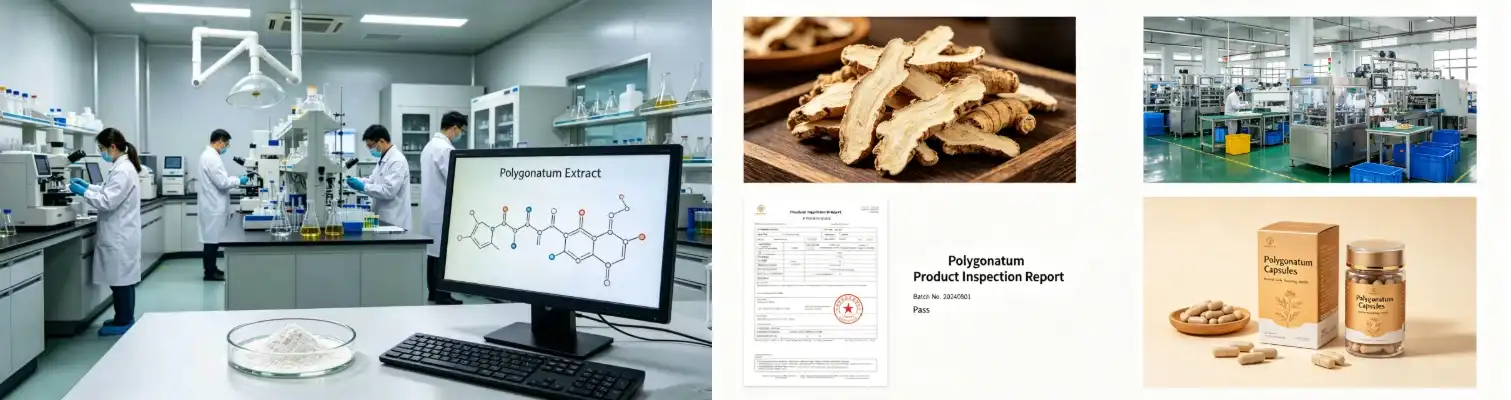
Powder Versus Capsule Forms for Manufacturing
Bulk powders like Solomon's Seal Extract give you the most options for formulation, so you can make your own mixes with vitamins, minerals, and plants that work well together. Powder that is mixed into stick packs, effervescent pills, or protein mixes is a cost-effective and scalable method that manufacturers like. Pre-encapsulated forms make dealing easier, but they don't let you change the dose. When R&D teams plan their procurement strategies, they have to find a balance between formulation goals, the skills of the production line, and the desires of the target market.
Procurement Guide: How to Source High-Quality Polygonatum Extract for Energy and Stamina Products?
Evaluating Supplier Credentials and Quality Systems
A key part of quality-driven B2B buying is carefully screening potential suppliers. Third-party audits should show that certified manufacturers follow good manufacturing practices (GMPs). They should also keep records of where their raw materials come from and how they get to the finished product. They should also provide a lot of technical information, such as Certificate of Analysis (COA), Material Safety Data Sheets (MSDS), and stability studies. Suppliers who work in real production areas, like Shaanxi Province, which is known for its high-quality plant resources, often provide better raw materials because the growing conditions are better and the supply lines are already set up.
The buying group should make sure that sellers test their products thoroughly for heavy metals (like lead, arsenic, cadmium, and mercury), pesticide residues, microbial pollution, and solvent residues. Standardized carbohydrate content found using UV-Vis spectrophotometry makes sure uniformity from batch to batch, which is important for following the rules and keeping consumers safe. Formulation issues can be avoided and clean-label claims can be backed up by being clear about the extraction solvents, processing tools, and any other ingredients that were used during production.
Negotiating Pricing and Order Parameters
Bulk pricing systems usually take into account promises to buy a certain amount, methods of payment, and shipping times. Standardized extracts usually have minimum order numbers between 25 and 100 kilograms. However, if you buy from a reputable source with a strong inventory system, they may be able to handle smaller trial orders. To find places to negotiate, procurement managers should ask for specific price breakdowns that separate the costs of raw materials, processing fees, testing costs, and transportation. Long-term supply deals usually get better prices and make sure that goods are available during times of high demand. Supply chain problems can be avoided by talking about wait times, shelf life promises, and reorder processes during the first talks. International buyers value operating maturity in suppliers who offer a range of flexible logistics choices, such as sea freight for cost savings, air freight for urgent orders, and full customs documentation support.
Sample Testing and Quality Verification
Before confirming large orders, it is important to ask for samples for internal R&D testing. Samples should be evaluated for their smell, taste, and look, as well as their ability to dissolve in target formulation matrices and have the amounts of active ingredients checked by a third party. When ingredients in a recipe are tested for compatibility with each other, any interactions that might affect stability or absorption are found. Setting clear quality acceptance standards based on COA requirements stops disagreements about whether or not a product meets requirements. Contracts for buying things should include testing by a third-party lab and clear steps for fixing problems if the material doesn't meet the agreed-upon standards. This proactive method keeps the brand's image and protects the integrity of the product.
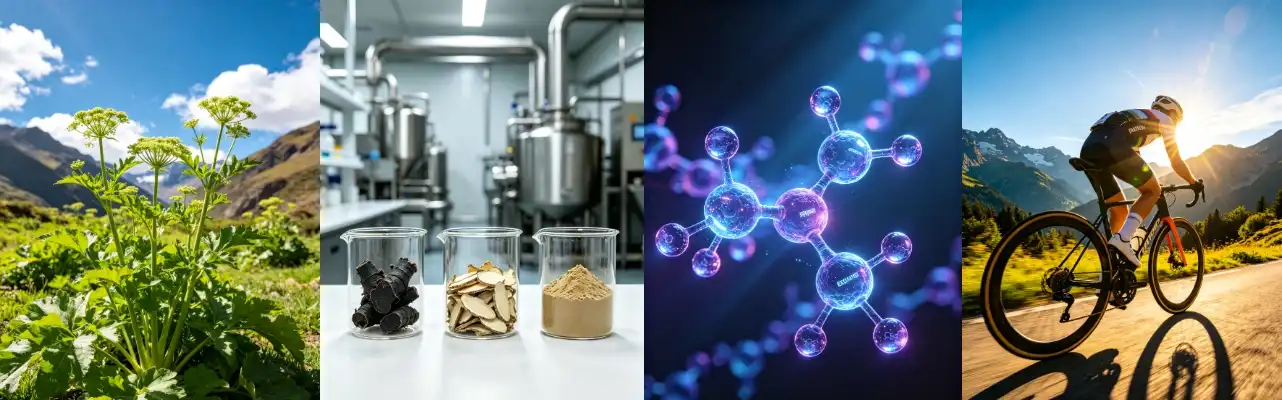
Practical Applications and Formulation Insights for B2B Clients
Evidence-Based Dosage Recommendations
Polysaccharides should be taken every day in amounts between 300 and 1,500 milligrams to help the defense system and give you energy. If you use Polygonatum Extract that is reduced to 30% polysaccharides, each dose will have around 1,000 to 5,000 milligrams of total extract. When optimizing dosage, it's important to think about the way the drug is delivered, the people it's meant for, and any other ingredients that might affect absorption.
Synergistic Combinations with Complementary Ingredients
Combining Polygonatum Extract with B-vitamins improves energy consumption at the cellular level. This is because B-complex cofactors help enzymes do their job of making ATP. When combined with Rhodiola rosea or Cordyceps mushroom extracts, full adaptogenic solutions are made that help with both mental and physical strength. When used in sports nutrition, adding electrolytes and amino acids helps with hydration, healing, and long-term energy supply. When formulating tasty functional drinks, taste masking techniques should be thought about because plant products can add earthy or slightly bitter notes. Natural sweeteners, fruit extracts, and flavor systems work well to keep taste profiles balanced while still keeping a "clean label" stance.
Emerging Applications Beyond Supplements
Functional food companies put Polygonatum Extract in nutrition bars, quick oatmeal mixes, and meal replacement shakes to appeal to health-conscious customers who want long-lasting energy without the jitters that come with stimulants. The extract is very stable at high temperatures and low amounts of water, so it can be used in a variety of processing methods, such as hot fill, cold fill, and freeze-drying. Cosmetic makers are looking into using polysaccharides on the skin to take advantage of their moisturizing and protective qualities. Polygonatum is used in serums, creams, and sheet masks to treat tired skin and damage caused by external stressors. These products are especially popular in Asian beauty markets that value traditional plants.
Regulatory Considerations and Labeling Best Practices
When used in supplements, Polygonatum Extract is considered a food ingredient by the US Food and Drug Administration (FDA). This means that current good manufacturing practices (cGMP) must be followed and correct Supplement Facts labels must be used. Depending on the past of the product and how it will be used, European markets may need novel food permission. This means that regulators need to be consulted early on in the product development process. Label claims should be based on real benefits, not broad promises about treating diseases. Claims like "supports energy metabolism," "promotes vitality," and "helps maintain stamina" are legal structure-function claims as long as they are backed up by the right disclaimers. Making the source of an item clear, like saying "Polygonatum Extract (rhizome)", helps build trust with customers and supports premium placement.
Future Trends and Market Opportunities in Polygonatum Extract for Energy and Stamina
Consumer Demand for Natural Energy Solutions
According to market study, natural energy sources will continue to grow as more people look for options to synthetic caffeine and stimulants. The standard safety profile and gentle mode of action of Polygonatum Extract are in line with wellness trends that value long-term health over quick fixes. Brands that set themselves apart with botanical mixes that are backed by science attract high-end customers who are ready to spend money on long-term health.
Innovations in Extraction Technology
New developments in ultrasonic extraction, membrane filtration, and supercritical CO2 processing make it possible to get more polysaccharides while using less fluid and processing them faster. With these technologies, providers can offer extracts that are recognized as organic and meet high standards for purity and the environment. Better mining efficiency means lower costs, which makes the market more accessible.
Private Label and OEM Partnership Opportunities
Contract manufacturers that offer flexible OEM/ODM services make it possible for new names to enter markets without having to spend a lot of money on production facilities. Customization choices, such as changing the extraction ratio, the particle size, and creating your own mix, help you position your product in a unique way. Partnerships with suppliers that keep a lot of stock, like 10 to 20 tons of "safety stock," make sure that products come out quickly and are always restocked.
Building Competitive Advantage Through Quality Certification
In crowded markets, brands that stress third-party testing, clear supply lines, and lots of paperwork stand out. Some certifications, like HALAL, Kosher, and organic, let you reach new customers and show that you care about quality. Strategic supplier connections with makers that show technical know-how, the ability to handle logistics around the world, and quick customer service create long-term competitive benefits.
Conclusion
Businesses that are making natural energy and stamina products have a great chance to make a lot of money with Polygonatum Extract. It meets important needs in the industry for stable botanical ingredients with its standardized polysaccharide content, good safety rating, and wide range of possible uses. To do buying right, you need to carefully evaluate suppliers, check their quality, and plan your strategic formulation. As the market for clean-label, science-based energy solutions grows, brands can keep growing by working with certified sellers who can offer technical help and a stable supply chain. We encourage people who make decisions to give more weight to providers who show they are committed to long-term success, excellent making, and following all regulations.
FAQ
Q1: What is the optimal dosage of Polygonatum Extract for energy support?
A: Based on research, the recommended daily amount of polysaccharides is between 300 mg and 1,500 mg. With extracts that are standardized to 30% polysaccharides, this means that each dose has between 1,000 and 5,000 mg of total extract. The dosage should be changed depending on the recipe, the target group, and the ingredients that work well together. Talking to experienced formulators makes sure that you follow the rules set by regulators and gets the best results.
Q2: Are there potential side effects or medication interactions?
A: In both traditional use and modern tests, Polygonatum Extract has been shown to be very safe. Unlike energy chemicals that are based on stimulants, it doesn't usually lead to overstimulation, jitters, or trouble sleeping. Few documented interactions have been found with popular drugs. However, people who take diabetes medications should keep an eye on their blood glucose levels because of possible metabolic effects. Standard practice says that people who already have health problems or who take medicinal drugs should talk to their doctors.
Q3: How can I verify the authenticity and purity of supplied Polygonatum Extract?
A: Ask providers for full Certificates of Analysis (COAs) that show the polysaccharide content, heavy metal testing, chemical residue screening, and microbe analysis. Verification by a third-party laboratory gives standards independent proof. Reliable sellers keep full records that show where the raw materials came from and where the finished goods came from. As the sample is being evaluated, its color (brownish-yellow), particle size (80 mesh), and ability to dissolve in water are used as initial quality markers.
Partner with Sigma for Premium Polygonatum Extract Supply
Shaanxi Sigma Biotechnology Co., Ltd. is ready to help you find Polygonatum Extract by providing the best product and service in the business. As a professional company that makes plant extracts, we offer fine brown powder that is defined to contain at least 30% polysaccharides. Our products are certified by ISO, HACCP, and Kosher. Modern extraction facilities in Shaanxi's original production area make sure that the quality of the raw materials and the accuracy of each batch are at their best. We promise fast shipping within 5–7 working days because we have 10–20 tons of safety stock on hand. To speed up the creation of your product, our expert team offers free formulation advice, free samples, and open OEM/ODM customization. Get in touch with sarah@sxsigma.com right away to talk about your needs with a reliable Polygonatum Extract provider who wants you to succeed.
References
1. Wang, Y., et al. (2021). "Polysaccharides from Polygonatum sibiricum: Structure, biological activity and their protective effect on exercise-induced fatigue." Journal of Functional Foods, 85, 104632.
2. Chen, L., & Huang, G. (2018). "Immunomodulatory activities of Polygonatum polysaccharides: A review of recent advances." Carbohydrate Polymers, 201, 539-548.
3. Liu, H., et al. (2020). "Antioxidant and anti-fatigue activities of Polygonatum cyrtonema polysaccharide in mice." Molecules, 25(5), 1098.
4. Zhang, S., et al. (2019). "Quality evaluation of Polygonatum species based on polysaccharide content and bioactivities." Industrial Crops and Products, 137, 379-388.
5. Panossian, A., & Wikman, G. (2022). "Comparative analysis of adaptogenic plants: Mechanisms and applications in modern medicine." Phytomedicine, 96, 153893.
6. FDA Center for Food Safety and Applied Nutrition. (2023). "Dietary Supplements: New Dietary Ingredient Notifications and Related Issues—Guidance for Industry." U.S. Department of Health and Human Services.

Perilla extract for allergy relief
As more people look for natural options to manmade antihistamines, Perilla Extract is becoming known as a powerful plant-based allergy treatment. This plant product from Perilla frutescens can help with seasonal allergic rhinitis, respiratory sensitivities, and other allergy-related conditions because it reduces inflammation and changes the immune system. Those who work in the nutrition, functional food, and dietary supplement industries who buy in bulk and look for high-quality Perilla Extract that is standardized to rosmarinic acid can make clean-label products that meet government standards and customer needs. If companies want to make good allergy relief products, they need to know about the science behind it, where to find the ingredients, and how to make the products.


Understanding Allergies and the Role of Perilla Extract
Allergies happen when the immune system responds too strongly to things in the surroundings that aren't harmful, like pollen, dust mites, or pet hair. This makes mast cells release histamine, leukotrienes, and cytokines that cause inflammation, such as IL-1β and TNF-α. These can cause a lot of different symptoms, from stuffy ears to breathing problems. Most of the time, traditional drug treatments make people sleepy and lead to addiction problems that last for a long time. Because of this, there is a need for natural solutions that get to the root of the inflammation instead of just covering up the signs.
The Therapeutic Mechanism of Perilla Bioactives
Perilla Extract aids by inhibiting the production of leukotrienes and prostaglandins by the inflammation enzymes 5-lipoxygenase (5-LO) and cyclooxygenase (COX). Rosmarinic acid, which is the main ingredient, keeps mast cells steady and stops histamine from being released. This makes it a safe way to treat allergies that doesn't make you sleepy. Studies have shown that the polyphenols in perilla stop the production of certain IgE antibodies. At the level of the immune system, this changes how allergies are handled. Because it stops inflammatory molecules and helps keep the immune system in balance, Perilla Extract is a great addition to recipes for lung health and seasonal allergies.
Clinical Evidence Supporting Efficacy
Research articles from trustworthy sources say that pure perilla seed extract helps people with seasonal allergic rhinitis feel better and reduces their nose symptoms by a large amount. People in a controlled study who took 50–200 mg of a substance high in rosmarinic acid every day for two weeks sneezed and sneezed less. More saliva also came out of their noses. If the ORAC number is high, it means that the antioxidants are working well to protect the lungs from oxidative stress during allergic reactions. The research teams and recipe makers can use these results to figure out which ingredients are safe and which ones work best.
Key Benefits of Perilla Extract for Allergy Management
Perilla Extract is good for you in many more ways than just making conditions better. It also keeps inflammation in check and boosts the defense system. When people who make products know about these many benefits, they can come up with formulas that make their goods stand out in places with a lot of competition.
Anti-Inflammatory and Antioxidant Action
Very big amounts of rosmarinic acid and luteolin can be found in extracts of perilla leaves. They are strong antioxidants that get rid of reactive oxygen species (ROS), which are made when allergies make it sore. This helps tissues heal and keeps cells in the nose passages from getting hurt. Because it reduces inflammation, it stops the NF-κB signaling pathways from working. This stops the production of genes that cause inflammation. These things help lower lung hyperresponsiveness, which is a key part of taking care of asthma and allergic rhinitis.
Immune Modulation and Histamine Control
Some medicines, like antihistamines, stop histamine from being released at its source. Perilla Extract does this by keeping mast cells and basophils steady. Over time, this first action has fewer side effects and works for a longer time. It is also possible for the bioactive chemicals to keep the balance between Th1 and Th2. This keeps immune response from becoming too focused on Th2, which is linked to allergy conditions. Companies that care more about long-term health than short-term pain relief will benefit the most from this effect on the immune system.

Respiratory and Skin Health Support
Perilla Extract can help people with skin and lung allergies. Taking vitamins by mouth can help your lungs work better by reducing swelling in the bronchi. Using topical or ingestible forms can help with atopic eczema and UV-induced oxidative stress in beauty goods. It's easier to make new goods and reach more people because there are different ways to give them, like capsules, functional drinks, and skin creams.
Comparing Perilla Extract to Other Natural Allergy Relief Options
B2B buyers need to compare perilla to other well-known plant extracts for allergy relief in order to find the best ingredient for their needs in terms of medicinal goals, cost, and preparation.
Perilla Extract vs. Fish Oil and Flaxseed Oil
Flaxseed oil and fish oil are good for you because they contain omega-3 fatty acids, esp. EPA and DHA. In a different way than perilla, these acids help lessen swelling. Omega-3s lower inflammation all over the body, but they don't get rid of mast cells the same way perilla polyphenols do, which is by stabilizing them directly and stopping 5-LO from doing its job. Alpha-linolenic acid (ALA) is found in perilla seed oil, but the extract form has more rosmarinic acid and flavonoids, which makes it better for treating allergies. Perilla Extract is often chosen by formulators who want antihistamine-like effects right away. But if the makers of the medicine want to treat long-term inflammatory diseases, they might mix the two so that they work better together.
Powder vs. Liquid Extract Forms
Perilla Extract comes in different forms, and each one is best used and made in a certain way. For as long as they are kept cool and dry, spray-dried powder extracts that have 5 to 20 percent rosmarinic acid are very stable, easy to package, and last a long time. It is better to put liquid extracts in functional drinks or under your tongue because your body can use them more easily and quickly. People usually buy powder types in large quantities because they are easy to store, ship, and can be used with tools that make capsules and tablets. When supply chain leaders and buying managers know about these differences, they can make sure that the things they buy match the skills needed to make the goods and the forms that the goods come in.
Organic vs. Conventional Sourcing
Organic Perilla Extract meets the rising need for eco-friendly goods that don't use pesticides. It costs more, but selling to people who care about their health is better. GC-MS is used to check conventional extracts for herbicide residues. This makes sure they meet international safety standards and saves money. Even if the product is organic, buyers who care about quality always check for heavy metals and make sure that the product is the same from batch to batch. On the other hand, high-end R&D clients often ask for organic approval to make sure it fits with the image of their brand and follows the law in North America and Europe.

Procurement Guide: Sourcing High-Quality Perilla Extract for Allergy Products
To ship plant-based goods all over the world, you need to keep an eye on quality, follow the rules, and make sure the processes work well. China's Shaanxi state is a major source because it has places where real Perilla frutescens grows and modern facilities for getting it out of the plants. To rate sources, we need a methodical way that takes into account professional skills, certification portfolios, and how open the supply chain is.
Supplier Selection Criteria and Certifications
Quality service companies keep their ISO 9001, ISO 22000, and HACCP licenses, which show that they follow rules for food safety and quality management. When a business wants to sell, getting KOSHER and HALAL approvals makes it easier to get into new markets. The fact that the company has its own research and development team that can come up with new extraction ratios and standardization levels shows that it knows a lot about technology. They should ask for Certificates of Analysis (COA), MSDS sheets, and third-party testing reports that show how much rosmarinic acid is present using HPLC, how much heavy metals are present using ICP-MS, and how many microbes are present. Getting headspace GC analysis from companies that offer no solvent waste is a good way to make sure the quality of products used in food and supplements.
Pricing Dynamics and Bulk Order Considerations
Perilla Extract costs different amounts based on how much rosmarinic acid it has, how it was made, and how much you order. Ethanol extraction is the most common method, and it is both clean and cheap. Most of the time, rosmarinic acid powder (5% content) costs less than 20% or high-purity 98% isolates. Formulators can then pick standards that work best for them and don't break the bank. You can often save money and get better payment terms when you buy more than 100 kg at once. Well-known makers have found that having 10–20 tons of safety stock on hand ensures a steady supply and quick turnaround. With shipping times of 5–7 working days, just-in-time production plans can be carried out.
Logistics and Packaging for Supply Chain Integrity
When kept in a cool, dark place, rosmarinic acid stays steady and doesn't break down. It should be properly packed in metal foil bags with desiccants. Suppliers who offer different shipping options, like sea freight for large orders and air express for samples and quick restocking, can handle a lot of different organizational needs. Help with all kinds of paperwork, like phytosanitary certificates and customs compliance paperwork, speeds up shipping between countries and reduces the time it takes to clear customs. Working with companies who know how to use global transportation networks lowers the risks of travel and ensures timely delivery, which is important for keeping production going. For added reliability, Shiso Extract is also handled under the same careful conditions to maintain its quality throughout the supply chain.
Safe Usage and Dosage Recommendations for Perilla Extract in Allergy Relief
You need to follow dose rules that are based on evidence and be aware of possible combinations if you want to make allergy medicines that are safe and work well. Clinical studies give dose guidelines that are used to make decisions about the makeup and to send to the government.
Evidence-Based Dosage Guidelines
Researchers have found that taking 50–200 mg of rosmarinic acid every day can help with allergy symptoms. Based on how much rosmarinic acid is in it, this is the same as 1,000 to 4,000 mg of pure extract. To get the job done and keep customers happy, finished products usually have between 500 mg and 1500 mg per serve. They should make sure that their goods are safe and that the rosmarinic acid stays the same over time. This is very important in places that get a lot of water because polyphenols can break down there.
Potential Side Effects and Contraindications
Perilla Extract has been shown to be safe in clinical tests, and at the recommended amounts, it is thought to have few side effects. You might feel some gut pain if you take more than 5,000 mg per day. Since there isn't a lot of knowledge on the topic, formulators should make sure that the labels have the right information. Talk to your doctor if you take blood thinners because the high amounts of omega-3 in seed oils may make it more likely for you to bleed. On the other hand, leaf products aren't that important. It is in line with what the government wants to do to keep people safe to do chemical tests and set higher standards.
Formulation Tips for Enhanced Stability
Perilla Extract's anti-inflammatory effects work better when mixed with other ingredients that work well together, such as quercetin, bromelain, or vitamin C. The product also stands out more. It is easier for the body to use hydrophobic polyphenols when they are delivered using enteric-coated or lipid-based means. Rosmarinic acid should not be exposed to too much heat during production; it should be handled at temperatures below 120°C to keep it pure. At different stages of production, quality control tests are done on the raw materials that come in, while the product is being made, and on the finished product before it is sent out to customers. These tests make sure that each batch is the same, which is necessary for growing up and following the rules.
Conclusion
For businesses making natural allergy relief goods, Perilla Extract is a useful ingredient that has been shown to be effective by science. It is better than man-made drugs that only do one thing because it works on more than one target, such as histamine release, inflammation pathways, and immune balance. Key to successful buying is working with providers who have the technical know-how, strict quality control, and stable supply chains. Teams in charge of buying things can get ingredients that meet both legal needs and formulation goals by focusing on things like full approvals, standard amounts of rosmarinic acid, and OEM features that are simple to change. When people want clean-label products and studies show that perilla works, it's a great chance for B2B buyers to improve their allergy relief products and get a bigger part of the allergy relief market.
FAQ
Q1: Is long-term use of perilla extract safe for allergy management?
A: Perilla Extract is safe to take as a vitamin for a long time as long as you follow the amount instructions. This is based on both clinical studies and traditional use. Studies that last for a few months show that the drug works for a long time without causing major side effects or resistance. People who already have health problems or who take prescription drugs should be told by manufacturers to talk to a doctor or nurse on a daily basis.
Q2: How does perilla extract compare to conventional antihistamine medications?
A: Perilla Extract is not a drug, but it can be used with drugs. Regular antihistamines quickly do their job by stopping H1 receptors. Perilla Extract, on the other hand, starts to work on inflammation earlier, so symptoms get better more slowly and with fewer side effects like sleepiness. You can use it to prevent allergies over time instead of just for short-term relief of symptoms. This makes it appealing to people who want green ways to stay healthy.
Q3: Is organic perilla extract available for bulk procurement?
A: Perilla Extract that has been certified organic is sold by specialists, but it's not as popular with customers as other options. If buyers want to know if a product is organic, they should look at its credentials from the USDA, the EU, or a similar group. You can expect to pay 15–30% more for healthy food. Because there are fewer farms, the minimum order amounts for organic types might be higher. So you need to make plans ahead of time and find ways to get what you need.
Partner with Sigma for Premium Perilla Extract Supply
You can trust the company that makes Perilla Extract, Shaanxi Sigma Biotechnology Co., Ltd. They have been removing plants for decades and use the most up-to-date ways to make sure the quality of their work. Our fine, yellow-brown Perilla Extract has particles that are 80 mesh and less than 5% ash. It is standardized to ≥5% rosmarinic acid and gives your goods the regularity and purity they need. We keep a lot of things in stock so that shipping can happen within 5 to 7 days and supply problems don't get in the way of project plans. What makes us different from other companies on the market is that we promise to leave no liquid trash behind and have better oxidative stability. We make sure we follow all world rules and laws by having ISO, HACCP, and Kosher certificates.
We know that good things alone aren't enough for B2B relationships. They also need quick service and help from experts. Our team can help you with every step of the planning process. We can also give you samples and provide OEM/ODM services that are open and tailored to your needs. People who care about quality can get the technical paperwork, batch stability, and planning help they need from Sigma when they are making nutraceutical capsules, functional drinks, or nutricosmetic goods. You can email sarah@sxsigma.com to get the COA paperwork, talk about any special extraction needs, or arrange for samples to be shipped.
References
1. Makino, T., Furuta, Y., Wakushima, H., Fujii, H., Saito, K., & Kano, Y. (2003). Anti-allergic effect of Perilla frutescens and its active constituents. Phytotherapy Research, 17(3), 240-243.
2. Ueda, H., Yamazaki, C., & Yamazaki, M. (2002). Luteolin as an anti-inflammatory and anti-allergic constituent of Perilla frutescens. Biological and Pharmaceutical Bulletin, 25(9), 1197-1202.
3. Asif, M. (2012). Phytochemical study of polyphenols in Perilla frutescens as an antioxidant. Avicenna Journal of Phytomedicine, 2(4), 169-178.
4. Takano, H., Osakabe, N., Sanbongi, C., Yanagisawa, R., Inoue, K., Yasuda, A., Natsume, M., Baba, S., Ichiishi, E., & Yoshikawa, T. (2004). Extract of Perilla frutescens enriched for rosmarinic acid, a polyphenolic phytochemical, inhibits seasonal allergic rhinoconjunctivitis in humans. Experimental Biology and Medicine, 229(3), 247-254.
5. Sanbongi, C., Takano, H., Osakabe, N., Sasa, N., Natsume, M., Yanagisawa, R., Inoue, K., Sadakane, K., Ichinose, T., & Yoshikawa, T. (2004). Rosmarinic acid in perilla extract inhibits allergic inflammation induced by mite allergen in a mouse model. Clinical and Experimental Allergy, 34(6), 971-977.
6. Shin, T. Y., Kim, S. H., Lee, E. S., Eom, D. O., & Kim, H. M. (2000). Action of Perilla frutescens var. acuta Kudo and its constituents on the histamine release from mast cells. Immunopharmacology and Immunotoxicology, 22(3), 489-500.

How to supplement L-carnosine?
To effectively supplement L-carnosine, you need to choose high-purity L-Carnosine Powder with confirmed certifications, figure out the right dosages based on the application type, and add it to your recipe while following the right mixing and storage procedures. Understanding molecular specs, purity standards, and sourcing criteria is important whether you're making anti-aging cosmetics, sports nutrition products, or vitamins for brain health. This will help you make sure that your products are bioavailable and consistent from batch to batch. This guide shows procurement workers how to use technical parameters, form comparisons, quality control benchmarks, and real-world execution strategies to get the most out of ingredients in a wide range of product settings.
Understanding L-Carnosine Powder and Its Benefits
L-Carnosine Powder is a high-tech material that recipe teams can use to make products that work better according to science. This white solid substance is a dipeptide made up of beta-alanine and histidine. Its molecular weight is 226.23 g/mol and it dissolves in water very well, more than 200 mg/mL at room temperature. The technical standards are very important for making sure that the product is made consistently and works well when it's finished.
Molecular Structure and Biochemical Properties
L-carnosine can work as both a pH buffer and a metal chelator because of the way its molecules are structured. With a pKa number close to 6.8, it keeps the inside of cells stable when metabolic stress is present. The specific optical spin between +20.0° and +22.0° proves the purity of the enantiomers, which sets pharmaceutical-grade material apart from cheaper options. This measurement of visual activity is a key quality sign used for inspecting raw materials as they come in. The range of melting points from 250°C to 265°C shows that the material is thermally stable and can be used in a number of processing situations, such as spray-drying and sealing. L-Carnosine Powder with these characteristics ensures high quality and reliability for use in a variety of applications.
Antioxidant and Anti-Glycation Mechanisms
L-carnosine works in a number of different ways to deal with reactive stress and protein breakdown. It stops Fenton-type processes that make dangerous free radicals by chelating transition metals like copper and zinc. The ability to stop the Maillard process between sugars and skin proteins makes the anti-glycation property very useful in cosmetics. This process keeps the structure of collagen and stops the production of advanced glycation end products (AGEs), which cause obvious signs of aging. Topical preparations with L-carnosine have been shown in clinical studies to improve skin flexibility and brightness when used regularly for eight weeks.
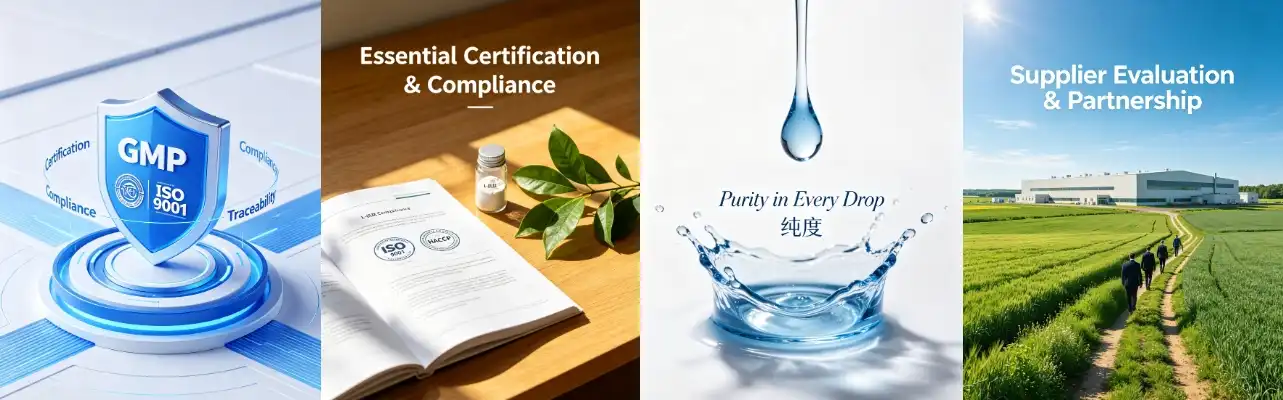
Applications Across Industries
L-carnosine can be used in a lot of different types of products. In sports diet, it helps keep the pH level of muscles stable during intense anaerobic exercise, which makes the time it takes to exhaustion longer. It is used by cosmetic companies in serums and creams for older skin that is stressed out by the climate. Neuroprotective vitamins use its ability to get into the brain from the blood and bind to metals that are harmful to neurons. Our factory keeps a safety stock of 10 to 20 tons so that orders can be filled right away. For regular customers, deliveries are usually made within 5 to 7 working days. This way of managing goods makes sure that large-scale manufacturing businesses that need to know when ingredients will be available always have what they need.
Comparing Different Supplement Forms and Alternatives
Choosing the best transport method affects both how well the product is made and how well it is received by customers. To choose between powder and capsule forms, you need to carefully think about your production skills, your target audience, and the needs of your unique application.
Powder Versus Capsule Forms
Bulk L-Carnosine Powder gives B2B makers the most recipe options. Because it dissolves so easily in water, it can be easily added to liquid supplements, functional drinks, and water-based makeup systems without going through a lot of processing. The powder form lets you make exact changes to the dose while the product is being developed and allows custom concentration profiles. Manufacturing teams can mix it with ingredients that work well together to make unique mixtures that set their goods apart in crowded markets. Capsule forms make things easier for customers, but they require more steps in the manufacturing process and cost more to encapsulate. When procurement teams look at high-volume production runs, powder form usually offers better cost savings and faster wait times.
Comparison with Related Compounds
Understanding the functional differences between L-carnosine and structurally related molecules helps people who buy ingredients make smart choices. Beta-alanine is a building block for making carnosine in the body, but it can't act as a cushion right away like L-carnosine that has already been made. Instead of controlling pH or stopping glycation, creatine works on different metabolic processes linked to regenerating ATP. These ingredients are sometimes found together in sports nutrition products, but they work on different parts of the body. Pure L-carnosine works better than precursor compounds or unrelated ergogenic aids in products that are meant to slow down age, protect against free radicals, or stop glycation than these other substances. Our technical team helps clients choose the right ingredient mixtures based on how they want to place their products and what they want customers to get from them.
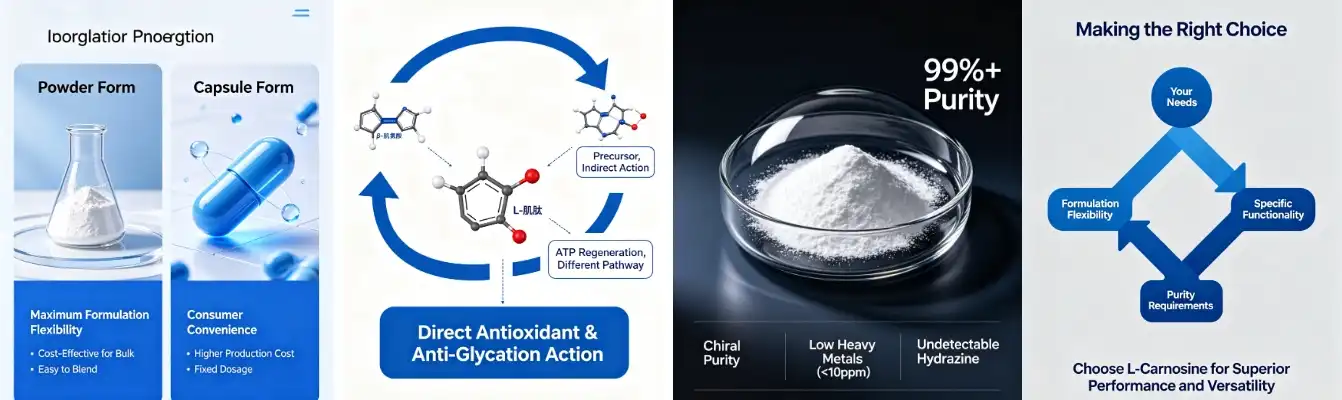
Purity Considerations in Formulation
Pharmaceutical-grade L-carnosine that is at least 99% pure provides constant biological activity and keeps unwanted reactions with other ingredients to a minimum. When used in cosmetics, where leftovers of synthesis could cause skin reactions, high purity standards become even more important. The particle size distribution, which is usually set at 100 mesh, affects how quickly things dissolve and how uniform the finished goods are. Quality control procedures should make sure that the chiral purity is correct by measuring specific rotations and making sure that there are no inactive forms of D-carnosine or racemic mixes that would lower the effectiveness. Heavy metal content below 10 ppm and residual solvent analysis finding hydrazine at levels that can't be detected are quality standards that responsible makers serving controlled markets must meet.
How to Choose and Source High-Quality L-Carnosine Powder?
To be successful in the L-carnosine market, buyers must carefully evaluate suppliers and follow strict quality control procedures. Manufacturers with different skills, levels of licensing, and track records can be found in the global supply environment.
Essential Certification and Compliance Requirements
Suppliers who are legitimate give full proof that they follow foreign quality management systems. Getting ISO 9001 approval shows that all of your manufacturing processes have a method for controlling quality. The ISO 22000 and HACCP standards are very detailed about food safety management, which is very important for ingredients that will be used in food products. Kosher and Halal approvals help brands that cater to certain groups of people get into more markets.
All of these licenses are kept up to date by having yearly audits done by reputable third-party groups. Every package should come with a Certificate of Analysis (CoA) that lists the test results, the amount of heavy metals, microbes, and moisture that is still present. Material Safety Data Sheets (MSDS) tell you how to handle and store things in a way that is safe for you and the people who work in the building.
Laboratory Testing and Quality Verification
Advanced buying teams do more than just look over the paperwork that suppliers send them. They also use independent verification testing. High-performance liquid chromatography (HPLC) research checks the purity levels and finds any possible contaminants. Gas chromatography (GC) finds solvents that are left over from chemical processes. It pays special attention to hydrazine molecules that are known to cause cancer. Specific spin readings prove chiral purity, which makes sure the material only has the biologically active L-isomer.
Loss on drying tests below 0.5% show that the right amount of wetness is being controlled, which stops degradation during storage. Testing for microbes limits according to USP and EP monograph guidelines keeps both oral and external uses safe from infection risks. These analytical routines are the technical checks that separate professional buying operations from those that are more likely to have quality problems.

Supplier Evaluation Criteria
When looking at possible L-carnosine providers, you need to look at more than just price quotes. How well a provider can meet your growing needs depends on how much they can produce. Our production lines for continuous countercurrent extraction can handle both small special orders and large-scale contract manufacturing deals. Location affects how hard logistics are and how long lead times are, but our global shipping network and smart freight handling partnerships help to make up for these problems.
When formulation teams run into problems with applications or need stable data for regulatory submissions, being able to provide technical help is very important. Suppliers who offer ODM and OEM services add value by meeting specific brand needs with unique specs, particle size changes, and package configurations. The supplier's thorough quality documentation, quick responses to technical questions, and desire to send samples for testing are all signs of professionalism and the possibility of a long-term relationship. Offering high-quality L-Carnosine Powder is a key indicator of a supplier’s capability to support both immediate and future business needs.
Practical Guidelines for Supplementing L-Carnosine Powder
To make execution work well, dosage guidelines must be matched with the intended uses, and ingredients must stay stable throughout the duration of the product. These real factors have a direct effect on both how well the product works and how happy the customer is with it.
Dosage Recommendations by Application
For intramuscular buffering effects to be effective, sports nutrition usually has between 800 mg and 1500 mg per dose. This dose range is in line with clinical studies that shows performance gains during repeated bouts of high-intensity exercise. Skin care products that fight aging usually have smaller concentrations—usually between 0.5% and 2% by weight—that are enough to fight glycation on the skin without making the recipe unstable. Cognitive health vitamins usually have daily doses of 500 mg to 1000 mg, which help protect neurons by taking the substance for a long time. The exact best dose relies on the other ingredients, the way the drug is delivered, and the type of people who are supposed to be taking it. Our applications team helps formulation experts figure out the right inclusion rates based on the claims they want to make on the label and how they want to place the product.
Incorporation Techniques and Stability Enhancement
L-Carnosine Powder is very well soluble in water, which makes it easier to add to water-based devices. For drinking uses, adding things slowly during the mixing phase with light agitation keeps things from clumping and makes sure they are spread out evenly. Because it can buffer pH, it doesn't change the general pH of the mixture as much as many other bioactive ingredients do. When making makeup emulsions, the best results come from adding the ingredients during the water phase before emulsification.
Stability tests at high temperatures and high humidity for 12 weeks shows that the ingredients are compatible and that the shelf life predictions are correct. Light-induced decline can be stopped by packaging in clear glass or opaque containers. Oxidative stress is kept to a minimum during storing by flushing with nitrogen before closing. These technical issues make sure that finished goods stay as potent as they say they are for as long as they're supposed to, which protects the brand's image and makes sure that the rules are followed.
Storage and Handling Best Practices
The quality of ingredients is kept high from the time they are received until they are used in a product. L-carnosine needs to be kept in cool, dry places with a relative humidity below 60% so that it doesn't absorb water and clump together. Chemicals stay stable when stored at temperatures between 15°C and 25°C that can be managed. When containers are sealed, they keep out air that could introduce contaminants or start reactive processes.
As part of our packing requirements, we use multi-layer barrier films that keep these safe conditions even during foreign shipping. First-in, first-out (FIFO) inventory management should be used by warehouse teams to make sure that materials are rotated and that long holding times are kept to a minimum. Checking for changes in color or the buildup of moisture on a regular basis is an early warning sign of storage condition fails. These practical rules keep quality standards high in manufacturing and protect investments in ingredients.
Conclusion
For L-carnosine supplementation to work well in business-to-business settings, technical understanding needs to be combined with strategic sources. The useful biological qualities of this dipeptide—its ability to fight free radicals, stop sugar from building up, and balance pH levels—can be turned into real product benefits in a wide range of situations if it is properly made and sourced. L-Carnosine Powder, when sourced correctly, can deliver these benefits effectively. Quality control methods, such as checking the supplier's licensing and having the products tested by a third-party lab, keep the products safe from using low-quality materials that don't work as well or follow the rules.
As the market for natural, science-backed ingredients that support healthy aging and performance enhancement continues to grow, procurement professionals who know a lot about L-carnosine specifications, applications, and sourcing strategies put their companies at a competitive advantage. Technical know-how, dependable supply lines, and cooperative relationships with suppliers are what make it possible for new products to be developed and for this ingredient area to continue to grow in popularity.
FAQ
Q1: Is L-carnosine suitable for vegan and vegetarian products?
A: Yes, L-carnosine that is made in a lab meets the standards for vegan formulations. Carnosine is found naturally in animal tissues, but pharmaceutical-grade L-Carnosine Powder made through chemical synthesis doesn't have any parts that come from animals. This way of making products makes sure they are always pure and meets the needs of consumers who care about social sources, which is becoming more important in the supplement and cosmetics markets.
Q2: What are some possible side effects or safety issues?
A: L-carnosine has been shown to be very safe in clinical tests when taken at the suggested doses. Oral supplements rarely have bad effects, but very high amounts that go beyond what is recommended by researchers have been linked to mild stomach pain. Topical cosmetics don't cause a lot of discomfort, even in people with sensitive skin. Regulatory bodies in the US and EU agree that L-carnosine is safe for its intended uses when it comes from producers who follow the rules and keep quality controls in place.
Q3: In what way does L-carnosine's antioxidant system work?
A: Direct free radical scavenging and indirect metal chelation routes are how the antioxidant action works. L-carnosine links to transition metals like zinc and copper, which would otherwise speed up dangerous oxidative reactions. This binding stops Fenton-type reactions from making hydroxyl radicals. The chemical also directly neutralizes reactive oxygen species through its imidazole ring structure. This protects against oxidative stress on multiple levels in both cells and makeup formulations.
Q4: Where can hiring teams get L-carnosine in bulk that they can trust?
A: The most trusted sources are well-known companies that have full certifications and recorded quality systems. Shaanxi Sigma Biotechnology has ISO 22000, FSSC 22000, and ISO 9001 certifications, and they keep 10 to 20 tons of stock on hand at all times so that large orders can be filled right away. Our global logistics network makes it easy to get goods to factories all over the world quickly. Full paperwork makes it easier to clear customs and follow rules in foreign supply chains.
Partner with Sigma for Premium L-Carnosine Powder Solutions
Shaanxi Sigma Biotechnology can help you find L-carnosine by providing pharmaceutical-grade materials that are backed by a wide range of approvals and strict quality control. As a fully integrated producer and seller of high-purity plant extracts and functional ingredients, we use cutting-edge synthesis technology along with decades of experience in the field. Our unique purification methods make sure that the amounts of endotoxin and heavy metals in our L-Carnosine Powder are much lower than the international standards.
This means that it is of the highest quality and can be used in high-demand makeup, dietary supplements, and functional foods. Our immediate inventory makes it possible to complete orders quickly, and our flexible ODM and OEM capabilities let you make specs that are specific to your formulation needs. Talk to our expert team at sarah@sxsigma.com about your needs, ask for samples, and find out how working with a reliable L-Carnosine Powder manufacturer can help your product creation and supply chain.
References
1. Anderson, E. J., & Neufer, P. D. (2016). Carnosine: Biochemical properties and therapeutic potential in age-related diseases. Journal of Applied Physiology, 121(4), 1065-1073.
2. Boldyrev, A. A., Aldini, G., & Derave, W. (2013). Physiology and pathophysiology of carnosine. Physiological Reviews, 93(4), 1803-1845.
3. Hipkiss, A. R. (2018). Carnosine and its possible roles in nutrition and health. Advances in Food and Nutrition Research, 84, 189-225.
4. Kohen, R., Yamamoto, Y., & Cundy, K. C. (1988). Antioxidant activity of carnosine, homocarnosine, and anserine present in muscle and brain. Proceedings of the National Academy of Sciences, 85(9), 3175-3179.
5. Menini, S., Iacobini, C., & Ricci, C. (2020). Protection from diabetes-induced atherosclerosis and renal disease by L-carnosine: Role of glycation and oxidative stress. Diabetes, 69(6), 1207-1218.
6. Stuerenburg, H. J., & Kunze, K. (1999). Concentrations of free carnosine in human muscle and brain tissue. Biochemistry and Molecular Biology International, 47(5), 719-723.

What is senna leaf extract used for
A normal plant extract powder called Senna Leaf Extract Powder comes from the plant Senna alexandrina. Naturally, it helps people go to the bathroom more often and is found in useful health products, food supplements, and drugs. Because it has a lot of sennosides, which are chemicals that make the intestines move, this product can help with constipation, gut health, and weight loss. The people who work in B2B procurement need to know about all of its uses, quality standards, and legal compliance needs so they can make smart sourcing decisions that meet output standards and meet the safety expectations of today's health-conscious customers.
Understanding Senna Leaf Extract and Its Botanical Foundation
To make good senna items, you must first find the right plants and use the right ways for extraction. This plant, Senna alexandrina, is also called Alexandrian senna or tinnevelly senna. It grows best in dry places and has been used for hundreds of years in traditional medicine. Anthraquinone glycosides, mostly sennosides A and B, are found naturally in the leaves. Bacteria in the gut break these down so that they can be used as medicine.
Source Material and Extraction Processes
These days, companies use water extraction to get the useful sennosides and get rid of as many chemicals and other unwanted things as they can. More and more people want items with clean labels, and this way works. When something is made, the first step is usually picking out the raw materials. The best leaves are carefully looked over first, and then they are crushed and sieved to spread the bits out evenly. Careful control of temperature and pressure during the extraction process is used to get the most sennosides while keeping the structure of the molecules.
After extraction, filtration gets rid of things that can't be dissolved, and vacuum concentration makes the active chemicals denser. As the process goes on, unwanted parts of the plant are taken out to make sure the final product meets the requirements for medical use. After that, either a spray dryer or a vacuum dryer is used to dry the material. This turns it into a fine brown-yellow powder with pieces that are usually between 80 and 100 mesh. This consistent method makes sure that each batch is stable, which is very important for formulation engineers and quality assurance teams that are in charge of making a lot of things.

Standardization and Quality Benchmarks
High-Performance Liquid Chromatography (HPLC) tests show that reputable sellers give extract powders that are sure to have 20% or more sennosides. There is a better way to test than UV spectrophotometry, which might pick up on anthraquinones that are not unique. It's hard to figure out amounts and send in regulatory paperwork when plant ingredients have different strengths, but standardization solves that problem.
As part of the quality standards, the loss on drying must be less than 5% so that the glycosides don't break down. The heavy metal content must also be 10 ppm or less, and the microbe limits must meet USP or European Pharmacopoeia standards. Companies can use these technical standards to make sure their products work the way they say they will. This helps customers trust the company and backs up scientific promises.
Core Applications and Therapeutic Benefits in Product Development
Senna leaf extract is mostly used because it has been shown to help people go to the bathroom. This makes it an important part of goods that help with constipation. When bacteria in the gut turn sennoside into rhein anthrone, it activates the myenteric plexus and boosts peristaltic movements. As a result, most people experience a bowel movement within 6 to 12 hours. Senna Leaf Extract Powder is particularly effective in this regard, making it a good choice for people who become stuck all of a sudden.
Digestive Health Formulations
Senna Leaf Extract Powder is used by supplement and drug makers to make pills, tablets, and drinks for people who have trouble going to the bathroom sometimes. This part is likely to appeal to people who care about their health and want plant-based alternatives to man-made laxatives. Senna has been used safely for many years, and there is a lot of research proof that it works. This is helpful for people who are making new goods.
Senna is often combined with plants that work well with it, like fennel or ginger, to lower the risk of pain and make the product easier to handle. The research and development teams like that the extract is safe in solid dose forms and works well with a variety of other substances. This makes it easier to make and, if kept properly, it keeps the food fresh longer.
Weight Management and Detoxification Products
Senna Leaf Extract Powder is sold in weight loss products that claim to help with short-term water weight loss and gut cleaning. It can also help with bloating. In consumer markets, people still like these apps, but procurement workers need to check that marketing claims are legal. As a powerful laxative, senna is what the FDA calls it, and products can't make medical claims about it that aren't backed up by proof.
Senna is sold by businesses that want to help people detox as part of full-on cleaning plans. It is often mixed with bacteria and vegetable sources. This group of labels needs to make it clear how long to use the product and if there are any possible side effects. Safety records like Certificates of Analysis (COA), Material Safety Data Sheets (MSDS), and hazard reports must also be given by the supplier.
Specialized Applications in Food and Beverage
Companies that make useful drinks and are interested in gut health sometimes add standardized Senna Leaf Extract Powder in small amounts. Sennosides have a sour taste, so they need to be carefully made for these uses to find the best balance between how well they work and how taste. Senna can be added to ready-to-drink drinks without changing the taste that people like thanks to microencapsulation technologies and flavor hiding systems.
There are a lot of different rules about how food apps can be used in each area. Because it is a food ingredient in the US, senna can be used in vitamins. That being said, there are stricter rules about amounts and signs in Europe. When procurement managers expand into foreign markets, they need to make sure they follow the rules set by the regional food safety officials. If they don't, they may have to make expensive changes to recipes or return products.

Evaluating Senna Leaf Extract Against Alternative Natural Laxatives
Senna Leaf Extract Powder can be compared to other herbal laxatives to help with making decisions about how to make the product and how to sell it. As an example, psyllium husk can be used as a cleanser because it absorbs water and grows in the bowels. The way senna works as a stimulant is harder to use because it starts to work more slowly. Goods with senna may help people feel better right away, while psyllium is often chosen by people who need to eat more fiber every day.
Cascara sagrada is another plant that is like senna in that it has anthraquinones and other traits. But it can't be sold in some places because they don't thought it was safe. In terms of business, this makes Senna a better choice, and it has already been accepted by the government. Long-term use of magnesium-based laxatives may cause pH problems, but senna's effect is limited to the gut and can't be absorbed by the body as a whole.
When it comes to making things, senna extract powder is definitely better than tea recipes or whole herbs. Being concentrated means that less medicine needs to be taken. This means that pills are smaller and cost less per dose. When raw plant materials are standardized, the differences that come with them are taken away. This helps companies follow Good Manufacturing Practices (GMP) and makes it easy to check the quality of their products. It's better for business creators who need to be steady and work quickly to make money because of these factors.
Procurement Criteria for High-Quality Senna Leaf Extract Powder
To find a provider you can trust, check their credentials, see how good they are at analysis, and see how open their supply chain is. Big food companies keep their ISO 22000 or FSSC 22000 certifications, which shows that they follow the rules for food safety. Hazard analysis methods that keep food from getting contaminated during handling are confirmed by HACCP approval. Kosher and Halal licenses help brands that sell to a lot of different types of people break into new markets.
Certificate of Analysis Review
A full COA is the best way to be sure of something's quality because it shows the test results for purity, active ingredients, and how much contamination there is. People whose job it is to buy things should ask for batch-specific COAs that show the amount of sennoside using approved HPLC methods, that the product doesn't have any aflatoxins or heavy metals, and that it doesn't have any microbe limits. Reliable companies offer third-party laboratory approval, which is proof from a third party that they meet the standards they say they do.
It's more important than ever to be clear about extraction agents and leftovers as clean-label trends change the rules for making products. Solvent worries are smaller for goods that are removed with water, but some sellers use systems that mix ethanol and water to get more out of their crops. If you know how to test for residual solvents, you can have better talks about whether a product meets organic standards or is good for groups of people who care a lot about clean handling.
Supply Chain Stability and Inventory Management
Work doesn't stop when raw materials are always available, which can hurt your clients and your place in the market. Keep 10 to 20 tons of key SKUs in stock as a safety stock. This shows that the supplier can be trusted, which helps big orders be met quickly. Lead times of 5 to 7 working days help tactics for keeping stocks low and also allow for changes in demand that happen naturally during different times of the year in the health category.
It's helpful to live near places where food can grow spontaneously. Shaanxi Sigma Biotechnology Co., Ltd. is situated in a legal place in China that makes medical materials. Vertical integration is shown by the fact that all of its gathering, mining, and production take place in a controlled regional setting. This method is particularly useful for products like Senna Leaf Extract Powder, as it simplifies the supply chain, lowers shipping costs, and makes it easier to track items. It is important for procurement managers who want to keep risks to a minimum that this approach ensures greater transparency and efficiency.
Customization and OEM Capabilities
Advanced companies offer flexible OEM/ODM services, such as the ability to change the extraction ratio, customize the particle size, and pack with your own brand name. Partners who can make specific sennoside ratios or mixes with plants that work well together can help brands that use their own unique methods to stand out. Giving basic ingredients is very helpful, but technical help with better creating, checking for stability, and making regulatory paperwork is also very helpful.
The smallest amount you can buy from each provider is different. But big companies often let smaller test runs happen to help with product development. Different amounts of traffic are often taken into account when setting prices. This makes people more likely to work together for a long time, which is good for everyone because they can predict demand and agree on better rates.

Regulatory Compliance and Formulation Best Practices
There are a lot of rules that vary from place to place and product to product that you have to follow in order to get things that contain silver on the market. Foods in the US that contain senna must follow FDA rules about how to mark them, what they can say about their structure-function relationships, and how to report bad reactions. DSHEA lets companies sell supplements that help keep your bowels regular, but they can't say that the products will cure a sickness until they get their New Drug Applications approved.
For European markets, the rules are stricter, and many member states think that senna is a traditional plant medicine that needs to be logged. Careful safety studies led to limits on concentration and time of use. To stay within these limits, preparation must be done with great care. People who buy things from European companies should make sure that the products they use meet the standards set by the European Pharmacopoeia and the Herbal Medicinal Products Committee (HMPC).
Responsible product development includes giving clear instructions on how to use the product and limiting its use to one or two weeks. When used for a long time, strong laxatives can cause addiction or problems with electrolytes. People who are pregnant, under 12 years old, or have inflammatory bowel problems should not use the product. This should be made clear on the label. These steps protect buyers and show that you are following the law, which is what market tracking authorities need.
As you can see, integration methods can work well when used in real life. A medium-sized supplement business worked with a qualified source of senna extract to get into the market in nine months. They were able to do this by using COAs and regulatory dossiers that were already accepted. Buying from this seller cut down on time-to-market compared to buying from suppliers who weren't qualified because they already had FDA registration and GRAS (Generally Recognized As Safe) papers. Getting the information from the right source changes when a product goes on sale and how competitive it is.
Conclusion
This Senna Leaf Extract Powder has been used for a long time to make products that help with constipation and gut health. It is an important plant in the field of natural health because it works, has a standard amount of sennosides, and is allowed by officials in major markets. To do good procurement, you need to work with certified sellers who can provide clear quality papers, stable supply lines, and expert help while your product is being developed. Premium senna extract can help brands offer safe, effective formulas that gain market share and customer trust as the need for plant-based health goods grows. This is especially true as the market becomes more competitive.
FAQ
Q1: What are the primary benefits of using senna leaf extract in formulations?
A: Senna Leaf Extract Powder helps people who sometimes have trouble going to the bathroom quickly and regularly. This is because it includes sennosides, which help the body's natural bowel movements. People who want to be healthy and stay away from man-made laxatives like that it comes from plants. Standardized amounts make doses accurate and make sure that the product works the same way in all production runs.
Q2: How can I verify the quality of senna leaf extract powder?
A: Part of making sure the quality of the product is checking Certificates of Analysis that are unique to each batch and show that the sennoside concentration was confirmed through HPLC testing, heavy metal levels were below 10 ppm, microbe numbers were within pharmacopeia limits, and drying loss was less than 5%. Better quality control gives you even more peace of mind when you see supplier certificates like ISO, HACCP, and GMP. By having a third-party lab verify, the specs that were said to be met are confirmed by a third party.
Q3: Are there safety concerns when formulating with senna extract?
A: When used properly for short amounts of time, Senna Leaf Extract Powder has good safety measures. Labels on goods should make it clear that they should only be used for one to two weeks and that people who are pregnant, kids, or have certain stomach problems shouldn't use them. Stomach cramps and diarrhea in large amounts are two side effects that could happen. This shows how important it is to teach customers and give them good formulation advice.
Partner with a Trusted Senna Leaf Extract Powder Supplier
The Senna Leaf Extract Powder sold by Shaanxi Sigma Biotechnology Co., Ltd. is confirmed to have at least 20% sennosides and is safe for use in medicine. There are full ISO, HACCP, and Kosher certificates for their goods. You can keep track of everything at our fully integrated production plant in Shaanxi's botanical center, from picking out the raw materials to making sure the finished goods are good. This makes sure that your formulas are of the right quality and stability. While still following strict rules, we make it easy to buy things. We keep extra stock on hand so we can send within 5 to 7 days. We can also customize goods for OEMs and ODMs, and we provide all the necessary paperwork, like COAs and stability data.
Our water extraction method makes a fine, 80–100 mesh, brown-yellow powder that has less than 10 parts per million of heavy metals and doesn't lose more than 5 percent of its weight when it dries. The USP and EP say that this can be used in drugs and vitamins. We can help you with the plan and give you tips on how to use the goods in a way that fits your market, whether you're making capsules, tablets, or liquids. Get in touch with sarah@sxsigma.com right away to get samples and talk about how our production and reliable supply chain can help your business sell high-quality senna leaf extract powder.
References
1. Blumenthal, M., Goldberg, A., & Brinckmann, J. (2000). Herbal Medicine: Expanded Commission E Monographs. American Botanical Council, Austin, Texas.
2. European Medicines Agency. (2017). Assessment Report on Cassia senna L. and Cassia angustifolia Vahl, Folium. Committee on Herbal Medicinal Products, London.
3. Franz, G. (1993). The Senna Drug and Its Chemistry. Pharmacology, 47(Suppl. 1), 2-6.
4. Medicines and Healthcare products Regulatory Agency. (2014). Public Assessment Report for Senna Leaf Dry Extract Traditional Herbal Registration. MHRA, United Kingdom.
5. United States Pharmacopeial Convention. (2021). Senna Leaf Monograph. USP 44-NF 39, Rockville, Maryland.
6. World Health Organization. (2007). WHO Monographs on Selected Medicinal Plants, Volume 3. World Health Organization, Geneva, Switzerland.
- 1
- 16
- 17
- 18
- 19