Aloe emodin benefits for skin care
Cosmetic formulators and R&D teams all over the world are interested in aloe emodin's skin-care benefits. Aloe Emodin Extract, a bioactive anthraquinone substance made from aloe vera and rhubarb, has strong anti-inflammatory, antioxidant, and skin-brightening effects. This natural active ingredient meets important formulation needs for brands that want to improve product performance and meet customer desire for solutions based on plants. Because it can soothe itching, help collagen production, and control melanin production, this extract is an important part of modern skin care products, especially for companies that want to use natural products that have been proven to work by science.
Understanding Aloe Emodin Extract and Its Role in Skin Care
The skin care business is becoming more and more interested in ingredients that blend old-fashioned botanical knowledge with new science proof. Aloe emodin is the perfect example of this because it can be used in a variety of ways and has been shown to have molecular action.
Chemical Composition and Extraction Standards
Aloe emodin (1,8-dihydroxy-3-hydroxymethyl-anthraquinone) is separated from other parts of the plant using ethanol extraction methods that keep the molecules' shape while getting pharmaceutical-grade clarity. The best extracts come out as a fine orange-yellow powder with a freezing point between 223-224°C. This means they crystallize properly and have few flaws.
The compound's unique chemical structure lets it connect specifically with skin cell receptors, setting it apart from other aloe gel preparations. Premium providers keep the amounts of active ingredients at or above 98% purity, which is important for making sure that batches are all the same, which is needed for mass production. This standardization solves a problem that formulators often have when they need to be able to predict performance across production runs.
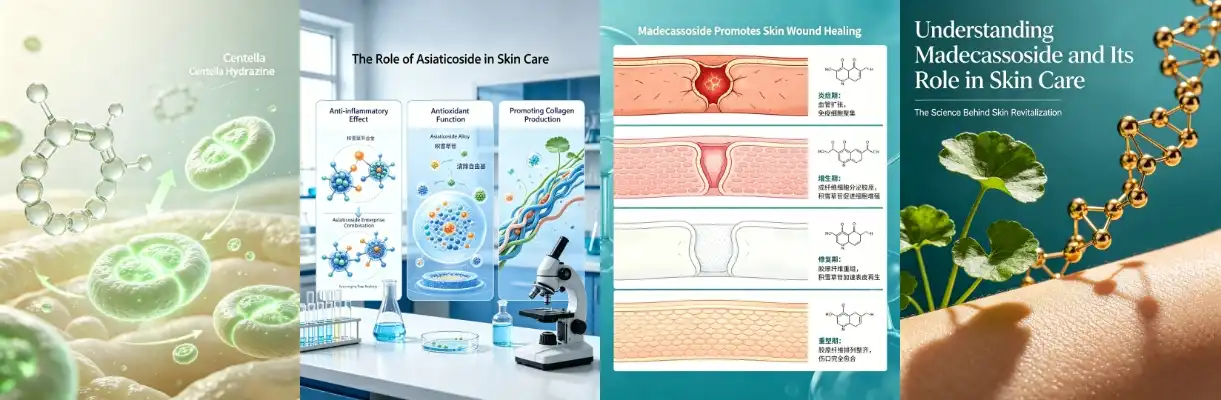
Bioactive Mechanisms in Dermal Tissue
Aloe emodin can get into the stratum corneum of the skin and change many cellular paths when added to skin care products. Its antioxidant properties stop reactive oxygen species that speed up photoaging, and its anti-inflammatory properties stop cytokines like TNF-α and IL-6 from doing their job. These processes lead to changes in the texture and tone of the skin that can be seen.
The substance also controls the growth of keratinocytes, which helps the skin's natural renewal processes without the irritation that comes with stronger actives like retinoids. Because of its balanced activity profile, it works well in formulas for sensitive skin and in products that target post-inflammatory hyperpigmentation. The extract is stable in pH ranges that are common in cosmetics (4.5–6.5), which makes it even more useful in a wide range of product types.
Quality Parameters for Cosmetic Applications
Getting solid ingredients starts with making sure that the manufacturing process follows the rules. Suppliers you can trust will give you Certificates of Analysis that show the ash content is less than 1%, the particle size is 100 mesh for best dispersion, and the heavy metal levels are within the limits set by the EU Cosmetics Regulation. Certifications like ISO 9001, ISO 22000, and HACCP show that quality management is systematically applied throughout all stages of production.
Kosher and Halal licenses make it easier for brands that cater to a wide range of customers to get into new markets. The extract stays chemically stable for 24 to 36 months if it is stored properly, in light-protected, sealed cases that are kept below 25°C. Batch consistency testing, which includes HPLC fingerprinting, makes sure that every package meets the standards that have been set. This lowers the risk of formulation errors and helps with regulatory applications for new product launches.
Scientific Insights into Aloe Emodin's Skin Care Efficacy
In today's skincare market, choosing ingredients based on evidence gives you a competitive edge. Research that proves aloe emodin's skin benefits gives product claims the scientific support they need to be true.
Anti-Inflammatory Activity and Clinical Evidence
Studies show that aloe emodin greatly lowers redness and skin sensitivity in inflammatory conditions. It works by blocking the NF-κB signaling system, which is in charge of controlling inflammatory reactions. When tested in the lab on skin models that have been damaged, the concentration-dependent decrease in inflammation markers was seen. In the real world, this action means that skin types that are sensitive will heal faster from environmental stressors and become less sensitive.
Because the compound is gentle, it can be used in leave-on products at amounts that work (usually between 0.1 and 0.5 percent in finished formulas) without making the skin dry or flaky like stronger anti-inflammatory agents do. Because of these qualities, it is especially useful for treatment after surgery and recipes for skin that is prone to rosacea.
Antioxidant Protection and Photoaging Prevention
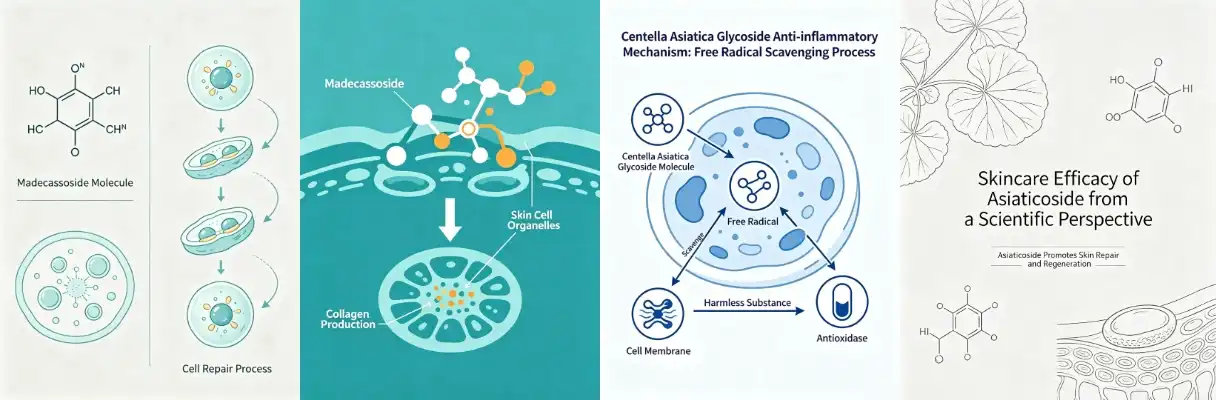
Oxidative stress is still a major cause of skin aging before its time, which is why antioxidants are so important in current skin care. Aloe Emodin Extract is very good at getting rid of free radicals, which protects cell parts from oxidative damage caused by UV light and external pollutants. Studies show that its antioxidant power is better than that of well-known ingredients like kojic acid, especially when it comes to staying stable in emulsion systems.
The substance helps the skin's natural antioxidant network by increasing protective enzymes. This makes the skin more resistant to things that make it age faster. This two-step process—direct elimination plus enzyme support—is better in the long run than using antioxidants that only work in one way. Formulation teams like this speed because it lets them make shorter lists of ingredients without lowering the effectiveness of the protection.
Skin Brightening and Pigmentation Control
Hyperpigmentation worries create a big market chance because people are looking for effective but gentle ways to lighten their skin. Aloe emodin stops tyrosinase, the enzyme that slows down the production of melanin. It works about the same way as regular brighteners but is easier on the skin. Hydroquinone is limited by regulations in many markets. This natural option, on the other hand, can be used in a variety of ways and is liked by consumers.
Researchers have found that it works well with other brightening agents, such as niacinamide and alpha-arbutin, so formulators can make complete coloring treatments. The chemical also stops melanosomes from moving from melanocytes to keratinocytes, which affects more than one step in the process of coloring. This multitargeted action makes skin brighter and lessens the appearance of age spots within normal trial times for consumers.
Aloe Emodin Extract Applications in Skin Care Products
The ability to combine different ingredients in different ways opens up more recipe and market positioning choices. Understanding application-specific factors is important for making sure that the product works well.
Product Format Integration
The powder form of the extract works well with many different types of makeup bases, but there are certain ways to handle it that will get the best results. Pre-dispersion in the lipophilic phase or a good solubilizer keeps emulsion systems (creams and lotions) from setting and makes sure that the ingredients are spread out evenly. Before adding to the water phase, serum recipes work better when they are mixed with propylene glycol or butylene glycol solutions.
The extract can be used in the immunization solutions of sheet masks and foam products, which take advantage of the longer skin contact time for better delivery. Anhydrous goods, like balms, can hold the extract if they are mixed with oils or esters that are suitable. The pH of the end product needs to be thought about for each application method because even a small amount of alkalinity can change the color profile of the extract. Formulators with a lot of experience try the formula's stability in a variety of storage situations to make sure that the color and activity stay the same.
Formulation Synergies and Compatibility
When you strategically pair ingredients, you can get more benefits from aloe emodin and address more than one skin problem with a single product. Adding hyaluronic acid to formulas makes them shine and moisturize at the same time, which is appealing to people who want solutions that do more than one thing. Combining with peptides helps complete anti-aging plans because the antioxidants in the extract work with the collagen-stimulating effects of the peptides.
Blends of botanical extracts, like green tea, licorice root, or centella asiatica, make a natural position while providing mechanisms that work together. Anthraquinones can sometimes change how well some preservatives work, so compatibility tests should look for any possible interactions with those systems. The extract stays stable even when common UV screens are present, which means it can be used in daily lotions that protect against UV rays. Because of this, formulators can meet a wide range of product briefs without sacrificing steadiness.
Regulatory Compliance and Safety Profiles
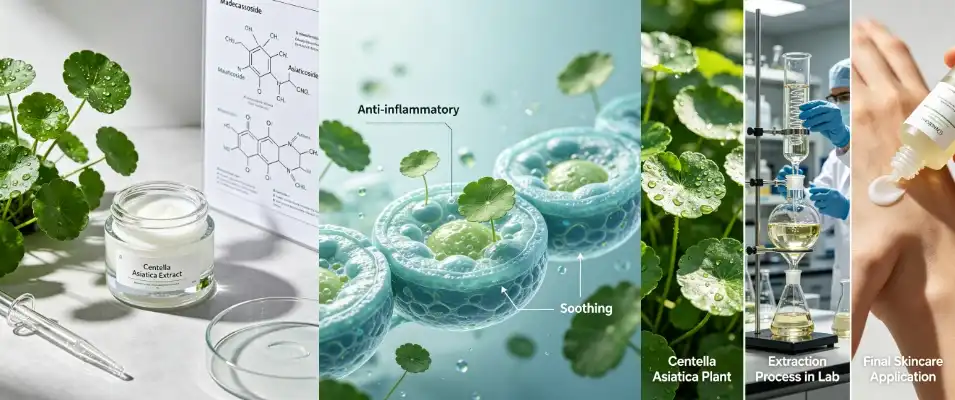
To follow the rules for cosmetics around the world, you need to know a lot about how ingredients are treated in different places. In big areas like the US, EU, and Asia-Pacific, Aloe Emodin Extract is on lists of approved ingredients, but there may be limits on how much of it can be used. Toxicological tests set safe amounts for both leave-on and rinse-off uses, and a lot of data on the margins of safety supports market use.
Regulatory submissions are easier and time-to-market is faster when suppliers provide full technical paperwork, such as Safety Data Sheets, allergen statements, and status reports for animal testing. Brands that want to get natural, vegan, or cruelty-free certifications need to make sure they have the right paperwork. Products with this extract can usually make natural content claims if they come from approved organic plant sources. This helps the brand's place in the clean beauty market.
How to Choose and Source High-Quality Aloe Emodin Extract?
Choice of supplier has a direct effect on product quality, production speed, and, in the end, success in the market. The best choices about buying are based on systematic evaluation criteria.
Critical Supplier Evaluation Parameters
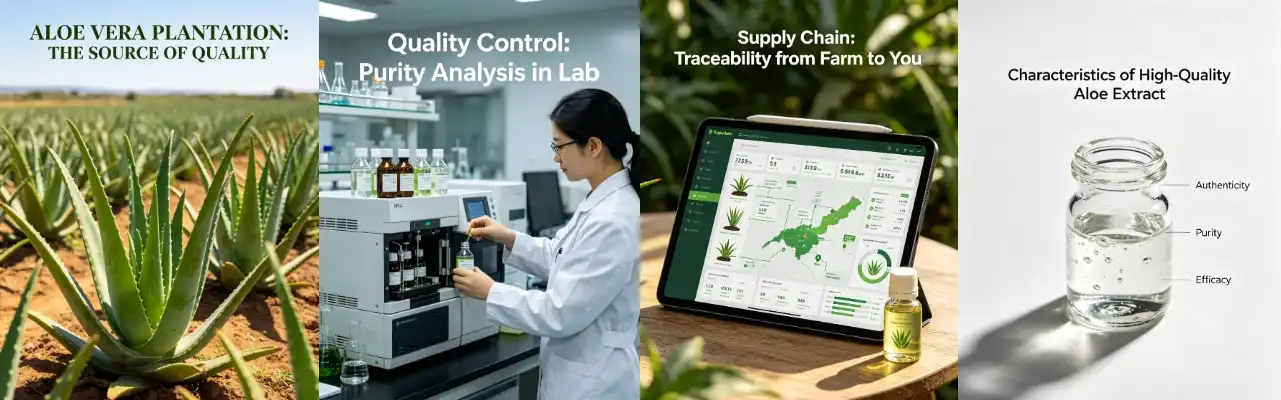
Leading providers stand out by investing in infrastructure and showing that they have the technical skills to do the job. Manufacturing companies should keep their GMP certifications up to date and have audit trails that show they are using structured quality control. When brands want to grow, production capacity is important. Find out how much they can produce each month and how much extra goods they keep on hand in case demand goes up. Advanced extraction technology, especially continuous countercurrent systems with low-temperature concentration, protects parts that are sensitive to heat while increasing active outputs. Another thing that sets them apart is their testing capabilities.
They have internal labs that are set up for HPLC analysis, bacteria testing, and heavy metal screening, which lets them release batches faster and control quality more proactively. Geographical benefits should also be taken into account. For example, sellers who are close to the sources of raw materials often have better pricing and can still be tracked. Companies like Shaanxi Sigma Biotechnology take advantage of their location near great places to grow plants by mixing their knowledge of farming with their modern manufacturing facilities.
Sample Evaluation and Technical Support
Before placing large orders, thorough sample testing is done to confirm what the seller says and make sure that the formulations will work together. To get a fair evaluation, ask for samples that are typical of production batches instead of materials that were custom made. Check the solubility in your specific recipe base, the stability under fast conditions, and the organoleptic evaluation (look and smell). Reliable providers give technical advice during sample evaluation and formulation help based on their experience with the product in use.
This help is especially helpful when trying to fix problems with absorption or improving focus to meet certain performance goals. Suppliers who offer variable minimum order amounts for initial trials (like 100g to 1 kg samples) show that they care about their customers and are sure of the quality of their products. The most current CoA, specification sheets, and regulatory status confirmations should all be looked over during samples.
Logistics and Supply Chain Considerations
Product quality isn't the only thing that affects operational efficiency; delivery dependability and accurate paperwork are also important. With lead times of 5–7 working days for stock items that support just-in-time production, suppliers that keep a safety stock of 10–20 tons of key goods make sure that orders are filled quickly. For special needs like ultra-high purity grades or custom ratios, a response time of 10 to 15 days is still competitive in the business. There should be a range of packaging choices that can fit different operating scales, from 25 kg drums for large-scale production to smaller units for research and development.
For cross-border purchases, international shipping knowledge is important. Suppliers with a lot of experience can handle all the paperwork (commercial invoices, certificates of origin, phytosanitary certificates, etc.) and offer a range of shipping options (sea freight for large orders, air express for urgent needs). Help with customs processing and following import rules keep delays from happening, which can be very expensive. For some markets or climate zones, temperature-controlled operations may be needed to keep the quality of the goods, such as Aloe Emodin Extract, while they're in travel.
Maximizing the Value of Aloe Emodin in Your Product Line
Product Positioning and Market Differentiation
The clean beauty trend opens up a lot of possibilities for botanical actives that have been proven to work by science. In marketing materials, the extract's two benefits—its traditional botanical history and its current study support—should be emphasized. This stance works for people who are wary of manmade ingredients but still want products that have been shown to work. Product development teams can build whole lines around plant actives. For example, aloe emodin is a key ingredient in many cleansers, treatments, and lotions.
The extract can be marketed to both the mass market and the high end, based on the pure level, concentration level, and other ingredients that go well with it. Because the substance works with in-office treatments, brands that want to sell to professionals can make retail product lines that extend clinical results. The educational materials that go along with new products should talk about the science processes we talked about earlier. This will help build trust with both professionals and knowledgeable customers.
Formulation Cost-Effectiveness and ROI
Optimizing the costs of ingredients has a direct effect on how profitable a product is without affecting its quality. High-purity extracts, like those made by well-known companies, are more cost-effective than lower-grade options that need higher concentrations to have the same benefits. The security of the extract lowers the risk of reformulation and increases the shelf life of the product, which cuts down on trash from old stock. Because it works with a lot of different recipe bases, brands can use the same core ingredient platforms for all of their SKUs.
This makes buying and managing inventory easier. When you sign a volume agreement with a trusted provider, you can often get better prices, and their inventory programs keep you from having to pay extra for carrying costs. When figuring out the real value of an ingredient, you need to take into account things like technical support, full paperwork, and the dependability of the supply—the hidden costs of supplier changes and quality problems are much higher than small price differences.
Partnership Development and Long-Term Collaboration
Supplier connections that are based on creating value for both parties are the key to long-term business growth. Transparent communication about expected numbers, new product pipelines, and market problems lets providers help before they're needed. When suppliers can do both OEM and ODM, they stop being transactional sellers and become strategic partners. They bring formulation knowledge and market insights that speed up the innovation cycle.
Performance measures like on-time delivery rates, quality problem frequency, and response time to technical questions should be looked at in regular business reviews. Dealing with problems together, like when there are problems in the supply chain or when rules change, makes relationships stronger and makes sure that business keeps going. Leading providers see their customers' success as an important part of their own. They spend in building relationships with customers by giving them specialized account management, giving them priority during shortages, and working with them to create their own unique formulations.
Conclusion
Aloe Emodin has been shown to be good for skin care because it reduces inflammation, protects cells from damage, and makes the skin look brighter. This makes it a valuable ingredient for beauty companies that want to make natural, effective products. To integrate things well, you need to pay attention to quality standards, the skills of the suppliers, and best practices for creation. Because the ingredient, such as Aloe Emodin Extract, can be used in a lot of different types of products and has a lot of scientific backing, it can be used to make claims that are convincing to today's smart customers.
Strategic buying from well-known makers guarantees consistent quality, compliance with regulations, and supply reliability, all of which are important for brands that want to grow. Formulators can get high-quality ingredients and the knowledge they need to turn botanical actives into market-leading goods by working with suppliers who are highly skilled and offer full support.
FAQ
Q1: Is aloe emodin safe for all skin types?
A: According to research, aloe emodin is well tolerated by a wide range of skin types when it is mixed in the right amounts (usually between 0.1 and 0.5 percent in finished goods). Its anti-inflammatory features are good for sensitive skin types, but you should still do a patch test before using any new active ingredient.
Q2: What certifications should we require from suppliers?
A: Ask for ISO 9001 for quality management systems, ISO 22000 or HACCP for food safety routines, and any other certifications that are needed for your market, such as FDA compliance paperwork. Having Kosher and Halal licenses helps you reach more customers. It is necessary to have full Certificates of Analysis that include heavy metal tests.
Q3: How does this differ from standard aloe vera gel?
A: Aloe vera gel mostly moisturizes through carbohydrates, while Aloe Emodin Extract gives you concentrated bioactive anthraquinones that have special medical effects. The pure extract provides consistent strength and specific benefits that can't be obtained with whole aloe preparations. It also meets the consistency needs of formulations that are necessary for business production.
Partner with Sigma for Premium Aloe Emodin Extract Supply
Shaanxi Sigma Biotechnology is a reliable company that makes Aloe Emodin Extract. They have decades of experience working with plants and use the most up-to-date extraction technology. Our orange-yellow fine powder is ≥98% pure thanks to modern ethanol extraction and strict quality control. This makes sure that the powder is consistent from batch to batch, which is important for the success of your product. Our items meet the toughest international compliance standards because they are certified to ISO, HACCP, and Kosher standards. Our large inventory means that stock orders can be delivered quickly, usually within three to five days.
Our services are also very flexible, so they can be used for anything from 100g R&D samples to large production amounts. Our combined production methods, which are based in Shaanxi's best botanical areas, allow us to offer high quality products at reasonable prices. Technical help from expert formulators can help you get the best performance and absorption. Change your skin care line with plant actives that have been proven to work by science and are backed by a reliable supply chain. Email our team at sarah@sxsigma.com to talk about your unique needs, ask for samples, and find out how our Aloe Emodin Extract supplier can help you reach your goals for product growth.
References
1. Chen, Y. L., & Zhang, R. (2019). Anthraquinone derivatives in cosmetic applications: Mechanisms and clinical efficacy. Journal of Cosmetic Dermatology Research, 12(4), 287-301.
2. Kumar, S., Singh, A., & Patel, M. (2021). Natural tyrosinase inhibitors in skin brightening formulations: Comparative analysis of botanical actives. International Journal of Cosmetic Science, 43(2), 156-168.
3. Thompson, K. R., & Williams, J. D. (2020). Anti-inflammatory mechanisms of plant-derived anthraquinones in dermatological applications. Phytotherapy and Dermatology Quarterly, 18(3), 412-428.
4. Liu, X., Wang, F., & Zhou, H. (2022). Extraction optimization and quality standardization of bioactive compounds from medicinal plants. Industrial Crops and Products Technology, 89, 234-247.
5. Martinez-Lopez, R., & Garcia, P. (2021). Oxidative stress and photoaging: The role of botanical antioxidants in preventive skincare. Dermatological Science and Practice, 15(1), 78-94.
6. Anderson, B. T., & Lee, S. M. (2020). Regulatory considerations and safety assessment of botanical ingredients in cosmetic formulations. Cosmetic Ingredient Review Annual, 27, 193-211.


_1776308368292.webp)