_1776928070730.webp)
_1777359547279.webp)
Product Recommendations
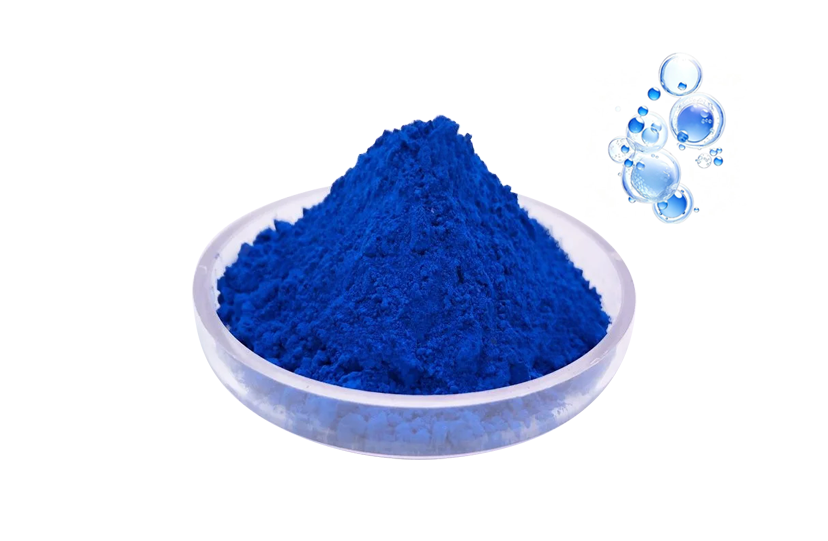




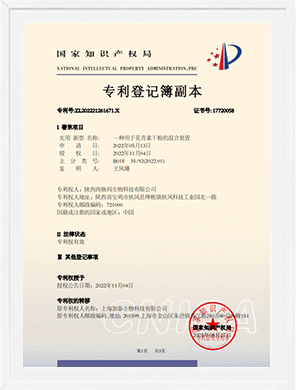
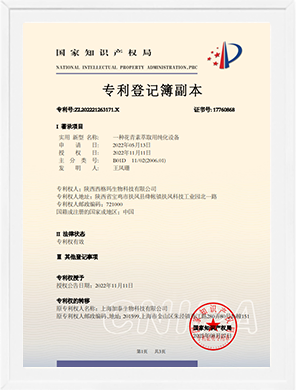
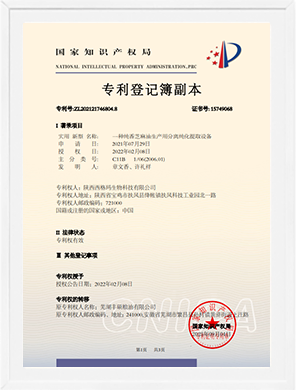
Enterprise Qualification Certificate
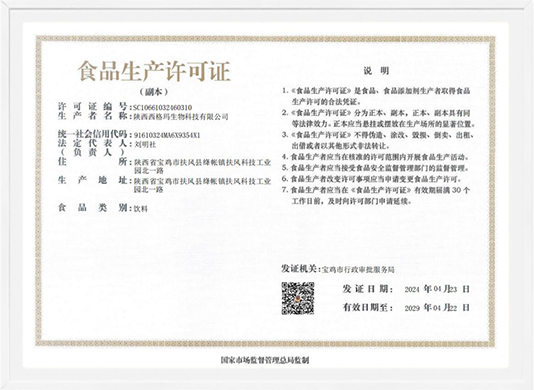
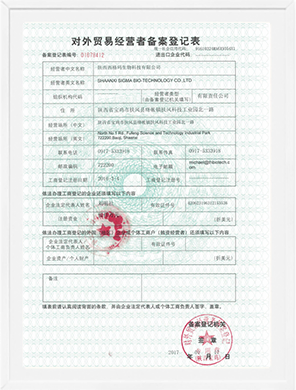
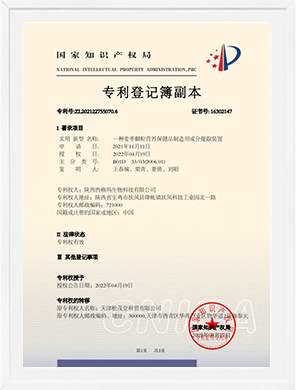
Blog recommendations
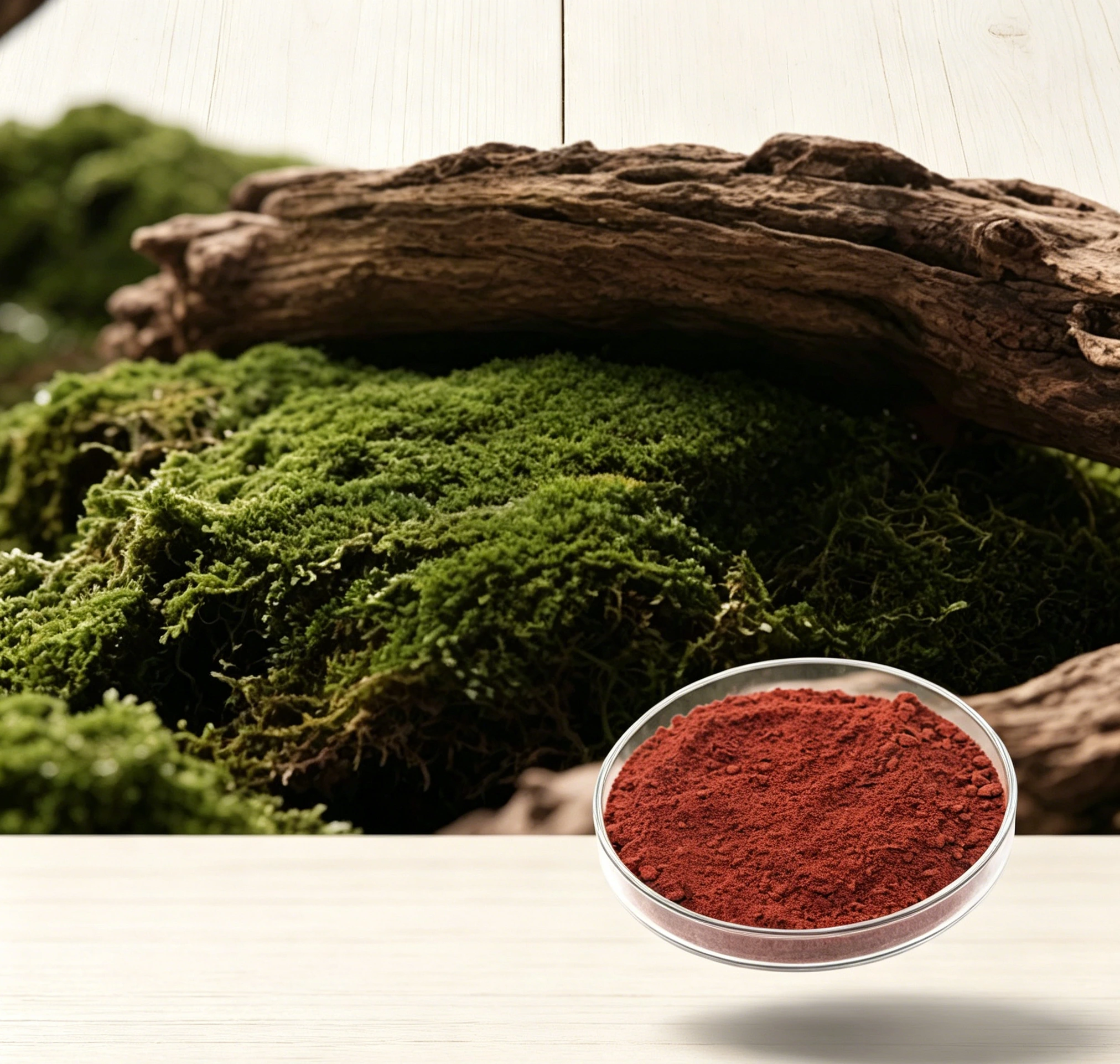
Pine Bark Extract for Anti-Aging Skin Care: Benefits and Uses
As people who work in product development and purchasing, we know how hard it is to find plant actives that really do fight aging while also meeting strict quality standards. A potent competitor in the cosmetics market is Pine Bark Extract, a natural ingredient primarily drawn from Pinus pinaster. This substance is full of oligomeric proanthocyanidins (OPCs), which have been shown to have anti-inflammatory, antioxidant, and collagen-protecting properties that help with the main causes of skin aging. Its proven effectiveness and ability to be mixed with different ingredients make it a smart choice for companies making high-end anti-aging skin care products.
Comprehending Pine Bark Extract and Its Anti-Aging Properties
Botanical Source and Extraction Process
The plants that high-quality extracts come from are very important. Although Pinus massoniana is also a good source, Pine Bark Extract is primarily derived from the inner bark of Pinus pinaster (Maritime Pine). Most of the time, ethanol-based methods are used for extraction. These methods protect the delicate polyphenolic compounds while also making sure the product is safe and pure. Reliable producers use low-temperature concentration and fine separation methods to make a reddish-brown powder that is defined to have at least 95% OPC. This standardization makes sure that each batch is the same, which is very important for scalable output in both supplement and makeup uses.
The way of extraction has a direct effect on how bioavailable and soluble the end product is. Water-soluble ingredients mix easily into toners, serums, and other water-based products without causing sedimentation. Knowing these technical details helps formulators choose extracts that work with their product, whether it's a dry system or an oil-in-water mixture.

Scientific Mechanisms Behind Anti-Aging Effects
Pine Bark Extract's ability to slow down age depends on three processes that work together. The first is that it has a very high antioxidant potential. In some tests, OPCs are better at getting rid of free radicals than vitamin C or E. This keeps cell structures safe from oxidative stress caused by UV light, smog, and biological processes. This defense covers lipid membranes and DNA, lowering the damage that builds up and shows up as fine lines and dark spots.
The second important method is collagen retention. OPCs have a special way of attaching to collagen and elastic fibers in the dermis. The extract stops matrix metalloproteinases (MMPs) from breaking down the extracellular matrix during photoaging by keeping these structural proteins stable. Regular use of the extract has been shown in clinical studies to improve the skin's elasticity and firmness, proving that it plays a part in keeping dermal health.
The trio is completed by anti-inflammatory action. Chronic low-grade inflammation speeds up age in a number of ways. Pine Bark Extract changes inflammatory cytokines and stops NF-κB from activating, which makes the cell environment quieter and better for healing and regrowth. Because of this, it is very useful in formulas for skin that is sensitive or reacting.
Clinical Evidence and Documented Benefits
Pine Bark Extract works to slow down the aging process, according to several studies that were reviewed by experts in the field. After 12 weeks, taking standardized pine bark extract by mouth helped the flexibility and moisture of the skin of postmenopausal women, according to a study published in 2012 in Skin Pharmacology and Physiology. Another study found that melasma got a lot better when topical and oral doses were used together, showing that they might work well together.
The effects have been shown to go beyond reducing wrinkles. Users say their skin feels better, has fewer age spots, and works better as a shield. These results show that the extract has more than one effect on skin function, not just one way of aging. Pine Bark Extract is a key ingredient for brands that want to stand out in a crowded market because it works so well in so many ways.
Comparing Pine Bark Extract with Other Popular Anti-Aging Ingredients
Antioxidant Potency and Mechanism Comparison
Not only should buying teams look at how potent natural antioxidants are, but they should also look at how specific their mechanisms are. Pine Bark Extract and grape seed extract are structurally similar, but grape seed extract usually has a wider range of molecular weights. Compared to bigger polymeric proanthocyanidins, the oligomeric chains found in Pine Bark Extract (predominantly dimers to pentamers) are more bioavailable as Proanthocyanidin Extract.
Resveratrol is a powerful antioxidant that works through SIRT1 activation pathways. However, it is not very stable in products, which makes them harder to make. Even though curcumin is very good at reducing inflammation, it is not very bioavailable without special delivery methods. Ginkgo biloba extract is good for your brain and blood flow, but it doesn't have the ability to bind to collagen in the skin like Pine Bark Extract does.
The clear benefit here is that it can be used in many ways. Pine Bark Extract works well when applied topically or taken by mouth, and it doesn't need any complicated stability technologies to do so. Because it dissolves easily in water (when handled correctly), it can be easily added to different dosage forms. This makes formulations simpler and lowers the cost of production.

Synergistic Formulation Opportunities
Smart methods for combining things often lead to new ideas. With ascorbic acid (Vitamin C), Pine Bark Extract exhibits amazing interaction. Vitamin C helps the body make more collagen, and Pine Bark Extract stops current collagen from breaking down. Together, these two effects work to make anti-aging effects even better. This relationship also addresses Vitamin C's oxidative weakness; OPCs can restore oxidized ascorbate, which makes the element work longer.
When making advanced serums, formulators might think about mixing Pine Bark Extract with hyaluronic acid to make the skin more hydrated and protect it from free radicals. The anti-inflammatory benefits of the extract work well with retinoids, which could reduce soreness while increasing anti-aging effects. With these smart pairings, brands can make unique goods with scientifically important benefits that educated customers will like.
Practical Uses and Dosage Recommendations in Anti-Aging Skin Care
Topical Application Formats and Concentrations
Pine Bark Extract is usually found in skin products at levels ranging from 0.5% to 5%, based on what the product is meant to do and how much it costs. Higher concentrations may be used in serums for intense treatment, while normal levels are used in daily moisturizers for upkeep. The extract works well in cleansers, creams, lotions, and even masks. Leave-on items give the extract the most time to work with the face.
The reddish-brown color could change the end color, which is something that formulators should think about while the product is being made. Encapsulation technologies can help with this problem and might even make things more stable. Most of the time, pH tolerance is good, but polyphenol retention may be affected by very acidic circumstances. During creation, testing across the pH range of the product guarantees that it works at its best.
Oral Supplementation Dosage Guidelines
In clinical tests that show skin effects, standardized extract doses of 100 to 300 mg per day are usually taken by mouth. To keep plasma levels of OPCs steady throughout the day, some methods use split doses. Standard pill or tablet forms work just as well, but the sustained-release form may be better for long-term usage.
When looking for Pine Bark Extract for supplement uses, buyers should make sure that the product has the right amount of OPC (ideally ≥95%), particle size (80 mesh is best for smooth pill filling), and ash content (≤3% means the product was processed correctly). The quality of the end product and how well it is made are directly affected by these standards. Regulatory compliance in different markets is supported by paperwork like the Certificate of Analysis (COA), the Material Safety Data Sheet (MSDS), and any relevant safety data.

Safety Profile and Potential Considerations
Most of the time, Pine Bark Extract is very safe to use on the skin or in food. Its GRAS (Generally Recognized as Safe) standing in the right doses is based on decades of use and many safety studies. Oral supplements can sometimes cause mild stomach problems, but these problems usually go away after a while or when the dose is changed.
Few contraindications exist, but they should be noted. People with autoimmune diseases should talk to their doctors because immunity modulation effects are possible. The antiplatelet action of the product is good for circulation, but people who are taking anticoagulant drugs should be careful. There isn't enough safety information about pregnancy and breastfeeding, so cautious methods are used. Including clear information about these things on product labels shows that you are a responsible caretaker and increases customer trust.
Global B2B Procurement Insights: Sourcing High-Quality Pine Bark Extract
Key Supplier Selection Criteria
To find trusted providers, you need to carefully look at a lot of different factors. Certifications are the building blocks. For example, ISO 22000, HACCP, and GMP compliance show that quality control systems are strong. Organic approval, like USDA Organic, lets you enter higher-end markets and gets you higher prices at the store, which makes the extra money you spend on buying it worth it.
Check the supplier's extraction method and where they get their raw materials, as well as their licenses. Traceability and quality control are better when suppliers control the whole value chain, from buying the bark to making the end powder. You should ask for full processing records that include tests for heavy metals, pesticides, and extraction fluid residues. These data points directly address the safety issues that quality assurance teams put the most importance on.
Strategic partners are different from opportunistic sellers when it comes to manufacturing capacity and product management. When suppliers keep 10 to 20 tons of key specs in stock, they can fill orders quickly without sacrificing special batch requirements. This supply reliability is very helpful when putting out new goods or making more of formulas that work well.
Product Format and Specification Considerations
Pine Bark Extract comes in a number of different market forms, each of which is best for a different purpose. The fine powder (80 mesh) mixes easily into pills, tablets, and skin creams. In some industrial processes, granular types may be more useful. There are some providers that offer pre-encapsulated or liposomal forms that cost more but are more bioavailable.
Specification sheets should make it clear what the OPC level is (HPLC is best for accuracy), how it dissolves, the microbiological boundaries, and its physical qualities. Water-soluble extracts make preparation easier, but make sure they will dissolve in the way you want to process them. By asking for pre-production samples, you can test for suitability before placing large orders, which lowers the risk of having to make costly changes to the recipe.

Market Pricing Dynamics and Negotiation Strategies
The prices of raw materials change due to many things, such as changes in crop rates, extraction technology, and local rules and regulations. Understanding these factors makes it easier to negotiate. Standardized powder costs between $80 and $180 per kilogram, and an extra 20 to 40 percent for organic approval.
When buyers commit to buying in bulk, they can get better prices, but they have to weigh the saves they'll get against the costs of keeping supplies and the time it takes for the product to stay stable. Setting up framework deals with clear quality standards and price formulas based on market indicators makes budgeting more reliable. Pay attention to the terms of payment as well. Many Asian providers offer savings for paying in advance, and customers who have done business with them before may be able to get net-60 or net-90 terms.
How to Choose the Best Pine Bark Extract for Your Business Needs?
Defining Your Procurement Criteria
The first step in the choosing process is to be clear about how you want to place your product and who you want to buy it. Premium names that are aimed at high-end R&D buyers put a high value on maximum purity (≥95% OPC), organic certification, and full expert support that includes help with formulation. Mainstream companies that make health supplements try to find a mix between quality and price, aiming for 95% standardization at prices that are competitive and stable supply chains.
Formulation compatibility is another important factor. Water-soluble ingredients work well in drinks, quick drinks, and cosmetics that use water. Forms that don't need water can be mixed into serums that don't need water or lipophilic delivery methods. The size of the particles affects how quickly they dissolve and how they feel. For example, smaller meshes dissolve quickly but may be hard to work with on high-speed tools.
Evaluating Manufacturer Capabilities
Leading makers set themselves apart by investing in research and development (R&D) and having application knowledge. Look for partners who can help you with formulation, offer stable tests, and give you information on market trends. Businesses that have their own analytical labs can respond faster to unique requests and offer help with fixing problems.
Flexibility in production is just as important. Can the seller handle calls for custom extraction ratios, changes to particle size, or special processing? OEM/ODM features allow for the creation of private labels and the differentiation of brands through customized product specs. When joining new markets or coming up with new ways to send goods, these services are especially helpful.

Building Long-Term Supplier Relationships
Sustainable relationships are more than just buying things from each other. Check sources to see if the quality is the same across multiple batches; ask for past COA data that shows tight control over specifications. Communication speed affects project timelines; partners who can help in multiple languages and a range of time zones (even if they are based in Asia) make it easier to work together.
One way to lower the risk is to find multiple qualified sources for important ingredients while keeping ties with your key suppliers. This method strikes a balance between supply security and the work that comes with handling a lot of relationships with suppliers. Consistent checks, either online or in person, make sure that quality standards are being met and that ethical buying practices are being used, which is something that downstream customers are asking for more and more.
Conclusion
Pine Bark Extract is a scientifically proven and financially viable active ingredient for skin care products that fight aging. Its strong antioxidant activity, ability to protect collagen, and good safety rating meet the needs of the market for natural, effective options. For product creation to go well, it's important to get high-quality extract from sources who can show they have technical knowledge, follow the rules, and be reliable in the supply chain. By using strict criteria to evaluate suppliers and choosing specs that are in line with how you want to place your product, you can set up your brand to offer real benefits that resonate with customers and stand up to scrutiny from competitors.
FAQ
What is the optimal daily dosage for skin benefits?
Clinical tests show that taking 100 to 300 mg of a standardized substance having at least 95% OPCs by mouth every day is helpful. Topical solutions usually have amounts between 0.5 and 5%, but this depends on the type of formulation and the level of treatment that is wanted.
Is Pine Bark Extract safe for both topical and oral use?
Yes, a lot of safety statistics supports using it in both situations. When applied topically, side effects are rare, but taking the dose by mouth is well tolerated. At higher amounts, mild stomach problems may happen, but they usually go away after continued use.
How does it compare to other antioxidants for preventing skin aging?
Pine Bark Extract has a stronger ability to bind collagen than many other options, which directly protects structure proteins. Its oligomeric structure makes it more bioavailable than bigger proanthocyanidins, and the fact that it dissolves in water makes it easier to formulate than antioxidants that prefer fats, like resveratrol.
Partner with Sigma for Premium Pine Bark Extract Solutions
Pharmaceutical-grade Pine Bark Extract is made by Shaanxi Sigma Biotechnology Co., Ltd. under strict quality controls and is approved to meet ISO 22000, HACCP, and USDA Organic standards. Our ethanol-extracted powder has at least 95% OPC content, is very consistent batch to batch, dissolves easily in water, and has been shown to have antioxidant properties. We keep 10–20 tons in stock and can deliver within 5–7 days for urgent production needs. We also offer open OEM/ODM services for unique requirements.
Whether you're making cutting-edge cosmetics or high-end dietary supplements, our expert team can help you with everything, from stable testing to market-specific compliance advice. We are a real Pine Bark Extract provider that cares about your long-term success by being open and honest with you, enforcing strict quality standards, and offering low pricing for bulk purchases. Email Sarah at sarah@sxsigma.com to get samples, full specs, or prices for your next line of anti-aging products. Feel the difference that comes from combining skilled manufacturing with real botanical sources.
References
- Rohdewald, P. (2002). A review of the French maritime pine bark extract (Pycnogenol), a herbal medication with a diverse clinical pharmacology. International Journal of Clinical Pharmacology and Therapeutics, 40(4), 158-168.
- Grether-Beck, S., et al. (2016). French maritime pine bark extract (Pycnogenol) effects on human skin: Clinical and molecular evidence. Skin Pharmacology and Physiology, 29(1), 13-17.
- Marini, A., et al. (2012). Pycnogenol effects on skin elasticity and hydration coincide with increased gene expressions of collagen type I and hyaluronic acid synthase in women. Skin Pharmacology and Physiology, 25(2), 86-92.
- Cho, K.J., et al. (2010). Effect of bioflavonoids extracted from the bark of Pinus maritime on procollagen synthesis and enzyme activity of matrix metalloproteinase. Experimental & Molecular Medicine, 42(9), 654-668.
- Schäfer, A., et al. (2006). Oligomeric proanthocyanidins from maritime pine bark extract (Pycnogenol) suppress ultraviolet-B-induced activation of mitogen-activated protein kinases. Photochemistry and Photobiology, 82(3), 691-696.
- Cesarone, M.R., et al. (2010). Improvement in signs and symptoms of chronic venous insufficiency and microangiopathy with Pycnogenol: A prospective, controlled study. Phytomedicine, 17(11), 835-839.
What is butterfly pea flower extract used for?
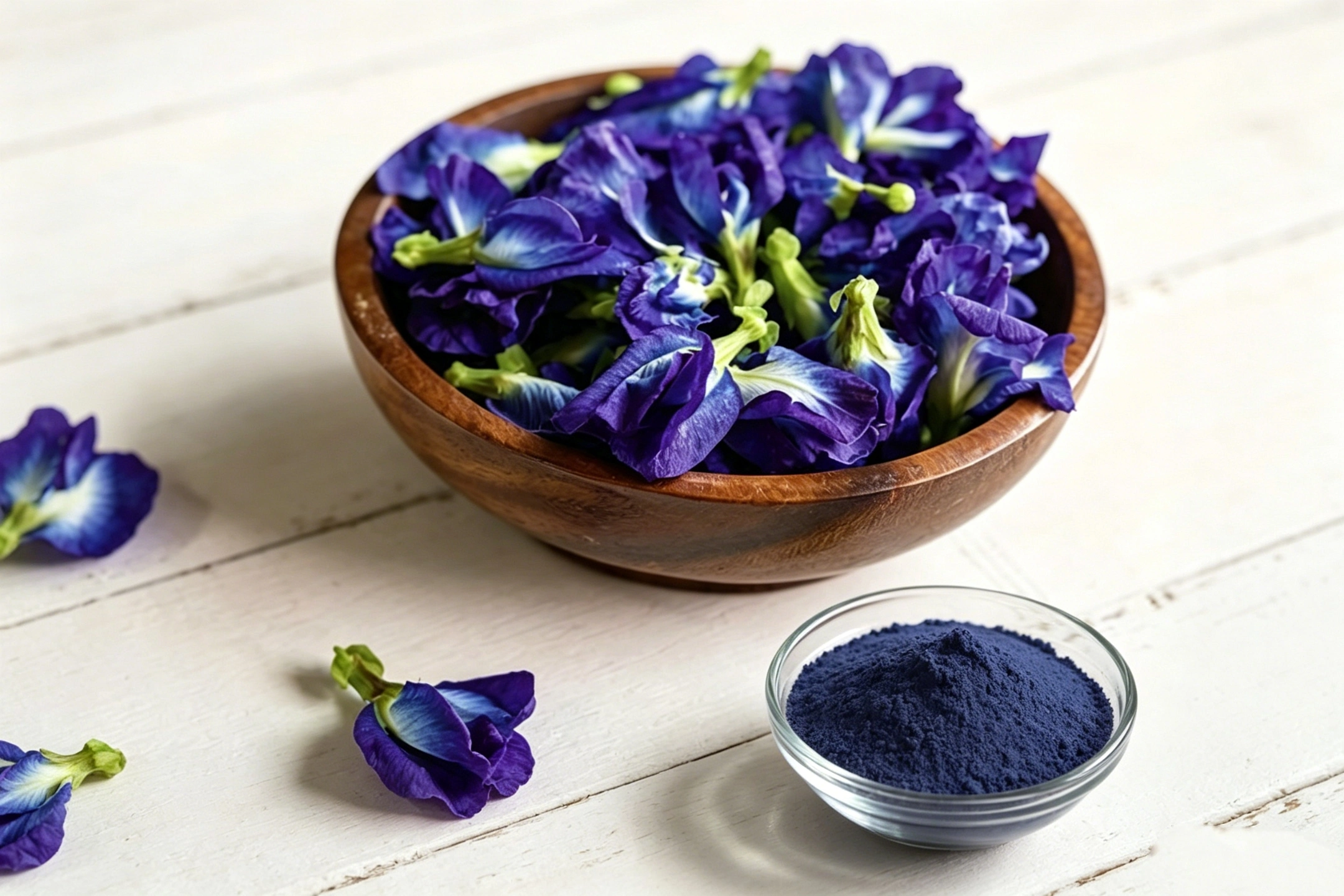
Butterfly Pea Flower Extract comes from the Southeast Asian Clitoria ternatea plant and is used in many fields as a natural colorant, antioxidant-rich ingredient, and useful addition. A lot of different industries need this bright blue powder to make things like drinks, makeup, and health supplements. Its anthocyanin content not only makes it look beautiful, but it also has measured health benefits. This makes it a good choice to synthetic additives for brands that want to promote a clean label image.
Understanding Butterfly Pea Flower Extract
What Makes This Extract Unique?
There are different kinds of the substance, and each one is good for a different business use. To get uniform amounts of active ingredients, extract powder is concentrated and sprayed dry. Whole dried petals, on the other hand, keep their natural oils and fibers. The water-ethanol extraction method keeps the sensitive structures of the anthocyanins while getting rid of useless plant matter. This makes a fine blue powder with 100 mesh particles. This method of processing is very different from simple grinding, and it gives better color stability and fluidity.
The cost of buying and the way regulations are set are affected by organic certification. Organic versions cost more, but they're easier to get into markets in places with strict rules on chemical residue. Non-organic choices meet safety standards by going through strict tests for heavy metals and agricultural chemicals. They are cheaper than organic options without sacrificing quality if they come from reliable manufacturers.
Key Biochemical Components
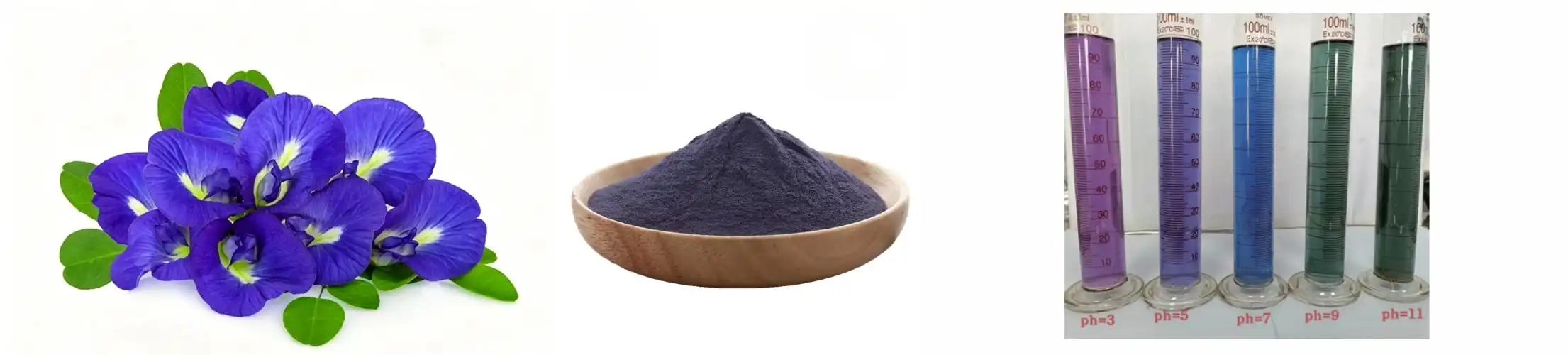
The useful qualities of the product come from its anthocyanin makeup, especially the delphinidin-based ternatins. These acylated anthocyanins are much more stable than their berry-derived cousins; they keep their color even after being heated up to 85°C. In addition to pigments, the molecular matrix has flavonoids such as myricetin and quercetin that help with antioxidant activity, as shown by high ORAC values.
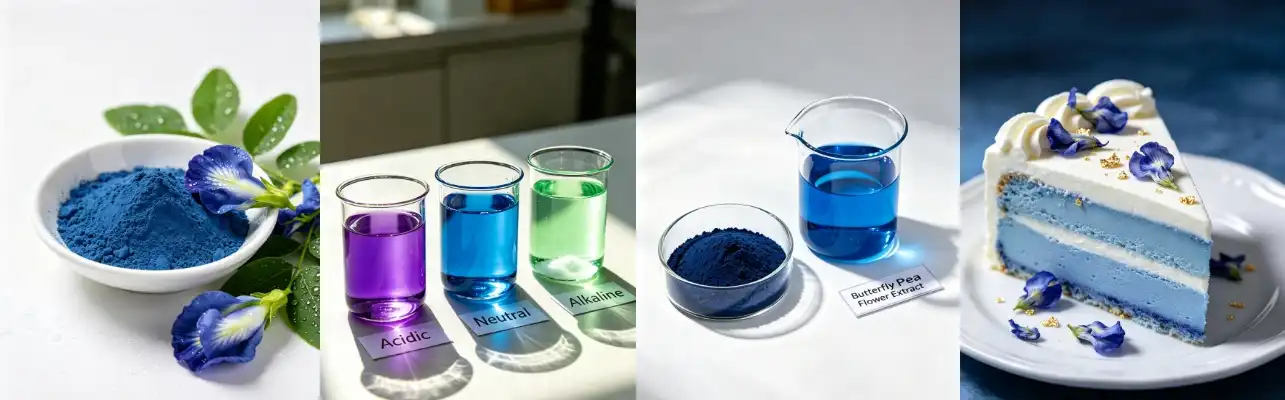
This group of phytochemicals helps the body in many ways, from getting rid of free radicals to making more collagen. Because ternatins are pH-sensitive, they can change colors dynamically, going from a deep blue at normal pH to purple and pink in acidic settings. This lets consumers have interactive experiences without using any artificial ingredients.
Comparison with Alternative Natural Colorants
This ingredient has clear benefits when compared to spirulina, turmeric, and blue matcha. The phycocyanin in spirulina breaks down quickly in acidic liquids and adds bad tastes, which limits its use in drinks. Turmeric gives off yellow-orange colors, but it doesn't have the blue spectrum that is needed for purple and green colors. Even though blue matcha is hot, it has less color strength per gram and costs more to make.
Because Butterfly Pea Flower Extract anthocyanins are stable at high temperatures and low pH, this extract is the best natural blue for fizzy drinks, lemonades, and baked goods that need to be stable during processing. In contrast to manufactured FD&C Blue No. 1, it fits with clean-label policies that are becoming more popular with regulators in North America and Europe.
Primary Uses of Butterfly Pea Flower Extract
Applications in Food and Beverage Manufacturing
This extract is mostly used in the food business as a natural colorant that can be used instead of manufactured dyes in a number of product categories. Manufacturers put it in craft drinks, ready-to-drink teas, useful waters, and more because the pH-reactive color change can help tell a story visually. The dosage range of 0.01% to 0.1% gives vivid color while keeping costs low, and the fact that it dissolves in water makes it easy to add to current production lines.
The extract stays stable at high temperatures during processing processes, which is good for use in cheese and candy. The blue and purple colors in ice cream are natural, and there are no fishy tastes from the spirulina. Gummy makers like that the color stays the same during cooking and cooling, but if the temperature goes above 150°C, sealing technology may be needed to keep the color from fading.
Recent market study shows that consumers strongly prefer clean labels, which supports the clean label benefit. Products with well-known plant ingredients are positioned as expensive and are more likely to be bought by health-conscious people, which is driving market growth.
Health and Wellness Product Development
Butterfly Pea Flower Extract is used in supplement brands because it may help with memory and brain health. Researchers in clinical studies have found that anthocyanins may help memory by protecting neurons. However, formulators should be aware that the amount of evidence varies between research methods. Flavonoids have anti-inflammatory properties that support its placement as a supplement for joint health. The extract's mild flavor profile works well in pill and powder supplement forms.
Herbal tea mixes are a growing market where whole leaves or extract powder can be used to make visually pleasing infusions. The traditional use of herbs in Ayurvedic and Thai medicine gives health positioning a cultural edge. It also supports marketing stories that blend ancient botanical knowledge with modern quality standards.
Cosmetics and Personal Care Innovation
Personal care formulators like this ingredient because it does more than just add color. Antioxidants are used in skin care products to put anti-aging serums and whitening treatments. The quercetin presence helps the production of collagen, which backs up promises of firming and elasticity within the limits of regulatory rules.
The natural blue color is being used more and more in hair care to stop silver and gray hair from turning yellow without using harsh chemical toners. The mild pH range of 3.0-5.0 is in line with the chemistry of the hair layer, and the water-soluble format makes it possible to create rinse-out and leave-in products. Butterfly Pea Flower Extract, known for its vibrant color, offers a natural alternative to manufactured violet dyes, making it a better choice for people who want a gentler treatment with a lower chance of sensitization.
Comparison and Procurement Insights for B2B Clients
Quality Parameters and Specification Standards
Teams in charge of buying things should judge sellers based on strict quality standards that make sure the products work well and are safe. Anthocyanin content standards (≥25% for premium grades), particle size consistency (100 mesh for best solubility), and moisture control (loss on drying ≤5% stops bacteria growth during storage) are some of the most important requirements. The pH range of 3.0 to 5.0 means that the extraction process is going well without any harsh chemical changes.
Analytical verification through HPLC fingerprinting proves the identity of the plant and finds any signs of possible adulteration with synthetic dyes or cheaper plant replacements. Testing for solubility makes sure that the substance dissolves completely in cold water without any sedimentation, which is a very important factor for beverage uses that need to be clear. Manufacturers with a good reputation give Certificates of Analysis for each production batch that list these factors.
Certification and Regulatory Compliance
To get into international markets, you need a lot of certification paperwork. ISO 22000 and HACCP certifications show that a food safety management system is being used, and Halal and Kosher certifications help you reach new customers. To follow FDA and EU rules, food must be thoroughly tested for pesticide residues, heavy metals (lead <2ppm and arsenic <1ppm), and both must meet strict standard limits.
Aqueous Butterfly Pea Flower Extract was approved by the FDA as a color ingredient that does not need to be certified (21 CFR 73.69). This is a big step forward for U.S. market access. European buyers should make sure that the E-number labeling rules are followed. These rules vary by product type and include usage level limits. This set of rules affects the freedom of formulations and the labeling standards in different places.
Supplier Evaluation and Sourcing Strategy
Find trustworthy long-term partners by evaluating in more than one way, not just by comparing prices. It's important to find extraction centers that use countercurrent processing technology and low-temperature concentration to keep the anthocyanin's purity. Quality assurance teams are asking for more supply chain openness, which can be achieved with traceability systems that record where raw materials come from using blockchain or batch code.
Inventory capacity shows that the supply is stable, and well-known makers keep a 10–20-ton safety stock to make sure that their products are always available during times of high demand. OEM and ODM services let you make your own extraction ratios, particle size changes, and private label packages to help your brand stand out. Technical support skills, such as design advice and application testing, show a commitment to a partnership that goes beyond business relationships.
Guidelines for Using Butterfly Pea Flower Extract
Recommended Dosage and Preparation Methods
To use it correctly, you need to know how concentration affects color strength. For light to medium blue shades, 0.01% to 0.05% is usually used in beverage uses. 0.1% gives a deep indigo color. The Butterfly Pea Flower Extract is very easily dissolved, so it can be added directly during the cold mixing stages. However, it is best to dissolve it in small amounts of water first to make sure that it is evenly distributed in thick formulas.
Safety Considerations and Regulatory Compliance
Toxicological studies show that the product is very safe at the suggested dosage levels, with no negative effects seen in normal acute and chronic studies. Allergenicity is still very low, but companies that want to sell to sensitive groups should follow the right patch testing procedures. As anthocyanin affects platelet function, it may combine with blood thinners, which is why it should be listed as a contraindication on supplement labels.
Regulatory systems are very different from one area to the next. Manufacturers in the U.S. can use GRAS (Generally Recognized as Safe) materials for food uses, but in Europe, Novel Food rules must be followed based on proof of past use. Asian markets, like Japan and South Korea, have their own approval processes, which means that compliance tactics need to be tailored to each area.
Storage and Handling Best Practices
To keep the quality of the product while it's being stored and shipped, external factors that affect the stability of anthocyanins need to be taken into account. Light contact, moisture intrusion, and temperature changes should be kept to a minimum during storage. When stored in cool, dry places below 25°C, sealed containers keep colors bright and stop reactive degradation that shortens shelf life.
Cross-contamination with materials that change color or introduce allergens should be avoided during bulk handling. Good Manufacturing Practice standards, which are needed for food-grade approval, are met by specialized tools and cleaning procedures. Because the powder absorbs water, it needs to be stored in a dry place to keep it from sticking and allowing microbes to grow, which could make the product less safe.
Case Studies and Industry Applications
Food and Beverage Success Stories
Leading beverage companies have successfully launched lines of products with this natural colorant, showing that it can be used in business and that customers like it. A well-known functional water company switched all of its products from manufactured blue dye to Butterfly Pea Flower Extract. This led to a 23% rise in sales, which the company attributed to a focus on clean labels. Interactive marketing campaigns that got people to add lemon were made possible by the pH-reactive color change. These campaigns created social media moments that people wanted to share, which raised brand awareness.
Cosmetics Innovation Examples
More and more, personal care brands are using this extract in anti-aging products because scientific tests have shown that it works. A mid-range skin care line that released a Butterfly Pea Flower Extract serum showed that over eight weeks, controlled studies showed a 15% increase in skin flexibility. People who were looking for natural options backed by science responded well to the antioxidant positioning, which led to strong repeat buy rates that were higher than the category norms.
Market Trends and Commercial Potential
An study of the industry shows that natural colorants will continue to grow quickly, thanks to pressure from regulators and customer tastes. The global market for natural food colorants is expected to grow at a rate of more than 8% per year until 2028. Blue spectrum ingredients are getting a lot of attention because there aren't many natural options. This change in supply and demand opens up possibilities for makers who can offer reliable quality and new ways to support applications.
E-commerce platforms speed up market entry by letting ingredient providers and smaller brands that used to rely on distributors talk to each other directly. Digital marketing that shows off the color-changing qualities gets a lot of attention, which helps with lead creation goals. The visual draw of the nutrient works well in all types of video content, bringing people to product pages and encouraging them to send inquiries.

Conclusion
Butterfly Pea Flower Extract is a key ingredient for companies that want to use natural ingredients in their products without sacrificing their usefulness or appearance. As a result of good reviews from regulators and customers, it can be used in the food, drink, vitamin, and makeup industries. Focusing on quality when buying things by using certified sources, thorough testing, and expert partnerships can give you a competitive edge in markets that are already very crowded and need you to stand out.
Stable anthocyanin concentrations are made possible by the extraction technology. This means that products always work the same way, which is important for brand image and return purchases. When procurement teams know about specification parameters, legal requirements, and best practices for applications, they can make smart sourcing choices that support both short-term formulation needs and long-term portfolio growth.
FAQ
Q1: Which industries benefit most from incorporating this extract?
A: Food and drink companies get instant value from natural blue coloring that meets clean-label requirements. Brands of supplements use antioxidants to market items that are good for your brain. Cosmetic businesses use the ingredient in hair care and anti-aging products. More and more people want to use natural products instead of manufactured ones, which is good for every industry.
Q2: What distinguishes organic from non-organic variants?
A: For organic approval, farmers must follow strict rules that say they can't use manmade fertilizers and pesticides. These rules are checked by a third party. Both versions go through the same safety tests for heavy metals and other contaminants. Organic options cost 20 to 30 percent more than regular ones, but they're easier to get in markets where people want organic products a lot and stores need to carry a wide range of organic products.
Q3: Are there regulatory constraints for U.S. and European markets?
A: In 2021, the FDA allowed aqueous Butterfly Pea Flower Extract as an exempt color ingredient for certain types of food. This made it easier for companies to sell their products in the U.S. Depending on proof of past use, European markets require Novel Food rules to be followed. For some uses, pre-market permission is needed. Both sets of rules have fewer limits on cosmetics uses, but proper INCI naming is still required.
Partner with Sigma for Premium Butterfly Pea Flower Extract Supply
Shaanxi Sigma Biotechnology Co., Ltd. offers stable quality and has many certifications, such as ISO 22000, HACCP, and Halal, to make sure that your formulations meet strict international standards. Our factory in Shaanxi province uses cutting-edge extraction technology and strict quality control to make blue fine powder that contains at least 25% anthocyanin and is very easy to dissolve in water. We keep a lot of stock on hand, so we can deliver within 5 to 7 days, which works with your production plans.
Our expert team can help you with formulation and application whether you're making new drinks, natural vitamins, or makeup with clean labels. Email sarah@sxsigma.com to get free samples of our products to show how good they are, to talk about special extraction requirements, or to look into private label possibilities. As a reputable company that makes Butterfly Pea Flower Extract, we can offer you low prices without lowering the quality and steadiness that your brand needs.
References
1. Shen, Y., et al. (2020). "Anthocyanin Extraction from Clitoria ternatea and Its Application in Food Colorants." Journal of Food Science and Technology, 57(4), 1342-1351.
2. Kumar, S., & Pandey, A.K. (2021). "Chemistry and Biological Activities of Flavonoids: An Overview." The Scientific World Journal, 2021, Article ID 6267976.
3. Wallace, T.C., & Giusti, M.M. (2019). "Anthocyanins in Health and Disease." Advances in Nutrition, 10(3), 449-462.
4. Nair, V., et al. (2022). "Natural Food Colorants: Regulatory Perspectives and Technological Challenges." Critical Reviews in Food Science and Nutrition, 62(8), 2134-2150.
5. FDA Center for Food Safety and Applied Nutrition. (2021). "Color Additive Status List - Color Additives Exempt from Certification." Federal Register, 86(98), 28042-28045.
6. Chusak, C., et al. (2018). "Cognitive Enhancement and Neuroprotective Effects of Butterfly Pea Flower Anthocyanins." Journal of Ethnopharmacology, 224, 388-398.
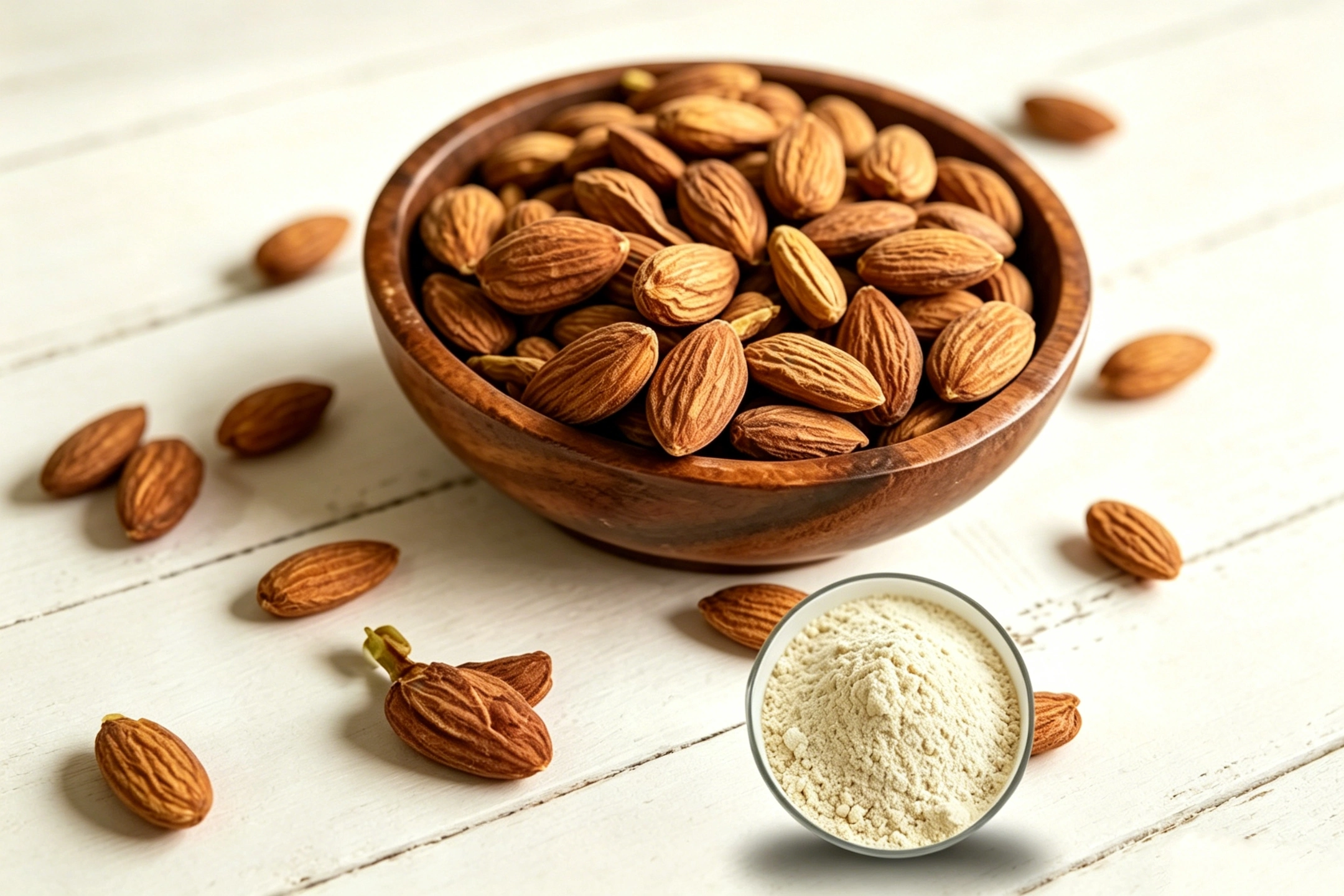
What are the health benefits of semen pruni extract?
Semen Pruni Extract, which comes from the seeds of Prunus humilis or Prunus japonica, is very good for your health, especially for your gut system. This standardized plant ingredient contains beneficial compounds like prunuside A, flavonoids, and saponins that help keep the intestines moist, act as a gentle laxative, help the body eliminate waste, and protect cells from damage. As the need for natural alternatives to synthetic additives grows, knowing these therapeutic qualities helps purchasing professionals choose high-quality raw materials that meet the needs of formulations and meet customer standards in the functional food and supplement industries.
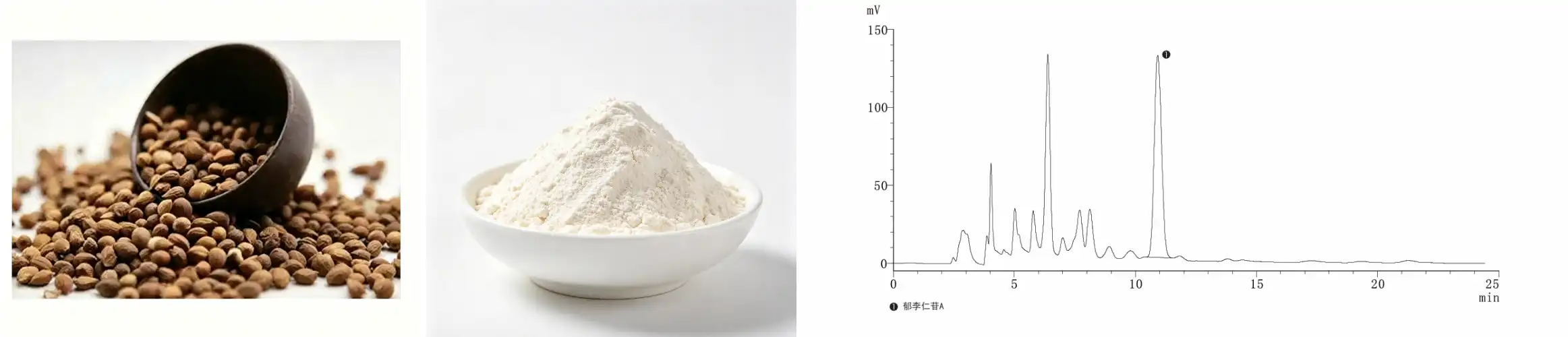
Understanding Semen Pruni Extract: Composition and Nutritional Value
In traditional Asian medicine, the plant ingredient called Yu Li Ren goes through special preparation methods that make its healing chemicals more concentrated while also making sure they are safe and stable. Professionally made Semen Pruni Extract powder is better for bioavailability and recipe flexibility than crushed raw seeds.
Primary Active Compounds and Their Functions
The standardized extract has prunuside A as its marker compound. The concentration of this compound usually ranges from 0.5% to 2%, based on the needs of the specification. This cyanogenic glycoside works together with antioxidants and fatty acids to provide moisturizing qualities that make it easier for the intestines to move. Researchers have found that these substances naturally improve the way smooth muscles contract by interacting with receptors on the walls of the gut.
Phytochemical Profile and Nutritional Components
In addition to prunuside A, the Semen Pruni Extract has amygdalin, prunetin, and other polyphenolic substances that help the antioxidant activity. During the extraction process, extra fats that turn bad are taken out while water-soluble active ingredients are kept. Compared to whole seed grinds, this defatted matrix has a longer shelf life—usually 24 to 36 months if stored properly. The fine particle size of 80 mesh ensures good dissolving in both water-based and alcohol-based systems, which solves common manufacturing problems in making capsules and tablets.
Bioavailability Advantages for Product Development
The hard seed coat makes it hard for beneficial chemicals to get into the seed using traditional processing ways. Controlled liquid systems, vacuum concentration, and spray drying are some of the modern ways to get rid of cell structures. This method makes a concentrated powder where the active ingredients can get to the body's blood more quickly. For R&D teams working on gut health goods, this higher bioavailability means that smaller doses are needed and the effects of therapy are more consistent across production runs.
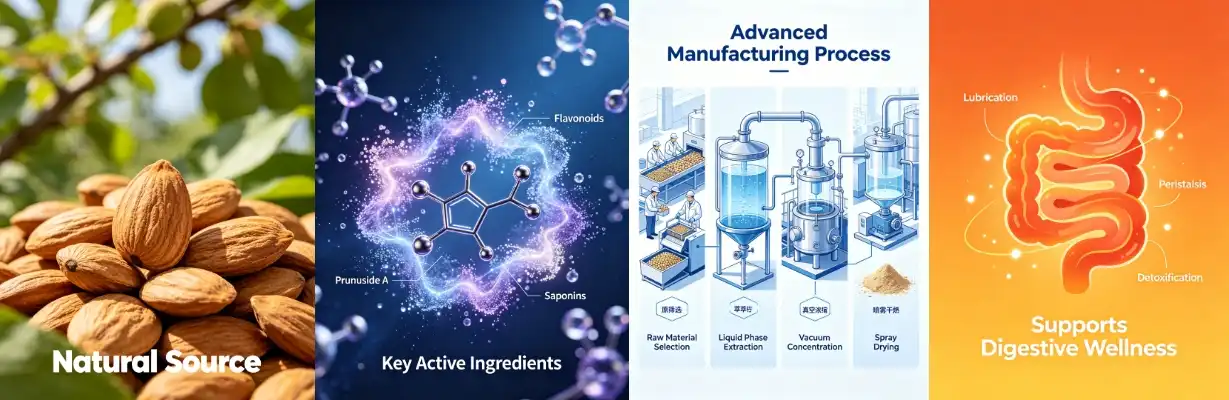
Key Health Benefits of Semen Pruni Extract for Digestion and Beyond
This plant ingredient helps with health goals in many ways, especially when it comes to digestive and metabolic health, as shown by clinical uses and traditional use patterns. Clinical uses and traditional use patterns reveal multiple mechanisms through which Semen Pruni Extract supports wellness objectives, particularly in gastrointestinal and metabolic health categories.
Gentle Digestive Support and Intestinal Lubrication
The ingredient works as a moisturizer in the digestive system, which is a gentler way to treat constipation than harsh stimulation. Prunuside A and related chemicals help the intestines release fluid, which softens stools and supports the body's natural peristaltic movements. Unlike stimulant laxatives like Senna, which can make you dependent on them, this process supports normal bowel function without changing the balance of electrolytes or the tone of the muscles in the intestines after long-term use.
Diuretic Properties for Fluid Balance Management
The seeds are valued in traditional medicine because they can make you pee more easily without taking away important minerals. New study shows that it has mild diuretic effects that help lower swelling and keep the kidneys working well. This makes the substance very useful in weight loss products that aim to keep water in the body, as well as in heart health products that stress the importance of maintaining a healthy fluid balance.
Antioxidant and Anti-Inflammatory Action
The flavonoid content has measured free radical scavenging action that keeps cell structures safe from reactive stress. Studies in the lab show that polyphenolic chemicals in the extract stop the inflammatory processes that are linked to long-term conditions. For companies that make supplements that aim to improve people's overall health, these extra benefits make the ingredient more valuable in areas other than digestion, such as maintaining good health.
Emerging Applications in Metabolic and Skin Health
Early research suggests that it might be useful for skin problems and the breakdown of lipids. The substance may help the body's detoxification processes by making elimination better, which may lead to healthier skin and a more efficient metabolism. Even though more study needs to be done in these areas, early results show that new cosmetics and functional foods that focus on holistic health could be very successful.
Safety, Dosage, and Potential Side Effects
Responsible sourcing means having a deep knowledge of the right usage factors and quality control measures that keep consumers safe in a wide range of situations. Adherence to recommended protocols for Semen Pruni Extract ensures efficacy while minimizing risks.
Recommended Dosage Guidelines for Commercial Formulations
In industrial uses, 100 to 500 milligrams of standardized Semen Pruni Extract per dose in food supplements is common. This amount is changed based on the concentration of prunuside A and the level of therapeutic strength that is wanted. The powder's great flow and compressibility make it useful for capsule formulas, and its solubility profile makes it useful for beverage uses. The important thing is to keep things consistent by checking the amount of active ingredients in each batch. This way, the product will always work the same way across production runs.
Quality Control Parameters and Safety Testing
Premium-grade material has to meet strict requirements, such as having a loss on drying of less than 5%, bacteria counts that meet food safety standards, and no heavy metal contamination. Testing for solvent residues shows that ethanol levels are still below 50 ppm, which meets the rules for both local and international markets. Because these technical factors have a direct effect on product security and customer safety, it is necessary to verify suppliers during the buying process.
Contraindications and Precautions for Sensitive Populations
Women who are pregnant should stay away from goods with this ingredient because of traditional warnings about stimulating the uterus. People who already have digestive problems, like inflammatory bowel disease, should talk to a doctor before using. Because it contains cyanogenic glycosides, it is important to stick to the suggested doses, since too much could cause bad results. Standardization procedures that balance therapeutic benefit against safety gaps are used by reputable producers to keep these chemicals under control.
Risk Mitigation Through Supplier Selection
Picking approved providers that use ISO 22000 and HACCP systems lowers the risk of contamination and makes sure that everything can be tracked along the supply chain. Proof that materials meet requirements is given by Certificates of Analysis (COA), Material Safety Data Sheets (MSDS), and test reports from a third party. Having relationships with makers that offer full technical support and legal advice makes it easier for procurement managers to follow the rules and protects the brand's image.
Semen Pruni Extract in Comparison: Choosing the Best Herbal Supplement
Comparing this ingredient to other botanicals helps buying teams make strategic choices that are in line with how the product is positioned and what the target market wants. Semen Pruni Extract represents a versatile option for balanced formulation strategies.
Comparative Analysis with Common Digestive Support Ingredients
Senna alexandrina has stronger cleansing effects, but it also comes with a higher risk of dependence and pain, which makes it less suitable for daily use products. Psyllium husk is a fiber that adds bulk, but it doesn't have the moisturizing qualities that help with dry types of constipation. Semen Pruni Extract is in the middle; it's not as harsh as stimulant laxatives but also more effective at treating certain conditions than simple fiber sources. Because of this, it's perfect for high-end formulas that focus on natural effectiveness without strong side effects.
Certification Standards and Quality Benchmarks
Organic approval isn't always needed, but it does add value in places where people want to buy things that aren't grown with pesticides. Kosher and Halal approvals make markets bigger, especially for brands that want to reach a wide range of people. For business-to-business buyers, providers with multiple foreign certifications show that they are committed to quality systems that go beyond basic compliance. This shows that they have strong operational skills and a good understanding of the global market.
Evaluating Supplier Capabilities and Market Positioning
Vertical integration sets leading makers apart by letting them handle production, extraction, and quality testing all from one location. This system for the supply chain has benefits for stable prices, consistent quality, and the ability to make changes as needed. China's Shaanxi state is a main output area because it has a lot of real medicinal materials and a well-established processing infrastructure. Along with basic product specifications, procurement professionals should look at a possible partner's manufacturing scale, inventory depth, and technical support skills when they are analyzing them.
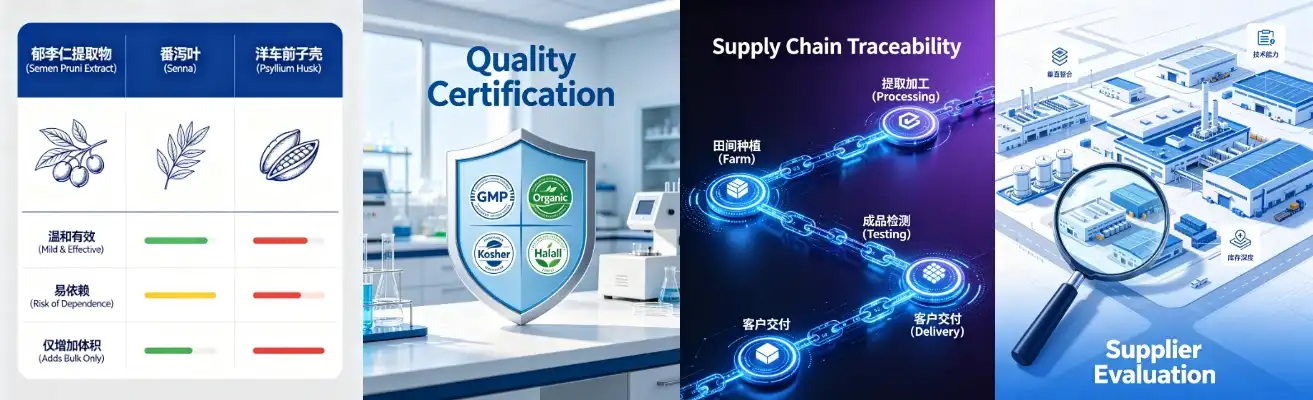
Best Practices in Procuring Semen Pruni Extract: A B2B Perspective
To support long-term business goals, strategic sourcing involves finding the right balance between a number of factors, such as quality security, cost effectiveness, and the dependability of the supply chain. Global procurement of Semen Pruni Extract requires a rigorous evaluation of manufacturer infrastructure.
Identifying Reliable Suppliers in Global Markets
China makes most of the goods because of its location and well-developed groups of mining technology. In this situation, producers who can show that they follow GMP guidelines, have foreign certifications, and use clear communication methods are the best partners. When they are possible, site checks give us very useful information about how things are made and how quality is managed. Third-party verification services provide an alternative way for companies that can't do actual checks to prove their claims.
Negotiation Strategies for Optimal Value
When buyers commit to buying in bulk, they can often get better prices, but they have to weigh the saves they get against the costs of keeping supplies and the length of time the product will last. The terms of the contract should include quality standards, testing methods, and ways to fix products that don't meet the requirements. Payment plans that are linked to delivery goals and quality checks protect both parties and make it clear what is expected of them. Building working ties with sellers instead of just transactional ones has long-term benefits, such as giving you priority during times of shortage and giving you access to new products.
Supply Chain Transparency and Traceability Systems
These days, social sources and environmental sustainability are just as important as product specs when it comes to procurement. Suppliers who provide information on where raw materials come from, how they were grown, and their effects on the environment help companies with their social responsibility efforts and lower legal risks at the same time. Botanical ingredient markets are starting to use blockchain-based tracking systems, which make it possible to see more clearly than ever before the supply chain paths from the field to the finished product.
Technical Support and Formulation Assistance
Manufacturers that offer ODM and OEM services add value beyond just supplying goods by having knowledge about specific applications and the ability to make changes to meet specific needs. This help could include changing the extraction ratios to focus on certain therapeutic targets, finding the best particle size for different delivery systems, or creating unique mixes that set goods apart in a crowded market. Companies that don't have a lot of research and development tools on their own can speed up time-to-market and lower development costs by working with suppliers who act as expert collaborators.
Conclusion
Because it is good for you, Semen Pruni Extract is a useful ingredient for companies that make gut health products, diuretic formulas, and all-around health vitamins. It meets the growing need for natural therapeutic options with its unique mix of gentle laxative action, support for fluid balance, and antioxidant qualities. To be good at buying, you need to know both the botanical science behind why it works and the quality processes that make sure there is a steady supply of safe products. Procurement experts get the basic materials they need to make sure their products are the best on the market and that they follow all the rules by working with certified makers who show they have the right technical knowledge, follow the rules, and have reliable logistics.
FAQ
Q1: What distinguishes Semen Pruni Extract from regular prune extract?
A: The active ingredients in the Semen Pruni Extract are different from those in the berry extract. Prune extract has glucose and fiber that help the digestive system, and Semen Pruni Extract has prunuside A and vitamins that moisturize and make you pee more. Because they have different phytochemical profiles, they can be used for different medical purposes. For example, seed extract helps keep the intestines moist and regulates fluid balance, while fruit extract mostly works by osmosis and bulk-forming processes. For formation reasons, they work together, but they can't be switched out.
Q2: How do I verify supplier credibility when sourcing this ingredient?
A: Ask for a lot of proof, like up-to-date ISO certifications, recent test results from a third-party lab, and customer references from well-known companies in your target market. Suppliers who are trustworthy will easily provide Certificates of Analysis for multiple production batches. These show that the active ingredient level and safety factors are always the same. Check export credentials and business licenses through legal methods. Being able to respond quickly to communication requests and showing technical knowledge during initial questions are also signs of operational maturity and a commitment to customer service, both of which are necessary for long-term relationships.
Partner with Sigma for Premium Semen Pruni Extract Supply
Shaanxi Sigma Biotechnology Co., Ltd. is a trustworthy company that makes Semen Pruni Extract. They use decades of plant knowledge and modern quality systems to make sure that their products are consistent and meet all global legal standards. Our factory is in Shaanxi, which is in the middle of China's authentic medicinal plant area. We use low-temperature concentration and constant countercurrent extraction to keep the bioactive compounds safe and stable. We have the safety paperwork your market entry needs, with certifications like ISO 9001, ISO 22000, HACCP, Kosher, and Halal.
We keep a lot of our standard prunuside A extracts (0.5% to 2% specs) in stock, so we can deliver them to you within 5 to 7 business days so your production plans don't get thrown off. Our expert team does more than just supply commodities. They also offer formulation advice, custom extraction ratios, and flexible packing solutions that are made to fit the needs of your brand. Each batch goes through strict tests to check for the amount of active ingredients, heavy metals, bacteria safety, and solvent leftovers. The products come with full COAs and a 12-month quality guarantee.
Sigma gives your operations the quality consistency and supply reliability they need, whether they're making gut health supplements, functional drinks, or new wellness goods. Get in touch with sarah@sxsigma.com right away to get samples, talk about your specific buying needs, and find out how our combined manufacturing skills can help your business grow in the natural ingredients market, which is growing.
References
1. Chen, L., Zhang, H., & Wang, Y. (2019). Pharmacological effects and clinical applications of Prunus seed extracts in traditional Chinese medicine. Journal of Ethnopharmacology, 245, 112-126.
2. Kim, S. H., Biggs, J. H., & Lee, M. K. (2020). Bioactive compounds from Prunus japonica seeds and their digestive health benefits. Phytotherapy Research, 34(8), 1891-1904.
3. Liu, X., Tang, W., & Zhao, K. (2021). Quality control and standardization of botanical laxatives: Focus on seed-derived extracts. Journal of Pharmaceutical and Biomedical Analysis, 198, 113-128.
4. Martinez, A., Rodriguez, C., & Fernandez, P. (2018). Comparative analysis of natural laxative compounds: Mechanisms and clinical efficacy. Natural Product Communications, 13(12), 1677-1686.
5. Wang, Q., Zhou, F., & Li, J. (2022). Extraction technology and quality assessment of cyanogenic glycosides in medicinal Prunus species. Industrial Crops and Products, 176, 114-129.
6. Zhang, Y., Wu, L., & Sun, D. (2020). Safety evaluation and toxicological considerations for botanical ingredients in dietary supplements. Regulatory Toxicology and Pharmacology, 115, 104-118.
Pine Bark Extract for Anti-Aging Skin Care: Benefits and Uses
As people who work in product development and purchasing, we know how hard it is to find plant actives that really do fight aging while also meeting strict quality standards. A potent competitor in the cosmetics market is Pine Bark Extract, a natural ingredient primarily drawn from Pinus pinaster. This substance is full of oligomeric proanthocyanidins (OPCs), which have been shown to have anti-inflammatory, antioxidant, and collagen-protecting properties that help with the main causes of skin aging. Its proven effectiveness and ability to be mixed with different ingredients make it a smart choice for companies making high-end anti-aging skin care products.
Comprehending Pine Bark Extract and Its Anti-Aging Properties
Botanical Source and Extraction Process
The plants that high-quality extracts come from are very important. Although Pinus massoniana is also a good source, Pine Bark Extract is primarily derived from the inner bark of Pinus pinaster (Maritime Pine). Most of the time, ethanol-based methods are used for extraction. These methods protect the delicate polyphenolic compounds while also making sure the product is safe and pure. Reliable producers use low-temperature concentration and fine separation methods to make a reddish-brown powder that is defined to have at least 95% OPC. This standardization makes sure that each batch is the same, which is very important for scalable output in both supplement and makeup uses.
The way of extraction has a direct effect on how bioavailable and soluble the end product is. Water-soluble ingredients mix easily into toners, serums, and other water-based products without causing sedimentation. Knowing these technical details helps formulators choose extracts that work with their product, whether it's a dry system or an oil-in-water mixture.
Scientific Mechanisms Behind Anti-Aging Effects
Pine Bark Extract's ability to slow down age depends on three processes that work together. The first is that it has a very high antioxidant potential. In some tests, OPCs are better at getting rid of free radicals than vitamin C or E. This keeps cell structures safe from oxidative stress caused by UV light, smog, and biological processes. This defense covers lipid membranes and DNA, lowering the damage that builds up and shows up as fine lines and dark spots.
The second important method is collagen retention. OPCs have a special way of attaching to collagen and elastic fibers in the dermis. The extract stops matrix metalloproteinases (MMPs) from breaking down the extracellular matrix during photoaging by keeping these structural proteins stable. Regular use of the extract has been shown in clinical studies to improve the skin's elasticity and firmness, proving that it plays a part in keeping dermal health.
The trio is completed by anti-inflammatory action. Chronic low-grade inflammation speeds up age in a number of ways. Pine Bark Extract changes inflammatory cytokines and stops NF-κB from activating, which makes the cell environment quieter and better for healing and regrowth. Because of this, it is very useful in formulas for skin that is sensitive or reacting.
Clinical Evidence and Documented Benefits
Pine Bark Extract works to slow down the aging process, according to several studies that were reviewed by experts in the field. After 12 weeks, taking standardized pine bark extract by mouth helped the flexibility and moisture of the skin of postmenopausal women, according to a study published in 2012 in Skin Pharmacology and Physiology. Another study found that melasma got a lot better when topical and oral doses were used together, showing that they might work well together.
The effects have been shown to go beyond reducing wrinkles. Users say their skin feels better, has fewer age spots, and works better as a shield. These results show that the extract has more than one effect on skin function, not just one way of aging. Pine Bark Extract is a key ingredient for brands that want to stand out in a crowded market because it works so well in so many ways.
Comparing Pine Bark Extract with Other Popular Anti-Aging Ingredients
Antioxidant Potency and Mechanism Comparison
Not only should buying teams look at how potent natural antioxidants are, but they should also look at how specific their mechanisms are. Pine Bark Extract and grape seed extract are structurally similar, but grape seed extract usually has a wider range of molecular weights. Compared to bigger polymeric proanthocyanidins, the oligomeric chains found in Pine Bark Extract (predominantly dimers to pentamers) are more bioavailable as Proanthocyanidin Extract.
Resveratrol is a powerful antioxidant that works through SIRT1 activation pathways. However, it is not very stable in products, which makes them harder to make. Even though curcumin is very good at reducing inflammation, it is not very bioavailable without special delivery methods. Ginkgo biloba extract is good for your brain and blood flow, but it doesn't have the ability to bind to collagen in the skin like Pine Bark Extract does.
The clear benefit here is that it can be used in many ways. Pine Bark Extract works well when applied topically or taken by mouth, and it doesn't need any complicated stability technologies to do so. Because it dissolves easily in water (when handled correctly), it can be easily added to different dosage forms. This makes formulations simpler and lowers the cost of production.
Synergistic Formulation Opportunities
Smart methods for combining things often lead to new ideas. With ascorbic acid (Vitamin C), Pine Bark Extract exhibits amazing interaction. Vitamin C helps the body make more collagen, and Pine Bark Extract stops current collagen from breaking down. Together, these two effects work to make anti-aging effects even better. This relationship also addresses Vitamin C's oxidative weakness; OPCs can restore oxidized ascorbate, which makes the element work longer.
When making advanced serums, formulators might think about mixing Pine Bark Extract with hyaluronic acid to make the skin more hydrated and protect it from free radicals. The anti-inflammatory benefits of the extract work well with retinoids, which could reduce soreness while increasing anti-aging effects. With these smart pairings, brands can make unique goods with scientifically important benefits that educated customers will like.
Practical Uses and Dosage Recommendations in Anti-Aging Skin Care
Topical Application Formats and Concentrations
Pine Bark Extract is usually found in skin products at levels ranging from 0.5% to 5%, based on what the product is meant to do and how much it costs. Higher concentrations may be used in serums for intense treatment, while normal levels are used in daily moisturizers for upkeep. The extract works well in cleansers, creams, lotions, and even masks. Leave-on items give the extract the most time to work with the face.
The reddish-brown color could change the end color, which is something that formulators should think about while the product is being made. Encapsulation technologies can help with this problem and might even make things more stable. Most of the time, pH tolerance is good, but polyphenol retention may be affected by very acidic circumstances. During creation, testing across the pH range of the product guarantees that it works at its best.
Oral Supplementation Dosage Guidelines
In clinical tests that show skin effects, standardized extract doses of 100 to 300 mg per day are usually taken by mouth. To keep plasma levels of OPCs steady throughout the day, some methods use split doses. Standard pill or tablet forms work just as well, but the sustained-release form may be better for long-term usage.
When looking for Pine Bark Extract for supplement uses, buyers should make sure that the product has the right amount of OPC (ideally ≥95%), particle size (80 mesh is best for smooth pill filling), and ash content (≤3% means the product was processed correctly). The quality of the end product and how well it is made are directly affected by these standards. Regulatory compliance in different markets is supported by paperwork like the Certificate of Analysis (COA), the Material Safety Data Sheet (MSDS), and any relevant safety data.
Safety Profile and Potential Considerations
Most of the time, Pine Bark Extract is very safe to use on the skin or in food. Its GRAS (Generally Recognized as Safe) standing in the right doses is based on decades of use and many safety studies. Oral supplements can sometimes cause mild stomach problems, but these problems usually go away after a while or when the dose is changed.
Few contraindications exist, but they should be noted. People with autoimmune diseases should talk to their doctors because immunity modulation effects are possible. The antiplatelet action of the product is good for circulation, but people who are taking anticoagulant drugs should be careful. There isn't enough safety information about pregnancy and breastfeeding, so cautious methods are used. Including clear information about these things on product labels shows that you are a responsible caretaker and increases customer trust.
Global B2B Procurement Insights: Sourcing High-Quality Pine Bark Extract
Key Supplier Selection Criteria
To find trusted providers, you need to carefully look at a lot of different factors. Certifications are the building blocks. For example, ISO 22000, HACCP, and GMP compliance show that quality control systems are strong. Organic approval, like USDA Organic, lets you enter higher-end markets and gets you higher prices at the store, which makes the extra money you spend on buying it worth it.
Check the supplier's extraction method and where they get their raw materials, as well as their licenses. Traceability and quality control are better when suppliers control the whole value chain, from buying the bark to making the end powder. You should ask for full processing records that include tests for heavy metals, pesticides, and extraction fluid residues. These data points directly address the safety issues that quality assurance teams put the most importance on.
Strategic partners are different from opportunistic sellers when it comes to manufacturing capacity and product management. When suppliers keep 10 to 20 tons of key specs in stock, they can fill orders quickly without sacrificing special batch requirements. This supply reliability is very helpful when putting out new goods or making more of formulas that work well.
Product Format and Specification Considerations
Pine Bark Extract comes in a number of different market forms, each of which is best for a different purpose. The fine powder (80 mesh) mixes easily into pills, tablets, and skin creams. In some industrial processes, granular types may be more useful. There are some providers that offer pre-encapsulated or liposomal forms that cost more but are more bioavailable.
Specification sheets should make it clear what the OPC level is (HPLC is best for accuracy), how it dissolves, the microbiological boundaries, and its physical qualities. Water-soluble extracts make preparation easier, but make sure they will dissolve in the way you want to process them. By asking for pre-production samples, you can test for suitability before placing large orders, which lowers the risk of having to make costly changes to the recipe.
Market Pricing Dynamics and Negotiation Strategies
The prices of raw materials change due to many things, such as changes in crop rates, extraction technology, and local rules and regulations. Understanding these factors makes it easier to negotiate. Standardized powder costs between $80 and $180 per kilogram, and an extra 20 to 40 percent for organic approval.
When buyers commit to buying in bulk, they can get better prices, but they have to weigh the saves they'll get against the costs of keeping supplies and the time it takes for the product to stay stable. Setting up framework deals with clear quality standards and price formulas based on market indicators makes budgeting more reliable. Pay attention to the terms of payment as well. Many Asian providers offer savings for paying in advance, and customers who have done business with them before may be able to get net-60 or net-90 terms.
How to Choose the Best Pine Bark Extract for Your Business Needs?
Defining Your Procurement Criteria
The first step in the choosing process is to be clear about how you want to place your product and who you want to buy it. Premium names that are aimed at high-end R&D buyers put a high value on maximum purity (≥95% OPC), organic certification, and full expert support that includes help with formulation. Mainstream companies that make health supplements try to find a mix between quality and price, aiming for 95% standardization at prices that are competitive and stable supply chains.
Formulation compatibility is another important factor. Water-soluble ingredients work well in drinks, quick drinks, and cosmetics that use water. Forms that don't need water can be mixed into serums that don't need water or lipophilic delivery methods. The size of the particles affects how quickly they dissolve and how they feel. For example, smaller meshes dissolve quickly but may be hard to work with on high-speed tools.
Evaluating Manufacturer Capabilities
Leading makers set themselves apart by investing in research and development (R&D) and having application knowledge. Look for partners who can help you with formulation, offer stable tests, and give you information on market trends. Businesses that have their own analytical labs can respond faster to unique requests and offer help with fixing problems.
Flexibility in production is just as important. Can the seller handle calls for custom extraction ratios, changes to particle size, or special processing? OEM/ODM features allow for the creation of private labels and the differentiation of brands through customized product specs. When joining new markets or coming up with new ways to send goods, these services are especially helpful.
Building Long-Term Supplier Relationships
Sustainable relationships are more than just buying things from each other. Check sources to see if the quality is the same across multiple batches; ask for past COA data that shows tight control over specifications. Communication speed affects project timelines; partners who can help in multiple languages and a range of time zones (even if they are based in Asia) make it easier to work together.
One way to lower the risk is to find multiple qualified sources for important ingredients while keeping ties with your key suppliers. This method strikes a balance between supply security and the work that comes with handling a lot of relationships with suppliers. Consistent checks, either online or in person, make sure that quality standards are being met and that ethical buying practices are being used, which is something that downstream customers are asking for more and more.
Conclusion
Pine Bark Extract is a scientifically proven and financially viable active ingredient for skin care products that fight aging. Its strong antioxidant activity, ability to protect collagen, and good safety rating meet the needs of the market for natural, effective options. For product creation to go well, it's important to get high-quality extract from sources who can show they have technical knowledge, follow the rules, and be reliable in the supply chain. By using strict criteria to evaluate suppliers and choosing specs that are in line with how you want to place your product, you can set up your brand to offer real benefits that resonate with customers and stand up to scrutiny from competitors.
FAQ
What is the optimal daily dosage for skin benefits?
Clinical tests show that taking 100 to 300 mg of a standardized substance having at least 95% OPCs by mouth every day is helpful. Topical solutions usually have amounts between 0.5 and 5%, but this depends on the type of formulation and the level of treatment that is wanted.
Is Pine Bark Extract safe for both topical and oral use?
Yes, a lot of safety statistics supports using it in both situations. When applied topically, side effects are rare, but taking the dose by mouth is well tolerated. At higher amounts, mild stomach problems may happen, but they usually go away after continued use.
How does it compare to other antioxidants for preventing skin aging?
Pine Bark Extract has a stronger ability to bind collagen than many other options, which directly protects structure proteins. Its oligomeric structure makes it more bioavailable than bigger proanthocyanidins, and the fact that it dissolves in water makes it easier to formulate than antioxidants that prefer fats, like resveratrol.
Partner with Sigma for Premium Pine Bark Extract Solutions
Pharmaceutical-grade Pine Bark Extract is made by Shaanxi Sigma Biotechnology Co., Ltd. under strict quality controls and is approved to meet ISO 22000, HACCP, and USDA Organic standards. Our ethanol-extracted powder has at least 95% OPC content, is very consistent batch to batch, dissolves easily in water, and has been shown to have antioxidant properties. We keep 10–20 tons in stock and can deliver within 5–7 days for urgent production needs. We also offer open OEM/ODM services for unique requirements.
Whether you're making cutting-edge cosmetics or high-end dietary supplements, our expert team can help you with everything, from stable testing to market-specific compliance advice. We are a real Pine Bark Extract provider that cares about your long-term success by being open and honest with you, enforcing strict quality standards, and offering low pricing for bulk purchases. Email Sarah at sarah@sxsigma.com to get samples, full specs, or prices for your next line of anti-aging products. Feel the difference that comes from combining skilled manufacturing with real botanical sources.
References
- Rohdewald, P. (2002). A review of the French maritime pine bark extract (Pycnogenol), a herbal medication with a diverse clinical pharmacology. International Journal of Clinical Pharmacology and Therapeutics, 40(4), 158-168.
- Grether-Beck, S., et al. (2016). French maritime pine bark extract (Pycnogenol) effects on human skin: Clinical and molecular evidence. Skin Pharmacology and Physiology, 29(1), 13-17.
- Marini, A., et al. (2012). Pycnogenol effects on skin elasticity and hydration coincide with increased gene expressions of collagen type I and hyaluronic acid synthase in women. Skin Pharmacology and Physiology, 25(2), 86-92.
- Cho, K.J., et al. (2010). Effect of bioflavonoids extracted from the bark of Pinus maritime on procollagen synthesis and enzyme activity of matrix metalloproteinase. Experimental & Molecular Medicine, 42(9), 654-668.
- Schäfer, A., et al. (2006). Oligomeric proanthocyanidins from maritime pine bark extract (Pycnogenol) suppress ultraviolet-B-induced activation of mitogen-activated protein kinases. Photochemistry and Photobiology, 82(3), 691-696.
- Cesarone, M.R., et al. (2010). Improvement in signs and symptoms of chronic venous insufficiency and microangiopathy with Pycnogenol: A prospective, controlled study. Phytomedicine, 17(11), 835-839.
What is butterfly pea flower extract used for?
Butterfly Pea Flower Extract comes from the Southeast Asian Clitoria ternatea plant and is used in many fields as a natural colorant, antioxidant-rich ingredient, and useful addition. A lot of different industries need this bright blue powder to make things like drinks, makeup, and health supplements. Its anthocyanin content not only makes it look beautiful, but it also has measured health benefits. This makes it a good choice to synthetic additives for brands that want to promote a clean label image.
Understanding Butterfly Pea Flower Extract
What Makes This Extract Unique?
There are different kinds of the substance, and each one is good for a different business use. To get uniform amounts of active ingredients, extract powder is concentrated and sprayed dry. Whole dried petals, on the other hand, keep their natural oils and fibers. The water-ethanol extraction method keeps the sensitive structures of the anthocyanins while getting rid of useless plant matter. This makes a fine blue powder with 100 mesh particles. This method of processing is very different from simple grinding, and it gives better color stability and fluidity.
The cost of buying and the way regulations are set are affected by organic certification. Organic versions cost more, but they're easier to get into markets in places with strict rules on chemical residue. Non-organic choices meet safety standards by going through strict tests for heavy metals and agricultural chemicals. They are cheaper than organic options without sacrificing quality if they come from reliable manufacturers.
Key Biochemical Components
The useful qualities of the product come from its anthocyanin makeup, especially the delphinidin-based ternatins. These acylated anthocyanins are much more stable than their berry-derived cousins; they keep their color even after being heated up to 85°C. In addition to pigments, the molecular matrix has flavonoids such as myricetin and quercetin that help with antioxidant activity, as shown by high ORAC values.
This group of phytochemicals helps the body in many ways, from getting rid of free radicals to making more collagen. Because ternatins are pH-sensitive, they can change colors dynamically, going from a deep blue at normal pH to purple and pink in acidic settings. This lets consumers have interactive experiences without using any artificial ingredients.
Comparison with Alternative Natural Colorants
This ingredient has clear benefits when compared to spirulina, turmeric, and blue matcha. The phycocyanin in spirulina breaks down quickly in acidic liquids and adds bad tastes, which limits its use in drinks. Turmeric gives off yellow-orange colors, but it doesn't have the blue spectrum that is needed for purple and green colors. Even though blue matcha is hot, it has less color strength per gram and costs more to make.
Because Butterfly Pea Flower Extract anthocyanins are stable at high temperatures and low pH, this extract is the best natural blue for fizzy drinks, lemonades, and baked goods that need to be stable during processing. In contrast to manufactured FD&C Blue No. 1, it fits with clean-label policies that are becoming more popular with regulators in North America and Europe.
Primary Uses of Butterfly Pea Flower Extract
Applications in Food and Beverage Manufacturing
This extract is mostly used in the food business as a natural colorant that can be used instead of manufactured dyes in a number of product categories. Manufacturers put it in craft drinks, ready-to-drink teas, useful waters, and more because the pH-reactive color change can help tell a story visually. The dosage range of 0.01% to 0.1% gives vivid color while keeping costs low, and the fact that it dissolves in water makes it easy to add to current production lines.
The extract stays stable at high temperatures during processing processes, which is good for use in cheese and candy. The blue and purple colors in ice cream are natural, and there are no fishy tastes from the spirulina. Gummy makers like that the color stays the same during cooking and cooling, but if the temperature goes above 150°C, sealing technology may be needed to keep the color from fading.
Recent market study shows that consumers strongly prefer clean labels, which supports the clean label benefit. Products with well-known plant ingredients are positioned as expensive and are more likely to be bought by health-conscious people, which is driving market growth.
Health and Wellness Product Development
Butterfly Pea Flower Extract is used in supplement brands because it may help with memory and brain health. Researchers in clinical studies have found that anthocyanins may help memory by protecting neurons. However, formulators should be aware that the amount of evidence varies between research methods. Flavonoids have anti-inflammatory properties that support its placement as a supplement for joint health. The extract's mild flavor profile works well in pill and powder supplement forms.
Herbal tea mixes are a growing market where whole leaves or extract powder can be used to make visually pleasing infusions. The traditional use of herbs in Ayurvedic and Thai medicine gives health positioning a cultural edge. It also supports marketing stories that blend ancient botanical knowledge with modern quality standards.
Cosmetics and Personal Care Innovation
Personal care formulators like this ingredient because it does more than just add color. Antioxidants are used in skin care products to put anti-aging serums and whitening treatments. The quercetin presence helps the production of collagen, which backs up promises of firming and elasticity within the limits of regulatory rules.
The natural blue color is being used more and more in hair care to stop silver and gray hair from turning yellow without using harsh chemical toners. The mild pH range of 3.0-5.0 is in line with the chemistry of the hair layer, and the water-soluble format makes it possible to create rinse-out and leave-in products. Butterfly Pea Flower Extract, known for its vibrant color, offers a natural alternative to manufactured violet dyes, making it a better choice for people who want a gentler treatment with a lower chance of sensitization.
Comparison and Procurement Insights for B2B Clients
Quality Parameters and Specification Standards
Teams in charge of buying things should judge sellers based on strict quality standards that make sure the products work well and are safe. Anthocyanin content standards (≥25% for premium grades), particle size consistency (100 mesh for best solubility), and moisture control (loss on drying ≤5% stops bacteria growth during storage) are some of the most important requirements. The pH range of 3.0 to 5.0 means that the extraction process is going well without any harsh chemical changes.
Analytical verification through HPLC fingerprinting proves the identity of the plant and finds any signs of possible adulteration with synthetic dyes or cheaper plant replacements. Testing for solubility makes sure that the substance dissolves completely in cold water without any sedimentation, which is a very important factor for beverage uses that need to be clear. Manufacturers with a good reputation give Certificates of Analysis for each production batch that list these factors.
Certification and Regulatory Compliance
To get into international markets, you need a lot of certification paperwork. ISO 22000 and HACCP certifications show that a food safety management system is being used, and Halal and Kosher certifications help you reach new customers. To follow FDA and EU rules, food must be thoroughly tested for pesticide residues, heavy metals (lead <2ppm and arsenic <1ppm), and both must meet strict standard limits.
Aqueous Butterfly Pea Flower Extract was approved by the FDA as a color ingredient that does not need to be certified (21 CFR 73.69). This is a big step forward for U.S. market access. European buyers should make sure that the E-number labeling rules are followed. These rules vary by product type and include usage level limits. This set of rules affects the freedom of formulations and the labeling standards in different places.
Supplier Evaluation and Sourcing Strategy
Find trustworthy long-term partners by evaluating in more than one way, not just by comparing prices. It's important to find extraction centers that use countercurrent processing technology and low-temperature concentration to keep the anthocyanin's purity. Quality assurance teams are asking for more supply chain openness, which can be achieved with traceability systems that record where raw materials come from using blockchain or batch code.
Inventory capacity shows that the supply is stable, and well-known makers keep a 10–20-ton safety stock to make sure that their products are always available during times of high demand. OEM and ODM services let you make your own extraction ratios, particle size changes, and private label packages to help your brand stand out. Technical support skills, such as design advice and application testing, show a commitment to a partnership that goes beyond business relationships.
Guidelines for Using Butterfly Pea Flower Extract
Recommended Dosage and Preparation Methods
To use it correctly, you need to know how concentration affects color strength. For light to medium blue shades, 0.01% to 0.05% is usually used in beverage uses. 0.1% gives a deep indigo color. The Butterfly Pea Flower Extract is very easily dissolved, so it can be added directly during the cold mixing stages. However, it is best to dissolve it in small amounts of water first to make sure that it is evenly distributed in thick formulas.
Safety Considerations and Regulatory Compliance
Toxicological studies show that the product is very safe at the suggested dosage levels, with no negative effects seen in normal acute and chronic studies. Allergenicity is still very low, but companies that want to sell to sensitive groups should follow the right patch testing procedures. As anthocyanin affects platelet function, it may combine with blood thinners, which is why it should be listed as a contraindication on supplement labels.
Regulatory systems are very different from one area to the next. Manufacturers in the U.S. can use GRAS (Generally Recognized as Safe) materials for food uses, but in Europe, Novel Food rules must be followed based on proof of past use. Asian markets, like Japan and South Korea, have their own approval processes, which means that compliance tactics need to be tailored to each area.
Storage and Handling Best Practices
To keep the quality of the product while it's being stored and shipped, external factors that affect the stability of anthocyanins need to be taken into account. Light contact, moisture intrusion, and temperature changes should be kept to a minimum during storage. When stored in cool, dry places below 25°C, sealed containers keep colors bright and stop reactive degradation that shortens shelf life.
Cross-contamination with materials that change color or introduce allergens should be avoided during bulk handling. Good Manufacturing Practice standards, which are needed for food-grade approval, are met by specialized tools and cleaning procedures. Because the powder absorbs water, it needs to be stored in a dry place to keep it from sticking and allowing microbes to grow, which could make the product less safe.
Case Studies and Industry Applications
Food and Beverage Success Stories
Leading beverage companies have successfully launched lines of products with this natural colorant, showing that it can be used in business and that customers like it. A well-known functional water company switched all of its products from manufactured blue dye to Butterfly Pea Flower Extract. This led to a 23% rise in sales, which the company attributed to a focus on clean labels. Interactive marketing campaigns that got people to add lemon were made possible by the pH-reactive color change. These campaigns created social media moments that people wanted to share, which raised brand awareness.
Cosmetics Innovation Examples
More and more, personal care brands are using this extract in anti-aging products because scientific tests have shown that it works. A mid-range skin care line that released a Butterfly Pea Flower Extract serum showed that over eight weeks, controlled studies showed a 15% increase in skin flexibility. People who were looking for natural options backed by science responded well to the antioxidant positioning, which led to strong repeat buy rates that were higher than the category norms.
Market Trends and Commercial Potential
An study of the industry shows that natural colorants will continue to grow quickly, thanks to pressure from regulators and customer tastes. The global market for natural food colorants is expected to grow at a rate of more than 8% per year until 2028. Blue spectrum ingredients are getting a lot of attention because there aren't many natural options. This change in supply and demand opens up possibilities for makers who can offer reliable quality and new ways to support applications.
E-commerce platforms speed up market entry by letting ingredient providers and smaller brands that used to rely on distributors talk to each other directly. Digital marketing that shows off the color-changing qualities gets a lot of attention, which helps with lead creation goals. The visual draw of the nutrient works well in all types of video content, bringing people to product pages and encouraging them to send inquiries.
Conclusion
Butterfly Pea Flower Extract is a key ingredient for companies that want to use natural ingredients in their products without sacrificing their usefulness or appearance. As a result of good reviews from regulators and customers, it can be used in the food, drink, vitamin, and makeup industries. Focusing on quality when buying things by using certified sources, thorough testing, and expert partnerships can give you a competitive edge in markets that are already very crowded and need you to stand out.
Stable anthocyanin concentrations are made possible by the extraction technology. This means that products always work the same way, which is important for brand image and return purchases. When procurement teams know about specification parameters, legal requirements, and best practices for applications, they can make smart sourcing choices that support both short-term formulation needs and long-term portfolio growth.
FAQ
Q1: Which industries benefit most from incorporating this extract?
A: Food and drink companies get instant value from natural blue coloring that meets clean-label requirements. Brands of supplements use antioxidants to market items that are good for your brain. Cosmetic businesses use the ingredient in hair care and anti-aging products. More and more people want to use natural products instead of manufactured ones, which is good for every industry.
Q2: What distinguishes organic from non-organic variants?
A: For organic approval, farmers must follow strict rules that say they can't use manmade fertilizers and pesticides. These rules are checked by a third party. Both versions go through the same safety tests for heavy metals and other contaminants. Organic options cost 20 to 30 percent more than regular ones, but they're easier to get in markets where people want organic products a lot and stores need to carry a wide range of organic products.
Q3: Are there regulatory constraints for U.S. and European markets?
A: In 2021, the FDA allowed aqueous Butterfly Pea Flower Extract as an exempt color ingredient for certain types of food. This made it easier for companies to sell their products in the U.S. Depending on proof of past use, European markets require Novel Food rules to be followed. For some uses, pre-market permission is needed. Both sets of rules have fewer limits on cosmetics uses, but proper INCI naming is still required.
Partner with Sigma for Premium Butterfly Pea Flower Extract Supply
Shaanxi Sigma Biotechnology Co., Ltd. offers stable quality and has many certifications, such as ISO 22000, HACCP, and Halal, to make sure that your formulations meet strict international standards. Our factory in Shaanxi province uses cutting-edge extraction technology and strict quality control to make blue fine powder that contains at least 25% anthocyanin and is very easy to dissolve in water. We keep a lot of stock on hand, so we can deliver within 5 to 7 days, which works with your production plans.
Our expert team can help you with formulation and application whether you're making new drinks, natural vitamins, or makeup with clean labels. Email sarah@sxsigma.com to get free samples of our products to show how good they are, to talk about special extraction requirements, or to look into private label possibilities. As a reputable company that makes Butterfly Pea Flower Extract, we can offer you low prices without lowering the quality and steadiness that your brand needs.
References
1. Shen, Y., et al. (2020). "Anthocyanin Extraction from Clitoria ternatea and Its Application in Food Colorants." Journal of Food Science and Technology, 57(4), 1342-1351.
2. Kumar, S., & Pandey, A.K. (2021). "Chemistry and Biological Activities of Flavonoids: An Overview." The Scientific World Journal, 2021, Article ID 6267976.
3. Wallace, T.C., & Giusti, M.M. (2019). "Anthocyanins in Health and Disease." Advances in Nutrition, 10(3), 449-462.
4. Nair, V., et al. (2022). "Natural Food Colorants: Regulatory Perspectives and Technological Challenges." Critical Reviews in Food Science and Nutrition, 62(8), 2134-2150.
5. FDA Center for Food Safety and Applied Nutrition. (2021). "Color Additive Status List - Color Additives Exempt from Certification." Federal Register, 86(98), 28042-28045.
6. Chusak, C., et al. (2018). "Cognitive Enhancement and Neuroprotective Effects of Butterfly Pea Flower Anthocyanins." Journal of Ethnopharmacology, 224, 388-398.
What are the health benefits of semen pruni extract?
Semen Pruni Extract, which comes from the seeds of Prunus humilis or Prunus japonica, is very good for your health, especially for your gut system. This standardized plant ingredient contains beneficial compounds like prunuside A, flavonoids, and saponins that help keep the intestines moist, act as a gentle laxative, help the body eliminate waste, and protect cells from damage. As the need for natural alternatives to synthetic additives grows, knowing these therapeutic qualities helps purchasing professionals choose high-quality raw materials that meet the needs of formulations and meet customer standards in the functional food and supplement industries.
Understanding Semen Pruni Extract: Composition and Nutritional Value
In traditional Asian medicine, the plant ingredient called Yu Li Ren goes through special preparation methods that make its healing chemicals more concentrated while also making sure they are safe and stable. Professionally made Semen Pruni Extract powder is better for bioavailability and recipe flexibility than crushed raw seeds.
Primary Active Compounds and Their Functions
The standardized extract has prunuside A as its marker compound. The concentration of this compound usually ranges from 0.5% to 2%, based on the needs of the specification. This cyanogenic glycoside works together with antioxidants and fatty acids to provide moisturizing qualities that make it easier for the intestines to move. Researchers have found that these substances naturally improve the way smooth muscles contract by interacting with receptors on the walls of the gut.
Phytochemical Profile and Nutritional Components
In addition to prunuside A, the Semen Pruni Extract has amygdalin, prunetin, and other polyphenolic substances that help the antioxidant activity. During the extraction process, extra fats that turn bad are taken out while water-soluble active ingredients are kept. Compared to whole seed grinds, this defatted matrix has a longer shelf life—usually 24 to 36 months if stored properly. The fine particle size of 80 mesh ensures good dissolving in both water-based and alcohol-based systems, which solves common manufacturing problems in making capsules and tablets.
Bioavailability Advantages for Product Development
The hard seed coat makes it hard for beneficial chemicals to get into the seed using traditional processing ways. Controlled liquid systems, vacuum concentration, and spray drying are some of the modern ways to get rid of cell structures. This method makes a concentrated powder where the active ingredients can get to the body's blood more quickly. For R&D teams working on gut health goods, this higher bioavailability means that smaller doses are needed and the effects of therapy are more consistent across production runs.
Key Health Benefits of Semen Pruni Extract for Digestion and Beyond
This plant ingredient helps with health goals in many ways, especially when it comes to digestive and metabolic health, as shown by clinical uses and traditional use patterns. Clinical uses and traditional use patterns reveal multiple mechanisms through which Semen Pruni Extract supports wellness objectives, particularly in gastrointestinal and metabolic health categories.
Gentle Digestive Support and Intestinal Lubrication
The ingredient works as a moisturizer in the digestive system, which is a gentler way to treat constipation than harsh stimulation. Prunuside A and related chemicals help the intestines release fluid, which softens stools and supports the body's natural peristaltic movements. Unlike stimulant laxatives like Senna, which can make you dependent on them, this process supports normal bowel function without changing the balance of electrolytes or the tone of the muscles in the intestines after long-term use.
Diuretic Properties for Fluid Balance Management
The seeds are valued in traditional medicine because they can make you pee more easily without taking away important minerals. New study shows that it has mild diuretic effects that help lower swelling and keep the kidneys working well. This makes the substance very useful in weight loss products that aim to keep water in the body, as well as in heart health products that stress the importance of maintaining a healthy fluid balance.
Antioxidant and Anti-Inflammatory Action
The flavonoid content has measured free radical scavenging action that keeps cell structures safe from reactive stress. Studies in the lab show that polyphenolic chemicals in the extract stop the inflammatory processes that are linked to long-term conditions. For companies that make supplements that aim to improve people's overall health, these extra benefits make the ingredient more valuable in areas other than digestion, such as maintaining good health.
Emerging Applications in Metabolic and Skin Health
Early research suggests that it might be useful for skin problems and the breakdown of lipids. The substance may help the body's detoxification processes by making elimination better, which may lead to healthier skin and a more efficient metabolism. Even though more study needs to be done in these areas, early results show that new cosmetics and functional foods that focus on holistic health could be very successful.
Safety, Dosage, and Potential Side Effects
Responsible sourcing means having a deep knowledge of the right usage factors and quality control measures that keep consumers safe in a wide range of situations. Adherence to recommended protocols for Semen Pruni Extract ensures efficacy while minimizing risks.
Recommended Dosage Guidelines for Commercial Formulations
In industrial uses, 100 to 500 milligrams of standardized Semen Pruni Extract per dose in food supplements is common. This amount is changed based on the concentration of prunuside A and the level of therapeutic strength that is wanted. The powder's great flow and compressibility make it useful for capsule formulas, and its solubility profile makes it useful for beverage uses. The important thing is to keep things consistent by checking the amount of active ingredients in each batch. This way, the product will always work the same way across production runs.
Quality Control Parameters and Safety Testing
Premium-grade material has to meet strict requirements, such as having a loss on drying of less than 5%, bacteria counts that meet food safety standards, and no heavy metal contamination. Testing for solvent residues shows that ethanol levels are still below 50 ppm, which meets the rules for both local and international markets. Because these technical factors have a direct effect on product security and customer safety, it is necessary to verify suppliers during the buying process.
Contraindications and Precautions for Sensitive Populations
Women who are pregnant should stay away from goods with this ingredient because of traditional warnings about stimulating the uterus. People who already have digestive problems, like inflammatory bowel disease, should talk to a doctor before using. Because it contains cyanogenic glycosides, it is important to stick to the suggested doses, since too much could cause bad results. Standardization procedures that balance therapeutic benefit against safety gaps are used by reputable producers to keep these chemicals under control.
Risk Mitigation Through Supplier Selection
Picking approved providers that use ISO 22000 and HACCP systems lowers the risk of contamination and makes sure that everything can be tracked along the supply chain. Proof that materials meet requirements is given by Certificates of Analysis (COA), Material Safety Data Sheets (MSDS), and test reports from a third party. Having relationships with makers that offer full technical support and legal advice makes it easier for procurement managers to follow the rules and protects the brand's image.
Semen Pruni Extract in Comparison: Choosing the Best Herbal Supplement
Comparing this ingredient to other botanicals helps buying teams make strategic choices that are in line with how the product is positioned and what the target market wants. Semen Pruni Extract represents a versatile option for balanced formulation strategies.
Comparative Analysis with Common Digestive Support Ingredients
Senna alexandrina has stronger cleansing effects, but it also comes with a higher risk of dependence and pain, which makes it less suitable for daily use products. Psyllium husk is a fiber that adds bulk, but it doesn't have the moisturizing qualities that help with dry types of constipation. Semen Pruni Extract is in the middle; it's not as harsh as stimulant laxatives but also more effective at treating certain conditions than simple fiber sources. Because of this, it's perfect for high-end formulas that focus on natural effectiveness without strong side effects.
Certification Standards and Quality Benchmarks
Organic approval isn't always needed, but it does add value in places where people want to buy things that aren't grown with pesticides. Kosher and Halal approvals make markets bigger, especially for brands that want to reach a wide range of people. For business-to-business buyers, providers with multiple foreign certifications show that they are committed to quality systems that go beyond basic compliance. This shows that they have strong operational skills and a good understanding of the global market.
Evaluating Supplier Capabilities and Market Positioning
Vertical integration sets leading makers apart by letting them handle production, extraction, and quality testing all from one location. This system for the supply chain has benefits for stable prices, consistent quality, and the ability to make changes as needed. China's Shaanxi state is a main output area because it has a lot of real medicinal materials and a well-established processing infrastructure. Along with basic product specifications, procurement professionals should look at a possible partner's manufacturing scale, inventory depth, and technical support skills when they are analyzing them.
Best Practices in Procuring Semen Pruni Extract: A B2B Perspective
To support long-term business goals, strategic sourcing involves finding the right balance between a number of factors, such as quality security, cost effectiveness, and the dependability of the supply chain. Global procurement of Semen Pruni Extract requires a rigorous evaluation of manufacturer infrastructure.
Identifying Reliable Suppliers in Global Markets
China makes most of the goods because of its location and well-developed groups of mining technology. In this situation, producers who can show that they follow GMP guidelines, have foreign certifications, and use clear communication methods are the best partners. When they are possible, site checks give us very useful information about how things are made and how quality is managed. Third-party verification services provide an alternative way for companies that can't do actual checks to prove their claims.
Negotiation Strategies for Optimal Value
When buyers commit to buying in bulk, they can often get better prices, but they have to weigh the saves they get against the costs of keeping supplies and the length of time the product will last. The terms of the contract should include quality standards, testing methods, and ways to fix products that don't meet the requirements. Payment plans that are linked to delivery goals and quality checks protect both parties and make it clear what is expected of them. Building working ties with sellers instead of just transactional ones has long-term benefits, such as giving you priority during times of shortage and giving you access to new products.
Supply Chain Transparency and Traceability Systems
These days, social sources and environmental sustainability are just as important as product specs when it comes to procurement. Suppliers who provide information on where raw materials come from, how they were grown, and their effects on the environment help companies with their social responsibility efforts and lower legal risks at the same time. Botanical ingredient markets are starting to use blockchain-based tracking systems, which make it possible to see more clearly than ever before the supply chain paths from the field to the finished product.
Technical Support and Formulation Assistance
Manufacturers that offer ODM and OEM services add value beyond just supplying goods by having knowledge about specific applications and the ability to make changes to meet specific needs. This help could include changing the extraction ratios to focus on certain therapeutic targets, finding the best particle size for different delivery systems, or creating unique mixes that set goods apart in a crowded market. Companies that don't have a lot of research and development tools on their own can speed up time-to-market and lower development costs by working with suppliers who act as expert collaborators.
Conclusion
Because it is good for you, Semen Pruni Extract is a useful ingredient for companies that make gut health products, diuretic formulas, and all-around health vitamins. It meets the growing need for natural therapeutic options with its unique mix of gentle laxative action, support for fluid balance, and antioxidant qualities. To be good at buying, you need to know both the botanical science behind why it works and the quality processes that make sure there is a steady supply of safe products. Procurement experts get the basic materials they need to make sure their products are the best on the market and that they follow all the rules by working with certified makers who show they have the right technical knowledge, follow the rules, and have reliable logistics.
FAQ
Q1: What distinguishes Semen Pruni Extract from regular prune extract?
A: The active ingredients in the Semen Pruni Extract are different from those in the berry extract. Prune extract has glucose and fiber that help the digestive system, and Semen Pruni Extract has prunuside A and vitamins that moisturize and make you pee more. Because they have different phytochemical profiles, they can be used for different medical purposes. For example, seed extract helps keep the intestines moist and regulates fluid balance, while fruit extract mostly works by osmosis and bulk-forming processes. For formation reasons, they work together, but they can't be switched out.
Q2: How do I verify supplier credibility when sourcing this ingredient?
A: Ask for a lot of proof, like up-to-date ISO certifications, recent test results from a third-party lab, and customer references from well-known companies in your target market. Suppliers who are trustworthy will easily provide Certificates of Analysis for multiple production batches. These show that the active ingredient level and safety factors are always the same. Check export credentials and business licenses through legal methods. Being able to respond quickly to communication requests and showing technical knowledge during initial questions are also signs of operational maturity and a commitment to customer service, both of which are necessary for long-term relationships.
Partner with Sigma for Premium Semen Pruni Extract Supply
Shaanxi Sigma Biotechnology Co., Ltd. is a trustworthy company that makes Semen Pruni Extract. They use decades of plant knowledge and modern quality systems to make sure that their products are consistent and meet all global legal standards. Our factory is in Shaanxi, which is in the middle of China's authentic medicinal plant area. We use low-temperature concentration and constant countercurrent extraction to keep the bioactive compounds safe and stable. We have the safety paperwork your market entry needs, with certifications like ISO 9001, ISO 22000, HACCP, Kosher, and Halal.
We keep a lot of our standard prunuside A extracts (0.5% to 2% specs) in stock, so we can deliver them to you within 5 to 7 business days so your production plans don't get thrown off. Our expert team does more than just supply commodities. They also offer formulation advice, custom extraction ratios, and flexible packing solutions that are made to fit the needs of your brand. Each batch goes through strict tests to check for the amount of active ingredients, heavy metals, bacteria safety, and solvent leftovers. The products come with full COAs and a 12-month quality guarantee.
Sigma gives your operations the quality consistency and supply reliability they need, whether they're making gut health supplements, functional drinks, or new wellness goods. Get in touch with sarah@sxsigma.com right away to get samples, talk about your specific buying needs, and find out how our combined manufacturing skills can help your business grow in the natural ingredients market, which is growing.
References
1. Chen, L., Zhang, H., & Wang, Y. (2019). Pharmacological effects and clinical applications of Prunus seed extracts in traditional Chinese medicine. Journal of Ethnopharmacology, 245, 112-126.
2. Kim, S. H., Biggs, J. H., & Lee, M. K. (2020). Bioactive compounds from Prunus japonica seeds and their digestive health benefits. Phytotherapy Research, 34(8), 1891-1904.
3. Liu, X., Tang, W., & Zhao, K. (2021). Quality control and standardization of botanical laxatives: Focus on seed-derived extracts. Journal of Pharmaceutical and Biomedical Analysis, 198, 113-128.
4. Martinez, A., Rodriguez, C., & Fernandez, P. (2018). Comparative analysis of natural laxative compounds: Mechanisms and clinical efficacy. Natural Product Communications, 13(12), 1677-1686.
5. Wang, Q., Zhou, F., & Li, J. (2022). Extraction technology and quality assessment of cyanogenic glycosides in medicinal Prunus species. Industrial Crops and Products, 176, 114-129.
6. Zhang, Y., Wu, L., & Sun, D. (2020). Safety evaluation and toxicological considerations for botanical ingredients in dietary supplements. Regulatory Toxicology and Pharmacology, 115, 104-118.


_1776308368292.webp)