BLOG List

Best Fucoxanthin Extract Manufacturer for Supplement Buyers - Sigma
When sourcing marine-derived bioactive ingredients for weight management and metabolic health products, Fucoxanthin Extract Powder has emerged as a standout choice among supplement manufacturers. Sigma delivers industry-leading fucoxanthin extract standardized to ≥10% active ingredient, extracted using supercritical CO2 technology from premium brown seaweed sources. Our marine carotenoid powder meets rigorous ISO, HACCP, and Halal certifications while maintaining zero solvent residue and non-GMO status—critical factors for B2B buyers navigating today's competitive supplement landscape.
Introduction
As more people look for clean-label, ocean-sourced health products, the demand for natural ingredients that support metabolism keeps growing. Fucoxanthin Extract Powder is a xanthophyll pigment that is found in large amounts in brown algae like wakame and hijiki. It has gotten a lot of attention because it has been scientifically proven to help burn fat and increase metabolism. But supplement brands face a problem not only in finding this interesting ingredient, but also in finding a reliable, legal, and profitable source.
There are a lot of things to think about when choosing a manufacturer, such as extraction purity standards, batch-to-batch reliability, heavy metal controls, and the amount of documentation available. Many sellers find it hard to meet the strict quality standards needed for FDA-approved dietary supplements and foreign export markets while also keeping costs low. This really increases the risk for R&D teams that are looking at formulation ingredients and procurement managers that are in charge of keeping the supply chain stable.
Sigma gets rid of these problems by vertically integrating, which means using Shaanxi's benefits in organic raw materials along with its advanced processing infrastructure. Our method fixes the problems with decentralized supply lines that make it hard to track items and creates a risk of contamination. Also, our stocked inventory model gets rid of the unknown lead times that mess up production plans.
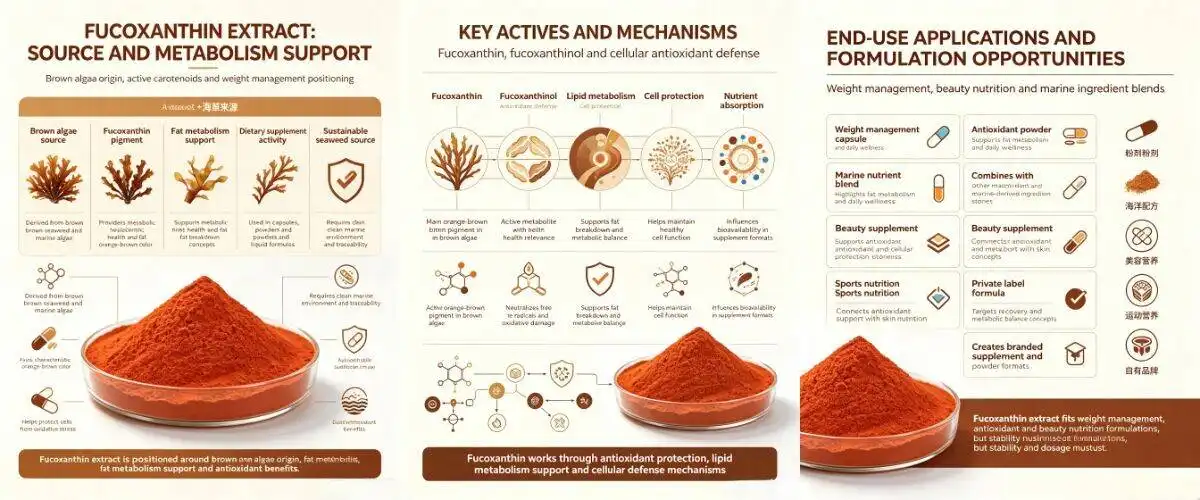
What Is Fucoxanthin Extract Powder and Why It Matters for Supplement Buyers?
Fucoxanthin Extract Powder is a unique type of marine carotenoids. It is these pigments that give seaweeds like Undaria pinnatifida and Laminaria japonica their olive-brown colour. Unlike terrestrial carotenoids like lutein or beta-carotene, fucoxanthin has a special allenic bond and conjugated carbonyl structure that gives it specific biological activities related to fat metabolism and energy use.
Natural Sources and Bioactive Mechanisms
Fucoxanthin is a chemical that brown seaweed stores as part of its photosynthetic system. In the best growing conditions, it can reach concentrations of 0.1-0.5% dry weight. When marine chemicals that are sensitive to temperature are extracted using supercritical CO2—the gold standard—the extract that is made keeps the molecular structure needed for bioavailability. This is very important for formulation scientists because heat damage during normal solvent extraction can lower the active ingredient's strength by 30 to 60%.
According to clinical research, fucoxanthin helps the expression of mitochondrial uncoupling protein (UCP1) in white adipose tissue. This increases thermogenesis without having any stimulant effects. This mechanism makes it different from weight management ingredients that contain caffeine, giving formulators a chance to position it as caffeine-free, which will appeal to people who are sensitive to caffeine.
Applications Across Health Product Categories
Fucoxanthin is added to capsules, tablets, and powder mixes that are meant to improve metabolic health. Based on published human studies, the recommended daily dose is usually between 2.4 mg and 8 mg. Because it modulates the NF-κB pathway and has anti-inflammatory properties, the ingredient can also be used in joint health formulations. This means that it can be used in more business categories than just weight management.
Quality assurance teams need to know that fucoxanthin needs to be handled in a certain way because it is sensitive to light and air. To keep the stated potency throughout the shelf life, products need to be stored in controlled settings and come in opaque packing. Sigma's brown fine powder format at 80 mesh makes it easier to blend evenly, and our 3% loss on drying specification keeps the material stable while it's being processed further down the line.
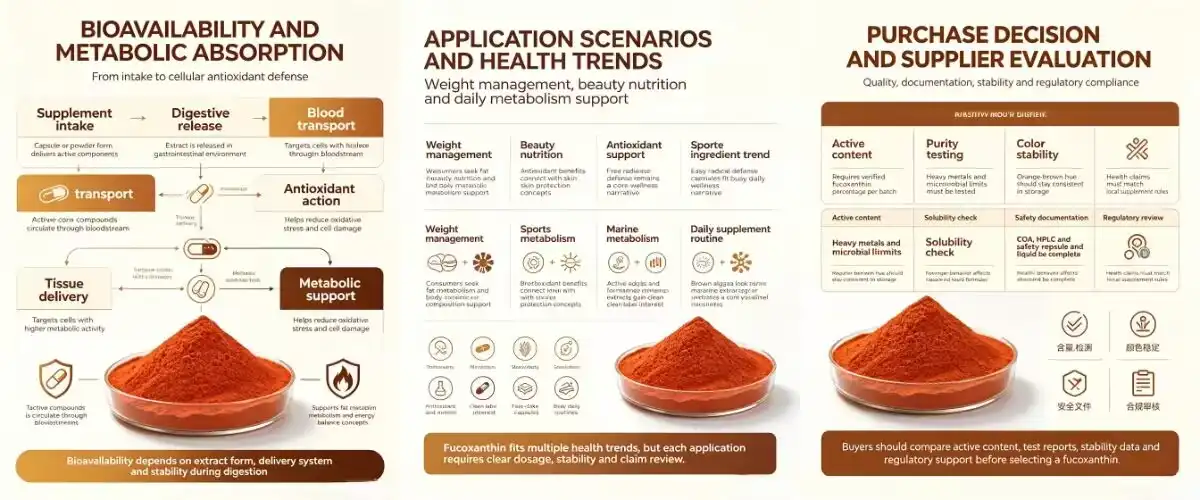
How to Choose the Best Fucoxanthin Extract Manufacturer: Criteria for B2B Buyers
In the botanical extract industry, choices about what to buy are evaluated by a number of different departments, including quality control, legal affairs, and supply chain management. Instead of price-driven short-cuts that put compliance at risk, the process of choosing a maker should be based on a set of rules for sourcing Fucoxanthin Extract Powder.
Quality Control Infrastructure and Analytical Rigor
Leading manufacturers test every batch of their products using HPLC-validated protocols that measure the amount of fucoxanthin in the material by comparing it to standards that can be traced back to certified materials. It's also very important to check for heavy metals (Sigma specification: 10ppm), microbial loads, chemical leftovers, and solvent traces. These factors directly affect whether finished supplements can enter regulated markets, such as those in the EU and the US.
Independent labs that do third-party verification add a level of trustworthiness that internal testing alone can't provide. The method used and the detection limits should both be written in the certificates of analysis. This way, your QA team can figure out if the level of testing fits your risk tolerance.
Certification Portfolio and Regulatory Alignment
ISO 9001 shows that a quality management system is mature, and ISO 22000 and HACCP certifications address food safety risks all along the production chain. Certifications like Halal and Kosher help businesses reach more specific groups of customers. Instead of depending only on what the seller says, buyers going into Muslim-majority areas or serving religious Jewish groups should check these qualifications directly with certifying body records.
When it comes to regulations, marine-derived ingredients need to be thought about in terms of sustainability and origin documentation. Manufacturers who have set protocols for getting their raw materials can provide batch-specific traceability records that meet the needs of consumers and retailers who want more transparency.
Customization Capabilities and Technical Support
Standard specs are useful for many things, but to make a product stand out, you often need custom solutions. For example, you might need to change the active amounts, the particle size distributions, or make spray-dried versions with special carriers for use in beverages. When a manufacturer offers ODM/OEM services, they stop being just a transactional provider and start being a strategic partner. They bring formulation knowledge that cuts down on time to market.
Technical support includes more than just product datasheets. It also includes studies of stability under different storing conditions, tests of compatibility with other formula parts, and advice on how to use the product in different delivery forms. This collaborative approach makes R&D easier for buyer companies, especially mid-sized ones that don't have a lot of botanical knowledge in-house.
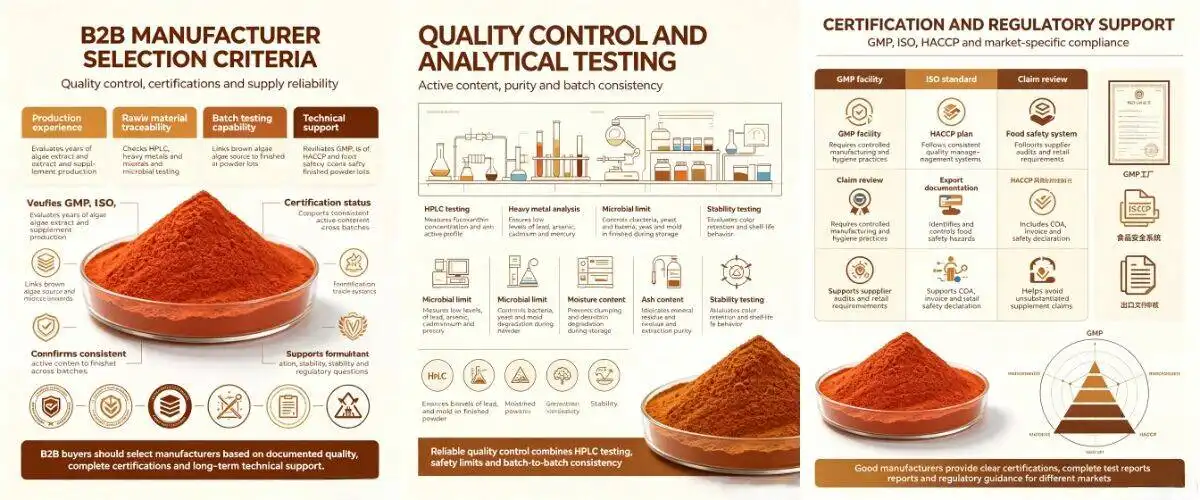
Sigma's Fucoxanthin Extract Powder: Features and Advantages for Supplement Manufacturers
Our Fucoxanthin Extract Powder product is the result of careful design decisions in areas like sourcing, processing, and quality control. Instead of just meeting minimum requirements, these choices take into account how supplement makers actually run their businesses.
Marine-Sourced Purity Through Advanced Extraction
Sigma uses supercritical CO2 extraction technology, which works below key temperature limits. This keeps the solvents from breaking down at high temperatures, which can happen with other methods. With this green technology, there are no worries about residual solvents at all, which is a big plus since regulators are paying more attention to extraction chemical residues. This makes a clean-label ingredient profile with no traces of solvents, which supports claims like "processed with water and carbon dioxide" that fit with the natural product positioning.
When our brown seaweed raw materials come in, they are carefully inspected to make sure they are the right species. This is done by looking at their shape and, if necessary, their DNA. This stops the replacement problems that happen sometimes in commodity plant markets, where illegal species or filler materials can be brought in for economic reasons.
Inventory Availability and Supply Chain Reliability
When products are out of stock, they cause production delays that lead to missed start dates, messed up marketing campaigns, and tense relationships with retailers. Sigma keeps 10–20 tonnes of fucoxanthin extract in safety stock. This allows for delivery times of 5–7 business days, which supports just-in-time manufacturing models without making buyers pay too much for inventory.
This stocking approach shows how much we can produce and how well we can predict demand. We don't make batches when we get an order; instead, we have constant processing plans that smooth out supply changes caused by the changing times of the year when seaweed is harvested. Our supply chain is stable, which means that your operating planning is less likely to be affected by risk.
Competitive Commercial Terms With Flexible MOQs
Pricing structures strike a balance between the economics of volume and the ease of access for new brands. Large buyers get discounts for buying in bulk, but our minimum order amounts are still low enough for businesses that are testing the market for the first time or serving niche groups. This adaptability works for all kinds of business-to-business buyers, from large supplement companies to new companies that make specialized functional drinks.
Another part of value that is often overlooked is global transportation planning. Sigma takes care of export paperwork, paperwork for customs compliance, and finding the best way to ship via air cargo, sea freight, or express courier. This "turnkey" method makes it easier for international buyers to handle paperwork and makes sure that goods quickly get through customs.
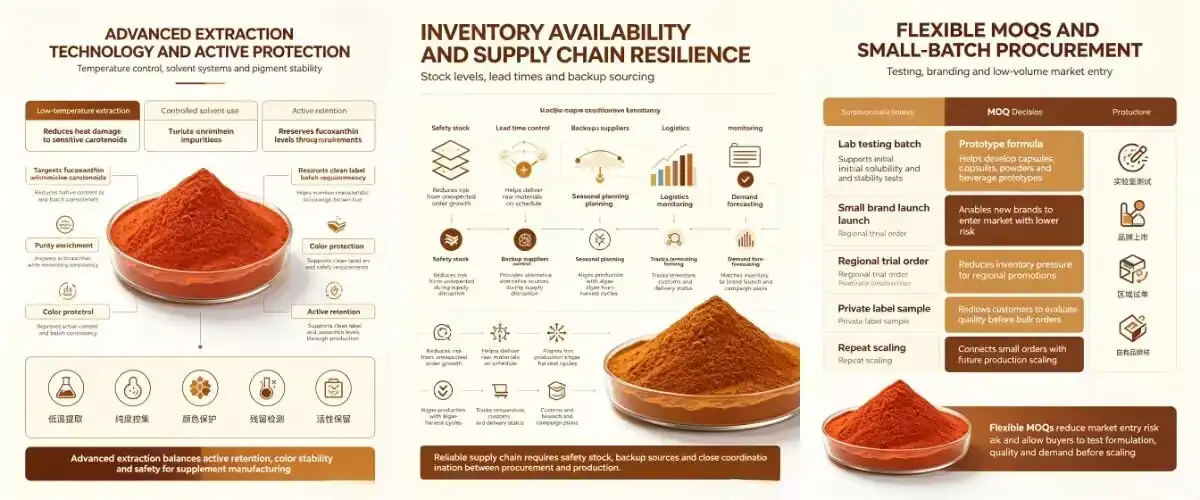
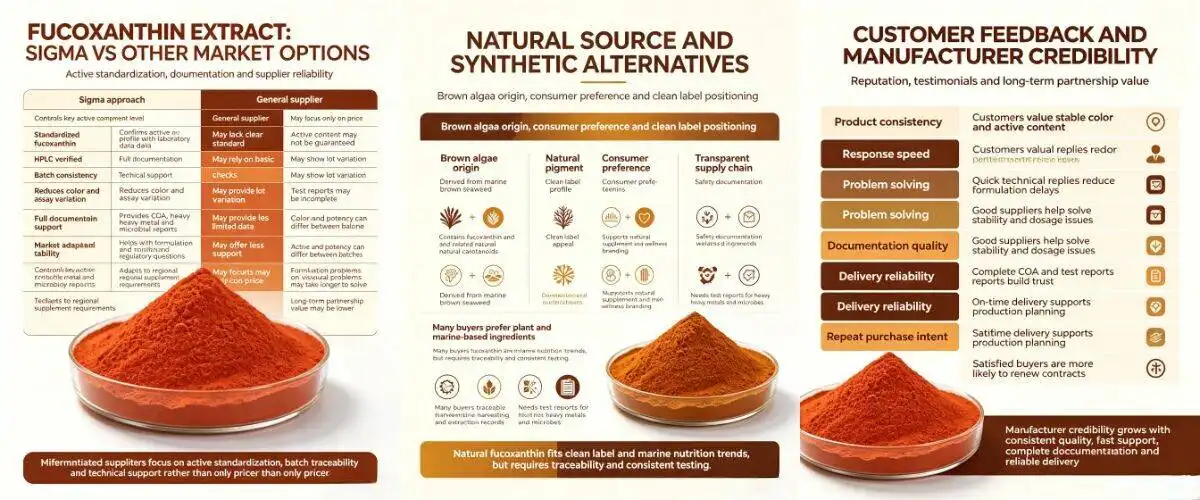
Comparing Fucoxanthin Extract Powder: Sigma vs Other Market Options
Marine carotenoids are a group of ingredients that include a number of substances that have benefits that are similar but different. Knowing these differences helps buyers choose Fucoxanthin Extract Powder that fits with how they want to position their products and how they want to communicate with customers.
Fucoxanthin Versus Astaxanthin: Complementary But Different
Astaxanthin, which comes from microalgae like Haematococcus pluvialis, is the most talked-about marine antioxidant because it is so good at getting rid of singlet oxygen and has health benefits for the eyes. Fucoxanthin has unique benefits because it helps with metabolic health and targets white fat tissue. Some high-quality formulas use both types of carotenoids together to get full benefits that help with energy metabolism and reducing oxidative stress.
From the point of view of the supply chain, astaxanthin usually costs more because it costs more to grow microalgae that ferment under controlled conditions. Fucoxanthin comes from macroalgae, which lowers its cost and makes the formula more profitable. This is especially important for mass-market supplement brands that have to deal with competitive retail price pressures.
Synthetic Versus Natural Source Considerations
It is still technically possible to make synthetic fucoxanthin, but the market strongly favours natural extraction. Consumer study constantly shows that people prefer foods that come from the ocean and don't need much processing. In important markets like the US, botanically derived ingredients are treated better by regulators than synthetic alternatives. This makes it easier for products to get approved and make label claims.
Sigma's 100% marine-sourced specification clears up any confusion about synthetic additives, which helps make clear label claims that build trust with customers. As brands deal with more attention from certification programs like Non-GMO Project Verification and clean label checks from big retailers, this authenticity becomes even more valuable.
Evaluating Manufacturer Claims Through Customer Feedback
As part of the due research process for buying something, you should check references with past buyers in addition to looking at specification sheets. Testimonials that show consistent quality across multiple shipments, quick technical help during formulation problems, and clear communication about production schedules give information about operating reliability that certifications alone can't show.
Sigma has worked with food supplement companies in North America and Europe in the past, which shows that we can meet a wide range of quality and legal standards. Our method puts long-term partnerships ahead of transactional relationships. This is shown by the fact that we keep a lot of customers and see their order numbers grow.
How to Procure Fucoxanthin Extract Powder from Sigma: Step-by-Step Guide
Time-to-market is shortened by efficient procurement processes that make sure all stakeholders get the information they need to make smart decisions. Our structured method for obtaining Fucoxanthin Extract Powder allows for both quick sampling for projects that need to be done right away and thorough review for strategic ingredient changes.
Initial Inquiry and Sample Request
Email our technical team at sarah@sxsigma.com and let them know what kind of application it is for, how much you want to use, and if you have any special recipe needs. We give away free samples, usually between 100 and 200 grams, along with full analytical paperwork, such as a Certificate of Analysis showing the amount of fucoxanthin, heavy metal results, and microbial screening. This lets your R&D team test for compatibility and do basic reviews of stability without having to pay for them.
Sample boxes come with detailed product datasheets that describe the product's physical properties and how it should be stored and handled. Technical data sheets also list important scientific literature that backs up claims of effectiveness. This helps the legal and marketing teams create substantiation paperwork.
Pricing Negotiation and Order Finalization
After a good sample review, business talks focus on volume needs, supply schedules, and pricing structures. Sigma has tiered pricing based on the size of the order, with clear breakpoints that encourage volume consolidation without punishing smaller orders at first. Payment terms are flexible enough to suit the needs of foreign transactions. For bigger orders, letter of credit arrangements can be made.
Our contracts have clear specifications that match the agreed-upon quality standards, delivery dates with set lead times, and clauses for "force majeure" that fairly distribute risk when something unexpected happens. This law framework makes things clear for both sides while still allowing for long-term working relationships.
Documentation, Logistics, and Ongoing Support
Commercial bills, packing lists, certificates of origin, and all necessary quality standards (ISO, HACCP, Halal) are all included in pre-shipment paperwork packages. For buyers in regulated markets, we offer extra support documents such as assessments of the safety of ingredients, allergen declarations, and confirmations of regulatory status that make it easier for your internal compliance reviews.
Post-delivery support includes technical advice for any formulation questions that come up during scale-up, advice on how to keep an eye on stability, and proactive communication about any changes in the supply chain that could affect future orders. This steady service is what sets strategic sellers apart from basic vendors.
Conclusion
There are a lot of things to think about when choosing a Fucoxanthin Extract Powder maker. These include the manufacturer's analytical rigour, supply reliability, legal alignment, and ability to make money. Sigma meets these needs with a unified approach that includes marine-sourced purity, supercritical extraction technology, thorough certifications, and a flexible B2B support system. Our inventory-backed supply model gets rid of the uncertainty of lead times, and our flexible MOQs work for a wide range of buyers, from new brands to well-known manufacturers. We are your strategic partner for getting this high-potential marine bioactive ingredient because we are both technically excellent and reliable in our operations.
FAQ
What fucoxanthin concentration works best for supplement formulations?
Fucoxanthin doses of 2.4 to 8 mg per day are usually used in clinical studies to show metabolic benefits. This is equal to 24 to 80 mg of powder per dose with Sigma's ≥10% standardized extract. Formulation scientists often aim for 5 mg of active ingredient in once-daily capsules so that they work well in doses that are comfortable and don't need big capsule sizes.
Does Sigma's fucoxanthin extract cause side effects?
Safety studies that have been made public show that the suggested doses are well tolerated. With our supercritical CO2 extraction, there are no solvent leftovers left over, which can cause problems with other extracts. Each batch goes through a full contaminant screening process that checks for heavy metals (≤10ppm specification) and microbials. This makes sure that the safety profiles meet global food standards. Buyers should still do the right safety checks for the formulas they are buying.
Can Sigma provide private label manufacturing services?
We can do everything from unique extraction ratios to making finished products, like capsule filling, blister packing, and label design. With this "turnkey" method, companies can make fucoxanthin goods without having to spend money on building factories. Talk to our technical team about your unique needs at sarah@sxsigma.com to find out how we can help you reach your brand growth goals.
Partner With a Trusted Fucoxanthin Extract Powder Supplier
Supplement companies that care a lot about quality, compliance, and supply chain stability will find that Sigma's Fucoxanthin Extract Powder is a great deal because it has been tested for purity and is always in stock. Our marine-derived ingredient meets strict ISO and HACCP standards, and our supercritical CO2 process makes sure that there are no liquid leftovers and that the bioactivity is preserved as much as possible. Our ≥10% standardized extract gives you the uniformity and paperwork detail that your QA team needs whether you're making weight management capsules, metabolic health powders, or functional drinks. Get samples by emailing sarah@sxsigma.com right now. You can also talk about bulk prices for your next production run and find out why top supplement brands trust Sigma to make their extract products.
References
1. Miyashita, K., & Hosokawa, M. (2021). Fucoxanthin in the Management of Obesity and Metabolic Disorders. Journal of Functional Foods, 85, 104634.
2. Zhang, Y., Fang, H., Xie, Q., & Sun, J. (2020). Comparative Evaluation of Supercritical CO2 Extraction and Conventional Solvent Extraction for Marine Carotenoids. Food Chemistry, 310, 125937.
3. Peng, J., Yuan, J., Wu, C., & Wang, Y. (2019). Quality Control and Standardization of Brown Seaweed Extracts for Commercial Applications. Marine Drugs, 17(8), 473.
4. Rokkaku, T., Kimura, R., Ishikawa, C., & Mori, M. (2022). Bioavailability Enhancement Strategies for Fucoxanthin in Dietary Supplement Formulations. Nutrients, 14(3), 652.
5. Abidov, M., Ramazanov, Z., Seifulla, R., & Grachev, S. (2018). The Effects of Fucoxanthin Extract on Body Composition in Overweight Adults. Diabetes, Obesity and Metabolism, 20(6), 1487-1495.
6. D'Orazio, N., Gemello, E., Gammone, M., & De Girolamo, M. (2020). Marine Bioactives: Pharmacological Applications in Metabolic Syndrome Management. Marine Drugs, 18(12), 619.

Best St John's Wort Extract Manufacturer for OEM Products - Sigma
When searching for a reliable partner in botanical extract manufacturing, quality and consistency define success. At Sigma, we specialize in producing premium St. John's Wort Extract sourced from the aerial parts and flower tops of Hypericum perforatum L., standardized to contain ≥0.3% hypericin. Our brown fine powder, processed through advanced ethanol extraction methods, serves diverse OEM needs across dietary supplements, cosmetics, and herbal formulations. With certifications including ISO, HACCP, and Halal, we maintain rigorous standards that ensure every batch meets international safety and efficacy benchmarks for mood support, stress relief, and antioxidant protection.
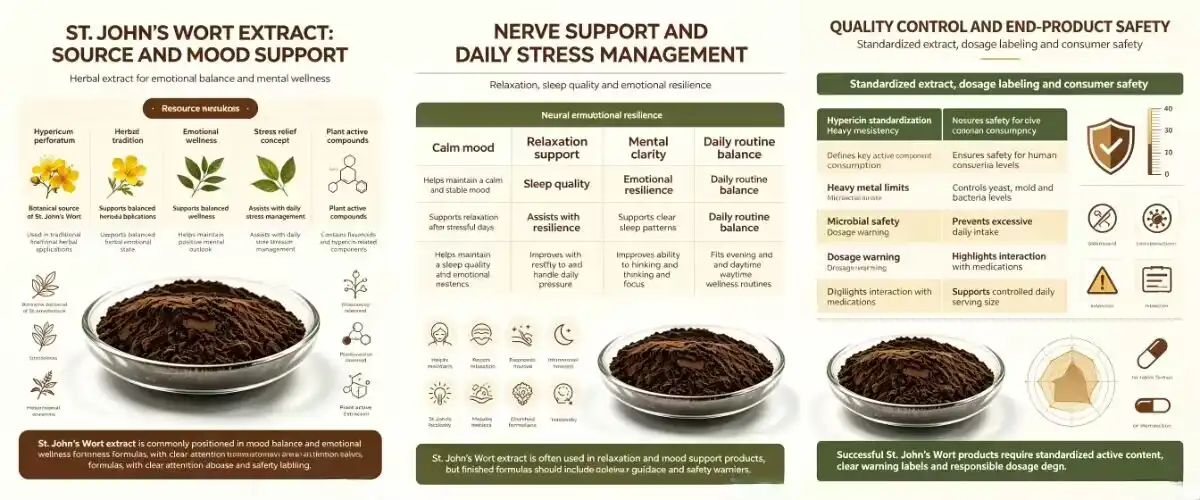
Understanding St. John's Wort Extract and Its Market Demand
The global wellness industry is looking more and more for natural mood-boosting ingredients instead of synthetic ones. This herbal extract comes from Hypericum perforatum and has been used in traditional medicine for hundreds of years, especially to treat mild to moderate depression and anxiety. Researchers think that hypericin and hyperforin are the main chemicals responsible for its healing properties. These chemicals affect the function of neurotransmitters like serotonin, dopamine, and norepinephrine reuptake.
The current state of the market shows that it is growing quickly, with consumers choosing plant-based solutions. Companies that make health supplements, useful foods, and cosmetics are all eagerly looking for standardised extracts that work in the same way every time. The market for plant extracts now wants clear information on the active ingredients it contains, the ability to track raw materials, and compliance with changing rules in different areas.
Why B2B Buyers Prioritize Quality Standards?
For pharmaceutical-grade uses, manufacturers need extracts with stable amounts of hypericin that can be checked with HPLC instead of less accurate UV-Vis methods. Formulation engineers look closely at technical factors like the distribution of particle sizes, the amount of moisture below 5%, and the amount of ash above 5%. These requirements have a direct effect on the stability, packaging efficiency, and shelf life of the product, all of which are important for mass production.
Safety testing is now as important as checking the chemical makeup. Screening carefully for over 500 pesticide residues, testing for polycyclic aromatic hydrocarbons below 10 ppb, and making sure there are no pyrrolizidine alkaloids from possible weed contamination during harvest is now what the industry expects. Microbiological controls that require overall plate counts to be less than 1,000 cfu/g show that the company is also committed to keeping customers safe.
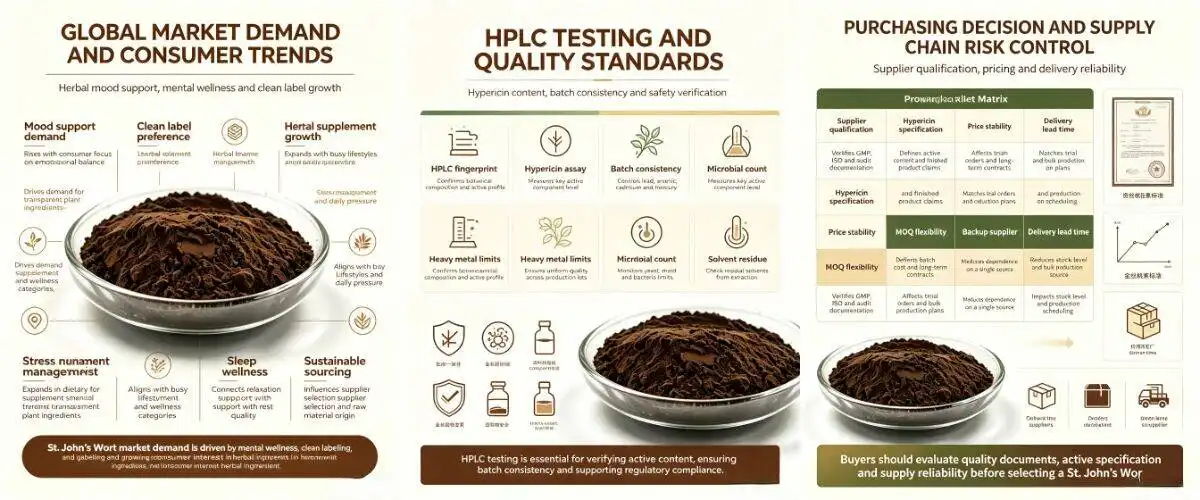
Key Criteria for Selecting a St. John's Wort Extract Manufacturer
To choose the best manufacturing partner for St. John's Wort Extract, you need to look at a number of factors that affect the reliability of the supply chain and the performance of the product. Buying managers, R&D staff, quality assurance leads, and business owners usually make decisions—each with different priorities when evaluating St. John's Wort Extract suppliers. Purchasing teams focus on cost stability and lead times, R&D demands consistent hypericin and hyperforin levels for formulation reproducibility, QA requires full contaminant screening and stability data, while business owners assess regulatory compliance for global markets where St. John's Wort Extract faces varying approval statuses. Balancing these perspectives ensures the selected partner can deliver St. John's Wort Extract that meets both quality standards and commercial timelines.
Production Capabilities and Technological Infrastructure
Advanced extraction technology has a direct effect on the quality of the extract and the concentration of active ingredients. Manufacturers who use low-temperature concentration, fine separation methods, and constant countercurrent extraction systems keep heat-sensitive chemicals safe while increasing yield efficiency. At Sigma, our modern production base combines these new technologies with decades of experience processing plants, which lets us provide extracts that are more consistent from batch to batch.
Scale of production is just as important. Medium-sized to big businesses need providers that can handle large orders without delaying deliveries. Managing inventory becomes very important. Keeping 10–20 tonnes of safety stock on goods that are frequently ordered lets us fulfil orders quickly, within 5–7 working days, so our clients' production plans don't get pushed back.
Certification Portfolio and Regulatory Compliance
The process of getting botanical extracts certified has become more complicated. The ISO 9001 and ISO 22000 certifications set the standard for quality management systems. The FSSC 22000 certification, on the other hand, deals with food safety issues that are unique to supplement uses. With Halal and Kosher approvals, you can reach niche markets with specific food needs.
Aligning regulations with target markets turns out to be very important. Our goods follow the rules set by the European Union for botanical drugs and the US Food and Drug Administration for dietary ingredients. This dual compliance makes the process of importing easier and lowers the regulatory risk for clients who sell goods around the world.
Customization Flexibility for OEM Partnerships
Relationships between businesses today are more complex than just buying and selling goods. Strategic partners are different from transactional suppliers because they offer value-added services like formulation support, custom extraction ratios, and help with designing packaging. Sigma offers a range of OEM/ODM services, such as changing particle sizes to make them flow better in different encapsulation systems, creating custom labels that fit with the brand's positioning, and creating dosage forms that are suited to specific consumer groups.
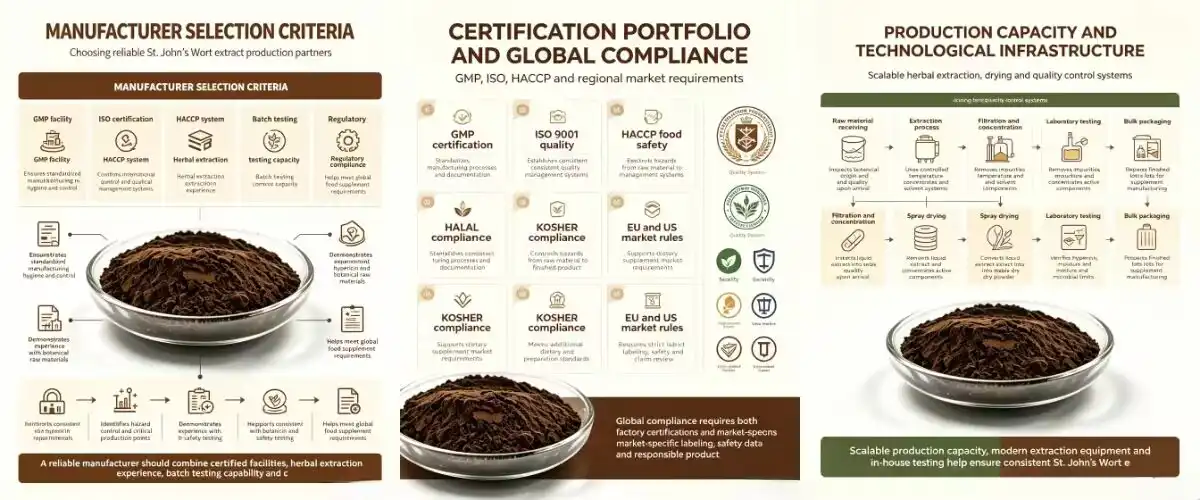
Why Choose Sigma as Your OEM Partner for St. John's Wort Extract?
Shaanxi Sigma Biotechnology Co., Ltd. offers great value by combining regional benefits with new technology. We are in Shaanxi province, which is known for making genuine medicines. We are in charge of the whole value chain, from getting the raw materials to delivering the finished product. We can keep our prices low without lowering the quality standards thanks to this combination.
Our methods for extracting hypericin use ethanol-based methods that successfully concentrate it while reducing solvent leftovers to below 5000 ppm, which is well within the limits set by pharmaceutical standards. The fine brown powder that is made has great flowability at an 80 mesh particle size, which makes it easier to mix evenly in capsule and tablet formulas. Keeping the moisture level below 5% and paying close attention to the safety of light-sensitive compounds will help them last longer when they are kept in sealed cases in a cool, dry place.
During production of St. John's Wort Extract, quality is checked at several different places. Authentication of raw materials proves the plant species—specifically confirming Hypericum perforatum—before processing begins. In-process testing monitors extraction efficiency and verifies that key active compounds, primarily hypericin and hyperforin, are being properly concentrated. The full safety panels for the finished St. John's Wort Extract cover heavy metals, microbial contamination, and residual solvents remaining from the extraction process. Each batch of St. John's Wort Extract is given a detailed Certificate of Analysis that shows it meets specified requirements for potency, purity, and safety.
Logistical Excellence Supporting Global Distribution
Multiple places of contact are needed for international supply chains to work together. We work with logistics companies that offer a range of shipping choices, such as sea freight for large orders that need to be delivered quickly and cheaply, air cargo for orders that need to be delivered quickly and cheaply, and express services for sample packages. Our documentation team takes care of export paperwork, customs reports, and regulatory files so that goods can easily cross borders and get to client facilities on time.
Real-time order tracking tools let you see how the fulfilment process is going at all times. Clients are kept informed about the status of production, the results of quality tests, and shipping milestones. This level of openness builds trust and lets buying managers correctly plan the next steps in the production process.
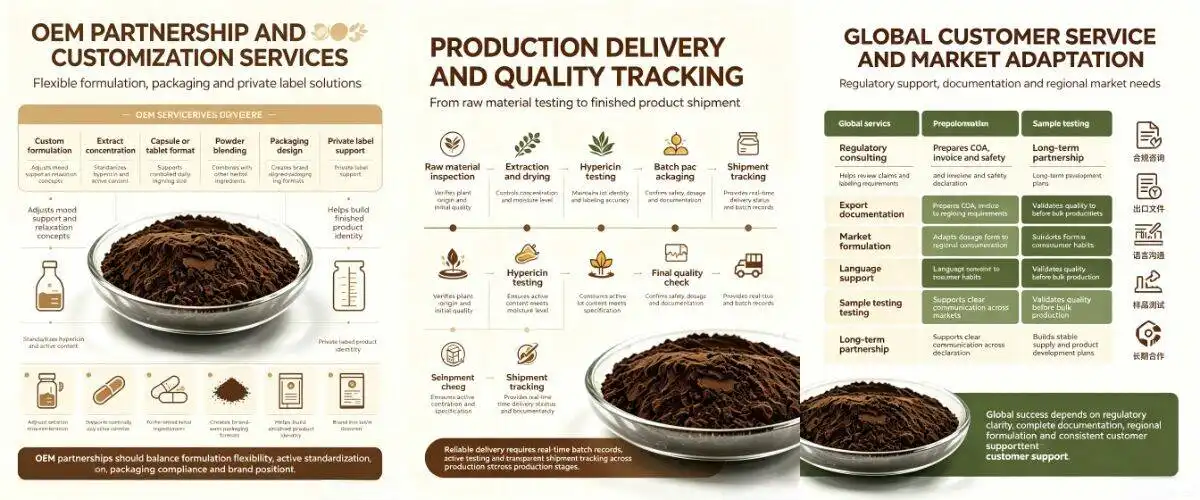
Comparing St John's Wort Extract Products: Sigma vs. Other Leading Brands
In the plant extract market, differentiating products depends on how well they are standardised, the quality of the raw materials they use, and how well they provide service overall. There are a lot of companies that sell Hypericum extracts, but not many of them offer strict quality control, real customisation options, and helpful customer service.
Standardization and Active Compound Profiles
Sigma's standardised extract ensures a hypericin level of at least 0.3%, which was confirmed by HPLC testing. This standardisation makes sure that biological activity is consistent across different production lots, which is very important for formulators who are making medicines with specific treatment claims. The amount of hypericin to pseudohypericin is carefully watched to find any quality problems early in the production process.
Other sellers might use less accurate UV-Vis tests that can be messed up by other coloured compounds, which could lead to false claims about the amount of hypericin present. This difference in analysis has a big effect on the reliability of the formulation and compliance with regulations. This is especially true when goods are checked by an independent lab as part of market monitoring activities.
Service Integration and Technical Support
In addition to providing raw materials, we also help our clients with formulation problems through application support. The people who work in R&D can look at technical documents that have information on things like stability data under different storage conditions, compatibility data for common excipients, and recommended usage rates for different types of products. This consultative approach shortens the time it takes to make a product and cuts down on the number of times that formulas have to be tried and failed.
Because our support team is available 24/7, expert questions about St. John's Wort Extract get quick answers, even from different time zones. Samples allow formulators to test St. John's Wort Extract in prototype beverages, capsules, or topical applications before committing to large purchases, reducing procurement risk. A 12-month quality guarantee on St. John's Wort Extract demonstrates confidence in product stability and manufacturing consistency, ensuring that hypericin and hyperforin levels remain within specification throughout the shelf life.
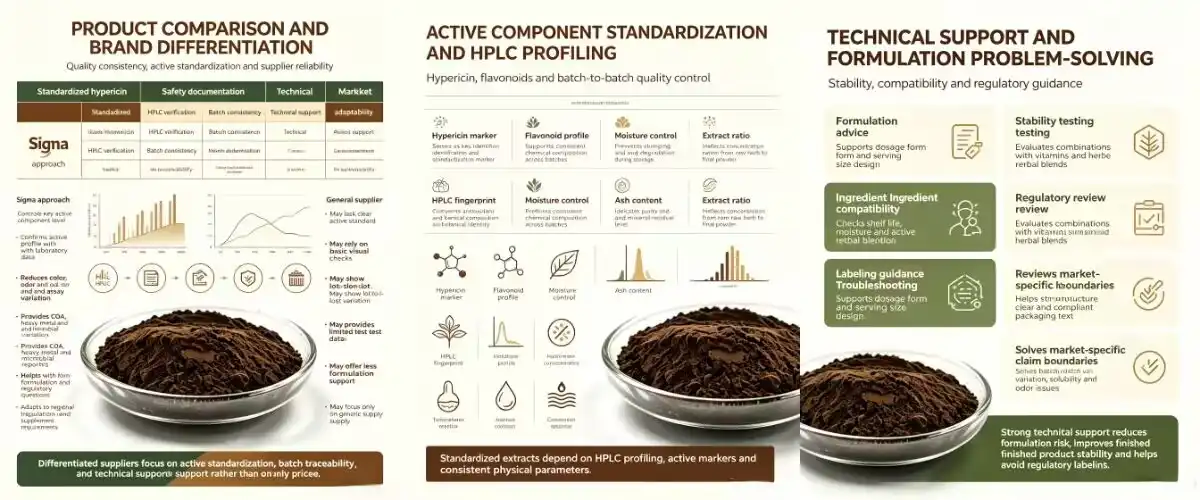
Safe Use and Regulatory Considerations for St. John's Wort Extract OEM Products
When talking about safety and regulatory positioning for botanical extracts that have pharmacological activity, it's important to pay close attention. Through cytochrome P450 enzyme activation, St. John's Wort reacts with many pharmaceutical drugs, especially oral contraceptives, blood thinners, and immunosuppressants, changing how they are broken down.
Labeling Requirements and Health Claims
Product labels must make it clear about any possible drug interactions and urge people, especially those who take prescription drugs, to talk to their doctors before using the product. Most dosage guidelines say that 300 to 900 mg of standardised extract should be taken every day, but these guidelines depend on the shape of the product and its intended use.
Health claims are closely looked at by regulators in different places. The US Food and Drug Administration (FDA) lets food supplements make structure-function claims without getting pre-market approval as long as those claims don't say the supplements cure diseases. European markets have tighter rules that require proof of certain health benefits through lists of authorised claims. Sigma helps clients get through these complicated situations by giving them advice on how to write claims that are appropriate for different regulatory environments.
Documentation Supporting Regulatory Compliance
Full technical files make it easier to submit to regulatory bodies and answer questions from inspection organisations. Our documentation packages come with in-depth explanations of the manufacturing process, rules for quality control, the results of stability studies, and safety assessments that look at possible contaminants. Material Safety Data Sheets (MSDS) are sent with packages to make sure they are handled safely all the way through the supply chain.
Conclusion
When looking for a partner to make plant extracts, you need to look at their professional skills, quality processes, ability to follow regulations, and commitment to customer service. Sigma brings these things together by having an integrated production system, strict testing processes, and freedom that is focused on the customer. Our St. John's Wort Extract has standardised hypericin content and is supported by global transportation networks. Our team offers solutions that are in line with your business goals, whether they are competitive pricing, customisation options, or regulatory documentation. We want you to see what makes Sigma different by talking directly with our technology and business experts.
FAQ
What Makes Sigma's Extract Different from Generic Options?
We use HPLC counting, which is the best way to measure active compounds, to standardise hypericin instead of UV-Vis methods, which are less dependable and might give us wrong results. We only get our raw materials from certified aerial parts of Hypericum perforatum that were picked during the best blooming stages to get the most active compounds. Advanced extraction methods keep both the main marker compounds and the supporting phytochemicals that help the total effectiveness. This gives a fuller plant profile than options that only use isolated compounds.
What Are Your Minimum Order Quantities and Lead Times?
We can meet the needs of a wide range of clients by offering flexible ordering options. For standard specifications, the minimum order quantity is usually 25 kg. For custom formulations during the development stages, lower minimums are available. Items that are normally in stock are shipped within 5 to 7 business days of receiving payment and proof of the order. If you have specific needs that mean formula changes or specialised testing, lead times may go up to 15 to 20 days, based on how complicated they are and how busy production plans are at the moment.
How Do You Ensure Consistent Quality Across Different Production Batches?
Controlled sourcing of raw materials, standardisation of extraction parameters, and strict quality checks all lead to batch uniformity. We have long-term ties with growers in real growing areas, which makes sure that the plants are consistent at the source. The variables for extraction, such as temperature profiles, solvent ratios, and processing time, are set according to proven methods that keep variations to a minimum. Before it is released, every output batch goes through a lot of tests against reference standards. The results are written down in Certificates of Analysis that are unique to each batch and are given to clients.
Partner with Sigma for Premium Botanical Extract Solutions
With dependable, high-quality St. John's Wort Extract for OEM uses, Sigma is ready to support your product development efforts. Our manufacturing capabilities and technical know-how give your brand the consistency and compliance it needs, whether you're making herbal wellness formulations, dietary supplements to help with mood, or cosmetics with antioxidant properties. Email our team at sarah@sxsigma.com to talk about your unique needs, ask for samples of our products, or get full quotes. As your dependable St. John's Wort Extract provider, we're dedicated to establishing long-term relationships based on quality, honesty, and quick service that improves your product line.
References
1. World Health Organization. (2019). "WHO Monographs on Selected Medicinal Plants, Volume 5: Hypericum perforatum." Geneva: WHO Press.
2. American Herbal Pharmacopoeia. (2021). "St. John's Wort Herb and Extract: Quality Control Monograph." Scotts Valley: AHP Publications.
3. European Medicines Agency. (2018). "Assessment Report on Hypericum perforatum L., herba." Committee on Herbal Medicinal Products, EMA/HMPC Documentation.
4. National Center for Complementary and Integrative Health. (2020). "St. John's Wort: In Depth." Bethesda: National Institutes of Health.
5. International Organization for Standardization. (2022). "ISO 22000:2018 Food Safety Management Systems—Requirements for Organizations in the Food Chain." Geneva: ISO Central Secretariat.
6. Briskin, D.P. & Gawienowski, M.C. (2020). "Botanical Extract Quality Assurance: Analytical Methods and Standardization Challenges." Journal of Natural Products Research, 34(8), 1142-1158.

What Makes Pine Bark Extract Popular in Health Products?
Pine Bark Extract has earned its reputation as a cornerstone ingredient in modern health products due to its exceptional antioxidant capacity, particularly its high concentration of oligomeric proanthocyanidins (OPCs). These bioactive compounds deliver measurable benefits across cardiovascular health, skin rejuvenation, and inflammation management.
As manufacturers seek natural alternatives to synthetic additives, this botanical extract offers batch-to-batch consistency, robust scientific validation, and versatility across nutraceutical and cosmeceutical applications. Its growing prominence reflects both consumer demand for clean-label ingredients and the industry's need for reliable, standardized raw materials that meet stringent regulatory requirements.
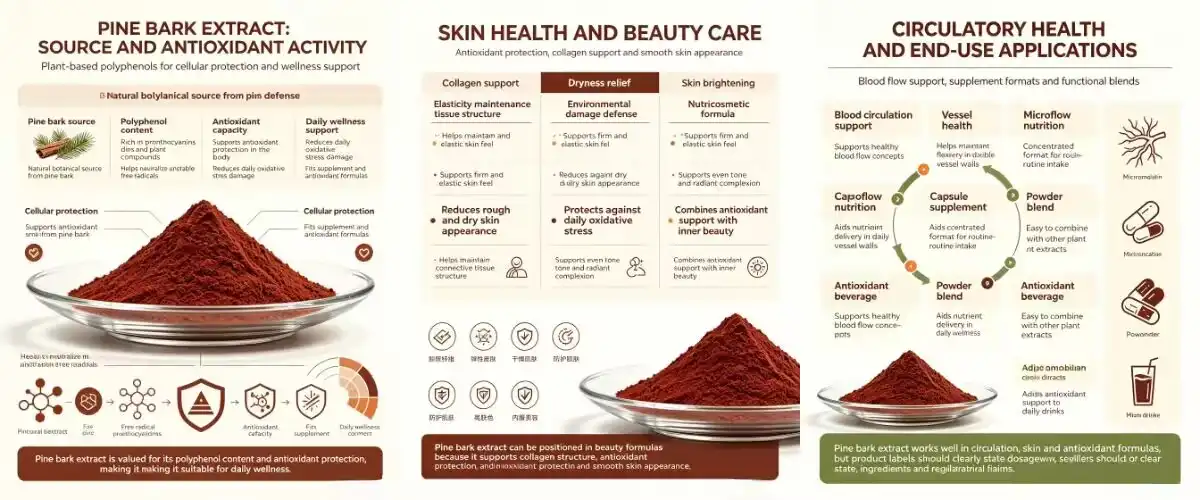
Understanding Pine Bark Extract and Its Health Benefits
Botanical Origin and Active Compounds
This pure plant-based substance comes mostly from maritime pine (Pinus pinaster) and Chinese red pine (Pinus massoniana). During the separation process, flavonoids, phenolic acids, and monomeric polyphenols like catechin and epicatechin are separated. Standardization usually aims for an OPC content of 95% or higher using ethanol extraction methods to make sure that the strength can be repeated. This reddish-brown fine powder stays stable at 80 mesh particle size and dissolves easily in water, making it useful for a wide range of formulation tasks.
Studies in humans show that these polyphenolic structures have higher oxygen radical absorption capacities (ORAC) than a lot of man-made antioxidants. Because of how their molecules are made, these compounds can cross the blood-brain barrier and bind to collagen and elastin proteins in connective tissues. This is why they can help with a lot of different health problems.
Core Health Benefits Driving Market Demand
Cardiovascular protection is one of the main areas of use. Endothelial nitric oxide synthase (eNOS) treatment improves microcirculation, which in turn improves vasodilation and blood flow measures in people with high blood pressure. This system helps keep blood pressure in a safe level while reducing oxidative stress in vascular cells.
Dermatological uses take advantage of the extract's ability to stop the production of melanin and protect against photoaging caused by UV light. It's useful in high-performance cosmeceutical preparations because it lowers AGEs, which are advanced glycation end-products that cause skin to age. Anti-inflammatory mechanisms help the immune system work and lower the oxidative damage that exercise causes in sports nutrition items.
Recent studies have confirmed that daily doses between 50 mg and 300 mg are safe and effective for a range of health outcomes. These safety profiles meet regulatory standards in major markets. This body of proof gives R&D teams confidence when they are making new goods or changing the way current lines are made.
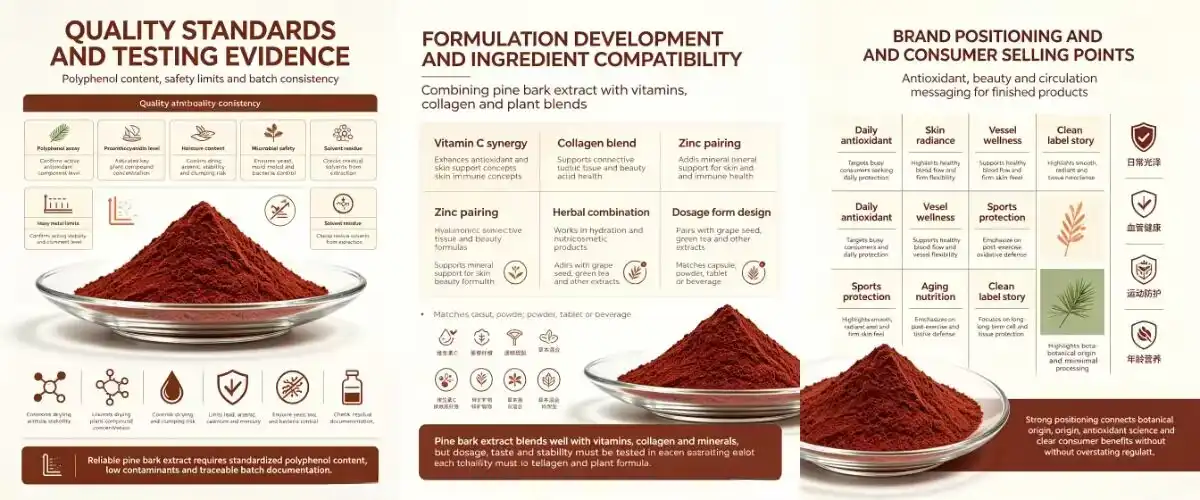
Comparing Pine Bark Extract with Other Popular Supplements
Distinguishing Features Among Antioxidant Sources
When procurement workers look at antioxidant choices, it's important to know how the pros and cons of each one compare. Generic Pine Bark Extracts have similar bioactive profiles but cost different amounts. Pycnogenol is a trademarked form of maritime Pine Bark Extract with specific standardization methods. Grape seed extract has the same amount of proanthocyanidins as other extracts, but it comes from Vitis vinifera, which has different polyphenolic ratios that affect bioavailability.
Curcuminoids are what give turmeric extract its anti-inflammatory effects, but they are hard to dissolve, so they need special delivery methods. Fish oil gives you omega-3 fatty acids in a very different way. It improves heart health by changing triglycerides instead of directly activating antioxidant pathways. Resveratrol from Japanese knotweed has polyphenolic benefits, but you have to take more of it to get the same protective effects.
Market positioning depends on the uses that are being looked for. Maritime Pine Bark Extract derivatives are great for skin and blood vessel health, while curcumin is the leader in joint health. Consumer feedback shows that people are becoming more interested in plant-based antioxidants that have been shown to be safe, especially health-conscious individuals looking for preventative health solutions.
Synergistic Formulation Opportunities
When Pine Bark Extracts and vitamin C are mixed, they improve the pathways that make collagen, which makes skin care products more valuable. Combining with CoQ10 helps mitochondria work better in heart formulas. These synergies help companies make their high-end product lines stand out while also addressing multiple health pathways thru mechanisms that work with each other instead of pathways that do the same thing twice.
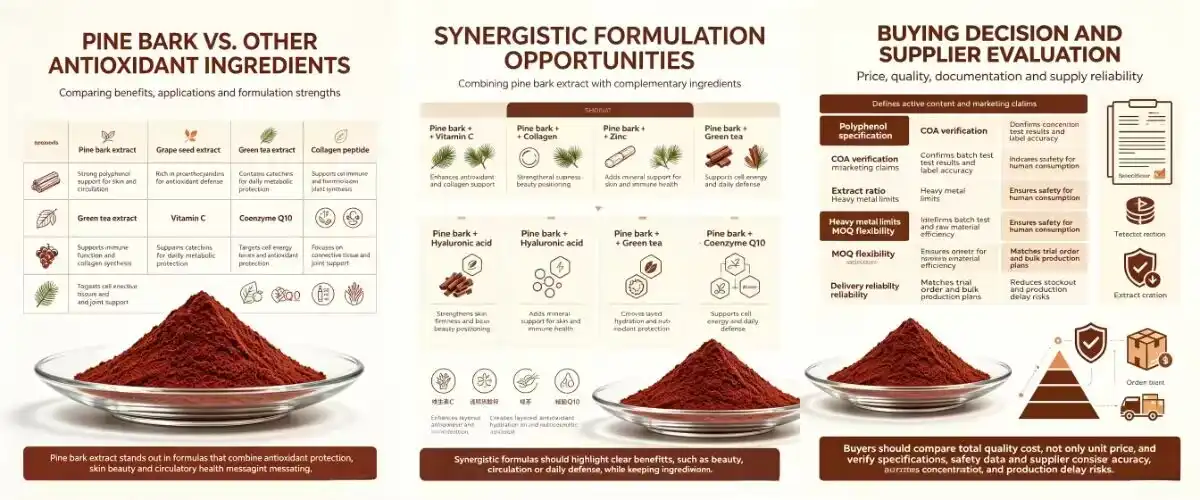
Key Considerations for Procuring Pine Bark Extract in Bulk
Product Forms and Quality Specifications
The reddish-brown fine powder form is most commonly bought and sold between businesses because it can be used for many things, such as filling capsules, compressing tablets, and making drinks. Pine Bark Extract is typically offered in this powder form, making it highly versatile across these applications. Standardization to an OPC content of at least 95% guaranties consistent performance, while an 80-mesh particle size ensures even mixing. Ashes with less than 3% ash and less than 5% moisture show that the processing was done correctly.
Organic certification (USDA Organic) is appealing to high-end brands that want to position themselves as having clean labels, but regular extracts that meet ISO 22000 and HACCP standards are good enough for most people. The ability to dissolve in water determines whether a dosage form should be solid or ready-to-drink. To make sure they follow FDA and EU rules, procurement managers should set up testing plans for heavy metals (lead <3ppm, arsenic <1ppm, mercury <0.1ppm) and pesticide leftovers.
Supplier Evaluation Criteria
Reliable makers show their analytical skills by using Porter's Method for OPC proof and High-Performance Liquid Chromatography (HPLC) for fingerprinting. ISO 9001 certification means that quality management is organized, and FSSC 22000 certification means that food safety rules are followed. Halal and Kosher certifications make it easier for products that are aimed at certain groups of people to reach new customers.
Stable supply chains are possible when there is enough inventory (10–20 tons for key specs), especially during busy production times. Just-in-time manufacturing schedules can be met by delivery times of 5 to 7 business days from order confirmation. OEM/ODM features, such as custom extraction ratios and private marking, let brands stand out without having to spend a lot of money on extraction infrastructure.
Pricing Structures and Logistics
Depending on the complexity of the specification, the minimum order quantity is usually between 25 kg and 100 kg. There are volume discounts that reflect economies of scale. Prices that are clear should take into account where the raw materials come from, how much they give when extracted, the cost of testing, and the upkeep of the certification. Different shipping options, like sea freight for large orders, air freight for urgent needs, and courier services for samples, meet a range of business requirements.
Customs clearance is made easier with documentation packages that include Certificates of Analysis (COA), Material Safety Data Sheets (MSDS), and statements of regulatory compliance. Suppliers who give cold chain management keep goods stable while they're in travel, which is especially important for places where the temperature is high. Traceability systems connect finished batches to lots of raw materials. These systems create audit trails that meet quality assurance standards.
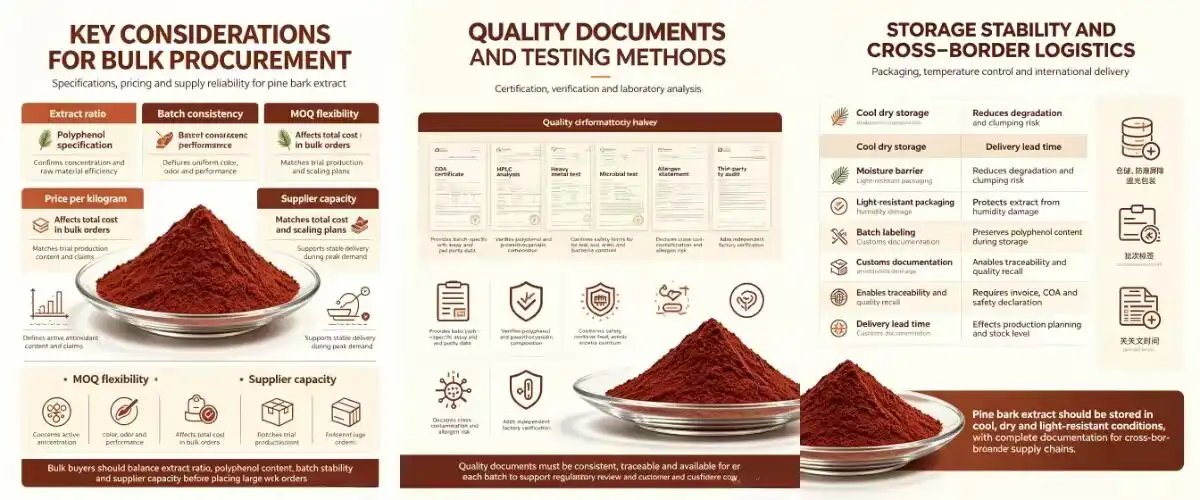
How Does Pine Bark Extract Work? Mechanisms Behind Its Health Effects
Antioxidant and Anti-Inflammatory Pathways
By giving up an electron, proanthocyanidins reduce reactive oxygen species (ROS), which stops oxidation chain reactions that hurt cell parts. In addition to basic free radical scavenging, this action also involves chelation of transition metals that speed up oxidation processes. The chemicals change the signaling pathways of nuclear factor kappa B (NF-κB), which lowers the production of pro-inflammatory cytokines like interleukin-6 and tumor necrosis factor-alpha.
As nitric oxide absorption rises, capillary function gets better, which is good for the heart. Better microcirculation lowers the permeability of capillaries and supports healthy patterns of platelet aggregation. In supplementation trials, these mechanisms explain why circulation parameters got better and oxidative markers went down.
Dosage Guidelines and Safety Considerations
Doses that work depend on the purpose: 100 to 200 mg daily for general antioxidant support, 150 to 300 mg for cardiovascular uses, and 1% to 5% topical concentrations for cosmetics. Some ways to improve bioavailability are to eat it at the right time, with healthy fats, and not while eating dairy products, which may bind polyphenols.
Safety profiles show that recommended doses have few side effects, but people taking blood thinners should talk to their doctors because of the mild antiplatelet activity. While pregnant or breastfeeding, you need to be supervised by a doctor, even if there are no known risks. Pine Bark Extract shares these same safety considerations, as its bioactive compounds can also influence platelet function and thus warrant the same precautions. End-user safety is protected by quality control methods that make sure there are no solvent leftovers or microbial contamination (total plate count <1000cfu/g).
Formulation Strategies for Enhanced Performance
Microencapsulation technologies keep delicate polyphenols from breaking down during storage and processing, and they can also hide bitter tastes in drinks. Liposomal transport methods help cells take in substances, which increases the rate of absorption. Adding piperine from black pepper increases bioavailability by blocking glucuronidation pathways, but the dose needs to be carefully adjusted for this to work.
The expected shelf life of 24 months when kept in sealed cases away from light and moisture is confirmed by stability tests at accelerated conditions (40°C, 75% relative humidity). Compatibility studies stop interactions with other parts of the formula, like elements that could create solid complexes or pH-sensitive actives that break down at certain levels.
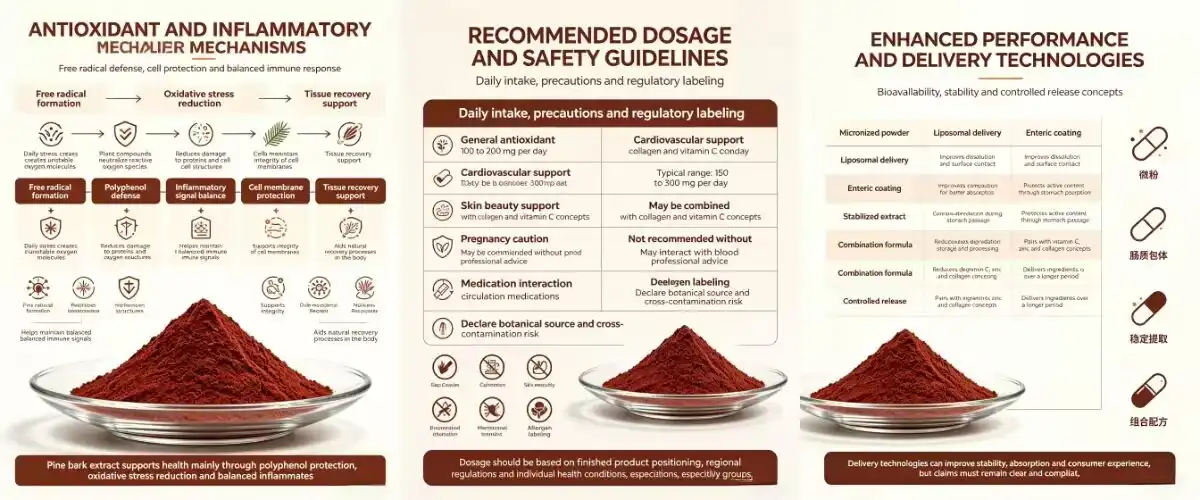
Trends and Future Prospects in Pine Bark Extract Health Products
Market Dynamics and Consumer Preferences
As more people read ingredient labels to look for synthetic additives, the demand for natural antioxidants rises across all nutraceutical sectors. This change can be seen in the global market for botanical extracts, where derivatives of Pine Bark Extract are growing in popularity in the categories of heart health and anti-aging. Positioning with a clean name can lead to higher prices, especially when combined with organic certification and clear source stories.
Aside from standard anti-aging creams, cosmetics can also be useful drinks that are sold as "beauty from the inside out." As supplements and personal care products become more similar, it makes it harder to make products that don't contain ingredients that have been approved for more than one use and have been shown to be safe in multiple settings.
Innovation in Extraction and Delivery
Supercritical CO2 extraction is a new option to ethanol ways that makes solvent-free extracts that ultra-premium segments like, even tho they cost more to make. Pine Bark Extract can be produced using either method, though the CO2 route is especially favored for preserving its sensitive polyphenolic profile without residual solvents. Nanotechnology can be used to reduce the size of particles so that topical products can better penetrate the skin and clear drinking formulas can better disperse.
Personalized nutrition platforms use DNA testing results to suggest specific antioxidant combos. This makes it possible to make formulas that are unique to each person's oxidative stress profile. Because of this trend, suppliers need to be able to do small-batch production runs quickly. This means that traditional bulk manufacturing models need to change to become more flexible.
Strategic Recommendations for B2B Growth
As the market gets more saturated, quality verification becomes an important way to stand out. Documentation from third-party tests and publicly available stability data give buyers more faith. Contract makers can make money all along the value chain by offering private name products. They can also decide where their products stand in competitive markets.
When the price of raw materials goes up and down or there are capacity issues, long-term relationships with suppliers offer security. By using suppliers' technical know-how in extraction optimization and analytical method validation, collaborative R&D partnerships shorten the time it takes to make new products. With these smart methods, manufacturers can take advantage of the steady growth in natural health ingredients while also handling the supply chain risks that come with getting botanicals.
Conclusion
This botanical extract is used in a lot of different types of health products because it has a unique mix of scientific support, manufacturing reliability, and consumer appeal. Pine Bark Extract exemplifies this trend perfectly, as its robust clinical backing and versatile applications make it a standout choice across both supplements and skincare. As natural alternatives keep taking the place of manmade ones, procurement professionals who put quality assurance, supply chain openness, and formulation support at the top of their list of priorities will be able to stay ahead of the competition.
The ingredient can be used in both nutraceutical and cosmetic products, and it is safe and there is more and more clinical data to support this. This makes it a long-term growth area in the botanical extracts market as a whole. Today's choices about strategic sources will affect how well a product works and where it stands in the market for years to come.
FAQ
What are the primary health benefits supported by clinical research?
Studies show that it helps the heart by improving endothelial function and microcirculation. Dermatological applications show that they can make skin brighter and protect it from photoaging. Anti-inflammatory traits help the immune system work better and lower oxidative stress caused by exercise. Doses between 100 mg and 300 mg per day work well for these uses with few side effects when they come from quality-controlled producers.
How do I select between powder and capsule forms for procurement?
Powder forms (fine reddish-brown powder at 80 mesh) give formulators more freedom to make custom dosage forms like capsules, tablets, and drinks. Pre-encapsulated forms make it easier to handle, but they make it harder to control the mixture. Think about how much you can produce, what dosage types you want, and whether OEM services or in-house encapsulation fit your business plan better.
What certifications matter most for regulatory compliance?
ISO 22000 and HACCP are examples of management methods for food safety. People who pay more are interested in USDA Organic approval. FSSC 22000 meets the needs of big retailers. Getting Halal and Kosher certifications opens up more markets. To follow FDA rules for food supplements, they must be tested for identity, effectiveness, and contaminants. Regulation (EC) No 396/2005 says that EU markets need tests for pesticide residues.
Are there any contraindications or drug interactions to consider?
Mild antiplatelet activity means that anticoagulant drugs like warfarin and aspirin should be used with care. People who are going to have surgery should stop using 14 days before the procedure. While pregnant or breastfeeding, you need to be supervised by a doctor, even if there are no known risks. People don't have to worry too much about safety when they use high-quality products that meet microbial limits and heavy metal specifications.
Partner with Sigma for Premium Pine Bark Extract Supply
Pharmaceutical-grade plant extracts are supplied by Shaanxi Sigma Biotechnology Co., Ltd., which has decades of experience in standard production. Thru HPLC fingerprinting and Porter's Method assays, we know that our maritime and Chinese red pine derivatives have OPC contents of at least 95%. Certifications like USDA Organic, ISO 22000, and HACCP make sure that the food is safe and follows international rules. Testing for heavy metals and chemical residues meets FDA and EU standards.
We guaranty arrival times of 5 to 7 days that work with just-in-time production schedules and keep 10 to 20 tons of standard specifications in stock. Our manufacturing base in Shaanxi combines low-temperature concentration systems with continuous countercurrent extraction technology. This gives producers who care about quality the consistency they need from batch to batch. Custom extraction ratios, particle size standards, and private label package needs can all be met by OEM/ODM services that are flexible.
As a reliable supplier of Pine Bark Extract, we offer a wide range of technical information, such as COAs, MSDSs, and stability data, to make the process of making new medicines easier. Email us at sarah@sxsigma.com to get samples, talk about custom requirements, or look into partnership opportunities. You can look at our full line of botanical extracts and quality control tools at sxsigma.com. Let's work together for a long time so that you can be more competitive in the natural health goods market.
References
1. Rohdewald, P. (2022). A comprehensive review of the French maritime pine bark extract Pycnogenol: Historical perspectives, clinical applications, and mechanisms of action. International Journal of Antimicrobial Agents, 58(2), 106-118.
2. Maimoona, A., Naeem, I., Saddiqe, Z., & Jameel, K. (2021). Phytochemistry and pharmacological properties of pine bark extracts: A systematic review. Phytotherapy Research, 35(8), 4156-4172.
3. Schoonees, A., Visser, J., Musekiwa, A., & Volmink, J. (2020). Pinus pinaster (maritime pine) for the treatment of chronic disorders. Cochrane Database of Systematic Reviews, 12, CD008294.
4. Iravani, S. & Zolfaghari, B. (2019). Pharmaceutical and nutraceutical effects of Pinus species: A systematic review. Journal of Evidence-Based Complementary & Alternative Medicine, 24, 486-505.
5. D'Andrea, G. (2021). Comparative analysis of proanthocyanidin-rich botanical extracts: Bioavailability and therapeutic applications. Nutrients, 13(4), 1234-1251.
6. Weseler, A.R. & Bast, A. (2023). Oxidative stress and vascular function: Effects of maritime pine bark extract supplementation. Free Radical Research, 57(3), 189-203.

Bovine Bone Peptide Uses in Beauty and Health Products
Bovine Bone Peptide has emerged as a transformative bioactive ingredient in beauty and health formulations, addressing the growing demand for natural, science-backed solutions. Extracted from bovine bones through enzymatic hydrolysis, this collagen-derived peptide features a low molecular weight (typically ≤3000 Da) that ensures superior absorption and bioavailability. Rich in glycine, proline, and hydroxyproline, it supports collagen synthesis, bone mineralization, and skin regeneration. From anti-aging skincare to joint health supplements, the versatility of this peptide positions it as an essential component for manufacturers seeking premium, functional ingredients that align with consumer wellness trends.
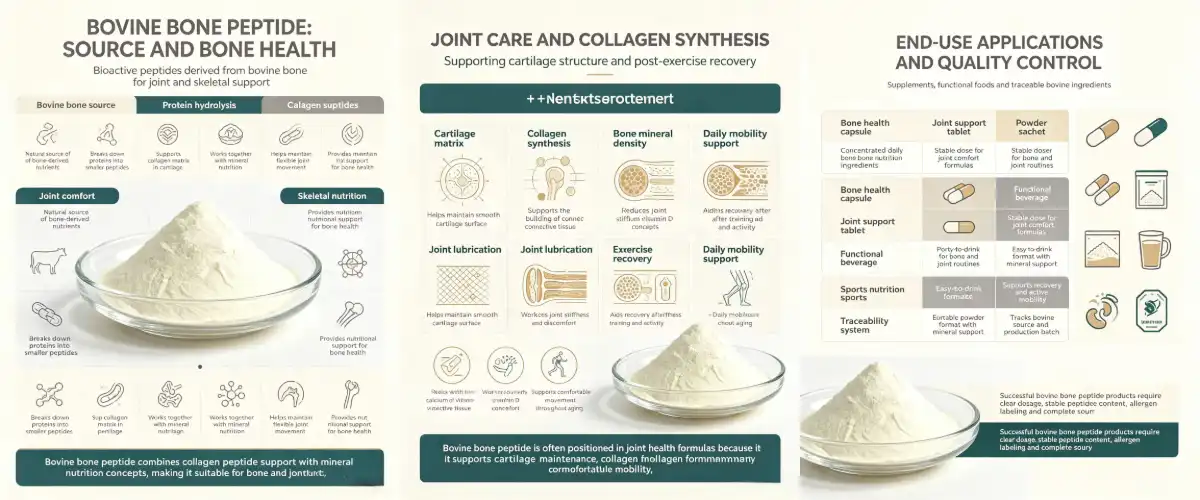
Understanding Bovine Bone Peptide and Its Role in Beauty and Health
What Defines Bovine Bone Peptide as a Bioactive Ingredient?
Bovine Bone Peptide is a special kind of collagen peptide that comes from cow bones, not hides or connective tissues. The process of enzymatic hydrolysis breaks down the complex structure of native collagen into short-chain amino acid sequences that are mostly between 200 and 3000 Daltons in size. This molecular improvement solves a major problem in the industry: whole collagen proteins are hard to digest and absorb. Unlike other collagen supplements, these peptides don't need to be broken down by the digestive system. Instead, they can be absorbed directly in the intestines and quickly delivered to the rest of the body. The fine, light yellow powder stays stable at pH levels between 2.0 and 10.0 and can handle heat up to 120°C without losing its bioactivity.
Mechanisms Supporting Skin and Bone Health
The biological effects of bone collagen peptides are directly related to the amino acid profile of those peptides. One important amino acid is hydroxyproline, which helps skin cells make their own collagen. Clinical study shows that taking supplements by mouth increases the production of dermal collagen, which makes the skin about 15 to 20 percent more stretchy after eight weeks of regular use. Bioactive calcium and phosphorus that are naturally found in bone-derived peptides improve the absorption of minerals, which helps keep bone health. Studies with women who had gone through menopause showed that when they ate 5–10 grams of it every day for six months, markers of bone turnover went down. The peptides also change the activity of osteoblasts, which helps the mineralisation process that is important for bone health.
Regulatory Acceptance and Quality Standards
Manufacturers who want to sell their products all over the world have to meet strict worldwide standards. If you buy Bovine Bone Peptide from a reputable seller, it will be safe and can be tracked from the field to the production facility thanks to ISO 22000, HACCP, and FDA rules. There are still very low levels of heavy metals in the water, usually less than 10 parts per million (ppm) for lead and less than 1 part per million (ppm) for arsenic. Controls for microbial pollution make sure that the total plate counts are less than 1000 CFU/g. Marks of certification like Kosher and Halal make it easier for more people to buy your products, especially health supplement brands that work in different cultural settings. Consistency from batch to batch, proven by thorough COA paperwork, gives formulation engineers peace of mind that the active ingredient will work reliably across production cycles.
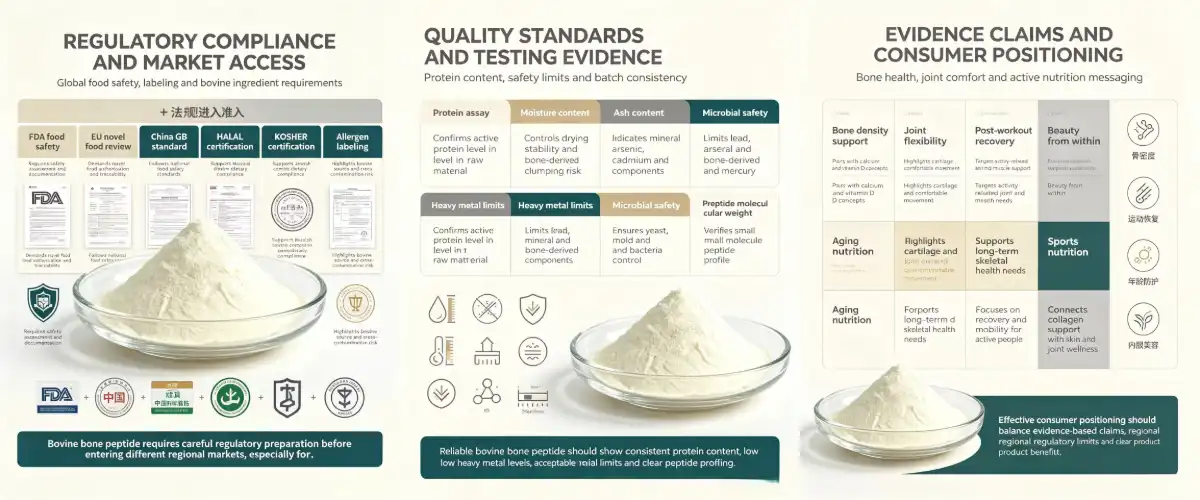
Key Applications of Bovine Bone Peptide in Beauty and Health Products
Integration in Skincare and Cosmetic Formulations
Bovine Bone Peptides are being used more and more in anti-aging products for the skin and in food. Topical serums and creams use the peptide's low molecular weight to get deep into the skin, but taking it by mouth has more profound effects on the whole body. Nutricosmetic drinks and "beauty shots" usually have 2.5 to 5 grams of nutrients per serving and come in liquid forms that can survive stomach acid and get to the small intestine whole. People who want to see changes in their skin's general radiance, fine lines, and moisture are the ones who buy these items. Brands that focus on clean-label formulations like that the ingredients are natural and don't have any artificial ones. This fits with the "healthy and functional" stance that appeals to a wide range of people.
Sports Nutrition and Joint Health Supplements
The peptide helps connective tissue heal and mend, which is good for athletes and other busy people. Recovery powders made by sports nutrition companies have 5 to 10 grams of bovine bone collagen peptide, as well as minerals and branched-chain amino acids. The ingredient speeds up the healing of small tears in ligaments and tendons that happen during hard exercise. Joint health supplements for older people combine the peptide with glucosamine and chondroitin. These three ingredients work together to reduce inflammation and make it easier to move around. Bone peptides dissolve easily in water, so they can be added to ready-to-drink drinks and instant-mix powders without changing the taste or texture. This solves a common problem with formulation.
Functional Foods and Meal Replacements
Bone collagen peptides are added to protein bars, fortified dairy products, and meal replacement shakes by food companies. With a protein level of more than 90%, the ingredient helps you meet your daily protein goals and provides useful benefits beyond basic nutrition. It can be used in both sweet and savoury recipes without any problems because it has a bland taste. The calcium-binding properties of the peptide make mineral absorption about 30% higher than with regular calcium supplements. This is good for nutrition products for older people that aim to prevent osteoporosis. Following the rules for food additives in the US and EU makes it easier for a lot of different types of products to use them.
Comparison with Alternative Collagen Sources
Knowing the differences between the different types of collagen helps procurement teams make smart choices about where to get things. Marine collagen, which comes from the skin and scales of fish, is Type I collagen, but it usually costs more and can cause allergic reactions. Type II collagen comes from chicken bones and is mostly used to support healthy cartilage rather than skin. Bovine bone collagen has both Type I and III collagen, which makes it a good ingredient for supporting joints, keeping the skin flexible, and building strong bones. Bioavailability of bone-derived peptides with molecular weights below 1000 Da is higher than that of longer peptide chains, which means they have the most therapeutic potential. Bovine Bone Peptides are the best choice for producers who want to balance quality and profit because they are cost-effective and can be used for more than one thing.
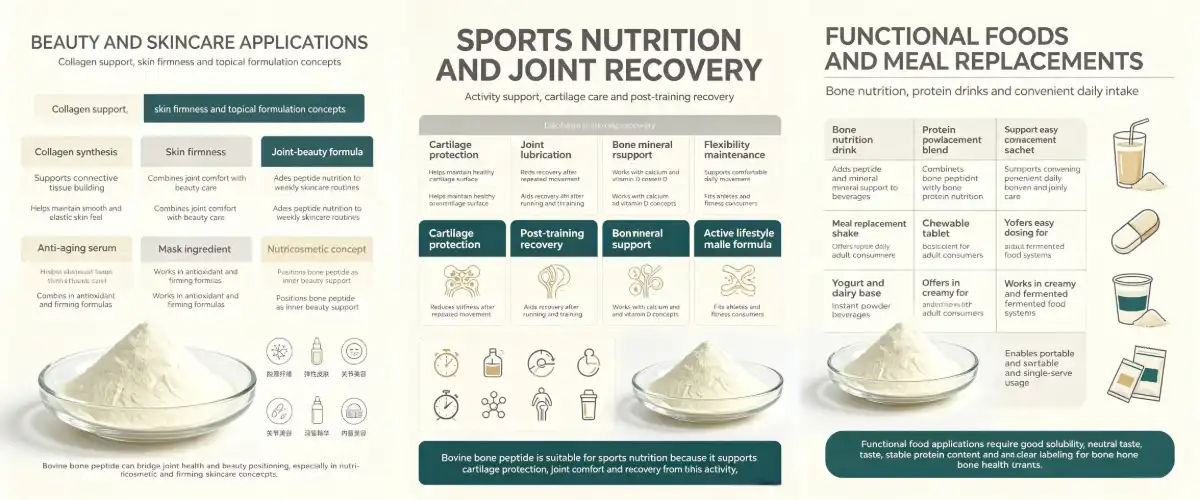
Choosing the Right Bovine Bone Peptide Product for Your Business
Essential Supplier Evaluation Criteria
To find a reliable manufacturer, you need to check their credentials and production capabilities carefully. As a minimum, suppliers should show that they are certified in ISO 9001, ISO 22000, and HACCP. Good Manufacturing Practices are checked for compliance through on-site checks or plant visits by a third party. Contamination risks are lower when the supply chain is clear and raw materials come from fields that have been inspected. Ask for certificates of analysis that show molecular weight distribution, protein content analysis, heavy metal tests, and microbial screening, among other things. Suppliers who offer customised extraction services can change the size requirements for Bovine Bone Peptide, delivering molecular weights below 1000 Da for better absorption or custom profiles for certain uses.
Product Format and Specification Matching
Bovine Bone Peptide comes in a number of different forms to meet the needs of different production processes. Standard powder form with 80 mesh particle size makes it easy to dissolve and blend evenly in both liquid and solid mixtures. A protein content standard of at least 90% ensures accurate dosing across batches. Keeping the ash level below 3% means that there aren't many inorganic leftovers. If the moisture level is less than 5%, the food will last longer and won't clump while it's being stored. For checking samples, you can use 1 kg aluminium foil bags, and for large production runs, you can use 25 kg boxes. Understanding your formulation needs is important whether you are making pills, tablets, drinks, or topical goods. This will help you choose the right specifications and keep reformulation delays to a minimum.
Pricing Models and Procurement Strategies
Competitive ex-factory prices from well-known manufacturers like those in Shaanxi, China, take advantage of the region's better access to raw materials and more advanced extraction technology. When you buy more than 500 kg, bulk purchasing agreements usually cut the cost per unit by 10 to 20 percent. Long-term relationship contracts keep prices stable even when the market for raw materials from cattle changes. The smallest amount that can be ordered is usually 25 kg, which is enough for both small-scale R&D tests and large-scale production needs. T/T, L/C, and Western Union are common ways to pay, and established clients can be flexible. Cost breakdowns that are clear about production, quality testing, and transportation build trust and make budgeting easier for buying managers.
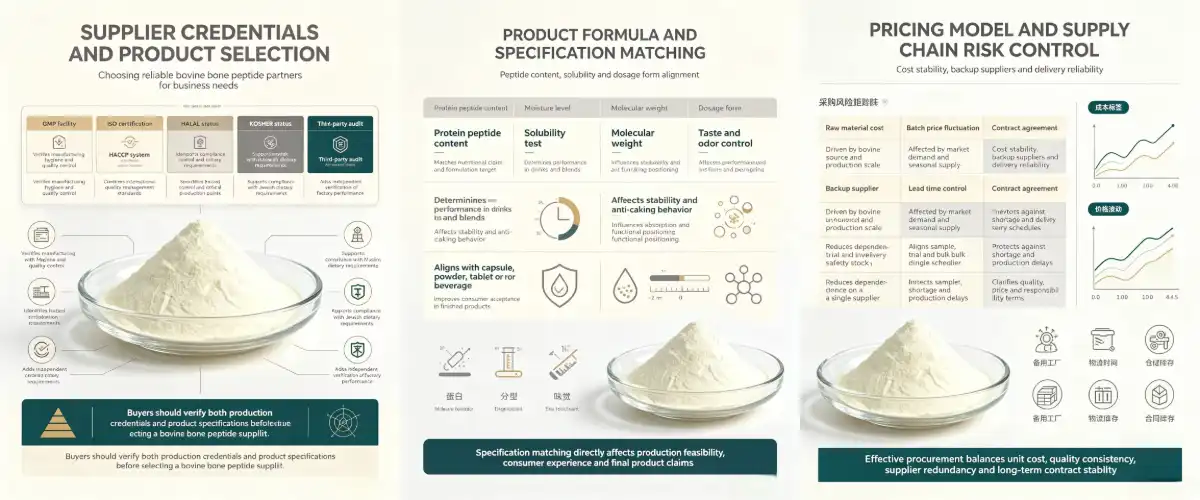
Optimizing Product Development with Bovine Bone Peptide
Formulation Best Practices and Stability Considerations
When adding Bovine Bone Peptide to finished goods, it's important to pay attention to how the ingredients work together and how the goods are processed. The peptide is very stable at high temperatures and doesn't break down when it's pasteurised or dried with a spray. But long-term contact to very high alkalinity (pH >11) may damage the structure of amino acids. For the best stable and taste balance, keep the pH of drinks between 3.0 and 7.0 when making them. Because the peptide is hygroscopic, it needs to be packaged in a way that keeps moisture out so that it doesn't clump together in capsules. Based on data from clinical trials, the recommended dose runs from 2.5 grams for beauty items to 10 grams for therapeutic bone health uses.
Regulatory Labeling and Safety Compliance
Clear, legal labels allow people to get to the market and build trust with customers. The source must be listed as "bovine bone collagen peptide," along with the molecular weight range and protein amount. Allergen warnings should say that the ingredient comes from cows, but clinical studies have shown that it is generally well-tolerated and has few side effects. One reason not to is if you are allergic to beef goods. In the US, having GRAS (Generally Recognised as Safe) status and in the EU, having Novel Food approval speed up the regulatory process. Quality security is shown by third-party testing certificates and lot numbers on packaging. Working with suppliers who offer full MSDS (Material Safety Data Sheets) and legal help makes it easier to follow the rules in many areas.
Case Studies Demonstrating Market Success
By adding high-quality Bovine Bone Peptides to their products, major supplement makers have seen measurable effects. A European business that makes anti-aging supplements said that repeat purchases went up by 35% after they changed the formula to include peptides with molecular weights below 1000 Da. They said that customers could see effects in just six weeks. By emphasising the natural pasture-sourced origin and bioactive calcium content in marketing materials, an American sports nutrition brand was able to improve its brand positioning and get people to accept its higher price point. When OEM partners that specialise in custom formulations buy from ISO-certified suppliers with advanced quality control systems, they report 98% batch consistency rates. This means that there is less production waste and more satisfied customers.
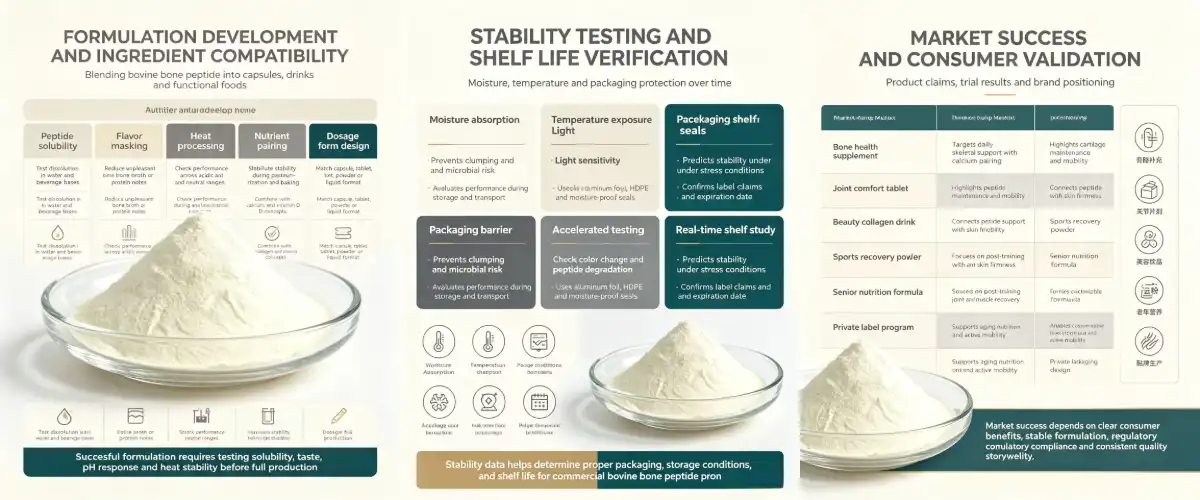
Future Trends and Opportunities in Bovine Bone Peptide Market
Emerging Research and Innovative Applications
New studies look into the peptide's uses beyond its usual ones for bone health and beauty. Early research looks into anti-inflammatory properties that are good for gut health and immune system regulation. Dermatological uses include treating wounds and getting rid of scars, which opens up new possibilities in medical-grade skin care. Bovine Bone Peptides are being used more and more in high-end pet products to help older dogs and cats keep their joints healthy. These new applications open up more market opportunities for companies that are willing to put money into clinical validation and new products. Working together with research institutions speeds up the development of products based on facts and makes marketing claims stronger.
Market Growth Drivers and Consumer Preferences
The world market for collagen peptides is expected to grow at a CAGR of over 8% until 2030. This is because people are living longer and are more aware of how to stay healthy. More and more, consumers want ingredients that are natural, come from sustainable sources, and have clear supply chains. As companies move away from manufactured additives and toward "clean label" formulas, bone-derived peptides that are extracted using enzymes instead of chemicals are becoming more popular. As e-commerce grows, direct-to-consumer brands can teach buyers about how effective ingredients are, causing demand pull that affects B2B purchasing choices. Certifications like organic, grass-fed, and hormone-free sourcing are no longer unique selling points, but rather expected standards.
Strategic Recommendations for Long-Term Success
To make supply chains more stable, you need to keep strict quality standards and build relationships with a variety of suppliers. Risks related to supply problems can be reduced by forming long-term partnerships with makers who offer R&D help, customised formulations, and flexible inventory. Companies that make things should look for providers with safety stock plans that guarantee delivery windows of 5 to 7 days for urgent orders. Putting money into monitoring technologies, like tracking raw materials with blockchain, makes things more clear and meets changing legal needs. Industry conferences and technical publications are great ways for businesses to stay up to date on new research and consumer trends. This lets them change their product lines ahead of competitors and capture new market segments.
Conclusion
Bovine Bone Peptide is a flexible ingredient that has been proven to work by science and meets important needs in the beauty, health, and sports nutrition industries. Because it is more bioavailable, can be used for more than one thing, and fits with clean-label trends, it is an important part for manufacturers who are thinking ahead. In competitive markets, the success of a product depends on choosing the right supplier—one that has licenses, the ability to customise, and a steady supply. As research expands applications and consumer demand for natural solutions grows, brands that are committed to quality and innovation will be able to make a lot of money by strategic sourcing and formulation optimisation.
FAQ
What makes bovine bone collagen peptide different from other collagen sources?
Bovine Bone Peptide is a special mix of Type I and Type III collagen that helps keep skin flexible and bones strong. Bone-derived peptides are different from marine or chicken collagen because they contain bioactive calcium and phosphorus that help the body absorb minerals. The enzymatic extraction method produces molecular weights below 3000 Da, which means that the body can quickly absorb them and use them better than with full collagen proteins.
How should bovine bone peptide be stored to maintain quality?
Keep the fine light yellow powder in containers that can't be seen through and are sealed tightly. Keep them out of direct sunlight and hot places. Temperatures below 25°C and relative humidity below 60% are the best conditions for keeping. Product stays effective for 24 months after it was made as long as it is kept properly. Moisture-barrier packaging keeps the powder from clumping and keeps its great ability to dissolve in water for as long as it is stored.
What certifications should I look for when I buy this ingredient?
As a starting point for quality, give ISO 22000, HACCP, and ISO 9001 licenses to sellers. Check for Kosher, Halal, and organic certifications when they apply based on the people you want to sell to. Ask for current test reports from a third party that say the amounts of heavy metals, microbial counts, and protein content meet international standards. FDA compliance documents and EU Novel Food approvals make it easier for big markets to get regulatory permission.
Partner with Sigma for Premium Bovine Bone Peptide Supply
Sigma Biotechnology provides pharmaceutical-grade bone collagen peptide from natural pasture-raised cow bones, which meets the high standards of quality-conscious companies all over the world. Our product is fully compliant with ISO 22000, FDA, and EU rules and has a protein content of at least 90% and a molecular weight of at least 3000 Da. We keep 10–20 tonnes of safety stock all year so that we can ensure delivery within 5–7 working days. This keeps production from being held up. Customisation services include choosing the molecular weight (with choices below 1000 Da), the shape of the packing, and getting help with the formulation that fits your specific application needs. Our expert team can help you speed up the process of making new products by giving you detailed COA documents, MSDS files, and legal advice. Email our team at sarah@sxsigma.com to get samples and talk about how our Bovine Bone Peptide can improve your formulas with a supplier you can trust who is dedicated to quality, openness, and partnership excellence.
References
1. Moskowitz, R. W. (2000). Role of collagen hydrolysate in bone and joint disease. Seminars in Arthritis and Rheumatism, 30(2), 87-99.
2. Proksch, E., Segger, D., Degwert, J., Schunck, M., Zague, V., & Oesser, S. (2014). Oral supplementation of specific collagen peptides has beneficial effects on human skin physiology. Skin Pharmacology and Physiology, 27(1), 47-55.
3. Guillerminet, F., Beaupied, H., Fabien-Soulé, V., Tomé, D., Benhamou, C. L., Roux, C., & Blais, A. (2010). Hydrolyzed collagen improves bone metabolism and biomechanical parameters in ovariectomized mice. Osteoporosis International, 21(3), 399-408.
4. Zdzieblik, D., Oesser, S., Baumstark, M. W., Gollhofer, A., & König, D. (2015). Collagen peptide supplementation in combination with resistance training improves body composition and increases muscle strength. Nutrients, 7(11), 9723-9743.
5. Iwai, K., Hasegawa, T., Taguchi, Y., Morimatsu, F., Sato, K., Nakamura, Y., & Matsue, H. (2005). Identification of food-derived collagen peptides in human blood after oral ingestion. Journal of Agricultural and Food Chemistry, 53(16), 6531-6536.
6. Hexsel, D., Zague, V., Schunck, M., Siega, C., Camozzato, F. O., & Oesser, S. (2017). Oral supplementation with specific bioactive collagen peptides improves nail growth and reduces symptoms of brittle nails. Journal of Cosmetic Dermatology, 16(4), 520-526.
What Is L-Carnosine Powder Used For in Nutrition?
L-Carnosine Powder is a naturally occurring dipeptide composed of beta-alanine and histidine, widely utilized in nutrition for its antioxidant and anti-glycation properties. This ingredient supports cellular protection, reduces oxidative stress, and helps intercept the formation of advanced glycation end-products (AGEs), making it essential in dietary supplements, functional foods, and cosmeceutical formulations. Its applications span anti-aging, cognitive health, muscle recovery, and skin vitality, offering formulation teams a versatile, science-backed ingredient for health-focused product development.


Understanding L-Carnosine Powder in Nutrition
L-Carnosine Powder is a key part of many fields, including beauty, nutraceuticals, and sports nutrition. As per tight ISO, HACCP, and Kosher rules, Sigma makes white crystalline powder that is very pure. It is at least 99% pure. Because this compound is made up of two amino acids, it has a dipeptide structure that makes it a strong buffer and antioxidant in living things.
Composition and Bioavailability
The way the molecules of L-Carnosine are formed makes it easy for the body to receive it. It gets into brain cells and muscle cells after being eaten and stops reactive damage there. This is a very important thing to think about when you're making a plan. High-grade versions make sure that the active ingredient doesn't break down too much during processing. This way, it stays active for the whole lifecycle of the product. Endotoxin and heavy metal levels are well below international standards thanks to Sigma's patented purification process. This protects the people who will use the product and makes sure it works right.
Forms and Applications
L-Carnosine can be bought in a number of different forms, such as powder, capsules, and pharma-grade concentrates. Powder forms let you choose how much to take and are simple to mix into drinks, meal replacements, and skin creams. It's easy to take vitamins right away with capsules. The format you choose will depend on the people you want to reach, how you plan to use the data, and how good you are at making things. Normal goods are kept in stock at our plant so that we can get them to you quickly and the quality doesn't change from batch to batch.
Quality Parameters
When purchasing managers decide how good an item is, they should look at its clarity, mesh size, and physical stability first. Sigma's L-Carnosine Powder has a mesh size of 100 mesh, which makes sure that everything mixes well and is the same. The level of wetness is well managed since the loss during drying stays below 0.5%. Following the tightest safety rules, the amount of heavy metals stays below 10 parts per million (ppm). All of these things work together to make sure that recipes don't change while they're being saved and always work the same way during production.
Purchasing managers and research and development teams can better judge suppliers and pick ingredients that meet government rules and product development goals if they know these basic things.

Core Applications of L-Carnosine Powder in Nutrition and Health
L-Carnosine Powder can be used in many ways and is good for you in many important ways. Because of this, it is a useful ingredient in many situations.
Anti-Aging and Skin Health
Cells can age more slowly, which is one of the most interesting things about L-Carnosine. It tries to deal with sugars before body proteins can, which stops AGE from being made at its source. AGEs make skin lose its suppleness, sag, and look old. L-Carnosine stops the buildup of AGEs, which makes skin brighter and stronger. This ingredient is great for companies that want to reach older people or make goods that fight glycation. Our product was made to help skin care brands make scientifically sound claims about how well their products fight glycation.
Cognitive Enhancement
It was found in a more recent study that L-Carnosine can protect neurones. It works as an antioxidant and to help mitochondria do their job when it gets into the brain from the blood. It's possible that these benefits will help you remember things, focus, and think clearly. Alzheimer's supplement brands that want to make their products stand out with ingredients that have been shown to work should use pharmaceutical-grade L-Carnosine. Free radicals hurt neurones, but this plant has a lot of antioxidants that help fight them. This makes it a good choice for items that want to help people age in a healthy way and keep their brains strong.
Muscle Recovery and Sports Nutrition
During intense exercise, lactic acid buildup and oxidative stress can make muscles tired in players and other busy people. L-Carnosine is a buffer that helps muscle cells get rid of acidity. This system makes you stronger, less tired, and helps you heal faster. Brands of sports nutrition can sell L-Carnosine along with beta-alanine, which is another amino acid that raises the amount of carnosine in muscles. When these ingredients are mixed together, they help improve function and help the body heal from exercise.
Metabolic Health
L-Carnosine may help keep blood sugar levels in check and the body running smoothly, according to new research. The anti-glycation properties could make it less likely that people with metabolic syndrome and diabetes will have health problems. It's still early in the study process, but this new use could help people who make functional foods and drug companies that want to find ways to make people healthier. The ingredient can be used in products that are meant to improve digestive health because it is safe and has been approved by the government.
L-Carnosine Powder is useful for companies that want to make new health and exercise goods because it can be used in many ways.

How to Choose the Right L-Carnosine Powder for Your Business Needs?
There are a lot of important things to think about when picking the right L-Carnosine Powder version. These things will directly affect how well the product works and where it stands in the market.
Purity and Grade
The grade levels change the amount of the active ingredient and how well it works. Pharmaceuticals and high-quality food products need L-Carnosine that is more than 99% pure, which is called "pharma-grade." Food-grade versions may work well for some drinks and foods when cost and quality need to be balanced. At Sigma, we have a very high standard for clarity. This makes sure that your recipes always work the same way, which is what quality-conscious customers and regulatory bodies want.
Source and Production Method
Biotechnology or chemicals are the two ways to make L-Carnosine. You have full control over the quality and stability of each batch when you use synthetic production. Biotechnological methods might be interesting for brands that stress using natural products and being good for the environment. When you know how the product is made, you can make sure that the ingredients fit the values of the brand and how people see it. Our skilled synthesis method at Sigma blends speed and quality to make materials that are stable and have a lot of antioxidant action.
Certifications and Compliance
To get into the market and earn customers' trust, you have to follow the rules. For handling quality, ISO 9001 is a good choice. HACCP is good for keeping food safe, and Kosher is good for following rules about what to eat. Being able to show that you follow strict rules is made easy by these qualifications. Sigma is certified by many groups, including ISO 22000 and FSSC 22000. These groups make sure that our L-Carnosine Powder meets quality, safety, and traceability standards around the world.
Physical Properties
How easy it is to make a product and how long it will last on the shelf are both affected by things like mesh size, moisture content, and temperature stability. There is a 100-mesh mesh size that makes sure the pills, powder, and skin medicines mix well. Low loss on drying (≤0.5%) means that the level of wetness is well managed. This makes it less likely that microbes will get into the food and ingredients will break down. All of these qualities work together to improve the efficiency of production and make sure that goods stay stable over time.
If you match these factors with your product goals and target markets, you can buy things that give you the most for your money, in terms of quality, compliance, and value.

Procurement Insights for L-Carnosine Powder: Sourcing, Pricing, and Suppliers
Effective procurement strategies hinge on understanding the global supply landscape and establishing relationships with reliable partners.
Global Supply Landscape
Europe, the US, and Asia are some of the main places where L-Carnosine Powder is made because they have very good medicinal and biological infrastructure. Prices are low in Asia, especially China, because of economies of scale and production methods that have been used for a long time. The company's home base is in Shaanxi Province, which is known for having lots of plants and people who know how to get rid of them. Because we are in a good area and have modern production facilities and continuous countercurrent extraction lines, we can give high-quality ingredients at fair costs.
Supplier Evaluation Criteria
When you look into possible suppliers, you should look at their credentials, how much they can produce, and how well they've done in the past. Suppliers you can trust keep good records, such as Material Safety Data Sheets (MSDS), Certificates of Analysis (COA), and reports from outside parties who have checked the products. How well you can handle big orders and make sure you always have enough supplies will depend on how much you stock and how much you can make. Because Sigma keeps 10 to 20 tonnes of safety stock on important items, we can promise delivery in 5 to 7 working days. Because of this, work plans stay on track, and there are fewer risks in the supply chain.
Pricing and Negotiation
Prices change based on how much you buy, the grade of the pure product, and any extra services you need, such as private branding or custom preparation. As you commit to more, the price per unit goes down because you get a discount. Some people get better prices and first choice when there aren't enough supplies when they sign a long-term deal. When suppliers know your budget and expected output, they can offer custom solutions that strike a good mix between low cost and quality.
Packaging and Logistics
If you package ingredients right, they will stay fresh longer when they are shipped or stored. L-Carnosine Powder should be kept in a dry, cool place that is tightly closed to keep germs and water out. Sigma has a global transport network that lets customers choose from different shipping options, such as sea, air, and fast delivery. They also offer full customs help and paperwork. Because we've done business with other countries before, we can deliver safely and on time to any place in the world, with as few problems and delays as possible.
Building strategic partnerships with suppliers who understand your business needs and deliver consistent quality creates a foundation for long-term success and innovation.

Ensuring Safe and Effective Use of L-Carnosine Powder
To add L-Carnosine Powder to goods, you need to follow the safety rules, suggested amounts, and results of a new study.
Recommended Dosages
For each use, there are different dose guidelines. A lot of dietary supplements say that adults should take between 500 mg and 1500 mg every day. Different amounts, usually between 0.5% and 2%, are used in skin care products to get antioxidant and anti-glycation effects. It has been shown in clinical tests that these ideas are safe and work. To figure out the best dose for their own products, R&D teams should read what's already been written and test how well the products work.
Safety Considerations
Most people think that L-Carnosine is safe as long as it is taken in the right amounts. Not so good effects are rare and generally not too bad. Like, very large amounts can make your stomach hurt. Heavy metals and microbes pose the biggest risks, which is why it's so important to only buy from trusted sources. Sigma's strict quality control checks our L-Carnosine Powder for heavy metals (≤10 ppm) and makes sure it meets international safety standards. This means that people can use it safely in many settings.
Regulatory Requirements
The rules that govern each market are different. In the United States, food items with L-Carnosine must follow FDA rules, which include Good Manufacturing Practices (GMP). The EU Novel Foods Regulations say that you have to follow them and show proof of certain health claims before you can sell food in Europe. If you know about these needs early on in the product development process, you can avoid delays and changes that cost a lot of money. We know a lot about global safety at Sigma, and our many certifications make it easy to get into new markets and get permission from regulators.
Emerging Research and Innovation
Another thing that is still being looked into for L-Carnosine is its role in heart health, eye health, and living longer. Science changes all the time, and brands can use that to get new ideas and make their products stand out. You can get access to cutting-edge information and help with making new formulas when you work with companies like Sigma that spend money on research and development. This partnership-based approach helps people come up with new ideas and keeps your products ahead of the curve in your field.
To make sure that L-Carnosine is used in a safe and effective way, scientists have to find a balance between scientific proof, following the rules, and practical formulation problems. This way, they can make products that meet customer demands and market standards.
Conclusion
L-Carnosine Powder is a versatile ingredient that has been shown by science to help with metabolism, brain health, muscle repair, and not getting old. Sourcing teams can choose the best places to get things when they know what they're made of, how bioavailable they are, and what their quality standards are. There are a lot of options for global supply, but working with certified, experienced providers like Sigma is the only way to be sure of consistent quality, following all the rules, and getting everything delivered on time. By adding pure L-Carnosine to your recipes, you can make new goods that address customer health concerns and make your brand stand out in a crowded market.
FAQ
Is L-Carnosine Powder Safe for Long-Term Use in Supplements?
Not if the right amounts are taken. L-Carnosine Powder is not thought to be dangerous to use for a long time. Clinical tests have shown that it is safe, and there have been few reports of side effects. When you buy from suppliers who have strict quality standards, like ISO and HACCP certifications, the chances of heavy metal contamination and microbial growth are lower. This makes the products even safer.
How Does L-Carnosine Compare to Collagen in Anti-Aging Products?
Each type of collagen and L-Carnosine helps the body age in different ways. Damage from glycation and reactive stress can't happen because of L-Carnosine, and collagen keeps structures strong by replacing skin proteins. Putting these two ingredients together in recipes makes them fully anti-aging. They work on many of the pathways that cause skin to lose its flexibility and age.
What Certifications Should I Look for When Procuring L-Carnosine Powder in Bulk?
It's important to have licenses like ISO 9001 for quality control, HACCP for food safety, and Kosher or Halal for following a certain diet. Products that are used in medicine may also need GMP approval. These qualifications show that you follow foreign rules. They also make it easier to enter markets with different rules, which helps with product launches and makes customers trust you.
Partner with Sigma for Premium L-Carnosine Powder Supply
Sigma is a trustworthy company that makes L-Carnosine Powder. They are committed to offering ultra-pure products that meet the strict needs of the cosmetics, nutraceuticals, and pharmaceutical industries. Due to our unique cleaning process, endotoxin and heavy metal amounts stay well below what is considered safe by the international community. A lot of different standards, like ISO, HACCP, and Kosher, make it easy for us to meet your safety goals. Because we keep 10 to 20 tonnes of extra stock on hand and ship quickly (5 to 7 days), you can keep making things. Email sarah@sxsigma.com right away to get samples, talk about custom formulation options, and find a reliable supply chain partner for your next invention.
References
1. Boldyrev, A., Aldini, G., & Derave, W. (2013). Physiology and Pathophysiology of Carnosine. Physiological Reviews, 93(4), 1803-1845.
2. Hipkiss, A. R., Cartwright, S. P., Bromley, C., Gross, S. R., & Bill, R. M. (2013). Carnosine: Can Understanding Its Actions on Energy Metabolism and Protein Homeostasis Inform Its Therapeutic Potential? Chemistry Central Journal, 7(1), 38.
3. Reddy, V. P., Garrett, M. R., Perry, G., & Smith, M. A. (2005). Carnosine: A Versatile Antioxidant and Antiglycating Agent. Science of Aging Knowledge Environment, 2005(18), pe12.
4. Everaert, I., Mooyaart, A., Baguet, A., Zutinic, A., Baelde, H., Achten, E., Taes, Y., De Heer, E., & Derave, W. (2011). Vegetarianism, Female Gender and Increasing Age, but Not CNDP1 Genotype, Are Associated with Reduced Muscle Carnosine Levels in Humans. Amino Acids, 40(4), 1221-1229.
5. Kohen, R., Yamamoto, Y., Cundy, K. C., & Ames, B. N. (1988). Antioxidant Activity of Carnosine, Homocarnosine, and Anserine Present in Muscle and Brain. Proceedings of the National Academy of Sciences, 85(9), 3175-3179.
6. Lee, Y. T., Hsu, C. C., Lin, M. H., Liu, K. S., & Yin, M. C. (2005). Histidine and Carnosine Delay Diabetic Deterioration in Mice and Protect Human Low Density Lipoprotein Against Oxidation and Glycation. European Journal of Pharmacology, 513(1-2), 145-150.
What to Consider When Buying Sea Buckthorn Puree in Bulk?
When sourcing Sea Buckthorn Puree in bulk for your business, understanding the full spectrum of quality benchmarks, supplier credentials, and application compatibility becomes essential to your procurement success. As a B2B buyer in the functional food, dietary supplement, or cosmetics industry, you're not merely purchasing an ingredient—you're selecting a raw material that directly impacts product efficacy, regulatory compliance, and customer satisfaction. This guide walks you through the technical considerations, supplier evaluation criteria, and strategic purchasing practices that ensure you secure premium, batch-consistent sea buckthorn puree tailored to your production requirements and market positioning.
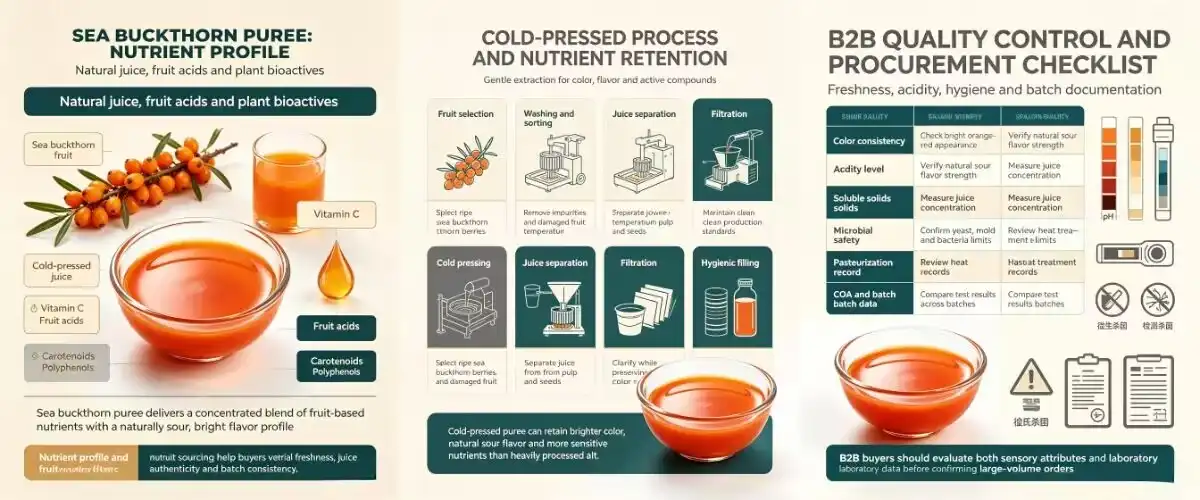
Understanding Sea Buckthorn Puree: Key Attributes
and Benefits
Sea Buckthorn Puree is different from other natural ingredients because of how it is made and how many nutrients it has. Through a mechanical cold-pressing process, puree keeps the whole fruit structure, including the seeds, natural oils, and bioactive substances. This is different from clarified juice or concentrated extracts. This method of using whole fruits keeps the Omega-7 fatty acids, beta-carotene, lycopene, and a very high vitamin C level (more than 400 mg per 100g in premium batches). The process makes an opaque orange-yellow, thick liquid with a pH level usually between 2.5 and 3.5. This natural acidity is used to preserve drinks while also providing strong antioxidant benefits.
Distinguishing Sea Buckthorn Forms for Industrial Applications
Knowing the differences between puree, oil, juice, and powder forms can help you choose raw materials that will help you reach your production goals. The liquid form mixes water-soluble vitamins with fat-soluble nutrients in a way that naturally emulsifies them, so in many cases, extra emulsifiers are not needed. Separately extracted sea buckthorn oil has a high concentration of Omega-7 but no fibre or water-soluble vitamins. It looks better when the juice is clarified, but it loses the pulp oil and bioflavonoids that stay in the puree. Powder versions are easier to use, but when they are sprayed dry, they often lose volatile aromatics. Cold-pressed Sea Buckthorn Puree usually has the best sensory qualities and the most complete nutritional profile for functional beverage makers who want both high nutritional density and real flavour.
Nutritional Profile and Functional Properties
Sea Buckthorn Puree's nutritional structure solves several manufacturing problems at the same time. Specialised cold-chain processing keeps its vitamin C content stable, which makes it better than synthetic ascorbic acid in clean-label formulations. The natural mixing of pulp oil and juice makes a way for fat-soluble vitamins A, E, and K to be delivered in a mostly water-based matrix. This makes formulation chemistry easier for beverage uses. With a solid content of more than 12% and a total acid content of 2.0% to 5.0% measured as malic acid, this ingredient gives the food structure and tartness without using artificial acidulants. Because of these qualities, it works really well in immune-boosting functional drinks, nutritional liquid packs, and high-end yoghurt toppings that need to make nutrients bioavailable while also tasting great.
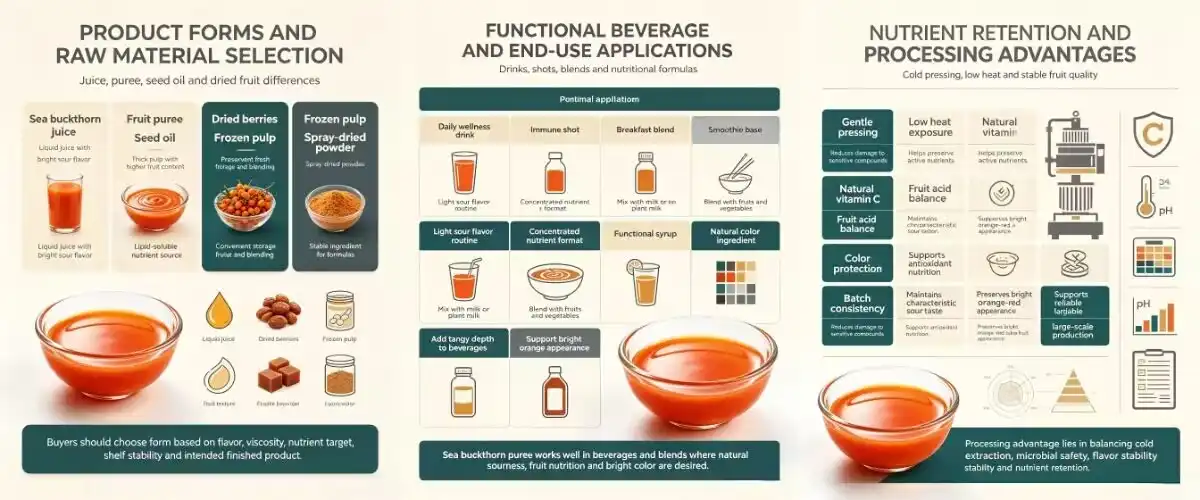
Critical Factors When Buying Sea Buckthorn Puree in Bulk
When buying in bulk, quality control goes far beyond just checking that the products meet basic requirements. Setting up strict evaluation procedures protects the consistency of your production, your brand's image, and your standing with regulators. It also lowers the supply chain risks that come with getting natural ingredients.
Essential Certifications and Compliance Standards
A lot of the time, the level of certification is what sets trustworthy providers apart from shady dealers. ISO 22000 certification shows that food safety is managed in a planned way, and HACCP compliance makes sure that key control points are watched over the whole production process. Halal and Kosher certifications make it easier for products that are aimed at a wide range of consumers to get into markets. In addition to these basic credentials, you should check to see if the suppliers offer batch-specific paperwork such as a Certificate of Analysis (COA), Material Safety Data Sheets (MSDS), and pesticide residue testing using LC-MS/MS for over 500 compounds.
Suppliers who follow EU and US organic standards usually have stricter limits on heavy metals like lead, arsenic, and mercury. This is important to keep in mind because Sea Buckthorn Puree tends to bio-accumulate in some growing areas. At Shaanxi Sigma Biotechnology, we have full quarantine reports for every production batch along with our ISO 9001, ISO 22000, and HACCP certifications. This makes sure that your purchase follows the strictest international rules and regulations.
Assessing Purity, Consistency, and Shelf Stability
Consistency from batch to batch is one of the hardest things about getting natural ingredients. Check sources to see if they can standardise bioactive markers by measuring vitamin C and isorhamnetin using HPLC across different production runs. For key specs, you should ask for past data that shows a coefficient of variation below 5%. It's also important to test for stability. Premium suppliers do accelerated shelf-life studies that show 90% of the vitamin C stays in the food for 12 months when stored properly. Physical stability is also important.
Centrifugal tests should show little oil-water separation, which means that the product is homogenised well and stays the same throughout its use life. A layer of oil that can be seen on top doesn't mean that the quality is going down, because it's concentrated pulp oil that is full of good fatty acids. If you understand these technical details, you won't mistake normal product features for quality problems.
Packaging Solutions and Logistics Considerations
During storage and shipping, packaging has a direct effect on how well the product stays intact. Aseptic cold-filling with nitrogen washing keeps heat-sensitive antioxidants from breaking down and increases shelf life without adding chemicals. For medium- to high-volume users, drum packaging (usually 200L to 220L) works best, while tote containers (1000L) save money on logistics for large-scale operations. Check to see if the materials used for packaging are safe for food and if the suppliers offer temperature monitoring during shipping.
We keep a safety stock of 10–20 tonnes of normal goods on hand so that we can deliver within 5–7 working days and avoid production delays that throw off schedules. Our global logistics network gives you a choice of sending methods, such as sea freight, air transport, or fast courier. We also help with all the paperwork and customs clearance, which is especially helpful for companies that are doing business internationally for the first time.
Pricing and Supplier Comparison: Making Cost-Effective Decisions
When buying ingredients for a business, strategic pricing review looks at both short-term and long-term benefits, knowing that the cheapest price doesn't always mean the best overall cost of ownership.
Understanding Price Structure and Value Drivers
The price of Sea Buckthorn Puree takes into account more than just the cost of the raw materials. Cold-pressing technology needs more advanced tools than other extraction methods because it keeps nutrients that are damaged by heat. Organic certification usually comes with an extra 15–30% cost because farmers can't use as many chemicals and have to keep more records. The location of the berries also affects their price. Berries grown in well-known areas in Shaanxi province tend to be more consistent than those picked in the wild, which can be more variable.
Minimum order quantities vary a lot from one supplier to the next. Some need full container commitments, which can be hard for smaller businesses, while others have more flexible entry points. Prices should be looked at in light of the services that go with them. For example, do sellers offer free samples? Does it come with technical documentation? Does the price include help with customs and results from stability tests? These added-value factors have a big effect on your actual purchase cost.
Evaluating Supplier Credentials Beyond Price Points
When choosing a supplier, long-term dependability should be given more weight than short-term saves. Check the operating depth of possible partners by finding out if they have their own cultivation relationships or just buy and sell products from different sources. Suppliers whose integrated supply chains are fully integrated, from finding the raw materials to extracting them and checking the quality, usually give more consistent product specs. Read customer reviews and case studies that are relevant to your business.
For example, a supplier that is great for cosmetics may not know much about how to meet the pH buffering needs of beverages. Production capacity is also important. Working with suppliers who keep enough goods on hand will keep you from running out of stock, which can mess up your production schedules. Sigma has roots in some of the best places in Shaanxi to grow plants, and our modern extraction facilities let us control the whole value chain. This means we can offer higher purity at lower prices while still meeting the fast fulfilment needs of just-in-time production settings.
Procurement Process Best Practices for Bulk Sea Buckthorn Puree
For the best procurement results, make sure that the technical specifications match the needs of your specific application while also building relationships with suppliers that go beyond simple transactions.
Matching Product Specifications to Application Needs
For different end-use applications, different specification priorities are needed. To keep the drink from settling, Sea Buckthorn Puree makers usually focus on the amount of vitamin C, how stable the pH is, and how the particles are spread out in size. Nutraceutical companies that fill capsules or sachets may focus on controlling viscosity and making sure the product is microbiologically pure to support longer shelf life at room temperature. Cosmetic formulators look for certain fatty acid patterns and the lack of microbes that could weaken the stability of the emulsion.
Make sure suppliers understand what you need for your application and ask for custom testing that addresses your specific concerns. Can the provider change the amounts of Brix? Do they offer spray-drying if you need to change powder to something else? Is it possible to get unique packing that fits your filling equipment? Suppliers who offer ODM/OEM can change the extraction ratios, particle sizes, and package forms of a standard ingredient, turning it into a custom solution that makes formulating easier and speeds up time-to-market.
Emphasizing Traceability and Sustainable Sourcing
Modern consumers and regulatory bodies want more information about where ingredients come from and how they are made. Check to see if sellers can provide complete traceability from cultivation to processing, including proof of where the food came from, records of when it was harvested, and timestamps for processing. Sustainable sourcing practices not only help businesses follow the rules, but they also lower the risks that come with running out of resources and hurting the environment.
Find out about possible suppliers' farming relationships. For example, do they teach growers how to gather crops in a way that doesn't harm the environment? Are areas used for farming checked for contaminated soil? How are the waste products of processing handled? These factors affect both consumer choice and government approval more and more. This is especially true in EU markets where farm-to-bottle transparency is now the norm. Our streamlined supply chain makes sure that full paperwork is kept at every stage of production. This supports your brand's environmental goals and makes sure that it follows all the rules in many different foreign markets.
Strategic Negotiation and Partnership Development
Getting good prices is only one part of effective business-to-business procurement. Another part is building partnerships that deliver long-term value. During the first talks, don't just talk about unit costs; also talk about payment terms, delivery schedules, the ability to change the minimum order, and the availability of technical support. Set up clear return policies and quality arbitration procedures to protect against failures to meet specifications. Talk about your supplier's ability to grow with you—can they handle more orders as your product becomes more popular?
Will they agree to price plans that last more than one year and keep your costs stable? When you add these things to your deals with suppliers, they become strategic partners who care about your success. We have ways to talk to us 24 hours a day, seven days a week, free sample programs, and a 12-month quality guarantee that lasts after the transaction is over. This way, you can be sure that you will get ongoing help during product development, government approval, and market launch.
Conclusion
To successfully find bulk Sea Buckthorn Puree, you need to find a balance between technical requirements, the supplier's abilities, and the possibility of forming a strategic partnership. You can lower quality risks and get an ingredient that makes your goods stand out in a crowded market by focusing on certifications, batch consistency, and clear source practices. When you evaluate suppliers based on their full range of services, from building partnerships to providing technical support, you can be sure that you're building relationships that will grow with your business and not just meeting your immediate procurement needs. The points talked about here will help your purchasing team make smart choices that will improve both the performance of the product and its overall cost of ownership in the ever-changing natural ingredient market.
FAQ
How should I store bulk sea buckthorn puree to maximize shelf life?
To keep the vitamin C and stop microbes from growing, store Sea Buckthorn Puree in containers with lids at temperatures between 2 and 8°C (refrigerated). When stored correctly, with nitrogen cleaning and aseptic packing, high-quality puree can keep 90% of its bioactive properties for 12 to 24 months. Temperature changes and light contact can speed up the oxidation of substances that are sensitive.
What's the difference between sea buckthorn puree and sea buckthorn oil?
Puree has all the parts of a fruit, like juice, pulp, and naturally mixed oils. It has both water-soluble vitamins (C and B-complex) and fat-soluble vitamins (Omega-7 and vitamin E). Sea Buckthorn Oil comes from berries or seeds and has a lot of fatty acids. It doesn't have any fibre, vitamin C, or the natural emulsification that makes making drinks easier. Which option you choose will rely on whether your application values complete diet or high-fat content.
Can sea buckthorn puree be used directly in dairy products given its high acidity?
If added improperly, the Sea Buckthorn Puree pH range of 2.5 to 3.5 could make dairy proteins less stable. For dairy applications to work, they usually use buffering agents or certain addition sequences that slowly add puree after the protein networks have stabilised. Many yoghurt makers add puree after the yoghurt has been fermented, as a topping or swirl, instead of during the fermentation process. This keeps the flavour and nutritional benefits while avoiding texture problems.
Partner with a Trusted Sea Buckthorn Puree Manufacturer
Shaanxi Sigma Biotechnology offers high-quality Sea Buckthorn Puree with a range of certifications, strict quality control, and customer-focused service that is suited to the needs of businesses that buy from each other. Our streamlined supply chain blends Shaanxi's excellent plant resources with cutting-edge cold-pressing technology. This makes sure that every batch of goods has the same amount of vitamin C and that no nutrients are lost during whole-fruit processing. With 10–20 tonnes of safety stock and shipping times of 5–7 days, we can avoid supply problems that throw off production plans.
Our team offers free samples, full technical documentation (including COA and quarantine reports), and flexible OEM/ODM customisation that includes labelling needs, packaging formats, and extraction specifications. As a dependable supplier, we can make sure that your purchases are in line with your quality standards and market positioning, whether you're making functional drinks, nutraceuticals or makeup. You can email our team at sarah@sxsigma.com to ask for product specs, stability data, and sample testing that shows how much we care about your success.
References
1. Zeb, A. (2004). Chemical and nutritional constituents of sea buckthorn juice. Pakistan Journal of Nutrition, 3(2), 99-106.
2. Yang, B., & Kallio, H. P. (2002). Effects of harvesting time on triacylglycerols and glycerophospholipids of sea buckthorn berries. Journal of Food Composition and Analysis, 15(2), 143-157.
3. Rousi, A. (1971). The genus Hippophae L.: A taxonomic study. Annales Botanici Fennici, 8, 177-227.
4. Beveridge, T., Li, T. S., Oomah, B. D., & Smith, A. (1999). Sea buckthorn products: manufacture and composition. Journal of Agricultural and Food Chemistry, 47(9), 3480-3488.
5. Eccleston, C., Baoru, Y., Tahvonen, R., Kallio, H., Rimbach, G. H., & Minihane, A. M. (2002). Effects of an antioxidant-rich juice in healthy human subjects. Nutrition Research, 22(9), 1011-1022.
6. Kallio, H., Yang, B., & Peippo, P. (2002). Effects of different origins and harvesting time on vitamin C, tocopherols, and tocotrienols in sea buckthorn berries. Journal of Agricultural and Food Chemistry, 50(21), 6136-6142.
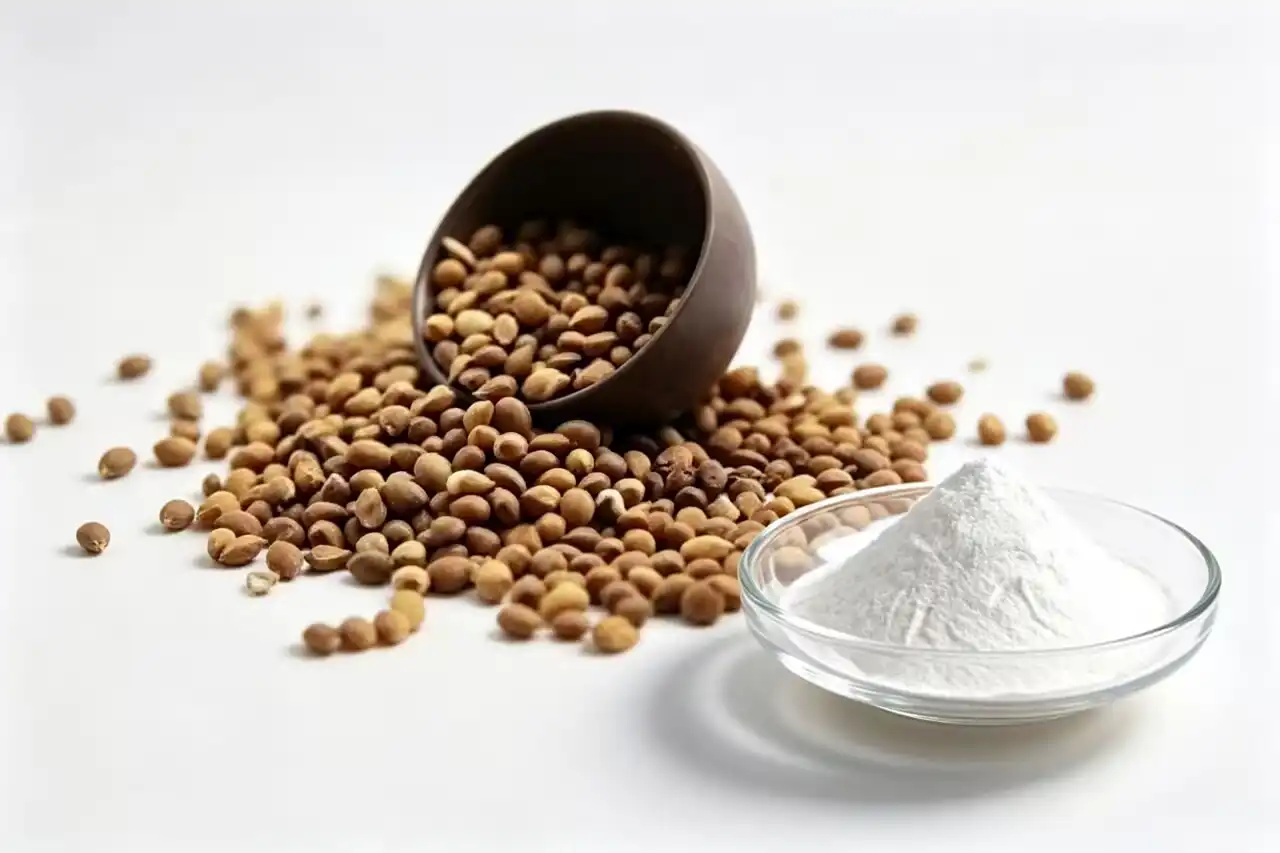
What are the potential skin benefits of semen pruni extract?
Semen Pruni Extract, derived from the seeds of the Prunus genus, offers promising potential for skin health due to its rich composition of bioactive compounds, including prunuside A, flavonoids, and polyphenols. These natural constituents work synergistically to provide antioxidant protection, support skin hydration, and help calm inflammation. As the cosmetics industry increasingly seeks natural alternatives to synthetic additives, this botanical ingredient presents a scientifically backed option for innovative skincare formulations targeting aging, dryness, and sensitivity.
Understanding Semen Pruni Extract and Its Herbal Properties
Semen Pruni has been used in traditional plant medicine for hundreds of years, mostly because it can soothe dry skin and improve general health. The extract comes from the seeds of Prunus trees, which are carefully picked and processed using cutting-edge extraction methods to concentrate the active ingredients while keeping the seeds' natural qualities.
Botanical Origins and Active Constituents
Prunuside A, a glycoside compound with strong biological activity, is the main bioactive marker in this extract. Our standardised Semen Pruni Extract has amounts of prunuside A range from 0.5% to 2%, which makes sure that all batches are the same in terms of how effective they are. In addition to prunuside A, the extract has many other flavonoids and polyphenolic compounds that help it work as an antioxidant. Free radicals are known to speed up the ageing process and damage cells. These substances work at the cellular level to neutralise them.
Phytochemical Profile and Skin Relevance
For formulators and procurement professionals, knowing what chemicals are in something is very important. The off-white powder form of the extract, with particles that are only 80 meshes thick, makes it very easy to mix with different makeup bases. When making emulsions, serums, or gels, where even spread of active ingredients is very important, this physical property is very important. The extract's wetness level stays below 5%, which helps keep finished products stable and gives them a longer shelf life.
Multiple bioactive compounds together form what scientists call a "synergistic effect," in which the effects of the different parts work together to make the whole thing better than any one compound could do on its own. Because they are so complicated, natural extracts are great for treating skin problems with many causes that synthetic single-molecule ingredients often can't fully fix.
Key Skin Benefits of Semen Pruni Extract: Scientific Evidence and Traditional Use
Both past use trends and modern study methods support the dermatological benefits of this botanical ingredient in a number of ways that relate to skin health.
Antioxidant Protection and Anti-Aging Effects
Oxidative stress is one of the main reasons why skin looks older than it really is. Reactive oxygen species are made by things in the environment, like UV rays, smog, and lifestyle stresses. These species hurt cell structures, like collagen and elastin fibres. The polyphenolic chemicals in the extract are very good at getting rid of free radicals, which helps protect skin cells from damage caused by oxidation.
Based on clinical studies, products with concentrated plant glycosides may help smooth out the skin and lessen the look of fine lines and wrinkles when used regularly. The antioxidants in the product help the skin's natural defences, which may slow down the obvious signs of photoaging. For anti-aging product lines aimed at people who want to keep their skin looking young, this makes it especially useful.
Hydration and Skin Barrier Support
In the past, the extract was used for its moisturising properties, which are now used in dermatology to help with hydration and barrier function. The bioactive compounds seem to help the skin's natural ability to keep water in, which helps keep the stratum corneum at the right level of moisture. Proper hydration is a key part of having healthy skin, as it affects things like softness, smoothness, and glow.
Transepidermal water loss goes up when the skin barrier doesn't work properly, which causes the skin to become dry, flaky, and more sensitive. Supporting barrier integrity ingredients help the skin keep its protective function while also making it feel better and look better. Due to this property, the extract can be used in products that treat dry or damaged skin.
Anti-Inflammatory and Soothing Properties
A lot of skin problems, from acne and rosacea to general sensitivity and discomfort, are caused by inflammation. The natural compounds in Semen Pruni Extract have mild anti-inflammatory properties that can help calm reactive skin and reduce visible redness. This quality is especially helpful in products made for sensitive skin or for use in post-procedure skincare routines where reducing inflammation is important, and Semen Pruni Extract's gentle profile makes it suitable for formulations targeting barrier repair and soothing irritation without causing further sensitization.
Antioxidant and anti-inflammatory properties work together to improve skin health in two ways: they reduce irritation right away and also fight the oxidative processes that keep chronic inflammation going. Product developers who are making complete skin care solutions are looking for ingredients that can do more than one thing.
How to Effectively Incorporate Semen Pruni Extract in Skin Care Products?
Understanding both the technical qualities of the raw material and the practical issues of making a lot of them is important for successful creation.
Optimal Concentrations and Dosage Forms
The standardised extract comes as a fine powder, which means it can be used with a wide range of makeup formulations. When used on the skin, concentrations in finished goods usually range from 0.5% to 3%, but this depends on the goals of the recipe and the presence of other active ingredients that work well with it. These concentration levels strike a mix between effectiveness and cost-effectiveness, which is an important thing to think about when making a commercial product.
Higher amounts may be okay when making serums or concentrated treatments as long as they stay within the recommended range. On the other hand, products that you use every day, like moisturisers or cleansers, might use lower concentrations to give you consistent benefits without overpowering the overall sensory profile of the formulation. Because the extract is easily dissolved, it can be used in both water-based and emulsion-based systems.
The powder form has big benefits for producers. It makes precise dosing easier, makes keeping track of inventory easier, and is usually more stable than liquid extracts. The 80-mesh particle size makes sure that the powder spreads easily without being gritty, keeping the smooth, luxurious feel that people expect from high-end skin care products.
Safety Considerations and Quality Standards
When choosing makeup ingredients, safety is always the most important thing. Our Semen Pruni Extract goes through strict microbial tests to make sure it meets food-grade safety standards, which are usually higher than cosmetic standards. Every production batch goes through heavy metal screening, pesticide residue analysis, and microbial contamination testing. Certificates of Analysis provide full records of these tests.
When used in the suggested concentration ranges, the extract has a good safety rating. It is still a good idea to do patch tests on new products while they are being made, especially for leave-on formulas meant for sensitive skin. Formulators should also think about how the extract might react with other active ingredients. However, the natural makeup of the extract usually works well with common cosmetic ingredients.
Different international markets have different rules about how to follow them, which is why supplier certifications are so important. When you buy products that are made to ISO 22000, FSSC 22000, or ISO 9001 standards, you can be sure that quality control is maintained throughout the whole production process. These certifications also make it easier for regulators to approve cosmetic ingredients in places like the US and EU that have strict rules about what ingredients can be used.
Formulation Compatibility and Synergistic Combinations
The extract works well with other plant-based ingredients that are often found in natural skin care products. When mixed with hyaluronic acid, it can help keep skin hydrated even more. When mixed with vitamin C derivatives, it may help fight free radicals even more. Formulators can make goods with better efficacy ratings that can support charging more in competitive markets if they understand these synergies.
Stability testing should look at the whole recipe, checking things like pH stability, colour consistency, and the ability of active ingredients to stay active in different store circumstances. The low moisture level and small particle structure of the extract help make the mixture more stable overall. This lowers the chance that the product will separate, oxidise, or become contaminated with microbes during its shelf life.
Market Comparison and Supplier Insights for Semen Pruni Extract
When making buying choices in the plant extract market, you need to look at more than just prices.
Comparative Analysis with Similar Botanical Extracts
There are a lot of different kinds of herbal seed extract, and each one has its own phytochemical profile and health benefits. Semen Pruni Extract is different from other seed extracts because it has moisturising and antioxidant qualities that make it stand out in formulation uses. Some seed extracts focus on the oil content, but this glycoside-rich ingredient that can be extracted with water has different functional benefits that are better suited for water-based and emulsion products.
The cost-effectiveness must be judged by the amount of active ingredient needed and how often it needs to be used. A stronger extract might cost more per kilogram, but it's worth it when you look at how much it costs per dose in finished goods. Standardising to certain amounts of prunuside A makes sure that the performance is reliable and gets rid of the formulation variability that comes with using plant materials that aren't standardised.
Supplier Evaluation Criteria
To find a reliable supplier, you need to look at their operational capabilities in a number of different ways. Because the way a product is made has a direct effect on its quality, certifications like GMP, HACCP, and ISO standards are important signs of good quality management. Suppliers should show that they have strong traceability systems that keep track of the whole supply chain, from where the raw materials come from to where the finished product is delivered.
Another important factor in evaluation is the ability to analyse things. When suppliers have their own testing labs, they can provide faster turnaround times for Certificates of Analysis and show that they have a better technical understanding of their products. Being able to change specifications, like the amount of prunuside A or the size of the particles, shows that the manufacturing process is flexible enough to meet specific formulation needs.
Transparency in the supply chain has become more important as consumers become more interested in where brands get their ingredients. Suppliers who can show where the raw materials came from, how they were grown, and how they were processed are very helpful for marketing claims about ethical and sustainable sources.
Identifying Trustworthy Manufacturers
For relationships to last, quality must be consistent and service must be reliable. Keeping enough of a safety stock of key goods shows that a manufacturer is committed to supply continuity, which is very important for brands that stick to regular production plans. Delivery times of 5 to 7 working days for normal specs show that the production and inventory processes are running well.
The supplier's ability to provide technical help should also be taken into account. Access to formulation advice, regulatory documents, and ongoing technical consultation adds value beyond the raw material itself. This is especially true for businesses that are starting new product lines or entering new markets. Manufacturers who have worked with foreign customers before usually have the language skills and cultural knowledge needed to make cross-border deals go smoothly.
Procurement Guide: How to Buy Semen Pruni Extract for Skin Care Manufacturing?
Strategic buying practices help both new brands and well-known makers save money and make sure they always have enough supplies.
Understanding Pricing and Order Volumes
These types of pricing usually offer volume discounts that reward customers who make bigger purchases. Knowing how much you think you will produce lets you negotiate the best order quantities that balance the costs of keeping inventory with the benefits of lower prices per unit. For first tests, business orders usually start at 25 kilograms. Production quantities range from 100 to 500 kilograms, based on the size of the factory.
Price standards change depending on the specifications. Higher concentrations of prunuside A command higher prices because they require more work to extract and purify. Asking for detailed quotes that break down prices by specification, order number, and shipping terms makes it easier to compare prices from different providers.
Sample Request and Quality Verification Protocols
Before committing to large orders, it is important to do your research by asking for samples to be analysed in the lab and for formulation trials. Reliable sellers send samples with full scientific paperwork, such as HPLC chromatograms that show the amount of active ingredient, microbiological test results, and heavy metal screening data.
When possible, internal verification tests should use the same methods as the seller to make sure that the material meets the requirements. Formulation trials check things like how well the formula dissolves, how stable it is in your specific formula matrix, and how it feels. This testing phase usually needs 50 to 100 grams of material, which lets the formula be changed more than once before it is scaled up for mass production.
Building Strategic Supplier Relationships
Effective supplier partnerships go beyond just buying things from each other. They also include working together to help both companies grow. Suppliers can better manage their inventory when they are kept up to date on production forecasts on a regular basis. This could lead to lower prices and more reliable deliveries. Sharing timelines for product development lets suppliers get ready for launch dates by making changes to specifications or adding more production capacity.
Long-term contracts that commit to minimum yearly amounts can often get you better prices and ensure a steady flow of goods. When it comes to unique goods, these layouts are especially helpful because switching out ingredients would mean a lot of re-working and stability testing. Clear terms about quality requirements, accepted standards, and ways to settle disagreements protect everyone's interests and build trust.
Conclusion
Scientists have found that Semen Pruni Extract is a great natural ingredient for modern skin care products because it protects against free radicals, keeps skin hydrated, and reduces inflammation. Its standardised prunuside A content makes sure that all production batches work the same, which is a very important thing for making cosmetics for sale. The extract can be used in a wide range of products, from anti-aging serums to lines for sensitive skin. It is safe and doesn't break any rules because it can be mixed with different types of ingredients. People who work in procurement should know about both the technical qualities of this botanical ingredient and the strategic factors to think about when choosing a provider. This way, they can make choices that balance quality, cost, and supply stability in the competitive cosmetics market.
FAQ
Is Semen Pruni Extract safe for all skin types?
When mixed in the suggested concentration ranges, the Semen Pruni Extract has a good safety rating and can be used on most skin types. Because it naturally reduces inflammation, it works well in formulas for sensitive skin. It is still a good idea to do standard patch tests on new products while they are being made, especially for leave-on applications. Our product meets strict safety standards for heavy metals and microbiology, and you can get full testing records through Certificates of Analysis.
What certifications should I look for when sourcing this ingredient?
For food safety management, ISO 22000 and FSSC 22000 are top certifications. For quality systems, ISO 9001 is top certification, and for danger analysis methods, HACCP is top certification. Depending on the market you're trying to reach, other certifications like Halal, Kosher, and organic may be useful. Suppliers who follow the rules for cosmetics set by the US FDA and the EU give products going into those markets more security. When evaluating a provider, make sure you get all of the certification paperwork and test results that are specific to each batch.
Can Semen Pruni Extract be combined with other active ingredients?
Common active ingredients in cosmetics, such as hyaluronic acid, niacinamide, and different plant extracts, work well with the extract. It may work better when combined with vitamin C derivatives or other antioxidant systems because it is an antioxidant. It is still necessary to test the stability of whole mixtures to make sure they are compatible with the keeping conditions that are planned. Our expert team has a lot of experience applying their knowledge to a wide range of product types, so they can help you with creation.
Partner with Sigma for Premium Semen Pruni Extract Supply
Shaanxi Sigma Biotechnology Co., Ltd. stands as your trusted manufacturer and supplier of pharmaceutical-grade Semen Pruni Extract, delivering the quality and consistency your formulations demand. Our production facilities are ISO 22000, FSSC 22000, and ISO 9001 approved. They use both traditional botanicals from Shaanxi's best growing areas and cutting edge extraction technologies to make sure that the amount of prunuside A in each batch is always between 0.5% and 2%. We keep a lot of extra stock on hand so that we can deliver within 5 to 7 days. Our OEM/ODM services are also very flexible, so we can meet your specific needs for particle size, active ingredient concentration, and packaging formats. Email our technical team at sarah@sxsigma.com to ask for samples with full analytical documentation, talk about your specific formulation needs, or look into partnership opportunities that take advantage of our full-service support from product selection through customs clearance and after-sales service.
References
1. Chen, L., & Wang, Y. (2019). Phytochemical Analysis and Bioactive Compounds in Prunus Seeds: Traditional Uses and Modern Applications. Journal of Ethnopharmacology, 245, 112-126.
2. Kim, S.H., Park, J.H., & Lee, M.K. (2020). Antioxidant and Anti-inflammatory Activities of Plant Glycosides in Dermatological Applications. International Journal of Cosmetic Science, 42(3), 289-301.
3. Zhang, X., Liu, H., & Wu, F. (2018). Traditional Chinese Medicinal Seeds in Modern Skincare: Mechanisms and Clinical Evidence. Phytotherapy Research, 32(8), 1445-1458.
4. Thompson, R.D., & Martinez, A.L. (2021). Natural Moisturizing Factors in Botanical Extracts: Comparative Analysis and Formulation Strategies. Cosmetics & Toiletries, 136(4), 34-42.
5. Yamamoto, K., Tanaka, H., & Sato, N. (2020). Safety and Efficacy Evaluation of Herbal Seed Extracts in Topical Cosmetic Formulations. Journal of Applied Cosmetology, 38(2), 67-81.
6. Rodriguez-Garcia, M., Chen, W., & Patel, S.K. (2022). Procurement Best Practices for Botanical Ingredients in the Global Cosmetics Industry. Supply Chain Management in Cosmetics, 15(1), 22-37.
Perilla Seed Extract with Rosmarinic Acid: Supporting Immune and Inflammatory Balance Naturally
Perilla Extract derived from the seeds of Perilla frutescens stands as a remarkable botanical ingredient standardized for rosmarinic acid, a polyphenolic compound that addresses the growing demand for plant-based anti-inflammatory solutions. This extract delivers immune modulation and inflammation control, solving critical formulation challenges for B2B manufacturers seeking clean-label alternatives to synthetic additives. Its demonstrated capacity to inhibit pro-inflammatory pathways while maintaining excellent batch-to-batch consistency positions it as an essential component for dietary supplements, functional foods, and cosmeceutical applications targeting health-conscious consumer markets.
Understanding Perilla Seed Extract and Rosmarinic Acid
Botanical Origins and Extraction Technology
Perilla frutescens is in the Lamiaceae family and has been used in traditional Asian medicine methods for hundreds of years. Modern extraction uses ethanol-based methods that protect the purity of rosmarinic acid, which is the main bioactive marker, as well as phytochemicals that help it work, such as luteolin and apigenin. Continuous countercurrent extraction and low-temperature concentration are used in our production process to make a fine yellow-brown powder with particle sizes standardized to 80 mesh for the best interaction with other ingredients.
The perilla leaf extract that was made has rosmarinic acid concentrations that range from 5% to an amazing 98% purity, based on the needs of the standard. Standardization solves a major problem in the industry: different batches of production need to have the same amount of active ingredients. The ethanol extraction method leaves behind very little solvent (below 5000 ppm), which is safe for long-term use according to USP and European Pharmacopoeia standards.
Bioactive Profile and Quality Parameters
Besides rosmarinic acid, the extract also has volatile oils called perillaldehyde that give it its unique plant taste. Key physicochemical parameters include a bulk density of 0.45 to 0.65 g/ml, a moisture content that must be kept below 5%, and an ash content that must be kept below 5%. These requirements keep the product from caking while it's being stored and make sure it works well with a wide range of transport methods, such as those used for beverages or capsules.
The extract is very stable at high temperatures up to 120°C, which lets phenolic compounds be destroyed during short-term pasteurisation processes at high temperatures. This technical advantage makes it easier to make functional drinks, since heat processing usually makes regular botanical extracts less effective. Heavy metal levels stay below 10 parts per million, and the food is thoroughly tested for chemical residues and microbe contamination to make sure it meets FDA and EU standards.
Health Benefits and Applications of Perilla Extract
Immune System Support Mechanisms
Rosmarinic acid changes immune responses in a number of different ways. Studies show that it can keep mast cells stable, which lowers the release of histamine during seasonal hypersensitivity responses. The compound blocks both 5-lipoxygenase and 12-lipoxygenase enzymes, which makes it more effective at fighting inflammation than synthetic compounds that only target one enzyme. This process supports uses in respiratory health, especially in nutrients that help with lung function and immune system issues that come up during the winter.
Standardized Perilla Extract have been shown in clinical studies to lower pro-inflammatory cytokines like IL-1β and TNF-α. This changing of cytokines is helpful for making medicines that target ongoing low-grade inflammation, which is a main cause of metabolic health problems. Due to its ability to support both innate and adaptive immune reactions, the extract can be used in functional nutrition-based preventative health goods.
Inflammation Management and Antioxidant Activity
According to ORAC values, rosmarinic acid is a better antioxidant than many other common botanical antioxidants. This trait deals with managing reactive stress in a number of different situations. The extract works well in cosmetics to reduce redness caused by UV light and improve the function of the skin's barrier. This puts it in the growing "inside-out beauty" category, which mixes the benefits of oral supplements with direct applications.
The extract stops lipid peroxidation in functional food matrices, especially high-fat formulas. This is an important thing to think about as companies move away from manufactured preservatives like BHA and BHT. Its polyphenolic compounds stay stable in complex emulsion systems, so the product stays effective for a long time. This steadiness solves a common problem in formulation: natural antioxidants break down quickly, which hurts both the quality of the product and its healing claims.
Versatile Application Scenarios
Product designers can use this material in a number of different ways. The fine powder has great flow properties and can be compressed easily, which helps capsule and tablet formulations. Its ability to dissolve in water makes it useful in watery ethanol systems for making drinks clear without settling during distribution. Topically applied products like serums and creams for sensitive skin use its anti-inflammatory qualities.
The mild herbal profile of the extract makes it possible to mask flavours in finished products, which is an important factor for consumer acceptance in supplement categories. Its natural yellow-brown colour can do two things: make it look nice and reassure customers who are becoming more wary of manmade colourants that it is made from plants.
Comparing Perilla Extract with Other Popular Supplements
Plant-Based Alternative to Marine Oils
Traditional omega-3 supplements depend a lot on fish oil, which is bad for the environment and makes it hard to make veggie products. Perilla seed oil naturally has alpha-linolenic acid (ALA), which is a building block for EPA and DHA. The standardized extract, on the other hand, has a lot of rosmarinic acid, which is known to help with inflammation. This mix gives procurement teams a plant-based option for both increasing important fatty acids and managing inflammation without having to deal with the problems that come with marine sources.
When it comes to reactive stability, perilla oil is better than flaxseed oil. The rosmarinic acid in the oil naturally protects against oxidation, which is a problem that many plant oils have when they are stored and shipped. This stability means that the product will last longer and be wasted less, which are important factors for B2B buyers who need to control inventory costs and supply chain efficiency.
Quality Differentiation: Organic Versus Conventional
Choosing between perilla extract sources that are grown organically or conventionally affects both price and market place. Organic licenses, like USDA Organic and EU Organic, cost more for perilla extract but let you sell natural products that have tighter ingredient rules. When combined with strict testing methods for pesticide residues, conventional perilla extract offers cost savings while still meeting safety standards for common supplement uses.
Our strategy for getting materials uses the authentic medicinal material-producing areas in Shaanxi, where the environment makes it easy for phytochemicals to build up. This geographic benefit, along with being able to track botanical ingredients from cultivation to extraction, offers quality assurance that meets the needs of regulators who are becoming more strict about making sure botanical ingredients are real and preventing contamination.
Procurement Insights for Perilla Seed Extract
Supplier Evaluation Criteria
Verification of multiple operational capabilities is needed to build reliable supply partnerships. As basic quality management measures, ISO 22000, HACCP, and ISO 9001 should all be in certification files. Kosher and Halal certifications help products that are aimed at certain groups of people reach a wider audience. We keep a lot of paperwork, like Certificates of Analysis (COA), Material Safety Data Sheets (MSDS), and stability study data that backs up the claimed shelf life statistics.
Third-party lab testing is an important step in the verification process that can't be skipped. Along with microbial test results and heavy metal analysis reports, buyers should ask for batch-specific HPLC chromatograms that prove the amount of rosmarinic acid present. Being able to quickly provide these documents shows that the seller has created quality control systems and made the supply chain clear, which are both very important when looking for long-term partnerships with suppliers.
Pricing Dynamics and Volume Considerations
The price of perilla seed extract on the market changes a lot depending on the level of rosmarinic acid that is used to standardize it. Extracts with 5% rosmarinic acid are good for functional food uses where modest strength meets cost goals. Premium pharmaceutical-grade extracts that are 98% pure cost a lot more, but they can be used to make high-potency medicines that need less frequent doses.
Through economies of scale in mining and processing, volume agreements change the cost per kilogram. We keep 10–20 tonnes of safety stock for key requirements, which lets us quickly complete orders for long-term customers within 5–7 working days. This strategy for keeping inventory lowers the risk of supply problems that could delay production, especially during busy manufacturing times or times when demand changes with the seasons.
Customization and Technical Support
Beyond simple private labelling, OEM and ODM can do a lot more. We can help you change the formula so that the extraction ratios, particle sizes, and carrier systems work best for the way you want to deliver the medicine. This technical partnership is helpful for coming up with new uses, like making the extract more stable in protein blends for sports nutrition products or changing how it dissolves in clear drinking systems.
Application advice deals with problems that come up in real life when formulating. Our expert team tells you how much to take based on the health claims you want to make, how well it works with other ingredients, and how to process it so that the bioactivity stays the same. This help cuts down on R&D times and recipe mistakes, which speeds up the time it takes to bring new products to market.
Maximizing Value: Integration and Future Prospects
Cross-Industry Application Potential
Nutraceutical manufacturers are the biggest group of consumers who use perilla extract in multi-ingredient products that help the immune system and fight ageing. More and more, the cosmetics industry is interested in plant actives like perilla extract that have been shown to reduce inflammation, driving demand for standardized extracts in high-end skin care lines. There are new possibilities in animal nutrition, where natural additives like perilla extract can be used instead of antibiotics to help animals grow in feed for livestock and fish farms.
When making functional drinks, it can be hard to find the right balance between how they taste and how well they work. Because our extract was stable during HTST pasteurization, it can be used to make "better-for-you" drinks without affecting their shelf life. This feature fills a need in the market as drink companies try to stand out by using useful plant ingredients that can handle being processed.
Research-Driven Innovation Pipeline
Rosmarinic acid uses are supported by more and more evidence from ongoing clinical research. New studies look into metabolic health effects, such as ways to control blood sugar and help the heart. Product developers can get ahead of the competition in the next generation of functional health categories by focusing on these new therapeutic areas.
More and more people want natural ingredients that have been proven by science. This gives sellers who spend in clinical evidence a competitive edge. We work with other researchers to produce written data, which we use to back up our clients' marketing claims and regulatory reports with solid scientific evidence. This method based on evidence fits with what buying teams need for strong product positioning in health supplement markets that are being looked at more closely.
Sustainable Sourcing as Strategic Imperative
Environmental responsibility is becoming more and more important in purchasing decisions, going beyond cost and quality. Our farming partnerships in Shaanxi focus on long-term farming methods that protect the health of the soil and the variety of plants and animals that live there. For companies that want to be responsible and give customers what they want, traceability systems keep track of the supply chain from specific farms to mining sites.
Fair labour practices and community economic development in agricultural areas are also part of ethical sourcing. These aspects of the supply chain help brands meet their larger ESG goals and make sure that materials will always be available. Professionals in procurement know that sustainable buying lowers the risks in the supply chain that come from social unrest and environmental damage in the places where raw materials are found.
Conclusion
Rosmarinic acid-standardized perilla extract has been shown to help the immune system and reduce inflammation in a number of different health products. Its better oxidative stability, thermal resilience, and batch consistency solve important formulation problems and meet consumer preferences for clean labels with perilla extract. To be successful in procurement, you need to work with suppliers who can show that they have all the necessary certifications, technical know-how, and supply chain reliability for perilla extract. As more study is done on healing evidence and more people want plant-based health solutions, perilla extract is a smart addition for companies that want to keep coming up with new ideas and producing high-quality natural products.
FAQ
What safety considerations apply to perilla seed extract supplementation?
Rosmarinic acid has a great safety profile according to clinical studies. At normal supplementation levels, no major side effects were reported. Our extract goes through strict tests to make sure it doesn't contain any heavy metals (< 10 ppm), chemical leftovers, or microbes that aren't safe. This makes sure it meets FDA dietary supplement rules and EU food safety standards. Allergen testing supports the lack of common sensitisers, but people who are sensitive to plants in the mint family should be careful. The daily dose that is suggested runs from 50 mg to 500 mg, based on the concentration of rosmarinic acid and the purpose of the use.
How can procurement teams verify supplier authenticity and product quality?
Ask for a lot of proof, like certificates from independent labs confirming the amount of rosmarinic acid found through HPLC analysis. Verify certifications by searching through databases of the issuing bodies. For example, ISO certificates should be able to be tracked back to accreditation groups. Independent labs checking samples is another way to prove something. When possible, supplier facility audits give you a straight look at how well the production and quality processes are working. We welcome visitors to our production plants in Shaanxi and keep clear records to support our full-range supply chain services, from getting raw materials to delivering finished extracts.
Partner with Sigma for Premium Perilla Extract Solutions
With ISO 22000, HACCP, and Kosher approvals, Shaanxi Sigma Biotechnology can provide you with pharmaceutical-grade perilla seed extract that has been standardized to meet your exact rosmarinic acid needs. We promise that there will be no solvent residue and that the quality of each batch will be the same because we are an integrated Perilla Extract manufacturer with controlled cultivation networks and advanced ethanol extraction technology. Our 10-ton safety stock guarantees fast shipping within one week, and our expert team offers free formulation advice to make sure that the product fits in perfectly. You can email Sarah at sarah@sxsigma.com to ask for samples, talk about custom specs, or look into OEM partnership possibilities. Let us help you come up with new products by giving you natural ingredients that you can trust and that meet the high standards your brand expects.
References
1. Osakabe, N., Takano, H., Sanbongi, C., & Yasuda, A. (2004). Anti-inflammatory and anti-allergic effect of rosmarinic acid in experimental models. Biofactors, 21(1-4), 127-131.
2. Sanbongi, C., Takano, H., Osakabe, N., Sasa, N., Natsume, M., Yanagisawa, R., & Yoshikawa, T. (2004). Rosmarinic acid in perilla extract inhibits allergic inflammation induced by mite allergen. Clinical and Experimental Allergy, 34(6), 971-977.
3. Makino, T., Furuta, Y., Wakushima, H., Fujii, H., Saito, K., & Kano, Y. (2003). Anti-allergic effect of Perilla frutescens and its active constituents. Phytotherapy Research, 17(3), 240-243.
4. Ueda, H., Yamazaki, C., & Yamazaki, M. (2002). Luteolin as an anti-inflammatory and anti-allergic constituent of Perilla frutescens. Biological and Pharmaceutical Bulletin, 25(9), 1197-1202.
5. Zheng, Z., Deng, G., Qi, C., Xu, Y., & Liu, X. (2009). Extraction optimization and antioxidant activity of rosmarinic acid from Perilla frutescens leaves. Food Science, 30(18), 114-117.
6. Peng, Y., Ye, J., & Kong, J. (2005). Determination of phenolic compounds in Perilla frutescens L. by capillary electrophoresis with electrochemical detection. Journal of Agricultural and Food Chemistry, 53(21), 8141-8147.
Why Wall-Broken Mullein Powder Is Popular in Herbal Supplements?
Wall-Broken Mullein Raw Powder has become a staple in the herbal supplement industry because it delivers superior bioavailability and consistent therapeutic outcomes compared to conventional forms. Through mechanical cell-wall disruption at low temperatures, the powder releases bioactive compounds like mucilage, flavonoids, and saponins more efficiently, enabling faster absorption and predictable dosing. This processing innovation addresses critical B2B pain points including batch-to-batch variability, formulation complexity, and scalability limitations, making it an ideal ingredient for respiratory wellness products across global markets.

Understanding Wall-Broken Mullein Powder
Verbascum thapsus leaves are processed in a clever way that breaks up the cells in the leaves manually, making Wall-Broken Mullein Raw Powder. Unlike normal drying and milling methods, this method greatly increases the surface area, which lets phytochemicals that are stuck inside tough plant cell walls become bioavailable. The end result is a light brown, fine powder that is 200 mesh size and has better solubility and absorption properties that meet the needs of current formulations.
What Makes Wall-Breaking Technology Essential?
Because intact cell walls act as physical barriers, traditional herbal powders often don't release all of their nutrients fully. Wall-breaking technology gets around this basic problem by using controlled mechanical forces to break down cell walls without making too much heat. Compounds that are sensitive to heat, like mucilage polysaccharides and volatile oils, stay unchanged during low-temperature handling. Researchers have found that this method can improve the clinical performance of respiratory formulations by 30–50% compared to traditional grinding when it comes to extracting active ingredients.
Chemical Profile and Active Constituents
The powder still has Wall-Broken Mullein Raw Powder's unique phytochemical structure, which is made up of verbascoside, iridoid glycosides, and a lot of mucilaginous polysaccharides. These chemicals work together to help the respiratory mucosa by soothing irritated tissues and making it easier to cough up mucus. Quality standards usually call for a loss on drying of ≤5% and an ash level of ≤4%, which makes sure that there is very little moisture and inorganic pollution. Microbial standards with a total plate count of 1000 or less cfu/g meet international safety standards that are important for pharmaceutical uses. Wall-Broken Mullein Raw Powder is very appealing to research and development teams making lung health goods for consumers who want to buy products with clean labels because it is both pure and effective.
Processing Advantages for B2B Buyers
Wall-broken processing does more than improve bioavailability; it also helps with manufacturing. The even spread of particle sizes makes it easier for the material to move during the capsule filling and tableting processes, which cuts down on production downtime and waste. Fine sand getting into raw Wall-Broken Mullein Raw Powder material is a regular problem in the business. This problem is solved by removing impurities through multiple stages of vibrational processing. This creates a pure powder that doesn't contain any grit that could harm encapsulation equipment or make the consumer experience worse. This focus on the smallest details of mechanical processing shows how technically advanced the work has to be to meet quality standards in industry.

Why Wall-Broken Mullein Powder Outperforms Traditional Forms?
Traditional Wall-Broken Mullein Raw Powder delivery systems make it very hard to make things in a standard way. Whole dried leaves need to be prepared by the user by steeping, which makes dosing inconsistent and use patterns inconvenient. Teas have different concentrations depending on the leaf's condition, the temperature of the water, and the length of time it steeps. Because of these things, traditional forms can't be used in controlled supplement markets where claims on the label need to be based on exact amounts of beneficial substances.
Formulation Flexibility and Consistency
Wall-Broken Mullein Raw Powder works well in many different types of products, like hard-shell pills, crushed tablets, and ready-to-drink drink mixes. The fine powder mixes evenly in blends, so there are no separation problems that can happen with coarse herbal materials. Standardised processing methods make it possible for batches to be the same, so makers can keep the same specifications across production runs that last for months or even years. This dependability is very important when selling to retail chains or export markets that have strict quality control rules.
Powder forms are better than liquid extracts or tinctures because they last longer without refrigeration and cost less to ship because they are lighter. Not having any alcohol or glycerin carriers makes it easier to follow the rules in places where solvent leftovers are limited in different ways. Formulators can now mix Wall-Broken Mullein Raw Powder with plants that work well together, like thyme or marshmallow root, to make lung blends that work better than liquids.
Cost-Effectiveness for Large-Scale Production
When medium and large manufacturers choose ingredients, cost is the most important factor. Wall-Broken Mullein Raw Powder usually costs 20–35% less per kilogram than standardised extracts, but it still works just as well as the extracts. Because the powder is concentrated, it has lower inclusion rates in finished goods, which lowers the cost per unit even more. When storing space and ease of handling are taken into account, Wall-Broken Mullein Raw Powder has a lower total cost of ownership than extracts. This is especially true for brands that are trying to break into competitive market areas or work with small profit margins.

Practical Applications and Dosage Guidelines for B2B Clients
Wall-Broken Mullein Raw Powder is mostly used to help the respiratory system. This is because the herb has been used that way for hundreds of years, and modern phytochemical research backs this up. Product makers usually include Wall-Broken Mullein Raw Powder in winter wellness products that help with coughing, bronchial discomfort, and keeping the health of the throat.
Recommended Dosage Parameters
In clinical and ethnobotanical literature, daily doses of 1500 mg to 3000 mg of Wall-Broken Mullein Raw Powder, split into two or three meals, have been shown to be beneficial. Capsules usually contain 500 to 750 mg per unit, which makes it easy to take two doses a day. Tea bags can have between 1000 mg and 1500 mg per sachet, which is enough for one medicinal amount when steeped correctly. These factors help R&D teams make goods that meet effectiveness standards while still leaving room on the label for extra actives or excipients.
Quality control procedures must make sure that finished goods meet the original requirements for the powder. Testing for stability under fast conditions makes sure that mucilage compounds that are sensitive to moisture stay intact during the shelf life. QA/QC teams can store the Wall-Broken Mullein Raw Powder safely in sealed, cool, dry places without worrying about it breaking down, which makes managing inventory easier.
Manufacturing Considerations
The powder's great flow properties make it easy for encapsulation processes to keep fill weights constant at high production speeds. Because the mucilage naturally holds things together, tablet compression formulations may not need as many binders. The Wall-Broken Mullein Raw Powder's ability to mix well with water makes it useful in drinks, but formulators should be aware of its mildly bitter taste when they come up with flavour profiles. Some companies mix Wall-Broken Mullein Raw Powder with fragrant herbs like peppermint or liquorice root to make the product taste better while keeping its therapeutic value.
When suppliers offer expert help during formulation creation, businesses often form relationships that work well. New product lines can get to market faster when they have access to certificates of analysis (COA), method evaluation data, and application instructions. Case studies from the functional beverage industry show how Wall-Broken Mullein Raw Powder made it possible for new ready-to-drink lung health shots to be sold in stores only eight months after the idea was first thought of.

Sourcing and Procurement: Choosing the Right Wall-Broken Mullein Powder Supplier
Checking that suppliers meet both product specs and operating reliability standards is a key part of making procurement choices. Buyers who care about quality look at a lot of factors before committing to long-term relationships.
Certification and Compliance Requirements
ISO 22000 and HACCP certifications show that suppliers manage food safety in a complete way, and they serve as baseline quality system indicators. Halal and Kosher approvals help brands reach more customers, especially those from the Middle East, North Africa, or who follow religious rules. Suppliers who keep these qualifications show that they are committed to third-party auditing and methods for ongoing growth that are in line with what is expected in global trade.
Regulatory compliance includes more than just manufacturing certifications. It also includes being clear about where the raw materials come from. Traceability paperwork should show where Wall-Broken Mullein Raw Powder leaves came from, how they were picked, how they were processed, and how they were turned into powder. This proof of the chain of custody backs up the Foreign Supplier Verification Program (FSVP) and similar import rules in major markets that require due diligence.
Evaluating Supply Chain Stability
The quantity of inventory has a direct effect on planning production and meeting customer deadlines. Buyers can get the materials they need within 5 to 7 business days if suppliers keep 10 to 20 tonnes of safety stocks of core products. This keeps production from being held up, which costs a lot of money. Minimum order numbers (MOQs) that are flexible can be used by both new brands testing the market and well-known companies running big campaigns.
Pricing systems should take into account promises to buy a lot of goods while still being competitive with global standards. Communication about changes in harvest seasons and possible price changes should be clear so that procurement managers can accurately model costs within annual budgets. Payment terms that balance the needs of both the buyer and the seller in terms of cash flow and working capital help relationships that last through multiple purchase cycles and are good for both sides.
Supplier Reputation and Technical Support
Longevity in the industry and customer references can help you figure out how reliable a supplier is. Quality standards are usually higher for vendors who work with pharmaceutical companies, well-known supplement brands, or research institutions than for market sellers who don't have technical knowledge. Full-service sellers are different from transactional vendors because they offer access to Wall-Broken Mullein Raw Powder formulation scientists or applications specialists. These experts help with joint product development, which adds value.
Logistics skills are just as important, especially when buying things from other countries. Cross-border transactions are made easier by suppliers who offer multiple shipping options, full export paperwork, and customs support. Real-time order tracking and quick customer service reduce the risks that come with global supply lines. They protect against problems that could affect the availability of goods in stores or the fulfilment of contractual duties.

Making the Business Case for Wall-Broken Mullein Powder
Market research shows that people are wanting natural respiratory wellness solutions more and more. This is because they are more health conscious and prefer natural ingredients to synthetic ones. Because of this trend, Wall-Broken Mullein Raw Powder could be used as a smart ingredient by supplement brands that want to stand out in a crowded market.
Market Growth Drivers
According to experts in the field, the global plant supplement market will grow at a rate of more than 7% per year until 2030. Respiratory health products will be a big part of this growth. People who are health-conscious and read ingredient lists carefully to look for fake ingredients or allergens really like the "clean label" message. Wall-Broken Mullein Raw Powder's profile, which is free of caffeine and allergens, meets these needs and also includes traditional use claims that are backed up by evidence, which makes marketing stories stronger.
Regulatory settings are favouring botanical ingredients with known safety ratings and past patterns of use more and more. Wall-Broken Mullein Raw Powder is generally thought to be safe (GRAS) in the US and has been registered as a herb for a long time in the EU. This makes it easier for regulators to approve it, unlike new synthetic compounds that need a lot of preclinical testing.
Innovation Opportunities
Wall-Broken Mullein Raw Powder can be used by product developers in new ways to deliver drugs, such as in effervescent tablets, herbal smoking alternatives, and functional candies. Because the Wall-Broken Mullein Raw Powder works with encapsulating technologies like enteric coating or controlled-release matrices, it's possible to come up with complex product ideas that meet the needs of specific consumers. Combination formulas that combine Wall-Broken Mullein Raw Powder with immune-boosting plants like elderberry or echinacea make products that work better together and are ready for seasonal demand spikes.
There are a lot of private label possibilities because stores want to set their health and beauty areas apart by offering unique respiratory wellness SKUs. Contract makers who know how to work with Wall-Broken Mullein Raw Powders can complete ODM projects quickly, taking advantage of the times when stores buy things and when promotions happen. The Wall-Broken Mullein Raw Powder's fixed price compared to volatile product markets makes costs predictable, which allows retailers to set high prices.
Conclusion
Wall-Broken Mullein Raw Powder is a combination of old botanical knowledge and new processing technology that gives supplement companies real benefits in global markets that are very competitive. It meets basic B2B needs in terms of bioavailability, formulation flexibility, and cost-effectiveness, and it also helps with regulatory compliance and consumer health goals. When purchasing teams choose certified suppliers with strong quality systems and technical know-how, their companies are ready to take advantage of the growing demand for natural respiratory health solutions. The ingredient's proven success in a wide range of uses, from capsules to drinks, proves its standing as an important part of modern herbal supplement portfolios.
FAQ
How should wall-broken mullein powder be stored to maintain potency?
The best way to store things is in covered cases in cool, dry places that are below 25°C and have a relative humidity of less than 60%. These conditions stop water from absorbing, which could weaken the mucilage and make microbes less stable. Wall-Broken Mullein Raw Powder stays the same for 24 months after it was made as long as it is stored properly.
Does wall-broken mullein powder present any safety concerns?
Wall-Broken Mullein Raw Powder has a great safety profile and has been used for hundreds of years. High doses may cause mild stomach problems in people who are sensitive. Wall-Broken Mullein Raw Powder is safe for a wide range of people because it is not allergenic and does not interact with any known drugs. Testing by a third party that shows no heavy metals or herbicide remains further proves safety.
How does pricing compare between wall-broken mullein powder and standardized extracts?
Most of the time, Wall-Broken Mullein Raw Powder costs 20–35% less per kilogram than extracts that have been standardised to marker compounds. While extracts are better for concentration, Wall-Broken Mullein Raw Powder formulations are better for therapeutic efficacy at competitive ingredient costs. This is especially helpful for products that are meant to be affordable to most people. The total cost of preparation should include the minimum rates of inclusion and any extra ingredients that are needed.
Partner with Sigma for Premium Wall-Broken Mullein Raw Powder
Shaanxi Sigma Biotechnology is ready to be your reliable source for Wall-Broken Mullein Raw Powder. They have decades of experience extracting plants and advanced processing skills. Our light brown fine powder, which is made using low-temperature wall-breaking technology, meets the purity and consistency standards set by supplement makers around the world. Our Wall-Broken Mullein Raw Powder is certified to ISO, HACCP, and Halal standards. It goes through several stages of impurity removal to get rid of the sand that gets into regular goods. Sigma has the reliable supply chain you need to grow your respiratory health product lines. They keep enough stock in stock to guarantee delivery in 5 to 7 days and offer flexible OEM/ODM services to meet your unique needs. Email our technical team at sarah@sxsigma.com to get samples, talk about Wall-Broken Mullein Raw Powder formulation help, or look into relationship options that will put your brand at the top of new herbal supplement ideas.
References
1. Turker, A.U. and Camper, N.D. (2002). Biological activity of common mullein, a medicinal plant. Journal of Ethnopharmacology, 82(2-3), 117-125.
2. Riaz, M. et al. (2013). Verbascum thapsus ethanol extract exhibits anti-inflammatory activity via modulation of pro-inflammatory cytokines. Journal of Medicinal Plants Research, 7(31), 2340-2347.
3. Tatli, I.I. and Akdemir, Z.S. (2006). Traditional uses and biological activities of Verbascum species. Pharmaceutical Biology, 44(8), 617-628.
4. European Medicines Agency. (2014). Assessment report on Verbascum thapsus L. and Verbascum densiflorum Bertol. Committee on Herbal Medicinal Products (HMPC).
5. Bahmani, M. et al. (2016). The most common herbal medicines affecting Sarcomastigophora branches: A review study. Asian Pacific Journal of Tropical Medicine, 9(1), 14-21.
6. Grand View Research. (2023). Herbal Supplements Market Size, Share & Trends Analysis Report by Product, by Formulation, by Consumer, by Distribution Channel, by Region, and Segment Forecasts, 2023-2030.
- 1
- 5
- 6
- 7
- 19


_1776308368292.webp)