Perilla Seed Extract with Rosmarinic Acid: Supporting Immune and Inflammatory Balance Naturally
Perilla Extract derived from the seeds of Perilla frutescens stands as a remarkable botanical ingredient standardized for rosmarinic acid, a polyphenolic compound that addresses the growing demand for plant-based anti-inflammatory solutions. This extract delivers immune modulation and inflammation control, solving critical formulation challenges for B2B manufacturers seeking clean-label alternatives to synthetic additives. Its demonstrated capacity to inhibit pro-inflammatory pathways while maintaining excellent batch-to-batch consistency positions it as an essential component for dietary supplements, functional foods, and cosmeceutical applications targeting health-conscious consumer markets.
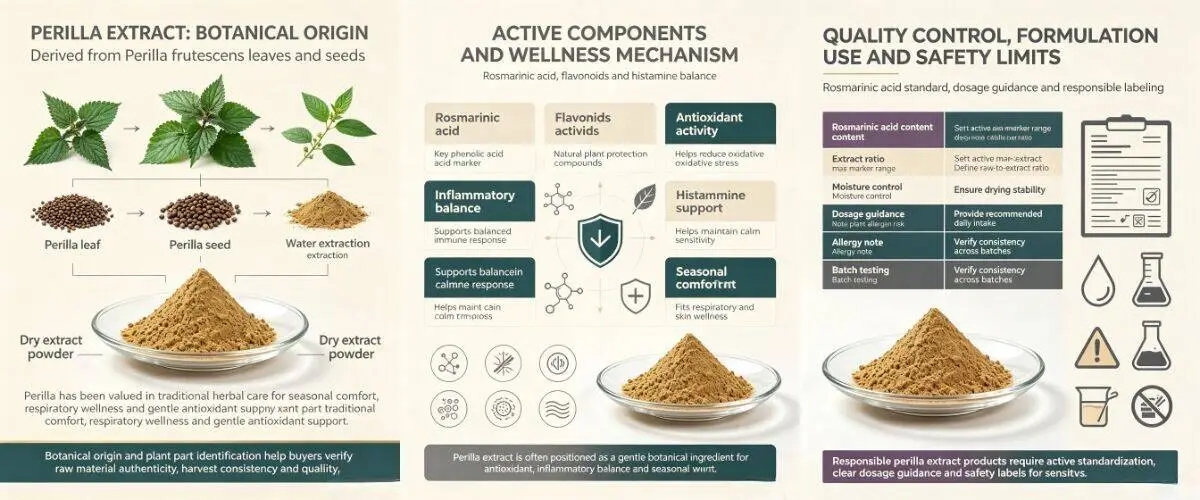
Understanding Perilla Seed Extract and Rosmarinic Acid
Botanical Origins and Extraction Technology
Perilla frutescens is in the Lamiaceae family and has been used in traditional Asian medicine methods for hundreds of years. Modern extraction uses ethanol-based methods that protect the purity of rosmarinic acid, which is the main bioactive marker, as well as phytochemicals that help it work, such as luteolin and apigenin. Continuous countercurrent extraction and low-temperature concentration are used in our production process to make a fine yellow-brown powder with particle sizes standardized to 80 mesh for the best interaction with other ingredients.
The perilla leaf extract that was made has rosmarinic acid concentrations that range from 5% to an amazing 98% purity, based on the needs of the standard. Standardization solves a major problem in the industry: different batches of production need to have the same amount of active ingredients. The ethanol extraction method leaves behind very little solvent (below 5000 ppm), which is safe for long-term use according to USP and European Pharmacopoeia standards.
Bioactive Profile and Quality Parameters
Besides rosmarinic acid, the extract also has volatile oils called perillaldehyde that give it its unique plant taste. Key physicochemical parameters include a bulk density of 0.45 to 0.65 g/ml, a moisture content that must be kept below 5%, and an ash content that must be kept below 5%. These requirements keep the product from caking while it's being stored and make sure it works well with a wide range of transport methods, such as those used for beverages or capsules.
The extract is very stable at high temperatures up to 120°C, which lets phenolic compounds be destroyed during short-term pasteurisation processes at high temperatures. This technical advantage makes it easier to make functional drinks, since heat processing usually makes regular botanical extracts less effective. Heavy metal levels stay below 10 parts per million, and the food is thoroughly tested for chemical residues and microbe contamination to make sure it meets FDA and EU standards.
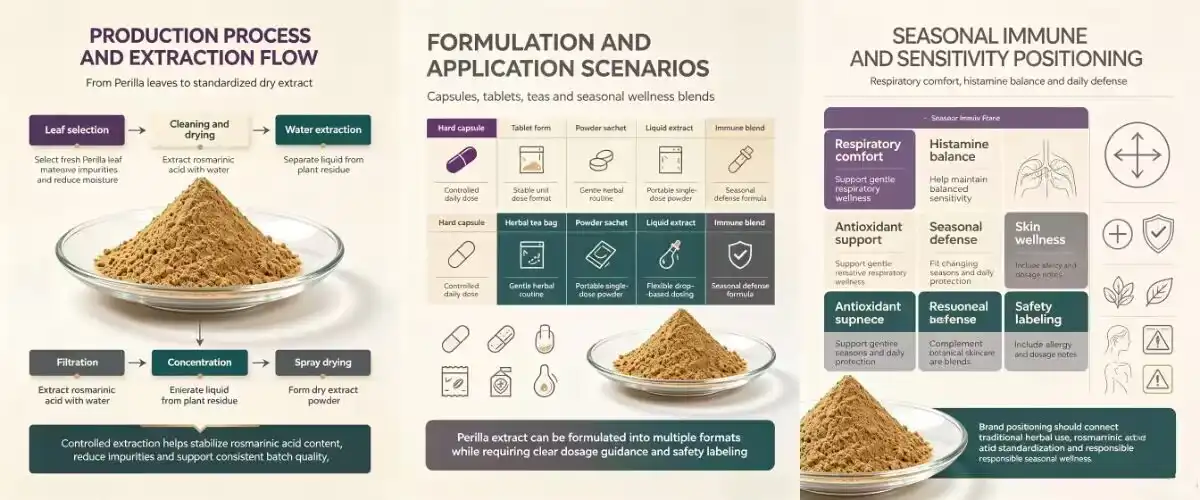
Health Benefits and Applications of Perilla Extract
Immune System Support Mechanisms
Rosmarinic acid changes immune responses in a number of different ways. Studies show that it can keep mast cells stable, which lowers the release of histamine during seasonal hypersensitivity responses. The compound blocks both 5-lipoxygenase and 12-lipoxygenase enzymes, which makes it more effective at fighting inflammation than synthetic compounds that only target one enzyme. This process supports uses in respiratory health, especially in nutrients that help with lung function and immune system issues that come up during the winter.
Standardized Perilla Extract have been shown in clinical studies to lower pro-inflammatory cytokines like IL-1β and TNF-α. This changing of cytokines is helpful for making medicines that target ongoing low-grade inflammation, which is a main cause of metabolic health problems. Due to its ability to support both innate and adaptive immune reactions, the extract can be used in functional nutrition-based preventative health goods.
Inflammation Management and Antioxidant Activity
According to ORAC values, rosmarinic acid is a better antioxidant than many other common botanical antioxidants. This trait deals with managing reactive stress in a number of different situations. The extract works well in cosmetics to reduce redness caused by UV light and improve the function of the skin's barrier. This puts it in the growing "inside-out beauty" category, which mixes the benefits of oral supplements with direct applications.
The extract stops lipid peroxidation in functional food matrices, especially high-fat formulas. This is an important thing to think about as companies move away from manufactured preservatives like BHA and BHT. Its polyphenolic compounds stay stable in complex emulsion systems, so the product stays effective for a long time. This steadiness solves a common problem in formulation: natural antioxidants break down quickly, which hurts both the quality of the product and its healing claims.
Versatile Application Scenarios
Product designers can use this material in a number of different ways. The fine powder has great flow properties and can be compressed easily, which helps capsule and tablet formulations. Its ability to dissolve in water makes it useful in watery ethanol systems for making drinks clear without settling during distribution. Topically applied products like serums and creams for sensitive skin use its anti-inflammatory qualities.
The mild herbal profile of the extract makes it possible to mask flavours in finished products, which is an important factor for consumer acceptance in supplement categories. Its natural yellow-brown colour can do two things: make it look nice and reassure customers who are becoming more wary of manmade colourants that it is made from plants.
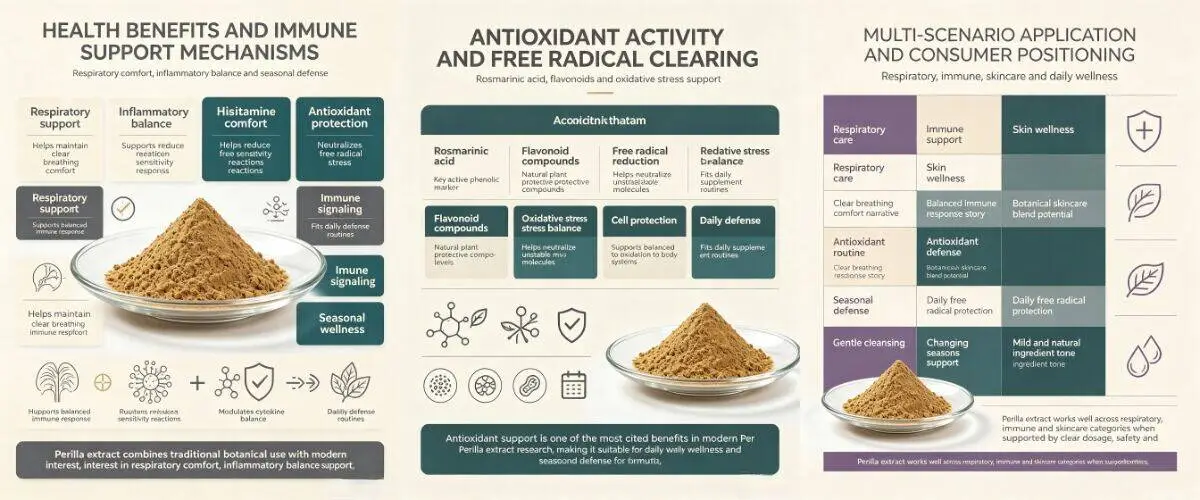
Comparing Perilla Extract with Other Popular Supplements
Plant-Based Alternative to Marine Oils
Traditional omega-3 supplements depend a lot on fish oil, which is bad for the environment and makes it hard to make veggie products. Perilla seed oil naturally has alpha-linolenic acid (ALA), which is a building block for EPA and DHA. The standardized extract, on the other hand, has a lot of rosmarinic acid, which is known to help with inflammation. This mix gives procurement teams a plant-based option for both increasing important fatty acids and managing inflammation without having to deal with the problems that come with marine sources.
When it comes to reactive stability, perilla oil is better than flaxseed oil. The rosmarinic acid in the oil naturally protects against oxidation, which is a problem that many plant oils have when they are stored and shipped. This stability means that the product will last longer and be wasted less, which are important factors for B2B buyers who need to control inventory costs and supply chain efficiency.
Quality Differentiation: Organic Versus Conventional
Choosing between perilla extract sources that are grown organically or conventionally affects both price and market place. Organic licenses, like USDA Organic and EU Organic, cost more for perilla extract but let you sell natural products that have tighter ingredient rules. When combined with strict testing methods for pesticide residues, conventional perilla extract offers cost savings while still meeting safety standards for common supplement uses.
Our strategy for getting materials uses the authentic medicinal material-producing areas in Shaanxi, where the environment makes it easy for phytochemicals to build up. This geographic benefit, along with being able to track botanical ingredients from cultivation to extraction, offers quality assurance that meets the needs of regulators who are becoming more strict about making sure botanical ingredients are real and preventing contamination.
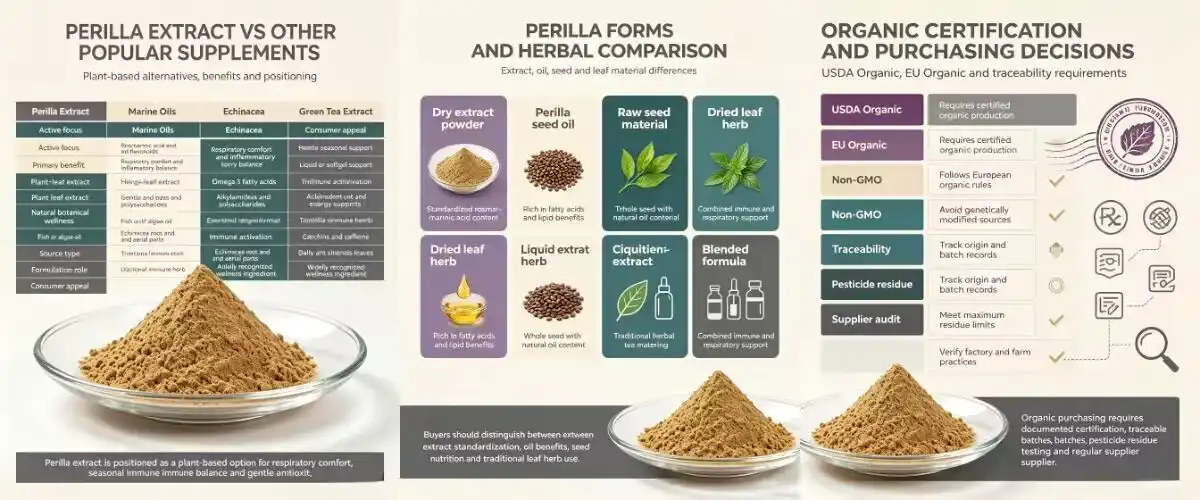
Procurement Insights for Perilla Seed Extract
Supplier Evaluation Criteria
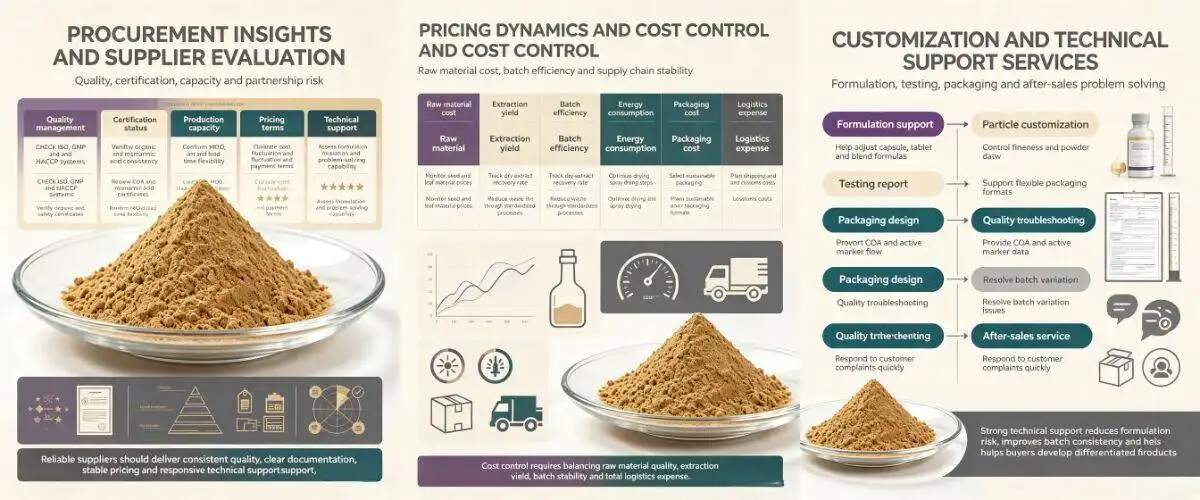
Verification of multiple operational capabilities is needed to build reliable supply partnerships. As basic quality management measures, ISO 22000, HACCP, and ISO 9001 should all be in certification files. Kosher and Halal certifications help products that are aimed at certain groups of people reach a wider audience. We keep a lot of paperwork, like Certificates of Analysis (COA), Material Safety Data Sheets (MSDS), and stability study data that backs up the claimed shelf life statistics.
Third-party lab testing is an important step in the verification process that can't be skipped. Along with microbial test results and heavy metal analysis reports, buyers should ask for batch-specific HPLC chromatograms that prove the amount of rosmarinic acid present. Being able to quickly provide these documents shows that the seller has created quality control systems and made the supply chain clear, which are both very important when looking for long-term partnerships with suppliers.
Pricing Dynamics and Volume Considerations
The price of perilla seed extract on the market changes a lot depending on the level of rosmarinic acid that is used to standardize it. Extracts with 5% rosmarinic acid are good for functional food uses where modest strength meets cost goals. Premium pharmaceutical-grade extracts that are 98% pure cost a lot more, but they can be used to make high-potency medicines that need less frequent doses.
Through economies of scale in mining and processing, volume agreements change the cost per kilogram. We keep 10–20 tonnes of safety stock for key requirements, which lets us quickly complete orders for long-term customers within 5–7 working days. This strategy for keeping inventory lowers the risk of supply problems that could delay production, especially during busy manufacturing times or times when demand changes with the seasons.
Customization and Technical Support
Beyond simple private labelling, OEM and ODM can do a lot more. We can help you change the formula so that the extraction ratios, particle sizes, and carrier systems work best for the way you want to deliver the medicine. This technical partnership is helpful for coming up with new uses, like making the extract more stable in protein blends for sports nutrition products or changing how it dissolves in clear drinking systems.
Application advice deals with problems that come up in real life when formulating. Our expert team tells you how much to take based on the health claims you want to make, how well it works with other ingredients, and how to process it so that the bioactivity stays the same. This help cuts down on R&D times and recipe mistakes, which speeds up the time it takes to bring new products to market.
Maximizing Value: Integration and Future Prospects
Cross-Industry Application Potential
Nutraceutical manufacturers are the biggest group of consumers who use perilla extract in multi-ingredient products that help the immune system and fight ageing. More and more, the cosmetics industry is interested in plant actives like perilla extract that have been shown to reduce inflammation, driving demand for standardized extracts in high-end skin care lines. There are new possibilities in animal nutrition, where natural additives like perilla extract can be used instead of antibiotics to help animals grow in feed for livestock and fish farms.
When making functional drinks, it can be hard to find the right balance between how they taste and how well they work. Because our extract was stable during HTST pasteurization, it can be used to make "better-for-you" drinks without affecting their shelf life. This feature fills a need in the market as drink companies try to stand out by using useful plant ingredients that can handle being processed.
Research-Driven Innovation Pipeline
Rosmarinic acid uses are supported by more and more evidence from ongoing clinical research. New studies look into metabolic health effects, such as ways to control blood sugar and help the heart. Product developers can get ahead of the competition in the next generation of functional health categories by focusing on these new therapeutic areas.
More and more people want natural ingredients that have been proven by science. This gives sellers who spend in clinical evidence a competitive edge. We work with other researchers to produce written data, which we use to back up our clients' marketing claims and regulatory reports with solid scientific evidence. This method based on evidence fits with what buying teams need for strong product positioning in health supplement markets that are being looked at more closely.
Sustainable Sourcing as Strategic Imperative
Environmental responsibility is becoming more and more important in purchasing decisions, going beyond cost and quality. Our farming partnerships in Shaanxi focus on long-term farming methods that protect the health of the soil and the variety of plants and animals that live there. For companies that want to be responsible and give customers what they want, traceability systems keep track of the supply chain from specific farms to mining sites.
Fair labour practices and community economic development in agricultural areas are also part of ethical sourcing. These aspects of the supply chain help brands meet their larger ESG goals and make sure that materials will always be available. Professionals in procurement know that sustainable buying lowers the risks in the supply chain that come from social unrest and environmental damage in the places where raw materials are found.
Conclusion
Rosmarinic acid-standardized perilla extract has been shown to help the immune system and reduce inflammation in a number of different health products. Its better oxidative stability, thermal resilience, and batch consistency solve important formulation problems and meet consumer preferences for clean labels with perilla extract. To be successful in procurement, you need to work with suppliers who can show that they have all the necessary certifications, technical know-how, and supply chain reliability for perilla extract. As more study is done on healing evidence and more people want plant-based health solutions, perilla extract is a smart addition for companies that want to keep coming up with new ideas and producing high-quality natural products.
FAQ
What safety considerations apply to perilla seed extract supplementation?
Rosmarinic acid has a great safety profile according to clinical studies. At normal supplementation levels, no major side effects were reported. Our extract goes through strict tests to make sure it doesn't contain any heavy metals (< 10 ppm), chemical leftovers, or microbes that aren't safe. This makes sure it meets FDA dietary supplement rules and EU food safety standards. Allergen testing supports the lack of common sensitisers, but people who are sensitive to plants in the mint family should be careful. The daily dose that is suggested runs from 50 mg to 500 mg, based on the concentration of rosmarinic acid and the purpose of the use.
How can procurement teams verify supplier authenticity and product quality?
Ask for a lot of proof, like certificates from independent labs confirming the amount of rosmarinic acid found through HPLC analysis. Verify certifications by searching through databases of the issuing bodies. For example, ISO certificates should be able to be tracked back to accreditation groups. Independent labs checking samples is another way to prove something. When possible, supplier facility audits give you a straight look at how well the production and quality processes are working. We welcome visitors to our production plants in Shaanxi and keep clear records to support our full-range supply chain services, from getting raw materials to delivering finished extracts.
Partner with Sigma for Premium Perilla Extract Solutions
With ISO 22000, HACCP, and Kosher approvals, Shaanxi Sigma Biotechnology can provide you with pharmaceutical-grade perilla seed extract that has been standardized to meet your exact rosmarinic acid needs. We promise that there will be no solvent residue and that the quality of each batch will be the same because we are an integrated Perilla Extract manufacturer with controlled cultivation networks and advanced ethanol extraction technology. Our 10-ton safety stock guarantees fast shipping within one week, and our expert team offers free formulation advice to make sure that the product fits in perfectly. You can email Sarah at sarah@sxsigma.com to ask for samples, talk about custom specs, or look into OEM partnership possibilities. Let us help you come up with new products by giving you natural ingredients that you can trust and that meet the high standards your brand expects.
References
1. Osakabe, N., Takano, H., Sanbongi, C., & Yasuda, A. (2004). Anti-inflammatory and anti-allergic effect of rosmarinic acid in experimental models. Biofactors, 21(1-4), 127-131.
2. Sanbongi, C., Takano, H., Osakabe, N., Sasa, N., Natsume, M., Yanagisawa, R., & Yoshikawa, T. (2004). Rosmarinic acid in perilla extract inhibits allergic inflammation induced by mite allergen. Clinical and Experimental Allergy, 34(6), 971-977.
3. Makino, T., Furuta, Y., Wakushima, H., Fujii, H., Saito, K., & Kano, Y. (2003). Anti-allergic effect of Perilla frutescens and its active constituents. Phytotherapy Research, 17(3), 240-243.
4. Ueda, H., Yamazaki, C., & Yamazaki, M. (2002). Luteolin as an anti-inflammatory and anti-allergic constituent of Perilla frutescens. Biological and Pharmaceutical Bulletin, 25(9), 1197-1202.
5. Zheng, Z., Deng, G., Qi, C., Xu, Y., & Liu, X. (2009). Extraction optimization and antioxidant activity of rosmarinic acid from Perilla frutescens leaves. Food Science, 30(18), 114-117.
6. Peng, Y., Ye, J., & Kong, J. (2005). Determination of phenolic compounds in Perilla frutescens L. by capillary electrophoresis with electrochemical detection. Journal of Agricultural and Food Chemistry, 53(21), 8141-8147.