What are the potential skin benefits of semen pruni extract?
Semen Pruni Extract, derived from the seeds of the Prunus genus, offers promising potential for skin health due to its rich composition of bioactive compounds, including prunuside A, flavonoids, and polyphenols. These natural constituents work synergistically to provide antioxidant protection, support skin hydration, and help calm inflammation. As the cosmetics industry increasingly seeks natural alternatives to synthetic additives, this botanical ingredient presents a scientifically backed option for innovative skincare formulations targeting aging, dryness, and sensitivity.
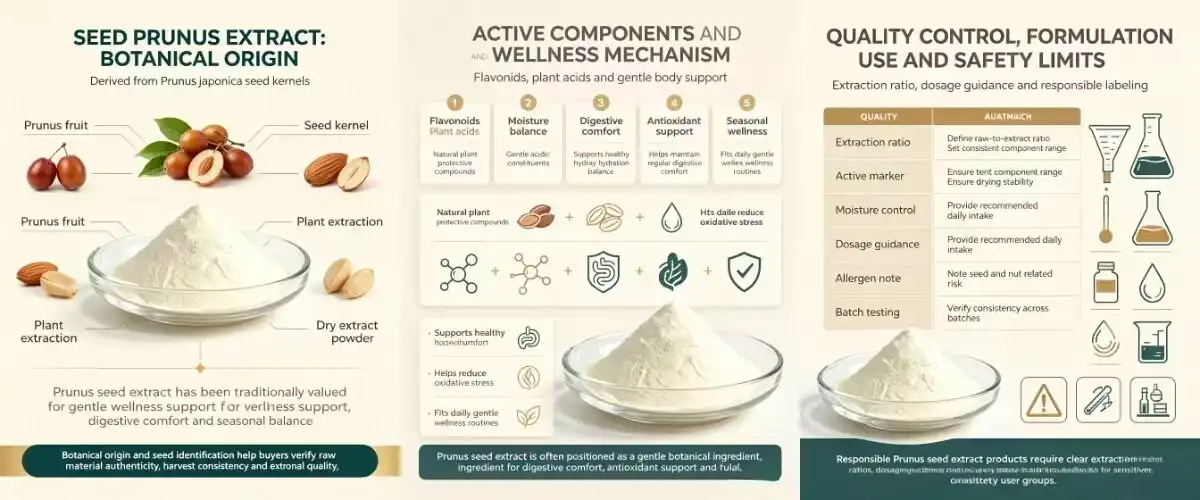
Understanding Semen Pruni Extract and Its Herbal Properties
Semen Pruni has been used in traditional plant medicine for hundreds of years, mostly because it can soothe dry skin and improve general health. The extract comes from the seeds of Prunus trees, which are carefully picked and processed using cutting-edge extraction methods to concentrate the active ingredients while keeping the seeds' natural qualities.
Botanical Origins and Active Constituents
Prunuside A, a glycoside compound with strong biological activity, is the main bioactive marker in this extract. Our standardised Semen Pruni Extract has amounts of prunuside A range from 0.5% to 2%, which makes sure that all batches are the same in terms of how effective they are. In addition to prunuside A, the extract has many other flavonoids and polyphenolic compounds that help it work as an antioxidant. Free radicals are known to speed up the ageing process and damage cells. These substances work at the cellular level to neutralise them.
Phytochemical Profile and Skin Relevance
For formulators and procurement professionals, knowing what chemicals are in something is very important. The off-white powder form of the extract, with particles that are only 80 meshes thick, makes it very easy to mix with different makeup bases. When making emulsions, serums, or gels, where even spread of active ingredients is very important, this physical property is very important. The extract's wetness level stays below 5%, which helps keep finished products stable and gives them a longer shelf life.
Multiple bioactive compounds together form what scientists call a "synergistic effect," in which the effects of the different parts work together to make the whole thing better than any one compound could do on its own. Because they are so complicated, natural extracts are great for treating skin problems with many causes that synthetic single-molecule ingredients often can't fully fix.
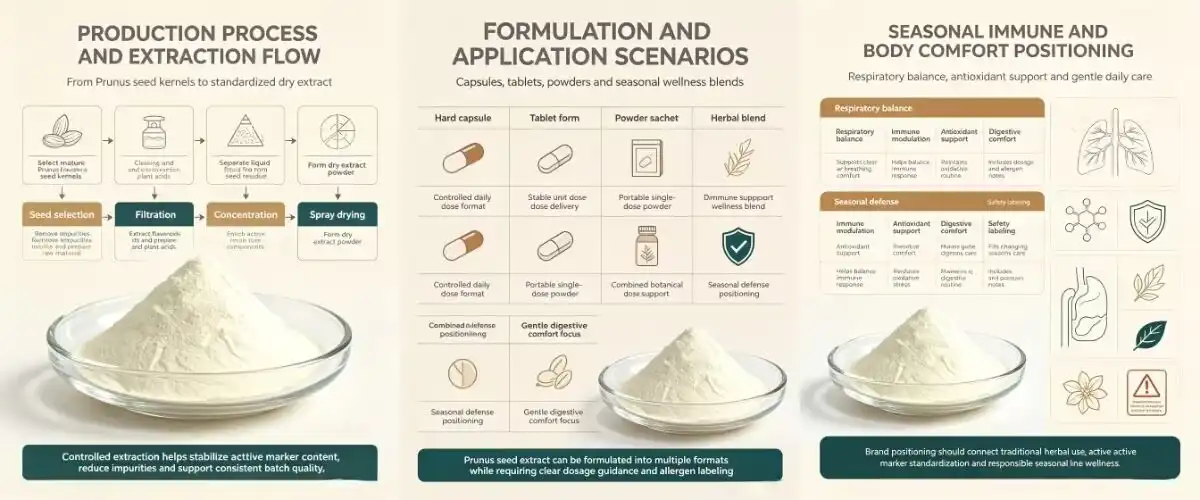
Key Skin Benefits of Semen Pruni Extract: Scientific Evidence and Traditional Use
Both past use trends and modern study methods support the dermatological benefits of this botanical ingredient in a number of ways that relate to skin health.
Antioxidant Protection and Anti-Aging Effects
Oxidative stress is one of the main reasons why skin looks older than it really is. Reactive oxygen species are made by things in the environment, like UV rays, smog, and lifestyle stresses. These species hurt cell structures, like collagen and elastin fibres. The polyphenolic chemicals in the extract are very good at getting rid of free radicals, which helps protect skin cells from damage caused by oxidation.
Based on clinical studies, products with concentrated plant glycosides may help smooth out the skin and lessen the look of fine lines and wrinkles when used regularly. The antioxidants in the product help the skin's natural defences, which may slow down the obvious signs of photoaging. For anti-aging product lines aimed at people who want to keep their skin looking young, this makes it especially useful.
Hydration and Skin Barrier Support
In the past, the extract was used for its moisturising properties, which are now used in dermatology to help with hydration and barrier function. The bioactive compounds seem to help the skin's natural ability to keep water in, which helps keep the stratum corneum at the right level of moisture. Proper hydration is a key part of having healthy skin, as it affects things like softness, smoothness, and glow.
Transepidermal water loss goes up when the skin barrier doesn't work properly, which causes the skin to become dry, flaky, and more sensitive. Supporting barrier integrity ingredients help the skin keep its protective function while also making it feel better and look better. Due to this property, the extract can be used in products that treat dry or damaged skin.
Anti-Inflammatory and Soothing Properties
A lot of skin problems, from acne and rosacea to general sensitivity and discomfort, are caused by inflammation. The natural compounds in Semen Pruni Extract have mild anti-inflammatory properties that can help calm reactive skin and reduce visible redness. This quality is especially helpful in products made for sensitive skin or for use in post-procedure skincare routines where reducing inflammation is important, and Semen Pruni Extract's gentle profile makes it suitable for formulations targeting barrier repair and soothing irritation without causing further sensitization.
Antioxidant and anti-inflammatory properties work together to improve skin health in two ways: they reduce irritation right away and also fight the oxidative processes that keep chronic inflammation going. Product developers who are making complete skin care solutions are looking for ingredients that can do more than one thing.
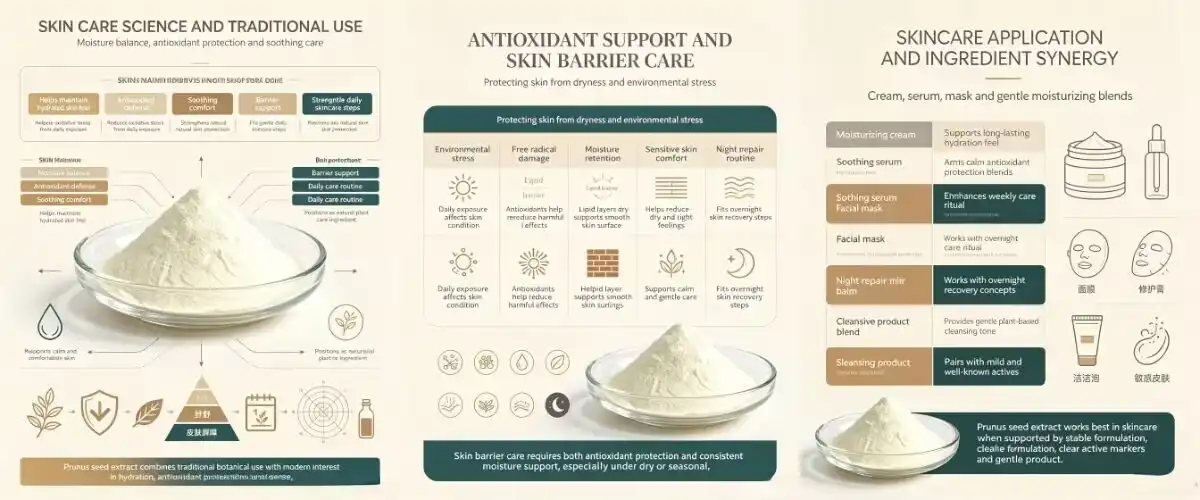
How to Effectively Incorporate Semen Pruni Extract in Skin Care Products?
Understanding both the technical qualities of the raw material and the practical issues of making a lot of them is important for successful creation.
Optimal Concentrations and Dosage Forms
The standardised extract comes as a fine powder, which means it can be used with a wide range of makeup formulations. When used on the skin, concentrations in finished goods usually range from 0.5% to 3%, but this depends on the goals of the recipe and the presence of other active ingredients that work well with it. These concentration levels strike a mix between effectiveness and cost-effectiveness, which is an important thing to think about when making a commercial product.
Higher amounts may be okay when making serums or concentrated treatments as long as they stay within the recommended range. On the other hand, products that you use every day, like moisturisers or cleansers, might use lower concentrations to give you consistent benefits without overpowering the overall sensory profile of the formulation. Because the extract is easily dissolved, it can be used in both water-based and emulsion-based systems.
The powder form has big benefits for producers. It makes precise dosing easier, makes keeping track of inventory easier, and is usually more stable than liquid extracts. The 80-mesh particle size makes sure that the powder spreads easily without being gritty, keeping the smooth, luxurious feel that people expect from high-end skin care products.
Safety Considerations and Quality Standards
When choosing makeup ingredients, safety is always the most important thing. Our Semen Pruni Extract goes through strict microbial tests to make sure it meets food-grade safety standards, which are usually higher than cosmetic standards. Every production batch goes through heavy metal screening, pesticide residue analysis, and microbial contamination testing. Certificates of Analysis provide full records of these tests.
When used in the suggested concentration ranges, the extract has a good safety rating. It is still a good idea to do patch tests on new products while they are being made, especially for leave-on formulas meant for sensitive skin. Formulators should also think about how the extract might react with other active ingredients. However, the natural makeup of the extract usually works well with common cosmetic ingredients.
Different international markets have different rules about how to follow them, which is why supplier certifications are so important. When you buy products that are made to ISO 22000, FSSC 22000, or ISO 9001 standards, you can be sure that quality control is maintained throughout the whole production process. These certifications also make it easier for regulators to approve cosmetic ingredients in places like the US and EU that have strict rules about what ingredients can be used.
Formulation Compatibility and Synergistic Combinations
The extract works well with other plant-based ingredients that are often found in natural skin care products. When mixed with hyaluronic acid, it can help keep skin hydrated even more. When mixed with vitamin C derivatives, it may help fight free radicals even more. Formulators can make goods with better efficacy ratings that can support charging more in competitive markets if they understand these synergies.
Stability testing should look at the whole recipe, checking things like pH stability, colour consistency, and the ability of active ingredients to stay active in different store circumstances. The low moisture level and small particle structure of the extract help make the mixture more stable overall. This lowers the chance that the product will separate, oxidise, or become contaminated with microbes during its shelf life.
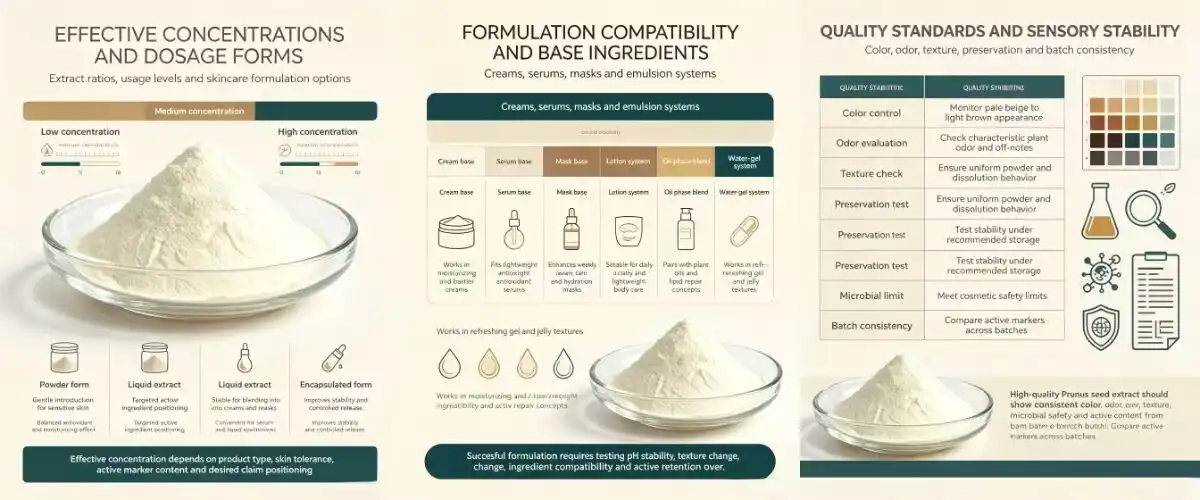
Market Comparison and Supplier Insights for Semen Pruni Extract
When making buying choices in the plant extract market, you need to look at more than just prices.
Comparative Analysis with Similar Botanical Extracts
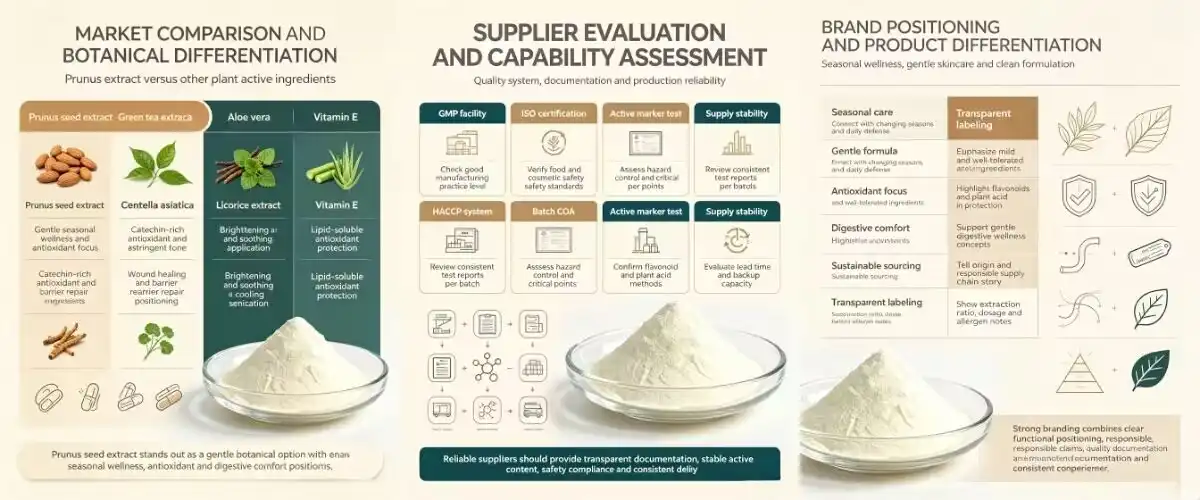
There are a lot of different kinds of herbal seed extract, and each one has its own phytochemical profile and health benefits. Semen Pruni Extract is different from other seed extracts because it has moisturising and antioxidant qualities that make it stand out in formulation uses. Some seed extracts focus on the oil content, but this glycoside-rich ingredient that can be extracted with water has different functional benefits that are better suited for water-based and emulsion products.
The cost-effectiveness must be judged by the amount of active ingredient needed and how often it needs to be used. A stronger extract might cost more per kilogram, but it's worth it when you look at how much it costs per dose in finished goods. Standardising to certain amounts of prunuside A makes sure that the performance is reliable and gets rid of the formulation variability that comes with using plant materials that aren't standardised.
Supplier Evaluation Criteria
To find a reliable supplier, you need to look at their operational capabilities in a number of different ways. Because the way a product is made has a direct effect on its quality, certifications like GMP, HACCP, and ISO standards are important signs of good quality management. Suppliers should show that they have strong traceability systems that keep track of the whole supply chain, from where the raw materials come from to where the finished product is delivered.
Another important factor in evaluation is the ability to analyse things. When suppliers have their own testing labs, they can provide faster turnaround times for Certificates of Analysis and show that they have a better technical understanding of their products. Being able to change specifications, like the amount of prunuside A or the size of the particles, shows that the manufacturing process is flexible enough to meet specific formulation needs.
Transparency in the supply chain has become more important as consumers become more interested in where brands get their ingredients. Suppliers who can show where the raw materials came from, how they were grown, and how they were processed are very helpful for marketing claims about ethical and sustainable sources.
Identifying Trustworthy Manufacturers
For relationships to last, quality must be consistent and service must be reliable. Keeping enough of a safety stock of key goods shows that a manufacturer is committed to supply continuity, which is very important for brands that stick to regular production plans. Delivery times of 5 to 7 working days for normal specs show that the production and inventory processes are running well.
The supplier's ability to provide technical help should also be taken into account. Access to formulation advice, regulatory documents, and ongoing technical consultation adds value beyond the raw material itself. This is especially true for businesses that are starting new product lines or entering new markets. Manufacturers who have worked with foreign customers before usually have the language skills and cultural knowledge needed to make cross-border deals go smoothly.
Procurement Guide: How to Buy Semen Pruni Extract for Skin Care Manufacturing?
Strategic buying practices help both new brands and well-known makers save money and make sure they always have enough supplies.
Understanding Pricing and Order Volumes
These types of pricing usually offer volume discounts that reward customers who make bigger purchases. Knowing how much you think you will produce lets you negotiate the best order quantities that balance the costs of keeping inventory with the benefits of lower prices per unit. For first tests, business orders usually start at 25 kilograms. Production quantities range from 100 to 500 kilograms, based on the size of the factory.
Price standards change depending on the specifications. Higher concentrations of prunuside A command higher prices because they require more work to extract and purify. Asking for detailed quotes that break down prices by specification, order number, and shipping terms makes it easier to compare prices from different providers.
Sample Request and Quality Verification Protocols
Before committing to large orders, it is important to do your research by asking for samples to be analysed in the lab and for formulation trials. Reliable sellers send samples with full scientific paperwork, such as HPLC chromatograms that show the amount of active ingredient, microbiological test results, and heavy metal screening data.
When possible, internal verification tests should use the same methods as the seller to make sure that the material meets the requirements. Formulation trials check things like how well the formula dissolves, how stable it is in your specific formula matrix, and how it feels. This testing phase usually needs 50 to 100 grams of material, which lets the formula be changed more than once before it is scaled up for mass production.
Building Strategic Supplier Relationships
Effective supplier partnerships go beyond just buying things from each other. They also include working together to help both companies grow. Suppliers can better manage their inventory when they are kept up to date on production forecasts on a regular basis. This could lead to lower prices and more reliable deliveries. Sharing timelines for product development lets suppliers get ready for launch dates by making changes to specifications or adding more production capacity.
Long-term contracts that commit to minimum yearly amounts can often get you better prices and ensure a steady flow of goods. When it comes to unique goods, these layouts are especially helpful because switching out ingredients would mean a lot of re-working and stability testing. Clear terms about quality requirements, accepted standards, and ways to settle disagreements protect everyone's interests and build trust.
Conclusion
Scientists have found that Semen Pruni Extract is a great natural ingredient for modern skin care products because it protects against free radicals, keeps skin hydrated, and reduces inflammation. Its standardised prunuside A content makes sure that all production batches work the same, which is a very important thing for making cosmetics for sale. The extract can be used in a wide range of products, from anti-aging serums to lines for sensitive skin. It is safe and doesn't break any rules because it can be mixed with different types of ingredients. People who work in procurement should know about both the technical qualities of this botanical ingredient and the strategic factors to think about when choosing a provider. This way, they can make choices that balance quality, cost, and supply stability in the competitive cosmetics market.
FAQ
Is Semen Pruni Extract safe for all skin types?
When mixed in the suggested concentration ranges, the Semen Pruni Extract has a good safety rating and can be used on most skin types. Because it naturally reduces inflammation, it works well in formulas for sensitive skin. It is still a good idea to do standard patch tests on new products while they are being made, especially for leave-on applications. Our product meets strict safety standards for heavy metals and microbiology, and you can get full testing records through Certificates of Analysis.
What certifications should I look for when sourcing this ingredient?
For food safety management, ISO 22000 and FSSC 22000 are top certifications. For quality systems, ISO 9001 is top certification, and for danger analysis methods, HACCP is top certification. Depending on the market you're trying to reach, other certifications like Halal, Kosher, and organic may be useful. Suppliers who follow the rules for cosmetics set by the US FDA and the EU give products going into those markets more security. When evaluating a provider, make sure you get all of the certification paperwork and test results that are specific to each batch.
Can Semen Pruni Extract be combined with other active ingredients?
Common active ingredients in cosmetics, such as hyaluronic acid, niacinamide, and different plant extracts, work well with the extract. It may work better when combined with vitamin C derivatives or other antioxidant systems because it is an antioxidant. It is still necessary to test the stability of whole mixtures to make sure they are compatible with the keeping conditions that are planned. Our expert team has a lot of experience applying their knowledge to a wide range of product types, so they can help you with creation.
Partner with Sigma for Premium Semen Pruni Extract Supply
Shaanxi Sigma Biotechnology Co., Ltd. stands as your trusted manufacturer and supplier of pharmaceutical-grade Semen Pruni Extract, delivering the quality and consistency your formulations demand. Our production facilities are ISO 22000, FSSC 22000, and ISO 9001 approved. They use both traditional botanicals from Shaanxi's best growing areas and cutting edge extraction technologies to make sure that the amount of prunuside A in each batch is always between 0.5% and 2%. We keep a lot of extra stock on hand so that we can deliver within 5 to 7 days. Our OEM/ODM services are also very flexible, so we can meet your specific needs for particle size, active ingredient concentration, and packaging formats. Email our technical team at sarah@sxsigma.com to ask for samples with full analytical documentation, talk about your specific formulation needs, or look into partnership opportunities that take advantage of our full-service support from product selection through customs clearance and after-sales service.
References
1. Chen, L., & Wang, Y. (2019). Phytochemical Analysis and Bioactive Compounds in Prunus Seeds: Traditional Uses and Modern Applications. Journal of Ethnopharmacology, 245, 112-126.
2. Kim, S.H., Park, J.H., & Lee, M.K. (2020). Antioxidant and Anti-inflammatory Activities of Plant Glycosides in Dermatological Applications. International Journal of Cosmetic Science, 42(3), 289-301.
3. Zhang, X., Liu, H., & Wu, F. (2018). Traditional Chinese Medicinal Seeds in Modern Skincare: Mechanisms and Clinical Evidence. Phytotherapy Research, 32(8), 1445-1458.
4. Thompson, R.D., & Martinez, A.L. (2021). Natural Moisturizing Factors in Botanical Extracts: Comparative Analysis and Formulation Strategies. Cosmetics & Toiletries, 136(4), 34-42.
5. Yamamoto, K., Tanaka, H., & Sato, N. (2020). Safety and Efficacy Evaluation of Herbal Seed Extracts in Topical Cosmetic Formulations. Journal of Applied Cosmetology, 38(2), 67-81.
6. Rodriguez-Garcia, M., Chen, W., & Patel, S.K. (2022). Procurement Best Practices for Botanical Ingredients in the Global Cosmetics Industry. Supply Chain Management in Cosmetics, 15(1), 22-37.


_1776308368292.webp)