Pine Bark Extract for Anti-Aging Skin Care: Benefits and Uses
As people who work in product development and purchasing, we know how hard it is to find plant actives that really do fight aging while also meeting strict quality standards. A potent competitor in the cosmetics market is Pine Bark Extract, a natural ingredient primarily drawn from Pinus pinaster. This substance is full of oligomeric proanthocyanidins (OPCs), which have been shown to have anti-inflammatory, antioxidant, and collagen-protecting properties that help with the main causes of skin aging. Its proven effectiveness and ability to be mixed with different ingredients make it a smart choice for companies making high-end anti-aging skin care products.
Comprehending Pine Bark Extract and Its Anti-Aging Properties
Botanical Source and Extraction Process
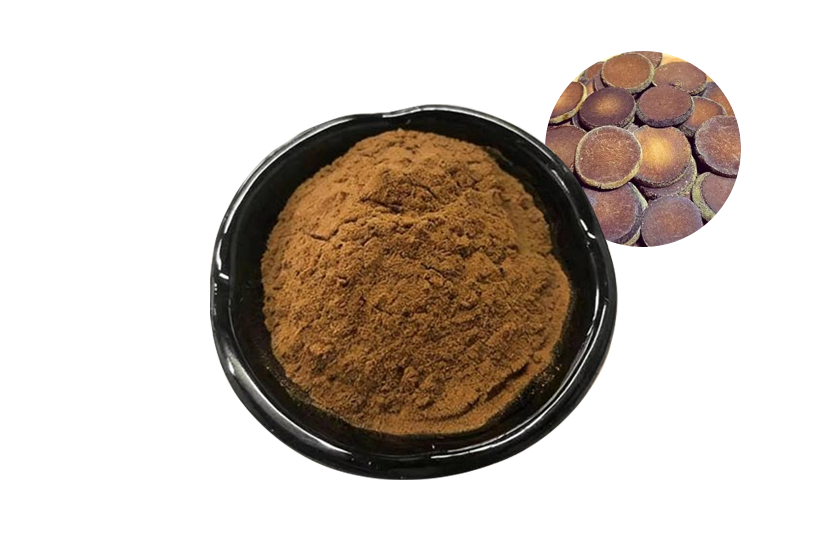
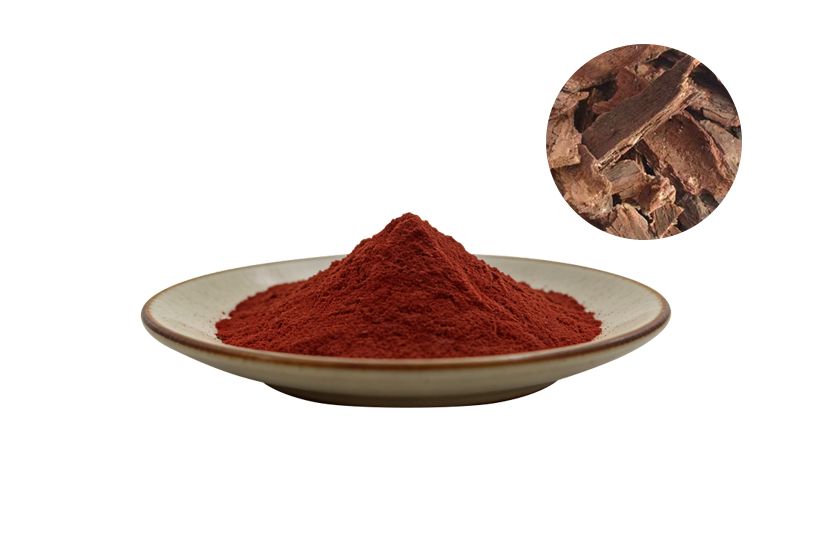
The plants that high-quality extracts come from are very important. Although Pinus massoniana is also a good source, Pine Bark Extract is primarily derived from the inner bark of Pinus pinaster (Maritime Pine). Most of the time, ethanol-based methods are used for extraction. These methods protect the delicate polyphenolic compounds while also making sure the product is safe and pure. Reliable producers use low-temperature concentration and fine separation methods to make a reddish-brown powder that is defined to have at least 95% OPC. This standardization makes sure that each batch is the same, which is very important for scalable output in both supplement and makeup uses.
The way of extraction has a direct effect on how bioavailable and soluble the end product is. Water-soluble ingredients mix easily into toners, serums, and other water-based products without causing sedimentation. Knowing these technical details helps formulators choose extracts that work with their product, whether it's a dry system or an oil-in-water mixture.

Scientific Mechanisms Behind Anti-Aging Effects
Pine Bark Extract's ability to slow down age depends on three processes that work together. The first is that it has a very high antioxidant potential. In some tests, OPCs are better at getting rid of free radicals than vitamin C or E. This keeps cell structures safe from oxidative stress caused by UV light, smog, and biological processes. This defense covers lipid membranes and DNA, lowering the damage that builds up and shows up as fine lines and dark spots.
The second important method is collagen retention. OPCs have a special way of attaching to collagen and elastic fibers in the dermis. The extract stops matrix metalloproteinases (MMPs) from breaking down the extracellular matrix during photoaging by keeping these structural proteins stable. Regular use of the extract has been shown in clinical studies to improve the skin's elasticity and firmness, proving that it plays a part in keeping dermal health.
The trio is completed by anti-inflammatory action. Chronic low-grade inflammation speeds up age in a number of ways. Pine Bark Extract changes inflammatory cytokines and stops NF-κB from activating, which makes the cell environment quieter and better for healing and regrowth. Because of this, it is very useful in formulas for skin that is sensitive or reacting.
Clinical Evidence and Documented Benefits
Pine Bark Extract works to slow down the aging process, according to several studies that were reviewed by experts in the field. After 12 weeks, taking standardized pine bark extract by mouth helped the flexibility and moisture of the skin of postmenopausal women, according to a study published in 2012 in Skin Pharmacology and Physiology. Another study found that melasma got a lot better when topical and oral doses were used together, showing that they might work well together.
The effects have been shown to go beyond reducing wrinkles. Users say their skin feels better, has fewer age spots, and works better as a shield. These results show that the extract has more than one effect on skin function, not just one way of aging. Pine Bark Extract is a key ingredient for brands that want to stand out in a crowded market because it works so well in so many ways.
Comparing Pine Bark Extract with Other Popular Anti-Aging Ingredients
Antioxidant Potency and Mechanism Comparison
Not only should buying teams look at how potent natural antioxidants are, but they should also look at how specific their mechanisms are. Pine Bark Extract and grape seed extract are structurally similar, but grape seed extract usually has a wider range of molecular weights. Compared to bigger polymeric proanthocyanidins, the oligomeric chains found in Pine Bark Extract (predominantly dimers to pentamers) are more bioavailable as Proanthocyanidin Extract.
Resveratrol is a powerful antioxidant that works through SIRT1 activation pathways. However, it is not very stable in products, which makes them harder to make. Even though curcumin is very good at reducing inflammation, it is not very bioavailable without special delivery methods. Ginkgo biloba extract is good for your brain and blood flow, but it doesn't have the ability to bind to collagen in the skin like Pine Bark Extract does.
The clear benefit here is that it can be used in many ways. Pine Bark Extract works well when applied topically or taken by mouth, and it doesn't need any complicated stability technologies to do so. Because it dissolves easily in water (when handled correctly), it can be easily added to different dosage forms. This makes formulations simpler and lowers the cost of production.

Synergistic Formulation Opportunities
Smart methods for combining things often lead to new ideas. With ascorbic acid (Vitamin C), Pine Bark Extract exhibits amazing interaction. Vitamin C helps the body make more collagen, and Pine Bark Extract stops current collagen from breaking down. Together, these two effects work to make anti-aging effects even better. This relationship also addresses Vitamin C's oxidative weakness; OPCs can restore oxidized ascorbate, which makes the element work longer.
When making advanced serums, formulators might think about mixing Pine Bark Extract with hyaluronic acid to make the skin more hydrated and protect it from free radicals. The anti-inflammatory benefits of the extract work well with retinoids, which could reduce soreness while increasing anti-aging effects. With these smart pairings, brands can make unique goods with scientifically important benefits that educated customers will like.
Practical Uses and Dosage Recommendations in Anti-Aging Skin Care
Topical Application Formats and Concentrations
Pine Bark Extract is usually found in skin products at levels ranging from 0.5% to 5%, based on what the product is meant to do and how much it costs. Higher concentrations may be used in serums for intense treatment, while normal levels are used in daily moisturizers for upkeep. The extract works well in cleansers, creams, lotions, and even masks. Leave-on items give the extract the most time to work with the face.
The reddish-brown color could change the end color, which is something that formulators should think about while the product is being made. Encapsulation technologies can help with this problem and might even make things more stable. Most of the time, pH tolerance is good, but polyphenol retention may be affected by very acidic circumstances. During creation, testing across the pH range of the product guarantees that it works at its best.
Oral Supplementation Dosage Guidelines
In clinical tests that show skin effects, standardized extract doses of 100 to 300 mg per day are usually taken by mouth. To keep plasma levels of OPCs steady throughout the day, some methods use split doses. Standard pill or tablet forms work just as well, but the sustained-release form may be better for long-term usage.
When looking for Pine Bark Extract for supplement uses, buyers should make sure that the product has the right amount of OPC (ideally ≥95%), particle size (80 mesh is best for smooth pill filling), and ash content (≤3% means the product was processed correctly). The quality of the end product and how well it is made are directly affected by these standards. Regulatory compliance in different markets is supported by paperwork like the Certificate of Analysis (COA), the Material Safety Data Sheet (MSDS), and any relevant safety data.

Safety Profile and Potential Considerations
Most of the time, Pine Bark Extract is very safe to use on the skin or in food. Its GRAS (Generally Recognized as Safe) standing in the right doses is based on decades of use and many safety studies. Oral supplements can sometimes cause mild stomach problems, but these problems usually go away after a while or when the dose is changed.
Few contraindications exist, but they should be noted. People with autoimmune diseases should talk to their doctors because immunity modulation effects are possible. The antiplatelet action of the product is good for circulation, but people who are taking anticoagulant drugs should be careful. There isn't enough safety information about pregnancy and breastfeeding, so cautious methods are used. Including clear information about these things on product labels shows that you are a responsible caretaker and increases customer trust.
Global B2B Procurement Insights: Sourcing High-Quality Pine Bark Extract
Key Supplier Selection Criteria
To find trusted providers, you need to carefully look at a lot of different factors. Certifications are the building blocks. For example, ISO 22000, HACCP, and GMP compliance show that quality control systems are strong. Organic approval, like USDA Organic, lets you enter higher-end markets and gets you higher prices at the store, which makes the extra money you spend on buying it worth it.
Check the supplier's extraction method and where they get their raw materials, as well as their licenses. Traceability and quality control are better when suppliers control the whole value chain, from buying the bark to making the end powder. You should ask for full processing records that include tests for heavy metals, pesticides, and extraction fluid residues. These data points directly address the safety issues that quality assurance teams put the most importance on.
Strategic partners are different from opportunistic sellers when it comes to manufacturing capacity and product management. When suppliers keep 10 to 20 tons of key specs in stock, they can fill orders quickly without sacrificing special batch requirements. This supply reliability is very helpful when putting out new goods or making more of formulas that work well.
Product Format and Specification Considerations
Pine Bark Extract comes in a number of different market forms, each of which is best for a different purpose. The fine powder (80 mesh) mixes easily into pills, tablets, and skin creams. In some industrial processes, granular types may be more useful. There are some providers that offer pre-encapsulated or liposomal forms that cost more but are more bioavailable.
Specification sheets should make it clear what the OPC level is (HPLC is best for accuracy), how it dissolves, the microbiological boundaries, and its physical qualities. Water-soluble extracts make preparation easier, but make sure they will dissolve in the way you want to process them. By asking for pre-production samples, you can test for suitability before placing large orders, which lowers the risk of having to make costly changes to the recipe.

Market Pricing Dynamics and Negotiation Strategies
The prices of raw materials change due to many things, such as changes in crop rates, extraction technology, and local rules and regulations. Understanding these factors makes it easier to negotiate. Standardized powder costs between $80 and $180 per kilogram, and an extra 20 to 40 percent for organic approval.
When buyers commit to buying in bulk, they can get better prices, but they have to weigh the saves they'll get against the costs of keeping supplies and the time it takes for the product to stay stable. Setting up framework deals with clear quality standards and price formulas based on market indicators makes budgeting more reliable. Pay attention to the terms of payment as well. Many Asian providers offer savings for paying in advance, and customers who have done business with them before may be able to get net-60 or net-90 terms.
How to Choose the Best Pine Bark Extract for Your Business Needs?
Defining Your Procurement Criteria
The first step in the choosing process is to be clear about how you want to place your product and who you want to buy it. Premium names that are aimed at high-end R&D buyers put a high value on maximum purity (≥95% OPC), organic certification, and full expert support that includes help with formulation. Mainstream companies that make health supplements try to find a mix between quality and price, aiming for 95% standardization at prices that are competitive and stable supply chains.
Formulation compatibility is another important factor. Water-soluble ingredients work well in drinks, quick drinks, and cosmetics that use water. Forms that don't need water can be mixed into serums that don't need water or lipophilic delivery methods. The size of the particles affects how quickly they dissolve and how they feel. For example, smaller meshes dissolve quickly but may be hard to work with on high-speed tools.
Evaluating Manufacturer Capabilities
Leading makers set themselves apart by investing in research and development (R&D) and having application knowledge. Look for partners who can help you with formulation, offer stable tests, and give you information on market trends. Businesses that have their own analytical labs can respond faster to unique requests and offer help with fixing problems.
Flexibility in production is just as important. Can the seller handle calls for custom extraction ratios, changes to particle size, or special processing? OEM/ODM features allow for the creation of private labels and the differentiation of brands through customized product specs. When joining new markets or coming up with new ways to send goods, these services are especially helpful.

Building Long-Term Supplier Relationships
Sustainable relationships are more than just buying things from each other. Check sources to see if the quality is the same across multiple batches; ask for past COA data that shows tight control over specifications. Communication speed affects project timelines; partners who can help in multiple languages and a range of time zones (even if they are based in Asia) make it easier to work together.
One way to lower the risk is to find multiple qualified sources for important ingredients while keeping ties with your key suppliers. This method strikes a balance between supply security and the work that comes with handling a lot of relationships with suppliers. Consistent checks, either online or in person, make sure that quality standards are being met and that ethical buying practices are being used, which is something that downstream customers are asking for more and more.
Conclusion
Pine Bark Extract is a scientifically proven and financially viable active ingredient for skin care products that fight aging. Its strong antioxidant activity, ability to protect collagen, and good safety rating meet the needs of the market for natural, effective options. For product creation to go well, it's important to get high-quality extract from sources who can show they have technical knowledge, follow the rules, and be reliable in the supply chain. By using strict criteria to evaluate suppliers and choosing specs that are in line with how you want to place your product, you can set up your brand to offer real benefits that resonate with customers and stand up to scrutiny from competitors.
FAQ
What is the optimal daily dosage for skin benefits?
Clinical tests show that taking 100 to 300 mg of a standardized substance having at least 95% OPCs by mouth every day is helpful. Topical solutions usually have amounts between 0.5 and 5%, but this depends on the type of formulation and the level of treatment that is wanted.
Is Pine Bark Extract safe for both topical and oral use?
Yes, a lot of safety statistics supports using it in both situations. When applied topically, side effects are rare, but taking the dose by mouth is well tolerated. At higher amounts, mild stomach problems may happen, but they usually go away after continued use.
How does it compare to other antioxidants for preventing skin aging?
Pine Bark Extract has a stronger ability to bind collagen than many other options, which directly protects structure proteins. Its oligomeric structure makes it more bioavailable than bigger proanthocyanidins, and the fact that it dissolves in water makes it easier to formulate than antioxidants that prefer fats, like resveratrol.
Partner with Sigma for Premium Pine Bark Extract Solutions
Pharmaceutical-grade Pine Bark Extract is made by Shaanxi Sigma Biotechnology Co., Ltd. under strict quality controls and is approved to meet ISO 22000, HACCP, and USDA Organic standards. Our ethanol-extracted powder has at least 95% OPC content, is very consistent batch to batch, dissolves easily in water, and has been shown to have antioxidant properties. We keep 10–20 tons in stock and can deliver within 5–7 days for urgent production needs. We also offer open OEM/ODM services for unique requirements.
Whether you're making cutting-edge cosmetics or high-end dietary supplements, our expert team can help you with everything, from stable testing to market-specific compliance advice. We are a real Pine Bark Extract provider that cares about your long-term success by being open and honest with you, enforcing strict quality standards, and offering low pricing for bulk purchases. Email Sarah at sarah@sxsigma.com to get samples, full specs, or prices for your next line of anti-aging products. Feel the difference that comes from combining skilled manufacturing with real botanical sources.
References
- Rohdewald, P. (2002). A review of the French maritime pine bark extract (Pycnogenol), a herbal medication with a diverse clinical pharmacology. International Journal of Clinical Pharmacology and Therapeutics, 40(4), 158-168.
- Grether-Beck, S., et al. (2016). French maritime pine bark extract (Pycnogenol) effects on human skin: Clinical and molecular evidence. Skin Pharmacology and Physiology, 29(1), 13-17.
- Marini, A., et al. (2012). Pycnogenol effects on skin elasticity and hydration coincide with increased gene expressions of collagen type I and hyaluronic acid synthase in women. Skin Pharmacology and Physiology, 25(2), 86-92.
- Cho, K.J., et al. (2010). Effect of bioflavonoids extracted from the bark of Pinus maritime on procollagen synthesis and enzyme activity of matrix metalloproteinase. Experimental & Molecular Medicine, 42(9), 654-668.
- Schäfer, A., et al. (2006). Oligomeric proanthocyanidins from maritime pine bark extract (Pycnogenol) suppress ultraviolet-B-induced activation of mitogen-activated protein kinases. Photochemistry and Photobiology, 82(3), 691-696.
- Cesarone, M.R., et al. (2010). Improvement in signs and symptoms of chronic venous insufficiency and microangiopathy with Pycnogenol: A prospective, controlled study. Phytomedicine, 17(11), 835-839.


_1776308368292.webp)