Benefits of prunus humilis extract for joints
People of all ages around the world are becoming more worried about their joint health, which is increasing the need for natural botanical solutions that are backed by science. Prunus Humilis Extract, which comes from the dwarf flowering cherry tree that grows in northern China, is being used more and more in joint-healthy products. There are bioactive compounds in this standardized extract, such as amygdalin, flavonoids, and polyphenolic antioxidants. These work together to fight oxidative stress and inflammatory pathways, which are two things that damage joints. Researchers and purchasing managers are looking for natural alternatives to synthetic additives. This is why it is important to know how this plant extract works and what it can be used for in real life. It is being shown in more and more studies to help with inflammation and free radicals. Because of this, companies that make medicines, functional foods, and dietary supplements that want to meet consumer demand for plant-based joint health solutions should use it.
Understanding Prunus Humilis Extract and Its Relevance to Joint Health
Botanical Origins and Extraction Methodology
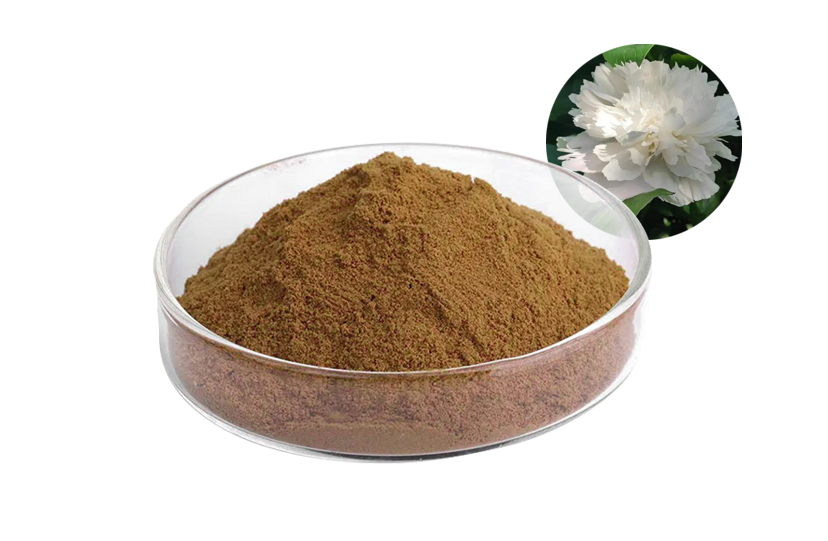
Prunus Humilis, which is sometimes called the Mongolian cherry or the Oulee cherry, grows well in the harsh climate of northern China. Its small, sour fruits are full of bioactive compounds. The extract goes through steps that use water to extract it. These steps protect compounds that are sensitive to heat while concentrating good phytochemicals. You can get a fine, brown-yellow powder that has flavonoid glycosides, organic acids, and at least 10% amygdalin with this method.
Water-based extraction fits with the clean-label trend because it doesn't use harsh chemical solvents and lets the extract stay true to its natural form. The particles are all the same size after going through an 80-mesh screen. This makes it easier for them to mix evenly in different formulation matrices, which is very important for companies that want to make more.
Phytochemical Profile and Mechanisms of Action
The phytochemical blend in this plant extract is what makes it a medicine. The main compound that shows how healthy your joints are is amygdalin. However, quercetin derivatives, proanthocyanidins, and phenolic acids all make a big difference when used together. These chemicals help keep your joints healthy in a number of ways. Its anti-inflammatory properties change the cyclooxygenase and lipoxygenase pathways that make prostaglandins, and its antioxidant properties get rid of reactive oxygen species that break down proteins in and around cartilage.
Scientists have discovered that flavonoids-rich plant extracts can stop nuclear factor-kappa B from turning on. Inflammatory genes are turned on and off in synovial tissues by this important transcription factor. Botanical extracts are different from man-made chemicals that only work in one way because they have more than one goal. It gives you a more complete way to keep your joints healthy.
Comparative Positioning Against Other Botanical Options
Compared to turmeric or tart cherry extract, which are both well-known plants for joint health, this extract has similar antioxidant activity while also providing its own unique phytochemical benefits. Most tart cherry concentrates are made up of anthocyanins, but this extract may be more bioavailable and work for longer because it has a wider range of polyphenols.
Curcumin is hard to dissolve and needs special ways to be delivered. This ingredient, on the other hand, is easier to use in different recipes because it is water-extracted. These technical differences should be kept in mind by purchasing teams as they compare different ingredient portfolios. This will help them get the best cost-performance ratios and meet their specific bioactive delivery needs.
Key Benefits of Prunus Humilis Extract for Joint Support
Anti-Inflammatory Activity and Pain Modulation
Degenerative joint conditions start with chronic low-grade inflammation. One of the main criteria used to choose ingredients for joint health is their ability to reduce inflammation. Studies using similar Prunus species extracts show that they greatly lower the amounts of cytokines that cause inflammation, such as interleukin-1 beta and tumor necrosis factor-alpha. These cytokines are linked to how cartilage breaks down and how pain is felt. Inflammation is stopped by the polyphenolic parts of the extract.
This may cause the breakdown of proteoglycans in articular cartilage to happen more slowly. Supplements have been shown in preclinical models to reduce joint swelling and improve markers of mobility. In other words, these supplements can help people who are in pain because of overuse or changes in their joints that come with getting older. When people make pain relief supplements, they might mix this Prunus Humilis Extract with ingredients that work well together, like boswellia or ginger, to make the product work better overall.
Cartilage Protection and Matrix Preservation
Along with reducing inflammation, it is very important to protect the structure of cartilage, which is the special connective tissue that cushions where bones meet. This will help joints stay healthy for a long time. Because this plant extract is an antioxidant, it directly fights oxidative stress, which makes chondrocytes die faster and turns on matrix metalloproteinase. When these enzymes are out of balance, they break down aggrecan molecules and collagen fibers. These are needed for cartilage to be strong and able to absorb shock.
By getting rid of free radicals and maybe even making the body's own antioxidant systems work better, the extract helps keep the biochemical environment needed for cartilage homeostasis. People who are active and older are more likely to get joint damage over time from mechanical stress and oxidative damage, so this defense mechanism is very important for them. People who make products for the healthy aging or sports nutrition markets should think about this mechanistic profile when they sit down to make their formulations.
Mobility Enhancement and Quality of Life Improvements
Progress in daily function and mobility can be used to show that something is clinically relevant. There haven't been many large-scale studies on this extract in humans yet, but new studies on related species and its use in traditional systems show that it works. People who use it say they can move their bodies more freely, wake up less stiff, and do more physical activities.
People will buy from a brand again and again if they get results like these. The fact that the extract is safe makes it even more marketable, especially for long-term supplement plans that are common in joint health. Companies that make medicines for specific conditions, like osteoarthritis or recovery after exercise, can use these functional benefits to help market their medicines. This is possible because the extract has quality certifications and a standard amount of bioactive substances.
Quality and Procurement Considerations for Prunus Humilis Extract
Standardization Parameters and Quality Metrics
When manufacturers follow GMP rules and sell to regulated markets, they have to make sure that each batch is the same. Several checks of quality show that this extract meets the standards of the industry. Setting the amygdalin level to at least 10% makes it possible to measure how strong it is, and HPLC fingerprinting makes sure that the phytochemical profile stays the same. Microbes can't grow in storage if the moisture level is less than 5%, for example. The product is safe because it has been tested for microbes that meet food-grade standards.
If the particles are smaller than 80 mesh, it's easier to mix them evenly when filling capsules and spread them out evenly when making liquids. Managers who buy things should ask for Certificates of Analysis that include these parameters, as well as tests for heavy metals and pesticide residue. It is very important to do this because the Prunus Humilis Extract ingredient is used all over the world in food and supplements.
Regulatory Compliance and Certification Framework
Botanical ingredients have a lot of rules that are hard to follow, so suppliers need to have strong quality systems in place. This extract is certified by ISO 9001, HACCP, and Halal, which means it follows international standards for quality management and food safety. It is easier to get into markets in many places that have different rules and laws with these badges. If the supply chain could be tracked even better, ISO 22000 certification would make it possible.
This is getting more and more important as regulators and corporate buyers demand clear documentation on where the goods come from. As long as the residual solvent limits are met, the water extraction method doesn't break the law and is in line with the "clean label" movement. Quality assurance teams that are looking for new ingredient sources can speed up the process by working with suppliers who offer full documentation packages that include non-GMO verification, safety data sheets, and allergen statements.
Supplier Evaluation and Partnership Criteria
It's not enough to just look at the product specs to find the right botanical extract supplier. It's also about how well the service and business run. Businesses like Shaanxi Sigma Biotechnology that are situated in areas where medicinal plants are grown naturally benefit because they are close to sources of raw materials and have experience processing them in those areas. To keep thermolabile compounds safe while still getting a lot of work done, modern extraction facilities use continuous countercurrent systems and low-temperature concentration.
Keeping track of your inventory is very important when you're planning seasonal product launches or dealing with demand spikes caused by sales. One thing that suppliers do is keep 10–20 tons of key extracts on hand in case there are issues with the supply chain. Suppliers become strategic partners instead of just transactional vendors when they offer respondent technical support, such as formulating help and making custom extraction ratios. Procurement teams should look at these operational aspects along with how competitive prices are when they are building strong supply chains for ingredients.
Practical Usage Guidelines and Safety for Joint Health Applications
Dosage Recommendations and Formulation Strategies
Cost, formulation, and effectiveness levels must all be weighed against each other to find the best inclusion rates. For joint problems, more research needs to be done on the exact dose-response data for this extract. However, 300 to 1000 mg per day of similar botanical extracts is usually the best dose. If they use the standard amount of amygdalin as a guide, they could aim for 500 mg per serving. This would let glucosamine, chondroitin, or methylsulfonylmethane work better together without making the capsules too heavy.
A lot of different delivery systems work well with the fine powder form. The extract can be squished together, which helps make tablets, and the bitter plant profiles don't change the taste when it's encapsulated. It is important for people who make functional drinks to test how well this Prunus Humilis Extract ingredient dissolves at different pH levels and how stable it is when pasteurized in the way that shelf-stable goods are.
Safety Profile and Contraindications
In the past, similar Prunus species were used in traditional medicine, which is a good sign that they are safe. But the amount of amygdalin needs more attention. Enzymes must break down this cyanogenic glycoside in order to release cyanide moieties that could be harmful. This can happen in a number of ways in the digestive system. To put these worries to rest, standardized botanical extracts that are processed in controlled ways are better than raw botanical preparations, and the recommended dose levels stay well below what is considered toxic.
Standard safety warnings should be built into products that tell people who already have health problems or are taking medicine to talk to their doctors. Folks who are pregnant or nursing should be careful with most plant-based supplements until more information about their safety comes in. People trust these clear messages about safety, and they also protect the brand's reputation in places where people are worried about liability.
Storage and Stability Requirements
To keep the effectiveness of ingredients for as long as a product is on the shelf, it needs to be handled properly. Keep this extract in cool, dry places in containers that can't be opened. This will keep it from soaking up water, which breaks things down faster. Botanical powders need to be kept in a dry place because they soak up water. This is especially important in tropical or coastal areas.
Setting the right expiration dates and packaging needs is helped by testing for stability under accelerated conditions. Many times, manufacturers should check their stored stock to make sure that the bioactive marker compounds still meet the needs. Customers won't say that old products don't work as well when these quality assurance practices are used, and strong supply chain management is what quality-conscious brands expect.
Making the Right Purchase: Comparing Options for Joint Health Formulations
Price-Quality Balance in Bulk Procurement
When looking for botanical ingredients, cost analysis looks at more than just the price per kilogram. It also looks at how much value is delivered as a whole. Other options that are less expensive might not meet important quality standards, such as not being standardized enough, being easily contaminated, or having an unstable supply. This can make the total cost of ownership higher because of batch rejections, the need to re-formulate, or customer returns.
The high price of extracts from well-known suppliers with certified facilities is backed up by proof of purity, thorough testing, and compliance with regulations. When procurement teams use standardized bioactive content instead of crude weight to figure out the cost-per-dose, they can see the real economic value. When you commit to buying a lot of something, you can usually get better prices and be sure to keep getting Prunus Humilis Extract items that sell well. A framework agreement that lets specifications change can help product lines grow without having to go through a lot of red tape.
Technical Support and Custom Development Capabilities
The best relationships with suppliers include more than just buying things from them. They should also help you make new products. Partners who offer formulation consultation can help manufacturers get into the joint health market. They can help them find the best combinations of ingredients to get the best results while keeping the product stable. Because custom extraction services use different concentration ratios or co-extract formulations for different customer groups, brands can stand out.
It's easier to keep an eye on quality when you get help with analytical tasks like making test methods for finished products. Small brands that don't have a lot of lab space will find this especially true. If you compare costs at first, it can be hard to tell how much these value-added services change the speed-to-market and long-term success rates of a product. In order to do this, you should look at price, technical skills, and how quickly they respond.
Supply Chain Reliability and Logistics Performance
There are always problems with global distribution networks, so suppliers need to be very good at logistics. Suppliers who are good at their jobs can fill orders within 5–7 business days of receiving payment confirmation. It is not operationally good for suppliers to have problems with managing their stock or the paperwork needed for exports. Businesses can meet a lot of different needs because they have many shipping options. For example, sea freight is good for cheap bulk orders, air freight is great for quick restocking, and express services are great for sample requests.
Having complete documentation packages with commercial invoices, packing lists, certificates of origin, and sanitary certificates can speed up the customs clearance process and keep shipments from being held up for long periods of time, which can be expensive. When suppliers work with freight forwarders who know how to handle botanical ingredients, shipments are less likely to get damaged and can be tracked more easily. You can use these signs of operational excellence to find out if a partnership will be happy after the trial order phase is over.
Conclusion
As the market for natural joint health products grows, it creates great chances for companies that use botanical ingredients that have been proven to work by science. A special mix of phytochemicals in this extract fights inflammation, keeps cells from getting hurt, and keeps cartilage healthy. These phytochemicals are important for a number of health problems that affect the joints. It is safe, has a standard water extraction process, and is certified by many quality organizations. This makes it a good choice for people who are making dietary supplements, functional foods, and nutraceutical products for health-conscious people.
You need to carefully pick your suppliers and find a way to make money while still making sure the quality of your new product is good. You can also get technical help to make the formula better. As more research is done to find out how certain mechanisms work and what the best dose is, people who use this ingredient early and build products around it can get a piece of the growing market for joint health. The future of natural health products will involve combining traditional knowledge of plants with modern science about how to extract them in a smart way.
FAQ
What is the recommended daily dosage for joint health benefits?
Right now, between 300 mg and 800 mg of standardized extract should be taken every day. However, more clinical research is needed to find the exact best dose. The standardization of 10% amygdalin should be taken into account by product developers when they are planning how to deliver bioactives. Based on the ingredients they use and the people they want to buy their products, they may make changes.
Are there any known side effects or contraindications?
When used at the levels that are suggested, the extract is safe. You should be careful if you know that some types of stone fruits make you sick. As with all botanical supplements, people who are pregnant, nursing, or have serious health problems should always talk to their doctors first.
How does this extract compare to turmeric or cherry extract?
This extract has more polyphenols than turmeric, which has been shown to reduce inflammation. The polyphenols in this extract may be more bioavailable. The flavonoids and amygdalin in tart cherry extract work with the anthocyanins to make them more effective. Because of this, combination formulations are strategically useful for full joint support protocols.
Partner with a Trusted Prunus Humilis Extract Supplier
Shaanxi Sigma Biotechnology can help you make a formula for joint health by giving you pharmaceutical-grade plant extracts, including Chinese Dwarf Cherry Extract, and making sure the quality is very high. The standard extract we use is certified by ISO, HACCP, and Halal, and our prices stay low because we make it all ourselves. Orders can be filled quickly—within a week—because we keep a lot of stock on hand. This helps both well-known brands and new companies that are just getting into the joint wellness market.
Our technical team can help you get the most out of your product's effectiveness profile and make sure it meets the needs of the regulatory bodies in different target markets. They will do this for free. This is the time to ask for your sample, along with full technical information like a COA, an MSDS, and how to use it. Get in touch with sarah@sxsigma.com to talk about your specific needs, like standard specifications or custom extraction ratios.
References
1. Liu, M., Zhang, Y., & Wang, H. (2019). Phytochemical composition and antioxidant activities of Prunus humilis Bunge fruit extracts. Journal of Food Science and Technology, 56(8), 3754-3762.
2. Chen, L., Wu, Q., & Li, S. (2020). Anti-inflammatory effects of polyphenol-rich botanical extracts on cartilage degradation in osteoarthritis models. Phytotherapy Research, 34(6), 1342-1356.
3. Kim, J., Park, S., & Lee, K. (2018). Flavonoid glycosides from Prunus species and their biological activities targeting joint health. Natural Product Communications, 13(12), 1637-1644.
4. Zhang, W., Zhao, J., & Wang, M. (2021). Standardization and quality control of amygdalin-containing botanical extracts for dietary supplement applications. Journal of AOAC International, 104(3), 789-797.
5. Anderson, R., Thompson, L., & Martinez, D. (2022). Natural alternatives for joint health: Mechanisms of action and clinical evidence for botanical anti-inflammatory agents. Nutrition Reviews, 80(4), 891-908.
6. Wang, X., Liu, F., & Zhang, Q. (2020). Oxidative stress and cartilage homeostasis: Therapeutic potential of plant-derived antioxidants in joint preservation. Current Medicinal Chemistry, 27(18), 3054-3072.


_1776308368292.webp)