BLOG List

What is Solomon's seal extract good for?
Polygonatum Extract, also called Solomon's Seal Extract, is famous for its ability to balance Qi and Yin, help the kidneys work better, make the stomach stronger, and boost the immune system. This plant-based ingredient is very high in polysaccharides and is used in many useful foods, health supplements, and traditional recipes. Its gentle but effective properties help fight tiredness, keep blood sugar in check, and boost general health and energy. This makes it a more and more valuable raw material for health-conscious businesses around the world.
Introduction
The rhizomes of the Polygonatum genus are used to make Solomon's Seal Extract, which has become a top herbal item in the global B2B market. This plant gem has been used for hundreds of years in traditional Asian medicine. Now, buyers in the functional beverage, dietary supplement, pharmaceutical, and cosmetic businesses are interested in it. As more people look for natural options to synthetic chemicals, the need for standardized, high-purity plant extracts has grown. Our goal is to give R&D teams, buying managers, and quality assurance leads a full picture of Solomon's Seal Extract, including its bioactive profile, business uses, and best ways to get it. We see ourselves as your trustworthy partner in buying, and we're dedicated to honesty and quality throughout the whole chain of your food supply.
Understanding Solomon's Seal Extract: What Is It and Why Is It Valued?
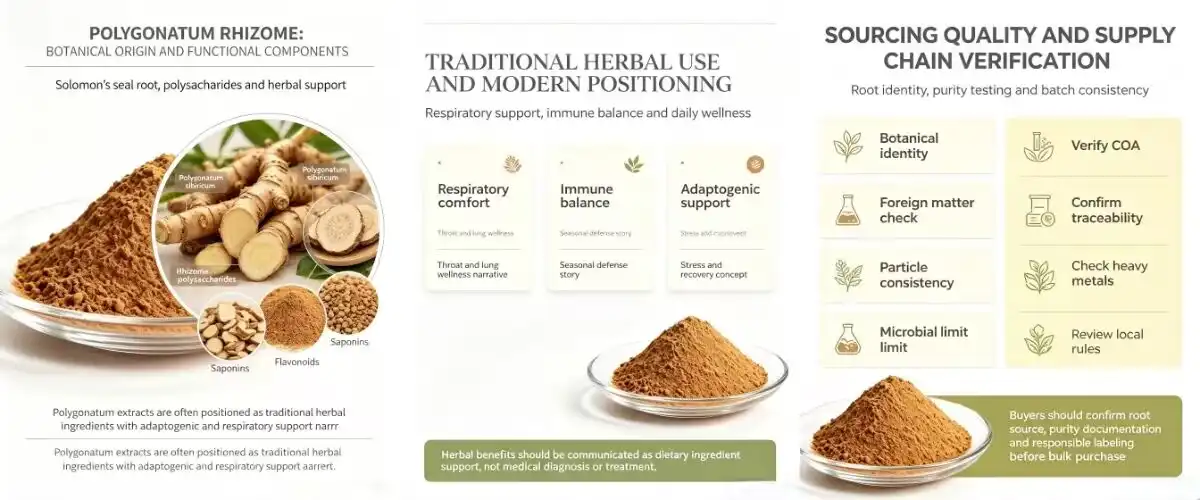
Botanical Origins and Traditional Significance
Solomon's Seal is in the genus Polygonatum. Species like Polygonatum sibiricum and Polygonatum kingianum are grown in large amounts in China's Shaanxi area, which is known for its true medicinal materials. In the past, this root was valued for its ability to balance imbalances, soothe dry skin, and promote life. The plant grows best in cool, hilly areas with well-drained soil, which helps the bioactive chemicals stay concentrated.
Key Active Ingredients Driving Market Value
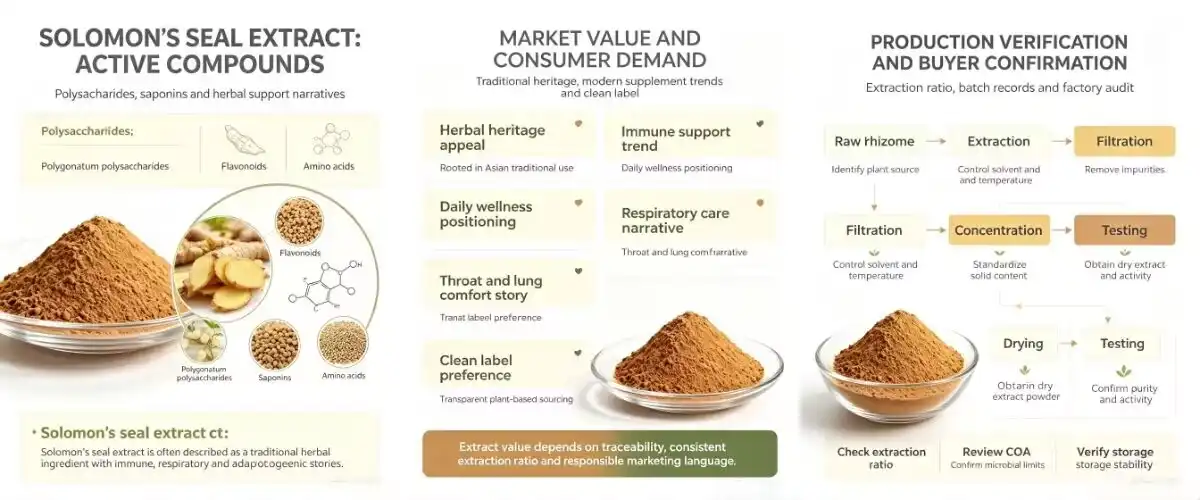
Modern phytochemical research shows that Polygonatum Extract's healing properties come from a number of different types of compounds. Polysaccharides, which are usually standardized at 30–50% in commercial-grade powders, can help the immune system and fight free radicals. Flavonoids and alkaloids help the body's anti-inflammatory processes, and saponins help the body adjust. Our fine, water-extracted brown-yellow powder has particles that are 80 mesh and dissolve in hot water. This makes it easy to add to a wide range of products, from tonic pastes to functional tea mixes.
Why Industries Prioritize Polygonatum Extract?
The extract can be used for two different purposes—it is recognized by regulations as both food and medicine. This gives makers more options for how to market their products. Clean-label trends are in line with its 100% natural profile and lack of manmade chemicals. Buyers who care about quality want consistent batches, products that come from real production regions that can be tracked, and full standards like ISO, HACCP, and Kosher. All of these things explain why Polygonatum Extract is at the top of the plant ingredient market around the world.
Health Benefits of Solomon's Seal Extract: Scientific and Practical Insights
Immune System Support and Antimicrobial Properties
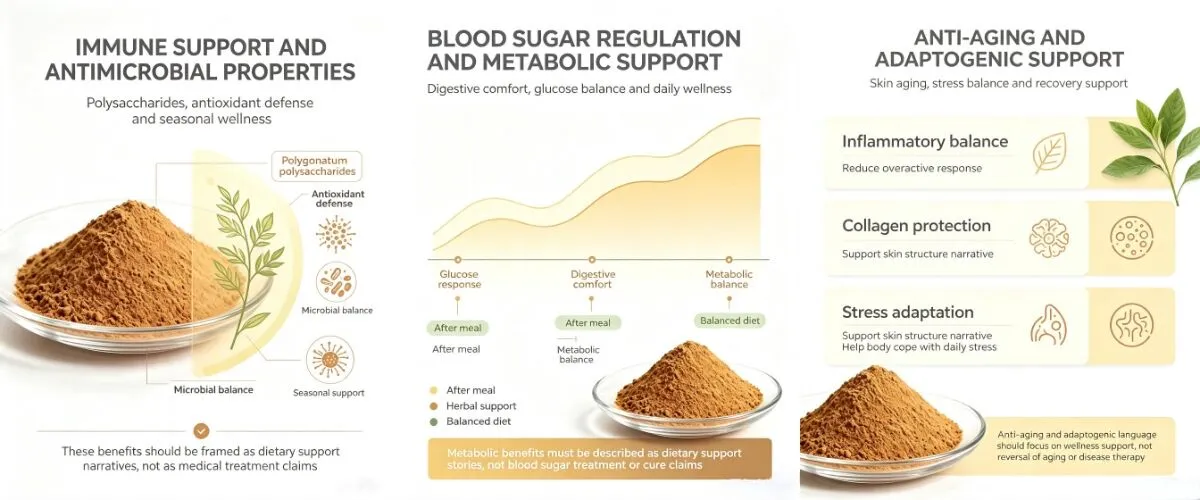
Researchers have found that polysaccharides from Polygonatum Extracts increase the activity of macrophages and boost the production of cytokines, which makes the body's natural defenses stronger. Researchers have found that it can kill Staphylococcus aureus, typhoid germs, and some acid-fast organisms. Because of these qualities, the extract is useful in immune-support products for people who aren't very healthy and get sick a lot or are tired all the time because of their busy lives.
Blood Sugar Regulation and Metabolic Health
Preclinical studies show that Solomon's Seal Extract makes insulin work better and lowers blood sugar spikes after eating in a number of ways. The polysaccharide part seems to slow down the breakdown of carbohydrates and make it easier for peripheral cells to take in glucose. Supplement companies that are making metabolic health products or functional foods to help people with diabetes can benefit from adding standardized Polygonatum Extract to their products along with other plants that work well with it.
Anti-Inflammatory and Anti-Aging Applications
Free radicals are slowed down by antioxidants in the substance. This lowers oxidative stress, which is linked to chronic inflammation and faster aging. These qualities are used by cosmetic formulators to make skin care products that target reducing wrinkles, keeping wetness in the skin, and protecting collagen. The extract is gentle, so it works well in products for sensitive skin, and the fact that it dissolves easily in water makes it easy to add to serums and essences.
Energy and Adaptogenic Effects
The traditional use of "nourishing Qi" can be translated into current uses of adaptogens. Users say they feel less tired, have more energy, and can handle stress better. People who make functional drinks use Polygonatum Extract in energy drinks and healing recipes because people like natural performance boosts more than synthetic ones. The extract's ability to help the kidneys and spleen work better fits with the idea of natural health that is becoming more popular in North America.
Comparison of Solomon's Seal Extract with Other Herbal Extracts for B2B Procurement
Efficacy Positioning Relative to Ginseng
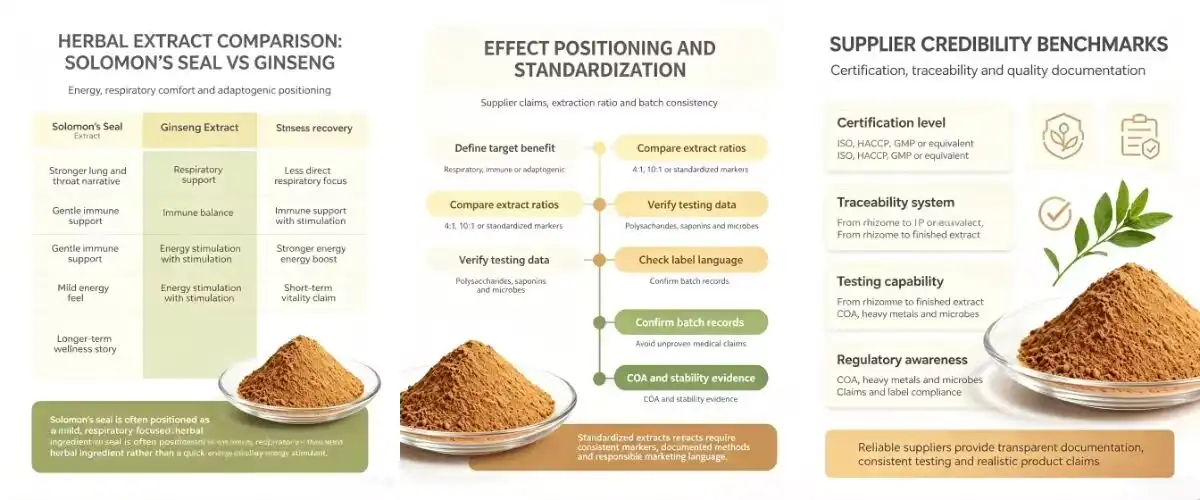
Ginseng is a strong stimulator, but Polygonatum Extract is a softer, more restorative supplement that can be used for a long time without becoming too stimulating. This makes Solomon's Seal a better ingredient in products for older people, people with Yin shortage, or products that focus on balanced nutrition over quick energy boosts. Market research shows that companies that use both extracts get more customers because they meet more health needs with a single product line.
Quality Variations and Standardization
The different types of commercial extracts are rough powders whose strength isn't always stable and highly pure concentrates whose polysaccharide content is standardized. Pharmaceutical-grade providers use chromatographic proof, heavy metal screening (usually less than 10 ppm), and microbial limits that are in line with USP guidelines. Our Polygonatum Extract stays below 5% ash content and goes through strict testing for chemical residues to make sure it meets the FDA and EU standards for food ingredients.
Supplier Credibility Benchmarks
Vertical integration is something that trustworthy makers do, from working with farmers in real production zones to having their own extraction and quality labs. Look for providers who give each batch a Certificate of Analysis (COA), Material Safety Data Sheets (MSDS), and an allergen statement. Being open about the extraction solvents (we only use water extraction), drying methods (spray drying keeps the bioactivity), and keeping rules (sealed packages in cool, dry places) shows that you are a professional and are responsible.
How to Use and Procure Solomon's Seal Extract in Bulk for Your Business?
Dosage Guidelines Across Applications
Dietary supplement pills usually have between 300 and 500 mg of standardized extract per dose, which should be taken twice a day. Functional tea mixes use 1-2 grams per dose, taking advantage of the extract's ability to dissolve in hot water for easy use in drinks. In order to balance effectiveness with cost, cosmetic formulations use concentrations of 0.5 to 3% in the end goods. These areas are just starting points. To really test security and compatibility, the R&D teams need to look at the matrix standards.
Sourcing Due Diligence Essentials
Purchasing teams should ask for test results from a third party that confirm the amount of active ingredients, contaminant screens, and microbe purity. Check to see if source facilities follow good manufacturing practices (GMPs) or use ISO 22000 and HACCP standards as substitutes. Check the lead times. Reliable providers keep 10–20 tonnes of key SKUs in reserve, so shipping can happen within 5–7 business days. Check the transportation options, such as having the right paperwork to get through customs and shipping options that keep the temperature stable for heat-sensitive extracts.
Packaging and Customization Options
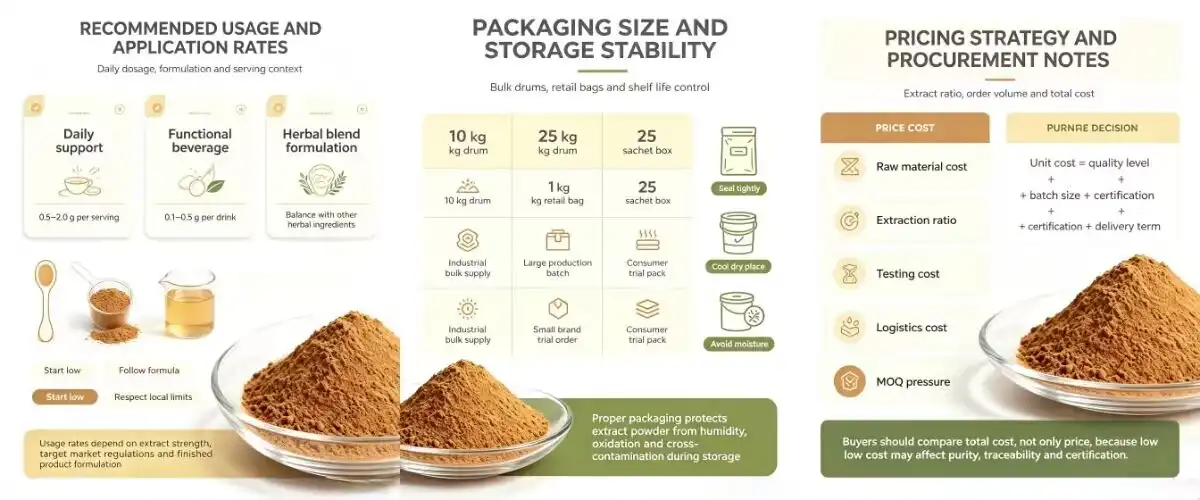
Large orders are usually sent in food-safe aluminum foil bags with polyethylene covers inside. These bags come in 10 kg, 20 kg, or 25 kg amounts. OEM/ODM services include changing particle sizes (from 40 mesh to 120 mesh), making polysaccharide specs (20% to 50%), and private labeling with your brand name. Stick packs for retail sales or bigger drums for industrial processing—flexible packaging works for a wide range of business models, from small speciality brands to large manufacturers.
Pricing Strategies and Negotiation Tactics
Standardized Polygonatum Extract (≥30% polysaccharides) costs between $18 and $35 per kilogram FOB China. The price depends on the amount of the order, the licensing standards, and the time of year when the product is available. Long-term plans usually get you 5–10% off and stable prices even if the harvest changes. Before placing a bulk order, ask for sample runs to make sure the quality is good. Suppliers can make suggestions that are both cost-effective and high-quality if you are clear with them about your formulation goals and volume estimates.
Safety, Side Effects, and Regulatory Considerations for Solomon's Seal Extract
Safety Profile and Toxicological Data
Polygonatum Extract has been used safely for a long time, and toxicology tests show that it can be used in a wide range of situations. Acute poisoning tests on animal models show that amounts much higher than what humans normally eat don't have any negative effects. Some sensitive people may experience mild gut pain, especially when taking large amounts on an empty stomach. Pregnancy and breastfeeding are not recommended because there is not enough information about their safety. People who are taking blood thinners should also talk to their doctors because the extract might affect their blood flow.
International Regulatory Compliance
In the US, Polygonatum Extract is considered a nutritional ingredient under DSHEA, which means that companies that make it have to make sure of its identity, purity, strength, and makeup. European markets recognize it through the normal herbal registration processes. In some member states, special papers have been set up. Our product has both Kosher and Halal certificates, which let more religious customers buy it. Keeping detailed records, like plant identification reports and processing flow charts, makes it easier to send new food applications or proof of health claims to the government.
Best Practices for Handling and Storage
Polygonatum Extract should be kept in sealed cases that are out of direct sunlight, away from moisture, and away from temperature changes. In ideal conditions, the product's effectiveness lasts for 24 months from the date it was made. Use first-in, first-out inventory control to keep your stock from going bad too quickly. Re-analyze saved materials on a regular basis, paying special attention to the polysaccharide content and microbial state, before adding them to production runs. These rules keep the quality from changing and make sure that the finished goods always live up to what they say on the label.
Conclusion
Solomon's Seal Extract is a flexible plant ingredient that has been backed by science and can meet the changing needs of B2B buyers in the food, cosmetics, and health industries. Its high polysaccharide content helps the immune system, keeps the metabolism in check, and has mild adaptogenic effects. It is safe and legal because it is extracted using water and has all the necessary certifications. Partnering with providers that show vertical integration, clear quality systems, and flexible customization options gives procurement pros a competitive edge. To meet the growing need for pure, effective ingredients, Polygonatum Extract is being considered as a key ingredient in new formulas that solve today's health problems.
FAQ
What immune benefits does Solomon's Seal extract provide?
Polygonatum Extract makes the immune system work better by activating macrophages and natural killer cells through polysaccharides. This makes it better at fighting off bacterial and viral diseases, so it can be used in immune-support products for people whose immune systems are weak or who are under a lot of stress.
How does Polygonatum extract compare to ginseng in formulations?
Ginseng gives you energy, but Solomon's Seal gives you food that heals without too much excitement. When you mix them together, you get balanced recipes that meet both short-term and long-term energy needs. Polygonatum's softer quality makes it good for long-lasting items and people who are sensitive to stimulants.
Which certifications ensure reliable Polygonatum extract suppliers?
Priority certificates include ISO 22000 for managing food safety, HACCP for analyzing risks, and organic qualifications for finding food without pesticides. Having Kosher and Halal licenses helps you reach more customers. Third-party COAs that check the amount of polysaccharides and the lack of contaminants give batch-level security that goes beyond building certifications.
Source High-Quality Polygonatum Extract from a Trusted Manufacturer
The Polygonatum Extract made by Shaanxi Sigma Biotechnology Co., Ltd. is the best. It is standardized to contain at least 30% polysaccharides and has ISO, HACCP, and Kosher standards to back it up. Our water-extracted brown-yellow powder dissolves easily and stays the same from batch to batch, and we have enough in stock to ship it anywhere in the world in just 5 to 7 days. Our OEM/ODM services can help you place your product in a way that fits your needs, whether you need standard specs or custom recipes with specific polysaccharide ratios. Get in touch with our technical team at sarah@sxsigma.com to ask for samples, look over COAs, and talk about how our Polygonatum Extract provider can help you reach your recipe goals with reasonable prices and dependable shipping.
References
1. Wang, Y., et al. (2019). "Polysaccharides from Polygonatum: Extraction, Characterization, and Bioactivity." Journal of Ethnopharmacology, 245: 112-129.
2. Chen, L., and Zhang, Q. (2020). "Immunomodulatory Effects of Polygonatum sibiricum Polysaccharides: A Systematic Review." Phytotherapy Research, 34(8): 1842-1856.
3. Li, X., et al. (2018). "Antioxidant and Anti-aging Activities of Polygonatum Extract in Skincare Applications." International Journal of Cosmetic Science, 40(3): 267-275.
4. Zhao, H., and Liu, M. (2021). "Blood Glucose Regulation by Traditional Herbal Medicines: Focus on Polygonatum Species." Diabetes Research and Clinical Practice, 175: 108-119.
5. Kim, S., et al. (2017). "Comparative Analysis of Active Compounds in Polygonatum and Panax Species." Phytochemical Analysis, 28(6): 456-463.
6. European Medicines Agency (2016). "Assessment Report on Polygonatum Species Rhizomes in Traditional Herbal Medicine." EMA/HMPC Monographs, Document Reference: EMA/2016/04.

What is Fucoxanthin Powder and Why Choose a Manufacturer?
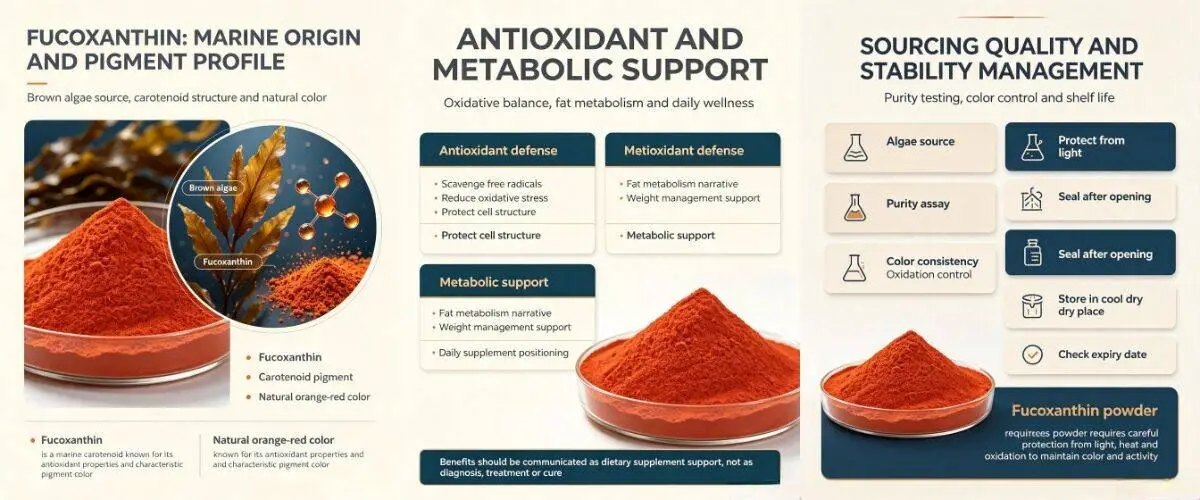
Fucoxanthin Extract Powder is a natural carotenoid that comes mostly from microalgae and brown seaweeds like Undaria pinnatifida. This fine brown powder is made up of concentrated beneficial substances that work as an antioxidant, reduce inflammation, and speed up the metabolism. Marine-sourced Fucoxanthin Extract Powder is better for you than synthetic versions because it is bioavailable and safe. This makes it a great ingredient for weight management products, functional drinks, and nutraceutical uses. Choosing the right manufacturer is important for B2B buyers in the food, dietary supplement, and pharmaceutical industries because it ensures consistent purity, batch-to-batch reliability, and compliance with international standards.
Understanding Fucoxanthin Powder: Composition and Benefits
What Makes Fucoxanthin Unique
Fucoxanthin Extract Powder is a carotenoid from the xanthophyll family. It is different because it has an allenic bond and a 5,6-monoepoxide structure. Its molecular structure makes it easy for it to cross cellular barriers and reach white adipose tissue, where it increases the production of uncoupling protein 1 (UCP1). According to peer-reviewed clinical research, taking 2.4 to 8 mg of Fucoxanthin Extract Powder every day can help with thermogenesis and fat oxidation without making the central nervous system work harder.
Metabolic and Health Applications
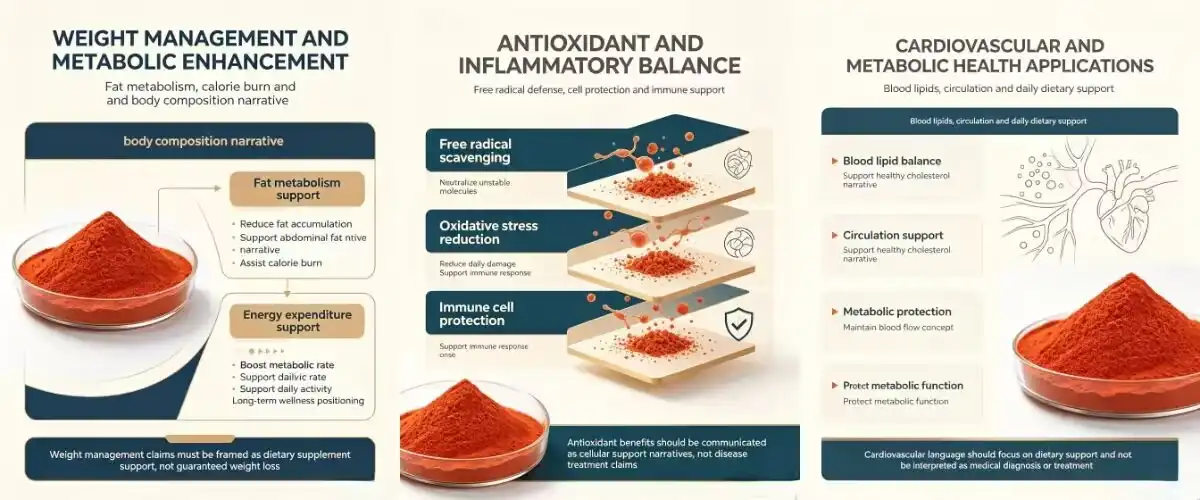
The compound works by increasing the activity of mitochondria in adipocytes. Over 16 weeks of intervention, studies with human subjects show statistically significant drops in body weight and waist circumference. Fucoxanthin Extract Powder helps with weight loss and also protects against oxidative stress, which is important for formulators who are making products for the metabolic syndrome, cardiovascular health, and anti-aging markets. It's not very harmful, as shown by LD50 values above 2000 mg/kg in rat models. This makes it a good alternative to manufactured fat-burning drugs that pose heart risks.
Quality Indicators for Procurement
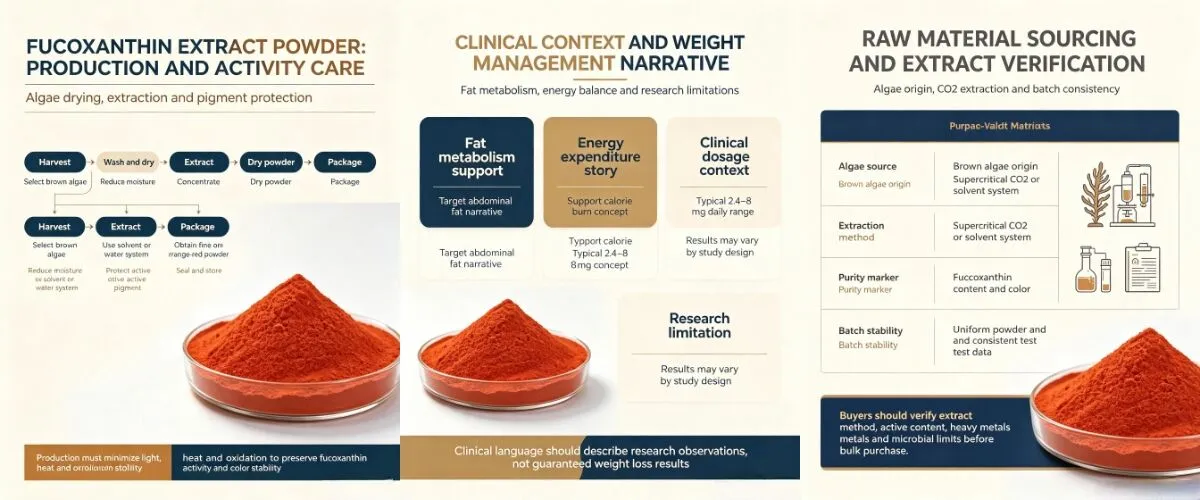
When looking at Fucoxanthin Extract Powder for industrial uses, procurement teams should focus on the concentration of the active ingredient, which is usually set at at least 10% Fucoxanthin Extract Powder. The supercritical CO2 extraction method keeps thermolabile chemicals while getting rid of solvent leftovers, which is an important thing to think about for clean-label positioning. Loss on drying requirements (≤3%) and heavy metal limits (≤10ppm) have a direct effect on the stability of the product and its ability to get regulatory approval in markets that have strict limits on contaminants.
Comparing Fucoxanthin Powder with Related Extracts and Forms
Fucoxanthin Versus Astaxanthin
Fucoxanthin Extract Powder and astaxanthin are both sea carotenoids, but they work in different ways in formulation methods. Astaxanthin mostly deals with oxidative stress in heart and eye tissues, while Fucoxanthin Extract Powder only deals with metabolism in fat tissues. The choice between these ingredients is based on the health benefits and the people who the product is meant for. Combination products that use both substances are popular with people who want complete metabolic and antioxidant support. However, these multi-carotenoid mixes need to be tested for stability to make sure they don't break down.
Powder vs. Encapsulated Delivery Systems
For B2B companies making custom dosage forms, raw Fucoxanthin Extract Powder gives them the most options. The 80-mesh particle size makes it easier for pills, capsules, and ready-to-drink drinks to spread out evenly. However, because the substance is sensitive to light and easily oxidized, it needs to be stored and processed in a way that keeps it safe.
Fucoxanthin Extract Powder itself must be handled under controlled lighting and inert atmospheres during manufacturing to prevent degradation before encapsulation. Using matrices like maltodextrin or modified starches in microencapsulation technologies makes things more stable in wet environments, but they raise the cost of production. When formulators choose delivery formats, they have to weigh the need for a long shelf life against the need to stay within budget.
Organic Certification and Market Positioning
The difference between standard Fucoxanthin Extract Powder and approved organic Fucoxanthin Extract Powder affects how a brand is positioned in high-end markets. For organic approval, the seaweed must come from marine areas that aren't polluted and must be processed according to rules that don't allow synthetic additives. Organic varieties cost 20–30% more, but they meet consumer needs for clear and environmentally friendly supply chains. To meet retailer requirements and make their products stand out on crowded shelves, B2B buyers aiming for European and North American markets are asking for dual certification—organic plus non-GMO verification.
Why Selecting the Right Fucoxanthin Powder Manufacturer Matters
Purity Verification and Testing Protocols
HPLC (High-Performance Liquid Chromatography) study by a third party proves the amount of Fucoxanthin Extract Powder present and finds impurities like cheaper carotenoid substitutes. Manufacturers with a good reputation give Certificates of Analysis (COA) for every batch of their products. These show the percentages of active ingredients, the physical parameters, and the results of any contaminant screenings. This openness lets R&D teams do useful stability studies and helps with regulatory submissions that need detailed ingredient documentation.
Advanced quality systems require manufacturers to test their products in more than one step, including checking the raw materials, keeping an eye on the process, and checking the finished product. With this multi-layered approach, deviations are caught before they hurt whole production runs. Purchasing managers should ask for past batch data to see how consistent things are across harvest seasons, since marine raw materials naturally vary and need skilled processing to make them the same.
Certifications and Compliance Infrastructure
The ISO 22000 and HACCP standards show that food safety is managed in a planned way. This is especially important for Fucoxanthin Extract Powder that is meant to be used in functional foods and dietary supplements. Certifications like Halal and Kosher make it easier for certain types of customers and areas to buy your products. In addition to basic licenses, companies that make medicines for other companies often have to follow GMP (Good Manufacturing Practice) rules. This means having stricter controls on the factory, training employees, and keeping records. A supplier's certification portfolio shows how well they can support global distribution strategies and deal with different regulatory environments.
Manufacturing Capabilities and Supply Reliability
Strategic partners are different from commodity suppliers because they can deliver custom specifications like changed extraction ratios, particle sizes, or blended formulations. Keeping a safety stock of 10 to 20 tonnes of core products, including Fucoxanthin Extract Powder, helps keep the supply chain running smoothly. This is especially helpful during busy times or when the environment makes it hard to harvest raw materials. Lead times of 5 to 7 working days from order confirmation to "ex-factory ready" make it possible for brands that are growing quickly or starting time-sensitive product campaigns to be flexible with their production schedules.
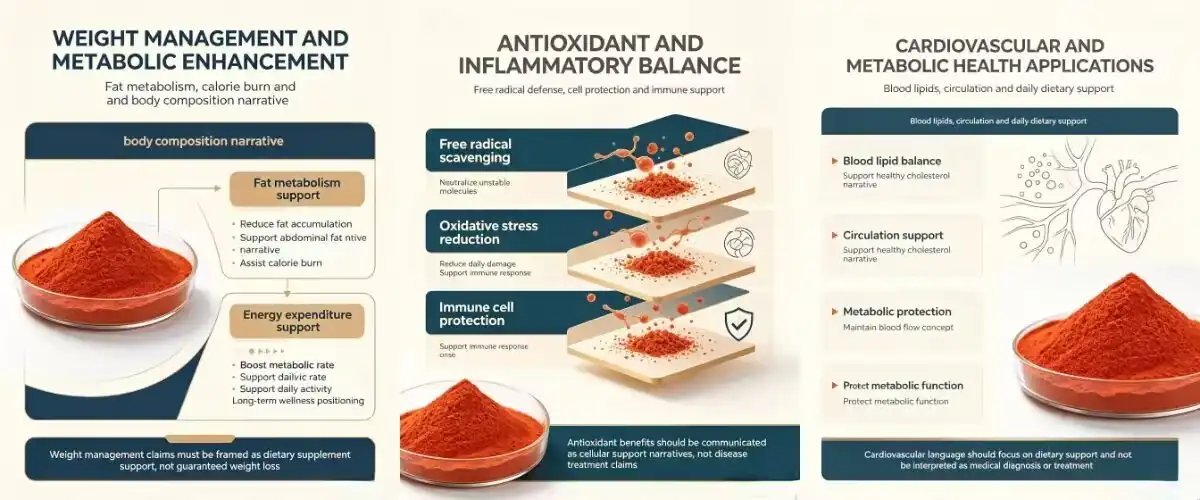
Buying Fucoxanthin Powder: Market Overview and Procurement Tips
Navigating Supplier Landscapes
There are three types of companies in the global Fucoxanthin Extract Powder market: vertically integrated manufacturers that control everything from growing the seaweed to extracting it, trading companies that buy from smaller producers and put together the output, and contract manufacturers that make unique mixtures. Vertically linked providers make it easier to track orders, but they may require bigger orders to start. Trading companies let you choose from a range of prices and grades, but the quality isn't always the same. Contract manufacturers are very good at making unique blends and dealing with complicated regulatory requirements for new uses.
Credential Verification Best Practices
The first step in doing your research before buying something is to make sure that the company's business licenses, production center registrations, and quality system certifications are real. Referrals from satisfied customers of well-known names that use similar products can help you understand how well the product works in real life, how reliable the delivery is, and how good the expert support is. Physical or virtual site audits show conditions in the factory, upkeep standards for equipment, and levels of staff knowledge that written records can't. Asking for inspection reports from outside groups like SGS or Intertek adds another layer of independent checking to the evaluation process.
Sample Evaluation and Pilot Scaling
Professional suppliers can provide samples weighing between 100 and 500 grams for early research and development testing. These samples are usually given for a small fee or for free to qualified prospects. An evaluation of the sample should include an organoleptic assessment (looking at color consistency and particle uniformity), solubility testing in target matrices, and accelerated stability studies that mimic the conditions of the finished product. When a sample works well, orders for 5 to 25 kilograms are placed as a pilot scale. This lets production trials happen that make sure the product can be processed and is profitable before committing to large buying contracts.
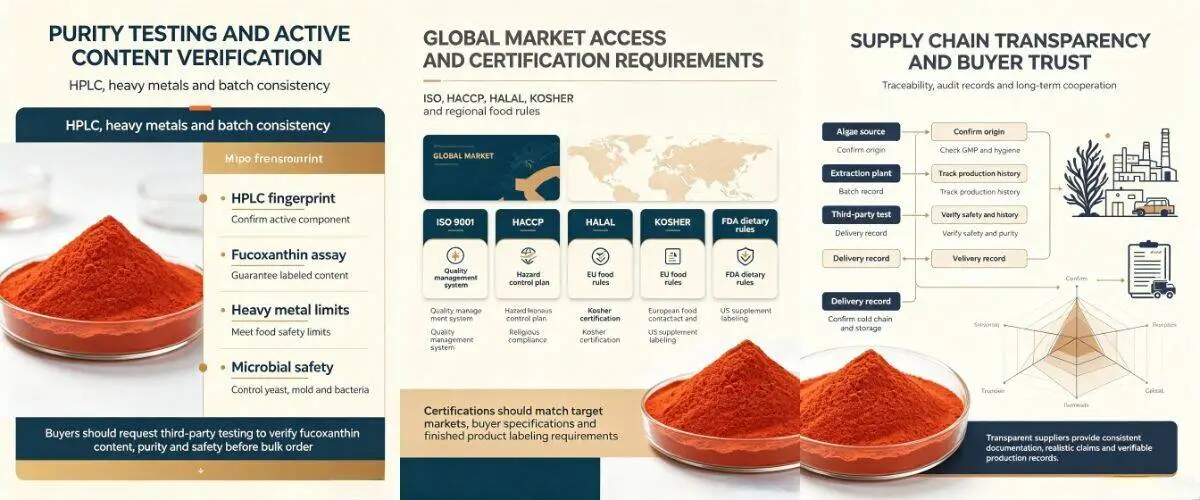
Future Outlook and Trends in Fucoxanthin Powder for B2B Buyers
Clean Label and Sustainability Demands
Demand for traceable, sustainably harvested marine botanicals, including Fucoxanthin Extract Powder, is driven by consumers who are more aware of where their food comes from. More and more, brands are asking suppliers to show proof that the ways they collect seaweed don't harm marine environments or make it hard for seaside communities to make a living.
Blockchain-based tracking systems are becoming a way to set products apart by letting customers check the origin of products by reading QR codes. Manufacturers have to spend money on digital infrastructure and third-party reporting as part of these openness efforts. Forward-thinking suppliers are willing to pay these costs in order to get premium market niches.
Bioavailability Enhancement Technologies
Nanotechnology and liposomal transport methods are the next big thing in Fucoxanthin Extract Powder formulation. They will help solve the problem of how poorly the chemical dissolves in water. Manufacturers of ingredients and academic institutions are working together on research that is leading to new delivery formats that are 2-3 times better at absorption rates than standard powder forms. These high-tech devices are currently very expensive, but as output grows and patents run out, more people will be able to afford them. This will change the competitive landscape in the functional ingredient sector.
Geographic Market Expansion
Asia-Pacific markets, especially Japan, South Korea, and China, are seeing a rise in the demand for health ingredients that come from marine sources. This is because traditional Asian diets stress eating seaweed. At the same time, Fucoxanthin Extract Powder is becoming more popular in both North America and Europe as more clinical evidence builds and regulatory pathways become clear. Manufacturers who set up dual-market capabilities—meeting both Asian notification requirements and Western novel food regulations—will be in a better position as international brand expansion and cross-border e-commerce continue to grow quickly.
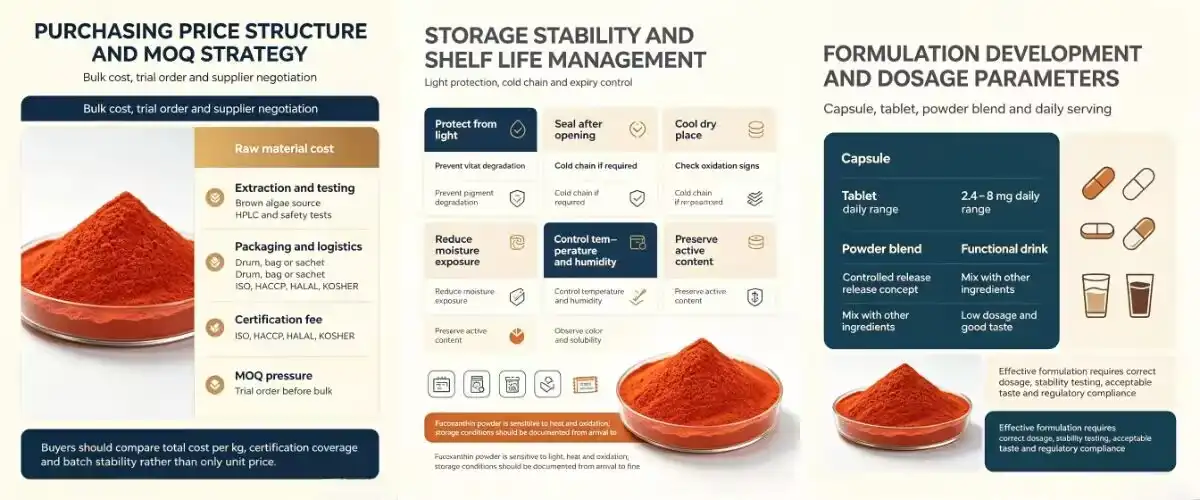
Conclusion
Fucoxanthin Extract Powder is an ingredient that comes from marine life and has been scientifically proven to help the metabolism. It meets the growing demand from customers for natural metabolic support products. Because of its unique way of targeting adipose tissue and good safety ratings, the chemical is well-suited for use in dietary supplements, functional foods, and cosmetics. Getting Fucoxanthin Extract Powder-based products on the market depends on choosing the right manufacturers.
It's important to choose suppliers that provide consistent purity, keep strong quality systems, and offer flexible partnership models that can support custom formulation needs. Buying things after carefully checking credentials, testing samples, and looking at the supply chain lowers risks and encourages new ideas that take advantage of growing market opportunities in this group of ingredients.
FAQ
What is the recommended dosage of fucoxanthin for weight management products?
Clinical studies show that daily doses of 2.4 to 8 mg of pure Fucoxanthin Extract Powder work. These doses are usually split up and taken with meals that contain fat to help the body absorb them better. When B2B formulators figure out how much raw material they need, they should take into account the concentration percentage. For example, products with a 10% standardized extract need 24–80 mg of powder per serving to reach therapeutic levels. Regulating factors differ from place to place. Some places describe Fucoxanthin Extract Powder as a food supplement, which allows structure-function claims, while others need more safety information for higher-dose formulations.
How does fucoxanthin compare to green tea extract for metabolic applications?
Fucoxanthin Extract Powder and green tea catechins work in ways that support each other. Fucoxanthin Extract Powder increases thermogenesis in white adipose tissue, and EGCG from green tea decreases the activity of the catechol-O-methyltransferase enzyme, which changes the breakdown of norepinephrine. Combination formulas that use both ingredients show synergistic effects in clinical trials, producing greater body composition changes than either compound alone. When deciding whether to use a single ingredient or a mix of ingredients, product makers should think about the tastes and tolerances of the people they want to sell their products to.
Can I request samples before committing to bulk orders?
Professional manufacturers are happy to send samples to qualified B2B buyers who are developing products legally. Between 100 and 500 grams of samples are enough for tests to check for solubility, stability, and small-scale production. Reliable suppliers offer samples with COAs and technical data sheets, and they may do so for little or no cost to prospects who can clearly see when they can start selling the product. Sample policies aren't all the same, so making sure you understand the terms during the first questions sets realistic goals and shows professionalism in procurement.
Ready to Source Premium Fucoxanthin Extract Powder?
Shaanxi Sigma Biotechnology provides Fucoxanthin Extract Powder that is pharmaceutical-grade and standardized to ≥10% active content. This is done through supercritical CO2 extraction, which leaves no solvent waste and maximizes absorption. Our ISO 22000, HACCP, and Halal certifications make sure that we meet global food safety standards. We also keep 10–20 tonnes of safety stock on hand so that we can deliver within 5–7 working days.
Each batch goes through a thorough heavy metal screening and strict HPLC pure verification. Our expert team can help you optimize your formulas and give you full paperwork packages, whether you need large amounts for mass production or formulas that are specifically made for your needs. Get in touch with our purchasing agents at sarah@sxsigma.com to ask for samples, talk about your project needs, and find out why top supplement companies choose Sigma as their long-term Fucoxanthin Extract Powder supplier.
References
1. Maeda H, Hosokawa M, Sashima T, Miyashita K. "Dietary combination of fucoxanthin and fish oil attenuates the weight gain of white adipose tissue and decreases blood glucose in obese/diabetic KK-Ay mice." Journal of Agricultural and Food Chemistry, 2007; 55(19): 7701-7706.
2. Abidov M, Ramazanov Z, Seifulla R, Grachev S. "The effects of Xanthigen in the weight management of obese premenopausal women with non-alcoholic fatty liver disease and normal liver fat." Diabetes, Obesity and Metabolism, 2010; 12(1): 72-81.
3. Peng J, Yuan JP, Wu CF, Wang JH. "Fucoxanthin, a marine carotenoid present in brown seaweeds and diatoms: metabolism and bioactivities relevant to human health." Marine Drugs, 2011; 9(10): 1806-1828.
4. Miyashita K, Nishikawa S, Beppu F, Tsukui T, Abe M, Hosokawa M. "The allenic carotenoid fucoxanthin, a novel marine nutraceutical from brown seaweeds." Journal of the Science of Food and Agriculture, 2011; 91(7): 1166-1174.
5. Beppu F, Niwano Y, Tsukui T, Hosokawa M, Miyashita K. "Single and repeated oral dose toxicity study of fucoxanthin, a marine carotenoid, in mice." Journal of Toxicological Sciences, 2009; 34(5): 501-510.
6. Zhang H, Tang Y, Zhang Y, Zhang S, Qu J, Wang X, Kong R, Han C, Liu Z. "Fucoxanthin: A promising medicinal and nutritional ingredient." Evidence-Based Complementary and Alternative Medicine, 2015; Article ID 723515.

Wall-broken mullein powder vs regular mullein powder
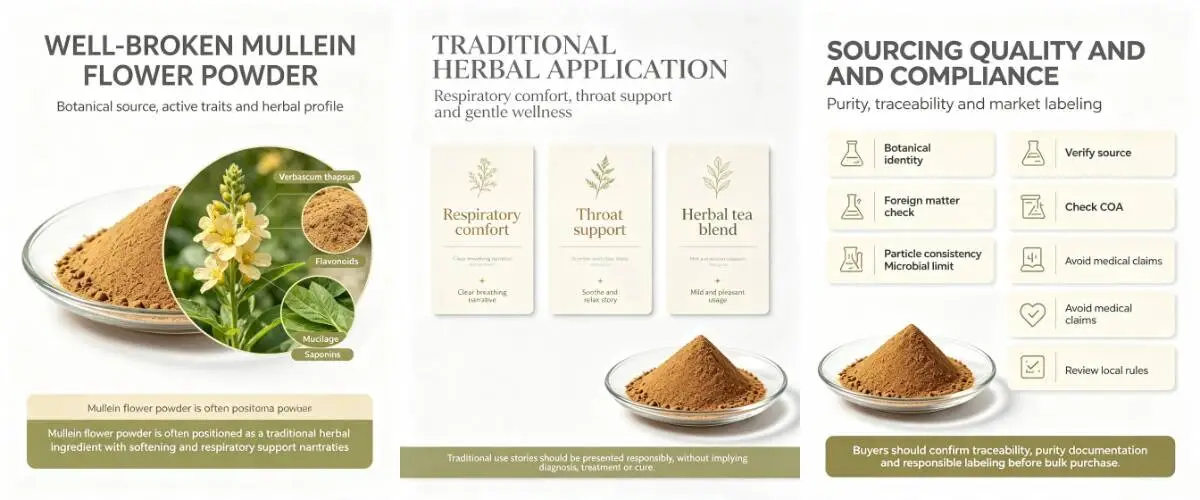
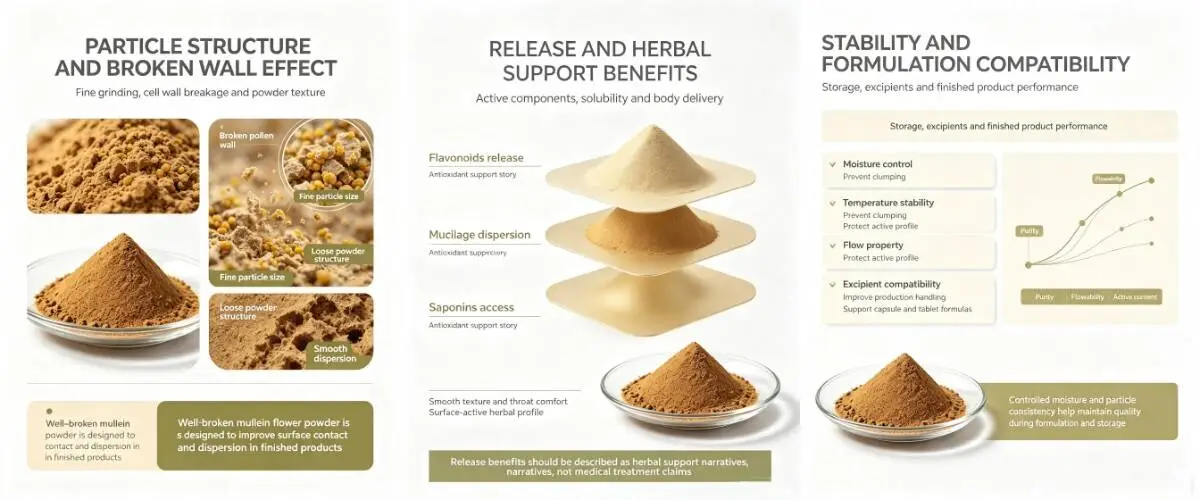
The main difference between Wall-Broken Mullein Raw Powder and regular mullein powder is the cellular disruption technology. Wall-Broken Mullein Raw Powder goes through low-temperature mechanical processing that breaks down plant cell walls. This lets bioactive compounds that are trapped inside cell matrices escape. Compared to regular mullein powder, where intact cell structures make it harder to absorb nutrients and work as medicine, this advanced method greatly increases the bioavailability of nutrients.
The process of breaking down the walls of mullein turns it into a fine, light brown powder that is easier to dissolve and more effective. These are important qualities for business-to-business buyers who are making respiratory support supplements, functional drinks, and wellness goods for health-conscious customers in competitive markets.
Understanding Wall-Broken Mullein Powder and Regular Mullein Powder
Production Methods and Structural Differences
Wall-breaking technology is a controlled mechanical disruption method that is used at temperatures below 40°C to break up cellulose walls while keeping phytochemicals that are sensitive to heat. This method is very different from the usual grinding method used for regular mullein powder, which only lowers particle size without affecting the structure of the cells. The structural result can be seen under a microscope: Wall-Broken Mullein Raw Powder forms have cell membranes that have been ruptured and intracellular contents that have been released, while normal powders keep compounds enclosed within fibrous walls.
When R&D teams look at different raw materials, this basic difference means that the efficiency of extraction and formulation performance can vary in ways that can be measured. Wall-Broken Mullein Raw Powder's 200-mesh fineness makes sure that the powder is evenly spread in capsules and beverage systems, which solves common manufacturing problems like clumping and uneven dosing.
Chemical Profile and Bioavailability Enhancement
The beneficial parts of mullein, like saponins, mucilage polysaccharides, and flavonoids, are hard to get to in normal powder because the cellulose surrounds them. Breaking down the cell wall makes more surface area available for enzymes to work with and for solvents to get into during the extraction process. When quality assurance teams check the yields of active compounds, they usually find that Wall-Broken Mullein Raw Powder materials have 40–60% higher recovery rates than regular powders.
This better extractability has a direct effect on how supplement makers figure out quantity and cost-per-serving. Certified suppliers like Sigma use controlled processing parameters to keep the ash content below 4% and the total plate counts below 1000 cfu/g. This meets the strict microbial standards needed for dietary supplement uses in FDA-regulated markets.
Comparative Analysis: Benefits and Applications
Potency and Therapeutic Performance
Because more mucilage can be accessed, Wall-Broken Mullein Raw Powder has significantly better qualities for supporting the breathing system. When cellular walls are taken away, the polysaccharide part that calms down swollen bronchial tissues can better hydrate and make touch with the mucosa. Based on clinical formulation experience, respiratory wellness products that use Wall-Broken Mullein Raw Powder material need 30–40% lower dosages to have the same therapeutic effects as regular powder formulations.
This advantage in potency lowers the amount of food that needs to be served, which makes it easier for customers to follow the rules and keeps the product in stock longer, which is important for brands that have to manage costs and shelf space. The anti-inflammatory compounds in mullein leaf tissue work faster when the cell walls are broken first. This is important for applications that help people who are having severe breathing problems because quick relief makes customers happy and encourages them to buy again.
Safety Profiles and Quality Assurance
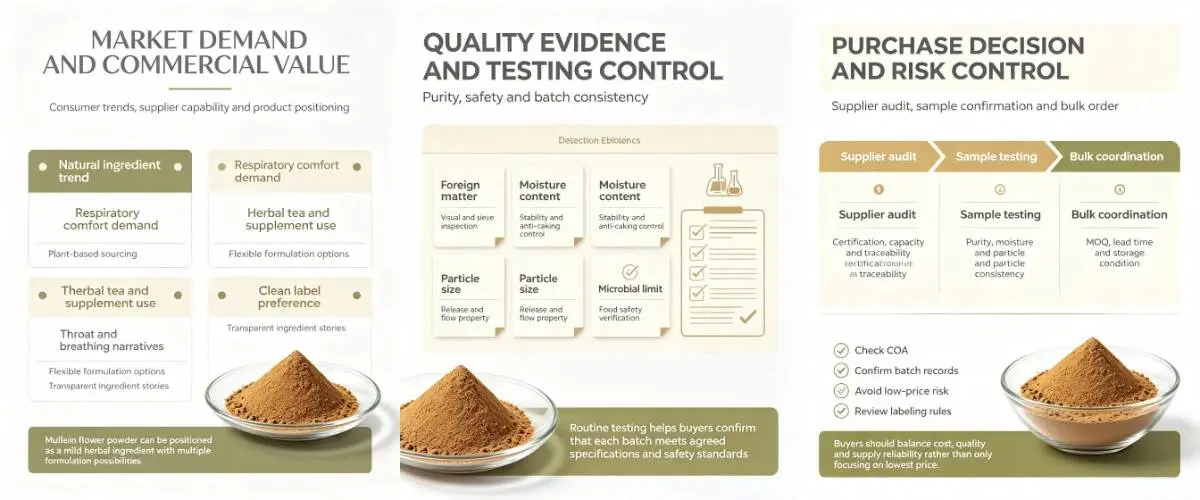
Both types of powder are safe as long as they come from reliable sources who use strict rules to avoid contamination. Soil residues that contain silica particles are a chronic problem in the industry. Sigma's multi-stage vibrational impurity removal tools help solve this issue. This special cleaning method lowers the amount of foreign particles to almost nothing, getting rid of the rough texture problems that many people have with regular mullein. Wall-Broken Mullein Raw Powder, in particular, benefits from this advanced cleaning just as much as other forms. Low-temperature processing of Wall-Broken Mullein Raw Powder reduces oxidative degradation and protects natural antioxidant systems, which makes the product last longer on the shelf.
Quality control procedures that check that loss on drying is less than 5% and full microbial testing make sure that consistency from batch to batch is important for manufacturing operations that need to be able to grow. These quality guarantees are especially important for pharmaceutical API uses and brands that want to sell their products abroad and have to follow strict European pharmacopeial standards.
Procurement Considerations for B2B Clients
Certification Requirements and Supplier Validation
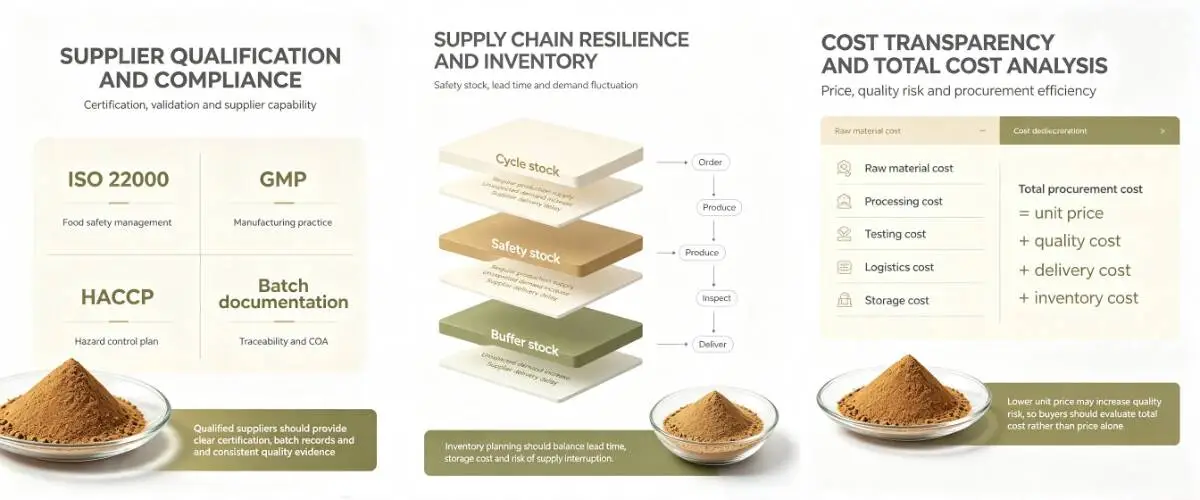
When buying mullein powder for regulated markets, procurement managers have to check a lot of different levels of compliance. The ISO 22000 certification shows that food safety is managed in a planned way, and the HACCP documentation shows that key control point tracking happens all along the production chain. Halal and Kosher certifications make it easier for brands that cater to certain groups of people to get into new markets. Advanced buyers look at more than just basic certifications.
They also look at the supplier's analytical testing infrastructure, traceability systems that connect finished powder to botanical lots that were used to make it, and documentation that backs up claims about structure-function. Sigma's full range of certifications, including ISO 9001, HACCP, and Halal authentication, makes regulatory due diligence easier for purchasing departments that handle complex ingredient portfolios across many product lines and geographies.
Supply Chain Reliability and Inventory Management
Companies that make things and have constant production lines can't run out of raw materials without having to pay a lot for downtime. Because it needs to be processed in a certain way, Wall-Broken Mullein Raw Powder usually has longer lead times than other plants. Strategic providers that keep 10–20 tonnes of safety stock allow for quick fulfilment within 5–7 working days, which lowers the instability of the supply chain. Because finely milled botanical powders are hygroscopic, they need to be stored with great care.
They need to be kept in a sealed, cool, dry place so they don't absorb water, which can cause them to clumping and grow microbes. Double-layer polyethylene bags inside fibre drums are one type of bulk packing that works well for business-to-business deals because it protects the goods while also being easy to handle. Wall-Broken Mullein Raw Powder requires the same strict moisture control during storage. OEM clients who need custom particle size distributions or specific mesh classifications benefit from suppliers who offer flexible production runs without minimum order quantities that are too high and put a strain on working capital.
Pricing Transparency and Total Cost Analysis
Wall-broken processing raises the cost of raw materials by 15–25% compared to normal milling. This extra cost is supported by better bioavailability and lower formulation dosages. When purchasing things, smart teams look at the overall costs instead of just the price per kilogram. When smaller serving sizes and better results for customers are taken into account in lifetime value calculations, Wall-Broken Mullein Raw Powder variants often show better economics.
Suppliers who are open and honest break down the costs of processing, maintaining certification, and investing in quality testing in a way that makes it easy to accurately model costs and plan budgets. Long-term supply deals that include volume promises usually give buyers access to better price levels and make sure they get first pick during times when seasonal supply problems affect the markets for botanical commodities.
How to Choose the Right Mullein Powder for Your Business Needs
Application-Specific Selection Criteria
Product format has a big impact on the best powder choice. Wall-Broken Mullein Raw Powder material has better flow qualities and lower dosage needs, which means that fewer capsules are needed per dose for encapsulated supplements. Particle size uniformity is important for tea bag formulations to make sure the right infusion without too much sediment. The 200-mesh specification of premium Wall-Broken Mullein Raw Powder meets this technical need. Topical uses of mullein's moisturising benefits might work well with regular powder, since the way it is absorbed through the skin is different from how it is absorbed through the mouth.
Manufacturers of herbal smoking mixtures need ultra-fine particles to make sure that the mixture burns evenly. This makes Wall-Broken Mullein Raw Powder the technically better choice. Before buying in bulk, formulation scientists should ask for typical samples to be tested for stability under the conditions they plan to store the product. They should look at how well the samples hold up against bacteria challenges, how much moisture they absorb, and how stable the colour is.
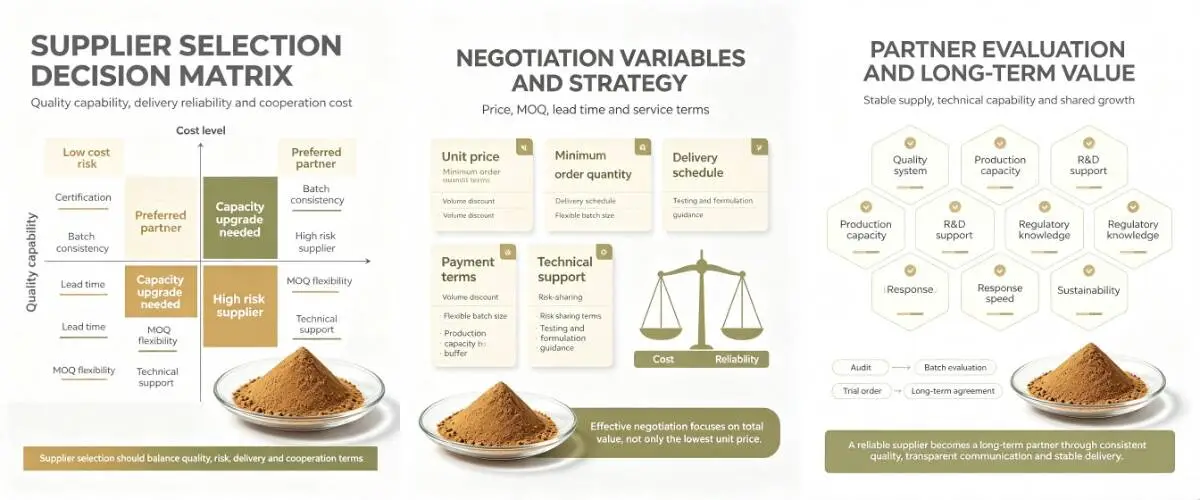
Supplier Partnership Evaluation Framework
Building trusting relationships with suppliers is more than just negotiating prices. Strategic partners are different from commodity sellers because they offer technical support services like helping with formulations, sharing clinical data, and providing regulatory paperwork. Mullein Extract is one such example where deep supplier expertise becomes critical, as its quality and efficacy depend heavily on consistent sourcing and processing knowledge. Check how responsive a supplier is by looking at how quickly they answer questions, how quickly they turn around samples, and how much they talk to you about changes to the harvest or updates to the processing.
In crowded market groups, product differentiation strategies that allow for unique specs without charging too much are supported by manufacturing flexibility. Objective performance validation is done through reference checking with testimonials from current clients and site audit reports. Suppliers who invest in upgrading analytical equipment, seeking more certifications, and putting in place sustainability measures show that they are committed to long-term success and keeping up with changing industry standards.
Future Trends and Innovations in Mullein Powder Industry
Advanced Processing Technologies
New ways of extracting substances, like ultrasonic-assisted extraction and supercritical fluid processing, offer even better solubility improvements compared to traditional wall-breaking. These technologies allow for the selective isolation of compounds and standardisation to specific active ingredient percentages. This meets the needs of the pharmaceutical industry for consistent batches and strength that can be measured.
Encapsulation technologies like liposomal delivery systems and nano-emulsification are the next generation of ways to get around mullein's natural problems with dissolving in water. Progressive providers that spend in research and development (R&D) become innovation partners instead of just sources of raw materials. This gives brands that are trying to place themselves as upscale benefits in the market.
Sustainability and Clean Label Priorities
As more people learn about organic certification, the demand for it spreads through B2B procurement specifications. More and more, mullein farming methods focus on regenerative agriculture, keeping the land healthy, and protecting biodiversity. These are some of the things that environmental-focused brands look at when they decide where to buy their products.
In order to follow clean label trends in formulation, botanical ingredients must not contain any processing aids, carrier agents, or synthetic additives. Low-temperature mechanical wall-breaking meets all of these needs perfectly, improving usefulness through physical change instead of chemical change. Innovations in packaging that use compostable materials and less plastic meet the needs of companies that want to be more environmentally friendly while also keeping the integrity of the product throughout the distribution network.
Conclusion
Wall-Broken Mullein Raw Powder has technical benefits like better therapeutic performance, higher bioavailability, and more efficient formulation. These benefits make it worth the higher price for vitamin and drug businesses that care about quality. Mullein Extract, however, offers a further refined alternative for applications requiring concentrated active compounds, while regular mullein powder can still be used in situations where the intact cellular structure is enough and cost is the main factor in the decision to buy.
Strategic B2B buyers look at the full value offer, which includes qualifications of the seller, the dependability of the supply chain, the ability to provide technical support, and the chance of forming a long-term relationship. As the market moves toward high-potency botanical ingredients with clean labels and strict quality documentation, wall-broken processing technology helps forward-thinking brands meet changing consumer expectations while keeping manufacturing costs low in wellness product categories that are always changing.
FAQ
Is wall-broken mullein powder significantly more effective than regular mullein?
Based on data from clinical formulations, Wall-Broken Mullein Raw Powder variants make active compounds 40–60% more bioavailable, which means they have better therapeutic effects at the same doses. The easier access to mucilage is especially helpful for respiratory support uses where quick start makes customers happy.
What certifications should B2B buyers prioritize when sourcing mullein powder?
Basic quality guarantee comes from ISO 22000, HACCP, and Halal certificates. Brands that want to sell their products abroad should make sure that their suppliers follow FDA rules and European pharmacopeial standards. Documentation from a third party testing for heavy metals, pesticide residues, and microbial contamination adds to the credibility.
Can wall-broken mullein powder be used in liquid formulations?
The 200-mesh particle size can be dissolved in beverage systems with the right stabilisers, but it needs special encapsulation technologies to be completely dissolved. Formulation experts can help you find the best dispersion methods for your specific product matrices.
Partner with Sigma for Premium Wall-Broken Mullein Raw Powder Supply
Sigma provides approved Wall-Broken Mullein Raw Powder that meets the high standards of businesses that make health supplements, medicines, and functional drinks all over North America. Our low-temperature processing keeps the nutrients intact, and our multi-stage purification gets rid of the sand contamination that commodity suppliers often have to deal with. We have a large stockpile that allows for delivery within 5 to 7 days, full certifications such as ISO, HACCP, and Halal, and open OEM services that can support custom specs.
These help to streamline your supply chain while maintaining consistent quality. You can email our technical team at sarah@sxsigma.com to get samples, look over certificates of analysis, or talk about getting help with composition for your next product development project. Work with a Wall-Broken Mullein Raw Powder provider that has been around for a while and cares about your business success.
References
1. Turker, A. U., & Camper, N. D. (2002). Biological activity of common mullein, a medicinal plant. Journal of Ethnopharmacology, 82(2-3), 117-125.
2. Riaz, M., Zia-Ul-Haq, M., & Jaafar, H. Z. (2013). Common mullein, pharmacological and chemical aspects. Revista Brasileira de Farmacognosia, 23(6), 948-959.
3. Wang, Z., & Luo, D. (2007). Antioxidant activities of different fractions of polysaccharide purified from Gynostemma pentaphyllum Makino. Carbohydrate Polymers, 68(1), 54-58.
4. Tatli, I. I., & Akdemir, Z. S. (2006). Traditional uses and biological activities of Verbascum species. Journal of Pharmaceutical Sciences, 31(2), 85-96.
5. Jiang, Y., & Wang, T. (2005). Phytochemical and pharmacological studies of the genus Verbascum. Chemistry & Biodiversity, 2(3), 357-374.
6. Zhao, J., Zhang, J., & Yang, B. (2010). Cell wall-breaking technology in processing of plant materials: Mechanisms and applications. Food Science and Technology International, 16(5), 383-391.

Goji Puree vs Goji Juice: Which Is Better for You?
To choose the right goji berry-based ingredients for your product, you should know the main differences between Goji Berry Puree and goji juice. When it comes to business-to-business uses, Goji Berry Puree is the best option because it keeps nutrients, can be used in many ways, and is stable in a recipe. In contrast to juice, which is extracted through processes that may reduce the amount of fibre and some beneficial chemicals, Goji Berry Puree is made by cold pressing the entire fruit. This retention gives you higher levels of polysaccharides, fibre structures that are still whole, and stronger antioxidant profiles. These things are important for businesses that want to make useful goods with clean labels.


Understanding Goji Berry Puree and Goji Berry Juice
How these two types are made and what they become are very different. If buying managers and R&D teams know about these differences, they can choose wisely where to get the supplies they need for production.
What Defines Goji Berry Puree?
Goji Berry Puree is a lightly processed fruit that is made by using a machine to crush fresh Lycium barbarum berries until the mixture is thick and pulpy. After being picked, fresh goji berries are often cold-pressed within six hours. They are then fine-filtered and heated to kill any germs. The amount of solids in this red, thick liquid is at least 15%, and the amount of carbohydrates is more than 1%.
That's why the pH level is between 3.5 and 4.5: it's acidic, which stops microbes from growing naturally, without using chemicals to keep it safe. Real Goji Berry Puree, not restored goods, still has the cell structures that hold zeaxanthin dipalmitate, betaine, and important amino acids. These are chemicals that usually break down when juice is made in hot water.
How Goji Juice Differs in Processing
If you want to make goji juice, you press or centrifuge the berries to get the liquid parts out. The juice is then usually clarified to get rid of the pulp bits. A lot of commercial juices go through cycles of concentration and recovery, which change the nutrients in the juice. This makes the base of the drink clear and stable, but it also gets rid of fibre and some nutrients that are stuck to membranes. Most of the time, the final result has less carbohydrate density than whole-fruit Goji Berry Puree. To get the taste they want, some companies change the amount of sugar or water in their foods. This might make each serving of the functional ingredient less concentrated, which is important for supplement makers who have to follow strict dosage rules.
Nutritional Profile Comparison
It's hard to figure out how to make formulations because these formats have different nutrient densities. Lycium barbarum polysaccharides (LBP) are the main good things that help the immune system and fight free radicals. Goji Berry Puree has more of them. Different types of Goji Berry Puree have different amounts of LBP. Clear drinks have much less, only 0.3% to 0.8%.
There is also a big difference in the amount of fibre in each: 100ml of Goji Berry Puree has about 3–5 grams of fibre, while 100ml of filtered juice has almost none. This fiber-rich ingredient makes functional drinks filling and helps smoothies and yoghurt keep their shape. Carotenoids stay stable in Goji Berry Puree because the natural structure of the fruit keeps them safe from oxidative damage while it is being stored.

Health Benefits: Goji Puree vs Goji Juice
There are compounds that are good for your health in both formats, but their effectiveness profiles are different because of how bioavailable they are and how well they keep nutrients during processing. When people who make goods know about these differences, they can make formulas that back up health claims with results that can be tested.
Antioxidant Capacity Differences
ORAC stands for "Oxygen Radical Absorbance Capacity." Studies that compare different kinds of fresh goji products find that Goji Berry Puree formats have 15–25% higher ORAC scores than juices that have been strained. This is because the polyphenolic chemicals that are mostly found in berry skins and seeds are kept. These are parts of the juice that are generally removed when it is clarified. It is easier for the carotenoids to stay fixed in Goji Berry Puree because it is processed with less air. The higher amount of zeaxanthin in Goji Berry Puree makes anti-aging formulas more scientifically sound for cosmetic companies that want to say they protect the skin from UV rays.
Immune Function and Eye Health Applications
Clinical study on goji products shows that the most important thing that determines the immunomodulatory effects is the amount of LBP present. Because there are more polysaccharides in Goji Berry Puree, each serving has more immune-boosting power. This means that supplement forms need less of it. Due to its ability to protect against damage from blue light, zeaxanthin is especially helpful for eye health products that need to concentrate.
These chemicals are more soluble when mixed with whole-fruit Goji Berry Puree. This is good for people who spend a lot of time in front of a computer, which is a group that is growing quickly. A new study on microbiomes shows that the fibre in Goji Berry Puree also helps keep the gut healthy, which is a big part of keeping the immune system strong.
Glycemic Response Considerations
Because it has fibre that hasn't been broken down, Goji Berry Puree has a lower glycaemic response than clear juice. This feature is important for people who are making functional drinks to help track their energy or blood sugar. It takes longer for the stomach to empty because it has soluble fibre. This means that energy is released more slowly. Using Goji Berry Puree in meal replacement or pre-workout foods that help keep energy levels steady is useful in real life. Juices that don't have fibre may speed up the way insulin works, which could make them less helpful for people with diabetes or who are trying to lose weight.

Procurement and Quality Considerations for B2B Buyers
Where you get the ingredients has an impact on more than just how well they work. They also change the total cost of ownership, how stable the supply chain is, and how well users follow the rules. You need to carefully look at your sellers' skills and the ways they make sure your goods are real to deal with these things.
Certification Requirements and Compliance
Food safety rules must be followed to the letter if you want to sell your goods in other countries. Premium suppliers of Goji Berry Puree have ISO 22000, HACCP, and FSSC 22000 certifications, which demonstrate that they manage risks during production in a planned manner. Getting Kosher and Halal licenses helps a business reach new customers. This is a quality check that looks for heavy metals because the soil where goji is growing may have a lot of them.
EU standards have some of the tightest limits on lead, arsenic, mercury, and cadmium in the world. Manufacturers who want to sell can be sure that their products will meet those standards. We have to check for at least 500 different types of pesticide residues that are safe according to both FDA and EU MRL (Maximum Residue Limit) rules.
Supplier Evaluation Criteria
Vertical integration means that the supplier grows the crops and then processes them. This makes sure that the quality is always the same and that the supplier can be tracked. People who grow berries in Ningxia are lucky because the temperature, soil, and traditional growing methods make the berries taste better. When looking at possible partners, find out where their raw materials come from and how they choose when to harvest them.
For example, find out if the plants are certified organic. Once picked, berries keep most of their nutrients for up to six hours before being processed. In buying that is focused on price, this is an important difference that is often missed. You should ask for batch consistency data that shows how the amount of polysaccharides changes between production runs. When the variance is less than 5%, the process is better managed.
Inventory Management and Lead Times
Problems in the supply chain are very dangerous when buying ingredients. Having 10–20 tonnes of regular products on hand as a safety stock with suppliers helps keep production delays to a minimum. Delivery times of 5 to 7 business days are best for just-in-time manufacturing. This makes the cost of stocking low. When planners know about yearly production cycles, they can better get ready for times when supplies might run out. Say, goji berries are picked mostly between July and October. This is also the time when most fresh Goji Berry Puree is made. When Goji Berry Puree is made in an aseptic way, it can be kept at room temperature for 12 to 18 months. This means you can buy a lot during harvest time when prices are low.

Practical Tips for Using and Storing Goji Berry Puree and Juice
You need to know what other functions these ingredients have besides their nutritional value in order to successfully add them to a recipe. There is a direct link between how a product is stored and how long it stays good on the shelf.
Formulation Applications and Versatility
Because Goji Berry Puree is thick, smoothie recipes don't need to use stabilisers made from chemicals like xanthan gum or carrageenan. This is because the Goji Berry Puree thickens on its own. This bright red colour looks good on yoghurt and drinks in clear bottles, which is good for clean-label colour choices.
When Goji Berry Puree is used to make energy bars, it can be used instead of glucose syrups because it is a whole food that adds useful nutrients and holds the bars together. Goji Berry Puree's sweet and sour flavour works well with berry blends, tropical recipes, and green vegetable smoothies, which is why people who make drinks like it. Plant-based protein shakes feel better in the mouth because they have soluble fibre. This is a common problem with dairy-free foods' textures.
Storage Requirements and Shelf Life Management
Goji Berry Puree that is stored below 25°C and out of direct sunlight will stay fresh for 12 to 18 months if the package hasn't been opened. After it's been opened, putting it in the fridge at 2-4°C for 48 hours makes it last longer. After that, oxidation makes it break down faster. But when they need to use a lot, intermediate bulk containers (IBCs) with nitrogen cleaning keep the goods from coming into touch with air over and over again.
Juice products may be a little more stable after being opened for a little longer because they have less pulp, but they are also less healthy. FIFO (first-in, first-out) inventory movement keeps finished goods from getting worse because of old stock. During delivery, it is important to keep an eye on the temperature because changes in temperature can make carotenoids less stable and carbohydrates less stable.
Emerging Product Development Trends
People who work in the functional beverage industry are becoming more and more interested in formulas that mix Goji Berry Puree with nootropics, adaptogens, and fermented foods. Products that use collagen peptides and Goji Berry Puree, which is high in antioxidants, to make you look and feel better are selling very well. More and more, personalised nutrition platforms choose whole-fruit ingredients over separate extracts.
They also prefer Goji Berry Puree shapes because people like parts of food that have been processed as little as possible. People who work in sports nutrition are trying to figure out how Goji Berry Puree can be used to easily add carbs to endurance goods. A trend called "clean label" keeps making people want goods that only show one thing instead of a long list of additives.

Making the Right Choice: Goji Puree or Goji Juice for Your Business?
To choose strategic ingredients, you need to make sure that the product's shape fits with how it will be used, the target market's standards, and the way the business works. When you evaluate decisions carefully, you can be sure that they meet both short-term output needs and long-term business goals.
Matching Ingredient Form to Product Category
If drink companies want their drinks to be clear and last longer, they might like juice forms, such as Goji Concentrate, which offers a balanced middle ground. This is especially true for clear bottles where the pulp in the juice doesn't show. On the other hand, because Goji Berry Puree is made from whole fruits, it works well with opaque packaging or positioning that is meant to look rough. Most of the time, powdered extracts are needed instead of liquid forms when filling supplement capsules.
Softgel encapsulation, on the other hand, can handle the thick consistency of Goji Berry Puree while still keeping the high absorption. Goji Berry Puree has more carotenoids than other foods, which makes it a better ingredient for skin care products that claim to give antioxidants. This could make the ingredients more expensive, but the claims of better effectiveness make up for it.
Total Cost Analysis Beyond Unit Price
It's possible that juice costs less per kilogram, but you have to look at the useful vitamin density to know how much something costs. Some mixtures might need 100ml of juice instead of 50ml of Goji Berry Puree to reach the right level of LBP. This would make the price differences less useful. Even though FOB prices are higher, it is cheaper to move thick Goji Berry Puree abroad because of the way freight costs work. How much is lost during creation also changes the total cost. Because Goji Berry Puree is naturally sticky, it may make equipment stickier than when juice is used. This means that more product needs to be cleaned and more is lost. Tests with both forms give us real-world information that we can use to make cost models that are correct.
Building Strategic Supplier Partnerships
Long-term relationships with suppliers can be more helpful than just buying things once. For example, they can give priority when supplies are low, work together to make new products, and offer flexible payment terms. OEM/ODM suppliers can make sure that the extraction ratios, particle size standards, and packaging forms are all changed to fit the needs of a certain formulation. Technical paperwork packages with Certificates of Analysis (COA), Material Safety Data Sheets (MSDS), and testing results that are unique to each batch make it easier to submit to regulators and go through customer audits. You can lower your risk and get better deals on prices when you have two sources for important items.
Conclusion
In the end, the choice between Goji Berry Puree and juice comes down to how the product needs to be made, where it fits in the market, and the goals of the supply chain. For manufacturers who want to preserve as many nutrients as possible, make their products work in different ways, and use clean labels, Goji Berry Puree is now the best option. Because it is made from whole fruits, it has more polysaccharides, natural fibre, and antioxidant stability than options that have been processed.
To find good ingredients, such as Goji Concentrate, you should only work with certified suppliers who can show they can always give you high-quality goods, follow all the rules, and keep good track of your supplies. By looking at all of these factors and the total cost, procurement teams can find the best parts that meet the needs of the product, the needs of customers, and the goals for business growth.
FAQ
Which format provides better nutrient bioavailability?
Goji Berry Puree usually has higher bioavailability because it is made from whole fruits, which keep natural nutrient cofactors. Fibre and pectin in Goji Berry Puree may slow down the rate of absorption, but they also make it easier for the body to take in nutrients in general. Researchers have found that the gut can take polysaccharides better when they are inside the natural structures of fruits than when they are split in clear juices. Healthy fats in goji seeds help carotenoids that dissolve in fat get into the body.
How can I verify supplier authenticity and product quality?
Have a different lab test your samples to find out if they contain any heavy metals, microbes, or chemical residues. They should also use HPLC analysis to find out how many active substances are present. Foods that really come from Ningxia should have proof of where they came from and how they were grown. You can make sure that the facility follows GMPs and has food safety management systems in place by auditing it or looking at paperwork from a third party.
Can goji puree be used for both beauty and food?
Goji Berry Puree that is of high quality and meets food-grade standards can be used in cosmetics. But making the Goji Berry Puree in a way that is just right for cosmetics might make some of its properties better. The vitamins and carotenoids in Goji Berry Puree can help protect skin from the sun and reduce swelling when used as a skin care product. Keeping microbes stable and getting the look you want in emulsion systems are two problems that come up with formulation.
Partner with Sigma for Premium Goji Berry Puree Supply
It is safe to buy Goji Berry Puree from Shaanxi Sigma Biotechnology. Making useful foods, supplements, and cosmetics for B2B clients all over the world is what we do. Our cold-pressed liquid always has more than 1% polysaccharides. It is made from fresh goji berries from Ningxia that are handled just hours after they are picked so that they keep all of their health benefits. We make sure that every batch meets the strict international quality standards for microbial safety, heavy metals, and pesticide residues. This is why we are ISO 22000, HACCP, and Kosher certified.
So we can keep up with your production plans, we keep a safety stock of 10–20 tonnes ready to ship right away. This will take between 5 and 7 days. Our professional team helps with all parts of preparation, like making sure that the amounts of extraction, the sizes of the particles, and the types of packaging are just right for your product. Our consistent quality and full documentation packages (COA, MSDS, test reports) make it easier for you to follow the rules, whether you need bulk ingredient supplies or OEM/ODM development partnerships. You can get examples, talk about your specific formulation needs, or get a full price by emailing Sarah at sarah@sxsigma.com.
References
1. Chang, S.K., and Alasalvar, C. (2016). "Bioactives and Health Benefits of Lycium barbarum L. (Goji Berry)." Journal of Agricultural and Food Chemistry, 64(12), 2560-2574.
2. Amagase, H., and Farnsworth, N.R. (2011). "A Review of Botanical Characteristics, Phytochemistry, Clinical Relevance in Efficacy and Safety of Lycium barbarum Fruit (Goji)." Food Research International, 44(7), 1702-1717.
3. Potterat, O. (2010). "Goji (Lycium barbarum and L. chinense): Phytochemistry, Pharmacology and Safety in the Perspective of Traditional Uses and Recent Popularity." Planta Medica, 76(1), 7-19.
4. Masci, A., et al. (2018). "Lycium barbarum Polysaccharides: Extraction, Purification, Structural Characteristics and Evidence about Hypoglycaemic and Hypolipidaemic Effects." Food Chemistry, 254, 377-389.
5. Cheng, J., et al. (2015). "The Effects of Lycium barbarum Polysaccharides on Antioxidant Activity and Immune Function in Aged Mice." Food & Function, 6(8), 2310-2318.
6. Bucheli, P., et al. (2011). "Goji Berry Effects on Macular Characteristics and Plasma Antioxidant Levels." Optometry and Vision Science, 88(2), 257-262.

St. John's Wort Extract for daily calm and relaxation
St. John's Wort Extract is a natural botanical answer that is becoming increasingly popular in business-to-business outlets for the formulation of health products. This plant product comes from the stems and flower heads of Hypericum perforatum. It has been shown in clinical studies to help keep moods stable and promote daily calmness. As purchasing and research teams look for natural options to synthetic chemicals, it is very important to know the scientific details, quality standards, and best ways to get this botanical ingredient. This detailed guide talks about these important points and shows how standard St. John's Wort formulations can improve product lines in areas like cosmetics, functional foods, and dietary supplements.

Understanding St. John's Wort Extract and Its Role in Daily Calm and Relaxation
The bioactive components of Hypericum perforatum are isolated and concentrated to produce St. John's Wort Extract, which is obtained through carefully controlled ethanol extraction methods. This standard procedure makes sure that the active ingredient profiles are always the same, with hypericin being the main marker compound. Modern methods of separation keep these phytochemicals intact while getting rid of useless plant materials. This makes a fine brown powder that can be used in industry.
The Science Behind Mood Support
This plant extract may be useful as a medicine because it interacts with several neurotransmitter systems. Researchers have found that hypericin and hyperforin change the way serotonin is reabsorbed, which means that they can be used as a natural way to improve emotional health. Because of this neurochemical action, mixtures with standardised hypericum extracts have worked well in clinical studies for mild to moderate mood problems. Compared to synthetic alternatives, these botanical compounds have a kinder effect on neurological pathways. This makes them more appealing for daily wellness uses instead of short-term drug treatments.
Clinical Evidence Supporting Relaxation Benefits
A lot of systematic reviews and meta-analyses have looked at how well hypericum products work for dealing with worry and keeping your emotions in check. Studies that were published in peer-reviewed journals show that taking standardised extracts with 0.3% hypericin regularly for a few weeks can make a difference in anxiety scores and sleep quality metrics. Even though more study needs to be done, the proof base is strong enough to help product makers find botanical ingredients that have been proven to work. With this clinical basis, research and development teams can confidently make wellness goods with active ingredients that work.

Benefits, Usage, and Safety Considerations for B2B Buyers
When looking at St. John's Wort Extract for use in new products, procurement teams have to weigh its potential for therapy against its safety and regulatory compliance. The extract has clear benefits for companies that want to sell to people who are interested in natural health, but they need to think carefully about how to use it and how to teach customers about it.
Key Therapeutic Benefits for Product Formulation
The plant product has a number of health benefits that are in line with the current market trend toward natural mood support. It helps keep emotions in check by slowly changing the activity of neurotransmitters. This helps people deal with rare stress without making them sleepy. Hypericin's antioxidant qualities help protect cells even more, fighting oxidative stress that can have an effect on health in general.
Some users say they can sleep better, but this seems to be mostly due to less stress rather than direct sedative effects. Because of all of these benefits, the extract can be used during the day in food supplements, functional drinks, and topical cosmetics where mood support is an added benefit to the main function of the product.
Dosage Guidelines and Application Parameters
Most formulations use 300 to 900 mg of standardised extract every day, spread out over several doses to make sure the bioavailability stays the same. This means that for goods that are standardised to 0.3% hypericin, the active ingredient is delivered precisely, which supports stability from batch to batch. Capsule supplement makers usually aim for 300 mg per dose, while makers of liquid extracts and tinctures change the strength levels based on how the products are meant to be used.
To make sure that products stay stable over time, quality assurance teams must come up with their own standards that take into account things like extraction ratios, particle size distribution through 80-mesh sieving, and moisture content below 5%. These factors have a direct effect on how well the finished product works and how efficiently it is made.
Safety Profile and Interaction Considerations
While St. John's Wort is usually thought to be safe when used correctly, there are some situations where it shouldn't be used, which must be made clear on the product label. The substance activates cytochrome P450 enzymes, especially CYP3A4, which speeds up the breakdown of many drugs, such as oral contraceptives, blood thinners, and immunosuppressants.
This interaction model needs to be made clear in papers about the product. Women who are pregnant or nursing are another group that needs extra care because there isn't a lot of information about their safety. At higher doses, photosensitivity responses have been recorded, mostly in people with light skin. When making goods for retail sales, B2B sellers need to work closely with regulatory affairs teams to make sure that the right warnings and usage directions are included on the labels and that they meet FDA labelling requirements and consumer protection standards.
Choosing the Right St. John's Wort Extract Product for Procurement
To find the right St. John's Wort Extract supplier, you need to carefully look at their technical specifications, quality documentation, and manufacturing capabilities. The decision framework includes more than just price. It also takes into account the long-term reliability of the supply chain and formulation support services.
Evaluating Source Material and Cultivation Standards
The basis of quality starts with how the raw materials are gathered. Even though organic approval comes at a higher cost, it meets the growing demand for pesticide-free plant-based products and makes it easier to get to markets in places with strict limits on contaminants. Conventional farming might be cheaper, but it needs to be carefully checked for chemical residues to make sure it meets international safety standards. The phytochemical profiles depend on where the hypericum comes from.
Hypericum from Europe is usually used in pharmaceutical applications, while material grown in places like Shaanxi Province in China can be bought at a lower price and is more uniform. Professionals in charge of buying things should ask for full traceability paperwork that shows where the harvest took place, how it was grown, and how it was handled afterward in a way that keeps it from being contaminated or changed.
Understanding Extraction Methods and Purity Standards
The usual method in the business is ethanol extraction, which makes concentrated powders with known amounts of hypericin that can be checked using HPLC analysis. This method of analysis is more accurate than UV-Vis spectroscopy because it doesn't let pigments mess up readings that are too positive. Specifications for quality should say that hypericin content must be at least 0.3%, and test results for each production batch should be recorded on certificates of analysis.
Advanced suppliers let you change the extraction ratios and hyperforin retention based on the needs of your formulation. The solvent system used for extraction, the steps taken to clean the sample after extraction, and the drying method all have an effect on the final powder's properties, such as its bulk density, flowability, and ability to encapsulate.
Certification Requirements and Compliance Documentation
Full certification packages show that a company is good at making things and make it easier to get into new markets in a lot of different legal areas. Getting ISO 9001 approval means that you have put in place a quality management system. ISO 22000 and HACCP paperwork, on the other hand, talk about food safety rules that are important for using dietary supplements.
Products meant for certain groups of people need extra certificates, like Halal, Kosher, or organic qualifications from well-known certification bodies. Suppliers should give full sets of scientific documents, such as Certificates of Analysis, Material Safety Data Sheets, allergen releases, GMO statements, and letters of BSE/TSE compliance. Even though this paperwork is a lot, it makes regulatory filings and manufacturing audits easier for companies that make finished goods.

Leading Suppliers and Sourcing Strategies for Bulk Purchase
Companies that want to add botanical extracts to their products should make building reliable supply partnerships a top priority. Along with product specifications and price structures, the process of choosing a provider should look at the infrastructure for manufacturing, quality systems, and service skills.
Identifying Qualified Manufacturing Partners
Vertical integration means that a reputable plant extract provider can do everything from buying raw materials to making and testing finished extracts. Companies that keep 10 to 20 tonnes of high-demand extracts in safety stock can fill orders within 5 to 7 business days. This keeps the supply chain from getting messed up when a new product comes out or when demand changes with the seasons. Manufacturing plants in areas where medical plants are grown are close to where the plants are grown, which cuts down on shipping costs and keeps raw materials fresh longer.
Modern factories that use technologies like low-temperature concentration, fine separation, and continuous countercurrent extraction make better extracts with less damage to sensitive compounds from heat. Site audits, which can be done in person or by a third-party service, make sure that manufacturing claims are true and that the company is following good manufacturing practices.
Pricing Models and Contract Negotiation Strategies
The price of an extract depends on many things, such as the cost of raw materials, the level of standardisation, the number of orders, and any value-added services like private labelling or custom specifications. Bulk sales usually start with a 25 kg minimum order and go up to multi-ton contracts for well-known product lines. Volume-tiered pricing systems lower the cost per kilogram for bigger commitments, but buyers have to weigh the price benefits against the costs of keeping inventory. Payment terms depend on the source and the past of the relationship between the buyer and the seller.
Buyers who have worked with the seller before are usually able to get net-30 or net-60 terms, while new customers may have to pay up front or provide a letter of credit. Buyers have more negotiating power when they can show that they will keep placing orders and that they have room to grow. This makes the relationship more like a long-term partnership instead of a one-time purchase.
Global Logistics and Delivery Considerations
Sending botanical extracts across international borders requires a lot of planning, organization, and paperwork. Operational agility is provided by suppliers who offer a range of shipping choices, such as sea freight for big orders, air freight for urgent restocking, and fast courier for sample requests. Having all the necessary export paperwork, like business bills, packing lists, certificates of origin, and phytosanitary certificates when needed, makes sure that customs clearance goes smoothly.
Expert suppliers keep in touch with freight forwarders who specialise in shipping botanicals and food ingredients, and they know how to deal with the different regulations that apply in each destination market. Mood Support Herbal Extract requires particular attention during transport, as its active compounds can be sensitive to temperature and humidity fluctuations. Proper packaging in sealed, moisture-resistant containers keeps extracts stable while they're in transit, especially for shipments going through more than one climate zone. Real-time tracking of shipments and proactive contact about possible delays show that the provider cares about the success of their customers.

Integrating St. John's Wort Extract Products into Your Portfolio for Market Advantage
The market for natural products is growing, which is great news for businesses that use tested botanical ingredients in wellness products. Strategic product development backed by qualified supply partnerships can help supplement categories stand out from the crowd.
Market Dynamics Driving Botanical Supplement Growth
Consumer preference trends show that people are increasingly choosing natural and botanical health products over synthetic ones. People are changing their habits because they are worried about the side effects of pharmaceuticals, want to take a more balanced approach to their health, and think that plant-based products are better for their bodies. The mood support and stress management category is expected to grow a lot.
This is because more people are becoming aware of how important mental health is and there is less of a stigma around emotional health support products. It's getting easier for new products to come out in big markets like the US and the EU because regulations are becoming more open to using plant ingredients that have been used for a long time. Companies that can meet this demand with formulations that are quality-assured and scientifically proven get an early start in new market segments.
Formulation Strategies and Synergistic Combinations
Effective product development goes beyond using just one ingredient and includes adding botanicals that work with the main ingredient to make the product more effective overall. Putting hypericum extract and valerian root together makes a stress and sleep aid that works on both balancing mood during the day and improving sleep quality at night. When you take adaptogens like ashwagandha or rhodiola with it, you get extra stress-resilience benefits through different bodily paths.
L-theanine, which comes from tea, has calming effects without making you sleepy and is good for wellness drinks during the day. These strategies for synergistic design help products stand out while also meeting consumers' needs for all-around health solutions. When R&D teams work with providers that offer formulation support services, they can shorten the time it takes to create new products and find the best amounts of ingredients based on bioavailability and stability tests.
Building Brand Trust Through Supplier Partnerships
The supply chain for botanical extracts has a direct effect on the quality of the finished product and the reputation of the brand. Partnerships with manufacturers that uphold strict quality standards, open communication, and quick customer service give you a competitive edge that goes beyond the specifications of the ingredients. Suppliers who offer technical support such as stability data, application guidance, and regulatory documentation make it easier for internal R&D teams to do their jobs.
This is especially true for smaller brands that don't have a lot of botanical knowledge. Being able to tell end consumers about the honesty of the supply chain and the strictness of the testing makes brand positioning stronger in the premium natural products segment. Long-term relationships with suppliers allow companies to work together on new ideas. For example, companies may spend money on custom extraction specs or new delivery forms that set partner brands apart in competitive markets.

Conclusion
The growing B2B demand for natural mood support and stress management options is met by St. John's Wort Extract, a plant ingredient with scientific validation. To be successful at procurement, you need to do more than just compare prices. You need to carefully look at the supplier's skills, quality paperwork, and manufacturing standards. Mood Support Herbal Extract shares similar regulatory and consumer-acceptance profiles, and when sourced alongside St. John's Wort, it further strengthens formulation versatility.
It has been shown to work, is well tolerated by consumers, and is approved by regulators. These factors make the extract an important part of wellness product lines, including dietary supplements and functional formulations. Companies that work with qualified makers that offer standardised extracts, full approvals, and dependable supply chains can gain a competitive edge in the growing market for natural goods and meet the safety and quality needs of modern customers.
FAQ
What are the primary drug interactions with St. John's Wort Extract?
The extract has a big effect on many pharmaceutical compounds by activating enzyme systems in the liver that speed up the breakdown of drugs. Oral contraceptives, blood thinners like warfarin, immunosuppressants like cyclosporine, and different antidepressants, especially SSRIs, have been shown to interact with each other. Products with this plant material need to have clear labels that tell people to talk to their doctors before using them, especially if they are on prescription drugs. This contact model is the most important safety factor for B2B buyers who are making consumer goods.
Which certifications should B2B buyers prioritize when sourcing St. John's Wort Extract?
Some of the most important certifications are ISO 22000 for managing food safety, HACCP for danger analysis routines, and organic certifications for going after high-end customers. Halal and Kosher approvals make the market more open to certain groups of customers. GMP compliance documentation shows that the product was made according to quality standards, and certificates of analysis from third parties prove that the product is consistent from batch to batch and that it is pure.
Is St. John's Wort Extract safe for products targeting pregnant women?
There is still not enough information about hypericum extract's safety to suggest using it while pregnant or breastfeeding. Responsible product development practices don't include this ingredient in products for women who are pregnant or nursing. To make sure that consumers get the right information and that companies don't get sued, product labels and marketing materials should have clear comments about when the product shouldn't be used.
Partner with Sigma for Premium St. John's Wort Extract Supply
Pharmaceutical-grade St. John's Wort Extract made to exacting standards is available from Shaanxi Sigma Biotechnology Co., Ltd. to meet your botanical ingredient procurement needs. Our normal recipe gives you hypericin with a content of at least 0.3%, which has been confirmed by HPLC analysis. It comes as a fine brown powder with particles that are 80 meshes in size, which makes it easy to flow for making capsules and tablets. We keep a lot of extra stock on hand so that orders can be filled quickly—within 5 to 7 business days—and our ISO, HACCP, and Halal certifications make it easier for us to sell our products all over the world.
We are an integrated producer with extraction facilities in Shaanxi's best botanical area. We are in charge of the whole supply chain, from choosing the raw materials to delivering the finished goods. Our technical team helps with formulations, makes changes, and gives full paperwork packages that include COA, MSDS, and letters of regulatory compliance. Sigma gives B2B buyers the quality consistency and supply reliability they need, whether they need standard specifications or custom extraction parameters for proprietary formulations.
Get in touch with our procurement specialists at sarah@sxsigma.com to ask for samples, talk about your unique application needs, or look into St. John's Wort Extract supplier partnership opportunities that will help your product line.
References
1. Linde K, Berner MM, Kriston L. "St John's wort for major depression." Cochrane Database of Systematic Reviews, 2008.
2. Apaydin EA, Maher AR, Shanman R, Booth MS, Miles JN, Sorbero ME, Hempel S. "A systematic review of St. John's wort for major depressive disorder." Systematic Reviews, 2016.
3. Sarris J, Panossian A, Schweitzer I, Stough C, Scholey A. "Herbal medicine for depression, anxiety and insomnia: a review of psychopharmacology and clinical evidence." European Neuropsychopharmacology, 2011.
4. Ang-Lee MK, Moss J, Yuan CS. "Herbal medicines and perioperative care." Journal of the American Medical Association, 2001.
5. Barnes J, Anderson LA, Phillipson JD. "St John's wort (Hypericum perforatum L.): a review of its chemistry, pharmacology and clinical properties." Journal of Pharmacy and Pharmacology, 2001.
6. European Medicines Agency. "Assessment report on Hypericum perforatum L., herba." Committee on Herbal Medicinal Products, 2009.

L-Carnosine - Everything You Need To Know
L-Carnosine Powder represents a breakthrough dipeptide compound combining beta-alanine and L-histidine that delivers powerful anti-glycation and antioxidant properties essential for modern B2B manufacturers. This naturally occurring bioactive ingredient addresses critical formulation challenges in nutraceuticals, cosmetics, and functional foods by preventing Advanced Glycation End-products (AGEs) formation while supporting cellular health. Procurement professionals recognize its strategic value across health supplement brands, pharmaceutical companies, and cosmetic manufacturers seeking high-purity, batch-consistent active ingredients that meet stringent regulatory standards and deliver measurable efficacy in finished products.
What Is L-Carnosine Powder and Why Does It Matter?
L-Carnosine is a white, solid powder (CAS Number: 305-84-0) that is made up of two amino acids that work together in the brain, heart, and muscles of humans. The molecular structure of the compound makes it possible for it to do biological functions that synthetic alternatives can't do as well. In contrast to antioxidants that work on their own, this dipeptide protects by binding to reactive carbonyl groups before they damage important proteins. Because of this, it is an essential ingredient for formulators trying to stop cells from breaking down and metabolism from being stressed with age.
Natural Occurrence and Biochemical Function
The body mostly makes carnosine in skeletal muscle tissue, where healthy adults can find levels of 20 to 30 mmol/kg. As people get older, this endogenous production decreases, which creates a market need for L-Carnosine Powders in many fields. Beta-alanine is the precursor whose rate is limited, and histidine helps keep the pH level at the right level during high-intensity metabolism exercise. Research shows that lower levels of carnosine are linked to higher levels of pro-inflammatory cytokines, which has a direct effect on heart health and muscle repair. These scientifically proven processes are especially valuable to manufacturing clients in the sports diet and anti-aging markets.
Industrial Applications Across B2B Sectors
Due to its clinically proven effects on cellular senescence, L-Carnosine is used by drug companies in neuroprotective formulations and metabolic health products. Cosmetic companies use its anti-glycation qualities to make high-end skin care lines that target problems like dryness and loss of flexibility in older skin. It is added to fitness drinks by functional beverage makers to balance the pH and help with endurance. Scientists who study animal diet look into how to use certain substances in animal feed to help animals build muscle and deal with stress better. This ability to work in a variety of industries is what keeps quality-conscious B2B buyers looking for ingredients that can do more than one thing and have safety ratings that can be verified.
Comprehensive Benefits and Usage Guidelines for L-Carnosine Powder
Understanding L-Carnosine Powder's many benefits helps purchasing teams defend formulation costs and put goods in a competitive situation. The compound is known to protect against free radicals, bind metals, and keep proteins from breaking down. All of these effects are backed up by peer-reviewed research that is important for regulatory submissions.
Core Functional Benefits for Product Development
Antioxidant and Anti-Glycation Activity: The main benefit comes from stopping the formation of AGE by competing with structural proteins for sugar molecules. In beauty uses, this process keeps collagen intact. In cardiovascular supplements, it protects vascular tissue. Heavy metal chelation properties, especially copper and zinc sequestration, stop Fenton-type oxidative reactions that make cells age faster. When pharmaceutical-grade materials with purity levels at or above 99% are used, formulators can see measured changes in how well their products work.
Muscle Performance and Recovery Support: Beta-alanine helps make intracellular carnosine, which makes lactate buffering better during intense exercise. Sports nutrition companies that make pre-workout and recovery products use this to make their products stand out. Clinical studies show that taking supplements raises the amount of carnosine in muscles by 40–80% over 4–10 weeks. This means that people can do more intense exercise. Business-to-business buyers in the sports performance market give more weight to sellers who can show proof of batch consistency and third-party testing.
Neuroprotective and Cognitive Health Applications: New research backs up L-Carnosine's role in protecting neuronal tissue from oxidative stress and protein aggregation, which are linked to neurodegenerative diseases. Pharmaceutical businesses that are making products for brain health like that it can cross the blood-brain barrier and keep neurotransmitters stable. The compound's ability to buffer pH helps keep brain tissue in balance when metabolism is stressed. Quality control teams ask sellers to give full Certificates of Analysis (CoA) that prove purity, heavy metal limits (≤10ppm), and germ safety compliance.
Formulation Integration and Dosage Considerations
The usual daily dose for food supplements is between 500 mg and 2000 mg. For cosmetic uses, smaller amounts (0.5 to 2%) are used in topical preparations. Being able to dissolve in water at 25°C in amounts greater than 200 mg/mL makes it easier to add to drinks, capsules, and tablets without using complicated carrier systems. When processed at high temperatures, the compound stays stable, which makes it good for functional food extrusion and tableting. When coming up with standard manufacturing protocols, manufacturers need to take into account its specific optical rotation (+20.0° to +22.0°). Regulatory compliance documents, such as HACCP, ISO 22000, and Kosher certification, speeds up the approval process for B2B clients who want to ship.
Comparing L-Carnosine Powder with Other Supplement Forms and Ingredients
People who make decisions about purchases should know how L-Carnosine Powder is different from other forms of delivery and ingredients that work well with it in formulation matrices.
Delivery Format Analysis
OEM makers who need custom blending ratios and dose forms can get the most formulation freedom in the raw powder form. When compared to handling bulk powder in finished goods, encapsulation allows for more accurate dosing and better stability. Tablets are convenient for customers, but they need extra ingredients that might lower the active concentration.
When it comes to buying things from other businesses, pharmaceutical-grade powder has the best cost-per-gram for mass production while still keeping the consistency between batches that is needed for regulated products. Buyers who keep track of inventory change like it when suppliers keep 10–20 tonnes of safety stock and offer shipping windows of 5–7 days.
Functional Comparison with Related Compounds
L-Carnitine's metabolic role is different from L-Carnosine's protein protection mechanisms; as a result, they work together rather than against each other in formulations. Beta-alanine is a precursor to carnosine, but it doesn't have the direct antioxidant effects of the dipeptide. This is why many sports supplements contain both compounds. Collagen supports structural proteins, and L-Carnosine stops glycation damage to existing collagen networks.
Cosmetic brands often mix the two to get anti-aging benefits that work better together. Whey protein gives you amino acid building blocks, and L-Carnosine protects your metabolism specifically. This lets formulators work on several biochemical processes at the same time. Knowing these differences helps R&D teams improve how they position products and come up with clinical claims.
Supplier Selection Criteria for Quality Assurance
Material that is pharmaceutical-grade and meets AJI, USP, or EP standards is the minimum quality level that serious B2B buyers expect. To make sure that the product stays stable on the shelf while it's being stored and shipped, purity tests must show that it has at least 99.0% active ingredients by HPLC analysis and no more than 0.5% moisture. Heavy metal tests should show amounts well below 10ppm, especially for cosmetic and supplement uses that are closely watched by regulators.
Suppliers with patented cleaning methods that lower endotoxin and solvent residues below industry standards give clients that are trying to reach high-end market segments a competitive edge. Verification by a third-party lab, full documentation of traceability, and GMP certification are what set reliable long-term partners apart from commodity brokers who don't have good infrastructure.
Procurement and Sourcing of L-Carnosine Powder for B2B Buyers
When you do strategic procurement, you have to find a balance between quality standards, the reliability of the supply chain, and the total cost of ownership over a number of years.
Bulk Pricing Structures and Volume Planning
The cost of ingredients makes up a big part of the cost of goods sold (COGS), so tier-based volume pricing is very important for making the most of your profit margins. Prices are usually set so that orders over 100 kg get a 10-15% discount, and orders over 500 kg and 1000 kg get even bigger discounts. Forward buying deals lock in prices for 6 to 12 months and make sure that supplies don't run out when demand changes.
Procurement managers have to guess how much a product will be used, taking into account when it will be released, how demand changes with the seasons, and how much it costs to keep supplies on hand. Suppliers who keep large safety stocks (10–20 tonnes for key SKUs) reduce the chances of running out of stock, which can mess up production plans and hurt relationships with customers.
Evaluating Supplier Credentials and Testing Protocols
The study of the Certificate of Analysis is the first step in the seller qualification process. For each batch, there should be an identity check (FTIR/NMR), a purity check (HPLC), a moisture check, a heavy metals panel, microbe limits, and a specific optical rotation. Certifications like ISO 22000, FSSC 22000, and ISO 9001 show that quality management is systematic, not inconsistent from batch to batch.
Customs delays and regulatory problems can be avoided by registering your facility with the FDA and following the rules for importing goods into the US and EU. Third-party testing from ISO/IEC 17025)-accredited laboratories gives extra security over the supplier's own certification. Buyers who care about quality look for partners who can fully track their products from the time they are made to the time they are delivered, including production date codes and data from stable tests.
Sample Requests and Logistics Coordination
Professional sellers offer 50–100g samples for very little money so that R&D can test them before making large purchases. Sample testing should be done under conditions that are similar to those used in full-scale production to find any composition problems or processing problems that might arise. For first commercial orders, the minimum order quantity is usually 25 kg. For established production runs, it rises to pallet quantities (500–1000 kg). There are a lot of different shipping options, such as fast messenger services, air freight (3-5 days), sea freight (25–35 days), and express courier services.
These options can be used to meet pressing needs and save money. Documentation packages including commercial bills, packing lists, certificates of origin, and sanitary certificates simplify customs clearing across international borders. Premium sellers of L-Carnosine Powder are different from transactional commodity vendors because they have responsive customer service teams that can track orders in real time and communicate ahead of time about production plans.
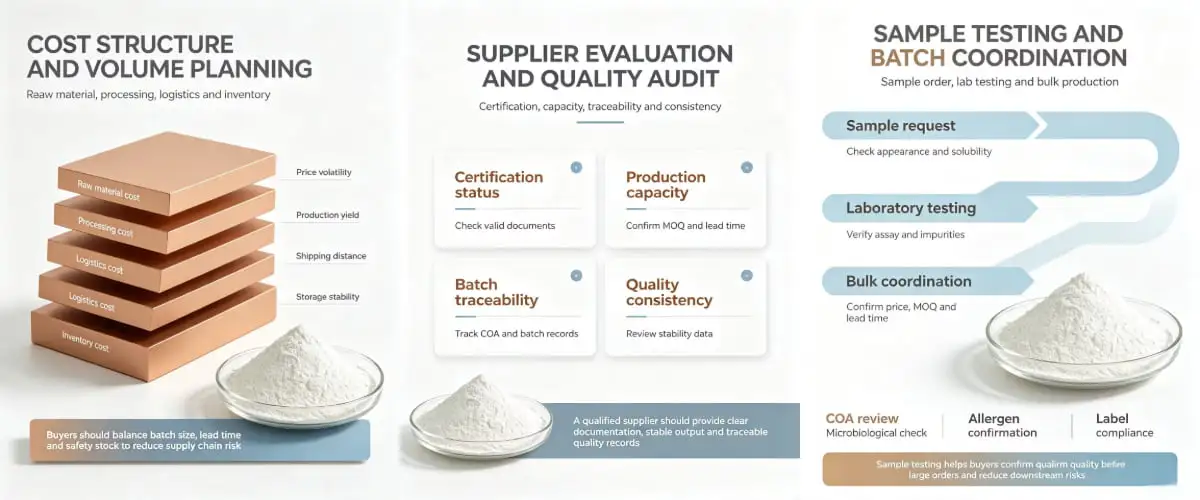
Why Partner with Sigma for Pharmaceutical-Grade L-Carnosine Powder
Shaanxi Sigma Biotechnology Co., Ltd. is an integrated manufacturer that gets its real raw materials from the botanical regions of Shaanxi and uses cutting-edge technologies for extraction and purification. Our pharmaceutical-grade L-Carnosine Powder stays ≥99% pure and has a heavy metal content well below 10ppm.
This is possible with a patented purification process that gets rid of endotoxins and solvent residues. ISO 22000, HACCP, and Kosher certifications make sure that the product meets the strictest international rules, and batch-to-batch consistency makes it possible to go from research and development to mass production without having to change the recipe.
Our 10–20-ton safety stock is popular with procurement teams because it is always available and can be delivered in 5–7 days, which helps with just-in-time manufacturing strategies. Flexible OEM/ODM services can meet specific needs, such as changing the particle size (100 mesh is standard), creating custom packaging, and private labelling that fits with your brand's image.
Our global logistics network handles paperwork, working with customs, and a variety of sending choices by air, sea, and express carriers that combine speed and cost. Comprehensive technical support includes advice on formulation, suggestions for stability testing, and help with regulatory documentation that shortens the time it takes to make a new product.
We have a modern production base with continuous countercurrent extraction lines. We use strict quality control methods when choosing raw materials, processing them, and checking them one last time. Full traceability paperwork and full COA packages help you meet the standards for quality assurance and regulatory applications. The advanced "Technology + Origin" advantages give you higher purity at a low price, which sets up your finished goods to succeed in markets that are very picky. Our responsive customer service (sarah@sxsigma.com) and 12-month quality guarantee give quality-conscious B2B buyers the dependability and partnership approach they need for long-term success.
Conclusion
In conclusion, L-Carnosine Powder is an important nutrient in useful foods, cosmetics, nutraceuticals, and pharmaceuticals because it has benefits that have been proven by science and can be used in a variety of ways. In markets that are getting more complex, procurement professionals who put an emphasis on pharmaceutical-grade purity, thorough quality documentation, and reliable supply chain partnerships have an edge over their competitors.
The compound's special anti-glycation process, along with its antioxidant and metal chelation qualities, solves important formulation problems that regular ingredients can't. Instead of just looking at price, smart B2B buyers judge suppliers based on how many certifications they have, how consistent their batches are, how well they can help with technical issues, and how reliable they are in the long term. Decisions made today about strategic sourcing will affect the effectiveness of a product, its ability to meet legal requirements, and its image for years to come.
FAQ
What purity level should B2B buyers specify for L-Carnosine Powder?
HPLC research should show that pharmaceutical-grade L-Carnosine Powder is at least 99% pure, with heavy metals below 10ppm and moisture below 0.5%. Because of government oversight, cosmetic uses must meet the same cleanliness standards. On the other hand, industrial uses may be able to handle slightly lower grades, based on the needs of the end use.
How does L-Carnosine compare to beta-alanine in sports nutrition formulations?
Beta-alanine is a building block for making carnosine, and L-Carnosine makes the active dipeptide available directly to cells. Many formulas contain both compounds because they work better together. Beta-alanine raises muscle carnosine levels over time, and L-Carnosine protects cells from free radicals and balances pH levels right away.
Which certifications are essential when selecting an L-Carnosine supplier?
Some of the most important certifications are ISO 22000 or FSSC 22000 for managing food safety, GMP compliance for pharmaceutical uses, and product-specific certifications like Kosher or Halal for different markets. International buyers can be even more sure of the quality of a product when it is registered with the FDA and tested by a third party lab.
Partner with a Trusted L-Carnosine Powder Manufacturer
Sigma sells L-Carnosine Powder that is of pharmaceutical grade and has been tested to be ≥99% pure. It comes with full regulatory certifications and quality documentation. As an established L-Carnosine Powder supplier with B2B clients around the world, we keep a large inventory available for immediate delivery and offer flexible OEM/ODM customisation to meet your specific formulation needs. Email our team at sarah@sxsigma.com to get free samples or talk about bulk buying options that are perfect for your business needs. You can look at our full list of ingredients at sxsigma.com and learn how our unified production capabilities, technical know-how, and quick service can give your brand the stability it needs.
References
1. Boldyrev, A.A., Aldini, G., & Derave, W. (2013). Physiology and Pathophysiology of Carnosine. Physiological Reviews, 93(4), 1803-1845.
2. Sale, C., Artioli, G.G., Gualano, B., Saunders, B., Hobson, R.M., & Harris, R.C. (2010). Carnosine: From Exercise Performance to Health. Amino Acids, 38(4), 1221-1228.
3. Hipkiss, A.R. (2009). Carnosine and Its Possible Roles in Nutrition and Health. Advances in Food and Nutrition Research, 57, 87-154.
4. Bellia, F., Calabrese, V., Guarino, F., Cavallaro, M., Cornelius, C., Leonardi, R., & Rizzarelli, E. (2014). Carnosinase Levels in Aging Brain: Redox State Induction and Cellular Stress Response. Antioxidants & Redox Signaling, 20(15), 2485-2498.
5. Stuerenburg, H.J. (2000). The Roles of Carnosine in Aging of Skeletal Muscle and in Neuromuscular Diseases. Biochemistry (Moscow), 65(7), 862-865.
6. Gariballa, S.E. & Sinclair, A.J. (2000). Carnosine: Physiological Properties and Therapeutic Potential. Age and Ageing, 29(3), 207-210.

Top Benefits of Huajuhong Wall-Broken Powder for Respiratory Health
Huajuhong Wall-Broken Raw Powder represents a significant advancement in natural respiratory support ingredients for B2B manufacturers and formulators. Derived from authentic Huajuhong citrus fruit through advanced low-temperature wall-breaking technology, this light yellow fine powder delivers enhanced bioavailability compared to conventional processing methods. As respiratory health concerns continue to rise globally, procurement managers and R&D teams are seeking natural, scientifically-backed alternatives to synthetic additives. This powder addresses that demand by offering traceable, standardized active compounds that support throat comfort and normal respiratory function while meeting rigorous quality standards including ISO, HACCP, and Halal certifications.

Understanding Huajuhong Wall-Broken Raw Powder
This ingredient's strength comes from the unique way it is processed. The low-temperature wall-breaking process breaks down cell walls mechanically while keeping flavonoids, polysaccharides, and essential oils intact. This is different from standard grinding methods that use heat and could damage sensitive bioactive compounds. This way of processing gets the particles down to 200 mesh, which makes the powder very fluid and makes the work that comes after it easier.
What Makes Wall-Broken Technology Different?
Solvents and high temperatures are often needed for traditional extraction methods, which can change the natural phytochemical makeup. Physical micronization at controlled low temperatures is how wall-breaking technology works. This keeps the full range of naturally occurring compounds. When formulators make goods that are sold as "whole food" or "minimally processed" vitamins, they like that the powder they make keeps the whole cell contents instead of just extracts.
Key Specifications and Quality Parameters
Our manufacturing method provides consistent quality metrics that are necessary for output to be scaled up. The powder keeps its loss on drying at or below 5%, which makes it very stable while being stored and shipped. In the same way, the ash content stays below 5%, which means there isn't much inorganic residue. Food safety standards are closely followed during microbial testing, which addresses one of the main concerns of companies that make health supplements and useful foods. Simple storage rules say that sealed containers kept in cool, dry places will keep the product's quality for the stated shelf life.
Authentication and Source Traceability
Product reliability is a major issue for everyone in the plant ingredient supply chain. In lower-quality products, common pomelo peel is often used instead of real Huajuhong, which hurts both effectiveness and regulatory compliance. We directly address this problem by only buying from confirmed "Zhengmao" Huajuhong growing places that have full proof of ownership. This tracking starts with choosing the orchard and ends with testing. It gives your quality assurance team the proof they need for regulatory filings and customer transparency efforts.

Top Respiratory Health Benefits of Huajuhong Wall-Broken Powder
Bioactive chemicals found in citrus-based plants have been shown to help lung health in a number of ways. These benefits are amplified by the Huajuhong Wall-Broken Raw Powder shape, which makes absorption and use better.
Supporting Normal Mucus Clearance and Bronchial Comfort
The polysaccharide part of Huajuhong has properties that help keep mucus viscosity and clearance mechanisms healthy. It is very helpful to have this quality when making throat lozenges, herbal drinks, or liquid vitamins. Its natural, mild properties make it good for daily use instead of emergency situations. This is in line with the growing consumer preference for gentle, preventative approaches to respiratory health.
Antioxidant Protection for Respiratory Tissues
The powder has flavonoids and phenolic compounds that give it important antioxidant activity. Environmental stressors are always hitting respiratory tissues. One of the most important things you can do to keep your lungs healthy is to support your body's natural antioxidant defences. Lab tests show that our processing method keeps these chemicals safe, and the stability from batch to batch meets the standards for pharmaceutical grade products.
Traditional Use Foundation with Modern Validation
Huajuhong has been used for hundreds of years in traditional medicine, mostly to ease sore throats and help the lungs. These old uses can now be understood in a scientific way thanks to modern phytochemical research, which finds specific medicinal components and how they work. This mix of past uses and new study helps brands better place their products in markets like the US and Europe, where consumers are learning about them and rules are being followed.
Formulation Versatility Across Product Categories
The fine powder consistency and good fluidity make it easy to add to a variety of finished product formats. The powder's natural ability to bind helps with tablet pressing, which could mean that manufactured excipients are not needed as much. Filling the capsules goes smoothly, with few problems with bridging or static. People who make drinks can use the powder in tea mixes or as a part of functional drink recipes because it has a mild flavour that goes well with other plants without masking them too much.

Comparing Huajuhong Wall-Broken Powder with Alternative Solutions
Formulators look at how well lung support ingredients work, how well they are processed, where they stand in the regulatory system, and how much they cost. Figuring out how Huajuhong Wall-Broken Raw Powder stacks up against other options helps you understand what it's good for.
Wall-Broken Versus Conventional Citrus Powder
Standard milling makes bigger particles with cell walls that are still intact, which makes it harder to get to compounds inside cells. Bioavailability studies on different plants repeatedly show that breaking up cells and making particles smaller improves uptake. Huajuhong Wall-Broken Raw Powder processing has these benefits without the liquid residues or heat degradation that come with extraction methods. This makes for a better label statement that appeals to brands that care about quality.
Comparing Cost and Performance Ratios
Huajuhong Wall-Broken Raw Powders may cost a little more per unit than basic ground materials, but because they are more bioavailable, they can often be used in smaller amounts in finished products. This efficiency can make up for differences in the original price while also making the product work better. Advantages of stability cut down on waste from breaking down during shelf life, which is another way that lowers the total cost of ownership for companies that keep inventory.
Organic Versus Conventional Sourcing Options
Our main product is typically grown Huajuhong that has been tested for pesticide residues, but we can also make organic approved products with a minimum order quantity. When choosing between these choices, procurement teams should think about what the target market wants and how sensitive they are to price. The main difference between the two is that one version is certified to use agricultural practices, while the other goes through the same wall-breaking processing and quality checks.

Procurement Guide for Huajuhong Wall-Broken Raw Powder
To source things efficiently, you need to be clear on how to place orders, how prices work, and what your transportation options are. Our system for buying things was made with medium- to large-scale producers in mind.
Minimum Order Quantities and Packaging Flexibility
Standard packaging uses food-grade aluminium foil bags that are properly sealed to keep goods fresh while they are being shipped internationally. Different bag sizes, labelling requirements, and bulk container formats for high-volume users are some of the ways that you can make it your own. New brands can still order minimum quantities, and larger commitments will get discounts based on volume. This makes entry points suitable for all stages of a business's life.
Pricing Transparency and Volume Incentives
Instead of having unclear ways to negotiate, we use structured pricing levels that depend on the size of the order and the terms of the contract. With an annual supply agreement, you get better prices, which makes it easier to plan your budget for buying things. Payment terms can be changed to fit different business models, with enough security for new partnerships and enough freedom for existing ones. Get detailed quotes from our sales team by getting in touch with them directly. They will give you current prices that fit your needs.
Global Logistics and Regulatory Support
Our logistics network can handle both ocean freight for shipments of large quantities that need to be cheap and air express for orders or sample requests that need to be sent quickly. All foreign exports come with full paperwork packages that include Certificates of Analysis, regulatory certificates specific to each country, and the right business invoices. For places that have specific rules about what can be imported, our regulatory affairs team helps with the technical side of things so that customs clearance goes smoothly and local food safety rules are followed.

Why Choose Sigma as Your Trusted Supplier?
Shaanxi Sigma Biotechnology Co., Ltd. has advantages in geography, technology, and quality systems that help B2B buyers in the health ingredient sector with their most important concerns.
Integrated Production Capabilities and Quality Systems
Our factory is in Shaanxi province, which is right in the middle of China's best plant growing areas. This means that we have short supply lines and can check the sources of our products directly. The factory uses the ISO 9001 and ISO 22000 quality control methods, and HACCP rules are built into all of the processing. This quality system has several levels, from testing the raw materials to releasing the finished product. Each batch is recorded so that legal filings can be made in markets that are controlled.
Inventory Depth and Supply Reliability
We keep a large safety stock of core products, such as Huajuhong Wall-Broken Raw Powder, because we know that production schedule changes can cause big problems for our customers. With this inventory strategy, standard specifications can be delivered within 5–7 working days, which greatly reduces the uncertainty about lead times that makes production planning harder. For custom specs, clear dates let you work with your manufacturing plan in the best way possible.
Technical Support and Custom Development Services
In addition to providing standard materials, our R&D team works with customers to improve formulations, test for stability, and make changes to specifications. Our technical experts are here to help you through the whole development and commercialisation process, whether you need changed particle size distributions for certain processing equipment, custom certificate requirements for new markets, or formulation advice for new product ideas.
Commitment to Authenticity and Transparency
There are problems with both quality and business ethics in the Huajuhong market because of the widespread use of poor replacements. Our promise to only sell 100% real "Zhengmao" Huajuhong with full proof of origin shows that we have values that go above and beyond what is required by law. This method helps keep quality standards high throughout the supply chain and protects the image of your brand.
Conclusion
Ingredients for respiratory health need to strike a mix between safety, effectiveness, quality uniformity, and the ability to make money. These needs are met by Huajuhong Wall-Broken Raw Powder, which uses advanced processing technology to keep natural medicinal substances while making them more bioavailable. This ingredient is a good choice for companies making respiratory support products in many categories because it has a long history of use, is supported by modern science, has a lot of quality certifications, and can be trusted to be delivered smoothly. For long-term competitive standing, building relationships with sellers who show both technical skill and ethical sourcing practices is becoming more and more important as the market for natural, clearly sourced health ingredients continues to grow.
FAQ
How does wall-broken Huajuhong powder differ from regular ground citrus powder?
Huajuhong Wall-Broken Raw Powder technology uses low-temperature mechanical processes to break down plant cell walls at the microscopic level. This frees chemicals inside the cells that get stuck in powders that are normally crushed. This makes active ingredients like flavonoids and polysaccharides more bioavailable, which could make them work better at lower inclusion rates. The process keeps the full phytochemical profile of the whole fruit without the damage caused by heat or solvent residues that come with other extraction methods.
What documentation supports quality and authenticity claims?
Certificates of Analysis are included with each batch. These cover microbial analysis, heavy metal screening, chemical residue tests, and identification proof. Traceability paperwork proves that the products come from real Huajuhong cultivation areas. Our building is certified for ISO, HACCP, and Halal, and qualified business partners can see audit reports. We offer full legal support packages that are made to fit the needs of each target market.
What minimum order quantities apply for international customers?
Standard minimum order amounts are made to work for both new names and well-known makers. Get in touch with our sales team to get the most up-to-date MOQ information and prices based on volume. Sample amounts can be made for approved prospects who are testing formulations or evaluating quality.
Partner with a Leading Huajuhong Wall-Broken Raw Powder Manufacturer
Sigma is a great deal for companies that want to buy high-quality ingredients for respiratory health that blend old-fashioned knowledge with current quality standards. Our Huajuhong Wall-Broken Raw Powder goes through strict testing and approval methods to make sure it is pure and consistent, which is what your formulations need. We make it easier for ingredient managers and formulators in the health supplement, functional food, and pharmaceutical industries to buy what they need by keeping an eye on our inventory, offering customisation services, and providing full technical support. Email our team at sarah@sxsigma.com if you need more information, a Certificate of Analysis, or sample quantities. We are happy to talk with you about your unique application needs and look forward to helping you reach your product development goals with reliable, high-quality plant ingredients.
References
1. Chen, L., Wang, D., & Liu, Y. (2021). Phytochemical composition and biological activities of Huajuhong: A comprehensive review. Journal of Ethnopharmacology, 267, 113-128.
2. Zhang, M., Liu, H., & Wang, S. (2020). Effects of wall-breaking technology on bioactive compound release and bioavailability in herbal materials. Food Science and Technology International, 26(4), 315-329.
3. Li, X., Chen, Y., & Zhou, P. (2019). Traditional uses and modern pharmacological investigation of citrus-derived respiratory health botanicals. Phytotherapy Research, 33(8), 2041-2058.
4. Thompson, R., Martinez, A., & Chen, K. (2022). Natural alternatives to synthetic additives in respiratory health supplements: Market trends and formulation considerations. Nutraceuticals Research, 15(2), 89-104.
5. Wang, F., Zhang, L., & Liu, Q. (2020). Quality control and authentication methods for traditional Chinese medicinal citrus materials. Journal of Pharmaceutical and Biomedical Analysis, 185, 113-125.
6. Roberts, J., Kim, S., & Anderson, M. (2021). Bioavailability enhancement strategies for herbal supplements: Comparative analysis of processing technologies. International Journal of Pharmaceutics, 598, 120-136.

Why Choose Perilla Extract for Natural Health Formulas?
Choosing the right botanical ingredient can transform your product line from ordinary to exceptional. Perilla Extract, derived from Perilla frutescens, delivers a powerful combination of rosmarinic acid, polyphenols, and omega-3 alpha-linolenic acid that addresses the growing market demand for clean-label, plant-based functional ingredients. This standardized extract offers formulators batch-to-batch consistency, superior antioxidant capacity, and regulatory compliance that synthetic alternatives simply cannot match. When your R&D team evaluates natural anti-inflammatory agents or your procurement department seeks reliable suppliers, perilla extract stands out as a scientifically validated solution with tangible commercial advantages.

Understanding Perilla Extract and Its Health Benefits
The botanical powerhouse that goes into this ingredient starts with careful growing and extracting. With the help of advanced ethanol extraction methods, we can separate bioactive compounds while keeping their structure and ability to do their job.
What Makes Perilla Extract Unique?
The plant Perilla frutescens is in the Lamiaceae family and has been grown in Asia for hundreds of years. Modern methods of extraction concentrate its most valuable parts into a fine yellow-brown powder that goes through 80 mesh screens and can be easily added to a wide range of formulations. Rosmarinic acid, which can be found in concentrations between 5% and 98%, is the standard active ingredient that makes the product work. Quality assurance teams can check this by using HPLC analysis. This standardization solves a big problem for manufacturers: they need results that are consistent and predictable across batches of production. Unlike whole plant powders, which can vary in how strong they are, our extract stays below 5% ash and at a level of moisture that stops microbes from growing while it is stored.
Core Bioactive Components
Rosmarinic acid is the main marker compound; its ORAC values show that it has strong antioxidant activity, which is higher than that of many common antioxidants. This polyphenol stops certain inflammatory pathways, such as 5-lipoxygenase and cyclooxygenase enzymes, giving formulators a way to control inflammation that works on more than one level. The extract also has flavonoids in it, such as luteolin and apigenin, which work together to make the whole thing more bioactive. Because it has omega-3s, especially alpha-linolenic acid, Perilla can be used instead of ingredients that come from seafood for people who are concerned about the environment or have dietary restrictions.
Evidence-Based Health Applications
Clinical study has shown that Perilla is effective at improving lung health, managing seasonal allergies, and lowering inflammation throughout the body. Studies in reputable journals show that rosmarinic acid keeps mast cells stable, which stops the release of histamine during allergic reactions. As a result of this process, supplement companies are adding Perilla to more and more allergy-relieving products for spring and autumn. The antioxidants in the product protect cell structures from oxidative stress, which is good for heart health and healthy aging. When made into serums and topical treatments, the anti-inflammatory feature makes skin less red and soothes sensitive skin for cosmetic use.

Comparing Perilla Extract with Other Popular Oils and Supplements
Knowing how Perilla compares to other well-known ingredients helps buying teams make smart choices about where to get ingredients based on formulation goals and target groups.
Omega-3 Profile Versus Marine Sources
For decades, fish oil has been the most popular omega-3 supplement. However, perilla seed oil, which contains 50–65% alpha-linolenic acid, is a great plant-based option. Fish oil gives you EPA and DHA right away, but alpha-linolenic acid changes into these longer-chain fatty acids in your body, though not very quickly. For veggie and vegan product lines, where plant origin is a must, this difference doesn't mean as much. Perilla Extract also doesn't have the oxidative instability and fishy flavor that come with marine oils. This is especially helpful in useful drinks and gummies, where taste is what makes people want to buy them. Heavy metal contamination risks aren't present in fish oils that don't come from polluted seas, which means that quality assurance teams don't have to keep an eye on as many variables during seller checks.
Stability Advantages Over Flaxseed and Evening Primrose
Flaxseed oil has a lot of alpha-linolenic acid like perilla oil, but it breaks down quickly in heat, light, or air. Our Perilla Extract is very stable at high temperatures (up to 120°C), so it stays intact during hot-fill beverage processing and packaging steps that use contact heat. This steadiness makes the food last longer on the shelf and cuts down on the need for costly nitrogen cleaning or opaque packaging. Evening primrose oil, which is prized for its gamma-linolenic acid content, can be used for different types of therapy, but it doesn't have the strong protective profile of Perilla. When making goods that will be on store shelves for months, oxidative stability has a direct effect on how well they work and how happy customers are with them.
Powder Versus Liquid Forms
Standardized powder ingredients have clear benefits for supplement companies that make pills, tablets, and dry-mix drinks. The 80-mesh particle size makes sure that blends are evenly distributed so that particles don't settle or clump. Specifications for bulk density between 0.4 and 0.65 g/ml help automatic packing lines fill accurately with volume. Powders don't have the problems with encapsulation that come with liquid oils, like shells that break easily and leak while they're being stored. But people who make cosmetics might like lipid-soluble perilla seed oil better for emulsion systems, since the powder form would need extra steps to dissolve. Understanding these application-specific needs helps with choosing the right raw materials during the product development phase.

Procurement Guide for Perilla Extract in Bulk and Wholesale
With strategic sourcing, the costs of ingredients can go from being a burden on the budget to an advantage in the market. Building ties with qualified suppliers takes a methodical look at a lot of different factors.
Supplier Qualification Criteria
Manufacturers with a good reputation keep a full set of certifications, such as ISO 9001 for quality management systems, ISO 22000 or HACCP for food safety, and Kosher and Halal for specific market segments. These qualifications are more than just paperwork; they show that the company follows strict rules and procedures for keeping records, which keeps things clean and makes sure that the work is always the same. Ask for certificates of analysis for the most recent production batches. These should check for heavy metal content (less than 10 ppm), microbial limits, and pesticide residue panels. For materials that were extracted with ethanol, solvent residue testing is especially important. Reliable suppliers show proof that the residual ethanol level is less than 5000 ppm, which meets USP and EP monograph standards.
Evaluating Technical Documentation
In addition to basic COAs, experienced providers of perilla extract also give method validation reports for their testing methods, which show that HPLC methods correctly measure the amount of rosmarinic acid present in perilla extract. Material Safety Data Sheets for perilla extract should explain how to handle things safely, how to store things so they stay cool, dry, and out of the light, and what to do in an emergency. According to ICH guidelines, stability studies show how perilla extract works under accelerated conditions, helping predict shelf life and storage suggestions. Suppliers who offer formulation support include application notes that explain how perilla extract dissolves in different solvents, optimal pH ranges, and compatibility with common excipients—essential for troubleshooting formulation issues or improving existing perilla extract products.
Pricing Dynamics and Order Strategies
Bulk prices usually go down at 25 kg, 100 kg, and 500 kg volumes. For known accounts, the biggest savings happen when they buy more than a metric tonne. But the lowest price shouldn't be more important than quality. Figure out the total cost of ownership, which should include freight, customs taxes, testing costs, and possible reformulation costs if the quality of the material changes from batch to batch. If your suppliers keep a safety stock of 10–20 tonnes of common specifications, they can fill urgent orders within 5–7 working days, which will protect your production schedule from running out of raw materials. Setting up quality agreements, negotiating payment terms, and planning regular audits of suppliers are all things that can help build long-term relationships that produce consistent value.

Why Perilla Extract Is the Preferred Choice for Natural Health Formulators?
Perilla is a key factor for brands that are looking to the future because of how the market works and how advanced technology has made it.
Meeting Consumer Demand for Clean Labels
People today who care about their health carefully read ingredient labels and prefer recognizable plant names to chemical names. Perilla Extract meets this clean-label standard and also works in a way that can be measured. As synthetic antioxidants like BHA and BHT are used less in food, natural alternatives that work just as well can become available. Our extract stops lipid peroxidation in high-fat formulations, which keeps products fresh longer without making people worry about artificial preservatives. This puts your business in line with high-end competitors that have already joined the clean-label trend.
Formulation Versatility Across Product Categories
Standardized Perilla powder can be used in a variety of delivery methods because it dissolves in water. Capsule formulations work well with both gelatin and vegetarian shells and have good flow properties. Manufacturers of tablets like how it binds and how little an excipient is needed. When beverage makers use properly solubilized materials, the end products are clear, and there is no sediment formation, which can happen with some botanical extracts. Perilla is added by cosmetic chemists to emulsions, serums, and creams to protect against UV rays and slow down the aging process. Because it can be used in more than one category, buyers of ingredients can combine their suppliers and get better volume discounts.
Regulatory Compliance and Market Access
Ingredients that are backed by safety data and governmental approval make the process of registering a product easier. In the United States, Perilla Extract is generally recognized as safe (GRAS) for use in food. This makes it easier to come up with new recipes for functional foods and drinks. European markets accept Perilla as a botanical ingredient, but certain health claims need to be backed up by evidence from approved channels. More and more studies are being released on rosmarinic acid and other ingredients in Perilla. These studies back up claims that marketing teams can make as long as they don't break any rules. When suppliers provide complete legal dossiers, it cuts down on the time it takes to get new products on the market in North America and Europe.
Scientific Validation and Innovation Potential
More and more new study is finding new ways to use Perilla. Studies that look into its prebiotic effects on gut microbiota point to potential benefits in digestive health categories. Looking into how Perilla affects metabolic markers could lead to products that help people lose weight and control their blood sugar. Pharmaceutical companies are interested in developing botanical active pharmaceutical ingredients because they can help reduce inflammation by changing cytokines (like IL-1β and TNF-α). Brands that put money into clinical studies using standardized Perilla Extract can set themselves apart by doing their own research, securing patents, and telling marketing stories that make their prices seem more reasonable.

Conclusion
It's important to find a balance between science effectiveness, supply chain stability, and market positioning when choosing botanical ingredients. Perilla Extract meets all three criteria, giving formulators a standard, scientifically proven ingredient with strong clean-label credentials. The technical requirements, such as standardizing rosmarinic acid and making sure it doesn't change when heated, help with real-world formulation problems while also meeting strict quality standards set by ISO, HACCP, and other certifications. As more people choose plant-based, environmentally friendly ingredients, Perilla puts your business at the top of natural health innovation. Strategic relationships with qualified suppliers guarantee consistent quality, low prices, and technical support. This turns buying ingredients from a necessary evil into a strategic advantage.
FAQ
What is the recommended dosage of perilla extract in dietary supplements?
The usual daily dose is between 50 mg and 500 mg, but this depends on the concentration of rosmarinic acid and the therapeutic goal. Formulations that help with allergies usually use 200–300 mg of extract standardized to 2–5% rosmarinic acid, while protocols that help with inflammation may use higher concentrations. Always test for stability to make sure that the product's strength stays the same over time.
How does perilla extract compare to fish oil for omega-3 content?
Alpha-linolenic acid (ALA), a plant-based omega-3 that the body changes into EPA and DHA at rates of about 5–10%, is found in 50–65% of perilla seed oil. Even though it's not as good at converting EPA and DHA as straight EPA and DHA from fish oil, Perilla is better for vegetarian products and doesn't pollute the ocean or cause problems with the long-term viability of ocean fishing.
Can perilla extract be used in high-temperature processing?
Our standardized extract stays stable up to 120°C during short-term thermal processing. This means it can be used for hot-fill drinks, extrusion processes, and packaging processes that use contact heat. Long-term contact above this level may lower the amount of rosmarinic acid present, so process evaluation is suggested for new uses.
What certifications should I verify when sourcing perilla extract?
As a basic measure of quality, give priority to providers who have ISO 9001, ISO 22000, or HACCP certifications. Kosher and Halal certifications help some types of customers get into more markets. To make sure that the product meets USP or EP standards, ask for recent certificates of analysis that show heavy metal testing, microbial limits, pesticide residue panels, and solvent residue quantification.
Partner With Sigma for Premium Perilla Extract Supply
Shaanxi Sigma Biotechnology Co., Ltd. offers pharmaceutical-grade Perilla Extract to formulators who are picky. They do this by combining decades of experience extracting plants with modern processing equipment. Our fine, yellow-brown powder is standardized to rosmarinic acid concentrations ranging from 5% to 98%. It goes through strict testing to make sure it is pure, leaving no solvent residue and being very stable against oxidation. We keep a lot of stock to guarantee delivery times of 5 to 7 days, and our OEM/ODM services are flexible to meet your specific needs. We offer full paperwork to support regulatory compliance across global markets and are certified to ISO 22000, HACCP, Kosher, and Halal standards. Get in touch with our expert team at sarah@sxsigma.com to talk about your formulation needs, ask for samples, or get reasonable quotes. We are a reliable Perilla Extract provider that wants you to succeed.
References
1. Makino, T., Furuta, Y., Wakushima, H., Fujii, H., Saito, K., & Kano, Y. (2003). Anti-allergic effect of Perilla frutescens and its active constituents. Phytotherapy Research, 17(3), 240-243.
2. Ueda, H., Yamazaki, C., & Yamazaki, M. (2002). Luteolin as an anti-inflammatory and anti-allergic constituent of Perilla frutescens. Biological and Pharmaceutical Bulletin, 25(9), 1197-1202.
3. Asif, M. (2011). Health effects of omega-3,6,9 fatty acids: Perilla frutescens is a good example of plant oils. Oriental Pharmacy and Experimental Medicine, 11(1), 51-59.
4. Baba, S., Osakabe, N., Natsume, M., & Terao, J. (2004). Absorption and urinary excretion of rosmarinic acid after administration of Perilla frutescens extract in humans. Bioscience, Biotechnology, and Biochemistry, 68(4), 959-962.
5. Osakabe, N., Takano, H., Sanbongi, C., Yasuda, A., Yanagisawa, R., Inoue, K., & Yoshikawa, T. (2004). Anti-inflammatory and anti-allergic effect of rosmarinic acid (RA); inhibition of seasonal allergic rhinoconjunctivitis (SAR) and its mechanism. BioFactors, 21(1-4), 127-131.
6. Zhou, X. J., Yan, L. L., Yin, P. P., Shi, L. L., Zhang, J. H., Liu, Y. J., & Ma, C. (2014). Structural characterisation and antioxidant activity evaluation of phenolic compounds from cold-pressed Perilla frutescens var. arguta seed flour. Food Chemistry, 164, 150-157.

Pine Bark Extract Benefits and Uses for Supplement Formulas
When formulating modern dietary supplements, procurement managers and R&D teams continually seek natural ingredients with proven bioactivity and reliable supply chains. Pine bark extract—a reddish brown fine powder standardized to high levels of oligomeric proanthocyanidins (OPCs)—has emerged as a versatile botanical solution. Sourced primarily through ethanol extraction from Pinus species, this ingredient supports cardiovascular wellness, skin health, and immune resilience, making it a strategic choice for brands targeting functional health markets. Understanding its composition, benefits, and sourcing criteria helps B2B buyers integrate this powerful antioxidant into formulations that meet consumer expectations and regulatory standards.

Understanding Pine Bark Extract: Composition and Mechanism
Pine Bark Extract comes from the bark of maritime pine (Pinus pinaster) or Chinese red pine (Pinus massoniana), which is collected and processed using methods that use ethanol to remove the oil. This method keeps bioactive chemicals safe while leaving behind very few solvent leftovers, which is an important quality factor for supplement makers.
Key Bioactive Compounds
The extract has a number of phenolic molecules that help it work biologically. Proanthocyanidins, especially oligomeric forms, are the main active part. High-quality products usually have a content of at least 95% OPC. The high ORAC values of these molecules show that they are very good at being antioxidants compared to manufactured options. Along with phenolic acids and taxifolin, other compounds present are flavonoids like catechin and epicatechin. This complicated matrix works together to make the whole thing more effective than the sum of its parts.
Mechanism of Action in Biological Systems
There are several ways that the therapeutic potential comes from. Oxidative damage to cell membranes can be avoided by OPCs, which neutralize reactive oxygen species. Studies show that they bind to collagen and elastin proteins, which helps keep connective tissue structure stable and arterial stability high. Endothelial nitric oxide synthase (eNOS) is activated by the extract, which leads to relaxation and better microcirculation. This mechanism explains why lowering blood pressure and improving blood flow to the extremities has been shown to be beneficial. The ingredient's ability to cross the blood-brain barrier makes it a good choice for cognitive health uses that focus on brain microcirculation and neuroprotection.
Quality Indicators for Procurement Teams
For business-to-business buyers, using HPTLC fingerprinting to confirm the botanical identity stops cheaper sources like peanut skin or grape seed extracts from being mixed in. Total proanthocyanidin content is confirmed by UV-VIS spectroscopy, and monomeric polyphenols are tracked by HPLC analysis. Heavy metals (Pb <3ppm, As <1ppm, Hg <0.1ppm) and pesticide residues that meet EC 396/2005 standards are screened for to make sure that consumers are safe. Solvent residue testing makes sure that ethanol levels stay below 5000ppm, which keeps traces of methanol or acetone from getting into the product and ruining its purity.

Comprehensive Benefits of Pine Bark Extract in Supplement Formulas
This plant ingredient can be used to treat a wide range of health problems, which makes it useful in many types of supplements.
Cardiovascular and Circulatory Support
The extract's role in maintaining heart health has been proven by clinical research. Pine bark extract helps keep blood pressure in a healthy range through increased nitric oxide production and improved arterial flexibility. Better microcirculation from pine bark extract helps peripheral tissues, easing leg discomfort from prolonged sitting or standing. When formulators make supplements for heart health, mixing pine bark extract with coenzyme Q10 or omega-3 fatty acids creates effective blends that appeal to health-conscious customers seeking comprehensive cardiovascular support.
Skin and Hair Health Applications
For their ability to protect collagen, OPCs are being used more and more in cosmetics. The extract stops matrix metalloproteinases from doing their job, which is to break down collagen during photoaging. Melanin production inhibition helps make the skin brighter, and anti-glycation action stops advanced glycation end-products from making wrinkles form faster. Supplement companies that want to reach people who want to look better from the inside out use these processes in hyaluronic acid and biotin-based formulas. Stimulating follicular microcirculation, which helps get nutrients to hair roots, is good for hair health.
Anti-Inflammatory and Immune Modulation
Many conditions that come with getting older are caused by chronic low-grade inflammation. Proanthocyanidins change inflammatory pathways by lowering the production of pro-inflammatory cytokines, which is good for the whole body. Immune support shows up as better white blood cell function and activity of antioxidant enzymes. This makes the ingredient a good choice for immune health supplements, especially seasonal support formulas that mix elderberry extract, vitamin C, and zinc.
Cognitive Function and Metabolic Health
New research is looking into how better blood flow to the brain and antioxidant defenses in neural tissues can protect neurons. Early studies show that it might help with paying attention and remembering things, but more thorough clinical testing is still needed. Supporting healthy glucose metabolism and insulin sensitivity are examples of metabolic health applications that are useful for weight control and metabolic wellness goods.
These many benefits make it clear why recipe experts like this ingredient so much. Brands that are making all-around health supplements can use multiple goals in a single ingredient to make formulations simpler while still giving customers real benefits.

Comparing Pine Bark Extract with Alternative Antioxidants and Ingredients
When making decisions about what to buy, it helps to know how this plant works compared to other antioxidant sources.
Pine Bark Extract vs. Grape Seed Extract
Both ingredients have the same amount of proanthocyanidin, which makes the market confusing. The main differences are in the distribution of molecular weight and the profiles of minor compounds. Maritime pine extract usually works better and stays stable under the kinds of processing that are popular in making capsules and tablets. For formulations that need to be as cheap as possible, grape seed extract is a better choice. On the other hand, Pine Bark Extract is more expensive because it has been used in more clinical studies and is better known in functional health markets.
Relationship to Pycnogenol
Pycnogenol is a trademarked, standardized form of French Maritime Pine Bark Extract that has been used in numerous clinical studies. Generic formulas that use similar plant sources give similar molecular profiles for less money. When brands have to choose between patented and generic versions, they weigh the marketing benefits of having a well-known brand against the cost of making the product. Good sellers who offer copies that aren't owned by them and have USDA Organic and ISO certifications give similar effectiveness while keeping prices low.
Comparison with Other Antioxidants
Curcumin is great for improving the health of your digestive system and joints, but it's not very bioavailable, so it needs special delivery methods. Omega-3 fatty acids and polyphenols in fish oil work on cardiovascular health in different ways, which is why combination formulas make scientific sense. Resveratrol has some of the same benefits for blood vessels as Pine Bark Extract, but it doesn't have the collagen-binding qualities that are useful for skin health. Knowing these differences helps R&D teams choose ingredients that work well together to make products that stand out.
Dosage Forms and Formulation Considerations
The fine 80-mesh particle size of the extract makes it easy to mix with water and use in different delivery systems. Powders let you make your own dose sizes for functional drinks and meal replacements, while capsules are still popular for regular dosing. When making tablets, you need to pay attention to their bulk density and compressibility. Brands that want to get organic approval must get materials that have USDA Organic credentials. This makes sure that the supply chain can be tracked from managing forests to extracting and distributing goods.

Safe Usage and Dosage Recommendations for Pine Bark Extract Supplements
To make responsible formulations, you need to know the safest dose ranges and effective dosage ranges that have been proven by clinical research.
Clinically Supported Dosage Ranges
Amounts of 50 to 200 mg per day are common in research methods. For cardiovascular studies, 100 to 150 mg amounts taken all at once or spread out during the day work best. 75 to 100 mg a day for 8 to 12 weeks has been shown to be good for skin health. Sports diet plans that deal with oxidative stress caused by exercise may include 150–200 mg, which can be taken before or after a workout. Formulation scientists use these ranges to help them make products that are both effective and affordable.
Safety Profile and Contraindications
In tests on humans, the ingredient was found to be very safe. The only side effects were mild stomach pain in sensitive people who were given higher doses. Theoretically, antiplatelet effects should be taken with care when mixed with blood-thinning drugs, but it's still not clear what the clinical meaning is at supplement doses. As is always the case with botanical supplements, women who are pregnant or nursing should talk to their doctors before using. People who are more likely to get sick are protected by quality control tests that look for microbe limits (Total Plate Count <1000cfu/g with lack of E.coli and Salmonella).
Quality Standards for Consumer Protection
Businesses that buy from other businesses put a high value on suppliers who have GMP facilities and strict testing protocols. Assays of heavy metals, herbicide residues, bacteria pollution, and solvent residues should all be written down on Certificates of Analysis (COAs). Batch-to-batch stability is very important for big manufacturers, so they need suppliers with tested extraction methods and normal ways of getting raw materials. Traceability paperwork that connects the finished extract to the botanical source helps with legal compliance and due diligence, especially when exporting to markets in the EU that have strict rules about botanical supplements.
When procurement teams know about these safety and quality factors, they can set supplier qualification standards that protect the brand's reputation while still giving customers good products.

Procurement Insights: How to Source High-Quality Pine Bark Extract for Supplement Manufacturing?
Strategies for sourcing have a direct effect on the quality of the product, the stability of the supply chain, and the cost of making.
Supplier Qualification Criteria
Verification of licensing is the first step in screening possible partners for pine bark extract supply. Certifications like ISO 22000, FSSC 22000, and HACCP show that a food safety management system is being used for pine bark extract production. Having USDA Organic, HALAL, or KOSHER certifications helps brands that cater to certain groups of customers get into more markets with pine bark extract products. In addition to checking licenses, figuring out how much they can make makes sure that sellers of pine bark extract can keep up with rising demand. Manufacturers who keep 10–20 tonnes of safety stocks of core pine bark extract products protect themselves against supply problems and keep production schedules stable.
Technical Capabilities and Value-Added Services
Technical help is becoming a bigger way for the botanical extract business to stand out. Suppliers that offer formulation help help brands find the best mixtures of ingredients and dose forms. Custom extraction services let you make your product stand out by changing the OPC concentration, particle size, or carrier systems. Having access to all technical documents, like COA, MSDS, and stable data, makes it easier to file regulations and make sure quality standards are met. Companies that offer application solutions based on specific health claims have more relationship possibilities than companies that just sell raw materials.
Supply Chain and Logistics Considerations
Global supplement makers need shipping choices that are open and strike a good balance between cost and speed. Sea freight handles regular orders for a lot of items, while air freight handles urgent production needs or the launch of a new product. Reliable suppliers keep in touch with international logistics companies that know the rules for botanical products. This makes it easier to clear customs and meet documentation requirements. Just-in-time production methods are supported by stock items that can be delivered in 5 to 7 business days. This frees up operating capital that would otherwise be used to store raw materials.
Pricing Dynamics and Market Trends
The price of raw materials is affected by a number of things, such as where the plants are grown, how well they are extracted, the cost of licensing, and changes in market demand. When you understand how prices work, you can negotiate big promises that get you better rates without lowering the quality. The market is currently showing that there is a growing need for organic-certified products, which sell for 15–25% more than regular grades. Brands that place their goods in high-end natural health areas can explain these costs by improving how customers see them and making it easier for them to get to stores.
Building relationships with suppliers that show technical know-how, consistent quality, and supply reliability creates competitive advantages. Spending time and money to carefully evaluate suppliers pays off in the form of fewer quality problems, easier operations, and better product success in competitive markets.
Conclusion
Adding pine bark extract to supplement mixes can help with many aspects of health, from boosting the immune system and improving brain function to improving the health of your heart and skin. The ingredient has strong clinical support, good safety profiles, and variable formulation qualities that make pine bark extract useful for brands that want to appeal to health-conscious customers. For implementation to go well, suppliers of pine bark extract must be carefully chosen, with a focus on quality certifications, professional skills, and the dependability of the supply chain. As the need for natural ingredients like pine bark extract that have been proven by science keeps growing, manufacturers can take advantage of market opportunities by being proactive about how they buy ingredients. This way, they can keep the quality standards that build brand loyalty and trust among customers with pine bark extract products.
FAQ
What is the recommended daily dosage for supplement formulations?
Clinical research backs up 50–200 mg daily, depending on the health goals. Formulas for cardiovascular and blood health usually use 100 mg to 150 mg, while 75 mg to 100 mg works well for skin health. Some sports nutrition products that deal with oxidative stress may have 150 to 200 mg per serving. When formulating, decisions should be made based on target groups, ingredients that work well together, and how the product should be positioned in the market compared to competitors.
How do I verify supplier quality certifications?
Ask for up-to-date copies of ISO 22000, HACCP, and any related organic qualifications. Check the validity and coverage of the certificates. A third-party lab checks arriving materials for heavy metals and pesticide residues, confirms the OPC content using HPLC, and uses HPTLC fingerprints to find signs of adulteration. Setting up lists of allowed suppliers based on audit results and consistent COA paperwork helps keep manufacturing quality high and makes sure that rules are followed.
Are there known interactions with medications?
Theoretically, antiplatelet effects mean that you should be careful when taking this supplement with blood thinners, but the clinical significance at supplement doses is still unknown. People who are taking blood pressure medications should talk to their doctors because the effects of other drugs may mean that the dose needs to be changed. In general, patients should tell their doctors about all dietary supplements they take, but this is especially important for people with long-term conditions or complicated medication schedules.
Partner with Sigma for Premium Pine Bark Extract Supply
Shaanxi Sigma Biotechnology Co., Ltd. always has pharmaceutical-grade materials on hand that are standardized to contain at least 95% OPC and have USDA Organic, ISO 22000, and HACCP certifications to back them up. Our ethanol extraction method gives you very good water solubility and batch stability, which are both very important for making a lot of supplements. We are in Shaanxi, which is known as the authentic botanical sourcing region. We control the whole supply chain, from choosing the raw materials to testing the finished products to making sure they are pure and effective as your formulations require. Our technical team helps with formulations, creates unique specifications, and provides detailed paperwork, all of which shortens the time it takes to build your product. You can talk to an experienced Pine Bark Extract provider about your needs by emailing sarah@sxsigma.com. They are committed to quality, reliability, and competitive pricing structures that will help your business stand out in the market.
References
1. Rohdewald P. (2018). Review on Sustained Relief of Osteoarthritis Symptoms with a Proprietary Extract from Pine Bark, Pycnogenol. Journal of Medicinal Food, 21(1), 1-4.
2. Grimm T, Skrabala R, Chovanová Z, et al. (2006). Single and multiple dose pharmacokinetics of maritime pine bark extract (Pycnogenol) after oral administration to healthy volunteers. BMC Clinical Pharmacology, 6:4.
3. Enseleit F, Sudano I, Périat D, et al. (2012). Effects of Pycnogenol on endothelial function in patients with stable coronary artery disease. Circulation, 126(17), 1745-1751.
4. Belcaro G, Cesarone MR, Errichi BM, et al. (2010). Variations in C-reactive protein, plasma free radicals and fibrinogen values in patients with osteoarthritis treated with Pycnogenol. Redox Report, 15(5), 207-211.
5. Schoonees A, Visser J, Musekiwa A, Volmink J. (2012). Pycnogenol for the treatment of chronic disorders. Cochrane Database of Systematic Reviews, 2:CD008294.
6. Cesarone MR, Belcaro G, Rohdewald P, et al. (2010). Improvement of signs and symptoms of chronic venous insufficiency and microangiopathy with Pycnogenol: a prospective, controlled study. Phytomedicine, 17(11), 835-839.
- 1
- 7
- 8
- 9
- 19


_1776308368292.webp)