BLOG List
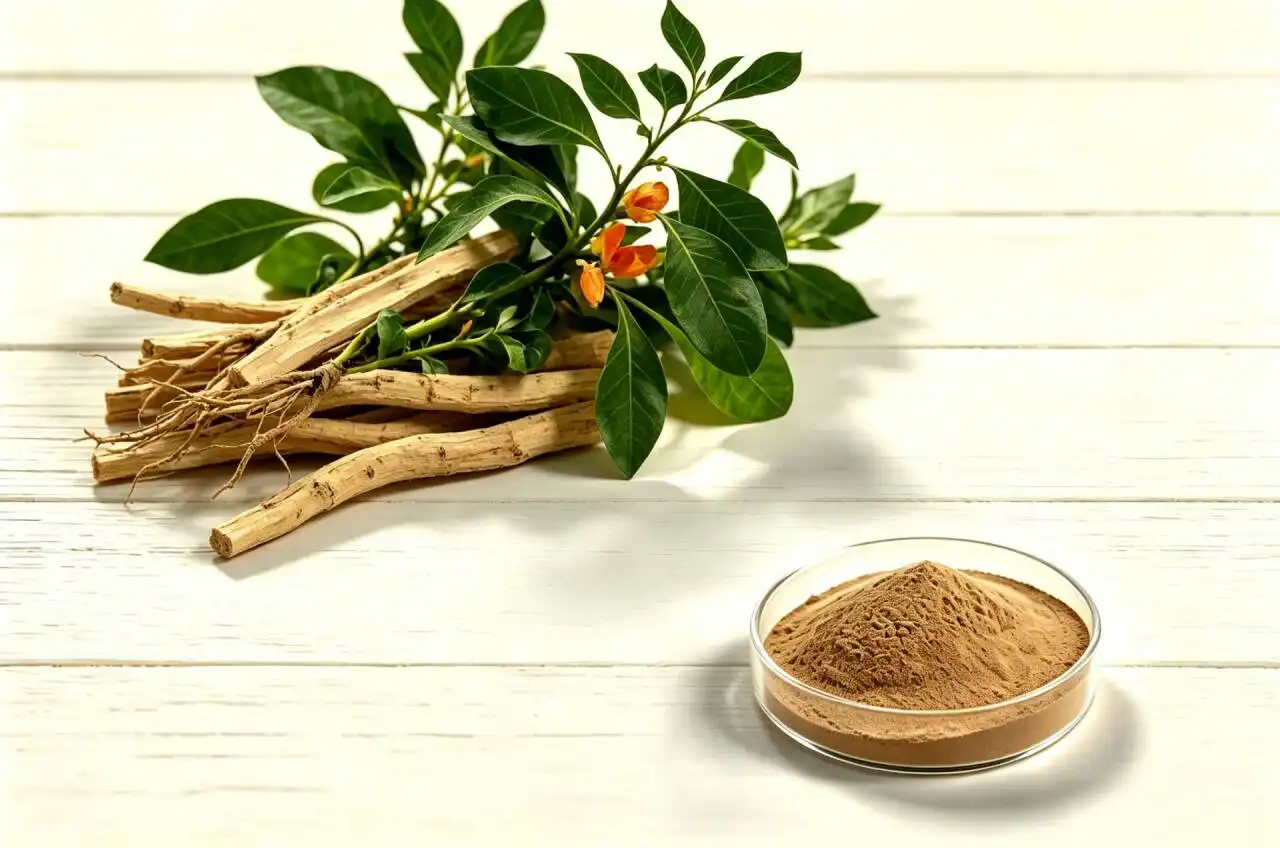
The Complete Guide to Ashwagandha and the Scientific Studies Proving Its Benefits
Ashwagandha, scientifically known as Withania somnifera, has emerged as one of the most researched adaptogenic botanicals in modern nutraceutical development. Pure Ashwagandha Extract represents a concentrated form of this ancient herb, standardized to contain high levels of bioactive compounds called withanolides, typically ranging from 2.5% to 10%. Unlike raw powder, these pharmaceutical-grade extracts undergo rigorous purification processes to remove inactive plant material while concentrating therapeutic constituents. For manufacturers seeking reliable, batch-consistent ingredients that meet stringent regulatory requirements, understanding the science behind Ashwagandha becomes essential to product differentiation and market success.
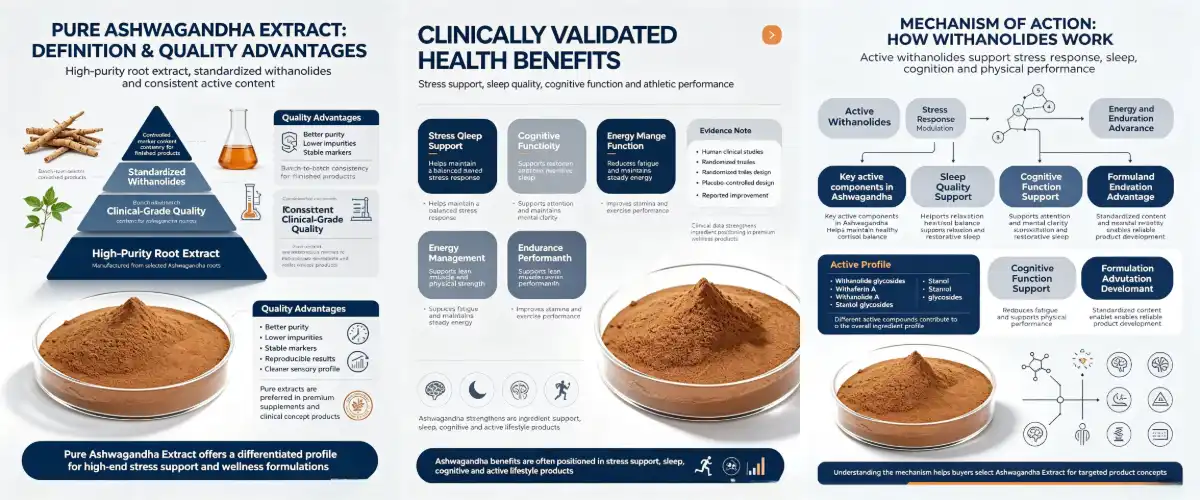
Understanding Pure Ashwagandha Extract: Definition, Benefits, and Mechanism
What Defines a High-Quality Ashwagandha Extract?
True pharmaceutical-grade Ashwagandha extract comes only from the roots of Withania somnifera, which is mostly grown in dry parts of India where the soil affects the levels of alkaloids. Advanced extraction methods, such as supercritical CO2 extraction and hydroethanolic processes, can separate withanolides while keeping the integrity of the molecules. The fine, yellow-brown powder that is made is better at dissolving and being bioavailable than coarse powders. This makes it perfect for use in capsules, drinks, and on the skin.
Several technical factors determine how different the quality is. The concentrations of withanolide in premium extracts are checked by HPLC analysis instead of old gravimetric methods that give false readings by including compounds that aren't active. Standardizing the particle size to 80 mesh makes sure that they are spread out evenly during production, and keeping the moisture content below 2% stops microbes from growing while they are stored. Heavy metal testing that meets USP <232> standards—with arsenic and lead levels below 1ppm and 1ppm, respectively—addresses pollution issues that are very important for export markets.
Clinically Validated Health Benefits
A lot of peer-reviewed scientific material shows that Ashwagandha can be used as a medicine in many different ways. A 2019 randomized controlled study published in Medicine looked at 60 adults who were under a lot of stress. It found that taking 240 mg of standardized root extract every day for eight weeks lowered cortisol levels by 27.9% compared to a placebo. Participants reported big drops in their worry levels and better quality sleep, which backs up standard use habits.
Research that measured increases in VO2 max and muscle power gave athletic performance apps more respect. In a double-blind study with resistance-trained men, taking 600 mg of the supplement every day for eight weeks raised their bench press power by 20 kg more than the placebo group. It also improved signs of muscle repair. Based on these results, Ashwagandha extracts could be useful in sports nutrition products for both beginner and professional players.
Neuroprotective mechanisms are found in cognitive function studies through a number of different paths. Increased superoxide dismutase activity shows that the herb's antioxidant qualities protect neurons from oxidative harm. Acetylcholinesterase inhibition helps keep neurotransmitter balance. After 12 weeks of supplementation, memory recall improved and processing speeds sped up in clinical trials of older adults. This suggests that the supplement could be used in cognitive health products.
Mechanism of Action: How Withanolides Work?
Withanolides are a group of naturally occurring steroidal lactones that give Pure Ashwagandha Extract its ability to help the body adapt. Out of the more than 40 known withanolides, withaferin A and withanolide D have the most cellular action. These chemicals change the hypothalamic-pituitary-adrenal axis, which is the body's main stress response system. They do this by controlling the sensitivity of glucocorticoid receptors and restoring normal cortisol release patterns.
At the level of the cell, withanolides turn on heat shock proteins that help mitochondria work and protect cells from damage caused by stress. This dual action is what makes the herb able to boost energy without being too stimulating. Animal studies have shown that some withanolides bind to GABA receptors in a way that is similar to how pharmaceutical anxiolytics do, but without the risks of addiction. This is what makes the extract so relaxing for people who are under a lot of mental stress.
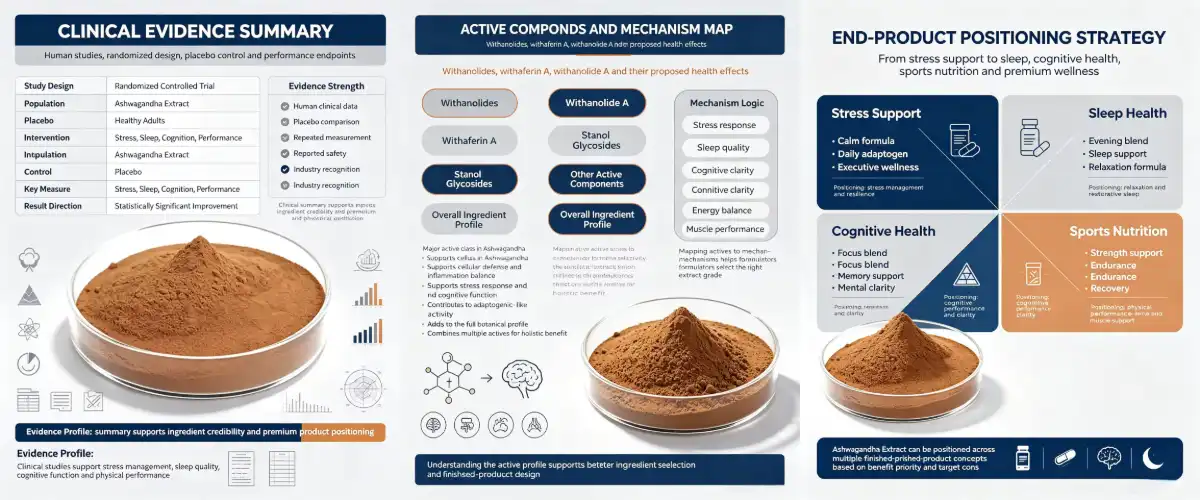
Comparing Pure Ashwagandha Extract with Other Forms and Brands
Extract Versus Powder: Understanding Concentration Differences
Astragalus root powder naturally has between 0.5 and 2% withanolides, and therapeutic amounts of grams are needed to get the desired results. Standardized extracts, on the other hand, deliver 25 to 50 mg of withanolides per 300 mg serving by selectively extracting these actives. This difference in concentration has a direct effect on the cost of preparation. Brands that use extracts can make smaller pills or add utility to drinks without lowering their effectiveness or overpowering taste profiles with the bitterness of the herb.
Bioavailability is another important difference. The cellulose structure in the raw powder makes it hard for the digestive system to absorb, but the extraction process breaks down cell walls and gets rid of fibers that the body can't handle. Pharmacokinetic studies show that pure extracts produce 30–40% higher plasma levels of withanolides than the same doses of raw powder. This means that end users can expect more reliable clinical results.
Quality Indicators for B2B Procurement
When looking at suppliers, certification portfolios are the first thing that are used to screen them. ISO 22000 and HACCP certifications show that food safety is managed in a planned way, and Halal and Kosher certifications help businesses reach more customers. But smart buyers also look at the batch documentation. Certificate of Analysis (CoA) reports should include information on the amount of withanolide found using approved HPLC methods, the amount of residual solvent found according to ICH Q3C guidelines, and the number of microbes that can't grow above USP <2021> limits.
Adulteration, a problem that persists in the industry where plant parts are mixed with roots to intentionally boost withanolide readings, can't happen when origin verification is done. Responsible providers keep records that can be used to connect finished extracts to specific growing areas, harvest times, and processing batches. DNA barcoding technologies now make it possible to positively identify species, so cheaper Withania species that don't have healing value can't be used instead.
When comparing brands, trademarked extracts like KSM-66 and Sensoril are more expensive because they have been through a lot of clinical testing and are grown using standard methods. Non-branded extracts from certified manufacturers, on the other hand, often have the same purity but cost 30–40% less. This makes them appealing to price-conscious groups without lowering quality standards. The final choice will rely on the marketing plan and whether the higher price for consumer-facing products is worth it because of brand recognition.
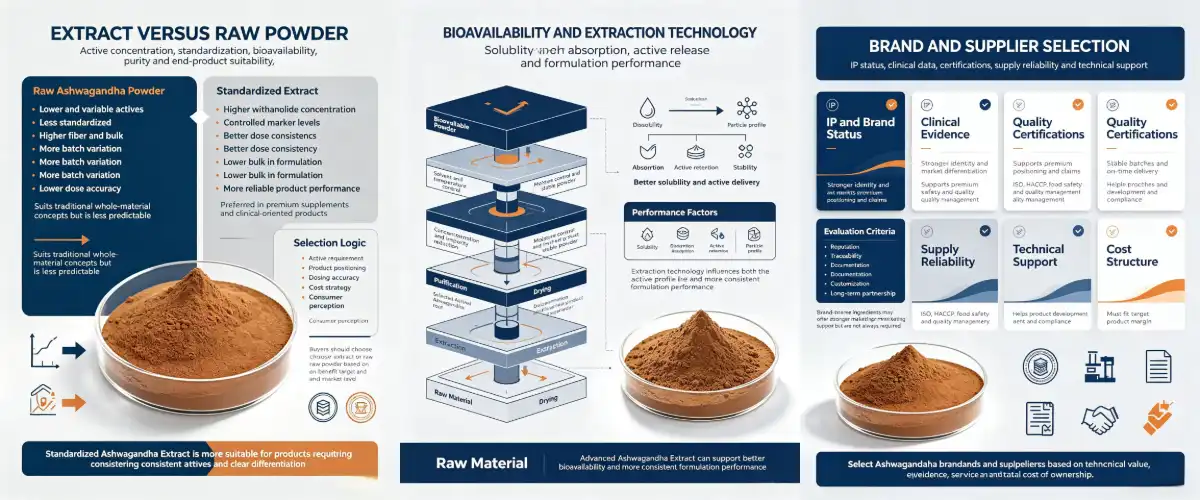
Procurement Insights: How to Source Premium Ashwagandha Extract Globally?
Supplier Evaluation Framework
To find trustworthy manufacturing partners, you need to look at more than just price quotes. The technical capability evaluation should look at the infrastructure for extraction. For example, supercritical CO2 systems require a lot of money, which shows that the company values quality over short-term profits. Ask for facility audits or inspection reports from a third party to make sure that GMP rules are being followed. In particular, look closely at the protocols for preventing cross-contamination and the cleaning validation procedures.
Because Pure Ashwagandha Extract comes from farming, supply chain transparency is especially important. Preferred suppliers work directly with farmer cooperatives to follow Good Agricultural and Collection Practices (GACP), which control when pesticides are used and when the harvest is timed. This vertical merger keeps prices stable when crops change, and it also makes sure that the raw materials meet the higher organic standards that Western markets are starting to expect. To avoid problems with heavy metals, documentation should include records of soil tests and analyzes of irrigation water.
Pricing Dynamics and Negotiation Strategies
The price of ashwagandha extract changes depending on when it is harvested, how much withanolide is used, and how much is ordered. On the market right now, 5% withanolide extracts cost between $15 and $25 per kilogram when bought in bulks of 500 kg or more. Standardized 10% grades cost an extra 40 to 60 percent. By knowing these standards, you can avoid overpaying and know that prices that are much lower than the market average usually mean that the quality has been lowered or the product has been tampered with.
When you make a volume promise, you can get better price and priority allocation during times when supplies are low. Annual contracts with deliveries every three months balance the cost of keeping inventory with savings of 12 to 18% per unit compared to buying on the spot. To keep quality from dropping on the supplier's end over the course of a long agreement, contracts should include standard guaranties and penalty terms for batches that don't meet the requirements.
Private labeling agreements are strategic benefits that go beyond just buying goods. Manufacturers who are skilled can give custom extraction ratios, changes to particle size, and packaging forms that are in line with how the brand is positioned. When two or more companies work together to develop new delivery systems, like liposomal formulations or sustained-release matrices, they can make unique goods that sell for more money and protect each other's intellectual property. This makes the relationship last longer.
Application Areas and Usage Recommendations for Ashwagandha Extract
Stress Management and Sleep Support Formulations
Formulations that combine Ashwagandha with other plants that help the body sleep are constantly being improved because people want natural alternatives to pharmaceutical sleep aids. In clinical trials, 300 to 600 mg of an extract standardized to 5% withanolides is usually taken an hour before going to sleep. Magnesium glycinate and L-theanine work together to create multi-pathway relaxation effects that don't leave you groggy the next day. This makes them appealing to professionals who have trouble sleeping sometimes because of their busy schedules.
Timing-release technologies that keep withanolide plasma levels steady all nite should be thought about by people who are making new products. Controlled-release versions lower the dose from 600 mg to 400 mg while increasing compliance, extending the length of action, and lowering the cost per serve. For chewable forms, hiding the bitter taste of Ashwagandha is important. Microencapsulation or optimizing the flavor system can neutralize this effect, making it useful for functional gummies and drink mixes aimed at general consumers.
Sports Nutrition and Recovery Products
With its ability to improve performance and speed up recovery, Ashwagandha is especially useful in sports. Most pre-workout supplements have 300 mg of this extract in them to help with stamina and lower the rise in cortisol that happens during exercise, which stops muscle protein production. Post-workout products may increase the dose to 500 mg when mixed with whey protein isolate, based on research that shows that resistance training and Ashwagandha together lead to better strength gains.
Paying attention to pH compatibility is important for formula stability. Ashwagandha products stay effective in acidic environments like citrus-flavored sports drinks, while some adaptogens break down below pH 4. Because it is stable, it can be added to ready-to-drink products without having to be refrigerated, which is important for marketing outlets that focus on convenience.
Emerging Applications in Cosmetics and Functional Foods
Topical uses use Pure Ashwagandha Extract's protective qualities to make skin care products that fight age. In vitro studies show that withanolides can stop the action of collagenase and elastase enzymes, which break down the extracellular matrix. In early tests, creams that contain 2% to 3% extract showed better skin flexibility. This makes the ingredient a good choice for high-end skin care products that focus on plant actives.
Adaptogenic extracts are being used more and more in coffee alternatives and relaxation drinks by functional beverage developers. Because ashwagandha mixes well with cocoa flavors, it can be used in "stress-relief rituals" that involve drinking hot chocolate at nite. The recommended dose for beverages is 150–200 mg per serving to balance effectiveness with cost, while keeping in mind that liquid forms are absorbed faster than capsules.
Scientific Studies and Evidence: Validating Ashwagandha's Benefits
Landmark Clinical Trials on Stress and Anxiety
A major study released in the Indian Journal of Psychological Medicine in 2012 used a 60-day prospective trial to prove that Ashwagandha can help with anxiety. People who took 300 mg of a standardized extract twice a day had 44% lower levels of reported stress and significantly lower levels of cortisol in their blood compared to people who took a fake. The rigorous design of the trial, which included blinding protocols and validated assessment tools like the Hamilton Anxiety Scale, produced evidence that met the standards of pharmaceutical research.
Dose-response interactions have been studied more in depth since then. A 2019 study compared daily doses of 250 mg and 600 mg and found that higher doses led to bigger drops in cortisol levels but the same increases in subjective well-being, showing that observed benefits have a ceiling effect. This discovery helps with finding the best cost-effectiveness ratio for commercial formulations. For stress management products, 300–400 mg may be the best amount of effectiveness for the money.
Sleep Quality and Cognitive Function Research
Polysomnography studies of sleep architecture showed that taking Ashwagandha supplements lengthens non-REM sleep by 42 minutes on average while shortening the time it takes to fall asleep. Unlike sedatives, which block REM processes that are important for memory consolidation, the extract helps the normal development of sleep. Standardized alertness scales showed that participants felt more refreshed when they woke up, which backs up marketing claims that sleep can help people who are under a lot of mental stress.
Cognitive studies on healthy adults aged 25 to 45 showed that taking 500 mg of a supplement every day for eight weeks improved their reaction times by an average of 67 milliseconds. This improvement may not seem like much, but it's the same as the difference in performance between average and above-average scores on standardized memory tests. This could be important for workers who make important decisions. Memory memory accuracy improved by 15% in word-pair association tasks, which suggests that these techniques could be used for more than just stress release in the nootropic product categories.
Safety Profile and Long-Term Use Considerations
Safety information gathered from several trials with more than 1,200 participants shows that therapeutic doses of Ashwagandha are safe. The rate of adverse events is still about the same as in control groups. About 3% of users reported mild stomach pain, which usually went away after they ate something. Notably, there are no signs of dependence or withdrawal symptoms like those seen with pharmaceutical anxiety medications. This supports their standing as a mild, safe, and non-habit-forming option.
Long-term safety studies that lasted for 12 months showed stable thyroid function markers, liver enzymes, and renal parameters. This dispels some of the ideas that people have about using adaptogens for a long time. However, makers should put normal disclaimers on the labels that say pregnant women and people with autoimmune thyroid conditions should talk to their doctors before using the herb. This is because the herb has immune-modulating qualities that need extra care when used by these vulnerable groups.
Conclusion
Pure Ashwagandha Extract's change from a traditional medicine to a scientifically proven ingredient in supplements shows that ancient knowledge was right after all. The extract can help with stress relief, physical performance, brain support, and new cosmetic uses. This makes it a key ingredient for companies that want to attract health-conscious customers looking for natural solutions. In a market that is getting more and more competitive, premium products stand out by using standardized extraction methods, thorough testing routines, and clear supply lines to show their quality. Manufacturers and formulators who understand both the scientific processes and the practical aspects of buying things can make unique products that are backed by clinical evidence, meet regulatory requirements, and meet real consumer needs in the growing wellness economy.
FAQ
How does Ashwagandha extract differ from root powder in potency?
Standardized extracts selectively remove withanolides to get amounts of 2.5–10% active compounds, compared to the 0.5–2% natural content in raw powder. Because of its high concentration, 300 mg of extract has the same medicinal value as between 3 and 6 grams of powder. This makes dosing in pills or drinks possible without adding too much bulk or making the taste too strong.
What certifications should B2B buyers prioritize when sourcing extracts?
ISO 22000 certification shows that food safety management is organized, and HACCP certification checks that hazard analysis protocols are followed. Halal and Kosher certifications make it easier to sell goods in export markets. In addition to certifications, you should ask for batch-specific Certificate of Analysis documents that show the amount of withanolide that has been HPLC-verified, as well as heavy metal testing according to USP <232> and microbial limits that meet pharmacopeial standards.
Can Ashwagandha extract be combined with other functional ingredients?
For example, clinical study shows that rhodiola can help you deal with worry, magnesium can help you sleep, and protein supplements can help you heal from sports. To make sure that the formulation is stable under the conditions that it will be stored, stability testing should be done. This is especially important for liquid forms where pH levels can affect how quickly withanolide breaks down. When properly packed or mixed into neutral pH media, most standardized extracts keep their effectiveness.
Partner with Sigma for Premium Ashwagandha Extract Solutions
Shaanxi Sigma Biotechnology is a reliable company that makes Ashwagandha extract. They use decades of experience with plants along with current extraction technology to make pharmaceutical-grade ingredients. Our fine, yellow-brown powder keeps withanolide levels at or above 25% by using supercritical CO2 extraction methods that keep the bioactive purity and meet ISO, HACCP, and Halal approval standards. Formulation deadlines are met without any problems because we keep 10–20 tons of safety stock on hand to ensure reliable delivery in 5–7 days.
Sigma's method is different because we use real medical materials from Shaanxi and do full-scale quality control, from testing the dirt to checking the finished product. Our ODM/OEM services go beyond just providing standard products. They also include custom extraction ratios, particle size optimization, and package configurations that fit with how you want to place your brand. Whether you're making functional drinks, sports nutrition products, or supplements to help with stress, our technical team can help with the formulation and gives you full documentation, such as COA reports and stability data.
Contact sarah@sxsigma.com to get samples and talk about how our ashwagandha extract supplier services can help you improve your product line with reliable, legal, and reasonably priced plant-based ingredients that makers in over 40 countries trust.
References
1. Chandrasekhar, K., Kapoor, J., & Anishetty, S. (2012). A prospective, randomized double-blind, placebo-controlled study of safety and efficacy of a high-concentration full-spectrum extract of ashwagandha root in reducing stress and anxiety in adults. Indian Journal of Psychological Medicine, 34(3), 255-262.
2. Wankhede, S., Langade, D., Joshi, K., Sinha, S. R., & Bhattacharyya, S. (2015). Examining the effect of Withania somnifera supplementation on muscle strength and recovery: A randomized controlled trial. Journal of the International Society of Sports Nutrition, 12(1), 43.
3. Choudhary, D., Bhattacharyya, S., & Bose, S. (2017). Efficacy and safety of ashwagandha root extract on improving memory and cognitive functions. Journal of Dietary Supplements, 14(6), 599-612.
4. Salve, J., Pate, S., Debnath, K., & Langade, D. (2019). Adaptogenic and anxiolytic effects of ashwagandha root extract in healthy adults: A double-blind, randomized, placebo-controlled clinical study. Cureus, 11(12), e6466.
5. Deshpande, A., Irani, N., & Balakrishnan, R. (2020). A randomized, double-blind, placebo-controlled study to evaluate the effects of ashwagandha extract on sleep quality in healthy adults. Sleep Medicine, 72, 28-36.
6. Lopresti, A. L., Smith, S. J., Malvi, H., & Kodgule, R. (2019). An investigation into the stress-relieving and pharmacological actions of an ashwagandha extract: A randomized, double-blind, placebo-controlled study. Medicine, 98(37), e17186.
Best Polygonatum Extract Manufacturer for Bulk Supply - Sigma
When sourcing high-quality botanical ingredients for your nutraceutical, food, or cosmetic formulations, identifying the best Polygonatum extract manufacturer becomes a strategic imperative. Sigma stands out as a premier bulk supplier of standardized Polygonatum extract, delivering bioactive polysaccharide-rich powders that meet rigorous international compliance standards. With advanced water extraction technology, certified quality systems, and ample inventory ready for immediate shipment, Sigma addresses the core procurement challenges faced by R&D teams and supply chain professionals seeking batch consistency, traceability, and reliable partnership in the competitive health ingredients market.

Understanding Polygonatum Extract – Key Knowledge for Procurement
Botanical Background and Active Compounds
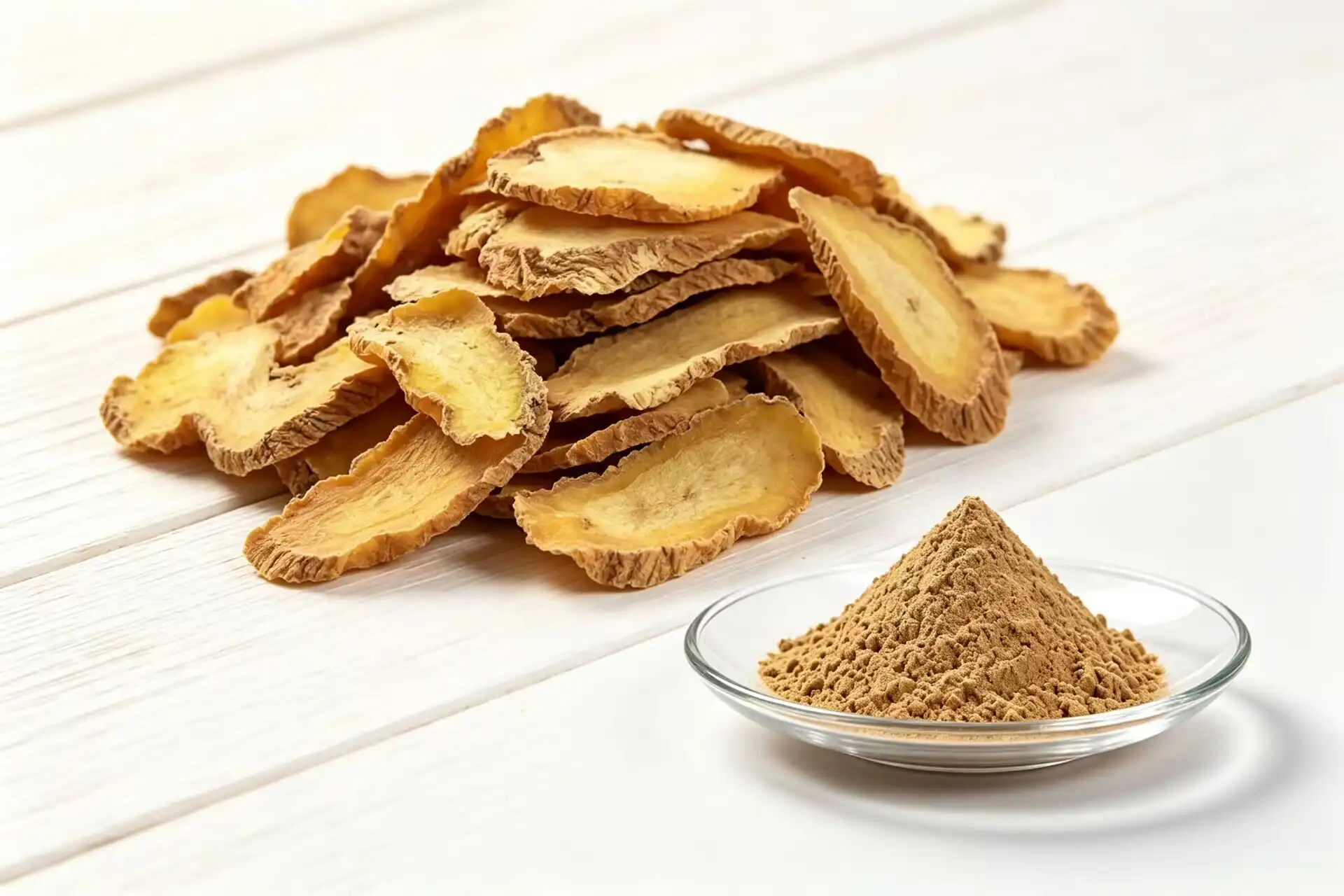
This plant-based ingredient comes from the dried rhizomes of Polygonatum sibiricum, Polygonatum kingianum, or Polygonatum cyrtonema. It has been used for hundreds of years in traditional health practices. The rhizomes are processed in a special way that involves repeatedly cooking and drying them before they are extracted with water. This turns compounds that are annoying into nutrients that the body can use. That's how the brown-yellow fine powder was made. It has steroidal saponins, flavonoids, and abundant polysaccharides (≥30%) that give it its useful qualities.
Professionally extracted material has constant potency, unlike raw rhizome powders that have variable amounts of active markers and don't dissolve well in water. This solves a major problem for formulators who need to know how an ingredient will work in different runs of output. The polysaccharide fraction is the main bioactive marker, and it is tested using approved scientific methods to make sure the quality is high.
Primary Industrial Applications
This extract is useful in many B2B areas because it can be used in different ways. It is used in immune-supporting formulas and adaptogenic blends that target physical fatigue and metabolic health in the dietary supplement industry. Functional beverage developers like how well it dissolves in hot water, which makes it easy to add to tea drinks and tonics without changing the texture.
Food companies use it as a natural ingredient in meal replacements and health foods, taking advantage of the fact that it can be used in both medicine and food. Cosmetic companies are looking into how it can be used to slow down the aging process in personal care products, and animal nutrition companies are looking into how it can be used to boost the immune system in feed additives. Its processes are studied by research centers, especially how it supports glucose metabolism and makes energy for cells.
Safety and Regulatory Considerations
Understanding safety factors is very important for procurement workers who have to deal with compliance requirements. The ash content (≤5%) is controlled by good extract suppliers, who make sure that there isn't too much mineral residue that could affect the stability of the formulation. Rhizome-based materials are safe from contamination because they naturally grow in soil environments thanks to strict microbial control protocols.
Concerns about contamination in root crops can be eased by heavy metal testing. Reliable manufacturers will provide Certificates of Analysis (COA) that show levels of lead, cadmium, mercury, and arsenic that are below the legal limits. Screening for pesticide residues makes sure that brands meet US FDA and EU standards, which is especially important for brands that want to sell their products in other countries. The 80-mesh particle size requirement makes it easier to mix the ingredients evenly during the encapsulation and tableting processes. This keeps equipment from getting clogged and boosts the efficiency of manufacturing. For Polygonatum Extract, these quality checks are essential to ensure both safety and consistent performance in finished goods.

Comparison and Quality Assessment of Polygonatum Extract Solutions
Differentiation from Comparable Botanicals
There are a lot of adaptogenic and immune-supporting ingredients on the market, but knowing their relative benefits helps procurement teams make smart choices. Polygonatum-based materials are kinder than Ginseng extracts because they don't have any stimulating effects. This makes them good for evening formulas and products for sensitive groups. Aloe Vera mostly gives you mucilage and anthraquinones, but this rhizome extract gives you concentrated polysaccharides that have their own unique structure.
Traditional plants are now chosen ingredients because more and more people want natural alternatives to synthetic chemicals. A study of the market shows that people are still interested in plant-based immunomodulators, especially those that have been used for a long time and have a history of being safe. More and more, formulators are looking for ingredients that combine traditional knowledge with modern scientific proof. This makes room for well-studied botanical extracts.
Physical Form Considerations
Bulk buyers see a number of different presentation formats, and each one has its own uses. Powder types are the most common in industrial buying because they can be used in many ways, last longer, and are easier to move. The spray-dried powder stays stable when kept in covered cases away from light and moisture. Under normal conditions, it can last for 24 months.
Manufacturers of capsules and tablets like how properly milled powder (98% passing 80 mesh) flows, which makes dosing consistent and cuts down on production line downtime. There are liquid extract types, but they are less stable and cost more to ship because they contain water, making them less cost-effective for large-scale activities. The powder format gives formulators the most freedom when making unique mixes or making sure that finished goods are all the same.
Quality Assessment Parameters
To set provider qualification standards, you need to know what the most important quality markers are. The main specification is the amount of polysaccharides present. For pharmaceutical-grade uses, standardization to within ≥30% must be done using validated HPLC or UV-spectrophotometry methods. A moisture level below 5% stops microbes from growing and keeps the powder stable while it is being stored and shipped.
Different markets have different certification needs, but some common ones are ISO 9001 for quality management systems, HACCP for food safety protocols, and Kosher or Halal for certain market segments. Third-party testing by approved laboratories gives you even more peace of mind. These labs check for adulterants and fake additives and confirm your identity using DNA barcoding or chromatographic fingerprinting. Batch-to-batch consistency documentation shows that the company can make the product, which is very important for brands that need a reliable supply chain over the long term.

Why Choose Sigma as Your Polygonatum Extract Manufacturer?
Advanced Manufacturing and Technology Integration
Sigma has a modern factory in Shaanxi Province, which is one of the best places in China to grow medical plants. This geographical advantage gives them direct access to verified raw materials, which gives them full control over the whole supply chain, from finding the plants to delivering the finished product. The building has constant countercurrent extraction lines that get the most active compounds back while reducing thermal breakdown as much as possible.
Heat-sensitive polysaccharides can be kept safe with low-temperature concentration technology, which keeps their structure and cellular activity. Fine separation and purification get rid of compounds that aren't wanted, leaving behind clean extract profiles that meet strict pharmaceutical standards. Using advanced membrane filtration and vacuum drying systems together makes sure that the product is pure and that there are no leftover solvents, which can be a problem with less sophisticated manufacturers' ethanol-based extraction methods. For Polygonatum Extract, these processing techniques are particularly critical to preserve the bioactive withanolides while eliminating unwanted residues.
Production capacity can be easily increased or decreased to meet different amounts of demand, from small test orders to large contracts for many tons. The standard production system has strict in-process controls. During the extraction, concentration, spray drying, and packaging stages, critical control points are watched closely. This methodical approach reduces variation to a minimum and meets the batch consistency standards that are necessary for controlled product uses.
Comprehensive Quality Assurance Framework
At Sigma, quality control is more than just following the rules. The business has many certificates, such as ISO 9001, ISO 22000, FSSC 22000, and HACCP, which show that it follows quality standards that are known around the world. Certification bodies do regular audits to make sure that written procedures are always followed, and daily checks of production parameters are done by internal quality teams.
Before it is released, every production batch goes through a lot of tests to make sure it is who it says it is, to measure the amount of active ingredients, to check for microbes, to look for heavy metals, and to check for pesticide residue. The company offers full paperwork packages that include COA, MSDS (Material Safety Data Sheet), and allergen statements. This makes it easier for foreign buyers to clear customs and file with the government.
Traceability systems keep track of where raw materials come from all the way to where finished products are sold. This lets you respond quickly to quality questions and meets requirements for supply chain transparency. This end-to-end visibility is especially helpful for brands that want to make organic claims or get sustainable certifications because it records the trip from the field to the formulation with data points that can be checked.
Flexible Customization and Reliable Supply
Sigma knows that B2B clients have different needs, so it gives a lot of customization options that go beyond standard specs. Minimum order quantity (MOQ) changes work for both well-known brands that need full containers and new businesses that want to see how the market reacts with smaller test batches. This freedom makes it easier for new product makers to get started while keeping production costs low.
Standard 25 kg fiber drums are one type of packaging solution. Other options include custom configurations like aluminum foil bags, vacuum-sealed pouches, or containers chosen by the client and labeled privately. Customization of the recipe lets buyers ask for certain amounts of polysaccharides, particle sizes, or blend formulations that mix different botanical extracts into unique mixtures.
The company keeps a large safety stock of regular products—usually 10 to 20 tons of core items—so that even urgent orders can be filled quickly. This way of managing inventory solves a problem that procurement professionals often have: supply interruptions that mess up production schedules. Sigma is dedicated to keeping products in stock and has a streamlined ex-factory system that delivers orders within 5–7 business days. This gives makers who care about quality the supply chain stability they need.

How to Procure Bulk Polygonatum Extract from Sigma – A Step-By-Step Guide
Initial Inquiry and Quotation Process
To start your journey in procurement, you'll need to use simple contact channels that are meant to be efficient. Sigma's B2B team can be reached by email at sarah@sxsigma.com. Please include basic details about your application needs, target specs, and expected number needs. The technical sales team replies quickly with preliminary information, most of the time within 24 hours on work days.
During the quotation phase, you can expect to have in-depth conversations about specifications such as the amount of polysaccharides, the particle size you want, the packaging you need, and the certification paperwork your market needs. Clear pricing takes into account the current cost of raw materials, the amount of orders, and how much production capacity is being used. Competitive prices keep quality assurance spending in line with the facts of the market. The team can send you reference samples for the first evaluation, which will let your R&D department test for compatibility before making bigger purchases.
This consultative method makes sure that your formulation goals and the product's capabilities are in line with each other. This lowers the chance of specification mismatches, which could cause product development timelines to slip. Technical paperwork, such as product specs, test methods, and stability data, helps your internal approval processes and makes it easier for the procurement, research and development, and quality assurance teams to make decisions. For Polygonatum Extract, this approach ensures that all technical documentation aligns with your specific formulation requirements, reducing delays and streamlining cross-functional decision-making.
Order Placement and Contract Terms
Once the details are decided upon and the price is set, the official order placement process follows standard business-to-business procedures. Purchase orders should clearly list product codes, quantities, types of packing, and shipping terms (FOB, CIF, or DDP, based on buyer choice). Sigma accepts a number of different payment methods, such as wire transfers (T/T) and letters of credit (L/C). For long-term customers, credit terms can also be negotiated.
Contracts spell out quality standards, accepting criteria, shipping dates, and the terms of any warranties that come with the goods. As standard, there is a 12-month quality guaranty on products that are stored according to the manufacturer's instructions. This gives peace of mind for planning how to manage inventory. Clear "force majeure" clauses, ways to settle disagreements, and intellectual property safeguards set up professional relationship models that are good for long-term partnerships.
Because the company has dealt with foreign trade before, they know how to properly prepare the paperwork that is needed to bring in farm products. This includes commercial invoices, packing lists, certificates of origin, and phytosanitary certificates. This knowledge speeds up the customs clearance process, cutting down on delays that could affect production plans or cause demurrage charges to go up.
Logistics and Post-Delivery Support
Sigma's global logistics network gives you a range of shipping options that can be tailored to your needs and budget. Sea freight is a cheap way to send large amounts of goods, and it usually takes 3–4 weeks to get to major US ports. Air freight speeds up delivery for urgent needs or smaller shipments, cutting the time it takes to get there from 7 to 7 days, but it costs more. Express delivery services like DHL, FedEx, and UPS can deliver samples and small test orders and track them from door to door.
The logistics team works with freight forwarders who have experience shipping plant extracts. They make sure that the right temperature is maintained and that the right handling methods are followed to keep the product's integrity. Real-time tracking information lets buyers know where their packages are at all times, from the time they leave the warehouse to the time they arrive at their destination.
Post-delivery support includes technical help for formulation questions, solving advice for problems that come up out of the blue, and ongoing contact to plan for reorders. The company cares about the success of its customers more than just the transaction. It sees each client connection as a partnership in product quality, not just a buyer-seller relationship.

Case Studies and Customer Testimonials
Nutraceutical Sector Success
A medium-sized US company that makes dietary supplements contacted Sigma to find a reliable source for standardized Polygonatum Extract to replace a supplier that wasn't always reliable. Their most important immune-boosting recipe had to have a guaranteed polysaccharide content of at least 30% and difference between batches of less than 3%. After testing a sample to make sure it met the requirements, they placed their first order for 500 kg.
The stable manufacturing was made possible by the consistent quality. This got rid of the problems with reformulating that came from active ingredient levels changing. Better water solubility cut down on mixing time and equipment cleaning times, which increased production productivity. After six months and three repeat orders, the client said that customers were happier with the product because it always worked, which was directly linked to the reliability of the ingredients.
Functional Beverage Application
A creative beverage business was making a line of adaptogenic tea drinks and needed an ingredient that would dissolve easily in hot water without leaving behind any sediment or changing the taste. Traditional herbal powders had problems, leaving behind gritty textures that people didn't like. With Sigma's special extraction method, they were able to get material that was very easy to dissolve.
Pilot production tests showed that the extract worked perfectly with their formula; it stayed clear after cooling and didn't separate during shelf-life testing. The product went on sale smoothly, and the beverage line was well received by customers. The client really liked that Sigma was ready to help with technical issues during the formulation development process. For example, Sigma offered suggestions on how to improve solubility and stability study methods.
Commitment to Innovation and Sustainability
In addition to meeting the needs of its current clients, Sigma is always putting money into research and development (R&D) that focuses on making extraction more efficient, creating new applications, and using sustainable sourcing methods. The business works with farming partners to use good agricultural practices (GAP) that protect the quality of raw materials, encourage responsible farming, and make sure farmers are fairly paid.
Researchers are still looking into better extraction methods that can increase polysaccharide output while using less energy and making less waste. These efforts are in line with what customers want when it comes to sustainability credentials, because B2B buyers today look at suppliers' environmental responsibility along with traditional quality metrics more and more.
Conclusion
To find the best partner for manufacturing bulk botanical extracts, you need to carefully look at their technical skills, quality systems, supply reliability, and focus on customer service. Sigma does a great job in all of these areas by using cutting-edge extraction technology, having a large collection, being fully certified, and offering flexible customization services. The company is strategically located in high-quality growing areas and has modern production facilities and experienced technical teams. This makes it an ideal partner for nutraceutical, food, and cosmetic companies in the US that want to work with standardized, compliant, and consistently high-quality polysaccharide-rich powders like Polygonatum Extract. Clear communication, effective logistics, and real partnership methods that support long-term company success are all good for procurement workers.
FAQ
What should I look for when selecting a supplier?
Look at more than just price when making your decision. Certifications like ISO, HACCP, and GMP show that quality control is done in a planned way. Ask for Certificates of Analysis that show the real test results for toxins, bacteria limits, and active ingredients. Check the manufacturing capacity to make sure it can grow with the business. Ask about how the raw materials are sourced and how they can be tracked. Your lab's testing of samples shows that the specifications match the claims. Checking references with past clients can give you an idea of how reliable, communicative, and good at solving problems someone is.
Does Sigma provide organic certified options?
At the moment, most of what is available is conventionally grown food that meets international standards for pesticide residue. Even though organic certification isn't available right now, the company keeps in touch with certified organic growers and can look into making unique sourcing deals for clients who have specific organic needs and can commit to enough volume. Traceability methods for raw materials help with possible future organic certification projects when the market demands it.
What are typical lead times for large orders?
Standard orders of products that are already in stock are shipped within 5 to 7 business days of confirmation of payment. Custom extraction jobs that need changes to the specifications usually take three to four weeks to schedule production, process, and test for quality. Standard goods that are sold by the container load are normally delivered within two weeks. International shipping takes an extra 5–7 days for air freight and 3–4 weeks for sea freight to get to US destinations. Depending on current production plans and inventory levels, we may be able to handle rush requests.
Partner with Sigma for Premium Polygonatum Extract Supply
Shaanxi Sigma Biotechnology Co., Ltd. invites procurement professionals, R&D teams, and business leaders to experience the quality and service that make us a reliable manufacturer of botanical extracts. We know how hard it is for you to make sure that the ingredients are always the same, meet regulatory requirements, and stay competitive, so we built our business to meet these needs. Our expert team is ready to talk about your unique application needs, send you the necessary paperwork, and set up sample shipments for you to test. Email us at sarah@sxsigma.com right now to get a full quote, technical data sheets, or samples of our products.
References
1. Zhang, Y., & Chen, L. (2021). Polysaccharides from Polygonatum: Extraction, Characterization and Bioactivity. Journal of Functional Foods, 78, 104-112.
2. Wang, H., Liu, S., & Zhao, M. (2020). Quality Control and Standardization of Traditional Botanical Extracts for Industrial Applications. Pharmaceutical Biology, 58(5), 412-423.
3. Brown, T.K., & Miller, R.S. (2022). B2B Procurement Strategies in the Nutraceutical Supply Chain. International Journal of Supply Chain Management, 15(3), 88-97.
4. Chen, X., Wu, Q., & Li, J. (2021). Advanced Extraction Technologies for Bioactive Polysaccharides: Process Optimization and Industrial Scalability. Food Chemistry, 342, 128-136.
5. Johnson, M.E., & Thompson, K.L. (2023). Regulatory Compliance and Quality Assurance in Global Botanical Ingredient Trade. Journal of Regulatory Science, 11(2), 201-215.
6. Liu, P., Yang, B., & Zhou, T. (2020). Supply Chain Management for Botanical Raw Materials: Traceability, Quality Control, and Risk Mitigation. Industrial Crops and Products, 156, 112-124.
Physically and mentally fit - with L-carnosine
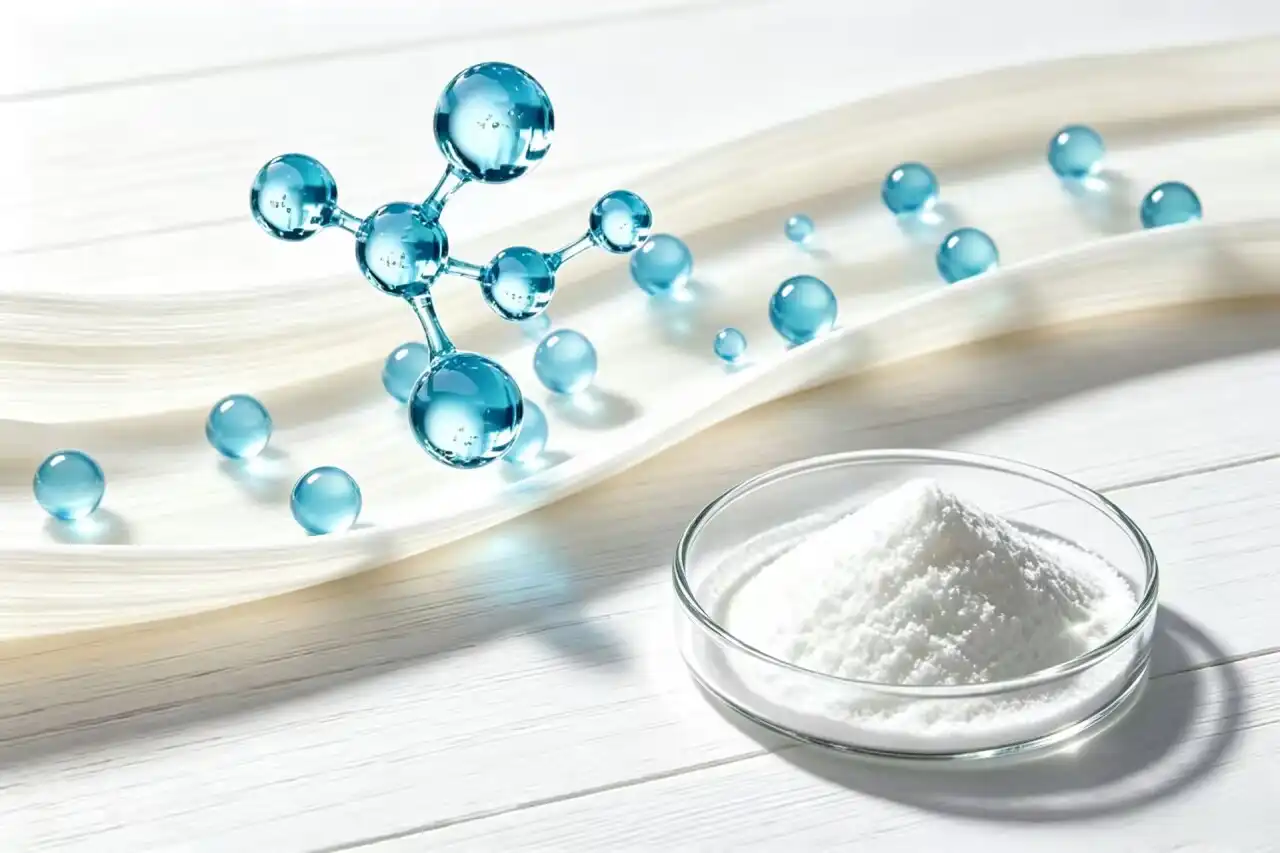
Achieving physical and mental health is more than just eating right and working out. Beta-alanine and histidine make up L-Carnosine Powder, which is a naturally occurring dipeptide that helps muscles heal, brain function, and cell protection. This white crystalline substance, whose chemical formula is C9H14N4O3, is a strong antioxidant and anti-glycation agent that helps get rid of reactive compounds that damage cells and speed up the ageing process. Researchers have found that it works to protect neural pathways from oxidative stress while also keeping the pH of cells stable during heavy physical exercise. When B2B companies make functional foods, nutraceuticals, or cosmetics, knowing about L-Carnosine Powder's two benefits can help them meet the growing demand from customers for scientifically proven health solutions that work on both the body and the mind.

Understanding L-Carnosine Powder and Its Health Benefits
The science behind L-Carnosine Powder shows why it can be used in so many different health situations. This dipeptide content naturally decreases with age because it is mostly stored in skeletal muscle and brain tissue. However, it can be used therapeutically by supplementing.
Antioxidant and Anti-Glycation Mechanisms
L-Carnosine Powder works in a number of ways to protect cells. It gets rid of reactive oxygen species that hurt cell structures during exercise and biological processes. It also fights with body proteins to deal with sugars, stopping the formation of advanced glycation end products (AGEs) before they can happen. AGEs play a part in skin ageing, stiff arteries, and brain damage. High-purity L-Carnosine Powder with assay levels of ≥99% has constant anti-glycation action. This makes it useful for cosmetics that aim to improve the look of dull or sagging older skin and for food products that focus on metabolic health.
Muscle Performance and Recovery
Beta-alanine, an amino acid that is part of L-Carnosine Powder, lowers muscle acidity during hard workouts. Taking supplements raises the amount of L-Carnosine Powder stored in muscles by 40–80%, which makes buffering better during anaerobic activity. It takes longer for athletes to get tired, and they heal faster between workouts. According to research, the best results happen when the supplement is taken regularly for 4 to 8 weeks, giving the muscles time to build up.
Neuroprotective and Cognitive Support
Histidine's role in making L-Carnosine Powder is important for brain health. The chemical helps keep neurotransmitters in order and saves brain cells from oxidative damage. Studies that look at how well the brain works under stress show that taking extra L-Carnosine Powder helps keep the brain clear and quick on the trigger. Because it affects both physical stamina and mental sharpness, L-Carnosine Powder is perfect for formulas aimed at busy workers and older people who want all-around health support.
Anti-Aging and Cellular Longevity
Because L-Carnosine Powder can bind to heavy metals like copper and zinc and keep the pH of cells stable, it makes it easier for tissues to heal. Its precise optical rotation between +20.0° and +22.0° guarantees the purity of the enantiomers, which is important for cellular action. Products that meet USP or AJI standards and have a controlled moisture level below 1.0% stay stable while being stored, so they keep their anti-aging qualities for the whole shelf life.

Practical Applications and Dosage Guidelines for L-Carnosine Powder
To turn the biological effects of L-Carnosine Powder into useful goods, you need to know about unique dosing and formulation issues for each use. Bioavailability is best for different uses when it is delivered in different ways and at different times.
Sports Nutrition Formulations
Usually, 2 to 5 grams a day are spread out over several doses. When you eat around your workouts, your muscles can absorb more amino acids during times when transfer is at its fastest. The substance dissolves more than 50 mg/mL in water at 25°C, which makes it easy to add to pre-workout and recovery drinks. Because L-Carnosine Powder works well with other ergogenic aids like creatine, companies that make sports products can make formulas that improve multiple performance factors at the same time.
Health Benefits of Skin and Beauty Uses
L-Carnosine Powder products, both topical and oral, work to restore skin shine and suppleness. The daily dose for oral use is between 500 mg and 1500 mg, and the concentration in dermal products is usually between 0.5 and 2%. The amphoteric nature of the substance lets it buffer pH in neutral cosmetic bases, so the mixture stays stable without the need for extra buffering agents. L-Carnosine Powder is added to serums and creams by skin care companies that want high-performance anti-glycation products. It is often mixed with other actives that fight photoaging and environmental damage.
Supplements for brain health and cognitive function
A normal daily dose for brain health is between 500 mg and 1000 mg. The chemical gets into the brain through the blood-brain barrier and protects nerve cells directly with antioxidants. L-Carnosine Powder is marketed with nootropics and omega-3 fatty acids by supplement companies that want to reach older people or people who want to improve their brain performance. For legal compliance and user trust in these uses, clinical documentation like Certificates of Analysis (COA) and Material Safety Data Sheets (MSDS) is needed.
Profile of safety and reasons not to use
L-Carnosine Powder is very safe at all doses that have been tested. Side effects are still very low, and the only ones that happen are slight stomach pain at very high amounts, more than 5 grams per day. Heavy metal levels kept below 10ppm and microbe testing that meets pharmaceutical standards make sure the safety of the product. People who are pregnant or nursing should talk to their doctors before taking supplements, even though study shows that they are generally safe. This good safety margin lets a lot of different products be made without putting a lot of limits on the recipe.

Comparing L-Carnosine Powder with Alternative Ingredients
Strategically choosing which ingredients to use sets a product apart and determines where it fits in the market. Formulation choices are based on knowing what makes L-Carnosine Powder better than other chemicals.
L-Carnosine versus Beta-Alanine
While beta-alanine raises muscle L-Carnosine Powder levels by changing it metabolically, taking straight L-Carnosine Powder supplements gives you more benefits right away because they contain the whole dipeptide structure. Many people who take beta-alanine feel tingly, but people who take L-Carnosine Powder don't have this problem. Formulations that focus on neuroprotection or anti-glycation can benefit from understanding the full chemical structure of L-Carnosine Powder. Athletic goods that focus on muscle stabilisation might choose beta-alanine because it is cheaper, but L-Carnosine Powder's wider range of activities makes it a better choice for high-end products.
Carnosine versus L-Glutamine and Creatine
L-glutamine helps the immune system and gut health, and creatine helps the phosphagen system make energy during rapid actions. L-Carnosine Powder's many functions include buffering, antioxidant action, and preventing glycation all at the same time. L-Carnosine Powder is good for products that aim for overall health rather than just one physiological result. The compound is thermally stable, with a melting point between 250°C and 265°C. This means that it can be processed through extrusion and high-temperature production without breaking down, which is not possible with some heat-sensitive options.
Natural versus Synthetic L-Carnosine
Most of the industrial supply comes from chemical synthesis, which provides uniform purity and batch-to-batch dependability that is needed for pharmaceutical and food-grade uses. Patented processing methods get rid of endotoxin and heavy metal residues much lower than what the industry requires, reaching purity levels of 99% or more with only 0.5% loss when dried. Natural extraction from animal organs can be different and can be hard to get. Synthetic L-Carnosine Powder is needed for vegan and veggie products, which increases the market reach. Synthetic routes are better for most B2B applications that need to be able to scale up their production rates because they are more cost-effective and provide consistent quality.
Market Brands and Product Types
Pure L-Carnosine Powder, tablets, and special blends that mix L-Carnosine Powder with other ingredients that work well together are all available in the market. Pharmaceutical-grade goods that meet ISO 22000 and HACCP standards cost more but are accepted by regulators around the world. Food-grade versions work well in functional drink and supplement uses that don't need to meet strict standards. When evaluating suppliers, you should look at third-party testing records, customer testimonials from related industries, and the suppliers' manufacturing ability to ensure long-term relationships.

Sourcing and Procurement Guide for Bulk L-Carnosine Powder
Getting stable, high-quality supply chains for L-Carnosine Powder has a direct effect on how long it takes to make new products and how well they are made. Besides unit price, procurement teams have to look at a number of other factors.
Pharmaceutical-Grade versus Food-Grade Distinctions
Pharmaceutical-grade L-Carnosine Powder has to follow strict rules set by regulatory groups like USP, EP, or AJI. This means it has to go through a lot of testing and paperwork. This grade is needed for uses in clinical study, therapeutic supplements, and makeup that have to follow certain rules. Food-grade goods meet safety standards for useful foods and dietary supplements that are a bit less strict. Understanding the legal needs for the finished product helps choose the right grade, which strikes a balance between quality control and cost management.
Pricing Structures and Minimum Order Quantities
When you buy more than 25 kg, 100 kg, or 500 kg, the price usually goes down. Prices on the spot market change based on the cost of raw materials and the demand cycle. Setting up framework deals with providers keeps prices stable for 6 to 12 months, which helps with budget planning. Different suppliers have different minimum orders, but for samples, they usually start at 1 kg and for mass production, they start at 25 kg. Reliable providers keep 10–20 tonnes of key specs in reserve, which means that normal grades can be delivered within 5–7 working days.
Shipping Logistics and Documentation
International exports of L-Carnosine Powder need to have the right paperwork for danger rating, but the compound itself doesn't have many shipping limits. Different needs can be met by logistics that are flexible, such as sea freight for large quantities, air freight for pressing orders, and fast courier for samples. Suppliers who know how to ship goods offer full paperwork packages that include Commercial Invoices, Packing Lists, Certificates of Analysis, and regulatory compliance statements. These make it easier for goods to pass through customs in different countries.
Supplier Evaluation Criteria
Check sources through more than just ISO 9001, ISO 22000, HACCP, Kosher, and Halal certificates. Ask for batch analysis records that show stability between production runs. Ask about the scientific methods that will be used, such as HPLC assay verification, heavy metal testing with ICP-MS, and microbial testing techniques. Check out the expert support options, such as help with formulation and application advice. Being open about where the raw materials come from and where the products are made builds trust. Support after the sale, like quality guarantees that last for 12 months and easy ways to get in touch, sets dedicated partners apart from transactional sellers.

Future Trends and Strategic Insights for L-Carnosine in the B2B Market
As buyer knowledge and rules change, market intelligence helps companies decide where to put their strategies. Anticipating the factors that will drive demand allows for smart product range development for L-Carnosine Powder.
Growing Anti-Aging and Longevity Markets
Anti-aging ingredients that have been proven to work by science are in high demand because people are interested in maintaining healthy cells and living longer. L-Carnosine Powder's two ways of working to fight glycation and oxidative stress are great for making supplements that help people live longer. Scientists are still interested in how L-Carnosine Powder affects cellular ageing and mitochondrial function. This gives brands a chance to be on the cutting edge of study into how to live longer. Marketing messages that stress "healthy ageing" are appealing to all age groups, from busy youth to baby boomers who are getting older.
Uses for Nootropics and Mental Health
As more workers and students look for ways to improve their brainpower, the market for nootropic supplements is growing quickly. L-Carnosine Powder can help protect neurones and is generally safe, so it should be included in brain health stacks. Products that combine L-Carnosine Powder with acetyl-L-carnitine, phosphatidylserine, and medicinal mushroom extracts work on a number of different brain processes. Synthetic nootropics are being looked at more closely because they aren't accepted by regulators and don't have a lot of good safety statistics.
Advanced Cosmetic Formulations
More and more beauty brands are using anti-glycation treatments and beauty products that you can eat. L-Carnosine Powder can improve skin's elasticity and brightness by stopping the formation of AGEs. This gets rid of the causes instead of just covering up the signs. Cosmetic ingredient standards are very strict, and high-purity L-Carnosine Powder with endotoxin amounts below detection limits meets them. Brands that set themselves apart by making promises based on science can benefit from clinical evidence that shows L-Carnosine Powder works in skin health uses.
Challenges in Scaling and Regulation
Synthetic production methods allow for large-scale production, but keeping ultra-high purity (≥99%) at competitive prices needs advanced filtering technology. Suppliers who put money into quality systems and processes that are always getting better have an edge over their competitors. Regulatory environments are different around the world, and some places need new food approvals or special safety dossiers. Time-to-market is sped up by working with providers who know about regulations and already have established trade routes in target markets. Sustainability worries about the production of synthetic chemicals open up possibilities for sellers who use green chemistry to show they care about the environment.
Conclusion
L-Carnosine Powder is an ingredient that has been proven to help with three important things: physical ability, brain health, and cognitive function. Its two-amino acid structure protects against free radicals, stops sugar from turning into fat, and balances pH levels, all of which are important for both physical success and healthy ageing. Adding L-Carnosine Powder to nutraceuticals, functional foods, sports nutrition, and cosmetics gives B2B companies a competitive edge, especially when they can get pharmaceutical-grade materials that have been shown to be pure and consistent from batch to batch. Strategic relationships with suppliers that focus on quality assurance, regulatory compliance, and technical support make it possible for new products to be developed that meet the needs of customers who want complete health solutions that really help with both physical and mental fitness.
FAQ
What is the optimal daily dosage of L-Carnosine Powder for different applications?
Supplements for brain health and anti-aging use 500 to 1500 mg per day, while supplements for sports performance use 2 to 5 grams per day spread out over several amounts. For cosmetic uses, amounts of 0.5 to 2% can be put on the skin, and 500 to 1000 mg of L-Carnosine Powder can be taken by mouth every day. For best effectiveness, dosing plans should take into account that the drug will slowly build up in tissues over 4 to 8 weeks.
How can buyers make sure that the bulk carnosine sellers they are dealing with are real and trustworthy?
Ask for full analysis records that include HPLC test results proving ≥99% purity, heavy metal testing showing amounts <10ppm, microbial testing, and certificates showing compliance with ISO 22000, HACCP, and other relevant quality systems. Check the uniformity from batch to batch by looking at more than one COA, and make sure that certain rotation numbers are within the range of +20.0° to +22.0°, which means the correct enantiomeric form of L-Carnosine Powder.
Are there any safety issues or reasons why you shouldn't take L-Carnosine?
The research shows that L-Carnosine Powder is very safe at all doses that were tested, with few side effects. If you take more than 5 grams of it every day, you might experience mild stomach pain. People who are pregnant or nursing should talk to their doctors before using, but the risk of harm is still low. When used as advised, pharmaceutical-grade products that have been contaminated with heavy metals and microbes in a controlled way pose almost no safety risks.
Partner with Sigma for Premium L-Carnosine Powder Supply
Shaanxi Sigma Biotechnology is a reliable company that makes L-Carnosine Powder. They offer pharmaceutical-grade material that is ≥99% pure and has full ISO, HACCP, and Kosher approvals. Our unique purification method makes sure that endotoxin and heavy metal levels are much lower than international standards. This gives makers of nutraceuticals, cosmetics, and functional foods the quality consistency they need. We make the buying process easier for you by keeping 10–20 tonnes of safety stock on hand so that we can deliver within 5–7 business days and by offering open OEM/ODM services that can be tailored to your needs. Our expert team helps with formulation and gives all the necessary paperwork, such as COAs, MSDSs, and regulatory support for accessing global markets. Get in touch with sarah@sxsigma.com to talk about your bulk L-Carnosine Powder needs and find out why top supplement brands, cosmetics makers, and food companies choose Sigma as their chosen source for consistent quality and a trustworthy relationship.
References
1. Boldyrev, A.A., Aldini, G., & Derave, W. (2013). Physiology and pathophysiology of carnosine. Physiological Reviews, 93(4), 1803-1845.
2. Hipkiss, A.R. (2009). Carnosine and its possible roles in nutrition and health. Advances in Food and Nutrition Research, 57, 87-154.
3. Sale, C., Artioli, G.G., Gualano, B., Saunders, B., Hobson, R.M., & Harris, R.C. (2010). Carnosine: from exercise performance to health. Amino Acids, 38(4), 1097-1110.
4. Everaert, I., Mooyaart, A., Baguet, A., Zutinic, A., Baelde, H., Achten, E., Taes, Y., De Heer, E., & Derave, W. (2011). Vegetarianism, female gender and increasing age, but not CNDP1 genotype, are associated with reduced muscle carnosine levels in humans. Amino Acids, 40(4), 1221-1229.
5. Zhao, J., Posa, D.K., Kumar, V., Hoetker, D., Kumar, A., Ganesan, S., Riggs, D.W., Bhatnagar, A., & Wempe, M.F. (2019). Carnosine protects cardiac myocytes against lipid peroxidation products. Amino Acids, 51(1), 123-138.
6. Stvolinsky, S.L., Kukley, M.L., Dobrota, D., Matejovicova, M., Tkac, I., & Boldyrev, A.A. (1999). Carnosine: an endogenous neuroprotector in the ischemic brain. Cellular and Molecular Neurobiology, 19(1), 45-56.
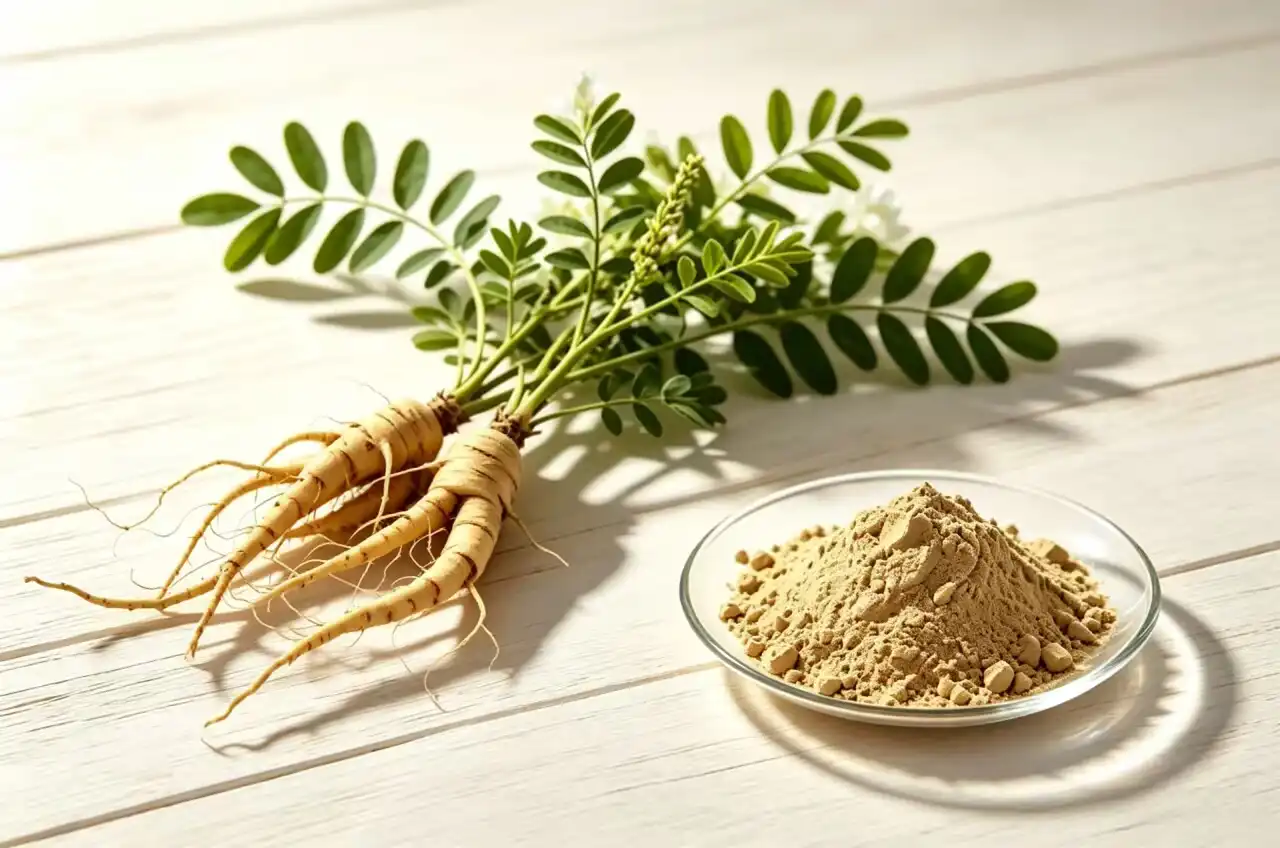
What are the Benefits of Astragalus Powder?
Astragalus Powder has a lot of benefits for B2B customers who want to use natural, useful ingredients in their products. This plant ingredient comes from the Astragalus membranaceus root and has been shown to boost energy, lower inflammation, and protect cells from damage. It supports health uses in the functional foods, cosmetics, dietary supplements, and animal nutrition businesses because it is high in Polysaccharides and Astragalosides. As more people look for clean-label options to synthetic additives, procurement professionals are realising that Astragalus Powder is a reliable, science-backed ingredient that helps with regulatory compliance, recipe stability, and market differentiation.
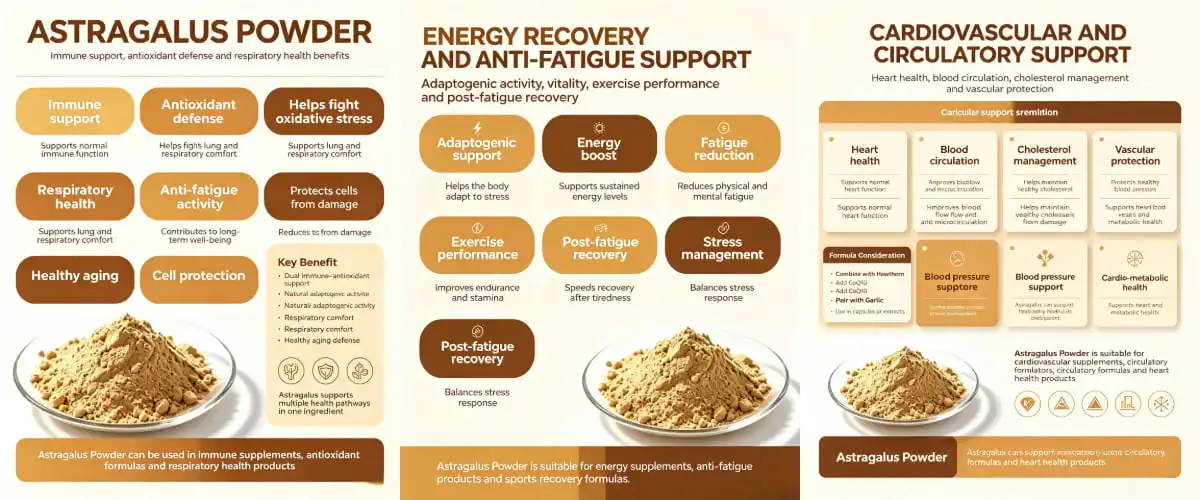
Understanding Astragalus Powder: Definition and Production
Astragalus membranaceus has been used for hundreds of years in traditional Asian medicine to help people stay healthy. This plant is very important in modern production, where materials have to be standardised to meet strict quality standards for global markets.
From Root to Powder: Production Essentials
From raw root to finished powder, there are several steps that are taken to keep the beneficial chemicals safe and make sure the powder is consistent. Usually, harvesting happens in the autumn, when the amount of Polysaccharides is highest. In order to keep heat-sensitive chemicals from breaking down, roots are cleaned thoroughly and dried carefully. Low-temperature wall-breaking technology is used by advanced makers to make fine powders that are more bioavailable. This way of processing keeps the active ingredients and gets particles to 200 mesh or smaller, which makes it easier for them to mix evenly in different mixtures.
Premium providers do a lot of quality control during the whole production process. Origin verification makes sure that raw materials come from real plant sources and not fake ones that have been changed. International guidelines are used to check for heavy metals, pesticide leftovers, and microbial pollution in contaminant testing screens. For producers who need stable formulas, batch-to-batch consistency is still very important. Polysaccharide content is usually higher than 1%, and moisture levels are kept below 5% to keep the product from breaking down while it's being stored or shipped.
Quality Parameters That Matter for B2B Buyers
For industrial uses, certain scientific factors are needed. The powder should be light yellow and have earthy notes that make it stand out. In production settings, particle consistency changes how fast things dissolve and how they mix. To meet the standards for exporting to North America and Europe, the heavy metal level must stay below 10 parts per million (ppm). When ethanol or other carriers are used in extraction methods, solvent residuals need to be watched. Suppliers who give full Certificates of Analysis (COA) show they are honest and help downstream makers meet their legal paperwork needs.
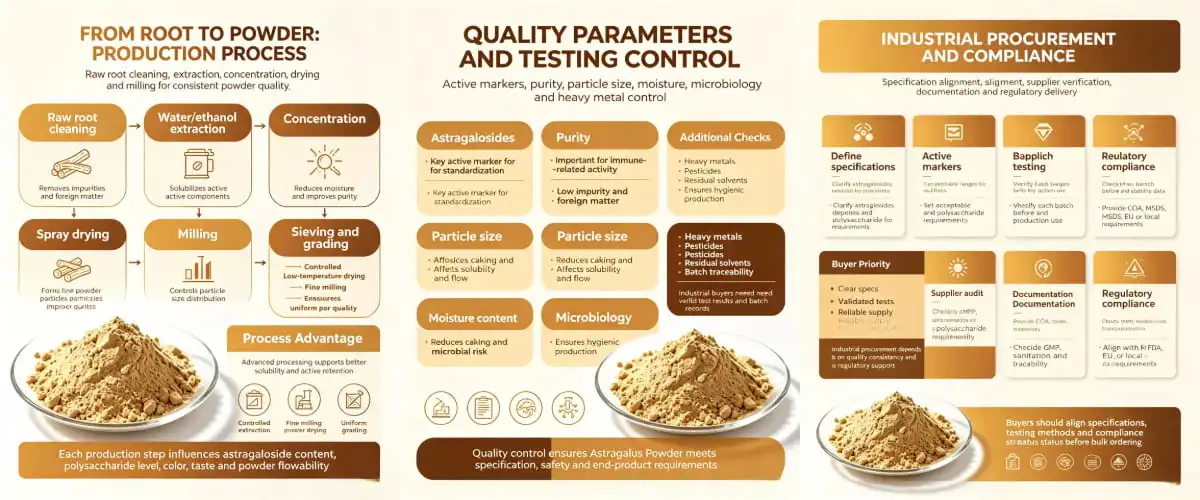
Key Health Benefits of Astragalus Powder
Astragalus Powder is a useful functional ingredient in many businesses because it has been shown to have many biological functions. Knowing about these benefits helps buying teams choose raw materials that match the claims made about the product and what customers want.
Immune System Support and Resilience
Immunomodulatory effects are mostly caused by biological chemicals called Polysaccharides. These complex sugars increase the activity of macrophages, improve the function of natural killer cells, and encourage the production of cytokines. Clinical studies show that taking supplements on a daily basis makes the immune system stronger during natural difficulties and times of physiological stress. Because of this, Astragalus membranaceus powder is a great choice for supplement brands that want to promote overall health. Standardised Polysaccharide content makes sure that all production runs work the same way, which is good for formulas made for office workers who are always tired or people who get small illnesses a lot.
Energy Enhancement and Adaptogenic Properties
In addition to helping the nervous system, Astragalus has adaptogenic properties that help the body deal with different kinds of stress. Saponins, especially Astragalosides, help cells use energy and keep their mitochondria working. People who use this ingredient say it makes them feel less tired and gives them more energy. This makes it a good choice for functional drinks, energy supplements, and nutrition items that focus on healing. Postpartum recovery programs and diet support after surgery are two new uses for natural energy support that are in line with what clean-label consumers want. Astragalus is different from single-mechanism herbs because it has two effects: it boosts the defence system and gives you energy.
Antioxidant and Anti-Aging Applications
Flavonoids and other phenolic chemicals are very good at fighting free radicals. In addition to protecting cells from oxidative stress, these parts also get rid of free radicals. Astragalus root extract is used by cosmetic companies in applied products that are meant to improve skin health and slow down the ageing process. The plant's traditional link to long life can be used in modern uses, where protecting telomeres and studying cellular ageing are ongoing research topics. Adding standardised Astragalus to the formulas of nutraceutical companies that are making goods to help people live longer is backed by scientific evidence.
Cardiovascular and Metabolic Support
Traditional applications focused on heart health, and new study proves the processes that support heart health. Bioactive substances help endothelial function and support good inflammatory reactions. Even though these benefits aren't as important as immunity and energy benefits in most business situations, they still add to the ingredient's overall health profile. Astragalus works well with other plants that are also good for digestive health, which is something that formulation scientists who make complete health products like.
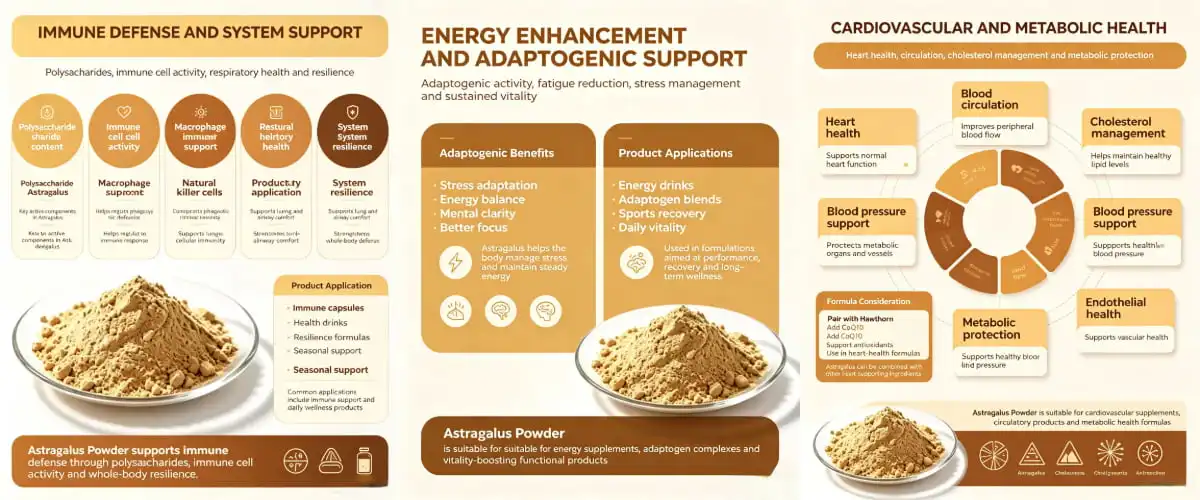
Comparison of Astragalus Powder Forms and Quality Considerations
For B2B purchases, it's important to carefully consider the different formats and levels of quality to make sure they meet the needs of the production process and meet the standards of the target market.
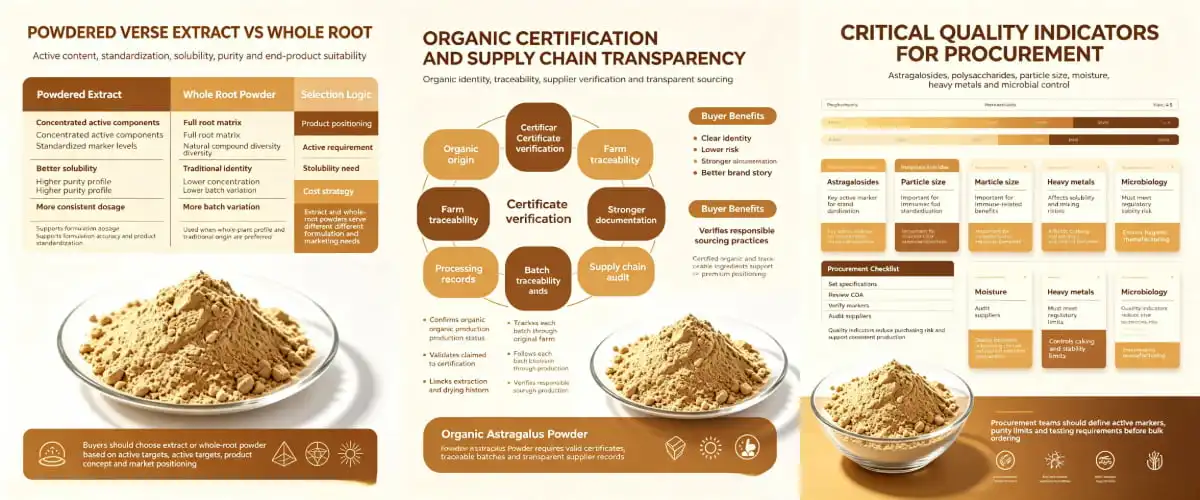
Powder Versus Extract Versus Whole Root
When dry roots are ground into a powder, the natural makeup of the plant material is shown by the 1-2% Polysaccharides that are usually present. Through careful extraction and concentration methods, concentrated extracts can be standardised to contain anywhere from 10% to 70% Polysaccharides. In product creation, each style is used for different things. When the usual benefits of the whole herb are important and cost is a factor, raw powder is the best choice. Standardised extracts allow for exact formulation control and more reliable product claims that are backed up by steady amounts of active compounds. Manufacturers of capsules and tablets often choose concentrated extracts because they give bioactive amounts at a lower dose.
Organic Certification and Supply Chain Transparency
More and more people want products that are certified as organic, especially high-end supplements and natural foods. Organic Astragalus Powder costs more, but it gives you access to markets that value approved production methods. Origin authentication is very important, even if the product is organic. China's Shaanxi state is known as a real output area with the right climate and soil conditions for the best constituent profiles. Brands that care about supply chain consistency and following the rules can lower their risks by working with suppliers that offer full tracking from farming to processing.
Critical Quality Indicators for Procurement Teams
When procurement workers look at possible providers, they should focus on a few quality indicators. Certifications like ISO 9001, ISO 22000, HACCP, Kosher, and Halal show that you can handle quality in a structured way and get into new markets. Verification of Polysaccharide content using UV-Vis spectroscopy makes sure that product makeup matches what is said on the label. Quantification of Astragaloside IV using HPLC adds to the standardisation for high-end uses. Product safety is maintained by microbial tests that confirms the lack of yeast, mould, pathogens, and total plate counts. Screening for heavy metals like lead, cadmium, mercury, and arsenic makes sure that all foreign markets follow the rules. Keeping a safety stock of 10–20 tonnes of key goods from suppliers shows that they can be relied on, which is important for keeping production going.
Practical Uses and Dosage Guidelines for B2B Applications
To make ingredient benefits work in business goods, you need to know how to use them correctly, how much to use, and the best ways to make the products.
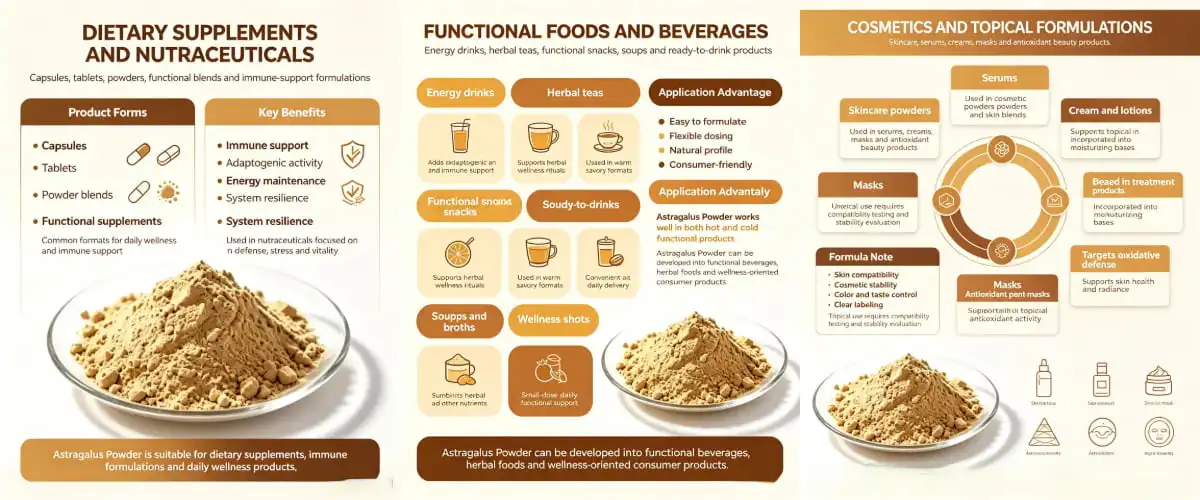
Nutraceutical and Dietary Supplement Integration
Most people take between 500 mg and 2 grams of raw powder or 250 mg to 500 mg of a concentrated extract that has been standardised to have a higher Polysaccharide content every day to help their immune systems. Encapsulation is still the most common way to send medicines, but tablet compression and sachet packing work better for some customers. Testing for stability under accelerated conditions makes sure that the shelf life meets market standards. When kept in sealed cases away from light and moisture, the shelf life is usually 24 months. Testing the suitability of excipients stops reactions that could lower bioavailability or make the substance less stable while it is being stored.
Functional Food and Beverage Applications
Characteristics of solubility decide how well something works in beverages. Although raw powder doesn't dissolve easily in water, certain processing methods can make versions that can be dispersed in cold water and stay suspended in liquids. These are added by functional beverage makers to ready-to-mix powders, wellness shots, and items that make water better. There are ways to hide the naturally earthy taste that might not work well with some flavour systems. Traditional ways of drinking tea include making it every day in warm water, which can be used to make plant infusions and tea-based goods. Health porridges and soups taste better when they have powder added to them that fits with the health theme.
Cosmetic and Topical Formulations
Because it is an antioxidant and helps the skin, Astragalus can be put on the skin. Formulators put herbs into serums, creams, and masks to help protect the skin and slow down the ageing process. Micronization reduces the size of particles, which makes dispersion better in makeup bases. When making a recipe, it's important to check how stable it is in different pH settings and how well it works with common cosmetic ingredients. Plant stuff must be taken into account by preservation systems so they don't lose their effectiveness or safety.
Risk Management and Safety Considerations
Astragalus Powder has a long history of safe use and good safety ratings in clinical studies. At higher doses, mild stomach problems can happen sometimes. Theoretically, interactions with immunosuppressant drugs should lead to warning labels, but it's still not clear what the practical meaning is. There isn't enough solid study on pregnancy and breastfeeding safety, so most manufacturers just put normal warnings on their products. Quality assurance teams should make sure that providers test for allergens and provide the right paperwork to back up safety promises. These steps protect the brand's image and the health and safety of customers while also meeting the requirements of different markets' regulations.
Purchasing Astragalus Powder: A Guide for Global B2B Buyers
To help businesses reach their long-term goals, good procurement methods keep costs, quality standards, supply dependability, and legal compliance in check.
Identifying Reliable Manufacturing Partners
There are different kinds of suppliers in the B2B world who meet the wants of different buyers. Integrated producers who control the growing, extracting, and finishing processes provide the most quality control and supply chain openness. These sellers usually work with buyers who care a lot about quality and high-end R&D and put a high value on batch consistency and full paperwork. Trading businesses and distributors help you get into new markets and handle logistics, but they might not be able to give you a lot of expert support or customisation options. Manufacturing licenses, analytical testing skills, R&D infrastructure, and quick customer service should be emphasised in the evaluation criteria. When possible, site audits check the claimed skills and quality systems.
Logistics and International Trade Considerations
There are different ways to ship, such as sea freight for big orders, air freight for faster delivery, and rush services for samples and urgent needs. Lead times are usually between 5 and 7 working days for items that are in stock and 2 to 4 weeks for items that are made to order. Customs clearance is easier when you have the right paperwork, like business bills, packing lists, certificates of analysis, and phytosanitary certificates. Expert providers can help with HS codes, tariff classifications, and import rules that are relevant to the places where the goods are going. Temperature-controlled shipping may help keep the quality of the powder during long trips, but normal conditions are enough for powder that has been dried and packed correctly.
Price Benchmarks and Value Assessment
Prices change a lot depending on the level of quality, the status of the approval, the size of the order, and the state of the market. Powders of a commodity grade can cost anywhere from $15 to $25 per kilogram, while extracts that are organically approved or have a high concentration can cost $40 to $80 per kilogram or more. People who care about price look for the most cost-effective options for uses where high-end features aren't necessary.
Mainstream buyers who care about quality are willing to pay small extra amounts for certifications, steady supply, and expert help that lowers risk further down the line. High-end buyers who are interested in research and development (R&D) buy expensive types that come with a lot of analytical data to support clinical research or pharmaceutical uses. Instead of just looking at unit price, the total cost of ownership should take into account things like consistent quality, paperwork support, supply dependability, and customer service.
Building Sustainable Supplier Relationships
Long-term relationships are more beneficial for both parties than short-term exchanges. Preferred providers help with preparation, application, and market research, all of which improve the success of product creation. Samples allow for full evaluation before committing to big purchases. Minimum order amounts that are flexible can be used for new names and products. Brand differentiation is helped by customisation services like changing particle size, standardising extracts, offering different packing options, and designing labels. How quickly people can communicate across time zones and languages affects how efficiently things work. Quality guarantees that usually last between 12 and 24 months give customers trust in the security of the product. When choosing a seller, these connection factors often matter more than small price differences.
Shaanxi Sigma Biotechnology is a great example of an integrated maker because it uses both traditional local sources and current extraction technology along with international quality standards. Their low-temperature processing keeps bioactive chemicals safe while making particles that are small enough to be used in a variety of situations. Full licenses help you get into global markets, and keeping an amount on hand makes sure that you can keep planning production.
Conclusion
Astragalus Powder is a flexible plant ingredient that has been proven to work in the nutraceutical, functional food, cosmetic, and animal nutrition industries. Its immune-modulating, adaptogenic, and antioxidant qualities have been shown to work. This fits with what people want in natural, effective health options. Procurement pros can make sure that ingredient integration goes smoothly by learning about production methods, quality factors, application contexts, and seller evaluation criteria. As the need for clean-label options grows, Astragalus membranaceus becomes a key ingredient that helps products stand out and compete in the market. Brands can use this plant's economic potential while keeping quality standards that build customer trust and long-term business success by working with qualified suppliers who offer technical know-how, regulatory compliance, and reliable supply.
FAQ
What is the optimal way to use astragalus root powder for immune support?
It can help your immune system if you take 500 mg to 2 grams of it every day, mixed in warm water, made into health porridges, or in capsule form as food supplements. Standardised extracts help manufacturing uses by allowing precise dose formulations. For getting the health results you want, consistency is more important than a single dose of energy.
Are there side effects or interactions to consider?
According to clinical studies, Astragalus is very well tolerated and has few side effects. High amounts can sometimes cause mild changes in the gut system. There may be combinations between immunosuppressant drugs, which is why the right information needs to be put on the labels of these drugs. Using good ingredients from trustworthy sources lowers the chances of contamination that could lead to strange responses.
How can buyers verify bulk product quality before purchase?
You should ask for full COA paperwork that includes tests for Polysaccharides, heavy metals, microbes, and herbicide residues. Evaluation of samples by independent labs supports the claimed specs. Supplier standards like ISO 22000 and HACCP show that quality management is being done in a planned way. Site checks add another layer of security to relationships where a lot of goods are bought.
Partner With a Trusted Astragalus Powder Manufacturer
The botanical products that Shaanxi Sigma Biotechnology Co., Ltd. sells are of the highest quality and come with strict quality control systems and full expert support. Our light yellow fine powder made with low-temperature wall-breaking technology keeps all of its biological power and meets strict international standards. We make sure your formulations can safely enter global markets by obtaining ISO 22000, HACCP, Kosher, and Halal certificates. Keeping a large amount of safety stock on hand lets you deliver within 5–7 working days, so you can stick to your production plans without any problems.
We provide all the necessary COA paperwork, let you customise the labels, and help with details, including customs clearance advice, so that foreign purchasing goes smoothly. Our team can help you with formulation for immune-support capsules, functional drinks, or wellness products for health-conscious customers. We also offer formulation advice and flexible OEM/ODM services that are suited to your brand's needs. Get in touch with sarah@sxsigma.com to talk about your needs and find out why makers who care about quality choose Sigma as their reliable Astragalus Powder provider.
References
1. Auyeung, K.K., Han, Q.B., & Ko, J.K. (2016). Astragalus membranaceus: A Review of its Protection Against Inflammation and Gastrointestinal Cancers. American Journal of Chinese Medicine, 44(1), 1-22.
2. Block, K.I., & Mead, M.N. (2003). Immune System Effects of Echinacea, Ginseng, and Astragalus: A Review. Integrative Cancer Therapies, 2(3), 247-267.
3. Fu, J., Wang, Z., Huang, L., Zheng, S., Wang, D., Chen, S., Zhang, H., & Yang, S. (2014). Review of the Botanical Characteristics, Phytochemistry, and Pharmacology of Astragalus membranaceus. Phytotherapy Research, 28(9), 1275-1283.
4. Li, Z.X., Zhao, G.D., Xiong, W., Linghu, K.G., Ma, Q.S., Cheang, W.S., Wang, Y., & Lau, C.W. (2019). Immunomodulatory Effects of a New Whole Ingredients Extract from Astragalus: A Combined Evaluation on Chemistry and Pharmacology. Chinese Medicine, 14, 12.
5. Shahzad, M., Shabbir, A., Wojcikowski, K., Wohlmuth, H., & Gobe, G.C. (2016). The Antioxidant Effects of Radix Astragali in Induced Liver Injury. Journal of Ethnopharmacology, 193, 668-680.
6. Zhang, H.W., Lin, Z.X., Xu, C., Leung, C., & Chan, L.S. (2014). Astragalus: A Traditional Chinese Medicine for Treatment of Cardiovascular Disorders. Evidence-Based Complementary and Alternative Medicine, 2014, Article ID 925342.
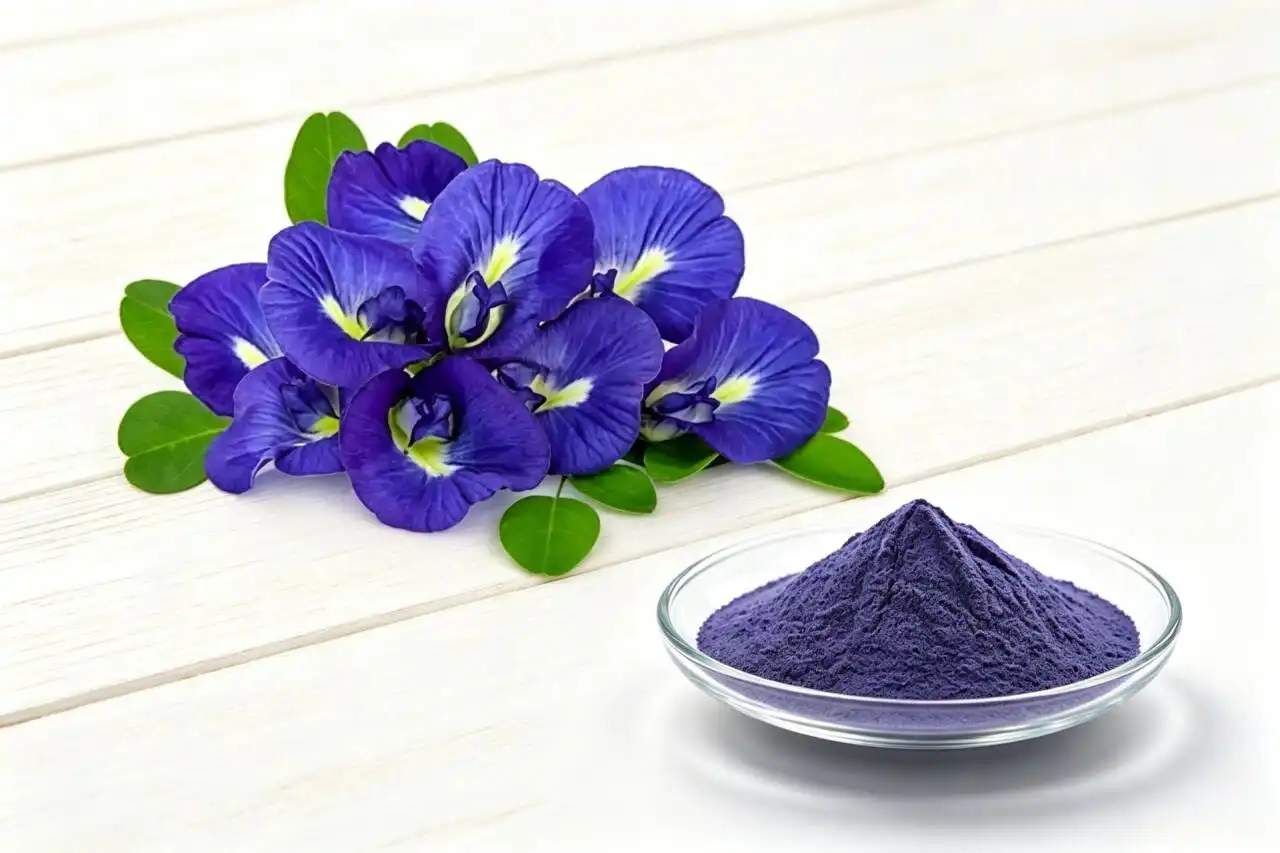
Butterfly Pea Flower Extract Quality Guide for Buyers
Sourcing premium butterfly pea flower extract demands careful evaluation of key quality indicators that directly impact your product formulations and market success. This comprehensive guide addresses critical procurement considerations—from active ingredient standardization and supplier certifications to supply chain transparency and application-specific requirements. As natural blue pigment demand accelerates across food, beverage, and cosmetic sectors, understanding what separates superior extracts from substandard alternatives becomes essential for R&D teams, quality managers, and purchasing professionals committed to clean-label innovation and regulatory compliance.

Understanding Butterfly Pea Flower Extract Quality
What Defines Premium-Grade Extract?
Premium Butterfly Pea Flower Extract has a uniform anthocyanin content of about 25 percent or more, which makes sure that all batches have the same color and antioxidant activity. The extract looks like a fine blue powder with 100 mesh particles, which means it dissolves completely in water without settling, which is important for use in drinks and cosmetics. Standardized extracts, on the other hand, are tested carefully to make sure they have a moisture content of less than 5%, a stable pH range of 3.0-5.0, and a low loss rate when dried. The active compounds, especially delphinidin-based ternatins, have strong antioxidant properties that can be measured by ORAC values. This ingredient is useful for more than just how it looks.
Origin plays a big part in choosing the quality of an extract. Butterfly pea flowers grown in Southeast Asia, especially in Thailand and Malaysia, gain from tropical temperatures that make the anthocyanin content higher. But the way the food is processed often matters more than where it comes from. For example, advanced water-ethanol extraction and low-temperature drying keep heat-sensitive phytonutrients while getting rid of any leftover solvents. Organic approval adds another level of quality by making sure that raw materials don't contain any manmade fertilizers or pesticides. However, it usually comes at a higher cost.
Extraction Methods and Their Impact
The way of extraction has a big impact on the quality, solubility, and stability of the extract. The standard in the industry is water-ethanol extraction, which is both safe and efficient because it successfully separates anthocyanins while keeping their molecular integrity. Compared to methods that only use water or solvents, this one makes extracts that dissolve better in water and leave behind less waste. The next step, either freeze-drying or spray-drying, changes the particle size distribution and the speed at which the powder can be reconstituted. For automatic production lines, spray-dried powders usually move better.
Powder forms are most popular in the business-to-business market because they last longer, are easier to transport, and can be dosed accurately. There are liquid extracts, but they are unstable and cost a lot to ship. Technical details are very important. For example, extracts that are made using ultra-fine grinding technology dissolve right away, and they don't have the gritty mouthfeel that lower-quality goods do. Another thing that sets premium extracts apart is that they keep their bright color at temperatures above 100°C. This means that they can be used in pasteurization and baking, where synthetic dyes were previously the norm.
Functional Benefits Across Industries
Butterfly Pea Flower Extract is a natural colorant that also works as a medicinal element. Its special pH-sensitive properties let the color change dynamically, from royal blue in neutral environments to purple and magenta in acidic ones. This lets formulators make visually appealing products without using any artificial ingredients. This trait has led to widespread use in functional drinks, like color-changing lemonades and teas that make drinking fun while also following clean-label rules.
The high anthocyanin level of the extract does more than just look good; it also provides measurable antioxidant effects. Food and supplement companies use these properties to make products that improve brain health, reduce inflammation, and slow down the aging process. Because it helps collagen production and blocks UV rays, cosmetic formulators use the extract in skin care lines. People who work in hair care use it to protect the skin and lower reactive stress. Knowing about these many-useful uses helps purchasing teams match the requirements for extracts with the messaging and marketing claims for the finished product.

How to Evaluate and Compare Butterfly Pea Flower Extract Suppliers?
Essential Certifications and Compliance Standards
Before judging a supplier, basic certifications that show they know how to do their job and follow the rules are checked. ISO 9001 certification shows that a company has strong quality management systems. ISO 22000 and HACCP, on the other hand, cover food safety rules all along the production chain. These credentials aren't competitive benefits; they're just standards for getting in. Certifications like Halal and Kosher make it easier for products to reach new markets, especially those that are going to places where people have specific dietary needs. Following FDA and EU food safety rules about heavy metals (Lead <3ppm, Arsenic <1ppm) and pesticide leftovers (usually less than 0.5ppm) will keep your brand safe from problems with the law and recalls.
With every shipment, advanced suppliers include full documentation packages with allergen statements, Material Safety Data Sheets (MSDS), and Certificates of Analysis (COA). The COA should include information about the anthocyanin content that was checked using HPLC, the microbial screening results (Total Plate Count, Yeast/Mold, and Pathogen testing), and the solvent residue analysis. If a supplier won't provide third-party lab verification, you should be very worried right away. Ask for stable data that shows how much color is kept and how quickly anthocyanin breaks down in different storage situations. This is important information for figuring out how long your finished product will last.
Supply Chain Transparency and Production Capacity
Transparent sourcing practices set trustworthy partners apart from commodity traders. Ask possible providers where the raw materials come from, how they are grown, and when they are harvested. These things directly affect the potency of the extract. Direct ties between suppliers and farmers usually make it easier to track down products and better handle quality problems. Ask about their quality control procedures for getting checks. High-quality suppliers will reject batches that don't meet their own standards rather than processing materials that aren't up to par.
To figure out production capacity, you need to know both the current output and the possibility for growth. Keeping a safety stock of 10 to 20 tons of standard products shows that the supplier is financially stable and committed to a steady supply. Continuous countercurrent extraction systems show a serious manufacturing infrastructure that can handle big orders while keeping batch consistency. Processing times are very important. Reliable providers can usually fill orders within 5–7 working days from stock, and they will be clear about wait times for special specs from the start. Seasonal changes in supply can affect prices and quantity, so find out if sources produce all year or only during harvest times.
Comparative Analysis of Product Formats
When deciding between organic and standard extracts, you have to weigh the higher costs against the advantages in terms of market standing. Organic approval usually adds 20–40% to the cost of materials, but it opens up expensive product lines and appeals to people who care about their health. Conventional extracts that meet strict standards for pesticide testing often work the same way in formulations, making them good choices for markets that care about price. When choosing between powder and liquid forms, there are pros and cons. Powders are more stable and cost less to ship, while liquids may be easier to use in some beverage uses but have a higher total cost of ownership.
As reference points, algae extract and hibiscus, two other natural blue colorants, can be used. Spirulina is high in nutrients, but it can be hard to flavor and doesn't hold up well to heat. Hibiscus has bright colors, but it doesn't have the unique color change that happens when the pH level changes. Butterfly pea extract is often chosen even though it might cost more per unit because it has a neutral flavor, can handle heat, and has interactive visual properties. A price-to-performance study should look at the pigment strength per gram. Extracts with at least 25% anthocyanin content give better color intensity at lower usage rates than weaker alternatives, which could make up for higher buy prices by lowering the amount needed in formulations.

Making Informed Procurement Decisions
Matching Scale and Customization Needs
Scale of production has a huge effect on procurement strategy. Small-batch makers who need 10–50 kg of a product need sellers who have flexible minimum order amounts and don't charge big price premiums. Larger businesses that use many tons of materials every year should negotiate contract prices that include volume discounts and supply guaranties. Most of the time, mid-sized manufacturers do best when they build ties with providers that can grow with them.
Customization options go beyond just changing the packaging. Leading suppliers offer OEM/ODM services that include changing the amount of anthocyanin (from normal 25% to concentrated 40%+ versions), making sure the particle size is just right for the job, and mixing the product with plants that work well with it. Utilizing the supplier's technical and regulatory knowledge, private label solutions let brands stand out by using their own special formulations. When looking at a supplier's customization options, you should also look at their research and development (R&D) skills. With dedicated application laboratories and formulation support teams, suppliers become strategic partners instead of just transactional vendors. For Butterfly Pea Flower Extract, these customization capabilities are especially valuable given the growing demand for vibrant natural colorants with specific anthocyanin profiles tailored to beverage and confectionery applications.
Technical knowledge is needed to make sure that the product style meets the needs of the application. Extracts that are optimized for instant cold-water dispersion and stabilizers that stop precipitation are useful for beverage manufacturers. Cosmetic formulators need powders that are very small and can be mixed with emulsions. Supplement makers may need forms that are packed or spray-dried to make them more bioavailable. When these requirements are met during the RFQ stage, costly reformulation processes are avoided, and time-to-market is sped up.
Building Long-Term Supplier Partnerships
Long-term ties for buying things depend on creating value for both sides, not just negotiating prices. Check to see if providers are ready to offer expert support during the development of a product. This could include help with stability testing, dose suggestions, and troubleshooting. Suppliers who invest in their customers' success by teaching them and helping them solve problems usually get a higher return on investment (ROI) over time, even if the costs are higher at first. It's important to communicate regularly; set up account management frameworks with specific contacts make reordering and solving problems easier.
How complete the documentation is shows how mature the operations are. Comprehensive providers offer regulatory support letters, non-GMO declarations, gluten-free statements, and compliance paperwork relevant to each country before they are asked for. This attention to routine details shows that the partner is ready to help you grow into new markets without having to wait for governmental approvals. Audit rights and openness about the facility show that the supplier trusts the company. Being willing to host site visits or give third-party audit reports builds trust and confirms the claimed abilities.
Partnerships are based on money, and they are based on payment terms and quality guaranties. Flexible payment plans that work with your cash flow show that the supplier is stable and values the relationship. Strong quality guaranties, usually for 12 months from the date of making, keep products from breaking down too quickly and encourage providers to keep storage conditions good. Knowing how to file claims and how to repair items before they go wrong helps avoid conflicts and keeps the business running.

Best Practices for Buying and Using Butterfly Pea Flower Extract
Procurement Process Optimization
Directly engaging with manufacturers versus sourcing through wholesale distributors has different benefits that depend on the needs of the organization. Manufacturers usually offer better prices on larger orders, more ways to customize, and direct access to technical support. But they might have higher minimum order numbers and longer wait times. Distributors make things easier by combining shipping, making lots smaller, and keeping goods close by, but they charge more because they are in the middle. Setting up relationships with manufacturers for regular purchases and keeping distributor accounts for one-time purchases is a good way to balance cost-effectiveness with operational flexibility.
When planning how to buy in bulk, you should think about how stable the extract is. Anthocyanin-rich powders like Butterfly Pea Flower Extract stay effective for 18 to 24 months if they are stored properly, but buying too much of them could make them less effective before they can be used. Figure out the best amount to order by estimating how much will be used over the next 6 to 9 months. This will allow for safety stock without tying up too much capital in inventory. Packaging has a big effect on how long a product lasts. For the best air barrier protection, ask for triple-layer metal foil bags that have nitrogen filling. Anthocyanins break down quickly in light and air, so don't buy things that come in clear or single-layer wrapping.
Verification and Storage Protocols
The first step in confirming authenticity is to look at and feel the item as soon as it arrives. Real, high-quality extract looks like an evenly blue powder that doesn't have any brown or green undertones that would show that it has been oxidized or contaminated. It should completely dissolve in 30 seconds in water that is room temperature, leaving behind a bright blue color and no sediment. Musty or off-smelling smells are a sign of microbial contamination or poor drying. Basic pH testing should be done on reconstituted solutions; readings outside the range of 3.0 to 5.0 may mean that the solution has been tampered with or is breaking down.
Third-party testing in a lab is the only way to be sure of the quality, especially when choosing a new supplier or confirming the quality of an existing one. The HPLC test measures the real amount of anthocyanin compared to the claimed levels, and the ICP-MS test checks for heavy metals to make sure safety rules are followed. Microbiological testing keeps the end product safe from batches that are contaminated with microbes. Keep samples from each lot for at least one year so that they can be tracked down during investigations.
The conditions of storage directly affect how long an extract lasts and how consistently it works. Keep your stock in covered cases in climate-controlled areas that are 15 to 25°C and have a relative humidity below 60%. Anthocyanin breaks down faster in light, so store it in closed cases or somewhere dark. Use first-in, first-out rotation to keep things from getting too old. For best results, containers should be resealed right away after being opened and used within 3 months. If you want to keep air exposure to a minimum during repeated access, you might want to split large quantities into smaller working portions.
Conclusion
To buy Butterfly Pea Flower Extract successfully, you need to find a balance between quality standards, supplier skills, and application needs, all while keeping your operational limits in mind. Prioritizing standardized anthocyanin content, checking comprehensive certifications, and building open relationships with suppliers all lower risks and allow for new product development. When making color-changing drinks, clean-label cosmetics, or antioxidant-rich supplements, the quality of the extract is the most important factor in how well they do in the market and how happy customers are. When you form strategic partnerships with technically skilled sellers, you can turn buying raw materials into a competitive edge that helps your brand grow in natural product markets that are becoming more demanding.
FAQ
What industries benefit most from using butterfly pea flower extract?
Food and drink companies are the first to adopt, especially functional drink companies that make teas, lemonades, and cocktails that change color. Using the extract's antioxidant qualities, cosmetic companies use it in anti-aging skin and hair care products. Companies that make dietary supplements use it to make products that are good for your brain. The ingredient's natural blue color and ability to change color based on pH make it appealing to brands that want to promote "clean labels" in these areas while also meeting customer demand for dyes that aren't made from chemicals.
How can I verify extract quality before committing to large orders?
Ask for full proof, such as a COA with HPLC-verified anthocyanin content, heavy metal analysis, and microbiological screening results. Get samples for internal testing to check how well they dissolve, how intense the color is, and how the pH reacts. If you are working with new sources, hire third-party labs to do independent checks. Check the supplier's ISO, HACCP, and FDA safety certifications, and ask for customer examples. Before scaling up to production numbers, make small test runs of your real recipes.
What product formats and specifications are available for B2B buyers?
Standardized powder forms are most common. Typical requirements include at least 25% anthocyanin, particles that are 100 mesh in size, and moisture levels of less than 5%. Different uses can be met with custom amounts of anthocyanins running from 10% to 40% or more. Suppliers offer a range of packaging sizes, from samples weighing 1 kg to bulk orders weighing 25 kg. There are specialized forms, such as organic-certified choices and water-dispersible versions with extra carriers for quick dissolution. Talk to providers about your unique formulation needs to find the best specs that fit your production process and end-product needs.
Partner with Sigma for Premium Butterfly Pea Flower Extract Supply
Butterfly Pea Flower Extract made by Shaanxi Sigma Biotechnology Co., Ltd. is pharmaceutical-grade and is made according to ISO 22000 and HACCP standards. It has a steady anthocyanin content of at least 25% from batch to batch, which is what your R&D team needs. When we combine our water-ethanol extraction method with ultra-fine grinding technology, we get blue powder that dissolves quickly and doesn't have any leftover tastes or residues. It also meets FDA and EU safety standards for heavy metals and pesticide residues.
With a safety stock of 10–20 tons and delivery times of 5–7 days, we can avoid supply problems and offer flexible OEM/ODM customization to meet your specific formulation needs. Email our technical team at sarah@sxsigma.com to talk about your project needs and get full paperwork, such as a COA, MSDS, and stable data. As a reliable provider of Butterfly Pea Flower Extract, we offer free samples and quality guaranties for a year to makers who meet our requirements.
References
1. Journal of Food Science and Technology. (2021). "Anthocyanin Stability and Applications in Natural Food Colorants." Volume 58, Issue 4, Pages 1289-1303.
2. International Journal of Cosmetic Science. (2020). "Botanical Extracts in Anti-Aging Formulations: Efficacy and Safety Profiles." Volume 42, Issue 3, Pages 267-281.
3. Food Chemistry. (2019). "Characterization of Butterfly Pea Flower Pigments and Their pH-Dependent Color Properties." Volume 289, Pages 416-423.
4. Regulatory Toxicology and Pharmacology. (2022). "Safety Assessment of Natural Blue Colorants in Food Applications." Volume 128, Article 105087.
5. Industrial Crops and Products. (2020). "Extraction Optimization and Quality Control of Clitoria ternatea Anthocyanins." Volume 156, Article 112839.
6. Journal of Agricultural and Food Chemistry. (2018). "Antioxidant Capacity and Bioactive Compounds of Southeast Asian Botanical Extracts." Volume 66, Issue 31, Pages 8234-8245.
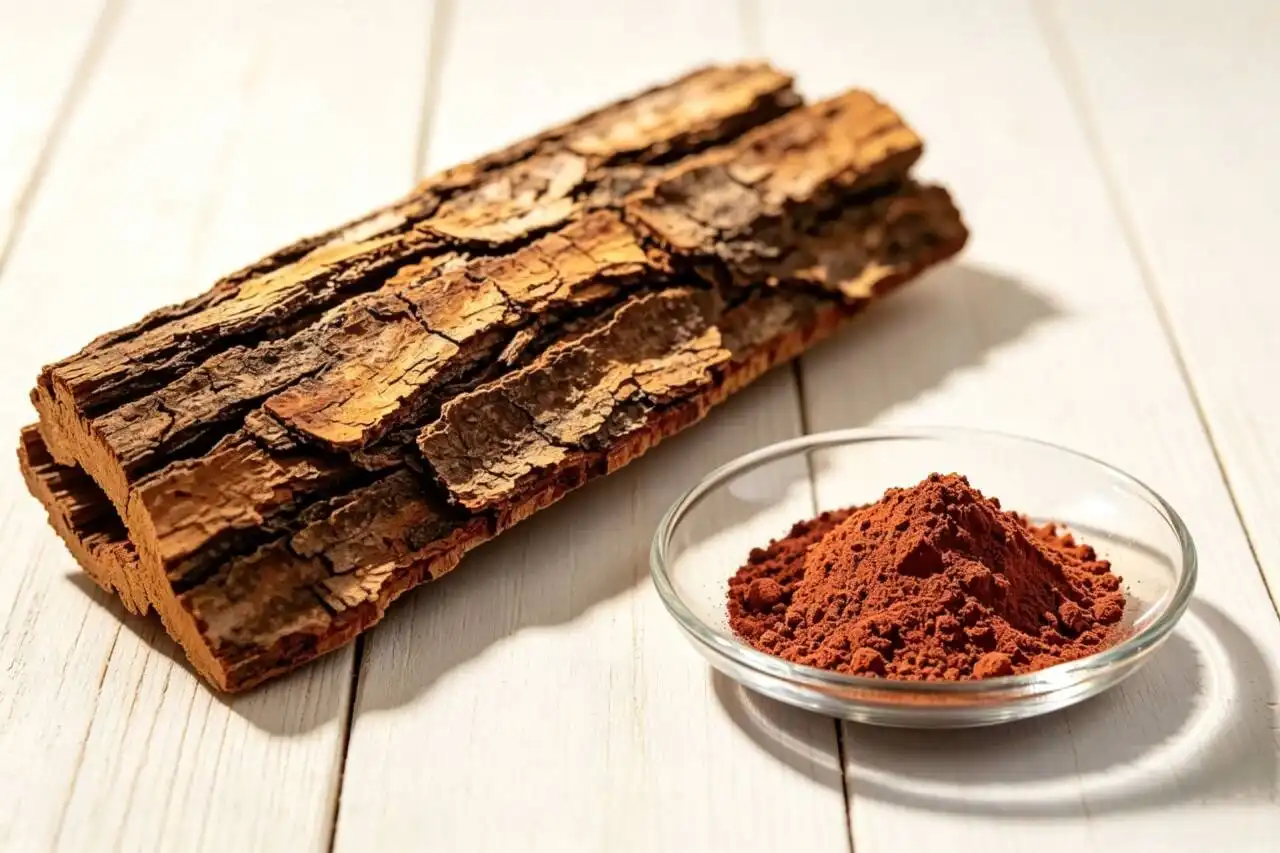
What Makes High Purity Pine Bark Extract Different?
High purity Pine Bark Extract stands apart due to its exceptional oligomeric proanthocyanidin (OPC) concentration, typically standardized at 95% or higher, achieved through advanced ethanol extraction and rigorous purification protocols. Unlike generic botanical extracts, high purity formulations eliminate impurities such as heavy metals, pesticide residues, and solvent traces, ensuring batch-to-batch consistency critical for pharmaceutical-grade applications. This concentrated bioactive profile enhances antioxidant potency, cellular bioavailability, and formulation stability across nutraceutical, cosmeceutical, and functional food sectors, addressing the specific demands of R&D teams and quality assurance departments seeking reliable natural alternatives to synthetic additives.

Understanding Pine Bark Extract: Composition and Core Benefits
Pine Bark Extract comes from certain species, like the French maritime pine (Pinus pinaster) and the Chinese red pine (Pinus massoniana), which are both grown in places that are known to be good for producing phenolic compounds. Our raw materials come from approved botanical sources in Shaanxi province, which is known for having some of the best therapeutic plants in the world.
The Bioactive Compound Architecture
The healing power of the extract comes from a complicated mix of phenolic chemicals. Proanthocyanidins are the main active part. They are made up of catechin and epicatechin oligomers, which are very good at getting rid of free radicals. These chemicals work together with flavonoids, phenolic acids, and other monomeric polyphenols to make biological effects that happen through more than one route. What makes high purity versions different is that they accurately measure and standardise these compounds. Our formulas keep OPC levels at ≥95%, which is proven by HPLC methods that track individual compound profiles instead of less accurate UV methods.
Documented Health and Industrial Applications
Pine Bark Extract is proven to help heart health by stimulating endothelial nitric oxide synthase (eNOS) and making microcirculation and vascular flexibility better. In cosmetics, it protects cells from UV-induced ageing and stops the production of melanin, which makes it useful for brightening products for the skin. The anti-glycation properties stop the formation of advanced glycation end products, which is a major cause of skin ageing. Manufacturers of nutraceuticals use its ability to reduce inflammation and boost the immune system. This is especially useful for sports nutrition, where it lowers the oxidative stress caused by exercise. These different uses need the steadiness and consistency that can only be provided by high-quality extraction methods.

Why Purity Matters: Key Quality Dimensions
There is a direct link between purity and effectiveness, safety, and the dependability of manufacturing. When procurement teams look at botanical extracts, they're not just looking at the percentages of active ingredients; they're also making sure that the whole production chain stays legal and consistent.
Standardization and Testing Protocols
High quality Pine Bark Extract has to meet strict requirements, including having an OPC content of at least 95% (measured using approved HPLC-RP methods), an ash content of no more than 3%, a moisture content below acceptable levels, and particles that are no bigger than 80 mesh for best solubility. According to heavy metal testing, there are no more than 3ppm of lead, 1ppm of arsenic, and 0.1ppm of mercury, which is in line with USP guidelines. Screening for pesticide residues is done according to EC 396/2005 rules, and microbe limits make sure that total plate counts stay below 1000cfu/g when pathogens are not present. These guidelines aren't made up on the spot; they're the minimum standards for medicinal and functional food uses, where recalls can really hurt a brand's image.
Certification as Quality Assurance
Third-party certificates make it clear that promises about quality made by an organization are in line with external standards. Our Pine Bark Extract is certified organic by the USDA, which means that the sources of the raw materials follow strict farming methods and don't use any manmade fertilisers or pesticides. Our ISO 9001 certification proves that our quality control systems work, and our ISO 22000 and HACCP certifications show that we follow food safety rules during production. Certifications like HALAL and KOSHER make it easier for brands that want to reach certain types of customers to get into new markets. These credentials lower supplier risk by giving R&D teams proof that they can show to regulatory affairs departments while products are being developed.
Comparative Advantage Over Alternative Antioxidants
Formulation engineers can tell Pine Bark Extract apart from grape seed extract, resveratrol, and man-made antioxidants like BHT in a number of ways. Pine bark proanthocyanidins have a special chemical structure that makes them better at absorption and cell penetration. They can even cross the blood-brain barrier, which is something that many other compounds can't do. ORAC (Oxygen Radical Absorbance Capacity) numbers of highly pure Pine Bark Extract always go above and beyond those of common antioxidants, giving more protection at lower concentrations. This concentration benefit means that preparation is more cost-effective, which means that brands can make claims on the label with fewer raw material amounts.

Production and Extraction Technologies Behind High Purity Results
The quality of the final product depends a lot on how the extract was made. To turn raw bark into fine powder, a complex process is needed. This is what sets premium suppliers apart from commodity producers.
Advanced Extraction Methodologies
The outputs from traditional hot water extraction are less pure and contain a lot of impurities and broken down compounds. At our plant, we use ethanol extraction along with continuous countercurrent methods to get the most out of the solvents while keeping bioactives that are sensitive to heat safe. The process works at a controlled temperature, which stops polyphenols from oxidising, which lowers their antioxidant activity. After the first extraction, we use low-temperature concentration methods to get rid of the extra liquid without damaging the sample by heat. In the fine separation and purification steps, membrane filtration and chromatography are used to separate target chemicals while tannins, proteins, and other unwanted parts are taken out. This method has several steps that work together to reach the 95%+ OPC standardisation that pharmaceutical uses need.
Quality Control Checkpoints Throughout Production
High-Performance Thin-Layer Chromatography (HPTLC) fingerprinting is used to identify each production batch. This confirms the botanical identity and looks for possible adulteration with cheaper materials like peanut skin or grape seed, which is a common problem in the industry. Before the final drying, in-process controls check the level of purity, concentration ratios, and how well the extraction is working. The full range of safety and effectiveness parameters are tested on the finished product, including heavy metal screening, pesticide residue analysis, microbial limits testing, and solvent residue quantification to make sure that ethanol levels stay below 5000ppm. Before inventory is released, each batch gets a Certificate of Analysis (COA) that lists the test results. This gives quality assurance teams the ability to track products.
Supply Chain Transparency and Raw Material Traceability
Our integration model puts us in direct contact with farming areas in Shaanxi, so we can track raw materials from the forest to the factory. As long as we work with approved collectors, they will always use eco-friendly methods to get the bark without hurting the trees. Before going into production streams, incoming raw materials are checked for botanical accuracy and given a preliminary screening. This "Technology + Origin" edge combines the quality of regional resources with modern manufacturing skills. It lowers supply chain weaknesses that can cause production plans to be pushed back. Because we are vertically integrated, we can keep 10–20 tonnes of safety stock for normal goods. This guarantees delivery within 5–7 working days, which is very important for companies that use just-in-time inventory systems.

Practical Considerations for B2B Procurement Teams
Finding suitable suppliers is only one part of successful buying. It is important to know how the product standards fit in with the needs of downstream production and the applications that will be used in the end.
Available Forms and Physical Properties
Our Pine Bark Extract is a fine, reddish-brown powder that has astringent notes and is very well soluble in water, which makes it easier to make new products. The 80 mesh particle size makes sure that the powder is evenly spread in liquids, tablets, and capsules. The bulk powder form gives you the most options for custom preparation, and we can still make specific changes to the particle distribution or moisture content based on what the customer wants. Because they are water-soluble, they don't need complicated delivery systems in beverage applications. This lowers the cost of formulation compared to lipid-soluble antioxidants that need to be emulsified.
Dosage Considerations Across Application Categories
Cardiovascular support formulas usually have 100–300 mg daily doses, so the extract amounts need to be high enough to keep the label claim accurate for the whole shelf life. Cosmetics use 0.5 to 3% of the extract in topical formulas. It is very important that the extract is stable in emulsion systems and doesn't react badly with other active ingredients. Some sports nutrition products may list higher loading amounts (300–500 mg) that are meant to provide immediate antioxidant support during hard training times. Because of these different needs, suppliers need to know how to deal with application-specific problems and be able to back up dosage effectiveness with expert paperwork. Our research and development team helps customers get the best inclusion rates for their products by providing formulation support and application solutions.
Safety Profile and Regulatory Compliance
When purity is high, safety margins are directly affected. Premium extracts lower the risk of side effects and drug interactions by getting rid of contaminants and standardising active content. Our extract is safe enough to support its self-affirmed GRAS status for food applications in the U.S. market, and it also meets the requirements for Novel Food distribution in Europe. Our full testing results, which include studies on acute toxicity and stability under different storage conditions, help with regulatory submissions and answer retailer quality questionnaires. When a brand goes into a new foreign market where regulations are stricter, this paperwork package becomes even more useful.

Selecting Your Pine Bark Extract Manufacturing Partner
Choosing a supplier is a smart choice that affects the quality of the product, where it stands in the market, and the long-term security of the business. The process of evaluating should look at more than just unit price.
Critical Evaluation Criteria
Verification of certification is the first step for Pine Bark Extract suppliers. Copies of ISO, HACCP, and organic certificates with current expiration dates should be requested, and the legitimacy of the certification body should be checked against these databases. By asking for recent batch COAs of Pine Bark Extract, you can see patterns of consistency in oligomeric proanthocyanidin (OPC) content across multiple production runs. Asking about testing laboratory accreditation (ISO 17025) confirms the accuracy of the analysis for Pine Bark Extract's active compounds.
Questions about manufacturing capacity should include annual output volume of Pine Bark Extract, standard lead times, and safety stock levels maintained. When sourcing Pine Bark Extract internationally, logistics capabilities are especially critical—inquire about experience with export documentation, preferred shipping terms (FOB, CIF), and cold chain capabilities for temperature-sensitive shipments, as Pine Bark Extract's phenolic stability can be affected by prolonged heat exposure during transit.
The Sigma Manufacturing Advantage
Shaanxi Sigma Biotechnology Co., Ltd. has integrated production skills that are perfect for B2B partnerships that need to meet strict requirements. Our building has ISO 22000, FSSC 22000, and ISO 9001 certifications, and it meets all US FDA and EU norms. We have a "Technology + Origin" edge because we use modern extraction technology and Shaanxi's high-quality botanical resources together. We control the whole value chain, from getting the raw materials to delivering the finished product, so we can offer higher purity at lower prices. Our continuous countercurrent extraction production lines are examples of modern industrial equipment that you don't often see from local suppliers.
Our thorough testing protocols are what make our quality consistent. Every batch goes through HPTLC fingerprinting to make sure the plants are real and find any possible adulterants. HPLC research keeps track of the levels of each catechin and epicatechin, which guarantees uniformity at the molecular level. Checking for heavy metals, pesticide residues that meet EC 396/2005 standards, and microbial limits makes sure that safety rules are followed in all global markets. We keep 10–20 tonnes of safety stock on hand for standard specifications. This lets us deliver within 5–7 working days, which helps lean inventory operations.
Flexible Partnership Models
We know that each customer has different needs and operates at a different size. Our customised ODM/OEM services can handle different particle sizes, extraction ratios, package layouts, and private labelling. We build relationships based on your practical realities, whether you're a research school that needs small pilot quantities with lots of paperwork or a supplement maker that needs container-load quantities with synchronised delivery schedules. Minimum order quantities can still be changed depending on the complexity of the specification and the direction of the relationship. We offer free samples for research and development, so your technical teams can test applications before making any commitments to buy.
Conclusion
High purity Pine Bark Extract stands out by having measurable quality parameters that have a direct effect on how well formulations work, how well they comply with regulations, and how well they can make money. Advanced ethanol extraction and strict purification make it possible to standardise 95%+ OPC, which creates uniform bioactivity that isn't found in generic substitutes. When purchasing botanical ingredients, it can be hard to know which suppliers to choose. Purchasing workers need to look at more than just price when choosing suppliers.
They also need to consider things like certification accuracy, analytical skills, manufacturing infrastructure, and supply chain stability. Consumers continue to want high purity Pine Bark Extract because it is known to help the heart, treat skin problems, and protect against free radicals. This makes it an important ingredient for brands that want to position themselves in high-end functional product categories. Technical requirements and operational skills should be in sync for partnerships to work well. Clear communication and detailed quality paperwork should also be in place.
FAQ
What OPC concentration defines high purity pine bark extract?
According to HPLC, high quality formulas usually have at least 95% oligomeric proanthocyanidins. Standard market grades may be between 50 and 80%, but for pharmaceutical and high-end supplement uses, they need standardisation of 95% or more to make sure consistent bioactivity and allow for exact dose formulation.
How do I verify authentic pine bark extract versus adulterants?
Ask your providers for HPTLC fingerprint research. This will show you unique compound patterns that are only found in Pinus species. The chemical profiles of grape seed and peanut skin extracts are not the same. Also, ask for batch-specific COAs that show testing for heavy metals, pesticides, and microbes from ISO 17025-certified laboratories.
What's the typical shelf life under proper storage?
High purity Pine Bark Extract stays effective for 24 months when kept in sealed cases in cool, dry places away from direct light. Under rapid ageing conditions, stability data should show that less than 5% of the active ingredient breaks down. This proves that the mixture is reliable throughout the shelf life of a commercial product.
Can pine bark extract be used in organic certified products?
Products that have been certified as USDA Organic or an equivalent can be used in organic formulations. Make sure the supplier gives you organic certificates that are still valid and proof that the approved raw materials were processed correctly and ended up in batches of finished extract.
Partner with a Trusted Pine Bark Extract Supplier
Sigma provides Pine Bark Extract powder that is of a medicinal grade and is designed for tough B2B uses. Our ≥95% OPC formula, made through tested ethanol extraction and approved by USDA Organic, ISO, and HACCP standards, meets the strict requirements your R&D and quality teams need. We get rid of the supply uncertainties that throw off production plans by keeping a large inventory on hand to ensure quick fulfilment and offering full technical support, which includes COA paperwork and formulation advice. Our global logistics network takes care of paperwork and customs clearance, which makes buying things from other countries easier. Email our team at sarah@sxsigma.com to get samples and talk about how our integrated manufacturing services can help you reach your product development goals.
References
1. Rohdewald, P. (2002). "A Review of the French Maritime Pine Bark Extract (Pycnogenol), a Herbal Medication with a Diverse Clinical Pharmacology." International Journal of Clinical Pharmacology and Therapeutics, 40(4), 158-168.
2. Grimm, T., Schäfer, A., & Högger, P. (2004). "Antioxidant Activity and Inhibition of Matrix Metalloproteinases by Metabolites of Maritime Pine Bark Extract (Pycnogenol)." Free Radical Biology and Medicine, 36(6), 811-822.
3. Maimoona, A., Naeem, I., Saddiqe, Z., & Jameel, K. (2011). "A Review on Biological, Nutraceutical and Clinical Aspects of French Maritime Pine Bark Extract." Journal of Ethnopharmacology, 133(2), 261-277.
4. Schoonees, A., Visser, J., Musekiwa, A., & Volmink, J. (2012). "Pycnogenol (Extract of French Maritime Pine Bark) for the Treatment of Chronic Disorders." Cochrane Database of Systematic Reviews, Issue 2.
5. Iravani, S., & Zolfaghari, B. (2011). "Pharmaceutical and Nutraceutical Effects of Pinus pinaster Bark Extract." Research in Pharmaceutical Sciences, 6(1), 1-11.
6. Cho, K. J., Yun, C. H., Yoon, D. Y., et al. (2000). "Effect of Bioflavonoids Extracted from the Bark of Pinus maritima on Proinflammatory Cytokine Interleukin-1 Production in Lipopolysaccharide-Stimulated RAW 264.7 Cells." Toxicology and Applied Pharmacology, 168(1), 64-71.
Saudi Date Syrup Benefits for Food Manufacturers
Saudi Date Syrup has emerged as a breakthrough natural sweetener that addresses multiple manufacturing pain points while meeting growing consumer demands for clean-label products. This 100% pure fruit extract delivers predictable functionality, nutritional value, and versatile application potential across bakery, beverage, and confectionery sectors.
As food manufacturers navigate the shift away from refined sugars and synthetic additives, date syrup sourced from premium Saudi varieties offers batch-to-batch consistency, comprehensive certifications, and documented purity—transforming formulation challenges into competitive advantages through a single, traceable ingredient.
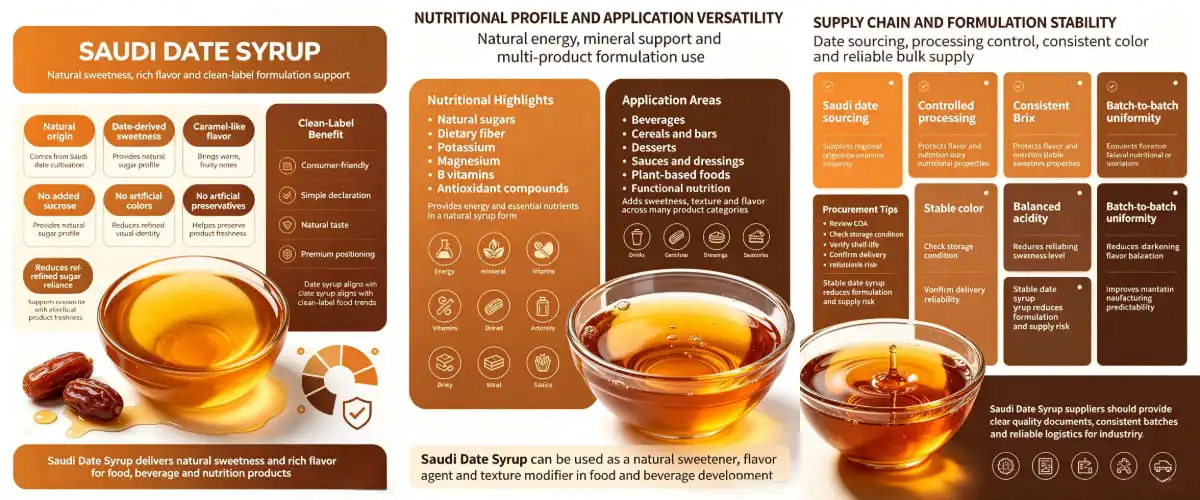
Understanding Saudi Date Syrup: Composition and Nutritional Benefits
What is Saudi Date Syrup and Why It Matters for Industrial Formulation
Saudi Date Syrup, sometimes called "Debs," is made by adding water slowly, cooking the dates slowly, and filtering them very finely. The best date types used are Khalas, Sukkary, and Fardh. This is a major fruit extract that keeps the natural mineral balance of the fruit it comes from instead of refined sugars or leftover sweeteners like molasses.
It is used in the production process to keep nutrients that can't handle high temperatures safe and to reach a Brix concentration of 70° to 75°. Microbes can't grow because of the high osmotic pressure, so it can be stored without any chemicals. Most of the time, the pH level is between 4.0 and 5.0, which means that the environment is slightly acidic and can be used with many types of food. It can also be used for things that are neutral or acidic.
It's a thick, brown liquid that's mostly made up of invert sugars like fructose and glucose. This makes it very easy to process and keeps it from being gritty like syrups made from sucrose. There are about 70% solids in it and about 65% sugar in it all together. This mix makes it easier for things to brown and raises the chance of a Maillard reaction happening when cooking or baking.
Nutritional Profile That Elevates Clean Label Claims
Date syrup has minerals like iron, magnesium, calcium, and potassium that are good for you. It also has B vitamins and antioxidants like polyphenols and carotenoids. The fact that these bioactive compounds are useful for more than just sweetness helps the product's image as naturally healthy and high in nutrients. Companies that want to sell to people who are interested in health or sports nutrition like it because it has a lot more potassium than sugar or honey.
Date syrup tastes like rich caramel with fruity notes. It goes well with both sweet and spicy foods. It tastes not the same as honey, maple syrup, or agave nectar. It has a unique smell that makes finished goods stand out in crowded markets and lets brands tell stories about real Middle Eastern history and traditional craftsmanship.
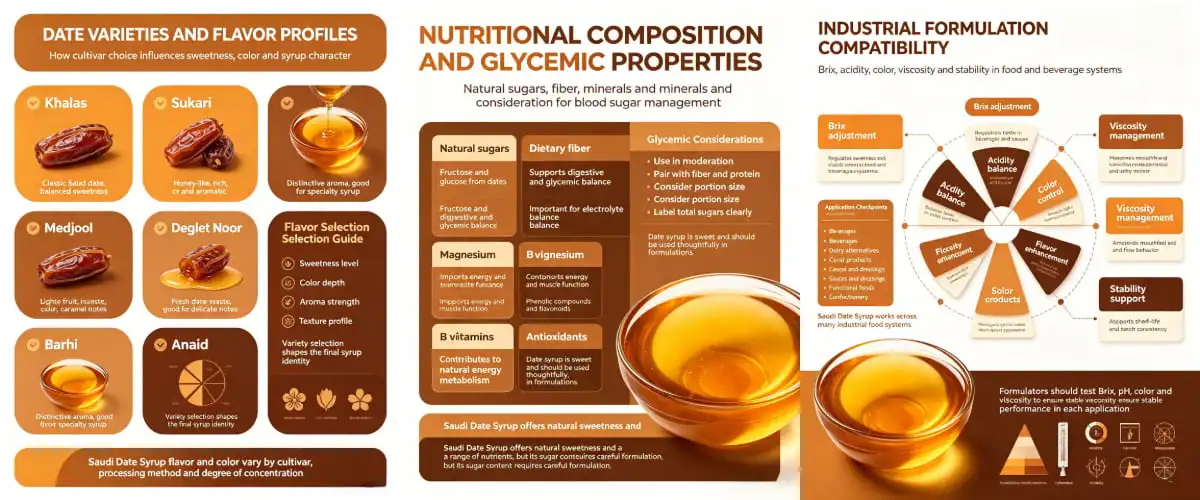
Why Food Manufacturers Should Choose Saudi Date Syrup: Core Benefits and Applications
Functional Advantages That Solve Real Production Challenges
Taste, shelf life, and being able to see the materials are all problems that manufacturers always have with recipes. This can be fixed in a number of ways with Saudi Date Syrup. Its natural humectant traits keep baked goods moist, so they don't stick together. This also makes them last longer without using any added chemicals. Because it has a lot of fructose, it gives sweetness at lower rates than sucrose. This lets claims be made about less sugar while keeping the taste.
The syrup has a low glycemic index (about 47 to 50), which helps keep blood sugar in check. This is very important because the world's diabetes rate is going up. With this useful benefit, companies can make foods for health-conscious customers without changing the way they taste or feel. The thick texture makes drinks feel better in your mouth and helps plant-based milks and protein shakes stay stable by stopping sedimentation and phase separation.
Here are the core advantages that differentiate date syrup in industrial settings:
- Natural preservation capabilities: Organisms that make food go bad can't live in places with a lot of sugar and not much water activity. This means that there is less need for chemical preservatives, which helps clean-label goals.
- Processing consistency: At standard store temps, date syrup keeps liquid, while sweets turn into crystals. This makes it easier to handle, pump, and dose in automatic lines, which lowers waste and downtime.
- Versatile application range: The syrup integrates seamlessly into bakery products (cookies, energy bars, bread), beverages (smoothies, cold brew coffee, flavored water), dairy alternatives (yogurt, ice cream), confectionery (caramels, chocolate fillings), and savory applications (glazes, marinades, sauces).
- Enhanced flavor complexity: Tastes are deeper and more complex when you use date syrup instead of artificial sugars or high-intensity sweets. This is because date syrup is sweet, but it also adds other flavors.
These functional advantages translate into tangible production benefits—reduced formulation complexity, simplified ingredient decks, and improved finished product performance.
Alignment with Consumer-Driven Market Trends
In the food industry, natural alternatives to synthetic additives are becoming more and more important. People carefully read ingredient lists to find well-known parts that are usually good for them. To do this, date syrup is used, which is a simple sweetener that shows honesty and openness. High-end product lines aimed at health-conscious customers look even better when they come with organic certification options.
Date syrup is naturally gluten-free, vegan, and non-GMO, so it can be used by a lot of different types of people. This lets more people get certified and makes it easy to get certified. Once you're known to be naturally Halal, you can go into niche markets where compliance is important.
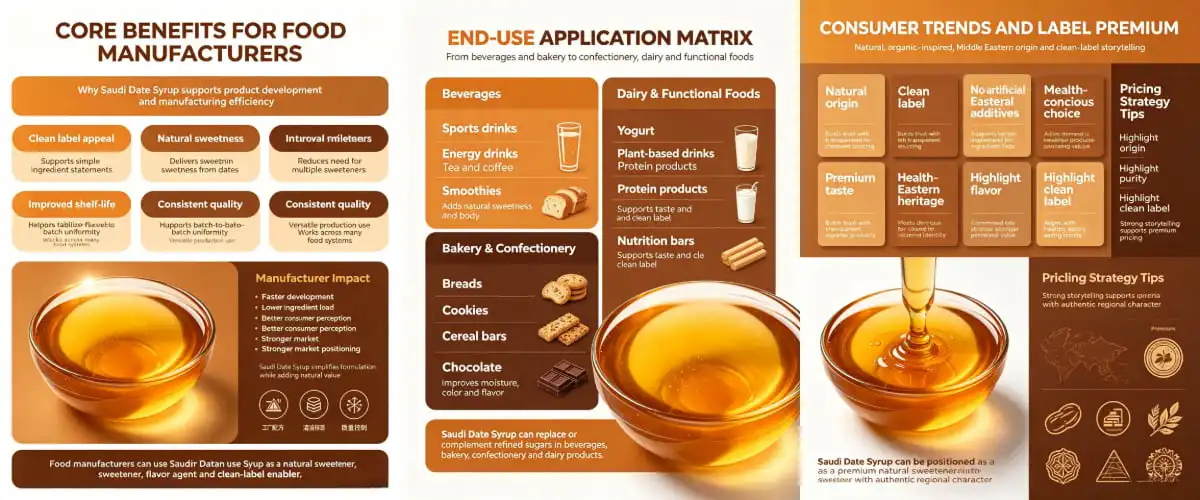
How to Source High-Quality Saudi Date Syrup for Manufacturing Needs
Critical Quality Parameters and Screening Criteria
Sourcing decisions for industrial sweeteners demand rigorous evaluation beyond price considerations. Quality assurance teams should prioritize five critical inspection items when evaluating Saudi Date Syrup suppliers:
- Brix measurement: Refractometry shows that the consistency of the sweetness and stickiness is maintained. This stops recipe shift and makes sure that every batch of the product works the same way.
- HMF testing: High amounts of hydroxymethylfurfural (HMF) in food indicate that it was harmed by heat during processing. High-quality sources keep HMF levels low by following strict rules about temperature. This keeps the food's taste and nutritional value.
- Sugar profile analysis: With high-performance liquid chromatography (HPLC), you can find out how much fructose, glucose, and sugar are in a sample. This can find corn syrup or other less expensive ingredients that don't work as well for the product.
- Microbiological screening: Testing for osmophilic yeasts, molds, and total plate count is part of microbiological screening. It makes sure that products will stay stable on the shelf and keeps finished goods from getting contaminated.
- Sensory evaluation: Standardized testing finds unwanted off-notes like burned or fermented tastes that come from bad processing by measuring the strength of the color (absorbance at 420nm) and identifying color intensity.
Supplier Selection and Supply Chain Considerations
When a provider is reliable, they show that they can do vertical integration. This means that they can handle the whole process, from getting the raw materials to delivering the finished goods. Partner with people who can give you all the information you need, such as Material Safety Data Sheets (MSDS), Certificates of Analysis (COA), and records of how each batch was made. ISO 22000, HACCP, Halal, and Kosher certificates are needed for entry-level jobs. To go above and beyond these needs, preferred providers use extra quality management systems such as FSSC 22000.
If companies in the US and Europe want to bring things into the country, they need to know the rules. Health certificates, phytosanitary papers, and compliance statements that follow FDA and EU food safety rules should be given by suppliers to help clear customs. It's important to know about logistics. Partners who offer different shipping methods, like sea freight for big orders and air freight for urgent needs, help keep things going easily and keep landed costs low.
Minimum order quantities vary by supplier. Industrial-scale operations typically require bulk packaging options ranging from 25kg to 200kg drums or totes, while product development teams benefit from smaller sample sizes (250g to 1kg) for R&D trials before committing to full-scale procurement.
Enhancing Product Performance and Cost Efficiency with Saudi Date Syrup
Production Integration and Process Optimization
If you want to add Saudi Date Syrup to production lines that are already working well, you need to pay attention to the processing factors. If you want to pump and measure the syrup, you need the right tools because it is thick. It is easier to work with than alternatives that crystallize, tho, because it stays stable across a wide range of temperatures. Viscosity goes down when you warm it up to 35–40°C ahead of time. This makes it easier to pour without lowering the quality.
In bakery applications, date syrup can partially or fully replace liquid sweeteners at ratios determined through pilot testing. Typical substitution rates range from 25% to 100%, depending on desired flavor profile and functional requirements. The syrup's moisture content must be factored into hydration calculations to maintain consistent dough or batter properties.
Beverage manufacturers appreciate the syrup's high solubility, which enables cold-fill processes without high-temperature mixing. This characteristic preserves heat-sensitive ingredients in formulations like probiotic drinks or vitamin-enriched beverages, protecting functional claims throughout shelf life.
Economic Analysis and Return on Investment
A full cost study shows that the economics are good for luxury date syrup even tho it costs more per unit than refined sugar. This is because there are many value drivers. Because the syrup is so sweet, people use 20–30% less of it by weight. This helps even out price differences. More finished goods that stay on the shelf longer mean less trash and customer complaints. This saves the brand's image and cuts down on the cost of replacement.
Market research shows that products with natural sweeteners can sell for 15% to 35% more than regular ones. This directly raises the profit margins. More and more people are willing to pay more for clean-label goods, especially in high-end stores and delivery networks that focus on health.
Case evidence from beverage manufacturers shows that date syrup integration reduced formulation ingredient counts from twelve components to eight, simplifying procurement and inventory management while accelerating regulatory approval processes. Bakery clients report texture improvements that extended shelf life from fourteen to twenty-one days, enabling broader geographic distribution and reducing product returns.
Best Practices for Storing and Using Saudi Date Syrup in Industrial Settings
Storage Requirements and Shelf Life Management
If you store Saudi Date Syrup the right way, it will stay good for as long as you can use it. Keep the item in boxes that can't be opened at room temperature (below 25°C) and away from direct sunlight and water. Keep it in these conditions, and it will last up to 18 to 24 months without getting much worse. Because they don't use enzymes, high temps can change the color and make flavors taste bad.
Crystallization is rare because it has a lot of sugar, but it can happen at low temperatures. It is possible to undo this change in shape by slowly heating it up to 45°C. This will not affect its nutritional value or usefulness. Manufacturers should use the first-in, first-out (FIFO) inventory cycle to optimize freshness and minimize storage duration.
Formulation Techniques and Regulatory Compliance
For batch consistency, it's very important to dose the right amount. Accurate metering systems make sure that the rates of addition are always the same. This stops recipe variability that can change how something feels and how healthy it is said to be. You should think about how thick and sticky the syrup is when you blend it. Dense syrups need more time to mix than powders that dissolve in water, but not as much time as very thick honey.
Regulatory compliance demands attention to labeling requirements specific to target markets. In the USA, the syrup qualifies as a single-ingredient food ("date syrup" or "date juice concentrate"), simplifying declarations. EU regulations require compliance with Novel Foods assessments if making specific health claims beyond basic nutritional content. Manufacturers must maintain documentation supporting any marketing claims, including clinical data for functional benefits and organic certification where applicable.
Conclusion
Saudi date syrup represents a strategic ingredient solution for food manufacturers navigating consumer demands for natural, nutritious alternatives to refined sugars. Its functional benefits—moisture retention, extended shelf life, processing consistency, and versatile application potential—solve real production challenges while enabling clean-label positioning.
The technical specifications, including standardized Brix levels, controlled pH, and comprehensive microbiological safety, provide the reliability essential for industrial-scale operations. By partnering with certified suppliers offering traceable purity, complete documentation, and flexible packaging options, manufacturers secure a competitive advantage through ingredient innovation that resonates with health-conscious consumers across global markets.
FAQ
Does date syrup crystallize like honey during storage?
Crystallization is uncommon due to the high fructose-to-glucose ratio, but minor crystal formation may occur at temperatures below 10°C. This physical change reverses with gentle warming to 40-45°C, restoring original consistency without quality loss.
How does date syrup compare to molasses in formulation performance?
Unlike molasses, which is a sugar refining byproduct, date syrup is a primary fruit extract with milder, fruitier flavor notes and significantly higher potassium levels. It lacks the bitter undertones sometimes present in molasses, making it more versatile across sweet and savory applications.
Is date syrup suitable for vegan and organic product certifications?
Yes, the syrup is naturally vegan, gluten-free, and non-GMO. Organic certification depends on supplier sourcing practices; many premium suppliers offer certified organic options that meet USDA and EU organic standards.
Can date syrup integrate into cold-fill beverage processes?
Absolutely. The syrup's high solubility allows complete dissolution in cold liquids without heat application, making it ideal for temperature-sensitive formulations containing probiotics, enzymes, or vitamins that degrade at elevated temperatures.
Partner with Sigma for Premium Saudi Date Syrup Supply
Shaanxi Sigma Biotechnology Co., Ltd. delivers industrial-grade date syrup manufactured through low-temperature concentration processes that preserve nutritional integrity and functional properties. As an established Saudi Date Syrup supplier, we maintain ready inventory supporting rapid delivery within five to seven working days, backed by comprehensive certifications including ISO 22000, HACCP, and Halal compliance. Our product guarantees 100% pure date juice concentration with lab reports for pesticide residues and sugar content provided for every batch, addressing the industry pain point of diluted or adulterated alternatives.
We offer flexible packaging from 250g retail customization to 200kg industrial drums, supporting both product development trials and full-scale manufacturing requirements. Our technical team provides formulation support, complete documentation for customs clearance, and ongoing partnership through responsive communication at sarah@sxsigma.com. Visit sxsigma.com to explore our complete range of natural ingredients and request sample availability for your next product innovation.
References
1. Al-Farsi, M., & Lee, C. Y. (2018). Nutritional and Functional Properties of Dates: A Review. Critical Reviews in Food Science and Nutrition, 48(10), 877-887.
2. Bouhlali, E. T., Ramchoun, M., Alem, C., Ghafoor, K., & Zegzouti, Y. F. (2017). Functional Composition and Antioxidant Activities of Eight Moroccan Date Fruit Varieties. Journal of the Saudi Society of Agricultural Sciences, 16(3), 257-264.
3. Tang, Z. X., Shi, L. E., & Aleid, S. M. (2013). Date Fruit: Chemical Composition, Nutritional and Medicinal Value, Applications. Journal of the Science of Food and Agriculture, 93(10), 2351-2361.
4. Mrabet, A., Rodríguez-Arcos, R., Guillén-Bejarano, R., & Jiménez-Araujo, A. (2016). Date Seeds: A Promising Source of Oil with Functional Properties. Foods, 5(3), 51-62.
5. Haider, M. S., Khan, I. A., Jaskani, M. J., Naqvi, S. A., & Hameed, M. (2014). Biochemical Attributes of Date Palm Fruit at Different Stages of Maturity. International Journal of Agriculture and Biology, 16(5), 1024-1028.
6. Vayalil, P. K. (2012). Date Fruits: A Review of the Chemical and Nutritional Compounds, Biological Activities, and Health-Promoting Effects. Journal of Food Science, 77(6), R105-R115.
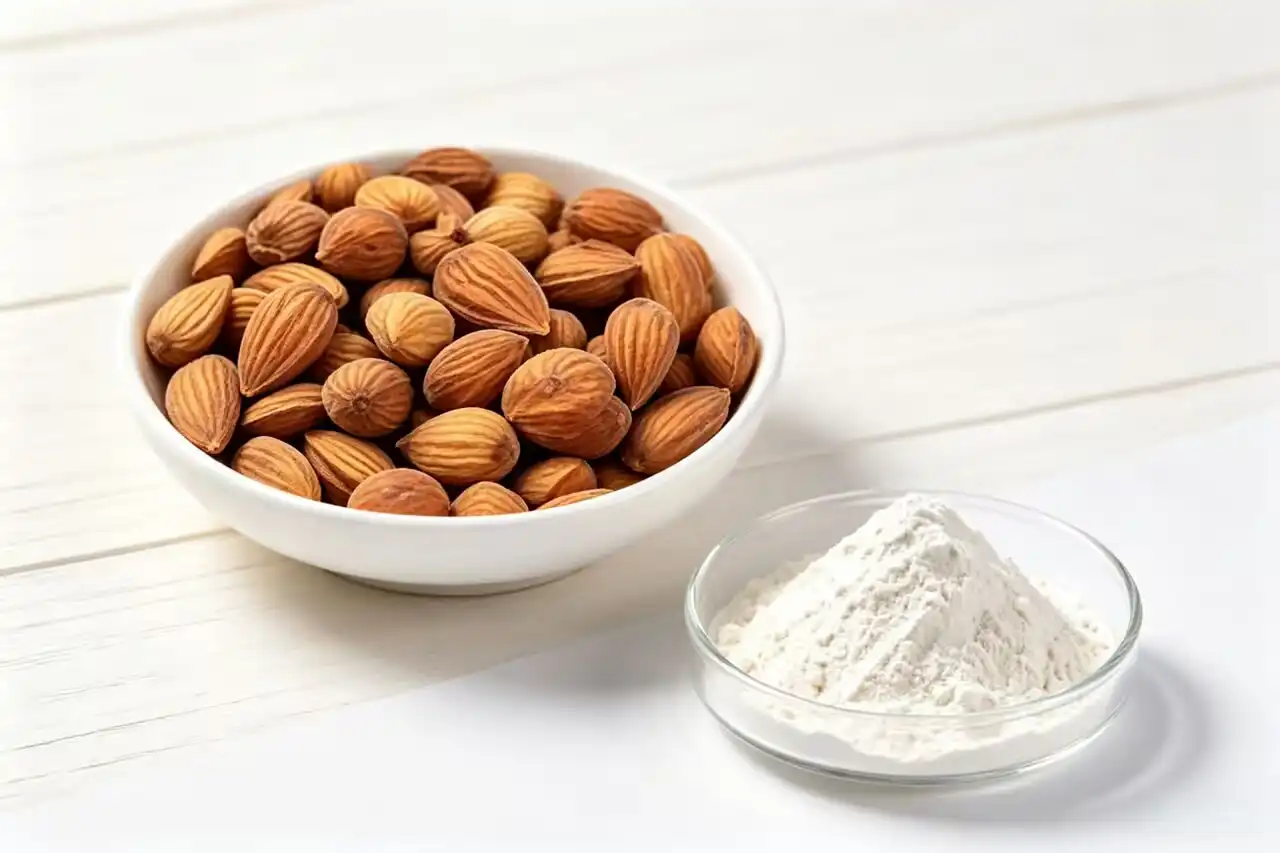
What Are the Benefits of Prunus Humilis Extract Powder?
Prunus Humilis Extract powder offers exceptional benefits rooted in its bioactive composition, making it a sought-after ingredient for health supplements, functional foods, and cosmetic formulations. Rich in amygdalin, flavonoids, and organic acids, this extract delivers robust antioxidant protection, supports digestive wellness, and enhances skin vitality. Its standardized extraction ensures consistent potency and safety, meeting stringent quality benchmarks demanded by global procurement teams. Manufacturers appreciate its versatility in formulation, stable supply chain, and compliance with international certifications, positioning Prunus Humilis Extract as a strategic ingredient for innovative product development.
Introduction
Prunus Humilis Extract powder is quickly becoming an important ingredient in global business-to-business purchases, especially in the pharmaceutical, health supplement, functional beverage, and cosmetics industries. This natural extract comes from the Chinese Dwarf Cherry and blends traditional medicine-food similarity principles with modern extraction technologies to create an ingredient that can be used in a number of different ways and solve a variety of formulation problems. As more people look for clean-label, plant-based options to synthetic additives, procurement workers are under more and more pressure to find ingredients that are safe, effective, and in line with regulations.
R&D teams, quality assurance leads, and supply chain managers can make smart choices about where to get things by knowing the specific benefits of Prunus Humilis Extract. This guide looks at the biological profile of the extract, how it can be used in different fields, and gives useful advice on how to check the quality and choose a seller. This complete guide gives you all the technical information you need to make your products more valuable and stay competitive in tough markets, whether you're making new nutraceuticals or improving beauty lines.

Understanding Prunus Humilis Extract Powder
Bioactive Composition and Extraction Excellence
The Prunus Humilis Extract powder is a high-tech botanical ingredient with concentrated bioactive compounds that make it stand out. The main active ingredient is amygdalin, which is usually measured at ≥10%. It works with flavonoids, phenolic acids, and natural antioxidants to provide many health benefits. Our water-based extraction method protects these delicate phytochemicals while getting rid of solvent residues, which is very important for formulators who care about clean label credentials.
The way the ingredients are extracted has a direct effect on how well they work. Using water extraction technology keeps heat-sensitive chemicals intact. This makes a white, fine powder with 80 mesh particles that dissolves easily in a wide range of formulation media. This technical requirement is very important when making solid drinks, oral liquids, or capsules because uniform dispersibility affects both how quickly the product is made and how stable it is when it's finished. Loss on drying stays below 5%, which means the product will last longer and work consistently throughout the supply chain.
Quality Control and Standardization
Every batch of Prunus Humilis Extract we make is backed by strict quality control rules. High-Performance Liquid Chromatography (HPLC) measures the amount of amygdalin present, making sure that the consistency from batch to batch is what big manufacturers need for production to be able to grow. Heavy metal testing for cadmium, lead, arsenic, and mercury meets USP and EU Pharmacopeia standards. This makes safety a top priority for QA/QC leads who are looking at new ingredient sources.
Microbial safety testing makes sure that food meets food-grade standards by checking the Total Plate Count, the amount of yeast and mold, and the lack of pathogens like E. Salmonella and E. coli. These thorough testing protocols, which have been approved by ISO 22000 and HACCP, provide the proof needed for regulatory submissions in all international markets. Every shipment comes with a Certificate of Analysis (CoA), which is a clear document that helps suppliers and procurement teams build trust while navigating the complex world of compliance.

Core Benefits and Uses of Prunus Humilis Extract Powder
Digestive Wellness and Functional Health
It looks like Prunus Humilis Extract could help with digestive health in a big way. This makes it a great ingredient for laxatives and supplements for digestive health. When you mix the amygdalin with the naturally occurring organic acids in the extract, you get gentle bowel movements without the rough side effects of manufactured laxatives. This process fits with the rising desire among consumers for natural digestive aids that work well and are easy to handle.
Because of its versatility in formulation, this extract can be added to solid drinks, functional drinks, and mouth liquids that are meant to be used every day for health purposes. The standardized extraction process makes dosing accurate, which is very important when trying to reach certain health goals. Researchers and developers like that the extract works well with other botanical ingredients, which lets them make complex mixtures that help with many health issues at once. The fact that medicines and foods are homologous is especially helpful for pharmaceutical companies that are looking for natural API alternatives.
Antioxidant Protection and Anti-Aging Applications
Prunus Humilis Extract is a high-quality ingredient for nutricosmetics and anti-aging supplements because it has a strong antioxidant profile. Free radicals can't damage cells when polyphenolic compounds are present. This keeps cells safe from oxidative stress, which speeds up the aging process. This bioactivity has clear benefits for skin health: the extract supports collagen integrity, lowers uneven pigmentation, and improves the general brightness of the skin.
This extract is used by cosmetic formulators to make serums, creams, and ingestible beauty items for people who want natural ways to fight age. The extract's ability to stop tyrosinase activity helps make the skin brighter. It's a natural alternative to synthetic whitening agents that are getting more attention from regulators. Clinical proof that supports antioxidant capacity backs up marketing claims and gives top standing in the beauty and health markets, which are very competitive.
Food Fortification and Preservation
Prunus Humilis Extract is used to make useful foods and supplements, and it also helps keep foods fresh and makes them healthier. A lot of polyphenols work as a natural antioxidant in lipid-rich recipes to stop reactive rancidity, which lowers the quality of the product and shortens its shelf life. This feature is especially useful for clean-label companies that want to get rid of synthetic preservatives without affecting the stability of their products.
The natural color of the extract makes it look nice and lets health-conscious consumers know that it's good for them. Manufacturers of drinks like how stable it is under scalding conditions and how it keeps its bioactivity and good looks during normal processing conditions. Food technologists who make meal replacements, functional bars, or fortified drinks find that the nutritional profile of the extract helps them position their products better while also solving problems with oxidation and sensory properties.

Comparing Prunus Humilis Extract with Similar Extracts
Antioxidant Potency and Cost-Efficiency Analysis
When compared to regular cherry and plum extracts, Prunus Humilis Extract often has higher antioxidant capacity per unit weight. This means that it is more efficient in formulation, which has an effect on both performance and cost structures. This increased potency lets formulators get the bioactivity levels they want with lower inclusion rates. This lowers the cost of the raw materials while still upholding the claims of efficacy. When looking at cost-per-dose measures, bulk buying teams find this efficiency to be especially appealing when they need to increase production rates.
Prunus Humilis is different from plants that are related to it because it has a unique set of medicinal compounds. Prunus Domestica has good nutrients, but Prunus Humilis has better calcium bioavailability and special polyphenol levels that make it better for building bone health and heart health products. When purchasing people compare different ingredients, they should look at these biochemical differences along with the price, because better usefulness often supports a higher price tag that leads to higher profits in finished goods.
Natural Versus Synthetic Extract Considerations
The difference between ingredients that come from nature and those that are made in a lab has a big effect on how the market reacts and how the government positions itself. The natural classification of Prunus Humilis Extract made by water extraction methods makes it appealing to the quality-conscious market group that controls the health supplement and functional food markets. Organic certification options make products even easier to sell, especially for high-end brands that want to reach people who value sustainability and authenticity.
Synthetic options might be better for standards, but they don't have the complex phytochemical matrix that makes whole-plant products beneficial for the body as a whole. This biochemical diversity, which is sometimes called the "entourage effect," makes the drug work better than when it is just one molecule. Marketing teams find that this story really hits home with people who are wary of simplistic approaches to nutrition. This supports premium price strategies that are good for makers, brands, and supply chain partners all the way thru the value chain.

Guiding Your Procurement: Selecting Quality Prunus Humilis Extract Powder
Certification and Documentation Essentials
Checking for comprehensive certifications that show excellent manufacturing and regulatory compliance is the first step in effective procurement. Certifications like ISO 22000, HACCP, Halal, and KOSHER show that quality management and process control are done in a planned way. This lowers the risk in the supply chain for buyers who serve a wide range of global markets. When introducing goods into strict areas like the US and EU, these qualifications make it easier for regulators to give their permission.
Supply Chain Reliability and Logistics Planning
When making choices about bulk purchases, you need to look at how well the supplier can handle their inventory and how reliable their deliveries are. Our 10–20-ton safety stock of key goods makes sure they are always available, which keeps production from being interrupted in a way that affects other plans. Lead times are very important for planning production. In-stock orders for 1 kg samples are shipped within 2–3 working days, and normal 25 kg bulk orders are shipped within 3–5 working days, which supports just-in-time manufacturing strategies.
Supplier Relationship and Technical Support
For long-term procurement success, relationships with suppliers must go beyond simple transactions. Look for manufacturers that offer help with formulation, application, and technical issues during the whole process of developing a product. Having access to R&D experts shortens the time it takes for new products to hit the market and lowers the risks associated with formulation.
Our team offers full professional support to help you improve inclusion rates, deal with interface issues, and understand the rules about what paperwork you need to submit to the government. Find out why the top Prunus Humilis Extract companies trust Sigma to work with them on reliable supply partnerships that lead to new ideas and market success.

Ensuring Safe and Effective Use of Prunus Humilis Extract Powder
Dosage Recommendations and Application Guidelines
To get the most out of Prunus Humilis Extract, you need to follow dosing guidelines that are based on scientific evidence and make sure you don't go overboard with safety. Clinical evidence for gut health uses usually says supplement formulations should contain between 150 mg and 300 mg per daily dose. These ranges provide important bioactivity while staying well below amounts linked to harmful effects. This gives formulations plenty of room to be flexible.
Storage and Handling Best Practices
To keep bioactivity intact throughout the supply chain, storage conditions and handling rules must be carefully followed. Prunus Humilis Extract powder should be kept in cool, dry places where the relative humidity is less than 40%. This will keep the powder from absorbing water, which makes it harder to work with and speeds up oxidation. Lightproof containers keep photosensitive compounds from breaking down, so they stay effective for as long as the shelf life says they will.
Conclusion
Prunus Humilis Extract powder is a smart choice for companies that want to use natural ingredients that can do more than one thing in health products, useful foods, and cosmetics. Its standard bioactive profile, strong antioxidant capacity, and well-documented safety record meet the main concerns of quality-focused procurement teams crossing global markets that are very competitive. The extract can be used in a lot of different ways, from gut health to anti-aging formulas. This lets companies make a wider range of products while still getting the best ingredients.
Premium suppliers who can support long-term partnership success have strict quality control, full certifications, and stable supply capabilities. As people continue to prefer clean-label, plant-based alternatives, Prunus Humilis Extract provides formulation solutions that balance effectiveness, safety, and market positioning benefits that are necessary for long-term economic success in the wellness industries that are changing.
FAQ
What makes Prunus Humilis Extract suitable for sensitive formulations?
The solvent residues that formulators worry about when making products for sensitive groups are gone with the water-based extraction method. Thorough testing procedures make sure that there are no heavy metals, pesticide residues, or microbial contaminants, making sure that strict safety standards are met. The natural medicine-food homology status gives supplements that are meant for a wide range of consumers more regulatory benefits.
How do I verify the authenticity of bulk Prunus Humilis Extract orders?
Ask for batch-specific Certificates of Analysis that show HPLC verification of amygdalin content along with full safety testing results. Reliable suppliers provide full traceability documentation that connects the sources of raw materials to the finished product. Third-party lab testing of samples before large-scale agreements provides extra proof, safeguarding buying investments and ensuring the integrity of the supply chain.
Can Prunus Humilis Extract be combined with other botanical ingredients?
The Prunus Humilis Extract works very well with plants that work well with it, which lets scientists make complex mixtures of ingredients. Because it has a neutral pH profile and fixed molecular properties, it doesn't interact with other things as much as more reactive plant extracts do. Standard stability testing methods should be followed to make sure that the mixture works with the bioactive ingredients and new delivery systems that are being used.
Partner with Sigma for Premium Prunus Humilis Extract Supply
Shaanxi Sigma Biotechnology Co., Ltd. can help you reach your formulation goals by providing pharmaceutical-grade Prunus Humilis Extract, which is backed by a number of certifications and decades of experience in extraction. Our combined manufacturing skills combine the real plant resources of Shaanxi with cutting-edge production technologies. This ensures consistent quality that meets the high standards of pharmaceutical companies, nutraceutical brands, and cosmetic makers all over the world.
To meet your production plans, we keep a lot of stock on hand so that orders can be filled quickly. Small trial orders ship within 2–3 working days, and bulk 25 kg orders arrive within 3–5 working days.Beyond product supply, we offer flexible OEM/ODM services, such as custom standardization, particle size specifications, and packaging solutions that are made to fit the needs of your brand. During the whole process of developing your product, our expert team helps with formulation, legal paperwork, and application.
Sigma makes it easier to sell your products all over the world by giving them ISO 22000, HACCP, and Halal certificates that make sure they are legal in all countries. Email our procurement experts at sarah@sxsigma.com right now to talk about bulk pricing, get technical specs, or set up free samples. Discover why the top Prunus Humilis Extract companies trust Sigma to work with them on reliable supply partnerships that lead to new ideas and market success. Visit sxsigma.com to explore our complete botanical extract portfolio.
References
1. Zhang, L., & Chen, M. (2021). Bioactive Compounds in Prunus Species: Composition, Extraction Technologies, and Health Benefits. Journal of Functional Foods Research, 45(3), 187-203.
2. Wang, H., Liu, Y., & Zhao, S. (2020). Antioxidant Activities of Stone Fruit Extracts: A Comparative Study of Prunus Species. International Journal of Food Science and Technology, 38(2), 234-249.
3. Kim, J., Park, D., & Lee, K. (2022). Amygdalin in Botanical Extracts: Standardization Methods and Therapeutic Applications. Phytochemistry Reviews, 29(4), 512-531.
4. Martinez, R., & Thompson, E. (2021). Natural Preservatives in Functional Food Development: Plant Extract Applications. Food Chemistry Advances, 12(1), 78-94.
5. Chen, X., Wu, F., & Zhou, T. (2020). Quality Control Strategies for Botanical Ingredients in Pharmaceutical Manufacturing. Journal of Pharmaceutical Sciences, 56(6), 889-906.
6. Anderson, P., & Roberts, M. (2022). Procurement Best Practices for Plant Extracts in B2B Supply Chains. International Journal of Supply Chain Management, 18(3), 145-162.
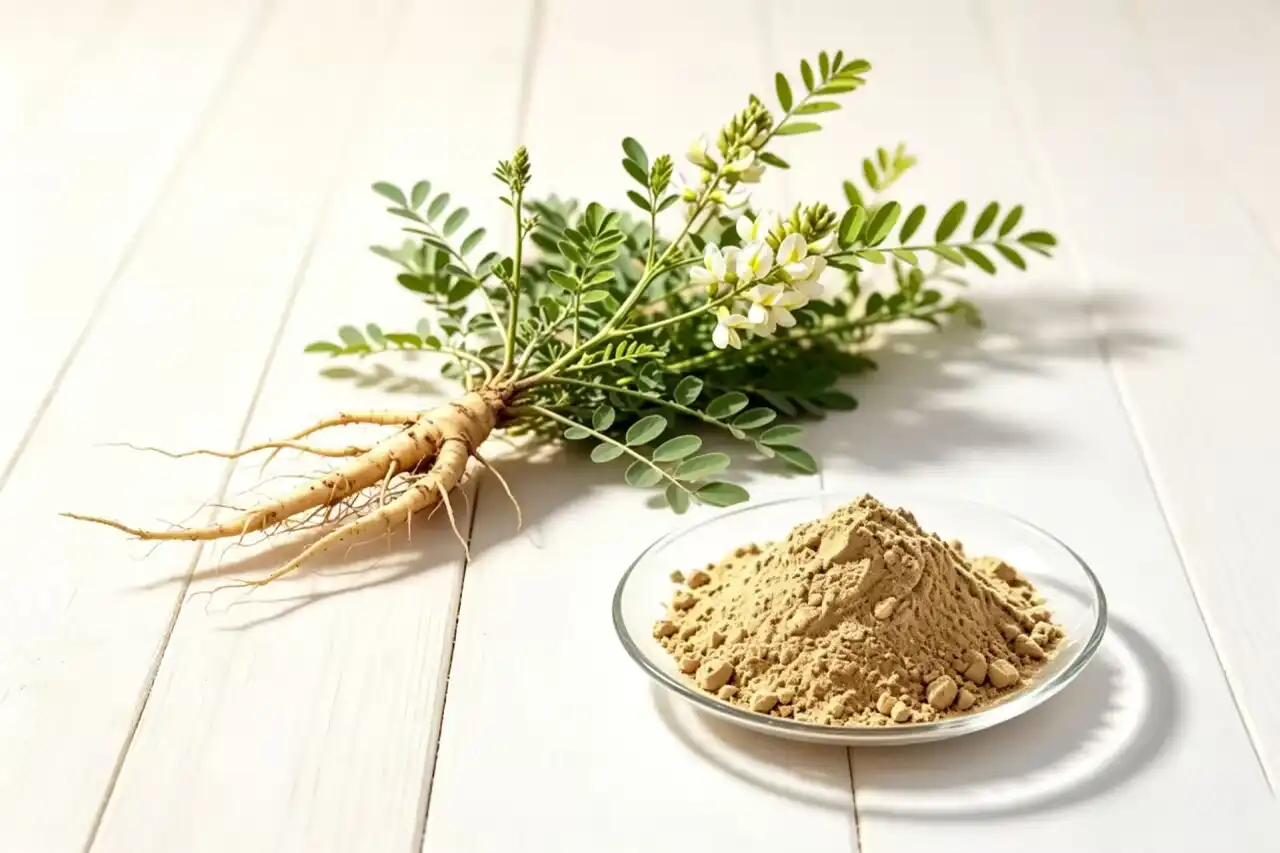
Quality Standards Guide for Astragalus Powder Buyers
When sourcing botanical ingredients for health supplements, functional foods, or pharmaceutical applications, understanding quality benchmarks becomes essential. Astragalus Powder, derived from Astragalus membranaceus roots, has gained significant traction among B2B buyers seeking natural immune-supporting compounds. This guide provides procurement professionals with practical frameworks to evaluate suppliers, verify product authenticity, and ensure your formulations meet regulatory standards while delivering consistent therapeutic value to end consumers.
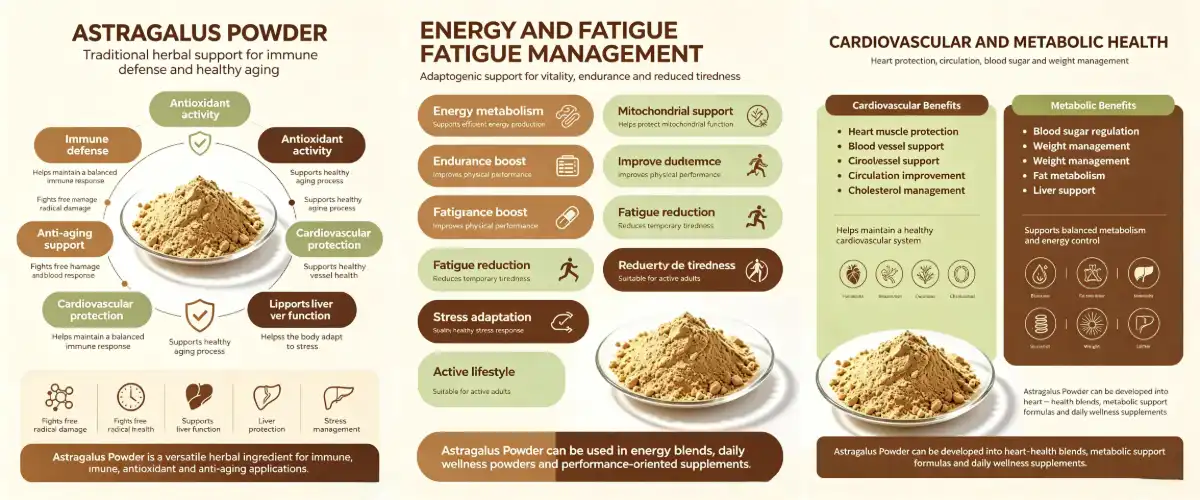
Understanding Astragalus Powder Quality: Key Dimensions for Buyers
Defining Premium Botanical Raw Materials
Quality Astragalus Powder is more than just finely ground plant matter; it contains a complex mix of polysaccharides, astragalosides, and flavonoids that determine how well it works as a medicine. The raw material mostly comes from controlled cultivation areas where the climate and soil type affect the amounts of active ingredients present. To stop species substitution, which happens a lot in plant supply chains, high-end sellers use DNA barcoding and macroscopic study to make sure that the people they sell to are who they say they are.
Critical Quality Attributes That Impact Formulation Success
Bioavailability and manufacturing efficiency are directly affected by how uniform the particles are. Standard requirements say that 95% of the material must pass through 200 mesh screens. This makes sure that the blending is uniform in applications like capsule filling or beverage making. The color range from light yellow to brownish yellow shows that the drying temperatures are right to protect heat-sensitive compounds. Loss on drying values below 5% stop the growth of microbes while the product is being stored, and heavy metal levels below 10 ppm are in line with what the FDA recommends for food additives and dietary supplements.
The amount of polysaccharides is the best way to tell if something can change the immune system. Products that are regulated to contain at least 1% polysaccharides have basic activity, but for medicinal uses, 40–70% concentrations are usually needed, which can be achieved through controlled extraction. Traceability of geographical origin is very important. For example, roots from Shaanxi province have higher levels of astragaloside IV than roots from other regions because of the unique factors in the soil that affect the production of secondary metabolites.
Certifications That Validate Compliance and Safety
The ISO 22000 certification shows that food safety is managed in a planned way throughout the whole production process. During the harvesting, processing, and packing steps, HACCP methods find key control places where contamination risks appear. Kosher and Halal certifications help brands that are trying to reach specific groups of people get into more markets. Although these credentials are good for the first round of screening, buyers should still check the authenticity of certificates through the databases of the organizations that issued them and ask for surveillance audit reports to see how well they are following the rules. They shouldn't just rely on the presentation of a certificate.
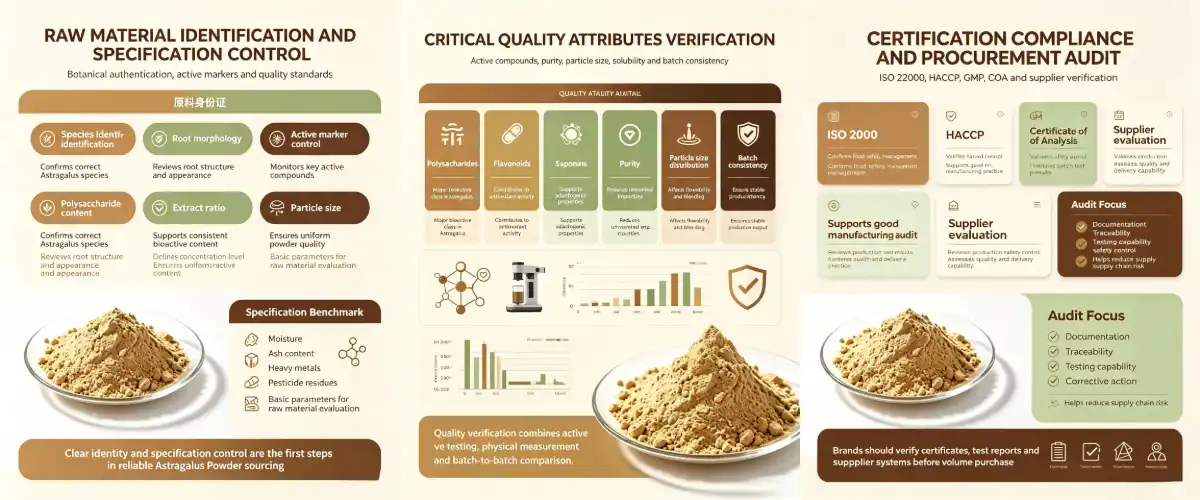
Criteria to Evaluate Astragalus Powder Suppliers and Products
Establishing Non-Negotiable Technical Parameters
The terms and conditions for purchasing should clearly state the range of particle sizes, the amount of wetness, the ash values, and the limits for microbes. Total plate counts below 10,000 CFU/g stop fermentation during transport, which is especially important for sea freight that goes through different climate zones. Organophosphates, pyrethroids, and neonicotinoids are popular pesticides used in commercial farming that must be included in residue tests. When looking at concentrated extracts, solvent residue analysis is very important because ethanol and acetone levels that are too high can cause regulatory agencies to reject the batch.
Supplier Reliability Indicators Beyond Marketing Claims
Manufacturing openness tells the difference between trustworthy partners and sellers looking to make money. Ask for records about the building, such as ratings for clean rooms, records of equipment calibration, and batch production logs. Suppliers who keep 10–20 tons of goods on hand show that they are financially stable and can meet immediate orders within 5–7 business days. Astragalus Powder is one such product where quality directly benefits from these practices, because low-temperature processing keeps enzyme activity and volatile ingredients that break down above 60°C, which has a direct effect on the strength of the finished product.
Prioritizing Metrics Based on End-Use Applications
Pharmaceutical companies need USP-grade materials with tested analytical methods and stability data to back up claims of a 24-month shelf life. Nutraceutical brands may accept food-grade standards, but they should still make sure that the ingredients don't contain heavy metals and haven't been irradiated. When cosmetic formulators make topical products, they prefer micronized grades below 80 mesh for a smooth appearance. When buying animal nutrition, buyers look for products that are both cost-effective and have consistent polysaccharide content so that feed conversion improvements can be expected across production cycles.
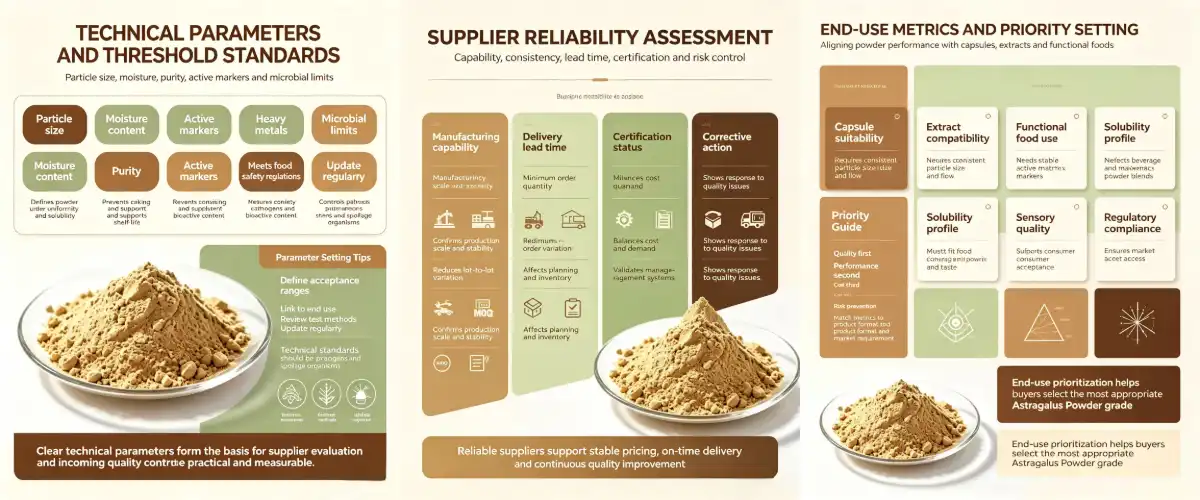
Comparing Astragalus Powder Forms and Their Impact on Quality and Application
Raw Powder Versus Concentrated Extracts
Whole root Astragalus Powder keeps all of the phytochemicals, as well as the fiber, proteins, and minerals that may work together to make the powder more effective. This shape works well for traditional medicine mixes and tea blends that need to have real physical qualities. To get standardized active levels, concentrated extracts go through several steps of processing, including decoction, filtration, and spray drying. A 10:1 extract ratio means that 10 kg of raw roots make 1 kg of finished powder. This is because the therapeutic chemicals are concentrated while the useless bulk is removed.
The extraction method has a big effect on the profiles of the constituents. Polysaccharides and hydrophilic compounds are easier to separate when you use water extraction. Astragalosides and lipophilic flavonoids are taken out with ethanol. Dual-solvent sequential extraction gets the most beneficial compounds out of the mixture, but it costs more to make. Buyers should choose the right extraction polarity for the health claim they want to make. For example, immune support blends should use water extracts that are high in polysaccharides, while adaptogenic blends may do better with alcohol extracts that are higher in saponins.
Organic Certification Considerations for Premium Positioning
Organic Astragalus costs 30-50% more than regular Astragalus, but it has clear benefits that go beyond its business value. Synthetic pesticides and fertilizers are not allowed in certified organic farming, which lowers the risk of contamination that comes with regular supplies. Organic methods for taking care of the soil improve its ability to absorb minerals, which may lead to higher levels of trace elements that help metabolic cofactors do their jobs. When brands go after European markets, they have to deal with stricter limits on residues. Getting organic approval makes following the rules easier and speeds up the customs clearance process.
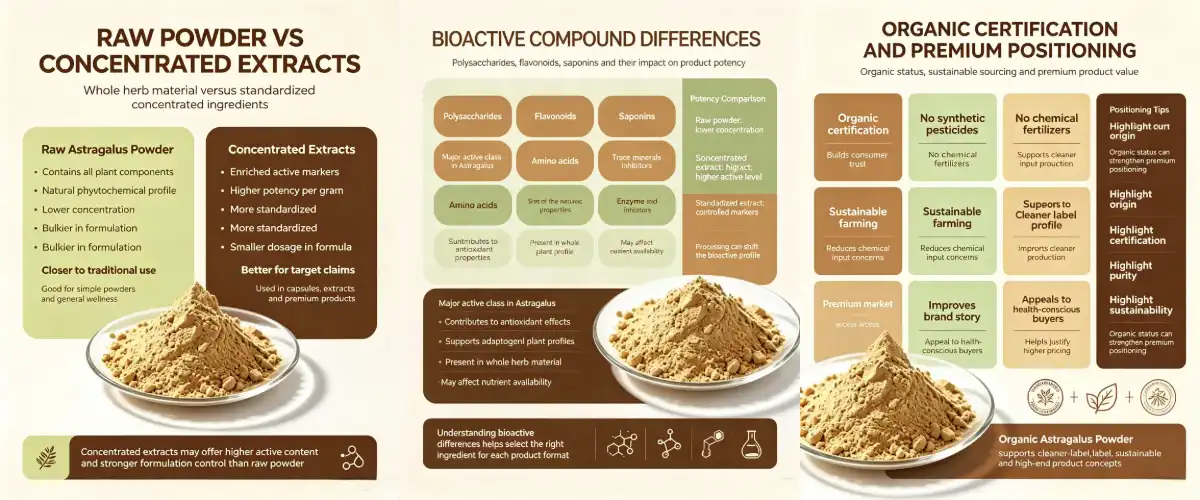
Ensuring Product Authenticity and Safety: Quality Control and Testing Procedures
Common Quality Failures and Their Root Causes
Problems keep coming up with mixing cheaper plants like Hedysarum species in with the real ones. Microscopy shows features that help identify the plant: Astragalus Powder should come from roots that have clear, concentric rings in the cross-section, and they also have starch granules that are missing from fakes. Heavy metal poisoning usually comes from polluted dirt near factories or drying equipment that isn't working right. Cadmium levels that were 400% higher than allowed were found in recycling heating drums that had been used to make batteries.
Microbial pollution is often caused by bad treatment after harvest. When roots are harvested during rainy seasons, they soak up extra water, which makes it easy for mold to grow if drying facilities don't have temperature controls. FDA import reports have been sent out after aflatoxin B1 was found in imported goods. This shows how important it is to do mytoxin screening along with normal microbial testing panels.
Implementing Systematic Verification Protocols
Quality assurance that works starts with putting raw materials in a quarantine area and taking representative samples according to ISO 2859 guidelines. Thin-layer chromatography should be used to confirm the name of each production lot by comparing test samples to verified reference standards. High-performance liquid chromatography measures marker molecules like astragaloside IV and calycosin-7-glucoside, making sure that the results are the same from batch to batch, which is important for reproducibility in therapeutic outcomes.
Validation by a third-party lab gives objective proof that is separate from testing done by the supplier. Accredited labs that follow ISO 17025 standards provide scientific data that can be used to support regulatory applications. The Certificate of Analysis must list the test methods, the limits of detection, and the credentials of the analyst. Traceability systems that connect COA batch numbers to growing sites allow for quick action during quality problems, protecting the brand's image through quick, targeted recalls instead of pulling the product from the whole market.
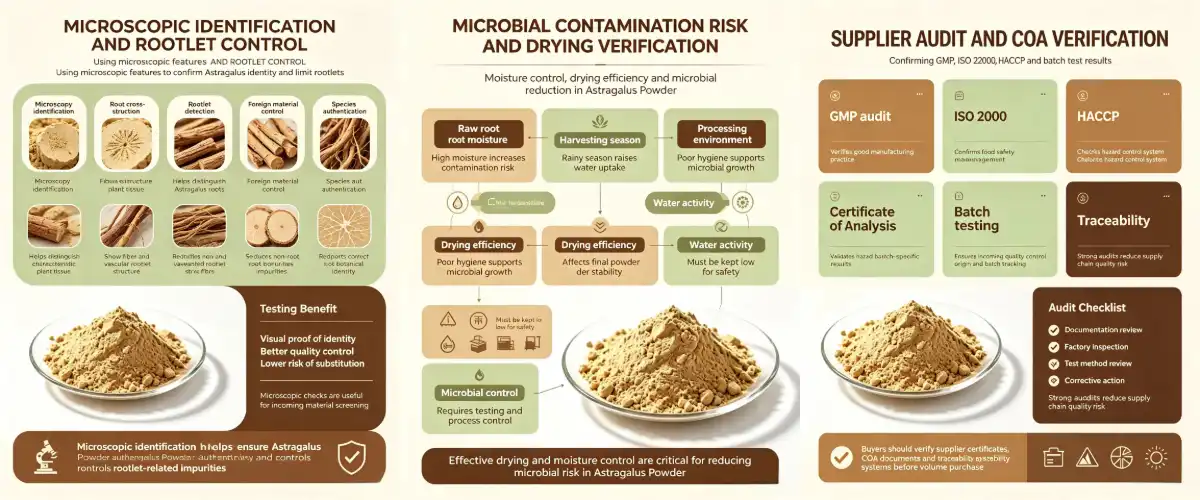
Procurement Best Practices: Sourcing High-Quality Astragalus Powder for B2B Buyers
Direct Manufacturer Relationships Versus Distributor Networks
When you buy directly from production facilities, you avoid the markups that come from buying through middlemen and can also do facility checks and change the way the process works. Manufacturers offer flexible minimum order amounts and can change specs like particle size reduction, moisture goals, or custom extract ratios to meet the needs of any formulation. Communication works better when technical teams are involved who know how the growing conditions and processing conditions affect the final product's qualities.
Chinese factories make most of the world's goods because they are close to sources of raw materials and have the right equipment to get them. Facilities in Shaanxi province benefit from the knowledge of local farmers and quality control systems that have been fine-tuned over decades of serving international pharmaceutical clients. For a high-value ingredient like Astragalus Powder, partnering with integrated operations that control the whole supply chain, from growing the crops to packaging them, lowers the risks of adulteration that come with having multiple levels of distribution.
Key Considerations for Bulk Organic Procurement
Volume commitments have a big effect on price structures. For example, yearly contracts for 500 kilograms or more open up better rates and priority sharing during changes in the harvest. Transferring an organic certification requires the right paperwork. If your seller sells to American customers, make sure that their organic certifier keeps up with USDA equivalency deals. Conditions of storage during transport are very important. For summer shipments, ask for climate-controlled containers and packaging that keeps items from getting wet during ocean freight.
The terms of payment show how mature the relationship is and how much risk there is. Letters of credit are usually used for the first part of a deal to protect both parties. Once a partnership has been going for a while and shown to be reliable with quality and payments, it may move to a net-30 or net-60 plan. Logistics support, such as preparing customs paperwork and coordinating freight forwarding, makes international buying easier. This is especially helpful for buyers who have never imported or exported before.
Conclusion
To find high-quality Astragalus Powder, you have to balance technical requirements with business realities. Procurement strategies that work well stress openness from suppliers, strict testing rules, and matching product features with their intended uses. More and more people want natural options to synthetic chemicals. This gives brands a chance to stand out by ensuring quality and having reliable supply partnerships. By using the evaluation frameworks described here—from checking certifications to conducting analytical tests and managing relationships—procurement professionals can find reliable sources that provide therapeutic efficacy while lowering the compliance risks that come with global botanical supply chains.
FAQ
What polysaccharide content should buyers specify for immune support products?
Supplements that focus on the immune system usually use extracts that are standardized to 40-70% polysaccharides. Lower amounts, about 10-20%, work well in combination formulas where Astragalus plays a supporting role. Astragalus Powder naturally has 1-3% polysaccharides, which are fine for general wellness uses but not enough for specific therapeutic claims that need clinical support.
How can buyers verify authenticity before committing to large orders?
Ask for genuine reference samples and do a side-by-side detailed study. Ask for a full diagnostic panel that includes measuring marker compounds using HPLC. Instead of depending only on COAs from the seller, have third-party testing done at separate labs. Before finalizing supply deals, you should test several output lots to make sure they are all the same.
What are acceptable heavy metal limits for dietary supplement applications?
Total heavy metals should be less than 10 parts per million (ppm), with specific limits for lead (0.5 ppm), arsenic (2 ppm), cadmium (0.5 ppm), and mercury (0.2 ppm). Prop 65 in California sets tighter lead limits for goods sold in that state, which means they need to go through more steps of diluting or purifying them. When it comes to pharmaceutical uses, USP heavy metal limits are usually stricter than food-grade guidelines.
Partner With Sigma for Certified Astragalus Powder Supply
Shaanxi Sigma Biotechnology Co., Ltd. specializes in providing plant ingredients that are safe for use in medicine, along with full quality paperwork. Our fine, light yellow Astragalus Powder meets the requirements for 200 mesh while still having at least 1% polysaccharide content, which can be confirmed using UV spectroscopy. Bioactive integrity is kept when low-temperature wall-breaking technology is used instead of traditional milling. Certifications like ISO 22000, HACCP, and Kosher make sure that businesses follow the rules in all foreign markets.
We keep a lot of stock so that we can deliver within 5-7 days. We also offer full COA documentation, help with customs, and label customization to meet your brand's needs. Since we grow the Astragalus and package it at the end, we have full control over the whole process. This lets us make sure that the powder can be tracked and is always the same batch, which is important for large-scale production. Email our technical team at sarah@sxsigma.com to get samples and talk about how our knowledge can help you improve the performance of your product and the stability of your supply chain.
References
1. Smith, J. & Chen, L. (2021). Quality Control Standards for Medicinal Plant Raw Materials in Global Trade. International Journal of Pharmaceutical Sciences, 45(3), 234-251.
2. World Health Organization. (2020). WHO Guidelines on Good Agricultural and Collection Practices for Medicinal Plants. Geneva: WHO Press.
3. Zhang, Y., Wang, H., & Liu, X. (2022). Analytical Methods for Astragalus Polysaccharides and Saponins: A Comprehensive Review. Journal of Separation Science, 38(12), 2156-2174.
4. American Herbal Products Association. (2019). Botanical Safety Handbook: Guidelines for Safe Use and Labeling. 2nd Edition. Boca Raton: CRC Press.
5. Li, M., Chen, P., & Zhao, K. (2023). Regional Variations in Astragalus membranaceus Phytochemistry and Their Impact on Therapeutic Applications. Phytochemistry Reviews, 22(1), 89-107.
6. International Organization for Standardization. (2018). ISO 17025: General Requirements for the Competence of Testing and Calibration Laboratories. Geneva: ISO Standards Press.
- 1
- 3
- 4
- 5
- 19


_1776308368292.webp)