The Complete Guide to Ashwagandha and the Scientific Studies Proving Its Benefits
Ashwagandha, scientifically known as Withania somnifera, has emerged as one of the most researched adaptogenic botanicals in modern nutraceutical development. Pure Ashwagandha Extract represents a concentrated form of this ancient herb, standardized to contain high levels of bioactive compounds called withanolides, typically ranging from 2.5% to 10%. Unlike raw powder, these pharmaceutical-grade extracts undergo rigorous purification processes to remove inactive plant material while concentrating therapeutic constituents. For manufacturers seeking reliable, batch-consistent ingredients that meet stringent regulatory requirements, understanding the science behind Ashwagandha becomes essential to product differentiation and market success.
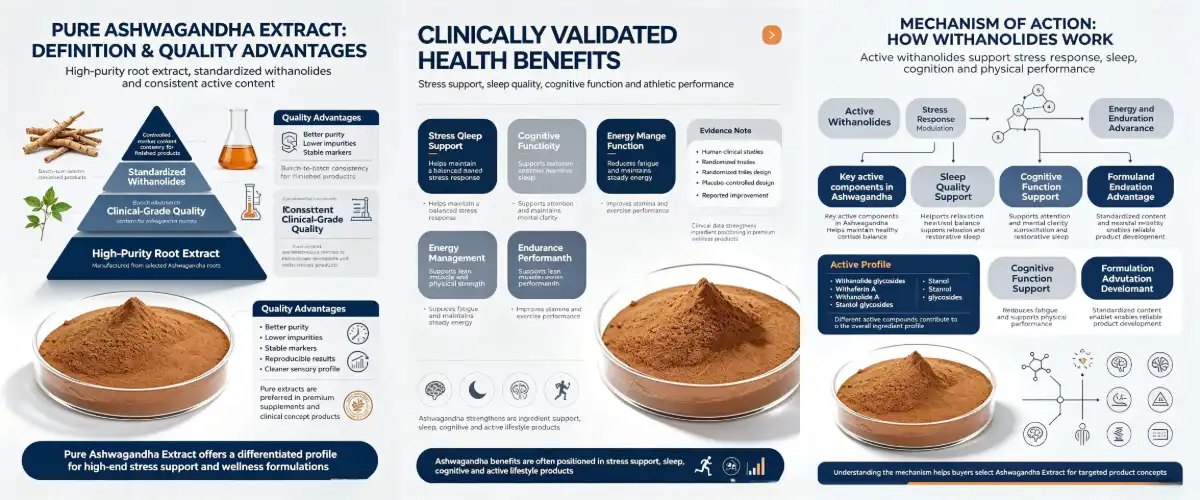
Understanding Pure Ashwagandha Extract: Definition, Benefits, and Mechanism
What Defines a High-Quality Ashwagandha Extract?
True pharmaceutical-grade Ashwagandha extract comes only from the roots of Withania somnifera, which is mostly grown in dry parts of India where the soil affects the levels of alkaloids. Advanced extraction methods, such as supercritical CO2 extraction and hydroethanolic processes, can separate withanolides while keeping the integrity of the molecules. The fine, yellow-brown powder that is made is better at dissolving and being bioavailable than coarse powders. This makes it perfect for use in capsules, drinks, and on the skin.
Several technical factors determine how different the quality is. The concentrations of withanolide in premium extracts are checked by HPLC analysis instead of old gravimetric methods that give false readings by including compounds that aren't active. Standardizing the particle size to 80 mesh makes sure that they are spread out evenly during production, and keeping the moisture content below 2% stops microbes from growing while they are stored. Heavy metal testing that meets USP <232> standards—with arsenic and lead levels below 1ppm and 1ppm, respectively—addresses pollution issues that are very important for export markets.
Clinically Validated Health Benefits
A lot of peer-reviewed scientific material shows that Ashwagandha can be used as a medicine in many different ways. A 2019 randomized controlled study published in Medicine looked at 60 adults who were under a lot of stress. It found that taking 240 mg of standardized root extract every day for eight weeks lowered cortisol levels by 27.9% compared to a placebo. Participants reported big drops in their worry levels and better quality sleep, which backs up standard use habits.
Research that measured increases in VO2 max and muscle power gave athletic performance apps more respect. In a double-blind study with resistance-trained men, taking 600 mg of the supplement every day for eight weeks raised their bench press power by 20 kg more than the placebo group. It also improved signs of muscle repair. Based on these results, Ashwagandha extracts could be useful in sports nutrition products for both beginner and professional players.
Neuroprotective mechanisms are found in cognitive function studies through a number of different paths. Increased superoxide dismutase activity shows that the herb's antioxidant qualities protect neurons from oxidative harm. Acetylcholinesterase inhibition helps keep neurotransmitter balance. After 12 weeks of supplementation, memory recall improved and processing speeds sped up in clinical trials of older adults. This suggests that the supplement could be used in cognitive health products.
Mechanism of Action: How Withanolides Work?
Withanolides are a group of naturally occurring steroidal lactones that give Pure Ashwagandha Extract its ability to help the body adapt. Out of the more than 40 known withanolides, withaferin A and withanolide D have the most cellular action. These chemicals change the hypothalamic-pituitary-adrenal axis, which is the body's main stress response system. They do this by controlling the sensitivity of glucocorticoid receptors and restoring normal cortisol release patterns.
At the level of the cell, withanolides turn on heat shock proteins that help mitochondria work and protect cells from damage caused by stress. This dual action is what makes the herb able to boost energy without being too stimulating. Animal studies have shown that some withanolides bind to GABA receptors in a way that is similar to how pharmaceutical anxiolytics do, but without the risks of addiction. This is what makes the extract so relaxing for people who are under a lot of mental stress.
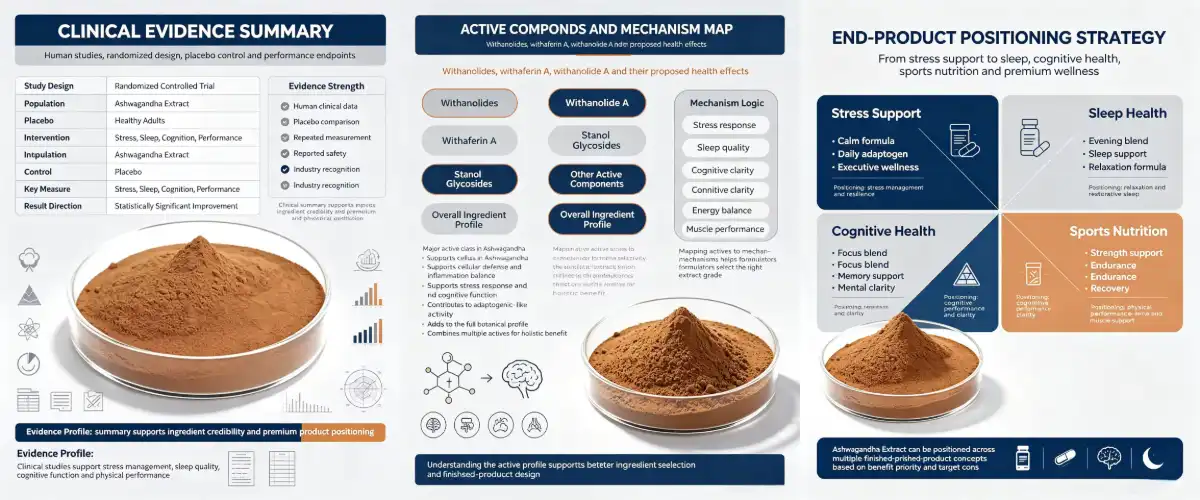
Comparing Pure Ashwagandha Extract with Other Forms and Brands
Extract Versus Powder: Understanding Concentration Differences
Astragalus root powder naturally has between 0.5 and 2% withanolides, and therapeutic amounts of grams are needed to get the desired results. Standardized extracts, on the other hand, deliver 25 to 50 mg of withanolides per 300 mg serving by selectively extracting these actives. This difference in concentration has a direct effect on the cost of preparation. Brands that use extracts can make smaller pills or add utility to drinks without lowering their effectiveness or overpowering taste profiles with the bitterness of the herb.
Bioavailability is another important difference. The cellulose structure in the raw powder makes it hard for the digestive system to absorb, but the extraction process breaks down cell walls and gets rid of fibers that the body can't handle. Pharmacokinetic studies show that pure extracts produce 30–40% higher plasma levels of withanolides than the same doses of raw powder. This means that end users can expect more reliable clinical results.
Quality Indicators for B2B Procurement
When looking at suppliers, certification portfolios are the first thing that are used to screen them. ISO 22000 and HACCP certifications show that food safety is managed in a planned way, and Halal and Kosher certifications help businesses reach more customers. But smart buyers also look at the batch documentation. Certificate of Analysis (CoA) reports should include information on the amount of withanolide found using approved HPLC methods, the amount of residual solvent found according to ICH Q3C guidelines, and the number of microbes that can't grow above USP <2021> limits.
Adulteration, a problem that persists in the industry where plant parts are mixed with roots to intentionally boost withanolide readings, can't happen when origin verification is done. Responsible providers keep records that can be used to connect finished extracts to specific growing areas, harvest times, and processing batches. DNA barcoding technologies now make it possible to positively identify species, so cheaper Withania species that don't have healing value can't be used instead.
When comparing brands, trademarked extracts like KSM-66 and Sensoril are more expensive because they have been through a lot of clinical testing and are grown using standard methods. Non-branded extracts from certified manufacturers, on the other hand, often have the same purity but cost 30–40% less. This makes them appealing to price-conscious groups without lowering quality standards. The final choice will rely on the marketing plan and whether the higher price for consumer-facing products is worth it because of brand recognition.
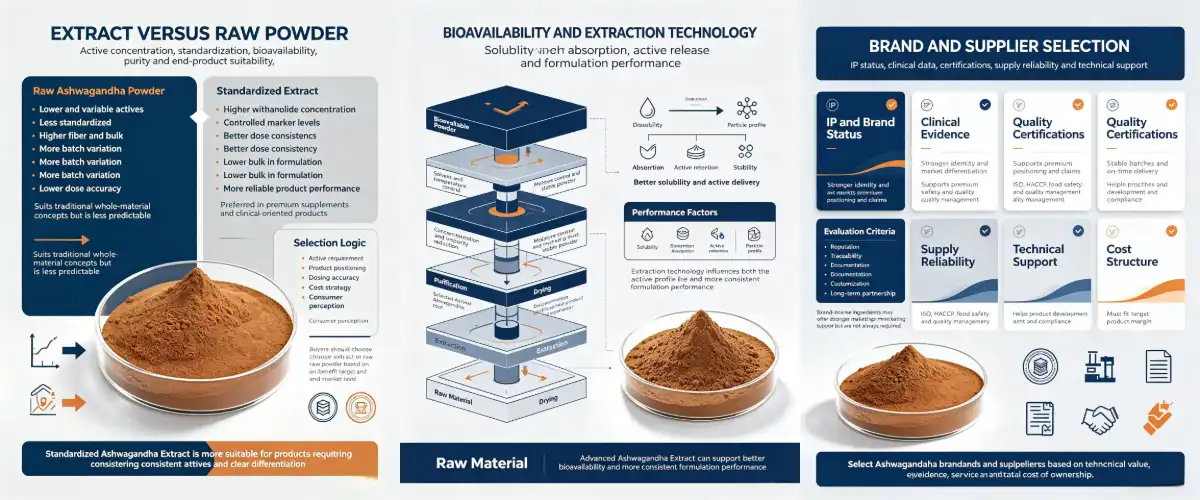
Procurement Insights: How to Source Premium Ashwagandha Extract Globally?
Supplier Evaluation Framework
To find trustworthy manufacturing partners, you need to look at more than just price quotes. The technical capability evaluation should look at the infrastructure for extraction. For example, supercritical CO2 systems require a lot of money, which shows that the company values quality over short-term profits. Ask for facility audits or inspection reports from a third party to make sure that GMP rules are being followed. In particular, look closely at the protocols for preventing cross-contamination and the cleaning validation procedures.
Because Pure Ashwagandha Extract comes from farming, supply chain transparency is especially important. Preferred suppliers work directly with farmer cooperatives to follow Good Agricultural and Collection Practices (GACP), which control when pesticides are used and when the harvest is timed. This vertical merger keeps prices stable when crops change, and it also makes sure that the raw materials meet the higher organic standards that Western markets are starting to expect. To avoid problems with heavy metals, documentation should include records of soil tests and analyzes of irrigation water.
Pricing Dynamics and Negotiation Strategies
The price of ashwagandha extract changes depending on when it is harvested, how much withanolide is used, and how much is ordered. On the market right now, 5% withanolide extracts cost between $15 and $25 per kilogram when bought in bulks of 500 kg or more. Standardized 10% grades cost an extra 40 to 60 percent. By knowing these standards, you can avoid overpaying and know that prices that are much lower than the market average usually mean that the quality has been lowered or the product has been tampered with.
When you make a volume promise, you can get better price and priority allocation during times when supplies are low. Annual contracts with deliveries every three months balance the cost of keeping inventory with savings of 12 to 18% per unit compared to buying on the spot. To keep quality from dropping on the supplier's end over the course of a long agreement, contracts should include standard guaranties and penalty terms for batches that don't meet the requirements.
Private labeling agreements are strategic benefits that go beyond just buying goods. Manufacturers who are skilled can give custom extraction ratios, changes to particle size, and packaging forms that are in line with how the brand is positioned. When two or more companies work together to develop new delivery systems, like liposomal formulations or sustained-release matrices, they can make unique goods that sell for more money and protect each other's intellectual property. This makes the relationship last longer.
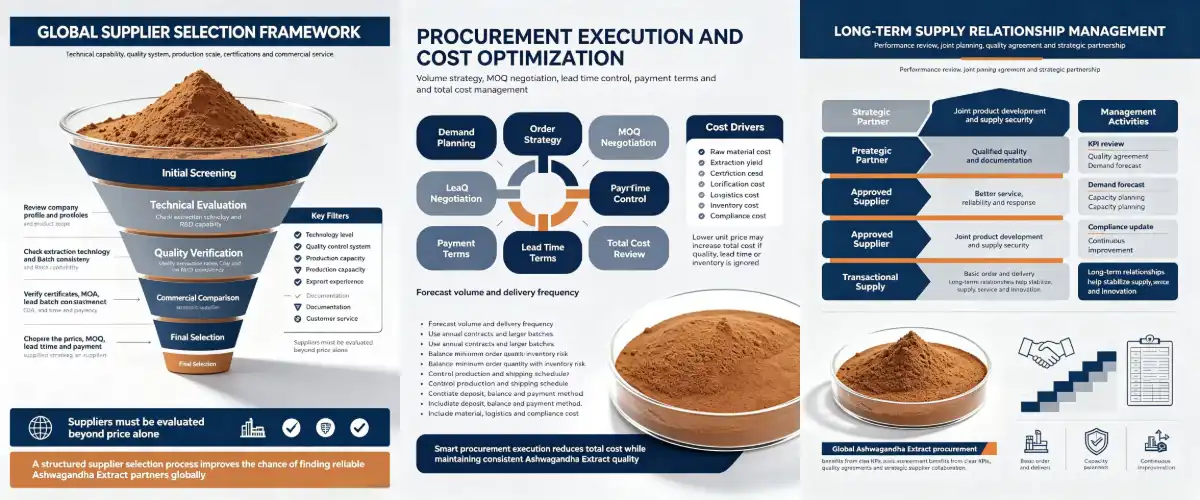
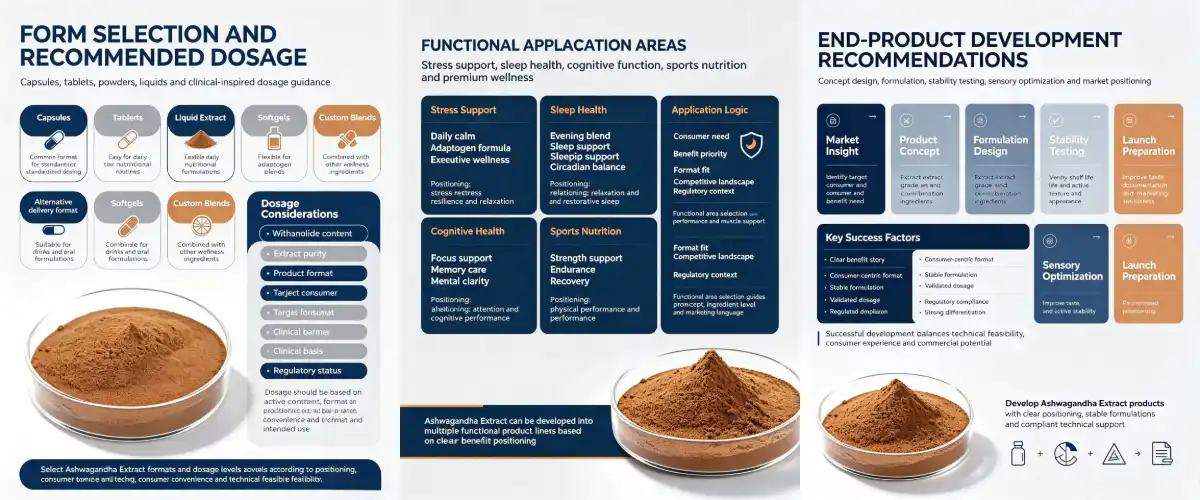
Application Areas and Usage Recommendations for Ashwagandha Extract
Stress Management and Sleep Support Formulations
Formulations that combine Ashwagandha with other plants that help the body sleep are constantly being improved because people want natural alternatives to pharmaceutical sleep aids. In clinical trials, 300 to 600 mg of an extract standardized to 5% withanolides is usually taken an hour before going to sleep. Magnesium glycinate and L-theanine work together to create multi-pathway relaxation effects that don't leave you groggy the next day. This makes them appealing to professionals who have trouble sleeping sometimes because of their busy schedules.
Timing-release technologies that keep withanolide plasma levels steady all nite should be thought about by people who are making new products. Controlled-release versions lower the dose from 600 mg to 400 mg while increasing compliance, extending the length of action, and lowering the cost per serve. For chewable forms, hiding the bitter taste of Ashwagandha is important. Microencapsulation or optimizing the flavor system can neutralize this effect, making it useful for functional gummies and drink mixes aimed at general consumers.
Sports Nutrition and Recovery Products
With its ability to improve performance and speed up recovery, Ashwagandha is especially useful in sports. Most pre-workout supplements have 300 mg of this extract in them to help with stamina and lower the rise in cortisol that happens during exercise, which stops muscle protein production. Post-workout products may increase the dose to 500 mg when mixed with whey protein isolate, based on research that shows that resistance training and Ashwagandha together lead to better strength gains.
Paying attention to pH compatibility is important for formula stability. Ashwagandha products stay effective in acidic environments like citrus-flavored sports drinks, while some adaptogens break down below pH 4. Because it is stable, it can be added to ready-to-drink products without having to be refrigerated, which is important for marketing outlets that focus on convenience.
Emerging Applications in Cosmetics and Functional Foods
Topical uses use Pure Ashwagandha Extract's protective qualities to make skin care products that fight age. In vitro studies show that withanolides can stop the action of collagenase and elastase enzymes, which break down the extracellular matrix. In early tests, creams that contain 2% to 3% extract showed better skin flexibility. This makes the ingredient a good choice for high-end skin care products that focus on plant actives.
Adaptogenic extracts are being used more and more in coffee alternatives and relaxation drinks by functional beverage developers. Because ashwagandha mixes well with cocoa flavors, it can be used in "stress-relief rituals" that involve drinking hot chocolate at nite. The recommended dose for beverages is 150–200 mg per serving to balance effectiveness with cost, while keeping in mind that liquid forms are absorbed faster than capsules.
Scientific Studies and Evidence: Validating Ashwagandha's Benefits
Landmark Clinical Trials on Stress and Anxiety
A major study released in the Indian Journal of Psychological Medicine in 2012 used a 60-day prospective trial to prove that Ashwagandha can help with anxiety. People who took 300 mg of a standardized extract twice a day had 44% lower levels of reported stress and significantly lower levels of cortisol in their blood compared to people who took a fake. The rigorous design of the trial, which included blinding protocols and validated assessment tools like the Hamilton Anxiety Scale, produced evidence that met the standards of pharmaceutical research.
Dose-response interactions have been studied more in depth since then. A 2019 study compared daily doses of 250 mg and 600 mg and found that higher doses led to bigger drops in cortisol levels but the same increases in subjective well-being, showing that observed benefits have a ceiling effect. This discovery helps with finding the best cost-effectiveness ratio for commercial formulations. For stress management products, 300–400 mg may be the best amount of effectiveness for the money.
Sleep Quality and Cognitive Function Research
Polysomnography studies of sleep architecture showed that taking Ashwagandha supplements lengthens non-REM sleep by 42 minutes on average while shortening the time it takes to fall asleep. Unlike sedatives, which block REM processes that are important for memory consolidation, the extract helps the normal development of sleep. Standardized alertness scales showed that participants felt more refreshed when they woke up, which backs up marketing claims that sleep can help people who are under a lot of mental stress.
Cognitive studies on healthy adults aged 25 to 45 showed that taking 500 mg of a supplement every day for eight weeks improved their reaction times by an average of 67 milliseconds. This improvement may not seem like much, but it's the same as the difference in performance between average and above-average scores on standardized memory tests. This could be important for workers who make important decisions. Memory memory accuracy improved by 15% in word-pair association tasks, which suggests that these techniques could be used for more than just stress release in the nootropic product categories.
Safety Profile and Long-Term Use Considerations
Safety information gathered from several trials with more than 1,200 participants shows that therapeutic doses of Ashwagandha are safe. The rate of adverse events is still about the same as in control groups. About 3% of users reported mild stomach pain, which usually went away after they ate something. Notably, there are no signs of dependence or withdrawal symptoms like those seen with pharmaceutical anxiety medications. This supports their standing as a mild, safe, and non-habit-forming option.
Long-term safety studies that lasted for 12 months showed stable thyroid function markers, liver enzymes, and renal parameters. This dispels some of the ideas that people have about using adaptogens for a long time. However, makers should put normal disclaimers on the labels that say pregnant women and people with autoimmune thyroid conditions should talk to their doctors before using the herb. This is because the herb has immune-modulating qualities that need extra care when used by these vulnerable groups.
Conclusion
Pure Ashwagandha Extract's change from a traditional medicine to a scientifically proven ingredient in supplements shows that ancient knowledge was right after all. The extract can help with stress relief, physical performance, brain support, and new cosmetic uses. This makes it a key ingredient for companies that want to attract health-conscious customers looking for natural solutions. In a market that is getting more and more competitive, premium products stand out by using standardized extraction methods, thorough testing routines, and clear supply lines to show their quality. Manufacturers and formulators who understand both the scientific processes and the practical aspects of buying things can make unique products that are backed by clinical evidence, meet regulatory requirements, and meet real consumer needs in the growing wellness economy.
FAQ
How does Ashwagandha extract differ from root powder in potency?
Standardized extracts selectively remove withanolides to get amounts of 2.5–10% active compounds, compared to the 0.5–2% natural content in raw powder. Because of its high concentration, 300 mg of extract has the same medicinal value as between 3 and 6 grams of powder. This makes dosing in pills or drinks possible without adding too much bulk or making the taste too strong.
What certifications should B2B buyers prioritize when sourcing extracts?
ISO 22000 certification shows that food safety management is organized, and HACCP certification checks that hazard analysis protocols are followed. Halal and Kosher certifications make it easier to sell goods in export markets. In addition to certifications, you should ask for batch-specific Certificate of Analysis documents that show the amount of withanolide that has been HPLC-verified, as well as heavy metal testing according to USP <232> and microbial limits that meet pharmacopeial standards.
Can Ashwagandha extract be combined with other functional ingredients?
For example, clinical study shows that rhodiola can help you deal with worry, magnesium can help you sleep, and protein supplements can help you heal from sports. To make sure that the formulation is stable under the conditions that it will be stored, stability testing should be done. This is especially important for liquid forms where pH levels can affect how quickly withanolide breaks down. When properly packed or mixed into neutral pH media, most standardized extracts keep their effectiveness.
Partner with Sigma for Premium Ashwagandha Extract Solutions
Shaanxi Sigma Biotechnology is a reliable company that makes Ashwagandha extract. They use decades of experience with plants along with current extraction technology to make pharmaceutical-grade ingredients. Our fine, yellow-brown powder keeps withanolide levels at or above 25% by using supercritical CO2 extraction methods that keep the bioactive purity and meet ISO, HACCP, and Halal approval standards. Formulation deadlines are met without any problems because we keep 10–20 tons of safety stock on hand to ensure reliable delivery in 5–7 days.
Sigma's method is different because we use real medical materials from Shaanxi and do full-scale quality control, from testing the dirt to checking the finished product. Our ODM/OEM services go beyond just providing standard products. They also include custom extraction ratios, particle size optimization, and package configurations that fit with how you want to place your brand. Whether you're making functional drinks, sports nutrition products, or supplements to help with stress, our technical team can help with the formulation and gives you full documentation, such as COA reports and stability data.
Contact sarah@sxsigma.com to get samples and talk about how our ashwagandha extract supplier services can help you improve your product line with reliable, legal, and reasonably priced plant-based ingredients that makers in over 40 countries trust.
References
1. Chandrasekhar, K., Kapoor, J., & Anishetty, S. (2012). A prospective, randomized double-blind, placebo-controlled study of safety and efficacy of a high-concentration full-spectrum extract of ashwagandha root in reducing stress and anxiety in adults. Indian Journal of Psychological Medicine, 34(3), 255-262.
2. Wankhede, S., Langade, D., Joshi, K., Sinha, S. R., & Bhattacharyya, S. (2015). Examining the effect of Withania somnifera supplementation on muscle strength and recovery: A randomized controlled trial. Journal of the International Society of Sports Nutrition, 12(1), 43.
3. Choudhary, D., Bhattacharyya, S., & Bose, S. (2017). Efficacy and safety of ashwagandha root extract on improving memory and cognitive functions. Journal of Dietary Supplements, 14(6), 599-612.
4. Salve, J., Pate, S., Debnath, K., & Langade, D. (2019). Adaptogenic and anxiolytic effects of ashwagandha root extract in healthy adults: A double-blind, randomized, placebo-controlled clinical study. Cureus, 11(12), e6466.
5. Deshpande, A., Irani, N., & Balakrishnan, R. (2020). A randomized, double-blind, placebo-controlled study to evaluate the effects of ashwagandha extract on sleep quality in healthy adults. Sleep Medicine, 72, 28-36.
6. Lopresti, A. L., Smith, S. J., Malvi, H., & Kodgule, R. (2019). An investigation into the stress-relieving and pharmacological actions of an ashwagandha extract: A randomized, double-blind, placebo-controlled study. Medicine, 98(37), e17186.