BLOG List
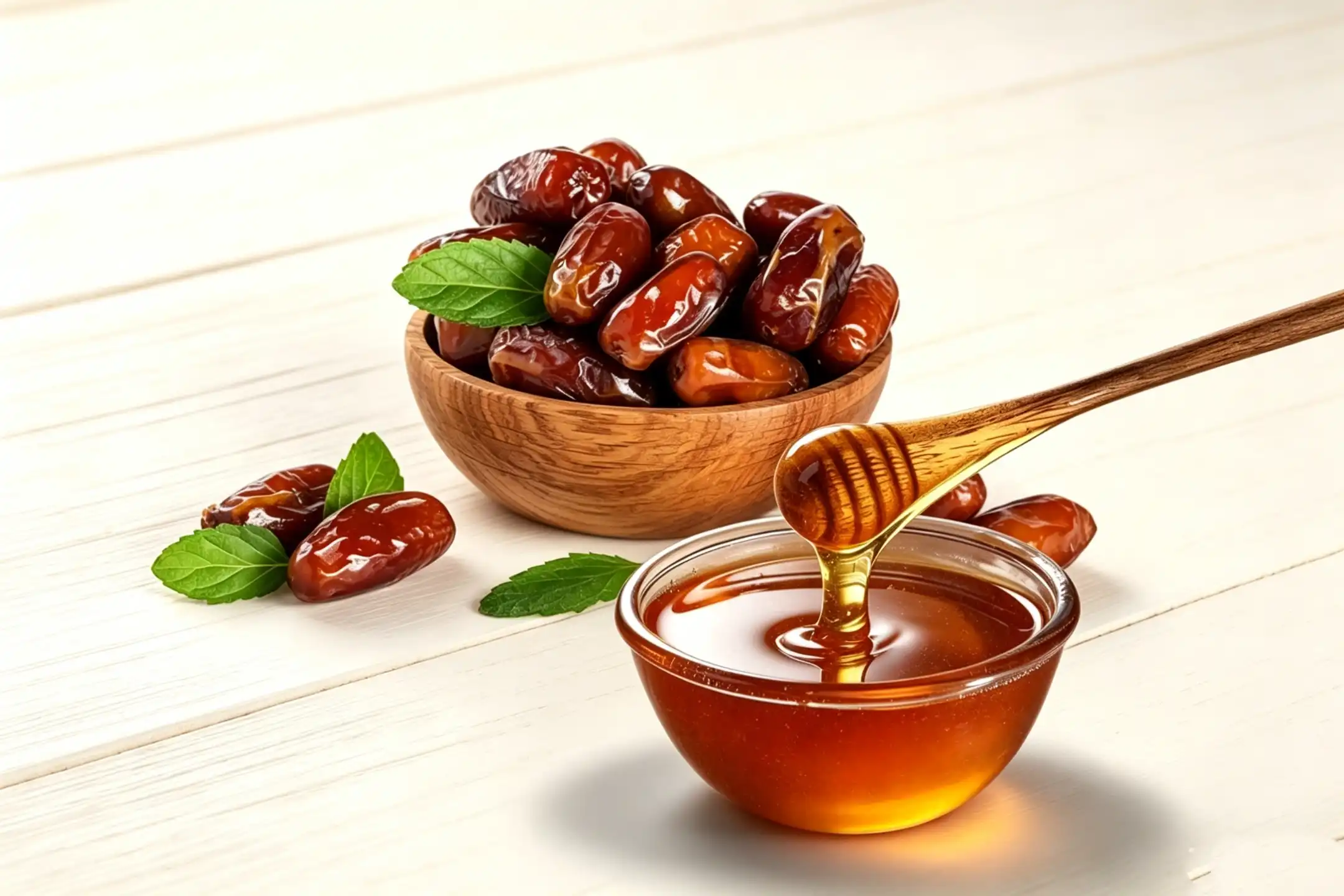
How to Use Date Syrup as a Natural Sugar Substitute?
Manufacturers who want to get rid of refined sugars from their products can use Saudi Date Syrup as a great alternative. The natural sweetness of this dark, thick liquid comes from concentrating high-quality Saudi dates at low temperatures. It also keeps all of the nutrients that the dates need. It works well in baking, drinks, and foods because it has a solid content of more than 70% and a total sugar amount of more than 65%. The quality is uniform from batch to batch, it meets approved production standards (ISO, HACCP, and Halal), and it can be used instead of other sweeteners without changing the taste or texture in large-scale production settings.
Understanding Saudi Date Syrup and Its Benefits
What Sets This Natural Sweetener Apart?
To make Saudi Date Syrup, carefully chosen Saudi date varieties are picked when they are at their ripest. Unlike harsh heat processing that destroys nutrients, the low-temperature concentration method keeps the vitamins, minerals, and antioxidants that are already in the food. The soft extraction process creates a product with a pH range of 4.0 to 5.0. This creates a slightly acidic environment that naturally stops the growth of microbes while still being compatible with a wide range of food materials.


The nutritional value is higher than that of many other sweets. This concentrated fruit juice is sweet, but it also has health benefits because it is high in potassium, magnesium, and B vitamins. The high fructose-to-glucose ratio makes sure that the product dissolves well and doesn't crystallize like honey-based goods often do. Manufacturers who want to make functional drinks or food replacements for health-conscious customers find the nutrition richness to be very useful.
Production Excellence and Quality Assurance
Continuous countercurrent extraction methods are used in modern sites to get the most out of the yield while minimizing thermal exposure. The first step is to add water. Next, controlled heating and fine filtering are used to get rid of any particles. This uniform method gives regular viscosity, color strength, and taste profiles, which are important for mass output.
Every batch goes through a strict bacterial test to make sure it meets food safety standards. The tests check for mold, osmophilic yeast, and the total number of plates. Lab reports that prove the lack of pesticide residue and the exact makeup of the sugar that is shipped with it help with customs processing for markets in the Middle East and Europe. These documentation methods meet the needs for legal compliance that QA teams look for when they evaluate suppliers.
Storage Considerations for Industrial Applications
Products that are kept at room temperature in sealed packages stay fresh for 18 to 24 months. The high osmotic pressure naturally keeps the food from going bad, which means it doesn't need to be kept in cold storage as long as fresh fruit does. Warehouses like the longer shelf life because it helps them handle their goods more strategically and cuts down on waste from food going bad. The brown, thick liquid stays stable under normal delivery conditions, which helps international food companies run their supply chains more smoothly.
Why Choose Saudi Date Syrup as a Natural Sugar Substitute?
Addressing Industry Pain Points
The clean-label trend has made people look more closely at ingredient lists. More and more people are rejecting fake sweets and refined sugars, and they want to know where the ingredients come from. Traditional sugar replacements often have a flavor of chemicals that you don't want or need a lot of masking agents. This natural option, such as Saudi Date Syrup, is easy to make with just one ingredient and meets the standards for organic, vegan, and non-GMO products that health supplement and dietary supplement brands are looking for.
Market dilution is a problem that keeps coming up. Bad goods that have maltose syrup or extra water in them make the consistency of the mixture less stable. Verified 100% pure Saudi Date Syrup concentration makes sure that the ingredients can be tracked and are of good quality. This purity promise gets rid of the risks that come with changing the recipe when the sugar content changes. This protects R&D investments and the brand's image.
Functional Advantages in Product Development
In addition to being sweet, Saudi Date Syrup is a natural humectant that keeps baked goods from sticking together. Energy bars, cookies, and desserts that don't use artificial preservatives can last longer on the shelf because they keep their moisture. The caramelization properties make the browning processes stronger during baking, which makes the food look good and develops rich flavors. These useful properties make it less necessary to use multiple additives, which makes ingredient labels easier to understand.
There are light toffee and fruity hints in the taste profile that don't overpower the other ingredients. This adaptability makes it useful for a wide range of situations, from spicy stews that need gloss and viscosity to beverage systems that need clean sweetness. Formulation makers like that it works well with plant-based milk alternatives and that the natural color and light acidity make the end product better instead of worse.

Economic and Sustainability Benefits
Even though other sweets go through seasonal changes, prices stay the same because of stable supply chains that are based in real producing areas. Options for bulk packaging running from 25 kg to 200 kg containers help medium- to large-scale manufacturing companies save money on transportation costs. Natural preservation features mean that there is less need for cold chain distribution. This lowers carbon footprints while keeping quality high during international shipping.
When you buy from well-known companies that do research and development, you can get expert help for changing the mix. This partnership method helps brands figure out the right conversion ratios, changes to the amount of moisture, and process changes to make sugar replacement work. The value goes beyond buying raw materials and includes formulation advice that shortens the time it takes for new goods to hit the market.
How to Effectively Use Saudi Date Syrup in Food and Beverage Manufacturing?
Understanding Sweetness Equivalence and Conversion
In most cases, Saudi Date Syrup can be used in place of refined sugar at a 1:1 weight ratio, but how sweet something tastes depends on the situation. It is about 25% sweeter than sugar because it has a lot of fructose in it, which means that less sweetener could be used generally. Bench-scale studies find the best amounts of substitution while also checking for changes in taste and texture and how the food reacts to processing.
Changes to the moisture level are very important in baking. When compared to powdered sugar, the liquid form adds more water, so other liquid ingredients need to be cut by about 20 to 25 percent. To keep targets, formulation engineers keep an eye on the stiffness of the dough, the structure of the batter, and the moisture level of the finished product. Controlling the temperature while mixing stops caramelization from happening too soon, which could affect the consistency of the color.
Phased Integration Approach
Before going full-scale, small-batch production runs are used to test the processing settings. When compared to control formulations, sensory groups rate the taste, texture, and look of the new ingredients. These tests show what changes need to be made to the tools, like slower or faster mixing or longer dissolving times, so that production can go smoothly from one step to the next.
Protocols for quality control are being updated to include new factors that are special to fruit-based sweeteners. Brix readings confirm the uniformity of sweetness, HMF analysis confirms that heat damage is minor, and HPLC sugar profiling finds possible adulteration. These quality checkpoints give QA teams more confidence in their ability to keep products consistent across production lots.
Compliance and Labeling Considerations
Natural sugars help with a number of certification paths. If the ingredient comes from approved sources, it can be labeled as organic, which appeals to higher-end consumers. Claims that a product is vegan or vegetarian help it stand out in plant-based product areas that are growing quickly. People who care about their health often worry about allergens, and gluten-free status answers those worries.
Certificates of analysis, allergy statements, and GMO-free statements are all examples of documents that must be kept. When suppliers provide detailed technical paperwork, it's easier for new products to get approved by regulators. This support is especially helpful for businesses that want to grow into export markets that have strict rules about ingredients, like the European Union's rules that require full composition declaration.

How to Choose and Source Premium Saudi Date Syrup for Your Business?
Critical Evaluation Criteria
Origin proof proves that something is real and can be tracked. Suppliers should show proof of the date variety, harvest area, and production site. This openness supports marketing claims about premium sources, such as Saudi Date Syrup, and lowers the risks in the supply chain that come with goods that are mislabeled or watered down.
Portfolios of certifications show dedication to quality standards. Certifications like ISO 22000, HACCP, Halal, and Kosher show that production methods are uniform and have been checked by a third party. These qualifications make it easier to get into markets with different rules and buyer tastes. Manufacturers that want to sell their products in other countries give priority to sellers who have a lot of recognized certifications, which makes compliance paperwork easier.
Supplier Capabilities Assessment
The ability to meet rising demand is based on production capabilities. Reliable partners keep a safety stock of 10–20 tons of key goods, which lets them fulfill orders quickly even when the number of orders changes. Delivery times of 5 to 7 business days help just-in-time inventory tactics that keep operating capital from getting stuck in raw materials.
The technical help skills go beyond just supplying products. Preferred providers offer formulation advice, which helps R&D teams make recipes better during projects that replace sugar. This joint method shortens the time it takes to build something and lowers the cost of making mistakes. Having access to application scientists who are familiar with different types of food can help you make decisions about how to change the processes and how to keep the food stable.
Contract Negotiation and Risk Management
Long-term contracts guarantee better prices and faster delivery during times of high demand. A lot of the time, promises to buy in bulk open up tiered price systems that make product margin profiles better. The terms of the contract should include quality standards, testing procedures, and ways to settle disagreements that are fair to both sides.
When buying things from other countries, you need to know a lot about logistics. Suppliers who have experience with sending goods around the world can help you manage the complicated rules of customs and provide the paperwork you need for a smooth clearance. Shipping choices that are flexible, like sea freight for big orders and air transport for urgent ones, make the best use of cost-to-speed tradeoffs. Insurance coverage and ways to file damage claims protect against the travel risks that come with trading goods across foreign borders.
Conclusion
Using Saudi Date Syrup instead of sugar has real benefits for companies that want to change their recipes to be more "clean." The nutrient-rich profile helps with health-promoting strategies, and the useful features improve the quality of the product by naturally keeping moisture in and developing flavors. Buying from approved providers guarantees consistent batches, following all regulations, and a reliable supply chain, all of which are important for large-scale production. Technical help speeds up the time it takes to reformulate and lowers the risks of development, which is good for procurement teams. As the need for natural ingredients grows, this sweetener's versatility lets brands meet customer needs without sacrificing taste or processing efficiency.
FAQ
Q1: Does date syrup affect blood sugar differently than refined sugar?
A: Saudi Date Syrup has natural sugars in it, but it also has nutrients and fiber remains that may make the glycemic reaction less severe than with pure sucrose. The fructose-dominant structure is broken down in a different way than glucose. But people with diabetes should still carefully watch how much they eat. Instead of making specific health claims that need to be backed up by clinical evidence, manufacturers can label their goods as having natural fruit sugars.
Q2: Can this ingredient support vegan and organic product claims?
A: Saudi Date Syrup is naturally vegan because it comes from plants and doesn't contain any animal goods or leftovers. For a provider to be certified organic, they must follow organic farming methods during planting and processing. By asking for organic certificates during the seller qualification process, you can be sure that final goods can have organic labels.
Q3: What storage conditions prevent quality degradation?
A: During the 18–24 month shelf life, sealed packages kept at room temperature below 25°C keep the best quality. By keeping the temperature stable, you can stop wetness from condensing, which could help microbes grow. Because it has a lot of sugar, it doesn't crystallize very often. However, warming it slowly below 45°C can stop crystals from forming without changing the nutritional value.
Q4: How does viscosity affect processing equipment?
A: At room temperature, the brown, thick liquid moves easily and can be used with most normal pumping and mixing equipment. Viscosity stays the same across normal operating ranges, but it thins a little at higher temperatures. The steps for cleaning equipment are similar to those for honey or sugar. Tanks and lines need to be rinsed with warm water to get rid of any leftover product.
Partner with Sigma for Premium Saudi Date Syrup Supply
If you want to use natural sugar instead of sugar, Shaanxi Sigma Biotechnology Co., Ltd. can help you with their approved Saudi Date Syrup, which comes with a lot of quality paperwork. Our ISO 22000 and HACCP-certified facilities make sure that every batch meets international standards for food safety. They do this by providing full lab results that show the amount of pesticides and sugars in each batch. We keep a lot of stock that can be shipped right away or within five to seven business days, and we offer variable bulk packaging from 25 kg to 200 kg cases. Our expert team can help you come up with the right formulas for your needs, whether you need help with beverage systems, baking grids, or functional food development. You can email sarah@sxsigma.com right now to get samples, talk about bulk prices as a reliable Saudi Date Syrup source, or look into custom specifications that fit your product development goals.
References
1. Al-Farsi, M., & Lee, C.Y. (2008). Nutritional and functional properties of dates: A comprehensive review. Critical Reviews in Food Science and Nutrition, 48(10), 877-887.
2. Chandrasekaran, M., & Bahkali, A.H. (2013). Valorization of date palm products: A review. Emirates Journal of Food and Agriculture, 25(11), 881-894.
3. Elleuch, M., Besbes, S., Roiseux, O., Blecker, C., & Attia, H. (2008). Date flesh: Chemical composition and characteristics of the dietary fiber. Food Chemistry, 111(3), 676-682.
4. Johnson, R.K., Appel, L.J., Brands, M., Howard, B.V., & Lefevre, M. (2009). Dietary sugars intake and cardiovascular health: A scientific statement from the American Heart Association. Circulation, 120(11), 1011-1020.
5. Vayalil, P.K. (2012). Date fruits: A review of the chemical and nutritional compounds, biological activities and health benefits. Journal of Nutritional Science, 1(1), e15.
6. Zhang, C.R., Aldosari, S.A., Vidyasagar, P.S., Nair, M.G., & Nair, K.M. (2013). Antioxidant and anti-inflammatory assays confirm bioactive compounds in date palm fruit extracts. Food Chemistry, 140(4), 834-840.
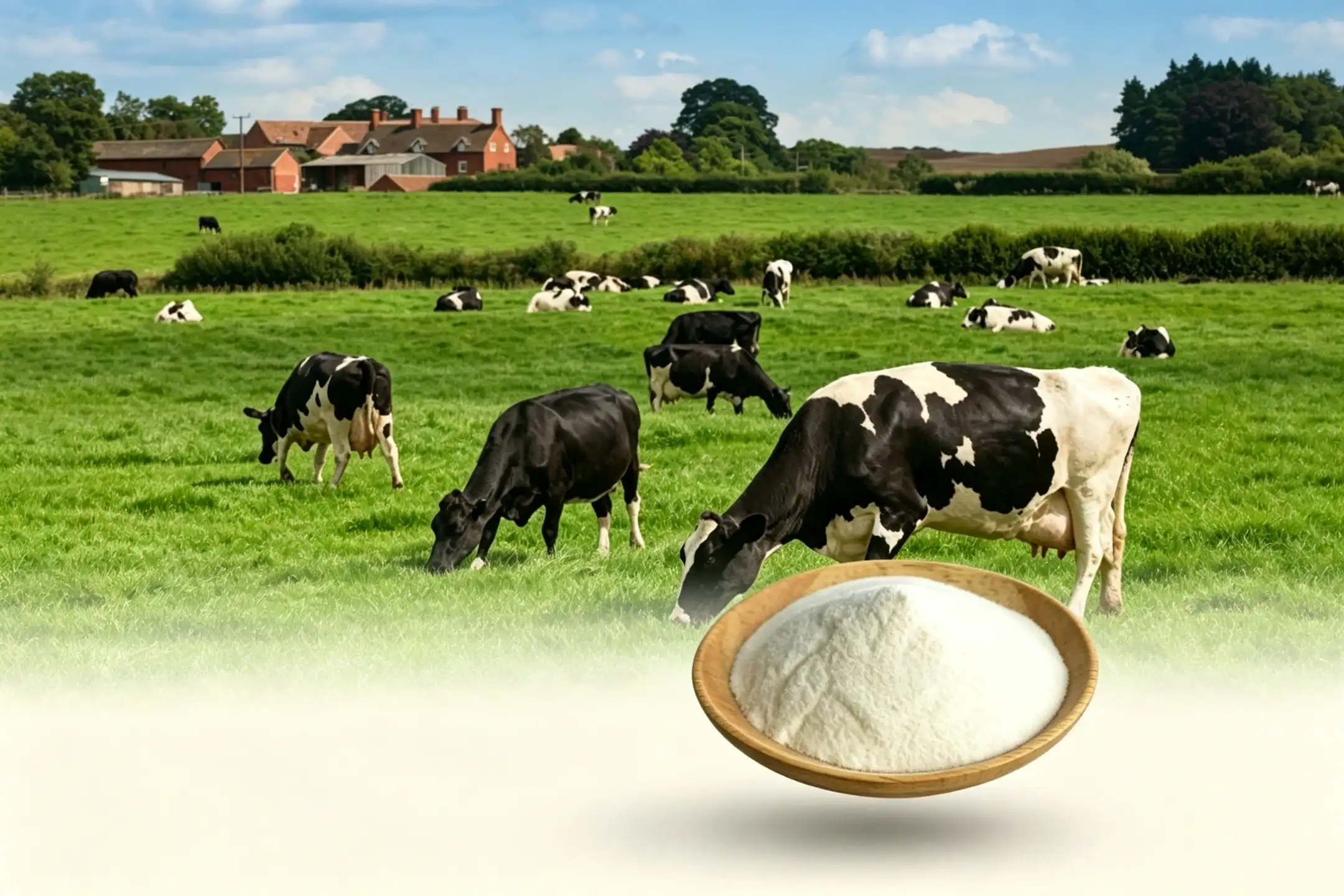
Bovine Bone Peptide for Bone Density Benefits and How It Works
Bovine Bone Peptide stands out as a great option when formulation teams from dietary supplement brands, functional food makers, and health ingredient sellers look for bioactive compounds that can help with bone health issues. This ingredient, which comes from controlled enzymatic breakdown of bovine bone collagen, has a great mix of being highly bioavailable and being shown to help bone health. When purchasing managers and research and development staff look at raw materials, knowing how bone collagen peptides work and how to incorporate them into business formulations can have a direct effect on the success of a product and its ability to meet legal requirements in competitive markets.
Understanding Bovine Bone Peptide and Its Role in Bone Health
Origin and Composition of Bone-Derived Peptides
Enzymatic hydrolysis breaks down native collagen into short-chain oligopeptides with molecular weights below 3000 Daltons. This is how Bovine Bone Peptide is extracted from natural cattle bones that were raised on grass. This process turns collagen that doesn't dissolve into a fine, light yellow powder that is over 90% protein and dissolves very well in water at a wide range of pH levels. The amino acid profile is especially high in glycine, proline, and hydroxyproline, which are important building blocks for the body's own collagen production in muscle tissues.

Biological Mechanisms Supporting Bone Density
Multiple paths work together to make bone health effects possible. Bioactive peptides encourage the growth of osteoblasts, which are the cells that make new bones. At the same time, these chemicals speed up the production of Type I collagen, which is the main structure protein in bone matrix. This makes calcification work better. Peptides with molecular weights less than 1000 Da can skip the normal digestive routes and go straight through intestine PEPT1 transporters, according to research. The peptides are quickly taken up by the body's systems, which makes it easy for them to get to bone tissue. There, they work as structure building blocks and communication molecules to help calcium join the bone matrix.
Clinical Evidence and Safety Profile
Recent studies show that people who took bone collagen peptides supplements for 12 to 24 weeks had measurable increases in bone mineral density. If you compare the low molecular weight version to full proteins, it causes less stomach pain. Safety profiles created through clinical studies show that the suggested doses don't cause any major side effects, which gives quality assurance teams peace of mind about formulation integration. Importantly, trustworthy producers only get their products from areas that don't have BSE and use alkaline processing and high-temperature cleaning methods that get rid of all prion-related risks.
Key Benefits of Bovine Bone Peptide for Bone Density
Enhanced Bone Mineralization and Structural Integrity
The main benefit comes from having more bone mineral makeup. Taking supplements raises the amount of calcium and phosphorus that builds up in bone tissue. This strengthens the trabecular design, which makes bones less likely to break under mechanical stress. This feature meets basic customer needs for brands that want to reach older people or sports who need strong bones. Bioactive calcium and phosphorus naturally found in Bovine Bone Peptides are absorbed several times more quickly than regular calcium salts. This gives formulation teams an option to manmade chelated minerals that doesn't contain any added chemicals.
Joint Mobility and Cartilage Support
Besides supporting bone structure, these peptides also help cartilage matrix by giving it the building blocks it needs to make proteoglycans. Collagen peptides help keep the supporting qualities of articular cartilage, which lowers friction in the spaces between joints when you move. Companies that make skeletal health goods that do more than one thing can use this to their advantage by placing formulas for both bone strength and joint comfort. This makes it a good fit for both sports diet lines and active age product lines.

Applications Across Multiple Industry Sectors
The neutral organoleptic profile and good thermal stability of the ingredient make it easy to use in a wide range of product forms. People who make functional drinks like how clear cold-water solutions are when there is no precipitation, and people who make gummies like how solid the peptide chains are when the water boils to 120°C. Because collagen is an important structural protein in facial tissue, cosmetic companies use these peptides in products that aim to make skin more stretchy. It includes uses in animal feeding, where companies that make feed additives use bone peptides to help animals' bones grow in both farm animals and pets.
Comparison and Selection: Bovine Bone Peptide vs Other Collagen Sources
Evaluating Marine and Chicken Bone Alternatives
When considering different ways to buy something, Bovine Bone Peptides clearly stand out because they are more cost-effective and can be scaled up. Because it's harder to get marine collagen and there aren't as many of them made, it usually costs more. Chicken bone products may be a little cheaper, but they usually have worse amino acid profiles for bone health uses. Bovine sources consistently provide the right amounts of Type I and Type III collagen for human bone structure. Because of the long history of livestock farming in North America and Europe, the supply chain is still more stable when it comes to products from cattle.
Powder versus Encapsulated Forms
Formulation tastes change depending on the end use. Powders with particles that are 80 meshes in size dissolve more easily in drinks and shakes, and they don't leave behind a gritty texture. Developers of tablets or capsules may choose pre-encapsulated peptides to make production more efficient, but this usually means paying more per unit. When buying powder, buying it in bulk gives you the most options for customizing your own process, and when you make more than a trial batch, you often get a better landing cost per kilogram.
Quality Certification Requirements
Buyers in business to business (B2B) for Bone Collagen Peptide prefer providers with ISO 22000, HACCP, and licenses specific to their area, such as FDA approval for U.S. markets or EU Novel Food authorizations. Kosher and Halal licenses make it possible to reach a lot more people. As part of the verification process, the COA should be looked over to make sure that the protein content is above 90%, the ash content is below 3%, and the heavy metal amounts are much lower than the legal limits. Molecular weight distribution testing makes sure that peptide populations stay below certain Dalton limits, which has a direct effect on how bioavailable and useful the compound is.

Procurement Guide for Bovine Bone Peptide: What B2B Buyers Need to Know?
Identifying Qualified Supplier Partners
When looking for trusted makers, you need to look at more than just price. When suppliers are involved in all parts of the value chain, from finding the raw materials to extracting and drying them, the batches are more consistent and can be tracked more easily. Companies that work in real production regions have easy access to good sources of cattle bone and are already familiar with the rules and regulations that apply to them. Being open about the methods used for extraction, especially enzymatic processes versus chemical hydrolysis, has an effect on the purity of the finished product and its impact on the environment.
Pricing Structures and Logistics Optimization
Competitive ex-factory prices usually take into account the quality of the raw materials, the molecular weight requirements, and the certification files. When you buy more than 500 kilograms at once, you can often get savings of 8% to 15%. Customized molecular weight requirements, like fractions with molecular weights below 1000 Da, can take up to three weeks to make. Stock formulas with molecular weights below 3000 Da, on the other hand, usually ship within five to seven business days. Different types of packaging, like aluminum foil-lined bags versus fiber drums, can affect how well moisture is controlled during transport. This is especially true for high-protein powders that need to be hermetically sealed.
Regulatory Compliance and Documentation
Regulatory applications for finished goods are made easier when there is a lot of technical paperwork. Suppliers should give you MSDS sheets, allergy statements, GMO statements, and proof of the irradiation status. Verification of compliance with FALCPA labeling rules and region-specific food standards (FDA for North America and EFSA for Europe) keeps producers from having to wait for expensive re-formulations. Long-term supply consistency is protected by quality agreements that spell out specification tolerances, shelf-life promises (usually 24 to 36 months), and re-testing methods.
OEM and Private Label Opportunities
Flexible manufacturing partners can customize specifications by changing things like protein content, mesh size, and co-packing services. Private label development help, from formula optimization to product design, speeds up the time it takes for brands that don't have their own R&D department. Getting manufacturers involved early in the development process lets everyone work together to solve problems during stability testing and sensory profiling. This leads to formulations that can be sold and are backed by scientific knowledge.

Maximizing Returns: How to Integrate Bovine Bone Peptide into Your Product Line?
Aligning with Market Demand Trends
People who are getting older and people who want to stay healthy are becoming more aware of bone health. Recent market study shows that marketing a product around natural sources, high bioavailability, and benefits for both bones and joints works very well. High-growth areas include sports nutrition brands that focus on bone stress recovery and active aging formulas that aim to avoid osteopenia. Adding Bovine Bone Peptides to meal replacement shakes or ready-to-drink functional drinks appeals to health-conscious customers who want an easy way to get their daily supplements.
Formulation Best Practices
The best daily dose is usually between 5 and 10 grams, which can be split into one or two doses, based on the form. Putting bone peptides together with vitamin D3, vitamin K2, and magnesium improves the pathways that use calcium, making synergistic formulas that have better clinical support. Keeping the pH between 6.0 and 7.5 in drinking uses stops peptide degradation and keeps the brightness. Peptides are protected during travel through the stomach by enteric coatings in acid-sensitive formulations. However, the low molecular weight usually provides strong stability across a wide range of pH conditions.
Marketing Strategies and Consumer Education
For communication to work, it needs to use clinical proof and clear origin accounts. There is a lot of misunderstanding among consumers about the difference between gelatin (a gelling agent) and hydrolyzed bone peptides (bioactive absorption-focused). Putting an emphasis on third-party testing verification and certificates makes buyers more likely to believe the product. Digital platforms, such as workshops and white papers aimed at B2B decision-makers, help build thought leadership and keep customers for a long time.
Building Supplier Partnerships for Sustained Growth
Strategies for buying things that focus on working together with suppliers have benefits that go beyond just lowering transaction costs. Partners who offer scientific support during formulation development, help with stable testing, and legal advice shorten the time it takes to get a product on the market. Setting up dual-sourcing agreements reduces delays in the supply chain and gives you more power in price talks. Suppliers can match their production capacity with what customers want by talking to customers on a regular basis about inventory predictions and new market trends. This makes sure that materials are available during growing phases.
Conclusion
Bovine Bone Peptide is an ingredient that has been proven to help with low bone density by directly stimulating osteoblasts and improving calcification pathways. This material is a good choice for companies that make dietary supplements, functional foods, and sports nutrition because it has a lot of protein, is very bioavailable, and can be mixed with a lot of different formulations. When buying from suppliers, teams should put an emphasis on the level of certification, the accuracy of the molecular weight, and the openness of the supply chain. This will help make sure that the final goods meet all regulations and meet customer expectations. As the market for natural bone health products backed by science keeps growing, it becomes more and more important to work with reputable makers to stay ahead of the competition.
FAQ
Q1: What dosage of bovine bone peptide is recommended for bone density support?
A: In clinical tests, daily doses of 5 to 10 grams are used to see measurable changes in bone mineral density over the course of 12 to 24 weeks. When formulating, teams should think about the people they want to reach and how they want to place their product. When deciding on inclusion rates, bigger dosages are usually okay for therapeutic formulations compared to general health products.
Q2: How can authenticity be verified when sourcing bone collagen peptides?
A: High levels of glycine, proline, and hydroxyproline are characteristic of genuine Bovine Bone Peptide, and tryptophan is strictly forbidden. If tryptophan is present, it means that non-collagen proteins have gotten into the sample. Requesting molecular weight distribution data along with amino acid analysis papers is a reliable way to prove something. Third-party testing by approved labs proves that the specifications are met.
Q3: Are there interactions with other common supplement ingredients?
A: Bone peptides work very well with vitamins D3, K2, calcium salts, and magnesium chemicals that are often found in products for bone health. Synergistic effects make things work better overall. At the time of dosing, don't mix with high-tannin plants like strong green tea extracts, since tannins may make it harder for the body to absorb the peptides.
Q4: Can this ingredient be used in vegan product lines?
A: Bovine Bone Peptide comes from animals and can't be used in veggie recipes. Manufacturers that sell products made from plants should look into other bone-health ingredients, like calcium from algae or silicon molecules found in plants, even though these don't usually have the collagen-specific amino acid profile.
Partnering with Sigma: Your Trusted Bovine Bone Peptide Supplier
Procurement managers and research and development teams can trust Shaanxi Sigma Biotechnology Co., Ltd. to provide high-quality Bovine Bone Peptide that is made in a way that meets ISO 22000, HACCP, and Kosher standards. Our fine, light yellow powder always has a protein content above 90% and a molecular weight below 3000 Da, which makes sure that it is bioavailable and works well in formulations. With safety stocks of 10 to 20 tons for key specs and delivery times of 5 to 7 working days on average, we get rid of supply uncertainties that throw off production plans. Our expert team offers full support, which includes custom molecular weight changes (sub-1000 Da fractions are possible), formulation advice, and full regulation paperwork. Get in touch with sarah@sxsigma.com to talk about evaluating samples, getting bulk prices on Bovine Bone Peptide for sale, or learning more about our OEM/ODM services that can be tailored to your brand's needs.
References
1. Daneault, A., Prawitt, J., Fabien Soulé, V., Coxam, V., & Wittrant, Y. (2017). Biological effect of hydrolyzed collagen on bone metabolism. Critical Reviews in Food Science and Nutrition, 57(9), 1922-1937.
2. König, D., Oesser, S., Scharla, S., Zdzieblik, D., & Gollhofer, A. (2018). Specific collagen peptides improve bone mineral density and bone markers in postmenopausal women. Nutrients, 10(1), 97.
3. Guillerminet, F., Beaupied, H., Fabien-Soulé, V., Tomé, D., Benhamou, C. L., Roux, C., & Blais, A. (2010). Hydrolyzed collagen improves bone metabolism and biomechanical parameters in ovariectomized mice. Osteoporosis International, 21(3), 399-408.
4. Elam, M. L., Johnson, S. A., Hooshmand, S., Feresin, R. G., Payton, M. E., Gu, J., & Arjmandi, B. H. (2015). A calcium-collagen chelate dietary supplement attenuates bone loss in postmenopausal women. Calcified Tissue International, 96(4), 335-344.
5. Zdzieblik, D., Oesser, S., Baumstark, M. W., Gollhofer, A., & König, D. (2015). Collagen peptide supplementation in combination with resistance training improves body composition in elderly sarcopenic men. British Journal of Nutrition, 114(8), 1237-1245.
6. Porfírio, E., & Fanaro, G. B. (2016). Collagen supplementation as a complementary therapy for the prevention and treatment of osteoporosis and osteoarthritis. Revista Brasileira de Geriatria e Gerontologia, 19(1), 153-164.
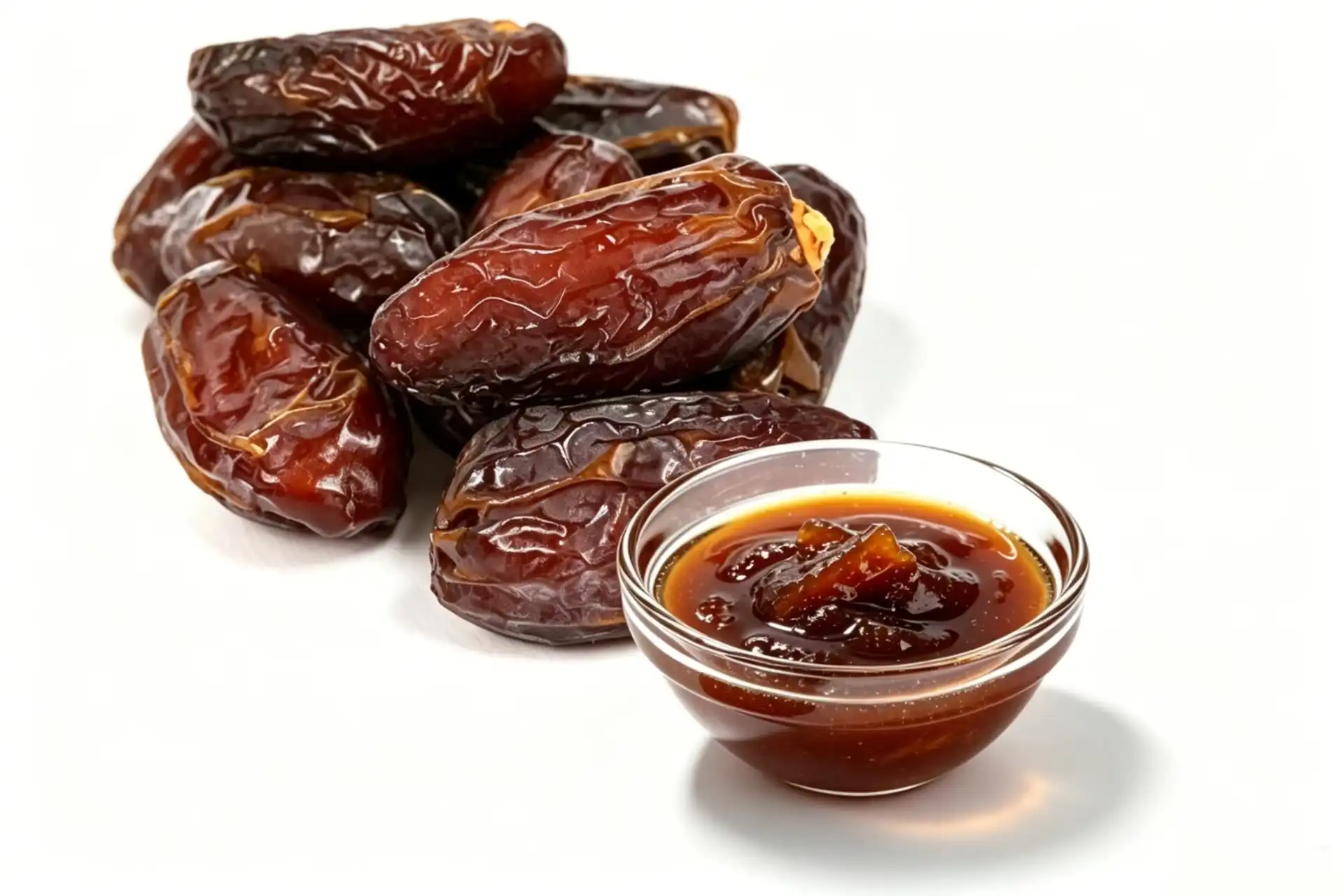
How to use date syrup in baking?
Some recipes can be made healthier and naturally sweetened by adding Saudi Date Syrup. This won't change the taste or structure of the food. To make this syrup, you need to concentrate good Saudi Arabian dates at low temperatures. This syrup can be used instead of refined sugars and liquid sweets like honey or syrup. Because syrup is naturally wet, you will need to cut the amount of liquid in your recipe by about 20% when you use it instead. Because the syrup is slightly acidic (pH 4.0–5.0), it speeds up the leavening process. This makes cookies and cakes with soft bits. Its high solid content (≥70%) makes it great for binding, which makes it great for energy bars, muffins, and specialty breads that naturally last longer because they keep the moisture in.
Understanding Saudi Date Syrup and Its Baking Potential
Because it is made in a way that is unique to its home country, Saudi Date Syrup is not like other sweets. It also has a lot of health benefits. A thick brown liquid that can be used instead of sugar. It's also a useful ingredient that helps food R&D teams solve a number of recipe issues.

What Makes Saudi Date Syrup Unique?
We can tell this natural sugar is different because of how it's made and the good ingredients that are used. The juice is made from date trees in Saudi Arabia and is boiled down to a very low temperature. You don't lose the enzymes and vitamins that you normally do when you cook food at high temperatures. Molasses that is sold in stores is made by processing sugar, but this date-based choice is made from an extract of a main fruit.
There is about 65% sugar in it, mostly glucose and fructose. It makes you feel full right away and doesn't raise your blood sugar quickly like sweets does. Because it has a lot of solids, real Saudi Date Syrup has a thickness that makes it great for covering granola and keeps layers of sweets from separating (syneresis). Food scientists like that it has minerals in it that are already there, like magnesium and potassium, that help make dough more elastic and yeast healthy in bread recipes.
Nutritional Profile and Clean Label Benefits
People choose what to buy based on how clear the sign is these days. This syrup is the best when it comes to clean labels. There are only numbers on the list of things that go into it. Quality assurance teams like this one check recipes for "free-from" claims. This food doesn't have any extra sugar, chemicals, or colorings added to it. This is in line with global government policies that support foods that have been treated as little as possible.
There are a lot of health claims that can be backed up by the chemicals that make it up. It's still important for big companies to make sure that every batch is the same, and reliable suppliers will give you full records of analysis that show they used HPLC to test for sugar profiles and pesticide residues. These technology promises make it safe for formulators to move recipes from small test batches to full production runs.
Flavor Characteristics and Baking Performance
It tastes a little like sugar and a little like fruit. This sounds nothing like blackstrap molasses, which is very sour, or some kinds of honey, which have flowery sounds. It tastes bland to slightly sweet and goes well with both sweet and spicy baked goods without taking away from other flavors. Because the syrup has a lot of fructose, the Maillard process can happen faster and better at lower temperatures than when sugar is used. This makes bread and cake crusts look nice and brown. Because it hygroscopically draws water, it is a natural humectant that keeps baked goods juicy for longer. In business, where the freshness of the product has a direct effect on customer happiness and return rates, this trait is very helpful.
How to Incorporate Saudi Date Syrup in Baking Recipes?
If you want to switch from regular sweets to Saudi Date Syrup, you need to know how to sub in things and change recipes so that they always turn out the same.
Substitution Ratios and Recipe Modifications
When you want to switch powdered sugar, use a 3:4 mix. For every cup of sugar, you should use three quarters of a cup of date syrup. Also, take out a quarter cup of the other liquids in the recipe to keep the dough the right consistency. As the syrup is already sour, the leavening agents might need to be changed. In order to make the cake rise more, you need to add an extra 1/4 teaspoon of baking soda for every cup of tart syrup. It's easier to switch out liquid sugars like honey or corn syrup when the swap ratio is one-to-one. But it's very important to keep the temperature in check. Sugar needs to be heated to 338°F (170°C) in order to turn into caramel. Date syrup needs to be heated to about 320°F (160°C). If you lower the oven temperature by 10 to 15°F, the food won't burn too much and will be cooked all the way through.

Application Across Baking Categories
Putting date sauce on different baked goods makes them taste different:
For cakes and quick breads, the syrup is great in spice cakes, date loaves, carrot cakes, and other thick, moist cakes. Because it is acidic, it mixes with baking soda to make fine, even crumbs. Since the syrup doesn't add any other tastes that would compete with the bitter cocoa, it works well with it when making chocolate cakes. Because the syrup keeps cakes moist for longer, it's good for large bakeries that make a lot of small cakes.
Cookies and Bars: Cookies made with date syrup are chewy because they have a lot of sugar in them. They stay smoother longer than cookies made with sugar. Granola bars and energy bars stick together better because the syrup is naturally sticky, so they don't need to use extra binders. This is especially helpful for sourcing teams looking for bar recipes with clean labels because it only needs one ingredient to hold the bars together and make them sweet. In baking and other things that use yeast, date syrup works well as a food for the yeast.
A simple sugar is simple to get and helps fermentation happen well. Fermentation is what makes the dough rise and develop tastes while it proofs. The tops of the loaves turn out better and stay soft longer. Bread makers who use organic or ancient grain flours like how the syrup fits in with how they market their goods without having to add extra claims or explanations to the label.
Temperature and Timing Adjustments
For large-scale action to go well, there must be clear process rules. That way, the cake won't get too brown on top and will be baked all the way through. The baking temperature should drop by 10 to 15°F when date syrup is used. All batches of product are the same because probe thermometers are used to check the temperatures inside. It may take two to three minutes longer to heat the sugar than usual because it has more water in it. You should also pay attention to mixing methods. During the liquid addition phase, add the syrup and mix it well before adding the dry ingredients. Since the syrup is thick, it needs to be broken up all the way. It might have a different taste and the sweetness won't be spread out evenly if it isn't mixed well.
Quality Considerations and Selecting the Best Saudi Date Syrup for Baking
People decide what to buy based on a number of quality factors that show how reliable the product is and how well it follows the rules in all foreign markets.
Certifications and Quality Markers
There are many certificates that trustworthy sellers of Date Honey keep on hand. These include ISO 22000 for managing food safety, HACCP for analyzing risks, and Halal approval for stores that follow strict religious rules. These things you've done are more like necessary needs than unique things that make you stand out. As time goes on, quality assurance teams look at technology needs that are more specific.
Brix levels (lower levels mean softer processing) and bacterial standards that meet food standards are some of the most important things to look at when doing an analysis. Brix levels should be between 70° and 75° for the best grades. There should be lab records in each package that show the results of tests for sugar profiles, heavy metals, and herbicide residues. If suppliers give paperwork for each batch that can be fully tracked back to the farms where the fruit came from, supply chains are easy to check.

Evaluating Supplier Reliability
When judging a service, it's important to look at more than just their product specs. They should also have good operating skills, which are especially important for long-term relationships. To stick to output plans, it's important to make sure there is enough stock. Keep 10–20 tons of standard goods on hand as a backup stock. This shows that sellers can handle big orders without making wait times longer.
Logistics understanding is what makes a great partner and a good service. Providers who know about sending goods abroad, the paperwork needed for customs, and keeping the right temperature during travel make sure that goods stay intact from the plant to the receiving dock. Foreign markets in the Middle East and Europe are very difficult, so they need sellers who know how to deal with many different types of law.
Bulk Procurement Strategies
Some B2B groups need a lot more or less of something. People who make small batches may need 250 kg to 1 kg pieces for try recipes and short production runs. But businesses that work with things need bins that can hold 25 kg to 200 kg and can be used with robotic handling systems. Minimum order quantities (MOQ) that are flexible can work for both small and large businesses, protecting both groups.
Pricing should be easy to understand and take into account people who say they will buy a lot of things. Customers who sign long-term contracts get better deals from suppliers who have been around for a while. For paperwork, tests, or treatments, there are no secret costs. The right way to find the real value is to add up the total landing cost, which includes insurance, shipping, and taxes.
Addressing Industry Pain Points
Some goods on the market aren't as strong because they've been mixed with water or maltose syrup to make them cheaper while keeping the same look. In this case of cheating, the makeup is not regular, and the nutritional profiles are not given the truth. If you only buy from sellers who say their date juice is 100% pure and has been checked by a third-party lab, you can lower this risk. The sugar content of goods can be shown on records of analysis, which can tell the difference between real and fake goods.
Companies that care about quality should look at Shaanxi Sigma Biotechnology Co., Ltd. as an example of a supplier. They have integrated production facilities in real botanical sourcing regions, full certification portfolios that meet international standards, and technical support services that include help with formulation and application guidance. Procurement workers get the stability and regularity they need from this mix of origin reward and handling experience with Saudi Date Syrup.
Innovative Applications and Case Studies in B2B Baking Industry
Examples from real life show how picking the right ingredients can help your product stand out and do well in a market with a lot of competition.
Commercial Bakery Success Stories
A medium-sized organic bakery that focuses on making allergen-free goods changed how its cookies are made by adding Saudi Date Syrup. This helped them get clean label status while keeping the texture that customers liked. During the move, fake sweeteners and synthetic humectants were taken out, bringing the number of ingredients down from eleven to seven. There was a 23% rise in return purchases after the product came out. This was because people could understand the labels and real taste profiles better. The research and development team at the bakery saw that each batch was always the same quality when they bought from trusted sellers who were clear about the technical details and quick to help customers.
In a different case, a professional bread machine made whole grain sandwich buns for a school's food service. Since customers wanted chemicals they knew, date syrup was used instead of high-fructose corn syrup. This wasn't done to change the product's shelf life or the way it was made. The tools only needed a few small changes for the new recipe; mostly, it had to be mixed for about 90 seconds longer. This proved that the syrup could be made with the tools that were already there.
Emerging Clean Label Trends
A study of consumers shows that more and more of them are choosing products that have fewer and more popular chemicals. A lot of different groups are linked to the date syrup trend, like eating more veggies, going organic, and learning about different kinds of food. When product makers use this ingredient, they make products that fit these trends. With just one change to the recipe, these products can appeal to a wide range of users. People who bake for vegans will love date syrup because it can be used in place of honey in recipes for plant-based customers. When it comes to veganism, the syrup is better because it comes from natural sources and has been treated as little as possible. For companies that want to sell to this group, being honest about their ingredients can give them an edge over their competitors. This is because people in this group buy things based on their values.
Overcoming Scale-Up Challenges
When going from bench-scale testing to full production, there are some tech problems that need to be solved. The right pumps and measure tools are needed to control viscosity because the syrup moves in a very different way than water-thin corn syrups. These machines need to make sure that the ingredients are mixed well without adding too much air, which can change the taste. Making sure the supply line works well is very important. To keep the quality of the ingredients the same, suppliers must be reliable and follow quality standards. Scaling up is easier when you can talk to providers who can help with technology problems, give you tips on how to use their products, and give you quick ways to get in touch. It's helpful to have these connections when you need to change a recipe at the last minute or look into new product categories.
Conclusion
Saudi Date Syrup does more than just add sweetness to food. It's also a useful ingredient that can help with many different recipe goals at the same time. The honest title, useful features, and nutritional information on the product all fit with the current market trend toward buying things that are good for you. You need to know how replacement works, how to judge quality, and how to pick a provider so that the results are the same at all output levels in order to use something correctly. This part can be used in many different kinds of goods, from homemade cakes to factory snack bars. This gives formulators room to be creative without slowing down process. As rules push for products that have been treated as little as possible and as customers demand parts that are easy to identify, date syrup makes goods more competitive in markets that are changing.
FAQ
Q1: Is date syrup suitable for vegan and allergen-sensitive formulations?
A: Saudi Date Syrup is completely vegan because it only has fruit-based ingredients and no animal products or leftovers. Milk, eggs, fish, shellfish, tree nuts, peanuts, wheat, and soybeans are the eight main allergens. This food does not contain any of them, so people who are allergic to them can eat it without worry. Because of this natural link, companies can go after markets that don't have allergens without having to set up different lines for buying and handling.
Q2: What shelf life can I expect after opening bulk containers?
A: Unopened packages that are kept at room temperature and protected will stay fresh for 18 to 24 months. After being opened, the contents will stay good for about a year if they are kept in cool, dry places (below 25°C) in sealed cases. Microbes can't live in the syrup because it has a lot of sugar and a low pH. This means it goes bad slower than choices with less sugar.
Q3: Can date syrup directly replace honey or molasses in existing recipes?
A: Direct one-to-one exchange works well most of the time, but sometimes small changes are needed to make it work better. It will be a little less sweet when you use syrup instead of honey, but adding 10% more syrup will make up for it. It's easy to use date syrup instead of sugar, and the effects are milder and fruitier. Small batches of a formula are tested before it is made on a large scale to find the best amounts.
Partner with a Trusted Saudi Date Syrup Supplier
Shaanxi Sigma Biotechnology Co., Ltd.'s major job is to send natural sweets of good quality to bakeries, food companies, and drink companies all over the world. Our Saudi Date Syrup has to meet very high standards for our business buyers. Certifications like ISO 22000, HACCP, and Halal make sure it is allowed in many places. Quality assurance teams can find out what the product's sugar and pesticide leftovers are by checking the whole batch.
For both retail customization (250g–1kg) and industrial bulk packing (25kg–200kg), we keep a lot of stock on hand. This way, we can handle everything from test recipes to high-volume production. Our supply chain includes controlled-origin buying and advanced low-temperature processing. These steps make sure that the concentrated date juice is 100% pure and hasn't been reduced or changed in any way. There is technical information in every package that makes it easier to get goods through customs in the Middle East and Europe. This makes it easy for you to buy something.
We not only provide high-quality materials, but we also help R&D teams improve recipes for mass production by giving them tips on preparation and use. Our quick team knows how hard it is to keep up with all the changes in food production today. Email sarah@sxsigma.com to talk about your specific needs, get samples, or learn how our Saudi Date Syrup can help you meet clean label requirements and make your products better.
References
1. Al-Farsi, M., & Lee, C. Y. (2018). "Nutritional and Functional Properties of Dates: A Review." Critical Reviews in Food Science and Nutrition, 48(10), 877-887.
2. Johnson, R. K., & Thompson, S. M. (2020). "Natural Sweeteners in Commercial Baking Applications: Technical Performance and Consumer Acceptance." Journal of Food Science and Technology, 57(4), 1245-1256.
3. Hassan, A. B., & Mohamed Ahmed, I. A. (2019). "Date Palm Products as Functional Ingredients in Bakery Products." International Journal of Food Properties, 22(1), 1614-1629.
4. Williams, P. G., & Davis, T. R. (2021). "Clean Label Trends in the Baking Industry: Consumer Perceptions and Formulation Strategies." Food Quality and Preference, 89, 104125.
5. Martinez, L., & Chen, Y. (2020). "Hygroscopic Properties of Alternative Sweeteners: Impact on Baked Goods Shelf Life." LWT - Food Science and Technology, 118, 108791.
6. Khader, S. A., & Yousif, A. M. (2017). "Date Syrup Production and Quality Control: Industrial Processing Parameters." Journal of Food Processing and Preservation, 41(6), e13273.
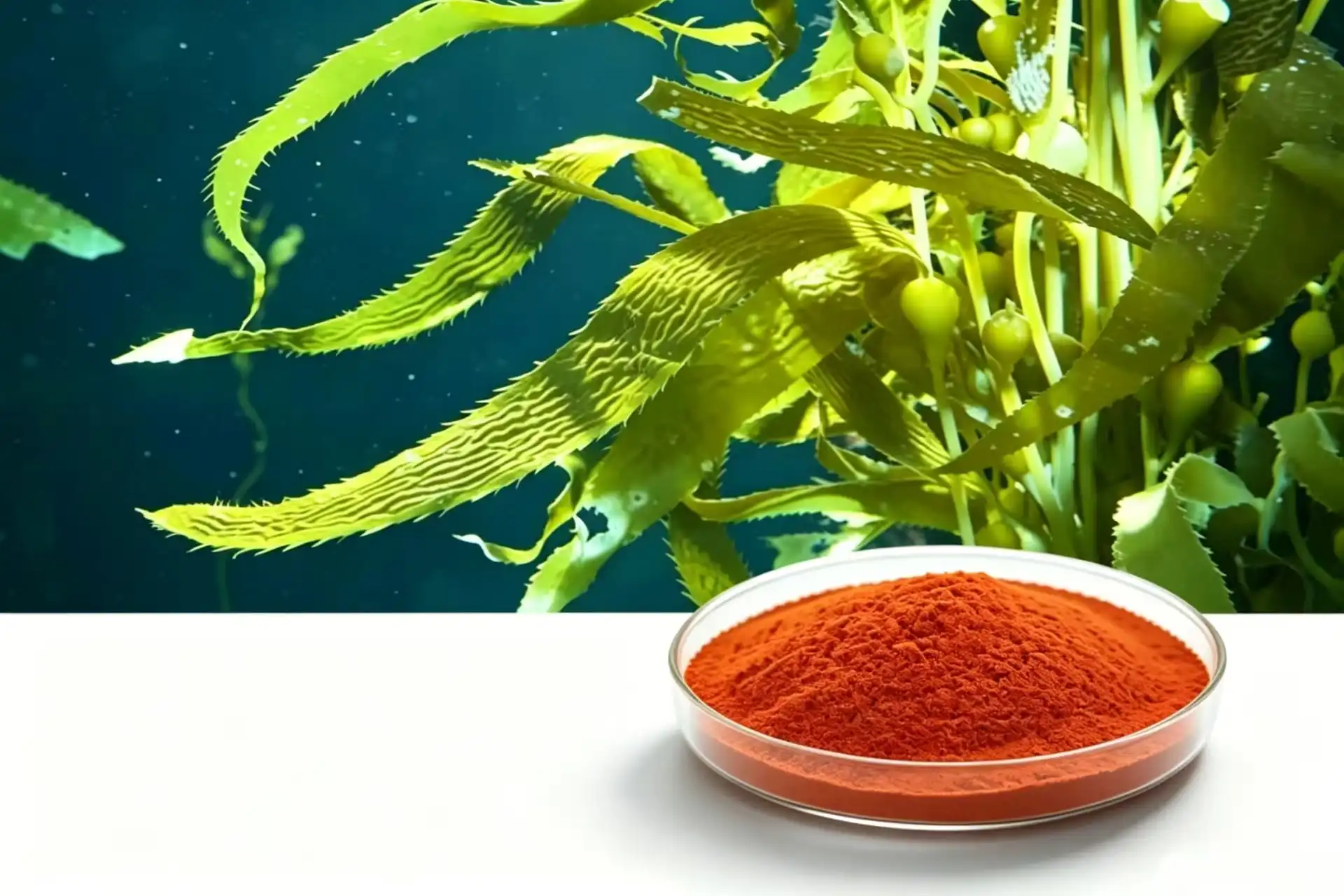
Best fucoxanthin extract dosage for metabolism
For metabolic health goods aimed at consumers, the best amount of fucoxanthin to use is usually between 2.4 mg and 8 mg of pure fucoxanthin per day. For industrial-grade Fucoxanthin Extract Powder at ≥10% standardization, however, it needs to be carefully calculated to be effective. Brown seaweed extracts that are highly bioavailable and consistent from batch to batch provide measured thermogenic effects. This is why precise dosage is so important for R&D teams making dietary supplements and functional foods that help with weight control and metabolism.
Understanding Fucoxanthin and Its Role in Metabolism
Metabolic study has become interested in marine carotenoids, and fucoxanthin stands out because of the way its cells work. This xanthophyll pigment comes mostly from brown seaweeds like Undaria pinnatifida and Laminaria japonica. It has interesting thermal qualities. In contrast to native carotenoids, fucoxanthin causes the production of uncoupling protein 1 (UCP1) in white adipose tissue. This turns stored fat into heat energy through a process known as thermogenesis.

Natural Origin and Extraction Standards
Fucoxanthin is found in the thylakoid membranes of brown seaweed that comes from cold coastal settings. The hard part is separating this lipophilic compound while keeping its biological function. In the business world, supercritical CO2 extraction is the best way to do things because it works at low temperatures, doesn't leave behind any fluid waste, and keeps the carotenoid's structure. This green technology meets the requirements of both the FDA-regulated U.S. market and the EU's food safety standards. Procurement managers care a lot about quality standards. A good brown kelp extract should say how much active ingredient it has (usually at least 10% fucoxanthin content) and show proof of all the tests it has been through, such as an HPLC purity analysis. Physical factors like 80-mesh particle size make sure that ingredients are spread out evenly in formulas, and moisture levels below 3% stop the growth of microbes while the product is being stored.
Cellular Mechanisms and Metabolic Impact
Fucoxanthin affects the development of adipocytes and the breakdown of fats in many different ways at the molecular level. A study in the Journal of Agricultural and Food Chemistry shows that fucoxanthin turns on genes that help break down fatty acids while stopping genes that make fat at the same time. Because it does two things, it is especially useful for metabolic formulas.
Human studies show results that can be measured. The people who took 2.4 mg of fucoxanthin every day lost a lot of weight and had smaller waists, according to a 16-week scientific study. This happens because the marine substance raises mitochondrial activity and makes insulin more sensitive. This makes it a scientifically sound ingredient for health supplement brands. It's easy to see how metabolically specific fucoxanthin is when you compare it to astaxanthin or lutein. Astaxanthin is the best antioxidant, but fucoxanthin's ability to speed up thermogenesis in brown fat tissue makes it a better choice for weight loss. This helps R&D teams explain why they chose certain ingredients in recipe environments that are competitive.
Optimal Fucoxanthin Dosage for Enhancing Metabolism
To figure out the right dose, you have to balance clinical effectiveness data with product delivery methods and legal limits. The metabolic benefits seen in research studies can help, but for business use, they need to be changed to fit specific product forms and target groups.
Evidence-Based Dosage Ranges
According to clinical research, taking between 2.4 mg and 8 mg of pure fucoxanthin every day has significant metabolic benefits without any bad effects. But when formulators work with standardized extracts that have 10% active content, they have to do the math backwards: to give 2.4 mg of fucoxanthin, they need 24 mg of Fucoxanthin Extract Powder. When planning capsule fills or serving amounts for functional drinks, this formula is very important. Dietary supplements usually have 200 to 500 mg of pure extract per dose, which gives you 20 to 50 mg of fucoxanthin. This higher range causes problems with bioavailability because fucoxanthin absorption is much better when eaten with fats. Nanoemulsion carriers and encapsulation technologies can help the body absorb more of the drug, which could mean that lower doses are needed to keep the drug working.

Product-Specific Considerations
For each purpose, a different method is needed. Lower amounts of fucoxanthin, about 1 to 3 mg per dose, may be found in functional foods like meal replacement bars or health drinks that are spread out over the course of a day. In contrast, dietary pills that are concentrated and aim to help you lose weight may provide 4–8 mg in a single tablet. The amounts of purity have a direct effect on how much to take. A 10% fucoxanthin extract is very different from research-grade material that is 20% or higher concentrated. Independent testing is needed by quality assurance teams to make sure that active material is correct, since differences can affect both predictions of effectiveness and legal compliance. As long as the heavy metal level is less than 10 ppm and the number of microbes is below what is considered safe, the product is safe at all doses.
Safety Boundaries and Regulatory Compliance
The U.S. government considers fucoxanthin to be Generally Recognized as Safe (GRAS) when used correctly. However, the maximum dose varies by application type. For some amounts, European markets need Novel Food permission. When making formulations for overseas markets, procurement workers must make sure that product specs match these regional needs. Toxicological studies show that there are large safety gaps, with no adverse effects seen at doses that are much higher than the metabolic benefit levels. Still, careful dosing tactics help keep the brand's image safe and lower legal risk. Certificates of Analysis (COA), Material Safety Data Sheets (MSDS), and clinical safety summaries are some of the documents that help with QA/QC review when choosing a provider.
Sourcing and Quality Standards for Fucoxanthin Extract Powder
Where to Get Fucoxanthin Extract Powder and Quality Standards. The certificates are the first part of evaluating a supplier, but there is a lot more to it than that. Marine extracts have a unique supply chain that can be hard to manage, so they need to be carefully checked out before they are used in different batches.
Critical Quality Benchmarks
ISO 22000 and HACCP certifications show that quality management is done in a planned way, and Halal and Kosher certifications let you sell to specific groups of people. However, buying teams should learn more about what manufacturers can do. Does the supplier have specific ties for getting brown seaweed? Can they provide proof of where and when the crops were harvested?
Protocols for lab tests tell the difference between reputable sources and stock sellers. Each batch should go through a full screening for toxins, an HPLC analysis to check the amount of fucoxanthin it contains, and a UV spectrophotometry analysis to check its purity profiles. Heavy metal tests (for example, arsenic, mercury, cadmium, and lead) must show levels well below what is allowed by law, ideally below 10 parts per million (ppm). Total plate counts, yeast, mold, and pathogen lack should all be recorded in a microbial study. The physical qualities are all important. Loss on drying below 3% keeps ingredients from sticking together and increases the shelf life. A particle size of 80 mesh makes sure that complex mixtures blend smoothly, whether they are dry powder blends or liquid suspensions. Consistency in appearance—a fine brown powder that isn't discolored or smelly—indicates proper treatment during processing.
Supplier Relationship Development
Long-term relationships are more valuable than one-time deals. Suppliers who give expert support help formulation teams figure out the best dose and solve problems with how other ingredients work with it. Customization lets you change the specs for specific uses, like changing the particle sizes for instant-dissolve forms or making special packages for storage needs that are sensitive to moisture.

The quantity of inventory has a direct effect on planned production. When suppliers keep 10–20 tons of safety stocks of key goods on hand, they can reliably meet customer needs even when demand changes with the seasons or when the market suddenly goes up. Just-in-time manufacturing methods are easier to use when delivery times are between 5 and 7 working days after the order. This cuts down on storage costs and keeps ingredients fresh. In business-to-business ties, clear ways to communicate are very important. Suppliers who offer 24/7 contact access, aggressive batch availability updates, and quick answers to technical questions show that they are committed to the success of the relationship. Giving samples for research and development testing without charging extra speeds up the product development process and lowers the risk of recipe errors.
Integrating Fucoxanthin Extract Powder into Metabolic Product Formulations
Fucoxanthin Extract Powder Incorporated into Metabolic Product Formulations. Fucoxanthin's metabolic traits can be used to help make new products while also dealing with problems that come up with the recipe. Because this pigment is lipophilic, it needs to be processed and paired with other ingredients in a smart way.
Dietary Supplement Applications
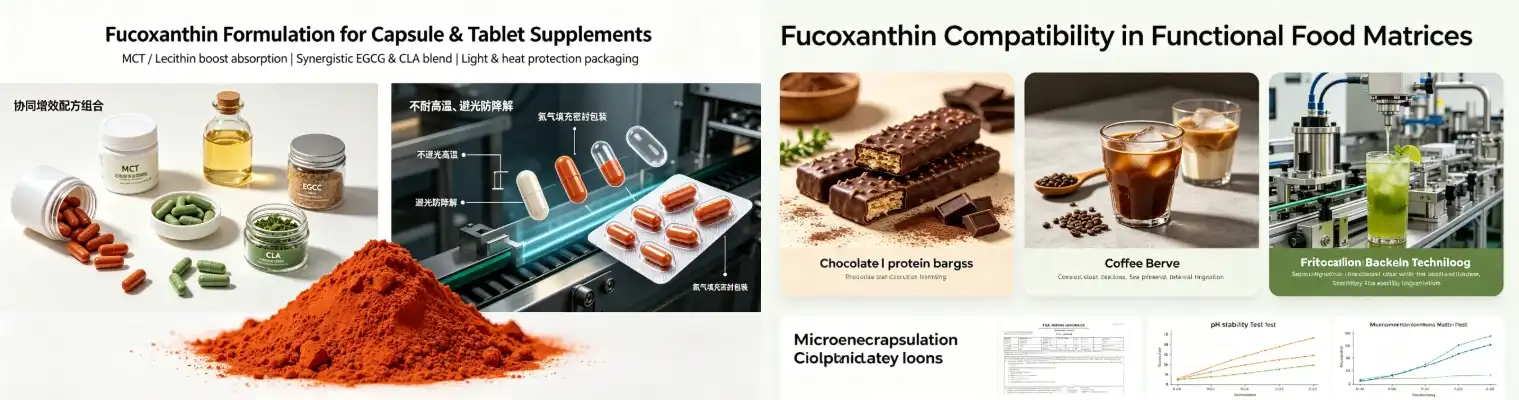
In the food supplement market, capsules and tablets are still the most common forms. It is easier for the body to absorb and use fucoxanthin extract when it is mixed with medium-chain triglycerides (MCT oil) or lecithin. Some formulas use metabolism-boosting ingredients that work well together, like green tea extract (EGCG) or conjugated linoleic acid (CLA). These ingredients work together to create benefits that are strong enough to explain the higher price.
Dosage forms affect how well people follow the directions. People who value ease may like daily regimens that give 4-6 mg of fucoxanthin in a single capsule, while spreading doses out throughout the day may improve absorption rates. When designing a product, formulators have to find a mix between science ideas and how people actually use it. Manufacturing considerations include stability under normal sealing settings. When it is being processed, fucoxanthin can handle mild heat, but too much heat or long-term light exposure speeds up degradation. The active ingredients stay safe for a long time in opaque pill shells and nitrogen-flushed packing.
Functional Food Integration
The mechanical difficulties of adding marine extracts to food matrices are special. Fucoxanthin has a brown color and a small marine taste that need to be hidden in some situations. These qualities work well with chocolate-based protein bars, coffee-flavored drinks, and savory soup mixes. Fruit-flavored goods, on the other hand, might need more flavor development.
Stability needs to be tested in a variety of pH settings and production conditions. Pasteurization, retort cleaning, and storing fucoxanthin at room temperature for a long time could all affect its preservation. Formulators who work with drinks might look into microencapsulation technologies that keep the carotene safe until it is eaten. Regulatory labeling requirements vary by product category. If a functional food claims to help with metabolism, it needs to back up those claims with clinical proof that follows the FDA's structure/function claim rules or similar regional standards. Regulatory defensibility is improved by clear paperwork that links formulation dose to written research.
Customization for Target Markets
Some athletic performance goods may mix fucoxanthin with L-carnitine and caffeine, which can help with energy before a workout and burning fat during the workout. Fucoxanthin could be combined with fiber sources and appetite-suppressing ingredients such as chromium picolinate in weight control goods aimed at a wider range of people. Formulations for diabetic care need to pay extra attention to how they affect blood sugar and how they combine with other medicines. Even though fucoxanthin can help with insulin sensitivity, goods aimed at this group should go through more safety testing and maybe even lower doses to lower any risks.
Future Trends and Market Outlook for Fucoxanthin Metabolic Products
Fucoxanthin Metabolic Products: What the Future Holds and How the Market Will Grow. New developments in distribution methods should make fucoxanthin more useful in many areas. Bioavailability problems have been fixed by technological progress, which has also opened up new product categories that were previously limited by formulation problems. Brown Seaweed Extract, as a natural source of fucoxanthin, stands to benefit directly from these advances in delivery and bioavailability.
Emerging Delivery Technologies
Nanoemulsion systems are a big step forward because they reduce the size of fucoxanthin particles to the nanoscale range and make it much easier for water to mix with them. This technology makes it possible to use clear beverages and improves absorption in the mouth. Some studies show that nanoemulsified fucoxanthin is 2-3 times more bioavailable than regular powder types. This could mean that smaller doses are needed to get the same effect. Liposomal packaging is another interesting option. By enclosing fucoxanthin in phospholipid bilayers, producers protect the carotene during digestion and make it easier for cells to take it in. This method works well for presenting premium supplements and supports higher prices by providing better results.
Market Expansion Dynamics
The markets for natural products that help the metabolism are growing quickly in both North America and Europe. Natural extracts with a lot of research are becoming more popular as people look for alternatives to manmade chemicals that come from plants and the ocean. The clean label trend makes people want ingredient lists that are short and easy to understand. Brown seaweed extract meets this need well. Regulatory environments are always changing. Fucoxanthin is usually allowed in dietary supplements and functional foods under current rules. However, producers should keep an eye on new rules about Novel Food labels, especially in EU markets. Proactive compliance methods protect access to markets and stop the need for expensive reformulation.
Strategic Procurement Recommendations
When making goods with fucoxanthin, business-to-business buyers should look for supply partners with full quality systems, not just basic certifications. By asking for batch analysis data from several production runs, patterns of stability can be found that show how reliable the supply will be in the long term. Product creation goes more smoothly when suppliers are ready to give thorough specifications, processing documentation, and quick expert help. Having a variety of source ties lowers risk, especially for businesses that are increasing the amount of goods they make. While main relationships can help with efficiency, qualified secondary sources can be used as backups in case of supply problems. Seasonal changes and sometimes limited harvests happen in the marine food industry, so it's smart to have backup sources. Keeping up with changes in study helps you predict how the market will change.
Conclusion
In conclusion. To find the best fucoxanthin extract dosage for metabolism, you need to look at clinical proof, product format, and quality buying methods. Doses that work best are usually between 2.4 mg and 8 mg of pure fucoxanthin per day, which is equal to 24 mg to 80 mg of a standardized 10% Fucoxanthin Extract Powder. Professionals in procurement have to make sure that suppliers are good by trying them thoroughly, certifying them, and evaluating their relationships with customers. Formulations that work well combine increasing bioavailability with the help of complementary ingredients and delivery methods with following the rules and getting people to like them. Fucoxanthin's market is likely to continue to grow in dietary supplements, useful foods, and other health-related products because more people want natural ingredients that help the metabolism.
FAQ
Q1: What is the recommended daily dosage of fucoxanthin for metabolic benefits?
A: Clinical tests show that 2.4 to 8 mg of pure fucoxanthin daily works, but the best dose relies on how the extract is standardized and the format of the product. To account for bioavailability factors, dietary products usually have 20 to 50 mg of 10% standardized extract per dose. Functional foods may spread out smaller amounts over several daily meals. When setting dosage guidelines, you should always think about the target audience, the delivery method, and the ingredients that work well together.
Q2: How does fucoxanthin extraction method affect dosage requirements?
A: Fucoxanthin's chemical structure and bioactivity are better preserved by supercritical CO2 extraction than by solvent-based methods, which could make the process more effective. With this green technology, extracts stay more pure and don't break down as quickly, so formulators can get the metabolic benefits they want at lower doses than with less effective extraction methods. Check the extraction method when evaluating the seller to make sure that the dose estimates are based on the real bioavailable content.
Q3: What quality certifications should I require from fucoxanthin suppliers?
A: Food safety management systems with ISO 22000 and HACCP standards are shown, and third-party tests for heavy metals, microbial contamination, and active ingredient content proves the quality of the product. Getting extra licenses like Halal, Kosher, or GMP makes it easier to get into more markets. Ask for batch-specific analytical results that show the amount of fucoxanthin in the material using HPLC, as well as the particle size distribution, moisture levels, and contaminant screening. This will help you make sure that the given materials always match the specs.
Partner with Sigma for Premium Fucoxanthin Extract Powder
For High-Quality Fucoxanthin Extract Powder, Work with Sigma. Shaanxi Sigma Biotechnology provides pharmaceutical-grade marine ingredients that meet the strict requirements of companies that make metabolic health products. Our Fucoxanthin Extract Powder comes from brown kelp and keeps at least 10% of its active ingredient through supercritical CO2 extraction. This means that there is no solvent waste and the powder works the same way every time. With ISO 22000, HACCP, and Halal approvals, our goods make it easier for businesses around the world to follow the rules. We keep a large collection on hand so that we can deliver quickly—within 5–7 business days—so that we can meet your production plans without any problems. Our technical team helps with formulation, gives unique specs, and provides full paperwork that includes HPLC analysis and heavy metal testing results. Contact sarah@sxsigma.com to ask for samples or talk to one of our metabolic ingredient experts about your particular needs.
References
1. Maeda, H., Hosokawa, M., Sashima, T., Funayama, K., & Miyashita, K. (2007). Anti-obesity and anti-diabetic effects of fucoxanthin on diet-induced obesity conditions. Molecular Medicine Reports, 1(6), 897-902.
2. Abidov, M., Ramazanov, Z., Seifulla, R., & Grachev, S. (2010). The effects of Xanthigen in the weight management of obese premenopausal women with non-alcoholic fatty liver disease and normal liver fat. Diabetes, Obesity and Metabolism, 12(1), 72-81.
3. Miyashita, K., Nishikawa, S., Beppu, F., Tsukui, T., Abe, M., & Hosokawa, M. (2011). The allenic carotenoid fucoxanthin, a novel marine nutraceutical from brown seaweed. Journal of the Science of Food and Agriculture, 91(7), 1166-1174.
4. Woo, M. N., Jeon, S. M., Kim, H. J., Lee, M. K., Shin, S. K., Shin, Y. C., & Choi, M. S. (2010). Fucoxanthin supplementation improves plasma and hepatic lipid metabolism and blood glucose concentration in high-fat fed C57BL/6N mice. Chemico-Biological Interactions, 186(3), 316-322.
5. Beppu, F., Niwano, Y., Tsukui, T., Hosokawa, M., & Miyashita, K. (2009). Single and repeated oral dose toxicity study of fucoxanthin in mice. Journal of Toxicological Sciences, 34(5), 501-510.
6. Zhang, H., Tang, Y., Zhang, Y., Zhang, S., Qu, J., Wang, X., Kong, R., Han, C., & Liu, Z. (2015). Fucoxanthin: A promising medicinal and nutritional ingredient. Evidence-Based Complementary and Alternative Medicine, 2015, Article ID 723515.
Ashwagandha extract benefits for stress and anxiety
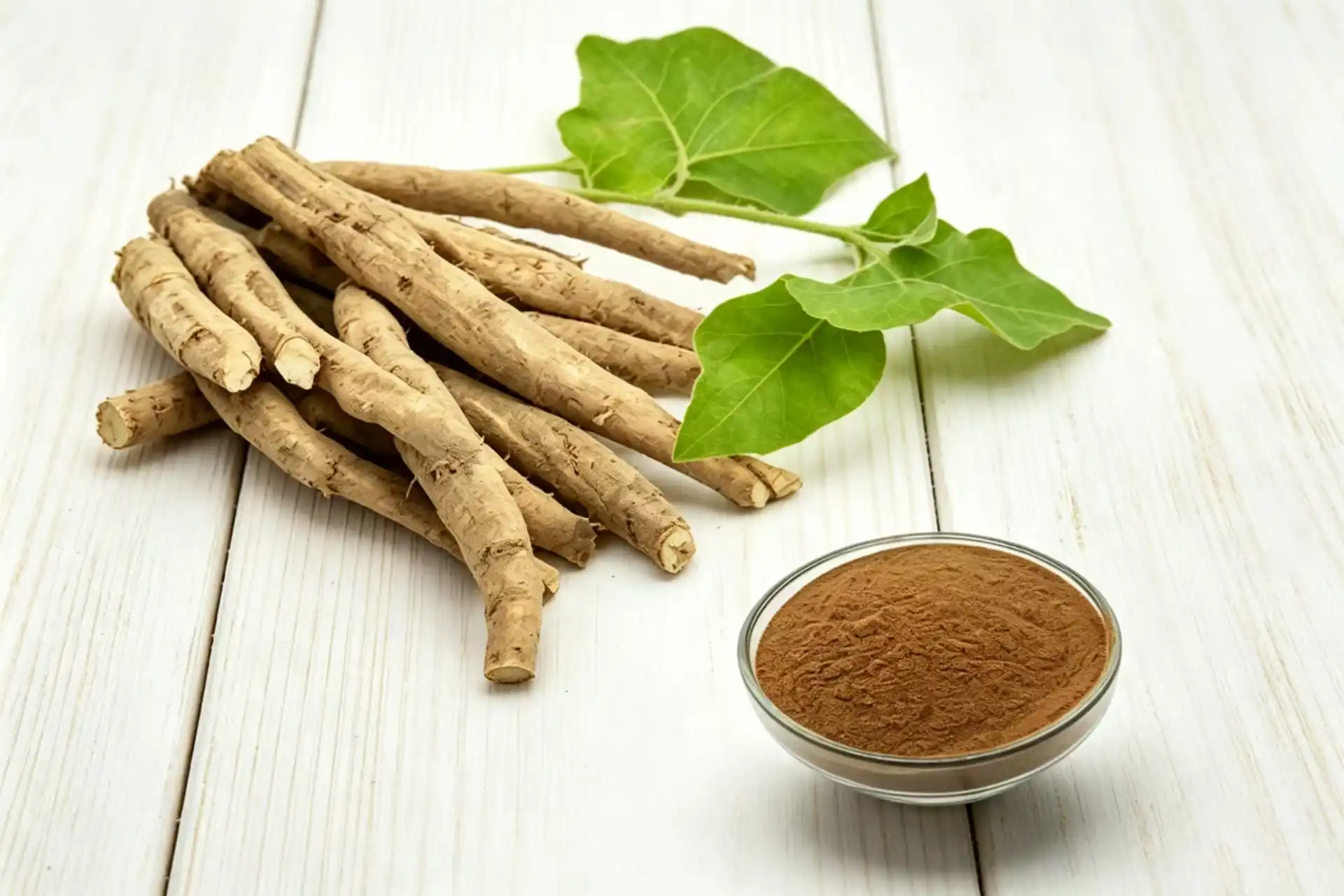
Pure Ashwagandha Extract has emerged as a scientifically validated solution for managing stress and anxiety in today's demanding environments. Derived from the root of Withania somnifera through advanced extraction methods, this adaptogenic ingredient contains bioactive withanolides and fatty acids that help regulate cortisol levels and support nervous system balance. Clinical research demonstrates that daily supplementation with standardized Ashwagandha extract significantly reduces perceived stress markers while promoting mental clarity and emotional resilience, making it an essential component for health supplement manufacturers targeting the growing mental wellness market.
Understanding Pure Ashwagandha Extract and Its Role in Stress & Anxiety Relief
Botanical Origin and Traditional Use
Withania somnifera, which is also known as Ashwagandha or Indian ginseng, has been used for more than 3,000 years in Ayurvedic medicine. There are dry parts of India, Africa, and the Middle East where the plant does best because that's where its roots make the most beneficial chemicals. For a long time, traditional doctors have known that it can give you more energy and help keep your mind calm when you're feeling really stressed out.
Key Bioactive Compounds
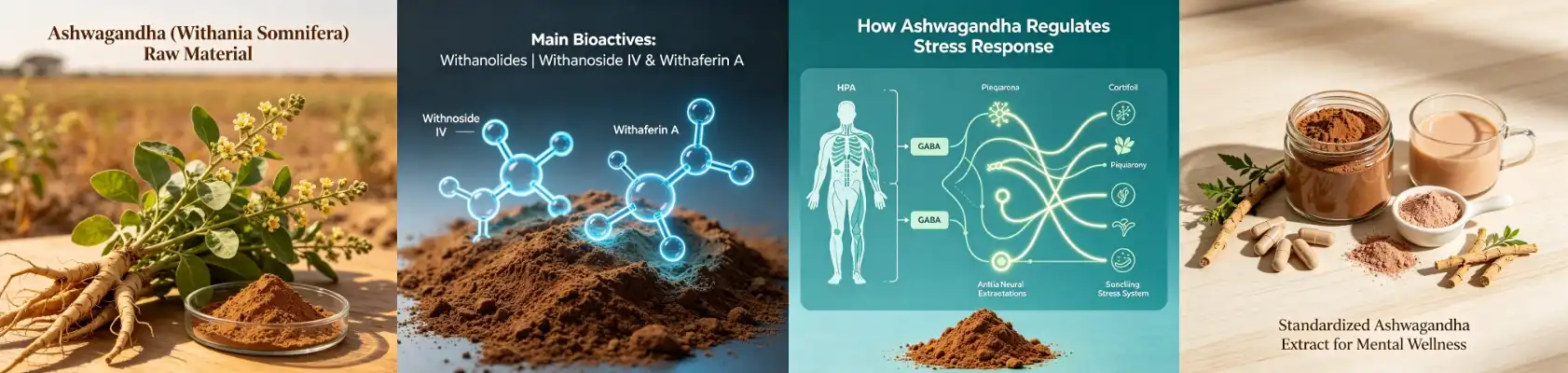
As a drug, Pure Ashwagandha Extract mostly works because it has withanolides in it, which are a group of naturally occurring steroids. Withanoside IV and withaferin A are two of these drugs that work with different molecular processes to change how the body reacts to stress. Modern ways of separating these active ingredients make standard items that can be tested for their usefulness. There are fatty acids in the root material that also help the extract dissolve and strengthen membranes. This makes it easier for cells to take in the active ingredients.
Mechanisms of Action in Stress Response
Researchers say that Ashwagandha controls the HPA axis, which is the body's main stress response system, making it an adaptogen. People who are under a lot of stress for a long time make more cortisol in their bodies. This can make them jittery, have trouble sleeping, and forget things. Two things that Pure Ashwagandha Extract does are help nerve systems, especially GABA ways that help you rest, and get cortisol levels back to normal. A study published in 2019 in peer-reviewed journals showed that people who took 240 mg every day had much lower amounts of stress hormones than people who took a fake drug.
Clinical Evidence for Anxiety Management
Ashwagandha has been shown to help with nervousness in a number of well-controlled tests. When people were given 250 to 600 mg of the drug every day, both their self-reported worry scores and bodily stress signs got better. The people who took part said their emotions were more stable and their stress levels went down, but not in the way that pharmaceutical treatments do. The findings suggest that Pure Ashwagandha Extract could be used in natural goods to help people who are dealing with illnesses caused by stress.
How to Use Pure Ashwagandha Extract for Optimal Stress and Anxiety Relief?
Recommended Dosage Parameters
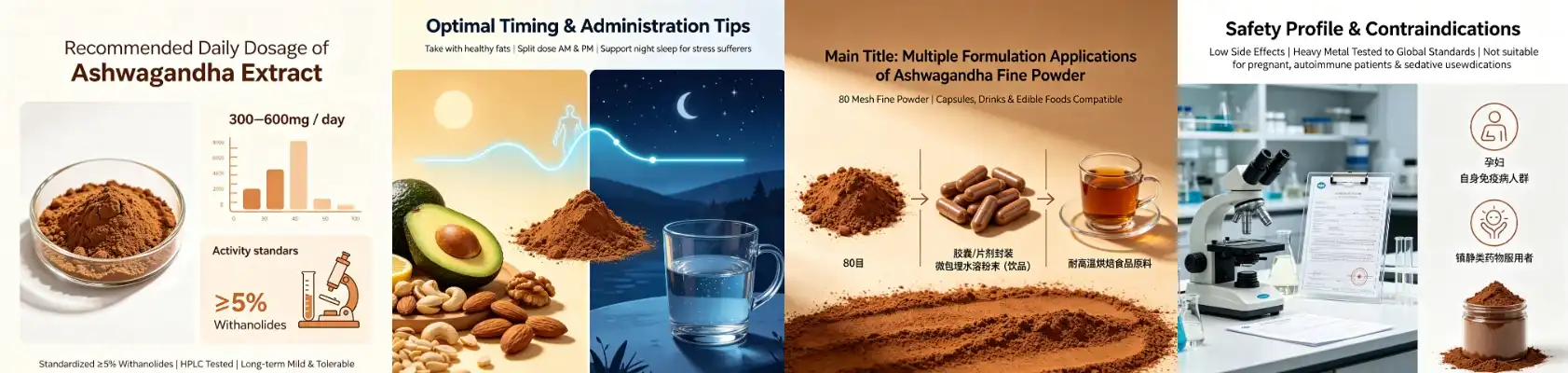
People who want to make stress pills should take 300 mg to 600 mg of a standardized Pure Ashwagandha Extract that has at least 5% withanolides every day, according to clinical data. This extract was tested by HPLC. It may take bigger doses of smaller amounts to reach therapeutic values. You can use the extract for a long time without any problems because it is mild and doesn't make your body against it. It's a good choice for long-term health plans because of this.
Optimal Timing and Administration
Ashwagandha is better taken when eaten with healthy fats. This is because healthy fats make it easier for lipophilic compounds to cross digestive walls. A lot of solutions split the daily amount in two, one in the morning and one in the evening. This is done to keep blood levels steady. Because it helps the body's natural circadian rhythm, taking it in the evening may help people who have the most trouble sleeping because of stress.
Formulation Considerations for Different Delivery Systems
Pure Ashwagandha Extract can be used in a lot of different things in the form of a fine light brown powder. The most common way to send something is still to wrap it up. This keeps it from going bad and hides its earthy taste. When used in drinks, water-soluble chemicals or microencapsulation technology can keep working even when the drinks are acidic, which happens a lot. To work in edible goods, the extracts must be able to handle high temperatures without losing their useful parts. Most of the time, 80 mesh is what manufacturers should say is needed to make sure that particles are spread out properly and that the amount is always correct.
Safety Profile and Contraindications
Clinical tests have mostly shown that Ashwagandha is safe. One mention of a side affect was mild stomach problems when bigger amounts were taken. However, people who make products need to think about who shouldn't use them. Some people who shouldn't use the product are those with autoimmune diseases, women who are pregnant or nursing, and people who are taking sedatives. An important part of quality control is making sure that the amount of heavy metals in something matches international standards. We do this because plants can pick up natural toxins if they come from unsafe places.
Comparing Pure Ashwagandha Extract with Other Forms and Brands
Root Powder Versus Concentrated Extract
There are many chemicals in Ashwagandha root powder, but you need to take a lot more of it (3 to 5 grams) to get enough withanolide to be useful. To separate and standardize the active ingredients in concentrated extracts, selective extraction methods are used. This lets scientists make small doses that are easy for people to take as directed. When the extract ratio is 10:1, it means that 10 kg of raw root material make up 1 kg of extract. This means that the extract, such as Pure Ashwagandha Extract, has a lot of good chemicals in it. Even though extracts cost more per kilogram, the fact that they are more concentrated makes them cheaper for makers, since lower inclusion rates mean lower overall preparation costs.V
Standardization Methods and Quality Markers
High-performance liquid chromatography (HPLC) and gravimetric analysis are the two main ways that the plant extract business makes sure that Ashwagandha is accurate. Gravimetric methods use liquid precipitation to find the total amount of withanolide. However, the readings are often too high because they pick up other chemicals as well. HPLC is more accurate because it can find single molecules of withanolide. This means that the data it gives about strength is more accurate. When shopping from one business to another, people should give more weight to sellers who offer HPLC Certificates of Analysis (COA) that show that withaferin A stays below the safety levels set by toxicology studies and list withanolide profiles.
Organic Certification and Sustainability Factors
People's desire for organic goods has spread to ways that businesses buy from each other, especially those that want to reach high-end customers. Herbicides made from chemicals are not used on organic Ashwagandha farms because they leave behind waste that could make the product unsafe and make it impossible to sell. It costs more to make things, though, so getting organic support might not work with all market placement strategies. Pure Ashwagandha Extract that isn't pure but comes from trustworthy sources can still pass strict residue tests and are cheaper for lines that focus on value.

Extraction Technology Impact on Composition
The end product's qualities are changed a lot by modern ways of extracting it. Most modern manufacturers use supercritical CO2 extraction, which uses forced carbon dioxide as a solvent to avoid strong chemicals and target molecules that like lipids, such as fatty acids and withanolides. With this method, very pure extracts are made that don't have any solvents in them. This helps authorities in places where standards for pharmaceutical-grade goods are very strict. Ethanol extraction is another method that is still cheap and gives good withanolide recovery that can be used in food supplements. That way, procurement teams can match extraction patterns with the claims they want to make about the product and the standards of the people they want to buy it.
Procurement Guide: How to Buy Pure Ashwagandha Extract in Bulk?
Essential Quality Certifications
The first step in smart buying is to look into the manufacturer's credentials. Food safety management systems cover the whole process, from handling raw materials to putting out finished goods, as shown by ISO 22000 and HACCP standards. When a business sells to a lot of different foreign customers, it can reach more religious and cultural customers by getting extra licenses like Kosher and Halal. Companies that provide ingredients, such as Pure Ashwagandha Extract, don't have to be listed with the FDA, but if they do, it shows that they will follow U.S. law. Buyers shouldn't rely on credentials that have already been given. Instead, they should ask for up-to-date certifications and audit reports that show ongoing compliance.
Technical Specifications to Evaluate
Very specific guidelines for products are used to judge their quality. Not only the amount of withanolide, but also the uniformity of the mesh size (80 mesh makes sure it works with automated encapsulation equipment), the amount of moisture (less than 2% loss on drying stops microbes from growing during storage), and the heavy metal levels that meet the limits set by Proposition 65 and the European Pharmacopoeia are all important. The active ingredient content, especially the fatty acids that make up at least 25%, helps the phytochemical matrix do its job. After getting batch analysis certificates, you can check that the real results match the specs. This shows that the source has always been the same.
Minimum Order Quantities and Pricing Structures
Bulk plant extract has different price levels that depend on how much you order, how you want to pay, and if you need any changes made. Most MOQs are between 25 and 100 kilograms, but experienced sellers who keep a lot of stock might be able to handle smaller test quantities. When you hit 500 kilograms, you can save a lot of space. By then, the price of a kilogram might be 15% to 25% less than it was at minimum sales. When procurement teams know these things, they can better plan when and how much to buy, while also making sure that their cash flow limits are met and that there are chances to get unit costs down.
Supplier Capability Assessment
You need to think about more than just price and quality when you judge a seller. You should also check how much they can produce, how much goods they have, and how well they can help you. When the seasons change and plants become less available, manufacturers can make sure that stocks don't run out if they have enough long-term orders for raw materials. Brands that are making new products can benefit from formulation helpers and stable testing data providers because they lower the risk of having to change the recipe after getting the product to market. For example, sending samples and answering technical questions quickly shows that you care about customer service, which is important for building long-term relationships.
Logistics and Storage Requirements
It's hard to trade plant-based ingredients across foreign lines, so it needs to be carefully planned. Pure Ashwagandha Extract needs to be packed in a way that keeps water out because it soaks up water. Most of the time, this is done in bags made of aluminum foil and plastic that are sealed inside fiber drums. When picking a way to get around, you need to think about both speed and cost. For example, sea freight has low rates for large packages, but it takes 4 to 6 weeks to get across the oceans. Air freight, on the other hand, cuts travel times to days, but it costs more. To keep clearance times short, customs papers like phytosanitary certificates and business bills must be made according to the needs of the country that is receiving the goods. Once it is received, it should be kept in a low-temperature, sealed area so that it stays useful for 24 months. It should also be tested regularly to make sure it stays stable.
Conclusion
That being said, Pure Ashwagandha Extract has been shown by scientists to help with stress and worry. Since this comes from plants, it is an important part of making mental health goods. B2B buyers can make smart choices when they know the best dosing settings, how the biological processes work that make it adaptogenic, and the quality difference factors. It is important to carefully check suppliers' qualifications, technical skills, and the dependability of the supply chain. This ensures that buying strategies support both the product's usefulness and the business's long-term success. As the need for natural ways to deal with stress grows, businesses that work with skilled manufacturers who offer consistent quality, legal compliance, and technical teamwork will be able to keep up with the fast-paced market.
FAQ
Q1: What daily dosage of ashwagandha extract effectively reduces stress symptoms?
A: Clinical tests have shown that 300 to 600 mg of a Pure Ashwagandha Extract that has been cleaned up and tested by HPLC to contain at least 5% withanolides works. If the gravimetric values of lower quality goods are higher, you may need to take more of them to get the same benefits. The way that extracts are standardized should be backed up by clinical data that is cited in product formulations.
Q2: How does ashwagandha extract differ from KSM-66 and Sensoril branded ingredients?
A: The KSM-66 and Sensoril extraction methods are different from each other. They each have their own standardization profiles and clinical study portfolios. For KSM-66, only root material with a withanolide level of about 5% is used. For Sensoril, leaf material with a different compound ratio is used. Generic Ashwagandha goods that are standardized using the same ways can have the same bioactivity but cost less. Named products, on the other hand, are better for marketing because they have well-known names and study funds are set aside just for them.
Q3: Can ashwagandha extract maintain stability in beverage formulations?
A: To keep drinks steady, they need to be handled in a certain way. Pure Ashwagandha Extract that is sold in stores doesn't mix well with water, which could cause liquids to separate. Microencapsulation technology keeps particles safe while also making diffusion better. To make goods that dissolve in water, extra steps of processing can be used. The pH of the drink's formula, the temperature it is exposed to during processing, and the presence of stabilization agents can all affect how stable it is over time.
Q4: What verification methods confirm ashwagandha extract quality and potency?
A: Having a lab test it for you is the best way to be sure of its quality. Manufacturers that you can trust will give you batch-specific COAs that show heavy metal screening, microbe testing, HPLC withanolide analysis, and pesticide residue analysis. Regularly, buyers should have tests done by reputable labs that are not connected to the seller. The buyers should then compare the results to the paperwork the seller gives them. The quality control methods are working well if different batches are all the same.
Partner with Sigma for Premium Ashwagandha Extract Manufacturing Solutions
Shaanxi Sigma Biotechnology Co., Ltd. gives health supplement brands, functional food makers, and beauty formulators the best value because we are fully integrated and always put quality first. We follow strict quality standards and use supercritical CO2 extraction technology to make Pure Ashwagandha Extract. It turns into a fine, yellow-brown powder that has normal withanolide patterns and at least 25% fatty acids. We work closely with licensed growers in the famous plant growing area of Shaanxi province to make sure that our raw materials are organic and can be traced.
We have ISO 22000, HACCP, and Halal licenses, which help our production and make it easy for us to sell our goods in North America, Europe, and the Asia-Pacific region. For our most important items, we keep 10–20 tons of safety stock on hand. This lets us send within 5–7 business days and supports just-in-time stocking ideas. Customized OEM/ODM services can change the particle size, pack them in different sizes (from 1-kilogram foil bags to 25-kilogram fiber drums), and private label them with your brand's information. Full COAs, MSDS sheets, and data from stability studies are some of the technical papers that help with regulatory applications and quality assurance processes.
When you work with a Pure Ashwagandha Extract source like Sigma, you can get help from formulators who know how to use the ingredient's traits to make products that people will want to buy. Our team works with R&D to solve problems with solubility in beverages and come up with the best dosage forms. We also offer items that go well together for the best recipes. Making partnerships, making sure products are always of good quality, and getting in touch quickly are all things that will help your business do well in the very competitive natural health market.
Sigma's Ashwagandha extract can improve your products. Business owners, people in charge of getting things, and people who make goods should look into this. You can email sarah@sxsigma.com to get samples, talk about prices for large orders, or set up a technical meeting to talk about your specific recipe needs.
References
1. Chandrasekhar K, Kapoor J, Anishetty S. A prospective, randomized double-blind, placebo-controlled study of safety and efficacy of a high-concentration full-spectrum extract of ashwagandha root in reducing stress and anxiety in adults. Indian Journal of Psychological Medicine. 2012;34(3):255-262.
2. Lopresti AL, Smith SJ, Malvi H, Kodgule R. An investigation into the stress-relieving and pharmacological actions of an ashwagandha extract: A randomized, double-blind, placebo-controlled study. Medicine. 2019;98(37):e17186.
3. Salve J, Pate S, Debnath K, Langade D. Adaptogenic and anxiolytic effects of ashwagandha root extract in healthy adults: A double-blind, randomized, placebo-controlled clinical study. Cureus. 2019;11(12):e6466.
4. Singh N, Bhalla M, de Jager P, Gilca M. An overview on ashwagandha: A Rasayana of Ayurveda. African Journal of Traditional, Complementary and Alternative Medicines. 2011;8(5S):208-213.
5. Pratte MA, Nanavati KB, Young V, Morley CP. An alternative treatment for anxiety: A systematic review of human trial results reported for the Ayurvedic herb ashwagandha. Journal of Alternative and Complementary Medicine. 2014;20(12):901-908.
6. Auddy B, Hazra J, Mitra A, Abedon B, Ghosal S. A standardized Withania somnifera extract significantly reduces stress-related parameters in chronically stressed humans: A double-blind, randomized, placebo-controlled study. Journal of the American Nutraceutical Association. 2008;11(1):50-56.
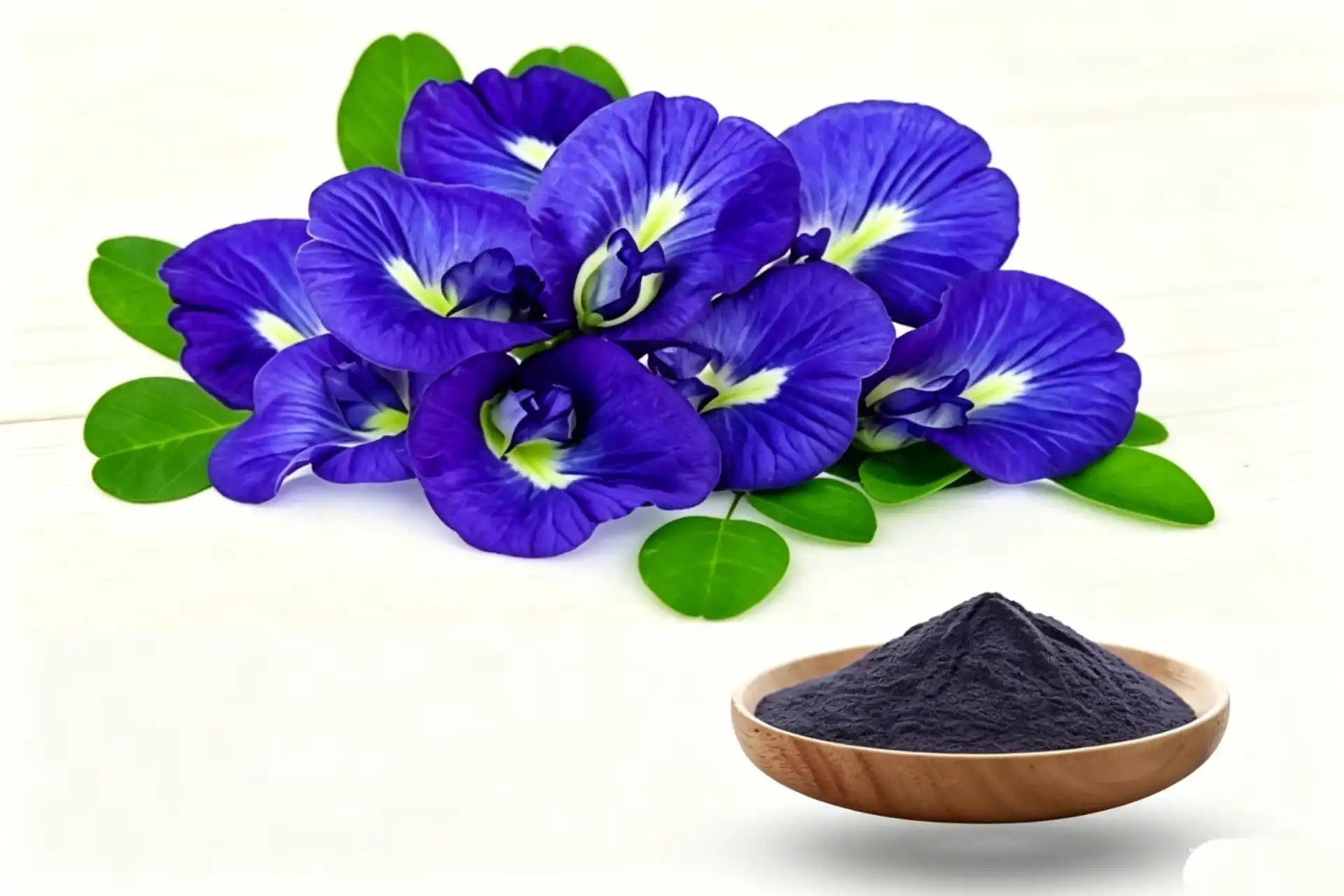
Butterfly pea extract vs synthetic blue food coloring
Procurement workers have to make important choices about product quality, regulatory compliance, and market placing when they compare Butterfly Pea Flower Extract to synthetic blue food coloring. Butterfly Pea Flower Extract, which comes from the Clitoria ternatea plant, is a natural option that has anthocyanins, which give colors bright blue and change depending on the pH level. This natural color is becoming more popular among companies that want to use clean-label products that appeal to health-conscious customers. Synthetic alternatives, such as Brilliant Blue FCF, are cheaper and have more uniform color, but they are getting more and more attention for concerns about their long-term safety and how customers see them. Knowing these basic differences helps you make smart choices about where to get ingredients that meet the needs of your formula and meet the standards of the market.
Understanding Butterfly Pea Extract and Synthetic Blue Food Coloring
Origins and Composition
The flowers of Clitoria ternatea are used to make Butterfly Pea Flower Extract. The flowers are extracted using water and ethanol, which keeps the beneficial chemicals. The fine blue powder that is made has a normal amount of anthocyanin, usually about 25%, and natural flavonoids give it better antioxidant qualities. The extraction method protects the purity of ternatins, which are complex anthocyanin molecules that give blue things their color and make them stable in a number of situations. Chemical synthesis under strict control in a lab creates synthetic blue dyes like Brilliant Blue FCF. Industrial-scale production makes these colorants uniform, so makers can be sure that they will work the same way in all formulas. Plant-based pigments and manufactured dyes have very different chemical structures. Manufactured dyes don't have the complex polyphenolic components that give them other uses besides coloring.

Regulatory Landscape
The rules for compliance are very different for natural extracts and manufactured chemicals. When they are labeled as food ingredients instead of chemicals, natural colorants that come from plants usually have less trouble with the government. Natural options are becoming more popular in North America and Europe, as shown by the fact that approval processes for traditional plant products have been sped up. Synthetic blue dyes have to go through strict approval processes that include full chemical tests and ongoing safety tracking. Regulatory bodies like the FDA keep approved lists with specific rules about how they can be used. This could make it harder for countries to deal with each other. When companies want to sell their products in other countries, they need to be aware of the different laws that might not allow manmade colorants but allow natural ones.
Certification Standards
To make sure the quality of natural products, strict approval rules must be followed. Certifications like ISO 22000, HACCP, Halal, and Kosher are very important for B2B buyers who need proof of compliance. These standards cover things like how to make things, how to keep them clean, and how to track the ingredients they come from. These are all very important when getting ingredients for controlled industries like functional foods and dietary supplements. Different approval processes for synthetic colorants are based on how pure the chemicals are and how consistent the batches are. Protocols for testing put a lot of emphasis on heavy metal pollution, leftover solvent analysis, and following pharmacopeial standards. Both types need a lot of paperwork, but natural extracts need extra attention when it comes to farming methods, chemical residues, and using techniques like HPLC fingerprints to make sure the plants are who they say they are.
Benefits and Limitations: Butterfly Pea Extract vs Synthetic Blue Food Coloring
Health and Safety Profiles
Natural Butterfly Pea Flower Extract is good for your health in more ways than one. There is antioxidant activity in the anthocyanin content, which supports formulas that focus on health and function benefits. Recent studies show that this substance might help with memory and reduce inflammation, which is good news for companies that are making health-focused supplements.
There is a lot of evidence that synthetic dyes are safe when used at the right amounts, but natural colors have more bioactivity that makes them useful. Even though they are approved by regulators, manufactured additives are becoming more and more linked with possible health risks in the minds of consumers. This difference in how people see things affects their buying choices, especially for parents and health-conscious people who read ingredient labels carefully to find fake ingredients. Safety concerns include responses that cause allergies or sensitivity. Natural ingredients don't pose as many allergy risks as some manmade dyes, which have been linked to hyperactivity in sensitive groups. This difference is important for companies that sell their products in places that have strict rules about how to name things that might be pests or have behavioral effects.
Functional Performance
Color stability is an important measure of how well both types of colorants work. Butterfly Pea Flower Extract changes colors based on pH, going from blue in neutral conditions to purple and pink in acidic conditions. This one-of-a-kind property lets you use it in creative ways in drinks and sweets, but it needs to be carefully formulated to keep the colors you want throughout the shelf life.
Synthetic blue colors are very stable when exposed to light, different pH levels, and changes in temperature. This toughness works well for mass production where accuracy between groups is very important. Synthetic replacements don't break down much when they are heated, pasteurized, or stored for long periods of time, which makes quality control methods easier. Different choices dissolve differently in water. For example, high-quality Butterfly Pea Flower Extract dissolves completely in water with no residue when they are ground very finely and dried using the right spray-drying methods. Synthetic colors dissolve easily, but they might react differently with other ingredients in the mixture. This is why compatibility testing is important during the product creation process.
Environmental Considerations
Natural products from renewable farming systems are more likely to be sustainable. Growing butterfly peas helps wildlife, doesn't need many manufactured inputs, and leaves less of a carbon footprint than making dyes from petroleum. Companies that care about the environment find that natural colorants help them meet their sustainability goals and meet customer standards for caring for the environment. Chemical methods that use a lot of energy, petroleum products, and industrial waste streams that need to be treated are used to make synthetic dyes. Life cycle studies regularly show that synthetic alternatives have a bigger effect on the environment. This affects the buying choices of businesses with strong ESG (Environmental, Social, and Governance) commitments. There are also differences in how transparent the supply chain is. For example, plant products make it easier to see how they were grown and processed.

Procurement Considerations for B2B Buyers
Quality Standards and Supplier Selection
Professional buying needs to look at more than just price when evaluating suppliers. To make sure that promises of standardization are true for natural products, the first step is to use HPLC to measure the amount of anthocyanin present in Butterfly Pea Flower Extract. Consistency from batch to batch depends on strict quality control during the growing, gathering, and extraction processes. Suppliers who can show they can do all kinds of scientific work, like checking for heavy metals (Lead <2ppm, Arsenic <1ppm), pesticide residue tests, and microbiological control, will be given preferred standing.
When looking for synthetic dyes, legal compliance paperwork and certifications for manufacturing facilities are very important. Buyers should make sure that the company is registered with the FDA, follows current Good Manufacturing Practices (cGMP), and has Certificates of Analysis that show the product meets quality standards. Partnerships based on relationships and open lines of communication make it easy to respond quickly to quality issues or changes in regulations that affect lists of allowed colorants.
Supply Chain Reliability
Keeping track of inventory has a big effect on keeping output going. Because the supply of natural extract changes with the seasons, sellers need to keep safety stock buffers of 10–20 tons for high-demand requirements. Five to seven business days from the confirmation of the order are enough time to plan for just-in-time production processes. When it comes to supply lines, synthetic colorants are more reliable and don't change much with the seasons. But global factors, the supply of raw materials, and changes in regulations can make it hard to get synthetic dyes. Diversified supply networks lower the risk of relying on a single source. This is especially important for companies that sell their goods in several foreign markets where regulations are different.
Cost Analysis and Market Trends
The way prices are set for natural and manufactured choices is very different. Butterfly Pea Flower Extract usually costs more because it requires more farming inputs and is harder to remove. It also costs more to get certified. When you buy more than 500 kg in bulk, you can get big discounts. The prices stay the same, but crop amounts and changes in market demand affect the discounts. Synthetic colors fight mainly on how much they cost, with lower prices per unit for high-volume uses. Total cost of ownership, on the other hand, should include possible reformulation costs, regulatory compliance costs for markets that limit synthetic chemicals, and the marketing effects of presenting products as "clean." A study of the market shows that natural options are becoming more price competitive as technologies for extraction get better and farming scales grow.

Application Scenarios and Usage Guidelines
Food and Beverage Applications
Butterfly Pea Flower Extract works great in situations where natural placement is important to the customer. The pH-responsive color change is used to add visual interest and a sense of luxury in functional drinks, herbal teas, and craft cocktails. At room temperature, the extract dissolves fully in water. The suggested use rate is between 0.1–0.5%, based on the final pH and the color intensity that is wanted. It can be hard for companies that make dairy products, ice cream, and sweets to find natural blue colors. Butterfly Pea Flower Extract is a good alternative. Unlike spirulina-based blues that break down in heat and add bad tastes, this extract keeps its color through light pasteurization processes up to 85°C. For the right composition, pH buffering is needed to keep the blue color stable in neutral media.
Synthetic blue dyes are still used a lot in mass-market goods that need to be cheap and last a long time. Set dose guidelines and regulatory approval make it easy to formulate a wide range of products, such as baked goods, frozen desserts, and sweets. Even though clean-label trends are popular, manufacturers still choose manufactured choices for markets that are price conscious or that need bright, stable blues that can withstand harsh processing conditions. In contrast, Clitoria Ternatea Extract offers a natural blue alternative, though it is less commonly used in these demanding applications.
Cosmetics and Personal Care
Natural colorants are used in more than just food. They are also used in personal care products that want to use plant ingredients. Butterfly Pea Flower Extract is used in skin care items, shampoos, and soaps as both a colorant and a useful ingredient. The anthocyanin content backs up marketing claims about antioxidant benefits, which appeals to people who prefer natural beauty products. To keep a makeup formula stable, it needs to be tested across a range of pH levels and preservation methods. The extract is easily mixed with water, but it needs to be carefully designed systems because it is sensitive to pH. Synthetic options work better in cosmetics, but they don't meet the standards for natural and organic approval that more and more concerned customers want.
Making the Right Choice: Butterfly Pea Extract or Synthetic Blue Food Coloring
Decision Framework for Procurement Managers
There are many things besides just cost that affect the strategic choice between natural and manufactured blue colorants. Adding natural extracts to high-end, health-focused, or organic products makes them much more appealing to customers and supports promises of clean labels. Market research regularly shows that people are willing to pay more for natural options, which could help cover the higher costs of the ingredients. Synthetic dyes may be better for factories that need to keep colors stable, keep them fresh longer in tough conditions, or keep costs low while making a lot of things. The decision-making process should take into account the regulatory trend. For example, as limits on synthetic additives grow in key export markets, early adoption of natural options could be strategically beneficial.
Future Industry Trends
The natural colorant market is expected to grow quickly because people want clear products and rules are changing to favor plant ingredients. As technology improves in extraction and stabilization, natural colorants keep getting better, closing the gap between them and manufactured options in terms of usefulness. Putting money into safe farming methods and developing the supply chain makes natural resources more available and lowers their costs. New developments in manufactured alternatives are mainly focused on creating chemicals that are similar to those found in nature and making production methods less harmful to the environment. But problems with how people see things still exist, even though safety and durability of manufactured colorants have improved. More and more, buying strategies that look to the future focus on natural products as a way to protect against changes in regulations and changing customer tastes.
Product Specifications and Supplier Capabilities
For high-quality Butterfly Pea Flower Extract, the anthocyanin content must be at least 25%, the mesh size must be 100 mesh for best absorption, the loss on drying must be less than 5% to ensure stability, and the pH value must be between 3.0 and 5.0 to keep the colorant intact. These factors make sure that the product works the same way in all situations and meets strict quality control standards for heavy metals and chemical residues, which are needed to follow FDA and EU food safety rules. Ultra-fine grinding and low-temperature drying are advanced technologies used by leading sellers that make products instantly water-soluble without leaving behind any waste or off-flavors. These are important differentiators in competitive procurement evaluations. When acidic conditions happen, the unique color-changing effect changes from blue to purple. This opens up new ways to formulate the substance that can't be done with synthetic options, going beyond basic coloring needs.
Conclusion
When deciding between Butterfly Pea Flower Extract and synthetic blue food coloring, you have to weigh performance needs, legal concerns, cost limits, and goals for market positioning. Natural ingredients have a lot of benefits for brands that care about having clean labels, being environmentally friendly, and providing more than just color. Synthetic options are still useful in cost-sensitive situations where steadiness is very important. Successful buying strategies look at both choices using thorough models that take into account quality certifications, the dependability of the supply chain, performance in specific applications, and how well they fit with long-term market trends that favor natural ingredients.
FAQ
Q1: How does butterfly pea extract compare to synthetic blue dyes in terms of stability?
A: When properly prepared, natural Butterfly Pea Flower Extract is stable in neutral to slightly acidic conditions and keeps its color strength through mild heat processing up to 85°C. Because the pH-sensitive anthocyanins change color in a predictable way, they need to be buffered when they are used in places that need reliable blue tones. While synthetic dyes are more stable across a wider range of pH levels and high temperatures, they don't have the practical freedom of being able to change color. Natural extracts last a lot longer if they are stored in covered containers that keep out light.
Q2: What certifications should B2B buyers prioritize when sourcing butterfly pea extract?
A: Some of the most important certifications are ISO 22000 for managing food safety, HACCP for identifying hazards and setting key control points, and religious certifications like Halal and Kosher for markets that need them. Organic approval helps put a high-end product on the market, and full testing records for chemical residues, heavy metals, and microbiological contamination are necessary to make sure the quality. Suppliers who are open about their analytical skills and ready to give batch-specific Certificates of Analysis are likely to be trusted partners.
Partner with Sigma for Premium Butterfly Pea Flower Extract
Shaanxi Sigma Biotechnology offers high-quality Butterfly Pea Flower Extract that is made in approved sites that follow strict quality standards. We ensure anthocyanin content of at least 25% and consistency from batch to batch, which is important for large-scale manufacturing processes because we are a fully integrated provider that controls the whole supply chain, from growing the plants to extracting the anthocyanins. Our ISO 22000, HACCP, Halal, and Kosher standards make it easy for us to sell our products in markets around the world, and our safety stock means that we can deliver within 5–7 working days.
We know that procurement professionals need more than just basic parts. You need relationships you can count on to help you come up with new products and follow the rules. Our expert team helps with all aspects of formulation, including finding the best dose rates and stability factors for your needs. Get in touch with sarah@sxsigma.com to get samples, talk about custom requirements, or look into OEM/ODM chances with a reliable Butterfly Pea Flower Extract maker that cares about your long-term success.
References
1. Konczak I, Zhang W. Anthocyanins—More Than Nature's Colours. Journal of Biomedicine and Biotechnology. 2004;2004(5):239-240.
2. Nair V, Bang WY, Schreckinger E, Andarwulan N, Cisneros-Zevallos L. Protective Role of Ternatin Anthocyanins and Quercetin Glycosides from Butterfly Pea (Clitoria ternatea Leguminosae) Blue Flower Petals against Lipopolysaccharide (LPS)-Induced Inflammation in Macrophage Cells. Journal of Agricultural and Food Chemistry. 2015;63(28):6355-6365.
3. Wrolstad RE, Culver CA. Alternatives to Those Artificial FD&C Food Colorants. Annual Review of Food Science and Technology. 2012;3:59-77.
4. Downham A, Collins P. Colouring Our Foods in the Last and Next Millennium. International Journal of Food Science & Technology. 2000;35(1):5-22.
5. Sigurdson GT, Tang P, Giusti MM. Natural Colorants: Food Colorants from Natural Sources. Annual Review of Food Science and Technology. 2017;8:261-280.
6. Carocho M, Morales P, Ferreira ICFR. Natural Food Additives: Quo Vadis? Trends in Food Science & Technology. 2015;45(2):284-295.
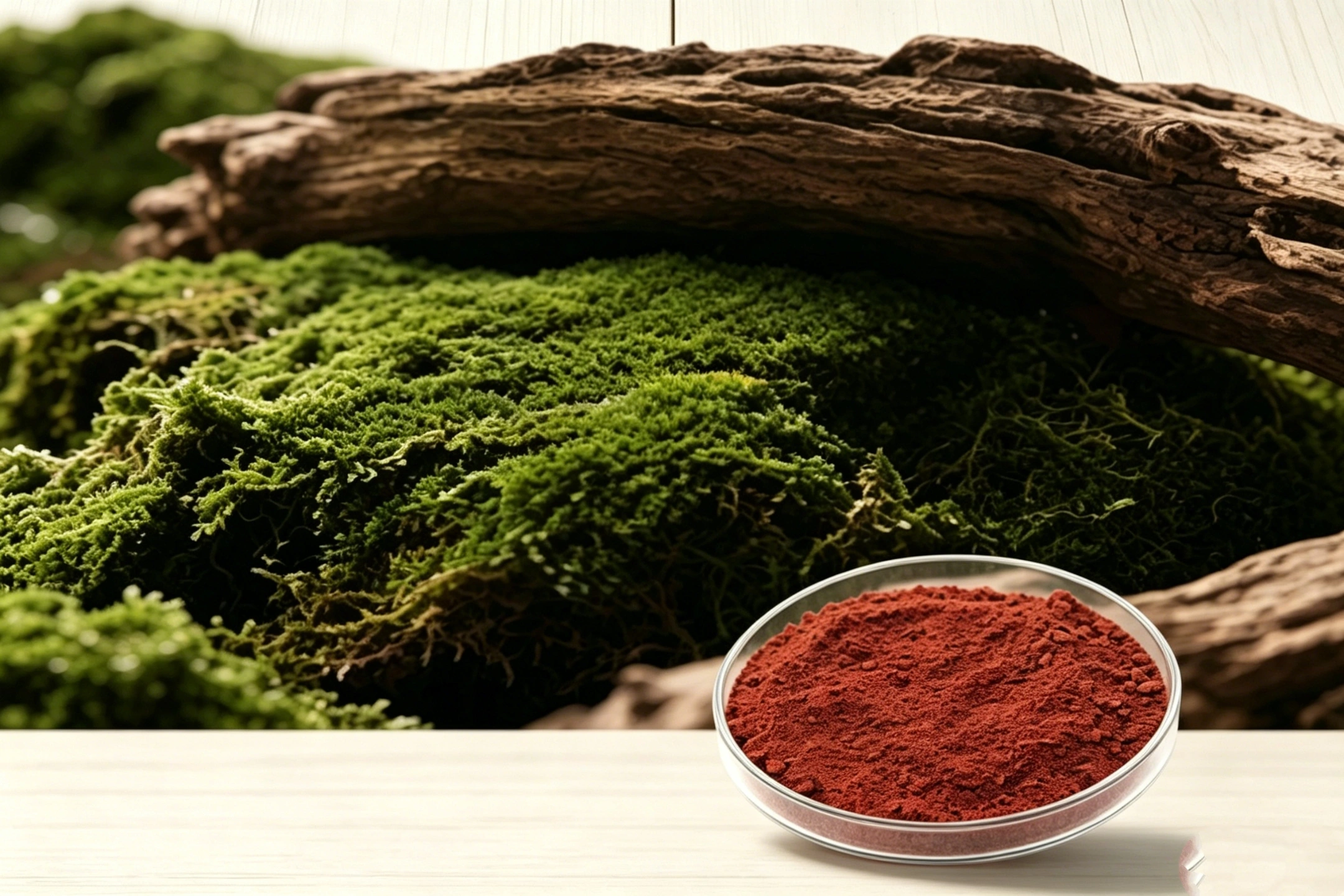
Pine Bark vs Grape Seed Extract: Which Is Better for Skin?
When people talk about plant antioxidants for skin care products, maritime pine bark and grape seed extracts are often at the center of the discussion. Both have strong antioxidant properties thanks to oligomeric proanthocyanidins (OPCs), but they are not the same in terms of chemical makeup, bioavailability, or clinical proof. When B2B sourcing teams look at raw materials for cosmeceutical or nutraceutical uses, knowing these differences affects how well the product works, how well it meets legal requirements, and how well it positions itself in the market. New studies show that Pine Bark Extract, especially when standardized to ≥95% OPCs, is more stable in water-soluble systems and has better anti-glycation qualities than grape seed versions. This is making it a more popular choice for high-tech anti-aging products.
Comprehending Pine Bark Extract and Its Skin Benefits
For hundreds of years, people have used maritime pine bark, which comes mostly from Pinus pinaster trees grown along the southwest coast of Europe, for health purposes. Modern extraction methods use ethanol to separate and concentrate beneficial chemicals, creating a fine reddish-brown powder that is high in proanthocyanidins, flavonoids, phenolic acids, and catechin derivatives.
Extraction and Standardization
To make it, the inner bark has to be collected and then controlled ethanol extraction is done at a low temperature to protect heat-sensitive flavonoids. Advanced separation methods make sure that each batch has the same character, and HPLC tests show that high-quality goods have OPC amounts above 95%. This standardization solves a big problem that formulation chemists have: differences between batches that can hurt the effectiveness of the product and mess up regulation paperwork.
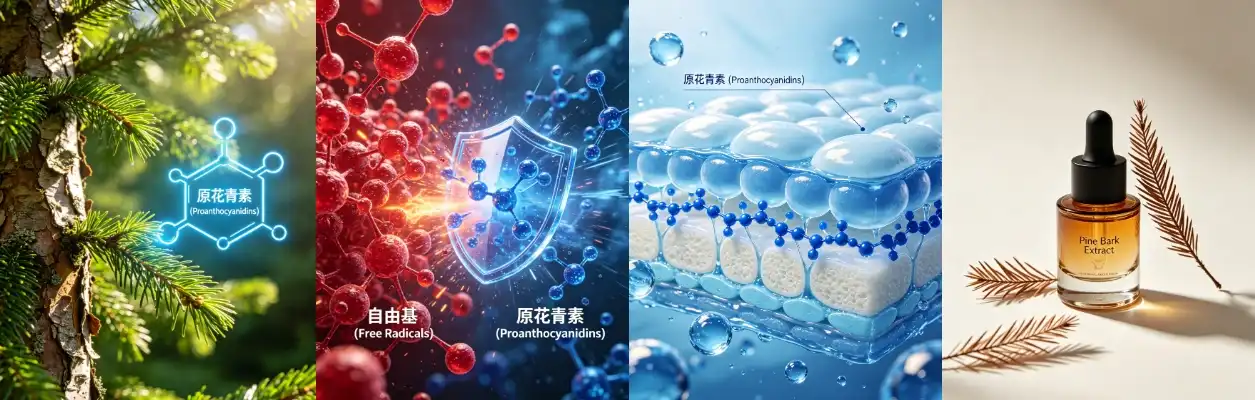
Mechanisms of Skin Protection
Pine Bark Extract OPCs can quickly pass through the skin's defenses and circulate throughout the body because of the way their molecules are structured. These chemicals balance out reactive oxygen species that are made by UV light, pollution, and body processes. Clinical studies have shown that the skin's suppleness improves, hyperpigmentation goes down, and microcirculation in the facial layers gets better. The extract stops matrix metalloproteinases from working, which are enzymes that break down collagen. This keeps the extracellular matrix's structure intact.
Formulation Versatility for B2B Applications
The fact that pine bark extract dissolves easily in water makes it easier to use in a variety of delivery methods. For companies that make food supplements, it can be put into veggie capsules or mixed into powdered forms without changing how well the supplement flows. It is used by cosmetic companies in serums, creams, and mouth products that fight oxidative stress and photoaging. The extract is stable across a range of pH levels and works well with common stabilizers. This makes reformulation easier and speeds up the time it takes to get new products on the market.
Overview of Grape Seed Extract and Its Skin Benefits
Grape seed extract is one of the most well-known plant antioxidants in the nutraceutical industry. It comes from Vitis vinifera seeds, which are a leftover of making wine. It is widely used because a lot of study has shown that it is good for your skin and heart. Similarly, Pine Bark Extract is gaining popularity for its antioxidant properties, offering similar benefits for overall health and well-being.
Bioactive Profile and Extraction
There are different types of oligomeric and polymeric proanthocyanidins in grape seed extract, and their molecular weights change depending on how it was processed. When ethanol or water are used for solvent extraction, concentrates that are standardized to OPC levels usually fall between 85% and 95%. Its many biological activities are helped by the fact that it contains gallic acid, epicatechin, and procyanidin B2.
Clinical Evidence for Skin Health
Dermatology journals have published studies that show grape seed extract can help fibroblasts multiply and collagen production happen. These are two important processes for wound healing and tissue repair. Its photoprotective features stop erythema from appearing after UVB exposure, which suggests that it could be useful in addition to sunscreens that you put on your skin. ORAC numbers constantly show that grape seed is one of the best natural compounds for antioxidant action, which is why it is used in high-end skin care products.
Market Position and Regulatory Status
In the United States, grape seed extract is generally recognized as safe (GRAS). In Europe, it has been approved by set guidelines. This clear regulation makes it easier for companies that sell goods in other countries to import goods and make label claims. The ingredient has been used commercially for a long time, which helps procurement teams reduce risk when they are looking at source reliability and quality paperwork.
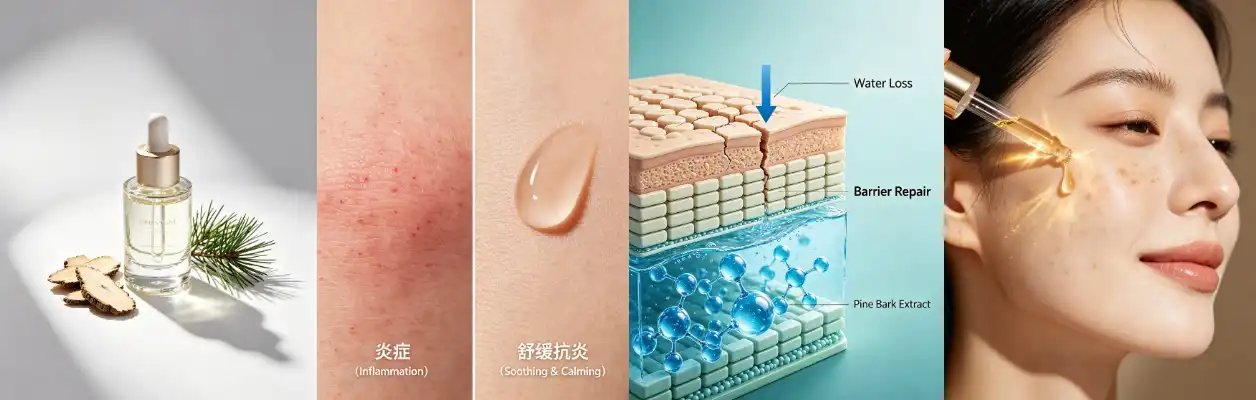
Pine Bark Extract vs Grape Seed Extract: A Comparative Analysis for Skin Applications
When choosing between these botanical extracts, you need to look beyond the marketing hype and focus on performance measures that are important to manufacturing and clinical results.
Antioxidant Potency and Mechanism
Both products can get rid of free radicals, but there are small changes in how their molecules interact with each other. Pine Bark Extract OPCs have a better ability to attach to collagen and elastic fibers, which could make them more resistant to breakdown by enzymes. Polymeric proanthocyanidins in grape seed have a wider range of antioxidant activity, but because they are bigger molecules, they may not be as bioavailable. Comparative ORAC testing shows numbers that are similar, but the findings depend on the settings of the test, so direct comparisons are not always possible.
Anti-Inflammatory and Anti-Glycation Properties
Advanced glycation end products (AGEs) make the skin older by creating cross-links that make the dermal tissue stiffer. Pine bark extract is especially good at stopping glycation reactions, which is a method that hasn't been studied as much for grape seed versions. For products aimed at older skin types, where glycation prevention is a key value offering, this difference is important. Both extracts change inflammatory markers, but in slightly different ways. This suggests that they might work better together in complex combinations.
Solubility and Stability of the Formulation
According to the technical details, pine bark extract dissolves completely in water at amounts as high as 10%, keeping the water clear without precipitating. Some types of grape seed extract, especially polymeric parts, may need solubility boosters or be slightly cloudy in some pH ranges. This edge in solubility speeds up production and lowers the cost of products, whether they are used in drinks or clear gels. Storage stability testing under fast conditions shows that both extracts stay effective when sealed and kept in cool, dry places for 24 months, which is what global wholesalers expect.
Regulatory and Safety Considerations
Safety databases, such as EFSA and FDA GRAS warnings, have full toxicological details for both ingredients. There are still not many reasons not to use it, but reactions with blood thinners should be listed on the product label. Sourcing is very important for businesses that want to get organic certification. For example, getting USDA Organic certification for pine bark extract gives them access to high-end markets and helps with clean label messaging strategies that consumers are increasingly asking for.
Procurement Considerations for B2B Buyers: Selecting the Optimal Extract for Skin Products
Effective buying includes more than just unit price. It also includes the stability of the supply chain, quality assurance procedures, and the chance to work together with suppliers.
Quality Verification and Certification
Suppliers you can trust will give you a lot of paperwork, like Certificates of Analysis (COA), heavy metal screening, chemical residue tests, and microbial contamination reports. ISO 22000 and HACCP licenses show that quality management is being done in a planned way, which lowers the risk of batch rejects or problems with the law. Verification by a third party through independent labs boosts trustworthiness, especially when joining markets with strict rules, like the European Union or Japan. For pharmaceutical-grade uses that need higher purity levels, asking for DMF (Drug Master File) paperwork is helpful.

Supply Chain Stability and Lead Times
The supply of ingredients affects when to make things and how to keep track of supplies. When suppliers keep 10–20 tons of safety stock on key SKUs, they can fill orders within 5–7 business days, which keeps production from being held up during busy times. Knowing the growing seasons and where to get the raw materials—whether they are European maritime pine, Chinese red pine varieties, or Pine Bark Extract—can help you plan for changes in yearly supply. Setting up dual-source plans lowers the risks that come with regional weather events or political problems that affect certain supply routes.
Cost Structure and Contract Terms
Tiered pricing is often possible through bulk buying deals, but the minimum order quantities must match the amount of space available and the rate at which the inventory is sold. Instead of just looking at FOB prices, you need to take into account import taxes, freight logistics, and storage costs to get the total landed cost. Formulation teams can test for stability and compatibility before signing long-term contracts thanks to flexible payment terms and trial order options. OEM partnerships that offer custom specs, like certain particle sizes or custom standardization ratios, are useful for brands that want to make their products stand out.
Case Studies and Industry Applications: Successful Use of Pine Bark and Grape Seed Extracts in Skin Care
Understanding how top companies use these plants to make money and get trial approval is shown in this practical application insight.
A European nutraceutical business changed the ingredients in its anti-aging supplement line from grape seed to pine bark extract after customer comments showed that the new recipe made skin look better within 60 days. Because the powder was similar, the move didn't require many changes to the pill filling equipment that was already in use. However, it did lead to a rise in return purchases because people thought the product worked better. Their product got certified by the Clean Label Project, which helped it stand out in North American health food stores.
In a different example, an American cosmeceutical brand is creating a combination mouth and external skin care system. In clinical studies, putting 150 mg of pine bark OPCs into your mouth every day along with a 2% concentration serum on your face showed better skin hydration and wrinkle depth data than using either treatment alone. The procurement team wanted to create intellectual property around new transport methods, and this two-pronged approach met their goal. It also used ingredients with well-known safety profiles, which sped up regulatory applications.
Contract makers say that there is a growing need for private label formulations that include both extracts in amounts that work well together. The different ways that pine bark and grape seed work to fight aging are used in these mixes. Pine bark binds collagen, and grape seed has a wider range of antioxidants. Formulation experts suggest pine bark to grape seed ratios between 2:1 and 3:1, depending on the target audience and price point. Higher pine bark percentages support premium product tiers that highlight advanced anti-glycation benefits.
Conclusion
Finding the best extract rests on specific formulation goals, target groups, and manufacturing skills, not on which one is generally better. When it comes to water solubility, anti-glycation effectiveness, and collagen matrix protection, Pine Bark Extract has clear benefits that make it ideal for advanced anti-aging uses and clear delivery systems. For broad-spectrum antioxidant support, grape seed extract has been shown to be useful in many situations, has a lot of clinical evidence, and is a good value. To make sure that the ingredients they choose are in line with product development goals and market needs, procurement experts look at technical specifications, supplier quality systems, legal compliance, and clinical proof.
FAQ
Q1: Can pine bark and grape seed extracts be safely combined in formulations?
A: When you mix these products, they often work better together because their effects work in different ways that support each other. The collagen-binding qualities of pine bark and the wider range of antioxidants in grape seed make for complete skin protection. Testing the stability of the formulation is important to make sure that it works well with certain delivery methods. However, both extracts usually work well together without any negative effects or precipitation problems as long as the total amount of polyphenols stays within the suggested concentration ranges.
Q2: What dosage ranges are recommended for skin health applications?
A: Clinical studies usually use 100–200 mg per day of measured OPC substance (≥95% purity) as an oral supplement to improve skin health. Topical uses include extract concentrations of 1% to 3% in serums and creams, with higher numbers kept for intense treatment products. Dosing should be based on bioavailability data and the formulation context, since the efficiency of the delivery system has a big impact on the effective dose needed and how the customer sees the results.
Q3: How does organic certification impact procurement decisions?
A: Getting certified as USDA Organic or EU Organic gives you access to the clean beauty and natural goods markets, which are growing quickly. These markets have high price power because of regulations and how people feel about them. For organic certification, the whole growing and processing process has to be able to be tracked. This can lead to higher raw material costs, but they are often balanced out by better market positioning and brand alignment with sustainability values that are becoming more important to distribution partners and end consumers in developed markets.
Partner with Sigma for Premium Pine Bark Extract Solutions
Shaanxi Sigma Biotechnology Co., Ltd. has ISO, HACCP, and USDA Organic approvals, as well as a lot of quality paperwork for pharmaceutical-grade uses. Our Pine Bark Extract has at least 95% OPC, which was confirmed by HPLC analysis. It comes as a fine, reddish-brown powder that dissolves in water and can be used right away in vitamin and cosmetic formulas. We help procurement teams that need reliable botanical extract sources by keeping extra stock on hand to ensure delivery within 5 to 7 days and by offering adjustable OEM/ODM services that can meet special needs. Every relationship comes with technical tools like stability data, formulation instructions, and regulation support materials. Email sarah@sxsigma.com to get COA samples and talk about your needs with our applications team, which focuses on natural antioxidant solutions for skin health markets around the world.
References
1. Rohdewald, P. (2015). "Review on Sustained Relief of Osteoarthritis Symptoms with a Proprietary Extract from Pine Bark, Pycnogenol." Journal of Medicinal Food, 18(1), 1-4.
2. Bagchi, D., Bagchi, M., Stohs, S.J., et al. (2000). "Free Radicals and Grape Seed Proanthocyanidin Extract: Importance in Human Health and Disease Prevention." Toxicology, 148(2-3), 187-197.
3. Ni, Z., Mu, Y., & Gulati, O. (2002). "Treatment of Melasma with Pycnogenol." Phytotherapy Research, 16(6), 567-571.
4. Preuss, H.G., Wallerstedt, D., Talpur, N., et al. (2000). "Effects of Niacin-bound Chromium and Grape Seed Proanthocyanidin Extract on the Lipid Profile of Hypercholesterolemic Subjects: A Pilot Study." Journal of Medicine, 31(5-6), 227-246.
5. Grimm, T., Schäfer, A., & Högger, P. (2004). "Antioxidant Activity and Inhibition of Matrix Metalloproteinases by Metabolites of Maritime Pine Bark Extract (Pycnogenol)." Free Radical Biology and Medicine, 36(6), 811-822.
6. Yamakoshi, J., Saito, M., Kataoka, S., & Kikuchi, M. (2002). "Safety Evaluation of Proanthocyanidin-rich Extract from Grape Seeds." Food and Chemical Toxicology, 40(5), 599-607.
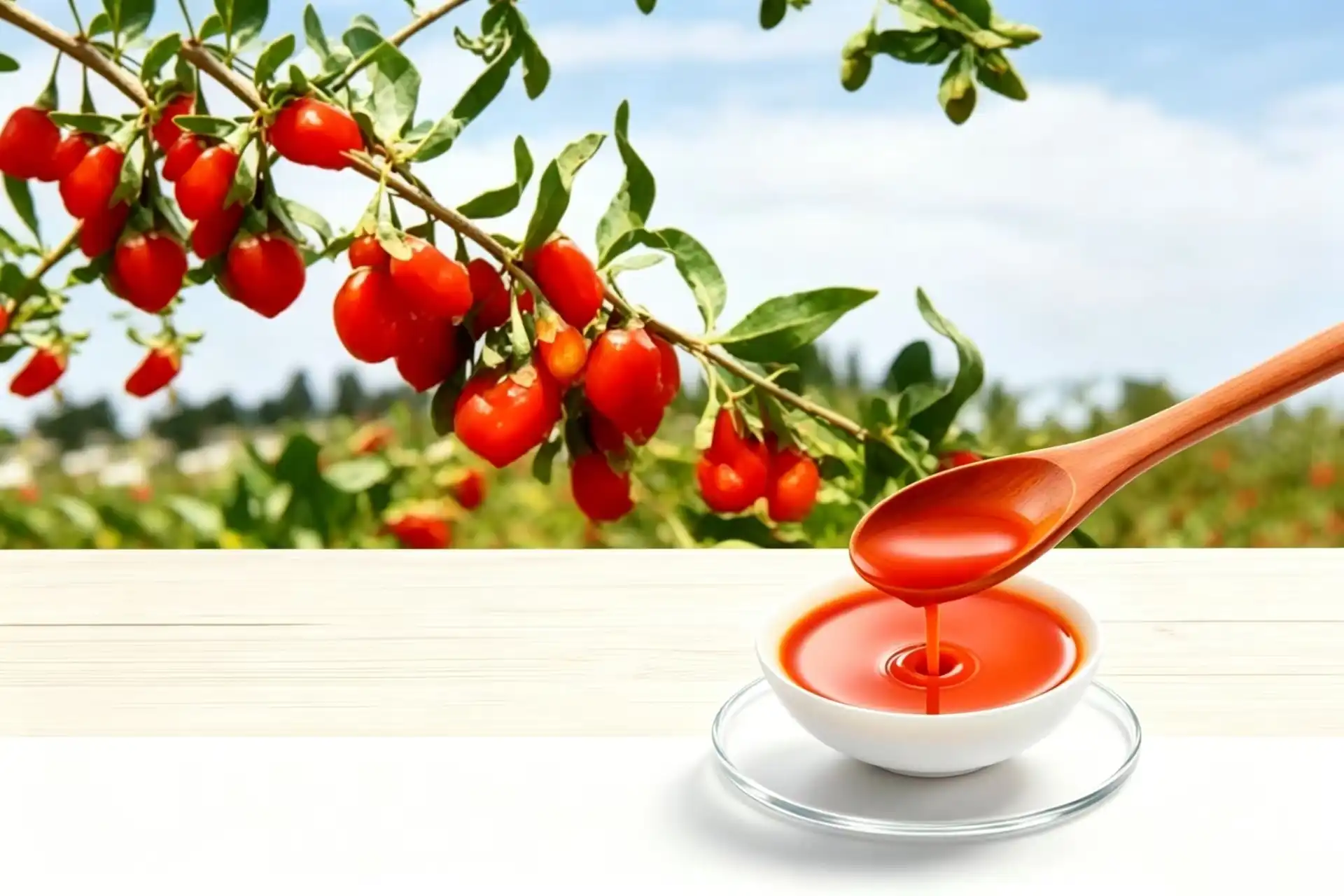
Best Ways to Drink Goji Puree Daily for Health
Incorporating Goji Berry Puree into daily wellness routines offers a concentrated source of bioactive nutrients in a convenient, ready-to-use format. The best methods include direct consumption of 30-60ml servings each morning on an empty stomach, blending it into smoothies with citrus or berries to enhance antioxidant absorption, stirring it into yogurt or oatmeal for a nutrient boost, or diluting it with water or herbal teas for a refreshing functional beverage. Cold-pressed goji puree retains Lycium Barbarum Polysaccharides and zeaxanthin better than dried or powdered forms, making it particularly valuable for formulations targeting immune support, eye health, and skin vitality. These consumption methods preserve the product's integrity while maximizing bioavailability for both end consumers and commercial applications.
Understanding Goji Berry Puree: Nutritional and Health Benefits
What Makes This Ingredient Unique?
Goji Berry Puree is a concentrated liquid form of fresh Lycium barbarum berries. It is different from dried fruits, recovered drinks, or spray-dried powders because it is made by cold pressing the berries. This process keeps the structure of the cells and keeps the amounts of heat-sensitive compounds high. The end result is a thick, red liquid that has at least 15% solids and more than 1% polysaccharides. These properties have a direct effect on how well finished goods work.

Comprehensive Nutritional Profile
Scientists have found that this ingredient has a lot of zeaxanthin dipalmitate, a pigment that is important for eye health, and betaine, which helps the liver work and the metabolism. Studies that were studied by experts have tied the polysaccharide content, which is a key bioactive ingredient, to changing the immune system. The natural vitamin C content also helps make collagen, and rare minerals like zinc and selenium help antioxidant enzymes do their job. The pH range of 3.5 to 4.5 allows for natural preservation while still being gentle enough for formulas that are sensitive.
Validated Health Benefits for Product Development
Several health claims for Goji Berry Puree that are useful for business are backed up by research. Regular use is linked to a stronger immune system through activation of macrophages, which makes it useful for fitness goods that aim to support seasonal health. The high ORAC number means that it can effectively remove free radicals, making it a good choice for anti-aging and skin health products. Studies also show that reducing eye strain can be helpful, which is especially important for people who spend a lot of time in front of a computer. It can be used in functional drinks for people with busy lives or who are tired at work because it helps the energy metabolism with B-vitamin cofactors and amino acids.
Best Ways to Drink Goji Berry Puree Daily: Consumption Methods and Recipes
Direct Consumption Protocol
Taking 30 to 60 ml of the pure extract every morning before food is the easiest way to do it. This time lets the body absorb nutrients best, when the pH of the stomach is just right for taking in polysaccharides. Many commercial goods meant to be taken directly from the container come in single-serve sachets, which keep the product sterile and allow for accurate doses. This method works especially well for nutrition supplements for the elderly or beauty supplements where ease of use is what makes people stick with them.
Blending Into Functional Beverages
By adding the Goji Berry Puree to smoothies, the nutritional value is kept while any strange tastes are hidden from popular customers. When mixed with citrus foods, the vitamin C benefits are amplified, and when mixed with berries, a polyphenol-rich mixture is made. For business growth, a normal mix might have 40ml of the concentrate, 150ml of plant-based milk, half a banana, and a handful of veggies. This makes a balanced nutritional profile that can be used as a meal replacement or as a recovery drink after a workout. The natural thickness also makes the mouthfeel better without the need for extra thickeners.
Incorporation Into Dairy and Fermented Products
By mixing the Goji Berry Puree into yogurt or kefir, you create a prebiotic base that helps the probiotics live. The natural sugars feed good bacteria without adding artificial sugars, which is good for clean-label products. Product designers have been able to successfully add 20 to 30 ml per serving to ideas for Greek yogurt bowls and smoothie bowls. When a product is positioned as an expensive item, the pulp texture makes it look better and gives it more worth.

Dilution for Daily Hydration
By mixing 30ml of concentrate with 250ml of water or herbal tea, you can make a useful drink that is low in calories and can be drunk all day. This method works well in offices and for health-conscious people who want to drink something other than sugary drinks. By adding lemon or mint, you can make it taste better and get more vitamins. This use shows a lot of promise for ready-to-drink forms in the functional beverage area, where consumers care a lot about natural ingredients and clean labels.
Recommended Dosage and Timing Guidance
Based on clinical findings, 30 to 60 ml per day is a good amount of beneficial compounds to take in without worrying about overdosing. If you split your doses between morning and mid-afternoon, you may get the most long-lasting energy effects. These rules should be clearly communicated by procurement teams to make sure that the claims on product labels and customer education materials are correct and in line with safe ways to use the product.
Comparing Goji Berry Puree with Other Goji Products: Making the Right Choice for Your Business
Nutrient Bioavailability Across Product Forms
Bioavailability is the most important thing to look at when comparing different types of goji. The Goji Berry Puree keeps the chemicals in their original form, so it doesn't need as much digestive work as powders that need to be reconstituted. Even though dried berries can be stored for a long time, they lose water, which can change the way some vitamins work when heated. Often, heat is used to make juice concentrates, which lowers the activity of polysaccharides. Cold-pressed Goji Berry Puree is a good compromise between fresh fruit that isn't possible to use and highly processed choices that have too many restrictions.
Commercial Application Considerations
For different production needs, different forms are used. Powders are easier to ship and can be stored at room temperature for longer, but they may need extra processing tools to be evenly mixed with liquids. There is no doubt that juices are convenient, but they often lack the fiber and pulp that make food filling. The thick liquid format works well with current dairy and beverage production lines and keeps its high-end image by making claims about minimal processing. This makes it perfect for brands that want to highlight handmade quality or stories that go from farm to bottle.
Certification Impact on Quality and Market Access
Organic approval has a big effect on both prices and the number of people who can reach the target market. Products with the USDA Organic or EU Organic seal cost more, but they can be sold to health food stores and people who are concerned about their health. With Kosher and Halal licenses, you can reach more customers without having to pay a lot more for your products. When purchasing suppliers, procurement managers should make sure that certifications cover the whole production chain, from getting the raw materials to packing the finished product. This ensures that the suppliers are following the rules and can withstand an audit.
Price-Quality Evaluation Framework
Setting review standards helps you compare products that seem to be similar. Key measures include checking the polysaccharide content with HPLC, getting results from heavy metal screens, counting microbes, and making sure that particle sizes are all the same. Suppliers who give full Certificates of Analysis for every batch show that they have a level of quality control that is required by law. Instead of just selling by number, price per active ingredient unit shows what the real value is. When making effective goods, a slightly more expensive option with confirmed 1.2% polysaccharides works better than a cheaper one with 0.6% content.

Procurement Guide: Finding and Buying Quality Goji Berry Puree in Bulk
Essential Supplier Qualification Criteria
To find trustworthy manufacturing partners, you need to do more than just get quotes. Give providers with ISO 22000 and HACCP certifications more weight because they show they know how to handle food safety systems. Facilities should show proof that they have regular checks by a third party and clear records of how they control quality. Location also matters; sellers close to real farming areas like Ningxia offer better quality raw materials and can be tracked more easily. To make sure the stated capabilities are true, ask to see the building in person or for video footage that shows the production lines, storage areas, and testing labs.
Understanding Price Determinants
Prices for large items are affected by more than just quantity and demand. Costs go up by about 20 to 30 percent when they are certified organic, because of tighter growing rules and licensing fees. When the crops are harvested changes the price; early-season crops fetch higher prices because they are harder to find. The method of transportation has a big effect on the landing costs. For example, sea freight is cheaper for large amounts but takes longer than air freight, which is needed for orders that need to be delivered quickly. For better prices, the minimum order quantity is usually between 500 kg and 2000 kg. However, established providers may be willing to accept smaller initial orders to build relationships.
Logistics and International Shipping Considerations
Cross-border purchasing adds a level of difficulty that needs experienced transportation help. Temperature-controlled shipping keeps goods in good shape while they're in transit, especially for paths that go through equatorial areas. Commercial bills, certificates of origin, phytosanitary certificates, and certificates of approval (COAs) translated into the languages of the target country must all be included in the documentation packages. Knowing about import taxes and possible anti-dumping tariffs keeps costs from going up more than planned. Trustworthy sellers help with customs clearance by giving correct HS code classification and supporting documents that speed up the border processing.
Why Sigma Stands Out as Your Preferred Partner?
Shaanxi Sigma Biotechnology has become a reliable source of Wolfberry Puree by offering a wide range of benefits that solve common problems in the buying process. Our facility keeps 10–20 tons of safety stock on hand so that orders can be filled right away. This cuts down on the long wait times that mess up production plans. We make sure that we follow all the rules in different legal settings by being certified to ISO 9001, ISO 22000, FSSC 22000, and Kosher and Halal standards. We are in Shaanxi province and control the whole value chain, from choosing the raw materials to checking the end quality.
This is called "vertical integration," and it makes sure that each batch is the same and that the source can be found. Our cold-pressing method keeps beneficial chemicals while getting solid content levels above 15% and polysaccharide levels above 1%. These standards were confirmed by thorough HPLC testing. Our clients can take advantage of our flexible OEM/ODM services, which include help with custom formulations. This lets brands make their goods stand out while using our manufacturing knowledge. With global logistics partnerships, we can deliver within 5–7 business days and help with all export paperwork, making foreign deals easier.

Safety and Potential Side Effects of Goji Berry Puree: What Procurement Managers Should Know?
Recognized Adverse Reactions and Contraindications
Even though it is usually thought to be safe, some groups should be extra careful. People who take blood thinners may feel the effects of their drugs stronger because of the natural vitamin K level. Some people have mild digestion problems when they eat a lot of it all at once, probably because of the fiber content. People who are allergic to plants in the Solanaceae family have had responses, though they are rare. To meet their duty-of-care obligations, procurement teams making goods for consumers should include the right warning signs that address these issues.
Dosage Guidelines for Risk Mitigation
Setting clear limits on usage stops misuse and the responsibility that comes with it. Most study methods use 30 to 60 ml per day for adults, which is about 5 to 10 g of dried berries. Going over 100ml every day doesn't add any benefits and might make slight side effects more likely. Label claims for products aimed at specific groups, like pregnant women or children, should be made with the help of healthcare professionals. These steps keep both customers and brands safe from problems that could have been avoided.
Quality Control Measures Ensuring Safety
Comprehensive testing procedures are what make sure that products are safe to buy. ICP-MS testing for heavy metals should show that levels of lead, arsenic, mercury, and cadmium are below EU norms, which are tougher than many regional standards. Agricultural chemical compliance is made sure by checking for pesticide residues that contain more than 500 substances. Microbiological tests for yeast, mold, coliforms, and overall plate count shows that pasteurization worked. Reliable providers give test records that are specific to each batch instead of general certificates, which shows that they keep an eye on everything. Before finalizing deals, procurement managers should ask for these papers, and independent labs should check arriving shipments on a regular basis to make sure that ongoing compliance is being met.
Documentation Supporting Client Education
Clear communication materials help partners further down the chain use goods correctly. Full technical data sheets should have suggested doses, storage conditions, possible drug combinations, and warnings written in simple language that people who aren't technical can understand. Safety data sheets that meet GHS standards make it easier for employers to follow safety rules. Giving brands that use the ingredient sample label language and marketing claim support papers lowers their legal risk. With this set of documents, sellers are no longer just business vendors, but strategic partners.
Conclusion
In order to choose and use high-quality Goji Berry Puree, you need to know about both nutritional science and how to get it. The best ways to take it are those that balance bioavailability, ease of use, and a wide range of uses, such as as a vitamin or an ingredient in complex formulas. When you look at the different types of products, you can see that cold-pressed Goji Berry Puree is better at keeping nutrients and being used in different ways than dried or reheated options.
For buying to go well, it's important to check the qualifications of suppliers, understand what factors affect prices, and set up quality control procedures that make sure that each batch is the same and that regulations are followed. Safety concerns are manageable, but they need clear paperwork and the right kind of buyer advice. Businesses that understand these areas will be able to take advantage of the rising demand from customers for natural health ingredients that work while also building strong supply chains based on partnerships with trusted manufacturers.
FAQ
Q1: How does puree compare to powder for product formulation?
A: Goji Berry Puree is useful for drinks and dairy products because it spreads out evenly without the need for special mixing tools. Powders work well in dry blends like pills or stick packs, but they need to be stored carefully so that they don't lose too much wetness. Bioavailability tests show that the liquid form keeps more of the polysaccharide activity because it is processed less, but powders last longer and cost less to ship. Your preparation needs and the end use should help you make your choice.
Q2: What daily amount supports skin health goals?
A: For research methods that look at skin benefits, 40 to 50 ml is usually used every day for 8 to 12 weeks. This amount of zeaxanthin and polysaccharides is enough to change reactive stress factors that are linked to skin aging. Products that aim to be beautiful from the inside out should give customers fair expectations about how long it will take to see results, usually between 4 and 6 weeks of consistent use.
Q3: Can we source certified organic bulk quantities?
A: Certified organic Goji Berry Puree can be bought from reputable companies that hold either USDA NOP or EU Organic certification. To get organic certification, you have to show that the raw materials come from certified farms and that the processing takes place in approved buildings without using any banned substances. Prices will be 20–30% higher than regular choices, and lead times will be longer because of the way crops grow. Suppliers shouldn't just rely on building certifications; they should give organic labels for each batch.
Partner With Sigma for Premium Goji Berry Puree Supply
When it comes to making health-related goods, Shaanxi Sigma Biotechnology gives brands the quality stability and supply reliability they need. We take away legal uncertainty in foreign markets because we are a well-known producer with a wide range of certifications, such as ISO 22000, HACCP, Kosher, and Halal. Our cold-pressed Goji Berry Puree has more than 1% polysaccharides and meets strict EU heavy metal standards, which were confirmed by testing each batch separately. With 10–20 tons of ready stock and shipping times of 5–7 days, production delays can be avoided instead of being unavoidable.
Procurement managers and product creators are welcome to ask for samples and talk about their needs for unique formulations. Get in touch with sarah@sxsigma.com to learn more about how our full-service approach, which includes technical help and logistics coordination, can turn finding ingredients from a problem into a competitive edge. Find out why some of the biggest names in healthy drinks and supplements choose Sigma as their provider.
References
1. Chang, S.K., & Alasalvar, C. (2016). Goji berry phytochemicals and their health-promoting properties. Journal of Functional Foods, 25, 186-203.
2. Amagase, H., & Farnsworth, N.R. (2011). A review of botanical characteristics, phytochemistry, clinical relevance in efficacy and safety of Lycium barbarum fruit. Food Research International, 44(7), 1702-1717.
3. Bucheli, P., Vidal, K., Shen, L., Gu, Z., Zhang, C., Miller, L.E., & Wang, J. (2011). Goji berry effects on macular characteristics and plasma antioxidant levels. Optometry and Vision Science, 88(2), 257-262.
4. Masci, A., Carradori, S., Casadei, M.A., Paolicelli, P., Petralito, S., Ragno, R., & Cesa, S. (2018). Lycium barbarum polysaccharides: extraction, purification, structural characterisation and evidence about hypoglycaemic and hypolipidaemic effects. Food Chemistry, 254, 377-389.
5. Yao, R., Heinrich, M., & Wang, Z. (2018). Quality control of goji berry products: compositional variability and HPLC standardization approaches. Phytochemical Analysis, 29(4), 340-349.
6. Zhang, Q., Chen, W., Zhao, J., & Xi, W. (2016). Functional constituents and antioxidant activities of eight Chinese native goji genotypes. Food Chemistry, 200, 230-236.
L-carnosine benefits for anti-aging
L-Carnosine Powder delivers powerful anti-aging benefits through its unique anti-glycation mechanism, which directly intercepts the formation of Advanced Glycation End-products (AGEs) that accelerate cellular senescence and protein cross-linking. This naturally occurring dipeptide, composed of beta-alanine and L-histidine, functions as both a potent antioxidant and pH buffer within cellular environments. Its ability to protect functional proteins from carbonyl damage makes it indispensable for cosmeceutical formulations targeting mature skin concerns such as loss of elasticity, dullness, and visible aging. The powder form offers superior formulation flexibility and bioavailability compared to encapsulated alternatives, enabling precise dosing control for manufacturers developing high-performance anti-aging products across nutraceutical, cosmetic, and functional food applications.
Understanding L-Carnosine Powder and Its Anti-Aging Properties
L-Carnosine Powder is a pure solid dipeptide that is naturally found in high amounts in human heart tissue, skeletal muscle, and brain structures. Its molecules are made up of beta-alanine and L-histidine, which together make a substance that has many biological functions other than just being an antioxidant. When compared to capsule or tablet forms, the powder form is better for industrial manufacturing because it has a white crystalline look and can dissolve in water at normal temperature at levels higher than 200 mg/mL.

The Anti-Glycation Mechanism
L-Carnosine's main anti-aging effect comes from the way it sacrifices itself when it interacts with reducing sugars and unstable carbonyl species. In living things, these chemicals react with amino groups on proteins to make AGEs. These AGEs build up in dermal collagen and make skin stiffer, discolored, and less able to do its job as cells. L-Carnosine fights with proteins in the body for these glycating agents. It forms carnosine-carbonyl adducts that can be broken down and flushed out of the body. This defense system keeps the structure of collagen and elastin networks intact, which keeps the skin flexible and strong.
Antioxidant and Metal-Chelating Properties
In addition to fighting glycation, L-Carnosine is a powerful antioxidant that works in a number of different ways. It can directly remove reactive oxygen species thanks to its imidazole ring structure, and it can also hold pro-oxidant transition metals like copper and zinc. This stops Fenton-type processes that make hydroxyl radicals, which protects DNA and cell walls from oxidative harm. The compound's dual action targets two major ways that cells age at the same time.
Clinical Evidence for Skin Health
Research shows that L-Carnosine can improve the look, feel, and hydration of the face. Studies have shown that applying and swallowing the drug can reduce the depth of wrinkles and increase the stiffness of the dermis. The compound's ability to keep the pH level inside cells stable by buffering at normal pH (pKa = 6.83) helps enzymes work properly and cells use energy efficiently. These qualities make Carnosine very useful for formulas that aim to treat photoaged skin and the shrinking of dermal tissue that comes with getting older.
Comparative Analysis of L-Carnosine Powder in the Anti-Aging Market
When procurement teams look at L-Carnosine Powder, they need to know how it compares to other ingredients and delivery forms. There are many compounds in the anti-aging ingredient field that promise to be antioxidants or anti-glycation, but not many that show L-Carnosine's full mechanism of action and safety profile. Even though beta-alanine helps muscles make carnosine, it doesn't have the same rapid accessibility or ability to affect more than one target as the full dipeptide. Standalone antioxidants, like vitamin C or resveratrol, fight oxidative stress but don't protect against protein harm caused by glycation.
Powder Form Versus Capsules
For business-to-business (B2B) uses, the powder version has big benefits. Capsulated carnosine needs extra steps in the production process that raise prices and limit the variety of formulations that can be used. Powder lets makers make exact changes to dosing, makes it easier to mix with ingredients that work well together, and lets them create their own delivery methods. When it comes to cosmetics, mixing powder into creams, serums, or masks works much better than trying to mix pill contents in. The absorption profile stays the same or better when the powder is made correctly with the right additives.

Synthetic Versus Naturally Derived Options
Manufacturers have to weigh the pros and cons of both manufactured production and natural source extraction. When the right processing steps are followed, high-quality synthetic L-Carnosine Powder made through controlled peptide synthesis can be made with less than 1% endotoxin and heavy metal contamination. Some market groups may be interested in natural extraction from animal tissues, but there are worries about supply chain sustainability, variations in purity, and the risk of contamination. Synthetic routes provide better stability from batch to batch, which is important for meeting legal requirements and product performance standards.
Price-Quality Landscape
There are big price differences in the L-Carnosine Powder market because of variations in purity, approval status, and source dependability. Premium material that meets USP or EP outline standards costs more but makes sure that pharmaceutical and cosmetic laws are followed. Alternatives that are less expensive might not be as pure, have higher amounts of leftover solvent, or not have enough paperwork. Costs and quality standards must be balanced in procurement strategies, with the knowledge that missing ingredients can make the finished product less effective and cause regulatory problems that are much more expensive than the initial savings.
How to Integrate L-Carnosine Powder in Your Anti-Aging Product Line?
To make a good product with L-Carnosine Powder, you need to pay attention to formulation chemistry, storage issues, and following the rules. The compound's technical qualities make it possible for it to be used in a wide range of products, from oral supplements to cosmetics that are applied to the skin, as long as makers know how to use it correctly and how it might react with other ingredients.
Recommended Dosages and Specifications
Oral pills that claim to slow down aging usually need daily doses of 200 mg to 1,000 mg, but this depends on the product's placement and its intended results. For topical uses, finished formulas with concentrations between 0.5% and 5% are used. For intense treatment products, higher levels are used. Purity levels should be at least 99%, as measured by HPLC, with no more than 10 parts per million of heavy metals and less than 0.5% loss when dried. These criteria make sure that the quality of the material meets worldwide standards for cosmetics and food supplements.
Synergistic Ingredient Combinations
Adding complementary bioactives to L-Carnosine makes the anti-aging benefits stronger through processes that work together or add to each other. When combined with vitamin E or coenzyme Q10, antioxidant defense is increased, and hyaluronic acid helps keep the skin moist in topical formulas. Combinations of niacinamide work on several aging processes at the same time, boosting barrier function and lowering glycation levels. Alpha-lipoic acid sets up a full metabolic support system that raises energy output in cells and lowers reactive and glycative stress.
Stability and Shelf Life Considerations
L-Carnosine Powder is very stable when kept in the right way, in sealed cases at cool temperatures, away from moisture and direct light. The compound's solid form keeps it from breaking down, so it stays effective for 24 months, which is the normal shelf life. To keep a formulation stable, you need to carefully control the pH, since conditions that are too acidic or alkaline can damage the dipeptide link over time. Testing for compatibility with other ingredients in the recipe stops unexpected reactions that could hurt the performance or safety of the product.

Best Practices for Purchasing and Sourcing L-Carnosine Powder
L-Carnosine Powder must be strategically procured, which necessitates careful source selection, thorough quality control, and effective supply chain management. When the quality of an ingredient fails, it can affect more than just the production process. It can also lead to legal violations, product recalls, and damage to the brand's image. Procurement teams need to use organized methods that lower danger and increase cost-effectiveness.
Identifying certified suppliers begins with verification of manufacturing credentials including ISO 9001, ISO 22000, HACCP, and any regional certifications that are needed, like FDA registration for goods going to the US. These certificates show that you can handle quality in a systematic way and follow the rules. Suppliers who offer extra licenses like Kosher, Halal, or organic status give you more market options, so you can place your products for a wider range of customers. Asking for full technical documents like Certificates of Analysis, MSDS, allergen statements, and microbial testing results shows that the seller is honest and has the technical know-how.
Bulk Purchasing Strategies
Long-term supply deals that ensure availability and stable prices are good for manufacturers whose production rates stay the same. When you buy bulk L-Carnosine Powder, you usually need to order at least 25 kg or 100 kg. If you buy more, you save money because the price drops. Negotiating flexible payment terms, exchange inventory deals, or vendor-managed inventory programs can help you get the most out of your cash flow while keeping production going. Custom packing choices, such as nitrogen-flushed containers or special labels, can be used to meet specific handling and legal needs.
Quality Verification Protocols
In addition to getting approvals from suppliers, procurement teams should test arriving materials in a third-party lab to make sure the quality is independent. Spectroscopic methods should be used to confirm identity, HPLC should be used to confirm purity, and heavy metals, microbes, and leftover solvents should be screened for. Setting acceptable quality standards for key parameters and checking each batch before releasing it for production stops bad materials from getting into the production process. Keeping scorecards for suppliers that keep track of quality measures, shipping performance, and responsiveness lets you handle suppliers based on data and make improvements all the time.

Future Trends and Innovations in L-Carnosine Powder for Anti-Aging
The market for L-Carnosine Powder is always changing because of new science discoveries, new rules, and changing buyer tastes. L-Carnosine is being studied to learn more about its biological roles in areas other than skin health, such as brain function, workout ability, and metabolic health. These findings open up new ways for companies to make wellness goods that deal with a lot of different issues linked to getting older at the same time. Neuroprotective effects seen in preclinical studies suggest that cognitive health vitamins could help slow down the mental loss that comes with getting older.
New developments in delivery technology offer better bioavailability and more precise tissue spread. The goal of developing liposome encapsulation, nanoparticle carriers, and transdermal delivery methods is to increase the amount of L-Carnosine that reaches its target spots while lowering the doses that need to be administered. These improvements in technology make it possible to market high-end products with different claims about their effectiveness, backed up by better ways to deliver them. Procurement strategies should keep an eye on these new developments because sellers with improved delivery-ready forms may have a competitive edge, even if they charge more.
More and more governmental scrutiny of global markets shows how important it is to have proactive compliance methods. Changing rules about cosmetics in the EU, strict rules about supplements in the US, and new rules in Asian markets mean that providers need to show they can help with all kinds of laws. Manufacturers should make it a priority for providers to provide full regulatory paperwork, advance notice of changes to regulations, and expert support with the product registration processes. This partnership method lowers the risks of not following the rules and speeds up the time it takes for new products to hit the market.
Conclusion
L-Carnosine Powder is a financially viable ingredient that has been scientifically proven to help make anti-aging goods that are competitive in the nutraceutical, cosmetic, and functional food categories. It stops sugar from building up in cells in a unique way, and its antioxidant and metal-chelating qualities stop basic aging processes at the molecular level. To be successful at procurement, you need to balance a lot of things, such as purity requirements, seller credentials, legal compliance, and the dependability of the supply chain. Manufacturers who use strict methods for evaluating suppliers, expect full quality documentation, and keep track of their inventory strategically can take advantage of the growing market demand for anti-aging products that are based on proof. Changing rules and new technologies in delivery systems create both problems and chances that benefit buying strategies that are strategic and well-informed.
FAQ
Q1: What purity level should I specify when sourcing L-carnosine powder for commercial formulations?
A: For pharmaceutical-grade or cosmetic uses, manufacturers should say that the quality must be at least 99%, which can be checked with HPLC. This makes sure that there is enough of the active ingredient and not too many of the impurities that could make the product unstable or unsafe. Lower purity grades might work for some food uses, but they make claims of effectiveness less reliable.
Q2: How does L-carnosine powder compare to capsule forms for B2B applications?
A: Powder gives you more control over the formulation, more accurate doses, and lower costs per unit for large production. Capsules need more work to be done on them, but they are useful in some situations. Powder is preferred by most B2B buyers because it can be used in a wide range of product types, such as drinks, topicals, and custom supplement mixes.
Q3: What certifications should I require from L-carnosine powder suppliers?
A: For managing quality and food safety, ISO 9001, ISO 22000, or HACCP certificates are necessary. Depending on the market you want to reach, you may need to ask for FDA registration, EU beauty compliance paperwork, Kosher, Halal, or organic certifications. All packages should come with full COA, MSDS, and allergen warnings.
Partner With Sigma for Premium L-Carnosine Powder Supply
Shaanxi Sigma Biotechnology is a reliable producer of L-Carnosine Powder. They offer ultra-high purity grade material with 99% active ingredient concentration and are approved by ISO, HACCP, and Kosher. Our unique cleaning process gets rid of toxins and heavy metal residues that are much lower than the standards set by the international industry. This meets the highest quality standards for use in cosmetics and health products. We keep a large amount of extra stock on hand so that we can send within 5 to 7 business days.
Our flexible global operations and thorough customs documentation make this possible. Our expert team helps with formulation, gives you full regulatory paperwork like COA and MSDS, and makes sure that the specs you need for product development are exactly what you need. We offer reasonable prices and consistent quality because we are a fully integrated producer and supplier with decades of experience in botanical extraction. Email our sourcing specialist Sarah at sarah@sxsigma.com to ask for samples, talk about buying in bulk, or look into OEM/ODM partnership opportunities that could speed up the development of your anti-aging product.
References
1. Hipkiss, A.R. "Carnosine and Its Possible Roles in Nutrition and Health." Advances in Food and Nutrition Research, vol. 57, 2009, pp. 87-154.
2. Boldyrev, A.A., et al. "Physiology and Pathophysiology of Carnosine." Physiological Reviews, vol. 93, no. 4, 2013, pp. 1803-1845.
3. Pepper, E.D., et al. "Carnosine and Age-Related Disorders: A Systematic Review." Nutrients, vol. 11, no. 9, 2019, pp. 2049-2070.
4. Menon, K. and Mousa, A. "The Relationship Between L-Carnosine and Human Skin Aging: A Review." International Journal of Cosmetic Science, vol. 42, no. 3, 2020, pp. 221-228.
5. Barski, O.A., et al. "Dietary Carnosine Prevents Early Atherosclerotic Lesion Formation in Apolipoprotein E-Null Mice." Arteriosclerosis, Thrombosis, and Vascular Biology, vol. 33, no. 6, 2013, pp. 1162-1170.
6. Zhao, J., et al. "Advanced Glycation End Products and Options for Their Removal." Applied Biochemistry and Biotechnology, vol. 175, no. 7, 2015, pp. 3388-3396.
- 1
- 21
- 22
- 23
- 24