Pine Bark vs Grape Seed Extract: Which Is Better for Skin?
When people talk about plant antioxidants for skin care products, maritime pine bark and grape seed extracts are often at the center of the discussion. Both have strong antioxidant properties thanks to oligomeric proanthocyanidins (OPCs), but they are not the same in terms of chemical makeup, bioavailability, or clinical proof. When B2B sourcing teams look at raw materials for cosmeceutical or nutraceutical uses, knowing these differences affects how well the product works, how well it meets legal requirements, and how well it positions itself in the market. New studies show that Pine Bark Extract, especially when standardized to ≥95% OPCs, is more stable in water-soluble systems and has better anti-glycation qualities than grape seed versions. This is making it a more popular choice for high-tech anti-aging products.
Comprehending Pine Bark Extract and Its Skin Benefits
For hundreds of years, people have used maritime pine bark, which comes mostly from Pinus pinaster trees grown along the southwest coast of Europe, for health purposes. Modern extraction methods use ethanol to separate and concentrate beneficial chemicals, creating a fine reddish-brown powder that is high in proanthocyanidins, flavonoids, phenolic acids, and catechin derivatives.
Extraction and Standardization
To make it, the inner bark has to be collected and then controlled ethanol extraction is done at a low temperature to protect heat-sensitive flavonoids. Advanced separation methods make sure that each batch has the same character, and HPLC tests show that high-quality goods have OPC amounts above 95%. This standardization solves a big problem that formulation chemists have: differences between batches that can hurt the effectiveness of the product and mess up regulation paperwork.
Mechanisms of Skin Protection
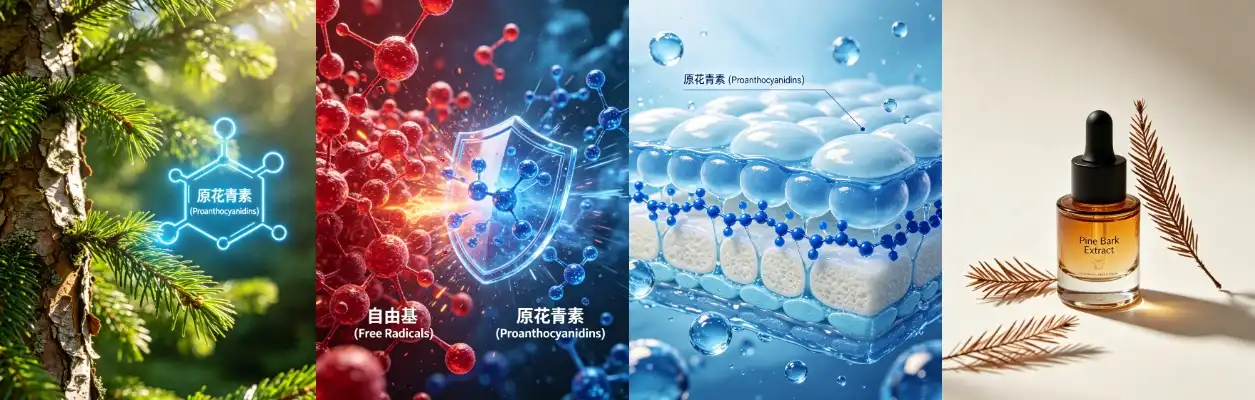
Pine Bark Extract OPCs can quickly pass through the skin's defenses and circulate throughout the body because of the way their molecules are structured. These chemicals balance out reactive oxygen species that are made by UV light, pollution, and body processes. Clinical studies have shown that the skin's suppleness improves, hyperpigmentation goes down, and microcirculation in the facial layers gets better. The extract stops matrix metalloproteinases from working, which are enzymes that break down collagen. This keeps the extracellular matrix's structure intact.
Formulation Versatility for B2B Applications
The fact that pine bark extract dissolves easily in water makes it easier to use in a variety of delivery methods. For companies that make food supplements, it can be put into veggie capsules or mixed into powdered forms without changing how well the supplement flows. It is used by cosmetic companies in serums, creams, and mouth products that fight oxidative stress and photoaging. The extract is stable across a range of pH levels and works well with common stabilizers. This makes reformulation easier and speeds up the time it takes to get new products on the market.
Overview of Grape Seed Extract and Its Skin Benefits
Grape seed extract is one of the most well-known plant antioxidants in the nutraceutical industry. It comes from Vitis vinifera seeds, which are a leftover of making wine. It is widely used because a lot of study has shown that it is good for your skin and heart. Similarly, Pine Bark Extract is gaining popularity for its antioxidant properties, offering similar benefits for overall health and well-being.
Bioactive Profile and Extraction
There are different types of oligomeric and polymeric proanthocyanidins in grape seed extract, and their molecular weights change depending on how it was processed. When ethanol or water are used for solvent extraction, concentrates that are standardized to OPC levels usually fall between 85% and 95%. Its many biological activities are helped by the fact that it contains gallic acid, epicatechin, and procyanidin B2.
Clinical Evidence for Skin Health
Dermatology journals have published studies that show grape seed extract can help fibroblasts multiply and collagen production happen. These are two important processes for wound healing and tissue repair. Its photoprotective features stop erythema from appearing after UVB exposure, which suggests that it could be useful in addition to sunscreens that you put on your skin. ORAC numbers constantly show that grape seed is one of the best natural compounds for antioxidant action, which is why it is used in high-end skin care products.
Market Position and Regulatory Status
In the United States, grape seed extract is generally recognized as safe (GRAS). In Europe, it has been approved by set guidelines. This clear regulation makes it easier for companies that sell goods in other countries to import goods and make label claims. The ingredient has been used commercially for a long time, which helps procurement teams reduce risk when they are looking at source reliability and quality paperwork.
Pine Bark Extract vs Grape Seed Extract: A Comparative Analysis for Skin Applications
When choosing between these botanical extracts, you need to look beyond the marketing hype and focus on performance measures that are important to manufacturing and clinical results.
Antioxidant Potency and Mechanism
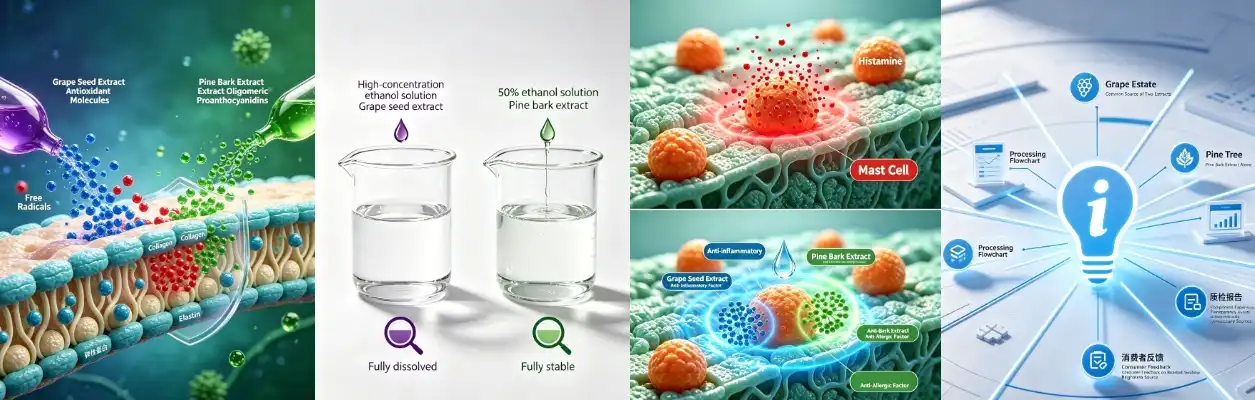
Both products can get rid of free radicals, but there are small changes in how their molecules interact with each other. Pine Bark Extract OPCs have a better ability to attach to collagen and elastic fibers, which could make them more resistant to breakdown by enzymes. Polymeric proanthocyanidins in grape seed have a wider range of antioxidant activity, but because they are bigger molecules, they may not be as bioavailable. Comparative ORAC testing shows numbers that are similar, but the findings depend on the settings of the test, so direct comparisons are not always possible.
Anti-Inflammatory and Anti-Glycation Properties
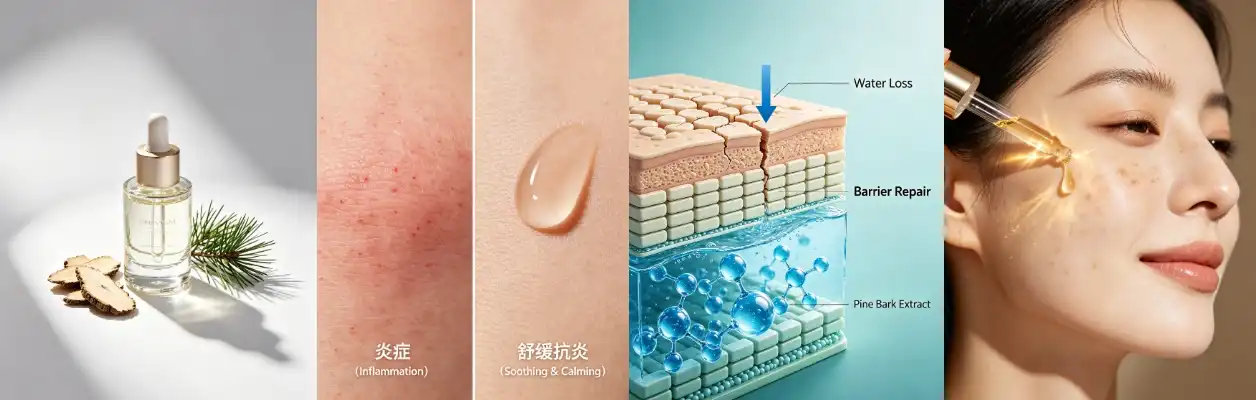
Advanced glycation end products (AGEs) make the skin older by creating cross-links that make the dermal tissue stiffer. Pine bark extract is especially good at stopping glycation reactions, which is a method that hasn't been studied as much for grape seed versions. For products aimed at older skin types, where glycation prevention is a key value offering, this difference is important. Both extracts change inflammatory markers, but in slightly different ways. This suggests that they might work better together in complex combinations.
Solubility and Stability of the Formulation
According to the technical details, pine bark extract dissolves completely in water at amounts as high as 10%, keeping the water clear without precipitating. Some types of grape seed extract, especially polymeric parts, may need solubility boosters or be slightly cloudy in some pH ranges. This edge in solubility speeds up production and lowers the cost of products, whether they are used in drinks or clear gels. Storage stability testing under fast conditions shows that both extracts stay effective when sealed and kept in cool, dry places for 24 months, which is what global wholesalers expect.
Regulatory and Safety Considerations
Safety databases, such as EFSA and FDA GRAS warnings, have full toxicological details for both ingredients. There are still not many reasons not to use it, but reactions with blood thinners should be listed on the product label. Sourcing is very important for businesses that want to get organic certification. For example, getting USDA Organic certification for pine bark extract gives them access to high-end markets and helps with clean label messaging strategies that consumers are increasingly asking for.
Procurement Considerations for B2B Buyers: Selecting the Optimal Extract for Skin Products
Effective buying includes more than just unit price. It also includes the stability of the supply chain, quality assurance procedures, and the chance to work together with suppliers.
Quality Verification and Certification
Suppliers you can trust will give you a lot of paperwork, like Certificates of Analysis (COA), heavy metal screening, chemical residue tests, and microbial contamination reports. ISO 22000 and HACCP licenses show that quality management is being done in a planned way, which lowers the risk of batch rejects or problems with the law. Verification by a third party through independent labs boosts trustworthiness, especially when joining markets with strict rules, like the European Union or Japan. For pharmaceutical-grade uses that need higher purity levels, asking for DMF (Drug Master File) paperwork is helpful.

Supply Chain Stability and Lead Times
The supply of ingredients affects when to make things and how to keep track of supplies. When suppliers keep 10–20 tons of safety stock on key SKUs, they can fill orders within 5–7 business days, which keeps production from being held up during busy times. Knowing the growing seasons and where to get the raw materials—whether they are European maritime pine, Chinese red pine varieties, or Pine Bark Extract—can help you plan for changes in yearly supply. Setting up dual-source plans lowers the risks that come with regional weather events or political problems that affect certain supply routes.
Cost Structure and Contract Terms
Tiered pricing is often possible through bulk buying deals, but the minimum order quantities must match the amount of space available and the rate at which the inventory is sold. Instead of just looking at FOB prices, you need to take into account import taxes, freight logistics, and storage costs to get the total landed cost. Formulation teams can test for stability and compatibility before signing long-term contracts thanks to flexible payment terms and trial order options. OEM partnerships that offer custom specs, like certain particle sizes or custom standardization ratios, are useful for brands that want to make their products stand out.
Case Studies and Industry Applications: Successful Use of Pine Bark and Grape Seed Extracts in Skin Care
Understanding how top companies use these plants to make money and get trial approval is shown in this practical application insight.
A European nutraceutical business changed the ingredients in its anti-aging supplement line from grape seed to pine bark extract after customer comments showed that the new recipe made skin look better within 60 days. Because the powder was similar, the move didn't require many changes to the pill filling equipment that was already in use. However, it did lead to a rise in return purchases because people thought the product worked better. Their product got certified by the Clean Label Project, which helped it stand out in North American health food stores.
In a different example, an American cosmeceutical brand is creating a combination mouth and external skin care system. In clinical studies, putting 150 mg of pine bark OPCs into your mouth every day along with a 2% concentration serum on your face showed better skin hydration and wrinkle depth data than using either treatment alone. The procurement team wanted to create intellectual property around new transport methods, and this two-pronged approach met their goal. It also used ingredients with well-known safety profiles, which sped up regulatory applications.
Contract makers say that there is a growing need for private label formulations that include both extracts in amounts that work well together. The different ways that pine bark and grape seed work to fight aging are used in these mixes. Pine bark binds collagen, and grape seed has a wider range of antioxidants. Formulation experts suggest pine bark to grape seed ratios between 2:1 and 3:1, depending on the target audience and price point. Higher pine bark percentages support premium product tiers that highlight advanced anti-glycation benefits.
Conclusion
Finding the best extract rests on specific formulation goals, target groups, and manufacturing skills, not on which one is generally better. When it comes to water solubility, anti-glycation effectiveness, and collagen matrix protection, Pine Bark Extract has clear benefits that make it ideal for advanced anti-aging uses and clear delivery systems. For broad-spectrum antioxidant support, grape seed extract has been shown to be useful in many situations, has a lot of clinical evidence, and is a good value. To make sure that the ingredients they choose are in line with product development goals and market needs, procurement experts look at technical specifications, supplier quality systems, legal compliance, and clinical proof.
FAQ
Q1: Can pine bark and grape seed extracts be safely combined in formulations?
A: When you mix these products, they often work better together because their effects work in different ways that support each other. The collagen-binding qualities of pine bark and the wider range of antioxidants in grape seed make for complete skin protection. Testing the stability of the formulation is important to make sure that it works well with certain delivery methods. However, both extracts usually work well together without any negative effects or precipitation problems as long as the total amount of polyphenols stays within the suggested concentration ranges.
Q2: What dosage ranges are recommended for skin health applications?
A: Clinical studies usually use 100–200 mg per day of measured OPC substance (≥95% purity) as an oral supplement to improve skin health. Topical uses include extract concentrations of 1% to 3% in serums and creams, with higher numbers kept for intense treatment products. Dosing should be based on bioavailability data and the formulation context, since the efficiency of the delivery system has a big impact on the effective dose needed and how the customer sees the results.
Q3: How does organic certification impact procurement decisions?
A: Getting certified as USDA Organic or EU Organic gives you access to the clean beauty and natural goods markets, which are growing quickly. These markets have high price power because of regulations and how people feel about them. For organic certification, the whole growing and processing process has to be able to be tracked. This can lead to higher raw material costs, but they are often balanced out by better market positioning and brand alignment with sustainability values that are becoming more important to distribution partners and end consumers in developed markets.
Partner with Sigma for Premium Pine Bark Extract Solutions
Shaanxi Sigma Biotechnology Co., Ltd. has ISO, HACCP, and USDA Organic approvals, as well as a lot of quality paperwork for pharmaceutical-grade uses. Our Pine Bark Extract has at least 95% OPC, which was confirmed by HPLC analysis. It comes as a fine, reddish-brown powder that dissolves in water and can be used right away in vitamin and cosmetic formulas. We help procurement teams that need reliable botanical extract sources by keeping extra stock on hand to ensure delivery within 5 to 7 days and by offering adjustable OEM/ODM services that can meet special needs. Every relationship comes with technical tools like stability data, formulation instructions, and regulation support materials. Email sarah@sxsigma.com to get COA samples and talk about your needs with our applications team, which focuses on natural antioxidant solutions for skin health markets around the world.
References
1. Rohdewald, P. (2015). "Review on Sustained Relief of Osteoarthritis Symptoms with a Proprietary Extract from Pine Bark, Pycnogenol." Journal of Medicinal Food, 18(1), 1-4.
2. Bagchi, D., Bagchi, M., Stohs, S.J., et al. (2000). "Free Radicals and Grape Seed Proanthocyanidin Extract: Importance in Human Health and Disease Prevention." Toxicology, 148(2-3), 187-197.
3. Ni, Z., Mu, Y., & Gulati, O. (2002). "Treatment of Melasma with Pycnogenol." Phytotherapy Research, 16(6), 567-571.
4. Preuss, H.G., Wallerstedt, D., Talpur, N., et al. (2000). "Effects of Niacin-bound Chromium and Grape Seed Proanthocyanidin Extract on the Lipid Profile of Hypercholesterolemic Subjects: A Pilot Study." Journal of Medicine, 31(5-6), 227-246.
5. Grimm, T., Schäfer, A., & Högger, P. (2004). "Antioxidant Activity and Inhibition of Matrix Metalloproteinases by Metabolites of Maritime Pine Bark Extract (Pycnogenol)." Free Radical Biology and Medicine, 36(6), 811-822.
6. Yamakoshi, J., Saito, M., Kataoka, S., & Kikuchi, M. (2002). "Safety Evaluation of Proanthocyanidin-rich Extract from Grape Seeds." Food and Chemical Toxicology, 40(5), 599-607.


_1776308368292.webp)