Where to Buy Bovine Bone Peptide for High-Quality Supplements
If you're sourcing bovine bone peptide for joint, bone, or sports recovery supplements, the right supplier can define your product's performance in the market. Bovine bone peptide—derived from enzymatic hydrolysis of bovine bone ossein—delivers Type I collagen peptides at molecular weights ≤3000 Da, offering absorption rates that native collagen simply cannot match. This guide walks through what to look for, how to compare ingredients, where to buy in bulk, and how to verify compliance before committing to a supplier.
Understanding Bovine Bone Peptide and Its Applications
What It Is and Where It Comes From
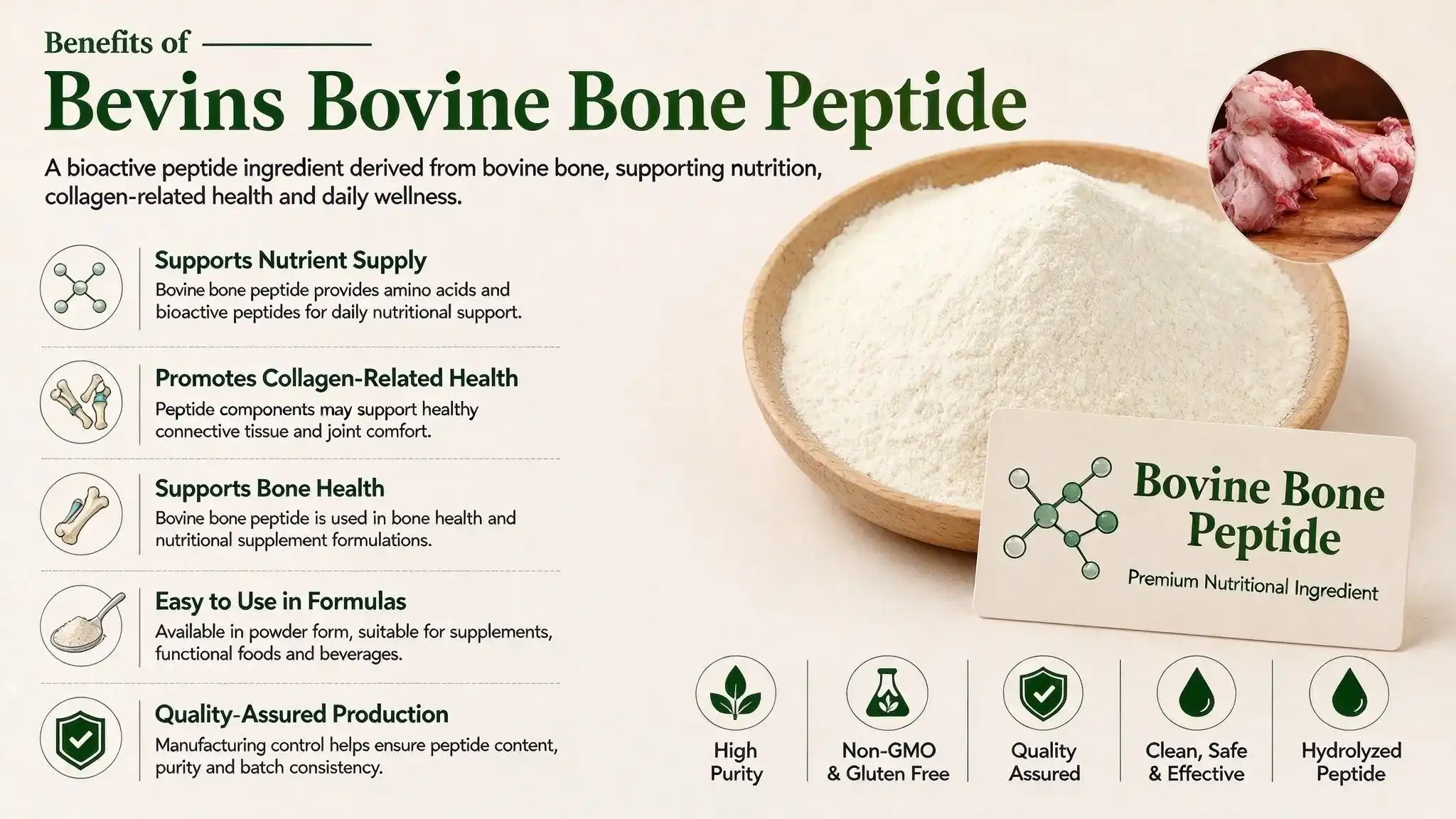
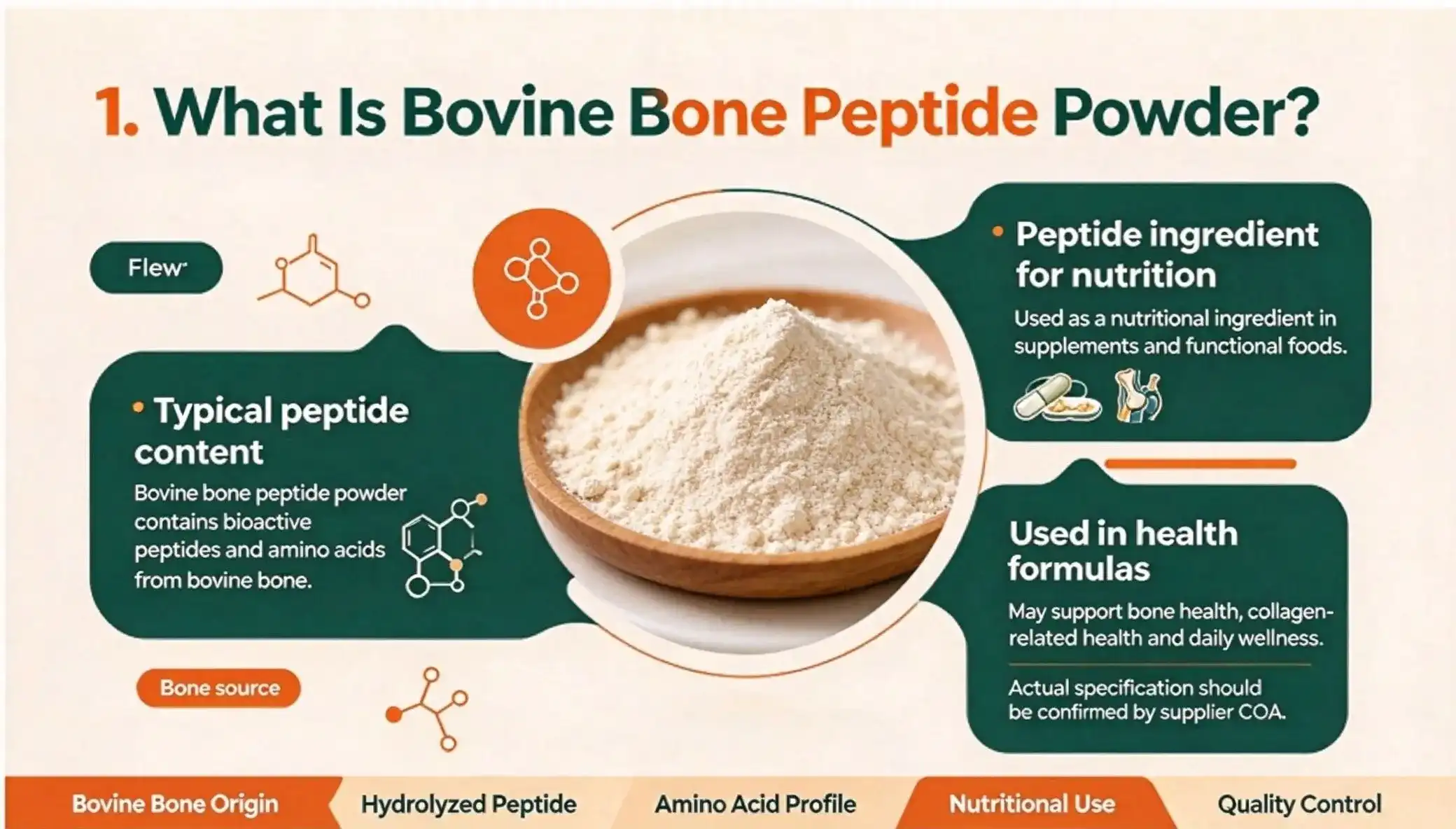
In controlled enzymatic conditions, the protein matrix of bovine bones is broken down to make bovine bone peptide. The end result is a fine, light yellow powder made up of short-chain amino acid sequences—mostly Glycine, Proline, and Hydroxyproline—whose molecular weights are all less than 3000 Da. This molecular structure lets the intestines absorb the di- and tri-peptides directly, bypassing the digestion hurdles that stop native collagen from working.
Documented Health Benefits
Hydrolyzed bovine bone peptides help osteoblasts grow, cartilage matrix production happen, and bone mineral density stay the same, according to clinical studies published in journals like Bone and Nutrients. Hide-derived collagen is sold for cosmetic use, but bone-sourced peptides contain bioactive calcium and phosphorus co-factors that specifically target skeletal tissue.
B2B Applications Across Formats
Bovine bone peptides are used in capsules, tablets, powders, and functional drinks made by supplement companies. Because it doesn't thicken much in cold water and stays stable between pH 2.0 and 10.0, it can be used in sports recovery drinks and clinical nutrition shots where clear formulation is important. This ingredient is often a top choice for OEM clients making private-label joint or bone health goods because it has a strong market positioning.
Key Criteria for Choosing High-Quality Bovine Bone Peptide
Purity and Molecular Weight Distribution
A basic requirement for procurement-grade bovine bone peptide material is that it has a protein content of at least 90% and peptide chains that are less than 3000 Da, which can be proven by HPLC analysis. The amount of hydroxyproline in bone collagen hydrolysate can be used as a chemical fingerprint to tell it apart from cheaper fillers like soy protein isolate or blended gelatin.
Before accepting a seller, purchasing managers should ask for the following core technical requirements:
- Protein content: ≥90%, with moisture ≤7% and ash ≤3%
- Molecular weight: ≤3000 Da distribution, with premium grades available below 1000 Da for faster absorption
- Mesh size: 80 mesh minimum for consistent dispersion in powder blends
- Heavy metals: Lead ≤0.5 mg/kg, Arsenic ≤0.3 mg/kg, Mercury ≤0.1 mg/kg
- Microbiology: Total plate count <1000 CFU/g; E. coli and Salmonella absent
These specifications are the industry floor, not a premium. If a seller can't give you a third-party Certificate of Analysis for each batch, they shouldn't make it past the first round of screening.
Certifications That Matter
Purchasing managers who sell to markets in the US, EU, and Middle East need certification coverage for all of these markets. Check the status of ISO 22000, HACCP, HALAL, and KOSHER at the very least. For FDA and EFSA-regulated markets to be in compliance with the rules, products must have BSE/TSE-Free certificates with source documentation that can be tracked.
Customization Capability
The peptide makeup needs to be different for each preparation. Reliable suppliers offer a range of molecular weight targets, such as sub-1000 Da fractions for medical uses, as well as defatting and decalcification process options. They also offer batch size flexibility, ranging from trial quantities (50–100 kg) to annual contract volumes.
Comparing Bovine Bone Peptide with Alternative Ingredients
Versus Marine Collagen Peptides
Marine collagen is mostly Type I collagen that comes from the skin or scales of fish. It has good solubility data for use on the skin, but it doesn't have the hydroxyapatite and calcium-phosphorus framework that are found in bone-sourced material. Bovine bone peptides offer more precise biochemical signals for osteoblast activity in formulations for bone health. Marine collagen also comes with allergy risks from fish, which makes marking harder for some markets.
Versus Chicken Bone Peptides
Type II collagen, which is found in chicken-derived bone peptides, is better for cartilage but not so good for supporting cortical bone. Type I collagen is found mostly in human cortical bone, so bovine bone peptide is the best raw material for making products that prevent osteoporosis and keep bone density high.
Versus Gelatin Powder
Gelatin is a result of intermediate hydrolysis. Its molecular weight is usually between 20,000 and 200,000 Da. It turns into a gel in cold water and doesn't do much functional peptide work. When bovine bone peptides are processed to ≤3000 Da, they stay soluble in cold liquids, don't gel, and have much higher absorption, which makes them clearly better for nutritional uses.
Where and How to Buy Bovine Bone Peptide in Bulk
Sourcing Channels for B2B Buyers
Purchasing managers usually find sources on SupplySide West, Vitafoods Europe, and Alibaba International. They also use LinkedIn to reach out to Chinese companies that have a history of exporting. When you deal directly with manufacturers, you can usually get better prices and track your batches more easily than when you go through a wholesaler.
Pricing and MOQ Considerations
When it comes to the same standard grades, reputable makers with integrated production chains can sell bovine bone peptide for 20–30% less than their European or South American competitors. Before signing an annual framework contract, most manufacturers will take trial orders of 25–50 kg to test their products. To get exact landed costs, buyers should ask for ex-factory prices with recorded Incoterms.
Private Label and OEM Services
Manufacturers that offer OEM services for bovine bone peptide can help with formula changes, customizing specifications, making dosage forms, and private label packing. This gives brands that are making different joint health SKUs the freedom to target molecular weight, make custom protein concentrations, and use paperwork packages that are special to each area.
Ensuring Quality and Compliance When Buying Bovine Bone Peptide
Document Verification Process
Before you approve a supplier of bovine bone peptide, you should ask for and check on your own: The analysis report, a BSE/TSE-Free statement, an amino acid makeup profile, an HPLC molecular weight distribution report, and a Certificate of Analysis for each batch. Compare these to the requirements you have for yourself.
Regulatory Frameworks to Know
In the US, the information about the ingredients has to match FDA 21 CFR rules for food supplements. Labeling rules set by EFSA Novel Food and EC 1333/2008 must be followed by EU buyers. For HALAL and KOSHER certification papers to be valid, they need to be checked by a third-party issuing body, not just the maker.
Evaluating Supplier Credibility
Production reports, whether done by the company itself or by a third-party company, are still the most reliable way to check their trustworthiness. More about quality control in manufacturing can be learned from batch consistency data over 3–6 lots in a row than from a single Certificate of Analysis. How quick the supplier is during the sample stage also shows how they will be after the order is placed.
Conclusion
Selecting the right raw material supplier for bovine bone peptide (bone collagen peptides) requires more than a price comparison. Protein purity, molecular weight distribution, BSE/TSE documentation, multi-market certifications, and batch consistency all have a direct impact on how well your finished product works for consumers and how well it meets regulatory requirements. Procurement managers can lower the risk of sourcing and build a reliable ingredient supply chain that supports long-term product quality by following the guidelines in this guide, which include HPLC verification and OEM customization options.
FAQ
What is the shelf life of bovine bone peptide powder?
When kept sealed in a cool, dry place away from heat and direct light, bovine bone peptide has a standard shelf life of 24 months from the date it was made. Stay away from temperatures above 25°C to keep proteins from breaking down and absorbing water.
Is this ingredient suitable for vegan or vegetarian products?
No, bovine bone peptide comes from animal tissue and can't be used in products that are certified as vegan or vegetarian. Brands that want to attract plant-based customers should look into making separate plant protein lines for those SKUs.
How do I confirm BSE/TSE safety from a supplier?
Ask for the source country's BSE risk classification (OIE-listed), the supplier's raw material traceability paperwork, and their processing validation report that shows how they killed pathogens during the hydrolysis protocol.
Can molecular weight be customized below 1000 Da?
Yes. Suppliers who are good at enzymatic hydrolysis can aim for sub-1000 Da fractions for uses that need faster mucosal absorption, like clinical nutrition or high-concentration protein shots.
What certifications are required for EU market entry?
At the very least, they should have ISO 22000, HACCP, and a BSE/TSE-Free declaration. Depending on the type of product and the claims made on the label, EFSA Novel Food document compliance may be needed.
Partner with Sigma for Verified Bovine Bone Peptide Supply
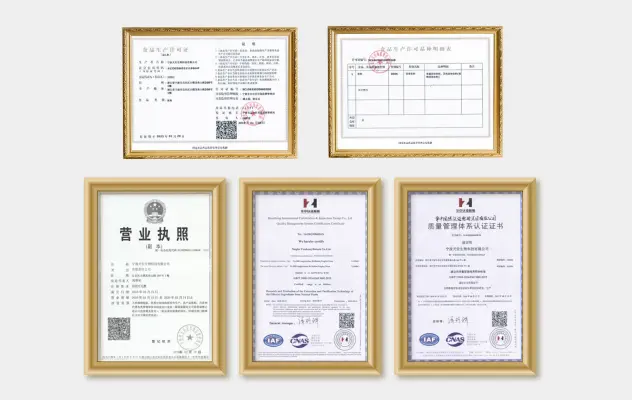
Sigma (Shaanxi Sigma Biotechnology Co., Ltd.) is a bovine bone peptide manufacturer and supplier with ISO 22000, HACCP, HALAL, and KOSHER certifications. We offer protein content ≥90%, molecular weights ≤3000 Da (sub-1000 Da available), full BSE/TSE documentation, and ex-factory pricing competitive with global benchmarks. Free samples are available. Contact our team at sarah@sxsigma.com or visit sxsigma.com to request specifications and start your evaluation.
References
1. Eastoe, J. E. (1955). The amino acid composition of mammalian collagen and gelatin. Biochemical Journal, 61(4), 589–600.
2. König, D., Oesser, S., Scharla, S., et al. (2018). Specific collagen peptides improve bone mineral density and bone markers in postmenopausal women. Nutrients, 10(1), 97.
3. Elam, M. L., Johnson, S. A., Hooshmand, S., et al. (2015). A calcium-collagen chelate dietary supplement attenuates bone loss in postmenopausal women. Journal of Medicinal Food, 18(3), 324–331.
4. Guillerminet, F., Fabien-Soulé, V., Even, P. C., et al. (2012). Hydrolyzed collagen improves bone metabolism and biomechanical parameters in ovariectomized mice. Bone, 46(3), 827–834.
5. Liu, J., Zhang, B., Song, S., et al. (2014). Bovine collagen peptides compounds promote the proliferation and differentiation of MC3T3-E1 pre-osteoblasts. PLOS ONE, 9(6), e99920.
6. Shoulders, M. D., & Raines, R. T. (2009). Collagen structure and stability. Annual Review of Biochemistry, 78, 929–958.