BLOG List
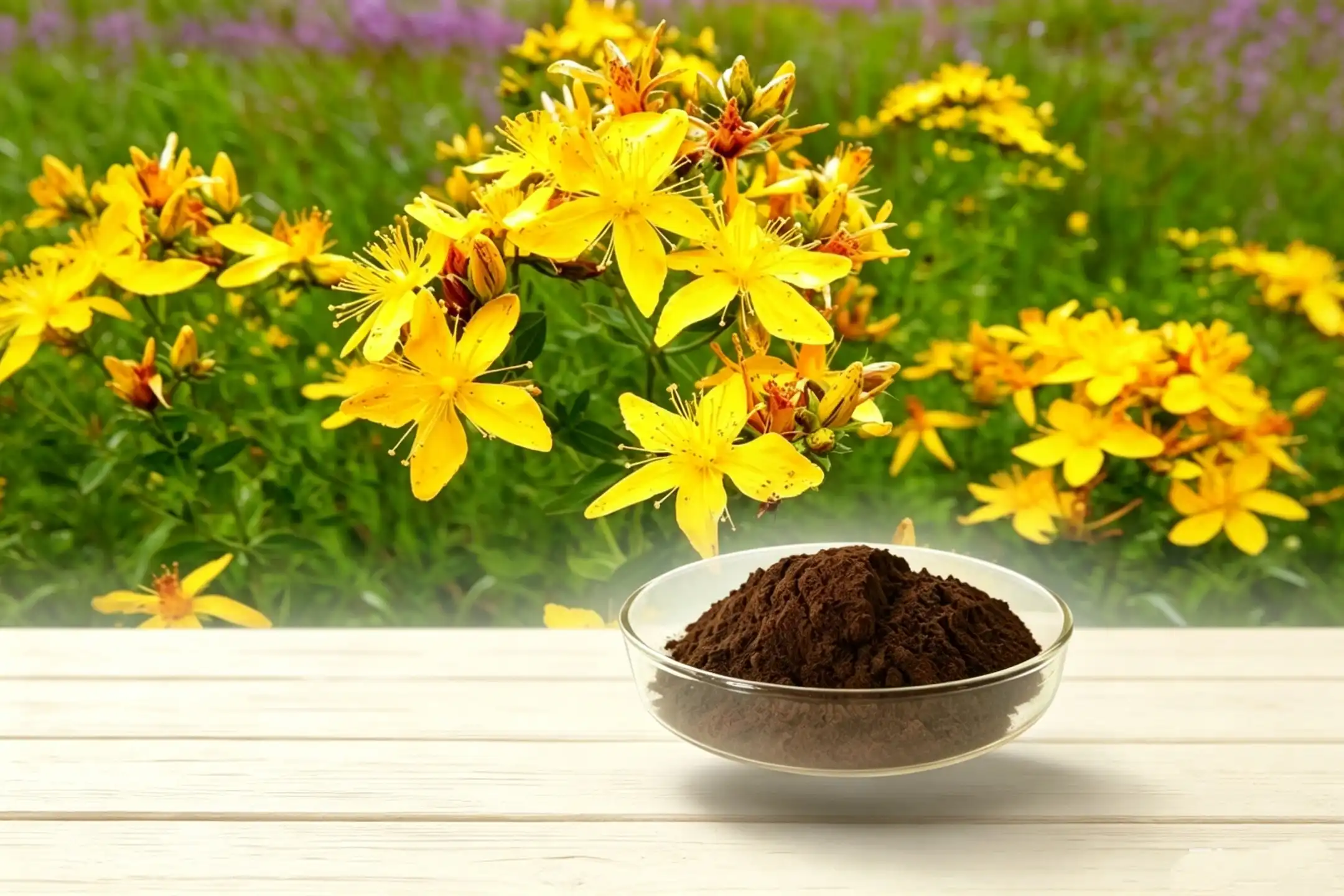
St. John's Wort Extract interactions with medications
By increasing hepatic enzymes, especially those in the cytochrome P450 system, and changing drug transport pathways, St. John's Wort Extract interacts with many medicines. This plant-based ingredient, which is known to contain hypericin as its main bioactive molecule, can greatly lower the plasma amounts of drugs that are being given at the same time, which can negatively impact the effectiveness of therapy. If you are a procurement worker looking for plant raw materials, you need to know about these drug interactions. Not knowing about them will directly affect your product liability exposure, regulatory compliance, and, ultimately, customer safety in the formulations you bring to market.


Introduction
As the need for natural choices keeps changing the functional food and dietary supplement businesses around the world, plant extracts have gone from being niche ingredients to common raw materials. Hypericum perforatum extract is one of the most carefully tested herbal ingredients. It has been used for a long time to improve mood and mental health. But with such wide use comes a lot of responsibility, especially when it comes to medicine combinations that can make drugs less effective or cause bad side effects.
When B2B buying workers, like those who work for health supplement brands, pharmaceutical API makers, cosmetics formulators, or contract research organizations, decide where to get this plant extract, they have to think about more than just price and purity levels. Because of how this ingredient interacts with other substances, you need to do a lot of research before using it in your product. What happens after that affects the character of your business and your standing with regulators. This guide was created to give people who make decisions in buying, research and development, quality assurance, and the supply chain the technical information they need to successfully handle these challenges while still keeping the business running.
Understanding St. John's Wort Extract and Its Medicinal Properties
Botanical Source and Active Constituents
The aerial parts and blooming tops of Hypericum perforatum L., a perennial plant that is native to Europe but is now grown all over the world, are where St. John's Wort Extract comes from. Most of the time, ethanol-based methods are used to concentrate the phytochemicals that are useful for medicine, mostly hypericin and hyperforin. While these chemicals work well together, hypericin is usually found at amounts of 0.3% or higher in commercial-grade extracts and is used as the main measure. When made under controlled conditions, the fine brown powder that is made has great flow at an 80 mesh particle size, which makes it easier to process later in packaging and tableting operations.
Biochemical Mechanisms and Therapeutic Applications
This plant product can help with health problems because it can change how nerve systems work. Hypericin and hyperforin stop the reuptake of serotonin, norepinephrine, and dopamine. This creates mood-balancing effects that have been shown to help people with mild to moderate sadness and anxiety. In addition to its use in neuroscience, the extract protects cells from free radicals and has been studied for its ability to help people sleep better. This makes it a good ingredient for products that aim to relieve stress and improve mental health.

Enzymatic Activity and Metabolic Impact
Understanding that hyperforin strongly activates the cytochrome P450 enzyme system, especially CYP3A4, which breaks down around half of all pharmaceutical drugs is important for business-to-business buyers. The substance also turns on P-glycoprotein, an efflux transporter that changes how drugs are absorbed and distributed. This two-part process sets the stage for clinically important interactions by speeding up the metabolism of drugs that are taken together and decreasing their bioavailability. The procurement teams need to understand that these qualities are built into the extract's biochemistry and can't be changed by processing it. Instead, they need to be handled by presenting the product correctly and being clear about what they're doing.
How St. John's Wort Extract Interacts with Common Medications?
Antidepressants and Serotonergic Agents
If you take this plant extract along with selective serotonin reuptake inhibitors or other antidepressants, you could be taking a very dangerous combination of drugs. Too much serotonergic activity can lead to serotonin syndrome, a disease that can be deadly and is marked by changes in mental status, instability in the autonomic nervous system, and problems with the muscles and nerves. This happens because both the drug and the plant extract make serotonin more available in ways that work with each other. This creates an additive effect that is stronger than the body's usual control systems. Case studies in clinical settings have shown this to happen with different types of antidepressants. Because of this, it is very important that product labels clearly say not to use them together.
Medications with Narrow Therapeutic Windows
Taking a number of important drug classes with this plant product makes them much less effective. When your metabolism speeds up, your blood hormone levels drop, which can make oral contraceptives less effective. This can lead to breakthrough bleeding and failure of the contraceptive. It's possible for immunosuppressants like cyclosporine and tacrolimus, which are necessary for transplant patients, to not work as well as they should, which could lead to organ rejection. Anticoagulants like warfarin lose some of their clotting benefits over time, which raises the risk of thrombosis in patients who are already at a high risk. The way these interactions work is similar—they both increase liver metabolism through CYP450 induction—but the effects on patients are very different based on the medication's therapeutic goal.

Antiretrovirals and Chemotherapeutic Agents
For HIV patients, St. John's Wort Extract mixed with protease inhibitors or non-nucleoside reverse transcriptase inhibitors can make treatment fail faster and lead to the development of virus tolerance. Similarly, cancer patients taking treatment drugs metabolized by CYP3A4, like irinotecan and imatinib, may have less than the recommended amount of drug exposure, which can negatively impact their oncological results. Because of how bad these interactions are, regulatory agencies in several countries have issued clear warnings. This is why it's important for B2B buyers who are interested in medicinal formulations to do thorough interaction studies during the product development stages.
Managing Risks: Guidelines for Safe Procurement and Usage
Quality Verification and Supplier Assessment
Getting rid of interaction risks starts with source choices that put quality stability and clear documents first. Procurement teams should check that possible suppliers have certifications like ISO 9001, ISO 22000, HACCP, and, if necessary, Halal and Kosher certifications that show they handle quality in a systematic way. In addition to certifications, you should ask for full technical documentation for every production batch. This should include Certificates of Analysis that show the amount of hypericin using HPLC methods instead of less accurate UV-Vis methods, screening for pesticide residues that includes at least 500 compounds according to EC 396/2005 standards, and microbiological testing that shows the total plate counts are less than 1000 cfu/g and there are no pathogenic organisms present.
It is also important to pay attention to the physical properties of the extract. The best material should be a fine, uniform brown powder with an ash content of less than 5%, a moisture content of less than 5%, and a particle size distribution such that at least 95% of it goes through an 80-mesh screen. These standards have a direct effect on how well your manufacturing processes work and how consistent your batches are with each other.
Labeling Requirements and Consumer Communication
Clear communication about the possibility of contact is both required by law and a way to protect a business. Labels on products must make it clear that the ingredient may combine with many medicines and urge people to talk to their doctors before using, especially if they are on prescription drugs. This information should be clearly displayed on the main package and emphasized in the technical documents that are sent to marketing partners. Giving clear contraindications helps shift responsibility in the right way and shows that you care about customer safety, which affects buyers' choices more and more when they are looking for quality.
Formulation Strategies and Dosage Considerations
When R&D teams add this plant extract to complicated mixtures, they should think about how it might interact with other ingredients during the planning phase. Lower standardization levels or lower daily doses may lessen the intensity of interactions while keeping the treatment benefit for mood support uses. Instead, making products especially for people who aren't taking any other drugs at the same time makes a clear target market while still taking interaction realities into account. Some companies have looked into time-separation tactics, but there isn't much evidence to back them yet because the extract's inducing effects last longer than the instant consumption windows.

Case Studies and Industry Insights on St. John's Wort Extract Interactions
Clinical Documentation and Adverse Event Reports
Regulatory records kept up to date by the FDA and the European Medicines Agency have a lot of reports of bad effects related to this extract and drug interactions. In one known case, a heart transplant patient went through severe rejection after taking an over-the-counter supplement with the extract, which lowered their cyclosporine levels below the therapeutic range. Another story talked about several women who got pregnant by accident while taking oral contraceptives and botanical products that were regulated to have a high hyperforin content at the same time. These stories show what happens when you don't communicate risks well enough in the real world. They also show how important it is to carefully check out suppliers to make sure they meet changing legal requirements.
Quality Variation Across Supply Sources
Comparative studies of commercial extracts like St. John's Wort Powder show big differences in how well they standardize and how well they combine with other substances. Materials from sources that don't have strong quality control systems can have amounts of hypericin that are very different from what the label says, which can lead to unpredictable interaction patterns. Different growing methods, such as organic versus conventional, can also change the profiles of secondary metabolites. However, when properly measured, both can cause clinically important interaction effects. Professionals in purchasing should ask for stability data that shows the product will stay effective for the full 24 months it is supposed to be kept in sealed cases in cool, dry places away from light.
Regulatory Evolution and Market Access Considerations
The rules about this plant-based nutrient are always changing as government agencies react to more safety information. The European Medicines Agency keeps a thorough monograph with quality standards and interaction warnings. The FDA, on the other hand, controls it as a food ingredient that must follow Good Manufacturing Practice rules. Manufacturers that want to export must deal with different requirements in each target market. This makes choosing a provider even more important for brands that want to sell their products around the world. We see that suppliers who keep up with multiple certifications and show that they are proactive about regulatory tracking have strategic benefits when it comes to making it easier for businesses to reach markets in a variety of countries.

Best Practices for Sourcing St. John's Wort Extract for B2B Applications
Tailoring Format Selection to Application Requirements
Because the extract is so flexible, it can be used in a wide range of product forms, each of which has its own production challenges and communication needs when it comes to interaction risk. Powdered extracts with a uniform amount of hypericin and well-balanced particle sizes can be easily mixed into pill and tablet forms. This allows for accurate dosing that backs up label claims. Liquid extract forms may be useful for beverage uses, but they need extra stabilization steps to keep light-sensitive hypericin compounds from breaking down. When you decide what format to buy, you should think about how you can make the product, what your target market wants, and the rules that apply to your product group.
Supplier Relationship Development and Supply Chain Resilience
Building long-term relationships with dependable providers has strategic benefits that go beyond just lowering costs. By keeping 10–20 tons of key goods in safety stock, suppliers can ensure delivery within 5–7 business days. This supports just-in-time manufacturing models and lowers the costs of keeping inventory. In competitive markets, being able to customize products in a variety of ways, such as by changing the amount of hypericin standardization, offering different mesh sizes, and offering private marking services, helps products stand out. When looking at possible partners, check out their technical support infrastructure. This includes seeing if they offer formulation help, help with regulatory paperwork, and quick contact lines that work with different time zones for foreign procurement operations.
Balancing Cost Considerations with Quality Imperatives
For buyers who are looking for the best deal, sellers of commodity-grade materials may offer tempting prices. However, this method is very risky in situations where interaction potential affects customer safety. Quality-focused buying strategies give more weight to suppliers who can show clear testing procedures, honest paperwork, and a desire to give samples for independent inspection. Premium suppliers charge more per unit, but the investment pays off in the long run by lowering liability, making it easier to follow the rules, and protecting your brand's image, all of which help you maintain your place in the market. We suggest making supplier scorecards that include price, quality measures, certification status, shipping reliability, and technical support skills. This way, you can compare possible partners in an unbiased way.
Conclusion
For those in charge of finding plant ingredients, understanding the drug interactions connected to St. John's Wort Extract is a basic duty. The extract's ability to activate liver enzymes has clinically significant effects across many types of medications. This requires careful source selection, thorough quality assurance, and open communication with customers. B2B buyers can deal with these problems and meet the market's need for natural ingredients that help with mood by choosing providers with strong quality systems, the right certifications, and a track record of success in standardizing botanicals. The strategy method strikes a balance between business goals and safety requirements, safeguarding both end-users and brand image in a regulatory environment that is becoming more closely watched.
FAQ
Q1: Is it safe to combine St. John's Wort Extract with prescription antidepressants?
A: Because of the risk of serotonin syndrome, which can be life-threatening, this plant product shouldn't be mixed with prescription drugs. When serotonin effects are added together, they can overwhelm the body's usual control systems, leading to dangerous physiological reactions. Product labels should make it clear that they shouldn't be used together, and buying teams should make sure that this warning is in all papers that customers see.
Q2: What certifications should B2B buyers prioritize when sourcing bulk material?
A: Some important certificates are ISO 9001 for quality management systems, ISO 22000 or HACCP for food safety management, and, if needed, Halal or Kosher for particular markets. These licenses show that quality control, preventing contamination, and making sure that batches are all the same are done in a planned way. Also, ask for proof that you follow USP or EP paper standards if those apply to the areas you want to reach.
Q3: How can manufacturers reduce interaction risks in composite formulations?
A: Some ways to lower the risk of side effects are to clearly mark medicines that shouldn't be used for certain conditions, to give healthcare providers advice, and to think about using lower standardization levels that might lessen the amount of side effects while keeping the therapeutic benefit. Formulation teams should keep track of possible interactions while developing new products, and marketing materials should properly portray the right use groups, with a focus on people who aren't taking any medications that metabolize through CYP450 pathways at the same time.
Partner with Sigma for Premium St. John's Wort Extract Supply
Pharmaceutical-grade St. John's Wort Extract is what Shaanxi Sigma Biotechnology Co., Ltd. specializes in providing, and it is made under strict quality controls that meet international standards. Standardized to ≥0.3% hypericin using HPLC, our brown fine powder goes through a lot of tests to make sure it is safe and consistent. These tests include checking for pesticide residues, heavy metals, and microbes. With ISO 22000, HACCP, and Halal certifications, we give buyers who care about quality the strict paperwork they need for regulatory applications and market access.
Our plant keeps 10–20 tons of safety stock on hand so that we can deliver within 5–7 working days, which will help your production plans. In the meantime, our technical team can help you with formulation issues that involve interactions. We use cutting-edge ethanol extraction technology along with real botanicals from Shaanxi to offer high purity at reasonable prices. Get unique solutions backed by our 12-month quality guarantee by contacting sarah@sxsigma.com to talk your bulk St. John's Wort Extract needs.
References
1. Henderson L, Yue QY, Bergquist C, Gerden B, Arlett P. St John's wort (Hypericum perforatum): drug interactions and clinical outcomes. British Journal of Clinical Pharmacology. 2002;54(4):349-356.
2. Izzo AA, Ernst E. Interactions between herbal medicines and prescribed drugs: an updated systematic review. Drugs. 2009;69(13):1777-1798.
3. Markowitz JS, Donovan JL, DeVane CL, et al. Effect of St John's wort on drug metabolism by induction of cytochrome P450 3A4 enzyme. Journal of the American Medical Association. 2003;290(11):1500-1504.
4. European Medicines Agency. Assessment report on Hypericum perforatum L., herba. Committee on Herbal Medicinal Products. 2009.
5. Russo E, Scicchitano F, Whalley BJ, et al. Hypericum perforatum: pharmacokinetic, mechanism of action, tolerability, and clinical drug-drug interactions. Phytotherapy Research. 2014;28(5):643-655.
6. United States Pharmacopeia. St. John's Wort Powdered Extract Monograph. USP-NF General Chapter. 2018.
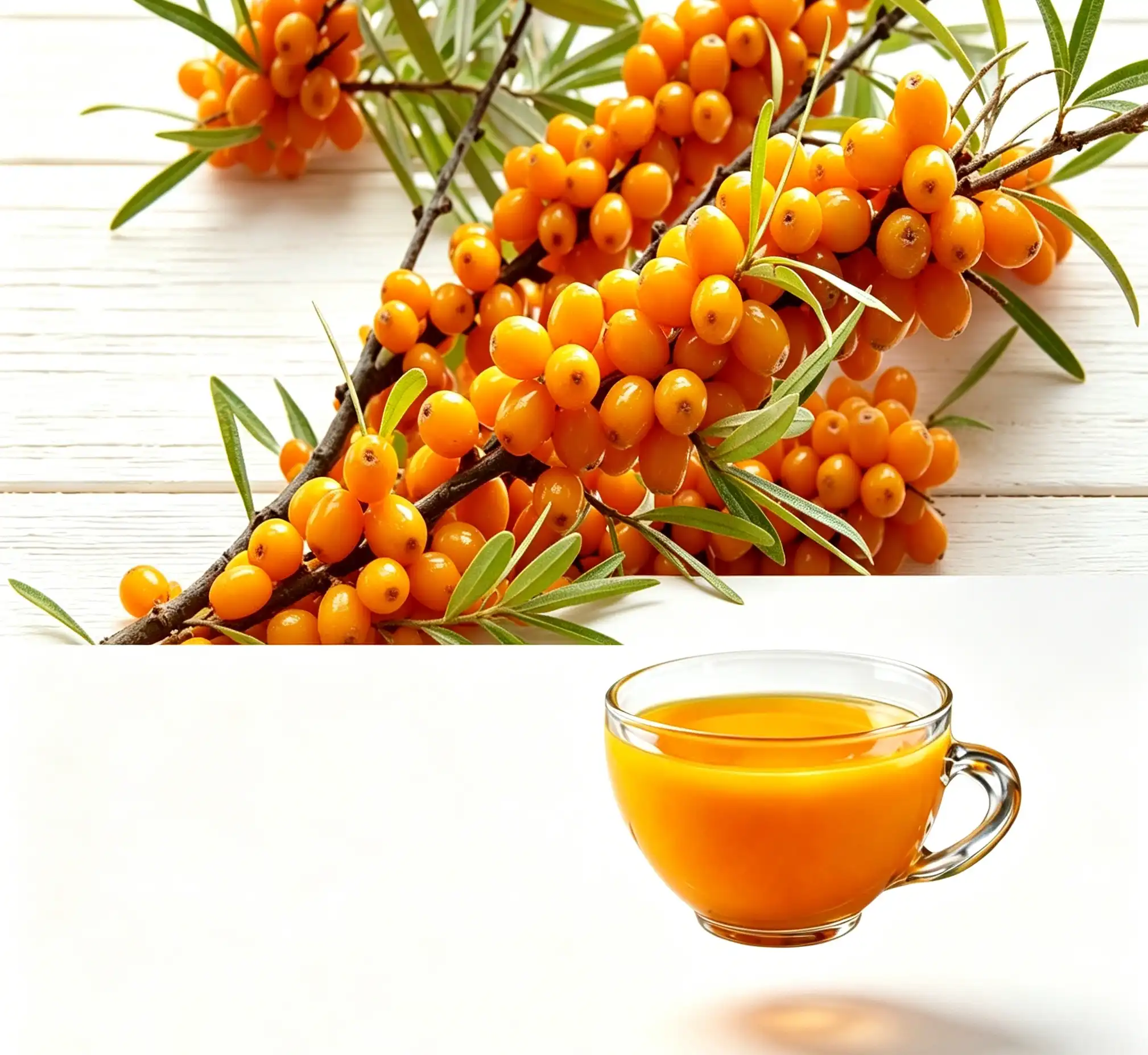
What is the difference between sea buckthorn puree and juice?
Sea buckthorn juice and Sea Buckthorn Puree are different in what they are made of and how they were used. By cold pressing the entire fruit, Sea Buckthorn Puree is a thick, sticky substance. It saves the natural juice, fiber, and fruit oils, even the omega-7 fatty acids that are hard to find. While solids are squeezed out of juice, what's left is a clear or mostly clear drink that is high in water-soluble vitamins and low in fiber and oil. This simple difference changes the nutritional value, taste, shelf life, and suitability for many business uses, such as functional drinks and nutraceutical recipes.
Understanding Sea Buckthorn Puree and Juice
People use a way that works with whole fruits to make Sea Buckthorn Puree. The fresh berries are cold-pressed by a machine and then mixed together without being cleaned. With this method, the seeds, natural oils, pulp tissue, and medicinal substances are all kept together with the fruit. In the end, you get a thick, orange-yellow substance that normally has a solid value higher than 12%. This makes a base material that is high in nutrients and keeps the berry's original taste and full range of phytochemicals.

Making juice is a different process. First, the fruit is pressed, and then spinning or microfiltration is used to separate the liquid parts from the dry ones. To get the most out of the extraction process, manufacturers will sometimes treat the goods with enzymes. Then, they pasteurize or process the food in an aseptic way to kill any germs that might be there. Because most of the vitamins in clarified juice are water-soluble, like vitamin C and antioxidants, it is cleaner and less thick. Fat-soluble substances and nutritional fiber are mostly taken out during clearing.
Manufacturing Techniques and Their Impact
A key part of making good Sea Buckthorn Puree is cold pressing, which is done below 40°C to keep nutrients that are damaged by heat safe. Low-temperature concentration methods are used in Sigma's continuous countercurrent extraction lines to keep enzymes working and protect delicate fatty acids from going bad. This process keeps the pH level between 2.5 and 3.5 and the vitamin C level above 100 mg/100g, which is a lot more than kiwi fruit has.
A lot of the time, flash pasteurization is used to make juice at temperatures that kill bacteria but leave nutrients in. To get the concentrated juice to the right Brix level, some companies lower it, while others add drugs to make it last longer. During the clearing process, about 90% of the pulp bits are removed. What's left is a smooth drink that can be drunk right away or made stronger. But this cleaning process always gets rid of some bioactive chemicals that are still linked to the fibers.
Nutritional Profile Comparison
Sea Buckthorn Puree is a better way to get all of your nutrients because it keeps the nutrients from the whole fruit. Also, puree has omega-3 alpha-linolenic acid and omega-7 palmitoleic acid, which are naturally found in food oils. These acids dissolve in water when eaten. These chemicals that stick to fats help keep cell membranes healthy and have been shown in field tests to lower inflammation. There is 3–5% dry weight of fiber in puree, which helps keep the bacteria in your gut in balance. None of these good things happen with clarified juice.
A lot of the best antioxidants, like isorhamnetin, quercetin, and kaempferol glycosides, can be found in juice. It's accessible quickly because juice doesn't have fiber. This makes it great for recipes that need to give nutrients right away. How the juice is kept and packed makes a big difference in how stable the vitamin C is. When it's light or hot, vitamin C breaks down more quickly. Good providers use clear glass or containers that keep light out and flush them with nitrogen to lower the amount of oxygen that is lost.
Quality and Product Characteristics: Puree vs Juice
The way these things are treated and used is very different because of how they are made. Sea Buckthorn Puree is thick and paste-like, so it needs to be pumped with special tools. Because of how it behaves viscoelastically, it can be used in thick soups, vitamins that can be spooned, and foods whose texture has been changed. There are many carotenoids in the food that give it its bright orange color. Carotenoids are natural colors that can be used in organic foods. If you close the puree and keep it below -18°C for 24 months, it will stay solid without any extra preservatives.

If you change the amount of juice you use, the viscosity will change from 1.5 to 3.0 centipoise. The color is clear to slightly cloudy, and it works well for clear drinks. However, unpasteurized types may settle to the bottom. About 6 to 12 months is how long fresh-pressed juice can stay in the fridge. Up to 18 months can pass before juice goes bad if it is packed in an aseptic way. Because the juice is mostly made up of concentrated organic acids like malic and citric acid, the strong sour taste that is unique to sea buckthorn stays strong.
Certification and Compliance Standards
Both types of goods must pass strict quality checks in order to be able to be sold abroad. The ISO 22000 and HACCP licenses that suppliers with a good image keep. These show that they take food safety very seriously and follow a set of rules. A stamp of approval from the USDA, the EU, or a similar group shows that the crops were grown without using man-made poisons. More and more people want products that have been shown to be safe. The market is bigger because of religious food standards like Halal and Kosher. This is especially true for supplement companies that want to reach certain groups of people.
The FDA and EFSA have rules about food safety that set higher limits for types of bacteria, yeast, mold, and pathogens. The characteristics of microbes follow these rules. Heavy metal tests for mercury, arsenic, lead, and cadmium make sure that the rules set by the European Commission and Proposition 65 are followed. The quality of farming is shown by a study of more than 200 chemicals found in pesticide leftovers. Sigma gives full Certificates of Analysis and records of quarantine for every batch of goods they make. This makes it easier for checks by customs and government officials to go quickly.
Sensory and Functional Characteristics
While Sea Buckthorn Puree and juice both taste good, they are not at all the same strength. Puree has a taste that is complicated. The berries give it some sweetness, and the tannins give it some sourness. This gives it depth, which is important for special food uses. The high acidity is hidden by the thickness, so more can be used without ruining the taste. When making drinks, the acidity in juice needs to be carefully balanced with fruit mixes or sweeteners that go well with juice.
The natural oils in puree give it these unique texture traits. When these oils are mixed with water, they make stable emulsions without the need for man-made emulsifiers. This makes them a good choice for manufacturing methods that use clean labels. Plant-based and dairy-free yogurts feel better in the mouth because they can self-emulsify. Juice doesn't have these fatty parts, so it's just a water-based extract that mixes well with other drinks but doesn't change the taste much.
Procurement Considerations for Sea Buckthorn Puree and Juice
The way prices are set shows how hard it is to make things and how well they are made. Because it needs to be handled in a cold chain and uses the whole fruit, Sea Buckthorn Puree generally costs more than other foods. Rates on the market change every year by 15 to 25 percent, based on how well the berry crop does. Different types of juice have different prices. As an example, 65° Brix concentrate costs a lot more than single-strength juice. When you buy a lot of something, you generally get a price of 8–12%. Because of this, companies whose production plans don't change can make money with long-term supply contracts.

The cost of shipping and the amount of room needed for storage depend on the type of packing used. Sea Buckthorn Puree comes in metal drums that weigh about 200 to 220 kg net and need to be able to be frozen. The bags inside are food-safe. Some sources sell smaller 20-kilogram pails that can be used for small-scale production or research and development tests. For people who use a lot of juice, it can be put in 200L aseptic drums, 1000L IBC totes, or bag-in-box systems designed for hot-fill processing lines. How you get around affects both the cost and the amount of time it takes. For planned product growth, sea freight is best. For immediate restocking needs, air freight is better, even though it costs more.
Supplier Evaluation Framework
You need to carefully think about a lot of different things in order to find trusted partners. Both the dependability of the raw materials and the strength of the supply line depend on where they come from. In Mongolia, Russia, or northern China, where gardening has been done for a long time, sellers can often get better berry genetics and well-established infrastructure for gathering. Production sites are audited to make sure they follow GMP. The audits look at pollution limits, how to maintain equipment, and staff training standards. Having quality control units inside the company that can test things in real time shows that they are tech-savvy and dedicated to being consistent.
How flexible a seller is can be seen by how quickly they reply to requests to make changes. When a manufacturer needs to change the amount of solids, the way the particles are mixed, or the particle size distribution, they should see if possible partners are technically skilled and willing to work with non-standard needs. This is not the case for all minimum order amounts. This is something you should think about when you are making a new product: some suppliers want full truckloads, while others are fine with smaller test runs. Sigma keeps 10 to 20 tons of normal specs on hand as a safety store. This lets us deliver within 5–7 working days and helps with both regular production and testing out new ideas.
Documentation and Traceability
Full paperwork packages are needed for supply chain security and following the rules. Full service providers give analysis results for every batch that include microbial testing, nutritional analysis, screening for contaminants, and an assessment of how the food tastes and smells. Health and phytosanitary certificates make it easier to send food to other countries, and allergy declarations and GMO-free comments take care of labeling needs. Systems that allow for tracking link groups of finished goods to specific crop lots and times of processing. This makes it easy to handle refunds and check the quality of the products.
Buyers who have to go through complicated customs procedures can really use help with the paperwork that goes along with importing goods. Supplies that have been around for a while will have business bills with the right HS code classification, certificates of origin that support special tax treatment, and packing lists that match what's in the box. Some offer dropshipping services that help online stores that need to ship directly to a warehouse. Sigma takes care of all the forms and gives advice on customs matters. This cuts down on wait times and makes sure that deals across borders go quickly.
Health and Functional Benefits: Why Choice Matters
Sea Buckthorn Puree and juice both have a lot of good things for your health that are good in many ways. A Sea Buckthorn Puree with more than 400 mg of vitamin C per 100 g is a powerful antioxidant that keeps cells safe from harmful stress. The flavonoid complex, which includes different types of quercetin, can help reduce inflammation, which makes it useful for heart health goods. Beta-carotene and zeaxanthin are two examples of carotenoids. They are useful in beauty-from-within vitamin ideas because they protect the skin and eyes.

It is different from most plant sources because it has palmitoleic acid, an omega-7 fatty acid. Studies show that omega-7 is good for the health of the membranes that line the gut and urinary systems. It might help with dry eye syndrome, keep your mouth healthy, and keep your stomach lining healthy. Sea buckthorn fruit oil seems to have the most of this rare nutrient. It stays whole in puree but is mostly washed away when juice is cleared. Omega-7 has been shown to make insulin work better and speed up the breakdown of fat, which is helpful for people who are making goods for metabolic health.
Clinical Evidence and Safety Considerations
Studies have shown that both eating and putting sea buckthorn on cuts can help them heal faster. It works this way because it has chemical substances, vitamins, and fatty acids that all work together. Studies that look at how burns and surgical scars heal show that the ingredients in healing skin care products work as claimed. Heart studies show that lowering blood pressure and keeping cholesterol in check can help, but the studies aren't all the same quality, and to make the proof better, we would need more large-scale trials.
The safety numbers are still very high, and there haven't been many reports of bad effects in clinical papers. People who are already allergic to berries are more likely to have allergy responses. Some people should not use puree or juice if they have stomach sores or severe acid reflux because they are both very acidic. Not many studies have been done on how sea buckthorn vitamins combine with prescription drugs. People who take blood thinners or diabetes medications should talk to their doctors before taking sea buckthorn vitamins. Being Generally Recognized as Safe (GRAS) by officials in certain scenarios lets a lot of businesses use it.
Formulation Advantages by Product Type
It's easy to use Sea Buckthorn Puree when you need a thick texture and all the nutrients you need. Because the oils mix with the puree, plant-based yogurt naturally gets thicker. This gives it a creamy taste without any gums or starches. Sport energy gel packets are made of Sea Buckthorn Puree that has natural sugars and fluids in it. They are also cut in a way that makes them easy to squeeze. Spoonable vitamin shots for healthy skin or a strong immune system use puree's concentrated bioactives in a form that doesn't need to be reduced before use.
When it's important to be able to see, juice goes well in clear drinking systems. When making kombucha for the second time, juice is added. The juice gives the probiotic bacteria extra vitamins and a special flavor that goes well with them. People who want to eat better will enjoy the tastes of ready-to-drink wellness shots, which are made by mixing juice with other fruit drinks and plant concentrates. Because it is light and absorbs quickly, juice is often used to make toners and serums for cosmetics. This supports the claims that the product works well.
Making the Right Decision: Which Sea Buckthorn Product Fits Your Business?
Strategic product choice is based on clear production goals and where the finished product will go. Sea Buckthorn Puree is useful for businesses that want to sell whole foods and keep as many of the nutrients they have, even though it costs more and is harder to work with. Clean-label claims, which are becoming more and more important to people who know what they're buying, are backed up by the fact that no water, sugar, or drugs were added. High-end customers who are willing to pay more for what they think is quality will be drawn to brands that use purees and stress traditional cooking methods and minimal processing.
Juice is a good choice for making a lot of drinks because it is made of normal liquids that can be cooked with normal tools. Lines that automatically fill with water and heat exchanges don't get stuck because there are no solids in the fluid. This means that repair downtime is lessened. Standardized Brix values make it possible to make accurate recipe predictions, which are needed to make sure that the taste stays the same during large production runs. Some companies that want to save money like how cheap juice is compared to other ways to feed people nutrients, even if the fiber doesn't help with the goal.
Technical specs tell us if two things can work together. The mixing, pumping, and processing tools that are already in place need to be checked out because Sea Buckthorn Puree is so thick. Building changes that make them strong enough to handle thick materials cost money, and some businesses may not see the value in them. Juice, on the other hand, can be added to infrastructure that is already in place to handle liquids without any changes. This makes it faster to bring new goods to market. Compatibility with other formats is also important. Aseptic bag systems and bulk boxes, for example, need different setups for getting and keeping. This can change how a building is planned.
Building Resilient Supply Partnerships
When it comes to farming, having long-term relationships with providers lowers risk in markets that are always changing. Long-term agreements with dependable partners keep prices stable when crops change and make sure that goods get to those who need them first when there aren't enough. Folks can make unique specs that fit the wants of every recipe when they work together. They have an edge over their competitors because they use different products. When providers have clear information about how much they expect to make, they can better manage their stock, which cuts down on wait times and improves service reliability.
Quality depend on how technically skilled the seller is and how long the quality system has been around. companies that buy high-tech analysis tools and hire trained food scientists can show that they can offer consistency from batch to batch, which is a must for regulated companies. It is safe and good for the brand's image to have traceability infrastructure that lets you act quickly to changes in quality. Regular checks on sellers make sure they are still following the rules that were agreed upon, and projects to improve things together stop new problems before they happen.
Conclusion
That being said, you should carefully consider what you want in terms of nutrition, how easy it is to process, how much it will cost, and how you want to sell it before choosing between sea buckthorn juice and Sea Buckthorn Puree. When you cold-press a fruit, you get the healthy fiber and omega-7 oils that come from the whole fruit. This makes it a good choice for high-end clean-label items, even though it is more expensive and tough to work with.
You can get concentrated vitamins in juice that dissolve in water in a way that makes it easy and cheap to mix with other drinks. A lot of different health goods, like functional foods, dietary supplements, and makeup, can use these two types because they each have their own unique bioactive chemical patterns. When making smart buying decisions, these technical, economic, and practical factors need to be kept in check. At the same time, relationships must be formed with approved sellers who can regularly ship high-quality goods and provide all the papers needed to sell on a global scale.
FAQ
Q1: How do storage requirements differ between puree and juice?
A: With a lid that won't open, Sea Buckthorn Puree needs to be kept frozen at or below -18°C. It will stay stable for about 24 months if you keep it this way. It depends on how the juice was made how to store it. Fresh-pressed juice needs to be kept in the fridge at 2-4°C and has a shelf life of 6 to 12 months. Aseptically packed juice can stay on the shelf at room temperature for 18 months. After being opened, both items go bad quickly, so they need to be kept cool and eaten within 5 to 7 days.
Q2: Can juice substitute for puree in cosmetic formulations?
A: When used in light makeup like toners, serums, and creams, where water is often used, juice works well. Sea Buckthorn Puree is good for making creams, body butters, and other slippery and rich things. Oils from plants help keep skin moist. The choice depends on where you want to put the sign and what physical qualities you want. When it comes to simple recipes, juice has better ingredient lists than Sea Buckthorn Puree, which backs up "whole-fruit" claims.
Q3: What certifications should buyers prioritize when evaluating suppliers?
A: Food safety is managed in a controlled way when there are certifications like ISO 22000 or FSSC 22000. This is important for companies that make ingredients. The HACCP testing process confirms the risk analysis steps that keep the product's cleanliness. By getting organic approval from a reputable group, you can be sure that the growing standards are met. Foods that are religiously approved, like Halal and Kosher, sell better and reach more people. Having a third party check the product for heavy metals and pesticide leftovers is an added quality promise on top of what the seller testing the product themselves can do.V
Partner With a Trusted Sea Buckthorn Puree Manufacturer
Invest in a reputable manufacturer of Sea Buckthorn Puree. Sigma Biotechnology sells high-quality sea buckthorn materials that meet the strict needs of manufacturers around the world. The whole fruit is used to make our cold-pressed Sea Buckthorn Puree, which keeps all of the benefits. There is no extra water, fillers, or preservatives, and the vitamin C amount goes up to over 100 mg/100g. The natural fruit oils are still there. ISO 22000, HACCP, and Halal all have strict rules that our products must follow. They are sold in North America, the European Union, and other high-demand foreign markets.
We provide the supply chain dependability that is needed to keep production going. We have a large safety stock that lets us ship within 5 to 7 days and open OEM capabilities that let us support custom specs. It's easier to get through customs because each batch comes with full COA paperwork and quarantine certificates. Should you be making functional drinks, new nutraceutical products, or high-end health goods, our team of experts can help you with the plan and the way to use it. Email our team at sarah@sxsigma.com to let us know what you need and to get Sea Buckthorn Puree samples that you can use to make your goods better.
References
1. Chen, T., Li, J., & Zhang, W. (2021). Nutritional composition and bioactive compounds of sea buckthorn (Hippophae rhamnoides L.) berries: A comprehensive review. Journal of Food Science and Technology, 58(4), 1245-1259.
2. Kumar, R., Singh, A., & Sharma, V. (2020). Processing technologies for sea buckthorn products: Impact on nutritional and functional properties. Food Processing and Preservation, 44(8), e14567.
3. Larmo, P., Kangas, A., & Soininen, P. (2019). Sea buckthorn berries and oils in human health applications: Clinical evidence and mechanisms of action. Nutrients, 11(6), 1234.
4. Patel, S., & Goyal, R. (2018). Quality evaluation parameters for sea buckthorn juice and puree: Standardization for commercial applications. International Journal of Food Sciences and Nutrition, 69(7), 821-833.
5. Wang, Y., Zhang, H., & Liang, H. (2020). Comparative analysis of bioactive compounds retention in sea buckthorn processing: Puree versus juice production methods. Food Chemistry, 312, 126067.
6. Zielinska, A., & Nowak, I. (2017). Sea buckthorn in food industry and health applications: Functional properties and processing considerations. Trends in Food Science and Technology, 60, 49-60.
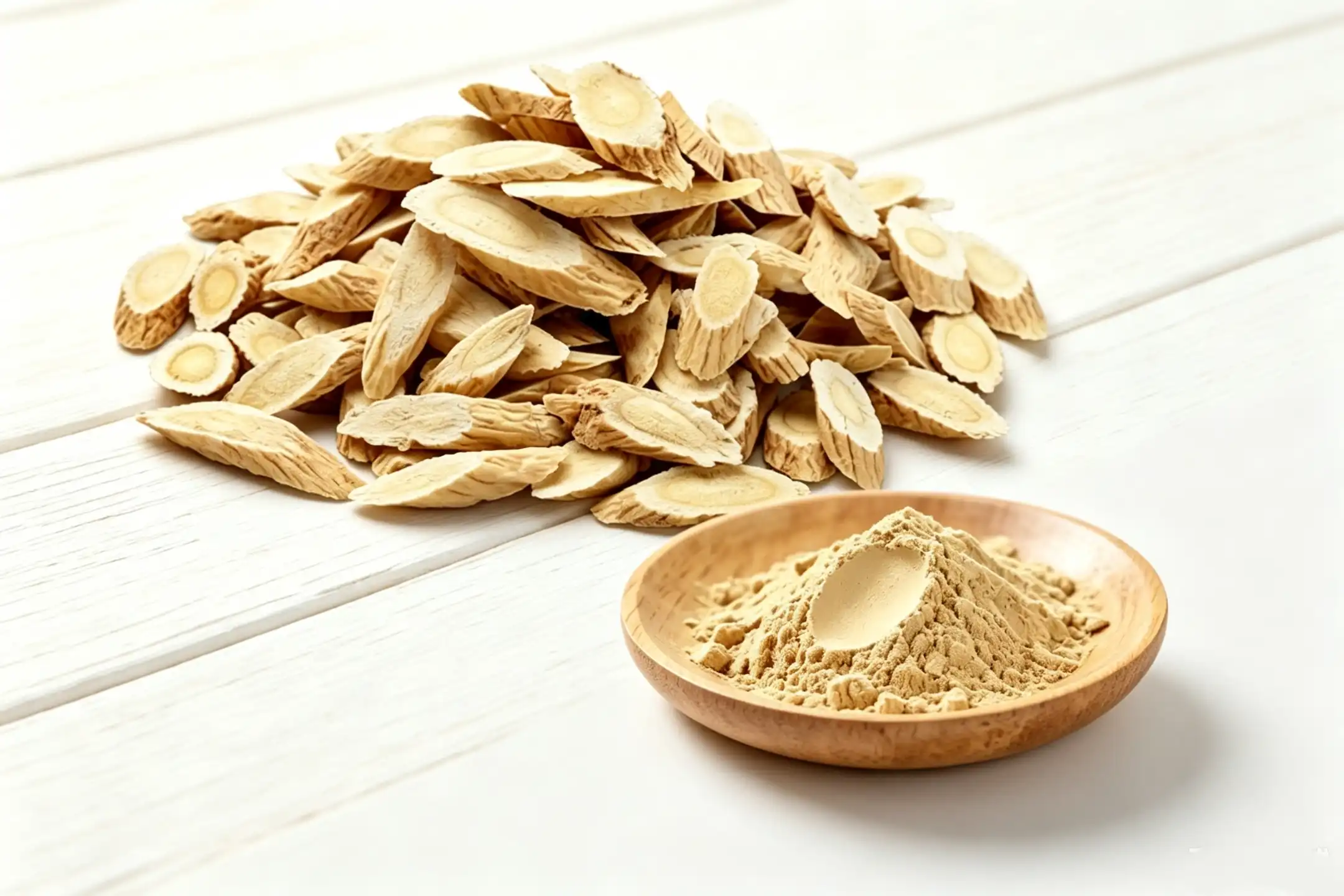
Astragalus Powder for Immune Support: Benefits and Tips
Astragalus Powder, derived from the dried roots of Astragalus membranaceus, has emerged as a cornerstone ingredient in immune support formulations across the nutraceutical and functional food industries. Rich in bioactive polysaccharides, saponins (notably Astragaloside IV), and flavonoids, this adaptogenic botanical offers scientifically validated immune-modulating properties that address growing market demand for natural alternatives to synthetic additives. For manufacturers developing clean-label health products, understanding how to select, apply, and source premium-grade astragalus root powder becomes critical to formulation success and regulatory compliance.
Understanding Astragalus Powder and Its Immune Benefits

Origin and Bioactive Composition
The healing worth of Astragalus Powder comes from the wide range of phytochemicals that it contains. Modern techniques for extracting plants keep three main types of compounds: polysaccharides (usually ≥40% in standardized extracts), which boost macrophage activity and cytokine production; Astragaloside IV (0.3–5% by HPLC), which acts as an antioxidant and activates telomerase; and flavonoids, which work together to reduce inflammation. Compared to traditional decoction methods, these chemicals are much more bioavailable when they are handled using low-temperature wall-breaking technology, which is used in pharmaceutical-grade preparations. To keep the active ingredients stable at high temperatures, our plant uses constant countercurrent extraction followed by fine separation and purification methods. This method makes sure that immune-boosting polysaccharides keep their structure, which is very important for R&D teams that are making goods that need to be able to handle changes in stomach acid and stay effective through 24-month shelf life tests.
Immune Modulation Mechanisms
Astragalus polysaccharides boost both innate and adaptive immunity in a number of different ways, as shown by clinical studies. Studies in reputable immunology journals show that regular doses given to people for 8 to 12 weeks can increase the activity of natural killer cells, make more soluble IgA, and help T-helper cells differentiate better. Unlike single-pathway immunostimulants, this adaptogen regulates in both directions, boosting immune responses that aren't working well and calming down inflammatory pathways that are going too far.
According to some research, Astragaloside IV can slow down or stop aging because it can activate telomerase in some immunity cells, which may make them last longer. This process is especially important for formulations that focus on healing and are aimed at people who have recently had surgery or whose immune systems are weakening because of getting older. To make sure that these functional claims are true from batch to batch, quality assurance processes must check the amount of Astragaloside IV using approved HPLC methods.
Comparative Advantages Over Other Adaptogens
Procurement teams often look at astragalus along with ginseng, echinacea, and rhodiola when making immunity support goods. While ginseng is great for dealing with short-term stress and echinacea is good for long-term prevention, astragalus is better for long-term tolerance and immune system support without the risks of overstimulation that come with using echinacea for a long time. The compound has a mild, sweet taste that makes it easy to mix with other ingredients in functional drinks and meal replacement powders, where bitter adaptogens can be hard to taste.
How to Use Astragalus Powder for Optimal Immune Support?

Dosage Protocols and Product Forms
For industrial uses, accurate dosing strategies that are in line with target groups and transport methods are needed. Standard methods for immunity support usually use 500 to 2000 mg of raw Astragalus Powder (particle size 80 to 200 mesh) or 250 to 500 mg of 10:1 concentrated extracts every day. For healthy beverage systems, spray-dried extracts that are 100% soluble in water allow clear RTM (ready-to-mix) formulas that don't settle, so they look good in cold water. Manufacturers who are making capsules or tablets should define the particle size distribution when they are buying the materials. A uniformity of 200 mesh makes sure that the materials can flow easily through equipment used for encapsulation and that the contents are all the same weight. To keep things from sticking together during storage and processing, our production lines keep a tight grip on the mesh size (200 mesh is normal), and the material loses about 5% of its size when it dries.
Application Methods Across Product Categories
End-use suitability must be taken into account when buying in bulk. Raw powder is very adaptable and can be mixed in any way you want to make protein powders, herbal tea bases, or immune recipes that include extra herbs. The fine, light yellow powder blends in well with neutral-colored goods and doesn't need to be colored with anything else. When used in animal feeding, especially as an addition to high-quality chicken and pig feed, astragalus helps animals grow and boosts their immune systems when they are stressed. To meet AAFCO or EU regulatory levels, technical teams should ask for a COA proof of heavy metal content (≤10 ppm) and microbial limits that are in line with feed-grade standards.
Quality Control Considerations
There are more safety factors than just checking the active chemical. Reliable providers offer full spectrum analysis, which includes checking for pesticide residues (within EU MRL standards), aflatoxin levels, and the amount of solvent residues in extract powders. For export-oriented production, ask for proof that the supplier is following the rules of the target market. For example, for U.S. nutrition supplements, ask for proof of FDA GRAS status or for European markets, ask for EFSA Novel Food assessments.
Key Criteria for Selecting Quality Astragalus Powder Suppliers
Certification and Compliance Infrastructure
Verification of credentials is the first step in evaluating a supplier. ISO 22000 and HACCP certifications show that food safety is managed in a planned way. Kosher and halal certifications help global brands get into more markets. Our factory has both FSSC 22000 and ISO 9001 quality control systems, which make sure that everything can be tracked from where the raw materials come from in Shaanxi to when the finished product is shipped. Instead of just looking at images of certificates, get audit records from third-party certification groups. Legitimate providers are happy for site checks and are clear about their quality management procedures, which include allergen control measures and tested cleaning routines for shared equipment.

Technical Capabilities and Value-Added Services
For modern B2B partnerships to work, sellers need to give more than just transactions of goods. Check to see if possible partners have their own research and development (R&D) departments that can help with formulation optimization. For example, for specific encapsulation equipment, you might need to change the particle size, test the pH stability for beverage uses, or look into how well the excipients work with each other for tablet compression. Our expert team works with clients to make changes to formulas, customize specifications, and create new dosage forms. This turns buying relationships into long-term partnerships. OEM and ODM services should include more than just private labels. Full support includes help with designing packages, filling out regulatory paperwork like COAs, MSDSs, and food statements, and organizing the shipping of goods between countries. We keep 10–20 tons of key goods in safety stock, which lets us deliver within 5–7 business days and supports just-in-time manufacturing methods without having to pay too much for inventory.
Supply Chain Transparency and Sourcing Ethics
Traceability used to be a nice-to-have quality, but now everyone expects it. Suppliers based in main production areas, like our operations in Shaanxi, have natural benefits when it comes to controlling the quality of raw materials and saving money through vertical integration. Check to see if the sellers can give you records of the plants' growth, the harvest, and the processing batch codes that connect finished goods to specific lots of raw materials. Sustainable selling methods are becoming more and more important when it comes to buying things, especially for brands that want to sell in Europe and North America. To make sure that your buying matches your company's social responsibility goals, ask your Astragalus Powder suppliers about their trash reduction programs, environmental management systems, and fair labor practices.
Astragalus Powder vs Other Immune Support Adaptogens: A Rational Choice Approach
Functional Efficacy Comparison
Direct comparison studies show that the main immune-boosting plants have different uses. Echinacea works quickly (within 24 to 48 hours), so it can help avoid colds right away. However, it stops working after 8 weeks of constant use. Ginseng has many benefits for the body, such as improving brain function and supporting the metabolism. However, because it is stimulating, it can't be used in goods that are taken in the evening or for people who are sensitive to it. The "sustained baseline enhancement" group includes astragalus. It is perfect for daily upkeep supplements, healing support products, and formulas that aim to treat chronic low-grade immune deficiency. Because it doesn't have any stimulant effects, it can be mixed with adaptogens that calm the body, like ashwagandha, to make complete stress- and immunity-boosting mixtures that don't work against each other.
Economic and Logistical Advantages
Astragalus Powder forms are more cost-effective when buying in bulk. Unlike liquid extracts that need to be shipped in a cold chain or encapsulated products that have higher manufacturing costs per unit, raw and standardized powders have a longer shelf life (24–36 months with proper storage), less weight when shipped, and more formulation options across multiple SKUs from a single purchase of the raw material. The low-temperature processing method we use keeps the bioactivity while making a stable, non-hygroscopic powder (loss on drying ≤5%) that stays fluid throughout its shelf life. This steadiness means less waste from clumping or breaking down, which lowers your total cost per ingredient.
How to Procure Astragalus Powder: A Buyer's Guide for B2B Clients

Supplier Evaluation Framework
When sourcing Huang Qi Powder, make a systematic score matrix with five important variables. Quality credentials (30% weighting) should check the validity of the license, the ability to test it, and past cases of recall. Technical ability (25%) looks at things like program knowledge, R&D help, and customization services. Supply stability (20%) looks at things like production capacity, store amounts, and backup plans for getting supplies. Pricing competition (15%) looks at more than just unit costs. It also looks at total landing costs, which include shipping, taxes, and payment terms. Lastly, relationship possibility (10%) looks at how well you communicate, how well you solve problems, and how well your business's growth plans match up with theirs.
When you're looking at samples, make sure that testing is coordinated across your whole quality assurance team. R&D checks the functional performance of prototype formulations, QA/QC does full spectral analysis according to your specs, and buying checks the integrity of the packaging and the completeness of the paperwork. With this cross-functional method, there is no single point of failure to make choices that could hurt production after the contract is signed.
Negotiation Strategies for Optimal Terms
When you make a volume promise, you can use tiered pricing, but make sure that the deals you make are flexible in case demand changes. Price stability and inventory risk are balanced by annual framework contracts with quarterly call-offs. Talk about minimum order quantities that work with your production cycles. For example, an R&D company might be able to handle a 100 kg minimum, while established makers can save money on freight costs by shipping in full pallets of 500 to 1000 kg.
Terms of payment have a big effect on cash flow. For new partnerships, it's still common to require a 30% payment and the balance to be paid before shipping. However, for high-volume accounts, existing partnerships may be able to work out 60-day terms or consignment arrangements. Take advantage of yearly production cycles. For example, astragalus harvests happen in the fall, which creates buying windows when sellers can offer reasonable prices to get orders in before demand goes through the roof.
Logistics and Documentation Requirements
When you buy Astragalus Powder internationally, you have to carefully coordinate all of the paperwork. Make sure that the suppliers you're dealing with send you commercial invoices that include phytosanitary certificates for plant-based materials, certificates of origin for preferential duty treatment under trade agreements that apply, and a detailed HS code classification (1211.90 for crude botanicals or 1302.19 for extracts). Our global logistics network allows for a variety of shipping choices, such as sea freight for large orders that need to be delivered quickly and cheaply (4-6 weeks), air freight for urgent restocking (5-7 days), or fast courier for sending samples. We help with all aspects of customs clearance, such as filing an FDA Prior Notice for U.S. shipments and TRACES paperwork for EU goods. This makes your job easier and makes sure that the border process goes smoothly.
Conclusion
Astragalus Powder is a smart chemical choice for companies making immune-boosting goods that meet changing clean-label requirements and government rules. Buyers in business can find high-quality materials that will work well in formulations and be consistent from batch to batch if they know about the material's unique biological profile, application needs, and best purchasing practices. In the functional health market, which is growing quickly, getting raw materials can be a competitive benefit if you work with vertically integrated suppliers that offer full technical support, clear quality systems, and dependable logistics.
FAQ
Q1: What is the recommended daily dosage of Astragalus Powder for immune support formulations?
A: Standard plans for keeping your immune system healthy use 500 to 2000 mg of raw Astragalus Powder or 250 to 500 mg of concentrated 10:1 extracts every day. Dosage should be changed depending on the group of people you want to reach. For example, healing products for people who have recently had surgery may use higher ranges (up to 3000 mg of raw powder equivalent), while daily wellness products for healthy adults usually use lower ranges (1000–1500 mg). Always test for stability to make sure that the doses you choose keep up with what the label says throughout the product's shelf life.
Q2: How does polysaccharide content affect product efficacy and procurement specifications?
A: The amount of polysaccharides is directly related to their ability to change the defense system. ≥1% total polysaccharides is a good level for basic uses, while ≥40–70% for concentrated extracts is often required for high-end immunity support products. To make sure that the product is the same from batch to batch, ask for UV-Vis spectroscopy verification reports along with your COA. This is because changes in the amount of polysaccharides in the final formulas can affect both their functional claims and their sensory qualities.
Q3: What certifications should I prioritize when sourcing Astragalus Powder for export markets?
A: ISO 22000 and HACCP are basic standards for food safety that are used in all areas. Products going to the U.S. gain when sellers show they understand FDA rules and can prove their GRAS status. More and more, European products need to be certified as organic (EU 2018/848 compliant) and non-GMO. Kosher and halal approvals help brands that are trying to reach specific groups of people reach a wider audience. Always make sure that the certifications cover the exact factory that is making your product, not just badges at the company level.
Partner with Sigma for Premium Astragalus Powder Supply
Shaanxi Sigma Biotechnology Co., Ltd. uses modern quality systems and decades of experience extracting plants to make pharmaceutical-grade Huang Qi powder that meets the strict requirements of health product makers around the world. Our light yellow fine powder is made using our own low-temperature wall-breaking technology. It has a polysaccharide content of less than 1%, a heavy metal content of less than 10 ppm, and all the necessary certifications, such as ISO, HACCP, and Kosher.
As a reliable Astragalus Powder provider, we keep a large quantity on hand so that we can complete your orders quickly. We also offer open OEM/ODM services to meet your specific formulation needs. Our technical team takes care of all the paperwork for foreign shipping, helps with customs clearance, makes sure the labels are exactly what you want, and coordinates the details, including helping with customs clearance. Our fully integrated supply chain makes sure that you can get cheap prices without sacrificing the purity and consistency that your R&D team needs. This is true whether you're making functional drinks, dietary supplements, or specialized nutrition goods.
Contact our procurement specialists at sarah@sxsigma.com to request samples and discuss how our astragalus powder for sale can elevate your immune support product line. Experience the reliability of working with a manufacturer committed to quality first and long-term partnership success.
References
1. Chen, W., Li, Y., Yu, M. (2021). "Immunomodulatory Effects of Astragalus Polysaccharides: Mechanisms and Clinical Applications." Journal of Ethnopharmacology, 267, 113457.
2. Zhang, H., Wang, Q., Liu, S. (2020). "Quality Control and Standardization of Astragalus membranaceus Root Preparations." Pharmaceutical Biology, 58(1), 1156-1165.
3. Rodriguez-Garcia, C., Martinez-Santos, P. (2022). "Comparative Efficacy of Adaptogenic Botanicals in Immune Support Formulations: A Systematic Review." Nutrients, 14(8), 1637.
4. Liu, P., Zhao, H., Luo, Y. (2019). "Astragaloside IV: Pharmacological Effects and Mechanisms in Immune System Regulation." Frontiers in Pharmacology, 10, 1304.
5. Johnson, M., Williams, R. (2023). "B2B Procurement Strategies for Botanical Ingredients in the Nutraceutical Industry." Natural Products Insider, 27(3), 42-51.
6. Thompson, A., Kumar, S., Lee, J. (2021). "Processing Technologies and Their Impact on Bioactive Compound Retention in Medicinal Plant Powders." Food Chemistry, 345, 128756.
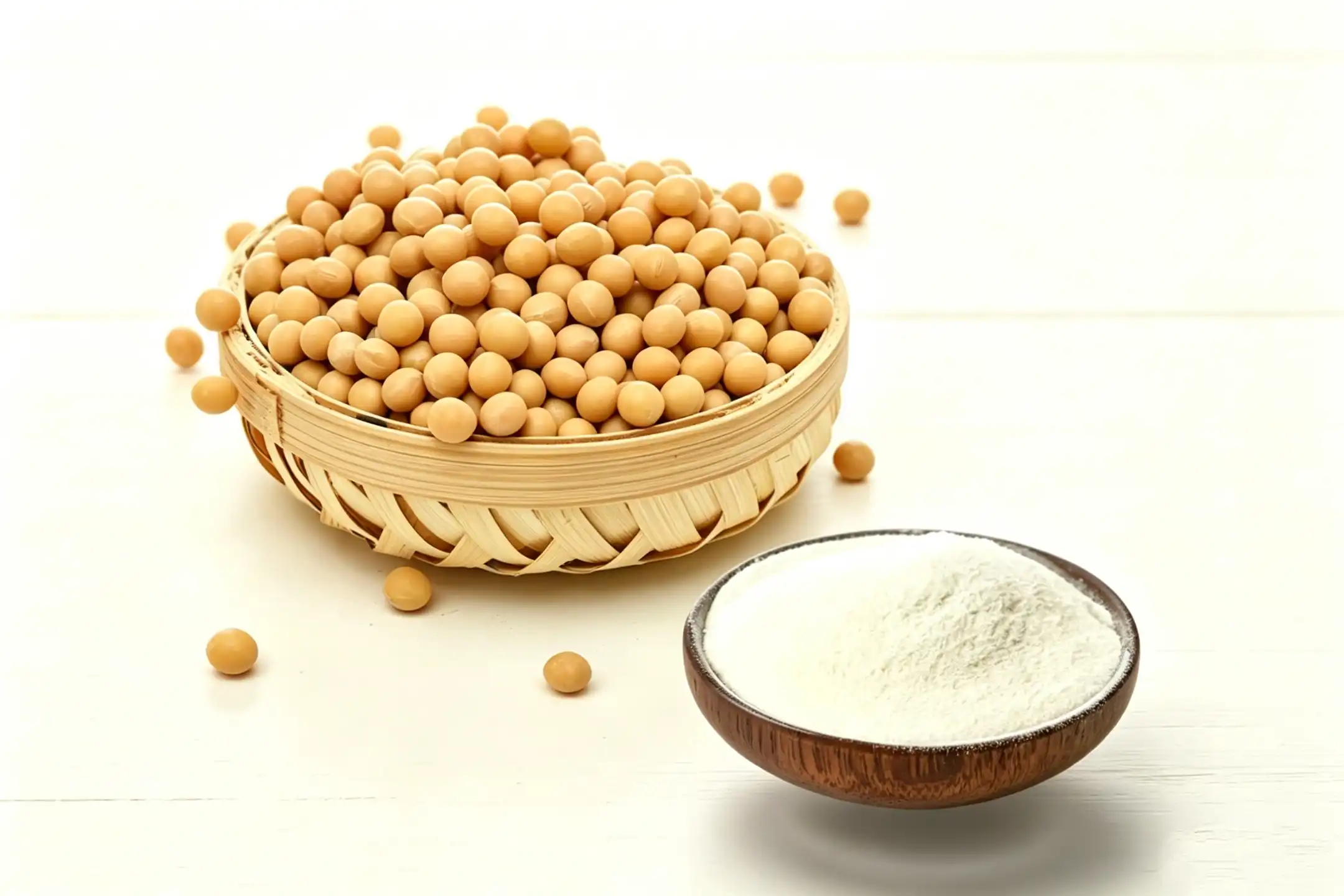
How Does Soybean Peptide Support Muscle Recovery?
Soybean Peptide absorbs these amino acids quickly and sends them straight to muscle cells, where they can help muscles heal. This helpful part is made up of oligopeptides with a molecular weight of less than 1000 Daltons, which are formed by enzymes breaking down proteins. It can skip regular processing and use special transporters in the small intestine to get what it needs. Some amino acids, called branched-chain amino acids (BCAAs), help make proteins and reduce inflammation and oxidative stress that can happen after hard exercise. This mix helps muscle fibers heal faster, makes pain go away faster, and cuts down on the time you need to rest between workouts.
Understanding Soybean Oligopeptide and Its Role in Muscle Recovery
An important part of muscle repair is getting the right food, especially high-quality protein sources that get amino acids to broken cells quickly. The protein ingredient you pick is very important for people who make functional foods and sports nutrition products because it impacts how well the food works and how well it sells.

Soybean Oligopeptide is a big step forward compared to other protein sources. This material comes from non-GMO soy protein extract that has been broken down chemically in a controlled way. A peptide chain is made up of two to six amino acids and is very short. The molecular weights stay below 1000 Daltons. This means that the PepT1 peptide transport system, not the slower amino acid transporters, makes sure that the body absorbs the nutrients quickly in the gut.
The Science Behind Rapid Absorption
Complete proteins that come from food must be broken down in the gut for a long time before they can be absorbed. That is, muscles don't get them right away after they eat them. You don't have to worry about this with Soybean Oligopeptides because they enter the system 15 to 30 minutes after being eaten already broken down. The body takes these nutrients in quickly, which is especially helpful when muscles are still healing after exercise and are more likely to grab them.
Peptides made from soybeans have all nine amino acids that your body needs, with lots of leucine, isoleucine, and valine. These are branched-chain amino acids (BCAAs) that turn on the mTOR pathway and start making muscle protein right away. Researchers have found that the best way to start anabolic signals is with more than 2.5 grams of leucine per dose. With the right peptide pills, it's easy to get to this level.
Antioxidant and Anti-Inflammatory Properties
Soybean Oligopeptides help muscles heal themselves and also fix damage that exercise causes at the molecular level. When you work out hard, reactive oxygen species are released. These species lead to oxidative stress and inflammation in cells, which can make you tired and take longer to heal from. Antioxidants like aspartic acid and glutamic acid are found in parts of peptides. They fight free radicals and stop peroxidation from damaging muscle cell walls.
More than one study that looked at cytokine levels after exercise found that it can lower inflammation. People who ate soy-derived peptides had lower amounts of inflammation markers like C-reactive protein and interleukin-6 than people who were not fed soy. Not only does it take less time to get back to full function, but muscle pain goes down as well.
Comparing Plant-Based Peptides with Other Protein Sources for Muscle Recovery
There are a lot of protein ingredients on the market for people who are making products to help joints heal. Soybean Peptide has pros and cons that are different from other options. This information helps purchasing teams choose where to get goods that fit with their brand's image and what buyers want.

Soybean Oligopeptide Versus Whey Protein
Because it is easy to digest and has all nine amino acids, Whey Protein is still the most important part of sports nutrition. It's hard for it to stay on top, though, because of some changes in the market. There are more and more vegan-friendly choices because more people want plant-based foods. Whey is also an issue for people who can't stomach lactose, and some diets can't handle the chemicals that come from dairy that are there.
Soybean Oligopeptides have about the same amount of BCAAs as dairy oligopeptides, but they don't contain dairy allergens, so more people can use them. The hydrolyzed form gives uptake rates that are the same as or higher than whey isolates. People who care about the environment will like the clean label and plant-based approach. Based on our tests, all of the protein powder melts in water with a pH between 2 and 10. This means that when mixed with acidic drinks, it won't turn into crystals like some protein powders do.
Comparison with Collagen and Casein Peptides
Collagen peptides are well-known for being good for your skin and joints. However, they don't contain all the amino acids your body needs because they don't contain tryptophan and only have small amounts of BCAAs. It is good for joint tissue to have collagen, but Soybean Oligopeptides, which are full of important amino acids, are better for making muscle protein directly.
Casein peptides take longer to break down, which means that amino acids stay in the body longer. This makes things more aggressive. This slow-release feature helps the body heal overnight, but it doesn't work as quickly as Soybean Oligopeptides do after a workout. Both types of peptides are now often used together to help with healing right away and over time.
Positioning Against Other Plant Proteins
Soy protein isolates, pea proteins, and rice proteins are plant-based choices that you can choose from, but they can be tricky to mix. It is because standard isolates don't breakdown well at isoelectric points when used in liquids that they settle. Plus, they keep protein structures whole, which means your body has to break them down all the way.
Modern debittering technology and enzymes can be used to break down Soybean Oligopeptides first, which will fix these issues. Most of the time, high-protein drinks have problems with stickiness. The molecular weight below 1000 Daltons gets rid of those problems. If you use amounts of up to 20%, the structure will not change. This performance edge is very important for ready-to-mix drinks and useful drinks that need to stay clear and stable on the shelf. How a customer feels about a product has a direct effect on how often that product is bought again.
Benefits of Bioactive Soy Peptides for Muscle Recovery and Beyond
Soybean Oligopeptides are being used to help muscles heal more and more in clinical studies. This helps people who make products back up what they say about them and what they say in ads. These beneficial substances, including Soybean Peptide, help the body heal in more ways than one, in addition to providing essential amino acids.
Accelerated Muscle Fiber Regeneration
One study that looked at muscle protein synthesis rates after exercise found that groups that took soy peptide supplements had 25–30% higher levels of synthesis markers than groups that were given a fake supplement. Because amino acids are easy to get and some peptide patterns can send messages that start cell growth paths, this is an advantage.
Studies using muscle samples show that more satellite cells were turned on in people who took peptide pills within an hour of working out. During the healing process, these satellite cells join with broken fibers to make the structure stronger and the cross-sectional area bigger. They help muscle cells heal and grow.

Reduction in Exercise-Induced Fatigue
There are many things that can make you tired, such as losing energy, building up toxins, and nerve stress. Soybean Oligopeptides help with different kinds of tiredness at the same time because they are healthy and good for you. When you eat amino acids with carbs, they get to your muscles quickly and help rebuild glycogen. Some peptide parts also affect the brain and lower your felt effort scores.
When athletes take soy peptides during training blocks that last more than one day, they feel less tired and perform at the same level as when they eat the same amount of total protein. It's very helpful for expert athletes and busy people who want to keep making progress to be able to keep working well during high-volume training.
Extended Health Benefits Supporting Product Differentiation
Oligopeptides from soybeans are good for more than just muscles. In other words, formulators can make things that are good for your health. Because they change the immune system, peptide fractions may lower the risk of upper respiratory infections during times of heavy training when the immune system is quickly weaker.
It has been shown that processes that increase collagen production and guard against damage from UV light are good for skin health. More people than just people who buy sports nutrition are interested in these health perks. Soy products with oligopeptides could reach more people because of this.
Because they are safe and can be approved as vegan, Soybean Oligopeptides can be used in products for people who are allergic to certain foods or have moral issues. Our ingredient is approved by ISO, HACCP, and Halal. This makes it easy to sell in a lot of different faith and geographical areas while still meeting high quality standards.
Procurement Considerations for Peptide Ingredients in Bulk
You should think about more than just the unit price when picking a place to get bioactive ingredients. To make sure that finished goods meet both company and market standards, procurement managers need to find a balance between cost, quality standards, following the law, and how reliable the supply chain is. This is especially important when sourcing ingredients like Soybean Peptide, where quality and consistency are key factors in meeting industry demands.

Critical Product Specifications
The quality of the ingredients and how well they work in different situations depend on a number of technical factors when you compare different Soybean Oligopeptide companies. At least 80% of the product should be dry protein. This makes sure that it has enough useful power without having too many empty materials. Gel permeation chromatography must be used to show that at least 85% of the peptide fractions are less than 1000 Daltons. This will show that the molecular weight distribution is right.
When making a new product, trying its stability across important pH ranges can help you avoid making mistakes with the formula. In our study, the Soybean Oligopeptide fully dissolves in water at all pH levels. This means that it stays clear in both sports drinks with a high pH and meal replacements with a neutral pH. The design is smooth because the particles are 80 meshes wide, and they spread out fast without sticking or getting rough, which is bad for the customer.
Organoleptic Quality and Debittering Technology
Organoleptic quality is something that a lot of plant-based protein sources have trouble with. Soy peptides that have been used in the past often have strong bitter and bean tastes that make it hard to use them in foods that people will want to eat. This is our special debittering technology. It uses certain enzyme systems and activated carbon to get rid of these off-flavors, leaving a neutral taste profile that is like clean water. You can add more of it and use it in more types of food and drinks because it tastes better.
Supplier Credential Verification
To start quality control, providers must be carefully screened by going through their papers and visiting their facilities. There is a planned approach to food safety, as shown by the ISO 22000 and HACCP certifications. A general quality management system is also used, as shown by the ISO 9001 certification. Instead of self-certification programs, these IDs should be checked by approved third parties to make sure they are up to date.
The Certificate of Analysis should show that the norms for heavy metals, chemical residues, and microbiological safety have been met for each production run. Lead level must be less than 0.5 ppm, arsenic must be less than 0.3 ppm, and total plate count must be less than 1000 CFU/g for high-quality peptide ingredients that can be used in food additives.
How well sellers take care of their goods and how much money they can make have a direct effect on how stable the supply chain is. We keep 10 to 20 tons of our most popular items in stock just in case, so we can send out standard orders in 5 to 7 business days. When you stock in this way, you don't have to worry about running out of products, and customers can change their orders if demand goes up without warning.
Strategic Pricing Considerations
Soybean Oligopeptide prices depend on how much you order, what kind of protein you need, and any extra services you need, like custom packing or help with paperwork. When you buy in bulk, you can usually save 15–25% compared to spot market prices. This means that makers whose customers' buying habits are reliable can make money by working with them for a long time.
It is possible to get good things at low prices when you buy from companies in China and the US. Chinese manufacturers save money by being close to places that grow soybeans and having a well-established infrastructure for enzyme processing. They do this without lowering the quality standards needed for international approval. Our plant in Shaanxi province uses cutting-edge technology for cleaning and strict quality control all along the production chain to make the most of these benefits of the area.
How to Integrate Hydrolyzed Soy Protein Into Your Product Line or Supply Chain?
To successfully add ingredients, you need to know both how the formula works technically and what your legal duties are. There are many types of products that can use Soybean Peptide, but each one needs special care to work well and be accepted by the market.
Formulation Strategies for Sports Nutrition Products
These chemicals are most often found in sports energy drinks, which help your muscles heal and rehydrate you quickly. In general, 5 to 15 grams per meal is fine, as long as the food has the right amount of carbs and minerals. Our Soybean Oligopeptide dissolves fully in water and has a low viscosity. This means that it can add a lot of protein to a drink without making it thick and chalky like most protein drinks do.
You can stomach protein shakes better and feel full longer when you add peptides to them instead of protein sources that aren't broken down. It is common for Soybean Oligopeptides to be mixed with other ingredients that work well with them, such as medium-chain triglycerides for energy, dietary fiber for good digestion, and vitamin-mineral premixes for a complete nutritional boost. The well-balanced flavor profile goes well with many different seasonings and doesn't clash with chocolate or fruit-based tastes.
When you mix ingredients that work well together, the benefits are greater than what any one ingredient can do on its own. Adding more BCAAs to a 2:1:1 mix of Soybean Oligopeptides boosts the amount of leucine for the mTOR pathway to work at its best. Adding curcumin or tart cherry extract makes the anti-inflammatory effects stronger, and adding beta-alanine or creatine monohydrate makes you perform better in later workouts.
Regulatory Compliance for International Markets
To sell your goods in North America and Europe, you need to follow different rules about how to label claims, what ingredients are allowed, and how to make your products. Most of the time, Soybean Oligopeptides are seen as food elements rather than new foods. This makes getting approval easier than it would be for man-made chemicals or plants that aren't common.
Based on accepted testing methods, nutrition labels must correctly show how much protein a food has. This is usually done using Kjeldahl nitrogen determination with the correct conversion factors. Structure-function comments about how muscles heal need to be backed up by clinical studies or well-known rules in food science. It is best to stay away from therapeutic wording that brings up problems with drug classification.
Seals that say something is organic or vegan are good for marketing, but they need to be checked out in writing through supply chain tracking. Our non-GMO soy raw materials and enzyme systems made from microbial fermentation support claims that they are organic or vegan when approved by the right third-party groups. A lot of Muslims in the Middle East and Southeast Asia are looking for healthy foods that meet their needs. When things are certified as kosher, they can be sold there.
Commercial Viability and Market Positioning
The positioning of the company and the types of people it wants to sell to should guide the choice of materials for a new product. High-end brands that sell to serious athletes and fitness fans can charge more by promoting technologies that help the protein absorb quickly and better dissolve amino acids than normal proteins. Low prices are possible for brands that focus on value because they can make their goods more cheaply and buy in bulk.
More and more people are interested in sustainable and ethical protein sources. To make their new products stand out, companies use the plant-based branding of Soybean Oligopeptides. Marketing materials for items should talk about both how good they are for the earth and how well they work. People used to think that plant-based proteins aren't as good for building muscle and healing as animal-based proteins. This will help debunk that myth.
Conclusion
It is known that Soybean Oligopeptides help muscles heal by quickly delivering amino acids, offering full profiles of important amino acids, and having biological properties that lower biochemical stress and inflammation. Many times, traditional plant proteins can't be used because they don't mix well, have thick consistency, or taste good. These big problems with industry can be fixed with this ingredient. Soybean Peptide provides a solution, ensuring better solubility and smoother texture. Full approvals and technical standards make sure that all of the time, the quality of the products used in production is always good. Sports nutrition and functional food items can work well together because of factors like source trustworthiness, changing prices, and adherence to regulations. As a result, brands are well-equipped to meet the rising need for plant-based performance ingredients that come with clear labels.
FAQ
Q1: Is soybean oligopeptide safe for daily consumption?
A: The Soybean Oligopeptides were found to be very safe when people took them every day for a long time. That part of the food comes from non-GMO soybeans that were treated with enzymes instead of harsh chemicals or methods. Certifications like ISO, HACCP, and Halal make sure that safety rules and quality control methods are followed while the product is being made. When soy proteins are broken down with water, they lose some of the allergic epitopes that are in whole proteins. Most people can eat the food now, even those with weak soy issues.
Q2: How does the amino acid profile compare to animal proteins?
A: The nine amino acids that are needed to build muscle protein are all found in Soybean Oligopeptides. Foods that come from plants have all the nutrition that foods that come from animals do. BCAAs make up 18–22% of all amino acids. This is a little less than whey, but when taken in the right amounts, it's still enough to help the body heal. They are just as easy to digest and absorb as or even easier than animal proteins because the molecules have already been broken down.
Q3: What dosage provides optimal muscle recovery support?
A: The anabolic window is 30 to 60 minutes after working out. This is when adults who are busy or into sports should take 10 to 20 grams per serving. This much can give you 8 to 16 grams of accessible amino acids, depending on how much protein it has. This is enough to meet the leucine level of 2.5 grams needed to speed up protein synthesis the most.
Partner with Sigma for Premium Soybean Peptide Supply
Shaanxi Sigma Biotechnology Co., Ltd. can help you reach your product development goals by giving you pharmaceutical-grade Soybean Oligopeptides that are made under strict quality standards. Our factory uses cutting edge enzyme technology and a special debittering method to create a fine, off-white powder that dissolves fully in water and has at least 80% protein by weight. Because we are a well-known company that makes soybean peptides and always has a lot in stock, we can offer fast delivery in 5 to 7 business days.
We also offer adjustable ODM and OEM services for packing and specs that are made just for you. The ISO 22000, HACCP, and Halal guidelines make sure that all shops around the world follow the rules without any issues. You can email our team at sarah@sxsigma.com to get more information, set up sample testing, or talk about prices for big amounts for your next formulation project. We offer full solutions based on decades of experience removing plants and a strong desire for long-term relationships to work out.
References
1. Hartman JW, Tang JE, Wilkinson SB, et al. Consumption of fat-free fluid milk after resistance exercise promotes greater lean mass accretion than does consumption of soy or carbohydrate in young, novice, male weightlifters. American Journal of Clinical Nutrition. 2007;86(2):373-381.
2. Matsumoto T, Nakamura S, Okamoto K, Yoshimura K. Soy peptide supplementation promotes skeletal muscle hypertrophy in resistance-trained subjects. Journal of Nutritional Science and Vitaminology. 2015;61(3):252-259.
3. Nagaoka S. Structure-function relationships of soybean peptides and their health benefits. Food Science and Technology Research. 2019;25(2):163-172.
4. Tang JE, Moore DR, Kujbida GW, Tarnopolsky MA, Phillips SM. Ingestion of whey hydrolysate, casein, or soy protein isolate: effects on mixed muscle protein synthesis at rest and following resistance exercise. Journal of Applied Physiology. 2009;107(3):987-992.
5. Wilkinson SB, Tarnopolsky MA, MacDonald MJ, Phillips SM. Consumption of fluid skim milk promotes greater muscle protein accretion after resistance exercise than does consumption of an isonitrogenous and isoenergetic soy-protein beverage. American Journal of Clinical Nutrition. 2007;85(4):1031-1040.
6. Zhu CF, Li GZ, Peng HB, Zhang F, Chen Y, Li Y. Effect of soy peptide on biochemical indices of exercise-induced fatigue in mice. Food and Agricultural Immunology. 2011;22(4):351-358.
Aloe emodin 98% vs lower purity
When buying botanical extracts as a business, purity levels are a very important quality measure that has a direct effect on how well the product works and how well it meets legal requirements. Aloe Emodin Extract is a bioactive anthraquinone that comes from Aloe vera and related species. It comes in different purity grades, from normal commercial grades that are about 50–80% pure to special pharmaceutical grades that are 98% pure or higher. Choosing between options with lower levels of purity and high-purity 98% aloe emodin has a big impact on the security of the formulation, the accuracy of the dosage, and the safety of the end user. Understanding these differences helps procurement managers, research and development teams, and quality assurance professionals make better decisions about where to get raw materials for dietary supplements, cosmetics, or pharmaceuticals that meet both product specifications and business goals.
Understanding Aloe Emodin Extract Purity
Aloe Emodin Extract, whose chemical name is 1,8-dihydroxy-3-(hydroxymethyl)anthraquinone (C15H10O5), is one of the most medicinally useful chemicals found in aloe plants. This orange-yellow crystalline chemical is found naturally in the latex layer of Aloe barbadensis Miller and Aloe ferox. It helps the plants defend themselves. Extraction purity is the amount of active aloe emodin molecules compared to the total mass of the extract. If the purity is 98%, it means that most of the other plant parts, like oils, polysaccharides, and co-extracted compounds, have been removed using advanced processing methods.

Chemical Characteristics and Standardization
High-purity aloe emodin keeps its physicochemical qualities stable, which is important for commercial uses. The compound's freezing point is between 223°C and 224°C, which proves that the molecules are still whole. The solubility profile shows that it mixes well with ether, ethanol, and other chemical solvents commonly used in formulation. However, it only partially dissolves in water. Because of this, certain delivery methods are needed in water-based cosmetics or supplements. Standardized requirements for pharmaceutical-grade material usually say that the ash content has to be less than 1%, the moisture level has to be less than 0.5%, and the heavy metal percentage has to be below strict regulatory limits. These factors ensure consistency from batch to batch, which is important for industry to grow.
Extraction Methods Affecting Final Purity
These days, extraction starts with ethanol-based solvents that break down only the anthraquinone chemicals in dried aloe leaf material. Controlling the temperature during extraction is very important. Too much heat breaks down the target molecule, and not enough heat lowers the yield efficiency. After the first extraction, the raw material goes through several steps of processing, such as precipitation, filtration, and chromatographic separation.
Advanced methods, like recrystallization and high-performance liquid chromatography (HPLC)-guided separation, are needed to get 98% purity. Some products that aren't as pure might skip these steps, leaving behind aloin and other glycosides that can have negative affects or stop the biological activity that was meant to happen. The way of extraction used has a direct effect on both the purity and the amount of leftover solvents, which must be below strict limits for export markets.
Impact of Purity on Aloe Emodin Extract Performance and Applications
The quantity of active molecules in an extract decides how well it works in a variety of situations. Bioavailability, formulation stability, and safety profiles are three important performance aspects that are affected by purity levels. All of these things affect how well Aloe Emodin Extract works in finished goods and whether it meets the requirements for certain markets.
Efficacy and Bioavailability Differences
According to research, 98% pure aloe emodin has dose-response relationships that can be predicted for both cosmetic and oral use. When used in cosmetics to treat hyperpigmentation, the high-purity compound regularly stops the tyrosinase enzyme from working, which is the step that slows down the production of melanin. There isn't much difference between production groups. Lower-purity versions with 50–70% active content need proportionally higher doses to have the same effects, which makes formulating harder and raises the cost of raw materials per effective dose.
Studies on cellular models show that pure aloe emodin has better membrane permeability than crude extracts. This means that it is more bioavailable when added to transdermal delivery methods. This is especially important for companies that sell their goods with claims of clinical effectiveness, since marketing approvals are based on consistent performance statistics.
Safety and Contaminant Control
Impurities in lower-grade products are known to pose safety risks that producers who care about quality can't ignore. A similar anthraquinone glycoside called co-extracted aloin has been linked to stomach irritation and possibly genotoxic effects at high amounts. The European Food Safety Authority and other regulatory bodies have set strict limits on the amount of aloin that can be in market goods.
High-purity 98% material naturally has very little aloin left over after the purification process, which makes compliance paperwork easier. Less pure extracts need extra tests to make sure they have the right amount of aloin, which raises the cost of quality control and increases the risk of batch rejection. Along with botanical contaminants, purification lowers the amount of heavy metals (like lead and cadmium) and microbes, as well as pesticide residues. All of these are important factors for goods that want to enter markets controlled by the US FDA or the EU.

Application-Specific Performance Requirements
Depending on what they are used for and how they are regulated, different types of products need different levels of quality. Pharmaceutical businesses that are making laxatives or studying how to cause apoptosis in cancer cells need 98% purity to get clear structure-activity relationships and clinical data that can be repeated. Cosmetic companies that make anti-acne serums benefit from using high-purity ingredients because they keep skin responses from being uncertain caused by contaminating compounds.
Even in animal nutrition, like aquaculture food, where aloe emodin acts as a natural antimicrobial, purity affects how long it lasts on the shelf and how well it kills bacteria. The orange-yellow fine powder look of pharmaceutical-grade material also gives visual quality cues that fit with how the brand markets itself as having high-quality, science-backed ingredients.
Decision Support: How to Choose Between 98% and Lower Purity Aloe Emodin Extract?
When making choices about what to buy, you need to look at more than just the cost per kilogram. The best purity level depends on how you want to market your product, the rules that apply, your production skills, and what your target customers expect. To make this decision, you need to carefully look at a number of important factors for Aloe Emodin Extract procurement.
Evaluating Product Requirements and Regulatory Context
Companies that make food products for the US market have to deal with different rules than companies that make cosmetics for sale in the US. When a product makes promises about structure-function or therapeutic uses, it usually needs higher-purity ingredients and a lot of paperwork, like a Certificate of Analysis (CoA), allergen statements, and reports on leftover solvents. For general wellness goods with broad label claims, lower-purity choices may be enough, but this strategy could hurt the company's image if rivals start using stricter standards.
High-quality providers keep certifications like ISO 9001, ISO 22000, HACCP, Kosher, and Halal up to date. These certifications provide third-party approval that helps with compliance efforts further down the line. Before agreeing to a supply deal, procurement teams should ask for up-to-date certifications and batch-specific COA data that shows HPLC purity proof, heavy metal screening, and microbiological testing results.
Cost-Benefit Analysis for Different Business Models
Buyers who care about price tend to choose choices with lower purity to save money right away. A 60% pure extract might cost 40% less per kilogram than a 98% pure material, which is a clear savings. A closer look shows secret costs: higher dosage needs mean more material is used per unit, formulations become more complicated when batches don't match up, and quality control costs rise to deal with risks linked to impurities. When OEM makers make products for well-known names, they usually aim for 98% purity to meet customer requirements and avoid delays in reformulation.
Distributors who work with research institutions can't skimp on purity because normal reference materials are needed for experiments to be repeated. When making goods with concentrated actives, where a few grams per batch decides how well the product does, even brands that are trying to save money can benefit from using high-quality ingredients. It's easier to understand the economy when you figure out the real cost-per-dose instead of the cost-per-kilogram.

Supply Chain and Operational Considerations
Minimum order amounts, wait times, and stock availability all affect how likely it is that someone will buy something. High-purity 98% aloe emodin usually needs to be made in small batches, and suppliers keep extra on hand in case of supply shortages for pharmaceutical and nutraceutical customers. Well-known companies like Shaanxi Sigma Biotechnology keep 10–20 tons of key goods in stock at all times. This lets them serve standard orders in 5–7 days and custom purity specifications in 10–15 days. This dependability helps with planning production and just-in-time manufacturing.
Alternatives with less purity might have faster lead times from bulk sellers, but it's harder to tell if each batch will be the same. Procurement should look at what the seller can do, such as having constant countercurrent extraction systems, climate-controlled storage facilities, and quality hold processes that stop the early shipment of material that hasn't been checked. Before committing to buying a 25-kg drum, asking for 100g to 1 kg samples for research and development (R&D) proof lowers formulation risk and verifies what the seller says.
Market Comparison: Aloe Emodin 98% vs Other Extract Options
There are a lot of different kinds of plant extracts and aloe-based ingredients on the market. Each one has its own price range and performance qualities. Knowing about these options helps buying teams make smart decisions about what to replace or why to charge more for better materials for their Aloe Emodin Extract needs.
Comparison with Related Anthraquinone Compounds
The plant parts emodin comes from rhubarb and Japanese knotweed. Its structure is similar to that of aloe emodin, but it doesn't have the hydroxymethyl group at position 3. Because of this chemistry difference, the biological action varies: emodin is better at killing germs, while aloe emodin is better at making you go to the bathroom. Rhein is a similar substance that contains anti-inflammatory properties but costs more because it is harder to extract. Instead of taking general "emodin-containing extracts" that might not give consistent results, procurement teams that are making formulations with specific activity profiles should be very clear about the exact anthraquinone. When compared to mixed-anthraquinone products, suppliers that offer 98% aloe emodin make it easier to identify and track the ingredients.
Natural vs Synthetic Sourcing Considerations
Chemical synthesis can be used to make manufactured aloe emodin, but natural plant extraction is still the standard for uses that people see. Trends in the market show that people like "naturally derived" products, especially in the clean beauty and health supplement industries. Natural extraction from verified Aloe species is good for marketing and fits with how the brand positions itself as a plant-based health solution.
Synthetic options may be cheaper and have purity levels close to 99%, but they are closely watched by regulators to make sure they are the same as plant sources and could cause problems with labeling under "natural" product standards. Supply chain security also helps botanical sources. For example, long-term aloe farming in places like Shaanxi, China, offers stable raw material pipelines that are not affected by changes in petrochemical feedstocks that affect synthetic production.
Supplier Landscape and Quality Differentiation
There are many companies in the world that sell aloe emodin with claims of purity ranging from 50% to 98%. Differentiating quality is easier when you look at what the provider can do instead of just what the specs say. Premium companies spend money on origin-controlled raw materials to make sure that the aloe leaf fodder they use comes from real species that were grown in the best conditions. They run production centers that are ISO-certified, use extraction methods that have been tested, and keep detailed records.
These providers offer OEM/ODM services that are flexible and include custom purity goals, particle size optimization (usually 100 mesh for best dissolution), and package options that are made to fit the needs of the client. Traders in commodities who sell less pure materials often don't have direct control over the producing process. This makes the supply chain less clear and causes quality to vary. When looking at suppliers, asking for facility audit records, customer references from well-known names, and batch consistency data across multiple production lots shows what the suppliers can really do, not just what they say they can do.

Maximizing Procurement Value: Best Practices and Brand Trust
Business-to-business (B2B) relationships that work well go beyond simple transactions and include strategic ties that help come up with new products and grow the market. Long-term economic benefits come from putting in place strict verification procedures and building relationships with suppliers of Aloe Emodin Extract.
Verification and Quality Assurance Protocols
If you want to make sure you get the stuff that meets the requirements, you can't just count on the supplier's paperwork. Testing by a third party in a recognized lab gives a neutral report on the level of purity, the presence of heavy metals, chemical residues, and microbial contamination. HPLC analysis compares the real amount of aloe emodin to the specs that were given. For pharmaceutical-grade material, acceptable tolerances are usually within ±2%. By checking for similar chemicals, you can find possible adulterants or breakdown products that make the product less safe.
Finding the melting point (should be between 223 and 224°C) is a simple way to prove the molecular structure and identify. Additional quality signs include an ash level of less than 1% and measurements of the specific gravity. Setting up vendor qualification processes that include batch testing for first orders and then regular checks to make sure the supply continues to flow smoothly strikes a balance between quality control and practical efficiency.
Building Strategic Supplier Relationships
Buying groups that are in charge of complicated formulas can work better with sellers who know a lot about the subject. Partners who offer formulation support can suggest the best ways to include aloe emodin in a variety of matrix systems, such as oil-based serums, watery creams, or capsuled supplements. They offer ways to improve solubility, like cyclodextrin complexation or liposomal delivery methods, which make the lipophilic substance more bioavailable.
Customization services that include changing particle size, co-processing with ingredients that work well together, and packaging in smaller units for R&D processes show how flexible the provider is. Companies that have fast communication lines and expert staff that understands application chemistry, not just sales reps, work together to solve problems. These connections are very helpful for fixing problems with recipe, figuring out new market regulations, or moving from test batches to full-scale production. Sample programs that let you see how well important things work before making big promises lower financial risk and boost trust between parties.
Manufacturers who show openness about their business by giving tours of their facilities, providing a lot of information about their products (like safety documents and technical data sheets), and talking to customers ahead of time about changes to specifications or supply conditions build trust that goes beyond price competition. Details like proper storage suggestions (light-protected, sealed cases at controlled temperatures) that keep the integrity of the product throughout the supply chain show how committed they are to quality. This organizational success leads directly to performance of the final product and happy customers.
Conclusion
Choosing between aloe emodin that is 98% pure and lower-grade aloe emodin shows what your company stands for when it comes to quality and how it positions itself in the market. High-purity materials, such as Aloe Emodin Extract, offer consistent performance, better safety ratings, easier regulatory compliance, and more recipe options, which are all reasons why quality-focused brands are willing to pay more for them. Lower-purity alternatives might work in some cost-sensitive situations, but they add factors that make production harder and could make it harder to tell one product from another.
A good procurement process combines these factors by carefully reviewing suppliers, making sure the quality is high, and building long-term partnerships with makers who can show they have the technical know-how and dependability to carry out the job. Investing in high-quality raw materials often pays off by lowering the number of formulation fails, speeding up regulatory approvals, and improving the brand's image in markets that are becoming more competitive.
FAQ
Q1: What specific advantages does 98% purity offer over 80% purity material?
A: The 18 percentage point difference means that there is a lot more active substance per unit weight, which means that less medication is needed and formulas can be more concentrated. Higher clarity lowers impurities like leftover aloin, plant fibers, and extraction solvents that can make your skin sensitive or give you stomach problems. The stability from batch to batch gets a lot better, which makes quality control easier and makes sure that the product performs the same way every time.
Q2: How can I verify claimed purity levels from suppliers?
A: Ask for up-to-date Certificates of Analysis that show the results of HPLC tests along with chromatogram data. Testing by an independent third party in approved laboratories gives a fair proof. Physical qualities like melting point (should be 223-224°C), look (orange-yellow fine powder), and solubility traits can be used as extra checks.
Q3: Does higher purity material have better shelf stability?
A: Yes, aloe emodin that has been cleaned and has few impurities shows better storage stability when kept away from light and moisture. Extracts with less purity that contain volatile co-compounds may break down more quickly due to oxidation, which could shorten the shelf life of the product and require more stable testing more often.
Q4: What certifications should I require from suppliers?
A: ISO 9001 certifies systems for managing quality, ISO 22000 certifies systems for managing food safety, and HACCP approval shows methods for controlling hazards. Kosher and Halal approvals make it easier for dietary supplement uses to get into new markets. Instead of taking old documents, ask for papers that are up to date.
Partner with Sigma for Premium Aloe Emodin Extract Supply
Shaanxi Sigma Biotechnology can help you get aloe emodin because they have pharmaceutical-grade 98% pure material and lots of quality paperwork to back it up. Our advanced cleaning methods and ethanol extraction process give you the fine orange-yellow powder you need. It meets ISO, HACCP, and Kosher standards, which are necessary for selling on the global market. We keep a lot of stock on hand so that stock things can be delivered within three to five days. If you have specific purity or particle size needs, we can make changes as needed.
Whether you need 100g samples for R&D testing or 25kg drums for mass production, our team can help you with the technical side of integrating formulations and writing up regulatory paperwork. As a producer of Aloe Emodin Extract with decades of experience extracting botanicals, we use Shaanxi's high-quality raw materials and modern production facilities to offer stable quality at a reasonable price. Email our team at sarah@sxsigma.com to get samples, talk about your unique application needs, and find out how our full-service approach to B2B partnerships can help your product development efforts.
References
1. Chen, Y., & Zhang, H. (2019). Anthraquinones from Aloe species: Phytochemistry, biological activities and therapeutic potential. Journal of Pharmaceutical Analysis, 9(4), 241-256.
2. Harlev, E., Nevo, E., Lansky, E. P., & Ofir, R. (2018). Methods of extraction and purification of aloe emodin from Aloe barbadensis Miller: Impact on purity and biological activity. Industrial Crops and Products, 112, 356-367.
3. Lin, M., Liu, S., & Tang, W. (2021). Quality evaluation and standardization of aloe-derived anthraquinones for pharmaceutical applications. Pharmaceutical Biology, 59(1), 782-793.
4. Morrow, D. M., & Rapaport, M. J. (2020). Regulatory considerations for botanical extracts in dietary supplements: A focus on purity standards and safety assessment. Food and Chemical Toxicology, 138, 111234.
5. Salehi, B., Kumar, N. V. A., Sener, B., Sharifi-Rad, M., Kılıç, M., Mahady, G. B., & Sharifi-Rad, J. (2018). Medicinal plants used in the treatment of human immunodeficiency virus. International Journal of Molecular Sciences, 19(5), 1459.
6. Wang, J., Li, X., & Zhao, L. (2020). Comparative analysis of extraction methods and purity specifications for commercial aloe emodin: Implications for B2B procurement. Journal of Applied Research on Medicinal and Aromatic Plants, 18, 100259.
How to Use Date Syrup as a Natural Sugar Substitute?
Manufacturers who want to get rid of refined sugars from their products can use Saudi Date Syrup as a great alternative. The natural sweetness of this dark, thick liquid comes from concentrating high-quality Saudi dates at low temperatures. It also keeps all of the nutrients that the dates need. It works well in baking, drinks, and foods because it has a solid content of more than 70% and a total sugar amount of more than 65%. The quality is uniform from batch to batch, it meets approved production standards (ISO, HACCP, and Halal), and it can be used instead of other sweeteners without changing the taste or texture in large-scale production settings.
Understanding Saudi Date Syrup and Its Benefits
What Sets This Natural Sweetener Apart?
To make Saudi Date Syrup, carefully chosen Saudi date varieties are picked when they are at their ripest. Unlike harsh heat processing that destroys nutrients, the low-temperature concentration method keeps the vitamins, minerals, and antioxidants that are already in the food. The soft extraction process creates a product with a pH range of 4.0 to 5.0. This creates a slightly acidic environment that naturally stops the growth of microbes while still being compatible with a wide range of food materials.

The nutritional value is higher than that of many other sweets. This concentrated fruit juice is sweet, but it also has health benefits because it is high in potassium, magnesium, and B vitamins. The high fructose-to-glucose ratio makes sure that the product dissolves well and doesn't crystallize like honey-based goods often do. Manufacturers who want to make functional drinks or food replacements for health-conscious customers find the nutrition richness to be very useful.
Production Excellence and Quality Assurance
Continuous countercurrent extraction methods are used in modern sites to get the most out of the yield while minimizing thermal exposure. The first step is to add water. Next, controlled heating and fine filtering are used to get rid of any particles. This uniform method gives regular viscosity, color strength, and taste profiles, which are important for mass output.
Every batch goes through a strict bacterial test to make sure it meets food safety standards. The tests check for mold, osmophilic yeast, and the total number of plates. Lab reports that prove the lack of pesticide residue and the exact makeup of the sugar that is shipped with it help with customs processing for markets in the Middle East and Europe. These documentation methods meet the needs for legal compliance that QA teams look for when they evaluate suppliers.
Storage Considerations for Industrial Applications
Products that are kept at room temperature in sealed packages stay fresh for 18 to 24 months. The high osmotic pressure naturally keeps the food from going bad, which means it doesn't need to be kept in cold storage as long as fresh fruit does. Warehouses like the longer shelf life because it helps them handle their goods more strategically and cuts down on waste from food going bad. The brown, thick liquid stays stable under normal delivery conditions, which helps international food companies run their supply chains more smoothly.
Why Choose Saudi Date Syrup as a Natural Sugar Substitute?
Addressing Industry Pain Points
The clean-label trend has made people look more closely at ingredient lists. More and more people are rejecting fake sweets and refined sugars, and they want to know where the ingredients come from. Traditional sugar replacements often have a flavor of chemicals that you don't want or need a lot of masking agents. This natural option, such as Saudi Date Syrup, is easy to make with just one ingredient and meets the standards for organic, vegan, and non-GMO products that health supplement and dietary supplement brands are looking for.
Market dilution is a problem that keeps coming up. Bad goods that have maltose syrup or extra water in them make the consistency of the mixture less stable. Verified 100% pure Saudi Date Syrup concentration makes sure that the ingredients can be tracked and are of good quality. This purity promise gets rid of the risks that come with changing the recipe when the sugar content changes. This protects R&D investments and the brand's image.
Functional Advantages in Product Development
In addition to being sweet, Saudi Date Syrup is a natural humectant that keeps baked goods from sticking together. Energy bars, cookies, and desserts that don't use artificial preservatives can last longer on the shelf because they keep their moisture. The caramelization properties make the browning processes stronger during baking, which makes the food look good and develops rich flavors. These useful properties make it less necessary to use multiple additives, which makes ingredient labels easier to understand.
There are light toffee and fruity hints in the taste profile that don't overpower the other ingredients. This adaptability makes it useful for a wide range of situations, from spicy stews that need gloss and viscosity to beverage systems that need clean sweetness. Formulation makers like that it works well with plant-based milk alternatives and that the natural color and light acidity make the end product better instead of worse.

Economic and Sustainability Benefits
Even though other sweets go through seasonal changes, prices stay the same because of stable supply chains that are based in real producing areas. Options for bulk packaging running from 25 kg to 200 kg containers help medium- to large-scale manufacturing companies save money on transportation costs. Natural preservation features mean that there is less need for cold chain distribution. This lowers carbon footprints while keeping quality high during international shipping.
When you buy from well-known companies that do research and development, you can get expert help for changing the mix. This partnership method helps brands figure out the right conversion ratios, changes to the amount of moisture, and process changes to make sugar replacement work. The value goes beyond buying raw materials and includes formulation advice that shortens the time it takes for new goods to hit the market.
How to Effectively Use Saudi Date Syrup in Food and Beverage Manufacturing?
Understanding Sweetness Equivalence and Conversion
In most cases, Saudi Date Syrup can be used in place of refined sugar at a 1:1 weight ratio, but how sweet something tastes depends on the situation. It is about 25% sweeter than sugar because it has a lot of fructose in it, which means that less sweetener could be used generally. Bench-scale studies find the best amounts of substitution while also checking for changes in taste and texture and how the food reacts to processing.
Changes to the moisture level are very important in baking. When compared to powdered sugar, the liquid form adds more water, so other liquid ingredients need to be cut by about 20 to 25 percent. To keep targets, formulation engineers keep an eye on the stiffness of the dough, the structure of the batter, and the moisture level of the finished product. Controlling the temperature while mixing stops caramelization from happening too soon, which could affect the consistency of the color.
Phased Integration Approach
Before going full-scale, small-batch production runs are used to test the processing settings. When compared to control formulations, sensory groups rate the taste, texture, and look of the new ingredients. These tests show what changes need to be made to the tools, like slower or faster mixing or longer dissolving times, so that production can go smoothly from one step to the next.
Protocols for quality control are being updated to include new factors that are special to fruit-based sweeteners. Brix readings confirm the uniformity of sweetness, HMF analysis confirms that heat damage is minor, and HPLC sugar profiling finds possible adulteration. These quality checkpoints give QA teams more confidence in their ability to keep products consistent across production lots.
Compliance and Labeling Considerations
Natural sugars help with a number of certification paths. If the ingredient comes from approved sources, it can be labeled as organic, which appeals to higher-end consumers. Claims that a product is vegan or vegetarian help it stand out in plant-based product areas that are growing quickly. People who care about their health often worry about allergens, and gluten-free status answers those worries.
Certificates of analysis, allergy statements, and GMO-free statements are all examples of documents that must be kept. When suppliers provide detailed technical paperwork, it's easier for new products to get approved by regulators. This support is especially helpful for businesses that want to grow into export markets that have strict rules about ingredients, like the European Union's rules that require full composition declaration.

How to Choose and Source Premium Saudi Date Syrup for Your Business?
Critical Evaluation Criteria
Origin proof proves that something is real and can be tracked. Suppliers should show proof of the date variety, harvest area, and production site. This openness supports marketing claims about premium sources, such as Saudi Date Syrup, and lowers the risks in the supply chain that come with goods that are mislabeled or watered down.
Portfolios of certifications show dedication to quality standards. Certifications like ISO 22000, HACCP, Halal, and Kosher show that production methods are uniform and have been checked by a third party. These qualifications make it easier to get into markets with different rules and buyer tastes. Manufacturers that want to sell their products in other countries give priority to sellers who have a lot of recognized certifications, which makes compliance paperwork easier.
Supplier Capabilities Assessment
The ability to meet rising demand is based on production capabilities. Reliable partners keep a safety stock of 10–20 tons of key goods, which lets them fulfill orders quickly even when the number of orders changes. Delivery times of 5 to 7 business days help just-in-time inventory tactics that keep operating capital from getting stuck in raw materials.
The technical help skills go beyond just supplying products. Preferred providers offer formulation advice, which helps R&D teams make recipes better during projects that replace sugar. This joint method shortens the time it takes to build something and lowers the cost of making mistakes. Having access to application scientists who are familiar with different types of food can help you make decisions about how to change the processes and how to keep the food stable.
Contract Negotiation and Risk Management
Long-term contracts guarantee better prices and faster delivery during times of high demand. A lot of the time, promises to buy in bulk open up tiered price systems that make product margin profiles better. The terms of the contract should include quality standards, testing procedures, and ways to settle disagreements that are fair to both sides.
When buying things from other countries, you need to know a lot about logistics. Suppliers who have experience with sending goods around the world can help you manage the complicated rules of customs and provide the paperwork you need for a smooth clearance. Shipping choices that are flexible, like sea freight for big orders and air transport for urgent ones, make the best use of cost-to-speed tradeoffs. Insurance coverage and ways to file damage claims protect against the travel risks that come with trading goods across foreign borders.
Conclusion
Using Saudi Date Syrup instead of sugar has real benefits for companies that want to change their recipes to be more "clean." The nutrient-rich profile helps with health-promoting strategies, and the useful features improve the quality of the product by naturally keeping moisture in and developing flavors. Buying from approved providers guarantees consistent batches, following all regulations, and a reliable supply chain, all of which are important for large-scale production. Technical help speeds up the time it takes to reformulate and lowers the risks of development, which is good for procurement teams. As the need for natural ingredients grows, this sweetener's versatility lets brands meet customer needs without sacrificing taste or processing efficiency.
FAQ
Q1: Does date syrup affect blood sugar differently than refined sugar?
A: Saudi Date Syrup has natural sugars in it, but it also has nutrients and fiber remains that may make the glycemic reaction less severe than with pure sucrose. The fructose-dominant structure is broken down in a different way than glucose. But people with diabetes should still carefully watch how much they eat. Instead of making specific health claims that need to be backed up by clinical evidence, manufacturers can label their goods as having natural fruit sugars.
Q2: Can this ingredient support vegan and organic product claims?
A: Saudi Date Syrup is naturally vegan because it comes from plants and doesn't contain any animal goods or leftovers. For a provider to be certified organic, they must follow organic farming methods during planting and processing. By asking for organic certificates during the seller qualification process, you can be sure that final goods can have organic labels.
Q3: What storage conditions prevent quality degradation?
A: During the 18–24 month shelf life, sealed packages kept at room temperature below 25°C keep the best quality. By keeping the temperature stable, you can stop wetness from condensing, which could help microbes grow. Because it has a lot of sugar, it doesn't crystallize very often. However, warming it slowly below 45°C can stop crystals from forming without changing the nutritional value.
Q4: How does viscosity affect processing equipment?
A: At room temperature, the brown, thick liquid moves easily and can be used with most normal pumping and mixing equipment. Viscosity stays the same across normal operating ranges, but it thins a little at higher temperatures. The steps for cleaning equipment are similar to those for honey or sugar. Tanks and lines need to be rinsed with warm water to get rid of any leftover product.
Partner with Sigma for Premium Saudi Date Syrup Supply
If you want to use natural sugar instead of sugar, Shaanxi Sigma Biotechnology Co., Ltd. can help you with their approved Saudi Date Syrup, which comes with a lot of quality paperwork. Our ISO 22000 and HACCP-certified facilities make sure that every batch meets international standards for food safety. They do this by providing full lab results that show the amount of pesticides and sugars in each batch. We keep a lot of stock that can be shipped right away or within five to seven business days, and we offer variable bulk packaging from 25 kg to 200 kg cases. Our expert team can help you come up with the right formulas for your needs, whether you need help with beverage systems, baking grids, or functional food development. You can email sarah@sxsigma.com right now to get samples, talk about bulk prices as a reliable Saudi Date Syrup source, or look into custom specifications that fit your product development goals.
References
1. Al-Farsi, M., & Lee, C.Y. (2008). Nutritional and functional properties of dates: A comprehensive review. Critical Reviews in Food Science and Nutrition, 48(10), 877-887.
2. Chandrasekaran, M., & Bahkali, A.H. (2013). Valorization of date palm products: A review. Emirates Journal of Food and Agriculture, 25(11), 881-894.
3. Elleuch, M., Besbes, S., Roiseux, O., Blecker, C., & Attia, H. (2008). Date flesh: Chemical composition and characteristics of the dietary fiber. Food Chemistry, 111(3), 676-682.
4. Johnson, R.K., Appel, L.J., Brands, M., Howard, B.V., & Lefevre, M. (2009). Dietary sugars intake and cardiovascular health: A scientific statement from the American Heart Association. Circulation, 120(11), 1011-1020.
5. Vayalil, P.K. (2012). Date fruits: A review of the chemical and nutritional compounds, biological activities and health benefits. Journal of Nutritional Science, 1(1), e15.
6. Zhang, C.R., Aldosari, S.A., Vidyasagar, P.S., Nair, M.G., & Nair, K.M. (2013). Antioxidant and anti-inflammatory assays confirm bioactive compounds in date palm fruit extracts. Food Chemistry, 140(4), 834-840.
Bovine Bone Peptide for Bone Density Benefits and How It Works
Bovine Bone Peptide stands out as a great option when formulation teams from dietary supplement brands, functional food makers, and health ingredient sellers look for bioactive compounds that can help with bone health issues. This ingredient, which comes from controlled enzymatic breakdown of bovine bone collagen, has a great mix of being highly bioavailable and being shown to help bone health. When purchasing managers and research and development staff look at raw materials, knowing how bone collagen peptides work and how to incorporate them into business formulations can have a direct effect on the success of a product and its ability to meet legal requirements in competitive markets.
Understanding Bovine Bone Peptide and Its Role in Bone Health
Origin and Composition of Bone-Derived Peptides
Enzymatic hydrolysis breaks down native collagen into short-chain oligopeptides with molecular weights below 3000 Daltons. This is how Bovine Bone Peptide is extracted from natural cattle bones that were raised on grass. This process turns collagen that doesn't dissolve into a fine, light yellow powder that is over 90% protein and dissolves very well in water at a wide range of pH levels. The amino acid profile is especially high in glycine, proline, and hydroxyproline, which are important building blocks for the body's own collagen production in muscle tissues.

Biological Mechanisms Supporting Bone Density
Multiple paths work together to make bone health effects possible. Bioactive peptides encourage the growth of osteoblasts, which are the cells that make new bones. At the same time, these chemicals speed up the production of Type I collagen, which is the main structure protein in bone matrix. This makes calcification work better. Peptides with molecular weights less than 1000 Da can skip the normal digestive routes and go straight through intestine PEPT1 transporters, according to research. The peptides are quickly taken up by the body's systems, which makes it easy for them to get to bone tissue. There, they work as structure building blocks and communication molecules to help calcium join the bone matrix.
Clinical Evidence and Safety Profile
Recent studies show that people who took bone collagen peptides supplements for 12 to 24 weeks had measurable increases in bone mineral density. If you compare the low molecular weight version to full proteins, it causes less stomach pain. Safety profiles created through clinical studies show that the suggested doses don't cause any major side effects, which gives quality assurance teams peace of mind about formulation integration. Importantly, trustworthy producers only get their products from areas that don't have BSE and use alkaline processing and high-temperature cleaning methods that get rid of all prion-related risks.
Key Benefits of Bovine Bone Peptide for Bone Density
Enhanced Bone Mineralization and Structural Integrity
The main benefit comes from having more bone mineral makeup. Taking supplements raises the amount of calcium and phosphorus that builds up in bone tissue. This strengthens the trabecular design, which makes bones less likely to break under mechanical stress. This feature meets basic customer needs for brands that want to reach older people or sports who need strong bones. Bioactive calcium and phosphorus naturally found in Bovine Bone Peptides are absorbed several times more quickly than regular calcium salts. This gives formulation teams an option to manmade chelated minerals that doesn't contain any added chemicals.
Joint Mobility and Cartilage Support
Besides supporting bone structure, these peptides also help cartilage matrix by giving it the building blocks it needs to make proteoglycans. Collagen peptides help keep the supporting qualities of articular cartilage, which lowers friction in the spaces between joints when you move. Companies that make skeletal health goods that do more than one thing can use this to their advantage by placing formulas for both bone strength and joint comfort. This makes it a good fit for both sports diet lines and active age product lines.

Applications Across Multiple Industry Sectors
The neutral organoleptic profile and good thermal stability of the ingredient make it easy to use in a wide range of product forms. People who make functional drinks like how clear cold-water solutions are when there is no precipitation, and people who make gummies like how solid the peptide chains are when the water boils to 120°C. Because collagen is an important structural protein in facial tissue, cosmetic companies use these peptides in products that aim to make skin more stretchy. It includes uses in animal feeding, where companies that make feed additives use bone peptides to help animals' bones grow in both farm animals and pets.
Comparison and Selection: Bovine Bone Peptide vs Other Collagen Sources
Evaluating Marine and Chicken Bone Alternatives
When considering different ways to buy something, Bovine Bone Peptides clearly stand out because they are more cost-effective and can be scaled up. Because it's harder to get marine collagen and there aren't as many of them made, it usually costs more. Chicken bone products may be a little cheaper, but they usually have worse amino acid profiles for bone health uses. Bovine sources consistently provide the right amounts of Type I and Type III collagen for human bone structure. Because of the long history of livestock farming in North America and Europe, the supply chain is still more stable when it comes to products from cattle.
Powder versus Encapsulated Forms
Formulation tastes change depending on the end use. Powders with particles that are 80 meshes in size dissolve more easily in drinks and shakes, and they don't leave behind a gritty texture. Developers of tablets or capsules may choose pre-encapsulated peptides to make production more efficient, but this usually means paying more per unit. When buying powder, buying it in bulk gives you the most options for customizing your own process, and when you make more than a trial batch, you often get a better landing cost per kilogram.
Quality Certification Requirements
Buyers in business to business (B2B) for Bone Collagen Peptide prefer providers with ISO 22000, HACCP, and licenses specific to their area, such as FDA approval for U.S. markets or EU Novel Food authorizations. Kosher and Halal licenses make it possible to reach a lot more people. As part of the verification process, the COA should be looked over to make sure that the protein content is above 90%, the ash content is below 3%, and the heavy metal amounts are much lower than the legal limits. Molecular weight distribution testing makes sure that peptide populations stay below certain Dalton limits, which has a direct effect on how bioavailable and useful the compound is.

Procurement Guide for Bovine Bone Peptide: What B2B Buyers Need to Know?
Identifying Qualified Supplier Partners
When looking for trusted makers, you need to look at more than just price. When suppliers are involved in all parts of the value chain, from finding the raw materials to extracting and drying them, the batches are more consistent and can be tracked more easily. Companies that work in real production regions have easy access to good sources of cattle bone and are already familiar with the rules and regulations that apply to them. Being open about the methods used for extraction, especially enzymatic processes versus chemical hydrolysis, has an effect on the purity of the finished product and its impact on the environment.
Pricing Structures and Logistics Optimization
Competitive ex-factory prices usually take into account the quality of the raw materials, the molecular weight requirements, and the certification files. When you buy more than 500 kilograms at once, you can often get savings of 8% to 15%. Customized molecular weight requirements, like fractions with molecular weights below 1000 Da, can take up to three weeks to make. Stock formulas with molecular weights below 3000 Da, on the other hand, usually ship within five to seven business days. Different types of packaging, like aluminum foil-lined bags versus fiber drums, can affect how well moisture is controlled during transport. This is especially true for high-protein powders that need to be hermetically sealed.
Regulatory Compliance and Documentation
Regulatory applications for finished goods are made easier when there is a lot of technical paperwork. Suppliers should give you MSDS sheets, allergy statements, GMO statements, and proof of the irradiation status. Verification of compliance with FALCPA labeling rules and region-specific food standards (FDA for North America and EFSA for Europe) keeps producers from having to wait for expensive re-formulations. Long-term supply consistency is protected by quality agreements that spell out specification tolerances, shelf-life promises (usually 24 to 36 months), and re-testing methods.
OEM and Private Label Opportunities
Flexible manufacturing partners can customize specifications by changing things like protein content, mesh size, and co-packing services. Private label development help, from formula optimization to product design, speeds up the time it takes for brands that don't have their own R&D department. Getting manufacturers involved early in the development process lets everyone work together to solve problems during stability testing and sensory profiling. This leads to formulations that can be sold and are backed by scientific knowledge.

Maximizing Returns: How to Integrate Bovine Bone Peptide into Your Product Line?
Aligning with Market Demand Trends
People who are getting older and people who want to stay healthy are becoming more aware of bone health. Recent market study shows that marketing a product around natural sources, high bioavailability, and benefits for both bones and joints works very well. High-growth areas include sports nutrition brands that focus on bone stress recovery and active aging formulas that aim to avoid osteopenia. Adding Bovine Bone Peptides to meal replacement shakes or ready-to-drink functional drinks appeals to health-conscious customers who want an easy way to get their daily supplements.
Formulation Best Practices
The best daily dose is usually between 5 and 10 grams, which can be split into one or two doses, based on the form. Putting bone peptides together with vitamin D3, vitamin K2, and magnesium improves the pathways that use calcium, making synergistic formulas that have better clinical support. Keeping the pH between 6.0 and 7.5 in drinking uses stops peptide degradation and keeps the brightness. Peptides are protected during travel through the stomach by enteric coatings in acid-sensitive formulations. However, the low molecular weight usually provides strong stability across a wide range of pH conditions.
Marketing Strategies and Consumer Education
For communication to work, it needs to use clinical proof and clear origin accounts. There is a lot of misunderstanding among consumers about the difference between gelatin (a gelling agent) and hydrolyzed bone peptides (bioactive absorption-focused). Putting an emphasis on third-party testing verification and certificates makes buyers more likely to believe the product. Digital platforms, such as workshops and white papers aimed at B2B decision-makers, help build thought leadership and keep customers for a long time.
Building Supplier Partnerships for Sustained Growth
Strategies for buying things that focus on working together with suppliers have benefits that go beyond just lowering transaction costs. Partners who offer scientific support during formulation development, help with stable testing, and legal advice shorten the time it takes to get a product on the market. Setting up dual-sourcing agreements reduces delays in the supply chain and gives you more power in price talks. Suppliers can match their production capacity with what customers want by talking to customers on a regular basis about inventory predictions and new market trends. This makes sure that materials are available during growing phases.
Conclusion
Bovine Bone Peptide is an ingredient that has been proven to help with low bone density by directly stimulating osteoblasts and improving calcification pathways. This material is a good choice for companies that make dietary supplements, functional foods, and sports nutrition because it has a lot of protein, is very bioavailable, and can be mixed with a lot of different formulations. When buying from suppliers, teams should put an emphasis on the level of certification, the accuracy of the molecular weight, and the openness of the supply chain. This will help make sure that the final goods meet all regulations and meet customer expectations. As the market for natural bone health products backed by science keeps growing, it becomes more and more important to work with reputable makers to stay ahead of the competition.
FAQ
Q1: What dosage of bovine bone peptide is recommended for bone density support?
A: In clinical tests, daily doses of 5 to 10 grams are used to see measurable changes in bone mineral density over the course of 12 to 24 weeks. When formulating, teams should think about the people they want to reach and how they want to place their product. When deciding on inclusion rates, bigger dosages are usually okay for therapeutic formulations compared to general health products.
Q2: How can authenticity be verified when sourcing bone collagen peptides?
A: High levels of glycine, proline, and hydroxyproline are characteristic of genuine Bovine Bone Peptide, and tryptophan is strictly forbidden. If tryptophan is present, it means that non-collagen proteins have gotten into the sample. Requesting molecular weight distribution data along with amino acid analysis papers is a reliable way to prove something. Third-party testing by approved labs proves that the specifications are met.
Q3: Are there interactions with other common supplement ingredients?
A: Bone peptides work very well with vitamins D3, K2, calcium salts, and magnesium chemicals that are often found in products for bone health. Synergistic effects make things work better overall. At the time of dosing, don't mix with high-tannin plants like strong green tea extracts, since tannins may make it harder for the body to absorb the peptides.
Q4: Can this ingredient be used in vegan product lines?
A: Bovine Bone Peptide comes from animals and can't be used in veggie recipes. Manufacturers that sell products made from plants should look into other bone-health ingredients, like calcium from algae or silicon molecules found in plants, even though these don't usually have the collagen-specific amino acid profile.
Partnering with Sigma: Your Trusted Bovine Bone Peptide Supplier
Procurement managers and research and development teams can trust Shaanxi Sigma Biotechnology Co., Ltd. to provide high-quality Bovine Bone Peptide that is made in a way that meets ISO 22000, HACCP, and Kosher standards. Our fine, light yellow powder always has a protein content above 90% and a molecular weight below 3000 Da, which makes sure that it is bioavailable and works well in formulations. With safety stocks of 10 to 20 tons for key specs and delivery times of 5 to 7 working days on average, we get rid of supply uncertainties that throw off production plans. Our expert team offers full support, which includes custom molecular weight changes (sub-1000 Da fractions are possible), formulation advice, and full regulation paperwork. Get in touch with sarah@sxsigma.com to talk about evaluating samples, getting bulk prices on Bovine Bone Peptide for sale, or learning more about our OEM/ODM services that can be tailored to your brand's needs.
References
1. Daneault, A., Prawitt, J., Fabien Soulé, V., Coxam, V., & Wittrant, Y. (2017). Biological effect of hydrolyzed collagen on bone metabolism. Critical Reviews in Food Science and Nutrition, 57(9), 1922-1937.
2. König, D., Oesser, S., Scharla, S., Zdzieblik, D., & Gollhofer, A. (2018). Specific collagen peptides improve bone mineral density and bone markers in postmenopausal women. Nutrients, 10(1), 97.
3. Guillerminet, F., Beaupied, H., Fabien-Soulé, V., Tomé, D., Benhamou, C. L., Roux, C., & Blais, A. (2010). Hydrolyzed collagen improves bone metabolism and biomechanical parameters in ovariectomized mice. Osteoporosis International, 21(3), 399-408.
4. Elam, M. L., Johnson, S. A., Hooshmand, S., Feresin, R. G., Payton, M. E., Gu, J., & Arjmandi, B. H. (2015). A calcium-collagen chelate dietary supplement attenuates bone loss in postmenopausal women. Calcified Tissue International, 96(4), 335-344.
5. Zdzieblik, D., Oesser, S., Baumstark, M. W., Gollhofer, A., & König, D. (2015). Collagen peptide supplementation in combination with resistance training improves body composition in elderly sarcopenic men. British Journal of Nutrition, 114(8), 1237-1245.
6. Porfírio, E., & Fanaro, G. B. (2016). Collagen supplementation as a complementary therapy for the prevention and treatment of osteoporosis and osteoarthritis. Revista Brasileira de Geriatria e Gerontologia, 19(1), 153-164.
How to use date syrup in baking?
Some recipes can be made healthier and naturally sweetened by adding Saudi Date Syrup. This won't change the taste or structure of the food. To make this syrup, you need to concentrate good Saudi Arabian dates at low temperatures. This syrup can be used instead of refined sugars and liquid sweets like honey or syrup. Because syrup is naturally wet, you will need to cut the amount of liquid in your recipe by about 20% when you use it instead. Because the syrup is slightly acidic (pH 4.0–5.0), it speeds up the leavening process. This makes cookies and cakes with soft bits. Its high solid content (≥70%) makes it great for binding, which makes it great for energy bars, muffins, and specialty breads that naturally last longer because they keep the moisture in.
Understanding Saudi Date Syrup and Its Baking Potential
Because it is made in a way that is unique to its home country, Saudi Date Syrup is not like other sweets. It also has a lot of health benefits. A thick brown liquid that can be used instead of sugar. It's also a useful ingredient that helps food R&D teams solve a number of recipe issues.

What Makes Saudi Date Syrup Unique?
We can tell this natural sugar is different because of how it's made and the good ingredients that are used. The juice is made from date trees in Saudi Arabia and is boiled down to a very low temperature. You don't lose the enzymes and vitamins that you normally do when you cook food at high temperatures. Molasses that is sold in stores is made by processing sugar, but this date-based choice is made from an extract of a main fruit.
There is about 65% sugar in it, mostly glucose and fructose. It makes you feel full right away and doesn't raise your blood sugar quickly like sweets does. Because it has a lot of solids, real Saudi Date Syrup has a thickness that makes it great for covering granola and keeps layers of sweets from separating (syneresis). Food scientists like that it has minerals in it that are already there, like magnesium and potassium, that help make dough more elastic and yeast healthy in bread recipes.
Nutritional Profile and Clean Label Benefits
People choose what to buy based on how clear the sign is these days. This syrup is the best when it comes to clean labels. There are only numbers on the list of things that go into it. Quality assurance teams like this one check recipes for "free-from" claims. This food doesn't have any extra sugar, chemicals, or colorings added to it. This is in line with global government policies that support foods that have been treated as little as possible.
There are a lot of health claims that can be backed up by the chemicals that make it up. It's still important for big companies to make sure that every batch is the same, and reliable suppliers will give you full records of analysis that show they used HPLC to test for sugar profiles and pesticide residues. These technology promises make it safe for formulators to move recipes from small test batches to full production runs.
Flavor Characteristics and Baking Performance
It tastes a little like sugar and a little like fruit. This sounds nothing like blackstrap molasses, which is very sour, or some kinds of honey, which have flowery sounds. It tastes bland to slightly sweet and goes well with both sweet and spicy baked goods without taking away from other flavors. Because the syrup has a lot of fructose, the Maillard process can happen faster and better at lower temperatures than when sugar is used. This makes bread and cake crusts look nice and brown. Because it hygroscopically draws water, it is a natural humectant that keeps baked goods juicy for longer. In business, where the freshness of the product has a direct effect on customer happiness and return rates, this trait is very helpful.
How to Incorporate Saudi Date Syrup in Baking Recipes?
If you want to switch from regular sweets to Saudi Date Syrup, you need to know how to sub in things and change recipes so that they always turn out the same.
Substitution Ratios and Recipe Modifications
When you want to switch powdered sugar, use a 3:4 mix. For every cup of sugar, you should use three quarters of a cup of date syrup. Also, take out a quarter cup of the other liquids in the recipe to keep the dough the right consistency. As the syrup is already sour, the leavening agents might need to be changed. In order to make the cake rise more, you need to add an extra 1/4 teaspoon of baking soda for every cup of tart syrup. It's easier to switch out liquid sugars like honey or corn syrup when the swap ratio is one-to-one. But it's very important to keep the temperature in check. Sugar needs to be heated to 338°F (170°C) in order to turn into caramel. Date syrup needs to be heated to about 320°F (160°C). If you lower the oven temperature by 10 to 15°F, the food won't burn too much and will be cooked all the way through.

Application Across Baking Categories
Putting date sauce on different baked goods makes them taste different:
For cakes and quick breads, the syrup is great in spice cakes, date loaves, carrot cakes, and other thick, moist cakes. Because it is acidic, it mixes with baking soda to make fine, even crumbs. Since the syrup doesn't add any other tastes that would compete with the bitter cocoa, it works well with it when making chocolate cakes. Because the syrup keeps cakes moist for longer, it's good for large bakeries that make a lot of small cakes.
Cookies and Bars: Cookies made with date syrup are chewy because they have a lot of sugar in them. They stay smoother longer than cookies made with sugar. Granola bars and energy bars stick together better because the syrup is naturally sticky, so they don't need to use extra binders. This is especially helpful for sourcing teams looking for bar recipes with clean labels because it only needs one ingredient to hold the bars together and make them sweet. In baking and other things that use yeast, date syrup works well as a food for the yeast.
A simple sugar is simple to get and helps fermentation happen well. Fermentation is what makes the dough rise and develop tastes while it proofs. The tops of the loaves turn out better and stay soft longer. Bread makers who use organic or ancient grain flours like how the syrup fits in with how they market their goods without having to add extra claims or explanations to the label.
Temperature and Timing Adjustments
For large-scale action to go well, there must be clear process rules. That way, the cake won't get too brown on top and will be baked all the way through. The baking temperature should drop by 10 to 15°F when date syrup is used. All batches of product are the same because probe thermometers are used to check the temperatures inside. It may take two to three minutes longer to heat the sugar than usual because it has more water in it. You should also pay attention to mixing methods. During the liquid addition phase, add the syrup and mix it well before adding the dry ingredients. Since the syrup is thick, it needs to be broken up all the way. It might have a different taste and the sweetness won't be spread out evenly if it isn't mixed well.
Quality Considerations and Selecting the Best Saudi Date Syrup for Baking
People decide what to buy based on a number of quality factors that show how reliable the product is and how well it follows the rules in all foreign markets.
Certifications and Quality Markers
There are many certificates that trustworthy sellers of Date Honey keep on hand. These include ISO 22000 for managing food safety, HACCP for analyzing risks, and Halal approval for stores that follow strict religious rules. These things you've done are more like necessary needs than unique things that make you stand out. As time goes on, quality assurance teams look at technology needs that are more specific.
Brix levels (lower levels mean softer processing) and bacterial standards that meet food standards are some of the most important things to look at when doing an analysis. Brix levels should be between 70° and 75° for the best grades. There should be lab records in each package that show the results of tests for sugar profiles, heavy metals, and herbicide residues. If suppliers give paperwork for each batch that can be fully tracked back to the farms where the fruit came from, supply chains are easy to check.

Evaluating Supplier Reliability
When judging a service, it's important to look at more than just their product specs. They should also have good operating skills, which are especially important for long-term relationships. To stick to output plans, it's important to make sure there is enough stock. Keep 10–20 tons of standard goods on hand as a backup stock. This shows that sellers can handle big orders without making wait times longer.
Logistics understanding is what makes a great partner and a good service. Providers who know about sending goods abroad, the paperwork needed for customs, and keeping the right temperature during travel make sure that goods stay intact from the plant to the receiving dock. Foreign markets in the Middle East and Europe are very difficult, so they need sellers who know how to deal with many different types of law.
Bulk Procurement Strategies
Some B2B groups need a lot more or less of something. People who make small batches may need 250 kg to 1 kg pieces for try recipes and short production runs. But businesses that work with things need bins that can hold 25 kg to 200 kg and can be used with robotic handling systems. Minimum order quantities (MOQ) that are flexible can work for both small and large businesses, protecting both groups.
Pricing should be easy to understand and take into account people who say they will buy a lot of things. Customers who sign long-term contracts get better deals from suppliers who have been around for a while. For paperwork, tests, or treatments, there are no secret costs. The right way to find the real value is to add up the total landing cost, which includes insurance, shipping, and taxes.
Addressing Industry Pain Points
Some goods on the market aren't as strong because they've been mixed with water or maltose syrup to make them cheaper while keeping the same look. In this case of cheating, the makeup is not regular, and the nutritional profiles are not given the truth. If you only buy from sellers who say their date juice is 100% pure and has been checked by a third-party lab, you can lower this risk. The sugar content of goods can be shown on records of analysis, which can tell the difference between real and fake goods.
Companies that care about quality should look at Shaanxi Sigma Biotechnology Co., Ltd. as an example of a supplier. They have integrated production facilities in real botanical sourcing regions, full certification portfolios that meet international standards, and technical support services that include help with formulation and application guidance. Procurement workers get the stability and regularity they need from this mix of origin reward and handling experience with Saudi Date Syrup.
Innovative Applications and Case Studies in B2B Baking Industry
Examples from real life show how picking the right ingredients can help your product stand out and do well in a market with a lot of competition.
Commercial Bakery Success Stories
A medium-sized organic bakery that focuses on making allergen-free goods changed how its cookies are made by adding Saudi Date Syrup. This helped them get clean label status while keeping the texture that customers liked. During the move, fake sweeteners and synthetic humectants were taken out, bringing the number of ingredients down from eleven to seven. There was a 23% rise in return purchases after the product came out. This was because people could understand the labels and real taste profiles better. The research and development team at the bakery saw that each batch was always the same quality when they bought from trusted sellers who were clear about the technical details and quick to help customers.
In a different case, a professional bread machine made whole grain sandwich buns for a school's food service. Since customers wanted chemicals they knew, date syrup was used instead of high-fructose corn syrup. This wasn't done to change the product's shelf life or the way it was made. The tools only needed a few small changes for the new recipe; mostly, it had to be mixed for about 90 seconds longer. This proved that the syrup could be made with the tools that were already there.
Emerging Clean Label Trends
A study of consumers shows that more and more of them are choosing products that have fewer and more popular chemicals. A lot of different groups are linked to the date syrup trend, like eating more veggies, going organic, and learning about different kinds of food. When product makers use this ingredient, they make products that fit these trends. With just one change to the recipe, these products can appeal to a wide range of users. People who bake for vegans will love date syrup because it can be used in place of honey in recipes for plant-based customers. When it comes to veganism, the syrup is better because it comes from natural sources and has been treated as little as possible. For companies that want to sell to this group, being honest about their ingredients can give them an edge over their competitors. This is because people in this group buy things based on their values.
Overcoming Scale-Up Challenges
When going from bench-scale testing to full production, there are some tech problems that need to be solved. The right pumps and measure tools are needed to control viscosity because the syrup moves in a very different way than water-thin corn syrups. These machines need to make sure that the ingredients are mixed well without adding too much air, which can change the taste. Making sure the supply line works well is very important. To keep the quality of the ingredients the same, suppliers must be reliable and follow quality standards. Scaling up is easier when you can talk to providers who can help with technology problems, give you tips on how to use their products, and give you quick ways to get in touch. It's helpful to have these connections when you need to change a recipe at the last minute or look into new product categories.
Conclusion
Saudi Date Syrup does more than just add sweetness to food. It's also a useful ingredient that can help with many different recipe goals at the same time. The honest title, useful features, and nutritional information on the product all fit with the current market trend toward buying things that are good for you. You need to know how replacement works, how to judge quality, and how to pick a provider so that the results are the same at all output levels in order to use something correctly. This part can be used in many different kinds of goods, from homemade cakes to factory snack bars. This gives formulators room to be creative without slowing down process. As rules push for products that have been treated as little as possible and as customers demand parts that are easy to identify, date syrup makes goods more competitive in markets that are changing.
FAQ
Q1: Is date syrup suitable for vegan and allergen-sensitive formulations?
A: Saudi Date Syrup is completely vegan because it only has fruit-based ingredients and no animal products or leftovers. Milk, eggs, fish, shellfish, tree nuts, peanuts, wheat, and soybeans are the eight main allergens. This food does not contain any of them, so people who are allergic to them can eat it without worry. Because of this natural link, companies can go after markets that don't have allergens without having to set up different lines for buying and handling.
Q2: What shelf life can I expect after opening bulk containers?
A: Unopened packages that are kept at room temperature and protected will stay fresh for 18 to 24 months. After being opened, the contents will stay good for about a year if they are kept in cool, dry places (below 25°C) in sealed cases. Microbes can't live in the syrup because it has a lot of sugar and a low pH. This means it goes bad slower than choices with less sugar.
Q3: Can date syrup directly replace honey or molasses in existing recipes?
A: Direct one-to-one exchange works well most of the time, but sometimes small changes are needed to make it work better. It will be a little less sweet when you use syrup instead of honey, but adding 10% more syrup will make up for it. It's easy to use date syrup instead of sugar, and the effects are milder and fruitier. Small batches of a formula are tested before it is made on a large scale to find the best amounts.
Partner with a Trusted Saudi Date Syrup Supplier
Shaanxi Sigma Biotechnology Co., Ltd.'s major job is to send natural sweets of good quality to bakeries, food companies, and drink companies all over the world. Our Saudi Date Syrup has to meet very high standards for our business buyers. Certifications like ISO 22000, HACCP, and Halal make sure it is allowed in many places. Quality assurance teams can find out what the product's sugar and pesticide leftovers are by checking the whole batch.
For both retail customization (250g–1kg) and industrial bulk packing (25kg–200kg), we keep a lot of stock on hand. This way, we can handle everything from test recipes to high-volume production. Our supply chain includes controlled-origin buying and advanced low-temperature processing. These steps make sure that the concentrated date juice is 100% pure and hasn't been reduced or changed in any way. There is technical information in every package that makes it easier to get goods through customs in the Middle East and Europe. This makes it easy for you to buy something.
We not only provide high-quality materials, but we also help R&D teams improve recipes for mass production by giving them tips on preparation and use. Our quick team knows how hard it is to keep up with all the changes in food production today. Email sarah@sxsigma.com to talk about your specific needs, get samples, or learn how our Saudi Date Syrup can help you meet clean label requirements and make your products better.
References
1. Al-Farsi, M., & Lee, C. Y. (2018). "Nutritional and Functional Properties of Dates: A Review." Critical Reviews in Food Science and Nutrition, 48(10), 877-887.
2. Johnson, R. K., & Thompson, S. M. (2020). "Natural Sweeteners in Commercial Baking Applications: Technical Performance and Consumer Acceptance." Journal of Food Science and Technology, 57(4), 1245-1256.
3. Hassan, A. B., & Mohamed Ahmed, I. A. (2019). "Date Palm Products as Functional Ingredients in Bakery Products." International Journal of Food Properties, 22(1), 1614-1629.
4. Williams, P. G., & Davis, T. R. (2021). "Clean Label Trends in the Baking Industry: Consumer Perceptions and Formulation Strategies." Food Quality and Preference, 89, 104125.
5. Martinez, L., & Chen, Y. (2020). "Hygroscopic Properties of Alternative Sweeteners: Impact on Baked Goods Shelf Life." LWT - Food Science and Technology, 118, 108791.
6. Khader, S. A., & Yousif, A. M. (2017). "Date Syrup Production and Quality Control: Industrial Processing Parameters." Journal of Food Processing and Preservation, 41(6), e13273.
Best fucoxanthin extract dosage for metabolism
For metabolic health goods aimed at consumers, the best amount of fucoxanthin to use is usually between 2.4 mg and 8 mg of pure fucoxanthin per day. For industrial-grade Fucoxanthin Extract Powder at ≥10% standardization, however, it needs to be carefully calculated to be effective. Brown seaweed extracts that are highly bioavailable and consistent from batch to batch provide measured thermogenic effects. This is why precise dosage is so important for R&D teams making dietary supplements and functional foods that help with weight control and metabolism.
Understanding Fucoxanthin and Its Role in Metabolism
Metabolic study has become interested in marine carotenoids, and fucoxanthin stands out because of the way its cells work. This xanthophyll pigment comes mostly from brown seaweeds like Undaria pinnatifida and Laminaria japonica. It has interesting thermal qualities. In contrast to native carotenoids, fucoxanthin causes the production of uncoupling protein 1 (UCP1) in white adipose tissue. This turns stored fat into heat energy through a process known as thermogenesis.

Natural Origin and Extraction Standards
Fucoxanthin is found in the thylakoid membranes of brown seaweed that comes from cold coastal settings. The hard part is separating this lipophilic compound while keeping its biological function. In the business world, supercritical CO2 extraction is the best way to do things because it works at low temperatures, doesn't leave behind any fluid waste, and keeps the carotenoid's structure. This green technology meets the requirements of both the FDA-regulated U.S. market and the EU's food safety standards. Procurement managers care a lot about quality standards. A good brown kelp extract should say how much active ingredient it has (usually at least 10% fucoxanthin content) and show proof of all the tests it has been through, such as an HPLC purity analysis. Physical factors like 80-mesh particle size make sure that ingredients are spread out evenly in formulas, and moisture levels below 3% stop the growth of microbes while the product is being stored.
Cellular Mechanisms and Metabolic Impact
Fucoxanthin affects the development of adipocytes and the breakdown of fats in many different ways at the molecular level. A study in the Journal of Agricultural and Food Chemistry shows that fucoxanthin turns on genes that help break down fatty acids while stopping genes that make fat at the same time. Because it does two things, it is especially useful for metabolic formulas.
Human studies show results that can be measured. The people who took 2.4 mg of fucoxanthin every day lost a lot of weight and had smaller waists, according to a 16-week scientific study. This happens because the marine substance raises mitochondrial activity and makes insulin more sensitive. This makes it a scientifically sound ingredient for health supplement brands. It's easy to see how metabolically specific fucoxanthin is when you compare it to astaxanthin or lutein. Astaxanthin is the best antioxidant, but fucoxanthin's ability to speed up thermogenesis in brown fat tissue makes it a better choice for weight loss. This helps R&D teams explain why they chose certain ingredients in recipe environments that are competitive.
Optimal Fucoxanthin Dosage for Enhancing Metabolism
To figure out the right dose, you have to balance clinical effectiveness data with product delivery methods and legal limits. The metabolic benefits seen in research studies can help, but for business use, they need to be changed to fit specific product forms and target groups.
Evidence-Based Dosage Ranges
According to clinical research, taking between 2.4 mg and 8 mg of pure fucoxanthin every day has significant metabolic benefits without any bad effects. But when formulators work with standardized extracts that have 10% active content, they have to do the math backwards: to give 2.4 mg of fucoxanthin, they need 24 mg of Fucoxanthin Extract Powder. When planning capsule fills or serving amounts for functional drinks, this formula is very important. Dietary supplements usually have 200 to 500 mg of pure extract per dose, which gives you 20 to 50 mg of fucoxanthin. This higher range causes problems with bioavailability because fucoxanthin absorption is much better when eaten with fats. Nanoemulsion carriers and encapsulation technologies can help the body absorb more of the drug, which could mean that lower doses are needed to keep the drug working.

Product-Specific Considerations
For each purpose, a different method is needed. Lower amounts of fucoxanthin, about 1 to 3 mg per dose, may be found in functional foods like meal replacement bars or health drinks that are spread out over the course of a day. In contrast, dietary pills that are concentrated and aim to help you lose weight may provide 4–8 mg in a single tablet. The amounts of purity have a direct effect on how much to take. A 10% fucoxanthin extract is very different from research-grade material that is 20% or higher concentrated. Independent testing is needed by quality assurance teams to make sure that active material is correct, since differences can affect both predictions of effectiveness and legal compliance. As long as the heavy metal level is less than 10 ppm and the number of microbes is below what is considered safe, the product is safe at all doses.
Safety Boundaries and Regulatory Compliance
The U.S. government considers fucoxanthin to be Generally Recognized as Safe (GRAS) when used correctly. However, the maximum dose varies by application type. For some amounts, European markets need Novel Food permission. When making formulations for overseas markets, procurement workers must make sure that product specs match these regional needs. Toxicological studies show that there are large safety gaps, with no adverse effects seen at doses that are much higher than the metabolic benefit levels. Still, careful dosing tactics help keep the brand's image safe and lower legal risk. Certificates of Analysis (COA), Material Safety Data Sheets (MSDS), and clinical safety summaries are some of the documents that help with QA/QC review when choosing a provider.
Sourcing and Quality Standards for Fucoxanthin Extract Powder
Where to Get Fucoxanthin Extract Powder and Quality Standards. The certificates are the first part of evaluating a supplier, but there is a lot more to it than that. Marine extracts have a unique supply chain that can be hard to manage, so they need to be carefully checked out before they are used in different batches.
Critical Quality Benchmarks
ISO 22000 and HACCP certifications show that quality management is done in a planned way, and Halal and Kosher certifications let you sell to specific groups of people. However, buying teams should learn more about what manufacturers can do. Does the supplier have specific ties for getting brown seaweed? Can they provide proof of where and when the crops were harvested?
Protocols for lab tests tell the difference between reputable sources and stock sellers. Each batch should go through a full screening for toxins, an HPLC analysis to check the amount of fucoxanthin it contains, and a UV spectrophotometry analysis to check its purity profiles. Heavy metal tests (for example, arsenic, mercury, cadmium, and lead) must show levels well below what is allowed by law, ideally below 10 parts per million (ppm). Total plate counts, yeast, mold, and pathogen lack should all be recorded in a microbial study. The physical qualities are all important. Loss on drying below 3% keeps ingredients from sticking together and increases the shelf life. A particle size of 80 mesh makes sure that complex mixtures blend smoothly, whether they are dry powder blends or liquid suspensions. Consistency in appearance—a fine brown powder that isn't discolored or smelly—indicates proper treatment during processing.
Supplier Relationship Development
Long-term relationships are more valuable than one-time deals. Suppliers who give expert support help formulation teams figure out the best dose and solve problems with how other ingredients work with it. Customization lets you change the specs for specific uses, like changing the particle sizes for instant-dissolve forms or making special packages for storage needs that are sensitive to moisture.

The quantity of inventory has a direct effect on planned production. When suppliers keep 10–20 tons of safety stocks of key goods on hand, they can reliably meet customer needs even when demand changes with the seasons or when the market suddenly goes up. Just-in-time manufacturing methods are easier to use when delivery times are between 5 and 7 working days after the order. This cuts down on storage costs and keeps ingredients fresh. In business-to-business ties, clear ways to communicate are very important. Suppliers who offer 24/7 contact access, aggressive batch availability updates, and quick answers to technical questions show that they are committed to the success of the relationship. Giving samples for research and development testing without charging extra speeds up the product development process and lowers the risk of recipe errors.
Integrating Fucoxanthin Extract Powder into Metabolic Product Formulations
Fucoxanthin Extract Powder Incorporated into Metabolic Product Formulations. Fucoxanthin's metabolic traits can be used to help make new products while also dealing with problems that come up with the recipe. Because this pigment is lipophilic, it needs to be processed and paired with other ingredients in a smart way.
Dietary Supplement Applications
In the food supplement market, capsules and tablets are still the most common forms. It is easier for the body to absorb and use fucoxanthin extract when it is mixed with medium-chain triglycerides (MCT oil) or lecithin. Some formulas use metabolism-boosting ingredients that work well together, like green tea extract (EGCG) or conjugated linoleic acid (CLA). These ingredients work together to create benefits that are strong enough to explain the higher price.
Dosage forms affect how well people follow the directions. People who value ease may like daily regimens that give 4-6 mg of fucoxanthin in a single capsule, while spreading doses out throughout the day may improve absorption rates. When designing a product, formulators have to find a mix between science ideas and how people actually use it. Manufacturing considerations include stability under normal sealing settings. When it is being processed, fucoxanthin can handle mild heat, but too much heat or long-term light exposure speeds up degradation. The active ingredients stay safe for a long time in opaque pill shells and nitrogen-flushed packing.
Functional Food Integration
The mechanical difficulties of adding marine extracts to food matrices are special. Fucoxanthin has a brown color and a small marine taste that need to be hidden in some situations. These qualities work well with chocolate-based protein bars, coffee-flavored drinks, and savory soup mixes. Fruit-flavored goods, on the other hand, might need more flavor development.
Stability needs to be tested in a variety of pH settings and production conditions. Pasteurization, retort cleaning, and storing fucoxanthin at room temperature for a long time could all affect its preservation. Formulators who work with drinks might look into microencapsulation technologies that keep the carotene safe until it is eaten. Regulatory labeling requirements vary by product category. If a functional food claims to help with metabolism, it needs to back up those claims with clinical proof that follows the FDA's structure/function claim rules or similar regional standards. Regulatory defensibility is improved by clear paperwork that links formulation dose to written research.
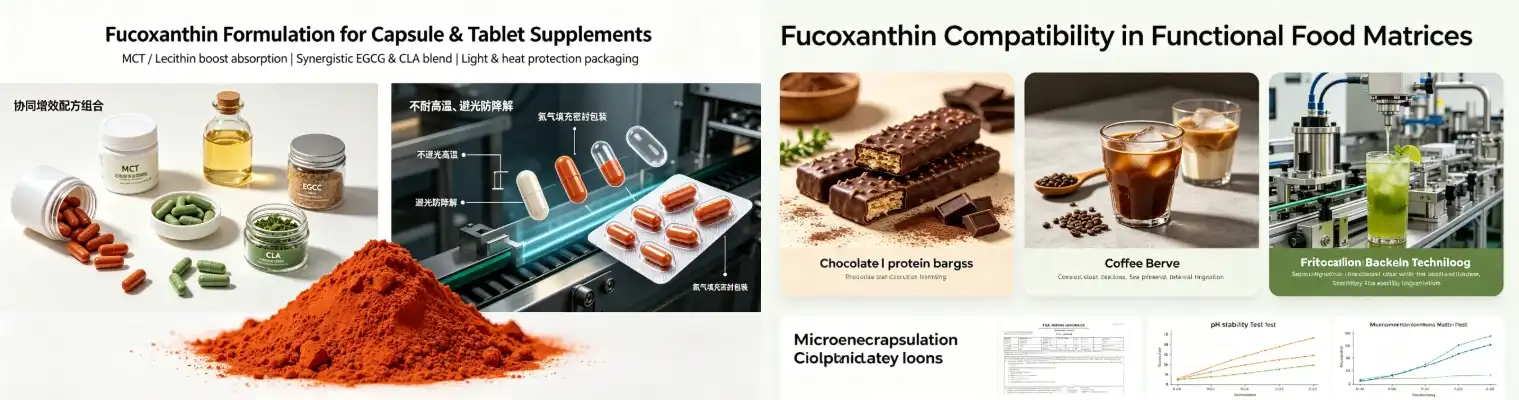
Customization for Target Markets
Some athletic performance goods may mix fucoxanthin with L-carnitine and caffeine, which can help with energy before a workout and burning fat during the workout. Fucoxanthin could be combined with fiber sources and appetite-suppressing ingredients such as chromium picolinate in weight control goods aimed at a wider range of people. Formulations for diabetic care need to pay extra attention to how they affect blood sugar and how they combine with other medicines. Even though fucoxanthin can help with insulin sensitivity, goods aimed at this group should go through more safety testing and maybe even lower doses to lower any risks.
Future Trends and Market Outlook for Fucoxanthin Metabolic Products
Fucoxanthin Metabolic Products: What the Future Holds and How the Market Will Grow. New developments in distribution methods should make fucoxanthin more useful in many areas. Bioavailability problems have been fixed by technological progress, which has also opened up new product categories that were previously limited by formulation problems. Brown Seaweed Extract, as a natural source of fucoxanthin, stands to benefit directly from these advances in delivery and bioavailability.
Emerging Delivery Technologies
Nanoemulsion systems are a big step forward because they reduce the size of fucoxanthin particles to the nanoscale range and make it much easier for water to mix with them. This technology makes it possible to use clear beverages and improves absorption in the mouth. Some studies show that nanoemulsified fucoxanthin is 2-3 times more bioavailable than regular powder types. This could mean that smaller doses are needed to get the same effect. Liposomal packaging is another interesting option. By enclosing fucoxanthin in phospholipid bilayers, producers protect the carotene during digestion and make it easier for cells to take it in. This method works well for presenting premium supplements and supports higher prices by providing better results.
Market Expansion Dynamics
The markets for natural products that help the metabolism are growing quickly in both North America and Europe. Natural extracts with a lot of research are becoming more popular as people look for alternatives to manmade chemicals that come from plants and the ocean. The clean label trend makes people want ingredient lists that are short and easy to understand. Brown seaweed extract meets this need well. Regulatory environments are always changing. Fucoxanthin is usually allowed in dietary supplements and functional foods under current rules. However, producers should keep an eye on new rules about Novel Food labels, especially in EU markets. Proactive compliance methods protect access to markets and stop the need for expensive reformulation.
Strategic Procurement Recommendations
When making goods with fucoxanthin, business-to-business buyers should look for supply partners with full quality systems, not just basic certifications. By asking for batch analysis data from several production runs, patterns of stability can be found that show how reliable the supply will be in the long term. Product creation goes more smoothly when suppliers are ready to give thorough specifications, processing documentation, and quick expert help. Having a variety of source ties lowers risk, especially for businesses that are increasing the amount of goods they make. While main relationships can help with efficiency, qualified secondary sources can be used as backups in case of supply problems. Seasonal changes and sometimes limited harvests happen in the marine food industry, so it's smart to have backup sources. Keeping up with changes in study helps you predict how the market will change.
Conclusion
In conclusion. To find the best fucoxanthin extract dosage for metabolism, you need to look at clinical proof, product format, and quality buying methods. Doses that work best are usually between 2.4 mg and 8 mg of pure fucoxanthin per day, which is equal to 24 mg to 80 mg of a standardized 10% Fucoxanthin Extract Powder. Professionals in procurement have to make sure that suppliers are good by trying them thoroughly, certifying them, and evaluating their relationships with customers. Formulations that work well combine increasing bioavailability with the help of complementary ingredients and delivery methods with following the rules and getting people to like them. Fucoxanthin's market is likely to continue to grow in dietary supplements, useful foods, and other health-related products because more people want natural ingredients that help the metabolism.
FAQ
Q1: What is the recommended daily dosage of fucoxanthin for metabolic benefits?
A: Clinical tests show that 2.4 to 8 mg of pure fucoxanthin daily works, but the best dose relies on how the extract is standardized and the format of the product. To account for bioavailability factors, dietary products usually have 20 to 50 mg of 10% standardized extract per dose. Functional foods may spread out smaller amounts over several daily meals. When setting dosage guidelines, you should always think about the target audience, the delivery method, and the ingredients that work well together.
Q2: How does fucoxanthin extraction method affect dosage requirements?
A: Fucoxanthin's chemical structure and bioactivity are better preserved by supercritical CO2 extraction than by solvent-based methods, which could make the process more effective. With this green technology, extracts stay more pure and don't break down as quickly, so formulators can get the metabolic benefits they want at lower doses than with less effective extraction methods. Check the extraction method when evaluating the seller to make sure that the dose estimates are based on the real bioavailable content.
Q3: What quality certifications should I require from fucoxanthin suppliers?
A: Food safety management systems with ISO 22000 and HACCP standards are shown, and third-party tests for heavy metals, microbial contamination, and active ingredient content proves the quality of the product. Getting extra licenses like Halal, Kosher, or GMP makes it easier to get into more markets. Ask for batch-specific analytical results that show the amount of fucoxanthin in the material using HPLC, as well as the particle size distribution, moisture levels, and contaminant screening. This will help you make sure that the given materials always match the specs.
Partner with Sigma for Premium Fucoxanthin Extract Powder
For High-Quality Fucoxanthin Extract Powder, Work with Sigma. Shaanxi Sigma Biotechnology provides pharmaceutical-grade marine ingredients that meet the strict requirements of companies that make metabolic health products. Our Fucoxanthin Extract Powder comes from brown kelp and keeps at least 10% of its active ingredient through supercritical CO2 extraction. This means that there is no solvent waste and the powder works the same way every time. With ISO 22000, HACCP, and Halal approvals, our goods make it easier for businesses around the world to follow the rules. We keep a large collection on hand so that we can deliver quickly—within 5–7 business days—so that we can meet your production plans without any problems. Our technical team helps with formulation, gives unique specs, and provides full paperwork that includes HPLC analysis and heavy metal testing results. Contact sarah@sxsigma.com to ask for samples or talk to one of our metabolic ingredient experts about your particular needs.
References
1. Maeda, H., Hosokawa, M., Sashima, T., Funayama, K., & Miyashita, K. (2007). Anti-obesity and anti-diabetic effects of fucoxanthin on diet-induced obesity conditions. Molecular Medicine Reports, 1(6), 897-902.
2. Abidov, M., Ramazanov, Z., Seifulla, R., & Grachev, S. (2010). The effects of Xanthigen in the weight management of obese premenopausal women with non-alcoholic fatty liver disease and normal liver fat. Diabetes, Obesity and Metabolism, 12(1), 72-81.
3. Miyashita, K., Nishikawa, S., Beppu, F., Tsukui, T., Abe, M., & Hosokawa, M. (2011). The allenic carotenoid fucoxanthin, a novel marine nutraceutical from brown seaweed. Journal of the Science of Food and Agriculture, 91(7), 1166-1174.
4. Woo, M. N., Jeon, S. M., Kim, H. J., Lee, M. K., Shin, S. K., Shin, Y. C., & Choi, M. S. (2010). Fucoxanthin supplementation improves plasma and hepatic lipid metabolism and blood glucose concentration in high-fat fed C57BL/6N mice. Chemico-Biological Interactions, 186(3), 316-322.
5. Beppu, F., Niwano, Y., Tsukui, T., Hosokawa, M., & Miyashita, K. (2009). Single and repeated oral dose toxicity study of fucoxanthin in mice. Journal of Toxicological Sciences, 34(5), 501-510.
6. Zhang, H., Tang, Y., Zhang, Y., Zhang, S., Qu, J., Wang, X., Kong, R., Han, C., & Liu, Z. (2015). Fucoxanthin: A promising medicinal and nutritional ingredient. Evidence-Based Complementary and Alternative Medicine, 2015, Article ID 723515.
- 1
- 15
- 16
- 17
- 19


