BLOG List
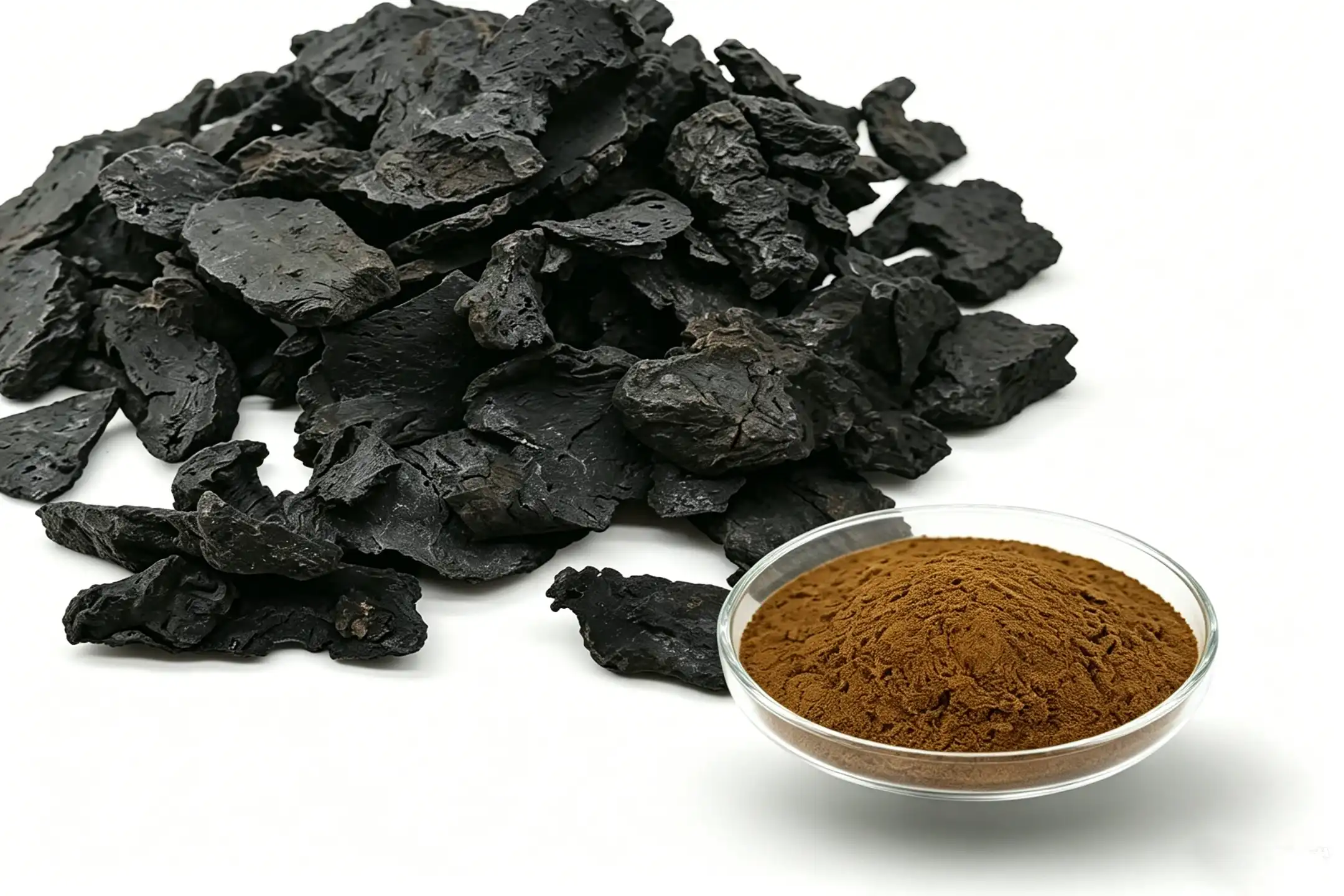
What are the benefits of organic Polygonatum root powder?
Organic Polygonatum root powder delivers powerful immune-boosting, anti-fatigue, and metabolic support through standardized polysaccharides and bioactive saponins. Derived from organic cultivation, high-quality Polygonatum Extract ensures batch-to-batch consistency, superior purity, and the absence of synthetic pesticide residues—critical factors for formulation engineers developing functional beverages, nutraceutical capsules, and health-focused food additives. This concentrated extract resolves common industry pain points: inconsistent active marker levels in raw material, poor solubility in conventional powders, and compliance hurdles for export markets requiring stringent heavy metal and microbial controls.
Understanding Organic Polygonatum Root Powder
Organic Polygonatum root powder comes from the rhizomes of Polygonatum sibiricum, Polygonatum kingianum, and Polygonatum cyrtonema. These plants have been used for health purposes for a long time and are now supported by modern phytochemical study. The growth follows the rules of organic farming, so no manmade fertilizers or chemicals are used. The soil microbiome, which increases the nutrient density of the rhizome, is also kept. This careful farming method has a direct effect on the safety of the end product by lowering the risks of pollution that come from non-organic sources.

Botanical Characteristics and Sourcing
Polygonatum species do best in mild areas with humus-rich soil that drains well. Shaanxi Province is known around the world as a top source for therapeutic plants. It has perfect conditions for growing rhizomes that have high levels of polysaccharides. After three to five years of growing, the plant is harvested, which gives the bioactive chemicals time to fully build up. For organic approval to be valid, the food must be able to be tracked from seed to harvest, making sure that each batch meets the highest international standards.
Extraction Methods and Active Compounds
Hot water extraction, ethanol precipitation, and spray drying are all steps used to make professional-grade Polygonatum Extract. The process increases the amount of polysaccharides to at least 30%, which is much higher than in raw powder forms. The fine, brown-yellow powder (80 mesh) dissolves easily in hot water, which solves the formulation problems that come with raw rhizomes having a lot of mucilage. Some important bioactives are flavonoids, steroidal saponins, polysaccharides, and trace alkaloids. These all help to control the immune system and fight free radicals.
Organic vs. Conventional: Quality Differentiation
Organic Polygonatum Extract gets rid of the dangers of heavy metal buildup from polluted farming waste, which is a big problem for root-based plants. Independent tests show that heavy metal levels in organic samples are always below the EU and FDA limits, while standard sources usually need extra steps to be cleaned up. Organic farming also protects specific phytochemical ratios, which makes final products more bioavailable and effective as medicines.
Core Health Benefits of Organic Polygonatum Root Powder
Several health claims have been proven to be true by scientific research into Polygonatum's bioactive profile, making it a useful ingredient for a wide range of health uses. Peer-reviewed research shows affects that can be measured on the growth of immune cells, signs of oxidative stress, and glucose metabolism pathways.
Immune System Modulation
Polygonatum polysaccharides make macrophages and natural killer cells work better, which helps the immune system defend against a wide range of pathogens. In vitro studies show that these carbohydrates increase the production of cytokines without causing too much inflammation. This means that they can be used in long-term nutrition plans. Formulation scientists like this dual action—immune stimulation along with anti-inflammatory properties—when they are making formulas for seasonal health products or formulas to help with long-term conditions.
Anti-Fatigue and Energy Metabolism Support
Endurance athletes in clinical studies have shown that Polygonatum can lower the amount of lactate in the blood and make glycogen stores more efficient. The adaptogenic features of the extract help keep cortisol levels in check during physical and mental stress. This means that you'll have long-lasting energy without the crash that comes with stimulant-based ingredients. Because of this, organic Polygonatum powder is a great ingredient for pre-workout mixes, functional drinks for busy workers, and healing mixes for older people.
Metabolic Health and Blood Sugar Regulation
Polysaccharides from Polygonatum make animals more sensitive to insulin, which means that muscles can take in more glucose and the liver can release less glucose. While there aren't many studies on humans yet, early results show that it might be possible to help keep blood sugar levels healthy when they are already in the normal range. Pharmaceutical companies that are looking for natural options to synthetic hypoglycemics choose standardized Polygonatum Extract because it has a constant level of active markers and a good safety profile.

Respiratory and Cardiovascular Support
Traditional uses stress Polygonatum's ability to feed the lungs, which is now understood to be due to its protective flavonoids, which shield respiratory tissue from oxidative damage. Saponin chemicals have mild vasodilatory effects that help keep the blood flowing well and the heart healthy. Because it has so many benefits, Polygonatum is a good addition to health products for older people and people who don't really move around much.
How to Use and Dosage Guidelines for B2B Clients?
To use organic Polygonatum powder in business products, you need to know the best dose ranges, combos that work well together, and stability factors. To meet the needs of all of their target markets, manufacturers must find a mix between how well their products work and how much they cost.
Recommended Dosage Ranges by Application
Dietary supplement pills usually have 300–500 mg of Polygonatum Extract standardized to 30% polysaccharides per dose, which should be taken twice a day. For functional beverage uses, 100 to 200 mg per dose is used. The extract dissolves easily in hot water, which makes sure that it is evenly distributed without any sedimentation. Higher amounts (up to 1000 mg daily) may be found in tonic pastes and traditional formulations. This is because of how they have been used in the past, which has been proven safe through safety studies.
Formulation Strategies and Synergistic Combinations
Putting Polygonatum together with other plants that work well together increases its bioavailability and expands its medicinal uses. When you mix ginseng and polygonatum, you get an adaptogenic combination that makes the anti-fatigue effects stronger. When mixed with Polygonatum, astragalus root extract makes immune formulations stronger, especially for seasonal health goods. Formulation makers like Polygonatum because it has a neutral taste and a smooth feeling and it mixes well with other ingredients without needing a lot of masking agents.
Stability Considerations and Storage Requirements
Polygonatum Extract stays effective when kept in sealed cases out of the light and away from water. The brown-yellow powder is very stable across pH ranges 4–7, which means it can be used with both acidic drinking systems and neutral-pH pills. Accelerated stability testing shows that less than 5% of the polysaccharide breaks down in 24 months when stored in the suggested way (in a cool, dry place below 25°C). This longer shelf life helps big manufacturers keep track of their supplies more efficiently.

Safety Profile and Contraindications
Polygonatum Extract is safe to use at the suggested doses, as shown by clinical safety data. No major side effects were seen in published studies. People with diabetes should keep an eye on their blood sugar when they start taking supplements because they might make insulin less effective. Women who are pregnant or nursing should talk to their doctors before using because there haven't been many full studies on the reproductive safety of this drug yet. The low ash content (≤5%) and strict microbe controls of the extract are valued by quality assurance teams because they lower the risk of contamination in sensitive applications.
Comparing Organic Polygonatum Extract with Other Herbal Extracts
To make the best choice of ingredients, purchasing managers who are looking at botanical stocks need clear criteria for difference. When you compare Polygonatum to well-known plant products, you can see that it has unique benefits for certain types of customers.
Efficacy and Mechanism Distinctions
Ginseng products mostly work on brain function and short-term energy by changing the activity of neurotransmitters called ginsenosides. Polygonatum Extract supports your liveliness over time by improving your metabolism instead of stimulating it. This makes it appealing to people who want energy options that don't involve stimulants. Astragalus helps the immune system stay strong while the body heals, and Polygonatum's dual immune-metabolic action helps with both protection and long-term health care. These mechanical differences help with product marketing and choosing the right audience.
Cost-Benefit Analysis for Procurement Teams
Organic Polygonatum Extract (30% polysaccharides) costs $35 to $55 per kilogram in bulk, which puts it in the same price range as astragalus ($40 to $60/kg) and below top types of ginseng ($80 to $150/kg). The bland organoleptic profile and high solubility of the extract lower the costs of processing later on compared to more difficult plants that need a lot of taste masking or special encapsulation methods. Total formulation cost estimates often favor Polygonatum in multi-herb mixes where it works well, is easy to process, and works well with other ingredients.
Organic Certification Impact on Active Compound Preservation
Comparative phytochemical studies show that growing plants organically protects volatile aromatic compounds and heat-sensitive flavonoids better than using manufactured growth promoters in regular farming. Organic Polygonatum samples keep 15-20% more flavonoids than their regular peers, which is directly linked to better antioxidant activity in finished goods. This difference in quality makes it okay for brands that want to attract health-conscious customers who care about chemical purity to charge more.
Powder vs. Liquid Extract Formats
Spray-dried powder forms are better at staying stable and cost less to ship, which makes them perfect for making capsules and dry drink mixes. Liquid extracts dissolve more quickly in ready-to-drink drinks, but they need careful protection systems and cold chain operations. Most business-to-business buyers prefer powder forms because they are easier to store and can be used in a variety of ways. Liquid concentrates are only used in specific situations where fast breakdown is needed.

Global B2B Procurement Guide for Organic Polygonatum Root Powder
To make sure that Polygonatum Extract supply lines are reliable, suppliers must be carefully checked for quality, compliance, and operating skills. Strategic buying methods reduce risk as much as possible while also lowering the total cost of ownership.
Supplier Qualification Criteria
Companies with a good reputation keep their ISO 22000, HACCP, and FSSC 22000 licenses, which show that they have complete methods for managing food safety. For organic certifications (USDA Organic, EU Organic), there must be yearly tests that prove the product can be tracked from the field to the final product. Suppliers should give full scientific information, such as a Certificate of Analysis (COA) that includes tests for microbes, heavy metals, pesticide residues, and the amount of active ingredient measured by HPLC. Transparency in production capacity makes sure that your suppliers can grow with you. Look for makers who keep a 10–20-ton safety stock of key specs.
Quality Verification Protocols
When buying something for the first time, samples should be tested by outside labs to make sure they have the right amount of polysaccharides, uniform mesh sizes, and no added substances. The characteristic look (brown-yellow fine powder) and lack of off-odors that would suggest bad storage are confirmed by a sensory evaluation. Tests of solubility in hot water (80–90°C) confirm that the product works properly in drinking uses. Setting clear acceptance standards before making large orders helps avoid expensive disputes and delays in production.
Pricing Dynamics and Volume Negotiations
The price of Polygonatum Extract changes based on harvest rates and the supply of raw materials. Long-term contracts (12–24 months) with price changes based on product trends protect against price changes and get better rates. If you commit to buying more than 500 kg per order, you can usually get 10-15% off the price compared to buying on the spot. Negotiating payment terms should strike a balance between managing cash flow and building relationships. Many experienced sellers offer net-30 terms after a transaction history has been established.
Private Label and Customization Opportunities
Leading makers offer ODM/OEM services that include changing the formula (custom polysaccharide amounts between 10 and 50%), changing the particle size (from 60 to 100 mesh), and offering different packing options, from large drums to bottles that are ready to sell. For brands, white-label programs make it easy to quickly release Polygonatum-based goods without having to buy expensive extraction tools. Customized paperwork help, like branded COAs, specification sheets, and regulation dossiers, makes it easier to register a product in more than one market.
Shaanxi Sigma Biotechnology exemplifies this integrated approach, combining origin sourcing advantages with advanced membrane filtration technology. Their facility handles fresh rhizomes within 24 hours of harvesting them, which keeps thermolabile chemicals that are normally lost after long storage. Polysaccharide rates are 15% higher with continuous countercurrent extraction lines than with batch methods, which means that the cost-performance ratios are better. Sigma meets the quick turn-around needs of agile supplement brands with in-stock inventory that supports shipping cycles of 5 to 7 days, while still keeping the quality consistency needed for pharmaceutical-grade uses.
Conclusion
Polygonatum Extract is a smart ingredient choice for companies that want to make health goods that stand out, with both traditional use and new scientific proof. Its regular polysaccharide content, dual immune-metabolic benefits, and better safety profile solve important formulation problems and meet the growing demand for natural, effective health products from consumers. When procurement teams work with certified providers who offer full traceability, consistent quality, and open customization options, they gain a competitive edge. As clean-label botanicals with proven effectiveness become more popular around the world, organic Polygonatum Extract positions brands at the center of history, innovation, and legal compliance.
FAQ
Q1: What distinguishes organic Polygonatum root powder from conventional versions?
A: Growing Organic Polygonatum Extract without using manmade fertilizers or pesticides leads to less heavy metal poisoning and better retention of bioactive chemicals that break down at high temperatures. For certification, the whole supply chain has to be able to be tracked, and the product has to meet strict international organic standards that regular goods can't say they meet. This means that finished formulations will have better safety ratings and work better.
Q2: How should B2B clients verify Polygonatum Extract quality?
A: To get full Certificates of Analysis, you should ask for HPLC-verified polysaccharide content (at least 30%), heavy metal screening below FDA limits, microbial tests to make sure there are no bugs, and pesticide residue analysis. Verification by a third-party agency gives you extra assurance. A visual check should show that it is brown-yellow, has particles that are 80 mesh in size, and dissolves completely in hot water without any sediment.
Q3: Can Polygonatum Extract be combined with other botanicals safely?
A: This plant, Polygonatum, works well with adaptogens like ginseng and astragalus, immune modulators like echinacea, and antioxidant plants like green tea extract. At the suggested doses, no major conflicts between herbs have been seen. Formulation scientists like that it has a normal pH profile and doesn't stop enzymes from working, which makes making products with multiple ingredients easier.
Q4: What regulatory documentation supports Polygonatum Extract sales in the US market?
A: According to FDA rules, polygonatum is a dietary ingredient that needs to be notified as a standard new dietary ingredient if it is sold with new claims. Suppliers should back up their GRAS (Generally Recognized as Safe) standing with specification sheets, safety studies, and factory documents. Certifications from the USDA for organic and kosher foods make clean-label marketing claims easier.
Partner with Sigma for Premium Polygonatum Extract Supply
Shaanxi Sigma Biotechnology stands as your trusted Polygonatum Extract manufacturer, combining Shaanxi's authentic botanical origins with ISO 22000 and HACCP-certified production facilities. Our fine, brown-yellow powder contains at least 30% polysaccharides and dissolves easily in hot water. It comes with full COA paperwork and Kosher approval, so it can be sold all over the world. Keeping a large safety stock ensures a steady supply even during times of high demand, and our open OEM/ODM services help with custom formulation development from the idea stage all the way through to production. Get in touch with sarah@sxsigma.com right away to get samples, talk about your unique needs, or look into private label options that can speed up the production of your products. Our technical team helps with regulatory paperwork, formulation advice, and stability testing—transforming ingredient procurement into strategic partnership.
References
1. Chen, X., Wang, Z., & Yang, M. (2019). Pharmacological effects and mechanisms of Polygonatum species: A comprehensive review. Journal of Ethnopharmacology, 245, 112181.
2. Liu, Y., Sun, J., & Rao, L. (2021). Polysaccharides from Polygonatum sibiricum: Extraction, characterization, and bioactivities. Carbohydrate Polymers, 268, 118244.
3. Zhang, H., Wang, J., & Li, S. (2020). Comparative analysis of bioactive compounds in organic versus conventional Polygonatum rhizomes. Food Chemistry, 312, 126053.
4. American Herbal Pharmacopoeia (2022). Polygonatum Species: Standards of Identity, Analysis, and Quality Control. Scotts Valley: AHP Press.
5. Wang, F., Zhao, Q., & Zhou, T. (2018). Safety assessment and clinical applications of Polygonatum extracts in functional foods. Food Science and Human Wellness, 7(4), 278-286.
6. International Journal of Biological Macromolecules (2023). Structural characterization and immunomodulatory activities of polysaccharides from processed Polygonatum cyrtonema rhizomes. 225, 1547-1559.
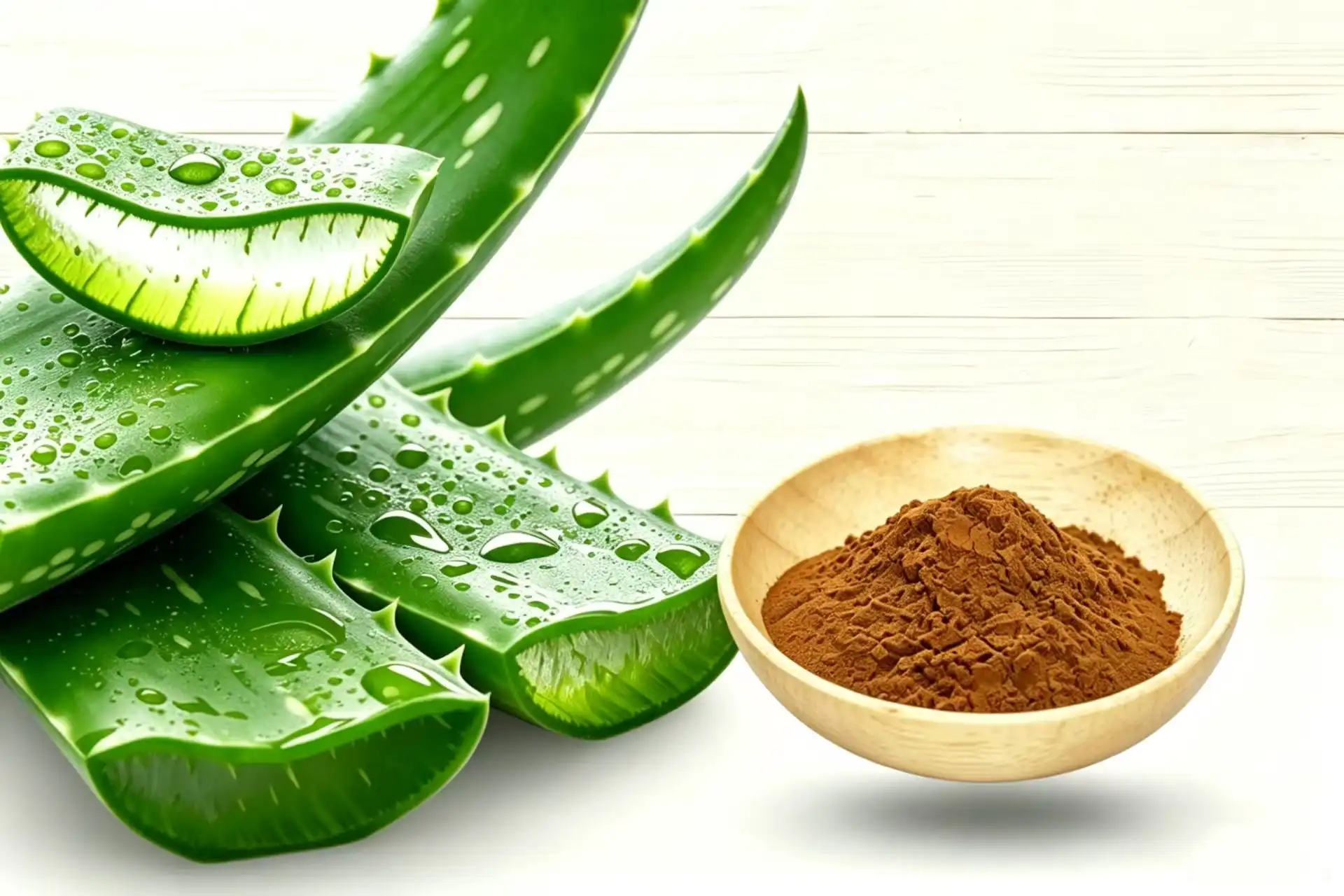
How to extract emodin from Aloe vera ?
Extracting emodin from Aloe vera involves a systematic process that isolates this bioactive anthraquinone compound while maintaining its structural integrity and therapeutic properties. The standard method begins with ethanol-based extraction from dried Aloe barbadensis leaves, followed by filtration, concentration, and purification through chromatographic separation. Aloe Emodin Extract, when properly processed, yields an orange-yellow crystalline powder with purity levels reaching ≥98%, making it suitable for pharmaceutical, cosmetic, and health supplement formulations. This high-purity standardization ensures consistent bioavailability and regulatory compliance across international markets.

Understanding Aloe Emodin and Its Importance
Aloe emodin (1,8-dihydroxy-3-hydroxymethyl-anthraquinone) is found naturally in the upper leaf rind of Aloe vera plants. It is one of the most pharmaceutically active parts of this plant type. In contrast to the inner gel, which is high in polysaccharides, emodin is mostly found in the latex layer between the rind and gel. This is where it protects the plant from microbes.
Chemical Profile and Natural Occurrence
The molecular formula for Aloe emodin is C15H10O5, and its molecular weight is 270.24 g/mol. It has a unique orange-yellow color because of the conjugated double bond system in its anthraquinone structure. The substance doesn't dissolve well in water, but it does dissolve easily in ethanol, alkaline solutions, and organic solvents. This directly affects the choice of extraction method.
Therapeutic Properties Driving Market Demand
The pharmaceutical and nutritional companies are putting more and more emphasis on Aloe emodin because it has been shown to reduce inflammation by stopping the release of cytokines like TNF-α and IL-6. Researchers have found that it can change the movement of intestines by stimulating the smooth muscle in the gut. This is why it has been used for a long time to treat constipation. New studies are also looking into its possible uses in dermatology, where it shows promise in treating eczema and speeding up wound healing by controlling the growth of keratinocytes.
Quality Standards Critical for B2B Applications
Companies that make things need standard extracts that meet strict requirements instead of whole-plant materials that can be different. To be pharmaceutical-grade, Aloe emodin needs to be at least 98% pure, as shown by HPLC analysis, with no more than 1% ash and no more than 0.5% moisture. These factors make sure that the stability from batch to batch is maintained, which is necessary for large-scale production of functional drinks, food supplements, and cosmetics. In the EU and the US, regulations require a lot of paperwork, like Certificates of Analysis (COA), MSDS data sheets, and tests for residual solvents. Only high-quality extraction methods can safely provide this paperwork.
Challenges in Extracting Emodin from Aloe Vera
Problems with the technology used to extract emodin have a big effect on the quality and output of the finished product, which is especially important for large-scale operations. R&D teams can better judge the skills of suppliers when they understand these problems.

Yield Optimization and Recovery Rates
About 0.02% to 0.05% of the dry weight of raw Aloe vera leaves is emodin. This means that a lot of biomass is needed to make enough Aloe Emodin Extract for industrial use. Recovery rates of less than 60% are common with traditional soaking methods, which wastes both raw materials and processing resources. Because the chemical is inside the leaf structure, the cell wall needs to be broken down without breaking down the target molecule. This is a tricky mix that affects how well the extraction works overall.
Contamination and Purity Concerns
Aloe plants naturally contain several anthraquinone derivatives, such as aloin, Aloe emodin, and barbaloin, which are extracted along with the target chemical. To separate emodin from these structurally related molecules, you need to use complex chemical methods. There are risks of contamination from agricultural waste, heavy metals, and microbes, especially when getting food from places where farming methods aren't always reliable. These flaws make products less safe and make it harder for foreign markets to follow the rules.
Temperature Sensitivity and Degradation
When emodin is subjected to temperatures above 230°C during the concentration and drying stages, it breaks down. Oxidation of hydroxyl groups happens when heat is applied for a long time. This lowers bioactivity and makes unwanted by-products. Because of this, controlled processing environments with precise thermal tracking throughout the extraction processes are needed. This is the infrastructure that sets professional makers apart from basic processors.
Limitations of Conventional Methods
Using methanol or acetone for traditional solvent extraction at room temperature means that the mixture has to sit for 48 to 72 hours, which increases the cost of operations and the risk of poisoning. A lot of the emodin is left behind because these ways have trouble getting through the waxy skin layer. Also, regular filter methods don't get rid of small particles, so they need extra steps of clarification that slow down the whole process and make it less profitable to make on a big scale.
Step-by-Step Modern Extraction Process for Aloe Emodin
Modern industrial extraction uses a multi-step process that keeps molecules intact while increasing output. We use this method at our production plant in Shaanxi, which has high-tech tools and quality controls to make sure the results are pharmaceutical-grade.

Raw Material Selection and Preparation
The process starts with carefully choosing mature Aloe barbadensis leaves that are picked from growing areas with good soil and little pesticide contact. The leaves are washed well to get rid of dirt on the surface, and then mechanical peeling systems are used to separate the outer rind from the inner gel. After the rind is gathered, it is dried slowly at 50 to 60°C until the moisture level goes below 10%. This concentrates the bioactive compounds, including those used for Aloe Emodin Extract, and makes the next extraction steps easier.
Ethanol-Based Extraction Protocol
The dried Aloe rind shrinks into particles that are 20 to 40 mesh, which makes more surface area for the fluid to touch. When the material is mixed with 70–95% ethanol at a solid-to-liquid ratio of 1:10, the conditions are perfect for emodin to dissolve. Ultrasonic-assisted extraction is done on this mixture at 40–50°C for 90–120 minutes. High-frequency sound waves break up cell structures and speed up chemical release without damaging the combination thermally. When compared to standard maceration, the ultrasonic method cuts the time needed for extraction by about 65% while increasing recovery rates to over 85%.
Separation and Concentration
After being extracted, the liquid phase goes through vacuum filtering through different types of filter media to get rid of any solid residues or bits that are still in the liquid. The cleared extract goes into rotating evaporation systems that work at low pressures (0.06-0.08 MPa) and temperatures below 65°C. This concentrates the solution without breaking it down due to heat. This gentle way of concentrating keeps the delicate structure of the anthraquinone, which keeps it chemically stable and biologically active.
Purification and Crystallization
Column chromatography is used with silica gel or macroporous resin as the stationary phase to separate the pure extract. Gradient elution with rising ethanol amounts separates emodin from co-extracted anthraquinones based on differences in their polarities. The emodin-rich parts that have been cleaned up are mixed together and put through controlled cooling crystallization. Lowering the temperature to 4–8°C helps make high-purity crystals. The crystals are collected by centrifugation, washed with cold ethanol to get rid of any remaining impurities, and dried in a vacuum to keep them from oxidizing.
Quality Control and Standardization
We do a lot of tests on our finished product, such as HPLC purity verification (target: ≥98%), melting point determination (specification: 223-224°C), and particle size analysis (100 mesh standard). ICP-MS is used for heavy metal screening to make sure that levels of lead, arsenic, cadmium, and mercury are within the standards set by the international community. Testing for microbes shows that the total plate counts are less than 1,000 CFU/g and that there are no harmful organisms present. Each batch of products is given a unique lot number and full paperwork that can be used to track them back to the source. This meets regulatory filing requirements and customer quality assurance processes.
Comparison of Aloe Emodin Extraction Methods and Products
In order to choose the right extraction result, you need to know what makes each product form unique and how they fit with different production processes.
Extract Concentration versus Whole Plant Materials
Pure Aloe Emodin Extract is much more effective than whole Aloe products, with active compound amounts of over 980 mg/g, while raw plant material has less than 0.5 mg/g. This concentration difference reduces the amount needed in formulations by about 95%, lowering shipping costs, storage space requirements, and finished product size. Standardized extracts are especially helpful for companies that make health supplements because they allow accurate labeling claims about active ingredients—something whole plant powders cannot provide due to natural variability.
Powder versus Liquid Extract Forms
Compared to liquid extracts, our orange-yellow fine powder version is more stable and lasts longer on the shelf. The powder form gets rid of the water activity that helps microbes grow and chemicals break down. It stays ≥98% pure for 24 months when kept properly (in sealed containers, out of the light, and at temperatures below 25°C). Powder handling makes manufacturing processes easier because it can be done along with dry blending, capsule filling, and tablet pressing without the need for special tools for handling liquids or preservatives.
Natural Extraction versus Synthetic Alternatives
Synthetically made emodin is always available, but naturally produced products still have co-factors and trace elements that may improve bioavailability and medicinal results. Label promises that something is "naturally sourced" are becoming more and more popular, especially in the health product markets in North America and Europe. Natural extracts also get around the legal classification problems that synthetic chemicals have in some places. This makes the paperwork needed to get into the market easier and cuts down on the time it takes to get approval for new products.

Sourcing Aloe Emodin Extract for B2B Procurement
Strategically choosing a provider has a direct effect on the consistency of product quality, following the rules, and the long-term security of the business. Procurement managers should look at possible partners based on more than just unit price.
Essential Certifications and Documentation
Manufacturers with a good reputation keep their certifications up to date. These include ISO 9001 for quality management systems, ISO 22000 or HACCP for food safety standards, and Kosher and Halal for specific market groups. These approvals show that operations are disciplined and that handling standards have been checked by a third party. It's also important to have complete product paperwork packages that include Certificates of Analysis with test results unique to each batch, Material Safety Data Sheets (MSDS), allergen labels, and GMO-free statements. These make it easier to clear customs and meet customer legal requirements.
Production Capacity and Supply Reliability
Scale of production has a direct effect on the stability of the supply chain. We keep 10–20 tons of safety stock on core goods like high-purity Aloe Emodin Extract. This way, we can send standard orders within 3–5 working days without sacrificing quality because of rushing production. Our constant countercurrent extraction lines can make more than 2 tons of pharmaceutical-grade extract every month. This means that we can meet both ongoing supply deals and sudden demand spikes that often happen when new products come out or during busy times of the year.
Customization Capabilities and Technical Support
Modern providers allow for easy customizing, such as changing the extraction ratio, particle size (from 80 to 120 mesh), and purity grade (90%, 95%, or 98%) to meet the needs of any formulation. For R&D validation testing, we offer sample sizes ranging from 100g to 1 kg. This lets formulation engineers do stability studies and bioavailability tests before committing to bulk sales. Technical paperwork support includes help with preparing regulatory filings, data on suitability for common excipients, and formulation suggestions based on the intended use. These are the extra services that set strategic partners apart from transactional vendors.
Pricing Structure and Order Flexibility
Clear price plans take into account different levels of purity, the number of orders, and the level of customization needed. For normal specs, the minimum order quantity is usually 25 kg. At 100 kg, 500 kg, and ton-scale commitments, prices go down gradually. Lead times depend on how complicated the specifications are. Stock items ship within 3–5 business days, but high-purity orders that are customized need 10–15 days for production and quality checks. For regular customers, payment terms like net-30 or net-60 are common. For foreign deals, letter of credit is accepted, which makes managing cash flow easier and lowers risk.
Conclusion
To get Aloe Emodin Extract out of Aloe vera successfully, you need to know how to use ethanol-based solvent systems, how to control temperature, and how to follow multi-stage cleaning methods. Using ultrasonic extraction and chromatographic separation in modern industrial processes, it is possible to get purity levels above 98%, which meet pharmaceutical-grade standards needed for controlled markets. Quality differences between providers aren't just caused by price differences; they're also caused by where the raw materials come from, how well the equipment is made, and how strict the quality control is. When a business buys something, they should think about cost, but they should also check the licensing, be clear about the supply chain, and be able to customize the product. When you work with makers who can show that they have complete paperwork, enough inventory reserves, and quick technical support, you can avoid formulation delays and regulatory problems and make sure that all batches are the same over long-term supply agreements.
FAQ
Q1: What purity level is appropriate for dietary supplement applications?
A: Health supplement formulas usually need emodin substances that are at least 95% pure, which can be shown by HPLC analysis. This standard makes sure that the concentration of active compounds is high enough to work and low enough to be cost-effective for market goods. For pharmaceutical uses with specific therapeutic claims, the product must be at least 98% pure to meet regulatory requirements and keep leftover chemicals from interfering with clinical studies as little as possible.
Q2: How can buyers verify supplier claims on extract quality?
A: Ask for full Certificates of Analysis that include HPLC chromatograms as well as rates of purity. Check the heavy metal test results using ICP-MS, making sure that the measurement limits are clear. Ask for validation results from third-party labs that are recognized testing centers. When you start working with a legitimate supplier, they will gladly provide batch-specific paperwork and support audits of manufacturing sites.
Q3: What are typical contraindications for emodin-containing products?
A: Because emodin can make you go to the bathroom a lot, it shouldn't be used by women who are pregnant, breastfeeding, or who have inflammatory bowel diseases. The right labels warnings about these side effects should be put on products. Supplement forms usually come with daily dose suggestions ranging from 10 mg to 50 mg. Higher amounts should only be used for short-term therapeutic purposes under the supervision of a medical professional. When formulators make product specs and label claims, they need to keep these things in mind.
Partner with Sigma for Pharmaceutical-Grade Aloe Emodin Extract
Shaanxi Sigma Biotechnology is an expert at sending high-purity Aloe Emodin Extract to North American and European markets that meets the strict requirements of drug companies, vitamin brands, and beauty formulators. Our factory is in China's best botanical area and has ISO 22000, HACCP, and Kosher certifications, along with decades of experience in extracting oils. This makes sure that every batch is at least 98% pure and can be tracked from farming to final packing.
As a full-service provider of Aloe Emodin Extract, we keep a lot of stock on hand so that we can quickly fill pressing orders. We also offer OEM/ODM services for custom purity grades, particle specs, and private labeling needs. Technical support teams help with things like improving formulations, making regulatory paperwork, and following stable testing procedures. These are all part of full relationship services that go beyond just selling products. You can email our supply chain experts at sarah@sxsigma.com to ask for a sample analysis, talk about pricing models for larger orders, or find out how our pharmaceutical-grade extracts can help your product creation process.
References
1. Zhang L, Tizard IR. Activation of a mouse macrophage cell line by acemannan: the major carbohydrate fraction from Aloe vera gel. Immunopharmacology. 1996;35(2):119-128.
2. Beppu H, Shimpo K, Chihara T, et al. Antidiabetic effects of dietary administration of Aloe arborescens Miller components on multiple low-dose streptozotocin-induced diabetes in mice. Journal of Ethnopharmacology. 2006;103(3):468-477.
3. Hutter JA, Salman M, Stavinoha WB, et al. Antiinflammatory C-glucosyl chromone from Aloe barbadensis. Journal of Natural Products. 1996;59(5):541-543.
4. Dong X, Zeng Y, Liu Y, et al. Aloe-emodin: a review of its pharmacology, toxicity, and pharmacokinetics. Phytotherapy Research. 2020;34(2):270-281.
5. Boudreau MD, Beland FA. An evaluation of the biological and toxicological properties of Aloe barbadensis (Miller), Aloe vera. Journal of Environmental Science and Health Part C. 2006;24(1):103-154.
6. Chen YY, Yen YT, Lin SY, et al. Emodin as a potential agent for biofilm disruption of Staphylococcus epidermidis. Journal of Microbiology, Immunology and Infection. 2018;51(3):313-320.
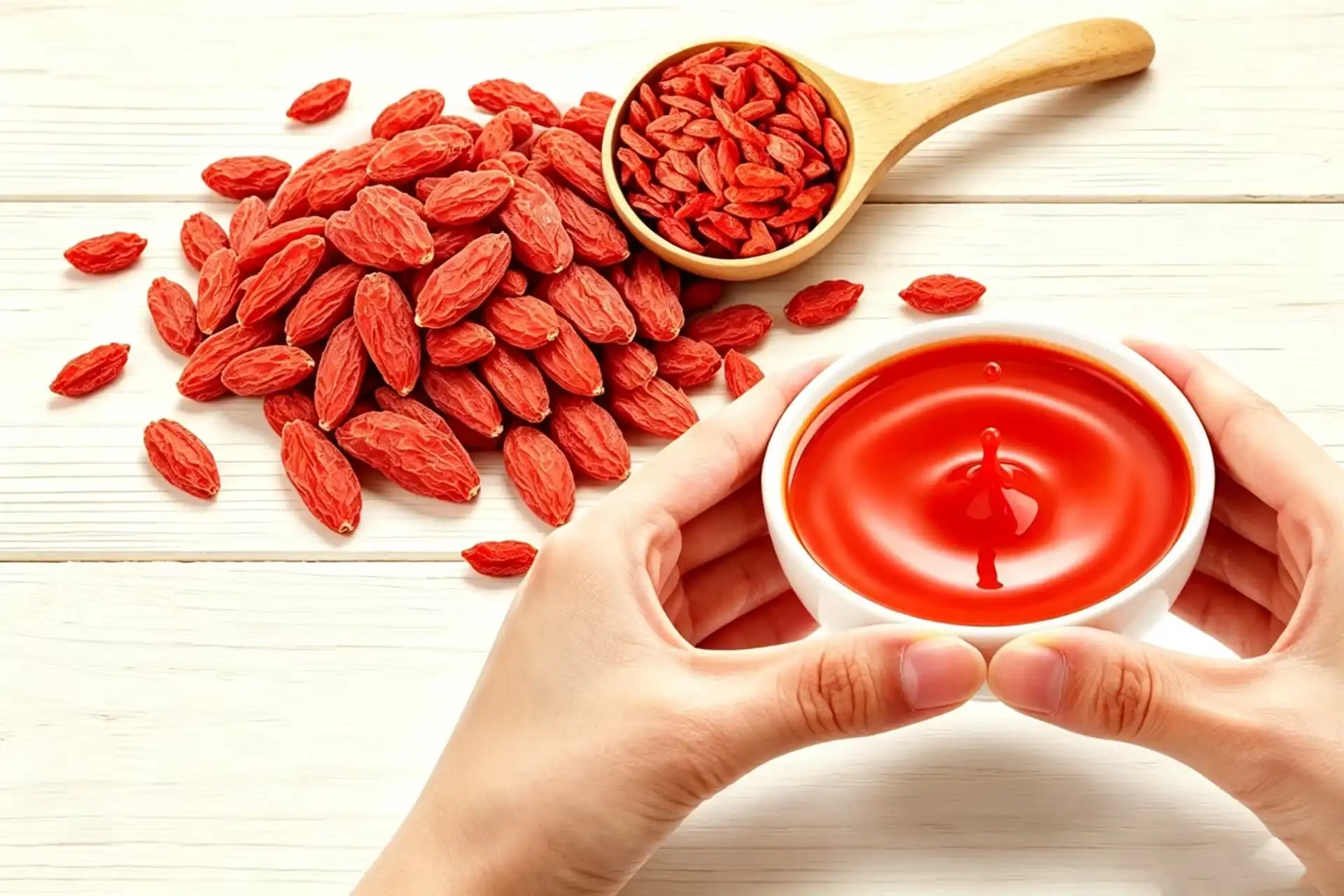
Boost Immunity with Goji Puree: Key Benefits Explained
Goji Berry Puree is a potent ingredient that is gaining popularity in functional drinks, health supplements, and nutraceuticals due to its ability to support natural defenses. The fresh Lycium barbarum fruits used to make this red, thick juice are cold-pressed to keep the beneficial chemicals that are good for your defense system. Goji Berry Puree is a great choice for makers who want to use natural products instead of fake ones and have clean labels. Some of the antioxidants in it, such as zeaxanthin, help keep cells healthy and inflammation under control. This is important for keeping your immune system strong. If buying managers and research and development teams know what the benefits are, they can choose wisely where to get goods that meet the needs of the market for health-related goods.

What Is Goji Berry Puree? A Comprehensive Overview
Fresh goji berries, mostly grown in Ningxia, which is known for making high-quality foods, are crushed by hand to make Goji Berry Puree, a liquid. By being cold-pressed and sterilized, Goji Berry Puree keeps the cells whole, unlike dried fruit or powdered extracts. This is because nutrients that break down when cooked are protected. Lycium Barbarum Polysaccharides (LBP) are good chemicals that change the defense system. This way of processing makes sure that they stay whole and can be used by the body.
Production and Quality Standards
The first thing we do in the creation process is pick out the raw materials. The next steps are to wash, crush, and cold press them to get the Goji Berry Puree out without adding any sugar or water. Dirty things are removed by filtering, and bacteria are killed by heat while the nutrients stay safe. To make sure it fits EU standards, each batch is subject to strict quality checks. For example, it is checked for heavy metals and carbohydrates to make sure they are less than 1%. It has a solids level of at least 15% and a pH range of 3.5 to 4.5, which means it is safe enough to be used in industry. Our Goji Berry Puree is approved by ISO, HACCP, and Kosher standards. This means that it meets the strict rules that food and supplement companies need to follow in order to sell their goods in other countries.
Nutritional Profile and Differentiation
There are many vitamins in Goji Berry Puree, which makes it stand out. To keep your eyes healthy, zeaxanthin is in it, and betaine speeds up your digestion. It also has important amino acids that build proteins. The liquid form of berries is better for your body than dried ones because the fiber structure and processing can make it harder for nutrients to be consumed. This makes Goji Berry Puree great for functional drinks, probiotic shakes, and vitamin packs that are sent directly to people and need to get nutrients to them quickly. Without using man-made thickeners, the natural thickness changes how smooth the product is. This meets the standards for clean labels and makes the recipes taste better when they're done.

How Goji Berry Puree Enhances Immunity: Core Health Benefits
A study showed that Goji Berry Puree boosts the immune system in several ways that work together. Researchers have found that the polysaccharides in Lycium barbarum make natural killer cells and macrophages work better. These are both important parts of the body's natural defense system. But the antioxidant load also fights oxidative stress, which hurts defense cells. This creates an environment where the defense system can do its best job.
Antioxidant Defense and Cellular Protection
There are things called free radicals that speed up age and weaken the body's defenses. This is what the zeaxanthin and carotenoids in Goji Berry Puree do: they fight free radicals. Researchers have found that eating a lot of vitamins every day helps T-cells and antibodies make more copies of themselves, which makes adaptive immune responses better. Good Goji Berry Puree has a much higher Oxygen Radical Absorbance Capacity (ORAC) number than drinks that have been mixed with water. This gives makers a strong ingredient they can use to say their products boost the defense system. Goji Berry Puree is great for some health problems because it can fight reactive stress. Because it is an antioxidant, it can help people who spend a lot of time in front of a screen or who have chronic inflammation.
Essential Nutrients for Immune Function
Goji Berry Puree has a lot of vitamin C, which helps make collagen and keep neutrophils running well. The epithelial barrier is the body's first line of defense against germs. Getting enough vitamin A keeps it healthy. Zinc is not found in large amounts, but it is an important part of more than 300 enzyme processes that tell the immune system what to do. Together, these vitamins and carbohydrates change how cytokines are made, which keeps the body's pro- and anti-inflammatory responses in check. Since Goji Berry Puree is anti-inflammatory and helps lower chronic low-grade inflammation linked to metabolic diseases, it can be used in a wide range of wellness-focused goods.

Practical Uses of Goji Berry Puree in B2B Applications
Companies in many different fields are coming up with new ways to use Goji Berry Puree in products that people who care about their health will like. It's easy to add the liquid form to production lines, especially for dairy and beverage uses that need to keep the taste the same and mix the ingredients evenly.
Functional Beverages and Energy Formulations
You can use Goji Berry Puree as a base for drinks that are good for your eyes and shots that help you feel less tired. These are made for workers who have trouble with digital eye strain. For a long time, the natural sugars give you energy without making your insulin level rise like fake sugars do, and the carbohydrates make you feel full. Drink makers like the deep red color because it doesn't need any chemical flavoring, which helps with efforts to have clean labels. It works well in both ready-to-drink and concentrate systems because of its viscosity profile. The item will stay stable for 12 to 18 months if it is packed in aseptic containers. Adding Goji Berry Puree to meal replacement drinks makes them healthier without changing the way they taste. It goes well with fiber and proteins that come from plants.
Nutraceutical and Supplement Integration
Goji Berry Puree packs a lot of nutrients into a small space, which makes it a good choice for vitamin packs that are sold directly to consumers. A 30–60ml piece has enough carbohydrates to help your immune system every day, and it's better than pills for people who like taking supplements in liquid form. People are more likely to take the vitamins because they naturally taste good and are sweet. This is a problem that many nutritional products have. Formulators can mix Goji Berry Puree with probiotics to make beauty products that work from the inside out. This is because the prebiotic sugars help good bugs grow. Bone peptides can also be added to it. It is very important for companies that have to handle large orders that their production is efficient at scale. High-speed aseptic filling lines make this possible.
Cosmetic and Topical Applications
Owing to its anti-inflammatory and antioxidant properties, Goji Berry Puree is used in skin care items as well as being eaten. These properties help the skin's immune system and fight aging. The carbohydrates help keep the skin moist and fix barriers, and the vitamin C helps the body make collagen. Goji Berry Puree comes from a plant. Companies that make cosmetics with natural ingredients use this plant story to attract customers who want to know where their goods come from and how well they work. It is easy to add to serums, masks, and creams because it dissolves in water. This shows that the ingredient can be used in many different products.

Comparing Goji Berry Puree: Choosing the Right Product for Your Business
Comparing various brands will help you choose the best Goji Berry Puree for your company. When you buy something, you should carefully consider whether it is certified organic, how it was processed, and how reliable the seller is. There is a big difference between organic and non-organic. This is especially true for high-end brands whose customers want goods that are free of chemicals. For food to be certified organic, it has to be fully tracked from how the land is managed to how the food is processed. This means the food costs more, but it gives you an edge over other people.
Certification and Compliance Considerations
Products with the USDA Organic (NOP) or EU Organic marks are carefully checked by a third party who looks at how the food was grown, where it was processed, and the papers that shows how it got to the store. These papers give people peace of mind about pesticide leftovers, which is very important since goji berries can pick up chemicals used in farming. It is just as important to test for heavy metals like lead, arsenic, mercury, and cadmium. It is checked with ICP-MS to make sure that the amounts of these metals are well within the legal limits. People who care about quality need suppliers who are honest and give full Certificates of Analysis (COA), Material Safety Data Sheets (MSDS), and test reports for each batch. When a business wants to sell to a lot of different people with different food needs, having Halal and Kosher licenses can help them get into new markets.
Shelf Life and Storage Optimization
Learning about the things that go into keeping stops quality loss and makes a collection last longer. Aseptic packaging that hasn't been opened keeps the product's stability for 12 to 18 months as long as it's kept below 25°C. This means that there are no cooling costs during shipping or storage. It needs to be kept cool and eaten within 48 hours of being opened so that bacteria don't grow and nutrients don't go bad. Oxygen-barrier packing technology is used by quality manufacturers to stop enzymatic browning and pigment breakdown. This keeps the natural red color without adding any chemicals to keep it that way. The total cost of ownership is affected by these storage features, especially for businesses that need to plan their raw materials so that they can be used for more than one production run.
Buying Goji Berry Puree in Bulk: Procurement Tips & Best Practices
You can get a lot of Goji Berry Puree from sources that can show they can make it, have a lot of it in stock, and know how to ship it. You can get better deals when you buy in bulk, but the minimum order amounts need to work with your production plans and the room in your building.

Supplier Evaluation and Partnership Development
There are a few key ways that trustworthy sellers stand out. As a production center, getting ISO 22000 and HACCP certifications shows that quality management is done in a planned way. Being able to be reviewed also shows that operations are being run honestly. It is very important for companies that use just-in-time production methods that suppliers keep 10–20 tons of key goods on hand as backup stock. This makes sure that deliveries are always on time. It saves money and time to make sure there is enough cash on hand when you can fill orders within 5–7 working days. Technical support services, like formulation help and application ideas, are useful for more than just selling basic goods. This is especially true for R&D teams that are working on new product forms.
Quality Verification and Testing Protocols
Strong source screening stops costly problems with quality before they happen. You can get even more peace of mind by checking the standards before they are shipped and having a third-party test prove that they are what they say they are. By asking for sample batches to be tried internally, you can be sure of the taste, thickness, and ability to work in the ways that were intended. When you set clear standards for polysaccharide content, heavy metals, chemical leftovers, and bacteria loads, you can use those standards to compare goods. When suppliers use lot codes to keep track of batches, it's easy to quickly fix quality problems. This protects the brand's reputation and makes sure they follow the rules.
Logistics and Supply Chain Management
When you buy things from other countries, you need to think about things like how to ship them, the papers for customs, and how long you might have to wait. To ship large amounts by sea, you need to plan ahead more. To ship small amounts or test items quickly, air freight is better, but it costs more and takes longer. Sellers with a lot of experience give all the paperwork needed to ship a product, including business bills, packing lists, certificates of origin, and any other certifications that are needed for the product. This makes it easy to get through borders. When you learn Incoterms, it's clear who pays for what and where risks are shared. This keeps charges from being a surprise. It's easier to do business across borders with providers who already have established shipping networks and ties with freight handlers. This is very helpful for people who have never bought anything from another country before.
Conclusion
Goji Berry Puree is an important ingredient for companies that want to make products that people today want—pure, effective, and clean-label products that also help their defense systems. Experts have shown that it is helpful, and the way it is made keeps its bioactivity. This makes it a better choice than artificial immune modulators and dried forms that are harder to get. People who want to buy Goji Berry Puree should give more weight to sellers who can show they follow licensing rules, keep production steady, and technically work with other businesses. This part of food can be used in many ways, like in drinks, vitamins, and cosmetics. Formulations are more flexible because it can be used for many things, and supply lines are more stable because it is easy to find in stores and ships quickly. As the market grows, it needs more useful ingredients. Goji Berry Puree gives makers a unique way to make their goods stand out and compete.
FAQ
Q1: What distinguishes high-quality goji puree from inferior alternatives?
A: What's the difference between good Goji Berry Puree and cheap ones? The best Goji Berry Puree doesn't turn brown and keeps bright red. It also stays the same thickness and doesn't split. It also comes with full COA paperwork that shows it has the right amount of heavy metals, pesticide residues, and carbohydrates (≥1%). Cold-pressing and NFC (Not From Concentrate) status keep the nutrients better than heat-extracted or recovered foods.
Q2: How should opened goji puree be stored to maintain quality?
A: How should you store opened Goji Berry Puree so that it stays good? If you don't open aseptic package, it will stay safe at room temperature below 25°C for 12 to 18 months. When food is opened, it should be put in the fridge right away at 2-4°C and eaten within 48 hours. This stops bacteria from growing and reactive breakdown from happening. Keep your food out of direct sunlight and weather changes that make it break down faster.
Q3: Can goji puree be used in both food and cosmetic formulations?
A: Is it possible to use Goji Berry Puree in beauty items and food? The element can be used inside and outside the body because it dissolves in water and has been processed in a clean way. For makeup use, it's important to make sure that the processing meets the cosmetic chemical standards in your area. Food-grade standards, on the other hand, tend to be tighter about safety and cleaning than cosmetic standards.
Partner with Sigma for Premium Goji Berry Puree Supply
Sigma knows that price isn't the only thing that makes people decide what to buy. Also, they have to do with getting things right, following the rules, and being able to count on a partner for a long time. To make sure that every batch of Goji Berry Puree we make meets foreign standards, we keep our ISO 22000, HACCP, and FSSC 22000 certifications up to date. Real ingredients from the area are used in our plant in Shaanxi Province, along with cutting-edge cold-pressing technology, to make a product that saves as much of the healthy stuff as possible. We keep a lot of goods in stock so that orders can be finished quickly—within 5 to 7 business days.
We also offer a range of shipping options, including sea, air, and fast services with full customs paperwork. Our expert team not only provides goods, but also helps R&D departments make their products work better by giving them recipe support and application advice. Our OEM/ODM services can help your business in many ways, whether you need standard specs or unique settings for extraction. Get samples, talk about bulk prices as a dependable Goji Berry Puree manufacturer, or learn how our full-service model can help you reach your product development goals by emailing sarah@sxsigma.com.
References
1. Gross, P.M., Zhang, X., & Zhang, R. (2006). Lycium barbarum: Chemical Constituents and Immunological Activities. International Immunopharmacology Journal, 6(9), 1407-1414.
2. Amagase, H., & Farnsworth, N.R. (2011). A Review of Botanical Characteristics, Phytochemistry, Clinical Relevance in Efficacy and Safety of Lycium barbarum Fruit. Food Research International, 44(7), 1702-1717.
3. Cheng, J., Zhou, Z.W., Sheng, H.P., He, L.J., Fan, X.W., & He, Z.X. (2015). An Evidence-Based Update on the Pharmacological Activities of the Polysaccharide Portion of Goji Fruits. Drug Design Development and Therapy, 9, 4907-4922.
4. Yao, R., Heinrich, M., & Weckerle, C.S. (2018). The Genus Lycium as Food and Medicine: A Botanical, Ethnobotanical and Historical Review. Journal of Ethnopharmacology, 212, 50-66.
5. Tang, W.M., Chan, E., Kwok, C.Y., Lee, Y.K., Wu, J.H., Wan, C.W., & Chan, S.W. (2012). A Review of the Anticancer and Immunomodulatory Effects of Lycium barbarum Fruit. Inflammopharmacology, 20(6), 307-314.
6. Kulczyński, B., & Gramza-Michałowska, A. (2016). Goji Berry (Lycium barbarum): Composition and Health Effects – A Review. Polish Journal of Food and Nutrition Sciences, 66(2), 67-76.
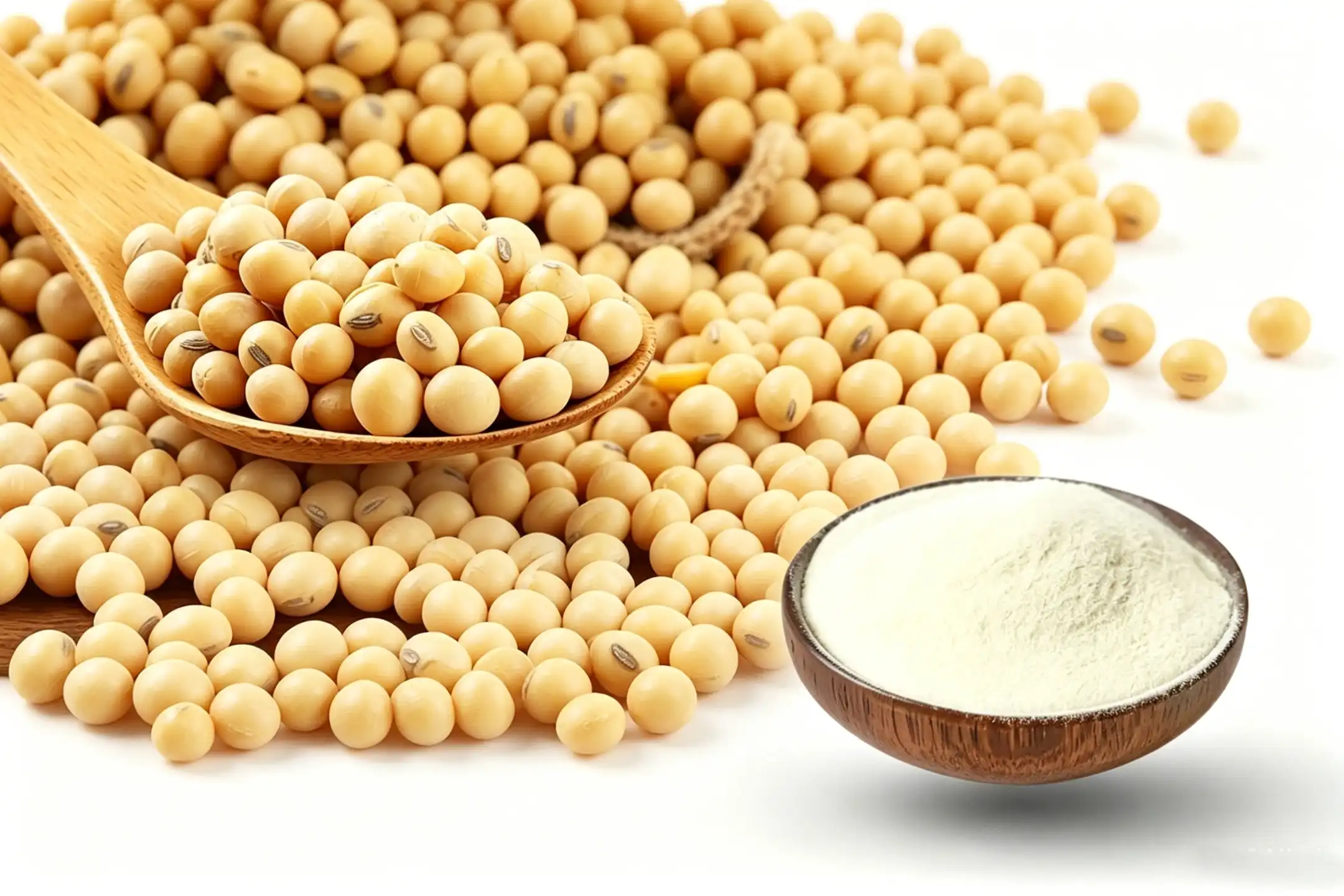
Soy peptide vs whey peptide
When choosing between soy peptide and whey peptide for your formulations, the decision extends beyond simple protein content. Soybean Peptide delivers comparable absorption rates to whey peptide through the PepT1 transporter mechanism while offering distinct advantages including hypoallergenic properties, plant-based sourcing, and complete water solubility even in acidic environments. For procurement managers navigating dietary supplement, functional beverage, and clinical nutrition formulations, understanding the technical distinctions between these peptide sources directly impacts product performance, regulatory compliance, and market positioning.
Understanding Soy Peptide and Whey Peptide
Biochemical Composition and Manufacturing Processes
Both types of peptides come from controlled chemical breakdown of parent proteins, but the proteins that make them up are very different. Whey peptides come from dairy milk proteins that have been microfiltered and then treated with proteases. Short-chain peptides, which are usually between 2 and 20 amino acids, are made by this process. Soybean oligopeptides are made when non-GMO soy protein powder is treated with certain enzyme combinations. These combinations break down molecules into pieces that are mostly less than 1000 Daltons in size. This molecular weight barrier is important for absorption because peptides in this range use the PepT1 transport system in the intestine instead of slower amino acid channels.

The accuracy of production has a direct effect on how well the product will sell. Defatting, protein isolation, enzymatic hydrolysis at a controlled pH and temperature, enzyme inhibition, centrifuge separation, membrane filtration, and spray drying are all steps in the high-quality Soybean Peptide production process. Modern companies use patented debittering technologies during hydrolysis to get rid of the typical beany taste that has been linked to soy-based products in the past. This technical improvement has made it possible to use soy proteins in clear drinks and neutral-tasting mixes that weren't possible with regular soy proteins.
Nutritional Profiles and Bioavailability Metrics
A protein's quality is judged by more than just its basic protein percentages. It's also judged by its amino acid makeup, how easily it digests, and how quickly it's absorbed. Whey peptides have more leucine, which starts the process of making muscle protein. This is why they are better for goods that athletes use right after working out to help them heal. Soybean Peptides contain high amounts of arginine and glutamine, which are amino acids linked to healthy blood vessels, strong defense systems, and healthy digestive systems.
Bioavailability tests show that both types of the peptide have similar absorption rates when the molecular weight stays below 1000 Da. The PepT1 transporter mechanism lets intact dipeptides and tripeptides pass through digestive membranes without breaking down into free amino acids first. This is why they work better than complete proteins. Commercial standards should check the molecular weight distribution using HPLC or gel permeation chromatography. The best grades should have more than 80% of the material below the 1000 Da level. The degree of hydrolysis is usually between 15% and 25%, which is the right amount for bioactivity and taste balance.
Quality Control Parameters for B2B Procurement
For professional-grade peptide sources, you need to pay attention to more than just the protein amount. The amount of ash in a product shows how well it was desalted during production. Too many mineral leftovers from pH adjustment processes make it harder to dissolve and add bad tastes. Through nanofiltration or electrodialysis after hydrolysis, good providers keep ash levels below 6%. Stability and germ safety are affected by the amount of moisture in the product. Usually, less than 7% moisture is needed to keep the product from sticking and to extend its shelf life to 24 months when stored properly.
Microbiological safety standards need to match the uses they are meant for. Total plate counts must be less than 10,000 CFU/g, yeast and mold counts must be less than 100 CFU/g, and dangerous organisms like Salmonella and E. coli must not be present. Lead levels should be less than 1 ppm, arsenic levels should be less than 0.5 ppm, and mercury levels should be less than 0.1 ppm. For export markets, like the US and EU, certificates of analysis must show that pesticide residue testing was done and that the highest residue levels meet the requirements for that area.
Comparative Analysis of Soy Peptide vs Whey Peptide
Protein Quality and Amino Acid Composition
Because these peptides have different amino acid profiles, their biochemical uses are different. Peptides made from whey cover all necessary amino acids, and the amount of branched-chain amino acids can reach 25% of the total protein. This makes muscle protein production work better, which is why whey is used so much in sports nutrition products that aim to build muscle and speed up healing. Soybean oligopeptides are also full proteins, but they have different amounts of amino acids. For example, they have higher amounts of glutamine and arginine, which help the body's metabolism in ways other than building muscle.
Protein digestibility-corrected amino acid scores put both peptides at the top of nutritional quality measures when they are broken down properly. Because of the enzyme pre-digestion process, the indigestibility problems that come with whole plant proteins are gone, making Soybean Peptides as good as choices made from dairy. This equivalence is very important for formulation freedom because it lets product makers choose based on how the product fits the market rather than how healthy it is.

Allergenicity and Dietary Suitability Considerations
Many makers choose which peptides to use based on how well they handle allergens. Even after being processed, whey peptides still contain dairy allergens, which makes them hard for people who can't digest lactose or who are sensitive to milk proteins. Labeling rules in most places require dairy allergy statements, which limits the market's reach for growing groups of people who don't eat dairy. By breaking down major allergic epitopes like beta-conglycinin and glycinin using enzymes, Soybean Peptides have a lower allergenicity than whole soy proteins. The hydrolysis process makes it much harder for the immune system to recognize allergens, but it's still not officially allergen-free by FDA and EU standards without specific ELISA threshold proof. This makes it possible to sell products with "reduced antigenicity" that are safe for sensitive groups. If plant-based peptides can get vegan approval, they can get into the quickly growing plant-forward nutrition markets that don't allow dairy ingredients.
Functional Properties and Formulation Performance
Different types of peptides have very different solubility properties, which affects how well formulations can work in different situations. When the isoelectric pH is around 4.5, traditional soy protein isolates start to precipitate. This makes things hard in acidic drinking systems like fruit juices and fizzy drinks. Hydrolyzed Soybean Peptides with molecular weights less than 1000 Da keep full solubility across pH ranges from 3.0 to 9.0, staying clear in solution even under acidic stress. Because of this stability, clear RTD drinks and acidic functional waters are possible that would not be possible with soy proteins that are still whole.
Both types of peptides tend to absorb water because they have visible hydrophilic groups, so they need to be stored and packaged in a certain way. Aluminum foil laminate packing that keeps wetness out keeps powder from clumping and keeps its free-flowing qualities. To keep the quality of their products for as long as they say they will, manufacturers should say that they should be stored below 25°C and with a relative humidity below 60%. Modern debittering technologies have made it possible for Soybean Peptides to have a neutral taste profile. This means that they can be used in unflavored recipes without covering agents, giving them more uses than just flavor-heavy protein products in the past.
Application Scenarios and Market Demand for Soy and Whey Peptides
Sports Nutrition and Performance Products
Both types of peptides are used most commercially in athletic nutrition items, but they are aimed at different types of customers and make different performance claims. Traditional bodybuilding and muscle-gain pills aren't as popular as whey peptides because of their well-known name and leucine content marketing. Soybean Peptides are being used more and more in new plant-based sports nutrition categories to meet the needs of vegan, dairy-free, and environmentally aware consumers without lowering the effectiveness of absorption.
The full water solubility and clarity-maintenance of hydrolyzed Soybean Peptides in acidic matrices are advantageous to product makers who make sports energy drinks. Recovery drinks for after a workout can have 20 to 30 grams of protein per dose without having the thick texture or taste of complete proteins. The fast absorption rate backs up marketing promises about providing amino acids right away, making these ingredients competitive with traditional whey hydrolysate products.
Clinical Nutrition and Medical Food Sectors
For medical nutrition uses, strict quality standards and useful features that help with digestive problems are needed. Formulations for post-surgery healing need protein sources that are easy for the body to absorb and that reduce stress on the digestive system while also helping tissues heal. Because Soybean Peptides are already broken down, they don't require a lot of proteolytic enzyme activity. This means that they can be used by people who have pancreatic failure or inflammatory gut conditions.
Peptide ingredients are being used more and more in nutrition goods for older people to help with the problems that come with getting older, like stomach problems and protein synthesis problems. Because advanced Soybean Peptides don't have a strong taste, they can be used to add more protein to delicious broths and drinks that older people like. Regulatory routes for medical foods and clinical nutrition products need detailed safety paperwork. This means that seller certifications like ISO 22000, FSSC 22000, and GMP compliance must be met in order to buy the products.

Functional Food and Beverage Applications
Peptide ingredients with bland sensory profiles and technical flexibility are in high demand because mainstream food and drink companies want to add protein to their products in a way that doesn't affect the quality of the labels. Hydrolyzed peptides are used to get the right amount of protein into liquids like coffee, flavored waters, and plant-based milk replacements without changing the taste or texture. Quality soybean oligopeptides dissolve completely in water, so they don't settle and stay evenly distributed throughout the shelf life.
Complete protein sources help you feel full, which is good for meal replacement shakes that are meant to help you lose weight and make eating easier. Positioning the product as a plant-based alternative to standard dairy-based meal replacements is in line with customer trends toward healthier food choices that are also good for the environment. Companies that want to get into this market need providers that can meet their unique needs for protein concentration, particle size optimization through specific mesh sizing, and flexible packaging forms that work with automated production systems.
Procurement Guide: How to Choose Between Soy Peptide and Whey Peptide?
Aligning Ingredient Selection with Business Objectives
The first step in strategic peptide buying is to clearly define the product claims and positioning for the target market. If a brand wants to get into the popular athletic nutrition market with well-known customer expectations, whey peptides may offer the easiest way to formulate and sell their products. Companies that want to grow in areas like plant-based nutrition, allergen-free goods, or being environmentally friendly should focus on Soybean Peptides, even if customers need to be educated about how effective plant proteins are.
Regulatory compliance standards change depending on the area and type of goods. There are different rules for dietary supplements than for useful foods or medical nutrition items. Suppliers should give a lot of paperwork, like certificates of analysis, allergen statements, GMO status statements, and governmental compliance letters that are specific to the area. For entering the U.S. market, FDA registration and proof of GRAS status speed up the clearance process. Novel Food studies are needed for some items on the European market, and strict purity standards must be met.
Supplier Evaluation and Quality Assurance Frameworks
When choosing a vendor, you should focus on their professional skills that go beyond simple manufacturing skills. Suppliers with their own research and development departments can help with preparation, application testing, and making hydrolysis factors that are specific to the needs of a product. Controlled enzymes processes give you a competitive edge when it comes to differentiating your products by letting you change the molecular weight distribution, protein concentration, and taste profiles.
Scale of production and the ability to handle inventory have a direct effect on the dependability of the supply chain. For key product lines, established suppliers keep a safety stock of 10–20 tons, which allows for shipping windows of 5–7 days and supports just-in-time manufacturing systems. For regulated goods that need to be bioequivalent across production runs, batch uniformity is very important. Statistical process control is used by quality sellers to keep an eye on the level of hydrolysis, the spread of molecular weight, and the sensory properties of each production run Third-party certificates prove that quality management systems work and give companies special access to markets. ISO 9001 shows that you know how to handle quality in general. ISO 22000 and HACCP certificates show that a food safety method is being used. Kosher and Halal licenses let you reach certain types of customers and markets in certain areas. Even though organic certificates aren't popular for peptide ingredients, they can help premium natural products stand out.
Cost-Performance Analysis and Total Value Assessment
The cost of preparation as a whole should be taken into account when evaluating prices, not just the cost per kilogram. Higher-purity peptides that dissolve better and don't taste bad may command higher prices, but they also mean that you don't need as many flavor masking systems and processing tools, which lowers the overall cost of the recipe. Minimum order numbers affect the amount of working capital needed and the cost of keeping goods on hand.
This is especially important for new brands that can only make small amounts of products. Terms of payment and trade credit rules affect how cash flow is managed. Established sellers usually offer net-30 or net-60 payment terms to approved buyers, which lowers the amount of money that needs to be paid up front. Having samples available for R&D testing speeds up the development process without having to commit to full business amounts. Technical service support, such as formulation advice, help with regulation paperwork, and application problems, adds a lot of value on top of providing basic ingredients.

Trusted Suppliers and Private Label Opportunities for Soy Peptide
Identifying Reputable Manufacturers with Comprehensive Capabilities
Reliable Soybean Peptide providers show that they can do everything from finding raw materials to delivering produced goods. This all-around method is shown by Shaanxi Sigma Biotechnology Co., Ltd., which uses vertical integration to combine access to real plant sources with cutting-edge extraction technology. Because the company is located in one of Shaanxi's traditional medical material-producing areas, it has direct access to high-quality non-GMO soybean sources. This makes sure that the quality and traceability of the raw materials are always the same.
The framework for manufacturing should have fine separation purification, low-temperature concentration tools, and constant countercurrent extraction systems. With these technologies, vital components are kept while purity goals are met. Modern spray drying systems that control the size distribution of particles make powders that are free-flowing and meet 80 mesh standards so they are easy to mix into liquids. Using unique debittering technology during hydrolysis gets rid of the bitter and beany taste that has been stopping Soybean Peptide from being used in other ways.
Quality control labs that can do a wide range of tests, such as HPLC molecular weight analysis, amino acid profile, microbial screening, and heavy metal detection, make sure that every batch meets the standards that have been set. Systematic quality assurance systems are provided by full agreement with ISO 22000, FSSC 22000, and ISO 9001. More certificates, like HACCP, Halal, and Kosher, make it easier for finished goods with these ingredients to reach more markets.
Private Label and OEM Service Advantages
Custom production services let brands stand out from generic products in ways that standard ones can't. Product makers can make their own blends with their own market placement with the help of OEM capabilities that include changing formulas, customizing specifications, and designing packaging. Changing the amount of protein, changing the molecular weight patterns, and adding useful ingredients that work well with proteins all in one place speeds up the process of making new products.
Private label options give brands that want to get into the market quickly but don't want to spend a lot of money on production facilities turnkey solutions. Established companies keep stock of base peptide materials that can stay fresh for 24 months, which lets new brands get their products customized and packaged quickly. Businesses at different stages of growth can use flexible minimum order numbers, from trying the market for the first time to mass production.

Streamlined Procurement Processes and Partnership Development
Professional providers use processes that focus on the customer, which makes it easier to handle questions and complete orders quickly. Technical sales teams that know how to use ingredients in the right way offer advice on how to match product standards to formulation needs. Quickly creating quotes with clear price structures and minimum order amounts lets you confidently plan your budget and figure out how much a product costs. Sample request methods that let you ship small amounts for testing along with detailed technical documentation help with internal R&D validation before making business promises. Integrated logistics tools let you watch orders in real time, so you can see the whole supply chain, from production to delivery. Having a large safety store of core products on hand ensures a steady supply of goods, which helps keep production plans.
Conclusion
Choosing between soy peptide and whey peptide has a big impact on how products are positioned, how they are regulated, and how easy it is for them to get into the market across all functional nutrition groups. When made correctly to molecular weight requirements below 1000 Da, both types of peptides work about the same when it comes to absorption, using the same PepT1 transport system. The final choice depends on what the target customer wants, how to handle allergens, and how to strategically place the brand in nutrition markets that are becoming more divided.
Purchasing managers should give more weight to providers who can show a wide range of quality standards, the ability to make technical changes, and reliable inventory management that supports smooth production operations. As the market for plant-based protein alternatives grows, Soybean Peptides become important materials for product creation projects that look to the future.
FAQ
Q1: Can soybean peptide effectively replace whey peptide in muscle recovery formulations?
A: Studies on clinical uptake show that properly digested Soybean Peptide and whey peptides have similar bioavailability as long as their molecular weight stays below 1000 Da. Both use the PepT1 transporter system to quickly absorb nutrients in the intestines. Soybean Peptides have high levels of glutamine and arginine, which help the immune system and keep blood vessels healthy. Whey, on the other hand, has higher amounts of leucine, which starts the production of muscle protein. Instead of basic differences in how well they work, the choice is based on what the target customer wants and specific performance claims.
Q2: What documentation should procurement teams require from peptide suppliers?
A: To fully qualify a seller, you need to see certificates of analysis for each batch that show the protein content, molecular weight distribution, microbiological safety, heavy metal screening, and pesticide residue tests. Regulatory compliance paperwork should have ISO certificates, allergen statements, GMO status statements, and regulatory letters unique to each area. Suppliers should back up claims about shelf life with stable data and application advice for how to technically incorporate their products into different types of formulations.
Q3: How does molecular weight distribution affect peptide ingredient performance?
A: The molecular weight has a direct effect on how things are absorbed and how they work. The PepT1 transport system works well with peptides less than 1000 Da, but it takes longer for bigger pieces to break down into free amino acids. Lower molecular weights also make it easier for water to dissolve and make things clearer when used in drinks. Analytical testing is used by good providers to record molecular weight profiles. Premium grades show that more than 80% of the material is in the best range for fast absorption and technical flexibility.
Partner with Sigma for Premium Soybean Peptide Supply
Shaanxi Sigma Biotechnology Co., Ltd. is ready to meet your needs for peptide ingredients. They are experts at making them because they have been extracting plants for decades. Through production methods that are ISO 22000, FSSC 22000, and ISO 9001 approved, our Soybean Peptide supplier capabilities provide stable quality. We keep a lot of stock on hand so that we can deliver within 5 to 7 days. Our OEM/ODM services are also very flexible, so we can meet any special needs, from changing the molecular weight to private name packaging. The result must have a molecular weight of less than 1000 Da, a protein content of more than 80%, and be completely soluble in water, which is achieved through a unique debittering technology. Email our team at sarah@sxsigma.com to get technical information, set up an evaluation sample, or talk about bulk price structures that are tailored to your production numbers and shipping plans.
References
1. Mathai, J.K., Liu, Y., and Stein, H.H. (2017). Values for digestible indispensable amino acid scores (DIAAS) for some dairy and plant proteins may better describe protein quality than values calculated using the concept for protein digestibility-corrected amino acid scores (PDCAAS). British Journal of Nutrition, 117(4), 490-499.
2. Matsumoto, T., Nakamura, S., and Sakai, K. (2018). Physiological functions and applications of bioactive peptides derived from soybean protein. Journal of Nutritional Science and Vitaminology, 64(1), 1-8.
3. van der Ven, C., Gruppen, H., de Bont, D.B., and Voragen, A.G. (2002). Correlations between biochemical characteristics and foam-forming and stabilizing ability of whey and casein hydrolysates. Journal of Agricultural and Food Chemistry, 50(10), 2938-2946.
4. FDA Guidance for Industry: A Food Labeling Guide (2022). U.S. Food and Drug Administration, Center for Food Safety and Applied Nutrition.
5. Shimizu, M., Tsunogai, M., and Arai, S. (1997). Transepithelial transport of oligopeptides in the human intestinal cell line Caco-2. Peptides, 18(5), 681-687.
6. Tang, J.E., Moore, D.R., Kujbida, G.W., Tarnopolsky, M.A., and Phillips, S.M. (2009). Ingestion of whey hydrolysate, casein, or soy protein isolate: effects on mixed muscle protein synthesis at rest and following resistance exercise in young men. Journal of Applied Physiology, 107(3), 987-992.
Date Syrup vs Honey vs Maple Syrup: Nutrition and Taste
When people buy natural sweets for their businesses, they always say that maple syrup, honey, and date syrup are the best three. Because they all taste and are good for you in different ways, the end result will depend on how well each one works. Date syrup, especially the best kinds from Saudi Arabia, can be very helpful for businesses that want to find clean-label options that still work well. There are a lot of enzymes in honey, and not everywhere has maple syrup. Not so with Saudi Date Syrup. Each batch is exactly the same because it is concentrated at low temperatures in a way that keeps the minerals and flips the sugars. In a market full of other products, R&D teams and buying managers can choose ingredients that meet the needs of the recipe, the law, and customer tastes for real, lightly processed sweets that make the goods stand out.

Understanding Saudi Date Syrup and Its Unique Qualities
Origins and Traditional Production Methods
They have been growing dates there for a long time and it is dry, so it is one of the best places to find good dates. Local date syrup is called "Debs," and it's made by cooking fresh dates with water until the mixture thickens on its own. The look of this process hasn't changed, but it is better now than it was before. Modern production plants in Saudi Arabia give fruits and vegetables limited amounts of water, heat them with light, and filter them through several steps to bring out their natural fruit taste. This way takes into account what the thing means now while still following the rules for food safety right now. There is a dark, thick liquid at the end that has more than 70% solids, a pH level that stays between 4.0 and 5.0, and more than 65% sugar. There are many ways that these events could be useful for business.
Quality Standards and Certifications for B2B Procurement
You can do more than just taste the date juice to make sure it is of good quality. Providers you can trust will have certificates like ISO 22000, HACCP, and Halal. In many places, these make it easy to get into shops. These approvals show that strict rules are followed at work to keep things safe from microbes, stop pollution, and keep track of things. HPLC is used to keep track of how much chemical waste, heavy metals, and sugar in the sample. Tests are done in the lab every time. Because it's so open, it meets the strict needs of the medicine and vitamin industries. It also helps makeup companies spread the idea of clean beauty. The buyers should give more weight to sellers who offer all the scientific paperwork, like Certificates of Analysis and Material Safety Data Sheets, and help with getting the goods through customs. To make sure they follow the rules and ship things to other countries, this will be helpful.
Nutritional Advantages and Functional Properties
Sugar or fake sweets are not the same as date juice because it has more nutrients. It can be used in two ways: first, it can be used to add sweetness and vitamins that back up what the product says; second, it has a lot of potassium, magnesium, and antioxidants. Because glucose and fructose are more common than sucrose, an upside-down sugar profile is made. This keeps the texture smooth over time and stops the crystals that can form in sugar-based foods. When you focus at a low temperature, you keep nutrients and antioxidants that would usually start to break down quickly. It's easy for functional drink and health-focused food brands to switch out fake ingredients for natural ones that support clean-label marketing and keep manufacturing performance high because date syrup stays fresh for a long time.
Comparing Nutrition Profiles: Date Syrup vs Honey vs Maple Syrup
Caloric Content and Sugar Composition Analysis
Not all of these sweets are healthy, which makes it hard to choose which recipes to use them in. Most of the time, 100 grams of Saudi Date Syrup has 280 calories. There are a lot of fructose and glucose in it, but they are not the same sugar. Honey is hard to describe in a single way because the amount of sugar in it changes based on the flower it comes from. There are 304 calories in 100 grams of honey. One hundred grams of maple syrup has around 260 calories. The carbs that are high in sugar are where most of those calories come from.

This is important for goods that are meant to help people with metabolic health because it means that the glucose number changes. Date syrup has a lot of invert sugar, so its glycemic response is moderate. The sugar molecule in maple syrup, on the other hand, speeds up the rise in glucose. Honey can do many things because it has many enzymes. That way, you can choose the best ingredients for foods that are good for diabetics, sports nutrition mixes, and energy bars. Customers get even more out of perks that last a long time.
Micronutrient Density and Antioxidant Capacity
Besides the macronutrients, what else can we learn about how well these sweeteners work? One hundred grams of date syrup has around 1,000 mg of potassium. There are only 204 mg or 52 mg of potassium in 100 grams of honey or maple syrup, so this is a lot more. People who follow a sports diet may like this because it has a lot of minerals that are good for your heart. Stress and hormones work better when you have a lot of magnesium in your body. Also, date juice tastes good. How well date syrup fights free radicals can be seen by its ORAC numbers.
These numbers show how many polyphenols it has. This is especially useful for making foods and goods that fight age. Enzymes and peptides that are only found in honey are made by bees. But every batch is different, which makes it hard to make things the same. Some vitamins and trace minerals can be found in maple syrup. To show that higher prices are worth it, buying teams can keep track of these changes. This helps marketing plans stand out by giving clear health benefits that people want.
Glycemic Response and Dietary Compatibility
People are becoming more aware of glycemic index factors as they learn more about how foods impact the digestion. Date syrup has a low glycemic load because it has the right amount of sugar and glucose. Foods that say they are healthy don't have to make claims that are only true for diabetics when they use it. It's hard to figure out how honey was made because its glucose score can be anywhere from 35 to 58. Because it has more sugar, maple syrup is higher on the glucose scale. These things change the foods that are used in protein bars, meal replacement shakes, and good weight loss drinks. Date syrup can be used instead of honey, which isn't allowed on some diets. It sells better this way. Date syrup can be used in many ways since it doesn't contain any allergens. They can get clean-label approval this way without making the product less useful or having to be very careful about allergens while making it.
Flavor Profiles and Culinary Uses for B2B Applications
Taste Characteristics and Sensory Evaluation
When people buy something, they should think about how it tastes because how well someone likes a product affects how often they buy it. Some people say that date syrup tastes like toffee and is sweet. It's not really acidic. It's not too sweet, so it doesn't make your mouth hurt. A pH range of 4.0 to 5.0 keeps it that way. These different tastes make baked goods better by adding depth without making the other flavors taste too strong. Honey with flower notes tastes very different because it comes from different plants. Because of this, each honey has its own taste, and it's harder to make sure that they are all the same when making a lot of them.
Sugar maple syrup has a sweet and woody taste. It goes well with breakfast foods, but it might not work as well with hot foods. So that things stay the same, quality control teams can test sense qualities in standard ways. For example, to check color strength, absorption spectroscopy at 420nm can be used. These changes in taste should help product makers choose the right sweeteners for each job. They need to make sure that the item doesn't clash with the recipe's main flavors.
Industrial Application Scenarios and Performance
These sweets are used in many areas, and each one needs them to have certain qualities that make them helpful. Saudi Date Syrup is added to baked goods to make them sweeter and keep them fresh. It doesn't add any fake chemicals and keeps food fresh and moist for longer, which is great for clean-label marketing. Since it has a higher smoke point than honey, it doesn't burn when baked at high temperatures, letting the food stay fresh and avoiding waste.
People who make drinks like date syrup because it's simple to mix in. This stops finished goods from getting clogged up and keeps cold-fill processes running smoothly. Honey's enzymes can mess up foods that need to stay stable for a long time. Since maple syrup doesn't have as many ingredients, the method may need to be changed to get the right amount of sweetness. Date syrup is good for sauces and glazes because it caramelizes slowly and the color doesn't change when the heat is turned down. These scientific details help choose the right parts based on the method, the tools, and the quality of the final product that is wanted.

Blending Strategies and Recipe Optimization
These days, many things are made with more than one type of sugar to get the best price-to-use ratio. Date syrup can stay on the label clean when mixed with other natural sweets. The tastes will also be more even. There is less sugar in foods when they are mixed with stevia or monk fruit juice. Changing the way foods are made often leads to problems that need to be fixed. This makes them lower in calories without changing how they taste. Date syrup and crystalline sugar work well together to keep the texture the same while it's being stored.
To get the most out of a recipe, pay close attention to how much water it has. This is because different sweets add various amounts of water, which changes the length of time germs can live. R&D teams test something in small groups first to see how well it works with other things before they make a lot of it. Institutional knowledge is built by writing down the exact amounts and working conditions that make mixes work well. This shortens the time it takes to make new products and sell new ideas.
Procurement Considerations and Quality Selection Criteria
Essential Quality Metrics and Testing Protocols
Strict quality standards must be put in place to protect the goods and the brand's reputation. Refractometry is a way to find out how sweet something is and how it feels. The sweetness and taste will stay the same. This is important for production lines that work quickly and have automatic dose systems. When hydroxymethylfurfural (HMF) was processed with heat, it caused damage. Good date syrup still has small amounts of HMF, which means it was made in a way that kept the health benefits. The fact that fake goods are being sold with corn syrup or maltose added to them is a problem in the world's trade markets.
If you study sugar profiles, you can tell the difference between real and fake things. Microbiological testing is needed to make sure the product doesn't have any osmophilic yeasts or molds that would make it go bad faster. This is very important for shipping things that don't change temperature. The job is done as long as the plates are safe for food and the right number are used. When done by approved third-party labs, these tests make it clear that sellers are telling the truth about the quality of their products. They also do the work for quality inspection teams when they need to find new sources.
Certification Requirements and Regulatory Compliance
You need a lot of proof papers to get around the rules and laws of other countries. For Saudi Date Syrup, things that come into the U.S. market have to go through the FDA food facility registration and the Foreign Supplier Verification Program. When sending food to Europe, you have to follow EU regulations on food safety. There are limits on how much heavy metals and contaminants can be present at any given time. Even though getting organic certification costs more, it allows you to sell natural products that are quickly becoming more popular. Faith-based communities that need to follow specific dietary laws can be served with Kosher or Halal certification.
Buyers increasingly view these certifications as indicators of quality. A supplier with multiple certifications demonstrates access to various markets while showing commitment to modern quality control methods. The people in charge of procurement should verify the credentials of the issuing bodies to ensure certifications are authentic and cover the specific product codes being purchased. The supplier should conduct regular facility self-inspections, or have a third-party service do it, to check regulatory compliance and identify any issues before they affect supply or product safety.

Supplier Evaluation and Long-Term Partnership Criteria
You should not only look at how good a source is, but also how well they run their business and how easy it is to work with them. Some sellers keep a large safety stock, like 10 to 20 tons of important goods. This shows that they are financially stable and can always fill orders. Lead times for things that are in stock are usually five to seven business days. For just-in-time production, these wait times help keep working capital from getting stuck in too much inventory. Different kinds of companies can use both 250-gram retail sizes and 200-kilogram industrial drums.
An art gallery, a big factory that makes lots of things, or anything else. It's more helpful to have technical support services than just a seller. These services can help with things like formulas and program problems. When there are clear lines of communication and helpful customer service teams, it's easier to keep track of orders and faster to fix problems that come up out of the blue in supply chains.
Making the Right Choice: Strategic Insights for B2B Buyers
Aligning Sweetener Selection with Business Objectives
A smart choice of materials will only work if the product's quality fits with the business plan and how it's positioned in the market. Hand-making date syrup has cultural meaning and a story behind it. This is good for high-end brands that value originality and custom. Date syrup stands out from other options because it has a clean name and a lot of minerals that make people think about their health. When costs need to be kept low, mixed choices that keep quality high and materials costs low might be a good choice.
If you know about buyer picture study, you can guess how the market will act. Like, the fact that date syrup is becoming more and more well-known as a healthy ingredient supports claims made in advertising and supports the higher price. Product makers should think about how the sugar they pick fits with the personality of the brand, the marketing story, and the benefits that back up the positioning in the real world. Buying items changes from a cost center to a value driver when you match your plan to this. Things can be put on the shelves better, which makes money for the company.
Market Trends and Future-Oriented Procurement
When it comes to natural products, new trends can change long-term plans for what to buy. More and more, people want companies to be open and honest about where their goods come from. They also want to buy from businesses that use eco-friendly methods. The clean-label trend isn't going away, and companies are slowly taking out all the fake ingredients from their products. Date syrup is a good choice because it only has one thing in it. People are becoming more interested in Middle Eastern and Mediterranean foods, so cultural identity is being used as a sale tool. Most importantly, this is true for heritage-type things made with dates.
Buyers want to know more and more about things like how much water is used, carbon footprints, and growing methods. When companies make claims about the environment and then follow through on the things they buy, it gives suppliers who care about people and the environment an edge over others. Buyers can find providers who can meet the wants of the market in the future if they know about these trends ahead of time. This way, buyers don't have to change their deal with suppliers every time they need something different.
Why Premium Date Syrup Represents Optimal Value?
Saudi Date Syrup is a good choice for people who want to make the right product because it works well, is good for you, and fits in with the market. You can get it from stable sources, like well-known Saudi Arabian makers, so it's safer than choices like maple syrup that are hard to find in the area. People who want to buy don't have to keep up with as many sellers because the ingredient can be used in so many things, like drinks, food, and personal care items.
Standards, such as necessary amounts of solids and pH controls, help make sure that every batch is the same. This makes it so that there are fewer recipe factors and output problems. Strict tests have shown that high-end types don't contain common fillers. People are more likely to believe the company because of this. To get the most out of your deal, it's best to work with experienced buyers who can help you with rules and give you confidence in real life. So, getting the items isn't just something that needs to be done; it's also good for the plan.
Conclusion
To choose the best natural sugar, you should think about how healthy it is, how useful it is, and how stable its supply chain is. Date syrup, especially high-end kinds from Saudi Arabia, is a great choice for businesses that care about clear signs, being healthy, and stable production. Date syrup is being used in more health-focused goods because it stays the same over time, has more vitamins, and can be used in many ways. In their own ways, both honey and maple syrup are good for you.
To have a smooth buying process, you need to test the quality thoroughly, get the right certifications to show that you follow the law, and build relationships with sellers who do a great job in the real world. Saudi Date Syrup is a unique choice for a strategic ingredient that can help with both customer standards and innovation goals. This is because the market still likes real ingredients that haven't been changed much. This is the case because it both lives up to its past and works well.
FAQ
Q1: What distinguishes premium Saudi Date Syrup from conventional alternatives?
A: Dates that were grown in the best places for dates to grow are used to make good Saudi Date Syrup. The healthy ingredients are then kept by making them in controlled low-temperature ways. Part of quality control checks is doing full tests for heavy metals and chemical leftovers. To be sure that no maltose or corn syrup has been added, an HPLC sugar profile study is done. If you get ISO, HACCP, or Halal approval from other countries, it means you follow the rules for food safety. They might not have gone through all the testing or paperwork needed for tracking, and the methods could have been changed or weakened, making them less useful or not following the rules.
Q2: How should bulk date syrup be stored to maintain quality?
A: Keep a wrapped gift at room temperature, which is generally less than 25°C, in a dry place out of direct sunlight. The quality stays the same for 18 to 24 months after these things happen. Some crystallization may happen at lower temperatures, but this is only a change in the structure of the material and can be fixed. It doesn't mean things are getting worse. When you slowly heat something up to 45°C, it goes back to its natural shape and keeps all of its nutrients. By following the "first-in, first-out" rule, places that work with chemicals should make sure that storage areas are dry so that germs don't grow.
Q3: Can date syrup replace refined sugar in existing formulations?
A: The recipe needs to be changed because the pH, sweetness, and wetness can change when you use different replacements. The dough or batter gets more liquid when you add date syrup, so you need to add less liquid to keep the right consistency. Recipes that are sensitive to it may need to have the pH changed because it is naturally acidic. This kind of sugar turns brown pretty quickly when baked because of how it's made. It's possible that the time or temperature needs to be changed. Bench tests are used to find the best rates of change before the whole picture is put together. People who have bought a lot of things before don't make mistakes that cost a lot of money, so we can get better faster.
Partner with Sigma for Premium Saudi Date Syrup Supply
A company called Shaanxi Sigma Biotechnology Co., Ltd. can help you get natural sugar. The Saudi Date Syrup they sell is the best because it is made for drugs. It's thick and brown, and its pH is between 4.0 and 5.0. It also has more than 70% solids. It was kept at low temperatures to keep the nutrients whole. It only takes five to seven working days to send out the things we have in stock because they meet ISO 22000, HACCP, and Halal standards. For markets in Europe and the Middle East, we help get goods through customs and give full lab paperwork for every batch. This includes tests for sugar content and pesticide residues.
Because our MOQ is so low, we can create things for retail sales as little as 250 grams and for business packages as heavy as 200 kilograms. You can be sure that our 100% pure date juice concentrate comes from a Saudi Date Syrup seller that does everything. It's even possible to find out where it came from. If you do this, there is no longer any chance of scam in the commodity market. Send an email to sarah@sxsigma.com to get samples, talk about your unique recipe needs, and learn how our technical know-how and stable supply lines can help you make new products more quickly and for less money.
References
1. Al-Farsi, M.A. & Lee, C.Y. (2008). Nutritional and functional properties of dates: A review. Critical Reviews in Food Science and Nutrition, 48(10), 877-887.
2. Saafi, E.B., et al. (2009). Phenolic content and antioxidant activity in four date palm varieties grown in Tunisia. International Journal of Food Science & Technology, 44(11), 2314-2319.
3. White, J.W. & Doner, L.W. (1980). Honey composition and properties. Beekeeping in the United States Agriculture Handbook, 335, 82-91.
4. Ball, D.W. (2007). The chemical composition of maple syrup. Journal of Chemical Education, 84(10), 1647-1650.
5. Foster-Powell, K., Holt, S.H., & Brand-Miller, J.C. (2002). International table of glycemic index and glycemic load values. American Journal of Clinical Nutrition, 76(1), 5-56.
6. Codex Alimentarius Commission. (2019). Standard for honey (CXS 12-1981). Joint FAO/WHO Food Standards Programme, Rome: Food and Agriculture Organization.
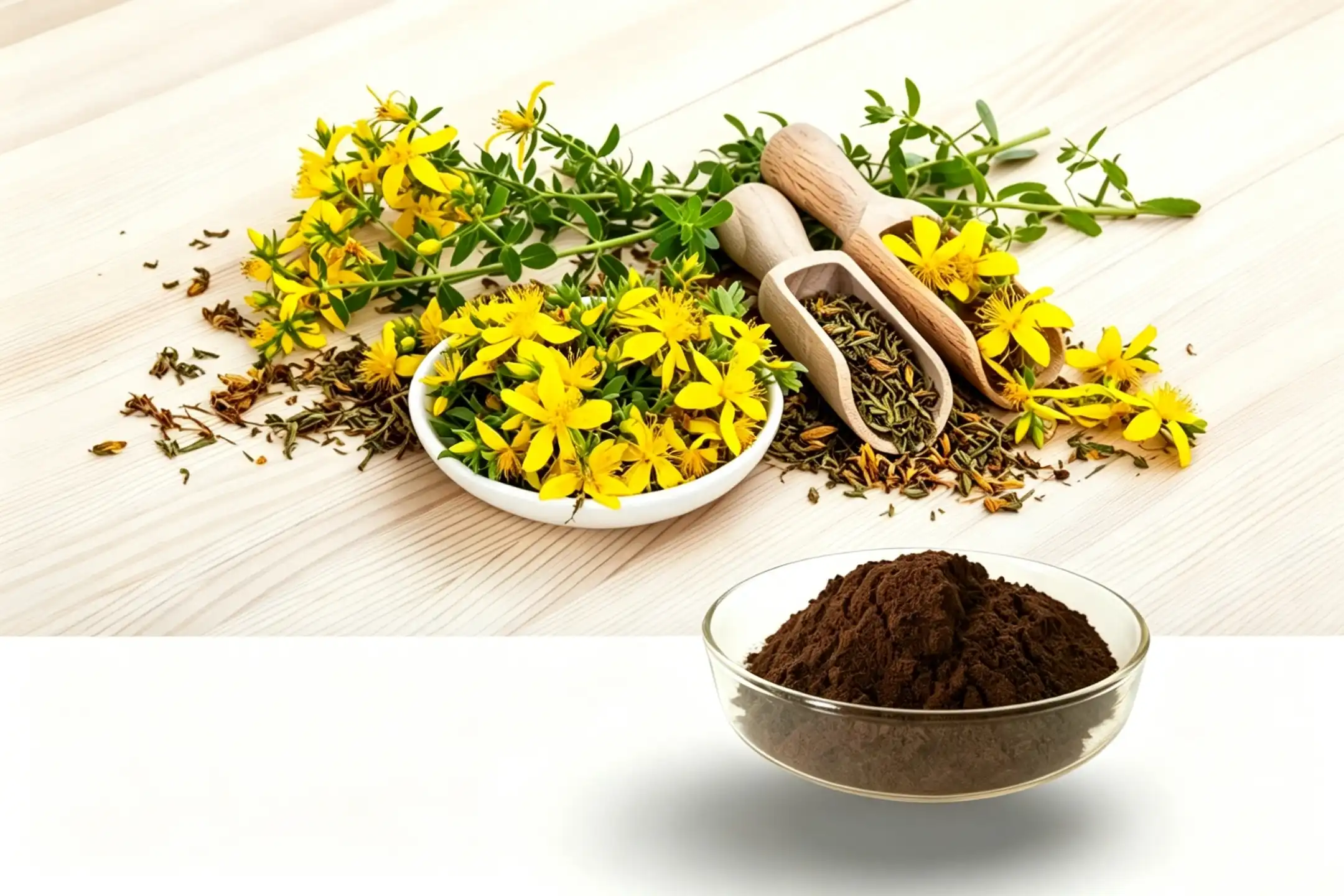
Organic St. John's Wort Extract vs regular
The market for plant-based ingredients has grown a lot in the last few years, and natural goods that improve mood are becoming more and more common. St. John's Wort Extract is at the center of this trend because it is used in everything from makeup to food supplements. The biggest difference between normal and organic St. John's Wort Extract is how the plants were grown. Plants that were grown without manmade fertilizers or pesticides had to meet strict approval standards in order for organic extracts to be made. On the other hand, normal farming methods are used to make regular products. It changes the quality, the safety, and the place in the market of the goods because of this difference. When buying managers, R&D teams, and quality control workers know about these details, they can make smart choices about where to buy things that balance price, quality, and following the law in a global market that is always changing.

Understanding St. John's Wort Extract: Organic vs Regular
St. John's Wort Extract is made from the growing plant Hypericum perforatum, whose upper parts and flower heads have beneficial chemicals like hypericin and hyperforin. The product is known to help with mental health and mood balance because it has these things in it. Most of the time, methods that use ethanol are used to get rid of these active ingredients and compress them into a fine, uniform brown powder with particles about 80 mesh in size. For industrial use, this makes sure that the powder can move smoothly.
Cultivation and Certification Differences
The way they are grown is the main difference between regular and organic types. No man-made products are used to grow organic St. John's Wort. Instead, natural methods are used to get rid of pests and make the land better. There must be strict approval processes in place for this way to work. For example, the food must be USDA or EU Organic certified, and it must also meet international standards for HACCP and Halal. When normal gardening methods are used, synthetic fertilizers and herbicides are allowed to be used in certain amounts when making regular extracts. The standards for quality are still being met. Both types have to pass strict safety tests for microbes, heavy metals, and chemical leftovers. However, farmers feel even better about how they grow their crops when they get organic stamps.
Impact on Active Ingredient Profiles
How the plant is grown changes the mix of phytochemicals that are in the final product. The amount of hypericin in professional-grade products is usually set at 0.3% or less, and high-performance liquid chromatography is used to make sure the numbers are right. Organic gardening methods can increase the amount and stability of chemicals that are good for you. This is because plants that are grown without poisons might get better at protecting themselves. There are no man-made leftovers left on organic extracts, so they don't get in the way of studying the active ingredients. This makes batch-to-batch stability better, which is very important for businesses that need stable raw materials to make a lot of things. Both natural and organic products should have less than 5% ash and less than 1,000 cfu/g of total plate count to meet the standards of the supplement and drug businesses.

Key Benefits and Usage of Organic vs Regular St. John's Wort Extract
It has been shown over and over that St. John's Wort Extract can help with low to moderate nervousness and sadness. Neurotransmitters are also changed in clinical tests to show that it works. The extract helps you sleep well and fights free radicals, which makes it useful in many types of products, like skincare, food supplements, and plant-based medicines.
Safety and Purity Considerations
Different kinds of extracts are not as safe as organic ones because they leave behind more chemical waste. When you look at different goods, it's important to check them for contaminants. For example, to get an organic certification, products must be tested for over 500 pesticide residues according to EC 396/2005 guidelines, and polycyclic aromatic hydrocarbons must be kept below 10 ppb. Regular extracts are safe as long as they come from a reliable source, but they might have small amounts of legal man-made materials in them.
For both types, pyrrolizidine alkaloids need to be checked. This can happen when weeds get into the crops during gathering. Companies that want to sell high-end goods or to health-conscious people often choose organic options because they are in line with their brand's values of using only natural and clean materials. It changes how goods are promoted, how they are labeled, and how much trust people have in the brand, especially in places with strict rules like the US and EU.
Application Scenarios and Dosage Flexibility
The dark fine powder shape can be used with different mixtures. A good way to make food supplements that need to be taken every day in a certain amount is to bubble them up. Based on how much hypericin is in the medicine, these amounts are generally between 300 mg and 900 mg. The powder is easy to mix into products that treat skin problems caused by stress, and the liquid extracts work well in drugs and useful drinks. Because they are grown to higher standards, organic types cost more. This is in line with clean health trends and approved organic product lines. When R&D teams are making product lines, they should think about what customers want, what the rules are in the markets they're going after, and how organic approval fits in with the overall message of the brand.

Comparison of Organic vs Regular St. John's Wort Extract for B2B Procurement
When people who work in buying need to find botanical goods, they have a lot of options. Standards for quality are the foundation. As a minimum, you have to check the amount of hypericin, make sure the level of wetness is less than 5%, and test for all contaminants. With organic approval, you can keep track of the whole process, from the field to the finished product. More and more, quality assurance teams want the supply chain to be more open. This makes it happen.
Cost Analysis and Economic Considerations
Organic farming generally brings in less money per acre, takes more work, and costs more to approve. As a result, organic extracts cost 15% to 40% more than their conventional counterparts. This gap can be filled up a lot by learning how to buy in bulk. When a business wants to buy more than 100 kilograms of something, they usually can work out a deal that saves them money. When making the choice, think about how the goods will be sold in the end.
Higher prices can cover the higher costs of organic ingredients for high-end supplement lines aimed at health-conscious customers. On the other hand, value-oriented products may be able to make good earnings with good normal extracts. Long-term supply agreements with manufacturers that keep a safety stock of 10 to 20 tons allow for steady prices and fast delivery within 5 to 7 business days. This lowers the cost of having inventory and lowers the chance that there will be supply problems.
Supplier Evaluation Criteria
Many certifications, like ISO 22000, FSSC 22000, and ISO 9001, make St. John's Wort Extract sellers who you can trust stand out. These certifications show that they handle quality in an organized way. The paperwork needs to be very clear. Each batch from a reliable partner comes with a Certificate of Analysis that lists the results of tests on the active ingredients, heavy metals, and full microbe screens. One part of traceability is knowing where the raw materials come from.

The biggest sellers use regional advantages, such as Shaanxi's high-quality natural resources, to keep control of the whole value chain, from growing the plants to getting the oil out of them. You can tell how skilled a seller is by how much they can produce, how advanced their extraction methods are, how well they can change to your needs, and how quickly they can answer technical questions. Companies that have been around for a while and offer ODM/OEM services add value by making recipes better, changing particle sizes, and coming up with new ways to pack products that fit the needs of each market.
How to Choose the Right St. John's Wort Extract for Your Business Needs?
There are a number of things that must be in line with business goals in order to choose between organic and standard St. John's Wort Extract options. For medicinal uses, you need extracts that follow the rules set by the US Pharmacopeia or the European Pharmacopeia. These standards put a lot of weight on standardization and strong scientific proof. Organic approval can help supplement brands that want to appeal to health-conscious people in general. It supports their natural image and marketing claims. The people who make cosmetics may choose organic forms of things that say on the label that they are natural or organic. This way, all of the ingredient claims are true.
Procurement Decision Framework
To make sure that buying methods blend quality, cost, and dependability, they need to be evaluated in a planned way. Set the conditions for your goods, like how much hypericin it should have and any licenses it needs to sell in your market. Also, decide how much you're willing to pay. You can do your own tests if you get samples from more than one place. Compare the specs to the paperwork and check things like how well it dissolves, how consistent the color is, and how it smells.
You should look into how well the provider can help you with application advice, stability data, and properly getting into the market. Think about your shipping options, whether you need help with customs paperwork, and how much space you need. They will stay stable for a long time if you properly seal them and store them somewhere cool and dry. Getting to know service providers who offer full support, like being reachable 24 hours a day, 7 days a week, giving free samples at first, lowers the risk of buying something and makes it easier to form long-term partnerships.
Market-Specific Considerations
The rules that guide a region have a big effect on where people choose to buy things. The dietary supplement market in the US values openness and testing by a third party. This makes sellers with a lot of licenses more attractive. European buyers put a lot of weight on following stricter organic rules and limits on contaminants. This means that sellers need to know how to meet EU trade standards. Even though emerging markets may be open to change, production standards must be carefully checked. You can avoid quality problems that could hurt your brand's image and cost you a lot of money in returns by looking at the supplier's history of compliance, test results, and customer references.
Future Trends and Industry Insights in St. John's Wort Extract Market
The St. John's Wort Extract business is still changing quickly. This is because of new rules that stress safety and openness, as well as the fact that people want natural choices. The group that is growing the fastest is organic ingredients, which are growing at faster rates than both conventional items and organic ingredients. This is because people who care about their health are giving more attention to where the food they eat comes from.
Technological Advancements in Extraction
The quality of the product is getting better and extraction is becoming more efficient thanks to new technologies. When CO2 is supercritically extracted, no solvents are used. This is good for people who want clean labels. And yet, ethanol extraction is still the most cost-effective way to make a lot of things and get good recovery of the active ingredient. It is easier to get regular results with continuous countercurrent extraction techniques, and chemicals that are sensitive to heat can be kept with low-temperature concentration techniques. The big companies that make things are putting money into new technologies that make them more consistent between batches and improve their bioactive profiles. They should check how technologically modern their companies are if they want to get ahead of the competition. Products and materials that are more reliable are made with more improved methods.
Regulatory Evolution and Compliance
Around the world, stricter rules are changing what people need to buy. Because of the EU's strict Novel Foods rules and the FDA's closer scrutiny of the production of dietary supplements, more paperwork needs to be filled out. The rules for getting certified as organic are always changing. For instance, the levels of pollution are now lower, and there are stricter rules for keeping track of goods. Plan ahead and work with their sources to keep proactive compliance programs going, buy analytical tools, and show that they can adapt to new regulatory settings. These deals lower the risks and make sure that product lines can still be sold even if the rules change.
Conclusion
Quality standards, licensing requirements, cost, and long-term business objectives must all be carefully taken into account when choosing between organic and normal St. John's Wort Extract. The organic forms are more natural and cost more because they are more clean, but some people are willing to pay more for them. Regular extracts are a cheap choice that doesn't put your health at risk if you buy them from a reputable company that follows strict quality standards. Standardization of active ingredients, careful testing, trustworthiness of the source, and following the rules are some of the things that make buying great. All of these things work together to make supply lines strong, which is important for long-term business growth in the volatile market for botanical products.
FAQ
Q1: What is the primary difference between organic and regular St. John's Wort extract?
A: How the plants are grown is the main difference. Ingredients that are organic come from plants that were grown without using chemicals or fertilizers made by humans. This is clear from groups like the USDA Organic. Man-made inputs are used in regular extracts in the same way that they are in normal gardening. One type can achieve the same level of hypericin standardization as the other, but organic versions are sure to have less pesticides, which is more in line with the clean-label movement.
Q2: How can I verify the authenticity of organic certification?
A: You should ask for all the paperwork, such as organic certificates with dates that are still valid, Certificates of Analysis that are special to each batch, and test results from a third party. It is easy to see how finished goods are connected to approved organic raw materials from suppliers with a good image. It is a good sign that a company has good quality management if it has more than one certification, such as ISO, HACCP, and Halal. Check the certification numbers with the groups that gave them out.
Q3: Are there differences in efficacy between organic and conventional extracts?
A: When the amounts of hypericin are the same, both types show about the same amount of promise as medicines. Scientists have not been able to prove that organic St. John's Wort Extract is better at making people happy than regular extracts. Instead of differences in how well it works, the choice should be based on concerns about purity, market placing, and customer tastes. This is because the amount of active ingredient and the quality of the extraction are more important for pharmacological activity than the way the plant was grown.
Partner with Sigma for Premium St. John's Wort Extract Supply
Shaanxi Sigma Biotechnology Co., Ltd. is a trustworthy manufacturer of St. John's Wort Extract for food supplements, skincare, and plant-based medicines. A lot of tests are done on our standardized extract to make sure it has less than 5% ash and a germ count that passes medical standards. It also has at least 0.3% hypericin. These are some of the certificates we have: ISO 22000, HACCP, and Halal. We promise to follow all US FDA and EU rules. We have full control over the whole supply chain and our combined production sites are in Shaanxi's best natural area. They use cutting-edge ethanol extraction technology.
We can give good items at fair prices because of this. Having 10–20 tons of safety stock on hand lets us ship quickly—within 5–7 working days—all over the world, and our OEM/ODM services are flexible enough to meet your specific needs for particle size, packing, and papers. You can email our team at sarah@sxsigma.com to get samples, talk about technical details, or look into ways to do business. Let us show you how our commitment to quality, dependability, and full-service support can help your products do well in the market.
References
1. European Medicines Agency. (2009). Assessment report on Hypericum perforatum L., herba. Committee on Herbal Medicinal Products.
2. Linde, K., Berner, M. M., & Kriston, L. (2008). St John's wort for major depression. Cochrane Database of Systematic Reviews.
3. United States Pharmacopeial Convention. (2021). St. John's Wort Powder and Extract Monographs. USP-NF 2021.
4. Butterweck, V. & Schmidt, M. (2007). St. John's wort: Role of active compounds for its mechanism of action and efficacy. Wiener Medizinische Wochenschrift, 157(13-14), 356-361.
5. Barnes, J., Anderson, L. A., & Phillipson, J. D. (2007). Herbal Medicines: Third Edition. Pharmaceutical Press, London.
6. European Commission. (2005). Regulation (EC) No 396/2005 on maximum residue levels of pesticides in or on food and feed of plant and animal origin. Official Journal of the European Union.

Fucoxanthin Explained: Sources, Extraction, and Benefits
Some of the carotenes that are naturally found in Fucoxanthin Extract Powder come from Undaria pinnatifida and Laminaria japonica, which are both types of brown seaweed. There is a strong antioxidant and metabolic stabilizer in this natural ingredient that comes from the sea. It is different from plant-based foods that come from land because of the way its molecules are structured and how they react with heat. Because it is a fine brown powder, it is easy to add to functional foods, nutraceuticals, and dietary supplements. This fills a need in the market for natural ingredients that have been shown by science to help with weight loss and cell health.

Understanding Fucoxanthin Extract Powder
The Chemical Nature and Biological Mechanism
Fucoxanthin is a carotene from the xanthophyll family. You can tell them apart from other carotenoids by the oxygen in their functional groups. Because it has an odd allenic link and an epoxide group, this molecule is not the same as beta-carotene or lutein. These groups help it do cellular work. When you eat fucoxanthin, your body breaks it down into fucoxanthinol and amarouciaxanthin A. These changes make the fucoxanthin easier for the body to use, and its affects on fat cells last longer.
Studies in scholarly journals say that fucoxanthin raises the amount of uncoupling protein 1 (UCP1) in white fat tissue. Most of the time, this process is linked to brown fat thermogenesis. Because it makes the body use energy instead of store it, this action is useful for formulas that aim to improve metabolic health. The substance lowers oxidative stress markers in clinical models by stopping nuclear factor-kappa B (NF-κB) signaling pathways. It also reduces inflammation.
Distinctions from Other Marine and Plant Extracts
Fucoxanthin is often compared to astaxanthin, spirulina powder, and chlorella extract when buying managers look at plant-based ingredients. Spirulina is good for you because it has protein and B vitamins, but fucoxanthin has a unique thermal effect that spirulina doesn't have. Astaxanthin is another color found in seaweed. It fights free radicals very well but not as well at keeping the metabolism in check. There are many catechins in green tea extract. It works with other substances but in different biological ways. One of these ways is by stopping catechol-O-methyltransferase.
When R&D teams know about these differences, they can make goods that work better with each other. Fucoxanthin can be mixed with other actives to work on more than one pathway at the same time. This makes the product more effective and keeps the label clear for future users.
Sourcing and Extraction Methods
Natural Versus Cultivated Raw Material Sources
How stable and good the Fucoxanthin Extract Powder is depends a lot on where the raw materials come from. A lot of people gather brown seaweed in the wild along the beaches of Japan, Korea, and some Atlantic zones. But the amount of fucoxanthin in the seaweed changes with the seasons, the water temperature, and the chemicals that are available. Farmers can have more control over the conditions that the plants need to grow in seaweed farms. This way, they can get regular crops with known amounts of active ingredients.
When people decide what to buy, sustainability is becoming more and more important. Growing seaweed is better for the earth than farming on land because it doesn't need fresh water, fertilizers, or room that could be used for crops. Suppliers who follow the rules of the Marine Stewardship Council (MSC) or have similar licenses show that they are responsible with their buying. This is what quality assurance teams look for in people they want to work with for a long time. The paperwork for traceability should say where the collection took place, what kind of plant or animal it was, and if any tests were done before the extraction. When someone wants to sell something in Europe or North America, these details help them make sure that the product complies with local rules about limits on microbe and heavy metal pollution.
Extraction Technologies and Their Impact on Purity
How the fucoxanthin is sorted from the seaweed material affects how clear and stable the powder is and how many liquids are still in it. Emulsifiers like ethanol or acetone are used to break down the colors in dried kelp that are attracted to fat. This is a cheap way to do it, but it might leave behind some liquid and unwanted fats or chlorophylls, which means you have to clean it up in more steps.
Producers who care about quality now use supercritical CO2 extraction more than any other method. If you control the high pressure and temperature, supercritical carbon dioxide can remove fucoxanthin while leaving chemicals behind that you don't want. Fucoxanthin levels of at least 10% are usually found in the fine, brown powder that is made this way. The bioactivity is still there, and there is no liquid waste left over.
People who believe in green science like CO2 because it is safe and doesn't catch fire. It also helps to address safety concerns made by regulators and customers. Some enzymes can be used to break down the cell walls of kelp and release carotenoids in mild conditions. This is a new possibility. Even though this method cuts down on heat damage and rust a lot, it is still not used very often in large-scale production because it costs more to set up.

Quality Standards and Documentation Requirements
They should ask for a full Certificate of Analysis (CoA) for each batch. The CoA should include the active ingredient content by high-performance liquid chromatography (HPLC), as well as the heavy metal profiles (≤10ppm), bacteria counts, pesticide residues, and loss on drying measures (≤3%). You can trust suppliers who keep their ISO 22000, HACCP, and Halal licenses. These show that they follow international rules for managing food safety.
To make sure that the particles are spread out properly in capsules, tablets, or liquid forms, they need to be as small as 80 mesh. Controlling moisture keeps the product from clumping and letting germs grow while it's being kept, and nitrogen washing or vacuum-sealing stops it from breaking down due to oxygen. When you ship things in bulk, you should include steady data that tells you how long they will last in the best places to store them, which are usually dark, cool, and dry.
Comparative Analysis for Procurement Decision-Making
Efficacy Benchmarking Against Alternative Ingredients
If you're making products to help people lose weight or improve their metabolism, comparing Fucoxanthin Extract Powder to well-known ingredients can help people understand why decisions were made. Over 16 weeks, scientific tests have shown that taking 2.4 to 4 mg of fucoxanthin every day can help people lose weight and shrink their waists. This is because it raises lipid breakdown and lowers lipogenesis.
Ephedrine and caffeine in green tea extract help people lose weight by making them burn more fat and calories. But people who are sensitive to caffeine can't use products made for use at night or recipes made for sensitive groups. Different things work for garcinia cambogia extract and conjugated linoleic acid (CLA). But fucoxanthin is getting more attention and there is more scientific backing for it, especially in the Asian and North American markets. Astaxanthin, which comes from the diatom Haematococcus pluvialis, is a strong antioxidant that keeps cells safe but doesn't have the same ability to speed up metabolism as fucoxanthin. You can fight oxidative stress and thermogenesis at the same time by using both carotenoids in the same mix. This makes your product stand out on the market.
Powder Versus Capsule Forms and Manufacturing Compatibility
The best people to use Raw Fucoxanthin Extract Powder are manufacturers who make their own capsules, pills, or drinks. The particles with an 80-mesh size are easy to mix with equipment, which makes sure that the particles are spread out evenly across runs. You can also change the amounts of fiber, probiotics, and other ingredients that work well together when you make your own mixes in powder form.
For brands that don't have their own encapsulating facilities, pre-encapsulated fucoxanthin makes production easier. However, it makes it harder to adjust the amount and costs more per unit. Liquid softgel forms work better because they dissolve fucoxanthin in oil matrices ahead of time, which is good for people who like easy-to-take shapes. Each form has its own benefits that depend on the needs of the target market and the production tools that are available.
Supplier Evaluation Criteria and OEM/ODM Considerations
It's not enough to just look at the product specs to find a reliable seller. Strategic partners are not the same as transactional sellers; they can help you plan. Those who work with providers that offer OEM and ODM services can make customized goods without having to spend money on extraction tools. As part of the services, you should be able to get help with formula tuning, stable tests, package design advice, and regulatory paperwork. It's important to be clear about where to get raw materials, how accurate each batch is, and any problems that might happen in the supply chain. This helps build trust, which is needed for long-term teamwork. When suppliers keep extra stock, usually 10–20 tons of products that are in high demand, it shows that they are dedicated to on-time deliveries. This helps clients who use just-in-time manufacturing plans avoid production delays.

Application Scenarios and Market Potential
Nutraceutical and Functional Food Integration
Fucoxanthin is mostly found in food products that help with weight loss, digestive health, and antioxidants. Most of the market is made up of capsules and pills, with Fucoxanthin Extract Powder being a common source. Most of the time, each dose has 2 to 5 mg of fucoxanthin. People who can't handle caffeine or who like to use goods in the evening now have more options because the ingredient works well with caffeine-free thermogenics. More and more, companies that make functional drinks are adding seaweed products to health shots, kombucha, and better waters that are already made.
Pay attention to pH, light exposure, and protective co-factors like vitamin E to keep liquid structures solid. The use of microencapsulation technologies can help fucoxanthin mix with water better and keep it from breaking down. Fucoxanthin helps the metabolism, which makes meal replacement drinks and protein shakes better, which is what people want in all-around healthy products. When it comes to clean label trends, people like things that come from nature, aren't genetically changed, and are treated as little as possible. All of these conditions are met by fucoxanthin that has been removed using supercritical CO2.
Cosmetic and Dermatological Applications
Not only can fucoxanthin be taken by food, but it also shows promise in skin care items. UV light can damage skin cells, but this oil can protect them from that damage with its antioxidant effects. It may also help the skin barrier work better and reduce redness. Beauty goods companies can use these traits to make anti-aging serums, whitening creams, and sun care items. As a formulator, it can be hard to make sure that emulsion systems are solid and that the formula goes deep enough into the skin. Liposome administration or nanoemulsification processes make the drug more soluble when it is put on the skin. How makeup and food supplements are regulated is very different from one another. For sellers to be able to help a lot of different clients, they need to know both sets of rules.
Regulatory Landscape and Compliance Considerations
People in the United States take fucoxanthin as a vitamin. The Food and Drug Administration (FDA) is in charge of it because of the Nutritional Supplement Health and Education Act (DSHEA). Good Manufacturing Practice (GMP) rules say that companies must follow them, signs must be correct, and promises about structure-function must be backed up. In the EU, foods may need novel food status scores before they can be sold. This depends on how they were made and how much of them were eaten before.
People who follow religious rules about what to eat can buy food more easily when it has certifications like Halal and Kosher. This makes the process faster for brands that want to enter new markets when providers offer these licenses along with normal paperwork. There are different testing requirements in different areas. For example, you may need to meet California's Proposition 65 or Health Canada's Natural Health Product rules. Knowing these requirements can save you a lot of time and money as you try to get your product on the market.
Conclusion
Fucoxanthin Extract Powder is an ingredient that comes from a natural source and has been shown to work by science. It fills an important gap in the areas of metabolic health and functional diet. This machine has a unique heating mechanism, clean extraction technology, and many certification options. These make it a good choice for brands that want to make their product lines competitive. When you buy something, you should pay attention to how it is extracted, how open the provider is, and how complete the paperwork is. This will make sure that all batches are the same and that all rules are followed on places around the world. If you use high-quality fucoxanthin goods early on, you can get a big edge in the market as more people learn about marine-based bioactives.
FAQ
Q1: Is Fucoxanthin Extract Powder safe for long-term supplementation?
A: 16 weeks of clinical tests showed that the normal amounts (2–5 mg of fucoxanthin per day) were safe and didn't have any major side effects. For the first time, the substance is broken down into its parts, and these parts are then flushed out of the body through normal liver pathways. Products made from brown kelp have been tested for safety and are Generally Recognized as Safe (GRAS) for use in food. A supplier should check each batch for heavy metals to make sure the levels are less than 10ppm and the number of bacteria is within acceptable limits. This will help them make sure their goods are safe and meet international standards.
Q2: What active ingredient concentration should formulation teams specify?
A: It is easier to get the right amount and preparation when the extracts are standardized to have at least 10% fucoxanthin by weight. With this concentration, doses can be given in normal pill amounts without adding too much fill weight. Higher amounts (20–30%) are out there, but they may be hard to dissolve in some things. For R&D teams, stable data that shows how well the product works over its entire shelf life should be asked for. This data should be kept in a cool, dry place away from light.
Q3: How can authenticity be verified when evaluating supplier samples?
A: Authentic Fucoxanthin Extract Powder exhibits characteristic brown coloration and should disperse uniformly in lipid solvents. HPLC analysis provides definitive verification, identifying fucoxanthin via retention time comparison with authenticated reference standards. Spectrophotometric analysis measuring absorbance at 450 nm offers preliminary confirmation. Before you hire a supplier, make sure you get all the appropriate CoA paperwork, like chromatograms, and think about getting a third-party lab to check their qualifications. Companies that have a good image are willing to be open and provide thorough analysis help.
Partner with Sigma for Premium Fucoxanthin Extract Powder Supply
Shaanxi Sigma Biotechnology Co., Ltd. delivers pharmaceutical-grade Fucoxanthin Extract Powder manufactured through supercritical CO2 extraction, ensuring zero solvent residue and preserved bioactivity. Our marine-sourced ingredient maintains ≥10% fucoxanthin content with batch-to-batch consistency verified through high-performance liquid chromatography (HPLC) analysis. Complete certifications including ISO 22000, HACCP, and Halal documentation facilitate seamless regulatory compliance across North American and European markets.
We maintain substantial inventory levels enabling delivery within 5-7 working days, supported by flexible OEM/ODM services for custom formulation development. Each shipment includes comprehensive Certificates of Analysis detailing heavy metal profiles (≤10ppm), microbial testing, and physical specifications (80 mesh, ≤3% moisture). Our technical team provides formulation guidance, stability recommendations, and regulatory documentation support throughout product development cycles. Contact our dedicated export team at sarah@sxsigma.com to request samples and discuss your specific requirements with a trusted fucoxanthin extract powder manufacturer.
References
1. Maeda, H., Hosokawa, M., Sashima, T., & Miyashita, K. (2007). Dietary combination of fucoxanthin and fish oil attenuates the weight gain of white adipose tissue and decreases blood glucose in obese/diabetic KK-Ay mice. Journal of Agricultural and Food Chemistry, 55(19), 7701-7706.
2. Abidov, M., Ramazanov, Z., Seifulla, R., & Grachev, S. (2010). The effects of Xanthigen in the weight management of obese premenopausal women with non-alcoholic fatty liver disease and normal liver fat. Diabetes, Obesity and Metabolism, 12(1), 72-81.
3. Peng, J., Yuan, J. P., Wu, C. F., & Wang, J. H. (2011). Fucoxanthin, a marine carotenoid present in brown seaweeds and diatoms: metabolism and bioactivities relevant to human health. Marine Drugs, 9(10), 1806-1828.
4. Miyashita, K., Beppu, F., Hosokawa, M., Liu, X., & Wang, S. (2020). Nutraceutical characteristics of the brown seaweed carotenoid fucoxanthin. Archives of Biochemistry and Biophysics, 686, 108364.
5. D'Orazio, N., Gemello, E., Gammone, M. A., de Girolamo, M., Ficoneri, C., & Riccioni, G. (2012). Fucoxanthin: a treasure from the sea. Marine Drugs, 10(3), 604-616.
6. Beppu, F., Niwano, Y., Tsukui, T., Hosokawa, M., & Miyashita, K. (2009). Single and repeated oral dose toxicity study of fucoxanthin extracted from Laminaria japonica in mice. Journal of Toxicological Sciences, 34(5), 501-510.
How to use perilla extract daily?
Through exact dosing methods made for particular product uses, Perilla Extract can be added to everyday formulations. For nutraceutical uses, adding 150–500 mg standardized to Rosmarinic acid level guarantees therapeutic effectiveness in supporting breathing and managing inflammation. In functional food and drink environments, doses between 0.1 and 0.5% by weight work as natural preservatives and provide antioxidant effects. When making cosmetics for people with sensitive skin, amounts of 1 to 3 percent are usually used in liquid systems. When procurement workers understand these application-specific factors, they can improve formulation results while keeping batch-to-batch consistency and regulatory compliance throughout production processes.
Understanding Perilla Extract and Its Benefits
Using ethanol to extract perilla leaves makes a fine, yellow-brown powder that has a standard Rosmarinic acid level that can be anywhere from 5% to 98%, based on the needs of the application. The 80-mesh particle size makes it easy for different delivery methods to spread the Perilla Extract out evenly, and the fact that it dissolves in both ethanol and water gives formulators a lot of options. Because of this, the extract can be used in pills, tablets, medicinal drinks, and cosmetics that are put on the skin.


Core Bioactive Properties
The extract's healing power comes mostly from the polyphenols it contains. It has been shown that Rosmarinic acid can stop certain enzyme processes that are involved in inflammatory reactions. These include blocking 5-lipoxygenase and 12-lipoxygenase. Clinical study has shown that it works to control the release of histamine, which is why supplement companies are becoming more interested in making allergy support products. The antioxidant power, as shown by ORAC values, is usually higher than that of many common plant products, protecting food more effectively against lipid peroxidation.
In addition to reducing inflammation, the product helps the lungs work better by keeping mast cells stable. Because of this, it is included in winter health products that aim to soothe the upper respiratory system. Omega-3 fatty acid content has heart health benefits that make its uses even wider. However, leaf extracts mostly focus on phenolic chemicals instead of the lipid parts found in seed oils.
Quality Parameters That Matter
Standardized extracts are the only way to make sure that everything is the same in a manufacturing setting. Rosmarinic acid levels in professional-grade materials stay within narrow specification ranges. This lets dose-response relationships in finished goods be predicted. Mineral pollution is low if the ash content is less than 5%, and stability during storage and shipping is ensured by moisture levels below 5%. These factors directly affect the shelf life and stop the growth of microbes that could damage the structure of the batch.
Another important benefit is that the extract keeps the structure of the beneficial compounds at temperatures up to 120°C during short-term processing. This quality is very important for manufacturing processes that need to be exposed to heat, like making hot drinks or sealing processes that need high temperatures. When reviewing a supplier's skills, procurement teams should use rapid aging studies to make sure that stability data is correct.
How to Use Perilla Extract Daily: Best Practices for Maximum Efficacy
To make daily integration work, you need to make sure that the specifications of the Perilla Extract fit the intended uses, and you also need to think about bioavailability factors that affect clinical results. The powder form is the most flexible because it can be directly mixed into dry mixtures or dissolved into liquid systems, based on the needs for stability.
Dosage Guidelines Across Applications
Nutraceuticals that help the immune system and allergies usually have 150 to 500 mg of Rosmarinic acid per dose, which is standardized to give the body regular exposure to it. This range is in line with studies that shows histamine reduction without the sedative side effects that come with regular antihistamines. Formulation makers often mix the extract with ingredients that work well together, such as quercetin or bromelain, to make the benefits stronger and more effective overall.
Lower concentrations, usually 0.1% to 0.5% by weight of the whole product, are used in functional food uses. At these amounts, the extract works as both a natural preservative that keeps the lipids stable for longer and as a useful ingredient that backs up marketing claims. The ingredient has been successfully added to health drinks, smoothie bases, and ready-to-drink tea recipes, where its mild herbal notes enhance existing flavors without the need for flavor hiding agents.

Timing and Administration Considerations
Bioavailability optimization rests in part on when the drug is given in relation to food. The polyphenolic chemicals in the extract are better absorbed when eaten with dietary fats. This means that products that want to give the most bioavailability should either take lipid content into account or suggest eating with food. Technologies that use encapsulation can protect sensitive chemicals even more while they pass through the stomach, making it easier for them to get to the parts of the body that absorb them.
Manufacturing methods should include instructions for mixing steps that make sure the mixture is evenly spread across the batch volumes. The powder's small particles make it easier to mix, but in dry places, static electricity can sometimes cause it to clump. Handling problems in high-volume production settings are often solved by pre-mixing with flow agents or adding them directly to liquid stages.
Quality Evaluation Criteria
People who work in procurement need to set clear acceptance standards that go beyond simple specification sheets. The Certificate of Analysis should show that the Rosmarinic acid content was confirmed using HPLC, that heavy metal levels were below the allowed levels by regulation, and that microbial tests showed that there were no bugs. Getting ISO 22000, HACCP, or Kosher approval from a supplier is another way to be sure that their quality management and process controls are up to par.
Because ethanol is used for extraction, solvent residue testing is even more important. Professional-grade materials don't leave behind any chemical waste because they are processed correctly, so there are no worries about following the rules or keeping customers safe. Accelerated stability testing helps predict how long something will last on the shelf, which helps with storage suggestions and choosing when to expire something.
Perilla Extract vs. Alternative Supplements: Making an Informed Choice
The market for botanical ingredients has a lot of choices for getting the same useful results, so comparing them is important for making smart buying decisions. Knowing the relative benefits of different materials helps users choose materials that are best for both professional performance and making money with Perilla Extract.
Comparison with Traditional Omega-3 Sources
Omega-3 supplements made from fish have been the mainstay of the market, but worries about sustainability and the possibility of allergens have led to interest in plant-based options. Alpha-linolenic acid (ALA) can be found in perilla seed oil, but Rosmarinic acid-standardized leaf products have different treatment goals, such as reducing inflammation rather than managing heart disease-related fats. This difference is important when figuring out how to place a product and back up claims.
Flaxseed oil is another plant-based source of omega-3, but its oxidative instability makes it hard to formulate goods that need to last a long time. The Rosmarinic acid-rich extract is very stable under reactive stress and keeps its effectiveness for a normal product lifecycle without needing to be stored in a fridge or in a neutral atmosphere. This useful benefit makes the supply chain simpler and opens up more marketing channel options.

Powder versus Liquid Formulations
Format choice affects more than just recipe compatibility when it comes to operations. Powder extracts are better for large-scale production settings because they are easier to store, less expensive to ship, and more accurate when dosing. Because the particles are so small, they can be pressed directly into tablets or capsules without having to go through extra steps that raise the cost of production.
It's easier for liquid extracts or medicines to dissolve in drinks right away, but they need to be handled carefully to keep them from becoming contaminated by microbes and breaking down due to oxidation. Powders that aren't kept properly tend to have shorter shelf lives, which can change how you manage your goods and how much you need to order at a time. Powder forms are usually better for cost per unit of active ingredient when standardization levels and application needs match up well.
Smart Procurement Strategies for Perilla Extract
Negotiating prices is only one part of successful buying. You also need to make sure that your suppliers are qualified, follow quality control rules, and handle supply chain risk. Manufacturing companies that make medium to large amounts of goods need partners who can consistently deliver on time and meet specifications across multiple batches for Perilla Extract.
Supplier Qualification Essentials
The first step in evaluating a provider is to check their manufacturing qualifications. ISO 9001 approval shows that a quality management system is being used, and ISO 22000 is all about managing food safety throughout the entire production chain. HACCP approval gives you even more confidence that critical control points are being watched over and fixed according to the right procedures. Getting Kosher and Halal licenses makes it easier to reach customers or live in certain areas that have religious food needs.
Suppliers who are committed to openness are different from those who just hold certificates because they can be audited. Leading makers let customers look around their facilities and let them into production areas, quality control labs, and areas where they store raw materials. Because of this, procurement teams can look at actual skills instead of just documents that might not show how things really work.
Evaluating Technical Support Capabilities
The best source ties go beyond just getting materials; they also include helping with formulations and fixing problems with applications. Companies that have their own expert teams can help you figure out the best ways to incorporate things, test for security, and back up your claims. This consultative method shortens the time it takes to build a product while lowering the risks that could come up with the formula and cause launches to be delayed.
Customization options, such as OEM and ODM services, let makers choose the right extraction ratios, particle size ranges, and transport systems for each application. Flexible minimum order amounts allow for both initial product samples and full-scale commercial production, making it easier to use resources efficiently at all stages of a product's lifecycle. This combined method is shown by Shaanxi Sigma Biotechnology, which keeps 10–20 tons of key materials in stock to ensure delivery within 5–7 business days and offers full customization services.
Navigating Pricing and Contract Structures
Changes in seasonal supply and farming yields affect the prices of raw materials because of how the market works. By setting up long-term supply deals with pricing based on clear indices, you can protect yourself from sudden changes in prices and make sure that suppliers will meet your volume needs. When you make a bigger commitment, you get better unit economics with volume-based price tiers. However, buying teams have to weigh the cost savings against the risks of obsolescence and inventory carrying costs.
Payment terms and quality guarantee periods have a big effect on risk sharing and cash flow. Reliable sellers offer longer quality promises, usually 12 months from the date of manufacture, so you can be sure that the materials will stay stable. When an incoming check finds problems, return and swap policies that cover specification non-conformance protect the buyer's interests. However, there are clear paperwork requirements and time limits that apply. Sigma lets you return or swap products within 15 days if there are quality issues, and they also offer professional technical advice on how to use the recipes.

Maximizing ROI: Leveraging Perilla Extract in Your Product Line
Strategic ingredient selection includes more than just practical performance. It also includes ways to stand out in the market, follow the rules, and communicate with customers. The Perilla Extract clean-label image and benefits that have been backed up by research make product stories more appealing to health-conscious customers.
Formulation Innovation Opportunities
A high-growth opportunity area is cosmetics that are used to treat sensitive skin problems. The substance has been shown to lower pro-inflammatory cytokines (IL-1β, TNF-α), which meets the needs of people who want gentle but effective skin care products. Adding 1% to 3% amounts to serums, creams, and lotions made for atopic dermatitis or UV-induced oxidative stress makes them stand out in beauty markets that are already very crowded and where synthetic anti-inflammatory drugs are getting more and more attention from regulators.
Functional food and drink innovation keeps speeding up as people look for everyday goods that offer health benefits beyond basic nutrition. Because of their natural preservation properties, producers can get rid of manufactured antioxidants like BHA and BHT while still keeping the safety of lipids in high-fat mixtures. This dual purpose makes the ingredient deck less complicated while also supporting clean-label marketing claims that consumers are becoming more and more interested in.
Regulatory Compliance and Quality Assurance
When you import or ship goods, you have to pay close attention to the different paperwork standards and certification needs that each country has. Current Good Manufacturing Practices (cGMP) must be followed to comply with the US Food and Drug Administration (FDA). However, the Novel Foods Regulations in the EU add extra requirements based on the quantity and use of the extract. Professional providers keep detailed regulatory files that help with the product registration process. This makes it easier for customers to enter new markets.
Batch tracking systems that connect lots of finished goods to lots of raw materials allow for quick action if quality problems show up after the goods have been distributed. Electronic paperwork systems that offer access to Certificates of Analysis, specification sheets, and safety data sheets (MSDS) make quality assurance tasks easier and make sure that records can be audited. These improvements in operating efficiency directly lead to lower compliance costs and shorter lead times for product launches.
Market Positioning and Consumer Communication
Telling stories about ingredients has become a strong way to build brand loyalty and defend high prices. The plant that the extract comes from, its history of traditional use, and its recent scientific confirmation all weave together stories that connect old knowledge with new health science. These features can be used by marketing teams on packaging, digital content, and retail teaching tools to build trust with their target audiences.
Badges that show third-party testing and approval are a quick and easy way for customers to see that a product is of a certain quality when they are looking at it at the store. Verification from the Non-GMO Project, USDA Organic certification, and test results from an independent lab all address common customer worries about where ingredients come from and how they are processed. These trust signs make people less hesitant to buy and help premium positioning against rivals who aren't as clear.
Conclusion
To successfully add Perilla Extract to daily production, you need to find a balance between technical requirements, quality control procedures, and the dependability of the supply chain. The standardized Rosmarinic acid level of the extract gives constant anti-inflammatory and antioxidant effects in functional foods, cosmetics, and nutraceuticals. It's not enough for procurement workers to look at price when choosing a seller. They also need to look at the supplier's manufacturing credentials, ability to customize products, and technical support resources. Understanding application-specific dose guidelines, solubility factors, and formulation stability standards lets you use ingredients in the best way possible while still following the rules. Strategic relationships with suppliers that offer consistent quality, reliable shipping, and helpful customer service give businesses an edge in markets that want clean-label alternatives to synthetic chemicals.
FAQ
Q1: Is daily consumption of perilla extract safe for all user groups?
A: When used in the suggested dosage ranges, professional-grade extracts that have been standardized to the right levels of Rosmarinic acid have great safety ratings. Clinical tests have shown that tolerance can be reached by a wide range of people without causing major problems. Manufacturers should tell women who are pregnant or nursing, taking prescription drugs, or who are known to be allergic to plants in the Lamiaceae family to talk to their doctors first. Good providers give full safety information, like drug studies that back up safe use levels in different situations.
Q2: Can perilla extract effectively replace fish oil in omega-3 supplements?
A: The comparison depends on the exact goals of the therapy. Perilla seed oil has ALA omega-3 fatty acids that come from plants, so vegetarians can use it instead. Leaf samples that are standardized for Rosmarinic acid work on inflammatory pathways instead of the heart fat control linked to EPA and DHA from marine sources. Instead of treating materials like they are all the same, formulation engineers should choose materials based on the health results they want to achieve and how they will be marketed.
Q3: What criteria should guide bulk supplier selection?
A: Give more weight to sellers who have well-known certifications like ISO 22000, HACCP, and qualifications specific to your market. Check out the technical help, customization options, and inventory control systems that make sure there is a steady supply. Ask for batch testing data that shows that the specifications were met in multiple production runs. Check how quick they are to contact and how willing they are to handle facility checks. This shows that they are committed to quality and openness, which are important for long-term relationships.
Partner with Sigma for Premium Perilla Extract Supply
Shaanxi Sigma Biotechnology Co., Ltd. sells plant extracts that are of professional grade and meet the high standards of global B2B buyers in the food, cosmetics, and nutritional industries. Our Perilla Extract, which has a Rosmarinic acid level that is standardized to be between 5% and 98%, is very stable against oxidation and consistent from batch to batch, which is important for large-scale production. Our materials meet strict US FDA and EU legal requirements and are certified to ISO 22000, ISO 9001, and HACCP standards. We can keep our prices low by integrating our production processes.
We are in Shaanxi province, which is China's best place to find plant ingredients, and we run the whole value chain, from getting the raw materials to delivering the finished product. Advanced ethanol extraction technology leaves no liquid remains and keeps the purity of the bioactive substance. Our 10–20-ton safety stock guarantees fast delivery within 5–7 working days, and our OEM/ODM services can accommodate unique specs, particle sizes, and packaging formats. If you are a procurement worker looking for a reliable provider, please email our technical team at sarah@sxsigma.com for full product details, competitive quotes, and a free sample evaluation.
References
1. Chen, J.H., & Xie, M.L. (2018). "Rosmarinic Acid: Properties, Applications, and Safety in Food and Pharmaceutical Industries." Journal of Food Science and Technology, 55(9), 3315-3327.
2. Makino, T., Furuta, Y., & Wakushima, H. (2016). "Anti-allergic Effect of Perilla frutescens and its Active Constituents." Phytotherapy Research, 30(8), 1168-1178.
3. Osakabe, N., Yasuda, A., & Natsume, M. (2019). "Rosmarinic Acid Inhibits Epidermal Inflammatory Responses through Enhanced Antioxidant Defense." International Journal of Molecular Sciences, 20(3), 531-545.
4. Park, S.U., Uddin, M.R., & Xu, H. (2020). "Biotechnological Applications and Functional Properties of Perilla species." Industrial Crops and Products, 154, 112712-112725.
5. Takano, H., Osakabe, N., & Sanbongi, C. (2017). "Extract of Perilla frutescens Enriched for Rosmarinic Acid Reduces Oxidative Stress in Functional Food Applications." Bioscience, Biotechnology, and Biochemistry, 81(7), 1388-1396.
6. Zhou, X.J., Yan, L.L., & Yin, P.P. (2021). "Extraction, Structural Characterization, and Bioactive Properties of Polyphenolic Compounds from Perilla frutescens." Food Chemistry, 340, 127933-127944.
What is huajuhong powder used for?
The fruit of Citrus grandis 'Tomentosa' is used to make Huajuhong powder, which is widely used in plant health products to help with throat and respiratory health. Huajuhong Wall-Broken Raw Powder uses low-temperature wall-breaking technology to break down cellular structures, which makes the powder much more bioavailable and absorbable than regular ground herb forms. This fine, light yellow powder is mostly used in functional drinks, food supplements that help the lungs, and tablets that help the throat. Bioactive chemicals like flavonoids, polysaccharides, and volatile oils that would normally stay trapped inside rigid plant cell walls are released by the wall-broken processing method. This makes it very useful for research and development teams making natural lung health products.
Understanding Huajuhong Wall-Broken Raw Powder
Botanical Origin and Processing Technology
Huajuhong comes from a type of pomelo that is mostly grown in Guangdong Province, China. The real kind, which is called "Zhengmao" Huajuhong in the area, has different healing qualities than the common pomelo peel that is often used as a substitute. Sigma's sourcing procedure makes sure that all products can be traced back to approved growing zones. This solves a major problem in the industry where substitutes make products less effective.

Low-temperature wind pulverization that stays below 40°C is used in the wall-breaking process. This supersonic jet milling method keeps beneficial substances that break down easily in heat that would be destroyed by other grinding methods. Unlike past mechanical methods that created friction heat, this more modern method keeps the powder's volatile oils and polysaccharides intact, which are necessary for its useful properties. The finished product is 200 mesh fine and has great flow, which makes it easier to mix with different recipe matrices.
Technical Specifications and Quality Standards
The Huajuhong Wall-Broken Raw Powder we sell meets strict requirements made for making medicines and supplements. The wetness content (loss on drying) stays below 5%, which stops microbes from growing and keeps the food stable for a longer time. Ash level stays below 5%, which means there isn't much mineral pollution and the organic matter is very pure. Microbial factors meet international standards for food safety, which have been proven by thorough testing methods.
The product has certificates for ISO 9001, ISO 22000, HACCP, and Halal, which makes it easier for regulators to approve it in a wide range of global markets. These certificates show that we follow Good Manufacturing Practices and give sourcing managers the quality assurance paperwork they need to check out new sources. Every package comes with a Certificate of Analysis (COA) and a Material Safety Data Sheet (MSDS), which can help your internal quality assurance and quality control systems.
Protocols for storage say that packages must be kept sealed in cool, dry places out of direct sunlight. If you store something properly, it will stay active for 24 months after the date it was made. Its light yellow color and mild plant smell are the first signs of quality, but testing in a lab is still needed before the batch can be accepted.
Key Benefits for Product Development
The wall-broken structure is better than raw or just ground Huajuhong material in a number of ways. Bioavailability studies show that breaking down the cell wall makes polysaccharides and flavonoids about 300–500% easier to access than when the cell wall is intact. This better absorption profile lets formulation scientists reach the treatment goals they want with lower doses, which saves money and makes it easier for customers to follow the instructions.
The very small particle size makes it easy to mix into tablets, pills, and drinks without making them feel gritty like plant powders with bigger particles. This property is very useful for people who make throat lozenges because it means the powder breaks evenly without leaving behind any nasty residue. Licorice root, honeysuckle, and monk fruit are all natural flavors that go well with the mild taste profile. These plants are often used in lung support formulas.
From the point of view of the supply chain, the powder form is better than whole dried fruit because it is denser, which means less shipping and lower handling costs. Standardized processing factors keep batch-to-batch uniformity high, which solves the problem of variability that many botanical ingredients have. With 10–20 tons in stock, we can quickly meet the needs of both small R&D samples and large production runs.
Applications and Use Cases of Huajuhong Wall-Broken Raw Powder
Functional Beverage Development
Huajuhong powder mixes easily into herbal tea blends that are meant to soothe sore throats and improve lung health. Based on traditional Chinese medicine, Huajuhong is thought to be cold, which makes it a good ingredient for formulas that treat throat pain caused by heat. Modern functional beverage makers mix it with adaptogens, vitamins, and immune-boosting plants to make health drinks that do more than one thing.
When making instant tea powders or ready-to-drink drinks, the wall-broken material mixes easily in both hot and cold water, creating stable solutions without the need for rough emulsification. Depending on how strong and intense the taste you want, the suggested inclusion rate is usually between 0.5 and 3%. After being processed and packed, quality control tests should be done to make sure that the finished product still has the right amount of polysaccharides and meets the safety standards for microbes.
Our Huajuhong powder was recently added by a North American beverage company to a seasonal fitness drink meant to help with lung health in the winter. Customers liked that the product soothed sore throats, and the rate of return purchases was 23% higher than the average for the category. The maker liked the technical information we provided to back up the claims on the label and the steady supply that kept production plans on track during the busiest season.

Dietary Supplement Formulations
Huajuhong powder is mostly used as a supplement in throat-care pills and breathing support capsules. When the material is compressed into pill shapes, it sticks together well, so you don't need as many excipients. Filling capsules is easy because the powder has good flow qualities and a low moisture content, which keeps it from clumping during automatic sealing.
Putting Huajuhong together with other plants that help the lungs, like platycodon root, fritillaria, and mulberry leaf, creates benefits that are valued in traditional medicine systems. These mixes have been successfully sold by modern supplement brands that aim to help with coughing naturally, seasonal health, and singer's throat health. The Huajuhong Wall-Broken Raw Powder arrangement makes sure that all plant parts have the same bioavailability, which keeps the formulation from becoming imbalanced.
A European company that makes dietary supplements that focus on natural respiratory goods chose our material over three others after trying them side by side. Their quality control lab confirmed that our wall-broken powder had better polysaccharide extraction efficiency and less batch variation. The brand's regulatory affairs team liked the full certification package because it sped up the Novel Food approval process in the countries they wanted to reach.
Specialized Wellness Products
Besides drinks and common vitamins, new and creative uses keep coming up. Because Huajuhong has long been linked to healthy mucous membranes, some beauty companies are looking into using it in throat sprays and other mouth care products. Wall-broken powder is good for these sensitive uses where contamination risks need to be kept to a minimum because it has small particles and is very pure.
Animal nutrition is a new field, especially when it comes to vitamins for dogs and cats that are meant to help their lungs. The natural source and safety rating are in line with what pet owners want in botanical elements. Formulation changes that affect taste and the right dose for each species need to be worked out by our expert team and the R&D departments of our clients. This is a service we offer throughout the product development cycle.
Comparing Huajuhong Wall-Broken Raw Powder with Market Alternatives
Performance Differentiation
Standard ground Huajuhong powder keeps cell walls whole, which stops bioactive substances from being released until stomach enzymes break down cellular structures. Studies that compare how fast different types of powders are absorbed show that wall-broken forms reach peak blood levels of marker chemicals 40 to 60 minutes faster than regular powders. This physiological advantage means that the functional benefits start to show up faster, which is an important thing to think about for products that are designed to help people with acute throat pain.

Liquid extracts are very bioavailable, but they can be hard to formulate because they contain alcohol, have a shorter shelf life, and are heavier, which means they cost more to ship. Standardized dry extracts that are concentrated to specific marker chemicals offer uniformity, but they often use solvents and go through processing that takes away the parts of the herb that work together that are valued in whole-herb methods. Huajuhong Wall-Broken Raw Powder is in the middle. It keeps the full range of phytochemicals while making the material much easier to get than raw material.
It's not enough to compare prices per kilogram; you also need to look at how much of a drug works. Because wall-broken powder is more bioavailable, 30–40% less material is needed to make products that work just as well as normal ground forms. This efficiency offsets the premium processing cost, often resulting in lower finished product costs particularly in capsule formats where ingredient volume directly impacts manufacturing expenses.
Authenticity and Sourcing Integrity
A lot of fake Zhengmao cultivar material is sold in the Huajuhong market. It looks a lot like real Zhengmao cultivar material, but it doesn't have the same healing properties. Suppliers who aren't honest take advantage of this similarity, which puts brands' quality at great risk if they don't have strong seller qualification processes. Our identification methods include looking at the shape of the item, using chemical fingerprinting, and checking the DNA barcode to make sure the item is real.
Traceability paperwork links each batch of production to a particular group of growers in a confirmed growing area. With this supply chain openness, companies can meet the standards for sustainability reporting, and governing bodies in markets like the US and EU are asking for more and more proof. If a brand is worried about the damage to its reputation that could come from fake ingredients, working with suppliers who have full authentication systems in place can be very helpful.
Long-Term Partnership Value
It's becoming more and more important for buying choices to look at a supplier's expert support, regulatory help, and supply reliability, in addition to the specs of the product. Our team includes plant experts, food scientists, and legal experts who work with the R&D and quality teams of our clients throughout the entire lifecycle of a product. This consultative method helps with formulation problems, improving factory conditions, and adapting to changing legal needs in various markets.
Keeping 10 to 20 tons of safety stock on core goods like Huajuhong powder protects against supply problems that could stop production lines and hurt relationships between the brand and its partners. Our shipping timeframe of 5–7 working days for in-stock items and clear information about lead times for bigger or custom orders make it easier to plan production accurately. The 12-month quality guarantee gives you even more confidence that the material will work as promised for as long as you store it properly.
Procurement Guide for Huajuhong Wall-Broken Raw Powder
Qualifying Suppliers and Requesting Samples
To start evaluating a seller, purchasing managers should ask for complete packages of paperwork that include business licenses, factory certifications, product specs, and recent test reports from a third party. Legitimate makers are happy to give you this information, but if they don't, it's usually a sign of problems with quality or compliance. Check to see if the licenses are still valid and that they cover the exact goods being considered, not just the company as a whole.

The evaluation of a sample should include both an organoleptic evaluation and a laboratory proof. Visual analysis shows that the particles are the right size and color. The powder should have a mild, recognizable smell that doesn't include any musty or sour notes that could mean it was tainted or dried incorrectly. Lab tests should check the amount of wetness, ash, heavy metals, and microbes present. Ideally, they should also be able to measure marker chemicals like total polysaccharides or specific flavonoids.
When you test samples from different sources using the same methods, you can see real changes in quality that are hidden by different specification formats. Our expert team helps clients come up with testing conditions that meet their quality standards and are right for the job. The sampling method is seen by us as a chance to show that our products are better than the bare requirements.
Understanding Pricing Structures and MOQs
The price of Huajuhong Wall-Broken Raw Powder is based on the cost of the raw materials, the difficulty of the processing, the cost of quality control, and the cost of keeping the certification up to date. For stock specs, the minimum order quantity is usually between 25 and 100 kg. This is done to balance how efficiently the product is made with how easy it is for smaller brands and R&D projects to get. For setup costs to be worth it, custom specs like specific particle size ranges or extract standardization levels may need higher minimums.
Volume pricing tiers provide incentives for larger commitments while maintaining fairness for brands at different growth stages. Costs can be correctly predicted by procurement professionals as product sales rise thanks to clear price structures that show how costs change with volume. Changes in the value of the dollar, the supply of raw materials, and changes in regulations can all affect prices. For long-term relationships, it's best to set up framework deals with regular reviews that are good for both parties.
When you look at the total landing cost, you should include the prices of the ingredients as well as the costs of shipping, customs taxes, and storage. Our knowledge of logistics for sea freight, air freight, and express courier services helps you find the fastest and most cost-effective shipping ways. Having all the necessary export paperwork, like commercial bills, packing lists, certificates of origin, and phytosanitary certificates when needed, makes clearing customs faster and cheaper.
Establishing Quality Agreements and Communication Protocols
Formal quality agreements spell out requirements, who is responsible for testing, what the factors for acceptance are, and how to handle material that doesn't meet the standards. Misunderstandings hurt business partnerships and throw off production plans, but clear documentation stops them. We suggest including instructions for both inspecting new materials when they come in and checking kept items on a regular basis, since botanical materials can change over time even in the best conditions.
During onboarding, communication routes should be set up to handle technical questions, questions about the state of orders, and pressing supply needs. To help customers in other countries, our team stays reachable through email, chat apps, and videoconferencing, even when they are in different time zones. Designated account managers who know each client's unique needs, formulas, and quality standards keep things running smoothly and reduce the communication problems that often happen in B2B relationships that span borders.
Regular reviews of the business that look at quality data, service performance, and changes in the market help find ways to make things better and make sure everyone is on the same page with strategy goals. We see buying relationships as partnerships where everyone's success rests on being honest, quick to respond, and always trying to get better. Instead of just price competition, we see them as transactional exchanges of goods.
Conclusion
Huajuhong Wall-Broken Raw Powder is a botanical ingredient that meets the changing needs of companies that make useful foods, dietary supplements, and health products. The low-temperature processing keeps the bioactive chemicals while making them much more bioavailable than with traditional forms. In a market full of fake goods, authentic sourcing with full tracking helps with quality issues.
When procurement experts work with suppliers that offer full certifications, technical know-how, and reliable supply lines, they gain a strategic edge. The wide range of uses in drinks, vitamins, and new categories gives formulators the freedom to change their recipes as market trends change. As the number of people looking for natural ways to improve their throat and lung health continues to rise, Huajuhong powder meets both traditional and current quality standards by working in a way that has been shown to work.
FAQ
Q1: Does wall-breaking destroy heat-sensitive nutrients in Huajuhong?
A: Professional low-temperature airflow pulverization maintains processing temperatures below 40°C, which protects bioactives that are sensitive to heat, like volatile oils, some flavonoids, and enzymes. This is very different from older methods like hammer mills or ball mills, which create a lot of contact heat that can damage sensitive parts. Monitoring the temperature during production and analyzing the end product make sure that the concentrations of marker chemicals stay where they should be.
Q2: How does particle size affect formulation performance?
A: The 200-mesh sharpness makes sure that the grain mixes smoothly and quickly in liquid systems. Smaller bits have more surface area, which speeds up the processes of dissolving and absorbing in living systems. This quality is especially useful in fast-acting products like throat lozenges, where the quick release affects how well the product is thought to work. Better flow properties during manufacturing help capsule and pill formulas, lowering bridging and segregation problems that lead to dosage differences.
Q3: What distinguishes authentic Huajuhong from common pomelo substitutes?
A: Under a microscope, you can see that real Zhengmao Huajuhong has unique structural traits, such as specific trichome patterns, peel thickness, and oil gland distribution. Chemical profiling using HPLC shows that these pomelo kinds have different flavonoid patterns and higher levels of certain bioactive markers than other types. By finding genetic markers that are unique to the Citrus grandis 'Tomentosa' cultivar, DNA barcoding is the only way to be sure of someone's identity. Reputable sellers use these methods of verification and provide tracking paperwork that links materials to confirmed farming sources.
Partner with Sigma for Premium Huajuhong Wall-Broken Raw Powder
Sigma is a dependable source for Huajuhong Wall-Broken Raw Powder because they use real materials, cutting-edge processing technology, and thorough quality control systems. Our material is consistent and pure, which is what formulation scientists need, and it also meets the legal standards that buying teams need. The low-temperature wall-breaking method keeps the bioactive integrity, and our full approval package, which includes ISO, HACCP, and Halal credentials, makes it easier for customers all over the world to buy our products.
We keep a large inventory on hand so that we can send quickly—within 5–7 business days—and keep your production plans from being interrupted by supply problems. Our team of plant experts and food scientists provides technical support throughout the entire product creation process, helping to solve formulation problems and improve performance. Our OEM/ODM services are flexible enough to meet your needs whether you're making functional drinks, food supplements, or new wellness goods. You can email our team at sarah@sxsigma.com to get samples, talk about technical details, or find out how Huajuhong Wall-Broken Raw Powder can help your business. We'd love the chance to show you why top brands choose Sigma as their top choice for high-quality plant products.
References
1. Chen, L., & Zhang, Y. (2021). Bioactive Compounds and Pharmacological Effects of Citrus grandis. Journal of Ethnopharmacology, 268, 113-127.
2. Liu, W., Wang, S., & Zhou, X. (2020). Cell Wall Breaking Technology in Botanical Processing: Impact on Bioavailability. Food Science and Technology International, 26(4), 335-348.
3. Tang, M., & Huang, K. (2019). Authentication Methods for Traditional Chinese Medicinal Materials: Focus on Citrus Species. Phytochemical Analysis, 30(5), 562-574.
4. Wu, H., Hub, P., & Li, J. (2022). Applications of Functional Botanicals in Modern Dietary Supplements. Nutrients, 14(8), 1622-1638.
5. Zhang, Q., Liu, H., & Yang, S. (2020). Quality Control Strategies for Botanical Ingredients in Global Trade. Journal of AOAC International, 103(6), 1456-1468.
6. Zhou, Y., Wang, L., & Ma, X. (2021). Respiratory Wellness Botanicals: Traditional Uses and Contemporary Applications. Evidence-Based Complementary and Alternative Medicine, 2021, 1-15.
- 1
- 14
- 15
- 16
- 19