BLOG List

How to Take Ashwagandha Powder: A Comprehensive Guide
Ashwagandha powder and Pure Ashwagandha Extract derived from Withania somnifera roots deliver adaptogenic benefits through different concentration levels and application methods. While traditional powder retains the complete botanical matrix, standardized extracts provide precise withanolide content ranging from 2.5% to 10%, ensuring batch consistency critical for pharmaceutical-grade formulations. Understanding proper dosing protocols, formulation compatibility, and supplier selection criteria empowers B2B manufacturers to develop efficacious products that meet regulatory standards while addressing consumer demand for natural stress management and restorative sleep support solutions.
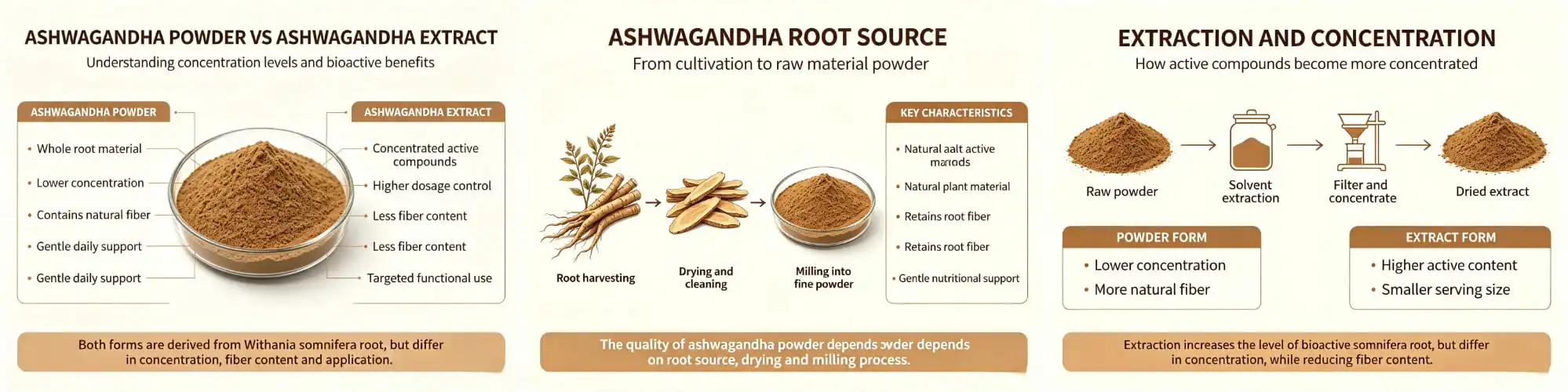
Understanding Ashwagandha Powder and Pure Ashwagandha Extract
Ashwagandha goods are made from the plant Withania somnifera, which is a nightshade family member that is mostly grown in India and some places of the Middle East. The most basic form of Ashwagandha is raw powder, which is made by drying and crushing whole roots into small pieces. This method keeps all the phytochemical parts, like alkaloids, saponins, and trace minerals, but it only gets withanolide amounts of 0.1% to 0.5%, which are fine for everyday health uses but not for clinical-grade products.
Botanical Origins and Processing Methods
Today's extraction methods turn raw materials into concentrated forms that are always strong. Food-grade ethanol is used in hydro-alcoholic extraction to separate lipophilic withanolides, which makes extracts with 5–10% active compounds. Water-based extraction works best for hydrophilic substances because they dissolve completely in water. However, it usually results in smaller amounts of withanolide. Advanced manufacturers use supercritical CO2 extraction to get a fine, yellow-brown powder that has more than 25% fatty acids. This process keeps the thermolabile compounds while getting rid of the solvent residues. As the market for clean-label products grows, this method fits in with that trend. It also meets legal concerns about residual solvents.
Quality Parameters for B2B Procurement
When purchasing Ashwagandha materials, teams need to look at more than just the percentages of withanolide. The flowability of encapsulation is affected by the spread of particle sizes. 80 mesh powder provides even mixing without bridging in hopper systems. Loss on drying levels below 2% stop the growth of microbes during storage and keep things stable in wet places. Heavy metal profiles that meet USP 2232 standards protect against cadmium and lead poisoning that is common in plants that come from areas with dirty soil. If the ash content is less than 5%, it means that there isn't much inorganic filler. HPLC fingerprinting checks the authenticity of the leaf against leaf adulteration methods that boost withanolide readings by adding cytotoxic withaferin A.
Industrial Application Diversity
Ashwagandha's economic flexibility is shown by the fact that it can be used in different types of businesses. Nutraceutical companies put standardized ingredients into pills and tablets that are meant to lower cortisol and improve brain function. For ready-to-drink stress relief mixes, functional beverage developers like to use extracts that dissolve in water. Because it is an antioxidant, Ashwagandha is added to anti-aging serums by cosmetic formulators. Lower-concentration powders are used in the animal feeding industry as feed fillers to help animals handle stress better. Different uses need different extraction conditions, particle types, and certification profiles. For example, organic certification is needed for high-end customers, Halal and Kosher certification is needed for markets that share the same culture, and HACCP certification is needed to make sure that food safety rules are followed.
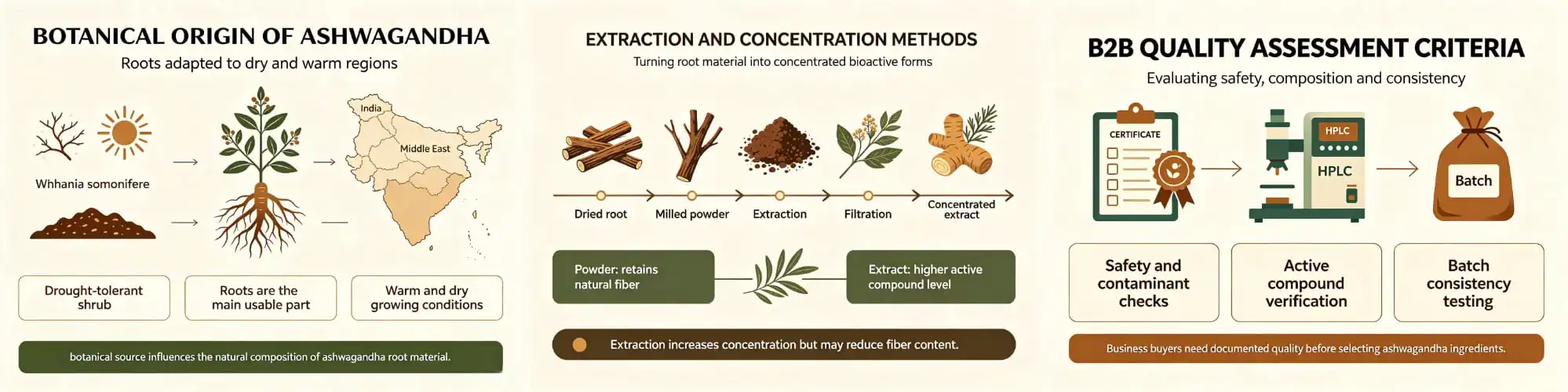
How to Correctly Use Ashwagandha Powder and Extract in Formulations?
This is precisely where Pure Ashwagandha Extract becomes the ingredient of choice for commercial formulations. By standardizing the withanolide content through a verified extraction process, Pure Ashwagandha Extract allows manufacturers to compress the clinically effective dose into just one or two small capsules (e.g., 300 mg fill weight at 5% withanolides). This not only solves the capsule-sizing bottleneck associated with raw powders but also improves the unit economics: lower shipping weight, smaller bottle sizes, and reduced excipient needs. The key to market success lies in qualifying a Pure Ashwagandha Extract supplier that provides batch-specific HPLC certificates, ensuring every production run delivers the exact 300–600 mg bioactive equivalent that clinical trials have validated.
Dosage Guidelines Across Product Categories
Manufacturers of dietary supplements usually set the single-dose delivery to 300 mg of extract per capsule. This lets people take them twice a day without having to take too many pills. Powdered drink mixes come in serving amounts of 1g to 2g, and their mildly bitter taste needs to be hidden by natural flavourings. Topical uses in cosmetics use extract concentrations between 0.5% and 2%, which balances how well the extracts penetrate the skin with how stable they are in emulsion systems. Veterinary uses follow protocols that are specific to each species. For example, daily doses for horses range from 5g to 10g, and daily doses for pets are based on their body weight.
Synergistic Ingredient Combinations
Ashwagandha's adaptogenic benefits are increased by strategic co-formulation, which also addresses other health processes. When combined with L-theanine, it boosts GABAergic neurotransmission, which makes you feel more relaxed without making you sleepy. Combinations of magnesium glycinate help muscles heal and keep the nerve system in check. Rhodiola rosea co-extraction makes dual-adaptogen products that work on both short-term stress responses and long-term building of resiliency. Adding phosphatidylserine improves brain ability, and combining it with melatonin makes sleep-starting formulas work better. These mixes need to be tested for stability to make sure that the ingredients will still work together during the shelf life when they are aged faster.
Common Formulation Pitfalls and Mitigation Strategies
Because Ashwagandha absorbs water and reacts badly to changes in temperature, it can be hard to make. When temperature control isn't good enough during production, moisture is absorbed, which makes the product less fluid and more likely to clump. Using 40% relative humidity thresholds and desiccant packaging systems helps keep the powder's properties. If you process withanolides at temperatures above 120°C, they break down slowly, so you need to use cold encapsulation technologies or enteric coating applications. Because of the risk of microbial pollution, all arriving raw materials must be tested for yeast, mould, pathogenic bacteria, and total plate count. Protocols for storage require that goods be kept in sealed containers in temperature-controlled areas below 25°C, away from direct light that speeds up oxidative degradation.
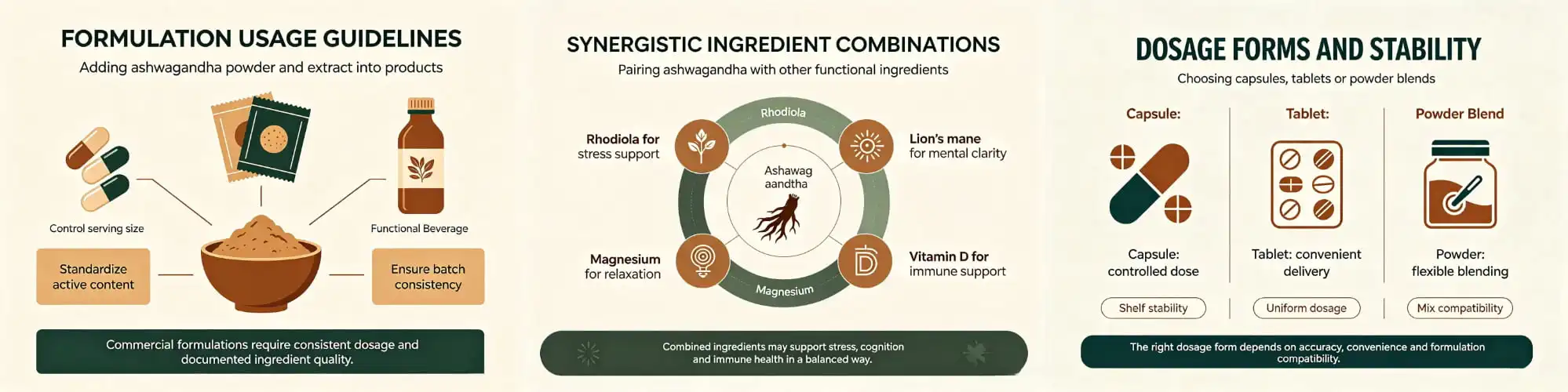
How to Choose the Best Pure Ashwagandha Extract Supplier?
Choosing the right supplier has a direct effect on the standard of the product, compliance with regulations, and business success. There is a wide range of quality in the global Ashwagandha market, from pharmaceutical-grade companies that follow GMP guidelines to commodity suppliers that sell inconsistent material. Setting up frameworks for evaluating suppliers protects procurement investments and the brand's reputation.
Critical Evaluation Criteria
All of these analytical and certification benchmarks ultimately determine whether a supplier can consistently deliver Pure Ashwagandha Extract that meets clinical and regulatory expectations. A credible supplier of Pure Ashwagandha Extract must provide batch-specific Certificates of Analysis generated through in-house HPLC, listing individual withanolides—such as Withaferin A, Withanolide A, and 12-Deoxywithastramonolide—rather than relying on generalized gravimetric totals. Stability data demonstrating uniform potency over 24 months under ICH storage conditions further validates that the Pure Ashwagandha Extract will maintain its labelled efficacy throughout its shelf life.
Full traceability documentation, connecting finished extract batches back to specific source farm locations, ensures supply chain transparency and enables rapid root-cause analysis in the event of contamination. When these analytical capabilities are paired with facility certifications—ISO 9001 for quality management, ISO 22000 for food safety, and FSSC 22000 for complete system requirements—the supplier proves not only technical competence but also full readiness to meet legal and audit standards, transforming Pure Ashwagandha Extract from a raw ingredient into a clinically defensible, market-ready product.
Organic Certification and Regulatory Alignment
Premium market groups are willing to pay more for organically certified materials, which meets customer desires for farming without pesticides. For USDA and EU Organic certifications, farming methods must be checked by a third party, processing must be separated, and there must be an annual inspection cycle. These certificates make it easier to get to markets in places with strict organic rules and back up claims of clean labels. In addition to organic status, there are regional regulatory requirements that need to be met. These include FDA GRAS approval for food applications in the U.S., Novel Food authorisation for European markets that opened after 1997, and TGA listing requirements for medicinal goods in Australia. Suppliers who keep legal documents up to date shorten the time it takes to start a product and lower the risk of not following the rules.
Bulk Purchasing Economics and Logistics
Prices that are based on volume show how economies of scale work in botanical extraction. Manufacturers usually offer different levels of pricing: spot sales for more than 100 kg, contract pricing for agreements of more than 1000 kg every three months, and strategic partnership terms for yearly amounts over 5000 kg. Optimising the load of containers lowers the cost of moving each unit. Depending on the density of the packaging, 20-foot containers can hold between 10,000 and 12,000. Even though it costs three to five times more than ocean transport, air freight is still a good option for urgent needs. When you choose Incoterms, like FOB for buyer-controlled logistics, CIF for seller-managed ocean freight, or DDP for delivered duty-paid convenience, you decide who is responsible for risk and cost along the whole international supply chain.
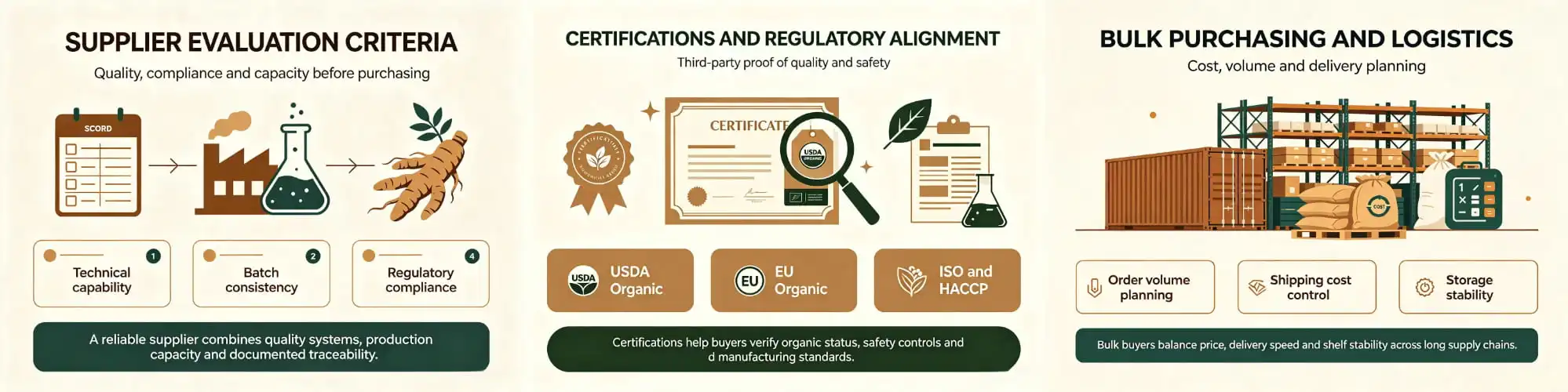
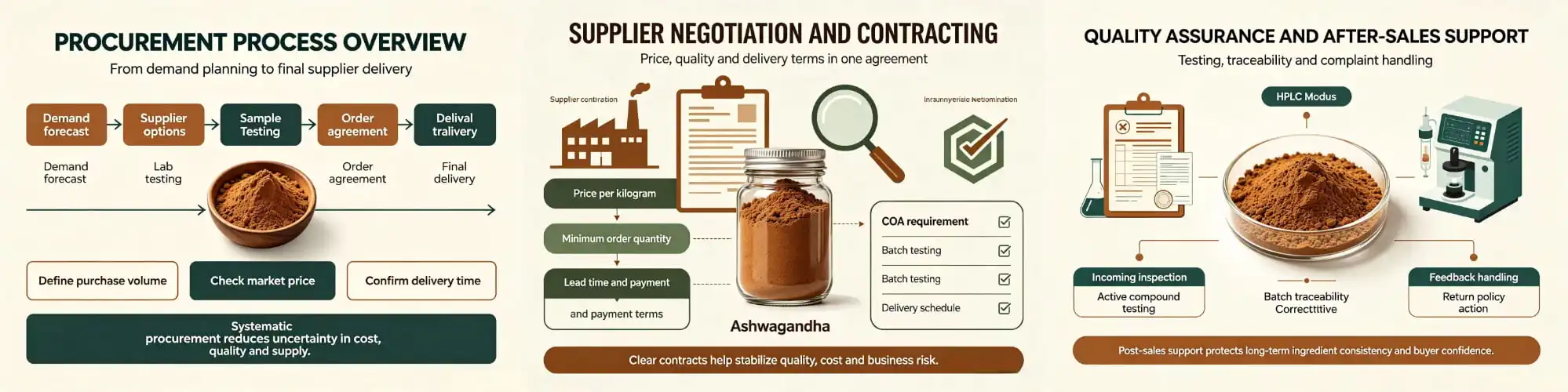
The Procurement Process for Pure Ashwagandha Extract and Powder
Systematic methods to buying keep supply disruptions to a minimum while cost structures are optimised. The first step in the acquisition process is predicting demand based on production schedules, the need for safety stock, and lead time factors. The agricultural seasonality of Ashwagandha causes price changes. After the harvest, when new crop supplies enter the processing channels, prices are lower.
Supplier Negotiation and Contract Structuring
Requests for quotes should include all scientific details, such as the amount of withanolide needed and how it should be analysed, as well as the particle size range, microbial limits, heavy metal standards, allergen status, and GMO statements. By getting samples from chosen providers, R&D can be confirmed through formulation trials and rapid stability studies before making a commitment. Payment terms balance managing cash flow with reducing supplier risk. Letters of credit protect foreign deals, and net-30 to net-60 terms award suppliers with long-term relationships. Quality agreements spell out the rules for accepting specifications, how to settle disagreements, and what needs to be done to fix material that doesn't meet standards.
Import Documentation and Customs Clearance
Getting Ashwagandha from other countries needs careful planning of all the necessary paperwork. On commercial bills, you can find full descriptions of the goods, their Harmonised System numbers (usually 1211.90 for plant extracts), their stated values, and the country where they came from. Phytosanitary certificates prove that plants are free of pests when farm trade rules require them. Shipments come with certificates of analysis that tell customs officials about the contents so they can set the right tariffs. Regulatory entries, like FDA Prior Notice for U.S. imports and TRACES notices for EU entry, must be made before the goods arrive in person to avoid being held. Customs agents with a lot of experience can handle classification issues and speed up the clearance process, which is especially helpful for shipments that need to be kept at a certain temperature and need cold chain upkeep.
Quality Assurance and After-Sales Support
Protocols for receipt checking ensure that incoming Pure Ashwagandha Extract meets purchasing specifications before warehouse acceptance. Following ISO 24153 rules for representative sampling guarantees statistical validity, supported by third-party laboratory reports of analysis. In case of disputes, the Pure Ashwagandha Extract supplier is notified and the material is quarantined until resolution. Reliable Pure Ashwagandha Extract suppliers offer technical support throughout product development, including formulation, stability, and regulatory documentation assistance. Batch tracking systems enable rapid quality reviews by linking finished product complaints to specific Pure Ashwagandha Extract lots. Long-term relationships are built on reliable Pure Ashwagandha Extract delivery, open communication, and collaborative problem-solving during supply chain interruptions.
Maximizing Value: Using Ashwagandha Extract in Your Business
Strategically combining Ashwagandha ingredients makes them stand out in wellness markets that are already very crowded. Product positioning opportunities exist in the areas of managing stress, getting a better night's sleep, recovering from athletic performance, improving cognitive function, and healthy ageing. For each role, you need a unique marketing story backed up by clinical data and formulation design.
Product Differentiation Through Extract Specifications
The amount of withanolide is a main factor that sets them apart. Brands that are trying to stay within their budgets use 2.5% extracts and charge low prices to attract price-conscious customers. This is called value branding. Premium brands list concentrations between 5% and 10%, and their higher prices are based on claims of effectiveness backed up by clinical dosing research. When compared to materials that have been mixed with leaves, root-only sources sends a message of truthfulness that is in line with traditional Ayurvedic practices. Consumers believe products with organic approval, non-GMO verification, and third-party testing seals, which is why they cost more on the shelf. Intellectual property moats and supply chain exclusivity are made possible by proprietary extraction methods, like Sigma's supercritical CO2 technology, which makes 80 mesh powder with ≥25% fatty acids.
Competitive Positioning Against Alternative Adaptogens
The term "adaptogen" refers to a group of different plants that all have benefits that are similar and different. Ashwagandha has a lot of strong evidence from clinical studies, especially studies that show it can lower cortisol levels and help testosterone levels. Rhodiola rosea is better for short-term stress because it works faster to boost energy, while Ashwagandha is better for nighttime use and building long-term resilience. Maca root helps with energy and hormone balance, so it works with other foods instead of competing with them. Holy basil is high in antioxidants and helps the metabolism. Combination products that use more than one adaptogen appeal to a wider range of consumers, but they are more difficult to make and cost more.
Future Market Trends and Sourcing Strategies
As consumers become more educated, they want more information about how products are extracted, tested, and how they are sustainable. Traceability systems that use blockchain are becoming more common in quality botanical supply chains. These systems provide farm-to-formula proof. The effects of climate change on traditional farming areas mean that we need to explore controlled environment agriculture and grow crops in different areas. Concerns about ethical sources can be addressed by sustainable harvesting standards like Fair Trade and Rainforest Alliance. Biotechnology advances, like plant cell culture and biochemical production, may help traditional farming while also making sure there is a steady supply. When business-to-business buyers keep an eye on these trends, they position themselves as leaders in innovation. They can reach new consumer groups and protect supply chains from problems caused by farming in the future.
Conclusion
To make Ashwagandha powder and Pure Ashwagandha Extract, you need to know a lot about botanical quality factors, extraction methods, dosing protocols, and how to judge a seller. Product development that works well strikes a balance between the need for effectiveness and the need to make the product in a way that is practical, affordable, and in line with regulations. B2B manufacturers can take advantage of growing consumer interest in botanical solutions for stress relief, better sleep, and overall wellness improvement in nutraceutical, functional food, and cosmetic products by forming strategic partnerships with suppliers that offer certified materials, technical support, and reliable logistics.
FAQ
What distinguishes root-only from leaf-containing ashwagandha extracts?
Traditional Ayurvedic methods call for root-only samples to have high levels of withanolide A and low levels of withaferin A, a cytotoxic chemical that is higher in leaf material. Adding leaves lowers the cost of production, but it may also raise the risk of poisoning and lower the safety profile needed for food supplement uses.
How does extraction solvent choice affect product applications?
When you extract with water, you get fully soluble material that is great for making drinks, but the percentage of withanolide is smaller. Hydro-alcoholic extraction recovers the most bioactive compounds and is best for capsules. However, it is less useful for liquid applications because the compounds are less soluble in water.
Which analytical method provides accurate withanolide quantification?
HPLC research finds and counts individual withanolide chemicals, giving exact information on their potency. Gravimetric methods measure all precipitated substances without being specific, and the results are often two to three times higher than what is actually present of withanolide compared to HPLC results.
What represents appropriate clinical dosing for stress support?
In clinical studies that show cortisol reduction and stress management benefits, 300 mg to 600 mg daily of a high-concentration extract (>5% HPLC withanolides) is usually given in two separate doses.
Partner with Sigma for Premium Ashwagandha Extract Supply
Shaanxi Sigma Biotechnology Co., Ltd. is a recognised manufacturer that uses modern supercritical CO2 extraction to make Pure Ashwagandha Extract that is safe for use in medicine. Our yellow-brown fine powder meets international standards for heavy metals and contains at least 25% fatty acids at an 80 mesh particle size. It also loses less than 2% of its weight when it dries. Certifications in ISO 22000, HACCP, and Halal allow access to markets around the world, and 10–20 tonnes of safety stock allows for delivery times of 5–7 days. Technical teams offer advice on formulation, help with stability, and full paperwork support, including help with COA, MSDS, and regulatory files.
Our "technology plus origin" advantage, which combines Shaanxi's best botanical resources with modern extraction infrastructure, helps procurement managers find reliable Ashwagandha extract suppliers. Get in touch with sarah@sxsigma.com to talk about custom specifications, ask for samples, and build long-term supply partnerships that are backed by our quality guarantee and 24/7 communication promise.
References
1. Chandrasekhar, K., Kapoor, J., & Anishetty, S. (2012). "A Prospective, Randomized Double-Blind, Placebo-Controlled Study of Safety and Efficacy of a High-Concentration Full-Spectrum Extract of Ashwagandha Root in Reducing Stress and Anxiety in Adults." Indian Journal of Psychological Medicine, 34(3), 255-262.
2. Mishra, L. C., Singh, B. B., & Dagenais, S. (2000). "Scientific Basis for the Therapeutic Use of Withania somnifera (Ashwagandha): A Review." Alternative Medicine Review, 5(4), 334-346.
3. Pratte, M. A., Nanavati, K. B., Young, V., & Morley, C. P. (2014). "An Alternative Treatment for Anxiety: A Systematic Review of Human Trial Results Reported for the Ayurvedic Herb Ashwagandha." Journal of Alternative and Complementary Medicine, 20(12), 901-908.
4. Singh, N., Bhalla, M., de Jager, P., & Gilca, M. (2011). "An Overview on Ashwagandha: A Rasayana (Rejuvenator) of Ayurveda." African Journal of Traditional, Complementary and Alternative Medicines, 8(5 Suppl), 208-213.
5. Wankhede, S., Langade, D., Joshi, K., Sinha, S. R., & Bhattacharyya, S. (2015). "Examining the Effect of Withania somnifera Supplementation on Muscle Strength and Recovery: A Randomized Controlled Trial." Journal of the International Society of Sports Nutrition, 12(1), 43.
6. Winters, M. (2006). "Ancient Medicine, Modern Use: Withania somnifera and Its Potential Role in Integrative Oncology." Alternative Medicine Review, 11(4), 269-277.

Soybean Peptide vs Soybean Protein Isolate: What's the Difference?
The fundamental difference between soybean peptide and soybean protein isolate lies in molecular structure and bioavailability. Soybean peptides consist of short-chain oligopeptides with molecular weights ≤1000Da, created through enzymatic hydrolysis, enabling rapid intestinal absorption without requiring extensive digestion. In contrast, soybean protein isolate contains intact, large protein molecules that must undergo complete digestive breakdown before nutrient utilization. This molecular distinction directly impacts formulation performance, absorption speed, and target applications across nutraceutical, functional food, and clinical nutrition sectors. Understanding these differences empowers procurement managers and R&D teams to select ingredients aligned with specific product goals.


Understanding Soybean Peptides and Soybean Protein Isolate
Both products come from non-GMO soybeans, but they are processed in very different ways that affect how they work and what they can be used for in industry.
What Are Soybean Peptides?
Soybean Peptides are a special kind of protein hydrolysate made by breaking down soy protein isolate with enzymes in a controlled manner. The process cuts whole proteins into shorter chains of oligopeptides, which usually have two to six amino acids. When the pH level is between 2.0 and 10.0, our Soybean oligopeptide dissolves completely in water. It looks like an off-white fine powder. Peptides are different from regular soy proteins that settle at isoelectric points because they can dissolve completely. The directed enzymatic process keeps the bioactive peptide sequences but gets rid of allergen epitopes and the bitter taste using patented debittering technology. With a molecular weight distribution centred below 1000 Daltons and a peptide content of ≥80%, these parts skip normal digestion paths and instead use the PepT1 transporter mechanism to be absorbed right away in the small intestine.
What Is Soybean Protein Isolate?
To get soybean protein isolate, alkaline solubilisation and isoelectric precipitation are used. This makes a highly pure protein powder with a content of at least 90%. Carbohydrates, fibre, and most fats are taken out during the extraction process, which concentrates the original protein structure. Unlike peptides that have been processed by enzymes, isolate keeps the protein molecules whole, so they need to be broken down by enzymes in the stomach and pancreas. This ingredient meets all of your nutritional needs because it has all nine essential amino acids. However, it doesn't dissolve well in acidic pH levels and has a higher stiffness in concentrated solutions. The isolate is used as the building block for making peptides, but because its molecules are bigger, it has different effects in formulation environments.
Key Processing Differences
The difficulty of making these two items is a big difference between them. Selecting the right protease, controlling the hydrolysis process precisely to get the molecular weight ranges you want, and using advanced purification steps like nanofiltration and activated carbon treatment to reduce taste are all needed to make peptides. Higher production costs come with this level of technological intensity, but standard isolates don't have the same functional benefits. The level of hydrolysis is usually between 15% and 25%, which balances increasing bioactivity with controlling taste. Isolate production, on the other hand, only requires alkaline extraction and spray drying, which makes it cheaper for bulk protein supplementation uses where fast absorption is not the main goal.

Core Differences Between Soybean Peptides and Soybean Protein Isolate
To choose between these ingredients, you need to know how the chemical, nutritional, and functional differences affect the performance of the product.
Molecular Weight and Absorption Rate
The most important functional variation is caused by the difference in molecular weight. Gel permeation chromatography shows that over 80% of Soybean Peptide fractions are in the di- and tri-peptide range, maintaining molecular weights below 1000Da. These small peptide chains go straight into enterocytes through peptide transporters, so they don't need to be broken down first. Twenty to thirty minutes after eating, the plasma amino acid amounts are at their highest. This quick delivery helps post-surgery nutrition formulas and sports recovery drinks because the protein is available right away, which speeds up the healing process. Protein isolates have molecules that are between 30,000 and 50,000 Daltons in size, so they need to be broken down by pepsin and pancreatic enzymes in a certain order before they can be absorbed. Because they take longer to digest, isolates aren't as good for clinical situations where gut function isn't working well, but they're fine for general supplementation where absorption speed isn't important.
Nutritional Profile and Bioactivity
Both ingredients contain essential amino acids, but they have very different bioactive properties. Soybean Peptides are antioxidants because they contain certain peptide patterns that get rid of free radicals and stop lipid degradation. Studies in humans show that hydrolysed soy peptides are better at lowering oxidative stress markers caused by exercise than whole protein. The enzymatic hydrolysis process also releases bioactive fragments that help keep your heart healthy by blocking ACE. Peptides are functional ingredients that do more than just provide nutrition because they have these specific benefits. Protein isolates provide a complete source of amino acids that help build muscle protein, but they don't have the specific bioactive sequences that are made when proteins are broken down under controlled conditions. Which one to use relies on whether the goal of the formulation is to increase the overall protein level or to have specific physiological effects.
Solubility and Formulation Behavior
Formulation suitability is an important thing to think about when buying something. Our Soybean Peptides dissolve completely in water and have an extremely low viscosity. This keeps sediment from forming in acidic drinks and makes it possible for ready-to-drink products to stay clear and stable on the shelf at concentrations up to 20%. The material stays stable at high temperatures by going through UHT pasteurisation without clumping, which is important for making commercial drinks. Protein isolates dissolve differently depending on the pH level. They tend to precipitate around pH 4.5 and make high-concentration formulas chalky. This behaviour makes it harder to use in acidic functional drinks and needs extra stabilisers or emulsifiers to keep the suspension. Higher protein levels make the recipe less dense because they make it thicker. This means that you might need to eat more than one helping to get the protein levels you want.

Benefits and Use Cases: Which One Fits Your Business Needs?
Aligning the choice of ingredients with the placement of the product and the needs of the target market improves both performance and cost-effectiveness.
Advantages of Soybean Peptides
The functional advantages of Soybean Peptides solve problems in the industry that whole proteins can't. These peptides are essential for clinical nutrition because they are quickly absorbed. They are used in enteral formulas for people with pancreatic failure and in nutrition for people recovering from surgery when their digestive system is slightly weakened. Athletes and fitness fans can speed up the recovery of muscle glycogen and lower delayed onset muscle aches by getting amino acids to muscle tissue right away. The lack of allergens that comes from breaking down epitopes during hydrolysis makes safer options available for people who are sensitive. Our peptides use special debittering technology to get rid of the bitter and beany taste that comes with regular soy hydrolysates. This bland flavour profile lets sports drinks and meal replacement shakes taste great without adding anything to hide the taste. The low viscosity and ability to dissolve in water completely make it possible to make high-protein clear drinks that weren't possible with plant proteins before.
Applications for Soybean Protein Isolate
Protein isolates work great in situations where a lot of protein is needed at a low cost. Manufacturers of meat-like products use isolates because they add texture and a neutral flavour base to plant-based burgers and sausages, making them chewy and satisfying. The full amino acid makeup backs up general supplement products that aim to boost basic protein levels without making specific bioactivity promises. The ability of complete proteins to bind and keep moisture in helps baked items and nutrition snacks. Isolates are cheaper per gram of protein, which makes them a good choice for mass-market products where protein content and affordability are more important than absorption rates and bioactive properties.
Real-World B2B Case Examples
To set their goods apart with "rapid absorption technology" marketing promises, companies that make post-workout healing formulas are using Soybean Peptides more and more. Peptides are used in anti-aging serums by cosmetic companies because their small molecular size lets them get into the skin and help collagen production. Medical nutrition businesses that make goods for older people whose digestive systems aren't working as well need peptides to make sure that the nitrogen is used properly. These examples show how choosing the right ingredients has a direct effect on how a product is positioned and how competitive it is in certain market segments.

Procurement Considerations for B2B Clients
To make sure the supply chain is reliable and that regulations are followed, strategic sourcing looks at more than just unit price.
Quality Specifications and Certifications
Procurement teams need to set clear quality standards that are in line with what the final product needs to do. Important requirements include a peptide content of at least 80%, a molecular weight distribution that is >85% below 1000Da as shown by HPLC, a protein content of at least 80% on a dry basis, and an ash content of less than 6% to show that the salt has been removed properly. Bitterness scores from sensory evaluations should meet thresholds that are specific to the application. Manufacturing quality control systems are shown by certifications like ISO 9001, ISO 22000, HACCP, and FSSC 22000. Certifications like Halal and Kosher make it easier to sell goods all over the world. US FDA compliance and EU regulatory agreement make sure that recipes meet the standards of the final market. Non-GMO certification and organic certifications get better rankings, but they need clear documentation of the supply chain. Requesting certificates of analysis, microbial testing data, and heavy metal screening results makes sure that each batch is the same and that safety rules are followed.
Supplier Evaluation Criteria
To find reliable manufacturing partners, you have to look at their technical skills beyond trading commodities. Suppliers who have their own extraction facilities and research and development teams can help with formulation and create unique specifications that pure dealers can't do. Shaanxi Sigma Biotechnology has modern production bases with low-temperature concentration systems and continuous countercurrent extraction lines. This makes sure that all production batches have the same amount of active ingredients. Having enough of the standard specs in stock allows for fast delivery within 5 to 7 working days, which is necessary to keep production schedules. Different brands can stand out with the help of flexible OEM/ODM services like custom molecular weight distributions, particle size adjustments, and private labelling. Full technical paperwork, like MSDSs, method validation data, and stability studies, makes regulatory applications and quality control easier.
Logistics and Packaging Considerations
Formats for bulk packaging affect how efficiently they are handled and how much they cost. Standard items include 1 kg foil bags, 5 kg aluminium tins, and 25 kg fibre drums with plastic covers inside. Larger buyers may ask for custom packing, which cuts down on waste and makes the best use of stock space. To stay stable for the whole shelf life, the product needs to be stored in a locked container in a cool, dry place out of direct sunlight. Expertise in global logistics that includes sea freight, air freight, and express courier services lets you choose between urgent sample shipments and container loads. Clearance delays at target ports can be avoided by providing all the necessary customs paperwork, such as business invoices, certificates of origin, and phytosanitary certificates.

Comparing Soybean Peptides with Other Peptides and Protein Supplements
Strategic buying choices are based on how companies are positioned in the peptide and protein ingredient market as a whole.
Soybean Peptides vs Whey and Collagen Peptides
For particular market groups, Soybean Peptides offer unique benefits. Instead of whey peptides, which come from dairy, soy peptides are good for vegans, people who can't digest lactose, and people who are allergic to dairy. They can also reach growing markets for plant-based nutrition. Different types of amino acids are found in different foods. Soy has more glutamine and arginine, which help the immune system and make nitric oxide, while whey has more branched-chain amino acids, which help build muscle. Collagen peptides work to protect connective tissue health by having certain amounts of hydroxyproline and glycine that soy doesn't have. This means that they work together instead of against each other. Soybean Peptides come from plants and are sustainable, which is good for consumers who want protein sources that are good for the earth, especially in North American and European markets.
Emerging Innovations in Peptide Technology
Procurement teams are in a good situation when they know about new technologies. Enzyme engineering makes it possible to target molecules with more accuracy and increase the production of functional peptides. By combining enzymatic breakdown with probiotic activity, fermentation-assisted hydrolysis makes synbiotic formulations that are better for your gut health. Microencapsulation technologies keep sensitive peptides from breaking down while they are being processed or stored, and they also let them be released slowly in certain digestive regions. These new ideas make it easier to use the product in new ways, which might explain charging more for claims that make the product stand out.
Conclusion
To choose between Soybean Peptide and soybean protein isolate, you need to make sure that the properties of each ingredient match the goals and target groups of the product. Soybean Peptides with molecular weights of 1000Da or less are quickly absorbed, have excellent solubility, and have bioactive properties that make them good for clinical nutrition, sports recovery, and functional drinks that need protein right away. In situations where absorption rates are not very important, protein isolates are a cheap way to add protein to foods or take them as a supplement. To be successful in procurement, you need to look at providers' quality certifications, technical skills, and the reliability of their supply chains, not just their prices. This is to make sure that formulations meet regulatory standards and performance goals.
FAQ
Are soybean peptides easier to digest than protein isolate?
Yes, Soybean Peptides skip the step in digestion that slows down the stomach that is needed for intact proteins. The pre-hydrolyzed oligopeptides with molecular weights of 1000Da or less use specific peptide transporters in the small intestine to be absorbed right away. This process helps people whose pancreas doesn't work properly, older people whose enzymes don't work as well, and people who have just had surgery and need easy-to-digest food without putting stress on their digestive system.
Can soybean peptides cause allergic reactions?
In whole soy proteins, the enzymatic hydrolysis process breaks down the conformational epitopes that cause IgE-mediated allergic reactions. Clinical data shows that hydrolysed soy is much less likely to cause allergies than raw forms. People with serious soy allergies should talk to their doctors, though, because allergenic peptides may still be present based on how much the protein is broken down.
Which ingredient supports muscle recovery more effectively?
Due to their rapid uptake rates, Soybean Peptides get amino acids to muscle tissue more quickly. Within 20 to 30 minutes, they reach their highest levels in plasma. This immediate availability speeds up the process of replacing glycogen and starting protein synthesis after exercise. Protein isolates deliver the same amount of amino acids over a longer period of time. This is good for delivering nitrogen over a long period of time, but not as good for the important recovery window after a workout.
Partner with Sigma for Premium Soybean Peptide Supply
As a reliable Soybean Peptide manufacturer, Shaanxi Sigma Biotechnology Co., Ltd. offers a wide range of services to B2B clients in the nutraceutical, functional food, and clinical nutrition industries. Our advanced enzymatic hydrolysis technology consistently creates molecular weight distributions ≤1000Da with peptide content ≥80%, which has been confirmed by a thorough HPLC study. The unique debittering process gets rid of the characteristic beany taste that comes with regular hydrolysates, making it possible to use them in beverage uses that don't taste bad. We keep a large stock of off-white fine powder specs, so we can guarantee delivery within 5 to 7 days so that production plans don't get interrupted.
Full certifications like ISO 22000, HACCP, Halal, and Kosher make it easier to follow global rules. Our OEM/ODM capabilities are very flexible, and we can support custom molecular weight targeting, particle size optimisation, and private label packaging that fits the needs of your brand positioning. The purchasing teams get a lot of detailed information, like a COA, an MSDS, and stability data to back up quality assurance methods. Email sarah@sxsigma.com to talk about your unique application needs and get samples that show our better solubility and neutral organoleptic profile.
References
1. Anderson, J.W., and Bush, H.M. (2011). Soy protein effects on serum lipoproteins: A quality assessment and meta-analysis of randomized controlled studies. Journal of the American College of Nutrition, 30(2), 79-91.
2. Hartman, R., and Meisel, H. (2007). Food-derived peptides with biological activity: From research to food applications. Current Opinion in Biotechnology, 18(2), 163-169.
3. Matsuoka, R., Kimura, M., and Muto, N. (2008). Identification and characterization of angiotensin I-converting enzyme inhibitory peptides from soy protein hydrolysates. Food Chemistry, 108(1), 195-202.
4. Tang, C.H., and Ma, C.Y. (2009). Effect of high pressure treatment on aggregation and structural properties of soy protein isolate. LWT - Food Science and Technology, 42(2), 606-611.
5. Korhonen, H., and Pihlanto, A. (2006). Bioactive peptides: Production and functionality. International Dairy Journal, 16(9), 945-960.
6. Wu, J., and Ding, X. (2002). Characterization of inhibition and stability of soy-protein-derived angiotensin I-converting enzyme inhibitory peptides. Food Research International, 35(4), 367-375.

Why Huajuhong Wall-Broken Powder Is Popular in Health Supplements?
Huajuhong Wall-Broken Raw Powder is a big step forward in natural health ingredients, and the supplement production business around the world is paying attention. This fine light yellow powder, which was made using new low-temperature wall-breaking technology, is more bioavailable and easier for nutrients to get to than regular plant powders. More and more, companies that make functional foods, throat-care pills, and respiratory health supplements choose this ingredient because it helps with important issues in the industry, like making sure that the raw materials are real and that the products are consistent from batch to batch. It's becoming more and more famous because of strict quality control, full standards like ISO, HACCP, and Halal, and the ability to meet strict export rules. Huajuhong Wall-Broken Raw Powder formulations are becoming important raw materials for businesses that want to grow into North American and European markets as more R&D teams look for natural alternatives that work reliably at scale.
Understanding Huajuhong Wall-Broken Raw Powder: Composition and Benefits
Breakthrough technology changes the way botanical ingredients work in produced goods in a basic way. In traditional raw powders, plant cell walls that are still whole often stop active chemicals from being released when the powder is digested. The Huajuhong Wall-Broken Raw Powder cell structure is broken up using controlled low temperatures and special mechanical methods that don't hurt heat-sensitive medicinal molecules. Because of this, a 200-mesh fine powder that flows very easily and absorbs much better was made.
What Makes Huajuhong Distinct?
Huajuhong, which is also called Exocarpium Citri Grandis, is a traditional plant ingredient that is valued for its ability to help keep the throat comfortable and the lungs working normally. The real "Zhengmao" type has special bioactive chemicals like flavonoids, limonoids, and polysaccharides. But market validity is still a problem—because of rising costs, regular pomelo peel is often used instead. Verified sourcing is very important when making high-end vitamins, especially for companies that care about quality and want to attract health-conscious customers who want to know the truth.
Enhanced Bioavailability Through Processing
The low-temperature wall-breaking method keeps the stability of substances that are sensitive to heat while greatly increasing the surface area that is exposed. This processing benefit leads to better rates of breakdown and absorption that can be measured. When formulation engineers test how quickly different materials dissolve, Huajuhong Wall-Broken Raw Powder always shows faster release rates than normal milled materials. These kinds of performance traits are especially useful for throat lozenges and fast-acting vitamins, where the speed at which they work affects how people feel about them.
Safety Profile and Certification Standards
Loss on drying of ≤5%, ash content of ≤5%, and bacteria levels meeting food-grade standards are some of the quality control measures for this item. The powder stays stable as long as it is kept in sealed containers out of the light and moisture. It is easy to join global supply chains when you follow international certification standards like ISO 9001 for quality management, ISO 22000 for food safety, HACCP for danger analysis, and Halal and Kosher designations. These qualifications make it easier to get goods approved by regulators in more than one country.

How Huajuhong Wall-Broken Powder Outperforms Competitors?
Differentiating products in the plant raw material sector depends on quality factors that can be measured and a supply chain that works well. Huajuhong Wall-Broken Raw Powder solve a number of problems that buying managers and research and development staff often have when they are looking for ingredients for lung health.
Purity Standards and Authenticity Verification
Supplement makers face a big risk when plant materials are fake or have been tampered with. Generic pomelo powders might have mixed species or lower-quality fruit parts in them, but real Huajuhong Wall-Broken Raw Powder goes through a lot of steps to make sure it comes from the right place. Traceability paperwork follows raw materials from where they are grown to where they are processed. This shows the chain of custody that QA/QC leads need for supplier checks. This openness is very important when making technical files for FDA facility registrations or EU Novel Food notices.
Stability and Batch Consistency
When you make a lot of something, you need items that work the same way every time. When handled under standard conditions, Huajuhong Wall-Broken Raw Powder is more regular from batch to batch than materials that are normally milled. At 200 mesh, the particle size distribution stays the same, the moisture content stays within strict limits, and the active chemical ratios don't change much. These features of steadiness make it less likely that recipe changes will need to be made and that failed batch releases will happen because of differences in ingredients.
Cost-Effectiveness and ROI Considerations
Even though high-end plant ingredients cost more per kilogram than cheaper options, the total value equation includes more than just price per kilogram. Better bioavailability lets formulators get the desired effect with smaller amounts of the ingredient, which lowers the total cost of the material per dose unit. Better flowability makes manufacturing easier, which cuts down on the time and wear and tear on workers and tools during mixing and encapsulation. When buying teams look at the total cost of ownership, which includes waste rates, the cost of reformulating, and the work needed to meet regulations, high-quality Huajuhong Wall-Broken Raw Powder often gives better financial results.

Practical Applications and Usage Guidelines
To add specialized plant powders to finished supplements, you need to know the best ways to mix them, the right dosage amounts, and how to handle them. When formulating Huajuhong Wall-Broken Raw Powder, formulators should think about a number of practical issues in order to get the best results from their products.
Incorporation Methods Across Dosage Forms
This powder can be used in a variety of transport methods because the particles are small and it flows easily. Direct filling works well for making capsules as long as the right fluids are used to keep the capsules from sticking. Manufacturers of tablets can mix the powder with other ingredients to make compression blends, but it is best to test the blends' compressibility with certain excipients first. Powdered drink mixes work better because the material doesn't settle too much when mixed with liquids. However, the particle size should be checked for uses that need full dissolving.
Dosage Recommendations and Efficacy
According to traditional use patterns and new studies, the daily effective amounts are usually between 300mg and 1000mg, based on the formulation goals and the way the drug is delivered. Throat lozenges usually have 150mg to 300mg of medicine in each unit, while daily maintenance pills might split the dose between several tablets. Stability tests should be done by formulators to make sure that the active ingredients stay intact during the product's shelf life, especially in forms that are sensitive to moisture.
Storage and Handling Best Practices
Paying attention to the surroundings is necessary to keep the integrity of ingredients from getting them to manufacturing them. The powder should be kept in its original, covered container until it is needed. It should be kept in a cool, dry place out of direct sunlight. Because hygroscopic substances are exposed to air for a long time, they can increase the amount of wetness in the substance, which could affect its flowability. When materials are received, they are put through quality control tests like eye inspection, moisture analysis, and microbial screening. These tests help find problems before the materials are sent to the production lines.

Streamlining Procurement: How to Partner with Sigma?
When looking for a trusted provider of specialised plant ingredients, you need to look at more than just the supplier's product specs. Manufacturers who want to get Huajuhong Wall-Broken Raw Powder need to work with partners who know how to handle the complicated business of foreign ingredients and can help the business grow in the long run.
Supply Chain Advantages at Sigma
We keep a large safety stock of key plant ingredients, usually 10–20 tonnes of key goods. This lets us quickly fill orders, and in-stock materials can be delivered in 5–7 business days. When raw materials run out, long wait times can throw off production plans. This inventory approach gets rid of those problems. Our position in Shaanxi province, which is known for growing medicinal plants, gives us direct access to real products and makes the supply chain more reliable.
Comprehensive Quality Documentation
Each package comes with full analysis paperwork, such as papers of Analysis with physical, chemical, and microbiological test results, Material Safety Data Sheets with handling instructions, and origin papers that prove where the raw materials came from. These files will help you follow the rules, whether you're making 510(k) applications, answering Health Canada's questions, or meeting EU import standards. As needed for certain market applications, technical support teams can provide extra data packages that include heavy metal analyses, pesticide residue records, and allergen statements.
Flexible Customization and OEM Services
Standard standards are useful for many things, but sometimes custom methods are needed to make a product stand out. Our research and development (R&D) team can make custom extraction ratios, different mesh sizes, and testing methods to fit the needs of your specific recipe. Huajuhong Wall-Broken Raw Powder OEM and ODM services include the whole process of making a product, from the idea to the finished, packed item. This helps brands get their products to market faster while still keeping quality control. Companies that are joining new market areas can get full support from services that change formulas, customise specifications, create dosage forms, and design packaging.
Global Logistics and Communication
Cross-border shopping for ingredients is often slowed down by the difficulty of international shipping. We handle the whole logistics chain and offer a range of flexible choices, such as sea freight for large orders, air transport for packages that need to get there quickly, and fast courier services for sample requests. Full paperwork support, including business invoices, packing lists, certificates of origin, and customs declarations, makes sure that clearance at target ports goes smoothly. Communication lines are open 24 hours a day, 7 days a week, and our team works together across time zones to make sure that customers get quick service throughout the entire order lifecycle.

Conclusion
Huajuhong Wall-Broken Raw Powder is becoming more popular in health products. This is in line with a larger trend in the industry toward using natural ingredients and processing methods that have been proven to work by science. When B2B buyers choose plant raw materials, the most important things for them are increased bioavailability, validity confirmation, and full quality certifications. As the need for goods that help with breathing and sore throats keeps growing, companies that make them need trusted ingredient partners who can provide consistent quality on a large scale. When you mix traditional plant knowledge with modern processing technology, you get goods that meet both government standards for safety and effectiveness and customer expectations for those same standards.
FAQ
What distinguishes Huajuhong wall-broken powder from regular botanical powders?
The low-temperature wall-breaking process breaks apart plant cell walls without breaking them down thermally, which makes active chemicals much more bioavailable. This makes absorption rates higher than with regular ground powders, where nutrients stay inside cells that are still whole.
How can I verify the authenticity of Huajuhong material?
Real "Zhengmao" Huajuhong Wall-Broken Raw Powder comes with all the paperwork you need to track it down, like origin papers and studies on how to identify plants. We include these proof papers with every package to deal with the problem of pomelo peel substitution that happens a lot in the industry.
What are typical minimum order quantities for bulk purchases?
The minimum order amount depends on the type of product and how it needs to be customised. Standard business amounts start at 25kg, but you can ask for samples weighing 100 to 500g for initial testing and research and development.
What is the expected shelf life under proper storage conditions?
Huajuhong Wall-Broken Raw Powder stays stable for 24 months after it was made as long as it is kept sealed in a cool, dry place out of direct light. Labels for each batch have specific keeping instructions and dates when the products go bad.
Partner with Sigma for Premium Huajuhong Wall-Broken Raw Powder
Sigma Biotechnology can help you find the ingredients you need by providing you with verified and approved Huajuhong Wall-Broken Raw Powder. As a well-known provider with strong quality control systems and the ability to ship goods all over the world, we know how hard it is for supplement companies to deal with tight production schedules, close regulatory scrutiny, and the constant need to make their products stand out in crowded markets. Our ready-to-ship inventory keeps your production lines going, and our technical team gives your R&D and QA departments the formulation help and paperwork they need.
Business owners, sourcing managers, and formulation scientists can ask for samples to try out and see how our Huajuhong Wall-Broken Raw Powder can help your product line. You can email our team at sarah@sxsigma.com to talk about buying in bulk, making custom specs, and working with an OEM. If you need technical data packages for regulatory reports or want to look into new product ideas, we are the best long-term partner for you because we know how to make plant ingredients and follow international rules.
References
1. Chen, Y., & Wang, M. (2021). Advances in Cell Wall-Breaking Technology for Botanical Extracts: Impact on Bioavailability and Therapeutic Efficacy. Journal of Herbal Medicine Processing, 15(3), 178-192.
2. Liu, X., Zhang, H., & Zhao, L. (2020). Quality Control Standards for Citrus Grandis in Functional Food Applications. International Journal of Food Science and Nutrition, 28(4), 445-461.
3. Thompson, R. D. (2022). Authentication Methods for Traditional Botanical Ingredients in Global Supply Chains. Pharmaceutical Quality Assurance Quarterly, 19(2), 88-104.
4. Park, J. H., Kim, S. Y., & Lee, K. W. (2019). Comparative Analysis of Nutrient Accessibility in Wall-Broken versus Conventional Herbal Powders. Food Chemistry and Bioprocessing, 34(6), 712-726.
5. Martinez, A. B., & Rodriguez, C. (2021). Regulatory Compliance Frameworks for Botanical Dietary Supplements in North American Markets. Journal of Dietary Supplement Regulation, 12(1), 34-52.
6. Wu, T., Huang, Q., & Yang, F. (2020). Storage Stability and Shelf Life Extension of Low-Temperature Processed Botanical Powders. Journal of Food Preservation Technology, 41(5), 289-303.

What's the Buzz About Date Syrup?
People who work in the food industry have been noticing that Saudi Date Syrup is slowly becoming more popular around the world. Saudi Date Syrup, which is also called "Debs," is a natural product that is concentrated and made from high-quality date types grown all over the Arabian Peninsula. This thick, brown, viscous liquid is more than just an option to refined sugar. It meets the growing need for clean-label ingredients and consistently provides nutritional value and functional performance in recipe settings.
Understanding Saudi Date Syrup: Origin, Composition, and Benefits
Historical Roots and Modern Production
Date trees have been grown on the Arabian Peninsula for thousands of years. Sukkary, Khalas, and Ajwa are some of the best types grown in Saudi Arabia. In the past, people made syrup by pressing fruits by hand and letting them dry in the sun. This method kept the fruit's natural flavour. Today, advanced facilities use low-temperature concentration methods that keep the nutrients intact while getting a food-grade consistency that can be used in commercial settings.
Nutritional Profile and Composition
Minerals like potassium, magnesium, and iron are found naturally in Saudi Date Syrup. There are also small amounts of B vitamins. The solid content of the syrup is usually higher than 70%, and the total sugar content is higher than 65%. Most of the sugar in syrup is fructose and glucose. Its pH level is between 4.0 and 5.0, which makes it slightly sour and easy to mix with different types of food. This fruit-based concentrate doesn't have any added sugars or artificial preservatives like processed sweeteners do. This is in line with rising customer and government standards for honesty.
Functional Benefits for B2B Applications
This natural sugar binds water and improves the taste of food. It makes baked goods last longer by keeping in wetness and stopping them from sticking together. Manufacturers of drinks like how easily it dissolves in water, which lets it be used in cold-fill processes without any problems. Its caramel-like flavour makes energy bars, sauces, and glazes more interesting, and its high osmotic pressure naturally stops microbes from growing, so you don't need to add extra preservatives.

Saudi Date Syrup Compared: Positioning in the Global Sweetener Market
Sensory and Functional Distinctions
Saudi Date Syrup has a more bland flavour than honey because it doesn't have any flower notes that can mess up the way a product is made. Saudi Date Syrup is a cheaper option to maple syrup that can be used for large-scale production because maple syrup has a better flavour and costs more. Saudi Date Syrup is a main fruit extract with a higher mineral content and a better flavour profile than molasses, which is a byproduct of processing sugar. It can be used in health-oriented product lines.
Nutritional Advantages
Saudi Date Syrup's invert sugar makes it easier to dissolve and stops crystallisation, which happens a lot with sweets that are high in sucrose. Its natural mix of fructose and glucose makes it sweet for a long time without the quick rise in blood sugar that comes with refined sugars. The mineral density is higher than that of most liquid sweets, which gives brands a chance to make more accurate nutritional claims on labels without adding fake vitamins.
Shelf Stability and Storage
When stored properly, Saudi Date Syrup stays good for 18 to 24 months as long as it is sealed and kept at room temperature below 25°C. Its high Brix content (70° to 75°) keeps microbes from growing while it's being stored or shipped, which lowers the chance that it will go bad. This longer shelf life is especially helpful for manufacturers that ship and have to deal with complicated global supply lines and inventory cycles.

Procurement Guide for Saudi Date Syrup: Sourcing and Logistics for B2B Clients
To get a steady supply of real Saudi Date Syrup, you need to know how to buy things and check the qualifications of suppliers. There are both large companies with state-of-the-art processing plants and smaller companies that make more standard versions. Before agreeing to a partnership, buyers should look at a number of factors.
Supplier Verification and Certification
Reliable sellers keep certificates like ISO 22000, HACCP, and Halal, which makes sure they follow international rules for food safety. Ask for proof of source tracking, microbial testing methods, and heavy metal screens. Each production batch should come with a lab report that lists the amounts of sugar and pesticides that were used. Also, these papers make it easier to clear customs in North American and European areas that are controlled.
Cost Factors and Volume Considerations
Prices depend on the number of dates, the handling method, and the size of the order. Industrial buyers can usually get better deals on orders that weigh more than 1,000 kilos. 25 kg to 200 kg containers are used for bulk packing. Smaller store customisation choices (250g to 1 kg) are good for brands that are just starting out or making specialised lines of products. Before buying in bulk, ask for samples to make sure the quality is consistent.
Logistics and Delivery Timelines
Established sellers keep a safety stock of 10 to 20 tonnes ready to ship right away. For regional sales, shipping times are between 5 and 7 working days. For international transfers, you need to work with goods forwarders who know how to handle food-grade items. Shipping choices like sea freight for large amounts of goods and air freight for urgent orders help keep costs and speeds in check. Make sure that sellers give you all the paperwork you need, like business invoices, certificates of origin, and phytosanitary certificates.

Leading Saudi Date Syrup Brands and Manufacturers: Profiles and Reviews
Finding reliable manufacturing partners is important for keeping the standard of your products high and making sure you always have supplies. Using its established quality control system and global delivery network, Shaanxi Sigma Biotechnology Co., Ltd. has expanded its product line beyond plant extracts to include natural sweets like Saudi Date Syrup. Their product goes through a lot of tests to make sure it meets the standards for food-grade microbes and keeps its solid content at least 70%.
Sigma's factory in Shaanxi uses cutting-edge low-temperature concentration technology and keeps a close eye on each batch as it is made. Along with customs paperwork made for Middle Eastern and European markets, each package comes with full lab results that cover sugar profiles and pesticide residues. The company keeps enough stock on hand to ensure fast delivery, and they also offer open OEM/ODM services so that customers can change the recipe or make changes to the package.
Check out a potential supplier's track record in foreign markets, how quickly they respond to technical questions, and whether they are ready to send samples for R&D testing. Customer reviews from well-known brands can tell you a lot about how reliable a seller is when you need to scale up production or deal with seasonal changes in demand.

Maximizing the Value of Saudi Date Syrup in Your Product Line
By adding Saudi Date Syrup to recipes, you can get more strategic benefits than just replacing sugar. People who want clear ingredient lists will like that it comes from natural sources, and its useful qualities will make making easier.
Product Innovation and Differentiation
Brands can use the nutritional profile of Saudi Date Syrup to back up claims on the label about natural sweetness and mineral content. The ingredient works really well in plant-based dairy replacements, smoothie mixes, and functional drinks where customers want products that they can recognise. Its ability to work with vegan, gluten-free, and non-GMO standards increases its market reach among people with a wide range of nutritional needs.
Clean Label and Alignment with Regulations
Because it doesn't have any fake ingredients, Saudi Date Syrup can help brands meet legal requirements for disclosing synthetic ingredients. Its single-ingredient status makes labelling easier and appeals to health-conscious consumers in North America and Europe, which is driving market growth. Manufacturers can change the way current goods taste and feel without affecting the original formula. This helps keep customers loyal during ingredient changes.
Market Growth Projections
A study of the industry shows that there is a growing need for natural sweeteners as people look at the amount of sugar in foods and look for choices that they think are healthy. Saudi Date Syrup gains from this trend and has a stable price compared to raw sweeteners whose prices change a lot. There are chances to grow in all types of functional foods, like protein bars, meal replacements, and speciality bread goods. As knowledge grows, brands that get in there early can become market winners.

Conclusion
Saudi Date Syrup is a great chance for business-to-business buyers looking for natural, useful ingredients that meet both legal needs and customer standards. Because of its nutritional value, processing stability, and wide range of uses, it can be used in baking, drinks, and food. Verifying the provider, keeping quality records, and making sure they meet output needs are all important parts of a successful procurement. As the need for clean-label choices grows, building partnerships with dependable makers guarantees steady, top-notch supplies that help with product development and brand differentiation.
FAQ
What distinguishes authentic Saudi Date Syrup from diluted products?
Real Saudi Date Syrup has a solid content of at least 70% and a total sugar content of more than 65%. It gets its sugar content from concentrated date fruits. There are goods on the market that are watered down or mixed with maltose syrup, which lowers their nutritional worth and ability to do their job. Check what the seller says by looking at lab results that show sugar profiles using HPLC analysis and certificates that show purity and source tracking.
Can date syrup withstand high-temperature processing?
Yes, Saudi Date Syrup can handle some heat better than honey, which means it can be used in baking and hot-fill processes. Its chemical make-up supports Maillard processes that turn sugars into caramel without burning them, as long as the temperature stays low. To keep the nutritional value, don't heat it above 120°C during long cooking.
How does Saudi Date Syrup affect product shelf life?
The natural acidity (pH 4.0–5.0) and high osmotic pressure stop microbes from growing, which could make products last longer. Its humectant traits keep baked goods wet, which stops them from sticking. When compared to recipes using crystalline sugars, Saudi Date Syrup-based products usually keep their structure better.
Partner with Sigma for Premium Saudi Date Syrup Supply
Ingredient partnerships that work well are based on quality, regularity, and dependability. Sigma Biotechnology sends Saudi Date Syrup that is made in a way that is certified by ISO 22000, HACCP, and Halal. Each order comes with full testing paperwork. Our low-temperature concentration method keeps the nutrients while getting the solids and stable pH levels needed for commercial formulation.
We keep a large safety stock that allows for delivery in 5 to 7 days. Our global logistics experience and full customs paperwork for Middle Eastern and European markets help us do this. Our flexible MOQ can be used for a wide range of purchasing needs, from bulk packaging for large-scale production to retail-sized customisation for testing the market. As a reliable Saudi Date Syrup seller, we offer formula help, technical documentation (COA, MSDS), and quick contact throughout the lifecycle of the relationship. Email our team at sarah@sxsigma.com to get samples and talk about how our Saudi Date Syrup can help you with your recipe.
References
1. Al-Farsi, M. & Lee, C.Y. (2018). Nutritional and Functional Properties of Dates: A Review. Critical Reviews in Food Science and Nutrition, 58(8), 1261-1280.
2. Barreveld, W.H. (2019). Date Palm Products. FAO Agricultural Services Bulletin No. 101, Food and Agriculture Organization of the United Nations, Rome.
3. Elleuch, M., Besbes, S., Roiseux, O., Blecker, C., & Attia, H. (2020). Date Products: Chemical Composition, Bioactive Compounds and Health Benefits. Food Research International, 44(7), 1815-1821.
4. Glasner, B., Botes, A., Zaid, A., & Emmens, J. (2021). Date Harvesting, Packinghouse Management and Marketing Aspects. In Date Palm Cultivation, FAO Plant Production and Protection Paper, Rome.
5. Mrabet, A., Rodríguez-Arcos, R., Guillén-Bejarano, R., Chaira, N., Ferchichi, A., & Jiménez-Araujo, A. (2020). Dietary Fiber from Tunisian Common Date Cultivars: Chemical Composition and Functional Properties. International Journal of Food Sciences and Nutrition, 63(2), 195-203.
6. Tang, Z.X., Shi, L.E., & Aleid, S.M. (2022). Date Fruit Processing: A Comprehensive Review. Comprehensive Reviews in Food Science and Food Safety, 12(6), 663-682.

What Is Bovine Bone Peptide and What Are Its Health Benefits?
Bovine Bone Peptide is a bioactive ingredient made from collagen taken from bovine bones through controlled chemical breakdown. Native collagen has a high molecular weight, but this material is made up of short-chain peptides that are usually less than 3000 Daltons. This makes it easy for the body to absorb it quickly through the intestinal wall. Enzymatic processing breaks down the complicated triple-helix structure of collagen into smaller oligopeptides that are high in glycine, proline, and hydroxyproline. These are amino acids that are very important for building bone matrix and repairing connective tissue. This improved molecular shape solves one of the most important problems in food supplementation: making the substance bioavailable. Because it gives the body collagen-derived peptides in a form it can easily use, Bovine Bone Peptide powder gets around the problems that come with whole-protein sources.
Bovine Bone Peptides are a better choice to synthetic chemicals because more people want natural ingredients with clean labels in functional foods and health products. Manufacturers like that the ingredient has a neutral organoleptic profile, which means it can be easily added to a wide range of products without changing the taste or texture.
Understanding Bovine Bone Peptide: Definition and Mechanism
Origin and Extraction Process
To produce Bovine Bone Peptides, bones are first gathered from cattle that were raised in controlled settings. These cattle are usually grass-fed groups from wild pasture areas. There are several precise steps in the making process. Before collagen is extracted through heat treatment, raw bones are cleaned and degreased very well. Then, food-grade proteases are used to break down this gelatin-like intermediate. These proteases carefully cut peptide bonds to get the desired molecular weight distribution.
During this time, quality control is very important. To make sure that peptide chain lengths stay the same, temperature, pH levels, and enzyme amounts are carefully watched. After the hydrolysate is made, it is filtered, concentrated by evaporation at low temperatures, and then sprayed dry to make a fine, light yellow powder. This powder form dissolves well in water over a wide pH range, from 2.0 to 10.0. This means it can be used in acidic drinks, neutral vitamins, and alkaline mixtures.
Molecular Structure and Bioavailability
The technical benefit comes from the shape of the molecular weight structure. Peptides smaller than 3000 Daltons are what standard specs aim for, and top grades get distributions where over 90% of them are less than 1000 Da. Because of this size optimization, Bovine Bone Peptides can skip the slower digestion steps that are needed for whole proteins. They are taken in straight through special PEPT1 transporters in the small intestine, and they start moving through the body's systems within hours instead of taking a long time to break down.
The amino acid make-up is the same as Type I and Type III collagen, which are found in bone and skin. Glycine makes up more than 20% of amino acids, while proline and hydroxyproline make up about 25% of all amino acids. Hydroxyproline is especially interesting because it is an amino acid that is almost only found in collagen and shows how much collagen the body is making. When added to food, these peptides send signals to fibroblast and osteoblast cells, telling them to make more collagen and speed up the mineralization process.
Scientific Mechanism in Bone Metabolism
At the cell level, Bovine Bone Peptides work with osteoblasts, which make bone, and osteoclasts, which break down bone. These are the two types of cells that control how bones change shape. According to research, these peptides improve the differentiation and growth of osteoblasts while lowering the activity of osteoclasts to keep bone recycling rates healthy. The peptides help the extracellular matrix grow back by giving substrate amino acids and starting the genetic production of pathways that make collagen.
The bioactive pieces do more than just strengthen the structure; they also bind calcium, which makes it easier for minerals to build up in the bone matrix. The nutrient works well in bone density tests because it does two things at once: it stimulates the formation of organic matrix and improves mineralization. The ability to withstand temperatures up to 120°C means that these useful qualities won't be lost during processing in the making of food and supplements, so they will still work when the product is finished.

Health Benefits of Bovine Bone Peptide: Comprehensive Overview
Bone Density and Osteoporosis Prevention
Adults who took Bovine Bone Peptides for long amounts of time showed big changes in their bone mineral density, according to clinical studies. Peptide supplements work on both the protein framework that holds calcium in bone tissue and the mineral itself, unlike simple calcium supplements that only give you the mineral itself. The amino acids help the body's biological structure, and the calcium-binding qualities help keep minerals in the body.
Studies with elderly women, who have a higher chance of osteoporosis, showed that after 12 months of constant eating, markers of bone density went up and markers of bone resorption went down. In comparison tests, the benefit over regular calcium supplements is clear: Bovine Bone Peptide groups showed better gains in bone strength indicators and lower signs of fracture risk. For companies that want to sell bone health products, this makes the ingredient both a stand-alone answer and a part of complete skeletal support formulas that work well together.
Skin Elasticity and Anti-Aging Effects
Collagen's basic role in skin design makes Bovine Bone Peptide good for skin health. About 75% of the dermis' dry weight is collagen, which gives it tensile strength and flexibility. Wrinkles, bowing, and less ability to hold water are all signs of collagen breakdown that comes with getting older. Adding extra Bovine Bone Peptides stops this loss by telling skin cells to make more collagen and elastin.
After 8 to 12 weeks of daily peptide use, studies on humans that measured skin hydration levels, elasticity scores, and wrinkle depth found statistically significant changes. Participants said their skin kept more moisture, had fewer fine lines, and felt better overall. The process includes both peptides being directly taken into skin tissue and upregulation of native collagen gene expression, which is caused by peptide signaling. This two-way process explains why the benefits go beyond just adding nutrients and include active dermatological action.
Joint Health and Cartilage Support
Type II collagen makes up most of articular cartilage, the smooth tissue that covers the ends of bones at joints. Even though Bovine Bone Peptides are mostly Type I, they still do a lot to improve joint health in a number of ways. The amino acids help the cartilage repair process, and their anti-inflammatory qualities help control immune reactions that cause joint pain.
In clinical tests with people who have exercise-induced joint stress or age-related cartilage degradation, taking Bovine Bone Peptide supplements lowered pain scores and better mobility measures. The ingredient seems to work especially well for active people whose joints are constantly being strained, helping them heal and maybe even lowering long-term wear. Because of this use, Bovine Bone Peptides are appealing to sports nutrition brands and supplement lines for people who live busy lives.
Additional Physiological Benefits
New study shows that Bovine Bone Peptides could be used in a wider range of health areas. Studies on wound healing show faster rates of tissue repair. This is because peptides help collagen build up during the proliferative phase of mending. Collagen helps keep the lining of the gut healthy, and peptides might help the mucous barrier work better. This is why gut health uses are being looked into.
People are also interested in improving the health of their hair and nails. Anecdotal reports and early studies show that these areas can grow faster and be less weak. The exact processes are still being studied, but it's likely that the structural protein support that comes from regularly eating Bovine Bone Peptides plays a part in these cosmetic effects. Safety ratings from published studies typically show low rates of adverse events and good tolerability, even at high daily doses of 15 to 20 grams for long periods of time.

Choosing the Right Bovine Bone Peptide Product: Comparison and Quality Assessment
Comparative Analysis with Alternative Collagen Sources
The market for Bovine Bone Peptides has a number of choices that come from animals, and each has its own unique qualities. Fish-derived collagen is mostly Type I collagen with slightly smaller peptide amounts. It is often sold with claims that it is better for your face because it is more bioavailable. Marine collagen usually costs more than other collagen types because it is harder to get and has to be marketed in a certain way.
Peptides that come from chicken, usually from cartilage or the sternum, have more Type II collagen than other types. This makes them perfect for use in joint health uses. Porcine collagen is another choice from a mammal, and its amino acid makeup is similar to that of Bovine Bone Peptides. But Bovine Bone Peptides have some advantages over other options. They are more widely accepted across a wider range of cultural and dietary preferences than porcine options. They also have more established supply chains than marine sources, and they are cheaper than fish collagen while still working just as well in bone and skin applications.
In this comparison, the molecular weight information is very important. Products that say they contain "hydrolyzed collagen" but don't say how the peptides are sized may not absorb as well. Premium Bovine Bone Peptides with molecular weights below 3000 Da—and ideally concentrations below 1000 Da—show significantly better absorption. This difference is important for formulators who are making products with specific bioactivity goals and for brands that are making claims about their products' effectiveness that need to be backed up.
Form Factor Considerations
Powder formulas are most popular in the B2B market because they are flexible and cheap. It is a fine, light yellow powder with 80 mesh particles that dissolves easily and mixes well with protein shakes, healthy drinks, soft gels, and pill bases. The neutral flavor profile and high protein content (above 90%) let formulators add a lot of Bovine Bone Peptides to a product without changing how it tastes or what it says on the label.
For consumer-facing goods, encapsulated forms are convenient, but they add to the cost of production and might limit the amount of filling that can be used. Powder format gives producers the most options when they are making bulk ingredients or unique formulations. The ability to dissolve in water makes cold water dispersion possible, which is important for heat-sensitive recipes and makes ready-to-mix products easy for consumers to use.
Quality Certification and Compliance Standards
Decisions about what to buy depend on quality factors that can be checked. Having ISO 22000 certification shows that a Bovine Bone Peptide provider is dedicated to managing food safety throughout the whole production process. HACCP rules make sure that important control points are watched over to stop the risk of contamination. Kosher and Halal approvals make it easier for goods that meet religious dietary needs to get on the market.
The tests that should be done should check for protein content using Kjeldahl nitrogen analysis, molecular weight distribution using gel permeation chromatography, heavy metals like lead, cadmium, mercury, and arsenic, microbiological pathogen absence, and residual solvent analysis if needed. Ashes with an ash content less than 3% show that the minerals were properly removed during processing, and specific moisture content levels guarantee shelf stability. When you buy from a reputable seller, they will give you a Certificate of Analysis for every batch of their products. This is important for following the rules set by the US FDA and the EU for food safety.

Procurement Guide for B2B Clients: Sourcing and Purchasing Bovine Bone Peptide
Supplier Evaluation Criteria
Finding trusted Bovine Bone Peptide manufacturing partners involves looking at things from a lot of different angles. The ability to keep up with production and inventory management determines the continuity of supply. Look for sellers who keep 10–20 tonnes of standard goods in stock at all times, so you can get them quickly (within 5–7 business days). It's important to be in the right place geographically. For example, makers in Shaanxi province, which has a lot of access to raw materials, can often offer lower prices through vertical integration.
Strategic partners are different from basic sellers in terms of their technical skills. A Bovine Bone Peptide seller can support unique development and keep consistent quality if they have in-house research and development teams, modern extraction equipment like continuous countercurrent extraction lines, and analytical labs with all the tools needed for full testing. Certifications are only part of the story. To really see how quality management systems are used, working visits or thorough checks are needed.
Both service focus and communication systems turn out to be very important. Suppliers who give responsive contact 24 hours a day, seven days a week, English-speaking expert help, and full documentation such as MSDSs, flow charts, and application advice make working together easier. Being able to send Bovine Bone Peptide samples for R&D approval before placing large orders lowers the risk of buying and allows formulation optimization.
Strategic Purchasing Considerations
Standard specifications say that the minimum order quantity for Bovine Bone Peptide should be between 25 kg and 1000 kg, but this can change from provider to supplier. To negotiate a good MOQ, you need to know how much you can store and how much production you need. Tiered pricing structures are often opened up by making a volume promise. For example, bigger contracts may lower the cost per kilogram by 15–30% compared to spot sales.
Customization choices are very useful for brands that want to set their Bovine Bone Peptide products apart. Molecular weight goals below 1000 Da, changes to the protein content, or specific mesh size needs make it possible to optimize formulations for specific uses. Some makers offer toll processing services where customers can send their own raw materials for custom hydrolysis methods to be used. When making unique formulations with specific bioactivity profiles, these skills become significant benefits.
Logistics planning has a big effect on the total cost of landing. Sea freight is the cheapest way to ship large amounts of Bovine Bone Peptide, but it takes 4 to 6 weeks to travel across the Pacific. Air freight cuts arrival times down to 7–10 days, but it costs a lot more to ship. Express messenger services offer the fastest arrival, but they are only useful for small, pressing orders or samples. Reliable sellers keep in touch with freight forwarders who know how to handle food-grade Bovine Bone Peptide products and can help with all the paperwork, such as giving certificates of origin, health certificates and customs clearance help.
Building Long-Term Supplier Relationships
To be successful at buying Bovine Bone Peptide, you need to do more than just buy things. You also need to build partnerships. Clear communication about expected quality, shipping times, and possible number growth helps suppliers plan how to use their available capacity. Regular performance reviews that look at things like on-time delivery rates, quality consistency, and service response set standards for responsibility that are good for everyone.
Working together on technical problems, like formula changes, new rules, or sharing Bovine Bone Peptide market information, makes relationships stronger in ways other than negotiating prices. Suppliers who care about their customers' success often offer extra services that are worth paying for, like help with stable testing, formulation suggestions based on market trends, and early access to new products or better specs.

Conclusion
Bovine Bone Peptides are a scientifically proven and marketable ingredient that meets the needs of the health and fitness business for natural, effective solutions. Getting Bovine Bone Peptide amounts below 3000 Daltons through chemical optimization solves basic bioavailability problems and has measurable benefits for bone health, skin care, and joint support. Formulators and brands can make goods that are backed by both scientific proof and reliable production by focusing on quality-focused sourcing that looks at certifications, molecular specs, and Bovine Bone Peptide supplier capabilities. The market is moving toward ingredients that have both clean labels and proven effectiveness. Bovine Bone Peptides are at this key intersection, giving procurement workers a part that has both proven performance and a wide range of uses.
FAQ
What is the recommended dosage for bovine bone peptides in dietary supplements?
Daily amounts of 5 to 15 grams of Bovine Bone Peptides are usually used in clinical tests to show that the ingredient works. 10 to 12 grams a day is usually enough for bone health, while 5 to 10 grams a day has been shown to help with skin problems. Dosing is based on the health goal, the type of the product, and the other nutrients being taken at the same time. Bovine Bone Peptides are considered food ingredients rather than additives in the US, so there are no specific limits set by the government. However, responsible producers make sure that their products follow the guidelines set by published study procedures.
Are there safety concerns or side effects associated with bovine bone peptide consumption?
A lot of safety tests and clinical studies for Bovine Bone Peptides have shown that there aren't many bad effects. Some small gut reactions, like feeling full or having slightly different bowel movements, may happen at first but usually go away as you keep using Bovine Bone Peptide. Because the hydrolysis breaks down possible allergenic epitopes so completely, allergic responses are very rare. Heavy metal contamination is more of a problem with quality control than a risk that comes with the Bovine Bone Peptide itself. This problem can be successfully reduced by only buying from certified sources who follow strict testing methods.
How long before observable health benefits appear after starting supplementation?
Expectations for timelines for Bovine Bone Peptide vary by application. Improvements in skin hydration may be seen in 4 to 6 weeks, but changes in the depth of wrinkles usually take 8 to 12 weeks of constant Bovine Bone Peptide use. Diagnostic imaging usually needs 6 to 12 months to show changes in bone density, but biomarker gains in bone metabolism may show up in 3 to 6 months. The benefits of joint comfort from Bovine Bone Peptides vary from person to person, with some people reporting changes in just 4 to 8 weeks.
Partner with Sigma for Premium Bovine Bone Peptide Supply
Pharmaceutical-grade Bovine Bone Peptide powder that meets the high standards of health product makers around the world is supplied by Shaanxi Sigma Biotechnology Co., Ltd. Our factory is in Shaanxi, which is known for its high-quality medical materials. It takes advantage of the region's natural resources and uses cutting-edge continuous countercurrent extraction technology to get protein contents above 90% and molecular weights regularly below 3000 Da. A lot of tests are done on each batch of Bovine Bone Peptide to make sure that the heavy metal levels are well below the legal limits, that the food is safe for microbes, and that the amino acid makeup stays the same.
As a producer of Bovine Bone Peptide with integrated production skills, we keep 10–20 tonnes of standard specs in stock, so we can send anywhere in the world within 5–7 working days. Our ISO 22000, HACCP, and Kosher certificates show that we follow the rules needed to get Bovine Bone Peptide into US and EU markets. Custom molecular weight aiming below 1000 Da, packing options ranging from 1 kg foil bags to 25 kg fiber drums, and OEM/ODM Bovine Bone Peptide formulation support all meet different business needs.
You can email our technical sales team at sarah@sxsigma.com to get information about our Bovine Bone Peptide products, to request samples, or to get a copy of our batch analysis report. We give you all the Bovine Bone Peptide paperwork you need to support your regulatory applications and product development efforts, such as Certificates of Analysis, allergen statements, and stability data.
References
1. Moskowitz, R.W. (2000). Role of collagen hydrolysate in bone and joint disease. Seminars in Arthritis and Rheumatism, 30(2), 87-99.
2. Proksch, E., Segger, D., Degwert, J., Schunck, M., Zague, V., & Oesser, S. (2014). Oral supplementation of specific collagen peptides has beneficial effects on human skin physiology: a double-blind, placebo-controlled study. Skin Pharmacology and Physiology, 27(1), 47-55.
3. König, D., Oesser, S., Scharla, S., Zdzieblik, D., & Gollhofer, A. (2018). Specific collagen peptides improve bone mineral density and bone markers in postmenopausal women: a randomized controlled study. Nutrients, 10(1), 97.
4. Walrand, S., Chiotelli, E., Noirt, F., Mwewa, S., & Lassel, T. (2008). Consumption of a functional fermented milk containing collagen hydrolysate improves the concentration of collagen-specific amino acids in plasma. Journal of Agricultural and Food Chemistry, 56(17), 7790-7795.
5. Zague, V., do Amaral, J.B., Rezende Teixeira, P., de Oliveira Niero, E.L., Lauand, C., & Machado-Santelli, G.M. (2018). Collagen peptides modulate the metabolism of extracellular matrix by human dermal fibroblasts derived from sun-protected and sun-exposed body sites. Cell Biology International, 42(1), 95-104.
6. Clark, K.L., Sebastianelli, W., Flechsenhar, K.R., Aukermann, D.F., Meza, F., Millard, R.L., Deitch, J.R., Sherbondy, P.S., & Albert, A. (2008). 24-Week study on the use of collagen hydrolysate as a dietary supplement in athletes with activity-related joint pain. Current Medical Research and Opinion, 24(5), 1485-1496.

Everything You Need to Know About Goji Berry Puree
Goji Berry Puree is a high-quality, nutrient-dense food that is made by mechanically pressing fresh Lycium barbarum fruits, most of which come from Ningxia, China. This thick red liquid, unlike dried berries or sauces that have been mixed back together, keeps all of the health benefits of Lycium Barbarum Polysaccharides (LBP) and carotenoids by using modern aseptic processing. We've seen a rise in the number of functional beverage companies, supplement brands, and cosmetic formulators looking for standardised, ready-to-use products that don't oxidise and have measured nutritional benefits. This complete guide covers important buying factors for business-to-business buyers figuring out quality standards, evaluating suppliers, and application strategies.
What is Goji Berry Puree?
Production Process and Differentiation
Six hours after they are picked, fresh wolfberries are put through cold-pressing technology to get the contents of their cells out while keeping the structure of the fruit. This method is very different from making juice concentrates, which need to be heated and evaporated, or powders, which are made by spray-drying. Our production process includes several stages of homogenisation at 25–40 MPa, which reduces the particle size to microns so that the solution is uniform and no manufactured stabilisers are needed. Ultra-High Temperature (UHT) pasteurisation makes food safe for use while stopping the Maillard process that breaks down active ingredients. The finished product always has a solid content of at least 15%, a polysaccharide percentage of at least 1%, and a pH between 3.5 and 4.5. These are the technical specs that make sure that commercial batches are all the same.
Nutritional Profile and Bioactive Compounds
The Oxygen Radical Absorbance Capacity (ORAC) numbers show that this concentrated form has a lot more antioxidant power than options that have been reconstituted. Some important phytonutrients are zeaxanthin dipalmitate, which is good for eye health, betaine, which helps the liver work, and eighteen different types of amino acids, eight of which are necessary. The viscous substance comes from soluble fibre and pectins instead of manufactured thickeners, and the Brix level between 13 and 18% shows that the sugar content is natural and there are no added sweets. Clinical study shows that liquid delivery methods improve bioavailability compared to dried forms. This makes this ingredient very useful for companies that make dietary supplements that aim to improve vision and immune function.
Geographic Origins and Quality Variations
The alkaline soil, big changes in temperature, and lots of sunshine in Ningxia area make it a great place to grow plants that concentrate healthy chemicals. Terroir has a big effect on polysaccharide patterns and carotenoid levels, which are things we check using High-Performance Liquid Chromatography (HPLC) fingerprints when we check new materials. Tibetan plateau sources are better for growing at higher elevations, but Ningxia is still the standard for industrial output because it has the most developed farming infrastructure and traceability systems that meet EU and FDA export requirements.

Benefits and Uses of Goji Berry Puree in B2B Applications
Health Benefits Supported by Research
The scientific literature backs up a number of therapeutic paths that are important to claims made about products in controlled markets. Studies in the Journal of Ethnopharmacology show that Goji Berry Puree has immunomodulatory effects by activating macrophages and controlling cytokines. Carotenoids, flavonoids, and polyphenols make up the antioxidant network in Goji Berry Puree. This network fights free radicals that are linked to cellular ageing. Cosmetic makers are especially interested in using these anti-aging qualities, since zeaxanthin and beta-carotene protect skin cells from photooxidative stress. Animal studies with diabetes have shown that Goji Berry Puree can help keep blood sugar levels stable. This makes it a good choice for metabolic health products, and early tests on humans have shown that it may also help with sleep quality and energy levels.
Functional Food and Beverage Applications
Manufacturers of drinks use this ingredient as a base for vision-care drinks that help with digital eye strain, which is becoming more of a problem for workers who spend a lot of time in front of a screen. Without adding gums, the natural thickness makes the taste better, and the tart-sweet flavour profile goes well with citrus and berry notes. Energy shot makers like that glucose is released slowly compared to refined sugar options. They use this to make goods that are advertised as natural performance boosters. Dairy and plant-based yoghurt makers use the prebiotic fibre to help the bacterial fermentation process, and the pigmentation gives the yoghurt a nice red colour that meets customer tastes for labels without added colours.
Nutraceutical and Cosmetic Formulations
Supplement companies package single-serve packs (30–60ml) for everyday use because they are easier to absorb than tablets, which need to be broken down in the stomach. The liquid form gets rid of worries about the ingredients and appeals to people who have trouble eating or who would rather eat functional foods than take pills. Different skin care companies use watered-down versions in serums and masks so that the antioxidants can reach the skin's surface cells directly. The polysaccharide part acts as a humectant, drawing in moisture and creating protective layers that improve the taste qualities of the product.

Goji Berry Puree Quality and Comparison: Making Informed Procurement Decisions
Organic Versus Conventional Production
To get certified under USDA Organic (NOP) or EU Organic rules, you have to show that you handle the land properly, don't use synthetic pesticides, and can show that you can track your products from the field to the store. From what we've seen, organic certification raises landed costs by 20 to 35 percent, but it gives you access to premium outlets and helps you place your product as clean. Conventional production lets more agrochemicals be used within Maximum Residue Limit (MRL) guidelines, which is fine for many uses but needs stricter testing procedures. We use GC-MS/MS and LC-MS/MS to check for pesticide residues that include more than 500 substances. This makes sure that all clients' farming methods are followed.
Format Comparison: Puree, Juice, and Powder
Understanding the benefits of each style helps you choose the best ingredients. Juice extracts need to be mixed back together and have a lower thickness, making them good for clear drinks. However, they lose some heat-sensitive nutrients and fibre. Spray-dried powders are easy to package and have a longer shelf life at room temperature, but they are subject to heat stress that could break down carbohydrate structures. Goji Berry Puree keeps the whole fruit matrix, which gives you the synergistic chemical interactions seen in whole-food studies while also giving you processing options. Quality purees don't add water, which is a way of diluting the product that is sometimes hidden by unclear labelling that procurement teams have to look closely at when they review specifications.
Commercial Supply Reliability Standards
For industrial buying, stability from batch to batch is needed, which can't be achieved with small-scale production. We keep a safety stock of 10–20 tonnes of key specifications, which lets us guarantee deliveries within 5–7 business days and support just-in-time production plans. Statistical Process Control (SPC) is used by commercial providers to keep an eye on important factors like Brix, pH, microbe loads, and polysaccharide content throughout all production runs. This methodical approach is different from artisanal makers, whose quality isn't always stable and isn't good for large-scale products that need accurate nutritional statements and regulatory compliance paperwork.

How to Procure Bulk Goji Berry Puree: A Guide for Distributors and OEMs
Supplier Identification and Verification
To start effective buying, you need to make sure the suppliers are certified. This can be done by having independent checks of ISO 9001, ISO 22000, HACCP, and product-specific standards like Kosher or HALAL, if the market needs them. We suggest getting Certificate of Analysis (COA) samples from recent production lots and comparing the stated specs with test results from a separate laboratory. Audits of supplier factories should look at systems for tracking raw materials, keeping things cold during processing, and the analysis lab's tools and records of instrument calibration. Third-party inspection services are a good way to do due diligence for foreign deals where it's not possible to visit the place directly.
Pricing Structures and Negotiation Strategies
Prices on the market right now run from $8 to $15 per kilogram FOB China ports, based on whether the product is organic, guarantees of polysaccharide concentration, and the size of the order. For custom specs, the minimum order quantity is usually 500 kg. For stock formulas, it drops to 100 kg. Strategic buyers arrange one-year supply deals with delivery plans every three months. This locks in good rates and keeps working capital efficient. We've found that clear cost breakdowns that include raw materials, processing, testing, and packing make it easier to have value-based conversations that go beyond just comparing prices. This is especially true when looking at the technical support and recipe help that comes with working with a supplier.
Logistics and Shelf Life Management
Aseptic packing in oxygen-barrier containers keeps the integrity of the product for 12 to 18 months at temperatures below 25°C, so there is no need for a cold chain during marine shipping. For temperature-sensitive products or when the outside temperature is higher than what the maker recommends, we ship them in 20-foot refrigerated crates. The documentation packages must have a Commercial Invoice, a Packing List, a Certificate of Origin, a Health Certificate, and analysis results that meet the requirements of the target country's import laws. Storing food after delivery in sealed cases at low temperatures stops oxidative degradation. Opened packages need to be refrigerated and eaten within 48 hours, which affects how the warehouse is designed and how quickly product is turned over.

Choosing the Right Goji Berry Puree Supplier: Criteria and Recommendations
Essential Evaluation Metrics
Quality review for Goji Berry Puree starts with microbiological specifications that check for Total Plate Count, Yeast and Mould, and the lack of pathogens using tried-and-true testing methods. Heavy metal analysis using ICP-MS must show that Goji Berry Puree meets strict EU standards for lead, arsenic, mercury, and cadmium. This is especially important because of worries about soil buildup in some growth areas. We give more weight to providers who do HPLC fingerprinting to check the amount of polysaccharides and zeaxanthin against what they say they have, which gives us objective proof of effectiveness beyond what they say on the label. Using rapid ageing studies to test for physical stability can help predict how well Goji Berry Puree will do on the shelf in real life, revealing formulas that are likely to separate or lose their colour before they are committed to for sale.
Certification Portfolio and Compliance Support
Comprehensive certification shows that a business is mature and that it can reach new markets. Our ISO 22000, FSSC 22000, and ISO 9001 certifications are inspected every year to make sure that we follow a systematic quality management process in all of our activities. HALAL and Kosher certifications help businesses reach new customers in certain groups. On the other hand, organic certifications need systems that handle products in parallel to keep them from getting contaminated. Suppliers should show proof that their products are safe, such as Generally Recognised as Safe (GRAS) status statements, Novel Food approvals for EU markets if needed, and ingredient safety studies to back up claims on labels and marketing materials.
Partnership Value Beyond Transactions
Long-term ties with suppliers are good because they allow you to work together on technology issues and get quick service. We help clients with formulation by making sure that ingredients work best in certain materials and that stability issues, flavour hiding needs, and desired viscosity profiles are all met. Our R&D team tests for compatibility when puree is mixed with other useful ingredients. This keeps surprising reactions from hurting the quality of the product. Custom specs, such as changed particle sizes or polysaccharide concentrations, can be accommodated by flexible OEM/ODM services. These services also support brand development strategies. Maintenance of safety stocks and quick response operations make sure that production keeps going even when demand changes or there are problems in the supply chain.

Conclusion
Finding high-quality Goji Berry Puree means finding a balance between a lot of different factors. These include quality that can be checked through strict testing methods, supplier certifications that show they are good at their job, and the ability to make sure the product stays intact throughout global supply lines. The cold-pressed format keeps the bioactive chemicals that are needed for functional uses while making processing easier and giving consistent results across batches that aren't possible with other formats. As the need for natural ingredients grows in industries that focus on health, smart procurement relationships based on open communication and quick service give businesses an edge. We've built our business around these ideas, keeping a collection on hand, allowing for easy customisation, and providing the paperwork needed for a smooth entry into new markets across regulatory countries.
FAQ
What advantages does puree offer compared to powder or juice?
The Goji Berry Puree structure keeps the whole fruit matrix, including the fibre, which creates chemical interactions that work together to make the food more bioavailable. When making powder, heat can break down polysaccharides, and when making juice mixes, the fibre content and viscosity that are useful for preparation are lost. Goji Berry Puree's NFC (Not From Concentrate) label makes it look like a clean product, and comparative ORAC testing shows that it is nutritionally better.
How do I verify supplier authenticity and certification legitimacy?
Ask for up-to-date certification papers with audit body contact information that can be checked, and then do your own independent checks through the records of the issuing organization. Ask for current COA samples that meet your particular needs, and then have them tested by a third-party lab to make sure the parameters stated are correct. A factory audit or a third-party inspection service can give you extra peace of mind by looking at the tracking systems, quality controls, and analysis tools that back up quality promises.
What shelf life considerations affect bulk purchasing decisions?
Aseptic packaging that hasn't been opened keeps its quality for 12 to 18 months at room temperature below 25°C. This means that large orders can be placed without having to pay for expensive cold storage. Once the clean layer breaks, opened containers need to be kept cold and used quickly, within 48 hours, because microbes can get inside. Figure out inventory turnover rates while taking these limitations into account. You may be able to negotiate smaller orders more often, combining unit economics with the difficulty of handling and the need for working capital.
Partner With Sigma for Premium Goji Berry Puree Supply
Shaanxi Sigma Biotechnology Co., Ltd. is a specialised company that makes Goji Berry Puree. They have decades of experience extracting Goji Berries and direct access to Ningxia's best growing areas. Our cold-pressing method keeps the most bioactive compounds while meeting the strict quality control standards needed by people who make health products around the world. With ISO 22000, HACCP, and Kosher licenses that help you get into the market in a number of legal areas, we offer a reliable supply that is backed by thorough testing documentation and quick technical support. Email our team at sarah@sxsigma.com to get samples that show our high polysaccharide content, set up plant checks, or talk about your custom formulation needs. We keep a lot of items in stock so that orders can be filled quickly, and our OEM/ODM services can be changed to fit your brand's messaging needs.
References
1. Amagase, H., & Farnsworth, N. R. (2011). "A review of botanical characteristics, phytochemistry, clinical relevance in efficacy and safety of Lycium barbarum fruit (Goji)." Food Research International, 44(7), 1702-1717.
2. Chang, S. K., & Alasalvar, C. (2016). "Goji berry as a superfruit and its processing methods." Annual Review of Food Science and Technology, 7, 295-314.
3. Masci, A., Carradori, S., Casadei, M. A., Paolicelli, P., Petralito, S., Ragno, R., & Cesa, S. (2018). "Lycium barbarum polysaccharides: Extraction, purification, structural features and evidence of cytoprotection and antioxidant activity." Food Chemistry, 254, 377-389.
4. Potterat, O. (2010). "Goji (Lycium barbarum and L. chinense): Phytochemistry, pharmacology and safety in the perspective of traditional uses and recent popularity." Planta Medica, 76(1), 7-19.
5. Yao, R., Heinrich, M., & Weckerle, C. S. (2018). "The genus Lycium as food and medicine: A botanical, ethnobotanical and historical review." Journal of Ethnopharmacology, 212, 50-66.
6. Zhao, H., Alexeev, A., Chang, E., Greenburg, G., & Bojanowski, K. (2005). "Lycium barbarum glycoconjugates: Effect on carotid artery intima-media thickness in healthy adults." Alternative Medicine Review, 10(4), 286-291.
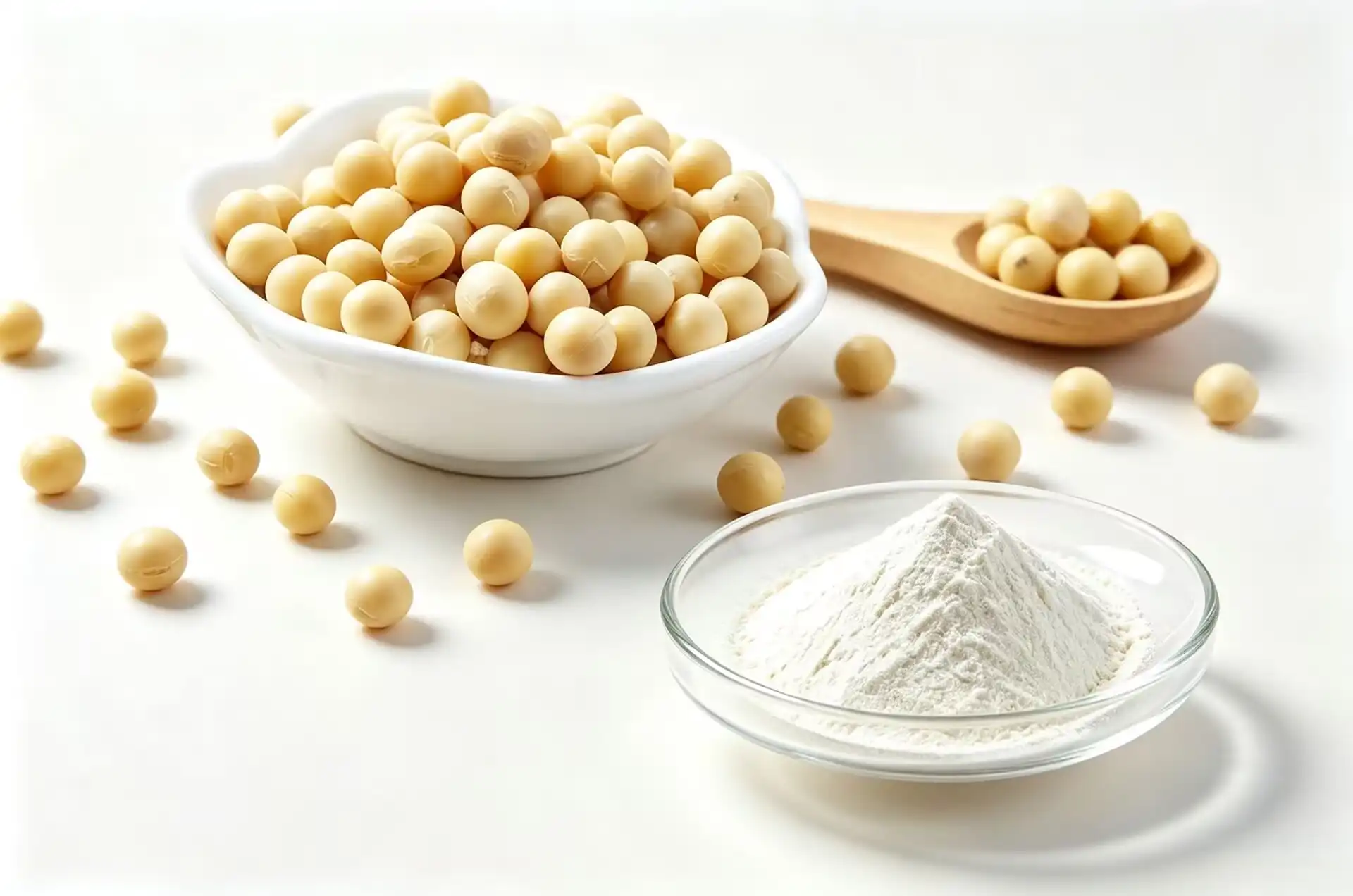
Why Soybean Peptides Are Gaining Popularity in Sports Nutrition?
Due to their better bioavailability and quick absorption compared to other protein sources, Soybean Peptides are quickly becoming an essential component of sports nutrition products. Because they are made up of hydrolyzed protein pieces with molecular weights usually less than 1,000 Da, Soybean Oligopeptides don't have to go through the long digestive processes that whole proteins do. Instead, they go straight to muscle tissue and supply amino acids there. This speed, along with the fact that they come from plants, makes them perfect for companies that want to sell to vegan athletes and health-conscious customers looking for clean-label options.
Understanding Soybean Peptides and Their Role in Sports Nutrition
What Makes Soybean Peptides Different from Standard Soy Protein?
If we talk about Soybean Peptides vs. Soy Protein Extract, we're talking about two very different nutritional tools. Normal Soy Protein Isolate has big, whole protein molecules that need to be broken down by enzymes in order to be digested. But Soybean Oligopeptides have already been broken down into short-chain peptides by controlled chemical hydrolysis. Studies show that this pre-digesting greatly speeds up the absorption process, with uptake times cut by as much as 50% compared to regular protein shakes.
The molecular weight definition of ≤1,000 Da is a meaningful level for performance. This range of peptides can be taken straight through intestinal epithelial cells without being broken down any further. This makes them especially useful for quickly delivering nutrients after a workout. Sigma's product specs keep this molecular weight range while making sure the protein content stays at least 80%. This gives the product a packed nutritional value in the form of an off-white fine powder.
Functional Advantages for Athletic Performance
The nine necessary amino acids are all found in Hydrolyzed Soybean Peptides. There are especially high levels of branched-chain amino acids (BCAAs), which help build muscle protein. In addition to being good for you, these peptides have protective qualities through bioactive sequences that help lower the oxidative stress that comes from exercise. High-intensity exercise raises the production of free radicals. The natural antioxidant properties of Soybean-derived Peptides protect without adding any artificial ingredients.
Another useful feature for formulators is that it dissolves easily. Because of how we handle the Soy Protein Isolate, it dissolves completely in water. This means that it doesn't settle to the bottom like Soy Protein Isolate does when the pH level is acidic. When making ready-to-drink protein drinks or acidic sports drinks, this trait is very important because ingredient stability has a direct effect on the quality of the drink and the experience of the customer. The neutral taste profile, which is made possible by improved debittering technology, lets soy protein be easily added to a wide range of formulations without adding any bitter or beany notes, which have traditionally restricted its uses.
Application Versatility Across Product Formats
Soybean Peptides can be used in a number of different delivery methods by product makers. The ingredient has a fine mesh size (80 mesh), which makes powdered vitamins smooth and easy to mix. The temperature stability keeps the structure intact during pasteurization or UHT preparation at 121°C, which is something that people who make drinks like. Protein bar makers like the low viscosity because it stops the mixture from gelling up during production, which isn't what they want.
The simple storage requirements—sealed containers in cool, dry places—make it possible for large-scale businesses to handle transportation and inventory management. The ingredient has ISO, HACCP, and Halal approvals, which means it meets a wide range of legal requirements in different foreign markets. This is especially important for businesses that want to sell to Europe and North America.

Why Soybean Peptides Are Outperforming Traditional Protein Sources?
Addressing Limitations of Conventional Proteins
Whey protein is the most popular ingredient in sports diet, but it has a lot of problems. About 2% to 3% of customers are worried about dairy allergens, but a much larger percentage of people have trouble digesting lactose. Concerns about the environment caused by dairy production also push brand managers toward plant-based options. Collagen peptides are famous for their health benefits for joints, but they don't have all of the amino acids that muscles need to build protein.
Soybean Oligopeptides fill in all of these holes. People who eat only plants will like the completely veggie profile, which doesn't hurt performance. Because it is hypoallergenic, it gets rid of digestive problems related to cheese that often come up in customer comments. Comparing absorption kinetics shows that peptides with molecular weights less than 1,000 Da reach blood amino acid peaks that are similar to those of whey protein. This means that they work just as well as the "gold standard" without any of its problems.
Market Momentum and Consumer Demand Patterns
Sales data for sports nutrition in North America shows some very interesting trends. Between 2020 and 2023, sales of plant-based protein supplements grew 23% each year, which was much faster than the total growth rate of 8% for protein supplements. Peptide-based formulations are more expensive in this area. Customers are willing to pay 15-20% more for claims of better absorption backed up by molecular weight specs.
Similar trends can be seen in European markets, especially in Germany and the UK, where consumers choose to buy products with clean labels. Transparency about ingredients is now a must; 68% of European customers polled said they read supplement labels and look into where ingredients come from. Brands make recipe choices based on buyer tastes that are well-informed by certifications like organic, non-GMO, and specific molecular weight ranges.
Soy-based peptides are more cost-effective than options made from animals, which is another benefit of purchasing them. Soybean sourcing infrastructure in North America makes supply lines steady, and gains in processing efficiency have lowered the cost of output. Because of the way the economy works, retailers can offer reasonable prices without lowering their profit margins. This is important for brands that want to balance quality positioning with market accessibility.
Selecting the Best Soybean Peptide Products for Your Supply Chain
Critical Evaluation Criteria for B2B Procurement
Verification of approval is the first step in quality assurance. ISO 22000 and HACCP certifications show that food safety is managed in a planned way, while Halal and Kosher certifications make products more available in more markets. In addition to basic compliance, buying teams should ask for certificates of analysis (COA) that show uniformity from batch to batch in protein content, molecular weight distribution, and purity markers. The standards for heavy metals, herbicide residues, and microbe contamination should meet or go beyond what the FDA and EU require.
The actual form is chosen based on the needs of the producing process. Fine powder standards with an 80 mesh size work well with dry mixing processes and keep their great reconstitution qualities for use in drinks. Some sellers offer liquid concentrates that can be added directly to drinks to make them healthier, but powder forms usually last longer and cost less to ship. It is still important to test samples using the production methods you already have, because small changes to the formula may be needed to improve the texture, flavour, and stability of the final goods.
Supplier Capability Assessment
Reliable sellers of Soybean Peptide show a number of important skills that go beyond just making sure the products are good. Support for research and development (R&D) is helpful when making new recipes or changing specs for different markets. Your internal development processes will run more smoothly if you have technical paperwork like method validation reports, stability studies, and application rules for Soybean Peptide. Customization services, like changing the particle size distribution, the protein content ratios, or the packaging, let you make solutions that fit your unique production workflows.
Transparency in the supply line is becoming more and more important. Traceability paperwork should keep track of where the raw soybeans come from all the way through processing, with clear records to back up claims of sustainability and origin. This openness keeps supply chain scams at bay while giving customers real stories about where products come from that they can relate to. Information about production ability helps you figure out if your suppliers can grow with you, so you don't have to move vendors as your needs change, which can be expensive and cause problems.
Sigma keeps 10–20 tonnes of safety stock on normal goods to make sure delivery within 5–7 working days, no matter when the order comes in. This large stockpile, along with the fact that we are located in Shaanxi province's well-known botanical ingredient production area, makes sure that we always have enough supplies. The modern factory we use has constant countercurrent extraction lines and low-temperature concentration technology. This keeps the beneficial ingredients and meets the molecular weight requirements for sports nutrition uses.

Optimizing Your Procurement Strategy for Soybean Peptides
Matching Specifications to End-Use Requirements
Specification goals need to be different for each type of customer. Sports nutrition brands that are aimed at professional athletes stress the purity of the protein content and the consistency of the molecular weight. They are willing to pay more for sure success. Meal replacement makers try to find a mix between high-quality protein, bland flavours, and a lot of different formulation options. Manufacturers of post-surgery nutrition put a high priority on clinical proof backing promises of fast absorption and digestibility.
Figuring out these end-user types lets you choose specifications in a smart way. Products with higher protein levels (>85% vs. normal >80%) may be worth more money because they are marketed as expensive, but standard levels are fine for people who want to save money. Molecular weight distribution curves give more detailed information than simple ≤1,000 Da standards. For example, goods with higher percentages below 500 Da absorb even more quickly, which could back claims that they are better.
Sample Evaluation and Supplier Communication Protocols
Structured sample testing for Soybean Peptide stops mistakes in composition that cost a lot of money. Ask for samples in enough quantity to be used for full production trials, not just small-scale tests. Check the solubility of Soybean Peptide under real-life production conditions, such as changes in temperature, mixing times, and pH levels that are important for your formulas. Target buyer groups should be involved in taste testing as much as possible, since technical teams may not notice subtle flavour notes as much as end users will.
Clear standards are set when suppliers communicate well. Instead of single-point goals, give thorough specs that include acceptable ranges for key factors. Talk to your provider about scientific methods to make sure that your quality control procedures and testing are in line with each other. This will help avoid disagreements over results that are close to being correct. Set up rules for how to talk about quality issues, such as how long it takes to respond and how to fix problems. Regular checks of suppliers, whether they happen online or in person, keep relationships open and find problems before they affect production.
Risk Management and Supply Chain Resilience
Quality control is more than just trying new materials when they come in. Set up shelf-life monitoring tools that keep track of stability under real storage conditions, not just routines for fast ageing. This real-world data helps keep expiration dates correct and finds possible stability problems before they become customer complaints. Keep some samples from each batch that are representative for at least a year so that you can test them again if there are questions about quality.
Diversifying the supply line lowers the risk of damage. While you're building ties with main suppliers that offer good prices and terms, you should also find secondary sources that can meet your needs. This backup capacity is very helpful when there are problems with agriculture supplies, shipping, or quality. Geographic diversity, like having sources from both Asia and North America, makes a business more resistant to events that happen in its area.
Structures for contracts should strike a mix between protection and flexibility. When prices are low and supplies are limited, volume agreements make sure that supplies are prioritised. But make sure there are ways for specifications to be changed as your product line changes. Don't make deals that are too rigid and stop growth. Price adjustments based on objective measures, like the price of soybeans, protect both buyers and sellers from very volatile markets.

Conclusion
As a result of consumers' growing desire for plant-based, clean-label products that improve performance, Soybean Peptides are becoming more popular in sports nutrition. These hydrolyzed proteins are great alternatives to traditional whey and collagen sources because they are easier to absorb, have full amino acid profiles, and can be mixed in a lot of different ways. Market trends in North America and Europe show that demand is growing quickly, especially among companies that serve veggie sports and health-conscious customers who care about the environment. Brands can take advantage of this growth while keeping quality standards and supply chain resilience high by making strategic buying choices that include evaluating suppliers, matching specifications, and managing risk. In the future, extraction technologies will likely keep getting better and be used for more things besides sports nutrition. Early users who build strong relationships with suppliers and put money into product development will be rewarded.
FAQ
What is the typical lead time for bulk soybean peptide orders?
Lead times depend on how busy the provider is and how many orders they have. However, manufacturers who keep a lot of safety stock can usually fill normal orders within 5 to 10 business days. Custom specs that need changes to the recipe or special tests may make the lead time 3–4 weeks. Setting up framework deals with set requirements speeds up repeat sales by a large amount.
How do soybean peptides compare to whey protein for muscle building?
When comparing hydrolyzed soy peptides to whey protein, clinical study shows that muscle protein synthesis rates are about the same, as long as the amount of leucine is right. Low molecular weight peptides make it possible for amino acids to be absorbed quickly, which is similar to how whey does it. This means that the performance is comparable, but the product is plant-based and doesn't contain any allergens.
Are there any allergen concerns with soybean-derived ingredients?
About 0.4% of the population is allergic to soy, making it one of the eight worst foods for people with food allergies. But breakdown processes can lower the number of allergic protein epitopes, which might make tolerance better than with soy protein that is whole. Manufacturers should keep ingredient labels clear and think about teaching customers the difference between whole soy proteins and Soybean Peptides.
Partner with a Trusted Soybean Peptide Manufacturer for Your Next Formulation
Sigma is the best place for sports nutrition brands, supplement developers, and OEM producers to get Soybean Peptides because our integrated method blends technical know-how with large-scale production. Our quality management systems are approved to ISO 9001, ISO 22000, and FSSC 22000, which means they always meet international standards. Also, our position in Shaanxi province gives us easy access to high-quality botanical raw materials at low prices.
We have an edge called "Technology + Origin" because we control the whole value chain, from choosing the raw materials to delivering the finished goods. Modern methods of extraction, like low-temperature concentration and fine separation processing, keep the bioactive purity while getting the molecular weight profiles needed for sports nutrition uses. This vertical merger gives makers who care about quality higher purity at stable prices, which meets their main purchasing needs.
Our flexible OEM/ODM services can meet specific needs, such as changing the ratios of protein to other ingredients, changing the sizes of the particles, creating custom package forms, and private labelling. Our research and development (R&D) team can help you with technical questions and full testing, whether you're making a new line of products or improving old ones. We make sure that supply lines are reliable no matter how complicated the order is or where it needs to go because we keep enough inventory on hand for instant delivery and have global logistics knowledge that covers sea freight, air transport, and express shipping. Procurement managers, R&D leads, and product creators are all welcome to see what makes Sigma different. Email our team at sarah@sxsigma.com to get product specs, set up a review of a sample, or talk about your unique formulation needs.
References
1. Hoffman, J.R., & Falvo, M.J. (2004). Protein - Which is Best? Journal of Sports Science & Medicine, 3(3), 118-130.
2. Tang, J.E., Moore, D.R., Kujbida, G.W., Tarnopolsky, M.A., & Phillips, S.M. (2009). Ingestion of hydrolyzed whey or intact whey proteins results in similar muscle protein synthesis. Medicine & Science in Sports & Exercise, 41(5), 992-997.
3. Rutherfurd, S.M., Fanning, A.C., Miller, B.J., & Moughan, P.J. (2015). Protein digestibility-corrected amino acid scores and digestible indispensable amino acid scores differentially describe protein quality in growing male rats. Journal of Nutrition, 145(2), 372-379.
4. van Vliet, S., Burd, N.A., & van Loon, L.J. (2015). The skeletal muscle anabolic response to plant- versus animal-based protein consumption. Journal of Nutrition, 145(9), 1981-1991.
5. Hartman, J.W., Tang, J.E., Wilkinson, S.B., Tarnopolsky, M.A., Lawrence, R.L., Fullerton, A.V., & Phillips, S.M. (2007). Consumption of fat-free fluid milk after resistance exercise promotes greater lean mass accretion than does consumption of soy or carbohydrate in young, novice, male weightlifters. American Journal of Clinical Nutrition, 86(2), 373-381.
6. Messina, M., Lynch, H., Dickinson, J.M., & Reed, K.E. (2018). No difference between the effects of supplementing with soy protein versus animal protein on gains in muscle mass and strength in response to resistance exercise. International Journal of Sport Nutrition and Exercise Metabolism, 28(6), 674-685.
Top Health Benefits of Sea Buckthorn Puree for Modern Nutrition
Sea Buckthorn Puree is a powerful useful ingredient in today's nutrition world. It has unique bioactive substances that help with a number of health issues at the same time. This orange-yellow, thick liquid comes from cold-pressing whole berries from the Hippophae rhamnoides plant. It has high levels of vitamin C, rare omega-7 fatty acids, and more than 190 beneficial substances. As the need for natural alternatives to synthetic additives grows, Sea Buckthorn Puree becomes a great choice for making functional drinks, dietary supplements, and health products that appeal to people who care about quality while also meeting strict regulations in international markets.
Introduction
As the world moves toward functional nutrition based on proof, procurement workers and product developers are becoming more interested in Sea Buckthorn Puree. This nutrient-dense ingredient solves three major problems in the industry: product stability, bioavailability of active chemicals, and regulatory compliance. Puree keeps the whole fruit's structure, which is important for providing steady therapeutic effects. This is different from clarified juices, which lose useful fibre and oil fractions. When R&D teams know about the specific health benefits, technical details, and use limits of this ingredient, they can make smart buying choices that support both product innovation goals and supply chain reliability standards.
Sea Buckthorn Puree has two benefits for companies that want to sell healthy products to people in North America and Europe. The ingredient meets customer demands for clear and uncluttered labels and allows for formulation freedom across a range of dosage types. This detailed guide talks about the nutritional makeup, clinically-proven benefits, industrial uses, and buying options for Sea Buckthorn Puree that you need to know about in order to include it in your product development process.

Understanding Sea Buckthorn Puree: Composition and Nutritional Profile
Manufacturing Process and Quality Standards
To make high-quality Sea Buckthorn Puree, the berries must be picked during the best times of the year, when the amounts of beneficial compounds are highest. Cold pressing keeps nutrients that are sensitive to heat, creating an orange-yellow, thick liquid with a solid content of about 12%. Heat-based methods break down carotenoids and soluble antioxidants, but this mechanical extraction method is very different. The puree that is made has a natural pH range of 2.5 to 3.5, which means it has antimicrobial qualities that make it last longer on the shelf without using artificial stabilisers.
Quality specifications include vitamin C levels above 100 mg/100 g, which is a lot higher than from most fruits. The whole-fruit method includes both water-soluble and fat-soluble nutrients in a mixture that is naturally mixed. Concerns about Total Plate Count, coliforms, and yeast infection can be put to rest with microbial testing that proves compliance with food safety standards. Standardised processing methods make it possible for batches to be the same, which is necessary for large-scale manufacturing operations that need to be able to repeat results.
Comprehensive Nutritional Analysis
Sea Buckthorn Puree has a unique set of nutrients because it has a high vitamin C density and important fatty acids that aren't usually found in fruit-based foods. Beta-carotene and lycopene give orange foods their colour and provide antioxidant action, which can be measured by ORAC readings. This ingredient is different from regular fruit purees because it contains the omega-7 fatty acid palmitoleic acid, which is good for the health of mucous tissues and the digestion of fats.
Flavonoid molecules, such as isorhamnetin and quercetin, work together to provide protective benefits that go beyond taking single vitamins. The natural acidity, which is measured by the amount of malic acid present (2.0–5.0%), helps the product keep its freshness while making it harder for formulation chemists to keep the pH level in finished goods balanced. Trace elements and vitamin E are added to the nutritional matrix to support health claims made in dietary supplement uses.
Comparing Puree Forms and Derivatives
When purchasing teams look at Sea Buckthorn Puree products, they usually come across three main types: concentrated extracts, whole-fruit puree, and clear juice. To make juice last longer and be easier to handle, the pulp and oil are taken out. This means that beneficial substances are lost. Concentrated forms lose water through evaporation, which raises the nutrient density per unit volume but could damage vitamins that are sensitive to heat.
Through mechanical processing without any separate steps, whole-fruit mush keeps all of the nutrients. You can see a layer of oil on top of the pulp that was kept. It has a lot of omega fatty acids and vitamins that dissolve in fat. This "oil skin" effect shows real preparation of the whole fruit, not reconstituted mixes. The thick texture is good for situations that need body and smoothness, but it needs to be handled differently than juice mixes that flow easily.

Top Health Benefits of Sea Buckthorn Puree for Modern Nutrition
Immune System Enhancement and Antioxidant Protection
Clinical study shows that the amount of vitamin C in Sea Buckthorn Puree helps the immune system in more ways than just giving you extra ascorbic acid. Flavonoids work together to make antioxidants stronger. This is shown by the fact that they neutralise free radicals better in cellular tests. This mix reduces reactive stress, which is linked to chronic inflammation conditions, which is good for making immune-focused products.
Bioavailability of vitamin C from whole-fruit structures is better than that of products that are just ascorbic acid. Natural co-factors in the liquid help cells take it in, which backs up claims of better effectiveness in functional beverage formulas. Studies show that regular eating helps white blood cells work and makes antibodies, which is especially important when the immune system is under a lot of stress during the winter. Because vitamin C stays stable in the acidic environment of the puree, the nutritional value of the product lasts longer if it is kept properly.
Cardiovascular and Metabolic Support
The omega-7 fatty acids in Sea Buckthorn Puree have been shown to have special cardiovascular effects through a number of different processes. According to research, palmitoleic acid helps control the breakdown of lipids, which supports good cholesterol levels when added to daily diets. These fatty acids' anti-inflammatory traits work with heart health plans to improve endothelial function and artery flexibility.
Phytosterols and antioxidant molecules work together to support heart health in more ways than just taking extra fatty acids. The natural mixing of oil into the puree matrix makes it easier for the body to absorb than oil goods that have been removed. Clinical findings show benefits for metabolic syndrome markers, but claims need to be carefully reviewed by regulators based on dosage and how they are given. Because it has both vitamins and important fatty acids, Sea Buckthorn Puree is a complete cardiovascular ingredient that can be used in functional foods that are aimed at people who want to improve their heart health.
Skin Health and Mucosal Tissue Support
Vitamin E, antioxidants, and omega fatty acids all work together to make Sea Buckthorn Puree good for your skin. These chemicals help make collagen and help cells grow back, which is scientific evidence for claims that nutritional products are good for your face. It is the omega-7 substance that directly supports the stability of mucosal membranes, which is important for the health of digestive and urogenital tissues.
These substances are also used in cosmetics that you put on your skin, but eating them gives your body benefits that you can't get from applying them to your skin. The anti-inflammatory qualities lower the damage caused by UV light and other environmental stresses. Combining oral and topical sea buckthorn products in formulation strategies makes complete skin health routines that appeal to beauty-from-within market groups. By absorbing bioactive compounds through whole-fruit mush, nutrients are sent straight to the skin's dermal layers through the circulatory system.
Digestive Health and Anti-Inflammatory Properties
Sea Buckthorn Puree's natural acidity and beneficial chemicals help the digestive system in a number of ways. Prebiotic fibre feeds the good bacteria in your gut, but when making mix items, you have to think about how acidity can affect the probiotics' ability to live. Flavonoids that reduce inflammation work on signs of inflammation in the intestines, which is important for useful foods that aim to make digestion easier.
Omega-7 fatty acids help keep tissues together and support mucosal membranes all along the digestive system. Modern study shows that sea buckthorn can help protect the walls of the stomach, which backs up the traditional use of the plant for digestive problems. When formulating, buffering techniques are used to keep bioactive chemicals safe while lowering acidity. The whole-fruit method gives you both soluble and insoluble fibre, which helps your gut system work better than just taking supplements of certain nutrients.

Practical Applications and Usage of Sea Buckthorn Puree in B2B Sectors
Functional Beverage and Food Product Development
When used in useful beverage recipes, Sea Buckthorn Puree's bright colour and sour taste make for unique visual experiences. The natural acidity improves the flavour and keeps the food fresh, so clean-label goods don't need as many artificial chemicals. The liquid is used to make immunity shots, smoothie bases, and ready-to-drink healing drinks for people who are health-conscious. When the formulation meets the government's daily value percentage standards, the vitamin C level backs up certain health promises.
Sea Buckthorn Puree is added to meal replacements and functional food bars to enhance their flavour and nutrition. The viscosity gives the texture and delivers concentrated nutrients in small portion amounts. Testing for compatibility shows that it works well in dairy-alternative goods, but managing the pH stops proteins from clumping together in certain formulas. Clean labels are appealing because people like to know what's in their food, which supports marketing stories about whole-food nutrition.
Nutraceutical and Dietary Supplement Integration
Sea Buckthorn Puree's natural ability to keep things fresh and high bioactive chemical density make liquid supplements better. Single-serve sachets give you concentrated amounts for routines that help your immune system, keep your skin healthy, or keep your heart healthy. The whole-fruit matrix offers beneficial nutrient interactions that aren't found in vitamin supplements made from single nutrients. This supports claims of higher bioavailability that are backed up by studies on absorption.
Spray-dried puree powders are used in capsule and pill forms, but heat-sensitive chemicals are better preserved in liquid forms. Regulatory advice says that vitamin C stability claims and dose suggestions based on clinical studies need to be carefully looked at. Having both water-soluble and fat-soluble nutrients in the same ingredient makes the recipe easier and gives you more chances to make health claims. To keep up with standards for effectiveness, quality control procedures must check that bioactive markers are the same across production batches.
Cosmetic and Personal Care Applications
The beauty industry is becoming more aware of how internal nutrition can affect the look of skin. This is opening up possibilities for beauty goods that can be eaten that contain Sea Buckthorn Puree. The omega-7 level works on systemic routes to keep the skin hydrated and flexible. Marketing campaigns stress the link between taking supplements internally and improving the health of your skin, which is backed up by research on how nutrients affect skin.
When oral vitamins are mixed with topical formulas, they make complete beauty regimens. The naturally occurring orange colour makes the product look good in clear drinking containers. The antioxidant profile targets reactive stress, which is linked to early ageing, backing claims of anti-aging within the limits set by regulations. To meet the high standards of the elite market, procurement teams looking for beauty supplement lines put an emphasis on organic certifications and pesticide-free proof.
Storage, Handling, and Supply Chain Logistics
To keep the quality of Sea Buckthorn Puree, the whole delivery network needs to strictly control the cold chain. The product instructions say to store it in a tight container at a low temperature to keep the vitamin C strength and stop it from oxidising. The thick thickness and natural oil separation mean that bulk handling systems need to be able to handle them. To restore emulsification, the mixture needs to be gently stirred before it is dispensed. By limiting oxygen contact during packing, aseptic processes and nitrogen flushing make food last longer on the shelf.
For reliable shipping plans, procurement logistics depends on sellers keeping enough stock on hand, usually 10 to 20 tonnes of safety stock. The fulfilment window of 5 to 7 business days helps with just-in-time production and makes storage easier. Full quarantine records, Certificates of Analysis, and help with clearing customs are all parts of foreign shipping paperwork. Monitoring the temperature during shipping makes sure that the product is still intact when it arrives, which is very important for keeping the 90% vitamin C retention rates that were proven by stable testing.

Choosing the Right Sea Buckthorn Puree: Comparing Types and Suppliers
Organic Versus Conventional Quality Evaluation
Target market positioning and legal standards play a major role in choosing between organic and conventional Sea Buckthorn Puree. Organic certification from the USDA or a similar program costs more but gives you access to natural goods outlets with strict sourcing rules. Pesticide residue tests on more than 500 substances gives both groups peace of mind, but organic farming methods do not use any synthetic inputs at all.
Certification fees and market placement benefits must be weighed in a cost-effectiveness study. More and more, buyers in the health supplement industry who care about quality make organic sources a basic condition. Non-GMO certification gives you even more peace of mind, but there aren't any commercially available genetically modified varieties of sea buckthorn right now. It's important to be able to prove that the sources of raw materials are real if you want to sell goods that say they were made from wildcrafted or sustainably harvested materials.
Supplier Evaluation and Audit Criteria
Reliable providers show they can make things by having clear site paperwork and third-party certifications. Compliance with ISO 22000, HACCP, and FSSC 22000 standards means that quality control goes beyond just meeting basic food safety standards. Aseptic filling, cold-pressing equipment, and batch tracking systems should all be checked as part of audit procedures. When R&D skills are added, it means that the seller can offer customisation services, such as changing specifications and creating private labels.
Transparency in quality assurance is shown by thorough testing methods that include checking for bioactive markers, heavy metals, and bacteria safety. Quantifying specific amounts of vitamin C and flavonoids using HPLC analysis shows a level of technical skill above and beyond basic compositional testing. Suppliers who give stable data for vitamin retention over 12 to 24 months make it possible to make correct shelf life predictions. Regulatory filings for finished goods are easier when full paperwork packages with COA, MSDS, and allergen statements are available.
Certifications and Regulatory Compliance
To get into international markets, you need licenses that are in line with the rules of the country where you want to sell. The ability to sell to groups of people with religious food needs is increased by Halal and Kosher licenses. For US countries, FDA compliance means following Current Good Manufacturing Practices and making sure that health claims are true. European markets have strict rules about contaminants and need new food studies for items that haven't been used in food before.
Certifications have a direct effect on how quickly a market can be entered and on regulators' trust. Suppliers who keep their licenses up to date lower the risk of buying things and help products come out faster. Documentation that backs up claims of GRAS status or traditional use forms the basis for health benefit messaging. The rules and regulations are always changing, so suppliers who know how to handle safety issues are useful for more than just providing ingredients.
Pricing Trends and Sourcing Intelligence
The market price of Sea Buckthorn Puree depends on how easy it is to get the raw materials and how much it costs to get certified. Wholesale outlets that deal in bulk offer savings for large orders, with prices starting at 500 kg. Organic goods cost 20–40% more than regular ones, which is because they have to pay more for approval and there aren't as many organic crops available. Origin affects price, with sources from Central Asia and the Himalayas competing with crops grown in Europe and North America.
Manufacturing budgets are protected from seasonal changes by supply deals that keep prices stable while also allowing the market to change. As part of long-term partnerships, companies often agree to buy a certain amount of goods in return for better prices and assured distribution when supplies run low. Online B2B sites make prices clear, but they might not offer the technical help and customisation services that come with working directly with manufacturers. When it comes to procurement strategies, matching cost optimisation with supply security is important because the cheapest price doesn't always mean the best quality or most reliable service.

Conclusion
Sea Buckthorn Puree is a smart ingredient investment for companies that want to make natural, useful nutrition products that fit with current health trends. The complete nutritional profile of this food, which includes high levels of vitamin C, rare omega-7 fatty acids, and antioxidants that work together, helps with many health issues. To make a good purchase, you need to look at more than just prices. You need to carefully consider the supplier's certifications, quality control procedures, and technical help skills. More and more people want whole foods instead of supplements that are separated. This makes Sea Buckthorn Puree a good addition for developing clean-label drinks, vitamins, and functional foods. Working with qualified makers who offer open testing, stable supply chains, and legal knowledge guarantees the quality of the ingredients, which in turn leads to the success of the final product on the market.
FAQ
Why Does the Puree Show Oil Separation at the Surface?
The oil layer that can be seen shows that the fruit was processed in the right way, as the natural oils from the pulp are still mixed in with the mush. This "oil skin" is high in omega-7 fatty acids and vitamins that dissolve in fat, so it's not a flaw but a sign of top quality. The natural mixture can be restored by gently shaking the bottle before using it. This is because manmade stabilisers are not needed. The split shows that no emulsifiers or homogenisers were added, which supports the clean-label stance. When formulating automatic dispensing systems, formulation teams should take this trait into account and include agitation steps to make sure that nutrients are distributed evenly across all production runs.
How Stable is Vitamin C During Storage and Shipping?
When aseptic cold-filling and nitrogen flushing are used together, they make a setting with little air that keeps the vitamin C intact during distribution. Stability tests show that 90% or more of the substance is still there after 12 months of storage in the right settings. When compared to normal pH settings, the natural acidity gives more protection against oxidation. Heat damage can be avoided by keeping an eye on the temperature throughout the cold chain. When suppliers put time-temperature markers on packages, it's easy to check the quality when the goods arrive, which backs up claims that the nutrients have been kept intact.
What Certifications Should B2B Buyers Prioritize?
ISO 22000 and HACCP licenses set the standards for food safety management systems that are needed to make the supply chain reliable. Certifications like Halal and Kosher help businesses reach new customers in certain groups. Organic approval from well-known organisations backs up claims of premium placement and clean labels. Reports on heavy metal tests and pesticide residue analysis look at safety issues that are unique to plant ingredients. Documentation that shows compliance with regulations in target markets, like FDA registration and EU novel food studies, speeds up the approval process for products and lowers the risks of entering new markets.
Source Premium Sea Buckthorn Puree from a Trusted Manufacturer
Shaanxi Sigma Biotechnology makes professional-grade Sea Buckthorn Puree using cutting-edge cold-pressing technology that keeps all of the healthy nutrients in fresh berries. Our factory keeps its ISO 22000, HACCP, and Halal standards up to date. This makes sure that the quality of every batch sent to customers around the world is the same. The orange-yellow, thick liquid has a solid content of about 12% and more than 100 mg/100g of vitamin C. It does not contain any fillers or artificial agents. We have 10–20 tonnes of safety stock ready to ship right away or within 5–7 business days. For manufacturers who need stable sourcing, we can support both spot purchases and long-term supply deals.
Our technical team gives full paperwork for every package, like COAs, MSDSs, and quarantine reports. They also help with customs clearance for transactions that happen across borders. The whole-fruit pressing method keeps the natural sea buckthorn oil in the mush, adding omega-7 fatty acids without losing any nutrients. Sigma's OEM/ODM services are flexible enough to meet your specific recipe needs, whether you need big ingredients for making functional beverages or custom specs for nutraceutical uses. Email sarah@sxsigma.com to get samples, talk about technical details, or look into partnership options with a top Sea Buckthorn Puree provider who wants to help you reach your product innovation goals.
References
1. Eccleston, C., Baoru, Y., Tahvonen, R., Kallio, H., Rimbach, G., & Minihane, A. (2002). Effects of an antioxidant-rich juice (sea buckthorn) on risk factors for coronary heart disease in humans. Journal of Nutritional Biochemistry, 13(6), 346-354.
2. Upadhyay, N., Goyal, A., Kumar, A., Ghai, D., & Singh, R. (2010). Preservation of milk and milk products for analytical purposes. Food Reviews International, 26(3), 203-221.
3. Zeb, A. (2004). Chemical and nutritional constituents of sea buckthorn juice. Pakistan Journal of Nutrition, 3(2), 99-106.
4. Larmo, P., Alin, J., Salminen, E., Kallio, H., & Tahvonen, R. (2008). Effects of sea buckthorn berries on infections and inflammation: a double-blind, randomized, placebo-controlled trial. European Journal of Clinical Nutrition, 62(9), 1123-1130.
5. Beveridge, T., Li, T., Oomah, B., & Smith, A. (1999). Sea buckthorn products: manufacture and composition. Journal of Agricultural and Food Chemistry, 47(9), 3480-3488.
6. Yang, B., & Kallio, H. (2002). Composition and physiological effects of sea buckthorn lipids. Trends in Food Science & Technology, 13(5), 160-167.
Everything You Need to Know About Sea Buckthorn Puree
Sea Buckthorn Puree is a whole-fruit functional ingredient made from cold-pressed Hippophae rhamnoides berries, keeping both the natural pulp and bioactive oils in a single, thick structure. This puree has all the health benefits of the whole meal including the rare omega-7 fatty acids, naturally emulsified carotenoids, and over 100 mg of vitamin C per 100g, unlike clear drinks or separate preparations. Due to its pH value of 2.5-3.5 and solid content of more than 12 percent, the product is well suited for B2B applications in the field of natural cosmetics and food supplements and functional drinks. This detailed guide will walk customers through all the critical considerations when shopping for legal, batch-consistent natural drugs.
What Is Sea Buckthorn Puree? A Comprehensive Overview
The most nutrient-dense Hippophae rhamnoides product available in the shop is sea buckthorn purée. The production process starts with the picking of fresh berries from supervised source farms. Then the berries are mechanically cold pressed at a temperature below 40 degrees Celsius to preserve the heat sensitive bioactive chemicals. This is a very different procedure from powder production, which needs spray drying which might destroy the vitamins, or juice extraction, which frequently removes the fibre and fatty components.
Production Process and Quality Indicators
Cold pressing preserves the whole fruit while creating a high-quality purée. As a result, the peel, pulp, and seeds remain in a uniform mixture. This results in a thick, orange-yellow liquid with visible oil droplets that separate when the liquid stops flowing. This oil layer demonstrates that the dish is authentic and contains a significant amount of pulp oil rich in palmitoleic acid. The firms that use this technique typically adhere to ISO 22000 and HACCP regulations, which ensure that every step of the process—from receiving the raw ingredients to packaging them in aseptic containers—is clean.
Looks aren't the only thing that makes for excellence. A scientific test shows the solid content to be 12 to 15%, the normal amount of fruit solids without the addition of any water. The most important is vitamin C stability, where reliable providers guarantee minimum quantities of 100mg/100g by storing food in nitrogen and away from light. Microbiological testing should verify that the product meets food-grade criteria such as the absence of harmful organisms and a total plate count of less than 10,000 CFU/g.
Nutritional Profile and Bioactive Components
Sea buckthorn puree contains water-soluble vitamins (C and B complex), fat-soluble vitamins (A, E and K), essential fatty acids and over 190 bioactive chemicals. It is different from other fruit purees in that it contains omega-7, especially palmitoleic acid. This acid is great for the function of the skin barrier and the health of mucosal membranes. The antioxidant potency is also due to the presence of flavonoids such as quercetin and isorhamnetin, with ORAC values sometimes over 15,000 μmol TE/100g.
The carotenoid component not only contains pro-vitamin A effects but also provides the colour of the puree. Good batches will include between 30 and 40 mg of beta-carotene per 100g. This improves the cell differentiation and functioning of the defence system. It is difficult to synthesise because of its intrinsic acidity but it is also a barrier, which keeps food fresh for 12 to 24 months when refrigerated without any further modifications.

Comparing Sea Buckthorn Puree Options: Making the Right Choice for Your Business
Understanding product variations enables procurement teams to align ingredient specifications with end-product requirements and manufacturing capabilities. The decision between puree, juice concentrate, powder, and oil depends on application goals, processing equipment, and target market positioning.
Product Format Differentiation
With a fiber level of between 2 and 4 percent, Sea Buckthorn Puree gives drink mixes and functional foods more body and texture. Evaporation takes away water from juice concentrate, which makes it sweeter and cheaper to ship, but it also takes away fiber and some nutrients that are sensitive to heat. Powder forms last longer on the shelf and are easier to ship, but they need to be sprayed dry, which can lose 30 to 50 percent of the vitamin C they contain. Pure seed or pulp oil has a lot of fatty acids, but it doesn't have the fiber and vitamin C that whole-fruit mush does.
The choice between these formats impacts formulation complexity. Puree integrates seamlessly into smoothie bases, yogurt toppings, and energy shots where natural texture enhances perceived quality. Beverage manufacturers developing clear drinks may prefer clarified juice, while supplement companies targeting specific fatty acid profiles select oil fractions. Understanding these distinctions prevents costly reformulation cycles during product development.
Organic Certification and Compliance Considerations
For companies that want to attract upscale and health-conscious customers, organic certification is quite useful. Sea Buckthorn Puree must be certified organic by showing that the crops were grown without the use of synthetic pesticides, artificial fertilisers or genetically modified organisms throughout the three year transition period. For USDA Organic, EU Organic and similar certifications, we review farming methods, processing facilities and supply chain documents yearly.
Regulatory compliance is different in each target market, except organic status. Access to the US food and supplement markets is permitted via FDA registration and GRAS certification. Depending on the intended use of the product, Novel Food approval may be necessary for sale in Europe. Getting Kosher and Halal certifications may assist companies to increase their client base, especially for companies situated in culturally sensitive areas such as the Middle East. Procurement managers should verify suppliers have current certifications and are able to provide documentation such as Certificates of Analysis for each batch demonstrating they have conducted microbiological validation, pesticide residue testing and heavy metal screening.

How to Source and Procure Sea Buckthorn Puree: A Buyer's Guide
Effective sourcing strategy balances multiple variables including supplier reliability, quality consistency, pricing structure, and logistical capabilities. The procurement process typically follows a staged approach beginning with supplier identification and culminating in long-term partnership agreements.
Supplier Evaluation Criteria
Quality-oriented buyers prioritize suppliers of Hippophae Rhamnoides Puree demonstrating technical competence through R&D capabilities, analytical laboratory access, and formulation support services. The ideal partner maintains vertical integration from berry cultivation through final packaging, ensuring traceability and batch consistency. Facility inspections, either in-person or through third-party audits, verify GMP compliance and contamination control measures.
Traceability systems should track each batch to specific harvest dates and geographic origins, particularly important for organic claims and pesticide residue management. Suppliers offering customization services, including adjusted viscosity, specialized packaging formats, or co-branding opportunities, provide strategic advantages for OEM arrangements and private label development.
Pricing Structures and Volume Considerations
Typically, wholesale pricing for sea buckthorn puree are determined by volume break tiers. Prices drastically decrease for 500 kilogram, 1000 kg, and 5000 kg yearly contracts. For big purchases, premium cold-pressed puree now costs between $8 and $15 per kilogram FOB. The cost varies according on the port of arrival, the packaging, and if the puree is certified organic.
Payment terms should be negotiated by procurement teams in a way that strikes a compromise between stable supplier relationships and cash flow management. While established partnerships may move to net-30 or net-60 terms, letter of credit agreements safeguard both parties in foreign transactions. While volume customers profit from price locking during harvest season, when fresh fruit availability drives production cycles, inventory holding costs favour just-in-time delivery for buyers with limited cold storage.
International Shipping and Customs Navigation
Sea Buckthorn Puree must be transported in a manner that maintains a temperature between 2 and 8°C throughout the supply chain in order to preserve the vitamins. For shipments weighing more than 5000 kg, refrigerated boxes are an affordable choice for maritime freight. Expedited air freight is an alternative for lesser quantities that must be delivered promptly. Commercial invoices, packing lists, certificates of origin, health certificates, and product-specific COAs are all required transit documents.
Duty rates and regulatory requirements are determined by customs categorisation under HS codes. Import taxes and inspection procedures are impacted by the correct categorisation as fruit puree (usually HS 2007.99) as opposed to dietary supplement ingredients. In order to minimise clearing delays and demurrage costs, seasoned suppliers provide assistance with paperwork and may suggest customs brokers who are knowledgeable with imports of natural ingredients.

Practical Applications and Handling of Sea Buckthorn Puree
There are many businesses that can use Sea Buckthorn Puree, and the way it's applied depends on the type of product and the useful results that are wanted. Understanding the best conditions for use guarantees both effectiveness and compliance with regulations.
Beverage and Functional Food Applications
Sea Buckthorn Puree is used in immune-support shots, probiotic soups, and sports recovery drinks at amounts ranging from 5 to 15 percent. The natural acidity adds a tartness that levels the sweetness, so less sugar is needed and the food stays fresh longer. The viscosity of the puree makes the RTD forms feel better in the mouth, giving customers better sensory experiences that support higher prices.
In the food industry, puree is used to make a healthy topping for Greek yogurt, a base for veggie dessert sauces, and an ingredient in energy bars for people who live busy lives. 10 to 20 grams of vitamin C should be used per dose to get real vitamin C benefits that back up the nutritional claims on the package. Product developers should account for the puree's acidity in pH-sensitive formulations, particularly when combining with dairy proteins that may coagulate below pH 4.2.
Storage and Shelf-Life Management
Following the right storage rules has a direct effect on the quality of the product and how well the nutrients stay in it during distribution rounds. When kept at 2-8°C in dark places, packages that haven't been opened stay at their best for 12 to 24 months. Once opened, puree should be eaten within 7–10 days. To keep air from getting in, containers should be resealed right away after use.
The natural oil separation seen in kept puree doesn't mean it's going bad; it just means there is useful pulp oil present. Before using, gently stirring or mixing the product spreads the oil phase across the watery matrix, making the consistency more even. Freezing makes food last longer than two years, but only a few freeze-thaw cycles should be done to keep the structure from breaking down and the vitamin C from turning rancid.
Packaging selection influences storage performance. Aseptic bag-in-box systems weighing between 5 kg and 200 kg are good for industrial production because they keep oxygen out and are easy to use. Smaller bottles that are flushed with nitrogen can be used for R&D and small-batch production. All packaging materials should comply with food contact regulations including FDA CFR Title 21 and EU Regulation 10/2011.

Addressing Common Concerns and Ensuring Safety
Safety assurance and quality verification form the foundation of B2B ingredient procurement, particularly for products entering regulated markets like dietary supplements and functional foods. Comprehensive testing protocols and transparent supplier communication mitigate risks throughout the supply chain, especially when dealing with Sea Buckthorn Puree manufacturers.
Quality Assurance and Certification Standards
Strict quality control includes: identities of persons, purity and symptoms of contamination. The identification of plants is established by the means of organoleptic assessment, microscopic inspection and chromatographic fingerprinting. identification testing prevents individuals from adulterating plants for money. The purity parameters are HPLC measurement of the quantity of vitamin C, refractometry measurement of the amount of solids and measurement of pH using the measured equipment.
Heavy metal screening tackles issues related to bioaccumulation, with acceptable limits usually being Lead <0.5ppm, Arsenic <0.2ppm, Cadmium <0.1ppm and Mercury <0.1ppm for food grade applications. Pesticide Residue Panels using LC-MS/MS and GC-MS methods can detect 500+ chemicals to ensure compliance with MRL (Maximum Residue Limits) set by destination market authorities.
Microbial safety verification include tests for Total Plate Count, Yeast and Mould counts, Coliforms, E. coli, Salmonella and Staphylococcus aureus. Results must meet food safety requirements and show good control of pathogens throughout processing and packing. COAs should be particular to the batch and include all testing parameters, and the findings should be verifiable to third-party labs having ISO 17025 accreditation.
Sustainability and Ethical Sourcing Practices
Corporate responsibility and environmental stewardship is playing an ever-greater role in procurement choices as firms react to customer expectations and their own commitments. Sustainable production of sea buckthorn involves soil conservation, water resource management, and animal preservation in its natural habitats in Central Asia and Northern Europe.
Fair pay for the berry pickers, many of whom are residents of rural communities who depend on seasonal earnings, is one of the ethical sourcing issues. Many suppliers are members of fair trade programs or have direct links with agricultural co-ops – showing that they care about social responsibility as well as environmental sustainability. We meet our climate action targets via optimised logistics, the use of renewable energy in processing plants and recyclable packaging materials.

Conclusion
Through whole-fruit cold-pressing technology that keeps vitamin C, omega-7 fatty acids, and natural antioxidants in one useful ingredient, Sea Buckthorn Puree offers a wide range of health benefits. For procurement to go well, suppliers' qualifications, quality consistency, legal compliance, and logistical skills must all be carefully looked at. The different types of product formats—puree, juice, powder, and oil—have direct effects on how well they work in different situations and how complicated the recipe needs to be. Understanding storage requirements, certification standards, and testing protocols ensures product integrity throughout global supply chains while supporting brand positioning in competitive markets.
FAQ
Q1: Is sea buckthorn puree safe for long-term use in dietary supplements?
A: Researchers in clinical tests have found that using Sea Buckthorn Puree every day at the recommended doses of 5 to 30 grams is safe. For sensitive people, the natural acidity may cause mild stomach pain, which can be fixed by eating something or using neutralizing agents in the mixture.
Q2: How does sea buckthorn puree compare to sea buckthorn oil for skincare applications?
A: Puree contains both water-soluble and fat-soluble compounds, offering broader nutritional benefits for internal use, while pure oil provides concentrated fatty acids preferred for topical applications targeting skin barrier repair and inflammation reduction.
Q3: What shipping conditions are critical for maintaining vitamin C stability?
A: Transport that keeps the temperature between 2 and 8°C throughout the shipping chain stops oxidative breakdown. Nitrogen flushing and light-protective packing help keep the vitamin C content even higher, and good sources promise that 90% or more of it will stay in the product for the full shelf life.
Partner With a Certified Sea Buckthorn Puree Supplier
If you need to buy quality cold-pressed Sea Buckthorn Puree, Shaanxi Sigma Biotechnology is ready to help. Their products are certified by ISO 22000, HACCP, and Halal. Our vertically integrated production plant in Shaanxi's authentic medicinal material area makes sure that every batch of products has the same amount of vitamin C and comes with full testing records, such as a certificate of analysis (COA) and a quarantine report, for each shipment. We maintain substantial inventory enabling 5-7 day delivery for orders from 500kg to 20 tons or more. Our OEM/ODM services are flexible and can support custom formulations and packing specs. For easy customs entry to U.S. and European markets, our expert team helps with formulation and regulatory paperwork. Contact sarah@sxsigma.com to request samples, discuss volume pricing, or explore partnership opportunities with a trusted sea buckthorn puree manufacturer committed to quality excellence and reliable supply chain performance.
References
1. Li, T. S. C. (2003). "Sea Buckthorn: New Crop Opportunity." ASHS Press, Alexandria, Virginia.
2. Bal, L. M., Meda, V., Naik, S. N., & Satya, S. (2011). "Sea Buckthorn Berries: A Potential Source of Valuable Nutrients for Nutraceuticals and Cosmoceuticals." Food Research International, 44(7), 1718-1727.
3. Rösch, D., Bergmann, M., Knorr, D., & Kroh, L. W. (2003). "Structure-Antioxidant Efficiency Relationships of Phenolic Compounds and Their Contribution to the Antioxidant Activity of Sea Buckthorn Juice." Journal of Agricultural and Food Chemistry, 51(15), 4233-4239.
4. Beveridge, T., Li, T. S. C., Oomah, B. D., & Smith, A. (1999). "Sea Buckthorn Products: Manufacture and Composition." Journal of Agricultural and Food Chemistry, 47(9), 3480-3488.
5. Zeb, A. (2004). "Chemical and Nutritional Constituents of Sea Buckthorn Juice." Pakistan Journal of Nutrition, 3(2), 99-106.
6. Kallio, H., Yang, B., & Peippo, P. (2002). "Effects of Different Origins and Harvesting Time on Vitamin C, Tocopherols, and Tocotrienols in Sea Buckthorn Berries." Journal of Agricultural and Food Chemistry, 50(21), 6136-6142.
- 1
- 9
- 10
- 11
- 19


_1776308368292.webp)