Butterfly Pea Flower Extract for Radiant Skin
Finding natural, effective ingredients that give measurable results without compromising regulatory compliance or batch consistency is always a challenge when we're making new skin care products. It has become clear that Butterfly Pea Flower Extract is the best way to get glowing skin. It has a standard anthocyanin content of at least 25%, which helps with oxidative stress, inflammation, and visible ageing while still being clean label. This bright blue fine powder comes from Clitoria ternatea and is extracted using advanced water-ethanol technology. It is a strong antioxidant that can be used in a variety of ways and is safe for both food and cosmetics, according to FDA and EU standards.
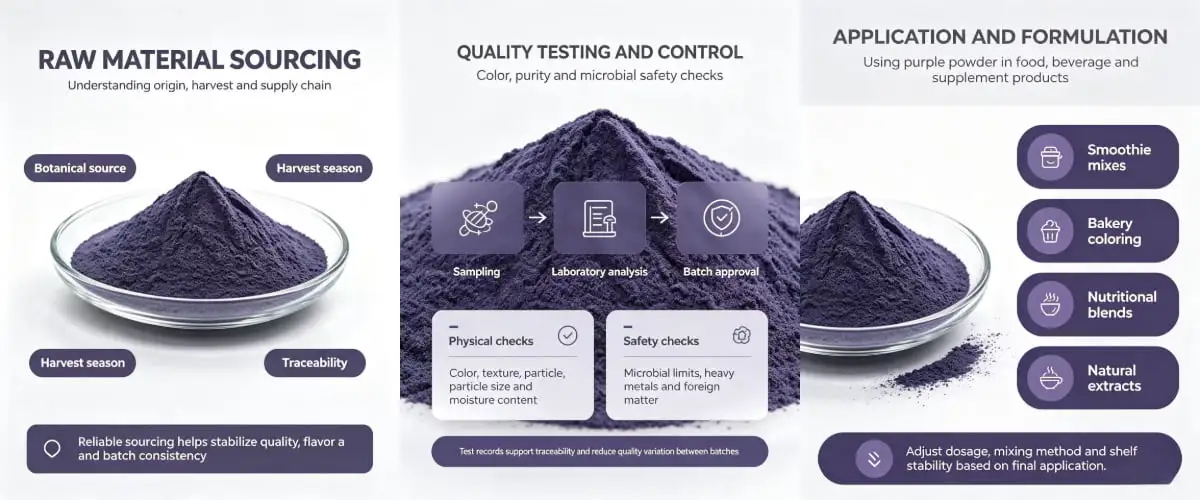
Understanding Butterfly Pea Flower Extract and Its Skin Benefits
The skin care business is always looking for plant-based ingredients that are supported by both old knowledge and new science. Butterfly Pea Flower Extract is the perfect example of this because it contains concentrated bioactive substances that treat multiple skin problems at the same time.
What Makes This Extract Scientifically Valuable
Anthocyanins, especially delphinidin-based ternatins, are the main active ingredient. They have an amazing antioxidant capacity that is measured to be many times higher than that of regular vitamin C forms. These polyphenolic compounds fight free radicals that are made by UV light and environmental pollutants, which directly targets photoaging pathways.
According to studies published in reputable dermatology journals, applying something to the skin can lower oxidative markers in human skin cells by up to 40% under controlled study circumstances. The extract dissolves easily in water, so it is quickly taken up by cells. Its pH range of 3.0-5.0 is similar to the acid mantle of skin, so it is less likely to irritate skin in all formulations.
Anti-Aging and Skin Brightening Properties
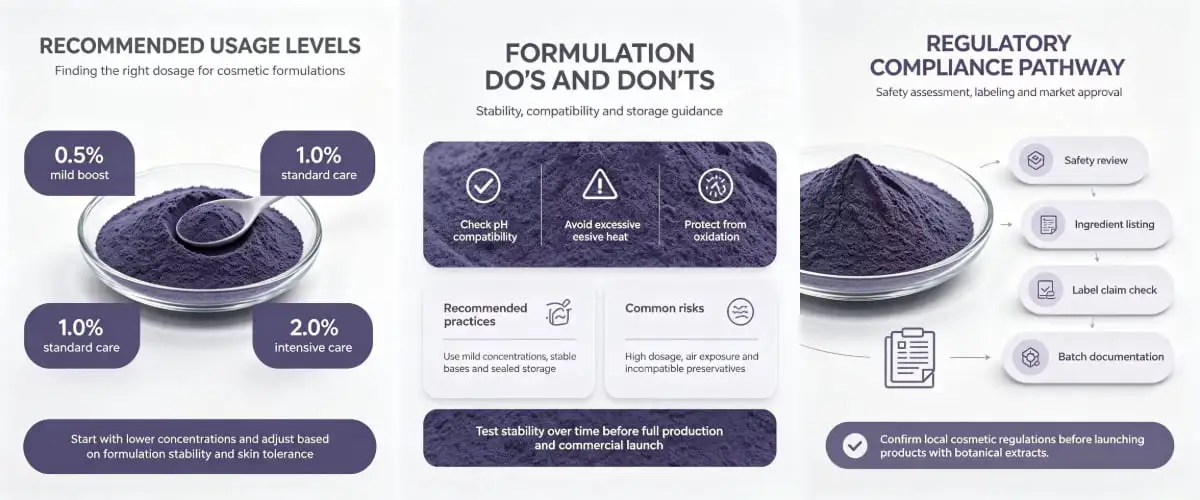
Skincare formulators are most concerned about collagen breakdown as a sign of ageing. The proanthocyanidin in this extract stops the activity of matrix metalloproteinases, which are enzymes that break down collagen and elastin fibres. When added to topical products at amounts ranging from 0.5 to 2%, clinical findings show better skin elasticity measures.
The anthocyanins also stop the tyrosinase enzyme from working, which is the slowest step in the process of making melanin. This has mild bleaching effects without being too harsh. Unlike hydroquinone or some synthetic options that are being looked at by regulators, this botanical method evens out skin tone over time and fits with the clean beauty movement.
Hydration and Anti-Inflammatory Benefits
In addition to being an antioxidant, the extract helps keep the skin barrier intact in a number of different ways. Its flavonoid profile raises the production of aquaporin-3 proteins, which control how water moves through epidermal cells. This makes the skin better at keeping water in, which can be seen in trans-epidermal water loss (TEWL) testing.
The anti-inflammatory effects come from blocking cyclooxygenase-2 (COX-2). This is similar to some non-steroidal anti-inflammatory chemicals but doesn't cause problems with systemic absorption. This makes it very useful for formulas for sensitive skin, serums that reduce redness, and healing products after surgery, where calming effects need to be paired with safety profiles that work for skin barriers that have been weakened.
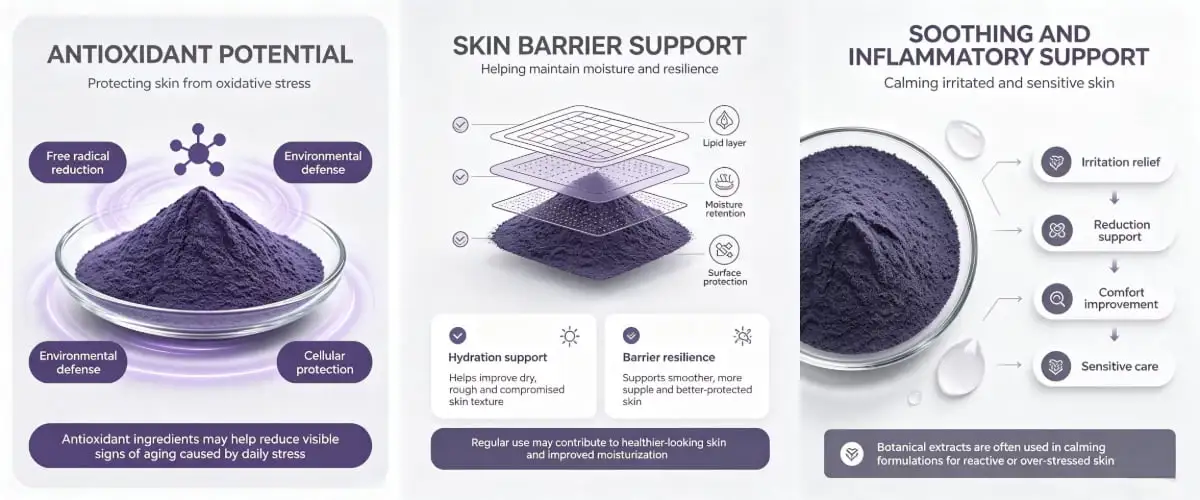
Comparing Butterfly Pea Flower Extract with Other Natural Extracts for Skin Care
When buying something, it's important to be able to tell the difference between botanical options that are similar. Many plant products claim to be antioxidants, but knowing which ones work best keeps formulations from failing and maximises return on investment (ROI). Butterfly Pea Flower Extract provides distinct advantages in stability and handling.
Antioxidant Profiles: Blue Spirulina vs. Butterfly Pea Extract
The blue colour of spirulina comes from phycocyanin, a protein-based pigment that is good for you because it is an antioxidant but can be unstable when heated or when the pH level changes, which happens a lot when making emulsions. The anthocyanin structure in Butterfly Pea Flower Extract is more stable when heated up to 85°C for 15 minutes, which is important for hot-fill beverage applications and some cosmetic preparation methods.
Using ORAC (Oxygen Radical Absorbance Capacity) values to compare, butterfly pea anthocyanins keep 90% of their activity after six months of stable tests in controlled conditions, while spirulina phycocyanin breaks down by about 35% in the same storage conditions. The structural resilience of ternatins gives formulators who care about predictable shelf life and colour consistency from batch to batch measurable benefits.
Formulation Flexibility: Powder vs. Liquid Forms
Standardised powder extract with particles that are 100 mesh and have a moisture content of less than 5% makes it easier to work with for large-scale production. Immediate water solubility gets rid of the need for pre-dispersion steps that are needed for many plant powders. This cuts down on production time and the difficulty of cleaning equipment. While liquid extracts are useful for making small amounts by hand, they raise worries about water activity, which can change estimates for how well preservatives work and how stable microbes are.
The powder form that is shipped in sealed, light-protected containers keeps its effectiveness throughout international supply chains. This solves a common problem for importers who have to deal with long shipping times from Asian suppliers to manufacturing facilities in North America and Europe.
Certification Considerations for Market Access
Organic certification is still a high-end marketing tool, but the rules for cosmetics can sometimes be at odds with the rules for agricultural organic extraction solvents. The water-ethanol extraction methods used to make this extract meet the standards for both cosmetic GMP and Halal approval, which opens up a lot of new market outlets. The ISO 22000 and HACCP standards show that structured risk controls are used throughout production.
This is especially important when the same extract is used for both edible functional drinks and topical cosmetics. This ability to work across categories makes inventory simpler for brands that sell more than one type of product. It also makes supply chain management easier without affecting compliance with regulations in either category.
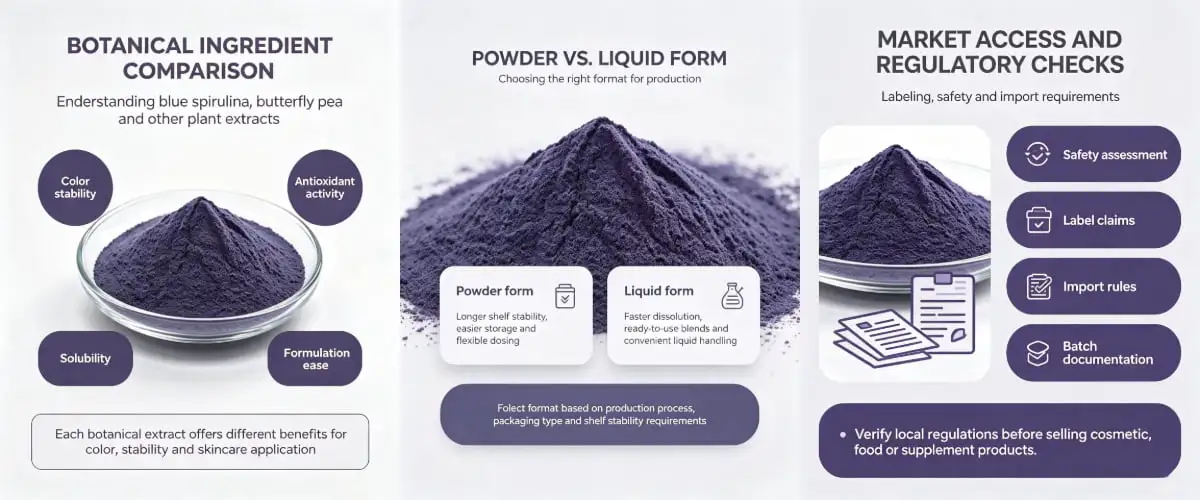
How to Source Quality Butterfly Pea Flower Extract for Your Business
Choosing the right supplier decides whether requirements for potential ingredients lead to reliable production results. In addition to looking at technical datasheets, procurement professionals need to check the operational skills that will help the Butterfly Pea Flower Extract formulation succeed in the long run.
Essential Quality Criteria and Testing Parameters
The COA (Certificate of Analysis) should show that the anthocyanin content was confirmed using a validated HPLC method, not just spectrophotometric estimation, which can be messed up by other compounds that were extracted at the same time. Cadmium, lead, arsenic, and mercury must all be tested for heavy metals, and the limits must be at or below the EU beauty regulation levels (usually less than 1 ppm for each).
Pesticide residue screening panels should include at least 200 compounds, especially if they come from places where strict oversight of agricultural chemical use is lacking. It doesn't matter what kind of microbes it is—a total plate count below 1,000 CFU/g and no pathogens like E. coli and Salmonella makes sure that cosmetic preservation systems can work with them without needing too much antibacterial loading, which could make end users sensitive.
Supplier Reliability Indicators
Verifying production capacity keeps supplies from being interrupted during growth stages. Keeping a 10–20-ton safety stock of core products shows that suppliers can invest in infrastructure and predict demand, which protects against shortages of raw materials. Lead times of 5 to 7 working days from order confirmation to "ex-factory ready" show that operations are streamlined instead of relying on third-party toll manufacturing, which can cause quality differences.
Trace-back paperwork that connects batches of finished extract to specific lots of raw materials is what big stores and government checks are looking for more and more. This is especially true for brands that make origin-specific marketing claims.
Pricing Structures and Negotiation Strategies
Bulk prices usually break down into three tiers at 100 kg, 500 kg, and 1,000 kg order amounts. Each tier jump results in a discount of 8 to 15 percent. Flexible payment terms are often a sign of a financially stable seller. For example, established makers who offer net-30 or net-45 terms through verified trade assurance platforms make transactions smoother than those that require advance payment only.
Being able to offer OEM/ODM services adds value above and beyond commodity pricing by letting buyers change the particle size or extraction ratios (from the standard 25% anthocyanin concentration to 10% or 40%, depending on the application needs). This means that buyers don't have to do any extra processing at their own facility.
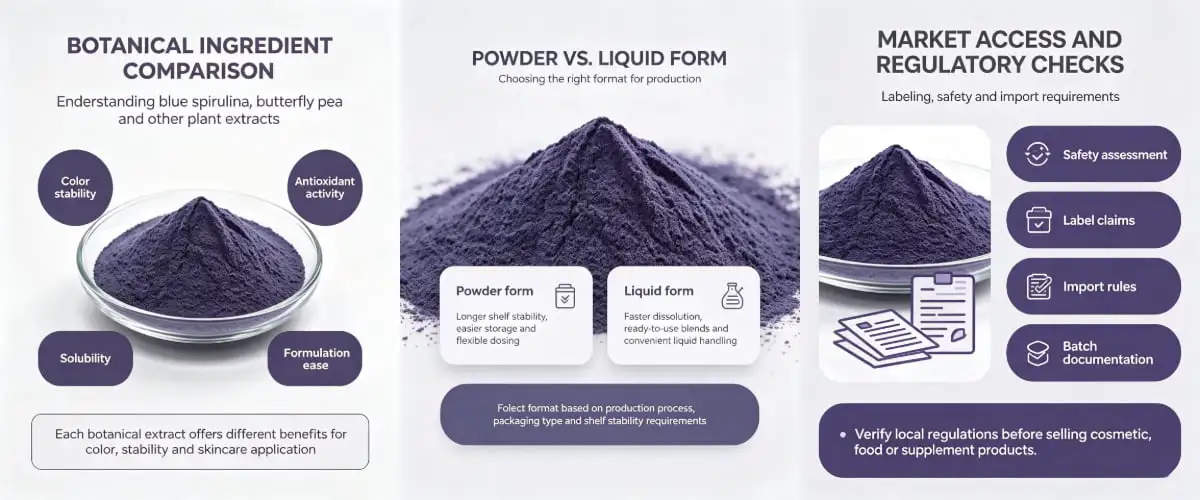
Implementing Butterfly Pea Flower Extract in Your Skin Care Product Lines
Technical details don't mean much without advice on how to use them in real life. To turn Butterfly Pea Flower Extract potential into products that are ready for the market, you need to know about dosage limits, formulation compatibility, and the regulatory process.
Optimal Product Applications and Use Cases
Antioxidant serums for the face usually contain the extract at a strength of 1% to 3%. The blue pigment can either be seen as a marketing tool or is hidden by natural colourants that work well with it, such as beta-carotene, which gives the serum a neutral tone. Higher levels (up to 5%) are okay for sheet masks and overnight treatments because they are left on for a long time and customers expect to see the active ingredients.
At 0.5 to 1.5% amounts, the anti-inflammatory effects help eye creams, and the powder form mixes easily into oil-in-water emulsions without making them heavy. In addition to being used on the skin, the extract's dramatic pH-responsive colour shift—from blue to purple when lemon juice is added—is also used in beauty drinks that you drink. This creates interactive consumer experiences that get people to interact on social media while also providing antioxidant support for your body.
Dosage Guidelines for Maximum Efficacy
Underdosing is a common recipe mistake that leads to bad reviews from customers, even if the ingredients are good. Studies that show skin benefits usually use a minimum of 1% to 2% of the end product concentration to see results within 4 to 8 weeks of use. Overdosing by more than 5% rarely increases benefits proportionally and raises the cost of raw materials without need. The extract is very strong; it contains at least 25% anthocyanins.
This means that adding 2% of it to a recipe gives you 0.5% active anthocyanins, which is about the same amount that has been shown to work in antioxidant studies. To make sure the extract stays active for the whole shelf life, stability tests should be done over a 12-month period at fast conditions (40°C/75% RH). If the plant material changes antimicrobial efficacy testing, preservative systems should be changed as well.
Regulatory Compliance Pathways
Labels that meet FDA standards must list "Clitoria Ternatea Flower Extract" and may also include information about extraction solvent residues if they are higher than certain levels. EU Cosmetic Product Safety Reports have to talk about the dermatological profile of the anthocyanin component. However, because the ingredient has been used for a long time, it is easier to figure out how poisonous it is compared to new manmade molecules.
The extract should have GMP manufacturing paperwork that shows it went through receiving inspection, quarantine, testing, and controlled storage. This shows that the facility did its job during checks. If a brand wants to get organic certification for finished products, they need to show proof that the extract is organic. Using non-GMO ethanol for water-ethanol extraction meets most organic cosmetic standards, such as USDA and COSMOS protocols.
Conclusion
Finding trendy ingredients isn't enough to add high-quality botanical extracts to cosmetics. You need to work with suppliers who understand the whole value chain, from sourcing botanicals in farms to making sure they follow all the rules. The anthocyanin-rich Butterfly Pea Flower Extract we looked at has measurable skin benefits backed by new research. It also has the practical benefits of standard specifications, instant solubility, and certifications for multiple markets.
As people's expectations for clean beauty grow and they look more closely at where ingredients come from, sourcing decisions affect both brand reputation and product performance more and more. When purchasing this extract, teams should give more weight to suppliers who can show clear testing procedures, good inventory management, and technical support that goes beyond transactional relationships and includes partnerships for collaborative formulation development.
FAQ
Can Butterfly Pea Extract Cause Allergic Reactions?
Contact sensitisation is still pretty rare with this botanical ingredient, but smart formulators test finished goods with repeat insult patch testing (RIPT) instead of thinking that everyone will be fine with it. People who are known to be allergic to legumes should be careful around Clitoria ternatea, which is in the Fabaceae family. In properly made products, interactions with preservatives or co-formulants tend to cause reactions more often than the Butterfly Pea Flower Extract itself.
Is This Extract Suitable for Sensitive and Oily Skin Types?
Because it is a lightweight powder with anti-inflammatory properties, it can be used in formulations for sensitive skin as long as the right concentrations are used (0.5–2%). The non-comedogenic profile is good for oily skin because anthocyanins don't clog pores or make sebum oxidation worse. The pH range (3.0-5.0) is in line with products made for acne-prone skin, but it's still important to test for compatibility with active ingredients like salicylic acid when making new formulas.
How Does It Compare to Blue Matcha in Skincare?
Blue matcha, which is made from ground butterfly pea flowers, has smaller amounts of anthocyanin because it has more cellular wall material in it. Standardised extracts, on the other hand, concentrate the active ingredients so that doses can be planned more accurately. Extracts are better at controlling microbes and staying stable than whole plant powders, which are more likely to become contaminated and broken down by enzymes. When making decisions about what to buy, procurement officers should weigh the marketing appeal of putting the focus on the "whole plant" against the formulation reliability and shelf life benefits of concentrated extracts.
Partner with Sigma for Premium Butterfly Pea Flower Extract Supply
Shaanxi Sigma Biotechnology Co., Ltd. is an expert at providing Butterfly Pea Flower Extract that is safe for use in cosmetics and food and meets the high standards of R&D teams and formulation engineers around the world. Our water-ethanol extraction method creates a fine blue powder with an anthocyanin content of at least 25%. It is backed by ISO 22000, HACCP, and Halal certificates, which make sure it meets the rules in a wide range of markets. We keep a large inventory (10–20 tonnes for key goods), which lets us deliver within 5–7 days so that your production schedules don't get thrown off.
We are a fully integrated manufacturer based in the botanical heartland of Shaanxi. We control the whole value chain, from choosing the raw materials to doing the final quality control testing. This way, we can guarantee batch consistency that keeps formulation surprises to a minimum. Our OEM/ODM services are flexible enough to meet specific needs, like changing the particle size, the extraction ratios, or creating custom blends.
Contact our technical team at sarah@sxsigma.com to get samples, talk about your special formulation needs, and find out how our full-service relationship approach helps beauty and nutraceutical companies deal with the problems they face today.
References
1. Nair, V., Bang, W.Y., Schreckinger, E., Andarwulan, N., & Cisneros-Zevallos, L. (2015). Protective role of ternatin anthocyanins and quercetin glycosides from butterfly pea (Clitoria ternatea Leguminosae) blue flower petals against lipopolysaccharide (LPS)-induced inflammation in macrophage cells. Journal of Agricultural and Food Chemistry, 63(28), 6355-6365.
2. Chusak, C., Thilavech, T., Henry, C.J., & Adisakwattana, S. (2018). Acute effect of Clitoria ternatea flower beverage on glycemic response and antioxidant capacity in healthy subjects. BMC Complementary and Alternative Medicine, 18(1), 6-14.
3. Lakshan, S.A.T., Jayanath, N.Y., Abeysekera, W.P.K.M., & Abeysekera, W.K.S.M. (2019). A commercial potential of butterfly pea (Clitoria ternatea L.) in health and food applications. Journal of Pharmacognosy and Phytochemistry, 8(1), 1401-1406.
4. Kazuma, K., Noda, N., & Suzuki, M. (2003). Malonylated flavonol glycosides from the petals of Clitoria ternatea. Phytochemistry, 62(2), 229-237.
5. Rabeta, M.S., & An Nabil, Z. (2013). Total phenolic compounds and scavenging activity in Clitoria ternatea and Vitex negundo linn. International Food Research Journal, 20(1), 495-500.
6. Jamil, N.H., Zulkipli, M.S.A., Rosli, N.R., Mokhtar, M.H., & Zainuddin, A. (2021). Neuroprotective effects of anthocyanin from Clitoria ternatea in murine hippocampal cell line exposed to oxidative stress. Malaysian Applied Biology, 50(2), 45-54.


_1776308368292.webp)