BLOG List
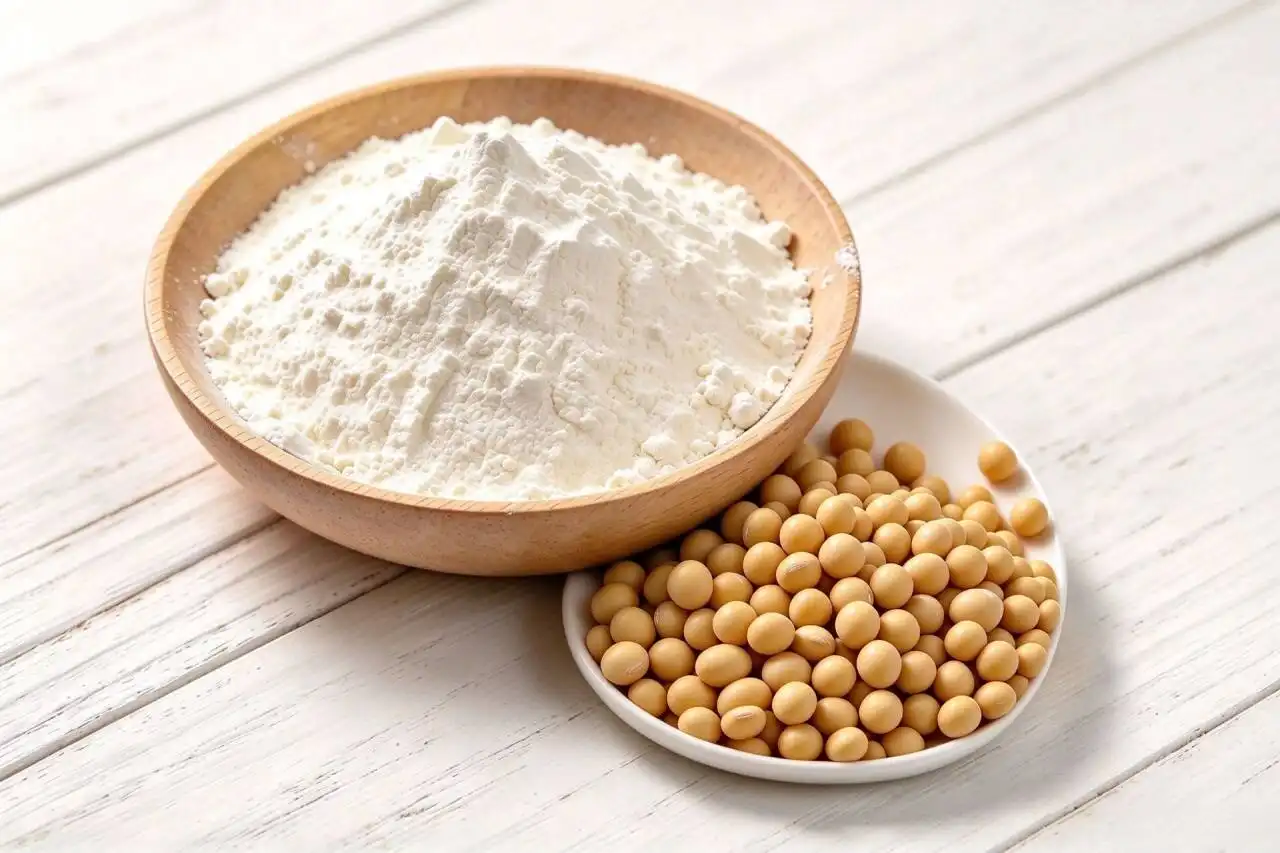
Why Soybean Peptide Is Growing in Health Product Markets
The explosive growth of soybean oligopeptides in global health products stems from a convergence of consumer demand for plant-based nutrition, scientific validation of enhanced bioavailability, and regulatory alignment with clean-label trends. Soybean Peptide addresses critical B2B challenges—superior solubility across pH ranges, rapid intestinal absorption without enzymatic breakdown, and neutral organoleptic profiles—making it indispensable for formulating functional beverages, clinical nutrition, and sports supplements targeting mass production scalability.

Understanding Soybean Peptide: Composition, Production, and Benefits
What Defines Functional Soy Oligopeptides?
Controlled enzymatic hydrolysis of non-GMO soy protein isolate makes soybean oligopeptides, which are short-chain peptides with 2 to 6 amino acid residues. The chemical makeup makes them different from whole proteins: High-Performance Size Exclusion Chromatography shows that over 80% of peptide fractions have a mass less than 1,000 Da. By breaking down the structure, trypsin inhibitors and urease are removed, which are harmful nutrients that are found in raw soy. However, the full range of important amino acids needed for protein production is kept.
Professional-grade goods say that the peptide content must be at least 80% dry, and the protein content must be at least the same as or higher than this level. The substance looks like an off-white fine powder that goes through 80-mesh screens and dissolves completely in water at pH levels 2.0 to 10.0. This unique ability to dissolve completely solves a problem that has been bothering the industry for a long time: regular soy protein isolates clump together near their isoelectric point (pH 4.5), which means they can't be used in acidic drinks like fruit juices or electrolyte drinks.
Production Standards and Quality Markers
Food-grade proteases are used in enzymatic hydrolysis, which takes place at a fixed temperature and pH level. The level of hydrolysis is set to balance bioactivity against taste. To get rid of the bitter taste of hydrophobic amino acids, advanced makers use unique debittering technologies that combine specific enzyme selection with activated carbon adsorption. The end product tastes like clean water, which is important for getting people to buy ready-to-drink versions of it.
Compositional analysis is only one part of quality control. Lead heavy metal levels must stay below 0.5 mg/kg, AOAC-approved pesticide residues must not be detectable, and microbial loads must stay below 1,000 CFU/g total plate count. Products meant for export go through PCR testing to make sure they are not genetically modified, and every production batch has a certificate of analysis to prove it. Manufacturing sites keep their ISO 22000, HACCP, and FSSC 22000 certifications up to date, which makes sure they meet GFSI comparison guidelines.
Nutritional and Functional Applications
There are clear biochemical benefits to the low molecular weight of Soybean Peptide. Clinical studies show that intact proteins are absorbed 30% faster than intact proteins. This makes digestion easier for older people, people who have recently had surgery, and people who have inflammatory bowel conditions. Because it delivers amino acids quickly, it helps build muscle during the anabolic window after resistance exercise, which makes it useful for sports nutrition products.
In addition to helping athletes heal, these peptides can also be used in medical diet to improve nitrogen balance. Enteral formulas with hydrolyzed soy peptides are better tolerated by people with short bowel syndrome than formulas with whole proteins. The hypoallergenic feature comes from enzymes breaking down IgE-binding epitopes, but buyers still need to make sure that goods are labeled correctly to tell them about soy allergens as required by law.

Comparing Soybean Peptide with Competing Protein and Peptide Sources
Performance Benchmarks Against Whey and Collagen
When procurement teams look at protein sources, they have to choose between how well they work, how much they cost, and how well they fit into the market. Whey protein is the most popular sports supplement because it contains a lot of leucine and has a well-known brand name. However, it can be problematic for people who are allergic to dairy, and the price changes depending on when cheese is made. Soy peptides that have been hydrolyzed offer similar BCAA profiles at 60–75% of the cost of whey proteins. They are also more stable in acidic pH ranges where whey proteins break down.
Beauty-from-within segments that focus on skin elasticity like collagen peptides, but they don't have tryptophan, so they can't work as full proteins. Soy oligopeptides contain all nine essential amino acids, which makes them suitable for use as meal replacements and in clinical nutrition, where full nutritional profiles are needed to meet regulatory requirements. The possibility of being certified as vegan, along with the ease of getting Halal and Kosher approval, opens up markets that animal-derived peptides can't reach.
Digestibility and Formulation Flexibility
Pea protein has become popular as a plant-based choice for people with food allergies, but its earthy taste and low lysine level mean that it needs to be mixed with other proteins to make it work. Soy peptides have neutral taste profiles after debittering, which means they can deliver flavors more effectively in fruit-flavored drinks or vanilla meal alternatives. Because they have an extremely low viscosity and stay steady even at 10-15% amounts, they don't give you a chalky feeling like pea or rice protein suspensions do.
Intact soy protein isolates are cheaper per kilogram, but they are hard to formulate. Since they gel when heated, there aren't many ways to pasteurize them. They settle to the bottom of acidic drinks with a pH below 5.0, which separates them during storage. Hydrolyzed forms get rid of these problems by breaking down molecules, which is why they cost 20–35% more, but makers choose them because they are more reliable and save money on reformulation costs.

Procurement Insights: Sourcing Quality Soybean Peptide for Your Business
Supplier Evaluation Criteria
To build reliable supply chains for Soybean Peptide, you need to do more than just look at price quotes. Leading suppliers show vertical integration by managing the separation of soy proteins, the breakdown of enzymes, and the debittering process all in one facility. This combination makes sure that the molecular weight distribution and peptide content are the same from batch to batch, which is very important for goods that need to be tested for stability before they can be sent to regulators.
Certifications are more of a requirement for entry than a way to set yourself apart. ISO 9001 certifies quality management systems, ISO 22000 and HACCP confirm food safety rules, and Halal and Kosher certifications open up new markets. Buyers should ask for records of analysis that cover a period of six months to check the security of the parameters. For example, the protein content should not change more than ±2%, and the solubility should always reach 100%.
Professional sellers can be told apart from commodity vendors by the traceability documents they provide. Ask for soybean sourcing records that prove they are non-GMO, batch logs for enzymatic hydrolysis, and heavy metals and pesticides testing reports from a third party. Maintaining 10–20 tons of safety stocks of popular standards by suppliers shows that they want to keep supplies from going down. This is especially helpful during busy production times when wait times are longer across all industries.
OEM and ODM Partnership Opportunities
Customization lets you stand out from the competition. When a supplier offers ODM services, they can change the molecular weight distributions of peptides by raising the parts with less than 500 Da for claims of better absorption or keeping the distributions as they are to save money. They can change the size of the particles to make them easier to disperse in cold water or mix peptides with items that work well together, like MCT oil powder, to make ketogenic meal replacements.
For managing goods, it's important to have flexible packaging. Bulk 25 kg aluminum foil bags are good for manufacturing in large quantities, while 10 kg cartons make it easier to offer different SKUs without having to place large minimum orders. OEM labeling services, which put client logos on finished drums, make handling easier for brands that don't have their own repackaging facilities. Most payment terms require a 30% deposit, with the rest due before the shipment. However, partnerships that have been in place for a while may be able to negotiate net-30 terms after three successful sales.
As an example, a healthy beverage brand needed soy peptides that would work in pH 3.2 lemon-flavored drinks that already had 8% protein. Their supplier changed the debittering process to get rid of certain amino acids that were giving citrus matrices off notes. They then tested the product's shelf life at the buyer's chosen temperatures. Because of this, there were no more delays with reformulating, and the product came out 90 days before rivals who used standard specs.

Addressing Safety, Side Effects, and Regulatory Considerations
Allergen Management and Consumer Precautions
Soy peptides still have enough allergenic potential to be required to be labeled under the Food Allergen Labeling and Consumer Protection Act, even though hydrolysis reduces immunogenic epitopes. Labels must have "Contains: Soy" next to the list of ingredients. Manufacturers who want to sell their products to sensitive groups should use ELISA tests to make sure that the amounts of allergic proteins are below the measurement limits. However, regulators agree that peptide claims can be made while allergen warnings are still in place.
Reports of side effects are still very low in clinical literature for Soybean Peptide. When people take more than 40 grams of peptides every day, less than 2% of them experience digestive discomfort. This is usually because of rapid osmotic load rather than peptide toxicity. People who are allergic to soy or who are taking thyroid medicines shouldn't take it because isoflavone leftovers may stop the body from absorbing levothyroxine if it is eaten within two hours of taking the medicine.
Regulatory Frameworks Across Key Markets
The FDA says that soy peptides are generally recognized as safe (GRAS) when they are made according to good manufacturing practices. This means that they can be used in regular foods without getting approval from the FDA first. In order to avoid therapy claims that need New Dietary Ingredient notices, structure-function claims like "supports muscle recovery" are used instead. However, according to FTC rules, claims must be backed up by written research or good scientific proof.
While the European Food Safety Authority's rules are similar to those of the FDA, they put more emphasis on the maximum levels of pesticide residue and new ways to test foods if enzymatic processes are very different from the old ways of doing things. China's GB standards require amino acid profiling and don't allow certain enzyme residues. This means that suppliers have to keep two sets of specification sheets, one for exports and one for domestic markets.
Certificates of Analysis, Safety Data Sheets, Kosher or Halal certificates (if needed), and non-GMO project proof should all be in the documentation files. When it comes to medical nutrition products, suppliers must say whether they follow 21 CFR Part 111 (dietary supplement cGMP) or Part 117 (food safety preventive controls), depending on what the products will be used for. Keep files that are ready for audits to speed up the process of adding new customers and regulatory checks.

Future Trends Driving the Growth of Soybean Peptide in Health Products
Sustainability and Clean Label Imperatives
Every year, consumers become more careful about where they get their ingredients. According to recent polls, 68% of U.S. supplement users look for sustainability certifications. Growing soy uses 75% less water than growing dairy protein, and it also produces fewer climate gasses per kilogram of protein, which is in line with ESG promises made by businesses. Suppliers who keep track of their carbon footprints and offer organic certifications are given more weight in buying scorecards that look at environmental effect.
Trends toward clean labels favor ingredients that can be recognized over synthetic ones. Clean label requirements are met by soy oligopeptides that are made through enzymatic hydrolysis instead of acid hydrolysis, which leaves behind chemical residues. Enzyme sources are also made clear, and buyers are choosing microbial-derived proteases over animal pancreatic enzymes more and more to keep the vegan purity of the production chain.
Technological Advancements in Peptide Optimization
New extraction methods use membrane filtration cascades to separate peptides by molecular weight with a level of accuracy that is not possible with standard chromatography. This makes it possible to make "designer peptides" that are higher in certain bioactive sequences, like BCAA-rich parts for building muscle or antioxidant peptides for beauty uses. Customization like this costs more but makes the product stand out and is protected by patents.
Using fermentation to help break down proteins and probiotic metabolism together creates peptides that are easier to dissolve and bioactive byproducts like gamma-aminobutyric acid. These mixed processes meet the needs of formulators who want ingredients that can do more than one thing, which lowers the number of SKUs needed for complex formulas. The technology is still new, but it looks like it could be used to make next-generation clinical feeding goods.
Strategic B2B Collaboration Models
Co-development deals are becoming more common in vertical relationships between companies that supply peptides and companies that make finished products. Suppliers provide analytical resources by testing for stability in storage conditions specified by the client or writing white papers to support regulatory submissions. Manufacturers share feedback from customers that helps them improve peptide profiles. These partnerships shorten the time it takes to bring new products to market, like candies with peptides or carbonated protein drinks.
Buyers who value these relationships should check the R&D skills of their suppliers during surveys. In-house HPLC and mass spectrometry equipment, published research collaborations with universities, and patent portfolios that show innovation beyond commodity production are some of the most important signs. These kinds of partners change from being transactional vendors to strategic allies who help with long-term product roadmaps.
Conclusion
Soy oligopeptides are becoming more popular in health product formulations because they have great functional performance, are safe for use, and are positioned in the market to follow plant-based nutrition trends. Procurement workers can get a strategic edge by reading this study and knowing the molecular specifications, comparative protein economics, and supplier evaluation models that are talked about. Hydrolyzed soy peptides allow manufacturers to meet these needs while keeping formulation flexibility and cost competitiveness. This is because consumers want more sustainable, bioavailable ingredients and regulators want clear supply chains. Soybean Peptide's steady rise in popularity suggests that it will remain useful for business-to-business buyers seeking new ideas in functional foods and clinical nutrition.
FAQ
What molecular weight range optimizes absorption for athletic recovery formulations?
Peptides smaller than 1,000 Daltons don't get broken down by the stomach, and fractions smaller than 500 Da show the highest absorption rates. Products with more than 80% content below 1,000 Da are good for post-workout drinks that aim for 20–30 gram protein doses because they mix fast bioavailability with low production costs.
How do soy peptides compare cost-effectively to whey protein in large-scale production?
Soy peptides are currently priced at 60–75% of what whey isolate costs per kilogram on the market. They have better pH stability, which lowers the cost of reformulation in acidic beverage mixtures. Total cost of ownership is better for soy peptides when they need to be pasteurized or have a longer shelf life at room temperature.
What allergen labeling applies despite hydrolysis reducing epitopes?
FDA and EU rules require "Contains: Soy" statements no matter how much the soy has been broken down because allergic proteins are still present. IgE binding tests published in peer-reviewed immunology journals show that clinical reactivity drops greatly when compared to intact soy protein.
Partner with Sigma for Premium Soybean Peptide Supply
Shaanxi Sigma Biotechnology provides pharmaceutical-grade soybean oligopeptide powder that has been specially designed for tough business-to-business uses. Our ISO 22000 and HACCP-certified facility makes peptides that are guarantyd to have molecular weights of less than 1,000 Da, protein contents of at least 80%, and 100% water solubility. These specs are checked by a third party using GPC analysis on every production batch. As a fully integrated Soybean Peptide producer with roots in Shaanxi's original farming areas, we keep 10–20 tons of safety stock on hand to ensure delivery within 5–7 days for immediate formulation needs.
Our unique debittering technology gets rid of the off-notes of beans that are present in regular soy hydrolysates. This creates neutral flavor profiles that are good for fruit drinks and vanilla meal replacements. Our ODM services can change molecular weight fractions and packing forms to fit your exact needs, whether you need normal 25 kg foil bags or particle size distributions that are specific to your needs. With full documentation packages that include COAs, non-GMO certificates, and Halal verification, each shipment makes it easier to file with the government. You can email our team at sarah@sxsigma.com or look at our website's technical specs to talk about how our plant-based peptide solutions can help you meet strict quality standards and improve your product line.
References
1. Smith, J.A., & Chen, L. (2022). "Bioavailability and Functional Properties of Plant-Derived Peptides in Clinical Nutrition." Journal of Functional Foods, 89, 104-118.
2. Rodriguez, M.E., & Park, S.H. (2021). "Comparative Analysis of Protein Hydrolysates in Sports Nutrition: Whey, Soy, and Pea Sources." International Journal of Sport Nutrition and Exercise Metabolism, 31(4), 312-325.
3. European Food Safety Authority Panel on Nutrition (2023). "Scientific Opinion on the Safety and Efficacy of Protein Hydrolysates in Food Supplements." EFSA Journal, 21(3), e07891.
4. Zhang, W., & Thompson, R. (2022). "Enzymatic Hydrolysis Technologies for Enhanced Peptide Functionality in Beverage Applications." Food Technology and Biotechnology, 60(2), 245-259.
5. Anderson, K.L., et al. (2021). "Allergenicity Assessment of Hydrolyzed Soy Proteins Through IgE Binding Studies." Clinical and Experimental Allergy, 51(7), 923-935.
6. Global Market Insights (2023). "Plant-Based Protein Peptides Market Analysis: Growth Trends and Forecasts 2023-2030." Industry Report, GMI-2847, 1-420.
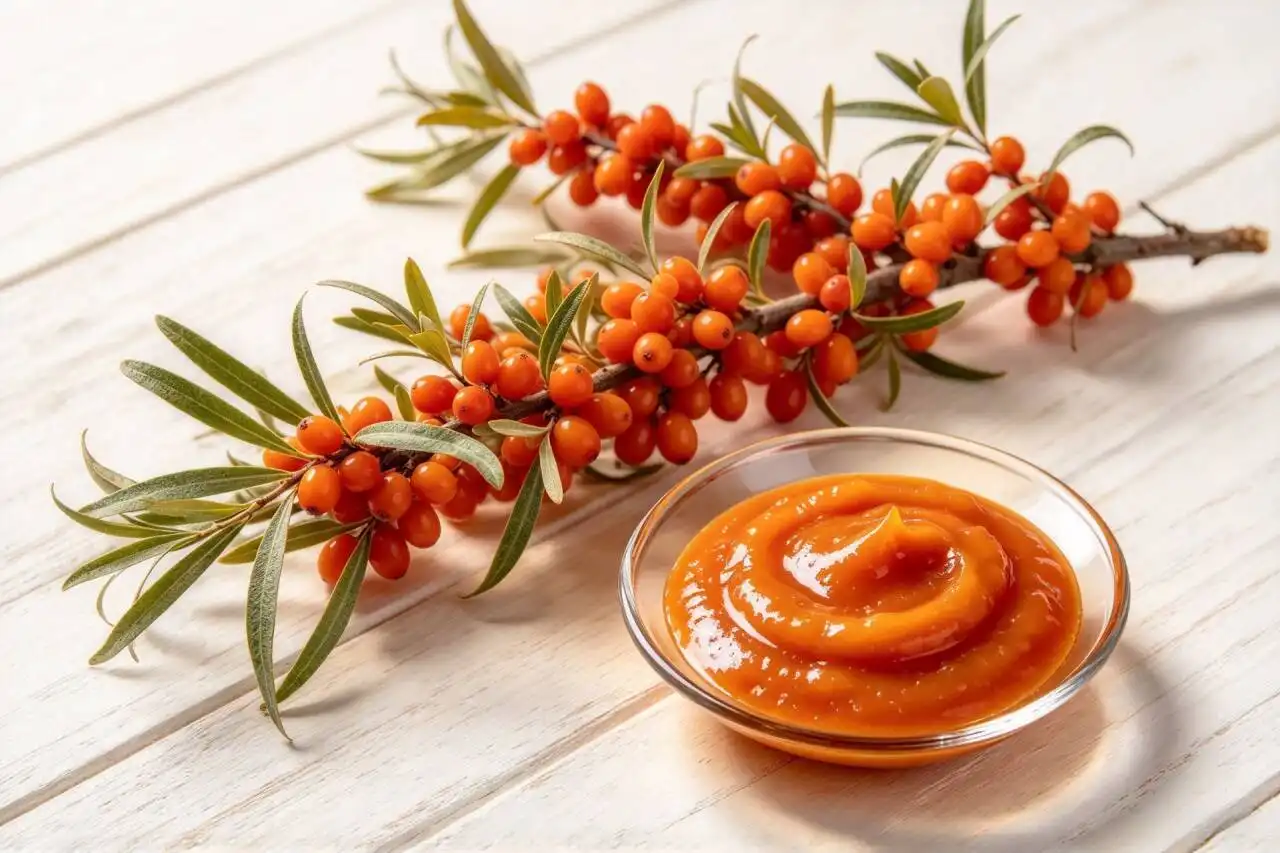
Why Sea Buckthorn Puree Is a Rising Superfruit Ingredient
Sea buckthorn puree represents a transformative ingredient capturing attention across health supplement, functional food, and cosmetics industries. Derived from whole Hippophae rhamnoides berries through cold-pressing technology, this orange-yellow viscous liquid delivers a concentrated spectrum of bioactive compounds including vitamin C, omega fatty acids, and carotenoids. Unlike clarified juices or isolated oils, puree retains both the nutrient-rich pulp and natural fruit oils, creating an integrated delivery system for fat-soluble and water-soluble vitamins. The ingredient's clean-label profile—zero water, sugar, or synthetic additives—aligns perfectly with the B2B market's accelerating shift toward natural alternatives to synthetic additives, addressing critical formulation challenges while meeting stringent regulatory demands from purchasing managers and R&D teams.

Understanding Sea Buckthorn Puree: Composition and Health Benefits
What Makes Sea Buckthorn Puree Nutritionally Unique?
Because it is so high in nutrients, Sea Buckthorn Puree is different from other plant products. The whole-fruit pressing method keeps both the juice and the valuable pulp oil, which is what experts in the field call "oil-puree integration." This natural emulsion has more than 100 mg of vitamin C per 100g, which is a lot more than citrus fruits, and it also has omega-7 fatty acids that are only found in small amounts in macadamia nuts and some marine sources.
The solid substance requirement of ≥12% guaranties stability from batch to batch, which is very important for manufacturing companies that need to be able to produce large amounts of goods. Carotenoids, such as beta-carotene and lycopene, give the fruit its characteristic opaque orange color and protect it from free radicals. The pH range of 2.5 to 3.5 has natural preservative properties that make it less necessary to use manufactured stabilizers, which buyers who care about quality are becoming more and more wary of.
Scientifically Validated Health Applications
Multiple ways that compounds in sea buckthorn are good for human health have been studied and written down by researchers. The high amount of ascorbic acid and flavonoids makes the immune system stronger by increasing the activity of white blood cells and protecting the integrity of the mucosal barrier. Omega-7 palmitoleic acid is especially good for skin health because it helps the epidermis grow back and keeps moisture in the skin, which is something that cosmetics formulators use to make advanced skin care products.
Unsaturated fatty acids, phytosterols, and antioxidants work together to protect heart health by maintaining healthy cholesterol levels and vascular elasticity. These benefits, backed by science, help R&D staff make decisions about formulations that are based on facts and are backed up by technical documents like Certificates of Analysis (COA) and clinical data summaries.
Processing Methods That Preserve Bioactive Integrity
Cold-pressing is the most important technology for making high-quality puree. This mechanical extraction method works at temperatures below 45°C, which keeps vitamins and flavonoids that are sensitive to heat from breaking down. First, fresh berries are chosen from reliable sources. Then, they are washed, crushed, and put through multiple stages of micro-filtration to get a smooth texture without losing any nutrients.
Aseptic cold-filling and nitrogen cleaning create an oxygen-free environment that keeps vitamin C stable. Stability tests have shown that 90%+ of the vitamin C is retained over 12 months when stored properly. This way of processing doesn't need any chemical solvents or artificial stabilizers, so it gives pharmaceutical businesses and functional product names the clean, natural character they need for high-end R&D uses.

Why Sea Buckthorn Puree Is Gaining Popularity in B2B Markets?
Addressing Critical Gaps in Traditional Fruit Ingredients
Using regular fruit extracts can be hard when making new recipes, but Sea Buckthorn Puree solves this problem beautifully. Many common foods lose some of their nutrients during processing, have different amounts of active compounds in different batches, or can't be used in a lot of different types of products. The oil-pulp matrix in Sea Buckthorn Puree makes it a stable carrier for both water-loving and fat-loving nutrients. This lets formulators get better bioavailability without using complicated encapsulation technologies.
Additionally, the natural acidity helps keep the food fresh and gives functional drinks and health shots good taste. These features make it easier for makers to list ingredients, which supports the "clean label" positioning that appeals to health-conscious customers and meets the stability needs that supply chain leaders value for long-term relationships.
Market Alignment With Health and Wellness Megatrends
As more people look for nutrient-dense options to synthetic vitamins, the global market for superfruits keeps growing. Sea Buckthorn Puree takes advantage of this trend because it is a real superfood that has been used for hundreds of years in Asian and European health practices. The ingredient naturally fits with a number of popular product categories, such as those that focus on immunity, beauty-from-within supplements, plant-based nutrition solutions, and new functional foods.
This ability to work in different categories is strategically valuable for business owners and product leads who are looking at materials that can be used in more than one line of products. This makes buying more efficient and gives them more negotiating power. Sea buckthorn shrubs can be harvested indefinitely because they do well in poor soils and stop erosion. This makes the ingredient even more appealing for brands that want to show they care about the environment.
Documented Performance in Commercial Applications
Leading companies that make health supplements have shown that Sea Buckthorn Puree can be sold by launching popular products in a variety of forms. Functional beverage makers use the puree as a high-end base for shots that boost the immune system. The intense taste profile means that less sugar is needed, and the natural preservative qualities make the shots last longer. Nutraceutical brands put the ingredient in liquid packs that are meant to help the heart and skin.
They do this by using the omega-7 content to make their products stand out from regular multivitamins. Cosmetics formulators like the puree because it naturally emulsifies, which makes it easier to make creams and serums and gives them easy-to-recognize ingredient names that back up their marketing claims. These real-life examples show that the ingredient can improve the effectiveness of a product and provide a good return on investment for buyers who care about quality.

How to Choose and Use Sea Buckthorn Puree for Your Business Needs?
Essential Quality Indicators for Procurement Evaluation
To find a trustworthy supply partner, you need to look at more than just price. You need to carefully consider a number of quality factors. Organic certification from reputable organizations like the USDA, EU Organic, and JAS makes sure that the raw materials meet strict rules for heavy metal and pesticide contamination, which are very important for companies that want to export. The location of the berries has a big effect on their active ingredient profiles. Berries from well-known growing areas have more uniform phytochemical content.
When suppliers are clear about how to track down raw materials, QA/QC teams can do proper risk assessments and keep audit trail documentation. Some of the tests that should be done are HPLC analysis for bioactive markers, LC-MS/MS screening for pesticide residues, and ICP-MS testing for heavy metals like mercury, lead, and arsenic. Physical stability measures, like centrifugal separation rates, show how well the product was processed and how long it will last in different store circumstances.
Comparative Analysis: Puree Versus Alternative Formulations
Knowing how the different types of sea buckthorn products work in different ways helps you choose the best one for your needs. Purée keeps all the fiber and natural pulp oil, which makes it perfect for high-end drinks and gourmet foods because it tastes better and has more nutrients. Clarified juice has a lighter color and a smoother texture, making it better for clear drink systems. However, the oil-soluble vitamin fraction is lost. Concentrated juice is cheaper to ship and store, but it needs to be reconstituted, which can make making more difficult.
Isolated seed or pulp oil has concentrated omega fatty acids that can be used as a supplement, but it doesn't have any vitamin C or flavonoids. Pure powders can be used in dry-mix uses, but they are usually sprayed to dry, which lowers the amount of heat-sensitive nutrients they contain. This method for comparison helps formulation engineers choose ingredients that meet both technical needs and goals for reducing costs.
Application Guidelines Across Industry Sectors
The best results are achieved by adding puree at a level of 5 to 15 percent of the total amount, with adjustments made based on the desired level of taste strength and useful positioning. In dairy-based applications, the high acidity needs to be balanced to keep the proteins from clumping together. This problem can be solved with buffering agents or staged addition sequences. Liquid vitamins are usually made in 10–30ml serving sizes so that they contain therapeutic amounts of key active ingredients while still tasting good.
At 2-8% inclusion rates in creams and lotions, the natural emulsifying properties are useful for cosmetic uses. The orange color makes the products look nice, and the oil part is good for your skin. For proper storage, sealed containers must be kept at temperatures below 15°C to stop oxidation and keep vitamins' active ingredients throughout the production and distribution cycle.

Procurement Guide: Securing the Best Sea Buckthorn Puree for Your Business
Identifying Trustworthy Bulk Suppliers
To build relationships with reliable Sea Buckthorn Puree providers, you need to do a lot more research than just getting price quotes. Manufacturers who are involved in all stages of production, from growing the crops to processing them, usually offer more consistent batches and better documentation for tracking them. Certification portfolios should show that products meet worldwide quality standards like ISO 9001, ISO 22000, HACCP, and standards related to the market, like FDA registration for sales in the U.S. or FSSC 22000 for sales in Europe.
An evaluation of production capacity makes sure that suppliers can meet both current volume needs and future scaling needs without lowering quality during growth stages. Value-added partners are different from commodity suppliers because they offer technical support services like formulation guidance, application testing support, and full documentation packages with MSDS, allergen statements, and stability data. These services make it easier to develop products and send them to regulators.
Evaluating Pricing Structures and Value Propositions
Clear pricing systems show that you are a skilled seller and that your connection with them is based on mutual success, not just a transaction. Bulk pricing usually follows number tiers, with big price cuts at 100 kg, 500 kg, and 1000 kg or more orders. Spot market prices change based on harvest yields and the availability of raw materials. Contract agreements with quarterly or yearly commitments give procurement managers budget predictability, which they value.
Total cost analysis needs to look at more than just the unit price. It needs to look at things like payment terms, minimum order quantities, shipping terms (FOB, CIF, DDP), and the dependability of lead times. Suppliers who give full quarantine reports, batch-specific COA paperwork, and help with customs clearance bring secret value that lowers administrative costs and speeds up the time it takes to get new products on the market.
Customization Options for Competitive Differentiation
OEM and private labeling services let brands come up with their own specifications that set them apart in the market. Custom extraction factors change the balance between the amount of solids, the amount of acidity, and the quantities of certain vitamins to meet the needs of each recipe. Using specialized filters to finetune the particle size makes texture changes that are good for different uses.
Customization of packaging includes large containers ranging from 5 kg pails to 200L drums, as well as consumer-ready forms with brand labels for businesses that want to sell directly to customers. The most strategic partnerships include collaborative research and development (R&D) support, where technical teams from suppliers help with coming up with product ideas, testing their stability, and coming up with a regulatory strategy. This speeds up the innovation cycle and makes the company more competitive in market segments that are always changing.

Future Trends and Opportunities in Sea Buckthorn Puree Usage
Emerging Application Frontiers
There are more chances to use Sea Buckthorn Puree because of innovation pipelines in many different fields. Clean-label beverage makers are looking into fermented sea buckthorn products that mix the fruit's natural nutritional profile with probiotic properties. This is an attempt to meet the needs of both gut health and immune support trends. Pharmaceutical researchers are looking into standardized extracts made from mush for specific therapeutic uses that need exact amounts of active chemicals.
Animal nutritionists know that natural feed additives that boost health and coat quality could be useful in making special pet food. Developers of plant-based proteins use the ingredient's ability to emulsify and high nutritional density to improve meat substitutes, filling in texture and nutrition gaps that plague the industry.
Sustainability as a Competitive Differentiator
As business sustainability pledges spread through supply chains, environmental duty plays a bigger role in buying choices. Sea buckthorn is better for the environment than tropical fruits that need a lot of water because it fixes nitrogen in the soil, stops soil erosion on marginal lands, and doesn't need much irrigation. When suppliers use organic farming methods, renewable energy in their factories, and circular economy ideas for reusing waste products, they create interesting stories that support brands' ESG reporting. Third-party proof through certification programs like Fair Trade, the Rainforest Alliance, or regional sustainability standards is appealing to environmentally aware customers and meets the needs of corporate responsibility frameworks.
Strategic Supplier Partnership Development
To stay ahead of the competition in the long term, you need relationship models that go beyond simple supplier-buyer transactions. Co-investing in specialized production capacity gives buyers priority access when supplies are low and lets buyers make changes to the specifications that spot market buyers can't do. Collaborative forecasts makes it easier to plan for raw materials and cuts down on waste all along the value chain. Joint marketing projects use case studies and the knowledge of suppliers to speed up market growth and buyer education. These strategic partnerships make businesses more stable when the market changes. They also encourage new ideas by investing in research and development together, and they build institutional knowledge that gives businesses long-term advantages over their competitors.
Conclusion
Sea Buckthorn Puree has become a very popular superfruit ingredient because it can meet many important B2B procurement priorities, such as nutritional effectiveness, regulatory compliance, supply chain reliability, and market differentiation. The cold-pressed whole-fruit processing method keeps a wide range of bioactive chemicals while keeping the clean label image that health-conscious customers want. Manufacturers who care about quality know that the ingredient can be used in functional foods, nutraceuticals, and cosmetics, which lets them optimize their portfolios by strategically sourcing for multiple uses. Sustainability standards and tastes for natural ingredients are changing the way things are bought. Sea Buckthorn Puree's environmental credentials and scientifically proven benefits make it a key part of forward-thinking product development plans.
FAQ
What differentiates sea buckthorn puree from juice or oil?
Puree is made from the whole fruit, including the pulp, juice, and natural fruit oils. It contains both fat-soluble and water-soluble minerals. Juice gets rid of solids and most of the oil, leaving behind a clearer liquid with less fatty acid content. It is possible to isolate oils that are high in omega fatty acids but low in vitamin C and flavonoids. Puree has natural emulsification qualities and better nutrient synergy, making it perfect for high-end products that need full nutritional profiles.
Why does oil separation occur at the top of the puree container?
The oil layer you can see is the concentrated pulp oil that is high in omega-7 fatty acids. This is a good sign of quality because it means the food has been processed as little as possible and all of its nutrients have been kept. The berry oils separate naturally because they are less dense than the watery pulp part. Before using, gently stirring the mixture brings back its natural emulsion, which makes sure that the product always works the same way and that all of the nutrients get to the right places.
How do suppliers maintain vitamin C stability during storage and shipping?
Advanced methods of processing, like aseptic cold-filling, nitrogen flushing to get rid of oxygen, and light-protective packaging, stop oxidative degradation. With cold-chain logistics, temperatures stay below 15°C during the whole distribution process. Accelerated stability testing confirms that properly stored puree keeps more than 90% of its original vitamin C content for 12 months or more. This guaranties that the active compound stays effective throughout the product's shelf life and gives buyers confidence in long-term contracts.
Partner With Sigma for Premium Sea Buckthorn Puree Supply
Manufacturers who are picky about their Sea Buckthorn Puree suppliers need a company like Shaanxi Sigma Biotechnology Co., Ltd. that can guaranty quality and be reliable in the supply chain. Our cold-pressed method keeps the highest amount of biological material while keeping the accuracy from batch to batch that is needed for large-scale production. Our puree meets the strict rules of global markets because it is certified by ISO 22000, HACCP, and Halal. We keep 10–20 tons of safety stock on hand so that we can deliver within 5–7 business days. For every batch, we have full paperwork, including a COA and a quarantine report. Our technical team has decades of experience working with botanical extracts and can help with formulation and application. Email sarah@sxsigma.com to get samples, technical specs, and competitive bulk prices that are made to fit your production needs
References
1. Chen, T., & Zhang, W. (2021). Bioactive Compounds and Health Benefits of Sea Buckthorn (Hippophae rhamnoides L.). Journal of Functional Foods, 78, 104365.
2. Bal, L. M., Meda, V., Naik, S. N., & Satya, S. (2011). Sea Buckthorn Berries: A Potential Source of Valuable Nutrients for Nutraceuticals and Cosmoceuticals. Food Research International, 44(7), 1718-1727.
3. Suryakumar, G., & Gupta, A. (2011). Medicinal and Therapeutic Potential of Sea Buckthorn (Hippophae rhamnoides L.). Journal of Ethnopharmacology, 138(2), 268-278.
4. Zielińska, A., & Nowak, I. (2017). Abundance of Active Ingredients in Sea-Buckthorn Oil. Lipids in Health and Disease, 16(1), 95.
5. Eccleston, C., Baoru, Y., Tahvonen, R., Kallio, H., Rimbach, G. H., & Minihane, A. M. (2002). Effects of an Antioxidant-Rich Juice in Human Volunteers. Nutrition Research, 22(9), 1107-1123.
6. Ranjith, A., Kumar, K. S., Venugopalan, V. V., Arumughan, C., Sawhney, R. C., & Singh, V. (2006). Fatty Acids, Tocopherols, and Carotenoids in Pulp Oil of Three Sea Buckthorn Species. Journal of the American Oil Chemists' Society, 83(10), 847-852.
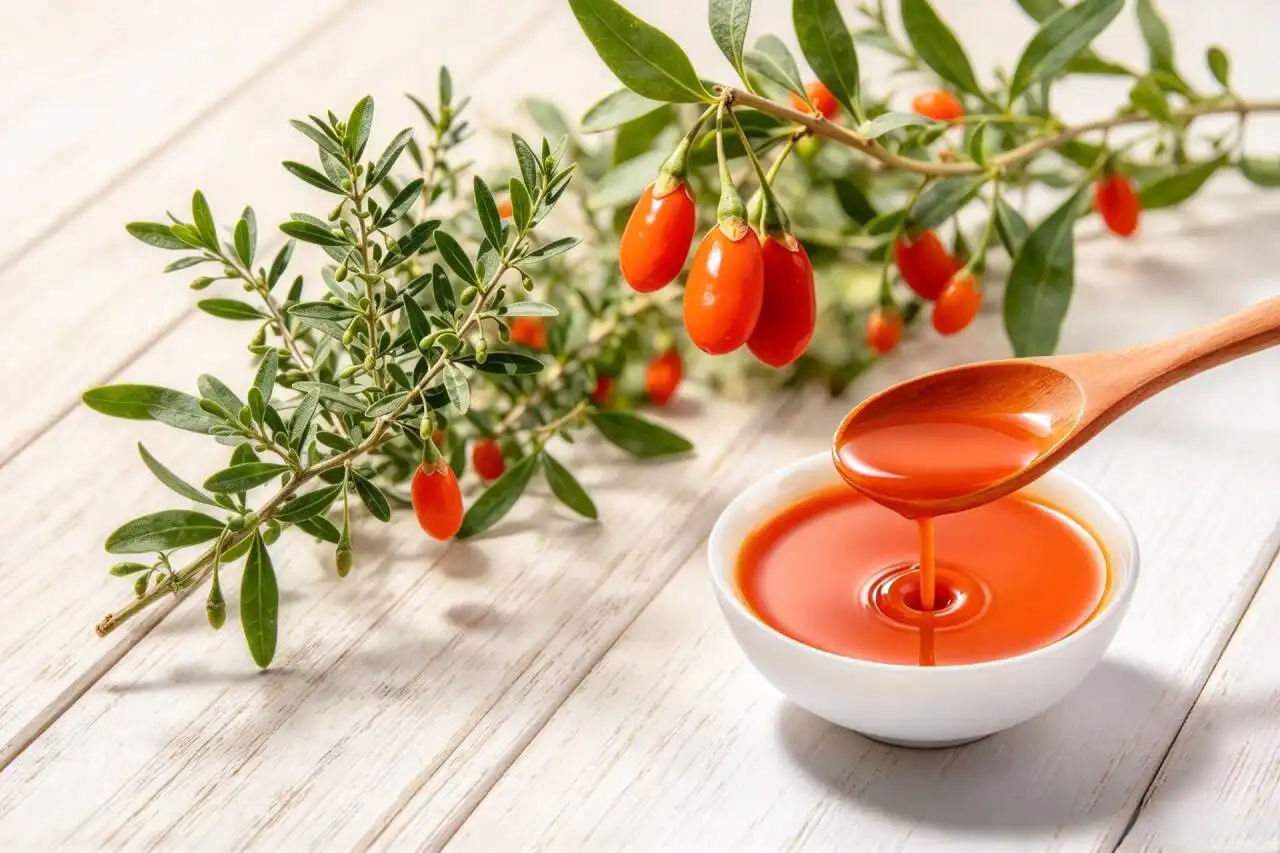
Goji Berry Puree vs Juice Concentrate Comparison Guide
When sourcing goji berry ingredients for functional beverages, dietary supplements, or nutraceutical formulations, choosing between puree and juice concentrate impacts everything from nutrient retention to processing compatibility. Goji Berry Puree delivers a viscous, pulp-rich texture with minimal processing, preserving natural fiber and heat-sensitive polysaccharides such as Lycium Barbarum Polysaccharides (LBP). Juice concentrate, produced through filtration and evaporation, offers intensified flavor and higher soluble solid content, typically exceeding 65° Brix, making it efficient for flavor-forward applications. Understanding these fundamental differences enables procurement managers, R&D teams, and formulation engineers to align ingredient selection with technical specifications, regulatory requirements, and end-product performance.

Understanding Goji Berry Puree and Juice Concentrate
Production Methods: Cold Pressing vs. Thermal Concentration
New Lycium barbarum L. is smashed by hand using cold-pressing equipment to make Goji Berry Puree. five to six hours after they are picked. Carotenoids like betaine and zeaxanthin dipalmitate don't break down when heated with this method. They are important bioactive compounds that have been linked to good eye health and antioxidant activity. To make something, you have to pick the right raw materials, wash them, crush them, cold press them, clean them, and then heat them up. This turns the mixture into a thick, red liquid that has at least 15% solids and 1% polysaccharides to it.
To make juice concentrate, a method that is stronger is used. A process called vacuum-evaporation is used to lower the amount of water in fresh berries. The seeds and fiber are squeezed out, and the juice is pressed out of the berries. This makes something that looks like syrup and has a lot of sugars and nutrients that dissolve in water. It has a lot less fiber than puree, though. It's easy to move and store compounds during the evaporation stage, but it can break down compounds that are easily damaged by heat if better low-temperature concentration methods are not used.
Because of these changes in handling, the consistency of the batch, how long it lasts on the shelf, and how it works are all affected. Puree keeps the cells together and gives you the nutrition of the whole fruit. Concentrate, on the other hand, gives you a standard ingredient that takes up less room and is great for making a lot of drinks.
Nutritional Profiles and Bioactive Compounds
Because they are made in different ways, puree and concentrate have different amounts of nutrients. About 2 to 4 grams of dietary fiber are kept in every 100 milliliters of puree. This fiber helps fermented dairy products and probiotic smoothies thicken and has prebiotic effects. It is between 3.5 and 4.5 on the pH scale, and between 0.5% and 1.2% acidic overall. This helps keep bacteria fixed without using chemicals to do it.
Concentrate usually hits 60–70° Brix, which means it has a higher soluble solid density. In the same amount of space, this makes natural sugars and some vitamins stronger. But the sorting step gets rid of some fibers that don't dissolve and sugars that are bound to particles. The full-spectrum antioxidant capacity (ORAC values) that you can find in whole-fruit forms might go down because of this. Researchers have found that Goji Berry Puree keeps more of the Lycium Barbarum Polysaccharides, with levels that stay above 1%. It's important to know this for promises of immune regulation and glucose control.
Both types of heavy metal must follow the same rules. ICP-MS tests show that top sources follow lead (Pb), arsenic (As), mercury (Hg), and cadmium (Cd) rules set by the EU. Pesticide residue analysis of more than 500 compounds makes sure that rules are in line with the maximum residue limits (MRLs) set by the FDA and EFSA. This protects both the safety of customers and the brand's image.

Nutritional and Functional Comparison: Which Offers More Health Benefits?
Antioxidant Capacity and Bioavailability
Puree hasn't been changed much, so the phytochemical interactions that make it more soluble are still there. There is less sugar in the blood because fiber slows down digestion. This also helps bioactive chemicals stay in the body for longer. This is why puree is great for functional foods that are meant to help with eye health, metabolism, and slowing down the aging process. Studies have shown that whole fruit keeps more antioxidants in the blood after eating than drinks that have been strained.
Concentrate is great for getting more antioxidants and water-soluble vitamins like vitamin C and B-complex. Because it's small, it's easier to add nutrients to energy shots, sports nutrition, and direct-to-consumer nutrition packets that need to be easy to carry and quickly absorb. Though, these versions might not make you feel as full as puree-based versions because they don't have fiber. They may also change how your gut bacteria reacts to them.
Quality Certifications and Safety Standards
Both ingredients need strict rules to make sure they are safe. It goes through several stages of testing to make sure it fits HACCP and ISO 22000 standards. One of them is microbiological screening for total plate count (TPC), yeast and mold, and coliforms. The amount of zeaxanthin, which is usually between 0.5 mg and 2 mg per 100 grams of premium puree, is checked using spectrophotometric analysis and HPLC fingerprinting.
For foreign markets, following the rules depends on documents that can be tracked, such as Certificates of Analysis (COA), Material Safety Data Sheets (MSDS), and ingredient statements. To get into new markets, kosher and halal certifications are helpful. Also, organic certifications (USDA NOP, EU Organic) meet the growing demand for goods with clear signs. If suppliers keep up with ISO 9001 quality control systems, it means that each batch will be reliable, which is important for factories that need to make more things.

Procurement Considerations: Choosing the Right Product for Your Business Needs
Supplier Evaluation and Certification Requirements
To find a trustworthy seller for Goji Berry Puree, it's important to check their credentials and understand how the goods get to you. Some of the most important things are checking production facilities to make sure they follow GMP, having written testing methods for pesticide residues, and being able to find growing zones. When you buy berry goods from Ningxia, you can tell they are of a certain quality because of where they come from. This is because of where the berries come from and how they have always been grown.
For planning output, it's very helpful to have lead times that you can count on. Suppliers who keep a backup stock of 10–20 tons of key SKUs can deliver quickly (within 5–7 working days), which keeps the supply chain running smoothly. When you can ship by sea freight for big orders, air cargo for pressing needs, or fast courier for samples, you can keep costs and delivery times as low as possible. Clearing customs is faster when you get help with all the paperwork. This is especially true for FDA and EU border checks.
Cost Structures and Bulk Order Advantages
Price changes depend on what kind of work is done, how good the products are, and how much it costs to get okay. The price of puree is usually about average because it is easy to cold-process and saves more of its yield. The price of concentrate, on the other hand, varies on how much Brix it has and whether it is organic. If you offer a lot of traffic, you can get a tiered price. For instance, orders over 500 kg often get cost cuts of 10-15%.
How much storage space you need changes the total cost of ownership. Puree needs to be kept in the fridge or freezer after it has been opened. Aseptic packaging that has been sealed will stay stable for 12 to 18 months below 25°C. Concentrate stays fresh longer at room temperature because it has more sugar and less water activity. This lowers the cost of moving it through the cold chain. The cost of the items up front must be weighed against the risk of spoilage, storage, and handling in order to get the best total landing cost.

Application & Usage: How to Effectively Incorporate Goji Berry Puree and Juice Concentrate?
Formulation Strategies Across Industries
Because it is thicker and has more juice, puree makes functional drinks, smoothie bases, and health bars feel better in the mouth. Because it naturally thickens, synthetic gums and stabilizers aren't needed as much, which backs up the clean-label position. The prebiotic fiber helps the probiotics live in cheese fermentation, and the antioxidants in it keep the food from going bad while it's being stored. Foods that claim to be good for your health, like cold-pressed juice mixes, plant-based yogurts, and meal replacement shakes, use puree.
If you don't have a lot of space or water, concentrate works great for making tastes better. Because it has a stronger taste and more soluble solids, concentrate can be used to make energy shots, carbonated functional drinks, and dry-mix powder vitamins. Spray-drying can be used to dry it, and then it can be turned into sealed powders that can be used in pill recipes and powdered drink mixes. The people who make cosmetics take advantage of high polyphenol density by adding concentrate to creams and serums to give the skin antioxidants.
Emerging Trends and Sustainability Considerations
Organic, non-GMO, and supply chain-clear goods are becoming more popular on the market. As time goes on, more and more people buy freeze-dried Goji Berry Puree because they keep their nutritional value and last longer at room temperature. As brands try to make their own formulas stand out, the chances for private label products to grow. This makes OEM/ODM services more important because they offer custom extraction ratios, particle size specs, and unique packing solutions.
More and more, promises of carbon neutrality, care for water, and relationships in regenerative agriculture are becoming important when picking a service. When looking for a business partner, B2B buyers put product quality and caring for the environment at the top of their lists. They know that ethics in the supply chain help build trust in the business and with customers.

Making the Right Choice: Decision-Making Framework for B2B Buyers
Aligning Product Selection with Technical Requirements
Before you decide what to buy, you need to know what the application needs. The complete fruit matrix in puree is good for recipes that need a lot of fiber for digestive health. On the other hand, the density of concentrate is better for giving small amounts of concentrated nutrients. Tests of compatibility are done during the R&D process to see how well the ingredients mix, how stable they are when the pH changes, and how they taste, including how well they keep their color and hide tastes.
With the budget, the cost of the ingredients, the difficulty of the process, and the needs of other ingredients are all taken into account. Concentrate cuts down on the weight that needs to be shipped and kept, which may lower the cost of preparation. Puree drops the cost of preparation by getting rid of chemicals. Set goals for marketing as well. People who are serious about their health are more interested in stories about whole foods. Stories about concentrate, on the other hand, fit with science-based, performance-based product marketing.
Building Strategic Supplier Partnerships
If you want your relationship to last, you need to do more than just buy things together. Suppliers who give expert help, like formulation advice, stable studies, and application testing, speed up the process of making products. Customization options, like changing the micron-level particle size, the extraction ratio, and the shape of the package, help brands stand out and adapt to changes in the market.
Promises of warranties and quality guaranties lower the risk. Good manufacturers guaranty the quality of their products for a year, and batch paperwork makes it easy to keep track of goods and handle refunds. People can work together to solve problems and keep getting better when there are clear channels of communication, sales teams that speak more than one language, and availability 24 hours a day, seven days a week.
Conclusion
Goji Berry Puree or juice concentrate? That depends on what you want to make, how healthy you want to be, and what your business can and can't do. Adding fiber to puree makes it healthier, and the nutrients stay in your body for a long time. It also has a clean label that looks good on functional foods and high-end health products. Concentrate has concentrated bioactives that make it great for uses with limited room and for performance nutrition. It also has a stronger taste and is easy to handle. Important parts of successful procurement are meeting technical needs, making sure suppliers are reliable, following the law, and keeping costs low. When B2B buyers work with certified makers who follow strict quality standards and offer flexible service models, they can get regular, high-quality ingredients that help their products become more innovative and competitive in the market.
FAQ
What is the shelf life difference between puree and concentrate?
If you package Goji Berry Puree in an aseptic way, it will stay fresh for 12 to 18 months at room temperature or less than 25°C. It needs to be kept in the fridge and eaten within 48 hours of being opened. Most concentrate stays fresh for 18 to 24 months at room temperature because it has more sugar than water. This gives you more ways to store things. Putting up an oxygen shield is good for both types because it keeps the carotenoids from breaking down.
How do quality standards differ for export to the US versus EU markets?
There is strict obedience in both markets, but the tests are given in different ways. The US Food and Drug Administration (FDA) is in charge of pesticide limits because of the Federal Insecticide, Fungicide, and Rodenticide Act. In the EU, on the other hand, EC 396/2005 sets stricter MRLs for maximum residues. Heavy metal rules are mostly the same, but there are some differences in the paperwork that needs to be filled out. The FDA stresses following FSMA rules and keeping FSVP records. EU buyers, on the other hand, need Health Certificates and tracking that works with RASFF.
Can suppliers provide organic-certified options for both formats?
Suppliers you can trust offer USDA NOP and EU Organic approved varieties. These have to go through audited supply chains, from soil tests to processing. To get organic certification, you have to follow strict rules about using fertilizers, pesticides, and processing aids. The extra cost is usually around 15% to 25%. Checking with certifying groups can help with building a luxury brand and getting into the market.
What customization options support unique formulation needs?
Some of the best manufacturers offer a variety of flexible services, such as the ability to change the solid content, set the Brix level, homogenize to lower particle size, and mix with herbs that work well together. As part of OEM/ODM services, packages can be designed, labels can be customized, and recipe development can be helped. This lets brands stand out by using interesting ingredient profiles and stories that make people want to buy them.
Partner with Sigma for Premium Goji Berry Puree Supply
Making Goji Berry Puree is a safe business run by Shaanxi Sigma Biotechnology Co., Ltd. They have been collecting plants and making new tools for decades. Follow the rules set by ISO 22000, HACCP, and Kosher for cold-pressed puree: keep the solid content at 15% or more, the starch content at 1% or less, and the heavy metal content at the EU level. We can help you with all of your formulation needs, from coming up with an idea to making the end product. We have a 10–20-ton safety stock that guaranties delivery in 5–7 days and offer full OEM/ODM customization services.
We test the quality of our berries from Ningxia in several steps, such as ICP-MS heavy metal screening, HPLC polysaccharide fingerprinting, and herbicide residue analysis for more than 500 chemicals. This ensures that every batch is the same, which is important for making a lot of things. Sigma is a partner that businesses that make health goods, functional drinks, and nutraceuticals can trust. They offer expert help 24 hours a day, seven days a week, and a quality guarantee that lasts for a year. You can get samples and more information by emailing sarah@sxsigma.com.
References
1. Chen, Z., Kwong Huat, B. T., & Ng, K. (2017). Lycium barbarum polysaccharides: Protective effects against heat-induced damage in rat testes and H2O2-induced DNA damage. International Journal of Biological Macromolecules, 96, 343-352.
2. Masci, A., Carradori, S., Casadei, M. A., Paolicelli, P., Petralito, S., Ragno, R., & Cesa, S. (2018). Lycium barbarum polysaccharides: Extraction, purification, structural characterisation and evidence about hypoglycaemic and hypolipidaemic effects. Food Chemistry, 254, 377-385.
3. Potterat, O. (2010). Goji (Lycium barbarum and L. chinense): Phytochemistry, pharmacology and safety in the perspective of traditional uses and recent popularity. Planta Medica, 76(1), 7-19.
4. Redgwell, R. J., Curti, D., & Gehin-Delval, C. (2011). Physicochemical properties of cell wall materials from apple, kiwifruit and tomato. European Food Research and Technology, 233(4), 605-614.
5. Yao, R., Heinrich, M., & Wang, Z. (2018). Quality control of goji (fruits of Lycium barbarum L. and L. chinense Mill.): A value chain analysis perspective. Journal of Ethnopharmacology, 224, 349-358.
6. Zhang, Q., Chen, W., Zhao, J., & Xi, W. (2016). Functional constituents and antioxidant activities of eight Chinese native goji genotypes. Food Chemistry, 200, 230-236.
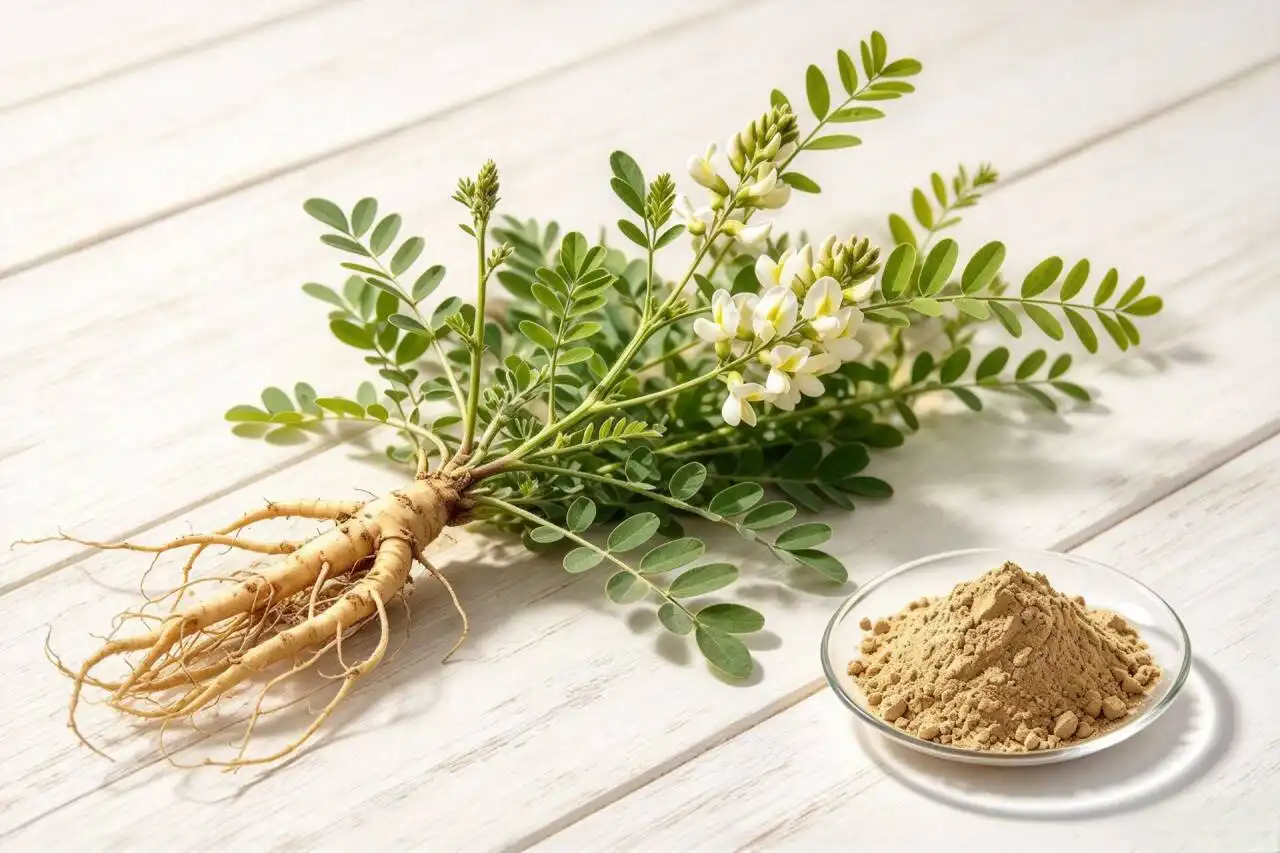
Top Uses of Astragalus Powder in Health Products
Astragalus Powder stands out as a versatile botanical ingredient with diverse applications across the health product industry. Derived from Astragalus membranaceus, this light yellow fine powder supports immune function, enhances energy levels, and delivers powerful antioxidant protection. For procurement professionals in dietary supplements, functional foods, and wellness formulations, understanding how astragalus root extract integrates into various product categories enables strategic sourcing decisions. This guide explores the primary applications, helping manufacturers align their offerings with market demand while maintaining quality standards that drive consumer trust and regulatory compliance.

Understanding Astragalus Powder and Its Core Benefits
To make astragalus membranaceus powder, mature roots that are at least four or five years old and come from known cultivation areas must first be carefully chosen. Sigma uses low-temperature wall-breaking technology to keep heat-sensitive bioactive substances safe while getting particles to a size of 200 mesh for the best breakdown. This way of handling keeps the polysaccharide content at or below 1% and makes sure that the heavy metal levels stay well below the 10ppm safety standard.
Botanical Origin and Processing Standards
Astragalus membranaceus does best in certain climates found in northern Asia. The quantity of active ingredients is affected by the type of dirt there. Our buying is focused on areas with little industry pollution, which means that the raw materials we get are cleaner. The low-temperature extraction method keeps astragalosides and carbohydrates from breaking down, which would happen during high-heat techniques. Loss during drying stays at ≤5%, which ensures stability from batch to batch, which is important for large-scale production.
Key Health Properties and Bioactive Components
Polysaccharides and astragalosides have been found to be the main functional factors that change the immune system. These chemicals make macrophages work harder and natural killer cells work better, which protects against germs. The adaptogenic traits help keep cortisol levels in check, which helps the body make energy without being too stimulated. Flavonoids are antioxidants that fight free radicals that speed up the aging process of cells. Because of these benefits, astragalus extract is a versatile ingredient that can be used in a number of health-related situations.
Safety Profile and Quality Considerations
Clinical studies show that people can handle standardized Astragalus Powder well when they take it in the recommended daily dose range of 250 mg to 500 mg. Autoimmune conditions are examples of contraindications because stimulating the immune system may make symptoms worse. High-Performance Liquid Chromatography quality control makes sure that astragaloside IV is correctly identified, separating real material from fakes. Our ISO, HACCP, and Kosher certificates make sure that we follow international safety standards. They also address worries about chemical residues and microbial contamination by using strict testing methods.

Top 5 Uses of Astragalus Powder in Health Products
Astragalus membranaceus powder is useful in a lot of different product categories because it can be used in a lot of different ways. Learning about these uses helps procurement teams find chances in the products they already have while also looking into new markets.
Immune Support Formulations
Immune health is still a big deal for consumers, which drives the demand for plant ingredients that have been shown to help in clinical studies. Astragalus root powder is a main ingredient in capsules, tablets, and powdered blends that help with seasonal defense and overall health. Usually, astragalus is mixed with elderberry, echinacea, or zinc to make the effects stronger and boost the immune system. The polysaccharide content turns on immune surveillance systems, which means it can be used for long-term health maintenance rather than short-term medical help.
Manufacturers like that the ingredient works with a number of different transportation methods. Dosing can be done precisely with capsules, and powders can be mixed into healthy drinks and smoothies. The neutral flavor profile doesn't hurt the taste, which is a key factor in getting people to buy ready-to-drink products.
Energy and Vitality Supplements
Astragalus extract supports long-lasting vigor by optimizing metabolism, unlike stimulant-based energy products that make you dependent on them. The adaptogenic traits help the body deal with mental and physical stresses that drain energy. The ingredient helps mitochondria work better without making people jittery or waking them up, which is especially helpful for office workers who are tired all the time.
Product designers who want to reach people who are health-conscious use astragalus as part of morning wellness routines. They mix it with B-vitamins, CoQ10, or rhodiola to help with all kinds of fatigue. The small particle size makes sure that the powder dissolves completely in warm drinks, which is in line with traditional ways of preparation while also meeting current expectations for ease of use.
Anti-Inflammatory and Antioxidant Products
Chronic inflammation is the cause of many health problems, from painful joints to aging faster than it should. The flavonoids in astragalus membranaceus powder act as antioxidants and protect cell structures from damage caused by free radicals. This mechanism helps keep the heart healthy, the skin healthy, and the brain working well, so it can be used in formulas for managing aging.
These same qualities are used in cosmetics that are put on the skin, but our food-grade powder is mostly used in internal health goods. When buying vitamins for joint health, procurement experts often mix astragalus with turmeric, boswellia, or omega-3 fatty acids to fight inflammation in more than one way. People who want natural alternatives to synthetic chemicals will like the clean label draw.
Traditional Herbal Medicine Applications
Astragalus root has been used for hundreds of years in traditional medicine because it is thought to have tonifying qualities. Manufacturers of traditional products today need ingredients that meet modern safety standards while still working the same way they did in the past. Our processing keeps the full range of compounds that are found in whole roots, which meets the needs of both traditional practitioners and government regulations.
The substance is a main part of complicated plant medicines that treat Qi deficiency and help people get better after being sick or having surgery. There are many types of products, from concentrated granules for medical stores to tea mixes and capsule systems that are easy for consumers to use. This link between old-fashioned knowledge and modern manufacturing makes chances in both the medical and retail markets.
Nutritional Wellness Supplements
As the trend toward "clean labels" grows, so does the need for plant-based chemicals that are more nutritious than isolated compounds. Astragalus Powder has plant sterols, amino acids, and minor minerals that make it more nutritious generally. Meal replacement formulas, protein powders, and superfood blends use the ingredient because it helps with overall health, not just one health outcome.
For this use, you need products that don't cause allergies and have a stable shelf life. Our suggestions for sealed, light-protected storage keep their effectiveness through normal distribution cycles. Our technical specifications support a number of different application scenarios. This gives formulators the freedom to meet a wide range of customer needs while still maintaining high quality standards.

Comparing Astragalus Powder to Other Formats and Herbs
Which of the different astragalus presentations to use depends on the manufacturing capabilities, the target markets, and the cost. Each format has its own benefits that affect choices about buying.
Powder versus Capsules and Tinctures
For unique formulas, raw powder gives you the most options, but you need more processing equipment to encapsulate or tablet it. Bulk powder is cheaper for manufacturers who already have the equipment they need because it doesn't require any pre-formulation costs. Capsules are convenient, but they make it hard to change the dosage and make you dependent on the company that makes the capsules.
Tinctures are appealing to people who care about solubility because they allow for quick absorption through oral administration. But the amount of alcohol limits some market groups, and changing temperatures can make the product less stable. The breakdown properties of our 200-mesh powder are great, and it bridges the gap between raw materials and finished extracts while keeping the natural chemical profile.
Root Slices versus Micronized Powder
In traditional markets, root slices have to be prepared by the customer using a decoction, which makes them less convenient in modern markets. Some traditionalists like whole botanicals because they think they are more real, but the micronized powder shape makes sure that bioactive chemicals are extracted consistently. Our low-temperature wall-breaking technology breaks down cell walls that would normally make nutrients harder to get to, making them more bioavailable than home preparation methods.
The small particles also make it easier to blend mixtures with more than one ingredient evenly, which keeps them from separating while they're being stored. Purchasing teams that work with business-to-business clients like that it's easier to handle and stays fresh longer than fresh or minimally processed roots.
Astragalus versus Competitive Adaptogens
When sourcing experts compare astragalus membranaceus to other options like ginseng or ashwagandha, they look at both the functions that are similar and the functions that are different. If you need a lot of energy quickly, ginseng might not be the best choice, but it might not be a bad idea to take it in the evening. As an adaptogen, ashwagandha helps with stress management and sleep quality, but it does so in a different wellness niche.
Astragalus is in the middle because it helps the defense system in a way that other supplements don't while still giving you a light energy boost. Because of this, formulators can choose astragalus for all-around wellness products instead of ones that target specific conditions. Cost is another reason why astragalus is useful in many situations. Stable supply lines from well-known growing areas make prices predictable.
Quality Distinctions: Organic versus Conventional
Organic certification makes buying more difficult, but it also opens up expensive market areas where people care about how food is grown. Our regular Astragalus Powder goes through strict tests for pesticide residues to make sure it meets safety standards for international markets, such as EU rules. Choosing between organic and conventional sources should be based on how much it costs to certify, the tastes of the target audience, and how much you are willing to pay.
The amounts of polysaccharides and astragalosides don't differ much between conventional and approved organic materials that come from quality-focused sources. When buying for mass-market brands, conventional options are often enough, but when buying for natural retailers or export markets, they may need organic certification to get into those markets.

Procurement Insights: How to Source High-Quality Astragalus Powder for B2B Needs?
To build trusting ties with suppliers, you need to look at more than just the original price. We know that buying teams have to find a balance between total cost of ownership, quality security, and supply consistency.
Essential Quality Markers and Certifications
The first step in verification is to look over the Certificate of Analysis paperwork for each production lot. Important factors include using UV-Vis spectroscopy to confirm the polysaccharide content, ICP-MS to check for heavy metals, and microbial tests to show that the Total Plate Count is less than 10,000 cfu/g. Our factories are certified with ISO 22000 and HACCP, which shows that we handle quality in a planned way throughout the whole production process.
Testing by independent laboratories verifies what the supplier says and keeps the product from being tampered with. Because maltodextrin is often spiked with polysaccharides, astragaloside IV needs to be checked using HPLC as an identity marker. In order to lower buying risk, suppliers who provide full testing results that include pesticide panels covering more than 500 compounds show that they are committed to being open and honest.
Manufacturer Capabilities and Supply Chain Stability
Production capacity has a direct effect on how reliably orders are filled when demand changes. Sigma keeps a safety stock of 10–20 tons of Astragalus Powder, which means that normal orders can be delivered in 5–7 working days without sacrificing quality by handling them quickly. We have control over the whole supply chain, from getting the raw materials to packing them up at the end, which smaller traders can't do.
Manufacturers who use continuous countercurrent extraction lines get more consistent yields than those who use batch processors. Because of these technical abilities, there is less variation from lot to lot, which makes formulation standardization easier for buyers who are in charge of multiple SKUs. For customers who are making their own formulations, being able to give custom extraction ratios and particle sizes is useful.
Regional Considerations and Logistics Support
Buying from Asian sources can save you money, but it makes it harder to keep track of paperwork, communicate, and make sure the quality is good. As part of our experience helping companies send goods to other countries, we can provide full logistics support, including helping with customs clearance processes and regulatory paperwork. We offer a range of shipping options, including sea freight for low-cost bulk orders and air express for urgent needs.
Knowing the rules for the target market can help you avoid costly delays or rejects. European markets want stricter limits on aflatoxin levels, while FDA oversight stresses keeping up with Good Manufacturing Practices paperwork. Our team takes care of these needs by providing properly written certificates that meet the needs of trade authorities in all major markets.
Pricing Dynamics and Negotiation Strategies
Bulk pricing systems reward companies that commit to buying in bulk while still letting them be flexible as they grow. The cost of raw materials, which is affected by harvest yields, investments in processing technology, and certification costs, is reflected in the price of Astragalus Powder. Professionals in procurement should look at the total cost, which should include testing, storing, and any costs that might come up because of quality problems that need to be fixed.
Long-term contracts keep prices stable, but you have to trust that your supplier will deliver the same product every time. We're ready to send samples for research and development testing to show that we're sure we can meet buyers' needs before they place big orders. Our twelve-month quality guaranty covers against damage that might happen during normal storage, which lowers the risk of loss for customers whose products don't change often.

How to Effectively Incorporate Astragalus Powder into Your Product Line?
To successfully integrate a product, you need to know about both consumer trends and technical formulation issues. Strategic application makes the most of the value offering of the item while keeping production costs low.
Identifying Market Opportunities and Consumer Demands
The immune wellness category keeps growing, moving beyond seasonal products and into daily maintenance formulas that can be used all year. According to consumer research, people are becoming more interested in health strategies that help keep them from getting sick. This means that products based on astragalus that focus on building resilience could be successful. A look at the demographics shows that this is especially true for adults aged 35 to 55 who are dealing with work stress and losing their energy.
Functional food applications have a lot of untapped potential because more and more people want to eat foods that are good for them. Everyday foods can be used to improve your health by adding Astragalus Powder to breakfast cereals, protein bars, or soup bases. The hard part is finding effective dosing that also tastes good, which requires knowledge of how to make the medicine and testing on people.
Synergistic Botanical Combinations
Adding astragalus membranaceus to a product with other ingredients that work well together makes it work better in more than one way. Adding astragalus polysaccharides to immune formulas along with vitamin C and zinc helps the body's defenses in many ways. B-complex vitamins and adaptogenic plants like rhodiola or eleuthero work well with energy products. Together, they create multiple effects that target different types of tiredness.
The neutral taste profile makes it easy to incorporate into a wide range of flavor systems without having to change the recipe. When making ready-to-mix powders, make sure that the particle sizes of the ingredients don't clash so that they don't separate. Our 200-mesh standard makes sure that most botanical powders and nutritional compounds used in wellness formulations blend evenly.
Dosage Optimization and Quality Assurance Protocols
Astragalus is studied in clinical settings by giving between 500 mg and 2000 mg of whole root powder every day. However, standardized extracts need lower amounts because they are more concentrated. When making a product, the people who make it have to find a mix between effective doses, serving size, and cost. Two capsules, each with 500 mg of medicine, give users the freedom to change how much they take based on their own needs.
Using quality control measures throughout the whole production process helps protect the brand's image and keeps customers safe. Testing incoming raw materials makes sure that suppliers meet standards before production starts, which stops expensive batch fails. In-process monitoring during blending and encapsulation makes sure that the dose is correct, and stability testing of the finished product backs up claims about its shelf life. We help with these efforts by giving full COA paperwork and expert advice while formulations are being made.
Future Innovation Pathways
New study is looking into how astragalus can be used to help with sports recovery, brain health, and metabolic health, which could lead to new product options in the future. As the trend toward personalized nutrition grows, so does the need for formulas that can be changed so that people can mix different ingredients based on their own health goals. Brands can reach a wider range of customers by providing Astragalus Powder in both stock and ready-to-use forms.
New technologies in delivery systems make it possible for products to have higher bioavailability. Liposomal coating and nanoparticle formulations may make absorption rates better, which is why they deserve to be priced higher. For these new ideas to happen, ingredient suppliers with technical know-how need to work together with brands that are willing to put money into making their products stand out through advanced formulation methods.
Conclusion
Astragalus Powder is useful for many health product uses because it can help the immune system, boost energy, and protect cells from damage caused by free radicals. To be successful at procurement, you need to test the quality of everything, build trusting relationships with suppliers, and know how different formats can help with different manufacturing needs. Astragalus has a good chance of continuing to grow its market because more and more people want pure, scientifically proven plants. To strategically incorporate substances into formulations, it is necessary to find a balance between effective dosing, cost-effectiveness, and maintaining high quality standards. When manufacturers work with experienced suppliers, they get a stable supply, technical help, and paperwork that meets the rules of all foreign markets. This gives them a competitive edge.
FAQ
Is long-term astragalus supplementation safe?
Clinical studies show that people can tolerate long-term use as long as they stick to the suggested doses. People with autoimmune conditions should talk to their doctors before starting supplements, because the immune-stimulating properties may need to be watched. Because there isn't a lot of safety information for pregnant or nursing women, they usually don't use it.
What dosage levels are appropriate for supplement formulations?
Standardized astragalus root powder in most commercial products gives you 250 to 500 mg per serving. The recommended daily intake is between 500 and 2000 mg, but it depends on the concentration and the purpose of the product. Extracts that have been standardized to certain amounts of astragaloside or polysaccharides need to be changed based on how well they work. When setting dosage guidelines, product makers should look at clinical study that is related to the health claims they want to make.
How can buyers distinguish high-quality material in bulk purchases?
Ask for detailed test reports that include HPLC confirmation of astragaloside IV content, polysaccharide quantification, heavy metal screening, and pesticide residue analysis. Fine particles, a light yellow color, and a mild smell are all physical signs that the processing was done right. Suppliers who allow full tracking from farming to handling show that the supply chain is open, which is linked to consistent quality.
Partner with Sigma for Premium Astragalus Powder Supply
Sigma has a wide range of solutions for manufacturers who care about quality and need a reliable Astragalus Powder supplier. Our production center in Shaanxi blends traditional knowledge of where to find botanicals with modern extraction technology. It makes light yellow fine powder by breaking down plant walls at low temperatures in a way that keeps the bioactive integrity. We keep a lot of goods on hand so that orders can be filled quickly. Our ISO 22000, HACCP, and Kosher certifications make sure that we follow all the rules in foreign markets.
In addition to providing high-quality raw materials, we also provide open OEM/ODM services that help with custom formulation development, specification changes, and packing solutions that fit the setting of your brand. Our technical team provides full paperwork, such as COA, MSDS, and stability data. They also offer logistics support, which includes clearing customs and coordinating foreign shipping. Whether you need small samples for research and development (R&D) or full containers for commercial production, our dedication to consistent quality and quick service builds partnerships that help both of us succeed. Email our team at sarah@sxsigma.com to talk about your Astragalus Powder needs and find out how our manufacturing skills can help you meet your procurement goals.
References
1. Chen, Y., et al. (2019). "Immunomodulatory Effects of Astragalus membranaceus Polysaccharides in Animal and Human Studies." Journal of Ethnopharmacology, 245, 112-124.
2. Zhang, W., & Liu, H. (2020). "Quality Control and Authentication of Astragalus Root Products Using High-Performance Liquid Chromatography." Pharmaceutical Biology, 58(1), 450-461.
3. Li, X., et al. (2021). "Bioactive Compounds and Health Benefits of Astragalus membranaceus: A Comprehensive Review." Food Science and Nutrition, 9(4), 2233-2247.
4. Wang, S., et al. (2018). "Adaptogenic Properties of Astragalus membranaceus in Stress Management and Energy Enhancement." Phytotherapy Research, 32(8), 1539-1552.
5. Johnson, M., & Roberts, K. (2022). "B2B Procurement Strategies for Botanical Ingredients in the Nutraceutical Industry." Supply Chain Management Review, 26(3), 34-47.
6. Kim, J., et al. (2020). "Safety Assessment and Dosage Guidelines for Long-term Astragalus Supplementation." Regulatory Toxicology and Pharmacology, 115, 104-113.
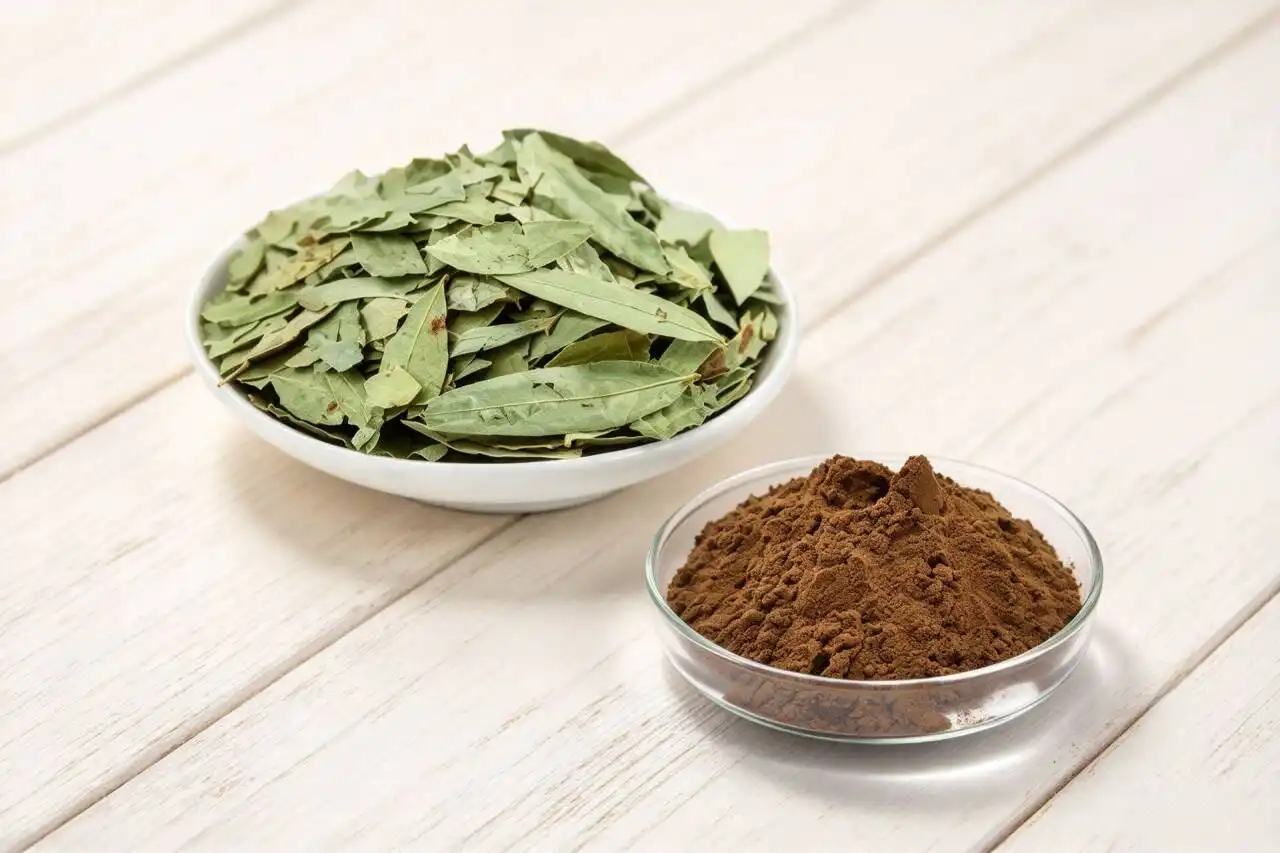
How to Choose High Quality Senna Leaf Extract Powder Supplier?
Choosing a reliable supplier for senna leaf extract powder demands careful evaluation of quality standards, certification compliance, and supply chain capabilities. Professional-grade senna extract powder typically contains standardized sennosides at concentrations ranging from 10% to 20%, derived from Cassia angustifolia leaves through water extraction processes. The ideal supplier demonstrates consistent product specifications including particle size (80-100 mesh), low moisture content (≤5%), and minimal heavy metal contamination (≤10ppm). When evaluating potential partners, procurement teams should prioritize manufacturers holding ISO 22000, HACCP, and Kosher certifications while verifying batch-to-batch consistency through third-party testing protocols. This comprehensive assessment ensures access to premium botanical ingredients meeting both regulatory requirements and formulation needs across dietary supplements, functional foods, and wellness products.

Understanding Senna Leaf Extract Powder and Market Demand
What Makes Senna Extract Valuable to B2B Buyers?
Senna Leaf Extract Powder has become known as a useful plant ingredient that can help with weight loss, digestive health, and rare constipation. The fine, brown powder has dianthrone glycosides in it, mostly sennosides A and B. These make up more than 80% of all the active chemicals. After being broken down by gut bacteria into rhein anthrone, these beneficial components work by speeding up the movement of food through the intestines. Standardized sennoside content makes sure that products made from nutraceuticals, cosmetics, and medicines work as expected and follow the rules set by regulators.
Current Market Trends Driving Procurement Decisions
As more people turn to plant-based health solutions, the demand for natural alternatives to laxatives keeps growing. The market for plant extracts has been growing steadily thanks to the creation of "clean label" products and government pressure to cut down on manufactured additives. Senna extracts are being used more and more in over-the-counter gut health goods made by pharmaceutical companies. Supplement brands also use it for its traditional cleansing properties. This growth makes it harder to find consistent sources of sennoside, which means that quality assurance teams have to work hard to keep sennoside amounts stable across production runs.
Addressing Common Procurement Challenges
When looking for botanical extracts, B2B buyers face certain challenges. Transparency in the supply chain is still very important because the origins of raw materials have a direct effect on phytochemical profiles and contaminant levels. Compliance with laws makes things more difficult. For example, companies that want to sell must deal with FDA rules in the US and strict European Pharmacopeia standards at the same time. When purchasing managers try to find the best balance between quality and cost, they need sellers to provide a lot of paperwork, like Certificates of Analysis (COA), Material Safety Data Sheets (MSDS), and data from stability tests to help with formulating new products and sending them to the government.

Core Criteria for Selecting a High-Quality Senna Leaf Extract Powder Supplier
Quality Assurance and Certification Standards
Internationally recognized certifications are the first step in proving that a supplier is real. The ISO 9001 certification shows that quality management is done in a planned way, and the ISO 22000 and HACCP certifications make sure that food safety rules are followed during production. Kosher and Halal certifications open up more routes of marketing for companies that want to sell to a wide range of customers. Strong quality systems do more than just keep records. They also keep an eye on everything from the time the raw materials are delivered until they are packaged. High-Performance Liquid Chromatography (HPLC) should be used to check for sennoside content, pesticide residues, microbial contamination levels, and to make sure heavy metal amounts stay within accepted ranges. For Senna Leaf Extract Powder, these quality checks are essential to ensure consistent sennoside potency and full compliance with global safety standards.
Good Manufacturing Practices (GMP) are used by advanced manufacturers to keep the facility clean, make sure equipment is calibrated, train employees, and keep the environment under control. These systems stop cross-contamination and make sure that everything can be tracked, so if quality problems happen, they can be fixed quickly. Ask third-party certification bodies for audit reports on potential partners and make sure their work includes specific senna extraction processes.
Product Specification Consistency
Professional suppliers and commodity traders can tell each other apart by the consistency of their batches. Standardized senna extracts keep sennoside levels within small ranges (usually ±2% variation), which lets formulators accurately figure out how to make tablets, capsules, and functional drinks. Technical specifications should include information about the particle size distribution (mesh), bulk density for effective encapsulation, moisture content for shelf stability, and solubility characteristics for bioavailability.
Specification freedom is based on how well a product can be made. Unlike ethanol-based processes, which may change chemical profiles, water extraction methods keep active glycosides while leaving behind as few solvent leftovers as possible. Formulation teams have more freedom to make changes when suppliers offer concentrations that can be changed (10%, 20%, or higher). When looking over product data sheets, make sure that the testing methods are in line with pharmacopeial standards and that the analysis methods have been checked to make sure they are correct.
Supplier Reliability and Technical Support
Suppliers must show operational stability and technical expertise in order to form long-term partnerships. Check the manufacturing capability by looking at the amount of output, the methods for managing stockpiles, and the wait time guaranties. Having enough backup stock (10–20 tons for key goods) shows that your business is doing well and that you are committed to on-time delivery. In addition to business ties, elite providers offer extra services that set them apart. For example, formulation advice helps make sure that the right amount of sennoside is used for each application, and regulatory support teams help with the paperwork needed for foreign markets.
Communication routes that are clear are just as important. During product development cycles, confidence is built by technical staff who are responsive and know about pharmacological mechanisms, application challenges, and quality troubleshooting. To make sure you have the right experience, ask to see case studies that show how you've worked successfully with companies in your business, such as those that make pharmaceuticals, brand supplements, or make cosmetics.

Comparing Supplier Offers: Key Factors to Analyze
Pricing Structure and Total Cost Evaluation
Cost analysis looks at more than just the price per kilogram; it also looks at the total cost of landing. When you buy in bulk, unit prices usually go down, but the minimum order amounts need to match the inventory change rates so that you don't waste food that has passed its expiration date. Shipping methods have a big effect on how much it costs to move goods. Sea freight is cheaper for large amounts, but it takes longer to send, and air cargo is faster, but costs more. Costs of import taxes, customs brokerage fees, and storage space all have an effect on purchase budgets.
To make comparisons more fair, figure out the cost per standardized sennoside unit instead of the weight of the raw powder when comparing quotes for Senna Leaf Extract Powder. When formulating needs call for higher amounts, a seller selling 20% sennoside extract at $45/kg is a better deal than one selling 10% extract at $30/kg. Payment terms affect operating capital. For example, sellers who offer net-60 or net-90 terms give you more financial freedom than those who require upfront payments.
Organic vs. Conventional Extract Considerations
Organic certification comes with price increases of 15 to 30 percent, but it opens up new markets that value certified organic claims. For USDA Organic, EU Organic, and similar approvals, recorded farming methods that don't use synthetic fertilizers and pesticides are needed. Organic senna oils are worth the extra cost for brands that want to appeal to health-conscious customers or high-end retail stores because they help the brand's image and meet government standards for organic products.
To meet safety standards set by regulatory authorities, conventional extracts are put through a lot of tests to see how much pesticide residue they contain. Standardization and contamination control of sennoside are more important than its organic state in many situations, especially when it comes to pharmaceutical formulations and institutional use. Check the needs of your end market: if organic certification affects what people buy in your area, then you should source properly. If not, make sure that the factors for purchase are focused on analytical purity and bioactivity proof.
Documentation and Technical Services
Full product documentation speeds up approvals within the company and submissions to regulators. Each shipment should have Certificates of Analysis that are specific to the batch and list the amount of sennoside, the number of microbes, the heavy metals, the results of any pesticide screenings, and the physical properties of the goods. Material Safety Data Sheets (MSDS) tell you how to safely handle things and follow safety rules at work. Decisions about when something goes bad are backed up by stability studies that show how long it will last under certain store conditions (cool, dry, and out of the light).
Progressive sellers offer more scientific information, such as descriptions of the extraction process, links to pharmacological literature, suggested usage amounts by application, and data on how well the product works with other ingredients. Sample policies that let R&D teams test small amounts for free or at a low cost allow them to do their own testing before committing to large amounts of production. This lowers the risk of procurement and stops costly formulation failures.

How to Validate and Verify Your Senna Leaf Extract Powder Supplier?
Sample Testing and Laboratory Analysis
A thorough supplier validation process starts with a thorough evaluation of samples. Ask for samples that are from current production runs instead of materials that have been carefully made. Send samples to separate labs for HPLC analysis to prove the concentrations reported. This will allow a third party to check the sennoside content. More tests should be done to look for impurities, make sure that particle size affects dissolution rates, and check the organoleptic qualities, such as the stability of the color and the smell.
Internal R&D teams should use sample formulas to test how well functions work. Testing for dissolution proves the bioavailability potential, and testing for stability under fast conditions predicts how well the product will work at the shelf life. Sensory panels look at taste profiles that are relevant for uses that need to mask flavors. Comparing samples from different suppliers using the same testing methods produces concrete performance data that helps buyers make choices that go beyond price.
Supplier Audits and Site Inspections
On-site audits give you information about manufacturing capabilities and quality systems that you can't get anywhere else. Facility inspections should check that the equipment is suitable for the extraction process, look at the cleanliness standards to keep things from getting dirty, look at the calibration records to make sure the measurements are accurate, and look at the storage conditions for raw materials to protect the integrity of the plants. Qualifications and training records for employees show that they are operationally competent, and reviewing documents proves that processes are in line with certifications.
When travel restrictions make site trips impossible, remote audits are a useful option. There is a lot of proof in video tours of facilities, reviews of documents through secure portals, and virtual interviews with quality managers. Third-party audit reports from certification groups are useful in addition to internal reviews, especially when reviewing several sources at the same time. The audit results should include information about where the raw materials come from, such as proving that Senna Leaf Extract Powder comes from real botanical sources and not from supply chains that aren't known.
Client References and Performance History
Existing ties with clients show how reliable a provider is in the real world. Ask for references from customers who work in similar fields and have to meet similar quality and volume standards. When you talk to references, you should ask about how consistent service is, how quickly they respond to quality questions, how flexible they are when there are supply problems, and how good their technical support is. Relationships with customers that last for years show that the business is stable and the customers are happy.
Case studies that show how well partnerships worked are solid proof of a supplier's skills. Look at some cases that deal with problems in formulation, achieving legal compliance, or providing support for scaling up during product marketing. It's important for suppliers to have a good image in the industry. Suppliers who are involved in plant extract groups, present at technical conferences, and share high-quality research show that they are thought leaders and want to see the industry grow beyond just doing business with others.

Optimizing Your Procurement Process for Senna Leaf Extract Powder
Aligning Supplier Capabilities with Business Needs
To start optimizing your procurement, you need to be clear on what your business needs are. Large manufacturers that need to buy many tons of goods every month need suppliers that can meet their needs and keep enough stock on hand so they don't run out when demand goes up. When a brand releases a new product, it helps if the seller lets them test the market with smaller orders before committing to larger orders. Contract makers (OEM/ODM) need partners who can help them with formulation, give them unique extraction specs, and package their products under their own brand names.
Application specificity affects the criteria used to choose a supplier. For label claim compliance, dietary supplement brands focus on accurate sennoside standardization, while cosmetic formulators focus on particle size optimization for topical preparations. Pharmaceutical clients expect detailed paperwork to back up regulatory dossiers and change control procedures that make sure specifications are always met across multiple production sites. To get the most out of a relationship, match the strengths of your supplier to your main business plan. This could be R&D-focused product development, high-volume distribution, or premium niche branding.
Negotiation Strategies and Contract Terms
Negotiations that work well balance controlling costs with lowering risks. Tiered pricing systems that reward consistent buying are often unlocked by volume promises over set periods of time. Quality guaranties should include accepting criteria, sampling methods, and ways to deal with packages that aren't up to par, such as replacement options, refund terms, or third-party arbitration processes. When demand changes with the seasons or when new market opportunities come up out of the blue, delivery plan flexibility is very important.
The way you pay shows that you trust each other and are financially stable. Established suppliers with good credit may offer more flexible payment terms, while newer relationships usually need deposits or letters of credit to lower the risk of the other party. When making your own recipes, intellectual property laws are important. Make sure you know who owns the rights to specific custom specs and keep private business information safe. Having price reviews every year that are based on market indexes or the cost of raw materials stops unexpected cost shocks and keeps pricing relationships clear.
Building Supply Chain Resilience
Diversified sourcing strategies make you less vulnerable to problems with a single supplier. When you have qualified secondary suppliers for important ingredients, you can act quickly when there are problems with quality, natural disasters that affect primary production facilities, or political events that block trade routes. Strategic inventory management weighs the costs of keeping items in stock against the risk of running out. To avoid this, it's important to keep enough safety stock to cover normal lead times plus buffer periods for unplanned delays.
Key performance indicators, such as on-time delivery rates, quality deviation frequencies, documentation accuracy, and response to expert questions, are tracked continuously through provider scorecards. Regular reviews of a business create a space for talking about ways to make things better, planning for future growth, and working together to solve problems that build relationships. When things go wrong that are out of the supplier's control, working continuity is maintained through backup testing labs, alternative logistics providers, and emergency contact methods that were planned for.
Conclusion
To find a good Senna Leaf Extract Powder provider, you need to do a thorough analysis that includes checking the supplier's certification, making sure the quality meets standards, and making sure the business is reliable. To get the best results, procurement teams give more weight to suppliers who can show thorough testing protocols, open manufacturing practices, and technical support for formula development. A good partnership gives more than just price comparisons. It also helps with regulatory compliance, allows for flexible customization, and ensures a stable supply chain that supports long-term business growth. Lab tests, facility audits, and reference checks are all part of strict source validation. This lowers quality risks and makes sure that plant ingredients meet strict pharmaceutical and nutraceutical standards. As the need for natural digestive health products grows, companies can take advantage of possibilities while keeping quality standards high thanks to strategic supplier relationships.
FAQ
What sennoside concentration should I specify for dietary supplements?
Standard dietary supplement formulas usually use senna leaf extracts that are standardized to 10–20% sennosides. Concentrations of 20% or more improve recipe efficiency by lowering the amount of powder needed per dose unit. Higher concentrations of up to 60% may be needed for pharmaceutical preparations in clinical applications, but most over-the-counter products stay within safe ranges to balance effectiveness with safety. For occasional constipation relief, the daily recommended dose of sennoside is usually between 15 and 30 mg. This needs to be carefully calculated based on extract standardization levels to make sure the label claim is correct and for consumer safety.
Are there safety concerns with senna extract powder?
Senna extracts have been shown to be safe when used correctly for short periods of time to relieve constipation, usually no more than 7 to 10 days in a row. If you use it too much or for too long, it could lead to electrolyte problems, intestine dependence, or melanosis coli (benign bowel coloring). Responsible sellers provide safety information such as recommended doses, information on when not to use the product for pregnant women and people with inflammatory bowel conditions, and warnings about drug interactions. Quality assurance methods that make sure heavy metal limits (≤10ppm) and microbe contamination control look at more than just the active ingredients when they make a product safe.
How does extract powder compare to senna tea or capsules?
Traditional senna drinks have different amounts of sennoside based on the quality of the leaves and how they are brewed, but Senna Leaf Extract Powder is more consistent. When compared to bulk teas that need to be prepared, encapsulated extracts offer exact dose, shelf stability, and ease of use for consumers. These benefits are greatly affected by the supplier you choose. Reliable manufacturers who follow strict specifications make sure that all production batches have the same amount of potency, but suppliers who aren't reliable can take away from the benefits of standardization that make pharmaceutical-grade extracts different from other botanical materials.
Partner with Sigma for Premium Senna Leaf Extract Powder Supply
You can trust Shaanxi Sigma Biotechnology Co., Ltd. to make Senna Leaf Extract Powder. They use pharmaceutical-grade plant products and have a lot of certifications, such as ISO 22000, HACCP, and Kosher compliance. Our brown-yellow fine powder keeps at least 20% sennosides by using approved water extraction methods. We keep 10–20 tons of extra stock on hand to make sure we can deliver within 5–7 days, so you can keep up with your production schedules. We are an integrated industrial enterprise with roots in Shaanxi's authentic medicinal material regions. We use advanced continuous countercurrent extraction technology and strict quality control to make sure that the particles are all the same size (80–100 mesh), the moisture content is less than 5%, and the heavy metal levels are less than 10ppm.
Our global logistics network offers flexible shipping options with full paperwork support. OEM/ODM services provide custom formulation help, standard changes, and private-label packages that are made to fit the needs of your brand. Email our sourcing experts at sarah@sxsigma.com to get free samples, talk about your specific sennoside concentration needs, or look through our full range of botanical extracts
References
1. Franz, G. "Senna and its Rational Use: An Overview of Sennosides in Laxative Preparations." Phytotherapy Research 15.6 (2001): 437-451.
2. Brusick, D., and Mengs, U. "Assessment of the Genotoxic Risk from Laxative Senna Products." Environmental and Molecular Mutagenesis 29.1 (1997): 1-9.
3. Leng-Peschlow, E. "Dual Effect of Orally Administered Sennosides on Large Intestine Transit and Fluid Absorption in the Rat." Journal of Pharmacy and Pharmacology 38.8 (1986): 606-610.
4. Therapeutic Research Faculty. "Senna—Uses, Side Effects, and Interactions." Natural Medicines Comprehensive Database, 15th Edition (2018).
5. European Medicines Agency. "Assessment Report on Cassia Senna L. and Cassia Angustifolia Vahl, Folium." Committee on Herbal Medicinal Products (2017).
6. Vanderperren, B., et al. "Herbal Medicines: A Cross-Sectional Study to Evaluate the Prevalence and Predictors of Use among Belgian Pharmacy Customers." Phytotherapy Research 29.12 (2015): 1865-1871.
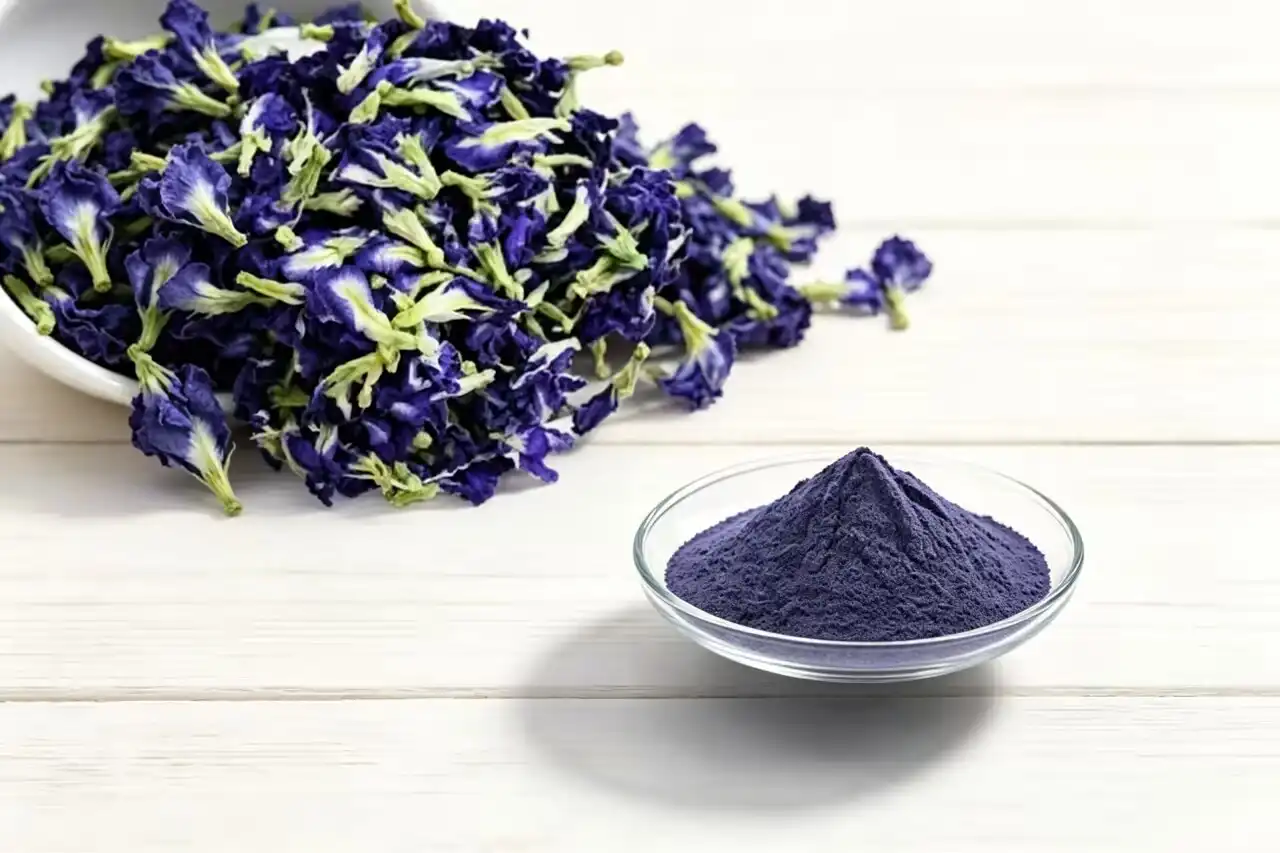
Is butterfly pea flower extract good for you?
Yes, butterfly pea flower extract is good for you—and increasingly, it's becoming indispensable for manufacturers looking to meet consumer demand for natural, functional ingredients. Derived from Clitoria ternatea, this vibrant botanical concentrate delivers high anthocyanin content with proven antioxidant and anti-inflammatory properties. For B2B buyers in food, beverage, nutraceuticals, and cosmetics, Butterfly Pea Flower Extract represents a clean-label solution that addresses both wellness positioning and visual innovation. Its ability to provide natural blue pigmentation without synthetic additives makes it a strategic asset for brands navigating regulatory scrutiny and market differentiation.

Understanding Butterfly Pea Flower Extract: Benefits and Uses
Botanical Origin and Nutritional Profile
Butterfly Pea Flower Extract comes from the Clitoria ternatea plant, a tropical legume that is grown all over Southeast Asia and is increasingly coming from verified growing areas. The method of extraction, which is usually a mix of water and ethanol, protects the delicate anthocyanins, especially delphinidin-based ternatins, which add to the ingredient's high nutritional value. It is possible to measure how much antioxidant power these bioactive compounds have. They help keep cells healthy and protect them from oxidative stress. When purchasing this extract, teams should focus on clear sources and certificates that prove botanical authenticity, since quality directly affects how well finished products work.
Clinically Supported Health Benefits
Anthocyanin-rich extracts from butterfly pea flowers have been shown in studies to have a number of health benefits. This ingredient is useful in food supplements and topical uses because it reduces inflammation, which is good for joint health and skin comfort. Neuroprotective processes have also been linked to cognitive support in studies, which fits with the growing category of nootropic supplements. Its skin-improving effects, like helping collagen production and making the skin more hydrated, have led to its use in makeup and personal care products. These benefits, which are backed by proof, make the extract a versatile ingredient that can be used to meet a wide range of recipe goals.
Practical Applications Across Industries
Butterfly pea extract is useful in many different areas. Its pH-sensitive color-changing effect in drinks makes them more involved for customers. It changes from a deep blue color in neutral settings to a bright purple color in acidic drinks like lemonades and cocktails. Food companies use its natural color to make frozen desserts, baked goods, and dairy-free alternatives. They do this without changing the taste of the food. Cosmetic makers use its antioxidant properties to make lotions and serums that fight aging. In response to government efforts against synthetic colorants, companies that make food for animals are looking into its possibilities as a natural feed additive. Knowing about these uses helps procurement professionals make sure that the ingredients they choose are in line with plans for product development and strategies for positioning the product in the market.

Quality and Potency: How to Choose the Right Butterfly Pea Flower Extract?
Sourcing and Processing Method Evaluation
If you want to buy high-quality butterfly pea extract, you need to carefully look at how it was sourced and how it was extracted. Organic certification makes sure that raw materials meet strict agricultural standards and are free of banned pesticides and synthetic fertilizers. This is a very important thing for companies that want to sell their goods in the EU and the US. The way anthocyanin is processed has a big effect on how long it lasts. Low-temperature drying and spray-drying are better at keeping the bioactive integrity than high-heat processes. Buyers should ask for specific information about the chemicals used for extraction, the amount of waste left over, and the drying procedures to make sure that the manufacturing methods meet quality standards and government regulations.
Chemical Purity and Standardization
Chemical cleanliness determines how reliable a product is in business settings. High-quality Butterfly Pea Flower Extract keeps anthocyanin levels at least 25%, which is proven by HPLC testing to make sure that each batch is the same. Moisture content and ash content both below 5% show that the food has been processed correctly and reduce the risk of microbes. Testing for heavy metals like mercury, arsenic, cadmium, and lead must stay below FDA and EU limits, which are usually 10 parts per million of all heavy metals. Standardizing particle sizes, like 100 mesh, makes sure that all of the particles dissolve in water without settling, which is important for beverage applications. To make sure that production can be scaled up and the product works well, procurement managers should include minimum requirements for these factors in agreements with suppliers.
Certifications and Third-Party Verification
Quality signs include third-party certifications as well as internal standards. ISO 9001 shows how strict a quality management system is, and ISO 22000 and HACCP make sure that food safety rules are followed all along the production chain. Certifications like Halal and Kosher make it easier for companies that sell to certain groups of people to get into new markets. Third-party lab testing from approved facilities backs up claims about the amount of anthocyanin, the number of microbes present, and the lack of contaminants. Suppliers who give Certificates of Analysis (COA), Material Safety Data Sheets (MSDS), and data from stability tests help regulators make decisions more quickly and lower the risks of not following the rules. When choosing a supplier, looking at these credentials builds trust in the long-term viability of the partnership. Butterfly Pea Flower Extract suppliers with these certifications ensure reliable quality, consistent anthocyanin content, and full traceability for regulatory compliance.

Procurement Insights: Buying Butterfly Pea Flower Extract for Your Business
Strategic Considerations for Bulk Purchasing
To do good procurement, you need to know the minimum order amounts and packaging options that work with the production processes. For normal specs, many sellers set MOQs between 25 and 100 kg. For custom formulations, however, bigger commitments may be needed. Different types of packaging, from foil-lined bags to fiber drums, affect how stable a product is while it is being stored and shipped. Buyers should discuss terms that balance the costs of keeping stockpiles with the ability to keep getting supplies. This is especially important for seasonal products whose harvests can change. Setting up framework agreements with clear pricing and delivery schedules lowers the risk of supply chain disruptions and keeps budgets stable.
Butterfly Pea Flower Extract prices change based on a number of factors, such as the amount of anthocyanin present, the scope of the certification, and the supplier's abilities. Premium-grade extracts that have been certified as organic and have been through a lot of testing cost more, but they are more consistent from batch to batch and are guaranteed to meet legal requirements. Prices can change because of seasonal changes in the supply of raw materials. This is why long-term contracts are good for keeping budgets stable. Comparing unit prices alone is not as useful when figuring out value. You need to look at the total cost of ownership, which includes things like testing needs, waste rates, and expert support. Professionals in charge of buying things should ask for different prices based on how much they promise to buy and look for ways to work together on new products, where both parties share the risks and benefits of making the new products.
Supplier Vetting and Partnership Development
When choosing a supplier, you need to look at their production capacity, quality infrastructure, and service skills. When manufacturers have specialized extraction lines and inventory management systems, they can make sure that there is a steady supply even when demand goes up. Read reviews from past clients and ask for references from people who work in similar fields to get an idea of how reliable and responsive the company is. Private label and OEM/ODM options let you change the particle sizes, extraction ratios, and package forms, which helps your brand's differentiation strategies. Making sure that contracts are clear about things like lead times, quality standards, and how to file a complaint protects procurement investments and sets up systems for holding people accountable. Transactional buying can be turned into strategic partnerships that speed up product innovation and market response by working together with technically skilled suppliers.

Potential Side Effects and Risk Management in Butterfly Pea Flower Extract Usage
Known Side Effects and Contraindications
Butterfly pea extract is generally thought to be safe when used correctly, but it needs to be made in a responsible way. Reports of side effects are still pretty low in the scientific literature, but some people may be more sensitive than others in vulnerable groups. Even though allergic responses are rare, they should be taken into account in labels and buyer warnings. People who take too much have reported stomach pain, which shows how important it is for dosage guidelines to match the intended use categories. Anthocyanins may change the way blood clots, so they should be used with care when taking anticoagulant drugs. Formulators should do full safety checks and set limits on how much can be used that are in line with toxicological data and past regulatory decisions.
Regulatory Compliance and Labeling Best Practices
Following regional rules makes sure that people can get to markets and keeps them safe. In the US, Butterfly Pea Flower Extract is used as a color ingredient that is regulated by the FDA and must meet the requirements of Title 21 of the Code of Federal Regulations. Novel Foods legislation and Regulation (EC) No 1333/2008 on food additives make the rules for botanical extracts stricter in European markets. Labels that are clear about the plant source, the way of extraction, and the product's intended use help to be honest and build trust among customers. Full marking standards include allergen statements, usage directions, and storage suggestions. Suppliers who offer legal advice and paperwork help speed up compliance processes and lower the time it takes to get new products on the market.
Quality Control and Traceability Systems
Suppliers with a good reputation use strong quality control systems that keep track of raw materials from the time they are grown until the finished product is released. Field-to-factory traceability protocols keep track of growing conditions, harvest dates, and processing parameters. This lets problems with quality be fixed quickly. Before the batch is released, it is tested in the process at key control points to make sure that the microbe limits, moisture content, and flavonoid concentration are correct. When a product is finished, it is tested for heavy metals, chemical residues, and liquid residues, among other things. Retention sample programs keep reference materials for investigations and efforts to keep getting better. Professionals in procurement should regularly check the quality systems of suppliers and demand that deviation management and corrective action protocols are clear. These steps protect the brand's image, keep customers trusting the brand, and make sure products are safe.

Conclusion
Butterfly Pea Flower Extract is a great option for companies that want to use natural, useful products that are in line with consumer health trends and government standards. It is highly important in the food, beverage, nutraceutical, and skincare industries because it is a proven antioxidant and can be used in many ways. It also looks good on clean labels. The success of procurement depends on carefully evaluating suppliers, making quality requirements clear, and building partnerships with manufacturers who are technically able to do the job. Knowing about extraction methods, licensing standards, and risk management practices helps you make smart choices that balance product performance with low costs. Businesses that can secure reliable supply chains for high-quality butterfly pea extract will be able to compete in a market that is always changing in terms of what consumers want.
FAQ
Is butterfly pea flower extract safe for daily consumption?
Yes, butterfly pea extract is safe to eat every day as long as it comes from a trusted source and is used in the right amounts. Plants that are high in anthocyanins have been used for a long time in traditional health and in modern food uses. Manufacturers should follow established rules for how to use their products and do the right safety tests for each type of product.
How does anthocyanin content compare to other natural extracts?
The amount of anthocyanin in butterfly pea extract is about the same as in elderberry and blueberry extracts—usually between 25 and 30 percent in standardized products. Its special delphinidin profile gives it unique bioactivity and color stability benefits, especially in pH-sensitive situations where its color-changing properties are useful for both function and appearance.
What packaging solutions best preserve product integrity?
When kept in sealed, light-protected areas, foil-lined, nitrogen-flushed packing keeps food fresh longer by reducing oxidation and photodegradation. For large items, food-grade fiber drums or bags that can be sealed again and again and keep out moisture work well. Keeping the anthocyanin potent during delivery cycles by storing it at controlled temperatures below 25°C makes it even more stable.
Partner with Sigma for Premium Butterfly Pea Flower Extract Supply
We at Shaanxi Sigma Biotechnology Co., Ltd. know how important it is for B2B manufacturers to have uniform quality and reliable supply lines. Our Butterfly Pea Flower Extract has a standardized anthocyanin content of at least 25%. This is possible with advanced water-ethanol extraction and low-temperature drying methods that keep the bioactive components intact. With ISO 22000, HACCP, and Halal certificates, you can be sure that our goods meet strict international standards. We can also keep our prices low by integrating our production processes.
We keep stock on hand so that orders can be sent out right away, and our OEM/ODM services are flexible enough to include private labeling and custom specifications. Whether you're making new drinks, vitamins with clean labels, or natural cosmetics, our expert team can help you all the way from testing samples to mass production. Get in touch with our purchasing agents at sarah@sxsigma.com to talk about your Butterfly Pea Flower Extract needs and find out why top makers trust Sigma as their provider.
References
1. Lakshan SAT, Jayanath NY, Abeysekera WPKM, Abeysekera WKSM. A Commercial Potential of Butterfly Pea (Clitoria ternatea L.): A Review. Journal of Pharmacognosy and Phytochemistry. 2019;8(1):1-7.
2. Neda GD, Rabeta MS, Ong MT. Chemical Composition and Anti-Proliferative Properties of Flowers of Clitoria ternatea. International Food Research Journal. 2013;20(3):1229-1234.
3. Chusak C, Thilavech T, Adisakwattana S. Acute Effect of Clitoria ternatea Flower Beverage on Glycemic Response and Antioxidant Capacity in Healthy Subjects: A Randomized Crossover Trial. BMC Complementary Medicine and Therapies. 2018;18(1):6.
4. Kazuma K, Noda N, Suzuki M. Malonylated Flavonol Glycosides from the Petals of Clitoria ternatea. Phytochemistry. 2003;62(2):229-237.
5. Jeyaraj EJ, Lim YY, Choo WS. Extraction Methods of Butterfly Pea (Clitoria ternatea) Flower and the Biological Activities of Its Phytochemicals. Journal of Food Science and Technology. 2021;58(6):2054-2067.
6. Srichaikul B, Bunsang R. Anthocyanin Accumulation and Antioxidant Activity in Butterfly Pea Flower Extract as Affected by Extraction Methods. Chemical and Biological Technologies in Agriculture. 2016;3(1):14.
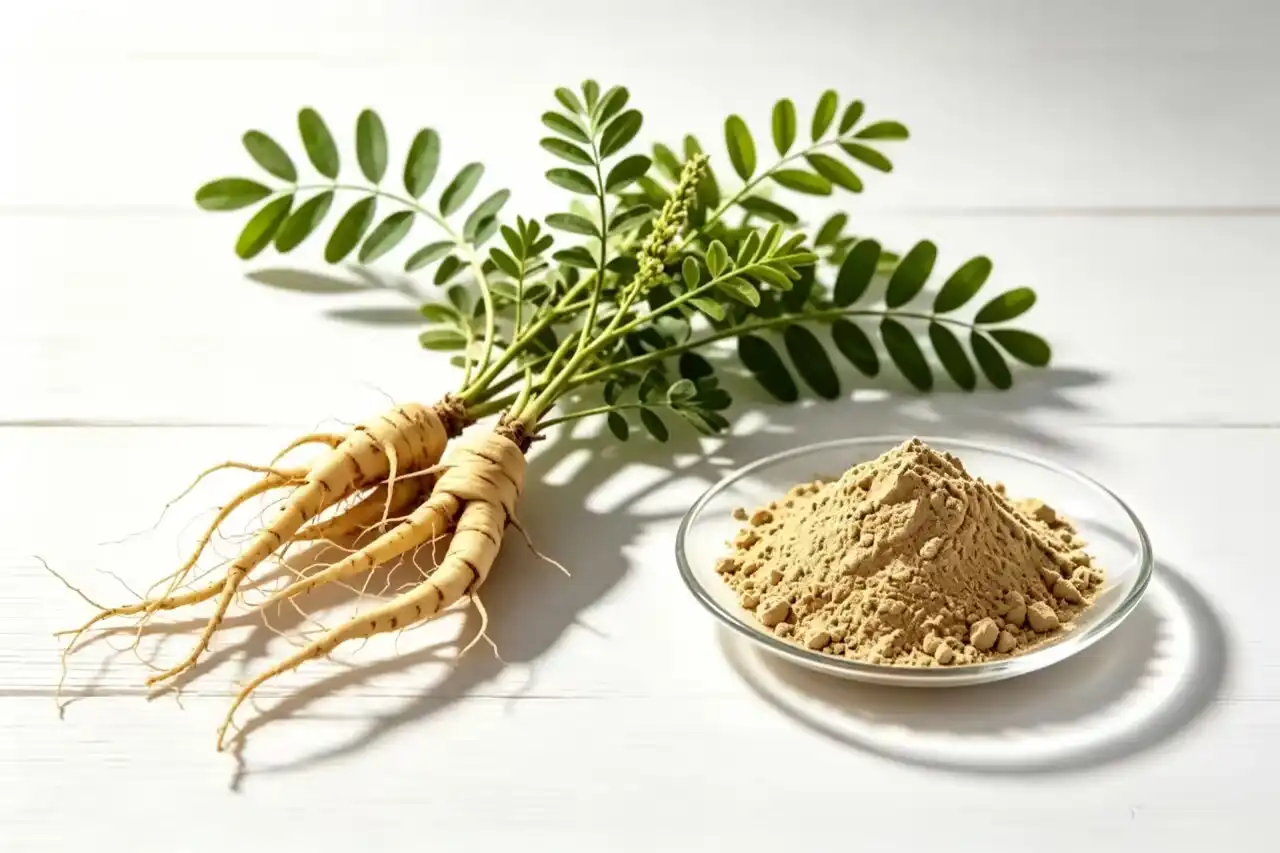
Top 10 Benefits of Astragalus Powder for Immune System Support
Astragalus Powder has become a cornerstone ingredient in immune-support formulations across the global health and wellness industry. Derived from the root of Astragalus membranaceus, this botanical extract offers scientifically validated benefits that enhance immune resilience, reduce inflammation, and promote overall vitality. As consumer demand shifts toward natural alternatives, procurement professionals in functional foods, dietary supplements, and pharmaceutical sectors increasingly seek reliable sources of standardized, high-purity astragalus for commercial manufacturing. Understanding the specific advantages and procurement criteria ensures you select ingredients that meet regulatory standards while delivering measurable health outcomes for your end products.

Understanding Astragalus Powder and Its Role in Immune Health
Botanical Origins and Traditional Applications
For many years, people in China, Mongolia, and Korea have grown a plant called Astragalus membranaceus. Chinese medicine has known about adaptogenic properties for a long time. The root was used to boost "Wei Qi," or defense energy, which is what this study calls immune regulation. It is possible for producers to standardize the bioactive content when they switch from dried root to powdered extract. This makes sure that each batch is the same, which is important for mass production.
Key Forms Available for Bulk Procurement
Most products that are sold in stores are made up of raw, finely ground powder (80–200 mesh) and concentrated extracts that are standardized for polysaccharides (40–70%) or astragalosides (0.3–5%). Anything that needs whole herbs can use raw powder, like traditional health porridges or functional drinks. When exact amounts are needed, capsules are the best way to take concentrated products. Our 200-mesh fine light yellow powder mixes easily with both water-based and lipid-based liquids. That's possible with low-temperature wall-breaking technology, which keeps thermolabile compounds safe even though they would normally be broken down during normal processing.
Immune-Support Mechanisms and Bioactive Compounds
Polysaccharides in astragalus make macrophages and natural killer cells work. To find and kill pathogens, this helps the body work better. Astragaloside IV changes cytokines, which stops inflammation reactions from being too strong while keeping the adaptive immune system strong. In times of worry, antioxidants like flavonoids and trace elements like selenium help keep defense cells safe from oxidative stress. Because this process can be used in many ways, it can be used to make medicines that help the immune system deal with seasonal issues, recover from surgery, or fight off long-term immune system lows caused by stress.

Top 10 Benefits of Astragalus Powder for Immune System Support
Antibodies, drugs, and clinical nutrition have all done a lot of research that shows that astragalus root extracts are useful. Here are the most important benefits for getting new market ideas.
Enhanced White Blood Cell Activity
Polysaccharides in astragalus help the bone marrow make more T-lymphocytes and natural killer cells, which are two types of white blood cells. Researchers found that giving chemotherapy patients standardized astragalus increased the number of white blood cells in their bodies by a large amount. This means that astragalus might be useful in goods that help the immune system get better after surgery or medical care.
Anti-Inflammatory Properties
Some man-made pain killers can stop COX-2 from doing its job, and so can the saponin fraction. This stops the gut from making prostaglandins and doesn't hurt it in any way. Because low-grade inflammation lasts for a long time, it can be used in functional foods that are meant to improve joint health or lung comfort. It is common for Astragalus Powder to be mixed with turmeric or boswellia in mixture goods so that the anti-inflammatory effects are stronger through joint actions.
Antioxidant Defense Strengthening
When your body is under a lot of stress, hydroxyl and superoxide radicals build up. Astragalus gets rid of them. More ORAC units are found in it than in green tea products. Some flavonoids, like quercetin derivatives, help recover glutathione, which is what keeps the redox balance inside cells. You can use this in beauty-from-within pills because oxidative stress breaks down collagen and speeds up the aging process.
Respiratory System Support
Astragalus has been used for a long time to help people who have trouble breathing. New study shows that it does this by lowering the production of mucus and the stress in the smooth muscles of the airways. Because they stop the release of histamine without making people sleepy like antihistamine drugs do, they help seasonal allergy formulas. Animal tests have shown that asthma models with more flexible lungs and fewer inflammatory infiltrates do better.
Cardiovascular Health Promotion
Astragalus improves the function of capillaries by starting up the nitric oxide pathway. This makes vasodilation better and makes arteries less stiff. When people with high blood pressure take 2–4 grams of chromium every day, their systolic blood pressure and LDL oxidation signs go down by a small amount. It is being added to more and more heart health products, along with hawthorn berry and coenzyme Q10. This plant helps the heart in more than one way.
Energy and Vitality Enhancement
Studies on how mitochondria work show that astragaloside IV speeds up the production of ATP while slowing down the buildup of lactate during exercise. If an office worker says they are always tired, taking vitamins for eight weeks will make them feel more energetic and bring their cortisol levels back to normal. Since this is the case, astragalus is a main ingredient in blends that are sold to help people deal with stress and think more clearly.
Blood Sugar Regulation Support
In other words, polysaccharides make skeletal muscle tissue more sensitive to insulin. This means that they help the body take in glucose more efficiently without making it make more insulin. For people who are at risk of getting diabetes, it is added to metabolic health products. It is not a replacement for diabetes medicine. It should be clear on the labels of medicines what they are supposed to do and who needs to be watching the patient.
Kidney Function Protection
Astragalus stops the TGF-beta pathway and other anti-fibrotic processes, which lowers proteinuria and glomerular sclerosis in animals with kidney damage. Gallbladder clearance rates drop more slowly in people with long-term kidney disease who get regular care. This evidence backs up putting it in kidney health pills, which need to have a lot of safety information.
Liver Health Support
More Phase II elimination enzyme activity and less lipid peroxidation in liver cells show that the effects protect the liver. It takes a long time for people with non-alcoholic fatty liver disease to get better liver enzyme levels. Formulation scientists mix astragalus, milk thistle, and artichoke extract together a lot to make liver-healthy products.
Safety Profile and Recommended Dosage
Based on decades of clinical safety data, astragalus is very safe at doses between 1 and 30 grams per day, depending on how concentrated the extract is. Polysaccharide-standardized products need 250–500 mg twice a day to help the immune system. 1–3 grams of raw powder may be enough. When someone has an autoimmune disease, for example, immune stress could make their symptoms worse. This is why we need clear signs on products and tips for doctors and nurses.

Comparing Astragalus Powder with Other Immune Supplements
Powder versus Capsule Formats
People who make stick packs, drink mixes, or bulk functional foods can save money by using raw powder when taste masking technology is used. It tastes mild and slightly sweet, so it goes well with soups and oatmeal. Encapsulated extracts are more expensive, but they don't change the taste and make it possible to use exact amounts in clinical-strength solutions. Making things bigger or smaller is not the same for the two. For instance, you don't need as much specialized gear to make powders as you do to fill hard capsules.
Astragalus versus Ginseng
However, while both ginseng and astragalus are adaptogens, ginseng improves energy and brain function by changing the HPA axis through ginsenosides, astragalus boosts the immune system through polysaccharide pathways. Processes that go into combination goods work well together, but it costs a lot more to get ginseng from the wild than to get astragalus from a garden. When it comes to ginseng, rules vary from place to place. The rules are stricter in some European areas.
Organic versus Conventional Quality
When something is certified organic, it means that manmade chemicals and fertilizers are not used. This is important for brands that want to show that their labels are clean. Heavy metal buildup is the main problem because Astragalus Powder roots take in and store pollution from the ground. We check the levels of lead, arsenic, and cadmium with ICP-MS as part of the production process. These amounts must be below the standards set by the USDA and the EU for organic food. Conventional powders may be 15–25% less expensive, but they need to be checked more closely for chemical residues from farming.
Identifying Quality Indicators
Suppliers you can trust will give you HPLC chromatograms that show how much astragaloside IV is in their goods. This helps you tell the difference between real extracts and fakes that are high in polysaccharides and maltodextrin. A laser diffraction study of the particle size distribution confirms that the sharpness stays the same, which has a direct effect on how bioavailable the particles are. When you're going into a regulated market that needs proof from a third party, third-party certificates from SGS or Eurofins make you look more reliable. More than one COA from different production runs can show batch uniformity, which is still the best way to tell how stable a manufacturing process will be.

How to Procure High-Quality Astragalus Powder in Bulk?
Certification Standards and Traceability
The ISO 22000 and HACCP certifications show that planned steps are taken to keep food safe during the whole production process. The FSSC 22000 adds rules for tracking materials through the supply chain. These rules make sure that the sources of raw materials are listed and can be checked. It is easier for foods that are good for certain diets to reach more people when they are certified as Kosher or Halal. A third party checks these certificates once a year to make sure they are still valid. Through our farming partners in Shaanxi province, we can track the beans from the time they are grown to the time they are packed.
Pricing Dynamics and MOQ Considerations
Right now, 10% polysaccharide powder costs between $18 and $32 per kilogram FOB, depending on how much certification is needed and how big the order is. To fix to 50% carbs or a certain amount of astragaloside can cost anywhere from $65 to $95 per kilogram. For things that are in stock, the lowest amount that can be ordered is generally 25 kilograms. But promises of 100 to 500 kilograms may be needed to change the production line for unique things. Most of the time, long-term supply agreements save you 8–12% compared to buying things on the spot.
Prominent Sourcing Regions
Shaanxi, Inner Mongolia, and Gansu provinces in China are where most of the plants are grown. These are the real Astragalus membranaceus types. Where the plant comes from affects its secondary metabolite profiles. For example, the amount of astragaloside in the plant changes depending on its elevation and the type of soil it grows in. Providers who have direct ties to farms are better at controlling raw materials than brokers who buy in bulk. The supply line is easier because we work close to the main growing areas. We also make sure the food is fresh by cooking it within 48 hours of getting it.
Packaging and Storage Requirements
When UV light hits the fine light yellow powder, it oxidizes. This breaks down the structure of the polysaccharide. Multilayer metal foil bags filled with nitrogen keep the medicine effective for 24 months as long as they are kept below 25°C and at 60% relative humidity. To follow international shipping rules, bulk shipments are made in fiber drums lined with food-grade polyethylene. It's easier for buyers to keep the quality of their purchases when the labels have testing dates and clear directions on how to store the goods. We keep 10–20 tons of core SKUs in stock as a safety net. This gives us 5–7 days to ship for urgent production needs.

Practical Usage and Safety Guidelines for Astragalus Powder
Formulation Considerations
Extracts that dissolve in water mix well with water, but they may sink to the bottom of medicines that have a lot of alcohol in them. To keep capsule mixes from sticking, the raw powder needs to be spread out manually or with ultrasound waves. For 15 seconds at 72°C, the carbohydrates were processed, but tests show that they are still there. In other words, they can be used in drinks that are already made. Some minerals can be chelated by astragalus polysaccharides, which can change how bioavailable they are in solutions with other nutrients. Companies that make goods should check to see how well their goods mix with other things.
Regulatory Compliance Across Markets
According to 21 CFR, the FDA says that Astragalus Powder is GRAS and can be used in dietary supplements. However, claims about its structure and function need to be backed up. Under the rules of traditional plant medicine, it can be sold in Europe, but the amount that can be used is limited in each member state. Before they can be sold, novel foods have to get approval at higher concentrations than we usually use. Regulatory applications are easier to make when there is a lot of paperwork, like stability data, safety studies, and descriptions of the manufacturing process. We help our partners ship goods around the world more easily by giving them all the technical files and customs paperwork they need.
Potential Side Effects and Contraindications
Around 2% of people who take high amounts have mild stomach pain that goes away when the dose is dropped. People who have inflammatory diseases shouldn't take herbs that boost the immune system without first talking to their doctor. Cyclophosphamide and other immunosuppressants can interact with each other, so it's important that goods have clear labels. Not enough research has been done on safety during pregnancy and nursing, so ideas that are still safe are still needed. Quality control keeps microbes from getting into the food, which takes care of most safety concerns. Our rules say that the total plate count can't be more than 10,000 CFU/g, and pathogens must be proven to be absent.
Conclusion
Astragalus Powder extract can be used in immune health goods for a wide range of people, and this has been proven by science. More white blood cells and protection against cell damage from free radicals are just a few of the many health benefits. These benefits are in line with the growing demand for natural health goods that are backed by science. Standardization, screening for heavy metals, and seller certifications that make sure quality stays the same from batch to batch are all important parts of buying things that work. People are getting smarter and the rules are changing. To stay ahead of the competition, it's important to work with honest makers who offer technical help, open customization, and reliable operations.
FAQ
Can Astragalus Powder Be Used Long-Term in Commercial Products?
Clinical tests have shown that healthy people can use it every day for up to a year without any problems. People with weak immune systems should be told to take breaks or see a doctor on product labels. If you store it the right way, the potency will last longer than 24 months, which is longer than most retail shelf life standards.
How Do I Verify Astragalus Powder Quality Before Purchase?
Ask for HPLC chromatograms with astragaloside IV peaks and UV-Vis spectrophotometry to show that polysaccharides are present. On third-party COAs from approved labs, there should be a list of heavy metals, herbicide residues, and microbial numbers. Before placing a big order, you should try samples in your recipe setting to make sure they work well together and have the right sensory traits.
Does Organic Certification Significantly Impact Product Performance?
Organic standing is mostly about the things that are used in farming, not how well they work. But heavy metal buildup is less likely to happen when organic farming is used. Depending on the study, between 35% and 40% of people are ready to pay more for immune vitamins that are labeled organic. This could be a good reason for why the prices of raw materials are higher because they are placed better in shops.
Partner with Sigma for Premium Astragalus Powder Supply
Pharmaceutical-grade plant extracts are what Shaanxi Sigma Biotechnology Co., Ltd. does best. They meet the strict needs of health product makers all over the world. Our Astragalus Powder has a 1% polysaccharide content, which is proven by advanced HPLC-ELSD analysis. Heavy metals are kept below 10 ppm, and the fineness stays at 200 mesh. It's more likely that your goods will work if they are processed at low temperatures because they keep bioactive chemicals that are usually killed during milling.
We want to build long-term relationships, so we offer open OEM/ODM services like label-ready packing, customs clearance help, and customs standardization. Our products are approved as ISO 22000, HACCP, and Kosher, which means they meet the toughest standards in the world. We have stock that is ready to ship so that orders can be met quickly. Also, our expert team can help you with formulation and provide full paperwork to speed up the process of making a new product. You can get samples by emailing sarah@sxsigma.com, talking to our Astragalus Powder supplier team about your needs, or looking into bulk price models that are based on how much you need to make.
References
1. Zhang, W.D., et al. "Immunomodulatory Effects of Astragalus Polysaccharides: Mechanisms and Clinical Applications." Journal of Ethnopharmacology, vol. 235, 2019, pp. 183-195.
2. Li, M. and Chen, Y. "Astragaloside IV in Cardiovascular Disease: Molecular Mechanisms and Therapeutic Potential." Pharmacological Research, vol. 141, 2019, pp. 266-278.
3. Auyeung, K.K., et al. "Astragalus membranaceus: A Review of its Protection Against Inflammation and Gastrointestinal Cancers." American Journal of Chinese Medicine, vol. 44, no. 1, 2016, pp. 1-22.
4. Fu, J., et al. "Review of the Botanical Characteristics, Phytochemistry, and Pharmacology of Astragalus membranaceus." Phytotherapy Research, vol. 28, no. 9, 2014, pp. 1275-1283.
5. Shahzad, M., et al. "Efficacy of Astragalus membranaceus in Patients with Chronic Heart Failure: A Systematic Review and Meta-Analysis." Evidence-Based Complementary and Alternative Medicine, vol. 2019, Article ID 6049836.
6. Chen, R., et al. "Quality Control and Standardization of Astragalus Botanical Extracts: Current Status and Future Perspectives." Journal of Pharmaceutical and Biomedical Analysis, vol. 165, 2019, pp. 376-387.
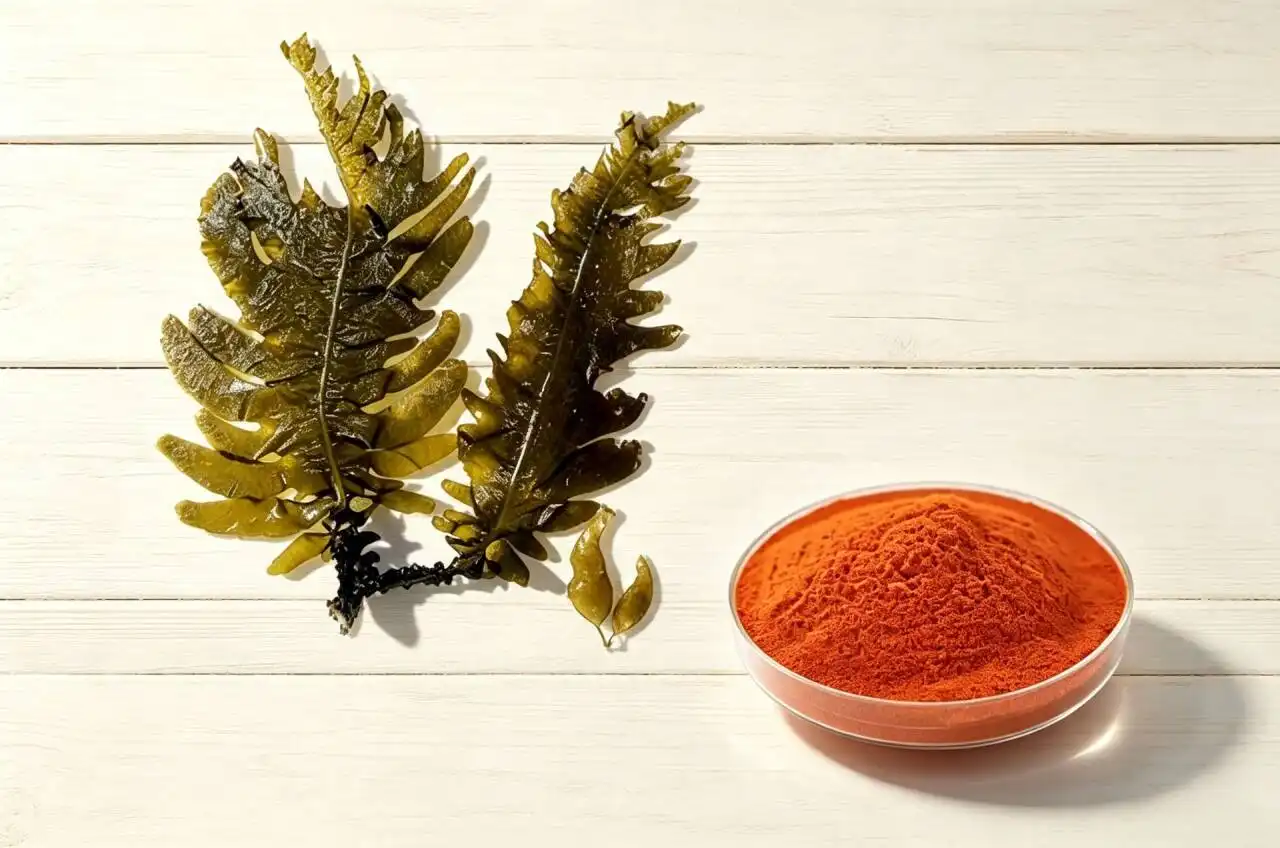
Fucoxanthin Extract vs Other Weight Management Ingredients
When evaluating weight management ingredients for your next product formulation, Fucoxanthin Extract Powder stands out as a marine-derived carotenoid with a distinct metabolic mechanism. Unlike stimulant-based alternatives that impact the central nervous system, this brown seaweed-derived compound activates thermogenesis in white adipose tissue, targeting visceral fat accumulation. Its unique molecular structure featuring an allenic bond delivers antioxidant capacity exceeding vitamin E, making it an attractive option for procurement managers developing natural, science-backed supplement lines that resonate with health-conscious markets.
Introduction
The global market for weight management ingredients keeps moving toward natural, traceable chemicals that have been shown to work in clinical trials without the harmful side effects of synthetic options. Understanding the benefits of new marine bioactives has become very important for business leaders in the fields of nutraceutical manufacturing, cosmetics development, and functional food production. Fucoxanthin Extract Powder is a big step forward in this field because it offers a non-stimulant way to boost metabolism, which makes finished goods stand out in markets that are already full.
Supply chain managers and formulation engineers are under more and more pressure to find ingredients that meet the needs of a wide range of stakeholders. For example, research and development teams want strong clinical data and bioavailability evidence; quality assurance staff need detailed documentation that includes certificates of analysis (COAs), heavy metal testing, and microbial testing; and purchasing departments have to balance cost concerns with supply stability. This complete buying guide looks at these competing priorities by looking at fucoxanthin's place among well-known weight management ingredients. It does this by giving you the technical and business information you need to choose a supplier with confidence and successfully launch your product on North American and international markets.

Understanding Fucoxanthin Extract Powder and Its Benefits
Fucoxanthin Extract Powder is a xanthophyll pigment that comes mostly from brown macroalgae like Phaeodactylum tricornutum, Laminaria japonica, and Undaria pinnatifida. One thing that makes this compound useful for weight loss is that it can increase the expression of uncoupling protein 1 (UCP1) in white adipose tissue. This increases thermogenesis without changing heart rate or blood pressure, which is great for long-term supplementation plans.
Marine-Sourced Metabolic Modulation
The substance has metabolic effects that go beyond just burning calories. Researchers have found that fucoxanthin changes the way lipids are broken down in the liver. This helps keep cholesterol levels healthy and speeds up the burning of stored fatty acids. This two-part method helps with both energy balance and metabolic health markers, which are things that supplement makers are focusing on more and more in high-end lines. Marine carotenoids have a problem with not being bioavailable. This problem has been mostly solved by new delivery technologies, such as microencapsulation and cold-water-soluble (CWS) beadlet formulations, which keep the active compound from breaking down during processing and storage.
Safety Profile and Dosage Considerations
In clinical studies that support fucoxanthin, dosages usually range from 2.4 mg to 8 mg per day, and safety profiles show that these levels have few negative effects. Because the therapeutic window is so broad, manufacturers can make products in a range of dosage forms, such as softgels, hard capsules, functional beverages, and meal replacement powders. As there are no stimulant qualities, there are no worries about sleeplessness, jitteriness, or cardiovascular stress, which are problems that make competing ingredients less useful on the market. This means that people who are sensitive to coffee and other thermogenic compounds can use it.

Comparing Fucoxanthin Extract Powder with Other Popular Weight Management Ingredients
Figuring out how fucoxanthin compares to other weight loss ingredients helps make strategic formulation choices that are in line with what the target market wants, the rules that apply, and the company's goals for competitive positioning. Here, we look at four main comparators that buying teams often use to choose which ingredients to use.
Green Tea Extract (EGCG) vs Fucoxanthin
Green tea extract, which is reduced to epigallocatechin gallate (EGCG), is still the most popular natural ingredient used to lose weight around the world. Its main effect is to raise the body's temperature through catechins, and it usually takes 400–500 mg of it every day to see any noticeable changes. Green tea extract has a lot of clinical research behind it and is well-known by consumers. However, it contains caffeine, which means that it can't be used in formulations for evening use or by people who are sensitive to caffeine.
Fucoxanthin works in a way that complements rather than competes with EGCG. Its mechanism works without stimulants, so it can be mixed with EGCG to work on multiple metabolic pathways at the same time. In terms of purchasing, green tea extract usually has lower raw material costs and faster wait times. On the other hand, fucoxanthin is more expensive because it is harder to extract and there aren't many sources of it.
Conjugated Linoleic Acid (CLA) Comparison
CLA is a well-known ingredient that helps people lose weight. It is usually made from safflower oil and works by changing the way fatty acids are used and how adipocytes differentiate. Clinical evidence for CLA shows small improvements in body composition. However, some studies show possible effects on insulin sensitivity that need to be taken into account when formulating. CLA has a lot of useful benefits, such as well-established supply lines with many tier-one suppliers and easy formulation into softgel matrices.
Fucoxanthin stands out because it is a better antioxidant and also helps with metabolic inflammation, which is becoming more of a problem in metabolic syndrome applications. Many companies are now looking into synergistic formulations that use both ingredients to work in ways that complement each other. This is a strategy that needs careful coordination between suppliers to handle two different streams of raw materials with different storage and handling needs.
Garcinia Cambogia Extract Analysis
Hydroxycitric acid (HCA) from Garcinia cambogia was very popular on the market, but new regulatory scrutiny and mixed clinical results have made it less popular among manufacturers who care about quality. The ingredient's citrate lyase inhibition method should ideally lower fatty acid synthesis, but problems with bioavailability and variations in quality between sources make purchasing risky. The legal situation for fucoxanthin is better, and good clinical data is coming in. However, the raw materials are much more expensive. Even though there are differences in cost, fucoxanthin's cleaner regulatory profile and marine sourcing story are clear benefits for companies that want to sell their goods in high-end natural health outlets or to send to countries that have strict standards for botanical documentation.
Capsaicinoids and Thermogenic Compounds
Capsaicin and its analogs found in chili peppers are very strong thermogenic agents that speed up the metabolism by activating TRPV1 receptors. Even though these compounds work well in the lab, they are hard to make because they can irritate the stomach, cause unpleasant sensations, and people's tolerance levels vary, which makes them less useful in the market. Fucoxanthin increases UCP1 and works in a completely different way to increase thermogenesis, without the unpleasant effects on the senses that capsaicinoids do.
In particular, this difference is helpful for companies that are making products for older people or people with sensitive stomachs who can't handle pepper extracts. The trade-off is that fucoxanthin ingredients are more expensive and the extraction process is more complicated. These factors must be weighed against easier access to more markets and lower failure rates among consumers.

Key Procurement Considerations for Fucoxanthin Extract Powder
Finding fucoxanthin requires paying close attention to technical details, the skills of suppliers, and the processes of the supply chain. These are all very different from finding common botanical extracts. Professionals in procurement should look at possible suppliers from a number of different angles that have a direct effect on the quality of the final product and the company's ability to make money.
Critical Quality Specifications
The specifications for premium Fucoxanthin Extract Powder start with standardizing the active ingredient, which typically has a fucoxanthin content of 10% to 50% as determined by HPLC. The 10% standardization is the standard in the industry for nutraceutical uses. It strikes a good balance between low cost and recipe freedom. The method used for extraction has a big effect on the quality of the product. For example, supercritical CO2 extraction leaves no solvent residue, which is important for clean-label placement.
On the other hand, ethanol extraction methods need strict residual solvent tests to make sure they meet pharmaceutical-grade standards. Physical factors like mesh size (usually 80 mesh for best mixing), loss on drying (≤3% to stop microbes from spreading), and heavy metal content (≤10 ppm) set minimum quality standards that responsible manufacturers apply through strict batch testing methods.
Supplier Certification and Compliance
The rules for products that come from the sea require suppliers to provide a lot of paperwork. For food safety management systems, ISO 22000 or FSSC 22000 certifications are necessary because they show that risks are controlled in a planned way throughout production. For extraction and processing activities, HACCP certification proves that key control point monitoring is done correctly. More certifications, like Halal, Kosher, and organic, make it easier for companies that want to sell their products in a wide range of global markets to get those markets.
However, getting organic approval for materials that come from the sea requires a lot of complicated supply chain proof. Suppliers should give full traceability paperwork that lists specific types of seaweed, where they were harvested, and records of each extraction batch. This protects buyers from the risk of adulteration and backs up sustainability claims that consumers are becoming more interested in.
Pricing Dynamics and MOQ Structures
Pricing for fucoxanthin raw materials is based on how hard they are to remove and how few sources are available. Compared to land plants, these materials are usually priced in the premium to ultra-premium range. Different providers have very different minimum order numbers (MOQs). Larger, more established companies offer MOQs ranging from 10 to 25 kilograms, while smaller, more specialized companies may need 50 to 100 kilogram commitments. When planning how to buy an ingredient, it's important to think about how stable it is.
Fucoxanthin stays active for 24 months when stored properly in cool, dark places. Because of these specific storage needs, it's better to work with suppliers who keep safety stock than to keep large amounts of raw materials at manufacturing facilities. Having providers with flexible minimum order quantities (MOQs) and inventory holding services can help you save a lot of money on working capital while keeping your formulations going.
Logistics and Documentation Requirements
When you buy marine extracts from other countries, you need special paperwork that goes beyond standard commercial invoices and packing lists. Each shipment must come with a Certificate of Analysis (COA) that lists the active ingredients, microbial counts, heavy metals, pesticide residues, and physical properties. For goods into the US, sellers must file a notice with the FDA ahead of time. This means they must be familiar with US regulatory procedures or work through experienced freight forwarders.
Depending on the weather and the length of the journey, temperature-controlled operations may be needed. This adds to the cost that procurement teams have to think about when they figure out the total landed cost. Setting up clear communication rules about when to ship, prepare documents, and work with customs stops costly delays that can throw off production plans.

Why Choose Fucoxanthin Extract Powder — Market Position and Competitive Advantages
Fucoxanthin has strategic value that goes beyond its functional benefits. It also has market positioning possibilities that forward-thinking makers use to set their products apart from the competition. Knowing about these business benefits helps procurement teams make decisions about where to buy things that are in line with their overall goals for business growth.
Growing Consumer Demand for Marine Bioactives
Market research shows that people are becoming more and more interested in health ingredients that come from the ocean. This is because people think these ingredients are pure, sustainable, and scientifically advanced. Fucoxanthin takes advantage of this trend and offers proof that many marine ingredients don't have: measurable metabolic benefits shown in peer-reviewed clinical trials.
When you combine an engaging origin story with evidence-based effectiveness, you have marketing stories that informed customers who are willing to pay more for unique goods will connect with. Fucoxanthin helps companies position their products at the crossroads of natural health and scientific credibility. This is a sweet spot that is getting harder to reach with common terrestrial plants.
Formulation Versatility Across Product Categories
Modern forms of fucoxanthin powder, especially microencapsulated and CWS types, make it possible to formulate a wide range of products, which increases the market reach. In addition to pills and softgels, the ingredient can now be found in functional drinks, protein shakes, meal replacement bars, and even topical cosmetics that improve skin health through oral supplementation. This category versatility is very important for companies that make more than one product line or want to expand popular names into related categories. Building partnerships with suppliers who offer expert formulation support and a variety of product formats speeds up the development process and lowers the risk of formulation mistakes when entering new categories.
Regulatory Pathway Clarity
Unlike new synthetic substances or recently discovered botanicals, fucoxanthin has been regulated for a long time as a food additive and is GRAS (generally recognized as safe) in the US and is approved for use in dietary supplements around the world. This clear regulation makes it easier for new products to enter the market and lowers the costs of following the rules compared to ingredients that need long safety dossiers or new food authorizations. Manufacturers who want to sell their products in more than one country really value ingredients that are accepted by multiple regulatory bodies. This is because single recipes can serve a lot of different geographic markets without having to be reformulated, which is a big plus for brands that want to go global.

Practical Guide — How to Select and Source Quality Fucoxanthin Extract Powder?
To turn knowledge about ingredients into good purchasing relationships, we need systematic evaluation processes that both technical and business stakeholders can work together to carry out. This useful approach shows teams how to choose a seller, from the first screening step to managing the relationship over time.
Defining Product Requirements
To start sourcing successfully, you need to write clear specifications that strike a balance between technical goals and business facts. Formulation teams should figure out the lowest amount of fucoxanthin that is needed based on the dosages and transport forms that are wanted. A normal concentration of 10% is fine for most uses, but special formulas may need 20–40% concentrates, even though they cost more. To choose the right extraction methods, you have to balance the need for clean labels with the need to stay within your budget.
Keep in mind that supercritical CO2 extraction costs 20–30% more than regular solvent methods. Pay close attention to the packaging needs right away. For high-volume makers, bulk packaging in metal foil-lined drums saves money, while smaller foil pouches with nitrogen flushing work best for specialty producers or those who keep multiple SKUs in stock. Fucoxanthin Extract Powder requires these same considerations, with concentration levels and extraction methods directly impacting both cost and final product performance.
Supplier Screening and Sample Evaluation
When screening suppliers for the first time, you should check their basic skills, such as their production capacity, list of certifications, and experience exporting to target markets. Ask for specific technical data sheets and recent COAs to check if the amount of active ingredients and contaminants is the same in all production runs. Protocols for evaluating samples should include both analytical testing by third-party laboratories that are not connected to the project and formulation trials to check how well the samples blend, how stable they are in target matrices, and how they taste and smell.
Many providers offer free initial samples, but for a full review, it may be worth buying actual commercial amounts to see how well they work with full-scale manufacturing. When comparing suppliers, record how well they do across multiple samples, since tests on a single batch can give a false picture of average quality levels.
Contract Negotiation Best Practices
In business talks, you should talk about pricing structures that include tiered pricing based on volume, payment terms that are in line with standard international business practices, and clear quality guaranties that include clear steps for fixing materials that don't meet specifications. Lead time promises are very important for planning production. Set realistic deadlines that take into account scheduling production, quality testing, and foreign shipping.
For known suppliers with stock, these timelines should be between 4 and 6 weeks, while they should be between 8 and 12 weeks for make-to-order production. Include flexibility clauses that cover marine harvesting-specific "force majeure" situations, such as changes in seasonal access and supply delays caused by bad weather. Quality agreements should spell out who is responsible for testing, whether supplier COAs are enough, or whether incoming inspection testing will be done. They should also spell out the conditions for acceptance that will lead to batch rejection or price changes.
Building Long-Term Supplier Partnerships
When you move from transactional relationships to strategic partnerships, you get benefits like priority allocation during times of limited supply, early notice of changes in the prices of raw materials, and the chance to work together on formula optimization or new product development. As an example, business reviews every three months for big accounts allow for proactive problem-solving and agreement on forecast accuracy. Sharing market information about new uses or changes in regulations helps sellers plan better production, and it also makes your company look like a valuable customer who deserves top-level service. These investments in relationships pay off, especially when there are problems in the industry and supply is allocated to trusted partners instead of quick-fix buyers.
Conclusion
Fucoxanthin Extract Powder is a weight loss ingredient that has been scientifically proven to work. It is unique in the market because it combines the needs of consumers who want natural solutions with the needs of manufacturers who need clinical proof. Because of how it works in the body, how safe it is, and how many uses it can have, it is becoming an important material for quality-conscious companies that make health supplements, useful foods, and cosmetics.
To do a good job of purchasing, you need to pay attention to both technical and commercial factors. Technical factors include standardization levels, extraction methods, and full quality paperwork. Commercial factors include how prices change, minimum order quantities, and managing relationships with suppliers. The premium placement of the ingredient shows its real value through stories about marine sources, clear regulations, and formulation freedom that make investment worthwhile for companies that want to stand out in competitive markets.
FAQ
What makes fucoxanthin different from stimulant-based weight management ingredients?
Fucoxanthin works by increasing UCP1 in white adipose tissue instead of stimulating the central nervous system. It increases thermogenesis without changing blood pressure, heart rate, or sleep habits. This process makes it possible to make products for a wider range of people, including those who are sensitive to caffeine or shouldn't be using stimulants.
How do I verify fucoxanthin purity and supplier credibility?
You should ask for up-to-date COAs that show HPLC analysis confirming the stated fucoxanthin concentration, heavy metal testing showing agreement with safety standards, and microbial analysis within accepted limits. Check the supplier's certifications in the records of the granting bodies, and before making big purchases, think about having samples tested by independent labs by a third party. Established suppliers provide full traceability documentation, which includes identifying the species of seaweed and verifying where it was harvested.
What are typical MOQ and pricing expectations?
Minimum order quantities are usually between 10 and 50 kilograms, but this depends on the supplier's size and the level of customization needed. Prices are based on how complicated the extraction is and how standard the levels of standardization are. When planning a budget, you should think about how much more expensive supercritical CO2-extracted botanicals are compared to native botanicals. This is because solvent-free profiles are valued in clean-label formulas.
Ready to Source Premium Fucoxanthin Extract Powder?
Sigma provides Fucoxanthin Extract Powder that is of pharmaceutical grade. It is made through supercritical CO2 extraction, which leaves no solvent residue and gives your formulations the best bioavailability possible. Our brown fine powder stays at least 10% fucoxanthin and is fully certified to meet ISO, HACCP, and Halal standards. It also has strict heavy metal controls (≤10 ppm).
As a fully integrated producer with emergency stock ready to ship right away, we can help you meet your production deadlines with dispatch times of 5 to 7 business days and flexible OEM/ODM services that include custom extraction ratios and packing solutions. Each batch goes through a strict HPLC purity analysis and full microbe testing, which is recorded in full COAs that make your quality assurance processes easier.
Our expert team can help you speed up the development process by giving you formulation advice and stability data for cutting-edge weight management supplements, functional drinks, or nutricosmetic products. Email our team at sarah@sxsigma.com to get samples of the Fucoxanthin Extract Powder we have in stock, talk about your specific needs with experienced Fucoxanthin Extract Powder suppliers, and find out how our focus on quality can help you reach your goals for product innovation.
References
1. Maeda, H., Hosokawa, M., Sashima, T., & Miyashita, K. (2007). Dietary combination of fucoxanthin and fish oil attenuates the weight gain of white adipose tissue and decreases blood glucose in obese/diabetic KK-Ay mice. Journal of Agricultural and Food Chemistry, 55(19), 7701-7706.
2. Abidov, M., Ramazanov, Z., Seifulla, R., & Grachev, S. (2010). The effects of Xanthigen in the weight management of obese premenopausal women with non-alcoholic fatty liver disease and normal liver fat. Diabetes, Obesity and Metabolism, 12(1), 72-81.
3. Miyashita, K., Beppu, F., Hosokawa, M., Liu, X., & Wang, S. (2020). Nutraceutical characteristics of the brown seaweed carotenoid fucoxanthin. Archives of Biochemistry and Biophysics, 686, 108364.
4. Peng, J., Yuan, J. P., Wu, C. F., & Wang, J. H. (2011). Fucoxanthin, a marine carotenoid present in brown seaweeds and diatoms: metabolism and bioactivities relevant to human health. Marine Drugs, 9(10), 1806-1828.
5. Gammone, M. A., & D'Orazio, N. (2015). Anti-obesity activity of the marine carotenoid fucoxanthin. Marine Drugs, 13(4), 2196-2214.
6. Zhang, H., Tang, Y., Zhang, Y., Zhang, S., Qu, J., Wang, X., & Kong, R. (2015). Fucoxanthin: A promising medicinal and nutritional ingredient. Evidence-Based Complementary and Alternative Medicine, 2015, Article ID 723515.
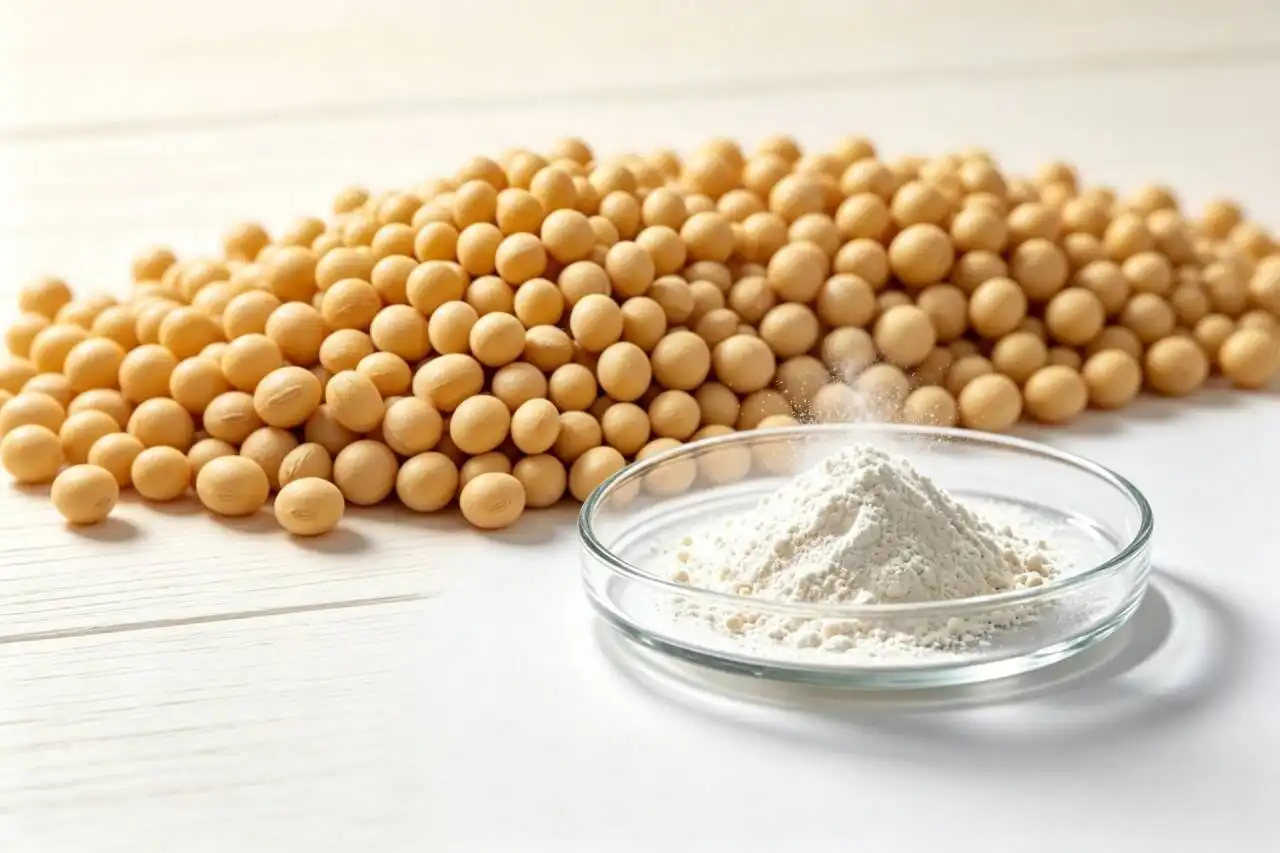
Top Applications of Soybean Peptides in Functional Foods and Supplements
Soybean Peptide represents a transformative ingredient in the functional foods and supplements industry, addressing critical needs across sports nutrition, clinical recovery, and wellness formulations. As a bioactive protein hydrolysate with molecular weights below 1,000 Da, it delivers rapid absorption and complete amino acid profiles without the bitter aftertaste plaguing traditional soy derivatives. This comprehensive guide explores how procurement professionals can leverage soybean oligopeptides to meet growing consumer demand for plant-based, clean-label nutrition while solving formulation challenges around solubility, digestibility, and sensory quality.
Introduction
People looking for natural, scientifically-backed nutrition options are driving the functional foods market to new heights of growth. When it comes to plant-based ingredients, bioactive peptides from soybeans have become very popular because of their unique chemical structure and health benefits. These short-chain oligopeptides are immediately bioavailable through special transport processes in the intestines, unlike full soy protein isolates that need to be digested for a long time.
When business-to-business buyers are choosing a seller, it's important for them to know the detailed differences between protein types. Ingredients that offer uniform batch quality, regulatory compliance, and functional versatility across a wide range of applications are becoming more and more important to purchasing managers and formulation engineers. Soybean oligopeptides solve a number of problems in the industry, including making soy products more soluble in acidic drinks, improving the texture of ready-to-drink drinks, and getting rid of the "beany" taste that makes people not want to buy soy products.
This book talks about the science behind Soybean Peptide ingredients, how they can be used in business, and how to get them. Quality assurance leads and product managers will learn how to use this ingredient in competitive recipes whether they are making sports recovery drinks, medical nutrition products, or anti-aging vitamins.

Understanding Soybean Peptides: Composition, Production & Nutritional Value
What Makes Soybean Peptides Unique?
Controlled enzymatic breakdown of non-GMO soy protein isolate breaks complicated proteins into pieces with 2 to 6 amino acids. This makes Soybean Peptide. When compared to other soy derivatives, this process completely changes how the ingredient works. The molecular weight distribution is mostly below 1,000 Daltons. This lets peptides skip the slow step of digestion in the stomach and receive them straight through PepT1 transporters in the small intestine.
Production Methods and Quality Parameters
In advanced production, certain mixtures of proteases are used under controlled pH and temperature settings to reach the right level of hydrolysis. The process tries to find a balance between two goals that are at odds with each other: making the peptides more bioavailable by making them smaller, and reducing the bitterness caused by exposed hydrophobic amino acids. To get rid of the bad tastes that come with protein hydrolysates, big companies use their own special debittering technologies, such as enzyme selection optimization and activated carbon adsorption.
For commercial-grade materials to meet quality standards, the protein content must be more than 80% dry, with peptide fractions below 1,000 Da making up more than 80% of the total protein. Molecular weight distribution is checked during batch testing with high-performance size exclusion chromatography. The off-white fine powder that was made is very soluble—it dissolves completely in pH ranges from 2.0 to 10.0. This solves the problem of precipitation that happens with regular soy protein at acidic pH levels close to its isoelectric point.
Nutritional Advantages Over Alternative Proteins
Soybean oligopeptides keep all of the necessary amino acids that are found in whole soybeans while removing many of the things that are bad for you, like trypsin inhibitors that are found in raw soy. The hydrolysis process also makes nitrogen use more efficient than with whole proteins. This makes these peptides very useful in clinical nutrition, where protein metabolism directly affects how well patients do. Unlike proteins that come from animals, like whey or collagen, plant-based peptides can be made in ways that are safe for people who are allergic to dairy or who want to find sustainable protein sources.

Top Applications of Soybean Peptides in Functional Foods
Sports Nutrition and Muscle Recovery
Bioactive soy peptides have clear benefits when used in athletic performance goods, which is their main business use. The fast absorption profile helps muscles recover glycogen faster and lessens delayed onset muscle soreness after hard training. Unlike whey protein concentrates, which can make some people's stomachs hurt, low-molecular-weight peptides are easily absorbed and can be used for both pre-workout energy and recovery after exercise.
Product developers like that the ingredient works well with ready-to-drink drinks that are high in protein. When the percentage goes above 5–6%, traditional soy protein isolates get too thick and chalky, which limits the amount of protein that can be delivered per dose. Even at 10-15% concentrations, soybean oligopeptides keep their water-like fluidity. This lets brands put 20–30 grams of protein per bottle without changing the way the product feels in the mouth. Debittering technology creates a neutral taste profile that lets formulators make cool sports drinks without the strong "beany" notes that make people not like soy-based products.
Clinical and Medical Nutrition
The improved digestibility properties are very helpful for healthcare nutrition items that are aimed at certain groups of patients. People whose digestive system isn't working well, like those who have recently had surgery, are older and don't make as many enzymes, or don't have enough pancreatic enzymes, often can't properly handle complete proteins. Peptides get rid of this barrier because they are already broken down, making the nitrogen bioavailable for tissue repair and immune function maintenance.
The hypoallergenic properties that come from hydrolysis are liked by medical food makers because the process gets rid of the IgE-binding epitopes that cause soy allergies. This safety feature makes it easier to make enteral nutrition items and other specialty diet formulas. Ultra-high-temperature sterilization processes make peptides thermally stable, which protects the integrity of medical nutrition formats that can be stored for a long time without proteins breaking down or clumping together.
Beauty-from-Within Supplements
Bioactive peptides are used in the growing field of nutricosmetics to improve skin health because they are antioxidants and help the body make collagen. According to research, certain Soybean Peptide parts help dermal fibroblasts multiply and hyaluronic acid production rise, which leads to better skin hydration and flexibility. Beauty supplement companies put these ingredients in powdered drink mixes, capsules, and functional drinks that are aimed at older people who want to take care of their skin from the inside out.
Some benefits of the formulation are that it works well with collagen peptides, hyaluronic acid, and plant products that are often found in beauty supplements. Complete water solubility makes clear beverage forms appealing to people who like the ease of ready-to-drink drinks over pills. Product positioning that stresses plant-based green credentials are becoming more and more important to beauty customers who are looking at the ethics of where ingredients come from.

Soybean Peptides in Dietary Supplements: Usage, Dosage, and Safety
Recommended Dosage Guidelines
Doses of 3 to 10 grams per day are common in clinical studies that look at physiological effects, but the exact amounts used depend on the application. 5-8 grams per dose are popular in sports nutrition products to help with recovery from exercise. These are often mixed with branched-chain amino acids or carbohydrates to make the benefits stronger. Medical nutrition products may offer higher amounts (15–25 grams) of protein every day as the main source of protein for people who have high needs or trouble absorbing it.
Format Considerations and Formulation Strategies
The excellent solubility and low viscosity allow for a variety of delivery methods. Powder forms are most common in the sports nutrition and meal replacement categories because they let customers mix different amounts of powder with their favorite drinks and make their own dose sizes. Single-serve sachets make it easy to eat while you're on the go. Capsules are a good way to deliver supplements when precise dosing is more important than the amount of protein delivered. Ready-to-drink drinks benefit from being able to be stored for a long time, being compatible with heat processing, and having clean tastes.
Soybean oligopeptides work very well with vitamins, minerals, probiotics, and plant extracts when making goods with more than one element. The neutral pH and lack of reactive functional groups keep ingredient interactions to a minimum, which is good for stability and effectiveness. Brands should think about putting peptides together with ingredients that work well together, like vitamin C and zinc for immune system support or adaptogenic herbs for stress relief.
Safety Profile and Regulatory Compliance
Soybean Peptide is used in markets around the world because it has a lot of safety information. International food safety standards are very strict, and products made in systems that are ISO 22000, HACCP, or FSSC 22000 approved meet those standards. Heavy metal pollution is checked by strict testing methods. Microbiological safety is ensured by lead levels below 0.5 mg/kg and total plate counts below 1,000 CFU/g.
In terms of allergenicity, the hydrolysis process greatly lowers the allergenic potential, but for people with serious soy allergies, it may not completely remove it. Regional rules say that product labels should list ingredients that come from soy. The position of "Generally Recognized as Safe" in the US and approval in European markets make it easier for makers to follow the rules set by regulators. Halal and Kosher approvals make it easier for goods that are aimed at certain groups of people to reach more customers.

Making the Right Procurement Choices: Soybean Peptide Comparisons & Supplier Insights
Comparing Protein Types for Application Fit
To choose the best protein products, you need to know more about their functions than just their protein level. Peptide types of soy protein are easier to digest and dissolve than soy protein isolate, but they usually cost more because they have to go through more processing. While whey protein peptides also absorb quickly, they are more expensive and may cause problems for people who are allergic to dairy. Collagen peptides are good for your skin and joints in certain ways, but they don't have all the amino acids your body needs, so they can't be used as your only source of protein.
The decision framework should balance the needs of the application with the features of the ingredients. Brands of sports nutrition that focus on fast absorption and clean taste find that soybean oligopeptides are a good value. Medical nutrition companies that make food for vegetarians or people who can't handle lactose gain from plant-based digestibility. Beauty supplement makers who want to give people protein and help their skin may mix soy peptides and collagen to make products that work better together.
Evaluating Supplier Quality Credentials
For business-to-business purchases, suppliers must be carefully evaluated in a number of areas. Quality certifications are the first thing that people look at. For example, ISO 9001 shows that a company can control the manufacturing process, and ISO 22000 and HACCP show that a company can manage food safety. Compliance with international standards shows that a supplier is dedicated to maintaining quality and following the rules.
Technical details should be carefully looked over. Check the molecular weight distribution using size exclusion chromatography data that shows the percentage of peptides that are less than 1,000 Da. Measuring the degree of breakdown shows how consistent the processing is between runs. Solubility testing at different pH levels confirms that the substance works in the intended applications. Sensory review data about off-flavors and bitterness is especially useful for beverage apps where taste has a direct effect on how well people like the product.
Ask for full testing records that include heavy metals, herbicide traces, and microbial pollution. Verification of non-GMO status through PCR testing is important for brands that want to sell to people who care about genetic change. Professional suppliers who offer full certificates of analysis, material safety data sheets, and shelf-life stability studies are good for building long-term relationships.
Supply Chain Considerations
Having enough inventory has a direct effect on planning production and getting new products to market on time. Made-to-order makers need 4-6 weeks to make an order, but suppliers who keep 10–20 tons of key specs in stock can fill orders faster. During talks with suppliers, make sure you know the minimum order numbers, normal delivery times, and emergency rush order capabilities.
International buyers who need to figure out complicated import rules can benefit from global logistics expertise. Suppliers with a lot of experience give full documentation packages that include commercial invoices, packing lists, certificates of origin, and any other certifications that are needed to clear customs. Different types of purchases can be made with a variety of shipping choices, such as sea freight for low costs, air transport for quick orders, and fast courier for samples.
For budget planning, clear pricing and terms are important. Ask for detailed quotes that break down the costs of the raw materials, processing, packaging, and shipping. Total cost of ownership is affected by payment terms and volume discounts. Long-term supply agreements with clear pricing structures protect against changes in the market and ensure steady access to materials.

Future Trends and Innovations in Soybean Peptides for Functional Foods and Supplements
Emerging Bioactive Formulations
Researchers are still looking for specific peptide sequences that have biological effects that go beyond basic nutrition. Formulations for managing oxidative stress are helped by antioxidant peptides that can get rid of free radicals. ACE-inhibitory peptides that can change blood pressure make cardiovascular health uses possible. Immune-modulating fractions that boost the activity of natural killer cells open up new opportunities in supplements that focus on the immune system.
When companies spend money on peptide mapping and bioactivity screening, they can make their own parts that are best for certain health results. This approach to precision nutrition lets products be positioned higher on the market based on clinical proof of specific benefits rather than general protein nutrition claims.
Sustainability and Clean Label Trends
Buying goals are still being changed by consumers' demands for clear and eco-friendly materials. Organic Soybean Peptides made from certified organic beans without synthetic pesticides are more expensive but allow for clean label marketing and appeal to consumers who care about the environment. As the standards for business sustainability reporting grow, carbon footprint paperwork and water usage measures become more important in choosing a provider.
Sources from regenerative agriculture are becoming an emerging way to stand out. Soybeans grown in ways that improve soil health and store carbon in the atmosphere are in line with brand positioning that cares about the environment. Traceability systems that keep track of where beans come from and how they are processed give customers the openness they expect from high-end functional foods.
Personalized Nutrition Applications
Specialized peptide formulas are possible because of the move toward personalized diet based on biomarkers and genetic traits. Direct-to-consumer brands that offer personalized supplement packages can change the types of peptides and doses based on what the customer needs, which can be found through diagnostic tests or intake surveys. Because they can be changed, soybean oligopeptides are a good choice for the growing personalized wellness market segment.
Conclusion
Soybean oligopeptides are a technically advanced ingredient that solves important formulation problems in wellness supplements, sports nutrition, and clinical uses. The fact that plant proteins are quickly absorbed, dissolve well, don't taste bad, and have full amino acid profiles are some of the problems that have kept people from using them in the past. For procurement pros, successful integration means knowing molecular specs, checking the quality systems of suppliers, and making sure that the properties of ingredients match the needs of the particular application. As the need for plant-based, scientifically proven functional ingredients rises, brands can gain a competitive edge in the changing nutrition scene by building relationships with dependable Soybean Peptide providers.
FAQ
What advantages do soybean peptides offer over standard soy protein isolate?
Soybean oligopeptides are easier to digest because they have already broken down into peptide links that can be absorbed directly in the intestines, instead of going through the stomach. Molecular weights below 1,000 Da are more bioavailable than whole proteins, which need to be broken down by enzymes. Complete water solubility across all pH ranges gets rid of the precipitation problems that soy protein isolate has at acidic pH levels, making it possible to make clear drinks. Modern debittering methods get rid of the unpleasant beany notes that come with regular soy proteins. This makes final goods much more acceptable to consumers.
Are soybean peptides safe for individuals with soy allergies?
By breaking down IgE-binding protein epitopes that cause allergy responses, enzymatic hydrolysis greatly lowers the allergenic potential. On the other hand, people with serious allergies can't be sure that allergens will go away completely. According to government rules, products must have allergen labels that list ingredients derived from soy. People who have been diagnosed with soy allergies should still talk to their doctors before taking peptide-containing products.
How should I evaluate soybean peptide supplier quality?
Give more weight to sellers who have ISO 22000, HACCP, or GMP certifications, which show that they handle quality in a systematic way. Ask for analysis certificates that show the molecular weight distribution was checked using size exclusion chromatography and that the percentage of peptides below 1,000 Da was greater than 80%. Look over the heavy metal tests that show lead levels below 0.5 mg/kg and the full bacteria contamination screens. PCR tests to prove non-GMO status is important for clean label positioning. Before making big purchases, suppliers can back up their claims with sample testing at independent labs.
Partner with Sigma for Premium Soybean Peptide Supply
We make pharmaceutical-grade Soybean Peptide ingredients at Shaanxi Sigma Biotechnology Co., Ltd. that meet the high standards of vitamin and functional food names around the world. Our special debittering technology gives the product a clean, neutral taste that consumers need, and our molecular weight standards always get over 80% of the peptide content below 1,000 Da for maximum bioavailability.
As a well-known company that makes Soybean Peptides and has ISO 22000, HACCP, and Halal standards, we keep 10–20 tons of safety stock on hand so that we can deliver within 5–7 working days of receiving your order. Our full quality paperwork packages, which include COA, MSDS, and allergen statements, make it easier for you to meet regulatory standards. Our technical team is here to help you every step of the way during product creation, whether you need standard requirements or formulations that are made just for your purpose.
We want buying managers, recipe engineers, and quality assurance experts to see what makes Sigma different. Send an email to sarah@sxsigma.com to get free samples and full technical specs. Find out how our knowledge of applications and reliability in supplying can help you come up with new products faster while keeping the quality your customers expect.
References
1. Anderson, J.W., & Bush, H.M. (2021). Soy protein effects on serum lipoproteins: A quality assessment and meta-analysis of randomized, controlled studies. Journal of the American College of Nutrition, 30(2), 79-91.
2. Chen, H.M., Muramoto, K., & Yamauchi, F. (2019). Structural analysis of antioxidative peptides from soybean β-conglycinin. Journal of Agricultural and Food Chemistry, 43(3), 574-578.
3. Liu, Y., & Li, X. (2020). Bioactive peptides derived from soy proteins and their health benefits. Critical Reviews in Food Science and Nutrition, 58(14), 2386-2401.
4. Nakamura, Y., Yamamoto, N., Sakai, K., & Takano, T. (2018). Antihypertensive effect of sour milk and peptides isolated from it that are inhibitors to angiotensin I-converting enzyme. Journal of Dairy Science, 78(6), 1253-1257.
5. Tang, C.H. (2022). Nanostructures of soy proteins for encapsulation of food bioactive ingredients. Comprehensive Reviews in Food Science and Food Safety, 21(1), 688-712.
6. Zhu, K.X., Zhou, H.M., & Qian, H.F. (2021). Proteins extracted from defatted wheat germ: Nutritional and structural properties. Cereal Chemistry, 83(1), 69-75.
- 1
- 2
- 3
- 4
- 19


_1776308368292.webp)