BLOG List
Organic St. John's Wort Extract vs regular
The market for plant-based ingredients has grown a lot in the last few years, and natural goods that improve mood are becoming more and more common. St. John's Wort Extract is at the center of this trend because it is used in everything from makeup to food supplements. The biggest difference between normal and organic St. John's Wort Extract is how the plants were grown. Plants that were grown without manmade fertilizers or pesticides had to meet strict approval standards in order for organic extracts to be made. On the other hand, normal farming methods are used to make regular products. It changes the quality, the safety, and the place in the market of the goods because of this difference. When buying managers, R&D teams, and quality control workers know about these details, they can make smart choices about where to buy things that balance price, quality, and following the law in a global market that is always changing.

Understanding St. John's Wort Extract: Organic vs Regular
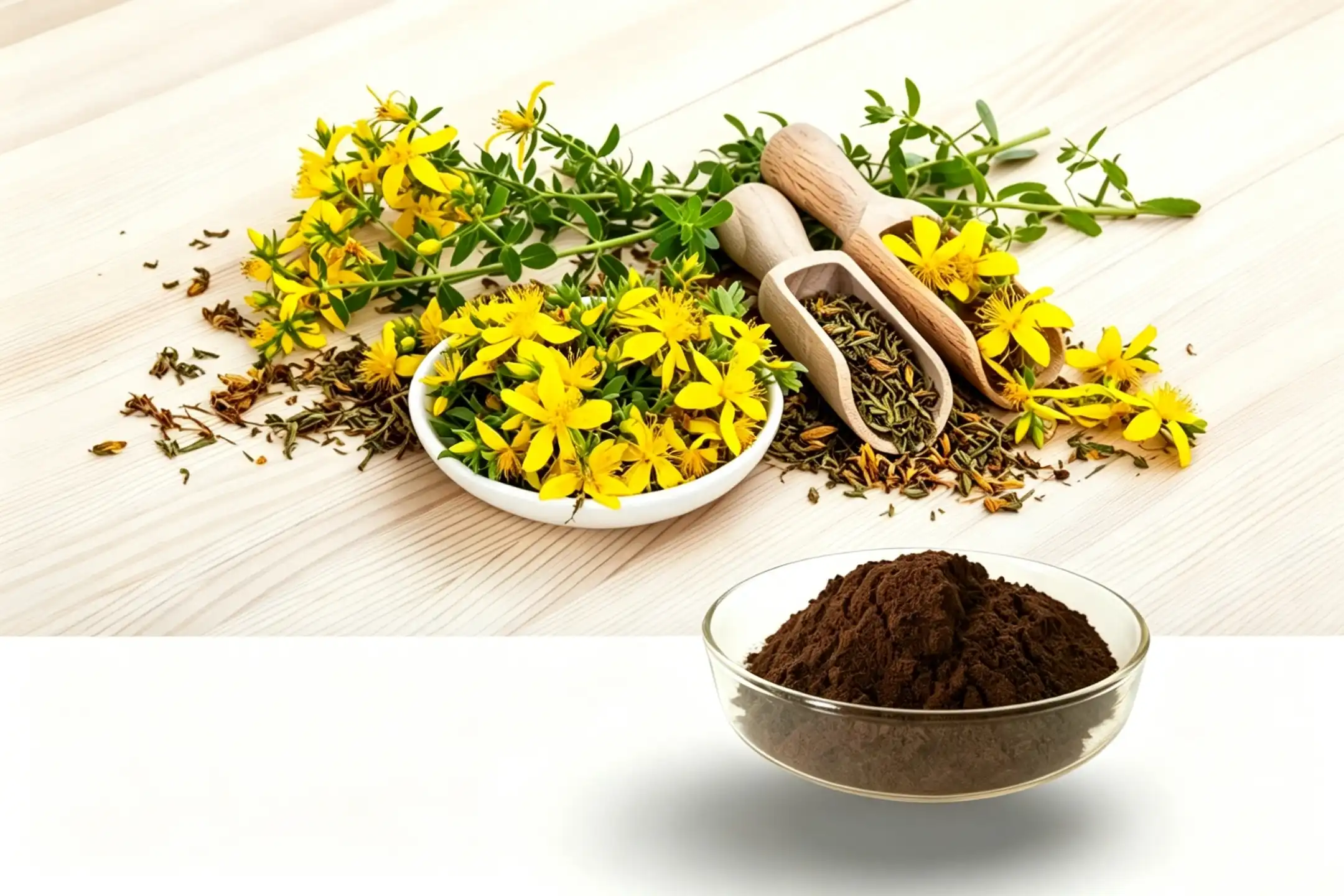
St. John's Wort Extract is made from the growing plant Hypericum perforatum, whose upper parts and flower heads have beneficial chemicals like hypericin and hyperforin. The product is known to help with mental health and mood balance because it has these things in it. Most of the time, methods that use ethanol are used to get rid of these active ingredients and compress them into a fine, uniform brown powder with particles about 80 mesh in size. For industrial use, this makes sure that the powder can move smoothly.
Cultivation and Certification Differences
The way they are grown is the main difference between regular and organic types. No man-made products are used to grow organic St. John's Wort. Instead, natural methods are used to get rid of pests and make the land better. There must be strict approval processes in place for this way to work. For example, the food must be USDA or EU Organic certified, and it must also meet international standards for HACCP and Halal. When normal gardening methods are used, synthetic fertilizers and herbicides are allowed to be used in certain amounts when making regular extracts. The standards for quality are still being met. Both types have to pass strict safety tests for microbes, heavy metals, and chemical leftovers. However, farmers feel even better about how they grow their crops when they get organic stamps.
Impact on Active Ingredient Profiles
How the plant is grown changes the mix of phytochemicals that are in the final product. The amount of hypericin in professional-grade products is usually set at 0.3% or less, and high-performance liquid chromatography is used to make sure the numbers are right. Organic gardening methods can increase the amount and stability of chemicals that are good for you. This is because plants that are grown without poisons might get better at protecting themselves. There are no man-made leftovers left on organic extracts, so they don't get in the way of studying the active ingredients. This makes batch-to-batch stability better, which is very important for businesses that need stable raw materials to make a lot of things. Both natural and organic products should have less than 5% ash and less than 1,000 cfu/g of total plate count to meet the standards of the supplement and drug businesses.

Key Benefits and Usage of Organic vs Regular St. John's Wort Extract
It has been shown over and over that St. John's Wort Extract can help with low to moderate nervousness and sadness. Neurotransmitters are also changed in clinical tests to show that it works. The extract helps you sleep well and fights free radicals, which makes it useful in many types of products, like skincare, food supplements, and plant-based medicines.
Safety and Purity Considerations
Different kinds of extracts are not as safe as organic ones because they leave behind more chemical waste. When you look at different goods, it's important to check them for contaminants. For example, to get an organic certification, products must be tested for over 500 pesticide residues according to EC 396/2005 guidelines, and polycyclic aromatic hydrocarbons must be kept below 10 ppb. Regular extracts are safe as long as they come from a reliable source, but they might have small amounts of legal man-made materials in them.
For both types, pyrrolizidine alkaloids need to be checked. This can happen when weeds get into the crops during gathering. Companies that want to sell high-end goods or to health-conscious people often choose organic options because they are in line with their brand's values of using only natural and clean materials. It changes how goods are promoted, how they are labeled, and how much trust people have in the brand, especially in places with strict rules like the US and EU.
Application Scenarios and Dosage Flexibility
The dark fine powder shape can be used with different mixtures. A good way to make food supplements that need to be taken every day in a certain amount is to bubble them up. Based on how much hypericin is in the medicine, these amounts are generally between 300 mg and 900 mg. The powder is easy to mix into products that treat skin problems caused by stress, and the liquid extracts work well in drugs and useful drinks. Because they are grown to higher standards, organic types cost more. This is in line with clean health trends and approved organic product lines. When R&D teams are making product lines, they should think about what customers want, what the rules are in the markets they're going after, and how organic approval fits in with the overall message of the brand.

Comparison of Organic vs Regular St. John's Wort Extract for B2B Procurement
When people who work in buying need to find botanical goods, they have a lot of options. Standards for quality are the foundation. As a minimum, you have to check the amount of hypericin, make sure the level of wetness is less than 5%, and test for all contaminants. With organic approval, you can keep track of the whole process, from the field to the finished product. More and more, quality assurance teams want the supply chain to be more open. This makes it happen.
Cost Analysis and Economic Considerations
Organic farming generally brings in less money per acre, takes more work, and costs more to approve. As a result, organic extracts cost 15% to 40% more than their conventional counterparts. This gap can be filled up a lot by learning how to buy in bulk. When a business wants to buy more than 100 kilograms of something, they usually can work out a deal that saves them money. When making the choice, think about how the goods will be sold in the end.
Higher prices can cover the higher costs of organic ingredients for high-end supplement lines aimed at health-conscious customers. On the other hand, value-oriented products may be able to make good earnings with good normal extracts. Long-term supply agreements with manufacturers that keep a safety stock of 10 to 20 tons allow for steady prices and fast delivery within 5 to 7 business days. This lowers the cost of having inventory and lowers the chance that there will be supply problems.
Supplier Evaluation Criteria
Many certifications, like ISO 22000, FSSC 22000, and ISO 9001, make St. John's Wort Extract sellers who you can trust stand out. These certifications show that they handle quality in an organized way. The paperwork needs to be very clear. Each batch from a reliable partner comes with a Certificate of Analysis that lists the results of tests on the active ingredients, heavy metals, and full microbe screens. One part of traceability is knowing where the raw materials come from.

The biggest sellers use regional advantages, such as Shaanxi's high-quality natural resources, to keep control of the whole value chain, from growing the plants to getting the oil out of them. You can tell how skilled a seller is by how much they can produce, how advanced their extraction methods are, how well they can change to your needs, and how quickly they can answer technical questions. Companies that have been around for a while and offer ODM/OEM services add value by making recipes better, changing particle sizes, and coming up with new ways to pack products that fit the needs of each market.
How to Choose the Right St. John's Wort Extract for Your Business Needs?
There are a number of things that must be in line with business goals in order to choose between organic and standard St. John's Wort Extract options. For medicinal uses, you need extracts that follow the rules set by the US Pharmacopeia or the European Pharmacopeia. These standards put a lot of weight on standardization and strong scientific proof. Organic approval can help supplement brands that want to appeal to health-conscious people in general. It supports their natural image and marketing claims. The people who make cosmetics may choose organic forms of things that say on the label that they are natural or organic. This way, all of the ingredient claims are true.
Procurement Decision Framework
To make sure that buying methods blend quality, cost, and dependability, they need to be evaluated in a planned way. Set the conditions for your goods, like how much hypericin it should have and any licenses it needs to sell in your market. Also, decide how much you're willing to pay. You can do your own tests if you get samples from more than one place. Compare the specs to the paperwork and check things like how well it dissolves, how consistent the color is, and how it smells.
You should look into how well the provider can help you with application advice, stability data, and properly getting into the market. Think about your shipping options, whether you need help with customs paperwork, and how much space you need. They will stay stable for a long time if you properly seal them and store them somewhere cool and dry. Getting to know service providers who offer full support, like being reachable 24 hours a day, 7 days a week, giving free samples at first, lowers the risk of buying something and makes it easier to form long-term partnerships.
Market-Specific Considerations
The rules that guide a region have a big effect on where people choose to buy things. The dietary supplement market in the US values openness and testing by a third party. This makes sellers with a lot of licenses more attractive. European buyers put a lot of weight on following stricter organic rules and limits on contaminants. This means that sellers need to know how to meet EU trade standards. Even though emerging markets may be open to change, production standards must be carefully checked. You can avoid quality problems that could hurt your brand's image and cost you a lot of money in returns by looking at the supplier's history of compliance, test results, and customer references.
Future Trends and Industry Insights in St. John's Wort Extract Market
The St. John's Wort Extract business is still changing quickly. This is because of new rules that stress safety and openness, as well as the fact that people want natural choices. The group that is growing the fastest is organic ingredients, which are growing at faster rates than both conventional items and organic ingredients. This is because people who care about their health are giving more attention to where the food they eat comes from.
Technological Advancements in Extraction
The quality of the product is getting better and extraction is becoming more efficient thanks to new technologies. When CO2 is supercritically extracted, no solvents are used. This is good for people who want clean labels. And yet, ethanol extraction is still the most cost-effective way to make a lot of things and get good recovery of the active ingredient. It is easier to get regular results with continuous countercurrent extraction techniques, and chemicals that are sensitive to heat can be kept with low-temperature concentration techniques. The big companies that make things are putting money into new technologies that make them more consistent between batches and improve their bioactive profiles. They should check how technologically modern their companies are if they want to get ahead of the competition. Products and materials that are more reliable are made with more improved methods.
Regulatory Evolution and Compliance
Around the world, stricter rules are changing what people need to buy. Because of the EU's strict Novel Foods rules and the FDA's closer scrutiny of the production of dietary supplements, more paperwork needs to be filled out. The rules for getting certified as organic are always changing. For instance, the levels of pollution are now lower, and there are stricter rules for keeping track of goods. Plan ahead and work with their sources to keep proactive compliance programs going, buy analytical tools, and show that they can adapt to new regulatory settings. These deals lower the risks and make sure that product lines can still be sold even if the rules change.
Conclusion
Quality standards, licensing requirements, cost, and long-term business objectives must all be carefully taken into account when choosing between organic and normal St. John's Wort Extract. The organic forms are more natural and cost more because they are more clean, but some people are willing to pay more for them. Regular extracts are a cheap choice that doesn't put your health at risk if you buy them from a reputable company that follows strict quality standards. Standardization of active ingredients, careful testing, trustworthiness of the source, and following the rules are some of the things that make buying great. All of these things work together to make supply lines strong, which is important for long-term business growth in the volatile market for botanical products.
FAQ
Q1: What is the primary difference between organic and regular St. John's Wort extract?
A: How the plants are grown is the main difference. Ingredients that are organic come from plants that were grown without using chemicals or fertilizers made by humans. This is clear from groups like the USDA Organic. Man-made inputs are used in regular extracts in the same way that they are in normal gardening. One type can achieve the same level of hypericin standardization as the other, but organic versions are sure to have less pesticides, which is more in line with the clean-label movement.
Q2: How can I verify the authenticity of organic certification?
A: You should ask for all the paperwork, such as organic certificates with dates that are still valid, Certificates of Analysis that are special to each batch, and test results from a third party. It is easy to see how finished goods are connected to approved organic raw materials from suppliers with a good image. It is a good sign that a company has good quality management if it has more than one certification, such as ISO, HACCP, and Halal. Check the certification numbers with the groups that gave them out.
Q3: Are there differences in efficacy between organic and conventional extracts?
A: When the amounts of hypericin are the same, both types show about the same amount of promise as medicines. Scientists have not been able to prove that organic St. John's Wort Extract is better at making people happy than regular extracts. Instead of differences in how well it works, the choice should be based on concerns about purity, market placing, and customer tastes. This is because the amount of active ingredient and the quality of the extraction are more important for pharmacological activity than the way the plant was grown.
Partner with Sigma for Premium St. John's Wort Extract Supply
Shaanxi Sigma Biotechnology Co., Ltd. is a trustworthy manufacturer of St. John's Wort Extract for food supplements, skincare, and plant-based medicines. A lot of tests are done on our standardized extract to make sure it has less than 5% ash and a germ count that passes medical standards. It also has at least 0.3% hypericin. These are some of the certificates we have: ISO 22000, HACCP, and Halal. We promise to follow all US FDA and EU rules. We have full control over the whole supply chain and our combined production sites are in Shaanxi's best natural area. They use cutting-edge ethanol extraction technology.
We can give good items at fair prices because of this. Having 10–20 tons of safety stock on hand lets us ship quickly—within 5–7 working days—all over the world, and our OEM/ODM services are flexible enough to meet your specific needs for particle size, packing, and papers. You can email our team at sarah@sxsigma.com to get samples, talk about technical details, or look into ways to do business. Let us show you how our commitment to quality, dependability, and full-service support can help your products do well in the market.
References
1. European Medicines Agency. (2009). Assessment report on Hypericum perforatum L., herba. Committee on Herbal Medicinal Products.
2. Linde, K., Berner, M. M., & Kriston, L. (2008). St John's wort for major depression. Cochrane Database of Systematic Reviews.
3. United States Pharmacopeial Convention. (2021). St. John's Wort Powder and Extract Monographs. USP-NF 2021.
4. Butterweck, V. & Schmidt, M. (2007). St. John's wort: Role of active compounds for its mechanism of action and efficacy. Wiener Medizinische Wochenschrift, 157(13-14), 356-361.
5. Barnes, J., Anderson, L. A., & Phillipson, J. D. (2007). Herbal Medicines: Third Edition. Pharmaceutical Press, London.
6. European Commission. (2005). Regulation (EC) No 396/2005 on maximum residue levels of pesticides in or on food and feed of plant and animal origin. Official Journal of the European Union.
Fucoxanthin Explained: Sources, Extraction, and Benefits
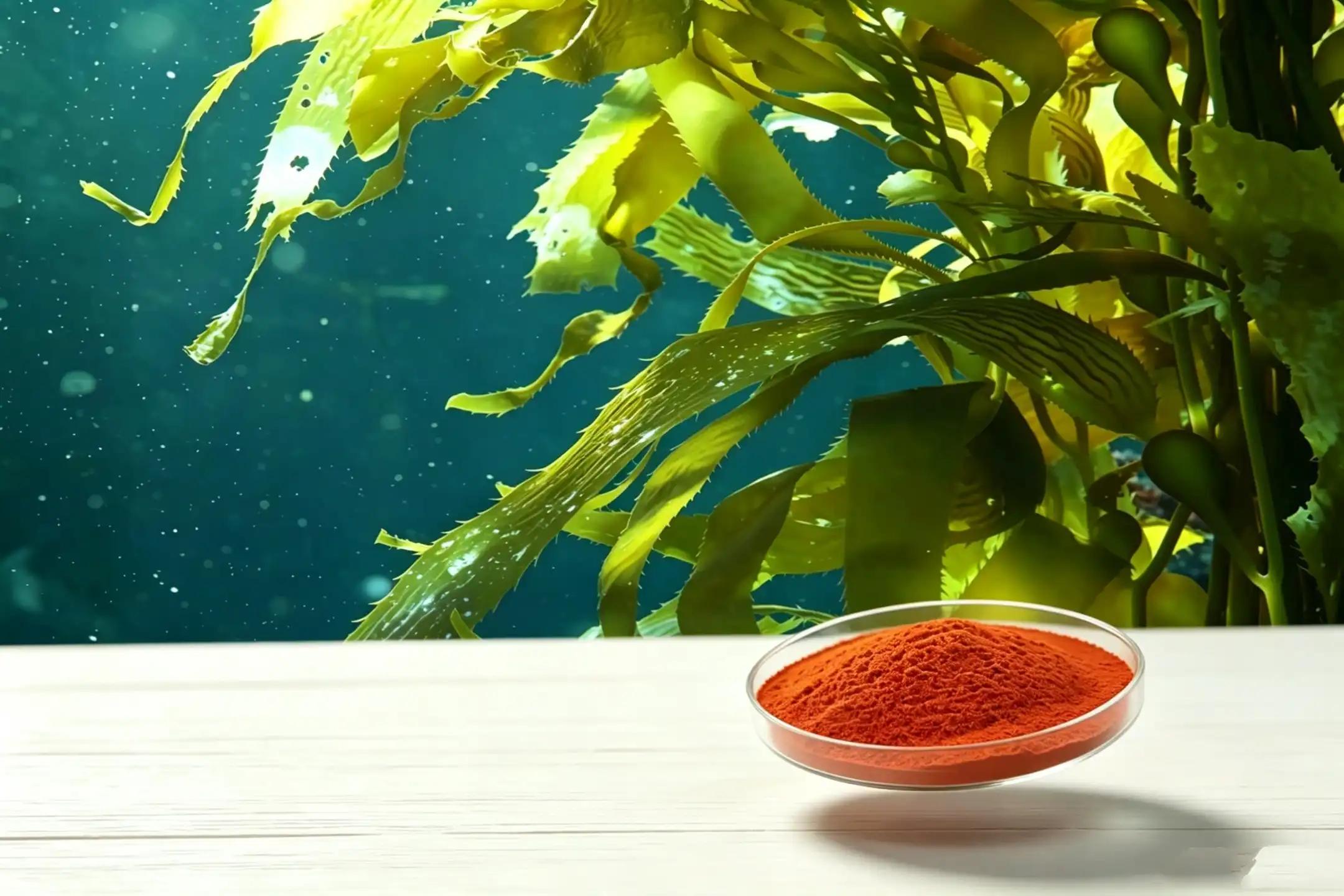
Some of the carotenes that are naturally found in Fucoxanthin Extract Powder come from Undaria pinnatifida and Laminaria japonica, which are both types of brown seaweed. There is a strong antioxidant and metabolic stabilizer in this natural ingredient that comes from the sea. It is different from plant-based foods that come from land because of the way its molecules are structured and how they react with heat. Because it is a fine brown powder, it is easy to add to functional foods, nutraceuticals, and dietary supplements. This fills a need in the market for natural ingredients that have been shown by science to help with weight loss and cell health.

Understanding Fucoxanthin Extract Powder
The Chemical Nature and Biological Mechanism
Fucoxanthin is a carotene from the xanthophyll family. You can tell them apart from other carotenoids by the oxygen in their functional groups. Because it has an odd allenic link and an epoxide group, this molecule is not the same as beta-carotene or lutein. These groups help it do cellular work. When you eat fucoxanthin, your body breaks it down into fucoxanthinol and amarouciaxanthin A. These changes make the fucoxanthin easier for the body to use, and its affects on fat cells last longer.
Studies in scholarly journals say that fucoxanthin raises the amount of uncoupling protein 1 (UCP1) in white fat tissue. Most of the time, this process is linked to brown fat thermogenesis. Because it makes the body use energy instead of store it, this action is useful for formulas that aim to improve metabolic health. The substance lowers oxidative stress markers in clinical models by stopping nuclear factor-kappa B (NF-κB) signaling pathways. It also reduces inflammation.
Distinctions from Other Marine and Plant Extracts
Fucoxanthin is often compared to astaxanthin, spirulina powder, and chlorella extract when buying managers look at plant-based ingredients. Spirulina is good for you because it has protein and B vitamins, but fucoxanthin has a unique thermal effect that spirulina doesn't have. Astaxanthin is another color found in seaweed. It fights free radicals very well but not as well at keeping the metabolism in check. There are many catechins in green tea extract. It works with other substances but in different biological ways. One of these ways is by stopping catechol-O-methyltransferase.
When R&D teams know about these differences, they can make goods that work better with each other. Fucoxanthin can be mixed with other actives to work on more than one pathway at the same time. This makes the product more effective and keeps the label clear for future users.
Sourcing and Extraction Methods
Natural Versus Cultivated Raw Material Sources
How stable and good the Fucoxanthin Extract Powder is depends a lot on where the raw materials come from. A lot of people gather brown seaweed in the wild along the beaches of Japan, Korea, and some Atlantic zones. But the amount of fucoxanthin in the seaweed changes with the seasons, the water temperature, and the chemicals that are available. Farmers can have more control over the conditions that the plants need to grow in seaweed farms. This way, they can get regular crops with known amounts of active ingredients.
When people decide what to buy, sustainability is becoming more and more important. Growing seaweed is better for the earth than farming on land because it doesn't need fresh water, fertilizers, or room that could be used for crops. Suppliers who follow the rules of the Marine Stewardship Council (MSC) or have similar licenses show that they are responsible with their buying. This is what quality assurance teams look for in people they want to work with for a long time. The paperwork for traceability should say where the collection took place, what kind of plant or animal it was, and if any tests were done before the extraction. When someone wants to sell something in Europe or North America, these details help them make sure that the product complies with local rules about limits on microbe and heavy metal pollution.
Extraction Technologies and Their Impact on Purity
How the fucoxanthin is sorted from the seaweed material affects how clear and stable the powder is and how many liquids are still in it. Emulsifiers like ethanol or acetone are used to break down the colors in dried kelp that are attracted to fat. This is a cheap way to do it, but it might leave behind some liquid and unwanted fats or chlorophylls, which means you have to clean it up in more steps.
Producers who care about quality now use supercritical CO2 extraction more than any other method. If you control the high pressure and temperature, supercritical carbon dioxide can remove fucoxanthin while leaving chemicals behind that you don't want. Fucoxanthin levels of at least 10% are usually found in the fine, brown powder that is made this way. The bioactivity is still there, and there is no liquid waste left over.
People who believe in green science like CO2 because it is safe and doesn't catch fire. It also helps to address safety concerns made by regulators and customers. Some enzymes can be used to break down the cell walls of kelp and release carotenoids in mild conditions. This is a new possibility. Even though this method cuts down on heat damage and rust a lot, it is still not used very often in large-scale production because it costs more to set up.

Quality Standards and Documentation Requirements
They should ask for a full Certificate of Analysis (CoA) for each batch. The CoA should include the active ingredient content by high-performance liquid chromatography (HPLC), as well as the heavy metal profiles (≤10ppm), bacteria counts, pesticide residues, and loss on drying measures (≤3%). You can trust suppliers who keep their ISO 22000, HACCP, and Halal licenses. These show that they follow international rules for managing food safety.
To make sure that the particles are spread out properly in capsules, tablets, or liquid forms, they need to be as small as 80 mesh. Controlling moisture keeps the product from clumping and letting germs grow while it's being kept, and nitrogen washing or vacuum-sealing stops it from breaking down due to oxygen. When you ship things in bulk, you should include steady data that tells you how long they will last in the best places to store them, which are usually dark, cool, and dry.
Comparative Analysis for Procurement Decision-Making
Efficacy Benchmarking Against Alternative Ingredients
If you're making products to help people lose weight or improve their metabolism, comparing Fucoxanthin Extract Powder to well-known ingredients can help people understand why decisions were made. Over 16 weeks, scientific tests have shown that taking 2.4 to 4 mg of fucoxanthin every day can help people lose weight and shrink their waists. This is because it raises lipid breakdown and lowers lipogenesis.
Ephedrine and caffeine in green tea extract help people lose weight by making them burn more fat and calories. But people who are sensitive to caffeine can't use products made for use at night or recipes made for sensitive groups. Different things work for garcinia cambogia extract and conjugated linoleic acid (CLA). But fucoxanthin is getting more attention and there is more scientific backing for it, especially in the Asian and North American markets. Astaxanthin, which comes from the diatom Haematococcus pluvialis, is a strong antioxidant that keeps cells safe but doesn't have the same ability to speed up metabolism as fucoxanthin. You can fight oxidative stress and thermogenesis at the same time by using both carotenoids in the same mix. This makes your product stand out on the market.
Powder Versus Capsule Forms and Manufacturing Compatibility
The best people to use Raw Fucoxanthin Extract Powder are manufacturers who make their own capsules, pills, or drinks. The particles with an 80-mesh size are easy to mix with equipment, which makes sure that the particles are spread out evenly across runs. You can also change the amounts of fiber, probiotics, and other ingredients that work well together when you make your own mixes in powder form.
For brands that don't have their own encapsulating facilities, pre-encapsulated fucoxanthin makes production easier. However, it makes it harder to adjust the amount and costs more per unit. Liquid softgel forms work better because they dissolve fucoxanthin in oil matrices ahead of time, which is good for people who like easy-to-take shapes. Each form has its own benefits that depend on the needs of the target market and the production tools that are available.
Supplier Evaluation Criteria and OEM/ODM Considerations
It's not enough to just look at the product specs to find a reliable seller. Strategic partners are not the same as transactional sellers; they can help you plan. Those who work with providers that offer OEM and ODM services can make customized goods without having to spend money on extraction tools. As part of the services, you should be able to get help with formula tuning, stable tests, package design advice, and regulatory paperwork. It's important to be clear about where to get raw materials, how accurate each batch is, and any problems that might happen in the supply chain. This helps build trust, which is needed for long-term teamwork. When suppliers keep extra stock, usually 10–20 tons of products that are in high demand, it shows that they are dedicated to on-time deliveries. This helps clients who use just-in-time manufacturing plans avoid production delays.

Application Scenarios and Market Potential
Nutraceutical and Functional Food Integration
Fucoxanthin is mostly found in food products that help with weight loss, digestive health, and antioxidants. Most of the market is made up of capsules and pills, with Fucoxanthin Extract Powder being a common source. Most of the time, each dose has 2 to 5 mg of fucoxanthin. People who can't handle caffeine or who like to use goods in the evening now have more options because the ingredient works well with caffeine-free thermogenics. More and more, companies that make functional drinks are adding seaweed products to health shots, kombucha, and better waters that are already made.
Pay attention to pH, light exposure, and protective co-factors like vitamin E to keep liquid structures solid. The use of microencapsulation technologies can help fucoxanthin mix with water better and keep it from breaking down. Fucoxanthin helps the metabolism, which makes meal replacement drinks and protein shakes better, which is what people want in all-around healthy products. When it comes to clean label trends, people like things that come from nature, aren't genetically changed, and are treated as little as possible. All of these conditions are met by fucoxanthin that has been removed using supercritical CO2.
Cosmetic and Dermatological Applications
Not only can fucoxanthin be taken by food, but it also shows promise in skin care items. UV light can damage skin cells, but this oil can protect them from that damage with its antioxidant effects. It may also help the skin barrier work better and reduce redness. Beauty goods companies can use these traits to make anti-aging serums, whitening creams, and sun care items. As a formulator, it can be hard to make sure that emulsion systems are solid and that the formula goes deep enough into the skin. Liposome administration or nanoemulsification processes make the drug more soluble when it is put on the skin. How makeup and food supplements are regulated is very different from one another. For sellers to be able to help a lot of different clients, they need to know both sets of rules.
Regulatory Landscape and Compliance Considerations
People in the United States take fucoxanthin as a vitamin. The Food and Drug Administration (FDA) is in charge of it because of the Nutritional Supplement Health and Education Act (DSHEA). Good Manufacturing Practice (GMP) rules say that companies must follow them, signs must be correct, and promises about structure-function must be backed up. In the EU, foods may need novel food status scores before they can be sold. This depends on how they were made and how much of them were eaten before.
People who follow religious rules about what to eat can buy food more easily when it has certifications like Halal and Kosher. This makes the process faster for brands that want to enter new markets when providers offer these licenses along with normal paperwork. There are different testing requirements in different areas. For example, you may need to meet California's Proposition 65 or Health Canada's Natural Health Product rules. Knowing these requirements can save you a lot of time and money as you try to get your product on the market.
Conclusion
Fucoxanthin Extract Powder is an ingredient that comes from a natural source and has been shown to work by science. It fills an important gap in the areas of metabolic health and functional diet. This machine has a unique heating mechanism, clean extraction technology, and many certification options. These make it a good choice for brands that want to make their product lines competitive. When you buy something, you should pay attention to how it is extracted, how open the provider is, and how complete the paperwork is. This will make sure that all batches are the same and that all rules are followed on places around the world. If you use high-quality fucoxanthin goods early on, you can get a big edge in the market as more people learn about marine-based bioactives.
FAQ
Q1: Is Fucoxanthin Extract Powder safe for long-term supplementation?
A: 16 weeks of clinical tests showed that the normal amounts (2–5 mg of fucoxanthin per day) were safe and didn't have any major side effects. For the first time, the substance is broken down into its parts, and these parts are then flushed out of the body through normal liver pathways. Products made from brown kelp have been tested for safety and are Generally Recognized as Safe (GRAS) for use in food. A supplier should check each batch for heavy metals to make sure the levels are less than 10ppm and the number of bacteria is within acceptable limits. This will help them make sure their goods are safe and meet international standards.
Q2: What active ingredient concentration should formulation teams specify?
A: It is easier to get the right amount and preparation when the extracts are standardized to have at least 10% fucoxanthin by weight. With this concentration, doses can be given in normal pill amounts without adding too much fill weight. Higher amounts (20–30%) are out there, but they may be hard to dissolve in some things. For R&D teams, stable data that shows how well the product works over its entire shelf life should be asked for. This data should be kept in a cool, dry place away from light.
Q3: How can authenticity be verified when evaluating supplier samples?
A: Authentic Fucoxanthin Extract Powder exhibits characteristic brown coloration and should disperse uniformly in lipid solvents. HPLC analysis provides definitive verification, identifying fucoxanthin via retention time comparison with authenticated reference standards. Spectrophotometric analysis measuring absorbance at 450 nm offers preliminary confirmation. Before you hire a supplier, make sure you get all the appropriate CoA paperwork, like chromatograms, and think about getting a third-party lab to check their qualifications. Companies that have a good image are willing to be open and provide thorough analysis help.
Partner with Sigma for Premium Fucoxanthin Extract Powder Supply
Shaanxi Sigma Biotechnology Co., Ltd. delivers pharmaceutical-grade Fucoxanthin Extract Powder manufactured through supercritical CO2 extraction, ensuring zero solvent residue and preserved bioactivity. Our marine-sourced ingredient maintains ≥10% fucoxanthin content with batch-to-batch consistency verified through high-performance liquid chromatography (HPLC) analysis. Complete certifications including ISO 22000, HACCP, and Halal documentation facilitate seamless regulatory compliance across North American and European markets.
We maintain substantial inventory levels enabling delivery within 5-7 working days, supported by flexible OEM/ODM services for custom formulation development. Each shipment includes comprehensive Certificates of Analysis detailing heavy metal profiles (≤10ppm), microbial testing, and physical specifications (80 mesh, ≤3% moisture). Our technical team provides formulation guidance, stability recommendations, and regulatory documentation support throughout product development cycles. Contact our dedicated export team at sarah@sxsigma.com to request samples and discuss your specific requirements with a trusted fucoxanthin extract powder manufacturer.
References
1. Maeda, H., Hosokawa, M., Sashima, T., & Miyashita, K. (2007). Dietary combination of fucoxanthin and fish oil attenuates the weight gain of white adipose tissue and decreases blood glucose in obese/diabetic KK-Ay mice. Journal of Agricultural and Food Chemistry, 55(19), 7701-7706.
2. Abidov, M., Ramazanov, Z., Seifulla, R., & Grachev, S. (2010). The effects of Xanthigen in the weight management of obese premenopausal women with non-alcoholic fatty liver disease and normal liver fat. Diabetes, Obesity and Metabolism, 12(1), 72-81.
3. Peng, J., Yuan, J. P., Wu, C. F., & Wang, J. H. (2011). Fucoxanthin, a marine carotenoid present in brown seaweeds and diatoms: metabolism and bioactivities relevant to human health. Marine Drugs, 9(10), 1806-1828.
4. Miyashita, K., Beppu, F., Hosokawa, M., Liu, X., & Wang, S. (2020). Nutraceutical characteristics of the brown seaweed carotenoid fucoxanthin. Archives of Biochemistry and Biophysics, 686, 108364.
5. D'Orazio, N., Gemello, E., Gammone, M. A., de Girolamo, M., Ficoneri, C., & Riccioni, G. (2012). Fucoxanthin: a treasure from the sea. Marine Drugs, 10(3), 604-616.
6. Beppu, F., Niwano, Y., Tsukui, T., Hosokawa, M., & Miyashita, K. (2009). Single and repeated oral dose toxicity study of fucoxanthin extracted from Laminaria japonica in mice. Journal of Toxicological Sciences, 34(5), 501-510.
How to use perilla extract daily?
Through exact dosing methods made for particular product uses, Perilla Extract can be added to everyday formulations. For nutraceutical uses, adding 150–500 mg standardized to Rosmarinic acid level guarantees therapeutic effectiveness in supporting breathing and managing inflammation. In functional food and drink environments, doses between 0.1 and 0.5% by weight work as natural preservatives and provide antioxidant effects. When making cosmetics for people with sensitive skin, amounts of 1 to 3 percent are usually used in liquid systems. When procurement workers understand these application-specific factors, they can improve formulation results while keeping batch-to-batch consistency and regulatory compliance throughout production processes.
Understanding Perilla Extract and Its Benefits
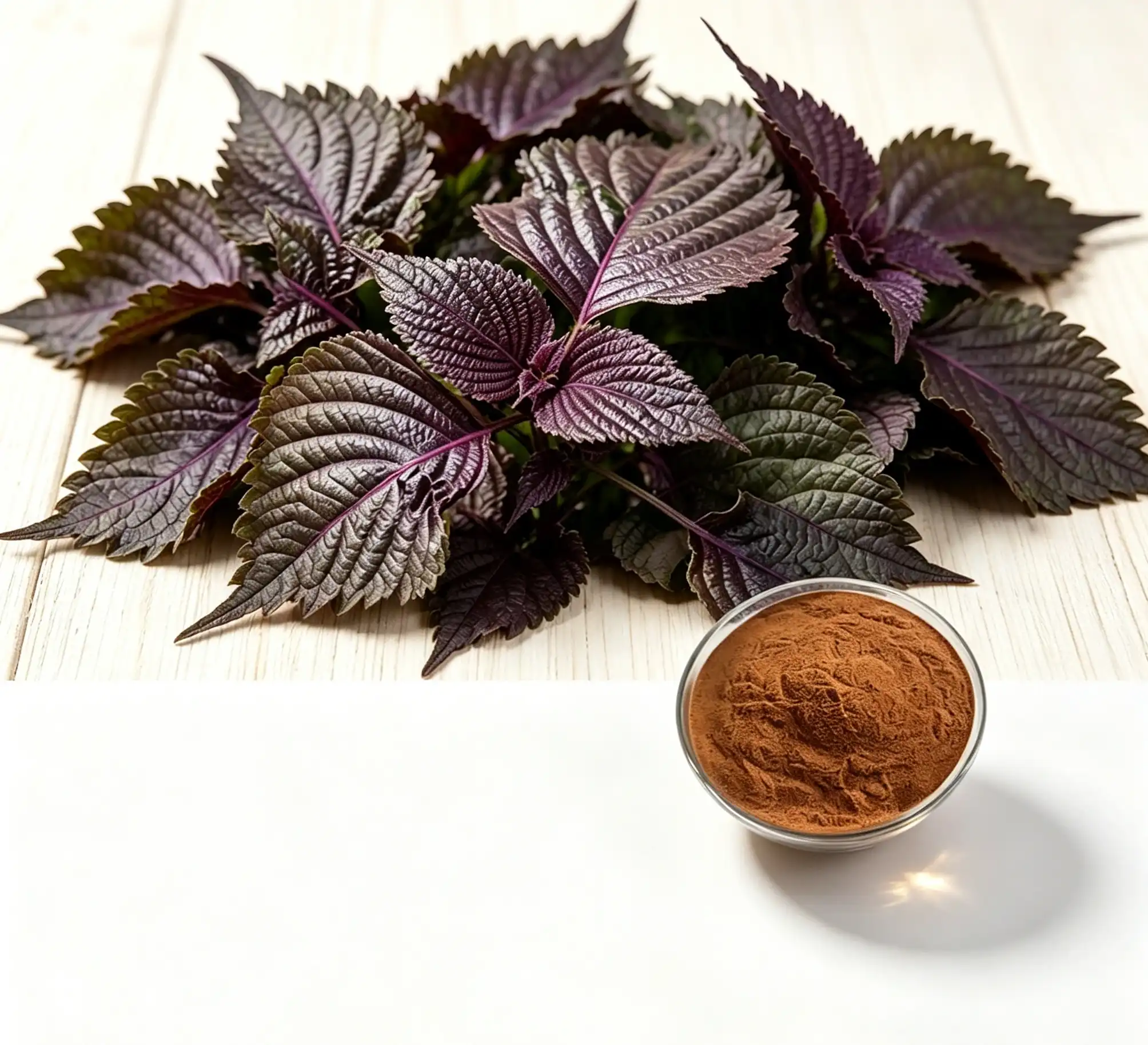
Using ethanol to extract perilla leaves makes a fine, yellow-brown powder that has a standard Rosmarinic acid level that can be anywhere from 5% to 98%, based on the needs of the application. The 80-mesh particle size makes it easy for different delivery methods to spread the Perilla Extract out evenly, and the fact that it dissolves in both ethanol and water gives formulators a lot of options. Because of this, the extract can be used in pills, tablets, medicinal drinks, and cosmetics that are put on the skin.


Core Bioactive Properties
The extract's healing power comes mostly from the polyphenols it contains. It has been shown that Rosmarinic acid can stop certain enzyme processes that are involved in inflammatory reactions. These include blocking 5-lipoxygenase and 12-lipoxygenase. Clinical study has shown that it works to control the release of histamine, which is why supplement companies are becoming more interested in making allergy support products. The antioxidant power, as shown by ORAC values, is usually higher than that of many common plant products, protecting food more effectively against lipid peroxidation.
In addition to reducing inflammation, the product helps the lungs work better by keeping mast cells stable. Because of this, it is included in winter health products that aim to soothe the upper respiratory system. Omega-3 fatty acid content has heart health benefits that make its uses even wider. However, leaf extracts mostly focus on phenolic chemicals instead of the lipid parts found in seed oils.
Quality Parameters That Matter
Standardized extracts are the only way to make sure that everything is the same in a manufacturing setting. Rosmarinic acid levels in professional-grade materials stay within narrow specification ranges. This lets dose-response relationships in finished goods be predicted. Mineral pollution is low if the ash content is less than 5%, and stability during storage and shipping is ensured by moisture levels below 5%. These factors directly affect the shelf life and stop the growth of microbes that could damage the structure of the batch.
Another important benefit is that the extract keeps the structure of the beneficial compounds at temperatures up to 120°C during short-term processing. This quality is very important for manufacturing processes that need to be exposed to heat, like making hot drinks or sealing processes that need high temperatures. When reviewing a supplier's skills, procurement teams should use rapid aging studies to make sure that stability data is correct.
How to Use Perilla Extract Daily: Best Practices for Maximum Efficacy
To make daily integration work, you need to make sure that the specifications of the Perilla Extract fit the intended uses, and you also need to think about bioavailability factors that affect clinical results. The powder form is the most flexible because it can be directly mixed into dry mixtures or dissolved into liquid systems, based on the needs for stability.
Dosage Guidelines Across Applications
Nutraceuticals that help the immune system and allergies usually have 150 to 500 mg of Rosmarinic acid per dose, which is standardized to give the body regular exposure to it. This range is in line with studies that shows histamine reduction without the sedative side effects that come with regular antihistamines. Formulation makers often mix the extract with ingredients that work well together, such as quercetin or bromelain, to make the benefits stronger and more effective overall.
Lower concentrations, usually 0.1% to 0.5% by weight of the whole product, are used in functional food uses. At these amounts, the extract works as both a natural preservative that keeps the lipids stable for longer and as a useful ingredient that backs up marketing claims. The ingredient has been successfully added to health drinks, smoothie bases, and ready-to-drink tea recipes, where its mild herbal notes enhance existing flavors without the need for flavor hiding agents.

Timing and Administration Considerations
Bioavailability optimization rests in part on when the drug is given in relation to food. The polyphenolic chemicals in the extract are better absorbed when eaten with dietary fats. This means that products that want to give the most bioavailability should either take lipid content into account or suggest eating with food. Technologies that use encapsulation can protect sensitive chemicals even more while they pass through the stomach, making it easier for them to get to the parts of the body that absorb them.
Manufacturing methods should include instructions for mixing steps that make sure the mixture is evenly spread across the batch volumes. The powder's small particles make it easier to mix, but in dry places, static electricity can sometimes cause it to clump. Handling problems in high-volume production settings are often solved by pre-mixing with flow agents or adding them directly to liquid stages.
Quality Evaluation Criteria
People who work in procurement need to set clear acceptance standards that go beyond simple specification sheets. The Certificate of Analysis should show that the Rosmarinic acid content was confirmed using HPLC, that heavy metal levels were below the allowed levels by regulation, and that microbial tests showed that there were no bugs. Getting ISO 22000, HACCP, or Kosher approval from a supplier is another way to be sure that their quality management and process controls are up to par.
Because ethanol is used for extraction, solvent residue testing is even more important. Professional-grade materials don't leave behind any chemical waste because they are processed correctly, so there are no worries about following the rules or keeping customers safe. Accelerated stability testing helps predict how long something will last on the shelf, which helps with storage suggestions and choosing when to expire something.
Perilla Extract vs. Alternative Supplements: Making an Informed Choice
The market for botanical ingredients has a lot of choices for getting the same useful results, so comparing them is important for making smart buying decisions. Knowing the relative benefits of different materials helps users choose materials that are best for both professional performance and making money with Perilla Extract.
Comparison with Traditional Omega-3 Sources
Omega-3 supplements made from fish have been the mainstay of the market, but worries about sustainability and the possibility of allergens have led to interest in plant-based options. Alpha-linolenic acid (ALA) can be found in perilla seed oil, but Rosmarinic acid-standardized leaf products have different treatment goals, such as reducing inflammation rather than managing heart disease-related fats. This difference is important when figuring out how to place a product and back up claims.
Flaxseed oil is another plant-based source of omega-3, but its oxidative instability makes it hard to formulate goods that need to last a long time. The Rosmarinic acid-rich extract is very stable under reactive stress and keeps its effectiveness for a normal product lifecycle without needing to be stored in a fridge or in a neutral atmosphere. This useful benefit makes the supply chain simpler and opens up more marketing channel options.

Powder versus Liquid Formulations
Format choice affects more than just recipe compatibility when it comes to operations. Powder extracts are better for large-scale production settings because they are easier to store, less expensive to ship, and more accurate when dosing. Because the particles are so small, they can be pressed directly into tablets or capsules without having to go through extra steps that raise the cost of production.
It's easier for liquid extracts or medicines to dissolve in drinks right away, but they need to be handled carefully to keep them from becoming contaminated by microbes and breaking down due to oxidation. Powders that aren't kept properly tend to have shorter shelf lives, which can change how you manage your goods and how much you need to order at a time. Powder forms are usually better for cost per unit of active ingredient when standardization levels and application needs match up well.
Smart Procurement Strategies for Perilla Extract
Negotiating prices is only one part of successful buying. You also need to make sure that your suppliers are qualified, follow quality control rules, and handle supply chain risk. Manufacturing companies that make medium to large amounts of goods need partners who can consistently deliver on time and meet specifications across multiple batches for Perilla Extract.
Supplier Qualification Essentials
The first step in evaluating a provider is to check their manufacturing qualifications. ISO 9001 approval shows that a quality management system is being used, and ISO 22000 is all about managing food safety throughout the entire production chain. HACCP approval gives you even more confidence that critical control points are being watched over and fixed according to the right procedures. Getting Kosher and Halal licenses makes it easier to reach customers or live in certain areas that have religious food needs.
Suppliers who are committed to openness are different from those who just hold certificates because they can be audited. Leading makers let customers look around their facilities and let them into production areas, quality control labs, and areas where they store raw materials. Because of this, procurement teams can look at actual skills instead of just documents that might not show how things really work.
Evaluating Technical Support Capabilities
The best source ties go beyond just getting materials; they also include helping with formulations and fixing problems with applications. Companies that have their own expert teams can help you figure out the best ways to incorporate things, test for security, and back up your claims. This consultative method shortens the time it takes to build a product while lowering the risks that could come up with the formula and cause launches to be delayed.
Customization options, such as OEM and ODM services, let makers choose the right extraction ratios, particle size ranges, and transport systems for each application. Flexible minimum order amounts allow for both initial product samples and full-scale commercial production, making it easier to use resources efficiently at all stages of a product's lifecycle. This combined method is shown by Shaanxi Sigma Biotechnology, which keeps 10–20 tons of key materials in stock to ensure delivery within 5–7 business days and offers full customization services.
Navigating Pricing and Contract Structures
Changes in seasonal supply and farming yields affect the prices of raw materials because of how the market works. By setting up long-term supply deals with pricing based on clear indices, you can protect yourself from sudden changes in prices and make sure that suppliers will meet your volume needs. When you make a bigger commitment, you get better unit economics with volume-based price tiers. However, buying teams have to weigh the cost savings against the risks of obsolescence and inventory carrying costs.
Payment terms and quality guarantee periods have a big effect on risk sharing and cash flow. Reliable sellers offer longer quality promises, usually 12 months from the date of manufacture, so you can be sure that the materials will stay stable. When an incoming check finds problems, return and swap policies that cover specification non-conformance protect the buyer's interests. However, there are clear paperwork requirements and time limits that apply. Sigma lets you return or swap products within 15 days if there are quality issues, and they also offer professional technical advice on how to use the recipes.

Maximizing ROI: Leveraging Perilla Extract in Your Product Line
Strategic ingredient selection includes more than just practical performance. It also includes ways to stand out in the market, follow the rules, and communicate with customers. The Perilla Extract clean-label image and benefits that have been backed up by research make product stories more appealing to health-conscious customers.
Formulation Innovation Opportunities
A high-growth opportunity area is cosmetics that are used to treat sensitive skin problems. The substance has been shown to lower pro-inflammatory cytokines (IL-1β, TNF-α), which meets the needs of people who want gentle but effective skin care products. Adding 1% to 3% amounts to serums, creams, and lotions made for atopic dermatitis or UV-induced oxidative stress makes them stand out in beauty markets that are already very crowded and where synthetic anti-inflammatory drugs are getting more and more attention from regulators.
Functional food and drink innovation keeps speeding up as people look for everyday goods that offer health benefits beyond basic nutrition. Because of their natural preservation properties, producers can get rid of manufactured antioxidants like BHA and BHT while still keeping the safety of lipids in high-fat mixtures. This dual purpose makes the ingredient deck less complicated while also supporting clean-label marketing claims that consumers are becoming more and more interested in.
Regulatory Compliance and Quality Assurance
When you import or ship goods, you have to pay close attention to the different paperwork standards and certification needs that each country has. Current Good Manufacturing Practices (cGMP) must be followed to comply with the US Food and Drug Administration (FDA). However, the Novel Foods Regulations in the EU add extra requirements based on the quantity and use of the extract. Professional providers keep detailed regulatory files that help with the product registration process. This makes it easier for customers to enter new markets.
Batch tracking systems that connect lots of finished goods to lots of raw materials allow for quick action if quality problems show up after the goods have been distributed. Electronic paperwork systems that offer access to Certificates of Analysis, specification sheets, and safety data sheets (MSDS) make quality assurance tasks easier and make sure that records can be audited. These improvements in operating efficiency directly lead to lower compliance costs and shorter lead times for product launches.
Market Positioning and Consumer Communication
Telling stories about ingredients has become a strong way to build brand loyalty and defend high prices. The plant that the extract comes from, its history of traditional use, and its recent scientific confirmation all weave together stories that connect old knowledge with new health science. These features can be used by marketing teams on packaging, digital content, and retail teaching tools to build trust with their target audiences.
Badges that show third-party testing and approval are a quick and easy way for customers to see that a product is of a certain quality when they are looking at it at the store. Verification from the Non-GMO Project, USDA Organic certification, and test results from an independent lab all address common customer worries about where ingredients come from and how they are processed. These trust signs make people less hesitant to buy and help premium positioning against rivals who aren't as clear.
Conclusion
To successfully add Perilla Extract to daily production, you need to find a balance between technical requirements, quality control procedures, and the dependability of the supply chain. The standardized Rosmarinic acid level of the extract gives constant anti-inflammatory and antioxidant effects in functional foods, cosmetics, and nutraceuticals. It's not enough for procurement workers to look at price when choosing a seller. They also need to look at the supplier's manufacturing credentials, ability to customize products, and technical support resources. Understanding application-specific dose guidelines, solubility factors, and formulation stability standards lets you use ingredients in the best way possible while still following the rules. Strategic relationships with suppliers that offer consistent quality, reliable shipping, and helpful customer service give businesses an edge in markets that want clean-label alternatives to synthetic chemicals.
FAQ
Q1: Is daily consumption of perilla extract safe for all user groups?
A: When used in the suggested dosage ranges, professional-grade extracts that have been standardized to the right levels of Rosmarinic acid have great safety ratings. Clinical tests have shown that tolerance can be reached by a wide range of people without causing major problems. Manufacturers should tell women who are pregnant or nursing, taking prescription drugs, or who are known to be allergic to plants in the Lamiaceae family to talk to their doctors first. Good providers give full safety information, like drug studies that back up safe use levels in different situations.
Q2: Can perilla extract effectively replace fish oil in omega-3 supplements?
A: The comparison depends on the exact goals of the therapy. Perilla seed oil has ALA omega-3 fatty acids that come from plants, so vegetarians can use it instead. Leaf samples that are standardized for Rosmarinic acid work on inflammatory pathways instead of the heart fat control linked to EPA and DHA from marine sources. Instead of treating materials like they are all the same, formulation engineers should choose materials based on the health results they want to achieve and how they will be marketed.
Q3: What criteria should guide bulk supplier selection?
A: Give more weight to sellers who have well-known certifications like ISO 22000, HACCP, and qualifications specific to your market. Check out the technical help, customization options, and inventory control systems that make sure there is a steady supply. Ask for batch testing data that shows that the specifications were met in multiple production runs. Check how quick they are to contact and how willing they are to handle facility checks. This shows that they are committed to quality and openness, which are important for long-term relationships.
Partner with Sigma for Premium Perilla Extract Supply
Shaanxi Sigma Biotechnology Co., Ltd. sells plant extracts that are of professional grade and meet the high standards of global B2B buyers in the food, cosmetics, and nutritional industries. Our Perilla Extract, which has a Rosmarinic acid level that is standardized to be between 5% and 98%, is very stable against oxidation and consistent from batch to batch, which is important for large-scale production. Our materials meet strict US FDA and EU legal requirements and are certified to ISO 22000, ISO 9001, and HACCP standards. We can keep our prices low by integrating our production processes.
We are in Shaanxi province, which is China's best place to find plant ingredients, and we run the whole value chain, from getting the raw materials to delivering the finished product. Advanced ethanol extraction technology leaves no liquid remains and keeps the purity of the bioactive substance. Our 10–20-ton safety stock guarantees fast delivery within 5–7 working days, and our OEM/ODM services can accommodate unique specs, particle sizes, and packaging formats. If you are a procurement worker looking for a reliable provider, please email our technical team at sarah@sxsigma.com for full product details, competitive quotes, and a free sample evaluation.
References
1. Chen, J.H., & Xie, M.L. (2018). "Rosmarinic Acid: Properties, Applications, and Safety in Food and Pharmaceutical Industries." Journal of Food Science and Technology, 55(9), 3315-3327.
2. Makino, T., Furuta, Y., & Wakushima, H. (2016). "Anti-allergic Effect of Perilla frutescens and its Active Constituents." Phytotherapy Research, 30(8), 1168-1178.
3. Osakabe, N., Yasuda, A., & Natsume, M. (2019). "Rosmarinic Acid Inhibits Epidermal Inflammatory Responses through Enhanced Antioxidant Defense." International Journal of Molecular Sciences, 20(3), 531-545.
4. Park, S.U., Uddin, M.R., & Xu, H. (2020). "Biotechnological Applications and Functional Properties of Perilla species." Industrial Crops and Products, 154, 112712-112725.
5. Takano, H., Osakabe, N., & Sanbongi, C. (2017). "Extract of Perilla frutescens Enriched for Rosmarinic Acid Reduces Oxidative Stress in Functional Food Applications." Bioscience, Biotechnology, and Biochemistry, 81(7), 1388-1396.
6. Zhou, X.J., Yan, L.L., & Yin, P.P. (2021). "Extraction, Structural Characterization, and Bioactive Properties of Polyphenolic Compounds from Perilla frutescens." Food Chemistry, 340, 127933-127944.
What is huajuhong powder used for?
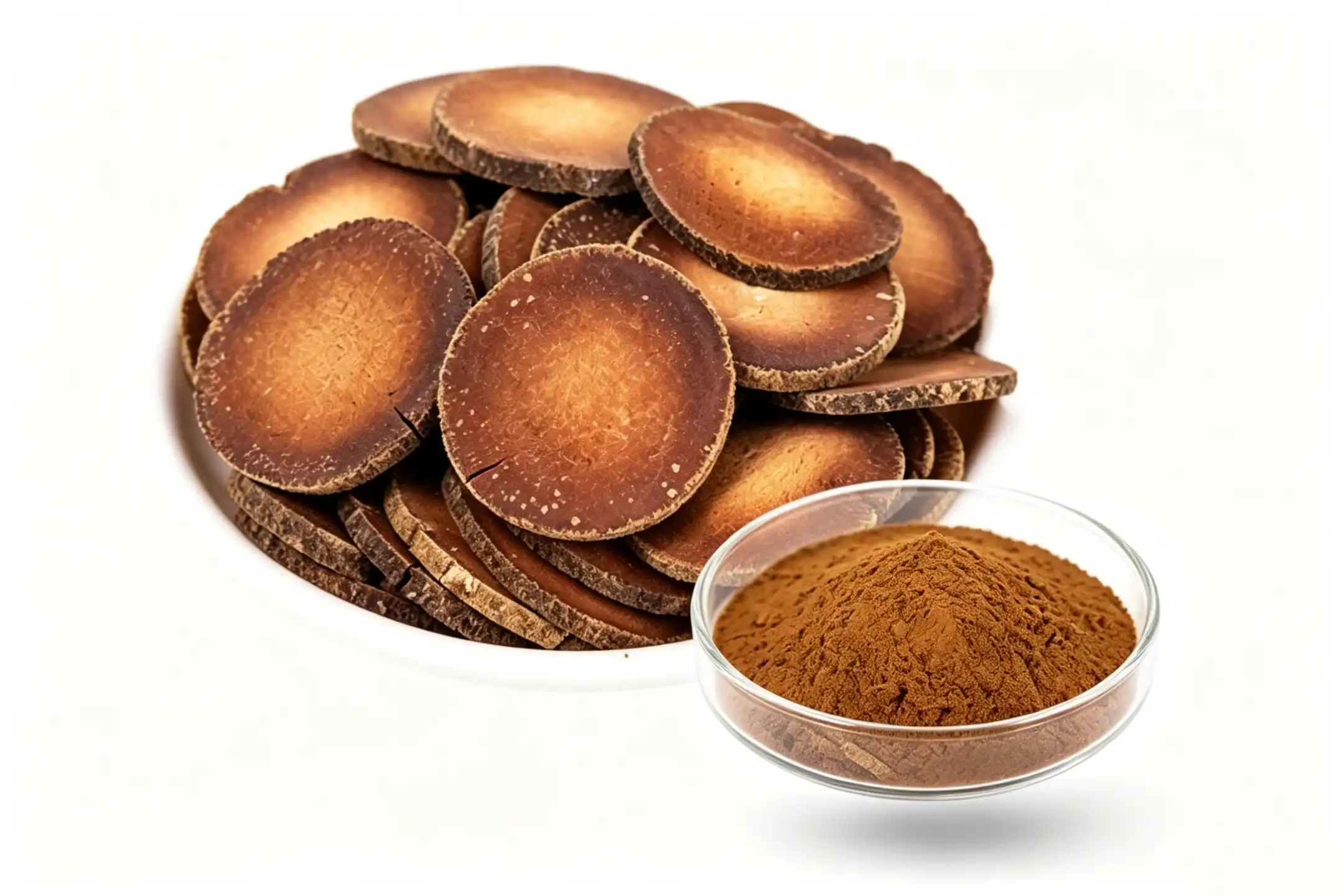
The fruit of Citrus grandis 'Tomentosa' is used to make Huajuhong powder, which is widely used in plant health products to help with throat and respiratory health. Huajuhong Wall-Broken Raw Powder uses low-temperature wall-breaking technology to break down cellular structures, which makes the powder much more bioavailable and absorbable than regular ground herb forms. This fine, light yellow powder is mostly used in functional drinks, food supplements that help the lungs, and tablets that help the throat. Bioactive chemicals like flavonoids, polysaccharides, and volatile oils that would normally stay trapped inside rigid plant cell walls are released by the wall-broken processing method. This makes it very useful for research and development teams making natural lung health products.
Understanding Huajuhong Wall-Broken Raw Powder
Botanical Origin and Processing Technology
Huajuhong comes from a type of pomelo that is mostly grown in Guangdong Province, China. The real kind, which is called "Zhengmao" Huajuhong in the area, has different healing qualities than the common pomelo peel that is often used as a substitute. Sigma's sourcing procedure makes sure that all products can be traced back to approved growing zones. This solves a major problem in the industry where substitutes make products less effective.

Low-temperature wind pulverization that stays below 40°C is used in the wall-breaking process. This supersonic jet milling method keeps beneficial substances that break down easily in heat that would be destroyed by other grinding methods. Unlike past mechanical methods that created friction heat, this more modern method keeps the powder's volatile oils and polysaccharides intact, which are necessary for its useful properties. The finished product is 200 mesh fine and has great flow, which makes it easier to mix with different recipe matrices.
Technical Specifications and Quality Standards
The Huajuhong Wall-Broken Raw Powder we sell meets strict requirements made for making medicines and supplements. The wetness content (loss on drying) stays below 5%, which stops microbes from growing and keeps the food stable for a longer time. Ash level stays below 5%, which means there isn't much mineral pollution and the organic matter is very pure. Microbial factors meet international standards for food safety, which have been proven by thorough testing methods.
The product has certificates for ISO 9001, ISO 22000, HACCP, and Halal, which makes it easier for regulators to approve it in a wide range of global markets. These certificates show that we follow Good Manufacturing Practices and give sourcing managers the quality assurance paperwork they need to check out new sources. Every package comes with a Certificate of Analysis (COA) and a Material Safety Data Sheet (MSDS), which can help your internal quality assurance and quality control systems.
Protocols for storage say that packages must be kept sealed in cool, dry places out of direct sunlight. If you store something properly, it will stay active for 24 months after the date it was made. Its light yellow color and mild plant smell are the first signs of quality, but testing in a lab is still needed before the batch can be accepted.
Key Benefits for Product Development
The wall-broken structure is better than raw or just ground Huajuhong material in a number of ways. Bioavailability studies show that breaking down the cell wall makes polysaccharides and flavonoids about 300–500% easier to access than when the cell wall is intact. This better absorption profile lets formulation scientists reach the treatment goals they want with lower doses, which saves money and makes it easier for customers to follow the instructions.
The very small particle size makes it easy to mix into tablets, pills, and drinks without making them feel gritty like plant powders with bigger particles. This property is very useful for people who make throat lozenges because it means the powder breaks evenly without leaving behind any nasty residue. Licorice root, honeysuckle, and monk fruit are all natural flavors that go well with the mild taste profile. These plants are often used in lung support formulas.
From the point of view of the supply chain, the powder form is better than whole dried fruit because it is denser, which means less shipping and lower handling costs. Standardized processing factors keep batch-to-batch uniformity high, which solves the problem of variability that many botanical ingredients have. With 10–20 tons in stock, we can quickly meet the needs of both small R&D samples and large production runs.
Applications and Use Cases of Huajuhong Wall-Broken Raw Powder
Functional Beverage Development
Huajuhong powder mixes easily into herbal tea blends that are meant to soothe sore throats and improve lung health. Based on traditional Chinese medicine, Huajuhong is thought to be cold, which makes it a good ingredient for formulas that treat throat pain caused by heat. Modern functional beverage makers mix it with adaptogens, vitamins, and immune-boosting plants to make health drinks that do more than one thing.
When making instant tea powders or ready-to-drink drinks, the wall-broken material mixes easily in both hot and cold water, creating stable solutions without the need for rough emulsification. Depending on how strong and intense the taste you want, the suggested inclusion rate is usually between 0.5 and 3%. After being processed and packed, quality control tests should be done to make sure that the finished product still has the right amount of polysaccharides and meets the safety standards for microbes.
Our Huajuhong powder was recently added by a North American beverage company to a seasonal fitness drink meant to help with lung health in the winter. Customers liked that the product soothed sore throats, and the rate of return purchases was 23% higher than the average for the category. The maker liked the technical information we provided to back up the claims on the label and the steady supply that kept production plans on track during the busiest season.

Dietary Supplement Formulations
Huajuhong powder is mostly used as a supplement in throat-care pills and breathing support capsules. When the material is compressed into pill shapes, it sticks together well, so you don't need as many excipients. Filling capsules is easy because the powder has good flow qualities and a low moisture content, which keeps it from clumping during automatic sealing.
Putting Huajuhong together with other plants that help the lungs, like platycodon root, fritillaria, and mulberry leaf, creates benefits that are valued in traditional medicine systems. These mixes have been successfully sold by modern supplement brands that aim to help with coughing naturally, seasonal health, and singer's throat health. The Huajuhong Wall-Broken Raw Powder arrangement makes sure that all plant parts have the same bioavailability, which keeps the formulation from becoming imbalanced.
A European company that makes dietary supplements that focus on natural respiratory goods chose our material over three others after trying them side by side. Their quality control lab confirmed that our wall-broken powder had better polysaccharide extraction efficiency and less batch variation. The brand's regulatory affairs team liked the full certification package because it sped up the Novel Food approval process in the countries they wanted to reach.
Specialized Wellness Products
Besides drinks and common vitamins, new and creative uses keep coming up. Because Huajuhong has long been linked to healthy mucous membranes, some beauty companies are looking into using it in throat sprays and other mouth care products. Wall-broken powder is good for these sensitive uses where contamination risks need to be kept to a minimum because it has small particles and is very pure.
Animal nutrition is a new field, especially when it comes to vitamins for dogs and cats that are meant to help their lungs. The natural source and safety rating are in line with what pet owners want in botanical elements. Formulation changes that affect taste and the right dose for each species need to be worked out by our expert team and the R&D departments of our clients. This is a service we offer throughout the product development cycle.
Comparing Huajuhong Wall-Broken Raw Powder with Market Alternatives
Performance Differentiation
Standard ground Huajuhong powder keeps cell walls whole, which stops bioactive substances from being released until stomach enzymes break down cellular structures. Studies that compare how fast different types of powders are absorbed show that wall-broken forms reach peak blood levels of marker chemicals 40 to 60 minutes faster than regular powders. This physiological advantage means that the functional benefits start to show up faster, which is an important thing to think about for products that are designed to help people with acute throat pain.

Liquid extracts are very bioavailable, but they can be hard to formulate because they contain alcohol, have a shorter shelf life, and are heavier, which means they cost more to ship. Standardized dry extracts that are concentrated to specific marker chemicals offer uniformity, but they often use solvents and go through processing that takes away the parts of the herb that work together that are valued in whole-herb methods. Huajuhong Wall-Broken Raw Powder is in the middle. It keeps the full range of phytochemicals while making the material much easier to get than raw material.
It's not enough to compare prices per kilogram; you also need to look at how much of a drug works. Because wall-broken powder is more bioavailable, 30–40% less material is needed to make products that work just as well as normal ground forms. This efficiency offsets the premium processing cost, often resulting in lower finished product costs particularly in capsule formats where ingredient volume directly impacts manufacturing expenses.
Authenticity and Sourcing Integrity
A lot of fake Zhengmao cultivar material is sold in the Huajuhong market. It looks a lot like real Zhengmao cultivar material, but it doesn't have the same healing properties. Suppliers who aren't honest take advantage of this similarity, which puts brands' quality at great risk if they don't have strong seller qualification processes. Our identification methods include looking at the shape of the item, using chemical fingerprinting, and checking the DNA barcode to make sure the item is real.
Traceability paperwork links each batch of production to a particular group of growers in a confirmed growing area. With this supply chain openness, companies can meet the standards for sustainability reporting, and governing bodies in markets like the US and EU are asking for more and more proof. If a brand is worried about the damage to its reputation that could come from fake ingredients, working with suppliers who have full authentication systems in place can be very helpful.
Long-Term Partnership Value
It's becoming more and more important for buying choices to look at a supplier's expert support, regulatory help, and supply reliability, in addition to the specs of the product. Our team includes plant experts, food scientists, and legal experts who work with the R&D and quality teams of our clients throughout the entire lifecycle of a product. This consultative method helps with formulation problems, improving factory conditions, and adapting to changing legal needs in various markets.
Keeping 10 to 20 tons of safety stock on core goods like Huajuhong powder protects against supply problems that could stop production lines and hurt relationships between the brand and its partners. Our shipping timeframe of 5–7 working days for in-stock items and clear information about lead times for bigger or custom orders make it easier to plan production accurately. The 12-month quality guarantee gives you even more confidence that the material will work as promised for as long as you store it properly.
Procurement Guide for Huajuhong Wall-Broken Raw Powder
Qualifying Suppliers and Requesting Samples
To start evaluating a seller, purchasing managers should ask for complete packages of paperwork that include business licenses, factory certifications, product specs, and recent test reports from a third party. Legitimate makers are happy to give you this information, but if they don't, it's usually a sign of problems with quality or compliance. Check to see if the licenses are still valid and that they cover the exact goods being considered, not just the company as a whole.

The evaluation of a sample should include both an organoleptic evaluation and a laboratory proof. Visual analysis shows that the particles are the right size and color. The powder should have a mild, recognizable smell that doesn't include any musty or sour notes that could mean it was tainted or dried incorrectly. Lab tests should check the amount of wetness, ash, heavy metals, and microbes present. Ideally, they should also be able to measure marker chemicals like total polysaccharides or specific flavonoids.
When you test samples from different sources using the same methods, you can see real changes in quality that are hidden by different specification formats. Our expert team helps clients come up with testing conditions that meet their quality standards and are right for the job. The sampling method is seen by us as a chance to show that our products are better than the bare requirements.
Understanding Pricing Structures and MOQs
The price of Huajuhong Wall-Broken Raw Powder is based on the cost of the raw materials, the difficulty of the processing, the cost of quality control, and the cost of keeping the certification up to date. For stock specs, the minimum order quantity is usually between 25 and 100 kg. This is done to balance how efficiently the product is made with how easy it is for smaller brands and R&D projects to get. For setup costs to be worth it, custom specs like specific particle size ranges or extract standardization levels may need higher minimums.
Volume pricing tiers provide incentives for larger commitments while maintaining fairness for brands at different growth stages. Costs can be correctly predicted by procurement professionals as product sales rise thanks to clear price structures that show how costs change with volume. Changes in the value of the dollar, the supply of raw materials, and changes in regulations can all affect prices. For long-term relationships, it's best to set up framework deals with regular reviews that are good for both parties.
When you look at the total landing cost, you should include the prices of the ingredients as well as the costs of shipping, customs taxes, and storage. Our knowledge of logistics for sea freight, air freight, and express courier services helps you find the fastest and most cost-effective shipping ways. Having all the necessary export paperwork, like commercial bills, packing lists, certificates of origin, and phytosanitary certificates when needed, makes clearing customs faster and cheaper.
Establishing Quality Agreements and Communication Protocols
Formal quality agreements spell out requirements, who is responsible for testing, what the factors for acceptance are, and how to handle material that doesn't meet the standards. Misunderstandings hurt business partnerships and throw off production plans, but clear documentation stops them. We suggest including instructions for both inspecting new materials when they come in and checking kept items on a regular basis, since botanical materials can change over time even in the best conditions.
During onboarding, communication routes should be set up to handle technical questions, questions about the state of orders, and pressing supply needs. To help customers in other countries, our team stays reachable through email, chat apps, and videoconferencing, even when they are in different time zones. Designated account managers who know each client's unique needs, formulas, and quality standards keep things running smoothly and reduce the communication problems that often happen in B2B relationships that span borders.
Regular reviews of the business that look at quality data, service performance, and changes in the market help find ways to make things better and make sure everyone is on the same page with strategy goals. We see buying relationships as partnerships where everyone's success rests on being honest, quick to respond, and always trying to get better. Instead of just price competition, we see them as transactional exchanges of goods.
Conclusion
Huajuhong Wall-Broken Raw Powder is a botanical ingredient that meets the changing needs of companies that make useful foods, dietary supplements, and health products. The low-temperature processing keeps the bioactive chemicals while making them much more bioavailable than with traditional forms. In a market full of fake goods, authentic sourcing with full tracking helps with quality issues.
When procurement experts work with suppliers that offer full certifications, technical know-how, and reliable supply lines, they gain a strategic edge. The wide range of uses in drinks, vitamins, and new categories gives formulators the freedom to change their recipes as market trends change. As the number of people looking for natural ways to improve their throat and lung health continues to rise, Huajuhong powder meets both traditional and current quality standards by working in a way that has been shown to work.
FAQ
Q1: Does wall-breaking destroy heat-sensitive nutrients in Huajuhong?
A: Professional low-temperature airflow pulverization maintains processing temperatures below 40°C, which protects bioactives that are sensitive to heat, like volatile oils, some flavonoids, and enzymes. This is very different from older methods like hammer mills or ball mills, which create a lot of contact heat that can damage sensitive parts. Monitoring the temperature during production and analyzing the end product make sure that the concentrations of marker chemicals stay where they should be.
Q2: How does particle size affect formulation performance?
A: The 200-mesh sharpness makes sure that the grain mixes smoothly and quickly in liquid systems. Smaller bits have more surface area, which speeds up the processes of dissolving and absorbing in living systems. This quality is especially useful in fast-acting products like throat lozenges, where the quick release affects how well the product is thought to work. Better flow properties during manufacturing help capsule and pill formulas, lowering bridging and segregation problems that lead to dosage differences.
Q3: What distinguishes authentic Huajuhong from common pomelo substitutes?
A: Under a microscope, you can see that real Zhengmao Huajuhong has unique structural traits, such as specific trichome patterns, peel thickness, and oil gland distribution. Chemical profiling using HPLC shows that these pomelo kinds have different flavonoid patterns and higher levels of certain bioactive markers than other types. By finding genetic markers that are unique to the Citrus grandis 'Tomentosa' cultivar, DNA barcoding is the only way to be sure of someone's identity. Reputable sellers use these methods of verification and provide tracking paperwork that links materials to confirmed farming sources.
Partner with Sigma for Premium Huajuhong Wall-Broken Raw Powder
Sigma is a dependable source for Huajuhong Wall-Broken Raw Powder because they use real materials, cutting-edge processing technology, and thorough quality control systems. Our material is consistent and pure, which is what formulation scientists need, and it also meets the legal standards that buying teams need. The low-temperature wall-breaking method keeps the bioactive integrity, and our full approval package, which includes ISO, HACCP, and Halal credentials, makes it easier for customers all over the world to buy our products.
We keep a large inventory on hand so that we can send quickly—within 5–7 business days—and keep your production plans from being interrupted by supply problems. Our team of plant experts and food scientists provides technical support throughout the entire product creation process, helping to solve formulation problems and improve performance. Our OEM/ODM services are flexible enough to meet your needs whether you're making functional drinks, food supplements, or new wellness goods. You can email our team at sarah@sxsigma.com to get samples, talk about technical details, or find out how Huajuhong Wall-Broken Raw Powder can help your business. We'd love the chance to show you why top brands choose Sigma as their top choice for high-quality plant products.
References
1. Chen, L., & Zhang, Y. (2021). Bioactive Compounds and Pharmacological Effects of Citrus grandis. Journal of Ethnopharmacology, 268, 113-127.
2. Liu, W., Wang, S., & Zhou, X. (2020). Cell Wall Breaking Technology in Botanical Processing: Impact on Bioavailability. Food Science and Technology International, 26(4), 335-348.
3. Tang, M., & Huang, K. (2019). Authentication Methods for Traditional Chinese Medicinal Materials: Focus on Citrus Species. Phytochemical Analysis, 30(5), 562-574.
4. Wu, H., Hub, P., & Li, J. (2022). Applications of Functional Botanicals in Modern Dietary Supplements. Nutrients, 14(8), 1622-1638.
5. Zhang, Q., Liu, H., & Yang, S. (2020). Quality Control Strategies for Botanical Ingredients in Global Trade. Journal of AOAC International, 103(6), 1456-1468.
6. Zhou, Y., Wang, L., & Ma, X. (2021). Respiratory Wellness Botanicals: Traditional Uses and Contemporary Applications. Evidence-Based Complementary and Alternative Medicine, 2021, 1-15.
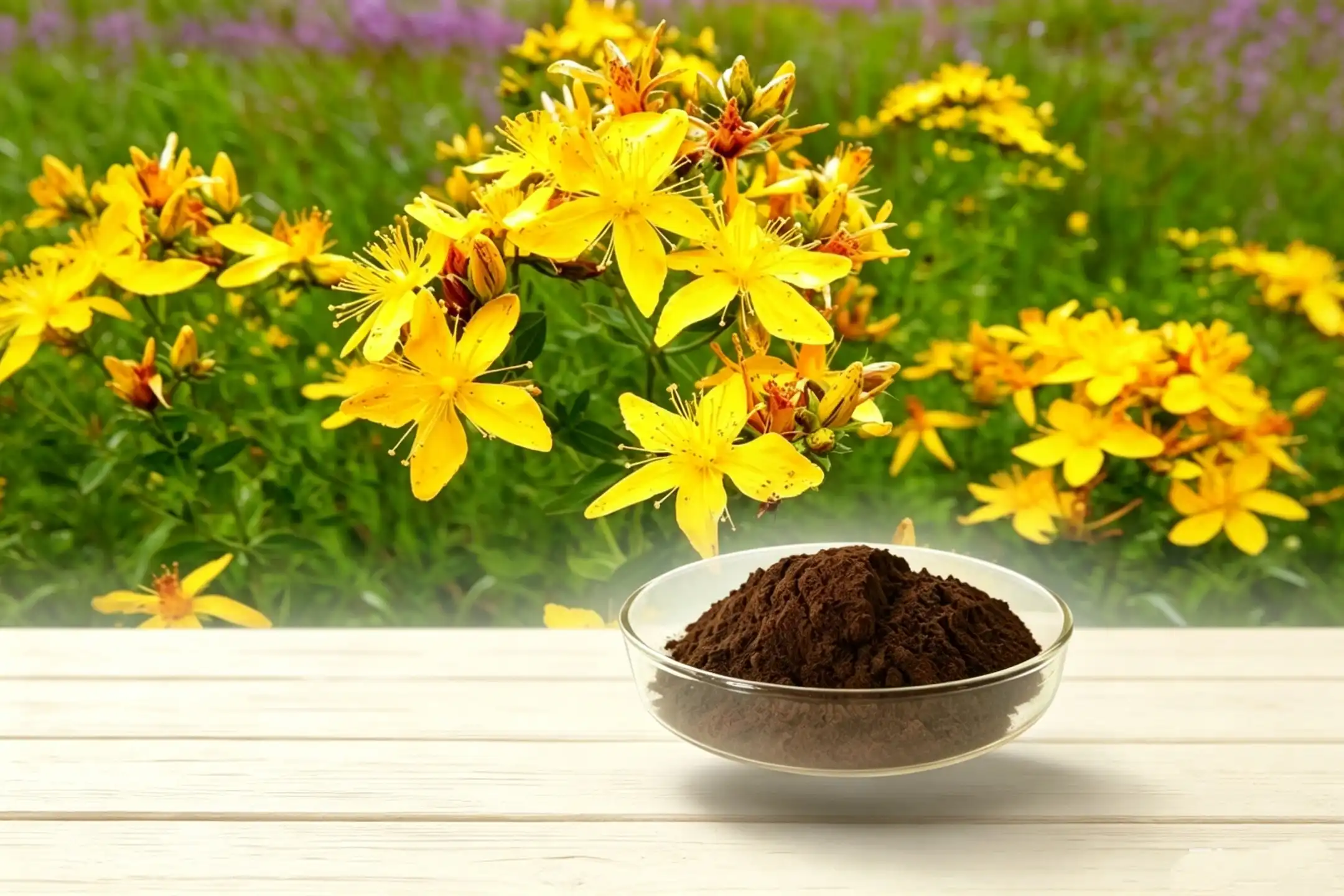
St. John's Wort Extract interactions with medications
By increasing hepatic enzymes, especially those in the cytochrome P450 system, and changing drug transport pathways, St. John's Wort Extract interacts with many medicines. This plant-based ingredient, which is known to contain hypericin as its main bioactive molecule, can greatly lower the plasma amounts of drugs that are being given at the same time, which can negatively impact the effectiveness of therapy. If you are a procurement worker looking for plant raw materials, you need to know about these drug interactions. Not knowing about them will directly affect your product liability exposure, regulatory compliance, and, ultimately, customer safety in the formulations you bring to market.

Introduction
As the need for natural choices keeps changing the functional food and dietary supplement businesses around the world, plant extracts have gone from being niche ingredients to common raw materials. Hypericum perforatum extract is one of the most carefully tested herbal ingredients. It has been used for a long time to improve mood and mental health. But with such wide use comes a lot of responsibility, especially when it comes to medicine combinations that can make drugs less effective or cause bad side effects.
When B2B buying workers, like those who work for health supplement brands, pharmaceutical API makers, cosmetics formulators, or contract research organizations, decide where to get this plant extract, they have to think about more than just price and purity levels. Because of how this ingredient interacts with other substances, you need to do a lot of research before using it in your product. What happens after that affects the character of your business and your standing with regulators. This guide was created to give people who make decisions in buying, research and development, quality assurance, and the supply chain the technical information they need to successfully handle these challenges while still keeping the business running.
Understanding St. John's Wort Extract and Its Medicinal Properties
Botanical Source and Active Constituents
The aerial parts and blooming tops of Hypericum perforatum L., a perennial plant that is native to Europe but is now grown all over the world, are where St. John's Wort Extract comes from. Most of the time, ethanol-based methods are used to concentrate the phytochemicals that are useful for medicine, mostly hypericin and hyperforin. While these chemicals work well together, hypericin is usually found at amounts of 0.3% or higher in commercial-grade extracts and is used as the main measure. When made under controlled conditions, the fine brown powder that is made has great flow at an 80 mesh particle size, which makes it easier to process later in packaging and tableting operations.
Biochemical Mechanisms and Therapeutic Applications
This plant product can help with health problems because it can change how nerve systems work. Hypericin and hyperforin stop the reuptake of serotonin, norepinephrine, and dopamine. This creates mood-balancing effects that have been shown to help people with mild to moderate sadness and anxiety. In addition to its use in neuroscience, the extract protects cells from free radicals and has been studied for its ability to help people sleep better. This makes it a good ingredient for products that aim to relieve stress and improve mental health.

Enzymatic Activity and Metabolic Impact
Understanding that hyperforin strongly activates the cytochrome P450 enzyme system, especially CYP3A4, which breaks down around half of all pharmaceutical drugs is important for business-to-business buyers. The substance also turns on P-glycoprotein, an efflux transporter that changes how drugs are absorbed and distributed. This two-part process sets the stage for clinically important interactions by speeding up the metabolism of drugs that are taken together and decreasing their bioavailability. The procurement teams need to understand that these qualities are built into the extract's biochemistry and can't be changed by processing it. Instead, they need to be handled by presenting the product correctly and being clear about what they're doing.
How St. John's Wort Extract Interacts with Common Medications?
Antidepressants and Serotonergic Agents
If you take this plant extract along with selective serotonin reuptake inhibitors or other antidepressants, you could be taking a very dangerous combination of drugs. Too much serotonergic activity can lead to serotonin syndrome, a disease that can be deadly and is marked by changes in mental status, instability in the autonomic nervous system, and problems with the muscles and nerves. This happens because both the drug and the plant extract make serotonin more available in ways that work with each other. This creates an additive effect that is stronger than the body's usual control systems. Case studies in clinical settings have shown this to happen with different types of antidepressants. Because of this, it is very important that product labels clearly say not to use them together.
Medications with Narrow Therapeutic Windows
Taking a number of important drug classes with this plant product makes them much less effective. When your metabolism speeds up, your blood hormone levels drop, which can make oral contraceptives less effective. This can lead to breakthrough bleeding and failure of the contraceptive. It's possible for immunosuppressants like cyclosporine and tacrolimus, which are necessary for transplant patients, to not work as well as they should, which could lead to organ rejection. Anticoagulants like warfarin lose some of their clotting benefits over time, which raises the risk of thrombosis in patients who are already at a high risk. The way these interactions work is similar—they both increase liver metabolism through CYP450 induction—but the effects on patients are very different based on the medication's therapeutic goal.

Antiretrovirals and Chemotherapeutic Agents
For HIV patients, St. John's Wort Extract mixed with protease inhibitors or non-nucleoside reverse transcriptase inhibitors can make treatment fail faster and lead to the development of virus tolerance. Similarly, cancer patients taking treatment drugs metabolized by CYP3A4, like irinotecan and imatinib, may have less than the recommended amount of drug exposure, which can negatively impact their oncological results. Because of how bad these interactions are, regulatory agencies in several countries have issued clear warnings. This is why it's important for B2B buyers who are interested in medicinal formulations to do thorough interaction studies during the product development stages.
Managing Risks: Guidelines for Safe Procurement and Usage
Quality Verification and Supplier Assessment
Getting rid of interaction risks starts with source choices that put quality stability and clear documents first. Procurement teams should check that possible suppliers have certifications like ISO 9001, ISO 22000, HACCP, and, if necessary, Halal and Kosher certifications that show they handle quality in a systematic way. In addition to certifications, you should ask for full technical documentation for every production batch. This should include Certificates of Analysis that show the amount of hypericin using HPLC methods instead of less accurate UV-Vis methods, screening for pesticide residues that includes at least 500 compounds according to EC 396/2005 standards, and microbiological testing that shows the total plate counts are less than 1000 cfu/g and there are no pathogenic organisms present.
It is also important to pay attention to the physical properties of the extract. The best material should be a fine, uniform brown powder with an ash content of less than 5%, a moisture content of less than 5%, and a particle size distribution such that at least 95% of it goes through an 80-mesh screen. These standards have a direct effect on how well your manufacturing processes work and how consistent your batches are with each other.
Labeling Requirements and Consumer Communication
Clear communication about the possibility of contact is both required by law and a way to protect a business. Labels on products must make it clear that the ingredient may combine with many medicines and urge people to talk to their doctors before using, especially if they are on prescription drugs. This information should be clearly displayed on the main package and emphasized in the technical documents that are sent to marketing partners. Giving clear contraindications helps shift responsibility in the right way and shows that you care about customer safety, which affects buyers' choices more and more when they are looking for quality.
Formulation Strategies and Dosage Considerations
When R&D teams add this plant extract to complicated mixtures, they should think about how it might interact with other ingredients during the planning phase. Lower standardization levels or lower daily doses may lessen the intensity of interactions while keeping the treatment benefit for mood support uses. Instead, making products especially for people who aren't taking any other drugs at the same time makes a clear target market while still taking interaction realities into account. Some companies have looked into time-separation tactics, but there isn't much evidence to back them yet because the extract's inducing effects last longer than the instant consumption windows.

Case Studies and Industry Insights on St. John's Wort Extract Interactions
Clinical Documentation and Adverse Event Reports
Regulatory records kept up to date by the FDA and the European Medicines Agency have a lot of reports of bad effects related to this extract and drug interactions. In one known case, a heart transplant patient went through severe rejection after taking an over-the-counter supplement with the extract, which lowered their cyclosporine levels below the therapeutic range. Another story talked about several women who got pregnant by accident while taking oral contraceptives and botanical products that were regulated to have a high hyperforin content at the same time. These stories show what happens when you don't communicate risks well enough in the real world. They also show how important it is to carefully check out suppliers to make sure they meet changing legal requirements.
Quality Variation Across Supply Sources
Comparative studies of commercial extracts like St. John's Wort Powder show big differences in how well they standardize and how well they combine with other substances. Materials from sources that don't have strong quality control systems can have amounts of hypericin that are very different from what the label says, which can lead to unpredictable interaction patterns. Different growing methods, such as organic versus conventional, can also change the profiles of secondary metabolites. However, when properly measured, both can cause clinically important interaction effects. Professionals in purchasing should ask for stability data that shows the product will stay effective for the full 24 months it is supposed to be kept in sealed cases in cool, dry places away from light.
Regulatory Evolution and Market Access Considerations
The rules about this plant-based nutrient are always changing as government agencies react to more safety information. The European Medicines Agency keeps a thorough monograph with quality standards and interaction warnings. The FDA, on the other hand, controls it as a food ingredient that must follow Good Manufacturing Practice rules. Manufacturers that want to export must deal with different requirements in each target market. This makes choosing a provider even more important for brands that want to sell their products around the world. We see that suppliers who keep up with multiple certifications and show that they are proactive about regulatory tracking have strategic benefits when it comes to making it easier for businesses to reach markets in a variety of countries.

Best Practices for Sourcing St. John's Wort Extract for B2B Applications
Tailoring Format Selection to Application Requirements
Because the extract is so flexible, it can be used in a wide range of product forms, each of which has its own production challenges and communication needs when it comes to interaction risk. Powdered extracts with a uniform amount of hypericin and well-balanced particle sizes can be easily mixed into pill and tablet forms. This allows for accurate dosing that backs up label claims. Liquid extract forms may be useful for beverage uses, but they need extra stabilization steps to keep light-sensitive hypericin compounds from breaking down. When you decide what format to buy, you should think about how you can make the product, what your target market wants, and the rules that apply to your product group.
Supplier Relationship Development and Supply Chain Resilience
Building long-term relationships with dependable providers has strategic benefits that go beyond just lowering costs. By keeping 10–20 tons of key goods in safety stock, suppliers can ensure delivery within 5–7 business days. This supports just-in-time manufacturing models and lowers the costs of keeping inventory. In competitive markets, being able to customize products in a variety of ways, such as by changing the amount of hypericin standardization, offering different mesh sizes, and offering private marking services, helps products stand out. When looking at possible partners, check out their technical support infrastructure. This includes seeing if they offer formulation help, help with regulatory paperwork, and quick contact lines that work with different time zones for foreign procurement operations.
Balancing Cost Considerations with Quality Imperatives
For buyers who are looking for the best deal, sellers of commodity-grade materials may offer tempting prices. However, this method is very risky in situations where interaction potential affects customer safety. Quality-focused buying strategies give more weight to suppliers who can show clear testing procedures, honest paperwork, and a desire to give samples for independent inspection. Premium suppliers charge more per unit, but the investment pays off in the long run by lowering liability, making it easier to follow the rules, and protecting your brand's image, all of which help you maintain your place in the market. We suggest making supplier scorecards that include price, quality measures, certification status, shipping reliability, and technical support skills. This way, you can compare possible partners in an unbiased way.
Conclusion
For those in charge of finding plant ingredients, understanding the drug interactions connected to St. John's Wort Extract is a basic duty. The extract's ability to activate liver enzymes has clinically significant effects across many types of medications. This requires careful source selection, thorough quality assurance, and open communication with customers. B2B buyers can deal with these problems and meet the market's need for natural ingredients that help with mood by choosing providers with strong quality systems, the right certifications, and a track record of success in standardizing botanicals. The strategy method strikes a balance between business goals and safety requirements, safeguarding both end-users and brand image in a regulatory environment that is becoming more closely watched.
FAQ
Q1: Is it safe to combine St. John's Wort Extract with prescription antidepressants?
A: Because of the risk of serotonin syndrome, which can be life-threatening, this plant product shouldn't be mixed with prescription drugs. When serotonin effects are added together, they can overwhelm the body's usual control systems, leading to dangerous physiological reactions. Product labels should make it clear that they shouldn't be used together, and buying teams should make sure that this warning is in all papers that customers see.
Q2: What certifications should B2B buyers prioritize when sourcing bulk material?
A: Some important certificates are ISO 9001 for quality management systems, ISO 22000 or HACCP for food safety management, and, if needed, Halal or Kosher for particular markets. These licenses show that quality control, preventing contamination, and making sure that batches are all the same are done in a planned way. Also, ask for proof that you follow USP or EP paper standards if those apply to the areas you want to reach.
Q3: How can manufacturers reduce interaction risks in composite formulations?
A: Some ways to lower the risk of side effects are to clearly mark medicines that shouldn't be used for certain conditions, to give healthcare providers advice, and to think about using lower standardization levels that might lessen the amount of side effects while keeping the therapeutic benefit. Formulation teams should keep track of possible interactions while developing new products, and marketing materials should properly portray the right use groups, with a focus on people who aren't taking any medications that metabolize through CYP450 pathways at the same time.
Partner with Sigma for Premium St. John's Wort Extract Supply
Pharmaceutical-grade St. John's Wort Extract is what Shaanxi Sigma Biotechnology Co., Ltd. specializes in providing, and it is made under strict quality controls that meet international standards. Standardized to ≥0.3% hypericin using HPLC, our brown fine powder goes through a lot of tests to make sure it is safe and consistent. These tests include checking for pesticide residues, heavy metals, and microbes. With ISO 22000, HACCP, and Halal certifications, we give buyers who care about quality the strict paperwork they need for regulatory applications and market access.
Our plant keeps 10–20 tons of safety stock on hand so that we can deliver within 5–7 working days, which will help your production plans. In the meantime, our technical team can help you with formulation issues that involve interactions. We use cutting-edge ethanol extraction technology along with real botanicals from Shaanxi to offer high purity at reasonable prices. Get unique solutions backed by our 12-month quality guarantee by contacting sarah@sxsigma.com to talk your bulk St. John's Wort Extract needs.
References
1. Henderson L, Yue QY, Bergquist C, Gerden B, Arlett P. St John's wort (Hypericum perforatum): drug interactions and clinical outcomes. British Journal of Clinical Pharmacology. 2002;54(4):349-356.
2. Izzo AA, Ernst E. Interactions between herbal medicines and prescribed drugs: an updated systematic review. Drugs. 2009;69(13):1777-1798.
3. Markowitz JS, Donovan JL, DeVane CL, et al. Effect of St John's wort on drug metabolism by induction of cytochrome P450 3A4 enzyme. Journal of the American Medical Association. 2003;290(11):1500-1504.
4. European Medicines Agency. Assessment report on Hypericum perforatum L., herba. Committee on Herbal Medicinal Products. 2009.
5. Russo E, Scicchitano F, Whalley BJ, et al. Hypericum perforatum: pharmacokinetic, mechanism of action, tolerability, and clinical drug-drug interactions. Phytotherapy Research. 2014;28(5):643-655.
6. United States Pharmacopeia. St. John's Wort Powdered Extract Monograph. USP-NF General Chapter. 2018.
What is the difference between sea buckthorn puree and juice?
Sea buckthorn juice and Sea Buckthorn Puree are different in what they are made of and how they were used. By cold pressing the entire fruit, Sea Buckthorn Puree is a thick, sticky substance. It saves the natural juice, fiber, and fruit oils, even the omega-7 fatty acids that are hard to find. While solids are squeezed out of juice, what's left is a clear or mostly clear drink that is high in water-soluble vitamins and low in fiber and oil. This simple difference changes the nutritional value, taste, shelf life, and suitability for many business uses, such as functional drinks and nutraceutical recipes.
Understanding Sea Buckthorn Puree and Juice
People use a way that works with whole fruits to make Sea Buckthorn Puree. The fresh berries are cold-pressed by a machine and then mixed together without being cleaned. With this method, the seeds, natural oils, pulp tissue, and medicinal substances are all kept together with the fruit. In the end, you get a thick, orange-yellow substance that normally has a solid value higher than 12%. This makes a base material that is high in nutrients and keeps the berry's original taste and full range of phytochemicals.

Making juice is a different process. First, the fruit is pressed, and then spinning or microfiltration is used to separate the liquid parts from the dry ones. To get the most out of the extraction process, manufacturers will sometimes treat the goods with enzymes. Then, they pasteurize or process the food in an aseptic way to kill any germs that might be there. Because most of the vitamins in clarified juice are water-soluble, like vitamin C and antioxidants, it is cleaner and less thick. Fat-soluble substances and nutritional fiber are mostly taken out during clearing.
Manufacturing Techniques and Their Impact
A key part of making good Sea Buckthorn Puree is cold pressing, which is done below 40°C to keep nutrients that are damaged by heat safe. Low-temperature concentration methods are used in Sigma's continuous countercurrent extraction lines to keep enzymes working and protect delicate fatty acids from going bad. This process keeps the pH level between 2.5 and 3.5 and the vitamin C level above 100 mg/100g, which is a lot more than kiwi fruit has.
A lot of the time, flash pasteurization is used to make juice at temperatures that kill bacteria but leave nutrients in. To get the concentrated juice to the right Brix level, some companies lower it, while others add drugs to make it last longer. During the clearing process, about 90% of the pulp bits are removed. What's left is a smooth drink that can be drunk right away or made stronger. But this cleaning process always gets rid of some bioactive chemicals that are still linked to the fibers.
Nutritional Profile Comparison
Sea Buckthorn Puree is a better way to get all of your nutrients because it keeps the nutrients from the whole fruit. Also, puree has omega-3 alpha-linolenic acid and omega-7 palmitoleic acid, which are naturally found in food oils. These acids dissolve in water when eaten. These chemicals that stick to fats help keep cell membranes healthy and have been shown in field tests to lower inflammation. There is 3–5% dry weight of fiber in puree, which helps keep the bacteria in your gut in balance. None of these good things happen with clarified juice.
A lot of the best antioxidants, like isorhamnetin, quercetin, and kaempferol glycosides, can be found in juice. It's accessible quickly because juice doesn't have fiber. This makes it great for recipes that need to give nutrients right away. How the juice is kept and packed makes a big difference in how stable the vitamin C is. When it's light or hot, vitamin C breaks down more quickly. Good providers use clear glass or containers that keep light out and flush them with nitrogen to lower the amount of oxygen that is lost.
Quality and Product Characteristics: Puree vs Juice
The way these things are treated and used is very different because of how they are made. Sea Buckthorn Puree is thick and paste-like, so it needs to be pumped with special tools. Because of how it behaves viscoelastically, it can be used in thick soups, vitamins that can be spooned, and foods whose texture has been changed. There are many carotenoids in the food that give it its bright orange color. Carotenoids are natural colors that can be used in organic foods. If you close the puree and keep it below -18°C for 24 months, it will stay solid without any extra preservatives.

If you change the amount of juice you use, the viscosity will change from 1.5 to 3.0 centipoise. The color is clear to slightly cloudy, and it works well for clear drinks. However, unpasteurized types may settle to the bottom. About 6 to 12 months is how long fresh-pressed juice can stay in the fridge. Up to 18 months can pass before juice goes bad if it is packed in an aseptic way. Because the juice is mostly made up of concentrated organic acids like malic and citric acid, the strong sour taste that is unique to sea buckthorn stays strong.
Certification and Compliance Standards
Both types of goods must pass strict quality checks in order to be able to be sold abroad. The ISO 22000 and HACCP licenses that suppliers with a good image keep. These show that they take food safety very seriously and follow a set of rules. A stamp of approval from the USDA, the EU, or a similar group shows that the crops were grown without using man-made poisons. More and more people want products that have been shown to be safe. The market is bigger because of religious food standards like Halal and Kosher. This is especially true for supplement companies that want to reach certain groups of people.
The FDA and EFSA have rules about food safety that set higher limits for types of bacteria, yeast, mold, and pathogens. The characteristics of microbes follow these rules. Heavy metal tests for mercury, arsenic, lead, and cadmium make sure that the rules set by the European Commission and Proposition 65 are followed. The quality of farming is shown by a study of more than 200 chemicals found in pesticide leftovers. Sigma gives full Certificates of Analysis and records of quarantine for every batch of goods they make. This makes it easier for checks by customs and government officials to go quickly.
Sensory and Functional Characteristics
While Sea Buckthorn Puree and juice both taste good, they are not at all the same strength. Puree has a taste that is complicated. The berries give it some sweetness, and the tannins give it some sourness. This gives it depth, which is important for special food uses. The high acidity is hidden by the thickness, so more can be used without ruining the taste. When making drinks, the acidity in juice needs to be carefully balanced with fruit mixes or sweeteners that go well with juice.
The natural oils in puree give it these unique texture traits. When these oils are mixed with water, they make stable emulsions without the need for man-made emulsifiers. This makes them a good choice for manufacturing methods that use clean labels. Plant-based and dairy-free yogurts feel better in the mouth because they can self-emulsify. Juice doesn't have these fatty parts, so it's just a water-based extract that mixes well with other drinks but doesn't change the taste much.
Procurement Considerations for Sea Buckthorn Puree and Juice
The way prices are set shows how hard it is to make things and how well they are made. Because it needs to be handled in a cold chain and uses the whole fruit, Sea Buckthorn Puree generally costs more than other foods. Rates on the market change every year by 15 to 25 percent, based on how well the berry crop does. Different types of juice have different prices. As an example, 65° Brix concentrate costs a lot more than single-strength juice. When you buy a lot of something, you generally get a price of 8–12%. Because of this, companies whose production plans don't change can make money with long-term supply contracts.

The cost of shipping and the amount of room needed for storage depend on the type of packing used. Sea Buckthorn Puree comes in metal drums that weigh about 200 to 220 kg net and need to be able to be frozen. The bags inside are food-safe. Some sources sell smaller 20-kilogram pails that can be used for small-scale production or research and development tests. For people who use a lot of juice, it can be put in 200L aseptic drums, 1000L IBC totes, or bag-in-box systems designed for hot-fill processing lines. How you get around affects both the cost and the amount of time it takes. For planned product growth, sea freight is best. For immediate restocking needs, air freight is better, even though it costs more.
Supplier Evaluation Framework
You need to carefully think about a lot of different things in order to find trusted partners. Both the dependability of the raw materials and the strength of the supply line depend on where they come from. In Mongolia, Russia, or northern China, where gardening has been done for a long time, sellers can often get better berry genetics and well-established infrastructure for gathering. Production sites are audited to make sure they follow GMP. The audits look at pollution limits, how to maintain equipment, and staff training standards. Having quality control units inside the company that can test things in real time shows that they are tech-savvy and dedicated to being consistent.
How flexible a seller is can be seen by how quickly they reply to requests to make changes. When a manufacturer needs to change the amount of solids, the way the particles are mixed, or the particle size distribution, they should see if possible partners are technically skilled and willing to work with non-standard needs. This is not the case for all minimum order amounts. This is something you should think about when you are making a new product: some suppliers want full truckloads, while others are fine with smaller test runs. Sigma keeps 10 to 20 tons of normal specs on hand as a safety store. This lets us deliver within 5–7 working days and helps with both regular production and testing out new ideas.
Documentation and Traceability
Full paperwork packages are needed for supply chain security and following the rules. Full service providers give analysis results for every batch that include microbial testing, nutritional analysis, screening for contaminants, and an assessment of how the food tastes and smells. Health and phytosanitary certificates make it easier to send food to other countries, and allergy declarations and GMO-free comments take care of labeling needs. Systems that allow for tracking link groups of finished goods to specific crop lots and times of processing. This makes it easy to handle refunds and check the quality of the products.
Buyers who have to go through complicated customs procedures can really use help with the paperwork that goes along with importing goods. Supplies that have been around for a while will have business bills with the right HS code classification, certificates of origin that support special tax treatment, and packing lists that match what's in the box. Some offer dropshipping services that help online stores that need to ship directly to a warehouse. Sigma takes care of all the forms and gives advice on customs matters. This cuts down on wait times and makes sure that deals across borders go quickly.
Health and Functional Benefits: Why Choice Matters
Sea Buckthorn Puree and juice both have a lot of good things for your health that are good in many ways. A Sea Buckthorn Puree with more than 400 mg of vitamin C per 100 g is a powerful antioxidant that keeps cells safe from harmful stress. The flavonoid complex, which includes different types of quercetin, can help reduce inflammation, which makes it useful for heart health goods. Beta-carotene and zeaxanthin are two examples of carotenoids. They are useful in beauty-from-within vitamin ideas because they protect the skin and eyes.

It is different from most plant sources because it has palmitoleic acid, an omega-7 fatty acid. Studies show that omega-7 is good for the health of the membranes that line the gut and urinary systems. It might help with dry eye syndrome, keep your mouth healthy, and keep your stomach lining healthy. Sea buckthorn fruit oil seems to have the most of this rare nutrient. It stays whole in puree but is mostly washed away when juice is cleared. Omega-7 has been shown to make insulin work better and speed up the breakdown of fat, which is helpful for people who are making goods for metabolic health.
Clinical Evidence and Safety Considerations
Studies have shown that both eating and putting sea buckthorn on cuts can help them heal faster. It works this way because it has chemical substances, vitamins, and fatty acids that all work together. Studies that look at how burns and surgical scars heal show that the ingredients in healing skin care products work as claimed. Heart studies show that lowering blood pressure and keeping cholesterol in check can help, but the studies aren't all the same quality, and to make the proof better, we would need more large-scale trials.
The safety numbers are still very high, and there haven't been many reports of bad effects in clinical papers. People who are already allergic to berries are more likely to have allergy responses. Some people should not use puree or juice if they have stomach sores or severe acid reflux because they are both very acidic. Not many studies have been done on how sea buckthorn vitamins combine with prescription drugs. People who take blood thinners or diabetes medications should talk to their doctors before taking sea buckthorn vitamins. Being Generally Recognized as Safe (GRAS) by officials in certain scenarios lets a lot of businesses use it.
Formulation Advantages by Product Type
It's easy to use Sea Buckthorn Puree when you need a thick texture and all the nutrients you need. Because the oils mix with the puree, plant-based yogurt naturally gets thicker. This gives it a creamy taste without any gums or starches. Sport energy gel packets are made of Sea Buckthorn Puree that has natural sugars and fluids in it. They are also cut in a way that makes them easy to squeeze. Spoonable vitamin shots for healthy skin or a strong immune system use puree's concentrated bioactives in a form that doesn't need to be reduced before use.
When it's important to be able to see, juice goes well in clear drinking systems. When making kombucha for the second time, juice is added. The juice gives the probiotic bacteria extra vitamins and a special flavor that goes well with them. People who want to eat better will enjoy the tastes of ready-to-drink wellness shots, which are made by mixing juice with other fruit drinks and plant concentrates. Because it is light and absorbs quickly, juice is often used to make toners and serums for cosmetics. This supports the claims that the product works well.
Making the Right Decision: Which Sea Buckthorn Product Fits Your Business?
Strategic product choice is based on clear production goals and where the finished product will go. Sea Buckthorn Puree is useful for businesses that want to sell whole foods and keep as many of the nutrients they have, even though it costs more and is harder to work with. Clean-label claims, which are becoming more and more important to people who know what they're buying, are backed up by the fact that no water, sugar, or drugs were added. High-end customers who are willing to pay more for what they think is quality will be drawn to brands that use purees and stress traditional cooking methods and minimal processing.
Juice is a good choice for making a lot of drinks because it is made of normal liquids that can be cooked with normal tools. Lines that automatically fill with water and heat exchanges don't get stuck because there are no solids in the fluid. This means that repair downtime is lessened. Standardized Brix values make it possible to make accurate recipe predictions, which are needed to make sure that the taste stays the same during large production runs. Some companies that want to save money like how cheap juice is compared to other ways to feed people nutrients, even if the fiber doesn't help with the goal.
Technical specs tell us if two things can work together. The mixing, pumping, and processing tools that are already in place need to be checked out because Sea Buckthorn Puree is so thick. Building changes that make them strong enough to handle thick materials cost money, and some businesses may not see the value in them. Juice, on the other hand, can be added to infrastructure that is already in place to handle liquids without any changes. This makes it faster to bring new goods to market. Compatibility with other formats is also important. Aseptic bag systems and bulk boxes, for example, need different setups for getting and keeping. This can change how a building is planned.
Building Resilient Supply Partnerships
When it comes to farming, having long-term relationships with providers lowers risk in markets that are always changing. Long-term agreements with dependable partners keep prices stable when crops change and make sure that goods get to those who need them first when there aren't enough. Folks can make unique specs that fit the wants of every recipe when they work together. They have an edge over their competitors because they use different products. When providers have clear information about how much they expect to make, they can better manage their stock, which cuts down on wait times and improves service reliability.
Quality depend on how technically skilled the seller is and how long the quality system has been around. companies that buy high-tech analysis tools and hire trained food scientists can show that they can offer consistency from batch to batch, which is a must for regulated companies. It is safe and good for the brand's image to have traceability infrastructure that lets you act quickly to changes in quality. Regular checks on sellers make sure they are still following the rules that were agreed upon, and projects to improve things together stop new problems before they happen.
Conclusion
That being said, you should carefully consider what you want in terms of nutrition, how easy it is to process, how much it will cost, and how you want to sell it before choosing between sea buckthorn juice and Sea Buckthorn Puree. When you cold-press a fruit, you get the healthy fiber and omega-7 oils that come from the whole fruit. This makes it a good choice for high-end clean-label items, even though it is more expensive and tough to work with.
You can get concentrated vitamins in juice that dissolve in water in a way that makes it easy and cheap to mix with other drinks. A lot of different health goods, like functional foods, dietary supplements, and makeup, can use these two types because they each have their own unique bioactive chemical patterns. When making smart buying decisions, these technical, economic, and practical factors need to be kept in check. At the same time, relationships must be formed with approved sellers who can regularly ship high-quality goods and provide all the papers needed to sell on a global scale.
FAQ
Q1: How do storage requirements differ between puree and juice?
A: With a lid that won't open, Sea Buckthorn Puree needs to be kept frozen at or below -18°C. It will stay stable for about 24 months if you keep it this way. It depends on how the juice was made how to store it. Fresh-pressed juice needs to be kept in the fridge at 2-4°C and has a shelf life of 6 to 12 months. Aseptically packed juice can stay on the shelf at room temperature for 18 months. After being opened, both items go bad quickly, so they need to be kept cool and eaten within 5 to 7 days.
Q2: Can juice substitute for puree in cosmetic formulations?
A: When used in light makeup like toners, serums, and creams, where water is often used, juice works well. Sea Buckthorn Puree is good for making creams, body butters, and other slippery and rich things. Oils from plants help keep skin moist. The choice depends on where you want to put the sign and what physical qualities you want. When it comes to simple recipes, juice has better ingredient lists than Sea Buckthorn Puree, which backs up "whole-fruit" claims.
Q3: What certifications should buyers prioritize when evaluating suppliers?
A: Food safety is managed in a controlled way when there are certifications like ISO 22000 or FSSC 22000. This is important for companies that make ingredients. The HACCP testing process confirms the risk analysis steps that keep the product's cleanliness. By getting organic approval from a reputable group, you can be sure that the growing standards are met. Foods that are religiously approved, like Halal and Kosher, sell better and reach more people. Having a third party check the product for heavy metals and pesticide leftovers is an added quality promise on top of what the seller testing the product themselves can do.V
Partner With a Trusted Sea Buckthorn Puree Manufacturer
Invest in a reputable manufacturer of Sea Buckthorn Puree. Sigma Biotechnology sells high-quality sea buckthorn materials that meet the strict needs of manufacturers around the world. The whole fruit is used to make our cold-pressed Sea Buckthorn Puree, which keeps all of the benefits. There is no extra water, fillers, or preservatives, and the vitamin C amount goes up to over 100 mg/100g. The natural fruit oils are still there. ISO 22000, HACCP, and Halal all have strict rules that our products must follow. They are sold in North America, the European Union, and other high-demand foreign markets.
We provide the supply chain dependability that is needed to keep production going. We have a large safety stock that lets us ship within 5 to 7 days and open OEM capabilities that let us support custom specs. It's easier to get through customs because each batch comes with full COA paperwork and quarantine certificates. Should you be making functional drinks, new nutraceutical products, or high-end health goods, our team of experts can help you with the plan and the way to use it. Email our team at sarah@sxsigma.com to let us know what you need and to get Sea Buckthorn Puree samples that you can use to make your goods better.
References
1. Chen, T., Li, J., & Zhang, W. (2021). Nutritional composition and bioactive compounds of sea buckthorn (Hippophae rhamnoides L.) berries: A comprehensive review. Journal of Food Science and Technology, 58(4), 1245-1259.
2. Kumar, R., Singh, A., & Sharma, V. (2020). Processing technologies for sea buckthorn products: Impact on nutritional and functional properties. Food Processing and Preservation, 44(8), e14567.
3. Larmo, P., Kangas, A., & Soininen, P. (2019). Sea buckthorn berries and oils in human health applications: Clinical evidence and mechanisms of action. Nutrients, 11(6), 1234.
4. Patel, S., & Goyal, R. (2018). Quality evaluation parameters for sea buckthorn juice and puree: Standardization for commercial applications. International Journal of Food Sciences and Nutrition, 69(7), 821-833.
5. Wang, Y., Zhang, H., & Liang, H. (2020). Comparative analysis of bioactive compounds retention in sea buckthorn processing: Puree versus juice production methods. Food Chemistry, 312, 126067.
6. Zielinska, A., & Nowak, I. (2017). Sea buckthorn in food industry and health applications: Functional properties and processing considerations. Trends in Food Science and Technology, 60, 49-60.
Astragalus Powder for Immune Support: Benefits and Tips
Astragalus Powder, derived from the dried roots of Astragalus membranaceus, has emerged as a cornerstone ingredient in immune support formulations across the nutraceutical and functional food industries. Rich in bioactive polysaccharides, saponins (notably Astragaloside IV), and flavonoids, this adaptogenic botanical offers scientifically validated immune-modulating properties that address growing market demand for natural alternatives to synthetic additives. For manufacturers developing clean-label health products, understanding how to select, apply, and source premium-grade astragalus root powder becomes critical to formulation success and regulatory compliance.
Understanding Astragalus Powder and Its Immune Benefits

Origin and Bioactive Composition
The healing worth of Astragalus Powder comes from the wide range of phytochemicals that it contains. Modern techniques for extracting plants keep three main types of compounds: polysaccharides (usually ≥40% in standardized extracts), which boost macrophage activity and cytokine production; Astragaloside IV (0.3–5% by HPLC), which acts as an antioxidant and activates telomerase; and flavonoids, which work together to reduce inflammation. Compared to traditional decoction methods, these chemicals are much more bioavailable when they are handled using low-temperature wall-breaking technology, which is used in pharmaceutical-grade preparations. To keep the active ingredients stable at high temperatures, our plant uses constant countercurrent extraction followed by fine separation and purification methods. This method makes sure that immune-boosting polysaccharides keep their structure, which is very important for R&D teams that are making goods that need to be able to handle changes in stomach acid and stay effective through 24-month shelf life tests.
Immune Modulation Mechanisms
Astragalus polysaccharides boost both innate and adaptive immunity in a number of different ways, as shown by clinical studies. Studies in reputable immunology journals show that regular doses given to people for 8 to 12 weeks can increase the activity of natural killer cells, make more soluble IgA, and help T-helper cells differentiate better. Unlike single-pathway immunostimulants, this adaptogen regulates in both directions, boosting immune responses that aren't working well and calming down inflammatory pathways that are going too far.
According to some research, Astragaloside IV can slow down or stop aging because it can activate telomerase in some immunity cells, which may make them last longer. This process is especially important for formulations that focus on healing and are aimed at people who have recently had surgery or whose immune systems are weakening because of getting older. To make sure that these functional claims are true from batch to batch, quality assurance processes must check the amount of Astragaloside IV using approved HPLC methods.
Comparative Advantages Over Other Adaptogens
Procurement teams often look at astragalus along with ginseng, echinacea, and rhodiola when making immunity support goods. While ginseng is great for dealing with short-term stress and echinacea is good for long-term prevention, astragalus is better for long-term tolerance and immune system support without the risks of overstimulation that come with using echinacea for a long time. The compound has a mild, sweet taste that makes it easy to mix with other ingredients in functional drinks and meal replacement powders, where bitter adaptogens can be hard to taste.
How to Use Astragalus Powder for Optimal Immune Support?

Dosage Protocols and Product Forms
For industrial uses, accurate dosing strategies that are in line with target groups and transport methods are needed. Standard methods for immunity support usually use 500 to 2000 mg of raw Astragalus Powder (particle size 80 to 200 mesh) or 250 to 500 mg of 10:1 concentrated extracts every day. For healthy beverage systems, spray-dried extracts that are 100% soluble in water allow clear RTM (ready-to-mix) formulas that don't settle, so they look good in cold water. Manufacturers who are making capsules or tablets should define the particle size distribution when they are buying the materials. A uniformity of 200 mesh makes sure that the materials can flow easily through equipment used for encapsulation and that the contents are all the same weight. To keep things from sticking together during storage and processing, our production lines keep a tight grip on the mesh size (200 mesh is normal), and the material loses about 5% of its size when it dries.
Application Methods Across Product Categories
End-use suitability must be taken into account when buying in bulk. Raw powder is very adaptable and can be mixed in any way you want to make protein powders, herbal tea bases, or immune recipes that include extra herbs. The fine, light yellow powder blends in well with neutral-colored goods and doesn't need to be colored with anything else. When used in animal feeding, especially as an addition to high-quality chicken and pig feed, astragalus helps animals grow and boosts their immune systems when they are stressed. To meet AAFCO or EU regulatory levels, technical teams should ask for a COA proof of heavy metal content (≤10 ppm) and microbial limits that are in line with feed-grade standards.
Quality Control Considerations
There are more safety factors than just checking the active chemical. Reliable providers offer full spectrum analysis, which includes checking for pesticide residues (within EU MRL standards), aflatoxin levels, and the amount of solvent residues in extract powders. For export-oriented production, ask for proof that the supplier is following the rules of the target market. For example, for U.S. nutrition supplements, ask for proof of FDA GRAS status or for European markets, ask for EFSA Novel Food assessments.
Key Criteria for Selecting Quality Astragalus Powder Suppliers
Certification and Compliance Infrastructure
Verification of credentials is the first step in evaluating a supplier. ISO 22000 and HACCP certifications show that food safety is managed in a planned way. Kosher and halal certifications help global brands get into more markets. Our factory has both FSSC 22000 and ISO 9001 quality control systems, which make sure that everything can be tracked from where the raw materials come from in Shaanxi to when the finished product is shipped. Instead of just looking at images of certificates, get audit records from third-party certification groups. Legitimate providers are happy for site checks and are clear about their quality management procedures, which include allergen control measures and tested cleaning routines for shared equipment.

Technical Capabilities and Value-Added Services
For modern B2B partnerships to work, sellers need to give more than just transactions of goods. Check to see if possible partners have their own research and development (R&D) departments that can help with formulation optimization. For example, for specific encapsulation equipment, you might need to change the particle size, test the pH stability for beverage uses, or look into how well the excipients work with each other for tablet compression. Our expert team works with clients to make changes to formulas, customize specifications, and create new dosage forms. This turns buying relationships into long-term partnerships. OEM and ODM services should include more than just private labels. Full support includes help with designing packages, filling out regulatory paperwork like COAs, MSDSs, and food statements, and organizing the shipping of goods between countries. We keep 10–20 tons of key goods in safety stock, which lets us deliver within 5–7 business days and supports just-in-time manufacturing methods without having to pay too much for inventory.
Supply Chain Transparency and Sourcing Ethics
Traceability used to be a nice-to-have quality, but now everyone expects it. Suppliers based in main production areas, like our operations in Shaanxi, have natural benefits when it comes to controlling the quality of raw materials and saving money through vertical integration. Check to see if the sellers can give you records of the plants' growth, the harvest, and the processing batch codes that connect finished goods to specific lots of raw materials. Sustainable selling methods are becoming more and more important when it comes to buying things, especially for brands that want to sell in Europe and North America. To make sure that your buying matches your company's social responsibility goals, ask your Astragalus Powder suppliers about their trash reduction programs, environmental management systems, and fair labor practices.
Astragalus Powder vs Other Immune Support Adaptogens: A Rational Choice Approach
Functional Efficacy Comparison
Direct comparison studies show that the main immune-boosting plants have different uses. Echinacea works quickly (within 24 to 48 hours), so it can help avoid colds right away. However, it stops working after 8 weeks of constant use. Ginseng has many benefits for the body, such as improving brain function and supporting the metabolism. However, because it is stimulating, it can't be used in goods that are taken in the evening or for people who are sensitive to it. The "sustained baseline enhancement" group includes astragalus. It is perfect for daily upkeep supplements, healing support products, and formulas that aim to treat chronic low-grade immune deficiency. Because it doesn't have any stimulant effects, it can be mixed with adaptogens that calm the body, like ashwagandha, to make complete stress- and immunity-boosting mixtures that don't work against each other.
Economic and Logistical Advantages
Astragalus Powder forms are more cost-effective when buying in bulk. Unlike liquid extracts that need to be shipped in a cold chain or encapsulated products that have higher manufacturing costs per unit, raw and standardized powders have a longer shelf life (24–36 months with proper storage), less weight when shipped, and more formulation options across multiple SKUs from a single purchase of the raw material. The low-temperature processing method we use keeps the bioactivity while making a stable, non-hygroscopic powder (loss on drying ≤5%) that stays fluid throughout its shelf life. This steadiness means less waste from clumping or breaking down, which lowers your total cost per ingredient.
How to Procure Astragalus Powder: A Buyer's Guide for B2B Clients

Supplier Evaluation Framework
When sourcing Huang Qi Powder, make a systematic score matrix with five important variables. Quality credentials (30% weighting) should check the validity of the license, the ability to test it, and past cases of recall. Technical ability (25%) looks at things like program knowledge, R&D help, and customization services. Supply stability (20%) looks at things like production capacity, store amounts, and backup plans for getting supplies. Pricing competition (15%) looks at more than just unit costs. It also looks at total landing costs, which include shipping, taxes, and payment terms. Lastly, relationship possibility (10%) looks at how well you communicate, how well you solve problems, and how well your business's growth plans match up with theirs.
When you're looking at samples, make sure that testing is coordinated across your whole quality assurance team. R&D checks the functional performance of prototype formulations, QA/QC does full spectral analysis according to your specs, and buying checks the integrity of the packaging and the completeness of the paperwork. With this cross-functional method, there is no single point of failure to make choices that could hurt production after the contract is signed.
Negotiation Strategies for Optimal Terms
When you make a volume promise, you can use tiered pricing, but make sure that the deals you make are flexible in case demand changes. Price stability and inventory risk are balanced by annual framework contracts with quarterly call-offs. Talk about minimum order quantities that work with your production cycles. For example, an R&D company might be able to handle a 100 kg minimum, while established makers can save money on freight costs by shipping in full pallets of 500 to 1000 kg.
Terms of payment have a big effect on cash flow. For new partnerships, it's still common to require a 30% payment and the balance to be paid before shipping. However, for high-volume accounts, existing partnerships may be able to work out 60-day terms or consignment arrangements. Take advantage of yearly production cycles. For example, astragalus harvests happen in the fall, which creates buying windows when sellers can offer reasonable prices to get orders in before demand goes through the roof.
Logistics and Documentation Requirements
When you buy Astragalus Powder internationally, you have to carefully coordinate all of the paperwork. Make sure that the suppliers you're dealing with send you commercial invoices that include phytosanitary certificates for plant-based materials, certificates of origin for preferential duty treatment under trade agreements that apply, and a detailed HS code classification (1211.90 for crude botanicals or 1302.19 for extracts). Our global logistics network allows for a variety of shipping choices, such as sea freight for large orders that need to be delivered quickly and cheaply (4-6 weeks), air freight for urgent restocking (5-7 days), or fast courier for sending samples. We help with all aspects of customs clearance, such as filing an FDA Prior Notice for U.S. shipments and TRACES paperwork for EU goods. This makes your job easier and makes sure that the border process goes smoothly.
Conclusion
Astragalus Powder is a smart chemical choice for companies making immune-boosting goods that meet changing clean-label requirements and government rules. Buyers in business can find high-quality materials that will work well in formulations and be consistent from batch to batch if they know about the material's unique biological profile, application needs, and best purchasing practices. In the functional health market, which is growing quickly, getting raw materials can be a competitive benefit if you work with vertically integrated suppliers that offer full technical support, clear quality systems, and dependable logistics.
FAQ
Q1: What is the recommended daily dosage of Astragalus Powder for immune support formulations?
A: Standard plans for keeping your immune system healthy use 500 to 2000 mg of raw Astragalus Powder or 250 to 500 mg of concentrated 10:1 extracts every day. Dosage should be changed depending on the group of people you want to reach. For example, healing products for people who have recently had surgery may use higher ranges (up to 3000 mg of raw powder equivalent), while daily wellness products for healthy adults usually use lower ranges (1000–1500 mg). Always test for stability to make sure that the doses you choose keep up with what the label says throughout the product's shelf life.
Q2: How does polysaccharide content affect product efficacy and procurement specifications?
A: The amount of polysaccharides is directly related to their ability to change the defense system. ≥1% total polysaccharides is a good level for basic uses, while ≥40–70% for concentrated extracts is often required for high-end immunity support products. To make sure that the product is the same from batch to batch, ask for UV-Vis spectroscopy verification reports along with your COA. This is because changes in the amount of polysaccharides in the final formulas can affect both their functional claims and their sensory qualities.
Q3: What certifications should I prioritize when sourcing Astragalus Powder for export markets?
A: ISO 22000 and HACCP are basic standards for food safety that are used in all areas. Products going to the U.S. gain when sellers show they understand FDA rules and can prove their GRAS status. More and more, European products need to be certified as organic (EU 2018/848 compliant) and non-GMO. Kosher and halal approvals help brands that are trying to reach specific groups of people reach a wider audience. Always make sure that the certifications cover the exact factory that is making your product, not just badges at the company level.
Partner with Sigma for Premium Astragalus Powder Supply
Shaanxi Sigma Biotechnology Co., Ltd. uses modern quality systems and decades of experience extracting plants to make pharmaceutical-grade Huang Qi powder that meets the strict requirements of health product makers around the world. Our light yellow fine powder is made using our own low-temperature wall-breaking technology. It has a polysaccharide content of less than 1%, a heavy metal content of less than 10 ppm, and all the necessary certifications, such as ISO, HACCP, and Kosher.
As a reliable Astragalus Powder provider, we keep a large quantity on hand so that we can complete your orders quickly. We also offer open OEM/ODM services to meet your specific formulation needs. Our technical team takes care of all the paperwork for foreign shipping, helps with customs clearance, makes sure the labels are exactly what you want, and coordinates the details, including helping with customs clearance. Our fully integrated supply chain makes sure that you can get cheap prices without sacrificing the purity and consistency that your R&D team needs. This is true whether you're making functional drinks, dietary supplements, or specialized nutrition goods.
Contact our procurement specialists at sarah@sxsigma.com to request samples and discuss how our astragalus powder for sale can elevate your immune support product line. Experience the reliability of working with a manufacturer committed to quality first and long-term partnership success.
References
1. Chen, W., Li, Y., Yu, M. (2021). "Immunomodulatory Effects of Astragalus Polysaccharides: Mechanisms and Clinical Applications." Journal of Ethnopharmacology, 267, 113457.
2. Zhang, H., Wang, Q., Liu, S. (2020). "Quality Control and Standardization of Astragalus membranaceus Root Preparations." Pharmaceutical Biology, 58(1), 1156-1165.
3. Rodriguez-Garcia, C., Martinez-Santos, P. (2022). "Comparative Efficacy of Adaptogenic Botanicals in Immune Support Formulations: A Systematic Review." Nutrients, 14(8), 1637.
4. Liu, P., Zhao, H., Luo, Y. (2019). "Astragaloside IV: Pharmacological Effects and Mechanisms in Immune System Regulation." Frontiers in Pharmacology, 10, 1304.
5. Johnson, M., Williams, R. (2023). "B2B Procurement Strategies for Botanical Ingredients in the Nutraceutical Industry." Natural Products Insider, 27(3), 42-51.
6. Thompson, A., Kumar, S., Lee, J. (2021). "Processing Technologies and Their Impact on Bioactive Compound Retention in Medicinal Plant Powders." Food Chemistry, 345, 128756.
How Does Soybean Peptide Support Muscle Recovery?
Soybean Peptide absorbs these amino acids quickly and sends them straight to muscle cells, where they can help muscles heal. This helpful part is made up of oligopeptides with a molecular weight of less than 1000 Daltons, which are formed by enzymes breaking down proteins. It can skip regular processing and use special transporters in the small intestine to get what it needs. Some amino acids, called branched-chain amino acids (BCAAs), help make proteins and reduce inflammation and oxidative stress that can happen after hard exercise. This mix helps muscle fibers heal faster, makes pain go away faster, and cuts down on the time you need to rest between workouts.
Understanding Soybean Oligopeptide and Its Role in Muscle Recovery
An important part of muscle repair is getting the right food, especially high-quality protein sources that get amino acids to broken cells quickly. The protein ingredient you pick is very important for people who make functional foods and sports nutrition products because it impacts how well the food works and how well it sells.

Soybean Oligopeptide is a big step forward compared to other protein sources. This material comes from non-GMO soy protein extract that has been broken down chemically in a controlled way. A peptide chain is made up of two to six amino acids and is very short. The molecular weights stay below 1000 Daltons. This means that the PepT1 peptide transport system, not the slower amino acid transporters, makes sure that the body absorbs the nutrients quickly in the gut.
The Science Behind Rapid Absorption
Complete proteins that come from food must be broken down in the gut for a long time before they can be absorbed. That is, muscles don't get them right away after they eat them. You don't have to worry about this with Soybean Oligopeptides because they enter the system 15 to 30 minutes after being eaten already broken down. The body takes these nutrients in quickly, which is especially helpful when muscles are still healing after exercise and are more likely to grab them.
Peptides made from soybeans have all nine amino acids that your body needs, with lots of leucine, isoleucine, and valine. These are branched-chain amino acids (BCAAs) that turn on the mTOR pathway and start making muscle protein right away. Researchers have found that the best way to start anabolic signals is with more than 2.5 grams of leucine per dose. With the right peptide pills, it's easy to get to this level.
Antioxidant and Anti-Inflammatory Properties
Soybean Oligopeptides help muscles heal themselves and also fix damage that exercise causes at the molecular level. When you work out hard, reactive oxygen species are released. These species lead to oxidative stress and inflammation in cells, which can make you tired and take longer to heal from. Antioxidants like aspartic acid and glutamic acid are found in parts of peptides. They fight free radicals and stop peroxidation from damaging muscle cell walls.
More than one study that looked at cytokine levels after exercise found that it can lower inflammation. People who ate soy-derived peptides had lower amounts of inflammation markers like C-reactive protein and interleukin-6 than people who were not fed soy. Not only does it take less time to get back to full function, but muscle pain goes down as well.
Comparing Plant-Based Peptides with Other Protein Sources for Muscle Recovery
There are a lot of protein ingredients on the market for people who are making products to help joints heal. Soybean Peptide has pros and cons that are different from other options. This information helps purchasing teams choose where to get goods that fit with their brand's image and what buyers want.

Soybean Oligopeptide Versus Whey Protein
Because it is easy to digest and has all nine amino acids, Whey Protein is still the most important part of sports nutrition. It's hard for it to stay on top, though, because of some changes in the market. There are more and more vegan-friendly choices because more people want plant-based foods. Whey is also an issue for people who can't stomach lactose, and some diets can't handle the chemicals that come from dairy that are there.
Soybean Oligopeptides have about the same amount of BCAAs as dairy oligopeptides, but they don't contain dairy allergens, so more people can use them. The hydrolyzed form gives uptake rates that are the same as or higher than whey isolates. People who care about the environment will like the clean label and plant-based approach. Based on our tests, all of the protein powder melts in water with a pH between 2 and 10. This means that when mixed with acidic drinks, it won't turn into crystals like some protein powders do.
Comparison with Collagen and Casein Peptides
Collagen peptides are well-known for being good for your skin and joints. However, they don't contain all the amino acids your body needs because they don't contain tryptophan and only have small amounts of BCAAs. It is good for joint tissue to have collagen, but Soybean Oligopeptides, which are full of important amino acids, are better for making muscle protein directly.
Casein peptides take longer to break down, which means that amino acids stay in the body longer. This makes things more aggressive. This slow-release feature helps the body heal overnight, but it doesn't work as quickly as Soybean Oligopeptides do after a workout. Both types of peptides are now often used together to help with healing right away and over time.
Positioning Against Other Plant Proteins
Soy protein isolates, pea proteins, and rice proteins are plant-based choices that you can choose from, but they can be tricky to mix. It is because standard isolates don't breakdown well at isoelectric points when used in liquids that they settle. Plus, they keep protein structures whole, which means your body has to break them down all the way.
Modern debittering technology and enzymes can be used to break down Soybean Oligopeptides first, which will fix these issues. Most of the time, high-protein drinks have problems with stickiness. The molecular weight below 1000 Daltons gets rid of those problems. If you use amounts of up to 20%, the structure will not change. This performance edge is very important for ready-to-mix drinks and useful drinks that need to stay clear and stable on the shelf. How a customer feels about a product has a direct effect on how often that product is bought again.
Benefits of Bioactive Soy Peptides for Muscle Recovery and Beyond
Soybean Oligopeptides are being used to help muscles heal more and more in clinical studies. This helps people who make products back up what they say about them and what they say in ads. These beneficial substances, including Soybean Peptide, help the body heal in more ways than one, in addition to providing essential amino acids.
Accelerated Muscle Fiber Regeneration
One study that looked at muscle protein synthesis rates after exercise found that groups that took soy peptide supplements had 25–30% higher levels of synthesis markers than groups that were given a fake supplement. Because amino acids are easy to get and some peptide patterns can send messages that start cell growth paths, this is an advantage.
Studies using muscle samples show that more satellite cells were turned on in people who took peptide pills within an hour of working out. During the healing process, these satellite cells join with broken fibers to make the structure stronger and the cross-sectional area bigger. They help muscle cells heal and grow.

Reduction in Exercise-Induced Fatigue
There are many things that can make you tired, such as losing energy, building up toxins, and nerve stress. Soybean Oligopeptides help with different kinds of tiredness at the same time because they are healthy and good for you. When you eat amino acids with carbs, they get to your muscles quickly and help rebuild glycogen. Some peptide parts also affect the brain and lower your felt effort scores.
When athletes take soy peptides during training blocks that last more than one day, they feel less tired and perform at the same level as when they eat the same amount of total protein. It's very helpful for expert athletes and busy people who want to keep making progress to be able to keep working well during high-volume training.
Extended Health Benefits Supporting Product Differentiation
Oligopeptides from soybeans are good for more than just muscles. In other words, formulators can make things that are good for your health. Because they change the immune system, peptide fractions may lower the risk of upper respiratory infections during times of heavy training when the immune system is quickly weaker.
It has been shown that processes that increase collagen production and guard against damage from UV light are good for skin health. More people than just people who buy sports nutrition are interested in these health perks. Soy products with oligopeptides could reach more people because of this.
Because they are safe and can be approved as vegan, Soybean Oligopeptides can be used in products for people who are allergic to certain foods or have moral issues. Our ingredient is approved by ISO, HACCP, and Halal. This makes it easy to sell in a lot of different faith and geographical areas while still meeting high quality standards.
Procurement Considerations for Peptide Ingredients in Bulk
You should think about more than just the unit price when picking a place to get bioactive ingredients. To make sure that finished goods meet both company and market standards, procurement managers need to find a balance between cost, quality standards, following the law, and how reliable the supply chain is. This is especially important when sourcing ingredients like Soybean Peptide, where quality and consistency are key factors in meeting industry demands.

Critical Product Specifications
The quality of the ingredients and how well they work in different situations depend on a number of technical factors when you compare different Soybean Oligopeptide companies. At least 80% of the product should be dry protein. This makes sure that it has enough useful power without having too many empty materials. Gel permeation chromatography must be used to show that at least 85% of the peptide fractions are less than 1000 Daltons. This will show that the molecular weight distribution is right.
When making a new product, trying its stability across important pH ranges can help you avoid making mistakes with the formula. In our study, the Soybean Oligopeptide fully dissolves in water at all pH levels. This means that it stays clear in both sports drinks with a high pH and meal replacements with a neutral pH. The design is smooth because the particles are 80 meshes wide, and they spread out fast without sticking or getting rough, which is bad for the customer.
Organoleptic Quality and Debittering Technology
Organoleptic quality is something that a lot of plant-based protein sources have trouble with. Soy peptides that have been used in the past often have strong bitter and bean tastes that make it hard to use them in foods that people will want to eat. This is our special debittering technology. It uses certain enzyme systems and activated carbon to get rid of these off-flavors, leaving a neutral taste profile that is like clean water. You can add more of it and use it in more types of food and drinks because it tastes better.
Supplier Credential Verification
To start quality control, providers must be carefully screened by going through their papers and visiting their facilities. There is a planned approach to food safety, as shown by the ISO 22000 and HACCP certifications. A general quality management system is also used, as shown by the ISO 9001 certification. Instead of self-certification programs, these IDs should be checked by approved third parties to make sure they are up to date.
The Certificate of Analysis should show that the norms for heavy metals, chemical residues, and microbiological safety have been met for each production run. Lead level must be less than 0.5 ppm, arsenic must be less than 0.3 ppm, and total plate count must be less than 1000 CFU/g for high-quality peptide ingredients that can be used in food additives.
How well sellers take care of their goods and how much money they can make have a direct effect on how stable the supply chain is. We keep 10 to 20 tons of our most popular items in stock just in case, so we can send out standard orders in 5 to 7 business days. When you stock in this way, you don't have to worry about running out of products, and customers can change their orders if demand goes up without warning.
Strategic Pricing Considerations
Soybean Oligopeptide prices depend on how much you order, what kind of protein you need, and any extra services you need, like custom packing or help with paperwork. When you buy in bulk, you can usually save 15–25% compared to spot market prices. This means that makers whose customers' buying habits are reliable can make money by working with them for a long time.
It is possible to get good things at low prices when you buy from companies in China and the US. Chinese manufacturers save money by being close to places that grow soybeans and having a well-established infrastructure for enzyme processing. They do this without lowering the quality standards needed for international approval. Our plant in Shaanxi province uses cutting-edge technology for cleaning and strict quality control all along the production chain to make the most of these benefits of the area.
How to Integrate Hydrolyzed Soy Protein Into Your Product Line or Supply Chain?
To successfully add ingredients, you need to know both how the formula works technically and what your legal duties are. There are many types of products that can use Soybean Peptide, but each one needs special care to work well and be accepted by the market.
Formulation Strategies for Sports Nutrition Products
These chemicals are most often found in sports energy drinks, which help your muscles heal and rehydrate you quickly. In general, 5 to 15 grams per meal is fine, as long as the food has the right amount of carbs and minerals. Our Soybean Oligopeptide dissolves fully in water and has a low viscosity. This means that it can add a lot of protein to a drink without making it thick and chalky like most protein drinks do.
You can stomach protein shakes better and feel full longer when you add peptides to them instead of protein sources that aren't broken down. It is common for Soybean Oligopeptides to be mixed with other ingredients that work well with them, such as medium-chain triglycerides for energy, dietary fiber for good digestion, and vitamin-mineral premixes for a complete nutritional boost. The well-balanced flavor profile goes well with many different seasonings and doesn't clash with chocolate or fruit-based tastes.
When you mix ingredients that work well together, the benefits are greater than what any one ingredient can do on its own. Adding more BCAAs to a 2:1:1 mix of Soybean Oligopeptides boosts the amount of leucine for the mTOR pathway to work at its best. Adding curcumin or tart cherry extract makes the anti-inflammatory effects stronger, and adding beta-alanine or creatine monohydrate makes you perform better in later workouts.
Regulatory Compliance for International Markets
To sell your goods in North America and Europe, you need to follow different rules about how to label claims, what ingredients are allowed, and how to make your products. Most of the time, Soybean Oligopeptides are seen as food elements rather than new foods. This makes getting approval easier than it would be for man-made chemicals or plants that aren't common.
Based on accepted testing methods, nutrition labels must correctly show how much protein a food has. This is usually done using Kjeldahl nitrogen determination with the correct conversion factors. Structure-function comments about how muscles heal need to be backed up by clinical studies or well-known rules in food science. It is best to stay away from therapeutic wording that brings up problems with drug classification.
Seals that say something is organic or vegan are good for marketing, but they need to be checked out in writing through supply chain tracking. Our non-GMO soy raw materials and enzyme systems made from microbial fermentation support claims that they are organic or vegan when approved by the right third-party groups. A lot of Muslims in the Middle East and Southeast Asia are looking for healthy foods that meet their needs. When things are certified as kosher, they can be sold there.
Commercial Viability and Market Positioning
The positioning of the company and the types of people it wants to sell to should guide the choice of materials for a new product. High-end brands that sell to serious athletes and fitness fans can charge more by promoting technologies that help the protein absorb quickly and better dissolve amino acids than normal proteins. Low prices are possible for brands that focus on value because they can make their goods more cheaply and buy in bulk.
More and more people are interested in sustainable and ethical protein sources. To make their new products stand out, companies use the plant-based branding of Soybean Oligopeptides. Marketing materials for items should talk about both how good they are for the earth and how well they work. People used to think that plant-based proteins aren't as good for building muscle and healing as animal-based proteins. This will help debunk that myth.
Conclusion
It is known that Soybean Oligopeptides help muscles heal by quickly delivering amino acids, offering full profiles of important amino acids, and having biological properties that lower biochemical stress and inflammation. Many times, traditional plant proteins can't be used because they don't mix well, have thick consistency, or taste good. These big problems with industry can be fixed with this ingredient. Soybean Peptide provides a solution, ensuring better solubility and smoother texture. Full approvals and technical standards make sure that all of the time, the quality of the products used in production is always good. Sports nutrition and functional food items can work well together because of factors like source trustworthiness, changing prices, and adherence to regulations. As a result, brands are well-equipped to meet the rising need for plant-based performance ingredients that come with clear labels.
FAQ
Q1: Is soybean oligopeptide safe for daily consumption?
A: The Soybean Oligopeptides were found to be very safe when people took them every day for a long time. That part of the food comes from non-GMO soybeans that were treated with enzymes instead of harsh chemicals or methods. Certifications like ISO, HACCP, and Halal make sure that safety rules and quality control methods are followed while the product is being made. When soy proteins are broken down with water, they lose some of the allergic epitopes that are in whole proteins. Most people can eat the food now, even those with weak soy issues.
Q2: How does the amino acid profile compare to animal proteins?
A: The nine amino acids that are needed to build muscle protein are all found in Soybean Oligopeptides. Foods that come from plants have all the nutrition that foods that come from animals do. BCAAs make up 18–22% of all amino acids. This is a little less than whey, but when taken in the right amounts, it's still enough to help the body heal. They are just as easy to digest and absorb as or even easier than animal proteins because the molecules have already been broken down.
Q3: What dosage provides optimal muscle recovery support?
A: The anabolic window is 30 to 60 minutes after working out. This is when adults who are busy or into sports should take 10 to 20 grams per serving. This much can give you 8 to 16 grams of accessible amino acids, depending on how much protein it has. This is enough to meet the leucine level of 2.5 grams needed to speed up protein synthesis the most.
Partner with Sigma for Premium Soybean Peptide Supply
Shaanxi Sigma Biotechnology Co., Ltd. can help you reach your product development goals by giving you pharmaceutical-grade Soybean Oligopeptides that are made under strict quality standards. Our factory uses cutting edge enzyme technology and a special debittering method to create a fine, off-white powder that dissolves fully in water and has at least 80% protein by weight. Because we are a well-known company that makes soybean peptides and always has a lot in stock, we can offer fast delivery in 5 to 7 business days.
We also offer adjustable ODM and OEM services for packing and specs that are made just for you. The ISO 22000, HACCP, and Halal guidelines make sure that all shops around the world follow the rules without any issues. You can email our team at sarah@sxsigma.com to get more information, set up sample testing, or talk about prices for big amounts for your next formulation project. We offer full solutions based on decades of experience removing plants and a strong desire for long-term relationships to work out.
References
1. Hartman JW, Tang JE, Wilkinson SB, et al. Consumption of fat-free fluid milk after resistance exercise promotes greater lean mass accretion than does consumption of soy or carbohydrate in young, novice, male weightlifters. American Journal of Clinical Nutrition. 2007;86(2):373-381.
2. Matsumoto T, Nakamura S, Okamoto K, Yoshimura K. Soy peptide supplementation promotes skeletal muscle hypertrophy in resistance-trained subjects. Journal of Nutritional Science and Vitaminology. 2015;61(3):252-259.
3. Nagaoka S. Structure-function relationships of soybean peptides and their health benefits. Food Science and Technology Research. 2019;25(2):163-172.
4. Tang JE, Moore DR, Kujbida GW, Tarnopolsky MA, Phillips SM. Ingestion of whey hydrolysate, casein, or soy protein isolate: effects on mixed muscle protein synthesis at rest and following resistance exercise. Journal of Applied Physiology. 2009;107(3):987-992.
5. Wilkinson SB, Tarnopolsky MA, MacDonald MJ, Phillips SM. Consumption of fluid skim milk promotes greater muscle protein accretion after resistance exercise than does consumption of an isonitrogenous and isoenergetic soy-protein beverage. American Journal of Clinical Nutrition. 2007;85(4):1031-1040.
6. Zhu CF, Li GZ, Peng HB, Zhang F, Chen Y, Li Y. Effect of soy peptide on biochemical indices of exercise-induced fatigue in mice. Food and Agricultural Immunology. 2011;22(4):351-358.
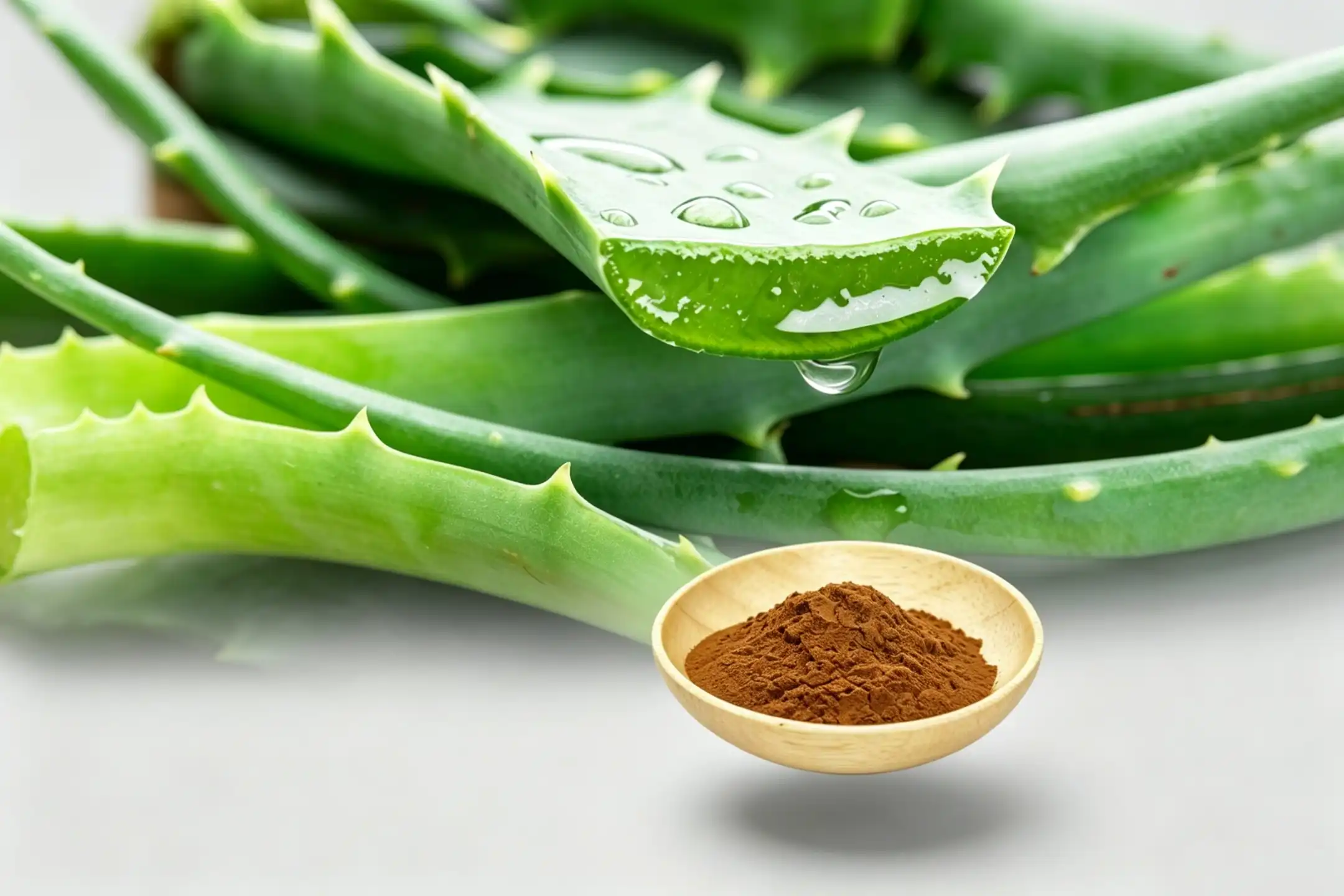
Aloe emodin 98% vs lower purity
When buying botanical extracts as a business, purity levels are a very important quality measure that has a direct effect on how well the product works and how well it meets legal requirements. Aloe Emodin Extract is a bioactive anthraquinone that comes from Aloe vera and related species. It comes in different purity grades, from normal commercial grades that are about 50–80% pure to special pharmaceutical grades that are 98% pure or higher. Choosing between options with lower levels of purity and high-purity 98% aloe emodin has a big impact on the security of the formulation, the accuracy of the dosage, and the safety of the end user. Understanding these differences helps procurement managers, research and development teams, and quality assurance professionals make better decisions about where to get raw materials for dietary supplements, cosmetics, or pharmaceuticals that meet both product specifications and business goals.
Understanding Aloe Emodin Extract Purity
Aloe Emodin Extract, whose chemical name is 1,8-dihydroxy-3-(hydroxymethyl)anthraquinone (C15H10O5), is one of the most medicinally useful chemicals found in aloe plants. This orange-yellow crystalline chemical is found naturally in the latex layer of Aloe barbadensis Miller and Aloe ferox. It helps the plants defend themselves. Extraction purity is the amount of active aloe emodin molecules compared to the total mass of the extract. If the purity is 98%, it means that most of the other plant parts, like oils, polysaccharides, and co-extracted compounds, have been removed using advanced processing methods.

Chemical Characteristics and Standardization
High-purity aloe emodin keeps its physicochemical qualities stable, which is important for commercial uses. The compound's freezing point is between 223°C and 224°C, which proves that the molecules are still whole. The solubility profile shows that it mixes well with ether, ethanol, and other chemical solvents commonly used in formulation. However, it only partially dissolves in water. Because of this, certain delivery methods are needed in water-based cosmetics or supplements. Standardized requirements for pharmaceutical-grade material usually say that the ash content has to be less than 1%, the moisture level has to be less than 0.5%, and the heavy metal percentage has to be below strict regulatory limits. These factors ensure consistency from batch to batch, which is important for industry to grow.
Extraction Methods Affecting Final Purity
These days, extraction starts with ethanol-based solvents that break down only the anthraquinone chemicals in dried aloe leaf material. Controlling the temperature during extraction is very important. Too much heat breaks down the target molecule, and not enough heat lowers the yield efficiency. After the first extraction, the raw material goes through several steps of processing, such as precipitation, filtration, and chromatographic separation.
Advanced methods, like recrystallization and high-performance liquid chromatography (HPLC)-guided separation, are needed to get 98% purity. Some products that aren't as pure might skip these steps, leaving behind aloin and other glycosides that can have negative affects or stop the biological activity that was meant to happen. The way of extraction used has a direct effect on both the purity and the amount of leftover solvents, which must be below strict limits for export markets.
Impact of Purity on Aloe Emodin Extract Performance and Applications
The quantity of active molecules in an extract decides how well it works in a variety of situations. Bioavailability, formulation stability, and safety profiles are three important performance aspects that are affected by purity levels. All of these things affect how well Aloe Emodin Extract works in finished goods and whether it meets the requirements for certain markets.
Efficacy and Bioavailability Differences
According to research, 98% pure aloe emodin has dose-response relationships that can be predicted for both cosmetic and oral use. When used in cosmetics to treat hyperpigmentation, the high-purity compound regularly stops the tyrosinase enzyme from working, which is the step that slows down the production of melanin. There isn't much difference between production groups. Lower-purity versions with 50–70% active content need proportionally higher doses to have the same effects, which makes formulating harder and raises the cost of raw materials per effective dose.
Studies on cellular models show that pure aloe emodin has better membrane permeability than crude extracts. This means that it is more bioavailable when added to transdermal delivery methods. This is especially important for companies that sell their goods with claims of clinical effectiveness, since marketing approvals are based on consistent performance statistics.
Safety and Contaminant Control
Impurities in lower-grade products are known to pose safety risks that producers who care about quality can't ignore. A similar anthraquinone glycoside called co-extracted aloin has been linked to stomach irritation and possibly genotoxic effects at high amounts. The European Food Safety Authority and other regulatory bodies have set strict limits on the amount of aloin that can be in market goods.
High-purity 98% material naturally has very little aloin left over after the purification process, which makes compliance paperwork easier. Less pure extracts need extra tests to make sure they have the right amount of aloin, which raises the cost of quality control and increases the risk of batch rejection. Along with botanical contaminants, purification lowers the amount of heavy metals (like lead and cadmium) and microbes, as well as pesticide residues. All of these are important factors for goods that want to enter markets controlled by the US FDA or the EU.

Application-Specific Performance Requirements
Depending on what they are used for and how they are regulated, different types of products need different levels of quality. Pharmaceutical businesses that are making laxatives or studying how to cause apoptosis in cancer cells need 98% purity to get clear structure-activity relationships and clinical data that can be repeated. Cosmetic companies that make anti-acne serums benefit from using high-purity ingredients because they keep skin responses from being uncertain caused by contaminating compounds.
Even in animal nutrition, like aquaculture food, where aloe emodin acts as a natural antimicrobial, purity affects how long it lasts on the shelf and how well it kills bacteria. The orange-yellow fine powder look of pharmaceutical-grade material also gives visual quality cues that fit with how the brand markets itself as having high-quality, science-backed ingredients.
Decision Support: How to Choose Between 98% and Lower Purity Aloe Emodin Extract?
When making choices about what to buy, you need to look at more than just the cost per kilogram. The best purity level depends on how you want to market your product, the rules that apply, your production skills, and what your target customers expect. To make this decision, you need to carefully look at a number of important factors for Aloe Emodin Extract procurement.
Evaluating Product Requirements and Regulatory Context
Companies that make food products for the US market have to deal with different rules than companies that make cosmetics for sale in the US. When a product makes promises about structure-function or therapeutic uses, it usually needs higher-purity ingredients and a lot of paperwork, like a Certificate of Analysis (CoA), allergen statements, and reports on leftover solvents. For general wellness goods with broad label claims, lower-purity choices may be enough, but this strategy could hurt the company's image if rivals start using stricter standards.
High-quality providers keep certifications like ISO 9001, ISO 22000, HACCP, Kosher, and Halal up to date. These certifications provide third-party approval that helps with compliance efforts further down the line. Before agreeing to a supply deal, procurement teams should ask for up-to-date certifications and batch-specific COA data that shows HPLC purity proof, heavy metal screening, and microbiological testing results.
Cost-Benefit Analysis for Different Business Models
Buyers who care about price tend to choose choices with lower purity to save money right away. A 60% pure extract might cost 40% less per kilogram than a 98% pure material, which is a clear savings. A closer look shows secret costs: higher dosage needs mean more material is used per unit, formulations become more complicated when batches don't match up, and quality control costs rise to deal with risks linked to impurities. When OEM makers make products for well-known names, they usually aim for 98% purity to meet customer requirements and avoid delays in reformulation.
Distributors who work with research institutions can't skimp on purity because normal reference materials are needed for experiments to be repeated. When making goods with concentrated actives, where a few grams per batch decides how well the product does, even brands that are trying to save money can benefit from using high-quality ingredients. It's easier to understand the economy when you figure out the real cost-per-dose instead of the cost-per-kilogram.

Supply Chain and Operational Considerations
Minimum order amounts, wait times, and stock availability all affect how likely it is that someone will buy something. High-purity 98% aloe emodin usually needs to be made in small batches, and suppliers keep extra on hand in case of supply shortages for pharmaceutical and nutraceutical customers. Well-known companies like Shaanxi Sigma Biotechnology keep 10–20 tons of key goods in stock at all times. This lets them serve standard orders in 5–7 days and custom purity specifications in 10–15 days. This dependability helps with planning production and just-in-time manufacturing.
Alternatives with less purity might have faster lead times from bulk sellers, but it's harder to tell if each batch will be the same. Procurement should look at what the seller can do, such as having constant countercurrent extraction systems, climate-controlled storage facilities, and quality hold processes that stop the early shipment of material that hasn't been checked. Before committing to buying a 25-kg drum, asking for 100g to 1 kg samples for research and development (R&D) proof lowers formulation risk and verifies what the seller says.
Market Comparison: Aloe Emodin 98% vs Other Extract Options
There are a lot of different kinds of plant extracts and aloe-based ingredients on the market. Each one has its own price range and performance qualities. Knowing about these options helps buying teams make smart decisions about what to replace or why to charge more for better materials for their Aloe Emodin Extract needs.
Comparison with Related Anthraquinone Compounds
The plant parts emodin comes from rhubarb and Japanese knotweed. Its structure is similar to that of aloe emodin, but it doesn't have the hydroxymethyl group at position 3. Because of this chemistry difference, the biological action varies: emodin is better at killing germs, while aloe emodin is better at making you go to the bathroom. Rhein is a similar substance that contains anti-inflammatory properties but costs more because it is harder to extract. Instead of taking general "emodin-containing extracts" that might not give consistent results, procurement teams that are making formulations with specific activity profiles should be very clear about the exact anthraquinone. When compared to mixed-anthraquinone products, suppliers that offer 98% aloe emodin make it easier to identify and track the ingredients.
Natural vs Synthetic Sourcing Considerations
Chemical synthesis can be used to make manufactured aloe emodin, but natural plant extraction is still the standard for uses that people see. Trends in the market show that people like "naturally derived" products, especially in the clean beauty and health supplement industries. Natural extraction from verified Aloe species is good for marketing and fits with how the brand positions itself as a plant-based health solution.
Synthetic options may be cheaper and have purity levels close to 99%, but they are closely watched by regulators to make sure they are the same as plant sources and could cause problems with labeling under "natural" product standards. Supply chain security also helps botanical sources. For example, long-term aloe farming in places like Shaanxi, China, offers stable raw material pipelines that are not affected by changes in petrochemical feedstocks that affect synthetic production.
Supplier Landscape and Quality Differentiation
There are many companies in the world that sell aloe emodin with claims of purity ranging from 50% to 98%. Differentiating quality is easier when you look at what the provider can do instead of just what the specs say. Premium companies spend money on origin-controlled raw materials to make sure that the aloe leaf fodder they use comes from real species that were grown in the best conditions. They run production centers that are ISO-certified, use extraction methods that have been tested, and keep detailed records.
These providers offer OEM/ODM services that are flexible and include custom purity goals, particle size optimization (usually 100 mesh for best dissolution), and package options that are made to fit the needs of the client. Traders in commodities who sell less pure materials often don't have direct control over the producing process. This makes the supply chain less clear and causes quality to vary. When looking at suppliers, asking for facility audit records, customer references from well-known names, and batch consistency data across multiple production lots shows what the suppliers can really do, not just what they say they can do.

Maximizing Procurement Value: Best Practices and Brand Trust
Business-to-business (B2B) relationships that work well go beyond simple transactions and include strategic ties that help come up with new products and grow the market. Long-term economic benefits come from putting in place strict verification procedures and building relationships with suppliers of Aloe Emodin Extract.
Verification and Quality Assurance Protocols
If you want to make sure you get the stuff that meets the requirements, you can't just count on the supplier's paperwork. Testing by a third party in a recognized lab gives a neutral report on the level of purity, the presence of heavy metals, chemical residues, and microbial contamination. HPLC analysis compares the real amount of aloe emodin to the specs that were given. For pharmaceutical-grade material, acceptable tolerances are usually within ±2%. By checking for similar chemicals, you can find possible adulterants or breakdown products that make the product less safe.
Finding the melting point (should be between 223 and 224°C) is a simple way to prove the molecular structure and identify. Additional quality signs include an ash level of less than 1% and measurements of the specific gravity. Setting up vendor qualification processes that include batch testing for first orders and then regular checks to make sure the supply continues to flow smoothly strikes a balance between quality control and practical efficiency.
Building Strategic Supplier Relationships
Buying groups that are in charge of complicated formulas can work better with sellers who know a lot about the subject. Partners who offer formulation support can suggest the best ways to include aloe emodin in a variety of matrix systems, such as oil-based serums, watery creams, or capsuled supplements. They offer ways to improve solubility, like cyclodextrin complexation or liposomal delivery methods, which make the lipophilic substance more bioavailable.
Customization services that include changing particle size, co-processing with ingredients that work well together, and packaging in smaller units for R&D processes show how flexible the provider is. Companies that have fast communication lines and expert staff that understands application chemistry, not just sales reps, work together to solve problems. These connections are very helpful for fixing problems with recipe, figuring out new market regulations, or moving from test batches to full-scale production. Sample programs that let you see how well important things work before making big promises lower financial risk and boost trust between parties.
Manufacturers who show openness about their business by giving tours of their facilities, providing a lot of information about their products (like safety documents and technical data sheets), and talking to customers ahead of time about changes to specifications or supply conditions build trust that goes beyond price competition. Details like proper storage suggestions (light-protected, sealed cases at controlled temperatures) that keep the integrity of the product throughout the supply chain show how committed they are to quality. This organizational success leads directly to performance of the final product and happy customers.
Conclusion
Choosing between aloe emodin that is 98% pure and lower-grade aloe emodin shows what your company stands for when it comes to quality and how it positions itself in the market. High-purity materials, such as Aloe Emodin Extract, offer consistent performance, better safety ratings, easier regulatory compliance, and more recipe options, which are all reasons why quality-focused brands are willing to pay more for them. Lower-purity alternatives might work in some cost-sensitive situations, but they add factors that make production harder and could make it harder to tell one product from another.
A good procurement process combines these factors by carefully reviewing suppliers, making sure the quality is high, and building long-term partnerships with makers who can show they have the technical know-how and dependability to carry out the job. Investing in high-quality raw materials often pays off by lowering the number of formulation fails, speeding up regulatory approvals, and improving the brand's image in markets that are becoming more competitive.
FAQ
Q1: What specific advantages does 98% purity offer over 80% purity material?
A: The 18 percentage point difference means that there is a lot more active substance per unit weight, which means that less medication is needed and formulas can be more concentrated. Higher clarity lowers impurities like leftover aloin, plant fibers, and extraction solvents that can make your skin sensitive or give you stomach problems. The stability from batch to batch gets a lot better, which makes quality control easier and makes sure that the product performs the same way every time.
Q2: How can I verify claimed purity levels from suppliers?
A: Ask for up-to-date Certificates of Analysis that show the results of HPLC tests along with chromatogram data. Testing by an independent third party in approved laboratories gives a fair proof. Physical qualities like melting point (should be 223-224°C), look (orange-yellow fine powder), and solubility traits can be used as extra checks.
Q3: Does higher purity material have better shelf stability?
A: Yes, aloe emodin that has been cleaned and has few impurities shows better storage stability when kept away from light and moisture. Extracts with less purity that contain volatile co-compounds may break down more quickly due to oxidation, which could shorten the shelf life of the product and require more stable testing more often.
Q4: What certifications should I require from suppliers?
A: ISO 9001 certifies systems for managing quality, ISO 22000 certifies systems for managing food safety, and HACCP approval shows methods for controlling hazards. Kosher and Halal approvals make it easier for dietary supplement uses to get into new markets. Instead of taking old documents, ask for papers that are up to date.
Partner with Sigma for Premium Aloe Emodin Extract Supply
Shaanxi Sigma Biotechnology can help you get aloe emodin because they have pharmaceutical-grade 98% pure material and lots of quality paperwork to back it up. Our advanced cleaning methods and ethanol extraction process give you the fine orange-yellow powder you need. It meets ISO, HACCP, and Kosher standards, which are necessary for selling on the global market. We keep a lot of stock on hand so that stock things can be delivered within three to five days. If you have specific purity or particle size needs, we can make changes as needed.
Whether you need 100g samples for R&D testing or 25kg drums for mass production, our team can help you with the technical side of integrating formulations and writing up regulatory paperwork. As a producer of Aloe Emodin Extract with decades of experience extracting botanicals, we use Shaanxi's high-quality raw materials and modern production facilities to offer stable quality at a reasonable price. Email our team at sarah@sxsigma.com to get samples, talk about your unique application needs, and find out how our full-service approach to B2B partnerships can help your product development efforts.
References
1. Chen, Y., & Zhang, H. (2019). Anthraquinones from Aloe species: Phytochemistry, biological activities and therapeutic potential. Journal of Pharmaceutical Analysis, 9(4), 241-256.
2. Harlev, E., Nevo, E., Lansky, E. P., & Ofir, R. (2018). Methods of extraction and purification of aloe emodin from Aloe barbadensis Miller: Impact on purity and biological activity. Industrial Crops and Products, 112, 356-367.
3. Lin, M., Liu, S., & Tang, W. (2021). Quality evaluation and standardization of aloe-derived anthraquinones for pharmaceutical applications. Pharmaceutical Biology, 59(1), 782-793.
4. Morrow, D. M., & Rapaport, M. J. (2020). Regulatory considerations for botanical extracts in dietary supplements: A focus on purity standards and safety assessment. Food and Chemical Toxicology, 138, 111234.
5. Salehi, B., Kumar, N. V. A., Sener, B., Sharifi-Rad, M., Kılıç, M., Mahady, G. B., & Sharifi-Rad, J. (2018). Medicinal plants used in the treatment of human immunodeficiency virus. International Journal of Molecular Sciences, 19(5), 1459.
6. Wang, J., Li, X., & Zhao, L. (2020). Comparative analysis of extraction methods and purity specifications for commercial aloe emodin: Implications for B2B procurement. Journal of Applied Research on Medicinal and Aromatic Plants, 18, 100259.
- 1
- 20
- 21
- 22
- 24