BLOG List
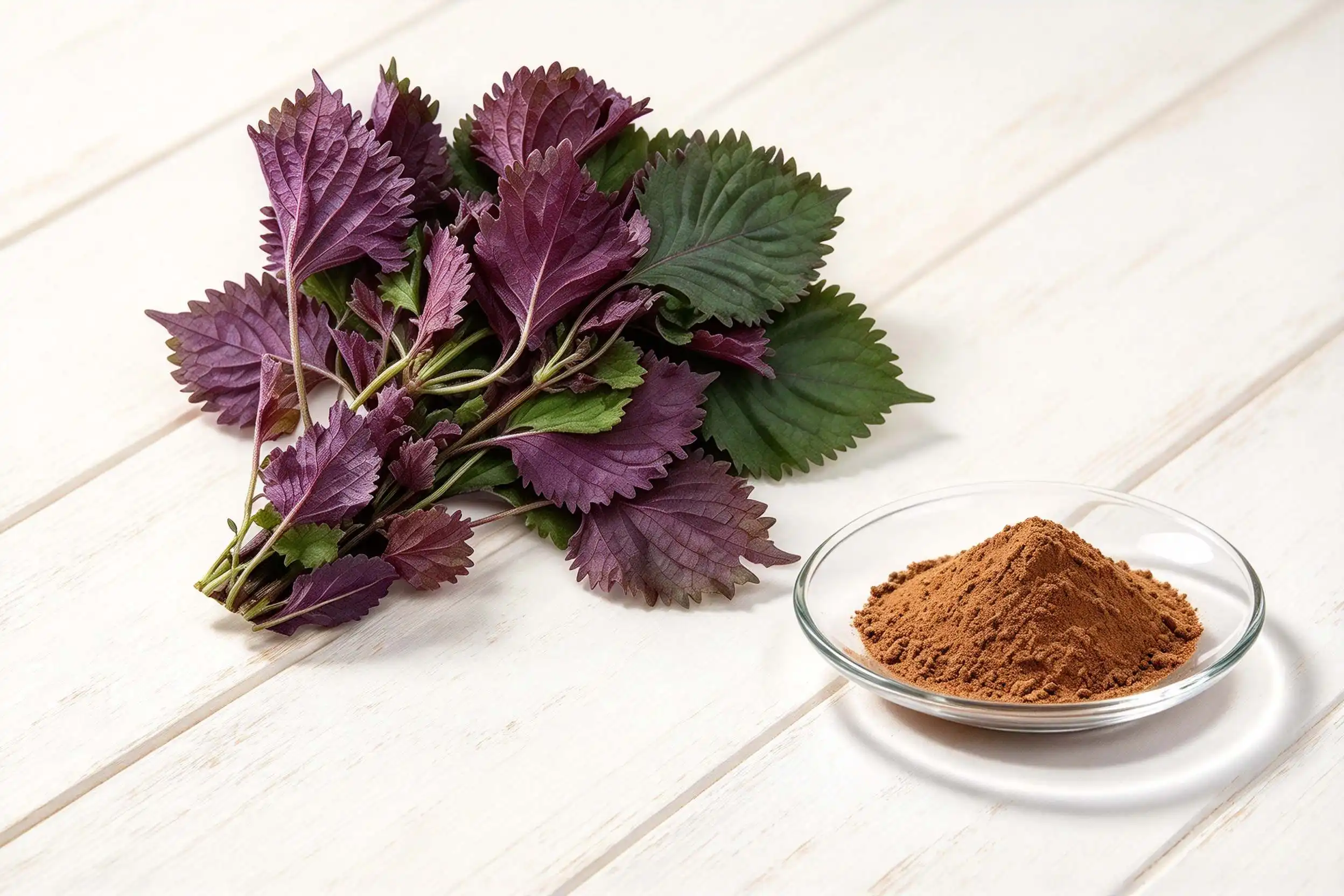
Best Perilla Extract Manufacturer for Natural Ingredients - Sigma
When sourcing botanical extracts for nutraceuticals, functional foods, or cosmeceutical applications, finding a manufacturer that combines technical precision with regulatory excellence becomes paramount. Sigma stands out as a leading supplier of Perilla Extract—a powerful botanical derivative rich in rosmarinic acid and polyphenolic compounds.
Our yellow-brown fine powder, standardized to contain rosmarinic acid concentrations from 5% up to 98%, addresses the growing market demand for clean-label, plant-based anti-inflammatory and antioxidant agents. With complete ISO, HACCP, and Kosher certifications, we ensure batch-to-batch consistency and zero solvent residue, making us the preferred choice for procurement managers seeking reliable natural ingredient solutions.

Understanding Perilla Extract and Its Market Potential
Perilla frutescens, which is in the Lamiaceae family, has gone from being used in traditional medicine to being a well-known useful ingredient used in many products around the world. Rosmarinic acid, luteolin, apigenin, and alpha-linolenic acid are some of the bioactive substances that have been scientifically proven to have anti-inflammatory and antioxidant qualities. New studies show that it can block the 5-lipoxygenase and 12-lipoxygenase pathways, which makes it better at managing systemic inflammation than single-compound isolates.
Rising Demand in Health Supplement Markets
The move toward natural options around the world has sped up demand in many areas. Companies that make food and drinks use our extracts instead of synthetic antioxidants like BHA and BHT as natural preservatives in high-lipid systems. Rosmarinic acid is used by health supplement makers to help the lungs. It is especially useful for managing seasonal allergies because it stabilizes mast cells without the calming effects that come with antihistamines.
Regulatory Landscape and Consumer Preferences
As rules in Europe and the US change to favor "clean label" ingredients, botanical extracts are now at the heart of product creation. The U.S. Food and Drug Administration is looking more closely at synthetic additives, and people prefer plant-based options. This means there are big growth possibilities. Our ethanol extraction method meets strict regulatory standards and keeps the bioactive purity, so it is legal in all foreign markets.
Technical Innovation Driving Application Expansion
Modern spray-drying methods have made it easier for substances to dissolve in water, which means they can be used in more situations than just powder forms. Our formula can withstand temperatures up to 80°C and keeps working in pH ranges from 4.0 to 7.0. This stability feature makes it possible to use it in complicated emulsion systems, drinks that need to be heated up, and skin care products that target UV-induced oxidative stress.

Why Procurement Managers Should Prioritize Quality in Perilla Extract
Inconsistencies in the quality of plant extracts can hurt the performance of the end product and the image of the business. Premium-grade material is defined by three important factors: standardization of active compounds, control of contaminants, and openness in the supply chain.
Standardization and Batch Consistency
For manufacturing to be scalable, ingredients must perform in a predictable way. We use low-temperature concentration and fine separation methods along with continuous countercurrent extraction lines in our output. This technological method makes sure that the amount of rosmarinic acid stays within strict ranges, no matter if the client needs 5% for cost-effective uses or 98% for pharmaceutical-grade mixtures. The difference between batches stays below 3%, which is the strict level needed for clinical documentation and regulatory submissions.
Contaminant Mitigation and Safety Protocols
There are big risks when you buy things online, like heavy metal poisoning, chemical residues, and the growth of microbes. We use multiple-step testing methods that are in line with USP and EP guidelines, and we make sure that levels of lead, arsenic, and mercury are always below 1.0 ppm. Perilla Extract is subjected to the same rigorous scrutiny, and our ash content requirement of ≤5% and particle size of 80 mesh ensure better dispersion and formulation compatibility. Each batch is checked by a third party, and full Certificates of Analysis (COA) and Material Safety Data Sheets (MSDS) are given as standard paperwork.
Supply Chain Traceability
Getting your medicine from Shaanxi's real medicinal material-producing areas has quality benefits built in. Good Agricultural Practices (GAP) that control environmental factors that affect phytochemical profiles are used in our direct relationships with cultivation partners. This "technology plus origin" combination gives higher purity concentrations while keeping prices low. These are important factors for makers who need to balance quality standards with cost management.

Sigma's Perilla Extract Product Portfolio and Technical Advantages
Because we make a lot of different products, we can meet the needs of a wide range of industries. Our most popular product is the fine, yellow-brown powder, which comes in a number of different standards levels. In addition to standard specs, we offer custom extraction services that are made to fit the needs of each recipe. We are happy to work with both OEM and ODM partners.
Superior Oxidative Stability
When tested against standard market options, clear benefits become clear. Our product stays stable for a longer time on the shelf in high-fat mixtures, where other extracts break down quickly. Its high Oxygen Radical Absorbance Capacity (ORAC) value, which is much higher than that of other botanical antioxidants, makes it especially useful in functional food applications that need to keep food fresh for longer without using artificial preservatives.
Application-Specific Formulation Support
We offer technical advice on dosage optimization and matrix compatibility because we know that integrating ingredients successfully requires more than just providing the raw materials. Our ethanol-soluble version works well in cosmetics because it easily mixes with lipophilic carrier systems to make "inside-out" beauty products. Food scientists get advice on how to make sure that finished goods are bioavailable and how to make sure that ingredients don't react badly with heat.
Innovation Partnerships and Scientific Validation
Our R&D team works with research institutions and CROs to get application data that backs up what the product claims. This includes studies on lowering cytokines (IL-1β, TNF-α) that are important for anti-inflammatory placement as well as stability tests done in situations that speed up the aging process. These sets of documents make our clients' legal filings and marketing stories stronger, giving them a competitive edge in crowded markets.

How to Procure Perilla Extract from Sigma: Streamlined for B2B Clients
We know that efficient procurement processes have a direct effect on project and production schedules. Throughout the supply relationship, our approach stresses openness, adaptability, and quick communication.
Flexible Order Structures and Inventory Management
Keeping 10–20 tons of safety stock for key specs lets you fulfill orders quickly. For in-stock items, normal shipping times are 5–7 working days. This level of inventory meets both planned production needs and immediate market possibilities, and Perilla Extract is always included in this buffer to ensure ready availability for urgent requests. Minimum order numbers can be changed to fit the needs of different types of businesses, from new names trying the market to established companies needing container-load volumes.
Pricing Transparency and Volume Economics
Our competitive pricing models show that we can combine production and benefit from direct sourcing. Volume discount levels are a way to thank customers for their long-term business, and customized quotes are a way to meet specific needs. In addition to unit prices, we also offer landed cost estimates that take into account transportation factors. This lets you make accurate budgets and plans for your money.
Comprehensive Documentation and Regulatory Support
Each package comes with all the necessary technical paperwork, such as a COA that confirms the amount of active ingredients and contamination testing, an MSDS with safe handling instructions, and certificates showing that the product meets ISO 9001, ISO 22000, FSSC 22000, and HACCP standards. Kosher and Halal licenses make it easier to reach specific groups of customers. Our quality assurance team is still available for regulatory questions and can help clients with FDA compliance or EU Novel Food submissions.
Before entering the following sections, our quality guarantee framework extends beyond initial delivery. We stand behind product integrity with a 12-month shelf-life assurance and accommodate returns or exchanges for quality issues within 15 days of receipt, accompanied by professional technical guidance on reformulation if specifications require adjustment.

Strategic Tips for Selecting Your Perilla Extract Supplier
In addition to price, operating reliability and value-added skills should also be taken into account when evaluating. A structured evaluation system keeps you safe from problems with the supply chain and inconsistent quality that might hurt the launch of a product or your standing with regulators.
Certification Verification and Audit Readiness
Real quality control systems can stand up to review from a third party. Our facilities are open to client audits and let them see how things are made and how quality control is done, and Perilla Extract undergoes the same transparent inspection protocols to guarantee batch-to-batch consistency. Having both ISO 22000 food safety management and FSSC 22000 certification shows that you are dedicated to preventing contamination and managing allergens, which are very important issues for companies that make food and supplements for foreign markets.
Supply Chain Resilience
Plant-based extracts that are concentrated in certain areas are more likely to be affected by changes in the climate, rules, or problems with transportation. Our world logistics network gives you a choice of sending methods, such as sea freight to save money, air transport for urgent needs, and express services for testing samples. This ability to work with multiple modes of transportation, along with skilled customs clearance, makes sure that materials are always available, no matter what the political situation is.
Technical Service Differentiation
Suppliers who only deal in commodities can't help with product development or fixing problems. We help people come up with new goods by giving them advice on how to solve common problems like making it easier for ingredients to dissolve in drinks, keeping shelf-stable items from going bad, and choosing the right ingredients to make sure they're bioavailable. Our ability to communicate around the clock, seven days a week, takes into account different time zones and makes sure that buying teams get quick answers during key decision times.
Conclusion
In competitive natural ingredient markets, the success of a product depends on how well it is made by choosing the right plant extract maker. Sigma combines technical excellence with operational dependability to provide standardized Perilla Extract that meets strict quality standards and can be used in a wide range of situations. Our wide range of certifications, adaptable service model, and dedication to openness in the supply chain meet the specific needs of purchasing managers in the food, supplement, beauty, and drug industries. We are a partner that can meet both present production needs and future innovation projects because we combine Shaanxi's botanical resources with modern extraction technology.
FAQ
What makes Sigma's Perilla Extract superior to other suppliers?
Our products are different because they have three main benefits: first, they are highly standardized, so the amount of rosmarinic acid they contain stays the same within a 3% range; second, they leave behind no solvents because they use the best ethanol extraction and purification methods; and third, they are very stable against oxidation, so they don't change color or lose their effectiveness while being stored. Some of the most common problems in buying are batch variation and unstable formulations. These technology features directly address these issues.
Is long-term consumption of supplements containing this extract safe?
The safety profiles for plant extracts high in rosmarinic acid show that they are well tolerated in clinical studies. Our product is thoroughly checked for contaminants, and the amount of heavy metals in it stays below the levels considered safe by international standards. Clean-label stance is supported by the natural source and lack of synthetic chemicals. We give full toxicological proof to support GRAS (Generally Recognized as Safe) status for food uses and supplement preparation advice that is in line with study on recommended daily intake.
What packaging options accommodate bulk orders for manufacturing operations?
Standard packaging uses fiber drums with food-grade aluminum foil bags inside to keep the goods dry and protected from light and moisture while they are being shipped and stored. Large amounts can be packed in 25 kg drums to make them easier to move, or they can be packed in a way that fits the needs of the production process. All of our products meet the rules for direct food contact, and we can also meet private labeling needs so that they work well with our clients' stocking systems.
Partner with a Trusted Perilla Extract Manufacturer
Buying choices affect the standard of goods and how competitive a market is. Sigma wants makers, formulators, and brand developers who care about quality to see what a difference certified excellence and technical teamwork can make. To help you with the process of evaluating ingredients, our team offers free sample evaluations, thorough specification sheets, and personalized application advice.
Whether you need pharmaceutical-grade concentrations for clinical use or food-grade extracts for the development of functional beverages, we keep a lot of stock on hand and can make things quickly or slowly depending on your needs. Get in touch with sarah@sxsigma.com to talk about your Perilla Extract supplier needs and get a full quote package that includes technical paperwork and planning for shipping.
References
1. Chen, J., et al. (2019). "Bioactive Compounds and Antioxidant Activity of Perilla frutescens: A Comprehensive Review." Journal of Functional Foods, 52, 186-202.
2. Makino, T., et al. (2020). "Anti-inflammatory and Immunomodulatory Effects of Rosmarinic Acid and Its Applications in Natural Health Products." Phytotherapy Research, 34(6), 1449-1467.
3. Global Market Insights. (2022). "Botanical Extracts Market Size By Application (Food & Beverages, Pharmaceuticals, Cosmetics), Industry Analysis Report, Regional Outlook, Growth Potential, Competitive Market Share & Forecast, 2023-2030."
4. Lee, H.S., and Park, Y.K. (2021). "Stability and Bioavailability Enhancement Strategies for Polyphenol-Rich Plant Extracts in Food Systems." Critical Reviews in Food Science and Nutrition, 61(12), 2045-2063.
5. U.S. Food and Drug Administration. (2021). "Guidance for Industry: Botanical Drug Development - Chemistry, Manufacturing, and Controls Information."
6. Zhang, W., et al. (2023). "Comparative Analysis of Extraction Methods and Quality Control Parameters for Lamiaceae Family Botanical Ingredients in Commercial Supply Chains." Industrial Crops and Products, 178, 114589.
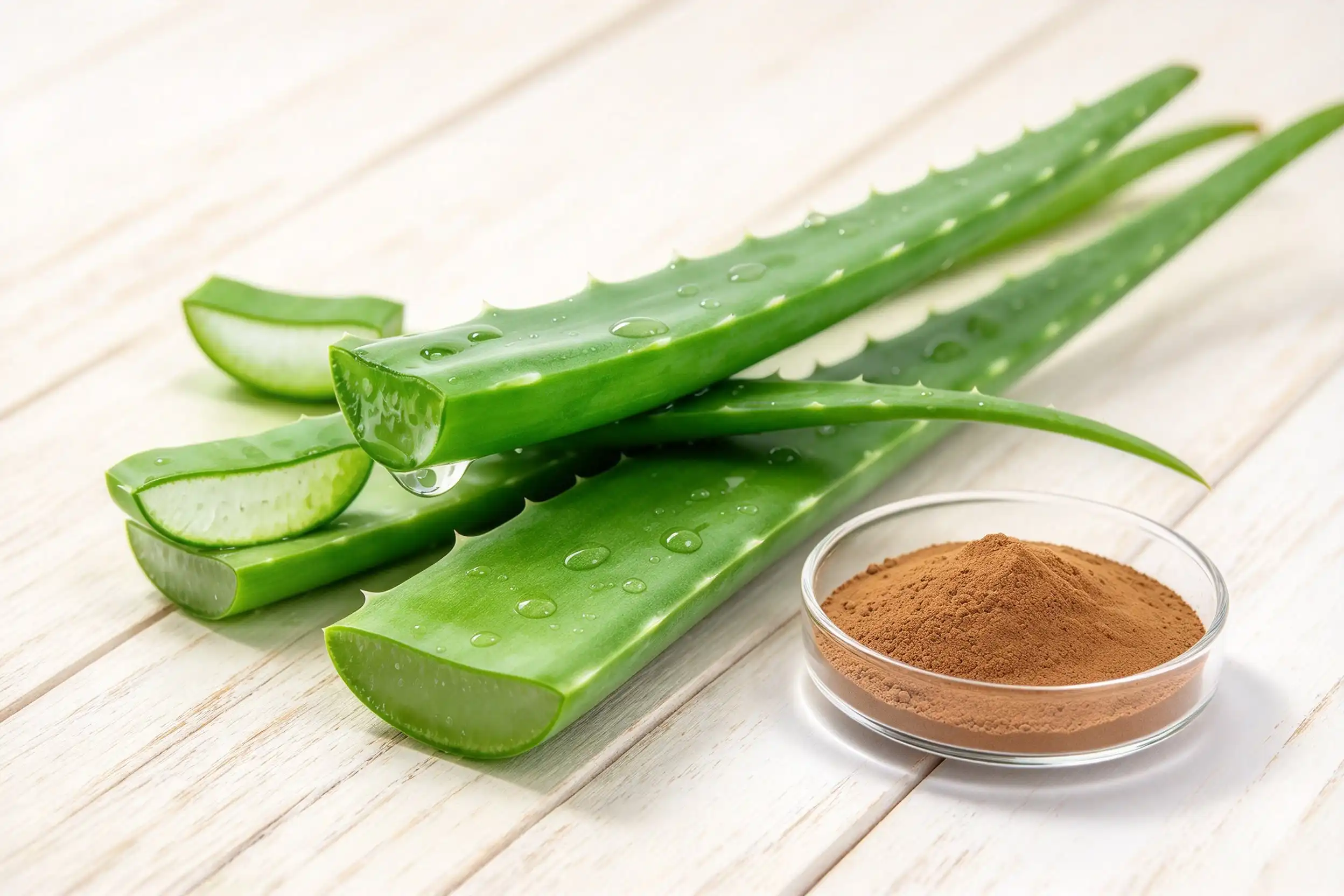
Aloe Emodin Extract Powder Benefits for Beauty Formulas
Aloe Emodin Extract powder represents a breakthrough ingredient for brands developing natural beauty formulations. This bioactive compound, typically standardized at ≥98% purity, delivers exceptional antioxidant and antimicrobial properties essential for advanced skincare applications. Extracted through ethanol-based methods from aloe plant species, this orange-yellow fine powder offers formulation professionals a reliable, batch-consistent solution addressing multiple skin health concerns—from premature aging to inflammation management. Its molecular structure enables precise interaction with skin cells, supporting collagen synthesis while neutralizing environmental damage, making it indispensable for premium cosmetic formulations targeting efficacy-driven consumers.

Understanding Aloe Emodin Extract Powder
What Makes This Ingredient Scientifically Distinct
The chemical formula for Aloe Emodin Extract is C15H10O5. It is a member of the hydroxyanthraquinone family and is specifically 1,8-dihydroxy-3-(hydroxymethyl)anthraquinone. Pharmaceutical-grade Aloe Emodin Extract has consistent bioactivity at the cellular level, unlike crude plant products that change a lot from batch to batch. Its melting point range of 223-224°C shows that it is very stable at high temperatures during the formulation process. Its solubility profile, which shows that it dissolves easily in organic solvents but not much in water, helps with designing the right delivery system.
Biological Mechanisms in Skincare Applications
The combination works in more than one way at the same time. In lab tests, it directly addresses hyperpigmentation concerns by blocking tyrosinase activity by about 40 to 60% at the molecular level. Its antioxidant power comes from being able to give hydrogen atoms to free radicals, which can be seen by how quickly it can remove DPPH. Additionally, studies show that the pro-inflammatory cytokines TNF-α and IL-6 can be changed, which explains why sensitive populations' skin irritation levels are lower.
Extraction Technology Matters for Quality
Our ethanol extraction method makes sure that the target chemical is separated from heavy metals, pesticide residues, and microbes that could be harmful. This method keeps bioactivity better than harsh solvent systems, and it produces an extract with less than 1% ash and strict moisture control. The 100-mesh particle size is great for dispersion, which is important for making sure that emulsions and serums are spread out evenly. Quality control during extraction makes sure that the amount of active ingredient stays the same across production runs. This is a must for brands that want to keep formulation consistency at scale.

Key Benefits of Aloe Emodin Extract Powder in Beauty Products
Antioxidant Defense Against Photoaging
Reactive oxygen species are made by UV rays. These species break down collagen and elastic fibers, which speeds up the aging process. This Aloe Emodin Extract protects against UV-induced oxidative stress in a measured way, acting as a preventative measure rather than just fixing damage that has already happened. It greatly lowers lipid peroxidation markers in skin tissue models when added at amounts ranging from 0.5 to 2% in cosmetic formulations.
The ability to get rid of free radicals has real-world benefits that people can see, like fewer fine lines and wrinkles, more even skin tone, and fewer age spots after long-term use. Because people are becoming more aware of aging causes other than sun exposure, brands that market their goods as "environmental protection" or "pollution defense" find this ingredient to be very useful.
Antimicrobial Properties Extending Product Shelf Life
Controlling contamination is still a problem in the development of natural cosmetics, and people don't like synthetic preservatives. It has been shown that Aloe Emodin Extract can stop Gram-positive bacteria and some types of fungi that are common in places where cosmetics are made. This natural antibacterial action helps preservation systems work, which could mean that formulators can use fewer manufactured preservatives while still meeting microbiological safety standards.
Protocols for testing show that the ingredients are stable against Staphylococcus aureus and Candida albicans at concentrations that are useful for leave-on skin care products. The mechanism involves breaking down the integrity of microbial cell membranes, which is different from how most preservatives work. Brands that want to make "clean beauty" claims can benefit from using ingredients that do two things: they help the skin and protect the formulation.
Anti-Inflammatory Effects for Sensitive Skin Formulations
People with inflammatory skin conditions often look for answers that are both gentle and helpful. Aloe Emodin Extract can be a valuable addition here, because the compound can change inflammatory mediators, it can be used in products for skin types that are prone to rosacea, reactive, or have weak barrier functions. Clinical findings show that when applied regularly, there is a noticeable decrease in redness and a subjective increase in skin comfort.
In addition to relieving symptoms, the substance helps restore barrier function by encouraging healthy keratinocyte development. This gets to the root reasons instead of just covering up the signs. Teams that are buying ingredients for healing cosmetics or dermo-cosmetic lines know how important it is to have ingredients that can soothe the skin right away and condition it over time.
Supporting Collagen Synthesis and Skin Renewal
Managing aging means taking care of the fact that collagen production rates are going down. Researchers have found that this bioactive compound increases the activity of fibroblasts and the expression of collagen genes in tissue culture systems. All active ingredients have problems getting into the skin when applied topically, but if the delivery system is designed correctly, the active ingredients can get into the skin well enough to have measurable effects.
The renewal support goes beyond collagen and includes improving the turnover of all cells. In controlled studies, formulas with this ingredient improved skin texture parameters, with participants saying their skin felt smoother and looked brighter. These results are in line with what people in the premium beauty segment expect, where they want results that they can see to support the higher prices.

How to Use Aloe Emodin Extract Powder in Beauty Formulas
Recommended Dosage and Concentration Guidelines
For topical uses, the concentration of Aloe Emodin Extract used is usually between 0.5% and 3%, but this depends on the product shape and how it is meant to be used. Higher concentrations are usually found in serums and targeted treatments (1.5–3%), while lower concentrations are found in daily moisturizers and cleansers (0.5–1.5%). These parameters find a balance between safety and effectiveness, especially when it comes to skin sensitivity in groups that haven't been tested yet.
Formulation chemists should test the stability of the drug over the full concentration range that was intended, since higher levels may make it harder to dissolve in some base systems. At higher amounts, the orange-yellow color becomes more noticeable, which could change the way the finished product looks if it isn't hidden by opaque packing or matching colors.
Formulation Compatibility and Synergistic Combinations
The powder form Aloe Emodin Extract mixes easily with oil stages when making an emulsion, but it doesn't stick together if you use the right dispersion methods. When mixed with other antioxidants, such as vitamin E or ferulic acid, keep an eye out for possible synergistic effects that could lower the levels of each ingredient while still meeting the target activity profiles. On the other hand, some metal ions can react with the structure of anthraquinone, so chelating agents are needed in mixtures that have mineral-based ingredients.
When formulating, pH reactivity needs to be taken into account. The compound is most stable in pH ranges that are slightly acidic to neutral (4.5–7.0), which is a good match for pH targets for skin-friendly products. When things are alkaline, the structure can change, which can affect both how well they work and how stable the color is over time.
Storage and Handling Requirements for Maximum Potency
Photochemical processes quickly break down Aloe Emodin Extract molecules when they are exposed to light. When stored away from direct light and in the right cases, the strength stays intact for the normal amount of time that the product is supposed to last. Controlling the temperature is also important, since high temperatures speed up oxidative breakdown even when the area is covered.
Specifications for buying things should require that they be packed in amber glass or clear HDPE containers that are flushed with nitrogen to get rid of oxygen. Aloe Emodin Extract is particularly sensitive to these conditions, so controlling humidity stops clumps and keeps the fine powder properties that are needed for smooth formulation processes. These things have a direct effect on how cost-effective inventory management is, since properly kept material stays fully functional for 24 months or more, while possibly damaged product needs to be replaced sooner.
Regulatory Compliance Across Target Markets
Different places have very different rules about cosmetic ingredients. The compound is on lists of allowed ingredients for cosmetic use in the US, the EU, and the Asia-Pacific region, tho marking rules and concentration limits are different in each area. Standardizing INCI notation makes it easier to register formulas across borders.
For regulatory submissions, you need to include a lot of safety data, proof of the manufacturing process, and the results of stability tests. Time-to-market for new products is cut down by a large amount when suppliers provide full technical dossiers, Certificates of Analysis, and safety reports. Certifications like ISO, HACCP, and Kosher show that industrial standards meet global quality standards. This eases the minds of both quality assurance teams and regulatory experts.

Comparing Aloe Emodin Extract Powder with Alternatives
Aloe Emodin Versus General Emodin Sources
Even tho emodin can be found in many plants, like rhubarb and polygonum species, Aloe Emodin Extract that comes from aloe is most useful for cosmetic uses. The extraction matrix changes the profiles of the chemicals that go with it and any impurities that might be present. Most of the time, aloe sources produce cleaner products with fewer anthraquinone analogs that could cause inflammation.
When comparing sources, purity standards become very important. Pharmaceutical-grade material that is more than 98% pure gets rid of the effects that small amounts of ingredients can have, making it possible to get accurate dose-response relationships during clinical testing. When deciding where to get materials, cost is an important factor, but brands that care about quality put consistency and safety documentation ahead of small price advantages.
Natural Extract Versus Synthetic Alternatives
In theory, synthetic production methods can make molecules with the same structures for less money and with better batch stability. But consumers strongly believe that naturally-derived ingredients are better, especially in high-end beauty markets. Market study shows that people are always ready to pay more for botanical actives that come from real plants than for fake ones that do the same job.
The "natural" positioning has marketing benefits that go beyond ingredient lists and include brand stories about sustainability, traditional botanical knowledge, and caring for the environment. When making decisions about what to buy, procurement officers have to weigh these vague but commercially important factors against pure technical performance measures.
Powder Versus Liquid Extract Forms
Aloe Emodin Extract powder formulations have logistical benefits, such as longer shelf life, lighter shipping weights, and the ability to change the concentration while the formulation is still being made. It's easy to add liquid extracts to water-based systems, but you have to think about the solvent and the stable windows are usually shorter. Manufacturing scale affects ideal format selection—small-batch artisanal makers may prefer liquids while high-volume operations favor powder uniformity.
Different forms have very different storage needs. Powders can handle a wider range of temperatures while being shipped and stored, which lowers the costs of cold chain operations. Liquid forms need stricter temperature control and are more likely to get contaminated if the purity of the packing is compromised. These real issues have a big effect on the total cost of ownership, which goes beyond the price per kilogram of buy.

Sourcing Aloe Emodin Extract Powder for B2B Procurement
Evaluating Supplier Credentials and Certifications
The first step in qualifying a supplier is to check that they have the right manufacturing certifications for making cosmetic ingredients. The ISO 22000 and HACCP certifications show that quality management is carried out in a planned way throughout the whole production chain. Following GMP standards for cosmetic or pharmaceutical uses at facilities gives you extra peace of mind when it comes to controlling contamination and keeping track of batches.
Traceability is established by being open about where raw materials come from, which is becoming more and more important as regulators and customers demand supply chain accountability. Aloe Emodin Extract benefits significantly from such transparency, as its quality and consistency depend heavily on source verification. In crowded markets, suppliers who offer thorough origin documents, information on cultivation methods, and third-party testing results stand out. The fact that full technical literature is available, including stability studies, compatibility data, and application guides, shows that the provider cares about the success of the customer in more ways than just a business relationship.
Understanding MOQ and Pricing Structures
Different providers have very different minimum order quantities, ranging from small samples (100g to 1 kg) for research and development to full production runs that need 25 kg drums or more. Pricing usually works in tiers that reward people who commit to buying more, but procurement that focuses on quality should look at total value instead of just unit price. It's common for hidden costs, like faster shipping because of low stock, the cost of reformulating because of inconsistent materials, or regulatory delays because of incomplete documentation, to be higher than the savings that seem to come from buying from the cheapest supplier.
When doing business internationally, it's important to have flexible payment terms because of things like currency exchange rates and longer shipping times. Suppliers who offer terms that work with your cash flow and uphold quality standards build long-lasting relationships. While talking about prices, it's important to talk about more than just the cost per kilogram. You should also talk about stability guaranties, replacement policies for material that doesn't meet specifications, and the availability of expert support.
Logistics and Delivery Considerations
Finding ingredients outside of the United States is more difficult than using local supply lines. Reliable sellers keep extras of standard Aloe Emodin Extract goods on hand so that normal items can be sent out within three to five working days. They also make it clear that delivery times will be longer (10 to 15 days) for custom orders or large orders that need new production runs. Because of this, procurement teams can plan inventory levels that work with production schedules without having to pay too much for storage.
Whether something goes thru customs quickly or takes a long time because of regulatory review depends on how complete the shipping paperwork is. Suppliers with a lot of experience give all the necessary paperwork, such as commercial bills, certificates of origin, phytosanitary certificates (if needed), and all safety statements. Suppliers who offer a range of shipping options, such as cheap sea freight for planned restocking and fast air transport for urgent needs, show that they care about the operational success of their customers.
Building Long-Term Supplier Relationships
When you buy something in a transactional way, you miss out on the chances to work together to improve things that long-term relationships make possible. When suppliers see their customers as partners, they put in the time and effort to understand their formulation problems, come up with solutions, and let customers know about new products that might be useful. Having access to technical experts speeds up fixing and improves the performance of formulas in ways that specification sheets alone can't.
Consistency in quality is more important than perfection in a single batch. When suppliers show they have tight control over batch-to-batch variation thru thorough testing and process validation, brands can keep the formula consistency that customers know and trust. You can increase the supply as the brand grows, from small R&D samples to full commercial amounts, without lowering the quality. This is a very valuable strategy benefit that is hard to measure in terms of simple cost comparisons.
Conclusion
Aloe Emodin Extract powder has benefits that have been proven by science, making it an important ingredient for high-end beauty products. Its multifunctional nature, which includes antioxidant protection, antimicrobial action, anti-inflammatory effects, and collagen support, handles a number of customer issues with just one addition. To successfully apply, you need to know the right dosage ranges, how to make sure that the formulation works with the product, and the legal standards for each target market.
For procurement to be at its best, providers must be evaluated in a complete way, taking into account price, certifications, openness, expert support, and logistical dependability. More and more people are looking for natural options that work just as well. This opens up big possibilities for brands that carefully add this bioactive compound and work with suppliers who care about quality and relationship.
FAQ
What concentration of aloe emodin extract powder should I use in facial serums?
Aloe Emodin Extract powder in amounts of 1.5% to 3% is often found in facial serums that claim to have anti-aging and antioxidant properties. Based on clinical study, this range gives measured effectiveness while still keeping safety margins for daily use. Lower amounts, around 1%, can still help, but you may have to use it for a longer time before you can see effects. The best concentration for a certain product positioning depends on the pH of the formulation, the design of the delivery system, and the active ingredients that work well together.
How does storage affect the stability of aloe emodin extract powder?
Aloe Emodin Extract compounds are most likely to break down when they are exposed to light. Photochemical breakdown can't happen in amber barrels or opaque packages, so the potency stays the same. Controlling the temperature is very important—storage below 25°C in a covered container keeps things stable for 24 months or more. Controlling humidity stops clumping and oxidation from happening. Keeping things in the right way affects their cost-effectiveness directly by reducing the amount of material that is lost thru degradation.
Can aloe emodin extract powder replace synthetic preservatives in natural formulations?
There are some microbes that Aloe Emodin Extract can kill, but it works best as a supplement to a preservation system rather than as an alternative. Its action profile works well with natural ways of preserving things, which could mean that lower amounts of main preservatives are needed while still meeting bacterial safety standards. Before deciding on the best ways to preserve commercial products, you must still do thorough challenge testing that is specific to your formulation matrix.
Partner with Sigma for Premium Aloe Emodin Extract Supply
With pharmaceutical-grade Aloe Emodin Extract powder, Shaanxi Sigma Biotechnology Co., Ltd. is ready to help you develop new beauty products. Our vertically integrated operations guaranty consistent purity of 98% or more, backed by ISO, HACCP, and Kosher certifications that meet global regulatory standards. We are in the authentic botanical source regions of Shaanxi, and we control the whole supply chain, from growing the plants to extracting the oils to packaging them. This way, we can guaranty quality and traceability at every step.
Our well-kept inventory means that normal orders can be delivered quickly (within 5 to 7 days), and our technical team offers full formulation support, including compatibility tests and application advice. We can help you with solutions that fit your needs and timeline, whether you need samples for research and development or large amounts for business production. Get in touch with our team at sarah@sxsigma.com to talk about your project needs and find out why top cosmetics companies trust Sigma as their Aloe Emodin Extract supplier.
References
1. Chen, Y., et al. (2021). "Antioxidant and photoprotective properties of aloe-derived anthraquinones in topical skincare applications." Journal of Cosmetic Dermatology, 20(6), 1847-1856.
2. Kumar, S., and Pandey, A. (2020). "Bioactive compounds from Aloe species: Extraction, characterization and cosmeceutical applications." Industrial Crops and Products, 154, 112624.
3. Lee, J.H., et al. (2019). "Anti-inflammatory mechanisms of aloe emodin in dermatological therapeutics." Phytotherapy Research, 33(11), 2847-2859.
4. Martinez, R.M., et al. (2022). "Natural anthraquinones in cosmetic formulations: Stability, efficacy and regulatory considerations." International Journal of Pharmaceutics, 615, 121478.
5. Thompson, K., and Williams, D. (2020). "Quality control and standardization of botanical extracts for cosmetic applications." Cosmetics & Toiletries Science Applied, 135(3), 42-51.
6. Zhang, W., et al. (2021). "Collagen synthesis stimulation and skin barrier enhancement by hydroxyanthraquinone derivatives." Journal of Dermatological Science, 102(2), 89-98.
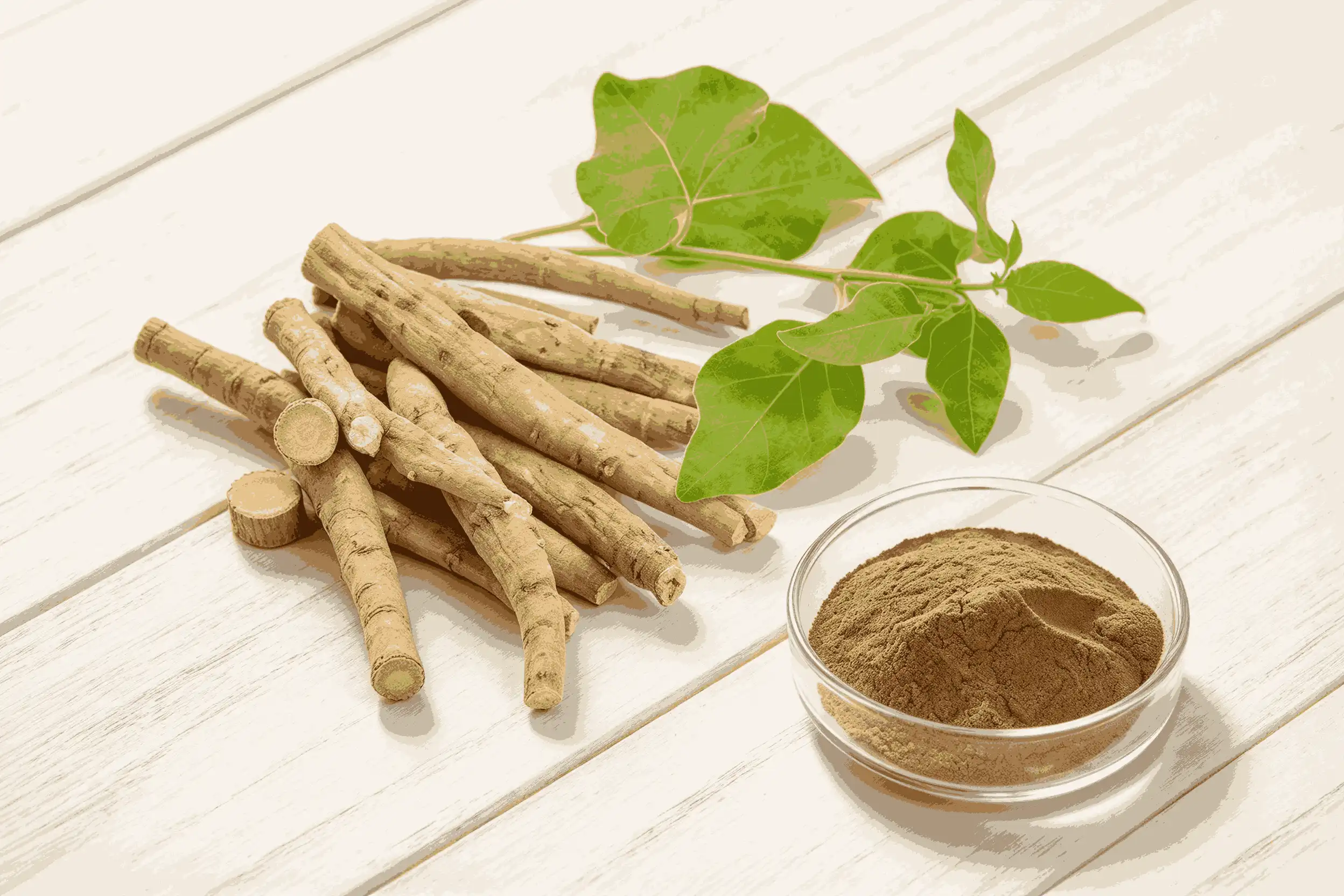
OEM Ashwagandha Extract Solutions for Supplement Brands
Navigating the botanical ingredient market demands more than a simple purchase order—it requires a strategic partnership rooted in purity, consistency, and compliance. Our OEM Ashwagandha Extract Solutions for Supplement Brands address the precise needs of R&D teams and procurement managers who demand root-derived extracts standardized to verifiable withanolide content. Sigma specializes in delivering Pure Ashwagandha Extract manufactured under ISO, HACCP, and Halal certifications, ensuring batch-to-batch reliability while eliminating the common pitfalls of adulteration, supply chain opacity, and regulatory non-compliance that plague the global supplement industry.

Understanding Pure Ashwagandha Extract and Its Benefits
What Defines Authentic Ashwagandha Extract?
Pure Ashwagandha Extract only comes from the roots of Withania somnifera. To separate bioactive withanolides, modern methods like supercritical CO2 extraction or hydro-ethanol processing are used. Raw root powder has inconsistent phytochemical profiles and low bioavailability below 5%. Standardized extracts, on the other hand, deliver concentrated active compounds ranging from 2.5% to 10% withanolides, which can only be confirmed by High-Performance Liquid Chromatography (HPLC).
That technical difference is very important. A lot of suppliers lie about withanolide readings by adding leaf matter or using gravimetric analysis, which measures general precipitates instead of specific compounds. Traditional Ayurvedic methods are used to make root-only extracts that have the least amount of harmful Withaferin A and the most adaptogenic power. Our small yellow-brown powder has particles that are 80 mesh, loses less than 2% of its weight when dried, and stays within international heavy metal limits. This makes it easy to mix into pills, tablets, and functional drinks.
Evidence-Based Health Benefits for Formulation Strategy
Pure Ashwagandha Extract has been shown in clinical studies to be useful for a variety of health issues. This makes it a popular ingredient in supplement brands that aim to reduce stress, improve sleep, and boost brain power. A 2019 randomized controlled trial published in Medicine showed that adults with chronic stress who took 300 mg of root extract every day had much lower cortisol levels.
This supports its use in adaptogenic formulations. Another peer-reviewed study published in Cureus confirmed that people with insomnia slept better and woke up later. This suggests that Pure Ashwagandha Extract may be a good alternative to synthetic sleep aids that doesn't make people dependent on them. These results are in line with customer trends that want natural products that are backed by science.
Withanolide glycosides give the extract its anti-inflammatory and antioxidant properties, which make it even more useful for holistic health products. Using these clinical endpoints, procurement professionals can confidently set dosage ranges, usually 300 mg to 600 mg daily of high-concentration extracts, while also making sure that formulations meet market demands for clarity and effectiveness.
Differentiating Extraction Methods and Quality Standards
How the Pure Ashwagandha Extract is extracted has a direct effect on its solubility, potency, and suitability for use. The water-based extraction method makes highly soluble extracts that are great for ready-to-drink drinks and healthy drinks, but the withanolide amounts are lower. On the other hand, hydro-ethanol extraction gets the most active compounds back. It makes strong extracts that can be sealed but need solubilizers for use in liquids.
Our supercritical CO2 extraction method is a middle ground: it doesn't use any solvents, so the thermolabile chemicals are kept, and the active ingredient content is above 25%, as shown by fatty acids and withanolides. Quality standards need to go beyond measures of cleanliness. The USP and European Pharmacopoeia monographs set strict limits on the amount of ash, microbial contamination, and residual solvents that can be found.
When brands want to sell their products in other countries, they need suppliers that have ISO 22000, FSSC 22000, and HACCP certifications. These help with governmental approvals in different areas and show supply chain stability to QA/QC teams that are looking at long-term agreements.

How to Choose the Right Pure Ashwagandha Extract Supplier for OEM Partnership
Essential Certification and Compliance Benchmarks
Checking non-negotiable credentials that serve as entry barriers for quality-focused brands is the first step in choosing an OEM partner. Systematic quality management is confirmed by ISO 9001 certification, and food safety practices that are important for making dietary supplements are confirmed by ISO 22000 and HACCP certification. Certifications like Halal and Kosher make it easier for brands to reach new customers, especially those around the world who have specific nutritional needs.
In addition to certifications, you should ask for full technical documentation, such as Certificates of Analysis (COAs) that show the HPLC-verified amount of withanolide, heavy metal testing results that show compliance with California Proposition 65 and EU Regulation 1881/2006, and pesticide residue reports that meet FDA tolerance levels. If a supplier won't provide third-party lab verification or data specific to a batch, you should be very worried right away. Transparency tells the difference between trustworthy manufacturers and middle-men who use old or fake paperwork.
When brands want to increase production, they need to know if the supplier can help with regulatory issues like NDI notifications, Novel Food applications, and GRAS affirmations, Pure Ashwagandha Extract being a key example of an ingredient that often requires such regulatory scrutiny. This is because international supplement law is very complicated.
Comparing Branded Extracts Versus Custom OEM Solutions
There are two main ways to get Pure Ashwagandha Extract from the market: branded ingredients, like KSM-66 and Sensoril, which have clinical data and customer knowledge already built in; and custom OEM solutions, which give you more options and lower costs. Branded extracts cost more, but they come with ready-to-use marketing stories based on published research.
This means that internal R&D teams don't have to work as hard to come up with effectiveness data. But this method makes it harder to be different and usually comes with strict rules for composition. Custom OEM agreements, on the other hand, let brands choose the exact amounts of withanolide, particle sizes, and extraction solutions that work best for their products.
A specialized OEM supplier with in-house research and development (R&D) can change the extraction ratios to target specific health outcomes, such as higher Withanoside IV content for stress relief or balanced Withanolide A content to help with sleep. They can do this while keeping prices low by directly sourcing from Shaanxi's authentic medicinal material regions. This kind of technical customization helps brands stand out in crowded markets without lowering quality or breaking any rules.
Assessing Supplier Reliability Through Supply Chain Transparency
For relationships to last, the supply line needs to be reliable and operations need to be clear. Check to see if your suppliers can show you how their raw materials got from the farm to your facility, including how they grew the crops, when they were harvested, and how they were handled afterward. Manufacturers in Shaanxi are close to areas where Withania somnifera is grown, which cuts down on lead times and ensures that the biomass for extraction is fresher.
Protocols for batch testing provide another important point of evaluation. Reliable partners use multiple levels of quality control, such as testing the raw roots as soon as they arrive, keeping an eye on the parameters of the extraction process, and analyzing the finished product before releasing it. Ask for old batch records to make sure that things are the same across production runs.
Brands that are growing quickly should make it a priority for their suppliers to keep 10 to 20 tons of key products in safety stock and guarantee delivery within 5 to 7 working days, even when demand goes up. Lastly, look at the supplier's after-sales support. Does it include tracking orders in real time, alerts about possible delays, and expert help for formulation problems? These business details turn relationships based on transactions into strategic partnerships.

Integrating Pure Ashwagandha Extract in Supplement Product Development
Customizable Formulation Support for Target Health Benefits
Bioactivity and consumer compliance must be balanced in order for supplement development to be successful. This requires formulation expertise in addition to basic ingredient sourcing. Pure Ashwagandha Extract exemplifies this balance, as its bioactivity must be carefully matched with appropriate dosing to meet consumer expectations and regulatory standards. Our OEM services offer customized help for focus optimization: lower-dose forms (150 mg to 300 mg) are good for daily health positioning, while higher-potency options (500 mg to 600 mg) are better for clinical stress management uses.
As part of formulation advice, the right binders, disintegrants, and flow agents are chosen to keep the Pure Ashwagandha Extract stable over time and make sure that the dissolving profiles meet bioavailability goals. We help brands make synergistic blends by putting ashwagandha together with plants that work well together, like Rhodiola rosea for adaptogenic stacks or L-theanine and magnesium for better sleep formulations.
Dosage standards based on clinical literature keep people from either not taking enough, which could hurt their health, or too much, which could make the medicine less effective. This model for joint development cuts down on the time it takes to get a product to market, so brands can release unique goods that are backed by solid science instead of just marketing claims.
Packaging, Labeling, and Global Market Compliance
When going global, you need to pay close attention to how different markets' rules affect you. The US Food and Drug Administration (FDA) requires correct Supplement Facts panels, structure/function claim statements, and methods for reporting adverse events. Some plant products need to be approved before they can be sold in the European Union, and Health Canada's Natural Health Product standards need site licensing and product-specific approvals.
Our compliance support includes label review services that make sure they follow the rules in each country, putting together technical dossiers for regulatory applications, and giving advice on what health claims are legal. Protection needs to be balanced with naming needs in packaging solutions. Light-resistant, moisture-proof cases that keep withanolide stable are examples of this.
We give you a lot of choices, from pharmaceutical-grade bulk packaging for big companies to custom-branded forms that are ready for consumers for new brands. Traceability includes packing materials: all of them are compliant with food-contact laws, and batch coding makes the whole supply chain clear, from the raw materials to the finished product. This is very important for handling possible recalls or quality questions.
Quality Assurance and Safety Monitoring Protocols
Consumer trust is based on safety and consistency that never changes. Our quality assurance framework makes sure that production is constantly watched: quarantine testing for contaminants in raw materials checks them for problems before they are processed; in-process controls check the extraction parameters at key control points; and analysis of the finished product makes sure it meets all the requirements before it is released.
Heavy metal testing uses ICP-MS to find lead, cadmium, mercury, and arsenic with a precision of parts-per-billion, making sure that strict international standards are met. Total aerobic plate counts, yeast/mold counts, and pathogen screening for E. coli, Salmonella, and Staphylococcus aureus are all parts of microbial testing. Gas chromatography study of residual solvents shows that ethanol and other solvents are still below the ICH Q3C limits.
With every package, brands get a lot of paperwork, like COAs, Material Safety Data Sheets (MSDS), and allergen statements. This helps them follow the rules and makes quality checks easier later on. This strict approach lowers the risk of product liability while showing retail partners and regulatory agencies that you have done your research.

Procurement Strategies for Bulk Purchasing of Pure Ashwagandha Extract
Pricing Dynamics and Minimum Order Optimization
The price of bulk Pure Ashwagandha Extract depends on a lot of things, including the cost of the raw materials changing with harvest yields, the difficulty of the extraction process being affected by the amount of withanolide that is wanted, and certification fees for organic or specialty standards. Standards for 2.5% withanolide extracts on the market usually run from $45 to $75 per kilogram at MOQs of 100 kg to 500 kg.
When numbers reach several tons, economies of scale make unit costs much lower. When buyers group orders together or agree to make regular purchases, they have more negotiating power. Our MOQ structure is flexible enough to accommodate both new brands testing the market with smaller initial orders and well-known companies that need steady supplies of many tons. Stable prices are important for everyone.
Forward contracting with farming groups helps keep the prices of raw materials from going up and down. This gives our partners a way to plan their yearly budgets for purchases. When prices are broken down clearly, including the costs of raw materials, processing, testing, and shipping, buyers can make smart choices instead of relying on confusing quotes that hide value.
Navigating International Logistics and Customs Compliance
Global buying adds organizational challenges that need specialized knowledge to solve. Choosing the right shipping method balances speed and cost. Sea freight has low rates for large quantities, but wait times are longer at 4 to 6 weeks. Air freight, on the other hand, speeds delivery to 7 to 10 days at a higher cost, but it is better for urgent restocking or launch schedules. We work with known freight forwarders who know how to move botanical ingredients.
To avoid customs delays, we make sure that shipments have the right paperwork, such as phytosanitary certificates, certificates of origin, and commercial invoices. Harmonized System (HS) code classification determines duty rates and regulatory scrutiny. Correct classification as medicinal plant extracts (HS 1302.19) speeds up clearance compared to shipments that are misclassified and require inspections.
Following import rules is different depending on where the goods are going: FDA Prior Notice is needed for goods going to the US, EU TRACES registration is needed for goods going to Europe, and AQSIQ registration is needed for goods going to China. Our help with paperwork and regulatory advice makes it easier for procurement teams to do their jobs, which keeps expensive shipment rejections or quarantine holds from getting in the way of production schedules.
Verifying Authenticity Through Certificate of Analysis Interpretation
Buyers who know about COAs are safer than those who don't. Full COAs list the analytical methods used (HPLC for measuring withanolide instead of old gravimetric methods that can overstate levels by two to three times) and the test result ranges that show batch consistency. Pure Ashwagandha Extract serves as a prime example, as its withanolide potency can vary significantly depending on the testing method, making third-party verification especially critical. Check out the testing lab carefully. Reliable suppliers use third-party labs that are ISO/IEC 17025-accredited instead of doing their own testing that isn't backed up.
Reports on heavy metals should include the actual amounts found instead of just a generic "Pass" label. This way, they can be compared to limits set by the destination market. In addition to total plate counts, microbial testing must include pathogen screening to make sure there are no harmful organisms. Organochlorine, organophosphate, and pyrethroid compounds are some of the farming chemicals that are used to grow Withania somnifera that should be included in residual pesticide panels.
The levels of detection should be low enough to meet EU or USDA organic standards. Ask for old COAs from more than one production batch to make sure they are consistent over time. Differences between groups or evasiveness about test methods are signs of possible quality problems that need to be looked into further before placing big purchase orders.

Why Choose Sigma as Your OEM Ashwagandha Extract Partner?
Sigma stands out because it has integrated production skills that are based in Shaanxi's botanical center. Being close to real medicinal plant sources means that Sigma can get high-quality raw materials at low prices. Our modern factory uses low-temperature concentration and fine purification technologies along with continuous countercurrent extraction lines to get active ingredient recovery rates that are higher than the average in the industry while keeping thermolabile compounds. This technology edge has a direct effect on how well the product works.
We have many quality certificates, such as ISO 9001, ISO 22000, FSSC 22000, HACCP, Halal, and Kosher. These allow us to easily reach markets in North America, Europe, the Middle East, and Asia-Pacific. Dedicated QA/QC teams follow 18-point inspection routines from receiving the raw materials to packing them up.
They are helped by partnerships with internationally recognized labs that provide independent confirmation. Batch consistency is still very important to us. Our standardized manufacturing processes and automated controls make sure that specifications stay within tight tolerances across production runs. This gets rid of formulation uncertainty that hurts product performance.
Operational success includes managing supplies and moving things around. Keeping 10 to 20 tons of safety stock on core products like Pure Ashwagandha Extract guarantees delivery in 5 to 7 business days. This protects brands from supply problems when demand goes up or harvest changes.
Our global logistics network offers a range of shipping options, including sea, air, and express. We also provide full customs documentation and account managers who can track shipments in real time. This dependability is very important for companies that use just-in-time manufacturing or have to keep track of tight launch dates.
With value-added services, Sigma goes from being a seller to a strategic growth partner. Our skilled formulation team helps with finding the best ratios, tests for excipient compatibility, and stability studies, which shortens the time it takes to make new products. Our OEM/ODM capabilities are very flexible and include custom extraction specifications, particle size adjustments, packaging design, and private labeling.
This lets brands stand out while taking advantage of our manufacturing scale. We offer free sample amounts for R&D validation, detailed technical paperwork to support regulatory filings, and a 12-month quality guarantee to show how committed we are to the success of our partnerships. Global names in the cosmetics, functional foods, and dietary supplements industries depend on Sigma to provide plant chemicals that are pure, safe, and effective.
Conclusion
Finding Pure Ashwagandha Extract takes more than just comparing prices. You also have to look at how the extract is extracted, make sure that the analytical testing is thorough, and see how well the seller can meet legal requirements and keep the supply chain running smoothly. For supplement brands that want to compete in quality-driven markets, it's very important to find an OEM partner that can offer consistent, scientifically relevant extracts.
Sigma's integrated approach combines the benefits of geographical sourcing with advanced extraction technologies, full certifications, and dedicated customer support to make buying easier while also improving the quality of the products. When brands work with us, they can get root-derived extracts that have been standardized through HPLC analysis. They can also get clear COAs, the freedom to make changes, and reliable delivery times that help them confidently enter new markets and keep growing.
FAQ
What distinguishes root-only extracts from leaf-blended ashwagandha products?
Root-only Pure Ashwagandha Extracts follow traditional Ayurvedic recipes and have high amounts of the Withanolide A and almost no cytotoxic Withaferin A. This makes sure that the safety profiles are good for medicinal doses. Adding leaves to a product falsely raises the amount of withanolide measured by gravimetric tests, while also adding chemicals that may be toxic, which lowers the safety and effectiveness of the product. A reliable seller will show proof of exclusive root sourcing and use HPLC analysis to precisely measure bioactive substances.
How does extraction solvent selection affect application compatibility?
When you extract Pure Ashwagandha Extract with water, you get highly soluble extracts that can be used in drinks and liquid supplements. However, you get lower amounts of withanolide, so you have to take higher doses to reach effective levels. Hydro-ethanol extraction gives you concentrated withanolides that work well for capsules and tablets, but they don't dissolve well in water, so you need to use solubilizers or microencapsulation for liquid uses. For clean-label positioning, supercritical CO2 extraction offers solvent-free processing with balanced solubility properties. This makes it useful for a variety of dosage forms and doesn't leave behind any residual solvent concerns.
What analytical methods ensure accurate withanolide quantification?
HPLC analysis is the best way to measure Pure Ashwagandha Extract because it can find and measure individual compounds like Withanolide A, Withaferin A, and Withanolide glycosides. Gravimetric methods, which look at the total mass of the precipitate instead of individual compounds, always give 200–300% higher potency estimates than HPLC results. In buy agreements, procurement workers should include HPLC-verified specs and ask for chromatograms that show accurate peak recognition and quantification.
How stable are ashwagandha extracts during manufacturing processes?
Pure Ashwagandha Extracts are stable at temperatures up to 120°C for short periods of time, which means they can be used at normal temperatures for packaging, tableting, and making gummies. Exposure to high temperatures or heat for a long time speeds up degradation, which makes it less effective over time. Using antioxidants like ascorbic acid or tocopherols in formulation techniques makes the product more stable during processing and during its shelf life. This helps keep the label claim accurate, which is important for following the rules and earning customers' trust.
Partner with a Trusted Pure Ashwagandha Extract Manufacturer
Sigma is your exclusive OEM partner for high-quality Pure Ashwagandha Extract solutions. They combine technical know-how with operational dependability to help your supplement brand succeed. Our factory in Shaanxi makes Pure Ashwagandha Extract that comes from real medicinal areas, is processed under ISO, HACCP, and Halal standards, and is standardized to checkable withanolide concentrations through HPLC analysis.
We provide the consistent raw materials, regulatory documentation, and formulation support you need to make great products, whether you're making stress-relief capsules, sleep aid gummies, or adaptogenic beverage powders. Our helpful staff offers free samples for you to try, full technical support, and flexible order sizes so that both new brands and well-known manufacturers can be satisfied.
Email sarah@sxsigma.com to talk about your unique needs, get full specifications, or set up shipping of samples. You can look at our full line of plant extracts at sxsigma.com and find out why top supplement brands trust Sigma to provide them with Pure Ashwagandha Extract.
References
1. Chandrasekhar K, Kapoor J, Anishetty S. "A prospective, randomized double-blind, placebo-controlled study of safety and efficacy of a high-concentration full-spectrum extract of ashwagandha root in reducing stress and anxiety in adults." Indian Journal of Psychological Medicine, 2012; 34(3): 255-262.
2. Langade D, Kanchi S, Salve J, Debnath K, Ambegaokar D. "Efficacy and Safety of Ashwagandha Root Extract in Insomnia and Anxiety: A Double-blind, Randomized, Placebo-controlled Study." Cureus, 2019; 11(9): e5797.
3. Lopresti AL, Smith SJ, Malvi H, Kodgule R. "An investigation into the stress-relieving and pharmacological actions of an ashwagandha extract: A randomized, double-blind, placebo-controlled study." Medicine (Baltimore), 2019; 98(37): e17186.
4. Singh N, Bhalla M, de Jager P, Gilca M. "An overview on ashwagandha: a Rasayana (rejuvenator) of Ayurveda." African Journal of Traditional, Complementary and Alternative Medicines, 2011; 8(5 Suppl): 208-213.
5. Wankhede S, Langade D, Joshi K, Sinha SR, Bhattacharyya S. "Examining the effect of Withania somnifera supplementation on muscle strength and recovery: a randomized controlled trial." Journal of the International Society of Sports Nutrition, 2015; 12: 43.
6. Zahiruddin S, Basist P, Parveen A, Parveen R, Khan W, Gaurav, Ahmad S. "Ashwagandha in brain disorders: A review of recent developments." Journal of Ethnopharmacology, 2020; 257: 112876.
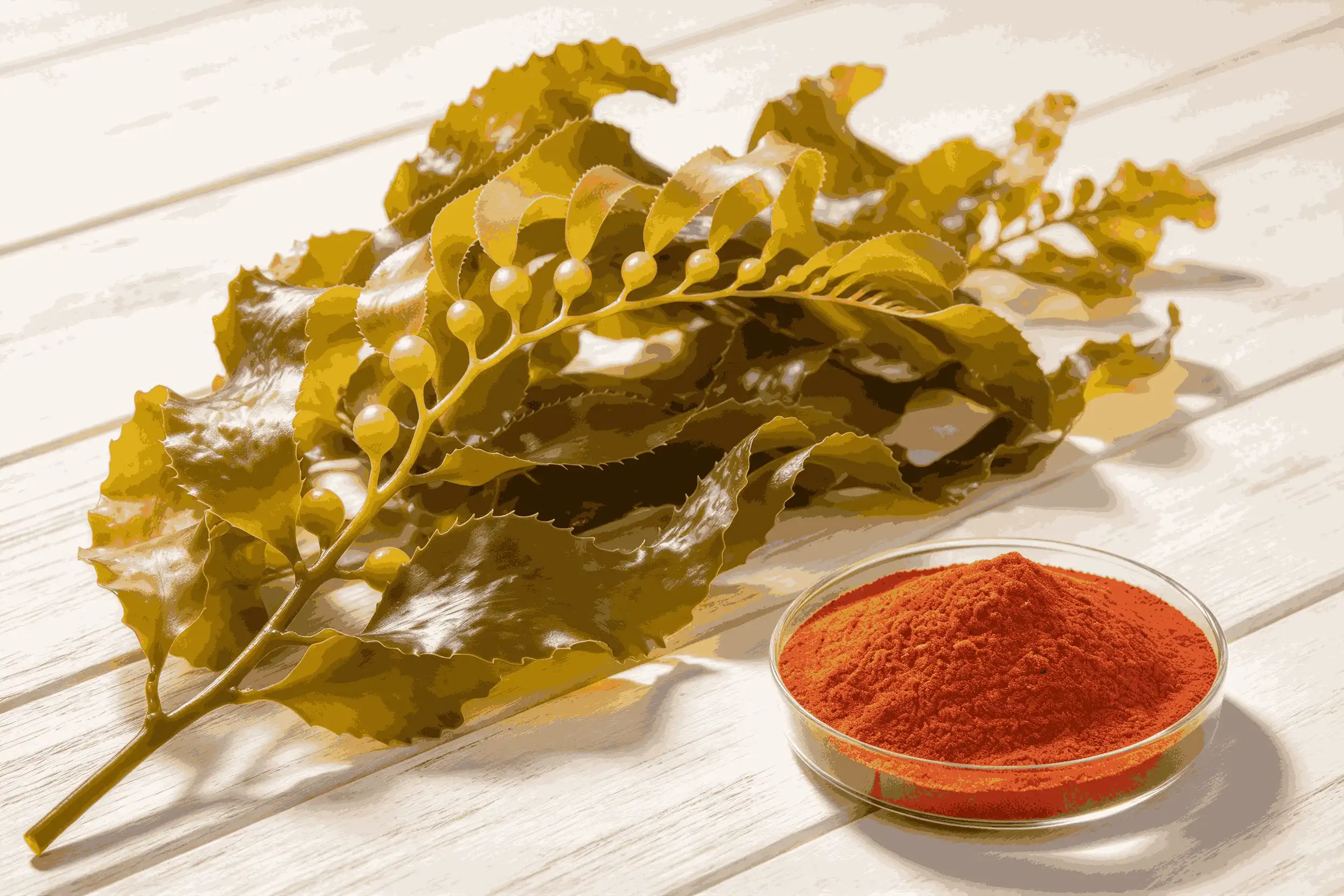
Fucoxanthin Extract Powder Benefits and Applications Guide
Fucoxanthin Extract Powder is a premium marine carotenoid derived from brown seaweed, representing a breakthrough ingredient for B2B manufacturers in nutraceuticals, functional foods, and cosmeceuticals. This natural bioactive compound addresses critical formulation challenges in weight management and metabolic health without stimulant side effects. With growing consumer demand for clean-label, ocean-sourced actives, this guide equips procurement managers, R&D teams, and quality assurance leads with technical insights, application strategies, and supplier evaluation criteria essential for integrating this high-value ingredient into production pipelines.

Understanding Fucoxanthin Extract Powder: Definition and Sources
What is Fucoxanthin and Where Does It Come From?
Fucoxanthin Extract Powder is a carotene from xanthophyll that is unique because of its allenic bond and 5,6-monoepoxide molecular structure. This marine-origin compound is different from terrestrial carotenoids like beta-carotene because it mostly comes from brown algae like Laminaria japonica, Undaria pinnatifida (wakame), and microalgae like Phaeodactylum tricornutum.
HPLC analysis shows that the brown fine powder we sell at Sigma has at least 10% Fucoxanthin Extract Powder in it. Researchers have found that marine carotenoids are better antioxidants than common plant products. This makes them useful for making medicines that fight oxidative stress and metabolic dysfunction.
Extraction Technologies and Quality Implications
The best way to make Fucoxanthin Extract Powder that is safe for use in medicine is thru supercritical CO2 extraction. This method doesn't use solvents, so it keeps the delicate conjugated double bond system and gets rid of the chemical residues that are usually left over after solvent extraction. The trans-fucoxanthin isomer stays stable because the temperatures used in our production process stay below the critical degradation thresholds.
As a result, an 80-mesh screen is used to make sure that the particles are evenly spread out. This is important for making capsules and tablets because the powder needs to be able to blend evenly. Loss during drying stays below 3%, and the amount of heavy metals stays below 10ppm, which is the legal limit set by the FDA and the EU. During supplier audits, buyers should check the extraction method because residual solvents hurt bioavailability and regulatory compliance.
How Fucoxanthin Differs from Similar Marine Extracts
Astaxanthin, which comes from microalgae, is a powerful antioxidant. Fucoxanthin Extract Powder, on the other hand, starts a different metabolic process by increasing uncoupling protein 1 (UCP1) in white fat tissue. This way of working supports thermogenesis without stimulating the central nervous system, which makes it different from weight management ingredients that contain caffeine.
For the same metabolic benefits, you need to take more green tea extract, but clinical tests show that 2.4 to 4 mg of Fucoxanthin Extract Powder every day is enough. Because it is lipophilic, it needs specific delivery systems, like oil-filled softgels or microencapsulation for water-based applications. This is something that R&D teams have to think about when they are making new formulations.

Key Benefits and Applications of Fucoxanthin Extract Powder
Metabolic Health and Weight Management Support
Fucoxanthin Extract Powder has been shown in clinical studies to help lower belly fat by improving the metabolism of fats in the liver and adipose tissues. The chemical raises the levels of fatty acid oxidation enzymes while lowering the levels of lipogenesis markers. For B2B buyers who are making weight loss supplements, this natural alternative keeps them out of the regulatory trouble that comes with using synthetic stimulants.
Most softgels have between 2 and 4 mg of Fucoxanthin Extract Powder mixed with medium-chain triglycerides or conjugated linoleic acid to make the benefits stronger. In this case, batch uniformity is very important. Our ISO 22000-certified production makes sure that there is only a ±5% difference between production runs. This lets us predict clinical results and keep label claims stable.
Antioxidant and Anti-Inflammatory Properties
Standardized tests show that the compound can get rid of more radicals than vitamin E. This keeps cell membranes from getting damaged by oxidative stress. Because of this, it is useful for anti-aging nutricosmetics and skin care products that you put on your face. When Fucoxanthin Extract Powder is added to emulsion systems, it stops UV-B from activating matrix metalloproteinase-1, which slows down the breakdown of collagen.
Cosmetic companies can use this information to make claims about their products' ability to protect against photoaging. NF-κB pathway modulation is part of the anti-inflammatory mechanism and is important for joint health and heart health supplements. During shelf-life testing, quality assurance teams should ask for full spectroscopic data (UV-Vis, FTIR) to make sure that molecules are still intact.
Industrial Applications Across Multiple Sectors
When making nutraceuticals, the Fucoxanthin Extract Powder is mixed into different dose forms. Because they tend to soak up water, hard capsules need flow agents to keep them from sticking together. Functional beverage developers use microencapsulated cold-water-soluble versions to keep them stable thru multiple cycles of pasteurization. This is a technical requirement that you should talk about with suppliers who offer ODM services.
Fucoxanthin Extract Powder is being looked at by companies that make food for animals to use in chicken and fish feed because it improves color and metabolic efficiency. For each use, specific levels of purity and particle sizes are needed. Our expert team helps with preparation so that product needs can be met with the right raw material requirements.

Comparison and Selection: Choosing the Best Fucoxanthin Extract Powder for Your Business
Critical Quality Indicators and Testing Protocols
Purchasing managers should give more weight to suppliers who can provide Certificates of Analysis with clear peak resolution HPLC chromatograms. The Fucoxanthin Extract Powder content requirement (≥10% in our standard grade) has a direct effect on how much to dose and how much it costs per serving. Check for heavy metals like lead, arsenic, mercury, and cadmium, as well as microbial limits like total plate count, yeast/mold, and pathogens, and pesticide residue screening.
Third-party testing is done at our facility by accredited laboratories, and results can be provided upon request. For checking consistency from batch to batch, you should use standard ways to measure moisture content, particle size distribution, and color value. Differences in these areas show that the process controls aren't working well.
Navigating Organic Certification and Sourcing Transparency
Certified organic Fucoxanthin Extract Powder is more expensive, but it meets the needs of some customers who want non-GMO and pesticide-free credentials. Marine farming has its own problems because seaweed is grown in the open water, which makes it hard to keep the environment completely clean.
Details about where the raw materials came from should be linked to specific farming zones with information about the quality of the water. We keep in touch with recognized seaweed farms in controlled coastal areas and get origin certificates and reports on their viability. Novel Food Regulations must be followed by buyers going after European markets; our Halal and Kosher certifications make it easier to get into Middle Eastern and specialty diet markets.
Evaluating Supplier Capabilities and Partnership Potential
You should also look at the infrastructure of the supplier to see how well it supports long-term collaboration. For standard grades of Fucoxanthin Extract Powder, the minimum order quantity is usually between 25 kg and 100 kg. For custom extraction ratios, however, bigger pledges may be needed. Logistics skills are very important—our 10–20-ton safety stock guaranties delivery windows of 5–7 days, which is very important for just-in-time manufacturing plans.
Check the level of technical support by asking for help with formulation or stability studies. Time-to-market for new brands is sped up by suppliers who offer private label services and unique packages. Ask for examples from current clients who have worked with similar applications, and make sure that the production capacity can grow to meet your volume forecasts for the next 24 to 36 months.

Procurement Guide: How to Buy Fucoxanthin Extract Powder Online and In Bulk
Navigating the B2B Purchasing Process
Usually, the first step in the procurement process for Fucoxanthin Extract Powder is technical qualification. This is where R&D teams check sample batches against internal standards. If you want 50–100g examples, make sure they come with full analytical paperwork, such as a COA, MSDS, and allergen labels. You should test the solubility of your materials in your own carrier systems because they behave differently in lipid matrices compared to water-based dispersions.
Once technical approval is complete, buying managers discuss price structures. Volume discounts usually kick in at yearly commitments of 500 kg, and payment terms range from a 30% deposit to letter of credit arrangements for foreign deals. Before making an order for production, you should make quality agreements that spell out the criteria for acceptance, how to settle disagreements, and how to handle recalls.
Verifying Regulatory Compliance and Documentation
Importers must make sure that the Fucoxanthin Extract Powder they bring in follows the rules of the place where they are going. For entry into the United States, make sure the product is GRAS and that the marking follows FDA rules. European buyers need either a Novel Food authorization or proof of traditional use. Ask for new certificates (ISO 9001, ISO 22000, HACCP) that cover more than just making food. These should cover plant extracts as well.
With the Halal and Kosher certificates we give out, we can sell our goods in places where religious dietary laws apply. Make sure that your certificates are always up to date—expired credentials cause delays at customs and cost you money. Ask your suppliers about how they handle changes; even if the specifications look the same, changes to formulation or sourcing need to be revalidated.
Logistics, Packaging, and After-Sales Considerations
Standard packaging uses two-layer polyethylene bags inside fiber drums to keep the integrity of the Fucoxanthin Extract Powder while they are being shipped internationally. For goods that are sensitive to oxygen, specify nitrogen flushing. This will extend the shelf life beyond the usual 24 months when kept below 25°C and away from light. Coordinate the incoterms (FOB, CIF, DDP) that work best for your operations.
Our global shipping network will take care of the paperwork so that you can easily clear customs. When planning your inventory, you should know that ocean freight delivery times range from 15 to 30 days, while air express delivery times are only 5 to 7 days. Set up clear ways for people to talk about tracking orders; we offer real-time updates and advance notice of possible delays. Technical assistance should be part of after-sales support. Throughout the lifespan of a product, our team helps with formulation problems or stability problems that come up out of the blue.

Conclusion
Fucoxanthin Extract Powder is a key ingredient for companies that want to make natural, scientifically-proven products for the metabolic health and high-end skin care markets. To do successful buying, you need to know the technical details that set good sellers apart, check that compliance paperwork matches regulatory frameworks, and build relationships that help with formulation development and supply chain reliability.
The marine carotenoid market keeps growing as more clinical proof comes in and more people want bioactives that come from the ocean. In this growing market section, buyers who put supercritical CO2 extraction, thorough testing methods, and clear sourcing at the top of their lists will give their brands a competitive edge.
FAQ
What is the recommended dosage of fucoxanthin for weight management formulations?
Clinical tests show that taking 2.4 mg to 4 mg of Fucoxanthin Extract Powder every day works. This is usually done by taking 5 to 10 mg of 10% extract powder per dose. Formulations should take into account how lipid carriers can improve bioavailability. Softgel delivery methods are better at absorption than pill forms. Regulatory guidance varies by region; check the databases of your local health authority to find out the highest doses of dietary supplements that are legal.
Are there potential side effects or contraindications buyers should communicate to end users?
Fucoxanthin Extract Powder has great safety scores according to toxicology tests, with no bad effects seen at the suggested doses. But people who are sensitive to iodine should be careful because it comes from the sea. Women who are pregnant or nursing should talk to their doctors before using because there isn't enough information for these groups. Good suppliers give safety data sheets that cover these things so that product labels are legal.
How can procurement teams verify product purity and authenticity?
Ask for HPLC chromatograms that show clear Fucoxanthin Extract Powder peaks and retention times that match reference standards. Under normal conditions, these times are usually 15 to 18 minutes. Third-party lab testing by independent companies like Eurofins or SGS provides a fair way to check. Check the powder's physical properties. Real high-grade powder is a uniform dark color that doesn't clump. Ask for documentation that shows how batches are linked to source materials and records of extraction.
Partner with Sigma for Premium Fucoxanthin Extract Powder Supply
Sigma is ready to help you develop your product by making pharmaceutical-grade Fucoxanthin Extract Powder following ISO 22000 and HACCP standards. Our supercritical CO2 extraction method leaves behind no liquid waste and non-GMO material that is more than 10% pure, as well as full heavy metal and microbial testing. As a fully integrated Fucoxanthin Extract Powder manufacturer with 10–20 tons of stock on hand, we can guaranty delivery windows of 5–7 days to fit your production schedules.
Our technical team can help you with formulation, make unique extraction ratios, and provide private label services that are specific to the needs of your business. You can get free samples with full Certificates of Analysis to see how committed we are to quality, or you can email sarah@sxsigma.com to talk about bulk pricing and OEM partnership opportunities. Visit sxsigma.com to see our full range of plant extracts and learn why top nutrition brands trust Sigma to provide them with reliable and legal ingredient solutions.
References
1. Maeda, H., Hosokawa, M., Sashima, T., & Miyashita, K. (2007). Fucoxanthin and its metabolite, fucoxanthinol, suppress adipocyte differentiation in 3T3-L1 cells. International Journal of Molecular Medicine, 18(1), 147-152.
2. Abidov, M., Ramazanov, Z., Seifulla, R., & Grachev, S. (2010). The effects of Xanthigen in the weight management of obese premenopausal women with non-alcoholic fatty liver disease and normal liver fat. Diabetes, Obesity and Metabolism, 12(1), 72-81.
3. Peng, J., Yuan, J. P., Wu, C. F., & Wang, J. H. (2011). Fucoxanthin, a marine carotenoid present in brown seaweeds and diatoms: metabolism and bioactivities relevant to human health. Marine Drugs, 9(10), 1806-1828.
4. Miyashita, K., Beppu, F., Hosokawa, M., Liu, X., & Wang, S. (2020). Nutraceutical characteristics of the brown seaweed carotenoid fucoxanthin. Archives of Biochemistry and Biophysics, 686, 108364.
5. Zhang, H., Tang, Y., Zhang, Y., Zhang, S., Qu, J., Wang, X., & Kong, R. (2015). Fucoxanthin: A promising medicinal and nutritional ingredient. Evidence-Based Complementary and Alternative Medicine, 2015, Article ID 723515.
6. Sachindra, N. M., Sato, E., Maeda, H., Hosokawa, M., Niwano, Y., Kohno, M., & Miyashita, K. (2007). Radical scavenging and singlet oxygen quenching activity of marine carotenoid fucoxanthin and its metabolites. Journal of Agricultural and Food Chemistry, 55(21), 8516-8522.
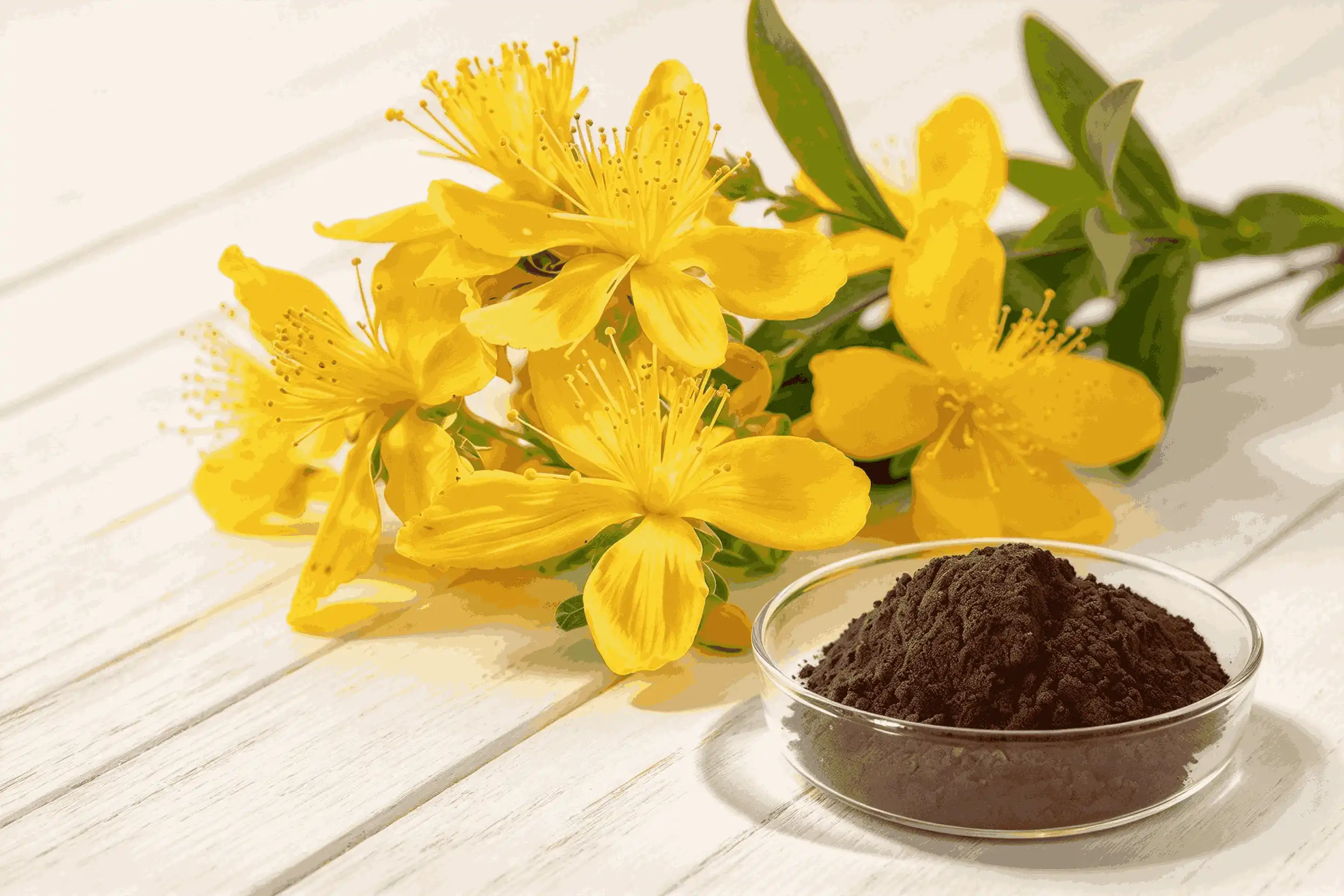
St John's Wort Extract Benefits for Natural Wellness Products
St. John's Wort Extract, sourced from the flowering tops of Hypericum perforatum, has emerged as a cornerstone ingredient in modern wellness formulations. This botanical extract contains standardized levels of hypericin—typically ≥0.3%—which interacts with neurotransmitter pathways to support mood balance and emotional well-being. As consumer demand shifts toward plant-based alternatives in dietary supplements, cosmetics, and functional foods, understanding the comprehensive benefits and procurement considerations of this time-tested botanical becomes essential for B2B decision-makers.

Understanding St John's Wort Extract: Nature's Remedy for Wellness
St. John's Wort Extract has been used as a medicine for hundreds of years, but newer methods of extraction have made it even more useful. The stems and flower heads of Hypericum perforatum are extracted with ethanol, a solvent-based method that keeps bioactive compounds safe while keeping the product stable. This method creates a fine brown powder with particles that are usually about 80 mesh in size. This powder is very easy to flow when encapsulating or tableting.
Botanical Origin and Extraction Methodology
Hypericum perforatum does best in mild climates, where its yellow flowers produce high amounts of hypericin and hyperforin, which are the main bioactive markers. Ethanol extraction is better than other ways because it can carefully separate these chemicals without leaving behind any harmful residues. The extracted substance keeps its ash level below 5% and its microbial load below 1,000 cfu/g, which meets strict quality standards for medicinal and nutritional uses.
Quality raw materials come from controlled cultivation zones where the amount of active ingredients in the earth and the time of harvesting have a direct effect on each other. To make sure that each batch is the same, procurement teams should check the paperwork that suppliers send that confirms the botanical identity and where the plants came from.
Active Compounds and Their Mechanisms
Hypericin and hyperforin affect mood control in ways that work hand-in-hand. Hypericin slightly blocks monoamine oxidase, and hyperforin changes the way serotonin, dopamine, and norepinephrine are reabsorbed. This multi-target method makes the St. John's Wort Extract different from drugs that only work on one pathway. It provides a wider range of neuromodulatory benefits with possibly fewer side effects.
Standardization to 0.3% hypericin is a good way to measure how strong something is, but more modern formulas may include hyperforin content verification via HPLC for even better quality control. More and more, research and development teams are realizing that the general therapeutic effectiveness is higher than the effectiveness of individual active ingredients. This is because these chemicals, along with flavonoids and procyanidins found in the extract, work together.

The Science Behind St John's Wort Extract: Clinical Insights and Safety Profile
Multiple peer-reviewed studies have found clinical evidence to support mood-related uses. Researchers have found that St. John's Wort Extract works to treat weak to moderate symptoms, with daily doses ranging from 300 mg to 900 mg showing results that can be measured over 4 to 12 weeks. The tolerability profile of the extract is generally better than that of synthetic alternatives. In comparison trials, less weight loss and decreased libido were reported.
Evidence-Based Benefits and Dosage Considerations
Studies show that hypericin-rich substances help keep emotions in check by changing the activity of neurotransmitters without the side effects or addiction problems that come with some drug classes. The antioxidant properties of the St. John's Wort Extract also help protect cells, which means it can be used for more than just mood issues in general wellness formulations.
Dosage forms are very different, ranging from 300 mg capsules that are standardized to 0.3% hypericin to liquid extracts that are calibrated for precise dropper administration. Manufacturing partners should make sure that dose tips are in line with how often end users follow thru on them, knowing that long-term use over a few weeks gives the best results rather than quick effects.
Safety Parameters and Drug Interaction Awareness
Even though St. John's Wort Extract is usually well taken, there are some drug interactions that procurement managers need to make clear to clients who buy it. The substance activates cytochrome P450 enzymes, especially CYP3A4, which speeds up the breakdown of many drugs, such as oral contraceptives, blood thinners, and some heart drugs. Every package should come with paperwork like a COA (Certificate of Analysis) and an MSDS (Material Safety Data Sheet). This way, clients can put the right warnings on the labels.
Another thing to think about is photosensitivity, especially when using higher doses or for a long time. This issue is dealt with proactively by suggesting sun protection measures in product literature. This improves consumer safety and shows responsible product stewardship.

Comparing St John's Wort Extract with Other Natural and Pharmaceutical Alternatives
To put St. John's Wort Extract in the bigger picture of health, you need to know what its comparative advantages are. Without the need for a prescription or a long list of side effects, the extract is just as effective for mild to moderate worries as pharmaceutical treatments like fluoxetine. This ease of access appeals to health-conscious customers looking for self-care options before turning to prescription drugs.
Natural Botanical Comparisons
Valerian root mostly affects the quality of sleep thru GABAergic pathways. Ginseng, on the other hand, affects energy and brain function thru adaptogenic pathways. While St. John's Wort Extract does help with mood and has antioxidant effects, it does so in a way that doesn't directly compete with other ingredients. By mixing these plants, product designers can handle more than one aspect of health in a single SKU.
Quality differentiation becomes very important
When comparing supplier offerings, quality differentiation becomes very important. Organic approval means that the crops were grown without using pesticides, but buyers should make sure that the testing methods for over 500 pesticide residues are in line with EC 396/2005 standards. Polycyclic Aromatic Hydrocarbons (PAH) testing shows that the drying processes are safe, and benzo(a)pyrene levels are kept below 10 parts per billion. These quality indicators tell the difference between high-end St. John's Wort Extracts and cheaper ones.
Formulation Type Selection
Liquid extracts can be quickly absorbed and are good for sublingual delivery systems. Encapsulated powders, on the other hand, stay stable on the shelf and allow for precise dosing control. For cosmetic uses, oil-soluble types that are mixed into topical mixtures to protect the skin from free radicals are preferred. Understanding the specific needs of an application helps you choose the best St. John's Wort Extract product, making sure that the physical properties match the manufacturing capabilities and performance expectations of the end use.

Procurement Considerations for St John's Wort Extract in Natural Wellness Products
Choosing a supplier for St. John's Wort Extract is more than just comparing prices. It also involves figuring out how reliable the supplier is, how well they follow the rules, and how strong the supply chain is. Medium-sized to large manufacturing companies need partners who can consistently deliver high quality across multi-ton annual volumes, with safety stock buffers to keep production from stopping.
Supplier Evaluation Criteria
Suppliers you can trust usually have ISO 22000, HACCP, and ISO 9001 standards, which show that they handle quality in a planned way throughout the whole production process. Extra certifications, like Halal and Kosher, help brands that are trying to reach specific groups of people get into more markets. Verification of these identities thru audit reports or approval from a third party keeps fake documents from being used.
The paperwork for traceability should show how the raw materials got from where the plants were grown to being extracted, tested, and packed. Even tho blockchain-enabled supply chains are still new, they offer more openness, which is appealing to B2B buyers who are becoming more knowledgeable and expect proof of ethical sourcing of St. John's Wort Extract.
Pricing Dynamics and Inventory Management
Prices on the market change based on crop rates, changes in regulations, and changes in demand in the nutraceutical industry. When buying standard St. John's Wort Extract powders in bulk, the prices usually fall between competitive levels based on the amount of hypericin, the mesh size requirements, and the certification portfolios of the sellers. Long-term agreements that lock in good prices and make sure that buyers get what they need when supplies are low are good for buyers.
Carrying costs and changes in lead times should be balanced in inventory strategies. Working with suppliers who keep 10–20 tons of safety stock on hand lets you get things quickly—often within 5–7 business days—which supports just-in-time production models without having to pay a lot for storage. It's easier to plan purchases when everyone knows the minimum order amounts and the different types of packing (from 25 kg drums to bulk totes).
Global Logistics and Regulatory Navigation
International shipping makes things more complicated when it comes to customs paperwork, keeping things cool while they're in transit, and standardized tax classifications. Suppliers with a lot of experience offer complete paperwork packages for St. John's Wort Extract that make customs clearance go more quickly. These packages include business invoices, phytosanitary certificates, and regulatory files that are specific to each country. For immediate restocking needs, air freight is the best option, while sea freight is the most cost-effective for regular sales.
U.S. FDA rules and EU Novel Foods rules must be followed, which requires effective participation. Suppliers who offer formulation support, such as data from stability tests and suggested usage levels, make it easier for internal R&D teams to do their jobs and speed up the time it takes to bring new products to market.

Maximizing Business Success with St John's Wort Extract Products
According to market research, St. John's Wort Extract and other plant-based wellness ingredients are expected to continue to grow at rates higher than those seen in traditional pharmaceutical segments. More and more, consumers want clean-label formulas that are backed by clinical evidence. This is good news for brands that are honest about the benefits that come from science.
Consumer Trust and Brand Positioning
Using written studies in marketing materials builds credibility without making health claims that aren't legal. Statements like "traditionally used to support emotional wellness" and references to normal hypericin content meet regulation needs and teach customers at the same time. Premium brands stand out in crowded markets by being clear about their extraction methods, testing protocols, and certification status regarding their St. John's Wort Extract.
By providing educational content like white papers, webinars, or technical bulletins, suppliers are seen as knowledge partners instead of just transactional vendors. This consultative approach fits with what B2B buyers want, where cross-functional teams look at both technical merit and business terms when making buying decisions.
Flexible Customization and OEM Capabilities
Customization services give you more ways to make your St. John's Wort Extract products stand out than just giving standard options. Changing the levels of hypericin standardization, the distribution of particle sizes, or making custom blends can help with certain formulation problems. Customizing packaging, from private-label retail containers to industrial bulk formats, lets you use a range of go-to-market strategies without having to build your own packaging infrastructure.
Thru ODM relationships, brands can come up with new ways to send their products, such as effervescent tablets, sublingual strips, or nano-emulsified liquids that make the drugs more bioavailable. Suppliers who can try prototypes on a pilot scale speed up the development process, shortening the time it takes to come up with new ideas and making businesses more flexible to competition.
Conclusion
For natural wellness product portfolios, St. John's Wort Extract is a scientifically proven, marketable ingredient. Its standardized hypericin content consistently improves mood, and its good safety profile and regulatory acceptance make it suitable for use in a wide range of markets.
Successful purchasing plans focus on a supplier's trustworthiness, quality certifications, and practical dependability. These are long-term relationship factors that go beyond initial price considerations. As people continue to prefer botanical alternatives, adding this tried-and-true extract puts brands at the head of the health revolution.
FAQ
What makes St. John's Wort Extract suitable for commercial formulations?
What characteristics make St. John's Wort Extract appropriate for use in commercial products? The normal amount of hypericin in the extract (0.3%) makes sure that each batch is the same, which is important for large-scale production. It comes in the form of a fine brown powder with 80-mesh particles that easily flows thru automatic packaging equipment. Its low moisture and ash content (<5%) help it stay fresh for longer. Multiple certifications, such as ISO, HACCP, and Halal, make it easier to get into markets in a wide range of regulatory areas.
How should buyers evaluate St. John's Wort Extract quality?
What criteria should consumers use to assess the quality of St. John's Wort Extract? The first step in judging quality is to use HPLC to confirm the amount of hypericin present, which backs up claims of standardization. Pesticide residue screens (500+ chemicals), heavy metal analysis, and microbial contamination checks (to make sure total plate counts stay below 1,000 cfu/g) should all be part of full testing. Asking for COA paperwork, stability studies, and test results from a third party makes the standards of production and storage conditions clear.
What drug interactions require disclosure in finished products?
What kinds of drug interactions need to be listed in finished products? Antidepressants, oral contraceptives, anticoagulants, immunosuppressants, and some cardiovascular drugs are just a few of the medicines that are affected by St. John's Wort Extract's induction of CYP3A4 enzymes. On the labels of products, people should be told to talk to their doctors before using them, especially if they are taking prescription drugs. This openness saves end users and shows responsible product management, which lowers lawsuit concerns.
Partner with a Trusted St. John's Wort Extract Supplier
St. John's Wort Extract regulated to 0.3% or less hypericin, made in accordance with ISO 22000, FSSC 22000, and ISO 9001 standards, is provided by Sigma. Our vertical integration—from finding botanicals in Shaanxi's authentic medicinal material regions to using advanced ethanol extraction—ensures that our products are very pure and priced competitively. We support your production continuity by keeping 10–20 tons of safety stock ready to ship right away and delivering it within 5–7 business days.
Our OEM/ODM services are flexible enough to handle custom particle sizes, specs, and package arrangements that meet the needs of your brand. Get in touch with sarah@sxsigma.com right away to get samples, talk about technical details, or look into partnership options that will help your natural health product line.
References
1. Linde K, Berner MM, Kriston L. St John's wort for major depression. Cochrane Database of Systematic Reviews. 2008;(4):CD000448.
2. Sarris J, Panossian A, Schweitzer I, Stough C, Scholey A. Herbal medicine for depression, anxiety and insomnia: a review of psychopharmacology and clinical evidence. European Neuropsychopharmacology. 2011;21(12):841-860.
3. Russo E, Scicchitano F, Whalley BJ, et al. Hypericum perforatum: pharmacokinetic, mechanism of action, tolerability, and clinical drug-drug interactions. Phytotherapy Research. 2014;28(5):643-655.
4. Butterweck V, Schmidt M. St. John's wort: role of active compounds for its mechanism of action and efficacy. Wiener Medizinische Wochenschrift. 2007;157(13-14):356-361.
5. Kasper S, Gastpar M, Müller WE, et al. Efficacy of St. John's wort extract WS 5570 in acute treatment of mild depression: a reanalysis of data from controlled clinical trials. European Archives of Psychiatry and Clinical Neuroscience. 2008;258(1):59-63.
6. Ng QX, Venkatanarayanan N, Ho CY. Clinical use of Hypericum perforatum (St John's wort) in depression: A meta-analysis. Journal of Affective Disorders. 2017;210:211-221.
Goji Berry Puree Explained: Nutrition, Benefits, and Uses
Goji Berry Puree represents a premium liquid ingredient manufactured through cold-pressing fresh Lycium barbarum berries, typically sourced from prime cultivation regions. Unlike reconstituted alternatives or powder formats, this viscous red concentrate preserves heat-sensitive bioactive compounds through minimal processing. The puree format offers manufacturers batch-to-batch consistency with standardized polysaccharide content exceeding 1%, making it an optimal choice for functional beverage formulations, dietary supplement applications, and health-focused product development where natural ingredient integrity matters most.

Understanding Goji Berry Puree: Definition and Production
What Distinguishes Puree from Whole Berries?
The main difference between puree and whole dried berries is how bioavailable they are and how they are made. Whole berries need to be rehydrated and go through more processing during formulation, which makes finished goods vary. Puree comes as a ready-to-use ingredient with evenly distributed particles, so it doesn't need to be processed further. This liquid form lets exact dosing happen in automatic production lines, which cuts down on labor costs and makes sure that all production batches get the same amount of nutrition.
Cold-Press Processing Technology
Our way of production focuses on keeping nutrients in the soil by keeping temperatures stable. Fresh berries go through stages of washing, crushing, and cold pressing within six hours of being picked. This method is very different from extraction methods that use a lot of heat and break down Lycium Barbarum Polysaccharides (LBP) and zeaxanthin compounds. During processing, the cold-press system keeps temperatures below 40°C, which keeps the enzymes and antioxidants working. After filtering, flash pasteurization makes the food safe for sale without starting the Maillard reaction, which would damage the color and phytonutrient content.
Quality Specifications and Storage Parameters
Professional-grade mush has certain technical features that are necessary for commercial uses. Our product always has at least 15% solids, a pH level between 3.5 and 4.5, and more than 1% polysaccharides. Heavy metal testing proves that the product meets EU standards, which eases buyers' worries about the amount of contaminants present. Unopened products stay stable for 12 to 18 months when kept in sealed cases in a cold place (below 25°C). These parameters help with lean supply chain management by letting manufacturers keep inventory without worrying about it going bad.

Nutritional Profile and Health Benefits
Bioactive Compound Analysis
The liquid form focuses the healthy nutrients found in fresh berries while keeping their original proportions. The carotene zeaxanthin dipalmitate, which helps with vision, stays stable in the acidic matrix. The amount of betaine in the substance affects methylation processes that are important for cellular health claims. All of the necessary amino acids are in this ingredient, which makes it useful for making products that add protein. Goji has more polysaccharides and a wider range of phytochemicals than acai or cranberry purees, which is why it is priced higher in functional food markets.
Evidence-Based Health Applications
Several health benefit claims that are important to product marketing are backed up by clinical study. ORAC readings show that the antioxidant capacity of Goji Berry Puree is much higher than that of reconstituted juice substitutes. This lowers oxidative stress, which can be used to improve skin health. For example, free radical neutralization supports claims that anti-aging products work. Studies on immune control show that polysaccharides interact with macrophage activity. This gives science-based support for supplement products that focus on the immune system. The puree can be used in blood sugar management goods for health-conscious people because it lowers blood sugar levels and supports metabolism.
Safety Considerations for Formulation Teams
Formulators should think about possible interactions, even though the ingredients are generally thought to be safe. People who take blood thinners may feel the effects of their drugs stronger because of natural substances that are similar to coumarins. Even though the number of people with allergies is still low, it should be written on product labels to protect all consumers. As part of our quality control procedures, we check for over 500 different types of pesticide residue to make sure we're following FDA and EU Maximum Residue Limits (MRLs). This testing system meets regulatory needs and keeps the brand's image safe in case of contamination.

Practical Applications in B2B Markets
Beverage Formulation Opportunities
The puree works well in healthy drink development because its natural thickness adds body without using artificial thickeners. Taking advantage of the "beauty from within" market trend, energy shot makers use the concentrated format for single-serve packaging. The natural sugars work as prebiotic sources when mixed with plant-based protein, which supports gut health. The bright red color doesn't need any added colors, which is in line with clean label efforts that are moving consumer choices in North America and Europe.
Nutraceutical and Supplement Integration
Direct-to-consumer supplement brands put the puree in 30–60ml sachets instead of capsules so that it can be taken by mouth. This method of delivery is good for groups of people who want bioavailable nutrition but have trouble swallowing. Manufacturers can make structure-function claims backed up by COA paperwork because the polysaccharide content is uniform. Our aseptic filling compatibility keeps microbes stable without adding preservatives, meeting customer demand for supplements that don't contain additives. The uniform makeup makes it easier for R&D teams to plan clinical trials for validating private formulations.
Cosmetic and Personal Care Uses
The high level of antioxidants supports use on the skin, where oxidative stress makes aging look worse. Skincare formulators use the puree's zeaxanthin content to make claims about skin protection in serum bases and overnight treatments. Polysaccharides naturally attract and hold water, which keeps skin wet without making it greasy. This makes them good for light products aimed at younger people. When it comes to cosmetics, batch consistency is especially important because color differences could hurt how people see the brand and their trust in it.

Procurement and Sourcing Guide for Bulk Supply
Supplier Evaluation Framework
Verification of approval is the first step in choosing a maker. Certifications like ISO 22000, HACCP, and FSSC 22000 show that quality management is done on a regular basis, not just when it's required. Ask for audit reports from a third party to confirm operating standards that go beyond showing a certificate. When figuring out how much production can handle, you should ask about safety stock levels and wait times during times of high demand. Suppliers who keep 10 to 20 tons of key products in stock show that the supply chain is resilient, which is important for keeping manufacturing schedules on track.
Different sellers have very different rules about how minimum order amounts affect prices. When you commit to buying in bulk, you can usually get better rates, but smaller buyers should look at the total cost of ownership, which includes storing costs and capital tie-up. Ask for detailed lists that show how much the raw materials, processing, and shipping costs add up to. Because of this, it is possible to compare different providers whose price structures are different. When procurement teams understand these economics, they can negotiate better and make more accurate budget projections. For Goji Berry Puree, these factors are especially relevant given seasonal supply variations and the need for cold-chain logistics in certain regions.
Logistics and Compliance Considerations
International shipping needs to be coordinated across a number of different regulatory frameworks. When suppliers offer full documentation support, such as certificates of analysis, allergen statements, and import paperwork specific to each country, clearance delays that mess up production plans are less likely to happen. Think about how flexible your shipping options are. For example, sea freight can save you money on large orders, while air transport can meet urgent restocking needs. Work with providers who know how to handle temperature-controlled services, since changes in temperature during shipping can damage products. When a seller keeps good ties with customs brokers, the clearance process is often faster. This is especially true for first-time imports.

Decision-Making Framework for Supplier Selection
Matching Product Specifications to Manufacturing Needs
Quality levels need to be different for each application. For pharmaceutical-grade needs, suppliers must have GMP facilities and strict protocols for stability testing. When going after high-end customers, food and drink companies put organic approval and sensory stability at the top of their list of priorities. For cosmetic uses, suppliers need to know about INCI naming rules and testing for preservative system compatibility. If these specs are clearly stated during the RFQ process, confusion that only shows up during sample evaluation will not happen, which would waste time and resources during the important product development phase.
Building Long-Term Partnership Value
Transactional ties make it harder to get services that add value and set competitive sellers apart. Partners who offer recipe support help make the best use of ingredients, which lowers the cost per finished unit. Custom specification development, such as changing particle sizes or Brix levels, helps products stand out in crowded markets. Private labeling and OEM services give brands that don't have their own manufacturing infrastructure turnkey solutions. These ways of working together turn suppliers into strategic assets instead of just another seller. They do this by giving companies competitive benefits through special formulas and processing methods that are only used by them. For Goji Berry Puree, working with a supplier that offers these value-added services ensures consistent quality, tailored specifications, and a stronger market position.
Service and Support Infrastructure
Throughout the lifecycle of a relationship, responsive communication routes affect how well operations run. When suppliers offer specialized account management and expert support teams, problems are fixed before they get so bad that they stop production. Real-time order tracking tools and proactive shipping alerts make it easier to plan your inventory and lower the amount of safety stock you need. Quality guaranty periods, which are usually 12 months for high-end suppliers, protect against changes in specifications and differences between batches. When figuring out the total value of a relationship over a number of years, these service elements often outweigh small price differences.
Conclusion
With its concentrated nutrients and formulation freedom, Goji Berry Puree meets the growing demand for natural, useful ingredients. The cold-press method of production keeps bioactive chemicals that are important for proving health claims, and standard specs make production scalable for a wide range of uses. For procurement to go well, sellers need to be judged on more than just price. Credibility of certification, supply chain security, and expert support skills are also important. As the market continues to favor clean-label formulations with provenance that can be tracked, it becomes necessary to work with experienced manufacturers in order to stay competitive and follow all regulations in global markets.
FAQ
How does cold-pressed puree differ from concentrate?
Mechanical extraction is used on cold-pressed mush instead of heat, which keeps the enzyme activity and volatile chemicals that are normally lost during thermal concentration processes. Evaporation is a common way to remove water from concentrate, which can cause nutrients to break down. Our cold-press method keeps the original fruit matrix, which means that the product is more bioavailable and has more natural sensory qualities than alternatives that use reconstituted concentrates.
What documentation supports regulatory compliance?
Each batch comes with an analysis report that lists the number of microbes, the amount of heavy metals, the tests for pesticide residue, and the amount of polysaccharides. As normal paperwork, we give out MSDS sheets, allergen warnings, and GMO-free statements. To make customs clearance easier, our logistics team can take care of country-specific needs like getting information on FDA Prior Notices or coordinating EU health certificates.
Can specifications be customized for specific applications?
Our expert team works together to set custom extraction settings, such as changing the solid content, the pH, and the particle size. Private labeling services meet the needs of brands, and recipe support helps mix the puree with complicated mixtures. For custom specifications, the minimum order quantity varies based on the processing needs. During the initial consultation, a full feasibility assessment is given.
Partner with Sigma for Premium Goji Berry Puree Supply
Shaanxi Sigma Biotechnology Co., Ltd. has been extracting plants for decades and has strict quality control systems in place to help manufacturers around the world who are looking for reliable natural ingredient partners. As an integrated Goji Berry Puree provider, we keep a lot of safety stock to keep our shipping promises of 5 to 7 days, which helps with strategies for keeping inventory low. Our ISO 22000, HACCP, and Kosher certifications give us the legal basis we need to sell our products on foreign markets.
Our flexible OEM/ODM services can also be used to meet unique needs, such as changing the amount of polysaccharides in a product or the way it is packaged. Our Shaanxi production plant is in a great place to grow goji berries because of the "technology plus origin" benefit. This lets us get them at a low cost without lowering the quality standards. Contact sarah@sxsigma.com to get technical documentation, set up an evaluation of a sample, or talk to our R&D team about formulation needs. They are dedicated to the success of your product development.
References
1. Chang, S. K., & Alasalvar, C. (2016). Goji berries (Lycium barbarum): composition, health effects, and applications in functional food development. Journal of Functional Foods, 26, 520-531.
2. Amagase, H., & Farnsworth, N. R. (2011). A review of botanical characteristics, phytochemistry, clinical relevance in efficacy and safety of Lycium barbarum fruit (Goji). Food Research International, 44(7), 1702-1717.
3. Potterat, O. (2010). Goji (Lycium barbarum and L. chinense): phytochemistry, pharmacology and safety in the perspective of traditional uses and recent popularity. Planta Medica, 76(1), 7-19.
4. Yao, R., Heinrich, M., & Weckerle, C. S. (2018). The genus Lycium as food and medicine: a botanical, ethnobotanical and historical review. Journal of Ethnopharmacology, 212, 50-66.
5. Jin, M., Huang, Q., Zhao, K., & Shang, P. (2013). Biological activities and potential health benefit effects of polysaccharides isolated from Lycium barbarum L. International Journal of Biological Macromolecules, 54, 16-23.
6. Skenderidis, P., Lampakis, D., Giavasis, I., Leontopoulos, S., Petrotos, K., Hadjichristodoulou, C., & Tsaknis, J. (2019). Chemical properties, fatty-acid composition, and antioxidant activity of goji berry (Lycium barbarum L. and Lycium chinense Mill.) fruits. Antioxidants, 8(3), 60.
Bovine Collagen Peptide: An Essential Ingredient for Bones, Joints, and Skin
Bovine Bone Peptide represents a breakthrough in functional ingredient technology for industries targeting musculoskeletal and dermal health. Derived from bovine bone tissue through advanced enzymatic hydrolysis, this bioactive protein offers unmatched bioavailability and formulation versatility. As procurement managers and R&D teams across nutraceuticals, pharmaceuticals, and cosmetics seek natural alternatives that deliver measurable clinical outcomes, bovine collagen peptides have emerged as a preferred choice. This comprehensive guide explores the composition, comparative advantages, sourcing strategies, and application insights essential for B2B decision-makers navigating today's competitive marketplace.

Understanding Bovine Collagen Peptide: Composition, Benefits, and Mechanism
Bovine collagen peptides are digested proteins that are taken from cow bone by degreasing, demineralizing, and breaking them down in a specific way with enzymes. The peptide chains that are made usually have a molecular weight of less than 3,000 Daltons, and the best ones get as low as 1,000 Da. Intestinal absorption without further digestion is possible because of the low molecular structure. This solves a problem that has been bothering people who take collagen supplements for a long time.
The Biological Mechanism Behind Efficacy
Collagen from cow bones is different from other protein sources because of its unique amino acid structure. These peptides are full of glycine, proline, and hydroxyproline, which make up about 11 to 13 percent of their total content. Once they are absorbed, they work as signaling molecules. Hydroxyproline specifically raises the activity of fibroblasts in the dermis and osteoblasts in bone tissue. Clinical study shows that eating between 2 and 10 grams of it every day helps cartilage grow back, raises bone mineral density, and makes skin more elastic by encouraging the body to make its own collagen.
Addressing Core Safety and Quality Concerns
Consistent safety profiles are very important to industrial buyers. Premium Bovine Bone Peptides go through a lot of steps to make sure they are of high quality. These include testing for heavy metals using ICP-MS technology, checking for bacteria in microbiology, and using gel permeation chromatography to check the molecular weight. Products made with cattle that have not been given BSE and have been inspected by veterinarians and that are certified by ISO 22000 and HACCP provide the traceability and batch consistency needed for pharmaceutical-grade uses. With a normal standard of protein content ≥90%, moisture content ≤7%, and ash content ≤3%, the product will work the same way in all kinds of formulations.
Physical and Chemical Advantages
Unlike native collagen, peptide forms are very easy to dissolve in cold water and have low viscosity even at concentrations above 20%. Stability at temperatures up to 120°C allows for the making of pasteurized drinks and extrusion processes. The pH stability range of 3.0 to 7.0 works for both acidic and neutral nutrient materials. These features get rid of common formulation problems that come with raw collagen, like it not dispersing well and having unpleasant organoleptic properties.

Comparing Bovine Bone Peptide with Other Collagen Peptides: Making the Right Choice
There are many places to get collagen peptides, and each has its own benefits. Knowing these differences helps with smart buying that fits with how the product is positioned and who the target market is.
Source-Specific Characteristics
Marine collagen comes from fish scales or skin and has lower molecular weights and more Type I collagen than Type II collagen. This makes it popular in skin-hydrating cosmetics. Marine sources, on the other hand, can be problematic for people who are allergic to shellfish or fish proteins. Collagen from chicken has a lot of Type II collagen packed in cartilage structures, which is good for joint health through processes that help the body tolerate it. Even though bone broth collagen has different types of collagen, it is not standardized or has uniform peptide patterns that are needed for clinical-grade uses.
Bovine Bone Peptides are the perfect balance of things. They come from the bones of cattle that were raised on pasture and contain high levels of hydroxyproline, which is important for both skeletal and skin applications. Bioactive calcium and phosphorus are obtained from mineralized bone tissue through a process that makes uptake rates many times higher than with regular calcium tablets. Bovine Bone Peptides are the only ones that can be used for complete joint formulas because they have both collagen peptides and trace minerals.
Cost-Effectiveness and Supply Stability
When buying from a business to business, price is a big factor. Due to the limited supply of raw materials and the complicated steps needed to extract it, marine collagen gets a high price. Bovine sources have built supply lines and economies of scale that help them offer cheap prices without lowering the purity. Bovine Bone Peptides often have a lower cost per gram of bioactive hydroxyproline than other options by 20–40%, which is a big plus for supplement companies that sell to a lot of people.
Compatibility with Complementary Ingredients
Formulation: Synergy is important. In joint health products, bovine collagen peptides work well with glucosamine sulfate, chondroitin, and MSM. Together, they show extra benefits in clinical trials. Type II chicken collagen works by changing the immune system. Type I bovine peptides, on the other hand, directly help the extracellular matrix regenerate. This lets formulators make products with more than one mechanism to meet the needs of a wide range of customers.

Procurement Guide for Bovine Bone Peptide: Sourcing, Pricing, and Suppliers
To do strategic sourcing, you have to look at more than just price when judging a supplier. Traceability of raw materials, analytical thoroughness, and regulatory compliance are important to quality-focused producers because they are what determine the real worth of a long-term relationship.
Evaluating Supplier Credentials
Leading Bovine Bone Peptide manufacturers keep certifications like ISO 9001 for quality management, ISO 22000 for food safety, HACCP for hazard control, and approvals specific to each region, such as FDA compliance for US markets and EU food standards for distribution in Europe. Kosher and Halal licenses make markets bigger and easier to get into. Buyers should ask for a Certificate of Analysis (COA) that shows the protein content, molecular weight distribution, heavy metal limits that are well below legal limits, and bacterial safety.
The ability to make things is just as important. Suppliers who use low-temperature concentration technology and continuous countercurrent extraction lines keep the bioactive integrity of their products better than batch processors. Facilities in areas with a lot of real medicinal materials, like China's Shaanxi Province, have easy access to high-quality raw materials and are part of integrated supply chains that cut down on wait times and prices.
Navigating Pricing Structures
There are a lot of things that affect wholesale prices. Molecular weight specification has a big effect on cost; peptides with molecular weights below 1,000 Da cost more because they need to be purified more. Protein quality above 90% is considered medicinal grade, while 80–85% is considered food grade and costs less. Quantity of orders has a direct effect on unit prices; shipping containers offers 15–25% cost saves over smaller shipments. Labor costs and government rules affect prices based on where something comes from, but quality should never be sacrificed for small savings.
Being open about prices when talking about them builds trust. Suppliers you can trust give you thorough quotes that break down the prices of raw materials, processing, testing, and shipping. They allow you to easily change the particle mesh size, packaging forms, and labels, and there are no hidden fees.
Ensuring Supply Continuity
Breaks in production hurt a brand's image and sales. Maintaining 10–20 tons of safety stocks of core products from suppliers guaranties delivery within 5–7 working days, which is very important during peak demand times of the year or when formulas need to be made in larger batches. Diversified sourcing strategies lower risk, but consistency makes it more important to make all of your purchases from a few reliable suppliers who are also good at global logistics and inventory management. Options for sending containers, air freight, and fast couriers should be available, along with all the paperwork needed to clear customs in different countries.

Application Insights: Incorporating Bovine Collagen Peptide into Products and Solutions
To turn raw materials into goods that are ready to sell, you need to know about dosage guidelines, delivery methods, and regulatory settings.
Formulation Considerations Across Categories
Bovine Bone Peptides are used in nutrition supplements and are easily mixed into powdered drink mixes, pills, tablets, and ready-to-drink drinks. Their bland taste and good ability to dissolve in water make it easy to change the flavor. Clinical research supports the following daily doses: 5–10 grams for joint health, 2.5–5 grams for anti-aging skin, and up to 15 grams for supporting bone mass in people who are at risk of osteoporosis. Combination formulas with magnesium, silicon, vitamins C and D, and other minerals help the body make more collagen and minerals.
Collagen peptides are used in serums, creams, and sheet masks for cosmetic purposes. The peptide's ability to moisturize and form protective films is useful for topical formulations. Even though the skin doesn't absorb as much as it does when you eat something, peptides in skin care products have surface-level hydrating and temporarily relaxing benefits that people like. Bovine peptides are added to protein bars, yogurt, and baked goods by functional food companies to meet clean label requirements and improve the nutritional profiles of the foods.
Regulatory Pathways and Compliance
Hydrolyzed collagen is generally thought to be safe (GRAS) in the United States, which means it can be added to normal foods and dietary supplements as long as the Food and Drug Administration (FDA) keeps an eye on it. Structure-function claims need to be backed up, but they don't have to go through the strict approval process that health claims do. Novel Food regulations in the European Union look closely at how products are made, but bovine collagen peptides that have been used for a long time usually get special treatment under traditional food exemptions. Manufacturers have to deal with marking rules that are different for each country, allergen statements, and suggestions for the maximum daily intake.
Studies on toxicology, stability, and the validation of the manufacturing process are some of the documents that are used to support regulatory submissions. Time-to-market is sped up and compliance costs are lowered for brands when suppliers provide full technical dossiers that include COA, MSDS, chemical statements, and BSE/TSE-free certificates.
Market Trends Shaping Product Development
Innovation is driven by what customers want. The need for organic certification, which can be hard for ingredients that come from animals, pushes suppliers toward pasture-raised products that can be checked. Synthetic ingredients are not used in clean-label recipes because natural enzymatic breakdown is better than chemical processing. Micro-encapsulation and nano-emulsion delivery systems make bioavailability even better, which makes premium product levels. Plant-based collagen alternatives are becoming more popular, but bovine peptides are still the best because they work better and have better amino acid profiles that match human collagen structures.
Personalization is the cutting edge. Specific peptide molecular weights and dosage methods are used by brands to make tailored formulations for bone health during menopause, sports recovery, and healing after surgery. Because of this specialization, suppliers need to be able to customize their products and work together on research and development (R&D). They also need to move beyond selling basic ingredients and toward strategic partnership models.

Conclusion
Bovine collagen peptides have become essential ingredients in the cosmetics, pharmaceuticals, and nutraceuticals industries. Their special mix of bioavailability, recipe flexibility, and professional support meets the complicated needs of modern business-to-business buying. To find the best supplier, you need to look at more than just price and purity. You also need to look at certifications, supply reliability, and technical support. As markets move toward natural, science-backed ingredients, Bovine Bone Peptide offers a strong value proposition that is rooted in tradition but strengthened by new ideas. Strategic relationships for buying help brands meet rising customer demand while keeping the quality and stability that make them industry leaders.
FAQ
What molecular weight specification provides optimal bioavailability?
Peptides less than 3,000 Da are very well absorbed, while formulations less than 1,000 Da are slightly better at getting into the intestines. The difference in clinical outcomes is still not very big, so the 1,000–3,000 Da range is still the best for commercial goods because it balances success with cost-effectiveness.
How does bovine collagen compare to marine sources in joint health applications?
Bovine Bone Peptides have more useful minerals, like calcium and phosphorus, than sea sources, but both provide Type I collagen. Clinical studies show that both types of joint flexibility aids work about the same, but bovine options are cheaper and more widely accepted by consumers who aren't allergic to fish.
Where can we locate certified high-purity bovine bone peptide suppliers for bulk orders?
Manufacturers with a good reputation keep ISO 22000, HACCP, and food safety certifications specific to each region up to date. Quality and on-time delivery are guarantyd by suppliers who have integrated production facilities in the places where the raw materials come from, strict testing protocols, and large stock reserves. Before signing large-scale contracts, claims can be checked by asking for product samples, COA paperwork, and facility audit reports.
Partner with Sigma for Premium Bovine Bone Peptide Supply
Sigma has pharmaceutical-grade Bovine Bone Peptide that is made to the highest international standards and is ready to help you with your formulation and purchasing needs. Our fine, light yellow powder is made up of at least 90% protein with molecular weights of 3,000 Da and is certified by ISO, HACCP, and Kosher standards. We keep a lot of stock on hand so that we can deliver quickly (within 5–7 days), and we offer adjustable ODM/OEM services, such as molecular weight requirements down to 1,000 Da.
Our peptides are made from natural pasture bovine bones and go through advanced enzymatic hydrolysis to make them more bioavailable. The levels of heavy metals are also much lower than what is allowed by law. If you're a dietary supplement brand, cosmetics maker, or drug developer looking for a reliable Bovine Bone Peptide supplier, we can give you the quality assurance, technical documentation, and stable supply that your business needs. Email our team at sarah@sxsigma.com to get reasonable quotes, ask for samples, and talk about how to make your order unique.
References
1. Clark, K. L., Sebastianelli, W., Flechsenhar, K. R., et al. (2008). 24-Week study on the use of collagen hydrolysate as a dietary supplement in athletes with activity-related joint pain. Current Medical Research and Opinion, 24(5), 1485-1496.
2. Moskowitz, R. W. (2000). Role of collagen hydrolysate in bone and joint disease. Seminars in Arthritis and Rheumatism, 30(2), 87-99.
3. Proksch, E., Segger, D., Degwert, J., et al. (2014). Oral supplementation of specific collagen peptides has beneficial effects on human skin physiology: a double-blind, placebo-controlled study. Skin Pharmacology and Physiology, 27(1), 47-55.
4. Bello, A. E., & Oesser, S. (2006). Collagen hydrolysate for the treatment of osteoarthritis and other joint disorders: a review of the literature. Current Medical Research and Opinion, 22(11), 2221-2232.
5. Zdzieblik, D., Oesser, S., Baumstark, M. W., et al. (2015). Collagen peptide supplementation in combination with resistance training improves body composition and increases muscle strength in elderly sarcopenic men. British Journal of Nutrition, 114(8), 1237-1245.
6. Iwai, K., Hasegawa, T., Taguchi, Y., et al. (2005). Identification of food-derived collagen peptides in human blood after oral ingestion of gelatin hydrolysates. Journal of Agricultural and Food Chemistry, 53(16), 6531-6536.
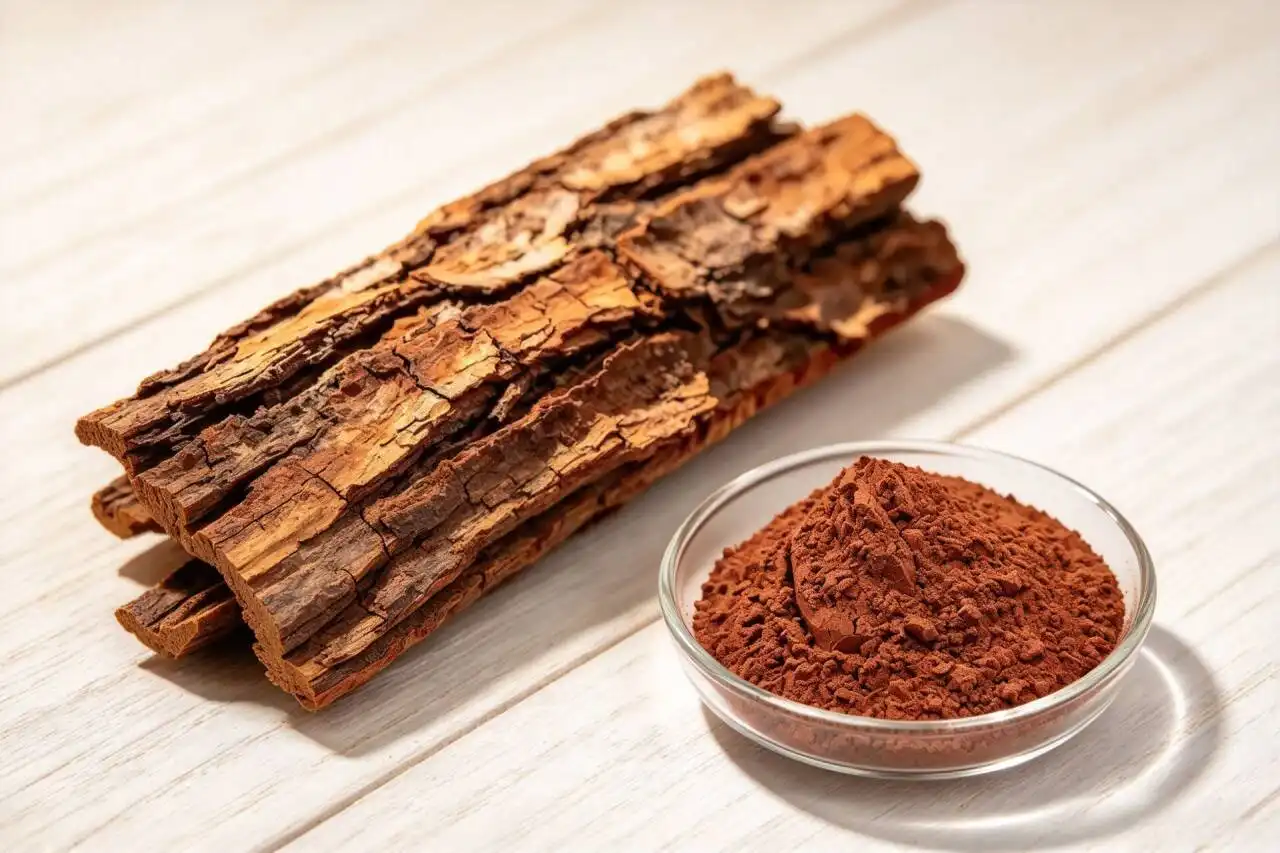
How to Source Premium Pine Bark Extract Powder Wholesale?
Sourcing premium Pine Bark Extract powder wholesale requires a systematic approach focusing on quality verification, supplier credentials, and batch consistency. The key is identifying manufacturers who standardize their products to contain at least 95% oligomeric proanthocyanidins (OPCs) through validated ethanol extraction methods, maintain organic certifications such as USDA Organic, and provide comprehensive testing documentation including heavy metal screening and solvent residue analysis. Successful procurement depends on evaluating suppliers based on their manufacturing capabilities, regulatory compliance, inventory reliability, and willingness to provide third-party lab testing results that confirm the absence of common adulterants like grape seed or peanut skin extracts.
Introduction
The need for plant antioxidants has grown very quickly around the world. Ingredients that are high in proanthocyanidins are driving market growth in the nutrition, cosmetic, and functional food industries. Pine Bark Extract powder, which is mostly made from marine pine (Pinus pinaster) and Chinese red pine (Pinus massoniana), is an important ingredient for companies that make vitamins to help the heart, anti-aging skin care products, and sports nutrition items. This natural extract is more bioavailable and works on more than one pathway, so it can help with both oxidative stress and inflammatory responses.
For people who work in business-to-business procurement, like purchasing managers, formulation engineers, and quality assurance leads, the problem is bigger than just finding prices that are competitive. The real value is in finding suppliers that consistently deliver potency, keep supply chains open, and provide the technical documentation needed to meet regulatory requirements in tough markets like the US and EU. This guide gives you a plan for how to evaluate suppliers, make sure the quality is good, and build long-lasting partnerships when buying this valuable plant ingredient in bulk.

Understanding the Pine Bark Extract Market and Its Quality Standards
The Science Behind Proanthocyanidin Potency
This plant substance is useful for medicine because it contains a lot of oligomeric proanthocyanidins, which are a type of flavonoid chemical that is very good at fighting free radicals. According to research, these bioactive molecules have ORAC values that are much higher than those of vitamins C and E. They can also cross the blood-brain barrier and link directly to collagen and elastin fibers, which is something that vitamins C and E can't do. When procurement teams understand this molecular basis, they can set the right potency standards for their goal uses, like making clinical-grade supplements for heart health or high-end skin care products.
Critical Quality Parameters for B2B Procurement
There are a few technical differences between pharmaceutical-grade materials and commodity-level ingredients that you should look at when looking at buying choices. The main quality indicator is the concentration of the active ingredient, which is usually set to an OPC content of 95% or higher using UV-Vis spectroscopy. But for a full evaluation, you need to pay attention to other factors too, like particle size uniformity (at least 80 mesh is needed for best dissolution), moisture content below 5%, and ash content not higher than 3%. These specs have a direct effect on how well the product is made, how stable the recipe is, and how long it lasts on the shelf.
In foreign trade, third-party approval is an important way to make sure the quality of goods. GMP-compliant facilities show that they follow standard ways of making things, and organic certifications show that the products are made from sustainable materials and don't contain any synthetic pesticides. The most reliable suppliers follow ISO 9001 quality management systems, HACCP food safety rules, and, for manufacturers who want to sell their goods in the U.S., FDA registration for access to the U.S. market. Instead of relying on a single credential, buyers should look for partners who have a number of certifications that work well together.
Distinguishing Authentic Material from Common Adulterants
Botanical extract markets continue to have problems with product identification. Suppliers who aren't honest often use cheaper materials like peanut skin extract or grape seed extract instead of pine bark. These materials have similar proanthocyanidin profiles but don't have the special catechin and taxifolin markers that make pine bark unique. This risk can be reduced with advanced testing methods. For example, HPTLC (High-Performance Thin-Layer Chromatography) fingerprinting shows unique Pinus genus patterns, and focused HPLC analysis measures unique monomeric chemicals like epicatechin and certain phenolic acids. The procurement teams should ask for these analysis reports as normal paperwork, not as extras that they can choose not to get.

Key Challenges in Sourcing Premium Pine Bark Extract Powder Wholesale
Navigating Quality Consistency Across Production Batches
For brands that are increasing production numbers, manufacturing inconsistency is a big problem. Changes in the seasonality of raw materials, the parameters used in extraction, and the consistency of quality control procedures can cause batch-to-batch differences that affect how well the product works and how the customer feels about it. This lack of stability makes it hard for R&D teams to make new products because they have to change dosages or redesign goods to make up for differences in potency. Partnering with suppliers that follow strict standardization methods, keep thorough batch records, and offer reserve samples for testing after shipping if quality issues come up is the answer. For Pine Bark Extract, these challenges are particularly pronounced given the natural variability in proanthocyanidin content across harvest seasons, making supplier consistency even more critical for reliable product performance.
Supply Chain Transparency and Traceability Requirements
Modern customers and governing bodies are asking for more information about where ingredients come from. However, many trade channels have many middlemen between forest sources and finished extract, which makes it hard to tell where the raw bark materials really come from. There are legal risks because of this lack of clarity, especially for brands that sell "sustainably sourced" or "traceable" goods. Leading manufacturers deal with these issues by keeping close ties with logging operations, using blockchain or similar tracking systems, and giving out detailed certificates of origin that list harvest locations, dates, and how the wood was handled throughout the supply chain.
Economic Factors Affecting Wholesale Procurement
There are a lot of things that affect how volatile prices are in the plant extract markets. Seasonal harvest rates change based on weather trends and how forests are managed. At the same time, rising demand around the world, especially from Asian markets, drives prices up. Materials that are organic or sustainably certified cost 15–30% more than materials that aren't, and specialized extraction technologies cost more than regular methods. Cost and quality must be weighed by buyers, who should know that artificially cheap prices often mean that the product isn't as pure as it should be, that additives aren't being mentioned, or that the testing methods aren't good enough.

Step-by-Step Process to Successfully Source Premium Pine Bark Extract Powder
Defining Precise Product Specifications
Before reaching out to suppliers, buying teams should make sure they have detailed technical specs that match the needs of the final product. This document should include information about the desired OPC content (95% for nutraceutical uses), the acceptable ranges for secondary markers like total polyphenols, the certifications that are needed based on the target markets, the particle size requirements for processing equipment compatibility, and the highest levels of contaminants that are allowed. These can include heavy metals (lead <3ppm, arsenic <1ppm, mercury <0.1ppm), pesticide residues, and microbes. Clear specifications get rid of confusion when evaluating suppliers and give objective standards for evaluating samples.
Conducting Rigorous Supplier Due Diligence
A structured method should be used to evaluate suppliers in a number of different areas of their competence. Checking manufacturing qualifications involves looking at certifications for the facility, records of output capacity, and checks of the quality management system. The technical capabilities assessment checks the level of sophistication of the extraction technology, the analytical testing equipment that is kept in-house, and the qualifications of the R&D staff. When you do a commercial reliability examination, you look at things like financial stability signs, customer reference validation, and the ability of the logistics infrastructure to handle foreign shipping. This multidimensional method finds partners who can help the business grow over the long term instead of just filling original orders.
Implementing Thorough Sample Testing Protocols
Before committing to bulk purchases, the most important step is to evaluate samples. To make sure the product is who it says it is, it should be tested for identity using HPTLC fingerprinting or DNA barcoding, for potency using UV-Vis and HPLC, for heavy metals using ICP-MS, for pesticide residue panels that meet EC 396/2005 or USP <561> standards, and for total plate count, yeast/mold, and pathogenic organisms. Also, liquid residue analysis proves that the ethanol extraction was done correctly and that no illegal substances like methanol or acetone were used. Instead of depending only on certificates of analysis from the seller, buyers should use independent third-party labs.
Structuring Favorable Commercial Terms
Talks go beyond unit prices and include terms that affect the total cost of ownership and the security of supply. Minimum order quantities should be based on how quickly inventory turns over so that you can get volume discounts. Usually, these are between 25 and 100 kilograms for first orders and 500 kilograms or more for long-term relationships. Payment models that spread risk include 30% to 40% down payments, with the rest due upon shipment or delivery. For bigger deals, letter of credit arrangements may be used. Quality guaranty terms should spell out the accepted amounts of deviation, the testing methods that will be used to settle disputes, and the steps that will be taken to fix the problem, such as offering replacement or refund choices if the requirements aren't met. For Pine Bark Extract, these commercial terms are particularly important given the significant price variations between different proanthocyanidin content levels and the need to secure consistent quality across multiple harvest cycles.

Comparative Insights to Make Informed Sourcing Decisions
Evaluating Alternative Antioxidant Ingredients
Knowing what other botanical choices are out there helps buying teams choose strategic ingredients. While grape seed extract has similar proanthocyanidin profiles and is cheaper, it doesn't have the unique taxifolin content or cardiovascular study support that materials obtained from pine do. Green tea extract has catechin compounds that work well with other ingredients and are well-known, but it can be hard to make because it has caffeine and astringent tastes. Vitamin C is a cheap antioxidant that has been shown to work, but it needs to be specially packaged to keep it from breaking down, and it can't copy the collagen-binding qualities of proanthocyanidin oligomers.
Organic Versus Conventional Sourcing Considerations
There are more trade-offs than just certification premiums when deciding between organic and conventional farming. Organic materials cost 25–40% more, but they let you reach higher-end customers and fit with clean-label marketing tactics that health-conscious consumers are growing interested in. However, harvest interruptions are more likely to happen in organic supply lines, and lead times are usually longer because there are fewer approved source trees. Conventional materials have stable prices and are easy to find, but in some areas, consumers may be skeptical and regulators may be closely watching them. The best choice relies on how the brand is positioned, the type of customers you want to attract, and your ability to invest in high-end market segments.
Powder Form Advantages for Manufacturing Applications
Powder styles have important benefits for B2B customers, while enclosed forms make it easier for end users to use. It is possible to make exact changes to the dose while the formulation is being made, to blend it with other ingredients that work well together, and to use it in a variety of delivery methods, such as pills, capsules, drinks, and topical creams. The fine, reddish-brown powder with 80-mesh particles dissolves easily in water, which is important for use in cosmetic emulsions and drinks. The cost of buying powder in bulk is also much cheaper per kilogram than buying pre-encapsulated equivalents. This gives producers more control over the final dosage form they choose and higher profit margins.

Partnering with Trusted Manufacturers and Suppliers
Identifying Manufacturers with Proven Track Records
The most trusted trade partners are both technically and operationally mature. Instead of general plant processors, look for makers with dedicated proanthocyanidin production lines. This will show that they have specialized extraction knowledge and lower cross-contamination risks. Businesses that have been around for a while usually have a wide range of products with a number of standardization choices (70%, 85%, and 95% OPC versions), which shows that they are good at process control. The physical infrastructure is very important. Modern facilities with countercurrent extraction systems, low-temperature concentration equipment, and improved purification technologies create better quality than older ways. Site audits, which can be done in person or through virtual factory trips, give manufacturers a lot of useful information about how things really work in the factories.
Leveraging Value-Added Services for Competitive Advantage
In addition to supplying goods, key partners also offer services that speed up the creation of new products and entry into new markets. With custom extraction, you can change the specs to fit the needs of any formulation, whether you're making water-soluble versions for drinks or micronized versions to make them more bioavailable. Support for technical paperwork, such as detailed specs, safety data sheets, allergen statements, and letters of regulatory compliance, speeds up the approval process within the company and the submission of regulatory documents. Some companies offer formulation consultation services where they share application research and suggest synergistic ingredient combinations that make finished products more effective and set them apart in competitive markets.
Building Long-Term Collaborative Relationships
Sustainable purchase strategies put building partnerships ahead of buying things one-time. Suppliers who care about their customers' success usually have inventory management programs that keep safety stock reserves. This way, they can keep up a steady supply even when production cycles change or demand spikes for no reason. With collaborative forecasting, manufacturers can plan their production schedules so that they are as efficient as possible while still meeting customer delivery needs. Clear information about the supply of raw materials, changes in prices, and changes to regulations lets people plan ahead instead of just fixing problems as they come up. These aspects of relationships, which are often missed when sourcing is first decided, determine the long-term competitiveness and resilience of the supply chain.
Conclusion
To successfully buy premium proanthocyanidin-rich powder like Pine Bark Extract in bulk, you need to use a structured evaluation strategy to balance technical requirements, supplier skills, and business concerns. The best tactics focus on three things: making sure the quality is correct through independent testing, figuring out how trustworthy a supplier is through thorough due research, and building relationships that support long-term supply security. When buyers put enough time and money into early evaluations like sample testing, facility assessments, and reference checks, they lower risks later on and set up their products for success in the market. As the need for botanical ingredients backed by evidence keeps growing, procurement professionals who master these sourcing challenges will gain a lot of competitive edge in the health and wellness markets, which are changing very quickly.
FAQ
What Is the Recommended Dosage Range for Bulk Formulations?
For circulatory and antioxidant effects, clinical studies usually use daily amounts of 50 mg to 300 mg of a standardized extract that contains 95% OPCs. For anti-aging effects, cosmetics usually have amounts of 0.5 to 2% in topical products. To get the right amount of raw materials when making bulk recipes, you need to take into account processing costs, bioavailability factors, and the size of the servings you want to make.
How Can I Verify Supplier Authenticity and Ingredient Potency?
Ask labs that are ISO-certified to give you certificates of analysis that show HPTLC fingerprinting that is specific to Pinus species and not just general proanthocyanidin quantification. Independent testing should be done by third-party labs that specialize in verifying plant identities. Check a supplier's qualifications by looking through certification files kept up to date by groups like USDA Organic or ISO registrars. Ask established brands in related application categories for client references, and make sure that the production site is registered with the right regulatory bodies.
What Compliance Considerations Apply to International Procurement?
U.S. importers must make sure that their suppliers follow the FDA's rules for dietary ingredients, which include using the right manufacturing methods and making sure there are no added substances. Novel Food rules and pesticide residue limits set by EC 396/2005 must be followed in order to sell goods in Europe. Heavy metal limits are different in each country, but they are usually based on the USP or European Pharmacopeia standards. Usually, commercial invoices, certificates of analysis, phytosanitary certificates, and statements that the goods are in line with the rules of the importing country are needed as proof.
Partner with Sigma for Certified Pine Bark Extract Supply
You can trust Shaanxi Sigma Biotechnology Co., Ltd. to provide you with Pine Bark Extract. They offer pharmaceutical-grade plant ingredients and have strict quality control systems and full certifications to back them up. Our factory keeps its USDA Organic, ISO 9001, ISO 22000, HACCP, and FSSC 22000 certifications up to date. This means that the products you buy will meet the highest international standards for safety, cleanliness, and legality.
Our standardized extract always has 95% OPC because we use advanced ethanol extraction and low-temperature concentration technologies to make a reddish-brown fine powder that dissolves easily in water and has uniform 80-mesh particles. With large stock levels that allow for delivery times of 5 to 7 days and flexible OEM/ODM services that can meet unique needs, we offer the supply chain stability that is needed to grow in competitive markets.
Our technology team can be reached at sarah@sxsigma.com by procurement experts looking for reliable botanical extract relationships. To see how our materials that are high in proanthocyanidins can improve your product formulations, ask for full specs, certificates of analysis, and free samples.
References
1. Rohdewald, P. (2002). A review of the French maritime pine bark extract (Pycnogenol), a herbal medication with a diverse clinical pharmacology. International Journal of Clinical Pharmacology and Therapeutics, 40(4), 158-168.
2. Schoonees, A., Visser, J., Musekiwa, A., & Volmink, J. (2012). Pycnogenol (extract of French maritime pine bark) for the treatment of chronic disorders. Cochrane Database of Systematic Reviews, Issue 4.
3. Cho, K. J., Yun, C. H., Yoon, D. Y., Cho, Y. S., Rimbach, G., & Packer, L. (2000). Effect of bioflavonoids extracted from the bark of Pinus maritima on proinflammatory cytokine production. Annals of the New York Academy of Sciences, 899, 341-348.
4. D'Andrea, G. (2010). Pycnogenol: A blend of procyanidins with multifaceted therapeutic applications. Fitoterapia, 81(7), 724-736.
5. Enseleit, F., Sudano, I., Périat, D., Winnik, S., Wolfrum, M., Flammer, A. J., & Neidhart, M. (2012). Effects of Pycnogenol on endothelial function in patients with stable coronary artery disease. Circulation, 126(17), 1748-1753.
6. Uhlenhut, K., Högger, P. (2012). Facilitated cellular uptake and suppression of inducible nitric oxide synthase by a metabolite of maritime pine bark extract. Free Radical Biology and Medicine, 53(2), 305-313.
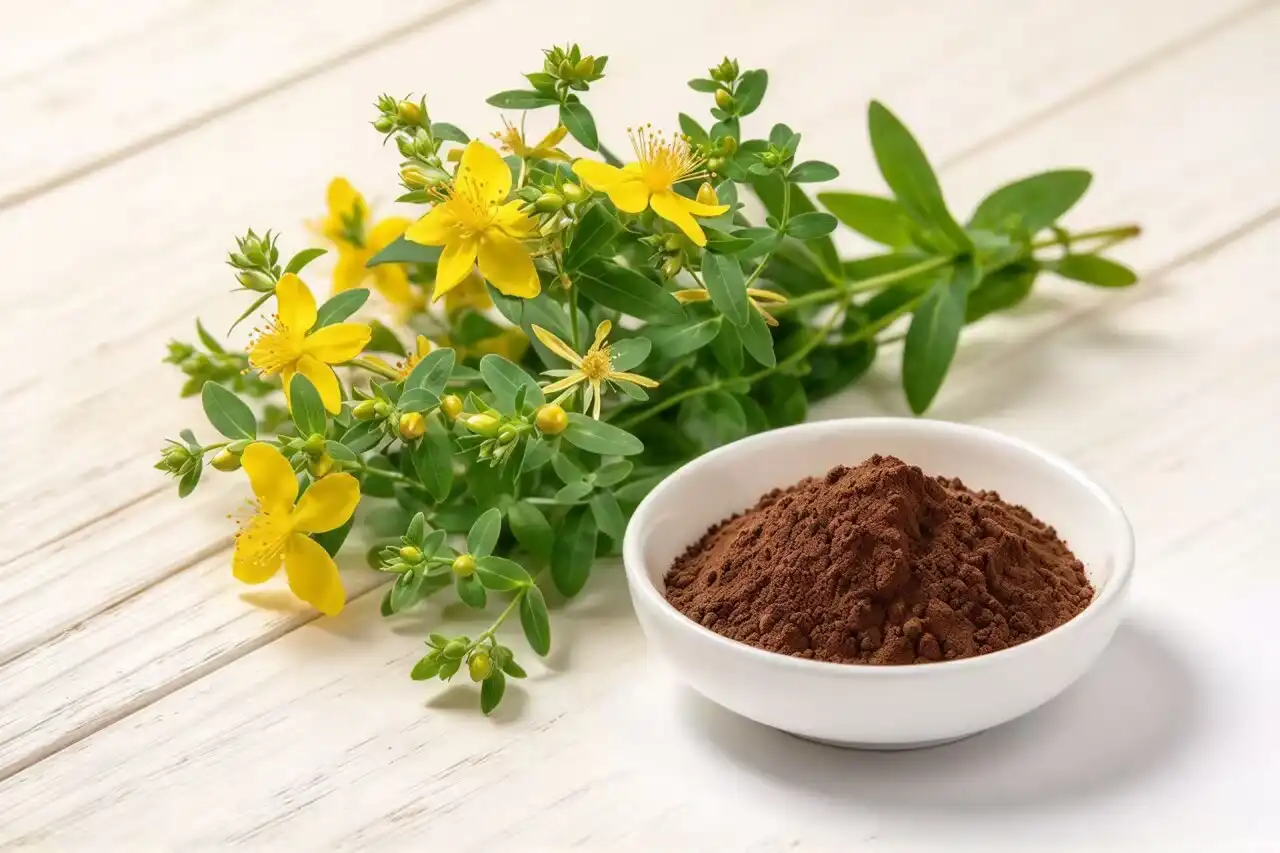
What Are the Uses of St. John's Wort Extract Powder?
St. John's Wort Extract powder, derived from the flowering tops and aerial parts of Hypericum perforatum L., serves diverse applications across dietary supplements, cosmetics, and herbal formulations. Rich in hypericin—a bioactive compound standardized to at least 0.3%—this brown fine powder provides mood support, antioxidant protection, and emerging cognitive benefits. For B2B buyers in the health product and pharmaceutical sectors, understanding its uses ensures informed procurement decisions aligned with regulatory standards and market demand.
Introduction
We know that research and development teams and people in charge of buying things want natural ingredients that are safe and have been approved by science and safety groups. For a long time, it has been used, and it has been shown to help with mood problems. It can also be used in many other ways. This guide tells you where this plant product comes from botanically, how it works pharmaceutically, and how it can be used in many areas. In today's health-conscious market, whether you make functional drinks, dietary supplements, or cosmetics, this full guide covers quality standards, procurement strategies, and regulatory issues that you need to know about to stay ahead of the competition and build consumer trust.

Understanding St. John's Wort Extract Powder
Botanical Background and Extraction Technology
All over the world, people have been picking Hypericum perforatum L., which is also known as St. John's Wort, for a very long time. The flower tops and upper parts have a lot of bioactive chemicals, such as hypericin and hyperforin. Methods that use ethanol are used these days; these methods keep the chemical structure of these delicate parts while getting very high purity levels. Most of the time, 80-mesh screens are used to make sure that the fine brown powder runs easily during the encapsulation and mixing steps. With this uniform method, manufacturers can be sure that all of their batches have the same amount of hypericin. HPLC measurement can be used to confirm this. Being able to do this is very important for businesses that want to grow.
Quality Standards for Industrial Use
The amount of ash, microbes, and wetness are all carefully controlled while the food is held in cool, safe places. These high standards are met by industrial-grade St. John's Wort Extract. You can tell how steady the mix is on the shelf and how well it works by these things. Reports from reputable buyers show that the item has been checked for over 500 pesticide residues, PAH levels are below 10 ppb, and there are no pyrrolizidine alkaloids, which are contaminants that can be introduced when you pick weeds at the same time. Since the extract doesn't mix well with hydro-ethanolic solutions, it can be used in more product lines. It can be used in both liquid medicines and solid dose forms.
Pharmacological Mechanisms
There are several biochemical ways that the healing effects happen. Changes are made to neurotransmitter systems like norepinephrine reuptake suppression and serotonin, dopamine, and serotonin reuptake. The chemicals in this study work with GABA receptors to change how cortisol is managed. This helps keep your mood calm. Instead of targeting just one thing like manufactured drugs do, this plant product does more than one thing. A study suggests that this may cut down on the number of side effects while still working. That much complexity in pharmacology gives R&D teams that are making new medicines both chances and problems. They need to think carefully about dosage forms and delivery methods to make sure that the formulations are accessible.

Core Uses and Benefits of St. John's Wort Extract Powder
Mental Health and Mood Support
A lot of long-term studies have shown that St. John's Wort Extract can help people who are mild to moderately depressed. In meta-analyses, hypericin-standardized extracts and selective serotonin reuptake inhibitors are compared. Both work about the same, but selective serotonin reuptake inhibitors are said to have fewer side effects in some patient groups. Because of this, the ingredient is very helpful for supplement makers who want to help keep moods stable without making a drug. Most people need between 300 mg and 900 mg of hypericin every day. This amount is standardized to 0.3% hypericin and given in several doses to keep plasma concentrations steady. As more people look for natural options in mental health categories, the extract's ability to ease occasional worry and boost emotional strength fits in with that trend.
Anxiety Reduction and Sleep Quality Enhancement
Even though St. John's Wort isn't a direct sedative like melatonin, it does help people sleep by fixing the mood problems that cause them. Circadian rhythms are often thrown off by anxiety. By changing how stress reaction systems work, the extract helps fix the structure of sleep. Scientists have found that people who have trouble sleeping because they are worried wake up less often and fall back to sleep faster. This two-action profile, which helps with both stress during the day and restlessness at nite, lets formulation teams make full health products. It's easier for manufacturers to keep track of supplies and make sure quality standards are met when all of these benefits come from the same active ingredient.
Emerging Applications and Antioxidant Properties
St. John's Wort might help with more than just your mood. Researchers are just starting to look into how it can protect neurons and lower inflammation. Hypericin is a strong antioxidant that fights free radicals, which are linked to aging cells and long-term inflammation. The cosmetics industry is interested in these qualities, so they use the extract in skin care products that aim to boost skin health and fight oxidative stress. Cognitive support apps are also being looked into by researchers. Especially ones that help with the loss of brain function that comes with getting older. There is still a lot of work to be done in these areas, but this plant ingredient's bioactive profile makes it useful for brands that want to stand out in the health product market.

Comparison of St. John's Wort Extract with Other Natural and Pharmaceutical Options
Herbal Alternatives Analysis
Often, valerian root, 5-HTP, and passionflower are used to compare herbal goods. Valerian works on GABA receptors to make people sleepy. Because of this, it's good for formulas that help people sleep but not so good for formulas that help people feel better during the day. 5-HTP is a serotonin precursor that works quickly. However, it needs to be carefully dosed because other drugs can cause serotonin syndrome if they are mixed with it. There are more effects of St. John's Wort on the nervous system, and it has been used safely in Europe for decades. However, it does interact with many drugs in important ways. A lot of the time, procurement teams pick St. John's Wort for mood-boosting products, valerian for sleep-related products, and 5-HTP for serotonin support. The reasons for these decisions are based on the goals of therapy and the rules for placing.
Pharmaceutical Comparisons
There are a lot of well-studied reasons why prescription antidepressants work, but they also have a lot of side effects, like making it hard to get or keep weight off, and having trouble with withdrawal. In weak to moderate cases, St. John's Wort works the same way, but it has some different side effects, mostly photosensitivity and medicine interactions. For brands that want to reach people who want green first-line choices, this difference is important. Something else that might help with methylation is SAM-e, but it costs more and needs to be stored in a certain way because it is unstable. Formulation engineers can offer the best ingredients based on target groups, desired claims, and cost structures if they know these trade-offs. They should also be clear about the product's limits and when it should be used.

Procurement Guide for St. John's Wort Extract Powder
Supplier Selection Criteria
When looking for trusted providers of St. John's Wort Extract, it's not enough to just see which ones have the best prices. People who care about quality choose companies that are certified by ISO 22000, FSSC 22000, HACCP, and Halal. This makes sure that the goods meet safety standards and sale rules around the world. How tech-savvy the service provider is very important. Being able to use HPLC testing tools, batch consistency records, and raw material tracking systems are all examples of organizational maturity that show the business is ready to go.
Decisions are also affected by where the sellers are located; those that are close to real plant sources can usually get better raw materials at lower prices. Companies that offer R&D support can help with things like improving formulations, checking for stability, and writing up paperwork for regulations. These are extra services that are worth having, and brands that are entering new markets or coming up with new ways to send goods need them the most.
Bulk Purchasing and Inventory Management
The best procurement teams know how to get good business terms because they know how the market works and how suppliers set their prices. Prices for bulk sales are based on how much is offered, which can be anywhere from 50 kg to several tons. When sellers keep 10 to 20 tons of core goods on hand as a safety stock, they can fill orders in 5 to 7 working days. This keeps production from stopping too much.
It's important to pay close attention to the payment terms, minimum order quantities, and lead time guaranties when you're negotiating a contract. Because of when things are harvested, the prices of raw materials change with the seasons. This is why deals that last a long time are good for keeping the budget stable. People who buy things can save samples from each lot, which helps them test the product again if there are quality problems while it's being stored.
Regulatory Compliance and Documentation
The technical paperwork that professional sellers and commodity traders have sets them apart. Certificates of Analysis with test results for each batch, MSDS safety data sheets, allergy statements, GMO status statements, and chemical residue records are all important things to have. For foreign markets, especially those in Europe and North America, it is important to follow rules that are specific to that area.
For example, EU Regulation 396/2005 sets limits on pesticides, and FDA standards for dietary supplements must be followed. Letters of support from regulatory bodies, stable studies that back up claims about shelf life, and ongoing tracking data for heavy metals, aflatoxins, and microbe poisoning should all be given by suppliers. They help you send things to the government, get things through customs, and show that you did your homework when you get checked. This keeps the picture of your brand safe and lets you enter new areas.

Safety, Side Effects, and Best Usage Practices
Common Adverse Effects and Drug Interactions
There are a few things you should keep in mind about St. John's Wort because it is usually safe when used the right way. People who take this medicine often have stomach issues, feel dizzy, get tired, and have a dry mouth for a short time. Cytochrome P450 enzymes, especially CYP3A4 and CYP2C9, are turned on by the extract. This makes a lot of drugs break down faster, like birth control pills, blood thinners, immunosuppressants, and chemotherapy drugs.
Because of this possible interaction, people who take prescription drugs need clear labels with warnings and not to take certain drugs. Photosensitivity is another problem that is known to happen, especially with higher doses or in people with fair skin. Because of this, product labels should include sun protection tips. Businesses that make healing goods need to think about these cons and focus on the right groups of customers while giving clear instructions on how to use their products.
Dosage Recommendations and Formulation Best Practices
Three times a day at 300 mg is the standard dose for most industrial formulations. This adds up to 0.9 mg of hypericin per day. This is the range of doses that worked in tests. Photosensitive chemicals are kept safe in containers that don't let light through, and enteric coats can help the digestive system handle side effects better. When putting together combination formulas, it's important to think about how the parts might mix and work with each other.
When you mix St. John's Wort with adaptogenic herbs like ashwagandha, it might help you deal with stress better, but be careful when you mix it with drugs that raise serotonin levels. A more accurate expiration date can be found by testing the food's stability under accelerated conditions. If the food is kept correctly, the expiry date is generally between 24 and 36 months. Quality manufacturers offer application support that helps formulation teams find the best amounts of ingredients and excipients, as well as come up with product ideas that meet customer and regulatory standards.
Conclusion
St. John's Wort Extract is a botanical extract that has been shown by science to be effective in a variety of products, such as cosmetics, functional foods, and dietary supplements. Its measured hypericin content always makes people feel better and fights free radicals, as many clinical studies and hundreds of years of traditional use have shown. To be good at buying, you need to find a balance between worries about safety, drug interaction patterns, following the rules, and making sure the supply chain is reliable.
There are more and more people looking for natural ways to improve their health. This plant extract gives product developers a chance to make new products that focus on mental health, stress control, and overall health. Consistent batches, legal paperwork, and technical help are all made possible by strategic relationships with qualified providers. These are all important for keeping ahead of the competition in global markets that are always changing.
FAQ
Studies on people have shown that taking the standard dose (900 mg every day) is safe for up to 12 weeks. If you use it for a long time, you should talk to your doctor about it because of the risk of drug interactions and photosensitivity reactions. Supplement makers should tell people who take them for a long time to take breaks and talk to a doctor. Quality extracts from reliable sources lower the risk of contamination when they are properly labeled and used as directed. This makes long-term uses safer.
How Does St. John's Wort Interact with Prescription Medications?
It works by making enzymes in the liver work, which breaks down many drugs and lessens their effects. Blood thinners, immunosuppressants, antidepressants (which can cause serotonin syndrome), and hormonal birth control all work together in very important ways. Teams that buy things need to make sure that items have clear labels that say they shouldn't be mixed with prescription drugs. This interaction profile limits some groups of people who can buy this product, but it doesn't change its worth for people who aren't taking drugs that shouldn't be mixed with it, as long as they are told the right things at the same time.
What Should B2B Buyers Prioritize When Selecting Suppliers?
Certifications (ISO, HACCP, Halal), HPLC-verified hypericin content, full chemical screening, and written batch consistency lists are some of the most important things to look for. When providers offer expert advice, keep their stock full, and communicate easily, it shows that they are an operationally mature business. Ask for Certificate of Analysis samples from different runs before you place a big order to make sure the quality is the same every time. Reliable sources show proof of their claims with government forms, and they make it easier to go through customs at international borders.
Partner with Sigma for Premium St. John's Wort Extract
St John's Wort Extract powder is always available at Sigma. The hypericin in this powder is standardized to 0.3% and is made by extracting parts of the Hypericum perforatum plant with ethanol. ISO 22000, HACCP, and Halal standards have been met by our brown fine powder. It doesn't have much ash, the number of microbes is controlled, and the particles are 80 mesh. This makes it great for people who make makeup and companies that make food products that need natural ingredients they can trust. We manage the whole value chain, from getting the raw materials to finishing the products, making sure that each batch is the same and that the prices are fair.
We are a fully integrated manufacturer and supplier with roots in Shaanxi's authentic botanical regions. You can get full COA paperwork from our team of experts, and we also offer open OEM/ODM services that are tailored to your brand's needs. We keep 10 to 20 tons of extra stock on hand and can send anything anywhere in the world in 5 to 7 business days thanks to our well-tuned shipping networks. Send an email to sarah@sxsigma.com for full details, sample requests, or bulk quotes.
References
1. Linde, K., Berner, M.M., & Kriston, L. (2008). St John's wort for major depression. Cochrane Database of Systematic Reviews, Issue 4.
2. Sarris, J., Panossian, A., Schweitzer, I., Stough, C., & Scholey, A. (2011). Herbal medicine for depression, anxiety and insomnia: A review of psychopharmacology and clinical evidence. European Neuropsychopharmacology, 21(12), 841-860.
3. Butterweck, V., & Schmidt, M. (2007). St. John's wort: Role of active compounds for its mechanism of action and efficacy. Wiener Medizinische Wochenschrift, 157(13-14), 356-361.
4. Kasper, S., Caraci, F., Forti, B., Drago, F., & Aguglia, E. (2010). Efficacy and tolerability of Hypericum extract for the treatment of mild to moderate depression. European Neuropsychopharmacology, 20(11), 747-765.
5. Henderson, L., Yue, Q.Y., Bergquist, C., Gerden, B., & Arlett, P. (2002). St John's wort (Hypericum perforatum): Drug interactions and clinical outcomes. British Journal of Clinical Pharmacology, 54(4), 349-356.
6. European Medicines Agency. (2009). Assessment report on Hypericum perforatum L., herba. Committee on Herbal Medicinal Products, London.
- 1
- 2
- 3
- 4
- 19


_1776308368292.webp)