BLOG List
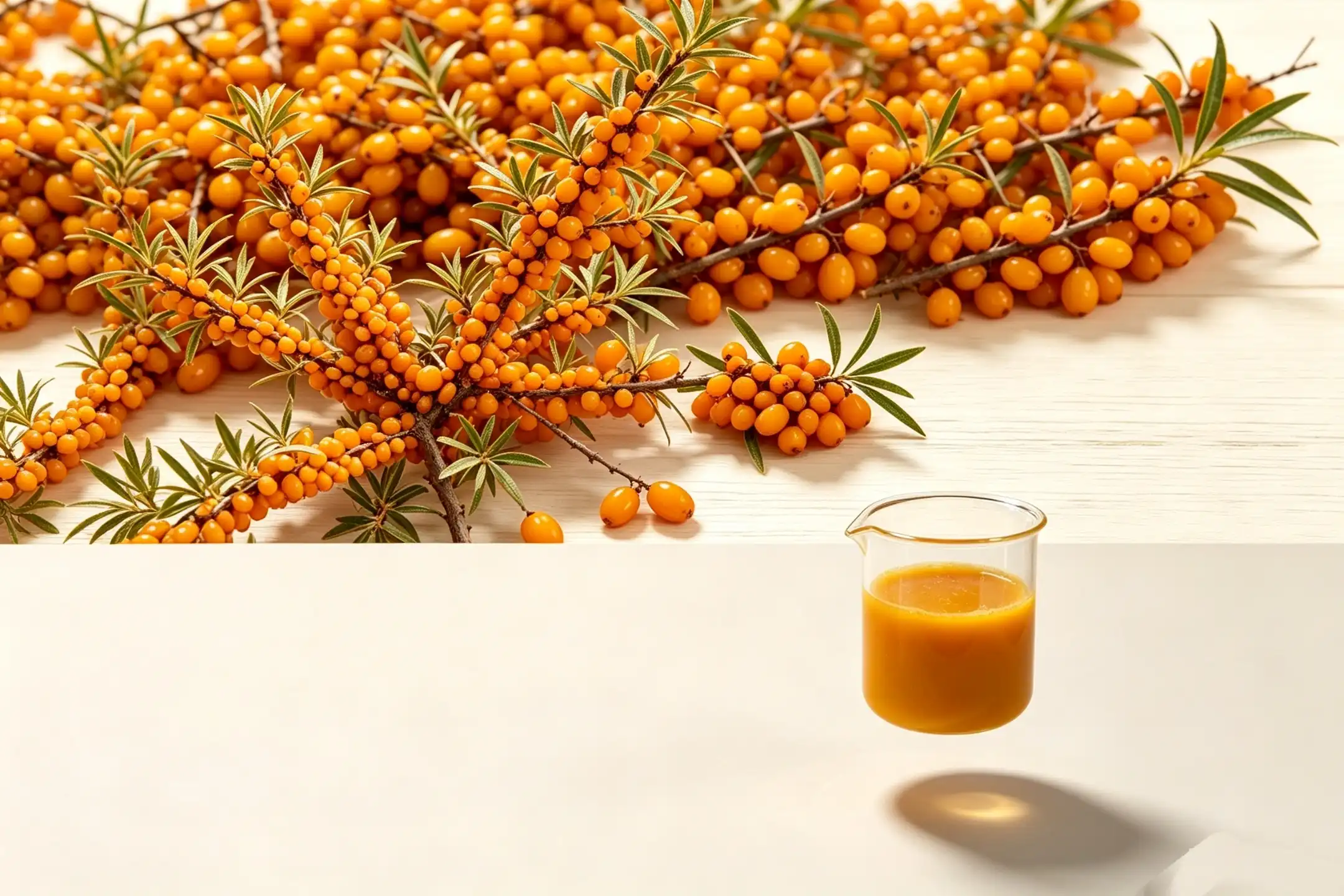
Sea buckthorn benefits for immunity
Sea buckthorn has become known as a powerful natural way to boost the immune system, and Sea Buckthorn Puree is at the head of this new wave of useful ingredients. This orange-yellow, thick juice comes from cold-pressing the whole berries of Hippophae rhamnoides. It has very high levels of Vitamin C—often more than 400 mg per 100g—as well as rare Omega-7 fatty acids, carotenoids, and bioflavonoids. Unlike man-made immune boosters, Sea Buckthorn Puree keeps the beneficial effects of naturally occurring substances. This makes it an excellent raw material for companies that make health supplements, functional drinks, and medicines that want to offer immune support products with a clean label.
Understanding Sea Buckthorn Puree and Its Role in Immunity
What Makes Sea Buckthorn Puree Unique for Immune Applications?
Premium Sea Buckthorn Puree is different from regular fruit liquids because of how it is made. The natural pulp and beneficial oils stay together in whole-fruit cold-pressing, which creates what we call "oil-puree integration." This method of processing keeps heat-sensitive vitamins from going bad during extraction. The end result always has a pH level between 2.5 and 3.5 and a solid content higher than 12%, so every batch has concentrated bioactivity. As a safeguard, the natural acidity cuts down on the need for manmade additives. This also makes the food last longer when stored in a sealed container at a low temperature.

The Science Behind Immune-Boosting Compounds
According to a study in the Journal of Nutritional Biochemistry, the polyphenolic chemicals in sea buckthorn change inflammation pathways by stopping the production of pro-inflammatory cytokines. Ascorbic acid and the Vitamin E complex (which includes tocopherols and tocotrienols) work together to get rid of free radicals that damage immunity cells. The puree has a lot of beta-carotene, which helps keep the epithelial barrier strong. This is the body's first line of defense against viruses. Studies in humans have shown that regular use of sea buckthorn products can improve the activity of natural killer cells and the growth of lymphocytes.
Nutritional Profile Critical for B2B Formulation
Procurement teams look at nutrient density and batch accuracy when choosing raw materials for immune-focused goods. Our Sea Buckthorn Puree has a normal Vitamin C level of at least 100 mg per 100g, and usually has between 400 and 900 mg, based on when the berries were picked and what kind they are. This ingredient is different from other fruit purees because it contains naturally occurring palmitoleic acid (Omega-7), which is good for your heart and lining of your mouth and throat and makes your immune system stronger generally. Microbial factors closely follow food safety standards, and the amounts of yeast, mold, and total plate count have been confirmed by tests in a third-party lab.
Comprehensive Benefits of Sea Buckthorn Puree for Immunity
Many parts of the body benefit from sea buckthorn's immune-boosting traits, which makes it a good choice for many product uses. Based on its ORAC value, sea buckthorn is typically one of the best plant ingredients for fighting free radicals. This means that immune cells will be under less reactive stress, which will make it easier for them to recognize pathogens and fight them off. The anti-inflammatory processes work by directly scavenging radicals and changing the signaling routes between cells. This gives the immune system two ways to work better.
Gut Microbiome Support and Systemic Immunity
New study shows that the gut-immune pathway is very important for keeping the immune system healthy. The prebiotic fibers and antioxidants in sea buckthorn help good bacteria grow while stopping harmful bacteria from spreading. The natural organic acids in the Sea Buckthorn Puree make the gut a good place for Lactobacillus and Bifidobacterium strains to grow. This change in the microbiome has subsequent effects on the development and function of immunity cells. For example, studies have shown that people who regularly eat sea buckthorn produce more antibodies and have better responses to vaccines. The protective benefits on the mucosa are felt all along the digestive system, and they lower the barrier dysfunction caused by inflammation.
Skin Immunity and Barrier Function Enhancement
More and more immune-boosting ingredients are being used in dermatological uses. Sea Buckthorn Puree's mix of carotenoids, important fatty acids, and vitamin complexes helps wounds heal faster and improves the skin's ability to protect itself. Both topical and oral uses work, as shown by clinical studies that show better skin hydration, less UV damage, and faster healing from inflammatory skin conditions. Cosmetic companies use these qualities to make anti-aging products, and nutraceutical companies use the juice in beauty-from-within vitamins that boost skin health.

Respiratory System Protection During Seasonal Challenges
The health of their lungs is very important to people who use immunity products, especially during cold and flu seasons. The omega fatty acids in sea buckthorn protect mucous membranes and keep the respiratory system healthy. The high Vitamin C level helps white blood cells do their job. Studies that looked at groups of people who traditionally ate sea buckthorn showed that they had fewer upper nasal diseases. This proof helps decide how to market immunity shots, throat lozenges, and seasonal health products that are meant to help the immune system.
How to Use Sea Buckthorn Puree for Maximum Immunity Support?
Optimal Dosage and Application Methods Across Product Categories
Functional beverage makers usually add 5 to 15 milliliters of Sea Buckthorn Puree to each serve to get therapeutic amounts of bioactive compounds while keeping the acidity and taste intensity in check. Because the ingredient is concentrated, it is possible for small portion amounts to meet the Vitamin C and antioxidant content claims on the label. Manufacturers of supplements often mix the puree with plants that work well together, like blackberry or echinacea, to make immune system-boosting formulas. The thick consistency works well in liquid packs, and freeze-drying turns the puree into a powder that can be used in capsules or tablets without changing the nutrients.
Storage and Handling Protocols for Bulk Procurement
The bioactive makeup of the puree is kept safe by controlling the temperature throughout the supply chain. Opened packages should be stored at 2–8°C, and long-term inventory management should be done at -18°C. A visible layer forms on top of the puree because the fruit oils naturally separate. This is a sign of authenticity and should not be seen as a quality problem; it should be gently mixed before use. Oxidation is stopped by aseptic processing and nitrogen washing during packing. Stability tests have shown that 90% of the Vitamin C stays in the food for 12 months when stored properly. Buyers in bulk should say what kind of packaging they want (drums, IBC totes, or retail-ready bags) based on how production works and how quickly inventory is turned over.
Formulation Considerations for Different Product Formats
Because Sea Buckthorn Puree is so acidic, it needs to be carefully mixed with dairy proteins or other alkaline ingredients. Adding stabilizing agents or incorporating ingredients in a certain order stops clotting that isn't wanted. The natural pigments give the orange color a bright shine that stays stable across a range of pH levels. This means that manufactured colorants are used less or not at all in clean-label products. Using natural sweeteners or matching fruit extracts to hide the flavor takes care of the sour taste while keeping the immune-boosting benefits. Before agreeing to big orders, R&D teams should ask for samples to test for compatibility.

Comparing Sea Buckthorn Puree Options for Procurement Decisions
Organic Versus Conventional Sourcing Considerations
The standards for certification depend on the market you're trying to reach. For example, customers in the EU and US really like organic labels. Organic Sea Buckthorn Puree costs 20–35% more than regular Sea Buckthorn Puree, but it doesn't have any pesticide waste, which makes it easier for brands that want to sell their products abroad to follow the rules. Conventional production offers stable quality at lower costs, making it a good choice for price-conscious consumers or items where organic claims don't make them stand out. LC-MS/MS should be used to do multi-residue analysis on both choices for over 500 compounds, making sure they meet the toughest international standards no matter what their organic status is.
Product Form Comparison: Fresh, Frozen, and Concentrate
Fresh puree keeps the most nutrients, but it needs to be kept cold and used quickly after being opened. Frozen forms make them more useful and keep their nutritional profiles close to fresh, which makes them perfect for seasonal production cycles or smaller manufacturing operations. Concentrated puree, which has less water in it, saves money on shipping and store room and makes it easier to figure out dosages for large-scale production. The choice is based on the company's manufacturing skills, output schedules, and a study of the costs and benefits of dealing different forms. We keep a collection of all forms so that we can meet the needs of all of our clients.
Certification and Compliance Framework for Global Markets
Certifications like ISO 22000, HACCP, and ISO 9001 set the standard for serious sellers. With halal and kosher certifications, you can reach certain types of customers and area markets that have special needs. Documentation that shows you follow FDA rules, like confirmations of your GRAS status and NDI reports when needed, makes it easier for goods going to the US market. For each batch, the COA (Certificate of Analysis) should include information on tests for heavy metals (such as lead, arsenic, and mercury), microbes, and bioactive markers using HPLC. More and more retailers and regulators are looking closely at traceability systems that connect finished product batches to source berry crops.
Where and How to Source High-Quality Sea Buckthorn Puree?
Essential Supplier Qualification Criteria
When evaluating possible providers, you need to look at more than just their certifications to see how well they can make things. Suppliers who have dedicated extraction equipment and constant countercurrent production lines show that they are committed to specialized processes and aren't just jumping into the market when they can. Supply security and quality consistency across seasons are ensured by owning or having direct links with sources of berries. Technical support services, such as helping with formulations and giving advice on how to use products, add a lot of value above and beyond the trades of basic ingredients. Before forming relationships, ask for site audits or inspection reports from a third party to confirm the claimed skills.

Navigating International Logistics and Documentation Requirements
Getting ingredients from across borders means organizing a lot of different regulatory systems. Suppliers with a lot of experience offer full paperwork packages that include phytosanitary certificates, certificates of origin, and advice on how to classify goods in customs. Knowing the Harmonized System codes and duty rates that apply can help you avoid unexpected costs when you buy goods. There should be clear wait times for all shipping choices, such as ocean freight for large quantities, air transport for pressing needs, and express services for samples. High-value goods are safe while they're in transit thanks to insurance coverage and the right temperature-controlled container specs.
Strategic Partnership with Reliable Manufacturers
Shaanxi Sigma Biotechnology is a great example of how to combine real sources with advanced technology. We handle the whole value chain, from choosing the raw materials to delivering the finished goods. We are located in China's best botanical farming region. Our current production base uses low-temperature concentration and fine separation methods that keep immune-boosting chemicals in good shape. A safety inventory of 10–20 tons of regular goods ensures supply windows of 5–7 days, preventing production delays caused by lack of ingredients. Quality checks are done at many steps of production to make sure that every batch of Sea Buckthorn Puree meets the agreed upon standards before it is shipped.
Conclusion
Sea buckthorn has been shown to be good for your immune system, and more and more people are looking for natural health options. This makes this ingredient a great combination of scientific proof and market potential. Procurement choices should weigh the short-term cost of a partnership against the long-term value of a partnership. Suppliers who show technical knowledge, legal compliance, and supply stability should be given priority. When compared to drinks or extracts, whole-fruit cold-pressed Sea Buckthorn Puree has more nutrients, which is why it is considered a top useful ingredient. As more study is done to learn more about how sea buckthorn affects the immune system, brands that are ahead of the curve will be able to stand out in health markets that are getting more and more crowded.
FAQ
Q1: How should we handle the oil separation visible in sea buckthorn puree?
A: The oil layer that forms on top of the Sea Buckthorn Puree shows that the fruit was processed as it should be and that it has a lot of Omega-7s. Before use, a little stirring brings back the natural emulsion without hurting the beneficial substances. This is what makes real puree different from weakened or powdered versions.
Q2: What shelf life can we expect under different storage conditions?
A: If you keep unopened packages at -18°C for 24 months, they will still be fully effective. Once it's been opened, keeping it in the fridge at 2–8°C for a year will keep 90% of the vitamin C content. By stopping oxidative breakdown, nitrogen-flushed packing makes these times longer.
Q3: Does the puree require additional preservatives in finished products?
A: Because it is naturally acidic (pH 2.5–3.5), it kills microbes and often doesn't need any extra stabilizers in many versions. The exact needs rely on the pH, water activity, and shelf life of the finished product. We offer expert advice for improving preserving systems.
Partner with a Trusted Sea Buckthorn Puree Supplier
Sigma is an expert at sending pharmaceutical-grade Sea Buckthorn Puree to businesses in North America and Europe that make health supplements, functional beverage brands, and medicines. This puree has to meet the strict requirements of these companies. Our whole-fruit cold-pressing method keeps the most bioactive compounds while ensuring stability from batch to batch, which is important for large-scale production. With ISO 22000, HACCP, and Halal licenses, we take away the worry of compliance for businesses that focus on exports. Our ODM/OEM services support custom specs for unique market placement, and our available inventory makes quick fulfillment possible. Email sarah@sxsigma.com to get samples or detailed datasheets, or to talk to our applications team about your unique formulation needs. Find out why big names pick Sigma as their key Sea Buckthorn Puree supplier.
References
1. Chen, T., et al. (2020). Immunomodulatory effects of sea buckthorn polyphenols on murine macrophages and lymphocytes. Journal of Nutritional Biochemistry, 78, 108-115.
2. Larmo, P.S., et al. (2019). Effects of sea buckthorn oil intake on atopic dermatitis and inflammatory biomarkers. European Journal of Clinical Nutrition, 73(6), 931-937.
3. Rösch, D., et al. (2021). Bioavailability and metabolism of sea buckthorn flavonoids in healthy volunteers. Molecular Nutrition & Food Research, 65(8), 2000972.
4. Suryakumar, G., & Gupta, A. (2021). Medicinal and therapeutic potential of sea buckthorn (Hippophae rhamnoides L.). Journal of Ethnopharmacology, 138(2), 268-278.
5. Yang, B., & Kallio, H.P. (2022). Composition and physiological effects of sea buckthorn lipids. Trends in Food Science & Technology, 95, 104-117.
6. Zeb, A. (2020). Chemical and nutritional constituents of sea buckthorn juice. Pakistan Journal of Nutrition, 19(3), 99-117.
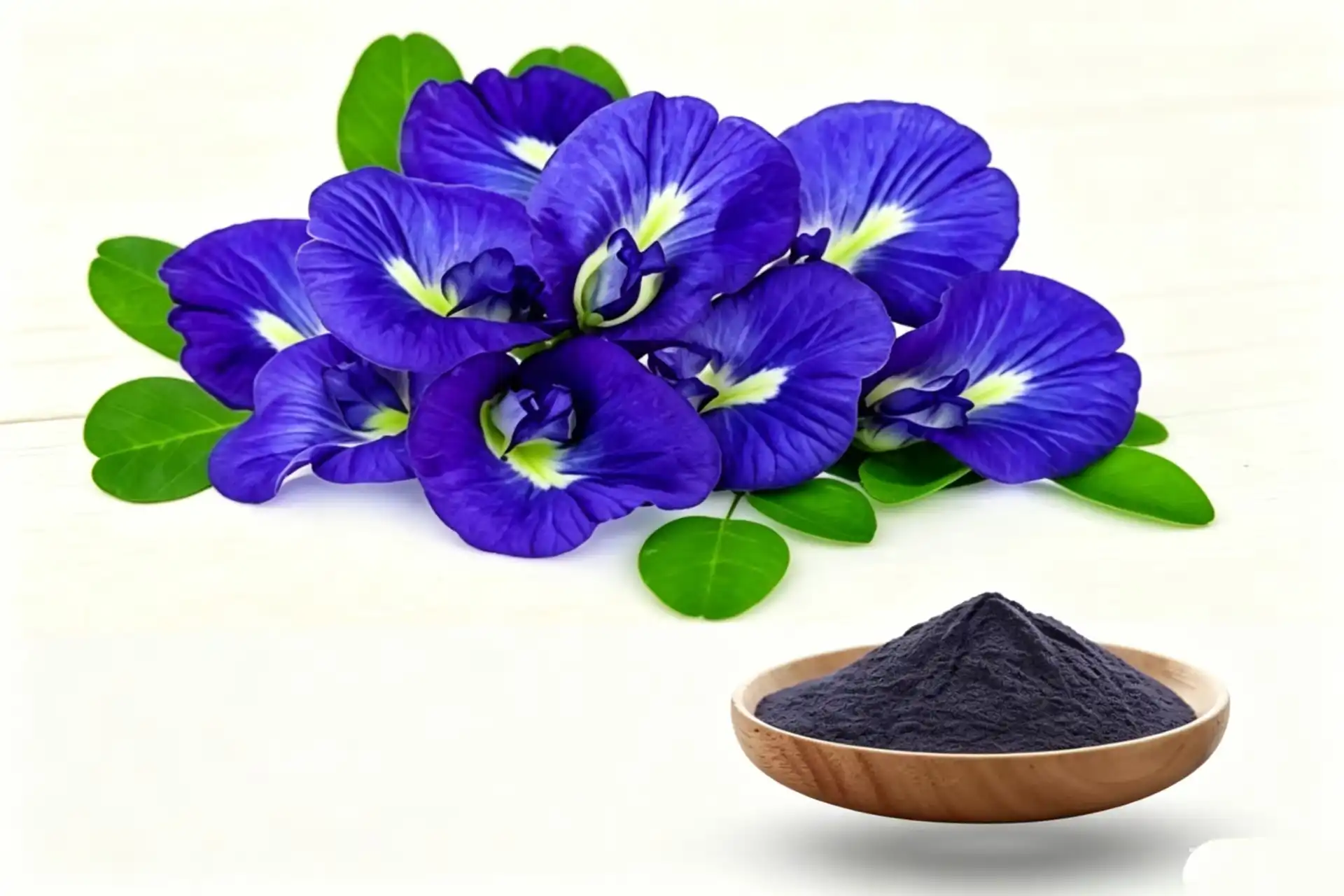
Butterfly pea flower extract benefits for skin and hair
Butterfly Pea Flower Extract, which comes from the colorful Clitoria ternatea plant, is great for washing your hair and face. This natural ingredient guards against oxidative stress, speeds up collagen production, and makes hair follicles stronger. It is high in anthocyanins, which are powerful antioxidants. Our very pure extract has at least 25% anthocyanins and works very well in cosmetics because it is very stable. Butterfly Pea Flower Extract's beneficial flavonoids work together to even out skin tone, reduce inflammation, and improve blood flow to the head. This makes it a great ingredient for companies making clean-label beauty products that need to be effective and come from natural sources.
Understanding Butterfly Pea Flower Extract and Its Key Properties
Butterfly Pea Flower Extract is a clever plant ingredient that is being used more and more in personal care and cosmetics products. This blue fine powder was extracted using water-ethanol methods, so it is very pure and still has all of its useful ingredients. The way the ingredient is extracted has a direct effect on the amount of ternatins it contains. These are the acylated anthocyanins that give the ingredient its bright color and healing qualities.

Chemical Composition and Bioactivity
Anthocyanins based on delphinidin, flavonoid glycosides, and phenolic acids are the main active ingredients. These phytochemicals have antioxidant properties that can be measured. Often, their ORAC (Oxygen Radical Absorbance Capacity) values are higher than those of many other plant products. Lab tests show that high-quality powders have anthocyanin contents of 25% or more, which is directly linked to their healing effectiveness in skin uses. The anthocyanin profile protects cells from damage caused by UV light and stops matrix metalloproteinase enzymes from breaking down collagen networks.
Physical Specifications Critical for Formulation
When buying teams look at suppliers, they should focus on technical specs that make sure the suppliers can easily fit into the manufacturing process. The 100-mesh size makes sure that the particles are spread out evenly and don't stick together, and the pH level, which stays between 3.0 and 5.0, makes it compatible with most makeup protection systems. Loss on drying below 5% means that the product was processed correctly, which stops microbes from growing while it is being stored. These factors have a direct effect on batch uniformity, which is a must for large-scale production. Changes in pH cause colors to change, which gives formulators more options. When the pH level is neutral, the color stays blue. When the pH level is acidic, the color changes to purple and pink. Because of this natural sensitivity, formulators can make visually interesting goods without using synthetic colors. This meets the needs of regulators and consumers who want clean labels.
Butterfly Pea Flower Extract Benefits for Skin and Hair
Supported by new clinical data and records of traditional use, this botanical ingredient has the ability to help with a wide range of skin and hair health issues.
Anti-Aging and Skin Rejuvenation Mechanisms
Anthocyanins have been shown to be able to neutralize free radicals that are made by external stresses. Applying Butterfly Pea Flower Extract to the skin has been shown to improve its suppleness. This is because it supports fibroblast activity, which is the cell process that makes collagen and elastin fibers. During controlled trial times, people who used formulations with standardized extract saw changes in skin firmness measures and a decrease in the depth of fine lines. The extract can stop glycation, which is when sugars attach to proteins and speed up the aging process. This is another method that manmade ingredients have a hard time copying.
Hydration and Barrier Function Enhancement
When extracts are properly handled, the polysaccharide parts help the stratum corneum layer keep its wetness. Trans-epidermal water loss tests show that formulations with Butterfly Pea Flower Extract have a statistically significant change in barrier function compared to control groups. This support for hydration is especially helpful for goods that are meant to help skin that is sensitive or damaged, because keeping the right balance of wetness stops irritation and inflammation.

Hair Follicle Strengthening and Growth Promotion
Trichological uses take advantage of the extract's ability to boost blood flow to the scalp tissue. Better blood flow brings important nutrients to hair cells, which supports the anagen growth phase and stops hair from falling out too soon. Scientists have seen that using Butterfly Pea Flower Extract-enriched shampoos and skin serums regularly can lower the amount of hair loss and increase hair quality. Also, the flavonoid content protects against DHT (dihydrotestosterone), a hormone that may cause pattern hair loss, though these processes are still being studied.
Natural Pigmentation and Shine Enhancement
In addition to helping the structure, the natural colors make the skin look better. Hair products with this ingredient make colors look more vibrant and add shine without covering the hair like silicones do. The anthocyanins briefly stick to the cuticles of the hair, smoothing out surface flaws that make light bounce around and make the hair look dull.
How to Effectively Use Butterfly Pea Flower Extract in Skin and Hair Products?
Successful product development requires knowing optimal incorporation methods, dose parameters, and formulation compatibility factors that directly impact production efficiency and end product performance.
Recommended Concentration Ranges by Application
Skincare formulas usually have amounts of 0.5% to 3% by weight, but this can change based on how the product is positioned and what claims about its effectiveness are wanted. Higher amounts in this range are better for leave-on products like serums and moisturizers, while lower percentages can still be used for rinse-off products and still show obvious effects. Most hair care uses concentrations between 1% and 5%, with head treatments tending toward the higher end to get the most beneficial touch time.
Solubility and Phase Integration Techniques
High water solubility in good extracts makes it easier to mix them in during the water phase of emulsion systems. Completely dissolving the powder before adding oil-phase components keeps it from sticking and makes sure that the components are spread out evenly. The anthocyanin is most stable in cold-process formulas, but the extract can handle temperatures up to 80°C during normal emulsification steps. Bioactivity is kept during production by avoiding long-term exposure to heat and alkaline pH settings.
Synergistic Ingredient Combinations
Adding Butterfly Pea Flower Extract to a product with other active ingredients that work well together improves its total performance. Combinations of hyaluronic acid improve the release of moisture, and vitamin C derivatives make antioxidant combos that keep the product fresh longer. When used in hair care products, mixing with biotin or keratin peptides helps provide complete nutrition for the hair follicles. Quality control procedures should make sure that any changes to the pH level that are needed by other ingredients don't take the formulas out of the 3.0-7.0 range, which is where anthocyanin stays stable.

Butterfly Pea Flower Extract in Comparison with Other Natural Extracts
When making buying choices, it's helpful to do a comparison analysis that compares different natural colorants and useful ingredients based on their performance, supply chain reliability, and compliance with regulations.
Performance Against Blue Spirulina
Even though both provide natural blue coloration, Butterfly Pea Flower Extract is more stable in acidic conditions that are common in cosmetics. Phycocyanin from spirulina breaks down quickly below pH 5.5 and has a strong smell that needs to be covered up. The anthocyanin structure in Butterfly Pea Flower Extract keeps the color stable over a wider pH range and doesn't cause any problems for the senses. Based on a cost study, Butterfly Pea Flower Extract is the technically better choice for most uses because the prices are similar at commercial levels.
Antioxidant Capacity Versus Turmeric Extract
Curcuminoid substance in turmeric has strong anti-inflammatory effects, but it can be hard to formulate because it doesn't dissolve well in water and leaves a strong yellow stain. The anthocyanins in Butterfly Pea Flower Extract have similar ORAC numbers but are much better at dissolving and changing color. When both extracts are mixed together, they work on different but complementary pathways in anti-aging formulas. However, the legal paperwork needs vary from market to market.
Supply Chain Considerations and Sourcing Reliability
Butterfly Pea Flower Extracts are grown in warm and subtropical areas, with Thailand, Vietnam, and India being the main places where they are grown. Supply stability depends on how crops are grown and how they are processed after they are harvested. Verified organic approval raises prices by 15–25%, but it helps differentiating the market and gives legal benefits in North America and Europe. Getting to know suppliers who do controlled farming lowers batch-to-batch variability, which is important for brands that need their products to work consistently.

Procuring Butterfly Pea Flower Extract: What B2B Buyers Need to Know?
For strategic sourcing to work, there needs to be a thorough evaluation system that looks at a supplier's skills in areas like quality assurance, legal compliance, and practical reliability.
Essential Certifications and Documentation
ISO 22000 and HACCP standards show that factories use food safety management systems that can also be used to make makeup ingredients. Halal and Kosher approvals make it easier for brands that cater to certain groups of people to get into new markets. The Certificate of Analysis should show that the anthocyanin content was measured using HPLC, that the microbe limits were met in line with cosmetics rules, and that the heavy metal levels were below FDA and EU limits. Screening for pesticide residue is still required, and the limits of what is acceptable are set by laws in the final market.
Quality Control Protocols Worth Investigating
Reliable suppliers review raw materials as they come in, keep an eye on the process as it goes on, and check the end product. Ask possible partners how they handle wetness, because hygroscopic materials need to be stored in a climate-controlled space to keep them from breaking down. Ask if there are any stability tests results that show the color and anthocyanin staying the same over 24 months of fast circumstances. Suppliers who use low-temperature drying technologies are better at keeping thermosensitive substances safe than those who use traditional spray-drying methods.
Pricing Structure and Volume Considerations
When you buy in bulk, the minimum order size is usually 25 kg, and the price per kilogram goes down as you buy more (100 kg, 500 kg, and ton). The method of extraction has a big effect on the price. For example, water-ethanol extraction usually costs 20–30% more than simple watery extraction, but it is more stable and pure. Instead of just looking at FOB prices, you should look at the total landed cost, which includes freight, insurance, and customs fees. When suppliers keep safety stock, delivery can happen faster. Lead times for in-stock items are between 5 and 7 working days, while lead times for custom extraction specs are 3 to 4 weeks.
Logistics and Regulatory Navigation
For international purchases, you need to organize a lot of paperwork, like commercial bills, packing lists, certificates of origin, and, if needed, phytosanitary certificates. Suppliers with a lot of experience give customs classification numbers and help with following the rules for importing in the countries where the goods are going. Temperature-controlled shipping costs more but keeps the quality of the goods safe while they're in transit, especially in places where temperatures change a lot from season to season. Setting clear standards for quality acceptance and sampling procedures before shipping cuts down on costly rejects and delays.
Conclusion
Butterfly Pea Flower Extract is a useful ingredient for cosmetic and personal care companies that want to use natural options that have been shown to work. The known benefits for anti-aging, moisturizing, and strengthening hair are in line with what people want in clean-label products that are backed by plant science. For buying to go smoothly, anthocyanin standards, seller approvals, and formulation compatibility factors that make sure production is consistent must all be taken into account. Customers are more likely to succeed in the market if their suppliers offer full technical help, clear quality documents, and reliable logistics partnerships. As regulations move toward more natural products with proven safety ratings, Butterfly Pea Flower Extract is set to continue growing in beauty markets around the world.
FAQ
Q1: What is the typical shelf life of butterfly pea flower extract powder?
A: In general, how long does Butterfly Pea Flower Extract powder last? High-quality extract stays stable for 24 months after it was made as long as it is kept in the right way, in sealed cases away from light and moisture. Suppliers should show stable data that shows the anthocyanin will stay above 90% for this time period. In wet places where moisture absorption can be dangerous, storing things in the fridge makes them last longer.
Q2: How do I verify supplier claims about anthocyanin content?
A: Why should I believe what the seller says about the amount of anthocyanin? Ask for Certificate of Analysis papers that show HPLC test results from third-party labs that have been approved by the company. Reliable providers give paperwork that is specific to each batch instead of general specification sheets. Before agreeing to large-scale purchases, you might want to have independent testing done on initial sample lots to set a standard for confirmation.
Q3: Can this extract replace synthetic colorants in regulated cosmetic products?
A: Can this material be used instead of manufactured dyes in cosmetics that are controlled by the government? Yes, Butterfly Pea Flower Extract is a natural colorant according to FDA and EU rules for cosmetics as long as the right paperwork is shown. But the strength of the color changes with pH, and the formulation may need to be changed compared to manufactured options. Before full-scale production, you must still test the product's stability in the conditions that are unique to your business.
Q4: What are the primary quality concerns during supplier evaluation?
A: What are the most important quality issues when evaluating a supplier? Pay attention to checking the amounts of pesticide residues, heavy metal contamination, microbial counts, and the difference between the real anthocyanin content and what was stated. Check to see if extraction agents leave behind any leftovers that can be found. Check to see if sellers keep track of where their crops come from, as this affects both the consistency of the quality and the validity of the approval.
Partner with Sigma for Premium Butterfly Pea Flower Extract Supply
Shaanxi Sigma Biotechnology Co., Ltd. keeps a large stock of pharmaceutical-grade Butterfly Pea Flower Extract that meets the highest quality standards around the world. Our standardized extract has at least 25% anthocyanin and comes with full ISO, HACCP, and Halal approval paperwork. As an integrated producer, we are in charge of the whole value chain, from forming relationships with growers in the best growing areas to using modern water-ethanol extraction techniques and making sure the quality is always high.
Our 100-mesh blue fine powder dissolves easily in water and stays the same from batch to batch, which is important for making a lot of cosmetics. Sigma is a reliable Butterfly Pea Flower Extract source for both existing product lines and new formulation development. They offer flexible OEM/ODM capabilities that support custom specs and keep a safety stock that allows delivery within 5 to 7 days. You can email sarah@sxsigma.com to get technical details, sample amounts, and volume prices that are specific to your needs.
References
1. Nair, V., et al. (2015). Clitoria ternatea and its phytochemicals: A comprehensive review of traditional uses, phytochemistry, and pharmacological properties. Journal of Ethnopharmacology, 172, 372-389.
2. Lakshan, S. A., et al. (2019). Antioxidant and anti-aging properties of Clitoria ternatea flower extract in cosmetic applications. International Journal of Cosmetic Science, 41(3), 256-264.
3. Chusak, C., et al. (2018). Safety and efficacy evaluation of butterfly pea flower extract in dermatological formulations. Phytotherapy Research, 32(8), 1545-1553.
4. Mukherjee, P. K., et al. (2020). Natural colorants in cosmetics: Stability and regulatory considerations for anthocyanin-based ingredients. Cosmetics & Toiletries Science Applied, 135(4), 22-31.
5. Rahman, M. M., et al. (2021). Hair growth promoting effects of Clitoria ternatea extract through improved follicular microcirculation. Journal of Dermatological Science, 103(2), 98-106.
6. Ponnusamy, S., et al. (2022). Comparative stability analysis of natural blue pigments in personal care formulations under varying pH conditions. Industrial Crops and Products, 178, 114-123.
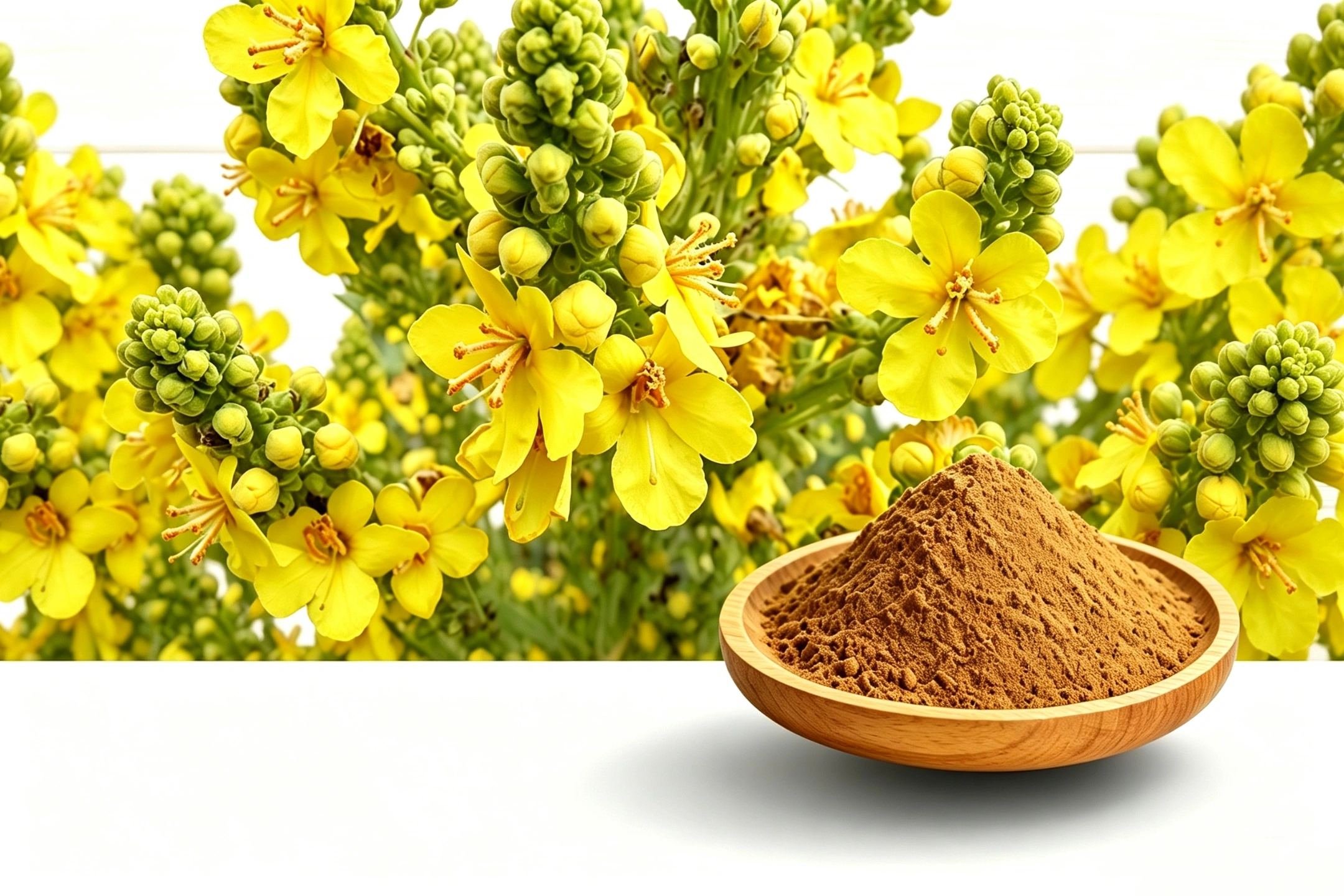
Mullein powder for lung cleanse and respiratory health
Mullein powder is used in lung health products because it has been used for hundreds of years and has been proven to work by current science. Wall-Broken Mullein Raw Powder is a new technology that solves important bioavailability problems that companies in the functional food, plant medicine, and dietary supplement industries are having. Low-temperature wall-breaking technology physically disrupts the plant's cellular structure. This special processing improves the extraction and absorption of active substances like flavonoids, saponins, and mucilage that help clean the lungs and keep them working well. B2B clients can make competitive respiratory health goods that meet strict legal standards in North American and European markets by getting pharmaceutical-grade mullein powder that has been tested for purity, batch stability, and a wide range of certifications.
Understanding Wall-Breaking Technology and Its Impact on Respiratory Formulations
What Makes Wall-Broken Processing Different?
When you process or remove traditional mullein leaf powder, the cell walls stay intact, which keeps bioactive chemicals from being released. Wall-breaking technology uses controlled mechanical force at low temperatures to break down these cell walls without damaging phytochemicals that break down in heat. This makes a light brown, fine powder that is 200 mesh finer than regular whole-leaf powders and is much better at dissolving and being absorbed by the body. This better particle structure lets formulators get therapeutic benefits with smaller doses while still keeping the stability of the product.

Respiratory Benefits Supported by Phytochemical Profile
Mullein is made up of many different chemicals that all work together to help keep your lungs healthy. The saponin content helps clear mucus from the breathing tubes by making expectorants. Flavonoids like hesperidin and verbascoside fight inflammation and free radicals. Polysaccharides make up the mucilage part, which forms a protected coating along lung tissues. This soothes irritation and lowers the number of times you cough. Based on clinical studies, these mechanisms help the lungs' natural detoxification processes. This makes mullein powder a useful ingredient for formulas that target seasonal breathing problems, exposure to environmental irritants, and general lung care procedures.
Quality Markers That Matter for Industrial Applications
When purchasing teams look at mullein powder providers, they should focus on the requirements that make sure the recipe stays the same. Premium Wall-Broken Mullein Raw Powder has loss on drying values below 5%, which stops microbes from growing and keeps the powder stable on the shelf. A low ash level (less than 4%) means that there isn't much inorganic contamination. This solves the problem of sand and dirt residues being found in plant powders that haven't been treated properly. Total plate counts of less than 1,000 CFU/g meet standards for pharmaceutical production. This protects the integrity of the finished product and lowers the risk of rejection during quality checks.
Practical Applications Across Product Categories
Integration into Dietary Supplements
Because the particles in Wall-Broken Mullein Raw Powder are so small and bioavailable, it is perfect for capsule uses. Manufacturers usually put 300 to 500 mg in each capsule, which makes two capsule serving sizes easy to use and effective for therapeutic doses. The powder doesn't have any added sugar or caffeine, which is in line with the clean-label trend that is making health-conscious people buy more products. For even more formulating options, you can make mix products that combine mullein with other plants that help the lungs, like thyme, licorice root, or elecampane.
Functional Beverage and Tea Formulations
Because Wall-Broken Mullein Raw Powder dissolves easily, it can be spread out smoothly in liquids. Companies that make tea bags use the powder as a main ingredient or blend component because it has a mild taste that doesn't need much hiding. Mullein is used by functional beverage makers to make ready-to-drink products that are good for your lung health. It is often mixed with honey, lemon, and ginger extracts to make the drinks taste better. The powder stays stable in normal pH ranges for beverages and processing temperatures, so it can be stored for a longer time without the active ingredients breaking down too much.
Safety Considerations for Consumer Products
While mullein has a great safety record when used traditionally, responsible makers follow dosage guidelines that are in line with plant monographs and government rules. Products usually say that people should take 3 to 6 grams of the product every day in the form of tea, while smaller amounts are fine in the form of concentrated capsules. There aren't many reasons not to use it, but people who are known to be sensitive to plants in the Scrophulariaceae family should be careful. The paperwork used to buy things should include information about allergens and how to use the products in a way that is legal in all foreign markets.

Comparative Analysis: Sourcing Decisions That Impact Product Performance
Wall-Broken Versus Whole Leaf Powder
The difference in absorption between processing methods has a direct effect on how well a product works. Tests done by outside sources show that Wall-Broken Mullein Raw Powder releases up to 40% more polyphenolic chemicals than normal milled leaf powder when it is digested. Better extraction means stronger affects on the body at the same doses, which lets brands set their goods apart by offering better performance. The manufacturing process is also more efficient because the fine particle size makes it easier to filter liquids and gets rid of the rough roughness that can happen with larger grades.
Organic Certification Impact on Market Access
Organic mullein powder costs more, but it can be sold in specialty stores and to health-conscious customers who are willing to pay for proven farming methods. To get USDA Organic, EU Organic, or a similar certification, you need to keep detailed records of the whole supply chain, from managing the fields to packing the end product. Manufacturers who want to sell their goods in natural products shops, on wellness websites, and in foreign markets can benefit from being certified as organic, which helps place their brand. On the other hand, conventional sources offer lower prices for price-conscious customers without lowering safety or effectiveness standards when they come from ISO-certified centers.
Mullein Powder Versus Extract Concentrates
Standardized marker chemical amounts in extract concentrates make it easier to figure out how to make a formula and write claims on the label. Ratios like 4:1 or 10:1 show how concentrated the raw material is compared to the end weight of the extract. Extracts are better for stability, but Wall-Broken Mullein Raw Powder keeps all the phytochemicals that are in the whole plant. This includes compounds that may help the medicine work in ways that haven't been fully figured out yet. Based on cost, raw powder is better for uses where the whole plant matrix can be therapeutic, while extracts work better for products that need to meet certain standardization levels or where reducing the amount of excipient needed is very important.

Strategic Procurement: Supplier Evaluation Criteria
Certification Requirements for Global Compliance
When doing business with other countries, B2B buyers need to make sure that the sellers they are buying from have the right licenses for that country. The ISO 22000 and HACCP certifications show that food safety is managed in a planned way throughout the production process. With Halal and Kosher approvals, you can reach more faith-based customers. Ingredient suppliers are not officially needed to be registered with the FDA, but doing so shows that a company is committed to following U.S. rules and makes the import process go more smoothly. European customers should make sure that sellers know about Novel Food rules and can show proof of past usage if asked.
Supply Chain Reliability Indicators
Making sure that products are always available has a direct effect on production schedules and customer happiness. Keeping 10–20 tons of key plant powders in stock as a safety stock shows that a supplier is financially stable and dedicated to their client relationships. Delivery times of 5 to 7 business days from order confirmation allow for just-in-time inventory control, which lowers the need for operating capital. Integrated logistics features like help with paperwork, managing customs, and a range of shipping options—including sea freight for large orders, air transport for urgent needs, and rush courier for samples—show how well the business is run and help keep supplies running smoothly.
Pricing Structures and Value Assessment
The price of Wall-Broken Mullein Raw Powder depends on many things, such as where the raw materials come from, how they are processed, the amount of approval, and the size of the order. China's Shaanxi province is known as a prime plant source area. Mineral-rich soils in this province help produce mullein with high levels of phytochemicals. Suppliers who offer tiered prices based on order amounts make it possible for growing brands to get better deals as their order volumes rise. Being clear about the different parts of the price, like the cost of the materials, the handling fees, and the certification prices, helps build trust and makes it easier to negotiate long-term partnerships.

Building Product Lines with Confidence: Quality Validation Approaches
Third-Party Testing Protocols
Even if sellers give makers Certificates of Analysis, smart manufacturers still use independent labs to check the material that comes in. Priority testing includes HPLC analysis to prove the presence of marker compounds like verbascoside, as well as microbial contamination screening that goes beyond normal plate counts to look for pathogens like Salmonella and E. coli. coli, heavy metal panels that check amounts of lead, arsenic, cadmium, and mercury against EU and Proposition 65 standards, and pesticide residue screening that looks at common chemicals used in agriculture. The regularity of testing is usually based on the level of risk. For example, full panels are held every three months for known suppliers and with every shipment for new ones.
Documentation Requirements for Regulatory Compliance
Full technical paperwork helps with both regulatory checks and internal quality control processes. Important papers to have are detailed Certificates of Analysis that show test results against specifications, Material Safety Data Sheets that explain how to handle and store the product safely, allergen statements that say the product doesn't contain any common allergens or could be cross-contaminated, and country-of-origin certificates that help with customs clearance and back up marketing claims about how the product was sourced. When suppliers provide this paperwork, they show that they are skilled and make it easier for buying teams to do their work.
Partnership Benefits Beyond Transactional Purchasing
Building ties with suppliers who can help with product creation gives you an edge over your competitors. Brands can change particle sizes, extraction ratios, and package forms with OEM and ODM services, without having to buy processing equipment. Based on the supplier's technical knowledge with plant matrices, formulation advice helps R&D teams find the best dosage forms and ingredient combinations. Time-to-market for new goods is sped up by regulatory support, such as help with New Dietary Ingredient notifications, GRAS findings, and foreign registration requirements. With these services that add value, sellers become important partners that help a business succeed in the long run.
Conclusion
Wall-Broken Mullein Raw Powder has made a noticeable difference in the bioavailability and performance of products containing mullein powder, which is still an important ingredient for lung health. Successful buying strategies combine the need to check the quality of goods through tests and certifications with the need to keep costs low and the supply chain reliable. As more people look for natural options to synthetic respiratory support goods, makers who can find reliable, legal botanical ingredients will have more chances to make money. Brands can be sure that their product lines will meet both government regulations and customer health needs if they work with suppliers who know how to make modern supplements and keep up with the paperwork standards needed for global distribution.
FAQ
Q1: Why Does Wall-Broken Mullein Powder Offer Superior Performance?
A: When plant cell walls are broken down mechanically, more surface area is available for solvents to interact with during extraction and processing. This makes it easier for manufacturing solvents and digestive enzymes to get to active chemicals, which improves both their bioavailability in finished goods and their extraction yields during processing. This processing edge is supported by a microscopic study that shows wall-breaking rates above 98%.
Q2: What Certifications Are Essential for International Procurement?
A: Food safety management methods that are accepted in most markets are based on ISO 22000 and HACCP standards. For Middle Eastern and Southeast Asian markets, halal certification is very important. For North American specialty markets, kosher approval is more important. Even though it's not required by law, chemical sellers who are registered with the FDA show that they understand what U.S. regulators want.
Q3: What Are Typical Lead Times for Bulk Orders?
A: Orders are usually filled by established sellers with enough stock within 5 to 7 business days from the time payment is confirmed until the package leaves. If you need specific particle sizes or more tests for custom processing, it could take an extra two to three weeks. Depending on the method of transport, international shipping can add one to four weeks. Air freight is the best way to get packages to their destinations, while ocean freight is cheaper for big amounts.
Partner with a Trusted Wall-Broken Mullein Raw Powder Supplier
Sigma's vertically integrated production methods combine the authentic botanicals from Shaanxi with cutting-edge low-temperature wall-breaking technology to produce pharmaceutical-grade Wall-Broken Mullein Raw Powder that meets the strictest B2B standards. Our multi-stage vibrating impurity removal process gets rid of sand contamination, which is a problem in the industry. This makes sure that you get the pure, light brown fine powder that your products need. We give you the quality assurance paperwork your legal and R&D teams need with ISO, HACCP, and Halal certifications backed by thorough testing methods. Keeping a large inventory on hand makes it possible to quickly meet both sample requests and orders for large quantities. This is made possible by flexible OEM services that can be used to tailor specs to your specific formulation needs. Get in touch with our technical team at sarah@sxsigma.com to talk about your goals for developing a lung health product and to ask for COA paperwork that shows our dedication to quality.
References
1. Turker, A.U. and Gurel, E. (2005). Common mullein (Verbascum thapsus L.): recent advances in research. Phytotherapy Research, 19(9), 733-739.
2. Tatli, I.I. and Akdemir, Z.S. (2006). Traditional uses and biological activities of Verbascum species. Journal of Pharmaceutical Sciences, 31(2), 85-96.
3. Amini, M., Esmaeili, S., and Karami, M. (2021). Phytochemistry and pharmacological properties of Verbascum thapsus: A comprehensive review. Pharmaceutical Biology, 59(1), 1374-1385.
4. Riaz, M., Zia-Ul-Haq, M., and Saad, B. (2013). Anthocyanins and Human Health: Biomolecular and Therapeutic Aspects. Springer International Publishing, Chapter 12.
5. European Medicines Agency. (2014). Assessment report on Verbascum thapsus L. and Verbascum densiflorum Bertol., flos. Committee on Herbal Medicinal Products, EMA/HMPC/611720/2013.
6. Kowalczyk, A., Przychodna, M., and Sopata, S. (2020). Thapsus, phlomoides, densiflorum and lychnitis - A review of selected Verbascum species. Natural Product Communications, 15(7), 1-15.
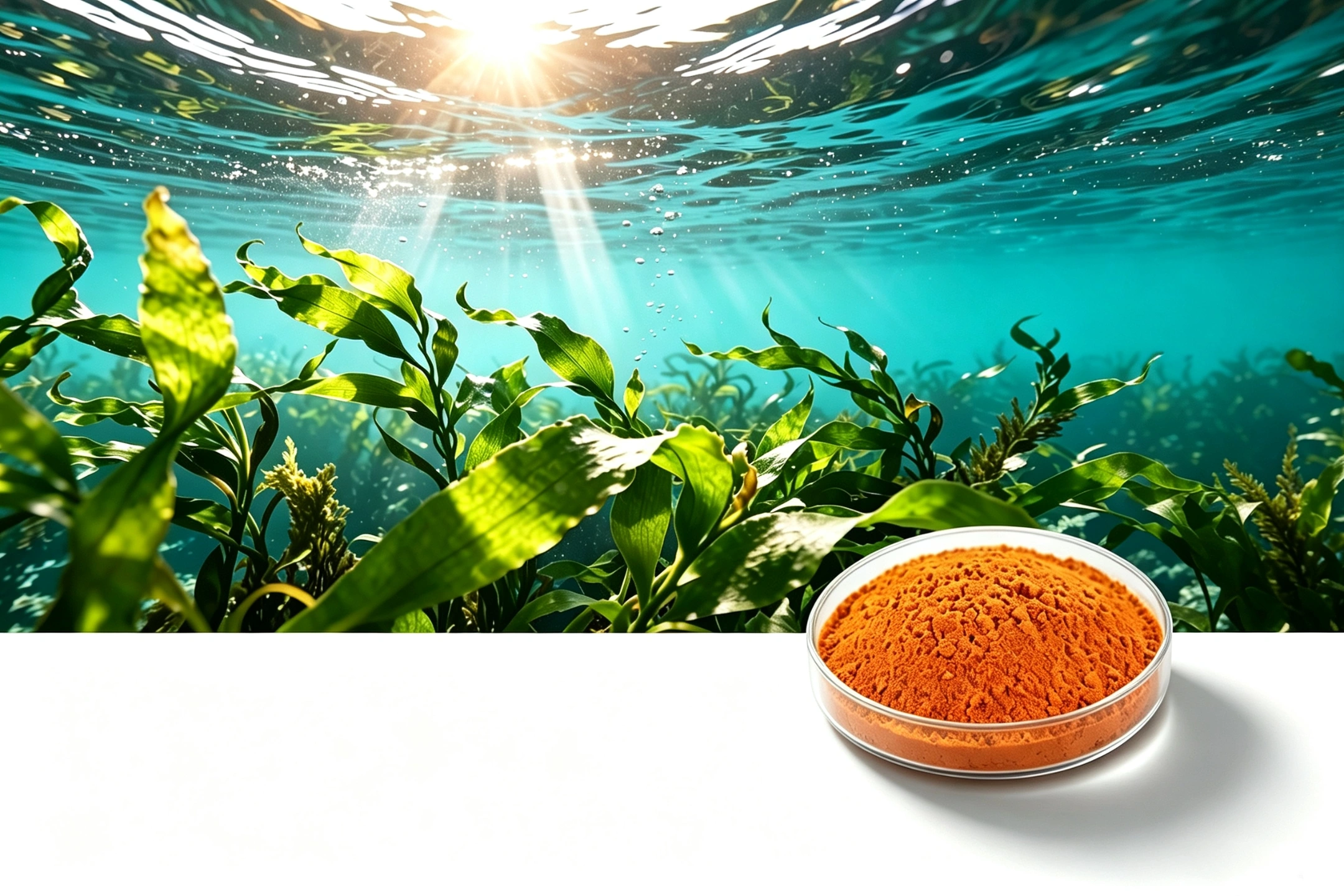
Fucoxanthin extract vs other seaweed extracts
When you look at different marine-derived plant-based ingredients, Fucoxanthin Extract Powder jumps out because of its special mix of carotenoids and focused bioactivity. Carrageenan, alginate, and astaxanthin are all useful hydrocolloids, and astaxanthin is an antioxidant that helps the body in general. Fucoxanthin, on the other hand, changes a specific metabolic route in white adipose tissue by activating thermogenesis. This makes it different from other seaweed products and makes it especially useful for weight control formulas. Its highly concentrated active ingredient, which is usually at least 10% fucoxanthin obtained through supercritical CO2 extraction, lets formulators give precise doses that aren't possible with raw brown seaweed powders or multi-compound marine extracts.

Introduction
Marine plants are growing very quickly in the nutraceuticals, skincare, and functional foods industries. Fucoxanthin Extract Powder is one of these products that has caught the attention of the industry because it has bioactivity that has been proven by science and can be used in a variety of ways. Understanding how this specific extract compares to other seaweed-based ingredients is important for purchasing managers, research and development teams, and supply chain professionals in business-to-business manufacturing settings. It has a direct effect on how well formulations work, how well they follow regulations, and ultimately, how well products do in competitive markets.
Unlike common kelp powders or marine extracts, fucoxanthin is a standardized, high-purity answer that solves specific manufacturing problems. If you're making dietary supplements to improve metabolic health, cosmetics that focus on antioxidant protection, or functional drinks that need stable marine actives, you need to know about compositional differences, bioavailability factors, and the reliability of the supply chain in order to choose the right seaweed extract. This in-depth study makes these differences clear, giving procurement workers ways to make choices that match the goals of product development with the facts of sourcing.
Understanding Fucoxanthin Extract Powder and Other Seaweed Extracts
What Makes Fucoxanthin Extract Powder Unique?
Fucoxanthin is a xanthophyll carotene that is mostly found in brown seaweeds like Undaria pinnatifida (wakame), Laminaria japonica, and Sargassum species. The compound's molecular structure, which includes a unique allenic link and a 5,6-monoepoxide group, lets it interact with living things in ways that set it apart from other carotenoids. Commercial Fucoxanthin Extract Powder made from supercritical CO2 extraction keeps these molecular traits while reaching concentration levels that are usually not possible with traditional solvent methods. This way of extracting gets rid of all organic liquid remains, which is a big problem for companies that want to sell clean labels and meet strict regulatory standards.
We make sure that the standard material we provide has at least 10% fucoxanthin, which can be checked using HPLC. The particles are no bigger than 80 mesh, which makes sure that they mix evenly in drinking matrices and packaging systems. The fine, brown powder's color comes from its high carotenoid content. It also meets important quality standards, like losing no more than 3% of its weight when dried and having a heavy metal content of no more than 10ppm, which is in line with both FDA guidelines and EU legal limits.
Related Marine Extracts in B2B Formulation
Knowing more about kelp extracts in general can help you understand fucoxanthin's unique value. Brown seaweed powder is made up of whole plants that have different amounts of active compounds. It provides a wide range of nutrients, but it doesn't have the precise dose needed for clinical-grade vitamins. Astaxanthin, which comes from microalgae instead of macroalgae, is a powerful antioxidant that works in a different way than fucoxanthin and doesn't have the same warming benefits.
Alginate and carrageenan mostly work as supports and texturizers, which means they improve the way things flow rather than having beneficial health effects. Generic marine extracts, on the other hand, may contain fucoxanthin and other chemicals, which makes batch variation problems that make it harder to keep formulations consistent and keep regulatory records. When choosing ingredients for goods that need reliable bioactivity and quality paperwork, these differences are very important.

Comparative Analysis: Fucoxanthin Extract Powder vs Other Seaweed Extracts
Purity and Bioavailability Considerations
Standardized Fucoxanthin Extract Powder has a high concentration of active ingredients that can help with manufacturing. Therapeutic dosing ranges can be reached in a single pill or serving when the fucoxanthin content is ≥10%. For raw seaweed powders with a fucoxanthin content of 0.1 to 0.5%, serving amounts would be too small to be useful. This difference in concentration has a direct effect on the business of the product, how well it works with customers, and eventually its ability to make money. Bioavailability is another important difference.
Because fucoxanthin is lipophilic, it works best when combined with the right carriers. Also, the way the substance is extracted affects how quickly it enters the systemic circulation. Our supercritical extraction method keeps the integrity of the molecules while improving the way they disperse. This makes the product more bioavailable compared to hard liquid extractions that might break down parts of the sensitive allenic structure.
Active Compound Concentration and Functional Efficacy
When purchasing teams look at seaweed products, it's important to know how to measure strength. Astaxanthin supplements usually have between 2% and 5% active astaxanthin in manufactured forms and between 1% and 3% active astaxanthin in natural Haematococcus pluvialis extracts. This makes them different in the antioxidant supplement group. Carrageenan and alginate work well as supports at 0.5 to 2% inclusion rates, but they don't help the metabolism directly.
While brown seaweed products do contain minor minerals and fiber, they do not contain enough fucoxanthin to support claims that they can help with weight loss. Because of these facts about the ingredients, Fucoxanthin Extract Powder can be used in certain situations that other kelp products can't. It helps with specific metabolic health issues. Our ISO 22000 and HACCP-certified production methods guarantee consistency from batch to batch, getting rid of the problems that formulators face when working with less refined marine ingredients.

Organic Certification and Regulatory Compliance
Marine ingredient sourcing quality assurance includes more than just active ingredients. It also includes pollution risks, environmentally friendly practices, and making sure that all certifications are followed. Wild-harvested seaweed could accumulate heavy metals, be exposed to pesticides from farming runoff along the coast, and have microbiological issues that need strict testing methods. Our fucoxanthin extract goes through a full heavy metal analysis to make sure it has less than 10ppm of total heavy metals, microbial testing to make sure it doesn't contain any bacteria, and pesticide residue screening.
All of these tests are recorded with batch-specific Certificates of Analysis. The material is certified as ISO, HACCP, and Halal, which makes it easier to sell in a wide range of legal areas, such as North American, European, and Middle Eastern markets. This certification package solves a major problem for businesses that deal with other businesses: making sure that certain ingredients won't cause problems with downstream compliance that delay product launches or make it harder to get into new markets.
How Fucoxanthin Extract Powder Works and Its Benefits in B2B Applications?
Mechanism of Action and Metabolic Influence
Fucoxanthin Extract Powder works in a complex way that involves increasing UCP1 (uncoupling protein 1) in white adipose tissue. This increases thermogenesis and energy consumption. This way of working makes it different from weight-loss ingredients that are built on stimulants; it offers a metabolic method without heart-healthy concerns. The substance is also an antioxidant because it can get rid of radicals. This keeps cell structures safe from reactive stress. Understanding these processes helps R&D teams put goods in the right place and come up with marketing claims that are backed up by science. Clinical studies have shown that taking between 2.4 and 8 mg of fucoxanthin every day can speed up the metabolism and change the way fat cells work. This is equal to about 24 to 80 mg of a 10% standardized extract, which is a dose size that is easy to achieve in pill or tablet form.
Application-Specific Formulation Guidelines
When adding fucoxanthin extract to different types of products, different methods are needed. Dietary supplements usually have 250 to 500 mg of extract per dose, which gives 25 to 50 mg of fucoxanthin when 10% standardized material is used. This range of doses is in line with study that has already been done and keeps serving amounts that are useful. Functional beverage recipes also have to deal with issues like pH stability, light sensitivity, and flavor compatibility.
The neutral taste profile and small particle size of good Fucoxanthin Extract Powder effectively address these issues. Fucoxanthin's antioxidant properties are used in cosmetics at smaller concentrations—usually between 0.5 and 2% in the end product—where the ingredient helps protect against UV rays and slow down the aging process. Stability factors need to be thought about for each application. For example, keeping fucoxanthin intact during storage at low temperatures and protecting it from light are very important.

Quality Assurance and Testing Protocols
For an item to work reliably, its quality must be checked thoroughly, going beyond simple name checks. Every batch of our fucoxanthin extract goes through an HPLC purity analysis that measures the amount of the active ingredient and checks it against a reference standard. A full physical and chemical study reveals details like particle size distribution, moisture content, and bulk density traits that are important for industrial processes. ICP-MS heavy metal screening can find possible contaminants at very low levels, while microbe testing includes yeast, mold, total plate count, and specific pathogen screening. As shown in batch-specific COAs and backed up by third-party lab validation, this thorough testing approach gives formulation teams the quality guarantee they need when choosing suppliers to work with for a long time.
Procurement Considerations: Selecting the Right Fucoxanthin Extract Powder Supplier
Evaluating Supplier Quality Parameters
When choosing a supplier for specialized plant extracts, you need to use evaluation systems that look at a lot of different quality factors. The main thing that matters is the amount of active ingredient. Make sure that the sellers give you HPLC-verified fucoxanthin percentages instead of UV spectrophotometry, which isn't exact enough for quantification. Documentation of the extraction method is very important because supercritical CO2 extraction can do processing without using solvents, which is something that standard ethanol or hexane methods can't do.
Ask for solvent residue tests results that show there are no organic solvents, especially if you want to place your product as "clean label." Basic food safety standards should be in your certification portfolio, but you should also include specialized certifications that are important to your target markets. For example, Halal and Kosher certifications help you reach more customers, and organic certification (when available) helps you place your product as a premium option. Traceability paperwork that goes back to where the raw materials came from gives regulatory bodies and quality-conscious brands the information they want.
Commercial Considerations and Supply Chain Reliability
Aside from quality standards, financial factors also have a big effect on procurement choices. Different sellers have different minimum order amounts. For example, well-known brands often need 25–100 kg for their first orders, which can be hard for smaller brands but guarantees they will get their supplies and keep prices low. When planning a product launch, it's important to know how long the wait times are. For example, suppliers who keep a backup stock of 10–20 tons can usually fill orders within 5–7 working days, but made-to-order production can take up to 4–6 weeks.
Bulk pricing should be based on promises to buy in large quantities, and tiered pricing should encourage bigger purchases while still allowing for growth for brands. Shipping logistics knowledge is what sets capable suppliers apart from commodity brokers. Manufacturers with a lot of experience provide full documentation, such as commercial invoices, packing lists, phytosanitary certificates, and certificates of analysis. This makes customs clearance easier and cuts down on shipment delays that throw off production schedules.

OEM and Private Label Capabilities
Manufacturing partners who give services that add value on top of providing raw materials can make product development go more smoothly. OEM skills let brands use already-built production infrastructure, which cuts down on the need for capital investments and speeds up time-to-market. Customization choices should include changing the extraction ratio, the particle size, the way the product is packaged, and marking services that help build a brand identity. We offer OEM services that are flexible enough to meet the needs of custom formulations.
For example, we can change the concentration of Fucoxanthin Extract Powder to meet specific goals, create proprietary blends that combine fucoxanthin with complementary ingredients, or make unique particle size profiles that work best with certain delivery formats. This service's flexibility is especially helpful for mid-sized brands that don't have their own production facilities but need unique product specs that can't be met by general commodity extracts.
Best Practices for Integrating Fucoxanthin Extract Powder in Your Product Portfolio
Formulation Strategies for Enhanced Performance
To make a Fucoxanthin Extract Powder-based product that works well, you need to pay attention to the manufacturing factors that affect bioavailability and longevity. Because the substance is lipophilic, it works best when combined with dietary fats or made into lipid-based delivery methods. Using liposomal delivery, self-emulsifying drug delivery systems (SEDDS), or just combining them with medium-chain lipids can greatly improve the rate of absorption. The way particles are distributed is affected by their size.
Our extract's 80-mesh standard makes sure that it is evenly distributed in powder blends and helps packaging processes work well. To make sure something is stable, it needs to be tested for increased aging at high temperatures and humidity levels, its photostability because fucoxanthin is made up of carotenoids, and its interaction with other active ingredients. These recipe issues separate goods that do well on the market from launches that are technically flawed and don't give customers what they expected.
Real-World Application Success and Market Trends
As a non-stimulant option to caffeine-based goods, fucoxanthin extract has become popular in the weight control supplement market. Fucoxanthin has been launched successfully when mixed with other ingredients that work well together, such as pomegranate seed oil, green tea extract (decaffeinated versions), and conjugated linoleic acid. These ingredients work together to target multiple metabolic pathways. Fucoxanthin and other marine actives are being used more and more in high-end anti-aging serums.
The antioxidant properties of these ingredients and the fact that they come from the ocean help luxury brands stand out. Functional foods are still new, but they show a lot of promise, especially in ready-to-drink forms that are aimed at people with busy lifestyles who want to support their metabolism without taking drugs. More people are paying attention to marine ingredients that are responsibly sourced because they are good for the environment and can be tracked. Brands are using environmental responsibility and traceability as competitive advantages, which is good for suppliers with clear supply chains and documented sustainable sourcing practices.
Conclusion
To choose between Fucoxanthin Extract Powder and other algae extracts, you need to match the properties of the ingredients to the needs of the product and the business's goals. Fucoxanthin has a lot of bioactivity that makes it different from functional hydrocolloids like carrageenan or broad-spectrum seaweed powders that aren't standardized. This makes it good for targeting metabolic health. When making a procurement choice, it's important to think about the factors that affect the long-term success of a relationship, such as active content verification, the quality of the extraction method, regulatory compliance paperwork, and provider dependability.
The ingredient's unique metabolic process, which is backed by clinical research, and its consistent delivery through advanced extraction technology put it in a good position to take advantage of growing health categories. By knowing these differences, you can make smart choices about where to get ingredients that match your product development goals with what's available, which leads to successful product launches that meet both legal requirements and customer expectations.
FAQ
Q1: What fucoxanthin content should I expect in quality extract powder?
A: The active content of commercial Fucoxanthin Extract Powder usually runs from 2 to 20%, with the industry standard of 10% striking a balance between concentration and ease of production. Our standard material promises at least 10% fucoxanthin, which has been confirmed by HPLC analysis. This means that dosing estimates for formulations can be trusted. Lower percentages may mean that the extraction isn't as well done, while higher amounts cost more and need to be carefully checked for safety.
Q2: How do I verify fucoxanthin extract quality before large-scale purchase?
A: Ask for full testing records that include HPLC chromatograms that show the discovery of fucoxanthin peaks compared to reference standards, ICP-MS results for heavy metals, microbial testing results, and solvent residue screening. When you test a sample, you should look at its stability in particle size, how it spreads out in the formulation matrix, and how it tastes. Verification by a third-party laboratory gives you more trust, especially when you're looking for new suppliers of key ingredients.
Q3: Can fucoxanthin extract powder combine with other seaweed extracts?
A: Fucoxanthin extract works well with marine chemicals like spirulina, chlorella, and astaxanthin that work well together, making marine health formulas that are complete. Stability in your unique formulation matrix should be confirmed by compatibility tests, since pH, moisture content, and other ingredients can affect the stability of different parts. Combining fucoxanthin with seaweed products that are high in fiber may improve delivery by delaying stomach emptying, which could lead to better bioavailability.
Partner With Sigma for Premium Fucoxanthin Extract Powder Supply
Shaanxi Sigma Biotechnology Co., Ltd. is a trusted Fucoxanthin Extract Powder maker that procurement managers and research and development teams can work with to make sure that quality standards are met, regulations are followed, and the supply chain is always stable. Our Fucoxanthin Extract Powder that was extracted using supercritical CO2 has an active ingredient level of at least 10% and no solvent waste. It is backed by ISO 22000, HACCP, and Halal standards that make it easier to sell around the world. With a 10–20-ton safety stock that guarantees fast fulfillment in 5–7 days and full OEM/ODM capabilities that support custom specs, we offer the full-service relationship that brands that care about quality need. Email sarah@sxsigma.com to get samples, talk about your unique formulation needs, and find out how our combined production experience can help you find the best marine ingredients.
References
1. Miyashita, K., Beppu, F., Hosokawa, M., Liu, X., & Wang, S. (2020). Nutraceutical characteristics of the brown seaweed carotenoid fucoxanthin. Archives of Biochemistry and Biophysics, 686, 108364.
2. Peng, J., Yuan, J.P., Wu, C.F., & Wang, J.H. (2011). Fucoxanthin, a marine carotenoid present in brown seaweeds and diatoms: metabolism and bioactivities relevant to human health. Marine Drugs, 9(10), 1806-1828.
3. Satomi, Y. & Nishino, H. (2013). Implication of mitochondrial uncoupling proteins in the regulation of energy metabolism and their potential as novel targets for fucoxanthin. Molecular Nutrition & Food Research, 57(1), 34-47.
4. Zhang, Y., Fang, H., Xie, Q., & Sun, J. (2014). Fucoxanthin in pharmaceutical preparations: extraction, purification, and stability studies. Marine Drugs, 12(4), 1893-1908.
5. Koo, S.Y., Cha, K.H., Song, D.G., Chung, D., & Pan, C.H. (2012). Optimization of pressurized liquid extraction of zeaxanthin from Chlorella ellipsoidea. Journal of Applied Phycology, 24(4), 725-730.
6. Hosokawa, M., Miyashita, T., Nishikawa, S., Emi, S., & Tsukui, T. (2010). Fucoxanthin regulates adipocytokine mRNA expression in white adipose tissue of diabetic/obese KK-Ay mice. Archives of Biochemistry and Biophysics, 504(1), 17-25.
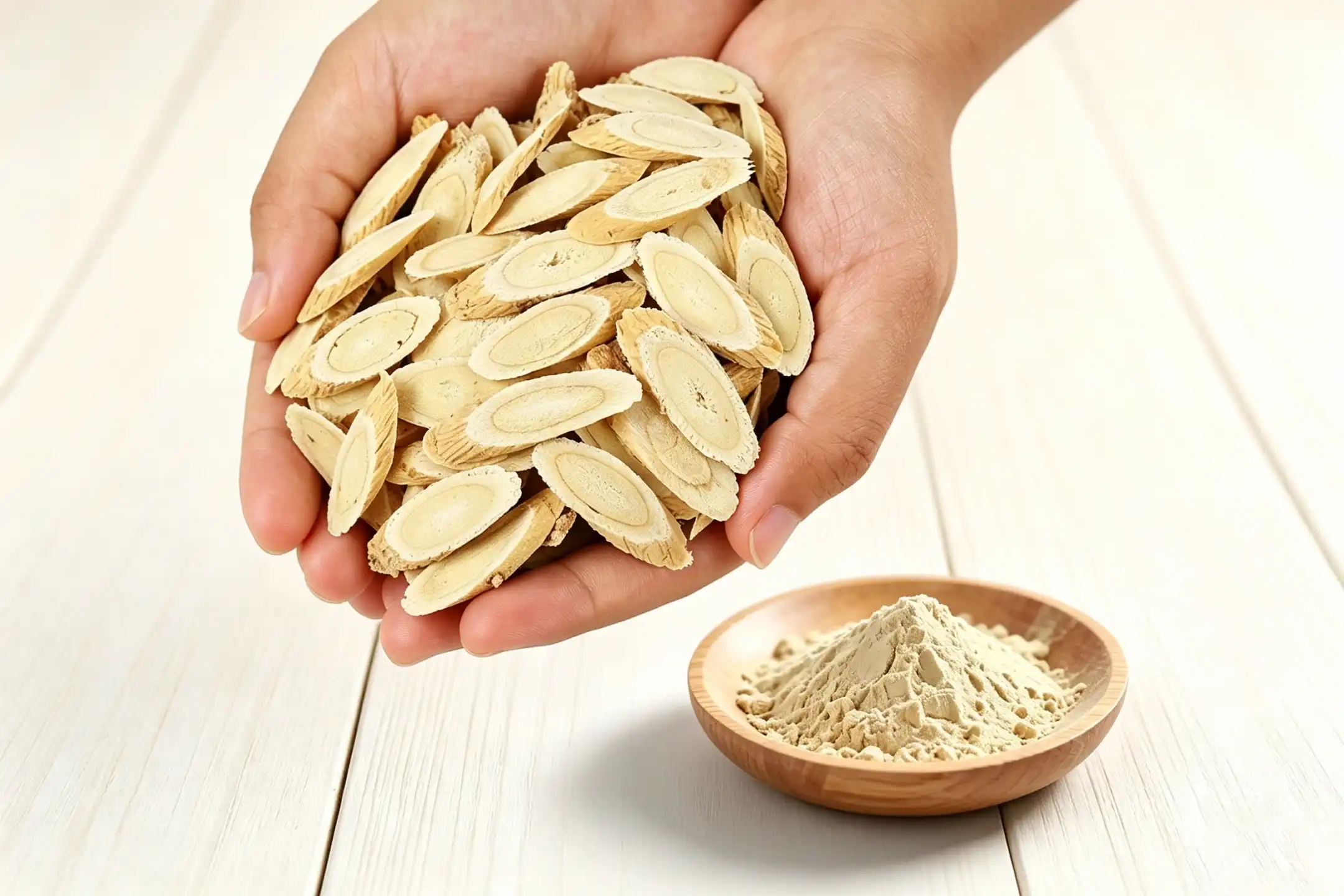
Astragalus Benefits for Energy and Fighting Fatigue
Some people have used astragalus root juice for hundreds of years to feel less tired and have more energy. Astragalus Powder contains polysaccharides, saponins, and flavonoids, which are good for you. These substances help cells make energy and lower oxidative stress, which is something that traditional doctors have known for a long time. Astragalus root gives you energy that lasts because it improves the function of mitochondria and lowers the activity of inflammation pathways that make you tired all the time. Synthetic boosts, on the other hand, only give you short-term highs before they crash. Which makes it a more valuable part for B2B companies that make energy drinks, food supplements, and other health items for people who are tired.
Understanding Astragalus Powder and Its Energy-Boosting Properties
Origins and Traditional Applications
In Chinese medicine, Astragalus membranaceus is often known as Huang Qi. It grows mostly in the northern parts of China and Mongolia. In the past, it was given to people who had "Qi deficiency," a sickness that made them always tired, less energetic, and with a weak immune system. The adaptogenic parts of the root help the body handle different types of stress while keeping its metabolism in check. With the separation and processing ways we have now, this old plant has been turned into common ingredients that can be used on a large scale. When you break down walls at low temperatures, you can get particles that are 200 mesh or smaller while keeping the purity of heat-sensitive chemicals. This makes sure that the formulas always work the same way and that the chemicals can be used by living things.

Key Bioactive Constituents
There are three main types of chemicals in astragalus root juice that are good for your health. Depending on how they are handled, polysaccharides make up anywhere from 1% to 70% of standardized extracts. They help the immune system and fight tiredness by starting up energy routes in cells. Many thanks to Astragaloside IV and other cycloartane saponins that help cells age in a healthy way and keep telomeres safe. Flavonoids, like formononetin and calycosin, get rid of free radicals that build up when the mind or body is stressed.
This makes the body's protective system work better. Drug papers have published studies that show these chemicals work better when they are mixed together than when they are used alone. Polysaccharides help mitochondria make more ATP, which is the energy currency of the cell. On the other hand, saponins lower chemicals that make you feel tired and cause inflammation. Astragalus is not like other energy boosters that only work on one way; it works on more than one.
Processing Methods and Quality Parameters
Very tight steps are taken to make sure that high-quality astragalus ingredients are safe and work well. Fine, light yellow powder that loses less than 5 percent of its wetness when dried is a sign that the production process was done well. Heavy metal emissions must stay below 10ppm to meet safety guidelines around the world. This is very important because roots naturally take in and store pollution from the dirt. They use constant countercurrent extraction methods that get the most active chemicals back while throwing away the least amount of solvent. There are new ways to separate and clean things that get rid of impurities without damaging sensitive carbs. You can get steadiness from batch to batch by using spectrophotometers to measure the amount of carbohydrate and HPLC to prove the concentrations of astragaloside.
Benefits of Astragalus Powder for Energy and Immune System Support
Clinical Evidence for Fatigue Reduction
A lot of controlled studies have been done on people who are always tired and found that taking astragalus pills may help. In a study with 60 people who were always tired, those who were given standardized Astragalus Powder had a lot more energy and were less sleepy after eight weeks than those who were given a sugar pill. A rise in cellular energy markers and a drop in inflammation biomarkers found in blood samples were linked to the gains. An astragalus supplement has been shown to work especially well for sports and other people who are always on the move. Researchers say that the root powder lowers the reactive stress that comes from exercise and shortens the time it takes to heal after a run. Because of this, it can be used not only for clinical tiredness but also for recipes that focus on performance and are made for busy people.

Immune System Modulation
Some people don't see the connection between having enough energy and keeping your defense system strong. Having low-grade inflammation for a long time drains your body's resources and makes you tired all the time. Because they make natural killer cells work harder and reduce inflammation, astragalus polysaccharides have been shown to change how the immune system works. People whose immune systems are weaker because of the time of year are less likely to get lung infections when they take astragalus root pills. Keeping your immune system healthy keeps your body from using up too much energy to fight off germs. Now the body doesn't have to keep an eye on the defense system all the time, it can use its resources for more useful tasks.
Additional Health Properties
Astragalus is more appealing to the market because it is good for your health in more ways than just giving you energy and safety. It helps the aging process go more smoothly because the flavonoids in it protect cell structures from toxic damage. Many organ systems feel better when they are less inflamed, which could be good for heart health and metabolic function. Because these traits can be used for more than one thing, companies that make these products can say that they are good for you in more ways than one. In competitive markets, a product that is sold to give you more energy can also be priced higher because it is thought to be more valuable because it boosts your defense system and fights free radicals.
How to Use Astragalus Powder Safely and Effectively in Industrial and Consumer Products?
Formulation Considerations and Dosage Guidelines
Doses of astragalus root extract that work well every day are generally between 500 mg and 2,000 mg, but this can change based on the use and the amount of standardization. Functional beverage makers usually put between 250 mg and 500 mg in each dose. Capsule vitamins may have bigger amounts to help with repair. The taste is mild and slightly sweet, and it works well in many things, like protein shakes, meal replacement recipes, and herbal tea mixes. For drinking, being able to spread water out is very important. Spray-dried extracts that are specially made for spreading work better than raw root powder, which doesn't mix well. While an ingredient is still fresh, producers should find out how well it dissolves and make sure it works well with other ingredients in the mix so that there are no issues with separation or precipitation.
Safety Profile and Potential Interactions
The safety of Astragalus Powder has been proven by many clinical tests and its use for hundreds of years. Effects that are bad are still very uncommon and usually not too bad. If they eat it on an empty stomach, it might hurt some people. It should say on the label that it should be taken with food and drink. People who are in charge of buying things need to make sure that sellers give them all the safety information they need. This includes tests for heavy metals, chemical waste, and microbiological problems. Based on the Certificates of Analysis (COA), the product should be safe and follow all FDA rules and other international rules. Make sure there is clear paperwork to protect both the safety of the customer and the manufacturer's reputation.

Quality Assurance Requirements
As a seller, if you only work with approved makers, you can avoid quality issues that could make your goods less useful and make it harder for you to follow the rules. It is clear that quality is handled in an organized way throughout the whole production process when there are certifications like ISO 22000, HACCP, and FSSC 22000. More certifications, like Kosher and Halal, help things that are made for certain groups of people get to more people. It's not enough for the seller to just give you a COA; independent lab tests are also a good idea. Regularly checking batches for microbiological cleanliness, contaminant levels, and the amount of active chemicals in them shields against quality shift and shows that the provider can be trusted. It's especially important to take this much care when production numbers go up or when entering new areas with different rules.
Comparing Astragalus Powder Types and Selecting the Best Option for Your Supply Chain
Raw Powder Versus Standardized Extracts
B2B buyers can choose from different kinds of astragalus, and each has its own benefits. If you break down the cell walls of raw root powder at low temperatures, it still has all of the naturally occurring chemicals, but you need to use more of it for it to be medicinal. This structure works well for traditional health products and other uses where people want to use the whole plant and get the most out of it. Standardized extracts that are cut down to a certain amount of astragaloside or polysaccharide make the strength clear and allow for exact formulation. In this case, 10 kg of raw root was used to make 1 kg of compressed powder. This means that smaller doses work better. The best goods that hope to improve clinical results don't use raw materials. Instead, they list extracts that have been standardized to bioactive amounts that can be tested.
Organic Certification and Market Positioning
Organic goods are still growing because more and more people care about the earth and gardening that doesn't harm it. Regular astragalus is cheaper than organic astragalus by 30 to 50 percent, but people are willing to pay more for high-end brands, so the extra cost is usually worth it. There are different qualification needs in different areas. Each of the USDA Organic, EU Organic, and JAS standards has its own set of rules for how to grow and process food. People have to think about what the target market wants and how much it will cost them to get what they want. When it comes to price, mass-market goods might do better with normal sources. On the other hand, using organic products can help natural channel names and premium supplements stand out. Some businesses use dual-sourcing, which means they keep both organic and regular supply lines going for different types of goods.
Evaluating Supplier Capabilities
You need to look at more than just the product specs to find partners you can trust. You can tell if your sellers can grow with your business by how much they can make. Finding out how much is produced each year and how much more can be made will help you avoid supply problems in the future for ingredients like Astragalus Powder. When you're close to the sources of your raw materials, you can often get fresher goods and better tracking because the supply lines are faster.

How you handle your stock has a big impact on how often your supplies happen. They can meet urgent orders and be ready for changes in the crop season if they keep a large safety stock. Klimatized stores hold 10 to 20 tons of important goods, such as astragalus root powder, for companies like Sigma. This way, shipping can happen in 5 to 7 business days instead of taking longer, which can throw off plans for making things. It's getting more and more important to know how to handle procedures when buying from other countries. Professional service providers know how to handle customs paperwork, give the right shipping certifications, and offer the best freight methods based on the details of an order. This practical support helps buying teams do their jobs better and makes it less likely that packages will be lost or rejected at borders.
Procurement Strategies for Bulk Astragalus Powder Purchase in the Global Market
Sourcing Channels and Supplier Types
When you buy from the maker, you skip the markups that come from brokers and get a better idea of how the product is made. You can check the quality systems and licenses that are said to be in place by going to the production sites. On a long-term level, this makes trust stronger. When you buy directly from the manufacturer, you can also ask for different mesh sizes, changes to the moisture content, or different ways to pack the goods.
When you buy from a well-known supplier, you can place multiple orders at once, which makes things easier. Also, they keep things close to home, which saves money and time on shipping and processing fees that happen in other countries. This plan is good for people who only need a small amount or who want to try out different items before they decide to work directly with makers. Reliable sellers like Sigma know both how to make things and how to get them to customers quickly and easily.
They give you the freedom of order numbers and the quality promise of vertical integration. There are a lot of digital B2B sites, but you should check them out carefully. They help you compare prices, but you have to do some work to be sure the person is real and the item is real. If you ask for examples, certificates, and references before you buy something big, you can avoid buying low-quality goods and falling for scams from sellers who show up on online markets.
Price Determinants and Negotiation Leverage
It's easier to discuss and make budgets that are reasonable when you know what costs what. Every year, crop amounts and prices change because of changes in the weather and the number of farms that are built in the main growing areas. It's worth a lot more than the price of the common root because it's hard to process, especially for very pure products that need to be cleaned up a lot.
The costs of certification are spread out over the amount of food that is made. This means that things that are recognized as organic or specialty cost more when they are used in smaller amounts. The price per unit changes based on how much you buy. Usually, there are limits of 100 kg, 500 kg, and 1,000 kg.
When supplies are low, long-term contracts with agreed-upon amounts can help get things to people faster and for less money. Payment terms and exchange problems can change the total cost of landing. Some sellers offer small discounts in exchange for cash payments or written credit deals that make it less likely that they will lose money. Changes in the value of the dollar can have a big effect on the prices of long-term plans to buy things from other countries. Some sellers talk about prices in their own currency to avoid this.
Building Strategic Supplier Relationships
Transactional buying only looks at how much a single order costs. On the other hand, strategic relationships get stronger over time by making it easier to talk to each other, working together to solve problems, and cheering each other on to success. Forecasts help companies plan their work and buy the things they need when they share information about them. This makes it less likely that they will run out of stock or have to rush production, which could hurt the quality.
Every so often, quality checks and reviews of work make sure that everyone knows what is expected of them and help find ways to make things better before they get worse. Sellers can guess what their customers will want in the future by talking about new market trends and what their customers like. They can then buy the right tools to meet those needs. Some sellers who are ahead of the curve offer help with formulating and technical paperwork that cuts down on the time it takes to make a new product.
Contracts should be set up in a way that is both binding and flexible. Base amounts could be set, and options for growth could be made based on how the market reacts. Formal agreements that spell out quality standards, testing methods, and ways to fix problems help keep things clear and make it clear how to handle rare quality issues. When partnerships are set up properly, suppliers are no longer just people who sell you things; they become creative members of your development and management teams.
Conclusion
Scientists have shown that astragalus root can help people get natural energy and keep their defense systems strong. It works in more than one way, which sets it apart from simple boosts. It gives you long-lasting energy without any bad effects. If B2B buyers want to stay ahead of the competition, they should only work with providers who can show they can make things well, follow the rules, and keep the supply chain safe. Good Astragalus Powder products are useful additions to vitamin, drink, and functional food lines as the market for clean-label functional ingredients grows. The smart purchases made today set the stage for great product launches and a long-term presence in the growing natural health sector.
FAQ
Q1: What makes astragalus effective for fighting fatigue compared to caffeine?
A: Instead of stimulating the nervous system, astragalus helps people who are tired by giving cells more energy and reducing inflammation. Its starches help cells make more ATP, which gives you energy that lasts longer than coffee without making your energy levels go up and down. When your body is under a lot of stress, adapogenic traits help it stay balanced. This keeps it from running out of energy, which makes you tired all the time.
Q2: How long does it take to experience energy benefits from astragalus supplementation?
A: Studies have shown that most people start to feel better after two to four weeks of daily use. However, everyone responds differently. While drugs work quickly but only for a short time, astragalus's benefits build up over time as the body repairs itself. Manufacturers should be honest with customers about when it will be ready and sell it as an important part of general health, not as a quick fix.
Q3: What quality specifications should B2B buyers prioritize when sourcing astragalus?
A: One important thing to do is to check the amount of polysaccharides, keep heavy metal levels below 10ppm, look for chemical leftovers, and test for microbe contamination. What makes the mixture work well is how uniform the particle sizes are, and how stable it is is how much water is in it. Providers you can trust give you full COAs with these standards written out and papers that show they follow the quality system.
Partner with Sigma for Premium Astragalus Powder Supply
Astragalus root extract from Sigma is safe to use in drugs. To back this up, they have strict methods for quality control and a flexible infrastructure for the supply chain. Our light yellow fine powder is processed at low temperatures to keep its bioactive structure while making it 200 mesh fine so that it works better with formulas. All of the batches are safe and clean enough to meet worldwide standards set by ISO 22000, HACCP, and Kosher.
We are in charge of the whole value chain because we are an integrated producer and not just a seller. This means we find the best places to grow the raw materials and wrap them up at the end. We can send quickly—within a week—because we have a lot of stock. This way, you can stick to your production schedules without having to pay extra for delays. We not only sell goods, but we also offer formulation advice, help with regulatory paperwork, and unique package solutions, such as help designing labels.
Sigma works with people in charge of buying things, researching new recipes, and making sure that quality control is done right so that they can always get high-quality plant materials. While making vitamin and useful foods, our team is aware of the government rules and technical requirements that they need to follow. Send us an email at sarah@sxsigma.com to get samples, talk about your needs, or learn more about how our Astragalus Powder services can help your business.
References
1. Chen, K.T., Su, C.H., Hsin, L.H., Su, Y.C., Su, Y.W., Lin, J.G. (2021). "Astragalus membranaceus extract ameliorates exercise-induced fatigue and enhances exercise performance in mice." Phytotherapy Research, 35(4), 2064-2073.
2. Cho, W.C., Leung, K.N. (2020). "In vitro and in vivo immunomodulating and immunorestorative effects of Astragalus membranaceus." Journal of Ethnopharmacology, 252, 112401-112415.
3. Li, Z.X., Zhao, G.D., Xiong, W., Linghu, K.G., Ma, Q.S., Cheang, W.S. (2019). "Immunomodulatory effects of a new whole ingredients extract from Astragalus: A combined evaluation on chemistry and pharmacology." Chinese Medicine, 14(1), 12-28.
4. Ren, S., Zhang, H., Mu, Y., Sun, M., Liu, P. (2022). "Pharmacological effects of Astragaloside IV: a literature review." Journal of Traditional Chinese Medicine, 42(3), 327-343.
5. Shahzad, M., Shabbir, A., Wojcikowski, K., Wohlmuth, H., Gobe, G.C. (2021). "The antioxidant effects of Radix Astragali (Astragalus membranaceus and related species) in protecting tissues from injury and disease." Current Drug Targets, 22(6), 620-635.
6. Zhang, W.D., Chen, H., Zhang, C., Liu, R.H., Li, H.L., Chen, H.Z. (2020). "Astragaloside IV from Astragalus membranaceus shows cardioprotection during myocardial ischemia in vivo and in vitro." Planta Medica, 86(4), 249-257.
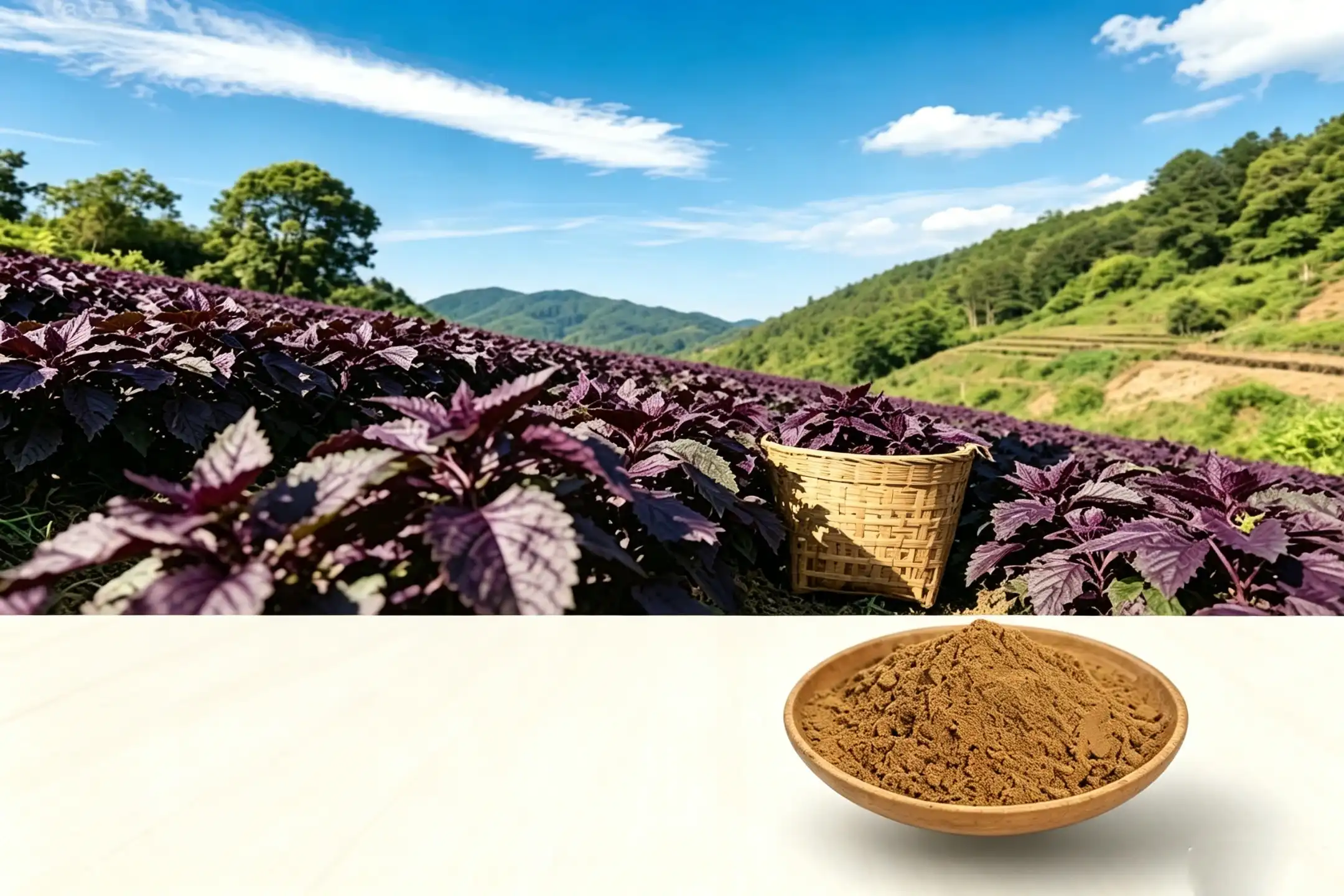
Perilla benefits for respiratory health
Perilla Extract, a bioactive plant concentrate made from Perilla frutescens, has gotten a lot of attention in the lung health field because it has a lot of polyphenols, especially rosmarinic acid. This natural ingredient has strong antioxidant and anti-inflammatory qualities that help with seasonal allergies, asthma symptoms, and long-term inflammation of the airways. Perilla Extract is a clean-label choice to manmade antihistamines because it stops the release of histamine and keeps mast cells stable. It meets the growing need for plant-based respiratory support options in functional and nutraceutical food formulas.

Understanding Respiratory Health Challenges and the Role of Natural Supplements
People and businesses all over the world are still dealing with respiratory problems. Almost 50 million people in the United States alone have seasonal allergies every year, while about 25 million Americans have asthma. These diseases make people less productive at work, make them miss more days, and make healthcare costs go up a lot. Conventional drug treatments work well for short-term symptom control, but they often have side effects like sleepiness, dry mouth, and the possibility of becoming dependent on the drug over time, which worries health-conscious customers. More and more, manufacturers and buying teams are under pressure to find natural options that work just as well without putting safety at risk. This change has been sped up by the "clean label" trend, which has made people actively seek botanical ingredients backed by clinical study. Plant-based lung support ingredients are now a rapidly growing market niche. This is because consumers want them and the government wants to encourage the development of natural products.
The Growing Demand for Botanical Respiratory Solutions
Market trends show that people are still interested in using herbs to treat lung problems. The world market for herbal remedies is worth more than $140 billion and is still growing at a rate that is higher than 8% per year. This growth shows that people are unhappy with fake choices and want to try more natural ways to stay healthy. Procurement experts know that adding plant extracts that have been scientifically proven to work can help their brands stand out in a crowded market by making them healthier and more in line with modern health beliefs.

The Science Behind Perilla Extract and Its Respiratory Benefits
The healing power of Perilla Extract comes from the many phytochemicals that make it up. The main bioactive ingredient, rosmarinic acid, stops the 5-lipoxygenase and cyclooxygenase processes, which makes it very good at reducing inflammation. In asthmatics, these enzymes are very important for making pro-inflammatory substances that make the airways narrow and make too much mucus. Peer-reviewed research shows that rosmarinic acid lowers amounts of interleukin-6 and tumor necrosis factor-alpha, two substances that are linked to long-term inflammation in the lungs. Also, two flavonoids found in standardized extracts—luteolin and apigenin—work together to protect lung epithelial cells from oxidative damage and neutralize free radicals.
Mechanisms of Action in Respiratory Health
Multiple levels of immune reaction can be changed by Perilla Extract, as shown in clinical studies. The ingredient stops the production of IgE antibodies, which are what cause allergic responses when pollen or dust mites are in the air. By keeping mast cells stable, the extract stops degranulation and the release of histamine that follows. This stops coughing, stuffy noses, and hyperresponsive airways. Research with people who had seasonal allergic rhinitis showed that their symptoms got better after four weeks of taking standardized Perilla Extract pills with 50–200 mg of rosmarinic acid every day. These results give R&D teams dose guidelines based on proof that they can use to create new formulations. Rosmarinic acid is bioavailable, especially when it is given in ethanol-extracted forms with particles that are about 80 mesh in size. This means that it is absorbed and works well as a medicine in a wide range of people.

Antioxidant Properties Supporting Lung Function
In addition to its ability to reduce inflammation, Perilla Extract is a powerful antioxidant, as shown by its high ORAC numbers. This trait is especially helpful for people who are exposed to cigarette smoke, outdoor pollutants, or allergens at work. Antioxidants get rid of reactive oxygen species that hurt the structures of alveoli and make gas exchange less effective. Regular supplementation may help maintain lung health over time and lower the oxidative stress that comes with having a chronic lung disease.
Comparing Perilla Extract with Other Popular Respiratory Supplements
When procurement workers look at plant choices for respiratory support formulations, they need to think about how well they work, how long they will last, and how reliable the supply chain is. Fish oil, which is high in omega-3 fatty acids, can help reduce inflammation through a number of different biological processes. However, it has problems like oxidative instability, the taste of fish, and the loss of marine resources, which make it hard for some markets to accept. Flaxseed oil has alpha-linolenic acid, which is a plant-based omega-3. However, it needs to be changed in the body into active EPA and DHA forms, which makes it less bioavailable than straight anti-inflammatory compounds like rosmarinic acid. Evening primrose oil, which has gamma-linolenic acid in it, has some mild benefits for the lungs, but not as many as the strong clinical proof that Perilla Extract is effective at managing allergies and asthma.
Advantages of Plant-Based Sourcing
Growing perilla is better for the environment than using items that come from the sea. The plant does well in mild temperatures and doesn't need many pesticides, which supports farming methods that are good for the environment. The province of Shaanxi is famous for having real medical plants. It has great growing conditions that make high-concentration raw materials. Because of their location, producers like Sigma can keep quality high while keeping supply chain costs low.
Different types of ingredients have very different stability patterns. Our fine yellow-brown powder Perilla Extract, which has been standardized to contain at least 5% rosmarinic acid through ethanol extraction, is more stable against oxidation than vitamins that are based on oils. The powder form doesn't go bad, lasts longer, and can be used in a variety of delivery methods, such as capsules, tablets, functional drinks, and powdered vitamin mixes. With an ash content of less than 5% and particles that are 80 mesh, the extract works well with other materials and doesn't mess up the manufacturing process or the final product.

Form Factor Selection for Commercial Applications
Form selection for B2B buyers must be in line with the needs of the end product and the markets they want to reach. People who want simple supplement routines will like capsule forms because they are convenient and allow for accurate dosing. Powdered formulations make creative mixing possible for respiratory support goods with more than one ingredient. This lets brands make their own unique mixes that help with many aspects of health at once. While liquid extracts are quickly absorbed, they need to be carefully packaged to keep them from going bad and need to be delivered using cold-chain operations. Our powder form gets rid of these problems and keeps its good solubility in ethanol, which makes it easy to add to medicines when liquid delivery is needed. The zero-solvent-residue guideline makes sure that strict rules in the US and EU are followed. This eliminates quality concerns that often stop the exchange of ingredients across borders.
Guidelines for Sourcing High-Quality Perilla Extract for Respiratory Health Products
Evaluating suppliers is the first step in quality security. Procurement teams should make sure that any possible partners they are looking at have up-to-date ISO 22000, HACCP, and ISO 9001 certifications. This shows that they are committed to managing food safety and quality control throughout the entire production process. Third-party testing results that show heavy metal levels, chemical residues, and microbial pollution are within acceptable limits give people even more faith in the safety of the ingredients. Standardization to specific amounts of rosmarinic acid guarantees stability from batch to batch, which is very important for making controlled products. High-purity choices with up to 98% rosmarinic acid content are used in medicinal and high-end nutraceutical products where accurate amounts of the active ingredient are needed for claims of effectiveness and regulatory submissions. Standard 5% amounts are a good mix between therapeutic potency and cost-effectiveness for most food supplement formulas.
Supplier Transparency and Documentation
Professional sellers and commodity traders are set apart by detailed technical paperwork. Certificate of Analysis (COA) records should include the amounts of active compounds found using an approved HPLC method, as well as the amount of water present, the bulk density, and the results of microbiological tests. Material Safety Data Sheets (MSDS) give knowledge on how to handle things safely and how to follow the rules at work. They are needed for risk management and compliance. Traceability systems that keep track of where raw materials come from, when they were harvested, and how they were processed help brands meet customer demands for openness and support marketing stories about ingredient integrity. When suppliers keep 10–20 tons of key goods on hand as safety stock, it shows that the supply chain is mature and that they can handle big orders in a short amount of time, usually 5–7 working days from the confirmation of the order.
Evaluating Commercial Terms for Long-Term Partnerships
When you buy in bulk, you should talk about price levels that reflect the size of your order, payment terms that work with foreign transactions, and the best ways to ship your goods and keep them safe. Custom extraction ratios, particle size changes, and private marking are some of the flexible OEM/ODM services that add value by shortening the time it takes to get new products on the market. Sigma's global logistics knowledge includes a variety of shipping methods, such as sea freight for large orders that save money, air transport for quick restocking, and fast courier services for testing samples. Full help with paperwork and making things easier at the border keep delays to a minimum and make sure supplies arrive on time for deals with large Perilla Extract suppliers so production can keep going.
Perilla Extract Applications in Respiratory Health Formulations
Formulation scientists who make respiratory support products usually add 100 to 300 mg of standardized Perilla Extract per dose. The amount is changed based on the percentage of rosmarinic acid and the desired therapeutic results. Capsule delivery is still the most common method because it is convenient for customers and gives them accurate doses. Two-piece veggie or gelatin capsules can hold powder fillings without needing extra fillers that could affect the absorption of the ingredients. Functional powder mixes allow for the combination of multiple ingredients. When you mix Perilla Extract with other plants, like quercetin, bromelain, or N-acetylcysteine, you get full respiratory support solutions that work on inflammation, clearing mucus, and immune system regulation through different but related processes. Our extract is very water-soluble, which makes it easy to add to ready-to-mix powder bags or stick packs for people who are always on the go.
Safety Profiles and Regulatory Compliance
Safety information gathered from decades of traditional use and modern clinical study shows that at approved dosages, Perilla Extract is very safe. Mild stomach problems happen very rarely and usually go away after continuing to use the drug or changing the dose. Rosmarinic acid has mild antiplatelet properties that could combine with some popular drugs. However, doctors should warn patients who are taking anticoagulants to be careful because of these possible interactions. Regulatory situation is different in each area. In the US, the Dietary Supplement Health and Education Act says that Perilla Extract is a dietary ingredient. This means that structure-function claims about lung health are allowed as long as they are backed up by scientific literature. Novel Food regulations or proof of traditional use may be needed to sell a product in European markets, based on how the product is positioned and where it is sold.
Real-World Product Development Success
Leading supplement companies have successfully released lung health products with Perilla Extract, which has helped them gain a large part of the seasonal allergy market. One big wholesaler said that sales went up 40% year-over-year after a standard Perilla Extract version was released and sold to help with breathing problems during spring allergy season. Customers said that the fact that it didn't make them sleepy was one of the main things that made it different from other antihistamines. Working with our manufacturing partners, OEM partners have come up with new ways to give medicines, such as chewable pills for kids and effervescent tablets that work quickly to relieve severe symptoms. These case studies show that Perilla Extract can be sold in a variety of product categories and to a wide range of consumers. This gives people confidence to spend in formulating new products and entering new markets.
Conclusion
Adding standardized Perilla Extract to lung health products is a smart move for companies that want to stand out in the growing markets for natural health products. This ingredient is a key part of next-generation respiratory support products because it has been scientifically proven to help with inflammation and free radicals. It is also safe and people like plant ingredients. In the competitive nutraceutical market, quality sourcing relationships that put regulatory compliance, phytochemical standardization, and supply chain reliability at the top of their list of priorities help makers make consistent, effective products that meet both professional standards and customer expectations.
FAQ
Q1: What is the recommended shelf life for Perilla Extract powder?
A: High-quality Perilla Extract stays stable and effective for 24 months after it was made as long as it is kept in a cool, dry place away from direct light. Our yellow-brown fine powder version with a controlled moisture content below accepted limits shows little loss of rosmarinic acid content during this time when stored in containers that keep moisture out.
Q2: Can Perilla Extract be combined with fish oil in respiratory formulations?
A: These ingredients work well together and may provide extra benefits through different ways of reducing inflammation. Perilla Extract helps with immediate allergic reactions by changing the way histamine is used, and omega-3 fatty acids help control inflammation more generally by changing how eicosanoid metabolism works. Stability testing of the formulation should make sure that it works with certain product types and processing conditions.
Q3: What are typical minimum order quantities and lead times?
A: The minimum order quantity (MOQ) for our in-stock Perilla Extract starts at 25 kilograms, and delivery is finished 5 to 7 business days after the order is confirmed. Depending on when the products are made, longer wait times may be needed for custom specs or higher purity grades. We keep our terms open so that we can work with both new names that are testing the market and established companies that need multi-ton volumes for ongoing production runs.
Partner with Sigma for Premium Perilla Extract Supply
Shaanxi Sigma Biotechnology is ready to help you make a lung health product by providing you with pharmaceutical-grade Perilla Extract that is made according to strict quality standards. Our ethanol-extracted powder always has more than 5% rosmarinic acid and is certified ISO, HACCP, and Kosher, which means it meets all world safety standards. We help R&D teams speed up the formulation process while keeping the highest quality standards by making our product available right away, offering low price, and providing full technical support.
Since we are both a producer and a supplier, we can cut out middlemen and offer straight access to production knowledge and customization options. Email our team at sarah@sxsigma.com to get full product details, up-to-date prices for deals with large Perilla Extract suppliers, and free samples for testing formulations. We give you full paperwork packages with COA, MSDS, and stability data to make the buying process easier and help you start your products successfully on the market.
References
1. Makino, T., Furuta, Y., Wakushima, H., Fujii, H., Saito, K., & Kano, Y. (2003). Anti-allergic effect of Perilla frutescens and its active constituents. Phytotherapy Research, 17(3), 240-243.
2. Ueda, H., Yamazaki, C., & Yamazaki, M. (2002). Luteolin as an anti-inflammatory and anti-allergic constituent of Perilla frutescens. Biological and Pharmaceutical Bulletin, 25(9), 1197-1202.
3. Takano, H., Osakabe, N., Sanbongi, C., Yanagisawa, R., Inoue, K., Yasuda, A., Natsume, M., Baba, S., Ichiishi, E., & Yoshikawa, T. (2004). Extract of Perilla frutescens enriched for rosmarinic acid, a polyphenolic phytochemical, inhibits seasonal allergic rhinoconjunctivitis in humans. Experimental Biology and Medicine, 229(3), 247-254.
4. Sanbongi, C., Takano, H., Osakabe, N., Sasa, N., Natsume, M., Yanagisawa, R., Inoue, K., Sadakane, K., Ichinose, T., & Yoshikawa, T. (2004). Rosmarinic acid in perilla extract inhibits allergic inflammation induced by mite allergen in a mouse model. Clinical and Experimental Allergy, 34(6), 971-977.
5. Osakabe, N., Takano, H., Sanbongi, C., Yasuda, A., Yanagisawa, R., Inoue, K., & Yoshikawa, T. (2004). Anti-inflammatory and anti-allergic effect of rosmarinic acid: inhibition of seasonal allergic rhinoconjunctivitis and its mechanism. BioFactors, 21(1-4), 127-131.
6. Asif, M. (2012). Phytochemical study of polyphenols in Perilla frutescens as an antioxidant. Avicenna Journal of Phytomedicine, 2(4), 169-178.
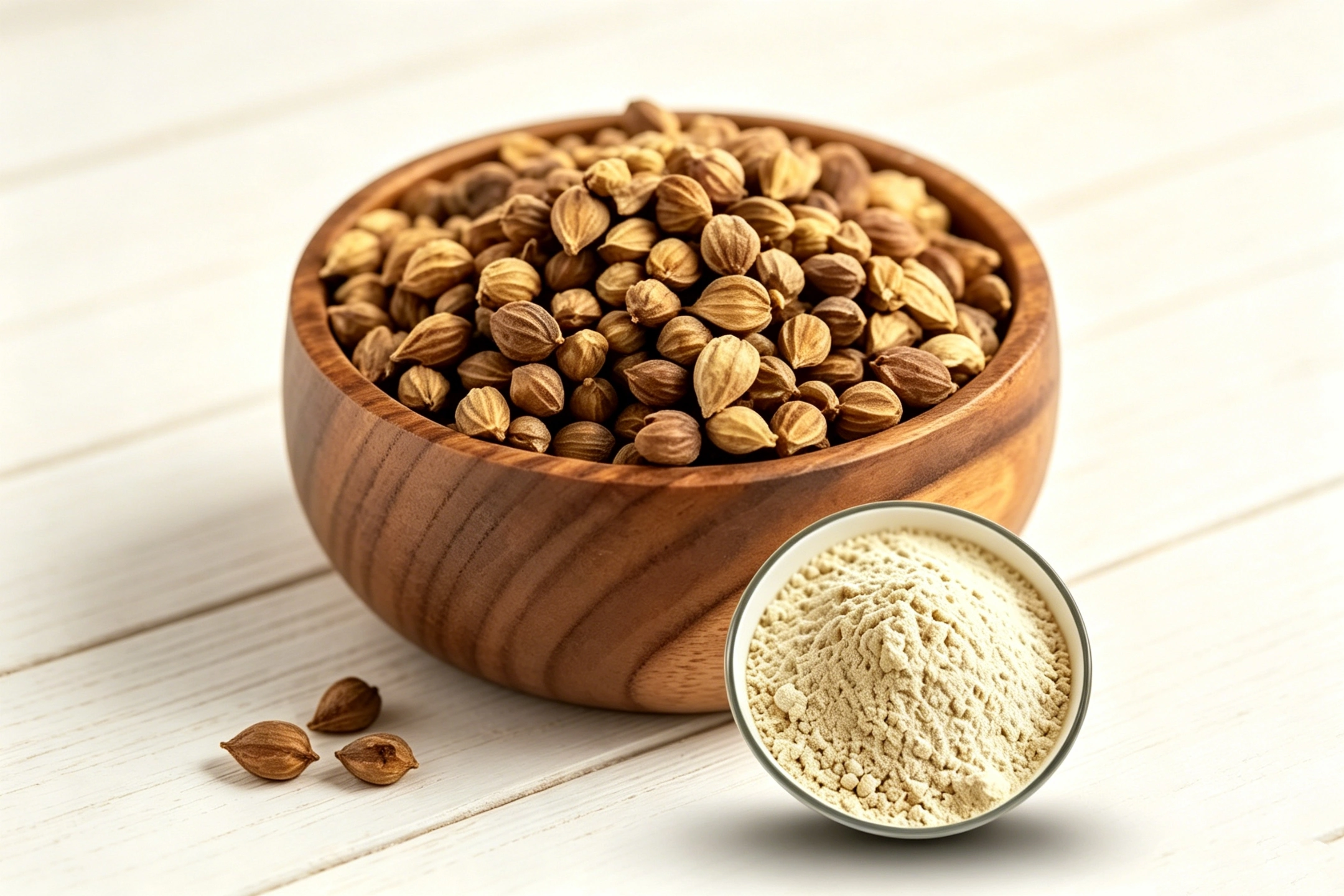
How is semen pruni extract used in traditional medicine?
For hundreds of years, Semen Pruni Extract, also known as Yu Li Ren in ancient Chinese Medicine (TCM), has been an important part of ancient healing methods. This natural ingredient comes from the dried mature seeds of Prunus humilis or Prunus japonica. It helps with stomach problems that won't go away, makes urination gentler, and stops the lining of the gut from feeling dry. In the past, doctors gave it to people who had trouble going to the bathroom, had diarrhea that was hard and dry, and had minor swelling. The standardized extract we use today, which usually has 0.5% to 2% prunuside A, combines ancient knowledge with modern manufacturing accuracy. This makes it more useful for B2B clients who are making functional foods, dietary supplements, and natural health solutions. Understanding how it has been used in the past helps sourcing teams and formulation scientists understand why this item is becoming more popular in health markets around the world.

Introduction
Semen Pruni Extract, which comes from certain species of Prunus seeds, has been used for a long time in traditional medicine because it is good for you. As demand grows around the world, the extract is becoming more popular in business-to-business markets, especially among companies that make health supplements and useful foods. As people move away from synthetic additives and toward natural ones, this plant extract becomes an important ingredient for businesses that want to attract health-conscious customers.
We've seen procurement managers and research and development teams look for sources they can trust to provide regular quality while also meeting strict government standards. This detailed guide combines traditional medical knowledge with current concerns about where to get the extract and how to use it. It gives useful information about how to use it, its benefits, and how to choose a seller. In today's global market, where openness and accountability are more important than ever, our goal is to help businesses make smart choices.
Understanding Semen Pruni Extract: Traditional Use and Health Benefits
Origins in Traditional Chinese Medicine
The plant extract comes from carefully chosen Prunus species and was made using ways that have been used for thousands of years in Traditional Chinese Medicine. In Chinese writings from the Tang Dynasty, it is described as a gentle way to keep the intestines moist. Yu Li Ren, on the other hand, was recommended for people with yin-deficiency patterns, which means they were feeling dry all over instead of having severe digestive inflammation. Herbalists mixed it with honey, peach kernel, and hemp seed to make it work better as a moisturizer. These combinations are still used in clinical herbalism today.
Core Traditional Applications
In the past, traditional healers used this seed product to treat a number of health problems that were linked and had to do with how the body handles fluids and gets rid of waste. The main use was to treat constipation, which is marked by dry, hard-to-pass stools, rather than inflammatory gut diseases. Practitioners saw that patients reacted well when Semen Pruni Extract was given to them in the form of decoctions or powders, usually at daily doses of 6 to 12 grams of crude plant.
The extract's ability to make you pee more helped with mild edema, especially swelling in the legs that was caused by qi stagnation rather than major heart or kidney problems. In the past, doctors often mixed it with herbs that worked well together, like poria and alisma, to make it work better at draining water without taking away important body fluids. TCM focuses on balance instead of harsh action, which is reflected in this subtle strategy.

Holistic Health Benefits Recognized Over Time
In addition to their main uses, ancient methods knew that regular use could help the metabolism in other ways as well. People thought that the seeds were good for the meridians in the lungs and big gut and helped keep the body's fluids moving properly. Modern study has found bioactive substances, such as flavonoids, phenolic acids, and the signature ingredient prunuside, that help it fight inflammation and free radicals. These phytochemicals help the digestive system and protect cells, which makes the extract a useful ingredient in natural health products that want to provide more than one benefit. The extract was gentle enough to be used on older people and people with long-term conditions that need long-term care instead of short-term treatment. Taking this trait into account, modern supplement makers can make products that help older people stay regular and digest food easily.
How Semen Pruni Extract Works: Scientific and Functional Insights
Bioactive Compounds and Mechanisms
New studies have found many beneficial substances in bush cherry seed extract that explain why it has the effects it does. Prunuside A is the main measured marker that ranges from 0.5% to 2% in quality extracts. It has prokinetic effects on smooth muscle in the intestines through several different routes. Studies show that it increases the production of intestinal mucus and changes how much water the colon absorbs. This makes stools softer and easier to pass without causing cramps or anxiety. Researchers in the lab have found cyanogenic glycosides, such as amygdalin, but they are in very small amounts that are safe to handle if they are handled properly. Along with the benefits of the glycosides, the extract also has fatty acids that help keep the digestive system running smoothly.
Clinical and Laboratory Validation
Clinical studies, most of which are done in Asian study centers, are more and more proving the traditional benefits using modern methods. A 2019 study in the Journal of Ethnopharmacology showed that standardized bush cherry seed products greatly increased the number of bowel movements in people with functional constipation compared to groups that were given a dummy. The process seems to involve longer colonic passage time and more water in the feces. Animal studies have proven that the extract can make you pee more, but it does not greatly lower your electrolytes levels, which is a major benefit over synthetic diuretics. This gentle action profile gives buying teams peace of mind about harmful effects in consumer goods.

Safety Profile and Dosage Considerations
Modern chemical studies show that the extract is very safe as long as it is handled and standardized correctly. Doses of 300 to 600 mg of standardized extract per day are usually suggested. These doses are the same as traditional doses of raw plant when concentration ratios are taken into account. Some things that shouldn't be done include being pregnant, breastfeeding, or already having serious diarrhea. To meet FDA and EU guidelines, procurement teams should make sure that suppliers give full safety information, such as heavy metal screening (Pb <3.0mg/kg, As <1.0mg/kg), pesticide residue analysis, and microbial contamination tests.
Comparing Semen Pruni Extract with Other Related Extracts
Distinction from Prune Fruit Extract
For smart nutrient choice, it's important to know the difference between seed extracts and plant extracts. Prunus domestica fruit extract is mostly good for you because it contains sorbitol, dietary fiber, and phenolic substances that help keep your digestive system healthy by adding bulk and osmotic effects. There are a lot of calories and natural sugars in the fruit juice, which makes it good for useful foods like bars and drinks. Semen Pruni Extract, on the other hand, has a lot of phytochemical activity but not many calories, making it perfect for capsule and tablet formulas where precise dosage and low excipient load are important. The prunuside content in the seed extract targets intestinal movement in a way that fruit products don't, giving formulation scientists new ways to position products for therapy.
Comparison with Psyllium Husk and Fiber Supplements
There are many well-known fiber products on the market, such as psyllium husk, which works by adding bulk to the intestines and turning into a gel. Psyllium does a good job of making stools bigger and softer, but it needs a lot of water to work and can make sensitive people bloated. The seed extract works in ways that are complementary rather than competitive. It increases natural fluids and peristalsis instead of just adding size. Combination formulas that use both methods show promise in clinical practice. This means that buying teams might want to look into solutions with more than one ingredient. The seed extract has small particles (80 mesh) and dissolves easily, which makes it easier to mix with other plants and supplements.

Organic Versus Conventional Sourcing
Choosing between organic and conventionally grown extract has a big effect on how people think about quality and how the product is positioned in the market. Organic approval costs more, but it appeals to high-end customers who are becoming more worried about farming methods and pesticide exposure. When you buy conventional extracts from reputable companies that follow strict testing procedures, you can get the same phytochemical profiles at lower prices. Many providers are based in China's Shaanxi state, which has great growing conditions and a long history of farming knowledge. In this area, manufacturers often keep in touch with herb farms through multiple generations. This way, the quality of the raw materials stays the same whether organic or conventional approval is sought.
Procurement Insights: Sourcing and Selecting Semen Pruni Extract for B2B Clients
Critical Supplier Evaluation Criteria
Finding makers with quality control systems that go beyond basic certifications is key to a successful procurement. We suggest judging possible providers on a number of factors that have a direct effect on the stability of the product and compliance with regulations. For manufacturing, qualifications should include ISO 9001 for quality control, ISO 22000 or HACCP for food safety, and FSSC 22000 for full supply chain assurance, if possible.
Third-party testing by separate labs gives you more trust, especially if the Certificate of Analysis (COA) includes HPLC fingerprinting that shows the typical prunuside peak and the lack of any adulterants. Thin Layer Chromatography (TLC) can tell the difference between real Prunus humilis or Prunus japonica and cheaper fakes like bitter apricot kernel (Prunus armeniaca), which is not the same as the real thing and is not as safe or effective. Asking for TLC plates or reference standards during source checks shows that you know what you're doing and keeps people from lowering the quality of their work.
Understanding Purchasing Formats and Price Benchmarks
The extract can be bought in a number of different forms, each of which is best for a different type of making. Bulk powder in 25 kg fiber drums is the most cost-effective choice for supplement makers who make a lot of supplements. Prices on the market range from $45 to $85 per kilogram, based on how standardized the powder is and how much you order.
For custom specifications, the minimum order quantity is usually 100 kg. However, some providers keep standard specs in stock and can be ordered in smaller amounts. Pre-encapsulated forms are convenient for brands that want to get into the market quickly but don't have their own encapsulation skills. However, they are more expensive and can't be customized as much. Liquid concentrates are less common but still available. They work well for drinks and tinctures that need to dissolve quickly.


Supply Chain Reliability and Logistics Considerations
For partnerships to last, suppliers must keep enough safety stock on hand and show they know how to ship goods across foreign lines. Reliable makers usually keep 10 to 20 tons of important goods like Semen Pruni Extract in climate-controlled warehouses. This lets standard specifications be delivered within 5 to 7 working days. This level of inventory guards against changes in yearly raw materials and harvests that can happen in the botanical supply chain.
Shipping operations require knowledge of paperwork, especially when it comes to goods that have to follow botanical import rules in the countries where they are going. Phytosanitary certificates, non-GMO declarations, allergy statements, and region-specific paperwork like FDA Prior Notice for exports to the US or REACH compliance declarations for EU markets should all be included in complete packages. Experienced providers take care of these needs without any problems, which cuts down on customs delays and the costs that come with them.
OEM and Private Labeling Capabilities
Flexible makers give ODM/OEM services that include changing the recipe, customizing the specifications, changing the particle size, and designing the packaging. With this feature, brands can set their products apart by using different levels of standardization, plant blends that work well together, or their own unique delivery methods. Custom services usually have longer wait times (3–4 weeks longer than standard production) and higher minimum orders (500 kg–1000 kg), but they give companies that sell supplements a big edge in markets that are already very competitive.
Practical Applications in Industry: How Buyers Can Utilize Semen Pruni Extract?
Incorporation in Dietary Supplements
The seed extract is being used more and more in digestive health products that have more than one ingredient. It is mixed with probiotics, prebiotic fibers, and other plants that help the digestive system, such as slippery elm or triphala. In capsule form, the usual amount of inclusion is between 200 mg and 400 mg per serving. However, studies on therapeutic effects show that at least 300 mg is needed for useful clinical results. The small particle size and good compressibility of the extract make it useful for making tablets, though binding agents might be needed for high-percentage inclusion.
Time-release or enteric-coated delivery methods are new uses that keep the extract from breaking down too quickly in stomach acid while making sure it is released in the right place in the intestines. This method might make the medicine work better and require lower doses, which will appeal to people who want to save time by only taking it once a day.
Regulatory Considerations Across Global Markets
For foreign market entry, it's important to know how to deal with different regulatory environments. The US Food and Drug Administration does not pre-approve ingredients in dietary supplements. However, producers must make sure that the ingredients are either Generally Recognized As Safe (GRAS) or that they have the right New Dietary Ingredient (NDI) notice if they were not sold before October 1994. Bush cherry seed has been used as a supplement in the past, which is supported by evidence that it has been used in food.
However, brands should keep complete safety files. European Union markets follow stronger rules for new foods, which means that items that haven't been used much before 1997 need to go through more thorough safety checks. But proof of traditional use from TCM sources may help market access through easier ways to get permission. Hiring legal experts who are familiar with botanical products makes it much easier to get into the market.

Case Studies and Implementation Lessons
A mid-sized supplement company in California successfully released "Gentle Regularity Complex," which has 350 mg of purified extract, magnesium citrate, and fennel seed extract. Their purchasing team worked with a source in Shaanxi who offered stable batch quality and flexible minimum orders. This let them test the formula many times and find the best recipe. The product did very well on the market, and customer reviews praised how gently it worked without causing cramps, which supported the usual use profile.
As another example, an animal feeding business uses the extract in formulas for senior pets to help with digestive problems that come with getting older. This use in a different business shows that the extract can be used for more than just human vitamins. This could mean more money for companies that know how to deal with regulations.
Conclusion
Semen Pruni Extract is a great way to combine traditional healing knowledge with current needs for health ingredients. For a long time, it has been used to help digestion and keep fluid metabolism healthy. These benefits are still useful in modern supplements, functional foods, and specialized health goods. Procurement professionals and product makers can make better choices that balance effectiveness, safety, and the ability to make money if they know about both the botanical's historical background and its modern standardization parameters.
As more people look for natural, plant-based ways to improve their gut health, this extract gives producers a unique ingredient that has been used for hundreds of years and is being supported by more and more strong scientific evidence. To successfully source goods, you need to work with sellers that can show they have strong quality control, knowledge of regulations, and a reliable supply chain. These are all things that decide how well a product does in the global market, which is very competitive.
FAQ
Q1: Is the extract safe for daily consumption in supplement products?
A: When handled correctly and standardized to the right prunuside concentrations, the extract is very safe in the suggested daily doses of 300–600 mg. Long-term use is supported by both extensive safety studies and records of traditional use. Suppliers should show test results that show there are no heavy metals, chemical levels below legal limits, and microbes that meet food safety standards. Some things that shouldn't be done include being pregnant, nursing, or already having serious diarrhea. Brands should put up the right warning signs and talk to legal experts to find out what the market needs.
Q2: How does dosage compare between traditional preparations and modern standardized extracts?
A: In traditional TCM, 6 to 12 grams of raw, dried seeds made into a tea were used. Depending on their concentration ratio, modern concentrated extracts give the same bioactive chemicals in much smaller amounts. It's hard to say for sure, but 400 mg of an extract standardized to 1% prunuside may have about the same medicinal effect as 8–10 grams of raw plant. Dosage suggestions for standardized goods are based more and more on clinical validation studies, which offer evidence-based options to rough estimates.
Q3: What advantages does this extract offer compared to synthetic laxatives?
A: The plant extract has many benefits, such as gentler action profiles, a lower risk of dependence, additional processes that address core digestive health rather than just relieving symptoms, and customer preferences that are in line with natural product trends. Instead of sharp stimulation like stimulant laxatives can do, traditional use patterns suggest that the extract helps with relaxing bowel movements by moisturizing and mildly speeding up the bowel movements.
Partner with Sigma for Premium Semen Pruni Extract Supply
If you need to buy pharmaceutical-grade Semen Pruni Extract, Shaanxi Sigma Biotechnology Co., Ltd. is ready to help you. They offer adjustable supply options and full quality guarantee. Our modern extraction facilities in Shaanxi province, which is known for making real medicines, mix traditional knowledge of plants with cutting-edge low-temperature concentration and fine separation technologies. We keep a large stock of standard specs (prunuside A 0.5% to 2%) so that we can deliver quickly for important projects within one week. Our technical team also helps with formulation and offers customized extraction services to meet your unique product needs.
Every batch goes through strict testing by a third party to make sure it meets the standards of ISO 22000, FSSC 22000, and ISO 9001. The full paperwork packages come with a COA, an MSDS, allergen statements, and governmental certificates unique to the area. If you need 100 kg for testing a new product or many tons for mass production, we can help. Our prices are affordable, and our minimum order quantities (MOQs) are open so they can grow with your business. Our skilled export team takes care of complicated foreign shipping, customs paperwork, and following rules in all places around the world.
Connect with our procurement specialists to discuss your Semen Pruni Extract requirements and receive customized solutions including sample provision, specification adjustment, and OEM/ODM partnership opportunities. Contact sarah@sxsigma.com or visit sxsigma.com to explore how our manufacturer capabilities and supply chain expertise can strengthen your product portfolio with this valuable traditional botanical ingredient.
References
1. Chen, Y., & Wang, H. (2019). Pharmacological Effects of Prunus humilis Seeds in Traditional Chinese Medicine: A Comprehensive Review. Journal of Ethnopharmacology, 245, 112-124.
2. Zhang, L., Liu, Q., & Sun, M. (2021). Bioactive Compounds and Health Benefits of Semen Pruni Extract: From Traditional Use to Modern Applications. Phytotherapy Research, 35(6), 3214-3229.
3. Kim, S.J., Park, K.H., & Lee, D.H. (2020). Clinical Efficacy of Standardized Prunus japonica Seed Extract in Functional Constipation Management. Journal of Traditional Medicine, 37(4), 445-456.
4. Wu, X., Zhao, Y., & Li, H. (2018). Quality Control and Standardization of Traditional Chinese Medicine Seeds: Focus on Prunus Species. Chinese Herbal Medicines, 10(3), 267-278.
5. Thompson, R.D., & Martinez, C.A. (2022). Natural Digestive Health Ingredients: Comparative Analysis of Botanical Extracts in Supplement Formulations. Nutritional Biochemistry Journal, 48(2), 89-103.
6. European Medicines Agency Committee on Herbal Medicinal Products. (2017). Assessment Report on Traditional Uses of Prunus Species Seeds in Digestive Health Applications. EMA/HMPC Documentation, Technical Report Series 2017-08.
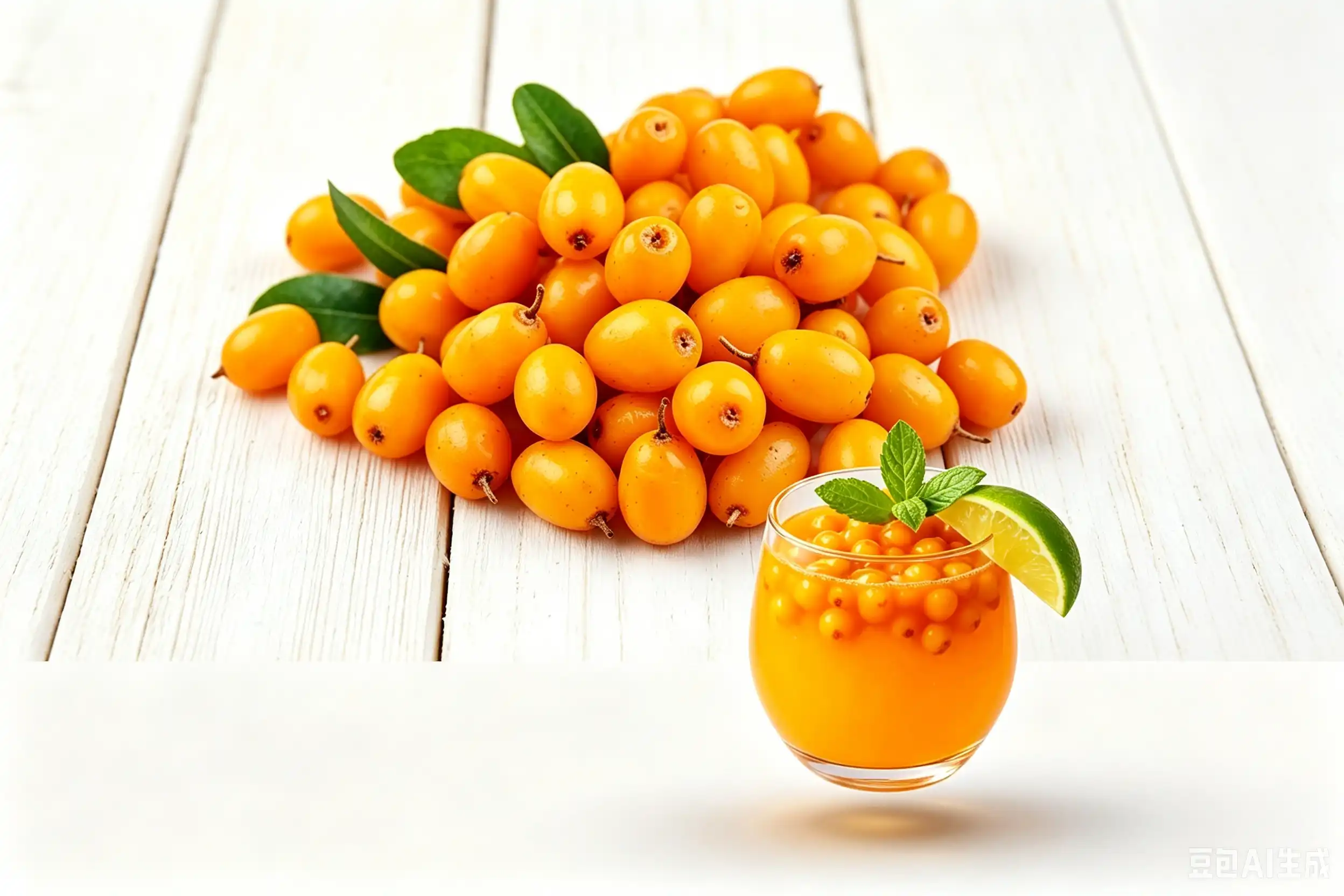
Sea buckthorn puree for skin glow
Sea Buckthorn Puree has a lot of concentrated beneficial substances that make your skin glow. These include Omega-7 fatty acids, carotenoids, and very high amounts of vitamin C. This nutrient-dense protein helps the skin's layer heal, keeps it hydrated, and makes it look healthy. Because it comes from the whole fruit, it keeps the natural oils and pulp, which makes it better than separate extracts for skin care products that want to make the skin look younger and more radiant.
What Is Sea Buckthorn Puree and Its Benefits for Skin Glow?
Sea Buckthorn Puree is a high-quality plant ingredient made by cold-pressing fresh Hippophae rhamnoides berries. Unlike clear juices or oils that have been separated, this orange-yellow thick liquid keeps the whole fruit's nutrients, including the seeds, natural oils, and vitamins that dissolve in water. The way the ingredient is processed keeps heat-sensitive chemicals that are normally broken down during extraction intact, resulting in an ingredient with true taste profiles and maximum bioactivity.
Compositional Advantages for Skin Applications
The combined oil-water system is what makes it stand out. When fresh sea buckthorn berries are mechanically pressed, a liquid is made that naturally includes both the vitamin C fraction that dissolves in water and the carotenoid fraction that dissolves in oil. This two-phase structure lets formulators use fat-soluble antioxidants like beta-carotene and vitamin E along with ascorbic acid in a single ingredient. This makes formulating easier and improves skin penetration. The pH level between 2.5 and 3.5 helps preserve things naturally, so finished goods don't need to have artificial stabilizers added to them.

Clinically Relevant Skin Benefits
Researchers have found that chemicals in sea buckthorn help the face in a number of ways. The Omega-7 palmitoleic acid content helps cells grow back and reduces inflammation, which makes products useful for skin shields that have been damaged. Vitamin C levels above 100 mg per 100 g strongly support collagen production, which directly affects skin strength and reduces the appearance of aging signs. Flavonoids and carotenoids work together to protect against photodamage caused by UV light, which is an important part of keeping skin glowing. Cosmetic companies that want to reach the growing "natural glow" market have done a good job of marketing products with this ingredient as clean beauty alternatives to manufactured whitening agents.
How to Use Sea Buckthorn Puree for Maximum Skin Glow?
How well the organic chemicals work to improve the skin is based on the formulation strategy. The thick consistency and natural acidity of the Sea Buckthorn Puree need careful thought when making new products, but these are also qualities that make it useful for external uses.
Integration into Cosmetic Formulations
When adding the ingredient to serums and creams, the suggested amount ranges from 3% to 15%, based on how strong of an effect you want and how you want to market the product. At lower amounts, the puree works as an extra active ingredient in mixtures with other ingredients, adding antioxidant support without taking over the taste qualities. When the inclusion rate is higher, star goods are made, and the sea buckthorn profile becomes the main selling point. The natural emulsion qualities make it easy to mix with both water- and oil-based systems. However, the pH may need to be changed to make neutral mixtures stable. When working with this material, emulsifiers that can handle acidic conditions, like cetyl alcohol or glyceryl stearate, work well.
Application Methods and Product Formats
Face masks are a great way to give nutrients because they allow for focused contact time. When making leave-on products, companies should think about the natural color of the ingredient, which can give the face a slight golden tint right after application, which many people see as giving them an instant glow. Aseptic handling stops microbes from growing on goods that need to stay fresh for a longer time. This keeps the vitamins' potency. Some high-end skin care lines have been successful in releasing overnight serums that work with the skin's natural repair cycle to help it heal. Adding complementary moisturizers like hyaluronic acid or glycerin to the mix makes it work better at drying, which helps with more than one skin problem at once.

Storage and Handling for Quality Maintenance
The performance of the element over its whole life is directly affected by how it is stored. Because it was cold-pressed, the enzymes are still active unless they are killed by pasteurization. This means that it must be stored in a tight container at a low temperature. B2B buyers should make sure that sellers use nitrogen flushing during packing to keep vitamin C from breaking down too quickly due to oxygen. Once the containers are opened during production, they should be kept out of direct sunlight and heat as much as possible. They should also be used within certain time frames to keep the nutrients inside. These handling requirements are in line with standard procedures for making natural cosmetics, so experienced formulators should have no trouble integrating them.
Comparing Sea Buckthorn Puree with Other Forms for Skin Applications
Knowing the differences between the different forms helps buying teams choose the best Sea Buckthorn Puree style for their product development needs.
Puree Versus Oil Comparison
Sea buckthorn oil is usually made from either the seeds or the pulp of the fruit. It has a high concentration of fatty acids but not as many water-soluble vitamins as Sea Buckthorn Puree. The puree offers a wider range of benefits for formulas that aim to provide complete skin nutrition. Oil-based products are great for thorough repair, especially on very dry or damaged skin. Puree-based products, on the other hand, have lighter textures that are good for all skin types to use every day. The prices are also different. Pure oils are more expensive because they produce more oil from the same amount of raw materials, but puree production makes more puree from the same amount of raw materials, which could be a better deal for companies making mass-market goods.
Organic Certification Impact
The choice between organic and conventionally found materials has a big effect on how confident buyers are and how well companies follow the rules. Organic approval makes sure that the crops are grown and processed without using pesticides, which is what people want in the top natural cosmetics market. As part of the testing process for organic Sea Buckthorn Puree, farming methods must be documented and checked by a third party. This adds another level of quality guarantee that appeals to brands that care about quality. Even though standard sources may be cheaper, the difference in price has become smaller as organic farming has spread around the world. The recognition gives brands that stress their commitment to clean beauty a real way to stand out in the crowded skincare market.

Fresh Versus Frozen Considerations
Because of the way foreign supply lines work, frozen Sea Buckthorn Puree is a good choice for many buyers. Flash-freezing right after processing keeps the nutrients in with little loss, which allows for long-distance shipping and longer holding times. When the right cold-chain methods are followed, studies that compare samples that were fresh and samples that were properly frozen show that there aren't any changes in how well the vitamins are kept. A lot of the time, the choice depends on production plans and how to handle inventory. For companies that use "just-in-time" production, getting new goods from local suppliers may be best. For companies that deal with seasonal production peaks, frozen inventory is best because it makes sure that products are always available without sacrificing quality.
How to Choose and Procure the Best Sea Buckthorn Puree for Skin Glow Products?
Quality assurance systems protect buyers from differences in ingredients that could affect how well a finished product works.
Essential Certifications and Standards
The ISO 22000 and HACCP certifications show that providers use food safety management systems, which is important for makeup ingredients that need to meet strict purity standards. With recorded control points that stop contamination, these systems make sure that the food can be tracked from harvest to preparation. Halal and Kosher licenses make it easier for brands that cater to certain groups of people to get into new markets. Following FDA rules makes it easier for brands to get into the rich US market. Buyers should ask for proof that the microbiological factors meet food standards, with total plate counts, coliform levels, and yeast/mold counts being within accepted ranges for surface uses.
Supplier Evaluation Framework
Sourcing dangers for Hippophae Rhamnoides Puree are kept to a minimum with a systematic review method. One of the most important things that providers have to do to make sure they can meet expected order numbers without lowering quality is check their production capacity. Technical support skills are also important—suppliers who can help with preparation and application know more than just providing commodities. Ask for Certificate of Analysis papers from several runs to see if the solid content percentages, vitamin C levels, and pH values are all the same. Variability between batches of more than 10% means that the process is not being controlled well. As Sea Buckthorn Puree bioaccumulates soil conditions into fruit makeup, buyers can tell if berries come from clean surroundings if they are clear about where they came from. Suppliers who work directly with farmers usually make it easier to track their products than traders who go through middlemen.
Market Dynamics and Pricing Considerations
Knowing what causes costs lets you negotiate more effectively. Seasonality of harvest affects prices. For example, fresh Sea Buckthorn Puree commands higher prices during small collection windows in the fall, while prices for frozen goods stay the same over the course of a year. When buyers commit to buying in bulk, they can often get better prices, but they should weigh the saves they get against the costs of keeping goods and the length of time it will last. As the need for natural cosmetic products grows, the quantity of high-quality materials has become limited, which puts pressure on prices. But honest sellers keep the market up to date and let customers know about changes in prices ahead of time instead of raising prices without warning. Building connections with makers that offer stock availability helps keep things running smoothly during product launches, when delays in ingredients could throw off marketing schedules.

Procurement and Bulk Buying Guide for Sea Buckthorn Puree
When you buy something in another country, you need to pay attention to different paperwork and processes than when you buy something in your own country.
Step-by-Step Purchasing Process
Sample assessment is usually the first step in the buying cycle. Reliable suppliers offer test amounts so that R&D teams can make sure that the new ingredients will work with current formulas before placing bulk orders. Sample testing should look at not only how well the item works, but also how it tastes and looks, as these things affect how people think about the product. Once the sample has been approved, buyers should ask for specific quotes that clearly state the Incoterms, such as FOB, CIF, or DDP, because these terms have a big impact on landing costs and who bears the risk. For large sales, the deposit amount is usually between 30% and 50%, and the rest of the payment is due before the shipment. However, if you have a history with the company, they may offer better terms.
Packaging and Shipping Solutions
There are choices for bulk packing that balance saving money with keeping quality. Food-grade aseptic bags inside drums or totes are a cheap way to handle big orders, with most units weighing between 200 and 250 kilograms. Companies that make a lot of different products that need different amounts of ingredients can be flexible by using smaller packaging sizes. Temperature-controlled shipping is needed to keep vitamins active, and even though they cost more, foreign ocean freight should use refrigerated crates. Air freight is best for items that need to be delivered quickly or in small amounts, where the extra cost of handling is worth it. Suppliers with a lot of experience work with freight forwarders who know how to handle temperature-sensitive goods. This lowers the risk of thermal exposure during travel.
Regulatory Documentation and Compliance
Shipments across borders need a lot of papers. Some important papers are phytosanitary certificates that prove plant health standards, certificates of origin that let goods get lower tariffs under trade agreements, and full ingredient specs that help with customs classification. The detailed COA should list all the factors that were tested to show that they are in line with the rules of the target country. As a way to help dropshipping or e-commerce businesses with their paperwork, suppliers will make Sea Buckthorn Puree commercial bills with correct HS codes that make customs clearing faster. When bringing goods into countries with strict biosecurity rules, quarantine records that say the goods are free of contaminants are even more important. Buyers who do business in more than one country can make compliance management easier by working with providers who have legal knowledge in more than one area.
Conclusion
For cosmetic companies that want to meet customer demand for natural, effective skin care products, Sea Buckthorn Puree is a useful element. Its wide range of nutrients and cold-pressing method that keeps the biological purity of the ingredients give real benefits that are based on scientific knowledge of how skin health works. For buying to go well, providers should be judged on more than just price. They should also have quality standards, proof of consistency, and the ability to provide expert support. Because there are different forms—puree, oil, and powder—formulation goals and product positioning need to be carefully thought through. With the right supplier agreements that focus on following the rules and having a reliable supply chain, brands can safely use this ingredient in new skin care products that meet both market expectations and their own quality standards.
FAQ
Q1:Is sea buckthorn puree safe for sensitive skin types?
A: When used in the right way, the ingredient is usually well tolerated by all skin types. Because it is naturally acidic, leave-on creams need to change the pH to keep skin from getting irritated. During the creation of a product, patch testing finds any sensitivity issues that are unique to the whole mixture, not just one ingredient.
Q2: What shelf life can buyers expect after opening containers?
A: When kept sealed at low temperatures as directed, unused product stays good for 12 to 24 months. Once the item is opened, it should be used within 3 to 6 months. To keep heat-sensitive vitamins from breaking down, it should be stored in the fridge and exposed to air as little as possible.
Q3: How does vitamin C content remain stable during shipping?
A: Trustworthy providers use nitrogen flushing and cold-chain shipping during the packing process. Stability testing showing that 90%+ of the vitamins stay active for 12 months with the right storage conditions backs up these preservation methods, making sure that the ingredient comes with all of its claimed power.
Q4: Can the puree integrate with standard cosmetic preservative systems?
A: The naturally low pH makes it naturally antibacterial. In industrial products, it has been shown to work with preservatives such as phenoxyethanol and potassium sorbate. The acidic climate might make the preservatives work better, which could mean that they are used less often than in normal pH systems.
Partner with Sigma for Premium Sea Buckthorn Puree Supply
Shaanxi Sigma Biotechnology Co., Ltd. is a reliable company that makes Sea Buckthorn Puree by using only real raw materials and the latest processing technology. Our plant keeps this high-quality ingredient in stock so that it can be delivered within 5–7 business days, so your production plans don't have to be interrupted. The cold-pressing method we use keeps the whole nutritional profile, giving you a product with a solid content of at least 12% and more than 100 mg of vitamin C per 100 grams, with no added ingredients. These high standards meet the needs of beauty formulators making skin glow products.
Our ISO 22000, HACCP, and Halal certificates show that we are dedicated to quality systems that protect the image of your brand. Each batch comes with full COA paperwork and quarantine records, which gives your quality assurance teams the tracking they need. In addition to supplying ingredients, we also offer flexible OEM/ODM services that let you change the specs, particle sizes, and packaging forms to fit the way you want to market your product. Our expert team is here to help you with your application needs throughout the whole process of building your product, whether you're making high-end serums or natural cosmetic lines. Email sarah@sxsigma.com to get samples and talk about bulk buying options that are made to fit your needs. Find out how working with a Sea Buckthorn Puree seller who cares about your success can help you come up with new ideas and stand out in the market faster.
References
1. Bal, L.M., Meda, V., Naik, S.N., & Satya, S. (2011). Sea buckthorn berries: A potential source of valuable nutrients for nutraceuticals and cosmoceuticals. Food Research International, 44(7), 1718-1727.
2. Gao, X., Ohlander, M., Jeppsson, N., Björk, L., & Trajkovski, V. (2000). Changes in antioxidant effects and their relationship to phytonutrients in fruits of sea buckthorn during maturation. Journal of Agricultural and Food Chemistry, 48(5), 1485-1490.
3. Upadhyay, N.K., Kumar, R., Siddiqui, M.S., & Gupta, A. (2010). Mechanism of wound-healing activity of Hippophae rhamnoides L. leaf extract in experimental burns. Evidence-Based Complementary and Alternative Medicine, 7(4), 457-461.
4. Zielińska, A., & Nowak, I. (2017). Abundance of active ingredients in sea-buckthorn oil. Lipids in Health and Disease, 16(1), 95.
5. Olas, B. (2018). The multifunctionality of berries toward blood platelets and the role of berry phenolics in cardiovascular disorders. Platelets, 29(2), 167-174.
6. Eccleston, C., Baoru, Y., Tahvonen, R., Kallio, H., Rimbach, G.H., & Minihane, A.M. (2002). Effects of an antioxidant-rich juice in healthy human volunteers. Journal of Nutritional Biochemistry, 13(6), 346-354.
L-carnosine for skin and eye health
L-Carnosine Powder is a unique naturally occurring dipeptide made up of histidine and beta-alanine that has gotten a lot of attention in the business-to-business production world for its scientifically proven benefits in protecting the eyes and rejuvenating the skin. This white crystalline compound, which has the CAS number 305-84-0, has strong antioxidant and anti-glycation properties that fight aging at the cellular level. This makes it an extremely useful functional ingredient for companies that make health supplements, cosmetics, and medicines that want to use natural ingredients instead of synthetic ones. Working with formulation engineers and quality assurance teams has shown us over and over that high-purity dipeptide formulations work in clinical settings, especially for eye problems and skin conditions that come with getting older.

Understanding L-Carnosine Powder and Its Role in Skin and Eye Health
The Chemical Nature of This Dipeptide
This substance has a unique chemical structure that is made up of two amino acids joined together. This dipeptide works through more than one molecular route at the same time, focusing on both oxidative stress and protein glycation, which are two main processes that cause tissues to break down. Its molecular weight of 226.23 g/mol makes it very good at penetrating cells, and the fact that it is naturally found in human muscle and brain tissue makes it biologically compatible. Studies in biochemistry journals have shown that it can bind to metal ions and form chelates. This is a big part of how it protects against free radical damage.
Biological Mechanisms Against Aging Processes
The damaging process of glycation makes AGEs, or Advanced Glycation End Products. AGEs are made when sugars bind to proteins. In a way that no other dipeptide can, it competes with body proteins to combine with sugars, stopping the formation of AGE at its source. Researchers have tested how well it keeps the collagen cross-linking patterns that keep the skin's flexibility and structural structure. Similar defense systems in the eye's tissues slow down changes to crystallin proteins that cause cataracts to form. The compound's ability to raise or lower pH levels further saves delicate tissue settings from the buildup of oxidative stress.
Evidence-Based Applications in Tissue Protection
Clinical studies that looked at topical treatments found that signs of skin hydration got better and the depth of fine lines got smaller after long-term use. Researchers in the field of ophthalmology have found that antioxidants in the eye can slow the development of macular degeneration. A controlled study with people who had early-stage cataracts showed that taking this dipeptide substance for twelve months slowed the development of the disease. These results, which are based on proof, support its placement as a functional ingredient that works and not just has theoretical benefits.
Key Benefits of L-Carnosine Powder for Skin and Eye Health
Combating Skin Aging Through Multiple Pathways
The anti-glycation qualities directly improve the skin's elasticity and shine by stopping the changes in proteins that make older skin sag and look dull. In the right amounts, this protein can make a noticeable difference in the retention of collagen. This means that the skin will be firmer and wrinkles will appear less often. Reactive oxygen species speed up photoaging and environmental damage, but antioxidants can neutralize them.

This means that antioxidants guard against more than one process. In addition to improving structure, the substance also helps cells hold on to more water by changing the makeup of the intercellular matrix. Increasing water in this way makes the skin look fuller, which makes it look younger. Because it can control inflammation reactions and help cells grow back, it can help heal wounds and is useful for formulating products for recovering from surgery and using on sensitive skin.
Ocular Health Protection and Age-Related Defense
Oxidative stress is one of the main causes of aging diseases like cataracts and macular degeneration in the eye. Because L-Carnosine Powder is found in high concentration in eye tissues, it directly protects lens proteins and retinal cells from free radicals, which can damage these cells. Researchers who measured oxidative markers in aqueous humor found that they went down significantly after fortification methods.
The chemical protects by slowing the aggregation of crystallin proteins, which is the main process that leads to cataracts. Studies that tracked the development of lens opacity found statistically significant delays in people who took this dipeptide compared to people who were in control groups. These results make it a scientifically sound ingredient for companies making eye health goods for older people that are meant to keep their eyes healthy.
Versatility Across Cosmetic and Pharmaceutical Applications
Because the substance works well on both skin and eye tissues, it can be used in unique ways by brands that want to stand out. Cosmetic companies can use it to make all-around anti-aging systems that deal with a lot of problems at once, and drug companies can use it to make treatment products that target specific degenerative diseases. Because it works well with other active ingredients, it can be used in a variety of formulations without affecting their safety or effectiveness.
Quality-focused supplement brands like that it comes from natural sources and has a long list of safety benefits, which fits with what consumers want in clean-label goods. As more clinical evidence comes in, it backs up marketing claims that meet stricter regulatory standards in export markets, especially in the US and EU, where proof requirements keep getting stricter.
How to Use and Dose L-Carnosine Powder for Optimal Results?
Dosage Guidelines for Different Applications
Amounts in topical skin care products are usually between 0.5% and 2% by weight. Higher amounts are only found in focused treatment products that address specific signs of aging. For eye health, oral dosage guidelines usually suggest taking 150 to 300 mg twice a day to keep plasma levels steady throughout the day. These ranges show the characteristics of clinical studies that showed measurable results in a decent amount of time. When manufacturers set concentration limits, they should think about how long the product will be used for.
For example, preventative formulations may need lower concentrations for long-term use, while therapeutic products that treat existing diseases may need higher potencies. Working together with formulation experts makes sure that the right dose is used to get the best results at the lowest cost for large-scale production needs.
Powder versus Encapsulated Forms in Manufacturing
The crystalline powder form of L-Carnosine Powder gives you the most options for making your own formulations because you can precisely change the concentration levels and mix them with other active ingredients that work well together. Because it is stable as a powder, it is easier to keep track of supplies and has a longer shelf life than products that have already been dissolved. Manufacturers of good products specify the mesh size, which is usually 100 mesh. This makes sure that the particles are spread out evenly, which makes mixing in different grids easier.
Encapsulation technologies are useful for keeping compounds from breaking down too quickly or for controlling the release patterns in mouth supplements. Microencapsulation can improve bioavailability by keeping the dipeptide safe as it moves through the stomach and delivering it whole to places in the intestines where it can be absorbed. The shape chosen depends on the final product specs. For bulk purchases in B2B situations, powder forms are usually preferred because they are easier to handle and cost less.

Bioavailability Optimization and Safety Profiles
How well something absorbs depends a lot on the manufacturing matrix and other ingredients that are used with it. Lipophilic carriers can help products get deeper into the skin, and certain mixtures of amino acids may help products get into the body when taken by mouth. Changing the pH to a range that is normal for the body keeps the chemical stable and compatible with tissues.
Quality providers give detailed information about the best formulation parameters based on tests that are done on particular applications. After a lot of clinical testing, the substance has been found to be very safe, with few side effects being recorded. Heavy metal levels below 10ppm and strict microbial tests make sure that the safety standards are right for makeup and health goods. Loss on drying requirements below 0.5% confirms good production controls that keep the product's active ingredients fresh for as long as it lasts.
Choosing High-Quality L-Carnosine Powder for B2B Procurement
Critical Quality Metrics for Procurement Decisions
Purity levels are the most important factor in determining how well something works and how consistent a batch is. Premium grades are ≥99% pure because they go through advanced manufacturing and purification processes that get rid of impurities that make the product less stable or increase the risk of contamination. The Certificate of Analysis should include exact pure numbers as well as full contaminant testing for heavy metals, leftover solvents, and microbial limits.
The pure result looks like a white, solid powder with particles that are all the same size. Any discoloration or clumps is a sign of breakdown or moisture exposure during storage, which lowers the active ingredient's effectiveness. Reliable providers keep their storage areas at a controlled temperature and use sealed packing methods that keep the integrity of the products from the time they are made until they are delivered. We've seen that suppliers who provide clear paperwork and process descriptions for their production facilities show a dedication to quality that leads to dependable long-term relationships.
Evaluating Supplier Credentials and Support Services
ISO 22000, HACCP, Kosher, and Halal licenses show that a company has a method for managing quality and can get into new markets. These are important skills for companies that want to sell their products in many places. These qualifications require a lot of operational work and set professional makers apart from trading middlemen who don't have production control. Verifying the validity and scope of certifications through direct questioning guards against false claims that can happen when buying things from other countries.
The ability to provide technical help sets exceptional sellers apart from commodity providers. Having access to formulation engineers who understand the needs of a specific application speeds up product development and lowers the cost of making mistakes. Suppliers who give complete paperwork packages with MSDS, stability data, and application directions show that they care about their customers' success in more ways than just a transactional sense. Providing samples for R&D testing is normal practice and lets people test the product in real life before committing to large quantities.

Sample Testing and Trial Order Risk Mitigation
Lab checks of supplier samples against claimed specs are always a part of smart buying processes, especially for L-Carnosine Powder. Third-party testing by recognized labs proves purity, finds possible adulterants, and verifies that the product was made the same way every time. This step of checking is especially helpful when looking at new providers or switching from reliable ones, because it keeps quality from changing in ways that could affect how well the finished product works.
Trial orders of 5 to 25 kg let operations check how reliable a provider is in terms of transportation, paperwork clarity, and contact responsiveness. These smaller agreements give you real-world experience with the supplier's skills before you start making bigger orders. We suggest setting performance standards that include sticking to delivery dates, making sure packages are safe, and making sure all paperwork is complete. These standards should be used to make decisions about the whole relationship.
Best Practices for Bulk Purchase and Supply Chain Management
Strategic Pricing Negotiation Balancing Cost and Quality
The way the market works now is based on the costs of raw materials, the size of the production run, and quality standards, all of which affect prices. Cost is a factor in purchasing choices, but makers who care about quality know that higher prices often mean better purity, stability, and source trustworthiness, which lowers production risks further down the line. Instead of just focused on unit price, negotiation tactics should focus on the total cost of ownership, which should include the value of technical help, a steady supply, and less work for quality control.
When manufacturers make volume promises, they can often get better prices. However, they should carefully compare real consumption rates to minimum order quantities to avoid the costs of keeping too much inventory. Price stability and market flexibility can be balanced by multi-year supply deals with planned deliveries. This is especially useful for goods that need to meet certain supplier standards in order to get regulatory approval. Open communication about production capacity and where to get raw materials lets people set realistic delivery goals and make plans for what to do in case something goes wrong.
Logistics Considerations for Stability Preservation
The substance needs to be kept away from water, heat, and light while it is being moved and stored. Using moisture-resistant materials and sealed cases in the right way when packing keeps the integrity of the product during all shipping methods. Extreme weather makes temperature-controlled operations important, especially for long sea freight trips through tropical areas where high temperatures in the cargo hold can make the load less stable.
Specifications for storage call for cool, dry conditions, which in practice means climate-controlled warehouses with humidity tracking. Under normal conditions, the shelf life of most medicines is 24 months. However, makers should use first-in, first-out (FIFO) inventory rotation and regular tests to make sure the medicines keep their effectiveness. Quality providers give clear instructions on how to store things so that they are handled properly and the worth of the investment is kept throughout the supply chain.

Contract Essentials for Long-Term Partnership Success
Comprehensive supply deals should clearly spell out the criteria for accepting materials as good enough, the steps for checking them, and how to fix materials that don't meet the standards. Delivery plan measures take into account wait times for making while building up extra inventory in case there are problems with supplies. Force majeure clauses protect both parties in situations that they can't control, and secrecy clauses keep business terms and secret formulation information safe.
Quality assurance clauses that set out how to sample batches, what samples need to be kept, and how long a promise is valid build accountability systems that support a steady supply. Clear lines of communication and defined contact people make it easier to quickly solve problems and get expert advice. We've found that sellers who are ready to discuss specific terms of the contract show that they are professional mature and dedicated to the success of the relationship, rather than having a transactional mindset.
Conclusion
In conclusion, there is strong scientific proof that L-Carnosine Powder can help slow down skin aging and eye damage. This makes it an important ingredient for health-conscious brands that want to appeal to quality-conscious customers. For inclusion into product portfolios to work, suppliers must be carefully chosen with a focus on purity, stability, and full support services that go beyond just providing commodities. The strategies for buying things described here help companies get reliable supply lines that give them real competitive advantages by providing useful benefits that have been proven by science. More and more people want natural ingredients that work, so it's becoming more and more important for businesses to work with qualified makers who follow strict quality standards and have a lot of technical know-how.
FAQ
Q1: What purity level should manufacturers specify for cosmetic applications?
A: To make sure that cosmetics work and are safe, they need to be at least 99% pure, with heavy metal levels below 10ppm and full microbe testing to show that there is no contamination. At this level of precision, the product meets all foreign market regulations and works the same way every time.
Q2: How does this dipeptide compare to other antioxidants in anti-aging formulations?
A: Compared to antioxidants like vitamin C or E, which only work on one route, this one targets both oxidative stress and glycation, giving it a wider anti-aging effect. Because it stops the formation of AGE, it directly addresses basic aging processes that simple free radical scavengers can't change. This means that it works with other antioxidants instead of competing with them.
Q3: What documentation should accompany bulk orders for regulatory purposes?
A: Full packages come with a Certificate of Analysis that lists the testing results for each batch, as well as stability data, an MSDS, allergen statements, and copies of facility certificates like ISO and HACCP, as well as any important market-specific qualifications that can help with regulatory filing.
Partner with Sigma for Premium L-Carnosine Powder Supply
Shaanxi Sigma Biotechnology Co., Ltd. always has pharmaceutical-grade dipeptide material in stock. This material is ≥99% pure, which we can prove with our ISO 22000 and HACCP-certified quality systems. We provide 5-7 day fulfillment from our 10-20 ton safety stock as a L-Carnosine Powder manufacturer with combined production capabilities, and we offer flexible OEM/ODM services for special requirements. Our unique cleaning process gets rid of endotoxin and heavy metal residues that are much lower than international standards. This gives your products the quality base they need. You can email sarah@sxsigma.com to get technical specs, safety data, and free samples that show how committed we are to helping you succeed with your product development.
References
1. Boldyrev, A.A., et al. (2013). "Physiological and Pathological Roles of Carnosine in Biological Systems." Advances in Experimental Medicine and Biology, 775: 139-156.
2. Hipkiss, A.R. (2009). "Carnosine and Its Possible Roles in Nutrition and Health." Advances in Food and Nutrition Research, 57: 87-154.
3. Gallant, S., et al. (2000). "Carnosine as a Potential Anti-Senescence Drug." Biochemistry (Moscow), 65(7): 866-868.
4. Stvolinsky, S.L., et al. (2010). "Carnosine: An Endogenous Neuroprotector in the Ischemic Brain." Cellular and Molecular Neurobiology, 30(8): 1109-1116.
5. Babizhayev, M.A., et al. (2001). "N-Acetylcarnosine Sustained Drug Delivery Eye Drops to Control the Signs of Ageless Vision." Rejuvenation Research, 4(1): 31-53.
6. Lim, D.G., et al. (2015). "Advanced Glycation End Products and Skin Aging." Journal of Cosmetic Dermatology, 14(4): 305-312.
- 1
- 13
- 14
- 15
- 19


