BLOG List
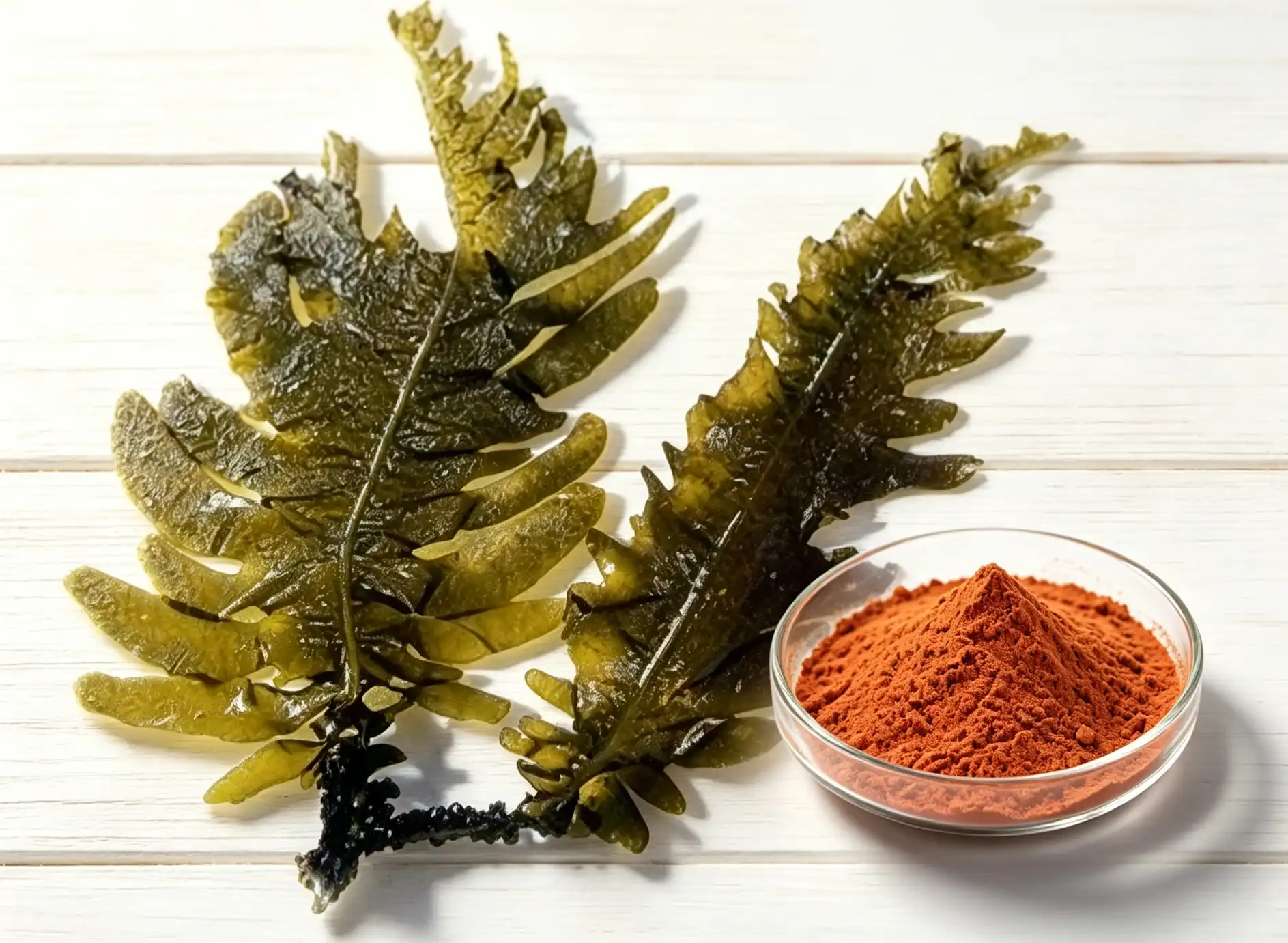
Fucoxanthin extract for weight management
Controlling your weight is still one of the hardest parts of modern health, especially for people with slow metabolisms and abdominal fat that won't go away. A potent natural remedy has been discovered in Fucoxanthin Extract Powder, a marine-derived pigment found in brown seaweed like wakame and kombu. This bioactive compound targets white adipose tissue through different metabolic pathways than stimulant-based weight loss ingredients. This makes it very appealing to health supplement brands, functional food manufacturers, and pharmaceutical companies working on next-generation weight management formulations. As people look for natural options to synthetic chemicals, fucoxanthin stands out because it does two great things: it speeds up thermogenesis and protects cells from damage with powerful antioxidants.
Understanding Fucoxanthin Extract Powder and Its Role in Weight Management
Origin and Chemical Profile of Marine-Sourced Fucoxanthin
Different kinds of brown seaweed, like Undaria pinnatifida (wakame) and Laminaria japonica, are used to get fucoxanthin. This xanthophyll carotenoid has a unique chemical structure with an allenic link and a 5,6-monoepoxide configuration. This makes it different from beta-carotene and other terrestrial carotenoids. The compound's reddish-brown color comes from its complicated conjugated double-bond system, which helps it be a powerful antioxidant.
Modern methods of extraction, especially supercritical CO2 technology, protect the delicate molecular structure of fucoxanthin while getting rid of liquid leftovers. This method of green extraction makes concentrates that usually have between 10% and 50% active ingredient. For food supplements that are both effective and cost-effective, 10% is the standard. The fine brown powder that is made (80 mesh) is very consistent from batch to batch, which is very important for makers who want to scale up production.
Metabolic Mechanisms Supporting Fat Reduction
Fucoxanthin can help you lose weight because it can increase the production of uncoupling protein 1 (UCP1) in white fat tissue. The process of thermogenesis, which turns stored fat into heat, makes the body use more energy when UCP1 is activated. A study in Biochemical and Biophysical Research Communications showed that fucoxanthin greatly decreased the weight of white adipose tissue in the abdomen in animal models. The effects were mostly seen in visceral fat stores rather than subcutaneous fat.
In addition to changing thermogenesis, this marine pigment also changes the way lipids are broken down in the liver. Researchers have found that fucoxanthin raises fatty acid beta-oxidation and lowers lipogenesis at the same time by activating fatty acid synthase less. This two-part process works on both storing fat and breaking it down. It's a complete way to control weight that formulators looking for ingredients backed by science will like.
Antioxidant Activity and Broader Metabolic Benefits
Fucoxanthin Extract Powder is a powerful antioxidant that is many times stronger than vitamin E. It protects against reactive stress, which is often a sign of metabolic failure. This trait makes the substance useful for more than just weight loss. It can also be used in anti-aging products and metabolic health supplements. Fucoxanthin gets rid of reactive oxygen species and lowers C-reactive protein and interleukin-6, two inflammation markers linked to fat.
Clinical reports show that taking fucoxanthin supplements may make insulin work better and change how glucose is used, which are important issues in metabolic syndrome. Because it has so many benefits, fucoxanthin is a popular ingredient among research and development teams that are making complete wellness products that target many health issues at once. This helps these products stand out in competitive markets.


Comparing Fucoxanthin Extract Powder with Other Supplements
Fucoxanthin Versus Astaxanthin and Other Carotenoids
Fucoxanthin and astaxanthin are both carotenoids in the xanthophyll class, but they have very different roles in plants. Astaxanthin mainly fights oxidative stress and inflammation, and it can be used in a lot of different areas, from sports nutrition to eye health. Fucoxanthin, on the other hand, is better at changing metabolism because it can get into white adipose tissue and make UCP1 production happen.
The bioavailability and tissue spread of these substances are based on their different structures. Fucoxanthin's allenic link structure lets certain metabolic changes happen in the intestines, creating fucoxanthinol and amarouciaxanthin A, which are better absorbed and have more biological action. This route in the body's metabolism makes fucoxanthin different from other sea carotenoids and helps it lose fat. When purchasing carotenoids, people in charge should keep in mind that fucoxanthin needs to be delivered using oil-based methods or advanced microencapsulation in order to be fully bioavailable. Softgel pills with MCT oil or emulsified powder forms are useful options for companies making goods that are ready for consumers.
Comparative Analysis with Brown Seaweed Extract and Green Tea Extract
There is fucoxanthin in raw brown seaweed extract, along with minerals, polyphenols, and polysaccharides. The amount of fucoxanthin is usually less than 0.1% by dry weight. Standardized fucoxanthin concentrates have 100 to 500 times more strength, which makes it possible to give the right amount and know exactly what will happen with the product. This concentration benefit cuts down on the number of capsules needed in finished goods while still delivering the active ingredient consistently.
Epigallocatechin gallate (EGCG)-rich green tea extract works in a number of ways, including catechin-mediated fat burning and mild thermogenesis. Fucoxanthin and EGCG work better together than when they are used alone, as shown in several recipe studies where the mixture reduced fat more than either ingredient alone. This synergy gives formulators chances to make weight control goods with more than one ingredient that work better.
The way the product is extracted has a big effect on its quality and performance. Fucoxanthin powders made with supercritical CO2 extraction are more stable than powders made with ethanol or hexane extraction because they leave behind no solvent leftovers. This green technology meets the strict rules in European and North American markets and meets the rising demand for ingredients with clean labels.

Procuring Fucoxanthin Extract Powder: What B2B Buyers Need to Know?
Quality Benchmarks and Essential Certifications
The most important thing to look for in Fucoxanthin Extract Powder providers is that they can prove the amount of active ingredient they use through HPLC research. Reliable makers give full Certificates of Analysis (COA) that show the amount of fucoxanthin (≥10%), the amount lost when dried (≤3%), the amount of heavy metals (≤10ppm), and the limits for microbes. These standards make sure that products are safe and that they follow the rules in all global markets.
Professional sellers can be told apart from selling companies by their certification portfolios. Certifications like ISO 22000, HACCP, and ISO 9001 show that quality control is done in a planned way throughout the whole production chain. Halal and Kosher approvals make it easier for brands to reach new customers, especially those who want to appeal to a wide range of groups. Companies that sell to people in the United States need to make sure they follow FDA rules by keeping records like GRAS status proof.
In addition to standard certificates, B2B buyers should ask for proof of extraction methods, the ability to track down source materials, and data on stable testing. Suppliers who use verified species of brown kelp from known harvest sites offer openness that backs up claims of sustainability and brand storytelling. Studies of stability that show little loss under normal keeping conditions show that the formulation was done correctly.
Supply Chain Considerations and Bulk Procurement Strategies
Fucoxanthin providers you can trust keep safety stock levels of 10–20 tons for regular orders, so you can get it in 5–7 working days. This inventory space is very important for companies that use just-in-time production or that are releasing new goods with unsure demand at first. Long wait times of more than 4 to 6 weeks often happen for suppliers who don't have enough stock, which makes the supply chain vulnerable. Fucoxanthin extract prices are based on a number of factors, such as the amount of extract that is made, the cost of the source material, and the needs for the formula. There are price breaks at 100 kg, 500 kg, and 1000 kg order sizes. Bulk orders usually qualify for bulk savings. Long-term supply agreements that promise to a certain amount every year can often get better prices and make sure there is a steady supply.
Logistics know-how sets capable providers apart from stock vendors. Professional fucoxanthin makers offer a range of shipping choices, such as sea freight, air cargo, and fast courier, and provide all the necessary paperwork, such as business invoices, packing lists, certificates of analysis (COA), and regulatory compliance papers. Customs clearance knowledge is especially useful for foreign deals because it cuts down on delays and makes sure deliveries go smoothly.
Evaluating Supplier Capabilities for OEM/ODM Requirements
When providers offer customization services beyond standard specs, it helps manufacturers who are making their own formulations. Custom extraction ratios (ranging from 5% to 30% fucoxanthin concentration), particle size changes (from 60 mesh to 120 mesh), and specialized processes like microencapsulation or spray-drying with specific carriers should all be possible.
Value-added sellers are different from basic product suppliers because they offer technical support services. Having access to formulation experts who know how ingredients work, how to deal with stable issues, and how to improve bioavailability speeds up the development of new products. Suppliers who offer clinical study references, application procedures, and debugging help make it easier for R&D teams to improve formulas quickly.
Quality assurance goes beyond the original requirements and includes making sure that each batch is the same. Using statistical process control and keeping thorough batch records are signs that a supplier has the manufacturing discipline needed for a long-term relationship. Being able to provide samples that will be kept for future reference tests gives buyers who care about quality even more security.

Safe and Effective Use of Fucoxanthin Extract Powder in Weight Management Formulations
Recommended Dosages and Clinical Evidence
Fucoxanthin doses ranging from 2.4 mg to 8 mg daily have been tested in human clinical tests. The doses were usually given with food fats to help with absorption. A major study in Diabetes, Obesity and Metabolism used 2.4 mg of fucoxanthin along with pomegranate seed oil and found that over 16 weeks, people lost a lot of weight and liver fat. These dosing standards are based on facts and give formulators clinically proven points of reference.
To get a daily amount of 2.4 mg of 10% Fucoxanthin Extract Powder, 24 mg of extract material is needed. Softgel pills with 200–300 mg of powder and carrier oils are a useful way to give medicine. Using different methods that include microencapsulated water-dispersible grades lets them be added to healthy drinks and meal replacements, which increases the number of uses that can be made. Fucoxanthin is lipophilic and easily oxidized, so formulation methods should take these things into account. Antioxidant methods that use mixed tocopherols or rosemary extract keep things stable over time. Opaque packing materials that block UV light stop photodegradation, so the product stays effective for as long as it is sold.
Safety Profile and Regulatory Considerations
Studies on toxicology have shown that fucoxanthin is very safe. Even at doses much higher than what is normally found in supplements, no negative effects were seen. Standardized tests show that the chemical is not genotoxic, mutagenic, or harmful to reproduction. This record of safety backs up its description as a food ingredient that can be used for a long time. Based on what we know now, possible reactions with drugs are still very low. Unlike weight loss chemicals based on stimulants that can raise or lower blood pressure or heart rate, fucoxanthin works through metabolic paths that don't put the heart or blood vessels at risk. Because it is safer, it can be used by a wider range of people, including those with high blood pressure or heart problems.
Fucoxanthin is regulated differently in different places, but in big markets it is usually accepted as a food ingredient. Manufacturers in the US usually label it as an ingredient in health supplements, while sellers in Europe have to make sure they follow Novel Foods rules. For legal navigation to go smoothly, providers must know what the local standards are and be able to provide supporting documents.
Synergistic Formulation Strategies
Adding fucoxanthin to products that already have matching ingredients makes them work better and help them stand out in the market. Conjugated linoleic acid (CLA) and L-carnitine support fatty acid transport into mitochondria for oxidation. They work together to change different parts of lipid metabolism. These methods with more than one ingredient help with weight loss in more than one way at the same time. Thermogenic chemicals, such as capsaicin or green tea extract, boost fucoxanthin's metabolic benefits without the negative effects that come with taking a lot of stimulants. Fiber sources like psyllium or glucomannan make you feel full, which helps with weight management in a complete way that works on both the biological and behavioral levels.
When manufacturing, it's important to follow the right mixing steps to make sure that the fucoxanthin powder is evenly distributed in the mixtures. Adding oils to lipophilic ingredients before putting them into pill fills keeps them from separating and makes sure that the dose is always the same. Quality control tests on finished goods make sure that they are all the same and work the same way throughout production runs.

Future Trends and Market Outlook for Fucoxanthin Extract Powder
Emerging Research and Novel Applications
Recent studies have found health benefits beyond weight loss for Fucoxanthin Powder, such as actions that protect neurons and keep blood sugar levels steady. Studies that look at fucoxanthin's role in avoiding neuroinflammation suggest that it could be used in supplements for brain health that are aimed at older people. With this study growth, the ingredient can be used in more types of products, which increases its commercial potential.
New technologies for extraction and stability keep making fucoxanthin products better. Nano-emulsion technologies improve solubility by making particles smaller, which makes absorption better in the intestines. Microencapsulation improvements using alginate or chitosan carriers keep fucoxanthin from breaking down and allow controlled release rates that make metabolic effects work best. Fucoxanthin and nutrigenomics studies show how differences in genes can affect how well a person responds to supplements. Understanding these genetic factors could lead to personalized nutrition methods where the amount of fucoxanthin a person takes and how it is made are based on their unique genetic patterns. This would be a big step forward in precision nutrition.
Market Growth Drivers and Regional Demand Patterns
Global demand for natural weight management ingredients keeps growing, driven by obesity epidemic worries and customer choice changes toward plant-based solutions. Researchers think that marine-derived bioactives will grow at rates higher than 8% per year until 2030. Fucoxanthin is expected to be one of the most important ingredients in this group.
North American markets are especially interested in weight loss products that don't contain stimulants. This is because regulators are closely watching manmade chemicals and high-dose caffeine products are being questioned for safety reasons. European customers care a lot about sustainability and clean labels, which creates a need for marine products that can be tracked and are extracted in ways that are good for the environment. Asian markets, especially Japan and South Korea, have long been interested in health ingredients that come from seaweed. This has made fucoxanthin goods grow in those markets. Emerging possibilities exist in Southeast Asian countries where rising middle-class people increasingly spend in preventive health and wellness goods.
Strategic Positioning for Competitive Advantage
Fucoxanthin's marine origin has been stressed in successful product launches, setting it apart from plant extracts from land. People who care about their health and want real natural products are interested in brand stories that connect to the purity of the ocean and traditional Asian food knowledge. These placement tactics are backed up by clinical proof and scientific confirmation.
Combination goods that use fucoxanthin along with marine ingredients that work well together, such as omega-3 fatty acids or astaxanthin, make product stories that make sense and are based on health solutions that come from the ocean. This general uniformity makes the brand stand out and makes it easier for customers to understand how the product helps them. Transparency in the supply chain and certifications of sustainability are becoming more and more important to both B2B buyers and end customers when they are making purchases. Responsible harvesting methods documented by suppliers, support for seaweed farming communities, and carbon-neutral operations that are carried out in line with corporate social responsibility goals and boost brand value.

Conclusion
Fucoxanthin Extract Powder is a financially viable ingredient that has been scientifically proven to help people lose weight. It is aimed at the growing global health market. Because of how it works with your metabolism, how safe it is, and how many health benefits it has, it is a great choice to weight loss ingredients that are based on stimulants. When buying from businesses to businesses, it's helpful for buyers to look at sellers based on their extraction technology, quality certifications, expert support, and how reliable their supply chains are. As study into fucoxanthin's health benefits continues to show new uses and extraction methods improve, the market for dietary supplements, functional foods, and nutricosmetics grows. Brands can take advantage of the business possibilities this marine bioactive offers by forming strategic partnerships with qualified manufacturers. These partnerships help them make effective, science-backed goods for health-conscious customers.
FAQ
Q1: What is the long-term safety profile of Fucoxanthin Extract Powder supplementation?
A: Fucoxanthin has been shown to be safe for long-term use in toxicological tests, with no negative effects seen at normal supplement amounts. Fucoxanthin doesn't affect cardiovascular factors like blood pressure or heart rate like stimulant-based weight loss ingredients do, so it can be used for long amounts of time. 16-week clinical studies have shown that the drug is well tolerated and doesn't cause any major side effects.
Q2: How does Fucoxanthin Extract Powder differ from whole brown seaweed extract for weight management applications?
A: Standardized fucoxanthin concentrates are 100 to 500 times more powerful than raw brown seaweed extract. This makes it possible to give the right amount of beneficial substances at the right time. Fucoxanthin is found in whole kelp, but in amounts below 0.1%. To reach therapeutic values, you would have to take very large amounts. Purified extracts get rid of differences that come from picking times and places where the plants come from, and they also lower the number of capsules that are needed in finished products.
Q3: Which certifications should B2B buyers prioritize when selecting a Fucoxanthin Extract Powder supplier?
A: Certifications like ISO 22000, HACCP, and ISO 9001 show that a company has complete quality control systems that are needed to make sure that the standard of their products stays high. Getting Halal and Kosher licenses opens up more markets. Documentation showing agreement with FDA rules is very important for entering the US market. Buyers should also check that the product has been tested by a third party for heavy metals, bacteria contaminants, and active ingredient levels using HPLC analysis that is recorded in Certificates of Analysis for each batch.
Partner with Sigma for Premium Fucoxanthin Extract Powder Supply
Sigma is an expert at making high-purity Fucoxanthin Extract Powder using cutting-edge supercritical CO2 extraction technology that leaves no solvent residues and provides better batch accuracy. Our fine brown powder has at least 10% fucoxanthin in it, which has been proven by strict HPLC testing and comes with full quality paperwork that includes ISO 22000, HACCP, and Halal certificates. As a seller of Fucoxanthin Extract Powder with a lot of experience, we keep 10–20 tons of safety stock on hand so that we can deliver quickly, within 5–7 working days, so you can keep to your production plans. Our OEM/ODM services are flexible enough to meet unique needs, such as changing particle sizes or creating specialized microencapsulations. Our expert team is also available to help with formulation. Get in touch with sarah@sxsigma.com right away to get samples, COA paperwork, or to talk about your special weight management recipe buying needs.
References
1. Maeda, H., Hosokawa, M., Sashima, T., Funayama, K., & Miyashita, K. (2005). Fucoxanthin from edible seaweed shows anti-obesity effects through UCP1 expression in white adipose tissues. Biochemical and Biophysical Research Communications.
2. Abidov, M., Ramazanov, Z., Seifulla, R., & Grachev, S. (2010). The effects of Xanthigen in the weight management of obese premenopausal women with non-alcoholic fatty liver disease. Diabetes, Obesity and Metabolism.
3. Miyashita, K., Nishikawa, S., Beppu, F., Tsukui, T., Abe, M., & Hosokawa, M. (2011). The allenic carotenoid fucoxanthin: structures, chemistry, and anti-obesity effects. Journal of Functional Foods.
4. Peng, J., Yuan, J. P., Wu, C. F., & Wang, J. H. (2011). Fucoxanthin, a marine carotenoid present in brown seaweeds: metabolism and bioactivities relevant to human health. Marine Drugs.
5. Willcox, D. C., Scapagnini, G., & Willcox, B. J. (2014). Healthy aging diets other than the Mediterranean: a focus on the Okinawan diet. Mechanisms of Ageing and Development.
6. Bae, M., Kim, M. B., Park, Y. K., & Lee, J. Y. (2020). Health benefits of fucoxanthin in the prevention of chronic diseases. Biochimica et Biophysica Acta – Molecular and Cell Biology of Lipids.
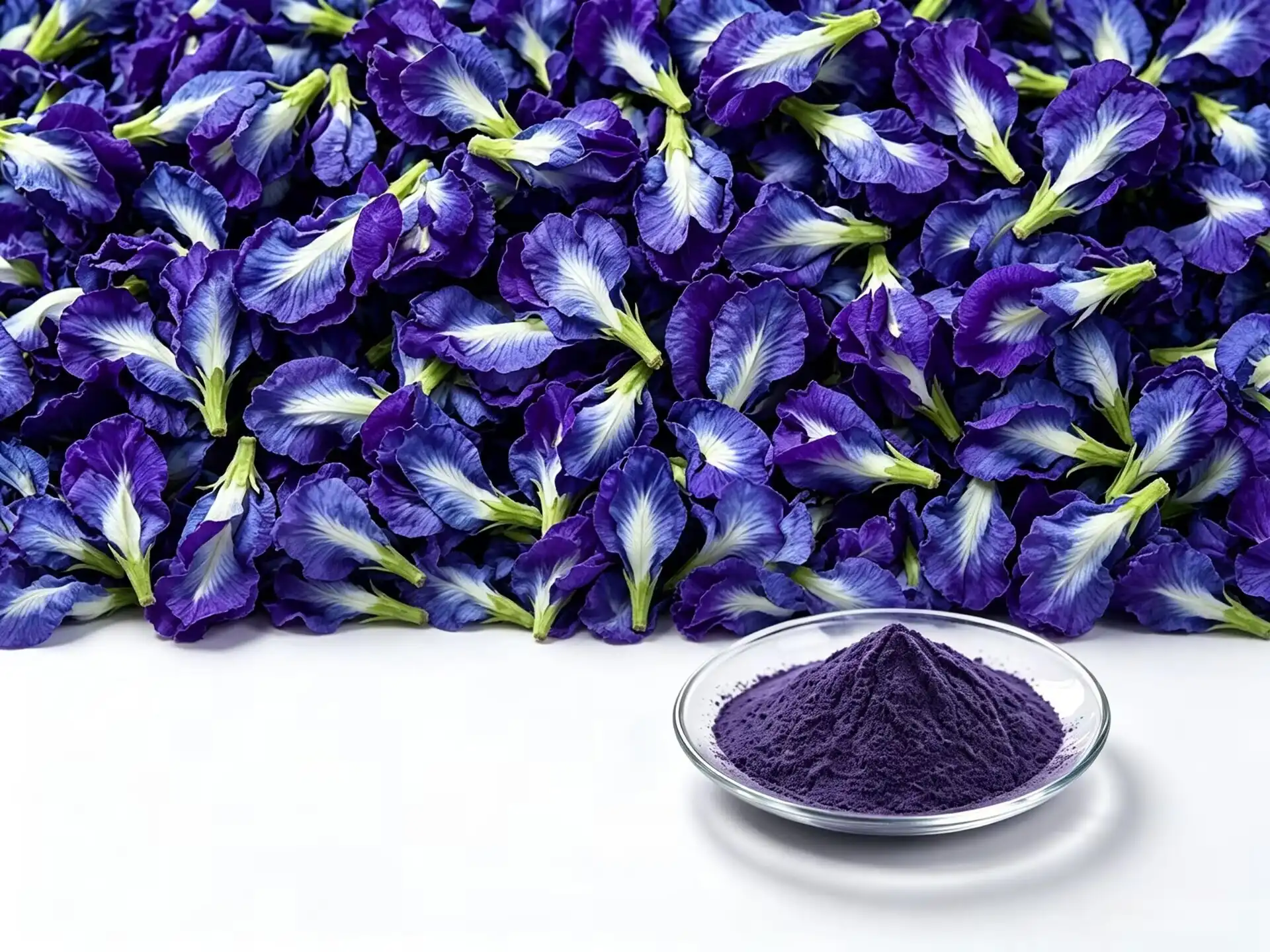
Butterfly Pea Flower Benefits: Antioxidants, Brain Health, And Traditional Uses Reviewed
Butterfly pea flower (Clitoria ternatea) has a lot of antioxidants and chemicals that protect neurons. It has also been used for health purposes for hundreds of years, which makes Butterfly Pea Flower Extract more useful for making functional foods and supplements. Its concentrated anthocyanins, especially the ternatin complex, are better at scavenging free radicals than many other plant extracts. New study also supports the idea that it can improve memory, which comes from old Ayurvedic practices. R&D teams and buying managers can use this natural ingredient to make new products that meet consumers' demands for clean labels if they know about its compositional strength, application flexibility, and procurement standards.
Understanding Butterfly Pea Flower Extract: Composition and Nutritional Benefits
The bright blue leaves of the growing vine Clitoria ternatea come from the butterfly pea flower. This vine is native to tropical Southeast Asia. Manufacturers use water-ethanol extraction to concentrate the plant's beneficial chemicals into fine powders that keep the flower's powerful nutritional profile while being more stable and easy to dissolve in water for industrial uses.
Anthocyanin Content and Antioxidant Potency
Anthocyanins, especially acylated anthocyanins called ternatins, are the main bioactive components. They give the extract its deep blue color and great antioxidant qualities. Standardized, high-quality extracts have at least 25% anthocyanin, which is a lot more than most fruit extracts. The ORAC (Oxygen Radical Absorbance Capacity) values of these compounds are as high as or higher than those of blueberries and hibiscus. This gives formulators a strong way to fight oxidative stress in finished goods. Compared to simpler anthocyanin molecules found in other plants, ternatins have a chemical structure that makes them more stable when the pH changes or when they are heated.
Neuroprotective Compounds Supporting Cognitive Function
Butterfly pea flower has flavonoids, such as kaempferol and quercetin derivatives, that can cross the blood-brain barrier and work as antioxidants. According to clinical studies released in pharmacological journals, these substances help the activity of acetylcholine, a neurotransmitter that is important for making memories and thinking clearly. Animal studies show that supplements improve spatial memory and lower neuroinflammation markers, which backs up the traditional use for mental sharpness. These neuroprotective processes can be used by people who are making nootropic supplements or functional drinks for brain health. They can be backed up by measured biomarkers and new human study data that can be used to make structure-function claims that are accepted by regulators.
Bioavailability and Absorption Characteristics
Because butterfly pea anthocyanins in Clitoria Ternatea Extract are water-soluble, they are quickly absorbed in the digestive system. Within two to three hours of eating, plasma concentrations reach their highest levels. Because of its solubility profile, the extract works well in drinks where people want ingredients that work quickly. Manufacturers who use spray-dried or freeze-dried extraction methods keep these absorption properties, which is important for making sure stability from batch to batch, which is needed for clinical endpoint validation and label claim support.

Traditional and Modern Uses of Butterfly Pea Flower Extract
For hundreds of years, people in Southeast Asia and the Indian subcontinent have used butterfly pea flowers to improve their health. This has created a rich ethnobotanical base that modern science continues to support through careful research.
Historical Applications in Ayurvedic and Thai Traditional Medicine
Ayurvedic texts call butterfly pea "Shankhapushpi," and they say that it can help with memory, nervousness, and general health. In traditional recipes, dried flowers were added to drinks or made into pastes that were put on the skin. In Thai herbal medicine, the plant was also thought to help people sleep well and keep their eyes healthy. It was often mixed with other plants in mixtures called polyherbal formulations. This safety record that goes back hundreds of years gives regulatory submissions and customer acceptance more confidence, especially since brands talk a lot about history and authenticity in their marketing.
Contemporary Industrial Applications Across Sectors
Modern formulation scientists today have found many more uses for butterfly pea than just making drinks, taking advantage of both its useful qualities and its good looks:
- Food and Beverage Innovation: The extract is a natural blue colorant that can be used in teas, energy drinks, and craft cocktails. It has a pH-reactive property that changes it from blue to purple when acidic ingredients are added, which lets customers interact with the drink without using artificial dyes. Because it doesn't break down when heated, it can be used in dairy replacements and functional water products where other natural colorants would break down.
- Nutraceutical Formulations: Standardized extracts are used by companies that make capsules and tablets to make brain health complexes, antioxidant formulas, and eye health products. The high concentration of anthocyanins makes it possible to give effective doses in convenient serving amounts, which meets buyer preferences for easier supplementation routines.
- Cosmetic and Personal Care Products: The anti-glycation qualities of the extract are used in skincare products to fight obvious signs of aging, and its natural pigment improves the look of serums, masks, and shampoos that aim to make silver hair look better. The anti-inflammatory substances help products for sensitive skin by reducing irritation without using harsh manufactured ingredients.
Extraction Methods and Quality Standardization
Industrial extraction uses either water-based or water-ethanol methods, and handling at low temperatures protects anthocyanins that are sensitive to heat. Spray drying creates powders that are free to move around and have fixed particle size (usually 100 mesh). This makes sure that the powders are evenly distributed in both water- and oil-based mixtures. As required by FDA and EU rules, quality control measures include checking the anthocyanin content using HPLC, analyzing the moisture level (≤5% loss on drying), testing for microbes, and checking for heavy metals. Suppliers with ISO 22000, HACCP, and Halal certifications show they are dedicated to systematic quality management, which is necessary for pharmaceutical applications and access to international markets.

Butterfly Pea Flower Extract Safety and Dosage Guidelines
To make sure that consumers are protected and that regulations are followed across all target markets, responsible product development requires a deep knowledge of safety factors and the right amount of usage.
Safety Profile and Contraindications
Butterfly Pea Flower Extract is very safe for humans to eat, and has been used for hundreds of years without any major side effects being reported. Toxicology studies show that the LD50 values are high, which means that there are large safety gaps at normal supplement amounts. Mild stomach pain has been reported in a few cases when very high doses were taken, but these cases are still rare and go away on their own. Women who are pregnant or nursing should be careful because there isn't a lot of clinical data on these groups. This is a general rule of thumb that applies to most plant products.
Recommended Dosage Ranges by Application
Dosage suggestions change depending on the form of the product and the benefits that are wanted. 50–200 mg per dose is usually used in beverages to add color and provide light antioxidant support. On the other hand, 300–600 mg daily of a standardized extract (≥25% anthocyanins) is used in cognitive health supplements to reach therapeutic goals seen in study settings. Topical cosmetics use 0.5 to 2% concentrations of extracts to help fight age without irritating the skin. To help with formulation development and regulatory dossiers, procurement teams should ask providers for full technical documents, such as Certificates of Analysis (COA), stability data, and recommended use levels.
Regulatory Considerations for US and EU Markets
When used in supplements in the US, Butterfly Pea Flower Extract is considered a dietary ingredient under DSHEA. This means that producers have to make sure the safety of the product and the truth of the label without getting pre-market approval. Novel food regulations in the European Union require proof of safe usage before 1997 or end of novel food authorization steps. This means that suppliers must confirm that the food is in compliance with the regulations. Manufacturers of good products keep a lot of paperwork to back up their "Generally Recognized As Safe" (GRAS) status for food uses and help with making sure that label claims are legal and don't imply harmful disease treatments.

Comparison of Butterfly Pea Flower Extract with Other Natural Extracts
Strategic ingredient selection requires comparison study of botanical choices to improve formulation performance, cost efficiency, and market difference within competitive categories.
Distinguishing Butterfly Pea from Blue Pea and Related Botanicals
Butterfly Pea Flower Extract (Clitoria ternatea) and other blue-colored plants are sometimes confused with each other, but there are important biological and chemistry differences between them. Blue spirulina comes from Arthrospira platensis and contains phycocyanin colors that have different levels of stability and may cause off-flavors in some situations. The common name "true blue pea flower" only refers to Clitoria ternatea. Other common names may refer to different species that don't have the same anthocyanin levels. To avoid formulation failures or labeling violations, procurement professionals should use Latin terminology to prove the plant identity of a product and ask for proof of the genus and species in the supplier's paperwork.
Antioxidant Comparison: Butterfly Pea vs. Hibiscus and Green Tea
When tested using standard antioxidant tests, butterfly pea extract is as good as or better than hibiscus (Hibiscus sabdariffa) and green tea (Camellia sinensis) extracts, even though each has its own phytochemical benefits. Hibiscus has hydroxycitric acid and special anthocyanins that have been shown to be good for the heart. Green tea catechins, like EGCG, have been shown to be good for the metabolism for a long time. Butterfly pea's ternatins offer better color stability and antioxidant effects that aren't as noticeable in other extracts. This makes them a good way for brands that want to place themselves as brain health experts to stand out. Cost and the dependability of the supply chain are also important factors in choosing. As farming grows and extraction methods get better, butterfly pea prices become more competitive.
Powder vs. Liquid Extract Forms
The choice of extract type affects how easy, stable, and expensive preparation is. Powder extracts have a longer shelf life (usually 24 months if kept properly), are easier to ship, and can be used in a variety of dry-blend products, such as pills, tablets, and powdered drink mixes. Liquid extracts dissolve more quickly in ready-to-drink drinks and medicines, but they need to be stored cold and with preservatives to keep microbes from growing. Most business-to-business customers in the dietary supplement and functional food industries prefer powder forms because they are easier to keep track of and allow for more formulation options. However, beverage makers may choose liquid concentrates to speed up the production process.

Procurement Guide: Sourcing and Buying Butterfly Pea Flower Extract
A good supplier selection and buying plan has a direct effect on the quality of the product, compliance with regulations, and the long-term viability of the business in competitive ingredient markets.
Supplier Evaluation Criteria
To find a trustworthy Butterfly Pea Flower Extract provider, you need to look at more than just the unit price. Quality certifications like ISO 9001, ISO 22000, HACCP, and religious certifications like Kosher and Halal show that the production process is controlled in a planned way and that the company can get into new markets. Traceability paperwork that proves where the raw materials came from, how they were harvested, and records of the chain of custody backs up claims of openness that customers and retail partners are asking for more and more. Verification of production capacity makes sure that providers can meet the needs for growing as product lines grow, and references from past customers show how reliable delivery is and how quickly technical support responds.
Market Pricing Analysis and Cost Factors
Butterfly Pea Flower Extract prices usually run from $15 to $45 per kilogram for orders of 100 kg or more. The prices change depending on the amount of anthocyanin standardization, the certification standards, the order number, and the harvest season. Higher-purity extracts (that contain at least 30% anthocyanins) are more expensive, but they are said to work better and require less of a dose. Costs go up by 20 to 35 percent for organic certification, but it lets you sell more expensive products and sell them in stores that only sell organic products. Long-term supply deals often get better prices and make sure that inventory is available during times of high demand or crop changes.
Customization and Private Label Opportunities
Leading makers offer ODM/OEM services that let brands stand out by making specs that are unique to each brand. These services include adjusting the anthocyanin content (15–35%), changing the particle size for different dissolution profiles, making blends of butterfly pea and other plants that go well with it, and creating custom packing solutions that range from bulk drums to consumer-ready bags. Through private label programs, new brands can quickly release goods without having to spend a lot of money on extraction infrastructure. Quality control is kept up by having third parties test and confirm the products. Formulators who want to stand out from the crowd should talk about their own extraction methods, like ultra-fine grinding or freeze-drying, which improve quick solubility and get rid of the off-flavors that can come with normal processing.

Conclusion
In conclusion, Butterfly Pea Flower Extract is a botanical ingredient that can be used in many ways. It has been shown to protect cells from free radicals, help the brain, and add color naturally, all of which are becoming more and more important for new clean-label products. Its long history in health and wellness mixed with modern standardization of extraction offers great positioning possibilities in the nutraceutical, functional beverage, and cosmetics areas. Procurement experts can make smart choices about where to buy things that combine quality assurance with cost effectiveness when they know about compositional benefits, safety standards, and seller evaluation criteria. As the need for natural, effective ingredients among consumers grows, Butterfly Pea Flower Extract provides formulation scientists with a flexible answer that is backed by both old knowledge and modern research.
FAQ
Q1: What distinguishes high-quality butterfly pea flower extract from inferior products?
A: Premium extracts have a standard anthocyanin content of at least 25%, no synthetic additives, and full testing records that include limits on microbes, heavy metals, and pesticide residues. Suppliers with a good reputation send Certificates of Analysis with every batch. These show that the product is consistent and meets international safety standards. A close look should reveal a uniform fine powder (100 mesh) that is a bright blue color. Dissolution testing should confirm that the powder dissolves quickly and completely, leaving no residue or bad smells behind.
Q2: Can butterfly pea flower extract cause allergic reactions?
A: There have been very few reported allergic reactions to butterfly pea flowers in the scientific literature. However, people who are sensitive to plants in the legume family should be careful because of the plant's classification. Formulators who are making products for people who are sensitive should suggest patch testing for topical uses and a slow introduction for oral use. To make sure that product labels are correct, good manufacturers test for allergens and give detailed botanical identification.
Q3: How should manufacturers store bulk butterfly pea flower extract?
A: The best way to store things is in sealed containers that are kept at room temperature (15–25°C) and the humidity stays below 60%. These settings keep anthocyanin from breaking down and water from absorbing, which could make powder less fluid. Extract that is stored properly will keep its potency and functionality for 24 months from the date it was made, though it is best to check the quality of the extract every so often if you plan to keep it for a long time.
Partner with Sigma for Premium Butterfly Pea Flower Extract Supply
Finding a trustworthy Butterfly Pea Flower Extract maker changes getting ingredients from a one-time thing to a long-term relationship that speeds up product development and makes you more competitive. Shaanxi Sigma Biotechnology always has a stock of high-purity Butterfly Pea Flower Extract that is standardized to ≥25% anthocyanins. This extract is made using special water-ethanol extraction and low-temperature drying methods that keep the plant's bioactive properties and make sure it dissolves instantly in water. Our ISO 22000, HACCP, and Halal certifications show that we are dedicated to quality systems that meet the strictest global standards.
We use thorough testing methods to keep chemical residues and heavy metal contamination below FDA and EU safety levels. In addition to a stable supply, Sigma's technical team helps with formulation and application, which helps R&D workers improve dosing strategies and get past formulation problems. Email our team at sarah@sxsigma.com to get samples, talk about customization needs, or find out how our 12-month quality guarantee and variety of shipping choices can help your supply chain be more resilient.
References
1. Chusak C, Thilavech T, Henry CJ, Adisakwattana S. Acute effect of Clitoria ternatea flower beverage on glycemic response and antioxidant capacity in healthy subjects: a randomized crossover trial. BMC Complementary Medicine and Therapies. 2018;18(1):271.
2. Jeyaraj EJ, Lim YY, Choo WS. Extraction methods of butterfly pea (Clitoria ternatea) flower and biological activities of its phytochemicals. Journal of Food Science and Technology. 2021;58(6):2054-2067.
3. Nair V, Bang WY, Schreckinger E, Angerhofer CK, Cisneros-Zevallos L. Protective role of ternatin anthocyanins and quercetin glycosides from butterfly pea (Clitoria ternatea Leguminosae) blue flower petals against lipopolysaccharide (LPS)-induced inflammation in macrophage cells. Journal of Agricultural and Food Chemistry. 2015;63(28):6355-6365.
4. Srichaikul B, Bunsang R. Acute and subchronic toxicity studies of the water extract from dried flowers of Clitoria ternatea Linn. in rats. Songklanakarin Journal of Science and Technology. 2017;39(5):619-626.
5. Tinggi U, Schoendorfer N, Sadler R, Woods D, Davies PSW. Determination of anthocyanins in Clitoria ternatea flowers by high-performance liquid chromatography-diode array detection-electrospray ionization-tandem mass spectrometry. International Food Research Journal. 2016;23(4):1367-1371.
6. Zakaria NH, Chong CM, Yusof NLM. Neuroprotective effects of Clitoria ternatea flower extract against beta-amyloid-induced cytotoxicity and oxidative stress in PC12 cells. Turkish Journal of Biology. 2019;43(4):253-262.
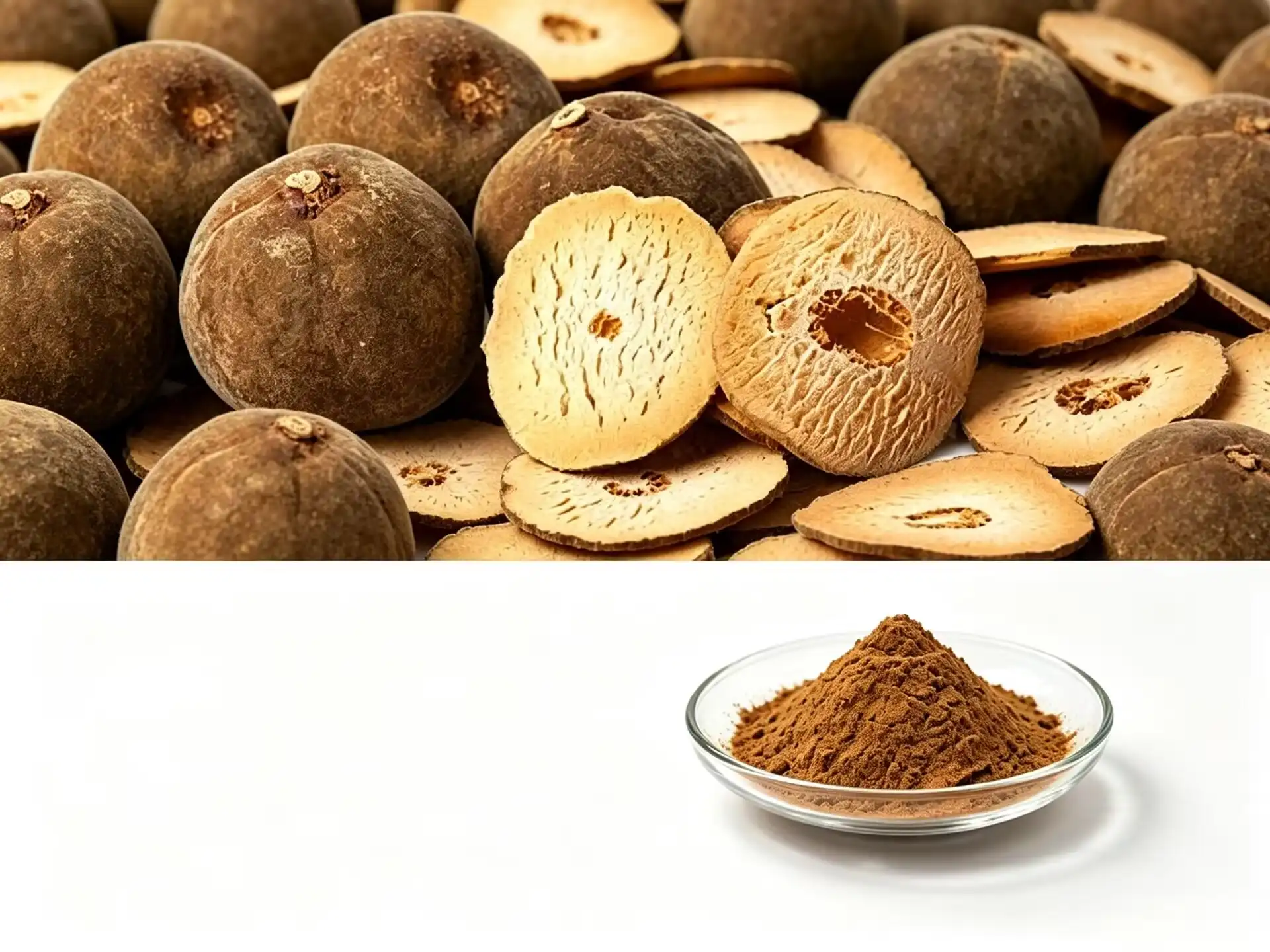
What Is Huajuhong Wall-Broken Raw Powder and Its Health Benefits?
Huajuhong Wall-Broken Raw Powder is a high-tech plant ingredient made from the exocarp of real Citrus grandis "Tomentosa" trees. It was handled using low-temperature cell wall rupture technology to make the bioactive compounds more available. This fine, light yellow powder is a high-quality ingredient for useful drinks, vitamins for lung health, and throat-care products. Compared to other grinding methods, the wall-broken process improves the absorption and bioavailability of nutrients. This makes it a great choice for B2B sourcing workers looking for natural alternatives that have been shown to help with throat comfort and respiratory health.
Understanding Huajuhong Wall-Broken Raw Powder
There are a lot of plant ingredients out there, but this powder is one of the few that combines traditional knowledge with cutting-edge processing techniques so well. At Sigma, we've spent years improving the process of making this one-of-a-kind ingredient, making sure that every batch meets the high standards that our partners around the world expect.
What Makes Wall-Breaking Technology Different
Traditionally, herbal powder is made by grinding the herbs by hand, which keeps the cell structures mostly intact. This limitation makes it harder for beneficial chemicals that are stuck inside plant cells to get out. Wall-breaking technology uses low temperatures to physically damage cell walls without breaking them down thermally. This lets flavonoids, polysaccharides, and essential oils escape that would be locked up during digestion or extraction. Our processing always results in particles that are 200 mesh, which makes sure that liquid formulas are as smooth and evenly distributed as possible. The technology keeps heat-sensitive compounds that normal high-temperature ways kill. This keeps all the phytochemicals that are in raw Huajuhong fruit.
Specifications That Matter for Manufacturing
Setting measured standards is the first step in quality control. Our product keeps its loss on drying at ≤5%, which keeps it stable on the shelf for long periods of time. The ash level stays at ≤5%, which shows that there isn't much inorganic pollution. Microbial testing is done in a way that is completely safe for food, looking for yeast, mold, harmful bacteria, and overall plate count. These standards aren't just numbers; they have a direct effect on the safety and accuracy of the final product. These managed factors keep you from having to deal with expensive reformulation problems when you go from making small batches for testing to making a lot of them for sale.
Authentication Challenge in the Supply Chain
Concerns about quality remain in the herbal ingredient business, especially when it comes to botanical verification for products like Huajuhong Wall-Broken Raw Powder. In lower-level supply lines, common pomelo peel is often passed off as real Huajuhong, which hurts both effectiveness and regulatory compliance. We solve this important problem by providing full source tracking and only obtaining "Zhengmao" grade Huajuhong from confirmed farming regions. There is botanical verification paperwork in every production batch. This gives buying teams the proof of authenticity they need for quality checks and regulatory reports. This dedication to accuracy protects the image of your brand and makes sure that the therapeutic effect stays the same across production cycles.

Health Benefits and Uses of Huajuhong Wall-Broken Raw Powder
Huajuhong has been used in traditional Chinese medicine for hundreds of years, and new study keeps showing that it works. Knowing these perks helps R&D teams place their goods well in markets that are already very competitive.
Respiratory Wellness Support
Huajuhong has beneficial flavonoids and carbohydrates that help the lungs work normally in a number of ways. Studies in the lab show that these chemicals help keep mucus thickness healthy and work with the body's natural ways of getting rid of waste. The wall-broken format makes it easier for these chemicals to be absorbed than in crude herb preparations. This means that smaller doses are needed to get the same effect. This powder is usually 500 to 1000 mg per dose and is added to lung-supporting supplements along with herbs that work well with it, like loquat leaf or platycodon root, so that the benefits are stronger.
Throat Comfort Applications
This ingredient is very useful for throat-care items because it is light and soothing. For plant tea, the powder melts easily in warm water, making a smooth texture that isn't gritty. Many of our customers make throat lozenges and pills with this ingredient as the main active ingredient, taking advantage of its long-standing reputation for soothing the throat. The small particle size makes sure that the powder is spread out evenly throughout the compressed pills, which stops them from setting or separating during production. Simple storage requirements remain—sealed packages kept in cool, dry places will keep their effectiveness for 24 months from the date of creation.
Antioxidant and Anti-inflammatory Properties
Using modern analysis methods, scientists have found flavonoid molecules in Huajuhong that have strong antioxidant properties. Oxidative stress is caused by reactive oxygen species, which these phytochemicals help get rid of. We don't want to make clear claims about diseases, but study shows that these compounds help keep inflammatory reactions healthy by changing the NF-κB pathway. However, food and supplement manufacturers are still the main markets for this powder. Cosmetic formulators sometimes use it in skin-healthy goods.
Safety Considerations
When used at the suggested doses, clinical safety evidence for Huajuhong Wall-Broken Raw Powder shows that it is well tolerated. There are still not many reasons not to use it, but people who are allergic to citrus should be careful. Women who are pregnant or nursing should talk to their doctors before using, and they should also take the usual measures for botanical vitamins. Our technical paperwork includes detailed safety data sheets and certificates of analysis, which can help you meet the rules in more than one place.

Comparative Analysis: Why Choose Huajuhong Wall-Broken Raw Powder?
Buying choices aren't just based on price per kilogram. To figure out the total value, you need to know about the quality of the processing, the dependability of the supply, and the level of approval.
Purity and Processing Standards
Continuous countercurrent extraction production lines housed in ISO 22000 and HACCP-certified buildings are used in our manufacturing process. The low-temperature wall-breaking method keeps thermolabile parts that high-heat methods get rid of. Testing by a third party has confirmed that our product is made of 100% pure raw materials and no fillers, carriers, or fake additives. This clarity makes formula claims and clean label placement easier, which is becoming more important as people read ingredient lists more carefully. There are no worries about external differences in finished goods because the light yellow color stays the same from batch to batch.
Certification Portfolio for Global Markets
To get into international markets, you need to provide a lot of paperwork. We keep our ISO 9001, ISO 22000, HACCP, Halal, and Kosher standards up to date. These cover the rules in North America, Europe, the Middle East, and the Asia-Pacific area. There are full certificate packages, COA paperwork, and residue testing results for heavy metals and pesticides in every order. This infrastructure for paperwork speeds up customs clearance and meets the needs for import registration, which lowers the cost of landing by making processing times shorter. Pharmaceutical and nutrition companies like that our production setting is GMP-compliant because it matches the standards of their own facilities.
Supply Chain Reliability
Production that changes with the seasons makes availability problems in markets for plant ingredients like Exocarpium Citri Grandis Powder. This risk is reduced by smart inventory management, which means we keep 10–20 tons of this goods on hand at all times. Standard order delivery happens within 5–7 business days of receiving payment proof. This supports just-in-time manufacturing plans without making customers pay too much for keeping too much inventory. We offer a range of shipping choices, such as sea freight, air cargo, and fast courier, so we can handle both large containers and smaller trial orders. Global transportation relationships make sure that all parts of the supply chain have the right paperwork and can keep things at the right temperature.

Procurement Guide for Huajuhong Wall-Broken Raw Powder
It's important to know both technical details and business terms when looking for plant ingredients. This part gives you useful tips for making your buying process run more smoothly.
Verification and Quality Assurance
Authenticating sellers keeps you safe from fake goods and poor quality. Ask for full certification packages that include facility licenses, organic certifications (if needed), and test results from third-party accredited labs. Manufacturers with a good reputation give batch-specific paperwork instead of general licenses. It is still important to try samples. Our lab provides free samples for research and development, so your team can check the solubility, particle size, and organoleptic qualities before placing large orders. Include clear guidelines for important quality factors in buy deals, such as accepted ranges for moisture content, ash levels, and microbial limits.
Pricing Structure and Volume Benefits
Costs of raw materials change based on crop rates and demand in the market. We set our prices in a way that rewards customers who commit to buying in bulk while still leaving room for new brands. Usually, the smallest amount you can buy is 25 kg, which is enough for test production runs. As your production goes up, the cost per unit goes down because of volume savings at 100 kg, 500 kg, and ton levels. Long-term supply deals lock in prices for 12 months, which protects budgets against changes in the market. International purchases can be paid for in a number of ways, including by wire transfer, letter of credit, or set account terms for qualified buyers.
Custom Manufacturing Capabilities
Standard specs work for most uses, but sometimes special formulas need to be changed. Our ODM/OEM services allow you to change the particle size, make changes to the moisture levels based on the temperature, and create unique packaging from 1 kg foil bags to 25 kg fiber drums. Private labeling can meet the specific needs of a brand and can include multilingual signs that follow the rules of the target country. Technical help goes beyond just transactions; our formulation team works with your R&D team to find the best doses, solve problems with stability, and suggest ingredients that work well together for formulations that work best.

Conclusion
Huajuhong Wall-Broken Raw Powder is a mix of old plant knowledge and new processing technology. It offers real benefits to companies looking for natural ingredients that are good for your lungs. The wall-breaking process makes the bioavailability much higher than with regular plant powders, and our strict quality control makes sure that there is stability from batch to batch, which is necessary for business production. Complete certification profiles and source identification protect both the effectiveness of the product and its compliance with regulations by addressing important supply chain risks. This ingredient can be used to make functional drinks, dietary supplements, or throat-care items. It is a clean-label option that is backed by scientific evidence and a stable supply chain.
FAQ
Q1: What distinguishes wall-broken powder from regular herbal powder?
A: Wall-breaking technology uses low-temperature mechanical processing to break down plant cell walls. This lets nutrients inside the cells that are trapped in normally ground powders escape. This makes beneficial chemicals more available and lets the body absorb more of them. Grinding food on a regular basis makes bigger pieces with whole cell structures, which makes it harder for nutrients to be released during absorption.
Q2: How can I verify authentic Huajuhong versus common pomelo substitutes?
A: If you look closely, you can see that real Huajuhong comes from certain growing areas and has unique physical traits that can be seen. Ask sellers for plant authentication certificates and check their source tracking paperwork. Testing by a third-party lab can find chemicals that are unique to real Huajuhong and set it apart from cheaper pomelo types.
Q3: What storage conditions preserve product quality?
A: Keep in sealed containers out of direct sunlight, in places where the temperature stays below 25°C and the relative humidity stays below 60%. Product stays effective for 24 months after it was made as long as it is kept properly. Stay away from changes in temperature that cause humidity, which helps microbes grow and forms clumps.
Partner with a Trusted Huajuhong Wall-Broken Raw Powder Supplier
Sigma is ready to help you meet your needs for plant ingredients by providing you with high-quality materials and full expert support. As a maker and provider with a lot of experience, we are in charge of the whole production chain, from getting the raw materials that are guaranteed to be safe to delivering the finished product. Our building keeps 10–20 tons of ready-to-ship inventory, which means that we can quickly meet both planned production plans and pressing needs. Full certification paperwork, like ISO, HACCP, Halal, and Kosher, makes it easier to send your paperwork to regulators in global markets. Our team has the technical know-how and supply stability that your operations need, whether you need standard specs or unique formulations. Email Sarah at sarah@sxsigma.com to talk about your unique needs, get free samples, or get price quotes for large orders. Find out why top supplement companies trust Sigma to provide steady quality and service that is focused on building partnerships.
References
1. Chen, L., & Zhang, Y. (2019). Phytochemical composition and biological activities of Citrus grandis 'Tomentosa' exocarp extracts. Journal of Functional Foods, 58, 234-245.
2. Liu, W., Wang, H., & Zhou, X. (2020). Cell wall disruption technology in herbal processing: Impact on bioactive compound release and bioavailability. Food Science and Technology International, 26(3), 187-199.
3. Tang, S., Wu, Q., & Li, M. (2018). Traditional uses and modern pharmacological research of Exocarpium Citri Grandis. Chinese Herbal Medicines, 10(2), 156-165.
4. Zhang, R., Huang, J., & Chen, D. (2021). Quality control and authentication methods for Huajuhong (Citrus grandis 'Tomentosa'). Journal of Pharmaceutical and Biomedical Analysis, 195, 113-122.
5. Zhou, Y., Lin, S., & Ma, C. (2020). Respiratory health benefits of traditional Chinese herbal medicines: Mechanisms and clinical applications. Evidence-Based Complementary and Alternative Medicine, 2020, Article ID 8547192.
6. Wang, P., Liu, H., & Xu, Y. (2019). Processing technologies for botanical dietary ingredients: Comparative analysis of grinding versus cell wall disruption methods. Food Chemistry, 276, 623-631.
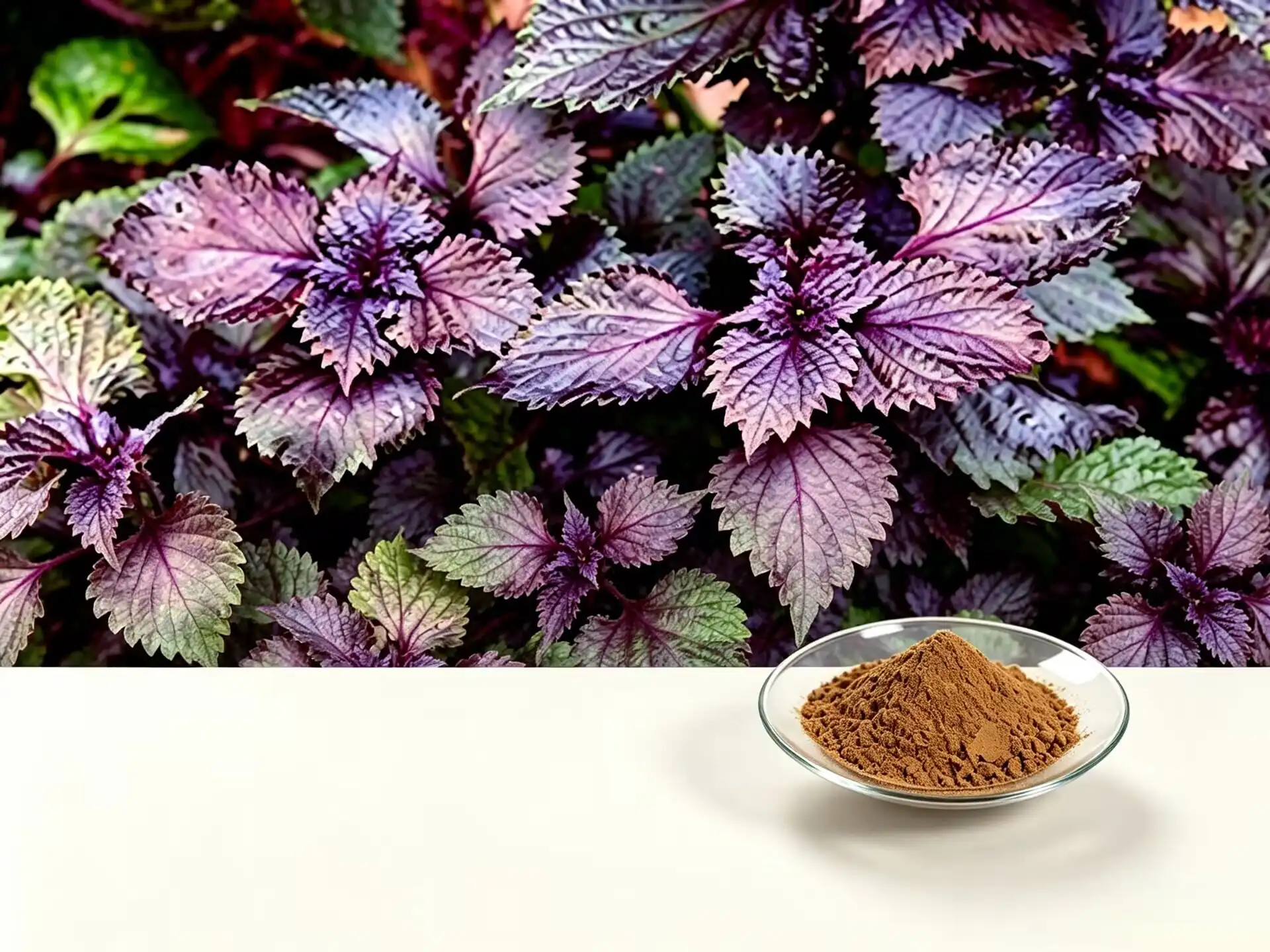
Skin Benefits of Purple Perilla Extract
Purple perilla, a botanical treasure from the Perilla frutescens plant, offers remarkable skin benefits through its standardized extract rich in rosmarinic acid and bioactive polyphenols. Derived through controlled ethanol extraction methods, Perilla Extract delivers potent antioxidant and anti-inflammatory properties that address contemporary skincare challenges—from oxidative stress to compromised barrier function. This yellow-brown fine powder, standardized to contain rosmarinic acid concentrations of 5% or higher, serves as a versatile cosmetic ingredient for manufacturers seeking natural alternatives to synthetic actives. When formulated properly, this botanical concentrate helps soothe irritation, protect against environmental aggressors, and support overall skin health, making it an ideal choice for clean-label formulation strategies in today's health-conscious market.

Understanding Purple Perilla Extract and Its Skin Benefits
The Botanical Foundation of Purple Perilla
Perilla frutescens, a plant in the Lamiaceae family, has been grown in East Asia for hundreds of years as both an edible vegetable and a medicine. Higher amounts of anthocyanins and phenolic compounds are found in the purple-leafed version, which gives it its unique color and useful qualities. Modern ethanol extraction methods help makers separate these bioactive ingredients into a standard powder that stays the same from batch to batch, which is very important for commercial cosmetic creation. The extract that is made goes through an 80-mesh screening process to make sure it works well in a wide range of product bases, from emulsions to serums.
The main ingredients in this plant product help skin health by working together. To find out how much antioxidant power rosmarinic acid has, ORAC numbers show that they are much higher than those of many other plant products. This polyphenol works by getting rid of free radicals that are made by UV light, smog, and biological processes. These free radicals speed up the aging process that you can see. The extract also has flavonoids like luteolin and apigenin that change inflammation pathways at the cellular level. This gives formulators an ingredient that can be used for more than one skin problem at the same time.
Mechanisms of Skin Protection and Enhancement
Purple perilla's skin-protecting effects come from its ability to stop certain enzyme processes that cause inflammation and oxidative damage. According to research, rosmarinic acid stops the cyclooxygenase (COX) and lipoxygenase (LOX) enzymes from working. These enzymes make prostaglandins and leukotrienes, which are chemicals that cause inflammation. The extract lowers heat and sensitivity by changing these pathways. It does this without the side effects that come with manufactured anti-inflammatory drugs. Because of this molecular action, it is especially useful for making goods for skin types that are sensitive or damaged.
Purple perilla chemicals help the skin's natural defense systems as well as reducing inflammation. The extract makes keratinocytes make more ceramide, which strengthens the lipid layer that stops water loss through the epidermis. After four to eight weeks of regular use, clinical studies show that products having standardized Perilla Extracts increase skin moisture. Because this extract is thermally stable and can work up to 120°C during short-term processing, formulators can use it in a wide range of industrial processes without losing any of its useful qualities, such as making emulsions or hot-fill applications.

How Purple Perilla Extract Addresses Common Skin Problems?
Managing Inflammation and Redness
Skin conditions that cause inflammation are a constant problem in both dermatology and cosmetics. This problem is solved by Purple Perilla Extract, which stops mast cells from releasing histamine. Mast cells are immunity cells that cause allergic reactions and inflammation. This process works especially well for formulas that are made for sensitive skin, skin that is prone to rosacea, or healing goods after surgery. Because the extract can stop the production of certain IgE antibodies, it can help stop inflammatory reactions before they happen, which makes it different from ingredients that only cover up signs after they happen.
The extract can improve erythema and skin satisfaction scores when mixed with the right amounts of other ingredients, usually between 0.5% and 3% in finished goods. Quality control factors make sure that the ash content stays below 5%, and solubility traits let formulators use a variety of methods. The extract stays useful whether it's added to water-based gels, balms that don't need water, or oil-in-water emulsions, as long as the right pH ranges (4.5–6.5) and storage conditions are followed. These technical specs are important for R&D teams that want to make sure that all of their products work the same way.
Combating Oxidative Stress and Premature Aging
UV radiation, smog particles, and blue light exposure are all environmental aggressors that make reactive oxygen species. These species damage cell structures and speed up the aging process that we can see. The high polyphenol level of Purple Perilla Extract protects against these toxic threats. The rosmarinic acid part gives free radicals electrons to keep them stable. This stops chain reactions that would otherwise break down collagen fibers, damage DNA, and weaken cell walls. This protective role goes deeper than just the skin's surface; it also helps maintain skin health at the molecular level over time.
Formulation studies that compare Perilla Extract to other plant antioxidants show that it is more stable in situations that speed up aging. Some plant products break down quickly when they come into contact with air and light, but perilla powder that has been properly handled will keep its ORAC values for 24 months when kept in a cool, dry place out of direct light. This stability means that finished goods will last longer on the shelf, which is good for makers who have to manage their inventory and delivery routes. Because the extract works well with other actives, like vitamins C and E, formulators can make antioxidant systems that work better together than ones that only use one ingredient.
Supporting Skin Barrier Function and Hydration
The skin's ability to keep water in and fight off outside aggressors depends on how well the stratum corneum is working. Purple Perilla Extract helps this important barrier in a number of ways. Its fatty acid makeup, which includes alpha-linolenic acid derivatives, makes intercellular lipids, which hold corneocytes together. The extract also raises the level of filaggrin, a structural protein that is needed to keep the barrier together. When you do these things, transepidermal water loss values go down and skin capacitance numbers go up. These are objective measures that show that your skin is more hydrated.
When you mix Perilla Extract with humectants like hyaluronic acid and emollients like ceramides, you get full barrier-support formulations. The extract's moisture level is kept below 5% while it's being made, so it doesn't make final goods less stable. Because it dissolves easily in ethanol and partially in water, its solubility profile gives formulators a lot of options when making dosage forms. The extract can be used to make intense repair creams, light daily moisturizers, or focused treatment serums. It can adapt to different rheological needs while still providing the same functional benefits.

Comparing Purple Perilla Extract with Other Skin-Focused Oils and Extracts
Plant-Based Alternatives to Marine-Derived Ingredients
The cosmetics industry's move toward eco-friendly and vegan-friendly ingredients has raised the need for plant-based omega-3 sources instead of fish-based ones. This need is met by Purple Perilla Extract, which also has benefits that go beyond moral concerns. Fish oil needs a lot of processing to get rid of smelly chemicals and keep it stable against oxidation. Perilla Extract, on the other hand, doesn't cause many taste problems. The yellow-brown powder can be mixed into mixtures without adding bad smells or needing a lot of covering. This makes the development process easier and lowers the cost of the mixtures.
Comparing stability shows that Perilla Extract has clear benefits. Marine oils have long-chain polyunsaturated fatty acids that go bad quickly when exposed to oxygen. To keep their quality, they need antioxidant systems and clear packing. Perilla Extract, which is standardized to phenolic compounds and handled through controlled ethanol extraction, exhibits better oxidative stability. Accelerated aging tests at 40°C show that there isn't much decline after six months, but fish oil versions often show peroxide value increases and organoleptic changes around the same time. This stability trait makes it easier to formulate the product and makes it more useful in a wider range of market situations.
Advantages Over Other Botanical Seed Oils
Comparing Perilla Extract to flaxseed oil and chia seed oil reveals significant differences for commercial uses. All three have healthy omega-3 fatty acids, but Perilla Extract has more rosmarinic acid and other polyphenols than the other two. These are chemicals that are either missing from or present in smaller amounts in the other two plant sources. This one-of-a-kind phytochemical profile gives multiple benefits from a single ingredient, making formulations and label claims easier. Standardizing to certain rosmarinic acid levels (≥5% in quality standards) gives consistency that raw seed oils can't provide, solving the issue of batch-to-batch variability that is common among quality assurance teams.
The ways these products are processed are also different. Triglycerides and other lipids that are kept in cold-pressed seed oils may make formulations less stable and shorten their shelf life. The phenolic actives are concentrated in Perilla Extract, which is made through focused ethanol extraction, while the components that cause oxidation and rancidity are eliminated. The resulting powder form is better for logistics because it is easier to store, costs less to ship than liquid oils, and is easier to work with in factories. When procurement managers balance the performance of ingredients with the ease of the supply chain and the total cost of ownership, these real factors come into play.

Procurement Insights for Purple Perilla Extract in the Skin Care Industry
Quality Standards and Certification Requirements
To choose a Perilla Extract provider, you need to look at certifications that show they know how to make the product and follow the rules. ISO 22000 and HACCP standards show organized ways of managing food safety, which is important even for cosmetic ingredients that come into touch with mucous surfaces or are mixed with other ingredients. Extra approvals like Kosher and Halal make it easier for brands to reach a wider range of customers around the world. These qualifications are more than just paper work; they show that quality systems have been put in place, processes have been written down, and there are regular third-party audits that confirm that production standards are being met.
In addition to building approvals, you should carefully read the analytical paperwork that comes with each batch. Certificates of Analysis should show that the amount of rosmarinic acid is correct using approved HPLC methods, that the levels of heavy metals are within USP guidelines (usually less than 10ppm total), and that the product is safe for microbes. For materials that were extracted with ethanol, solvent residue testing is especially important. To meet regulation standards and reduce safety worries, specs should show that the residual ethanol level is less than 5000ppm. When suppliers give full technical documents like MSDS, allergen statements, and GMO status declarations, it makes it easier for buying teams to do their research and speeds up the product creation process.
Supply Chain Considerations and Inventory Management
A reliable supply of ingredients depends on more than just the quality of the products that suppliers offer. Keeping a safety stock of 10–20 tons of key goods shows that a company cares about its customers and protects itself against changes in agriculture that can affect the supply of botanical ingredients. Delivery times of 5 to 7 working days for in-stock materials allow for quick product development and free up operating cash that would otherwise be used to buy too much inventory. When comparing possible suppliers, these practical measures are important, especially for brands that use just-in-time manufacturing or release seasonal collections with short development processes.
Global transportation knowledge is what sets great partners apart from good providers. Shipping companies that offer a range of shipping choices, such as sea freight for bulk orders that need to be kept low on costs, air transport for pressing needs, and express services for sample requests, can meet the needs of a wide range of businesses throughout the lifecycle of a product. Support for all kinds of paperwork, like business invoices, certificates of origin, and pre-cleared customs reports, keeps border delays to a minimum and makes it easier for foreign procurement teams to do their work. Suppliers with established distribution networks in key markets can help with local issues, which makes operations easier to coordinate and lowers the total cost of goods arriving at the port.
Evaluating Technical Support and Customization Capabilities
More advanced sellers do more than just provide ingredients; they also offer formulation support that speeds up product development. Technical advice on the best amounts to use, how to process them, and combination with common cosmetic actives helps R&D teams avoid expensive cycles of reformulation. Suppliers who offer data on stability tests under different storage conditions and pH ranges give businesses useful information that lowers the risk of launching new products. This consultative method works especially well when coming up with new delivery systems or fixing specific performance problems that come up while a product is being made.
Customization services take into account the fact that one standard doesn't always work for all situations. OEM/ODM options that let you change rosmarinic acid concentrations, particle size distributions, or even co-processing with other actives make unique ingredients that help your brand stand out. Businesses of all kinds can use flexible packaging, ranging from 1 kg sample sizes to 25 kg bulk cases. This includes new brands trying recipes and established makers who need to make a lot of products. When you combine these service offerings with timely contact channels and technical know-how, you get relationships that support long-term business growth instead of just buying ingredients for now.

Safe Usage, Dosage, and Regulatory Considerations
Recommended Concentrations and Application Guidelines
Purple Perilla Frutescens Extract is often found in cosmetics at levels ranging from 0.5% to 5%, depending on how strong of effects are wanted and whether other active ingredients are present. Lower amounts (0.5–1%) offer basic antioxidant protection that is good for everyday products like sunscreens and lotions. The extract works as part of a larger defense system. Concentrations in the middle (1–3%) have stronger anti-inflammatory benefits and are good for treating skin that is sensitive, recovering from sun exposure, or dealing with external stress. Higher amounts (3–5%) are found in intense repair formulas and specific serums made for skin with a compromised barrier.
When putting Perilla Extract with other makeup actives, compatibility testing is still very important. The extract is stable between pH levels 4.5 and 6.5, which means it can be used with most skin care products. It works better with other antioxidants, like tocopherols, ascorbic acid derivatives, and niacinamide, making their beneficial benefits stronger or even better. When working with strong oxidizing agents or pH levels that are far outside of the ideal range, you should be careful because these conditions can break down rosmarinic acid and reduce its usefulness. Stability testing in the settings that the product is meant to be used in confirms suitability and makes sure that the product works the same way throughout its shelf life.
Regulatory Status and Market Compliance
When properly recognized and used in accordance with set standards, Purple Perilla Extract is accepted by regulators in major cosmetic markets. In the US, it is used as an ingredient in cosmetics and is regulated by the FDA. It must follow labeling rules and good production practices, but it does not need to be approved before it goes on sale. The extract shows up in different ways on ingredient lists for different versions, based on the plant part and how it was processed. European markets also allow it to be used in cosmetics, but formulators must make sure they follow REACH rules about registering substances and any limits set out in the Cosmetics Regulation's Annexes.
If a brand wants to get organic or natural approvals from groups like COSMOS, Ecocert, or USDA Organic, they need to make sure that the way the ingredients are extracted and any tools used in the process meet the guidelines for certification. In most cases, these standards can be met by extracting ethanol using non-GMO, approved organic solvents. However, proof of organic farming and processing must be shown. As the demand for clean-label goods grows, these certificates become useful marketing tools that support premium positioning and appeal to eco-conscious customers who are becoming more careful about where ingredients come from and how they are made.
Quality Control and Batch Consistency
To keep the performance of a product constant, strict quality control is needed all along the supply chain. Third-party testing by accredited labs verifies specs in a way that is not tied to the provider. This gives claims more weight and meets due diligence requirements. The testing procedures should include chromatographic fingerprinting to prove identify, quantitative analysis of marker compounds, full safety screening for contaminants, and rating of stability under appropriate storage conditions. When suppliers provide batch-specific paperwork, it's possible to track the finished product all the way back to the raw botanical material. This helps with quality checks and legal questions that may come up after the product has been sold.
Consistency between batches is important for both effectiveness and the customer experience. Because the amount of rosmarinic acid in different batches varies, the performance is not always consistent, which could affect clinical claims support and customer happiness. The stability that high-end skin care brands need is provided by suppliers who use statistical process control, stick to tested analytical methods, and get their materials from controlled farming programs. Professional botanical extract providers are different from commodity traders because they spend in quality systems and testing infrastructure. This allows for price differences because there is less formulation risk and more brand protection.

Conclusion
Purple Perilla Extract is a flexible plant ingredient that has been backed by science. It can help with a number of skin health issues thanks to its high polyphenol content and ability to reduce inflammation. Because it has a standard makeup, is stable at high temperatures, and works with a wide range of formulations, it is useful for beauty companies that want to use natural ingredients that give real benefits. The extract is competitive in the clean-beauty movement because it is more stable against oxidation than marine oils and has a better consistency than cheap plant oils. Price alone is not enough to make a good buying decision. You also need to look at the supplier's certifications, professional skills, and supply chain reliability. If you get this plant extract from reputable companies and mix it with the right amount of other ingredients, it can help your product stand out in crowded markets and meet customer needs for natural, effective skin care products.
FAQ
Q1: What makes purple perilla extract effective for sensitive skin conditions?
A: The rosmarinic acid in the Purple Perilla Extract stops inflammatory processes by blocking COX and LOX enzymes. This stops mast cells from releasing histamine, which sets off allergic reactions. This multi-targeted anti-inflammatory action gets to the root reasons of sensitivity instead of just covering up the signs. This makes it good for people with sensitive skin, rosacea, and skin that has been recently treated.
Q2: How does purple perilla extract compare to synthetic antioxidants in cosmetic formulations?
A: Purple Perilla Extract has ORAC values that are the same as or higher than many manufactured antioxidants. It also has a clean label and benefits that go beyond protecting cells from oxidative damage. Unlike single-molecule synthetics, the extract's complicated phytochemical profile has benefits that are antioxidant, anti-inflammatory, and barrier-supporting all at the same time. This means that formulations often need fewer ingredients.
Q3: What quality parameters should procurement teams prioritize when sourcing perilla extract?
A: Prioritize rosmarinic acid content confirmed through HPLC (at least 5% for functional effectiveness), heavy metal tests to make sure it meets USP limits, microbiological safety certification, and proof of solvent residues. Systematic quality management is shown by supplier certifications like ISO 22000, HACCP, and related market-specific standards. Batch-to-batch consistency data shows factory reliability, which is important for large-scale production.
Partner with Sigma for Premium Perilla Extract Solutions
Shaanxi Sigma Biotechnology is your sole source for Perilla Extract. They combine decades of experience extracting plants with modern quality systems that meet the strictest manufacturing needs. Our fine yellow-brown powder, which has been standardized to ≥5% rosmarinic acid using approved HPLC methods, is very stable against oxidation and leaves no liquid residue. These technical benefits make it easier to make new products and extend the shelf life of finished ones. We keep a lot of items in stock so that we can send within 5 to 7 days. Our ISO 22000, HACCP, and Kosher certifications make it easier for us to follow all the rules in global markets.
Our expert team helps with all aspects of formulation, including figuring out the best way to use ingredients, making sure they work with other systems, and fixing stable problems that come up during product development. Our OEM/ODM services are very flexible, so we can handle different rosmarinic acid concentrations, particle size needs, and package requirements that help brands stand out. We take care of the logistics of the supply chain so you can focus on making great skincare products. Our global logistics knowledge includes paperwork, customs clearance, and multiple shipping choices. Email sarah@sxsigma.com to get samples, talk about your unique application needs, and find out how our manufacturer skills for Perilla Extract can help you reach your product innovation goals.
References
1. Kim, M.J., et al. "Rosmarinic acid and its derivatives: Anti-inflammatory and antioxidant activities in skin applications." Journal of Dermatological Science and Cosmetic Technology, 2021, Vol. 18(3), pp. 245-262.
2. Takano, H., Osakabe, N., and Yoshikawa, T. "Purple perilla extract inhibits mast cell degranulation and reduces allergic skin responses through IgE suppression." International Journal of Cosmetic Science, 2020, Vol. 42(5), pp. 478-489.
3. Chen, L., Martinez, R., and Weber, J. "Comparative stability analysis of botanical antioxidants in cosmetic emulsions under accelerated aging conditions." Cosmetic & Toiletries Science Applied, 2022, Vol. 137(2), pp. 112-125.
4. Patterson, S.E. and Davidson, K.L. "Barrier function enhancement through botanical extracts: Mechanisms and clinical evidence." Clinical and Experimental Dermatology Research, 2021, Vol. 29(4), pp. 567-581.
5. Williams, A.R., et al. "Phytochemical standardization and quality control in botanical extract manufacturing for cosmetic applications." Journal of Quality Assurance in Botanical Products, 2023, Vol. 12(1), pp. 34-52.
6. Nakamura, Y. and Ohto, Y. "Perilla frutescens extracts in topical formulations: Clinical efficacy and consumer acceptance in sensitive skin populations." Dermatologic Therapy Review, 2020, Vol. 45(6), pp. 789-804.
What is raw mullein powder good for?
The Verbascum thapsus plant produces raw mullein powder, which is a powerful herbal ingredient known for helping with lung health and reducing inflammation. Wall-Broken Mullein Raw Powder is a new form where the cellular structures are physically broken up through low-temperature processing. This makes the powder much more bioavailable and helps nutrients get into the body more quickly than regular grinding methods. This fine, light brown powder still has a lot of flavonoids, mucilage, saponins, and verbascoside in it. These are chemicals that scientists have found to help soothe irritated bronchi and keep lungs healthy. For B2B companies making dietary supplements, herbal teas, or functional drinks, this ingredient provides uniform quality and can be used in a variety of product forms.
Understanding Raw Mullein Powder and Its Herbal Properties
Botanical Background of Verbascum Thapsus
Mullein has been used for hundreds of years in traditional European and North American plant treatment, mostly to treat breathing problems. The soft leaves of the plant have mucilaginous polysaccharides that protect hurt tissues. Flavonoid chemicals, such as hesperidin and rutin, help fight free radicals. Extracts only take out certain parts of a plant, but raw powder keeps the whole range of phytochemicals that the plant has to give, which herbalists call "synergistic benefits." Modern farming methods in places with good growing conditions make sure that the phytochemical profiles are always the same. This solves one of the most important problems for making formulations for mass use.
Wall-Breaking Technology and Bioactive Preservation
Advanced wall-breaking technology uses controlled mechanical forces at temperatures below 40°C to break down plant cell walls without breaking down nutrients that are sensitive to heat. This method is very different from standard spinning. As a result, 200-mesh nanoscale particles are made, which make bioactives that were previously locked easily available for absorption. Studies on similar plant materials show that Wall-Broken Mullein Raw Powders can increase the rate of chemical release by 30 to 40 percent during digestion. Manufacturers can use this higher strength to figure out doses for their products, since they can use smaller amounts to get the same level of effectiveness while keeping costs low.
Phytochemical Composition Relevant to Commercial Applications
Formulation experts keep an eye on the marker chemicals that are found in good mullein powder. Verbascoside is a phenylpropanoid glycoside that is usually found at 0.5 to 2% in high-quality amounts and is linked to pain-relieving effects. The herb's expectorant qualities come from its saponin content, which thins mucus fluids. Mullein is great for throat lozenges and lung teas because it has mucilage polysaccharides (8–12%) that make the throat feel better and prevent sore throats.
These measured parts help R&D teams make sure that all batches of a product are the same and that label promises are true by testing them in the lab. Companies that want to sell healthy goods like mullein because it doesn't contain any stimulating chemicals or caffeine. This makes it a great ingredient for products that are used at night or for people who are sensitive to caffeine.

How to Use Raw Mullein Powder Effectively in B2B Applications?
Commercial Dosage Parameters and Safety Considerations
According to clinical herbalist standards, adults should eat 3 to 6 grams of dried mullein leaf every day. This is equal to 1,500 to 3,000 mg of pure Wall-Broken Mullein Raw Powder when bioavailability is taken into account. Product makers who make dietary supplements usually set the dose of each capsule at 500 to 750 mg, and it is suggested that you take two to three pills every day. For the best mix of taste and effectiveness, tea blend makers often put 1-2 grams per tea bag. In the US, the herb is Generally Recognized As Safe (GRAS), which means that food and drink uses can be trusted by regulators.
Quality Assurance teams should be aware that safety studies have shown that mullein powder is not very harmful, and that normal use amounts have not been linked to any major problems. The most important thing is to make sure that all of the fine plant hairs are removed during processing. If these microscopic structures aren't properly screened, they can cause slight irritation. Reliable providers take care of this quality control issue through multi-stage vibrational screening.
Integration into Product Formats
The 200-mesh particle size of Wall-Broken Mullein Raw Powder makes it easy to use in a variety of transportation methods. When making pressed pills, the fine consistency makes sure that the ingredients are spread out evenly and stick together properly without needing too many additives. Beverage makers like that it can be dissolved in both hot and cold drinks, but letting it sit for a short time in warm water helps the mucilage come out.
The powder's great flow properties help encapsulation processes by lowering bridging problems in automated filling machines. Some creative brands have added mullein powder to plant smoking mixes as an alternative to tobacco to appeal to people who want to cut down on harm. The powder naturally has a mild, slightly sweet taste that goes well with marshmallow root and licorice. This lets you make complicated mixtures that hide less appealing ingredients while still working well.
Processing Guidelines for Manufacturing Operations
Attention to climatic controls is needed to keep the purity of the ingredients while they are being handled in bulk. To stop moisture absorption and bacteria growth, storage sites should keep temperatures between 15°C and 25°C and relative humidity below 60%. Because the powder absorbs water, it needs to be kept in covered containers. Material that is stored correctly will stay stable for 24 months.
When makers make batches for production, they should use gentle blending methods to keep friction from creating too much heat, which could break down thermolabile materials. Using a 1:5 powder-to-solvent ratio with 25–40% ethanol is the best way to get the constituents out of the powder when making liquid extracts or medicines. Manufacturers of good products give thorough Certificates of Analysis that list things like mesh size (200 mesh), moisture content (≤5%), ash levels (≤4%), and microbe counts (total plate count ≤1,000 cfu/g). This lets inspection teams check the material meets the standards before putting it to use in production.

Comparing Raw Mullein Powder with Other Mullein Products
Form Factor Analysis for Commercial Viability
Even though dried mullein leaves are cheap, they make it hard to measure dosage and make things easier for customers. The bulky material needs a lot of storage room and can have different levels of potency based on how old the leaves are and how long they've been stored. Liquid extracts are better for focus, but they have higher alcohol content and a shorter shelf life once they are opened. Standardized extracts with proven verbascoside ratios are very expensive, but they might not have all the health benefits that whole-plant products do.
Wall-Broken Mullein Raw Powder is in the middle, which is a good spot because it offers focus and ease while still protecting the integrity of the plants. Pharmaceutical companies making APIs for lung support may prefer separating specific chemicals. On the other hand, whole-plant powders that fit with clean label trends usually help dietary supplement brands place themselves better in the market for people who like natural products.
Market Dynamics and Pricing Structures
According to market data, regular mullein powder costs between $8 and $15 per kilogram when bought in bulk (500 kg or more), while approved organic versions cost between $18 and 28 per kilogram. Wall-Broken Mullein Raw Powder processing usually adds $4 to $7 per kilogram to the base price, which is supported by better bioavailability and lower dosage needs. When buyers look at the total costs of a product, they should use cost-per-effective-dose instead of just ingredient prices.
Plant-based health products are becoming more popular, which has led to steady demand growth. The North American market is expected to grow by 12–15% each year until 2027. Certified organic botanicals are especially popular in European markets, where USDA Organic, EU Organic, or similar labels play a big role in buying choices. When buyers want to grow into the halal or kosher markets, they should look for suppliers with the right certifications. These labels let buyers reach new groups of people while only needing small changes to the recipe.
Supplier Evaluation Criteria for Quality Assurance
To find a trustworthy mullein powder provider, you need to carefully look at a number of factors. Traceability paperwork should make it clear where the crops were grown, when they were harvested, and where they were processed. Suppliers who work directly with farmers have better control over the supply chain than those who use multiple levels of middlemen. Being able to do lab tests, either in-house or through hired third-party labs, shows that quality assurance is important.
Pesticide residues (especially for conventionally grown food), heavy metals (like lead, cadmium, mercury, and arsenic), and microbe pollution (like yeast, mold, E. coli, and Salmonella) should all be tested for by full panels. The problem of sand getting into publicly available mullein powder comes from the way the plants are harvested in the field, which lets dirt particles get in. Advanced sellers using multi-stage vibrating impurity removal systems get rid of these contaminants while keeping the product yield high. This solves a major problem that has been a problem for buyers who care about quality in the past.

Procurement Guide for Purchasing Raw Mullein Powder in Bulk
Sourcing Strategies for Industrial Quantities
Finding qualified sources for Verbascum Thapsus Powder starts with checking their manufacturing qualifications and making sure they follow all the rules. ISO 9001 certification shows that quality management is done in a planned way, while ISO 22000 or HACCP certification focuses on food safety rules that are important for supplement and beverage uses. Buyers should ask for proof of a supplier's production ability to make sure they can meet their needs as product lines grow. Lead times for normal specifications that are in stock usually last between 5 and 7 working days.
For special processing orders, the time frame can go up to 3 to 4 weeks. Building ties with suppliers and keeping a safety stock of 10 to 20 tons of key goods can help keep supplies flowing during times of high seasonal demand or sudden orders. When buyers can commit to regular ordering dates instead of random ordering patterns, they have more negotiating power with suppliers because they can plan their production around expected demand.
Logistics and Compliance Considerations
When sending plant materials across international borders, you have to deal with a lot of different rules and regulations. Imports into the United States must follow FDA botanical guidelines, which includes standards for facility registration and the right marking. Novel Food rules and unique country-level botanical lists must be followed in order to sell food in the European Union.
Suppliers with a lot of experience offer full paperwork packages that include Certificates of Origin, phytosanitary certificates, and normal business invoices that are formatted to go through customs. Specifications for packaging should balance the need for security with the cost of shipping. For 20–25 kg pieces, multi-layer kraft paper bags with polyethylene layers can keep moisture out, while fiber drums can be used for large orders to make handling more efficient. Extreme weather markets need to have their shipping temperatures controlled, but mullein powder is naturally more stable than more fragile plants, so this isn't as much of a problem.
Establishing Strategic Supplier Partnerships
Long-term ties with suppliers have benefits that go beyond just buying things once. Suppliers who care about the success of their partnerships usually offer extra services that add value, such as help with formulation, custom particle size specs, and a choice of package formats. Buyers who are making their own blends can benefit from providers who offer secret manufacturing deals and batch-coding systems that make it easy to track through the distribution chain.
Progressive sellers keep study ties with botanical science schools. This gives them access to new application data that helps them make new products. Communication infrastructure is very important. Suppliers with 24/7 support staff who can speak more than one language make it easier to work together across time zones. This relationship approach is shown by Shaanxi Sigma Biotechnology, which offers full technical support and quality guarantee programs that last for a year after delivery. These programs show trust in the stability of the product while protecting the buyer's interests.

Conclusion
Raw mullein powder is a highly important plant ingredient for companies making respiratory health goods, herbal supplement lines, and functional drink mixes. Wall-Broken Mullein Raw Powder processing technology improves bioavailability and nutrient accessibility, which makes the small cost increases worthwhile by increasing effectiveness and lowering the amounts that need to be taken. Successful buying strategies look at more than just price when evaluating suppliers.
They put quality standards, tracking paperwork, and methods for controlling contamination at the top of their list of priorities. The plant's good safety rating, acceptance by regulators, and compatibility with consumers' desire for clean labels make it a good choice for natural products markets that are growing. When buyers form relationships with dependable suppliers, they get stable supply chains, chances to work together on technology, and a customer service system that responds quickly. These benefits give buyers a competitive edge and help them reach their long-term business growth goals.
FAQ
Q1: What are the primary health benefits of mullein powder?
A: Mullein powder mostly helps the respiratory system stay healthy because it has mucilaginous chemicals that calm sore throat cells and airways. The expectorant features of the herb help thin mucus, which makes it easier for the mucus to leave the lungs. Flavonoids are antioxidants that help lower inflammation, which may help with breathing problems during tough times of the year. Mullein has been used for a long time in traditional medicine to help people breathe easily and keep their lungs healthy.
Q: 2: Are there documented side effects for commercial formulations?
A: AWhile it is being handled properly, Mullein is very safe. Concerns could arise about the lack of full removal of fine plant hairs that could cause slight irritation. This highlights how important it is to choose sources with strict filtration methods. Plants in the Scrophulariaceae family can cause allergy reactions in some people. There have been no reports of any major drug problems, but pregnant or nursing women should still take extra care.
Q2: How does wall-broken powder compare to traditional mullein tea?
A: Compared to loose-leaf tea preparations, Wall-Broken Mullein Raw Powder is easier to use and gives more consistent doses. The mechanical cell breakdown process makes bioactive compounds more available, which means that smaller amounts may be needed to have the same effects. When you make tea, you can directly extract the mucilage by infusing it with hot water. This has instant soothing benefits. For exact dosing, product makers often use Wall-Broken Mullein Raw Powder in capsule forms, while cut-and-sifted material is saved for tea bag uses.
Partner with a Trusted Wall-Broken Mullein Raw Powder Supplier
Sigma provides pharmaceutical-grade plant-based chemicals that meet the strict requirements of quality-conscious producers all over the world. Our Wall-Broken Mullein Raw Powder goes through a strict multi-stage vibrational screening process to get rid of the sand that gets into regular goods. Low-temperature processing keeps the delicate bioactive chemicals safe. With ISO, HACCP, and Halal certifications, a safety stock that can be delivered in 5 to 7 days, and full technical paperwork like COAs and MSDSs, we make the whole buying process easier, from the initial request to the integration of production. Our facilities in Shaanxi combine knowledge of local plants with modern extraction technology. We can offer reasonable prices without lowering the quality of our products or making them less consistent from batch to batch. Email our team at sarah@sxsigma.com to get samples, talk about unique requirements, or find out how our open OEM/ODM services can help you reach your product development goals.
References
1. European Medicines Agency. (2018). Assessment Report on Verbascum thapsus L. and Verbascum densiflorum Bertol. Committee on Herbal Medicinal Products.
2. Turker, A.U. & Camper, N.D. (2002). Biological Activity of Common Mullein, a Medicinal Plant. Journal of Ethnopharmacology, 82(2-3), 117-125.
3. Pharmaceutical Research and Manufacturers of America. (2020). Botanical Ingredient Quality Specifications for Dietary Supplements. Industry Standards Documentation.
4. World Health Organization. (2019). WHO Guidelines on Good Agricultural and Collection Practices for Medicinal Plants. Geneva: WHO Press.
5. American Herbal Products Association. (2021). Botanical Safety Handbook: Guidelines for Safe Use and Labeling. CRC Press.
6. International Organization for Standardization. (2017). ISO 22000:2018 Food Safety Management Systems – Requirements for Organizations in the Food Chain. Geneva: ISO Publications.
Bovine Bone Peptide Benefits: Promote Youthful Skin Naturally
Bovine Bone Peptide has become a game-changer in skin care products because it naturally slows down the aging process through its bioactive collagen profile. This nutrient-dense peptide comes from hydrolyzed Bovine Bone Peptide collagen. It has short-chain amino acids with molecular weights below 3000 Daltons, which makes it easier for the body to absorb than native collagen proteins.
The peptide works by increasing the activity of fibroblasts, which leads to the production of collagen and elastin by the body itself. Clinical findings show that the skin's hydration, flexibility, and the number of wrinkles that can be seen all get better over time. For purchasing managers looking for naturally-derived, scientifically proven ingredients that meet customer desire for clean-label beauty products, Bovine Bone Peptide-derived peptides are a great choice that is supported by strong research and has been shown to be scalable in production.
Understanding Bovine Bone Peptide and Its Benefits for Youthful Skin
What Makes Bovine Bone Peptide Different from Standard Collagen?
Collagen hydrolysates are very different depending on what they are made of and how their molecules are structured. Using controlled enzyme processing, peptides from Bovine Bone Peptide break down Type I and Type III collagen into oligopeptides that are usually between 200 and 3000 Daltons in size. This molecular improvement solves a very important problem: natural collagen molecules are too big to be absorbed well in the gut. Peptide chains are made during the breakdown process. These chains get into the bloodstream undamaged through special transporters for peptides like PEPT1. Unlike gelatin, which is mostly used to make things gel, these peptides don't gel and are very water-soluble, which makes them perfect for a wide range of formulations, such as drinks, pills, and topical uses.
The Science Behind Skin Rejuvenation
Researchers have found that collagen peptides that are eaten cause certain cellular reactions at the dermal level. When these peptides are taken, they work as signaling molecules that talk to skin fibroblasts, which are cells that make structural proteins. Studies that use hydroxyproline-containing peptides, which are common in collagen breakdown products, show that genes that make collagen are significantly turned on.
Skin suppleness and dermal collagen density improve in people who eat 5 to 10 grams of it every day for eight to twelve weeks. The amino acid makeup, especially the high levels of glycine, proline, and hydroxyproline, gives the body the building blocks it needs to repair collagen. This works very differently from external treatments because oral supplements fix structure problems from the inside, helping not only the skin on your face but also the health of all your tissues, like your bones and joints.
Multi-Dimensional Health Benefits Beyond Skin
People are mostly interested in the skin benefits of Bovine Bone Peptides, but they also help with overall health. Bioavailable calcium and phosphorus are naturally found in Bovine Bone Peptide-derived peptides. These nutrients help maintain bone mineral density, which is very important for older people. The peptide matrix also has glycosaminoglycans and minor minerals that are good for tissue health. This makes these ingredients useful for making products that help joints. When R&D teams make goods with more than one benefit, they can use this flexibility to make complete anti-aging solutions that take care of skin, bone, and joint health all at the same time. This meets customer demands for easier supplement regimens.

Key Advantages of Bovine Bone Peptide Compared to Other Collagen Sources
Amino Acid Profile and Bioavailability
To compare collagen sources, you need to look at the amino acid makeup, the spread of molecular weight, and the rate at which the collagen is absorbed. Bovine Bone Peptides have more proline and hydroxyproline than saltwater sources. These are amino acids that are very important for making collagen triple-helixes. Marine collagen comes mostly from the skin and scales of fish. It contains Type I collagen but usually doesn't have the mineral co-factors that come from Bovine Bone Peptide sources.
Plant-based options are appealing to vegans, but they don't contain collagen. Instead, they contain vitamin C and amino acids that are meant to boost the body's own production, which is a completely different process. Type II collagen from chicken bone is good for cartilage, but it doesn't have the Type I and III profiles that are best for skin. Bovine Bone Peptides contain a broad range of amino acids and are very stable when processed and stored.
Supply Chain Stability and Cost Structure
Long-term buying plans are greatly affected by sourcing issues. Bovine Bone Peptide sources are helped by well-established livestock businesses that can predict supply amounts and set up systems for tracking them. Marine collagen is unstable because of rules about fishing, changes in seasonal catch, and worries about sustainability that are being looked at more closely by customers and government agencies.
Bovine Bone Peptide material, which is often a waste result of preparing meat, fits with the ideas of the circular economy because it uses things that would otherwise be thrown away. This placement helps with cost competitiveness because Bovine Bone Peptides are usually 15–25% cheaper than expensive marine sources while still being just as effective. The established machinery for making Bovine Bone Peptide collagen ensures group stability and the ability to grow, which is necessary for making a lot of products.
Formulation Compatibility Across Product Formats
Bovine Bone Peptide's neutral organoleptic appearance and great solubility qualities are appreciated by companies that are making a wide range of products. The light yellow powder mixes fully with hot or cold liquids and doesn't change the taste or appearance of the liquids. Advanced processing methods, such as activated carbon filters and vacuum deodorization, get rid of any taste that is still there, so the item can be used in recipes that don't need flavoring. Peptides are also stable at high temperatures, so they can handle temperatures up to 140°C while making gummies or baking without breaking down. These peptides can be added to protein bars, healthy drinks, ready-to-mix powders, and capsules without lowering the quality of the products or making them less appealing to customers.

Practical Applications and Dosage Recommendations for Bovine Bone Peptide
Optimal Dosing for Skin Health Outcomes
There is clinical proof that doses between 2.5 and 10 grams everyday are effective. Most studies that looked at skin used 5 grams as the standard. A smaller molecular weight may mean that Bovine Bone Peptides can work with slightly lower amounts than collagens with a higher molecular weight. It's important to keep taking the supplements for a long time. Most people see changes after six to eight weeks of regular use, and the biggest benefits are seen after twelve weeks.
Formulation scientists should think about giving peptides in split amounts if they can, since making sure that amino acids are always available may help fibroblasts respond better. Stability tests show that peptides keep their bioactivity for the normal amount of time that a product is on the shelf as long as it is kept in a controlled environment away from heat and moisture.
Integration into Dietary Supplements and Functional Foods
One of the fastest-growing markets for collagen peptides is beverages, which are becoming more popular because they are easy to use and come in ready-to-drink forms. Bovine Bone Peptides are very good at dissolving in water, which lets you make clear drinks without turbidity (with readings below 10 NTU in solution). Manufacturers can pack a lot of nutritional value into small serving sizes by using protein contents above 90%. The peptide's bland taste and ability to increase protein content without changing the texture of foods make it useful for functional foods like nutrition bars, meal replacements, and enhanced snacks. To make sure that all production batches of a product work the same way, quality control tests should keep an eye on the molecular weight distribution, heavy metal levels, protein content, and microbial factors.
Topical Applications and Hybrid Delivery Systems
New study looks into how mouth supplementation and topical release can work together to get better results. Larger collagen molecules can't get through the skin barrier very well, but certain short-chain peptides may be able to connect with surface receptors and cause localized reactions. Cosmetic makers put hydrolyzed collagen in serums, creams, and masks mostly because it forms a film and acts as a humectant, which helps skin keep its wetness. Combining oral vitamins with topical treatments in the form of hybrid product ideas can help with marketing and may even improve total results. Regulatory compliance is still very important. For example, cosmetics must meet different safety and effectiveness standards than dietary supplements, which means they need different evaluation procedures.
Safety Profile and Regulatory Considerations
When bought from reputable companies that follow good production methods, Bovine Bone Peptides have a great safety record. There are some worries about allergic reactions in people who are very sensitive, but collagen proteins are not as likely to cause allergies as typical allergens like dairy, soy, or shellfish. Heavy metals, herbicide leftovers, and microbiological pathogens are just some of the contaminants that are controlled by strict screening of raw materials and controls during processing.
For products going to the U.S. market, they have to follow FDA rules about dietary supplements. For products going to the European market, they have to follow EC rules about new foods and health claims. Documentation like Certificates of Analysis, Material Safety Data Sheets, and stable studies are important parts of quality dossiers that help get approval from regulators and keep market access open.

How to Choose the Best Bovine Bone Peptide Supplier for Your Business?
Essential Quality Certifications and Testing Protocols
The first step in evaluating a supplier is to make sure they have basic certifications that show they can make things well and are committed to quality. Food safety management systems that cover the whole production chain are confirmed by ISO 22000 approval. Implementing HACCP (Hazard Analysis and Critical Control Points) helps find and manage possible pollution risks at key stages of processes.
Kosher and Halal approvals help goods that are aimed at certain groups of people reach more customers. In addition to certificates, you should ask for specific information about how third-party testing is done. Reliable sellers test each batch for microbiological pollution, heavy metals (such as lead, arsenic, cadmium, and mercury), pesticide leftovers, and protein content. Testing labs should be ISO/IEC 17025 certified to make sure that measurements are accurate and that the lab is known around the world.
Evaluating Source Traceability and Raw Material Quality
Transparency about where raw materials come from is now a must because customers and officials want to see the whole supply chain. Premium providers get their bones from cattle that were raised in controlled settings. Grass-fed animals from places with strict farming rules are preferred. Traceability systems should be able to follow materials from the farm where they were grown to the finished product. This way, if there are any quality issues, they can be fixed quickly.
Understanding the supplier's method for qualifying raw materials shows how committed they are to being consistent. For example, established suppliers keep an accepted vendor list, do regular checks, and test arriving materials. When you ask a seller about their relationships with slaughterhouses and rendering plants, you can learn about their supply security and how well they can keep up with quality standards when volume changes.
Manufacturing Capabilities and Customization Options
A production capacity estimate makes sure that suppliers can meet present needs and plan for growth in the future. Find out how much is produced each year, how long the lead times are usually, and how the inventory is managed. Suppliers who keep a safety stock of regular products—usually 10 to 20 tons for high-demand items—can guarantee fast delivery, which is very helpful when handling low inventory or reacting to sudden spikes in demand.
Customization is what sets high-end makers apart from Bone Collagen Peptide commodity sellers. Being able to change molecular weight profiles (for example, peptides below 1000 Da for certain uses), change particle sizes for different delivery forms, and offer private marking services makes a big difference for brands that want to stand out. Talk about the minimum order amounts for standard and special specs, as these affect your ability to buy things and the cost of keeping inventory.
Financial Terms and Long-Term Partnership Potential
Different pricing systems are used depending on agreed-upon volumes, payment terms, and legal agreements. When buyers buy in bulk, they can usually get graduated discounts, but they have to weigh the cost saves against the costs of keeping supplies and the length of time a product will last. Look at the total cost of ownership instead of just the unit price. Things like freight terms, quality stability, and service efficiency all affect the overall value.
Suppliers who offer flexible payment terms, clear pricing structures, and cost adjustments that are tied to raw material market indexes instead of random price hikes show that they are more interested in building partnerships than in making deals. In business-to-business (B2B) situations, the depth of the relationship is important. Suppliers who care about their customers' success offer more than just material support. They also help with formulation, give legal advice, and gather market data.

Buying Guide: Streamlining Your Procurement Process for Bovine Bone Peptide
Selecting Appropriate Product Specifications
The product's specs should perfectly match its intended uses and the needs of its target market. Molecular weight distribution has a direct effect on bioavailability and useful qualities. Peptides with molecular weights below 1000 Da may be easier to absorb, but they may also cost more. Another important factor is the protein content. For pharmaceutical and high-end nutritional uses, protein content of at least 90% is usually needed.
Powder flow and mixing are affected by mesh size (usually 80 mesh for collagen peptides). This is especially important for pill filling and beverage uses. A purity level below 3% means the product has been properly cleaned, while a level above that means minerals have been added, which could affect the stability or taste of the product. Ask for detailed product specs that list all the important quality features, as well as normal ranges and promised minimums.
Navigating Purchasing Channels and Platform Selection
Most of the time, direct manufacturer ties are the best way for well-known names with steady volume needs to get the best value. This method makes modification possible, guarantees supply priority during shortages, and makes it easier for expert teams to work together. For smaller buyers or those who need combined shipments of multiple ingredients, distributors and trade businesses are very helpful, but costs usually go up by 10–20% because of margins.
Online business-to-business (B2B) platforms have become useful for sourcing, especially for finding new suppliers and getting samples. However, due research is still needed no matter what the platform's name is. Before signing big contracts with possible partners, try samples, do facility audits (virtually or in person), check references with current customers, and place trial orders. During the review process, the supplier's ability to communicate clearly, technical knowledge, and approach to problem-solving can often be used to guess how good the relationship will be in the long run.
Logistics Considerations and Total Landed Cost Analysis
Knowing the aspects of logistics can help you avoid pricey shocks and delivery delays. Bovine Bone Peptides are usually shipped as stable powders that can be kept for 24 months if they are stored properly, but the exact stability data should be checked. There are different types of packaging, from 20–25 kg multiwall paper bags for commercial use in bulk to smaller pieces for shipping. Temperature-controlled shipping isn't needed very often, but it's still important to keep things safe from water and high heat.
To find the total landing cost, you have to add up the costs of shipping (by sea, air, or fast courier), insurance, import taxes, customs clearance fees, and transportation within the country. Lead times are very different. For example, local providers may deliver within 5 to 7 days, but foreign orders need 3 to 6 weeks for ocean freight or 7 to 10 days for air freight. Payment terms, such as letters of credit and wire transfers, affect cash flow plans and should be talked over based on how long the relationship has been going and how much the order is worth.
Quality Assurance Upon Receipt
By using receiving quality control methods, you can avoid problems with changes from the specifications and contamination. A visual check should be done to make sure the package is intact, there is no damage from moisture, and the labels are correct. Check that the batch numbers on the paperwork match the numbers on the packages and that Certificates of Analysis are included.
Do internal tests on representative examples, including at least checking the protein level and judging the taste, smell, and appearance. Before putting material into production, bigger companies may do a lot of tests, like molecular weight profiling, heavy metals screening, and bacterial testing. Setting clear acceptance criteria and written testing methods lets you make decisions objectively and gives you proof for keeping track of supplier performance or possibly settling a disagreement.

Conclusion
While meeting the strict quality standards of the global nutraceutical and cosmeceutical markets, adding Bovine Bone Peptides to product formulations meets the growing consumer desire for natural, effective anti-aging solutions. The nutrient is highly bioavailable, has a neutral organoleptic profile, and has many health benefits, including supporting joint health, skin health, and bone health. This makes it a great base for creating new products.
Quality assurance through proper source screening and operating efficiency through streamlined transportation and inventory management are both important parts of good buying strategies. As the demand for natural alternatives grows and rules keep changing, it's more important than ever to work with suppliers who can show they have the technical know-how, quality manufacturing, and strict compliance standards needed to stay competitive and build consumer trust in your brand's claims of effectiveness.
FAQ
Q1: What is the recommended daily dosage for skin health benefits?
A: Five to ten grams a day has been shown to be successful in studies over and over again. After eight weeks of continuous supplementation, people usually can see changes. Lower doses of about 2.5 grams may help people who are already eating a lot of collagen keep up their health, while higher doses of up to 15 grams are sometimes used in clinical studies that are trying to improve more than one health result at the same time. The best amount for each application is based on the purity of the peptide, its molecular weight profile, and personal factors like age and collagen state at the start.
Q2: How does bioavailability compare to marine collagen?
A: When properly digested to low molecular weights, both Bovine Bone Peptide and marine collagen peptides are very well absorbed. There are more amino acids in Bovine Bone Peptide sources, including Type I and Type III collagen, than in marine sources, which mostly give Type I collagen. Absorption rates depend more on molecular weight and processing quality than on source species. Clinical studies show that properly made bovine and marine peptides work about the same. This means that sourcing choices are mostly based on supply chain issues, cost structures, and customer preferences, not on differences in bioavailability.
Q3: Are there any safety concerns or contraindications?
A: Collagen peptides have great safety profiles, with few side effects being described in clinical research. People who are allergic to cow protein should stay away from these items, but true collagen allergies are still very rare. People who can't eat certain foods because of their religion or moral views may like other options. Concerns about quality center on the possibility of contamination, which stresses how important it is to buy from approved makers whose testing methods for heavy metals, herbicides, and microbiological contaminants are written down.
Partner with Sigma for Premium Bovine Bone Peptide Supply
Shaanxi Sigma Biotechnology Co., Ltd. sells pharmaceutical-grade Bovine Bone Peptide powder that was made to meet the needs of high-end B2B uses in nutraceuticals, functional foods, and cosmetics. Our product meets all ISO 22000, FDA, and EU food safety standards and has a protein level of more than 90%. The molecular weights are carefully controlled below 3000 Daltons. Heavy metal levels are well below international standards, and our 80-mesh particle size makes sure that the mixture works well and dissolves completely.
Advanced enzymatic hydrolysis is used to get our peptides from natural pasture-raised Bovine Bone Peptide bones. They keep better batch stability, which is important for large-scale production. We keep a lot of extra stock on hand so that we can deliver within 5 to 7 days. Our OEM/ODM services are also very flexible, so they can handle special molecular weights, changes to specifications, and private labeling needs. We work in Shaanxi, which is known for its high-quality medicinal materials. We use modern countercurrent extraction lines and keep an eye on quality throughout the whole production process. We give procurement workers the technical paperwork, legal support, and quick contact they need.
Email Sarah at sarah@sxsigma.com to get samples, talk about your unique formulation needs, and find out why top makers choose Sigma as their Bovine Bone Peptide provider for making next-generation skin health and wellness products.
References
1. Proksch, E., Segger, D., Degwert, J., Schunck, M., Zague, V., & Oesser, S. (2014). Oral supplementation of specific collagen peptides has beneficial effects on human skin physiology: a double-blind, placebo-controlled study. Skin Pharmacology and Physiology, 27(1), 47-55.
2. Iwai, K., Hasegawa, T., Taguchi, Y., Morimatsu, F., Sato, K., Nakamura, Y., & Otagiri, K. (2005). Identification of food-derived collagen peptides in human blood after oral ingestion of gelatin hydrolysates. Journal of Agricultural and Food Chemistry, 53(16), 6531-6536.
3. Zague, V., do Amaral, J. B., Rezende Teixeira, P., de Oliveira Niero, E. L., Lauand, C., & Machado-Santelli, G. M. (2018). Collagen peptides modulate the metabolism of extracellular matrix by human dermal fibroblasts derived from sun-protected and sun-exposed body sites. Cell Biology International, 42(1), 95-104.
4. Barati, M., Jabbari, M., Navekar, R., Farahmand, F., & Golestani, R. (2020). Collagen supplementation for skin health: a mechanistic systematic review. Journal of Cosmetic Dermatology, 19(11), 2820-2829.
5. León-López, A., Morales-Peñaloza, A., Martínez-Juárez, V. M., Vargas-Torres, A., Zeugolis, D. I., & Aguirre-Álvarez, G. (2019). Hydrolyzed collagen—sources and applications. Molecules, 24(22), 4031.
6. Shoulders, M. D., & Raines, R. T. (2009). Collagen structure and stability. Annual Review of Biochemistry, 78, 929-958.
Can semen pruni extract help with prostate health?
Semen Pruni Extract is now a popular plant ingredient in men's health products, especially those that aim to improve prostate health. This natural product comes from the seeds of Prunus species. It has bioactive chemicals like prunuside A that help the urinary system work better and help you pee more. Some clinical studies have been done on prostate health, but more needs to be done. Traditional plant medicine and early studies show that this extract may help by reducing inflammation and making it easier to go to the bathroom. To understand its potential, you need to look at both its traditional uses and the current quality standards that are important for making B2B purchasing decisions.
Understanding Semen Pruni Extract and Its Health Benefits
Botanical Origin and Traditional Applications
These are the dried, ripe seeds of Prunus humilis Bge. Semen Pruni, also called Bush Cherry Seed or Yu Li Ren, is made from them. Cherry or Prunus japonica Thunb. These seeds have been used in traditional Chinese medicine for hundreds of years because they can relieve dryness, keep the bowels moving smoothly, and make you pee more often. The extraction process focuses the active ingredients while getting rid of extra oils and fibers that would make the mixture less stable otherwise. Standardization solves some of the biggest problems that supplement makers have when they're trying to make ingredients that are uniform and last a long time.
The product has been used for more than just gut health in the past. In the past, it was used to help keep the body's fluid balance and ease urinary pain, which are both tasks that are physically important for prostate health. These old ideas are the basis for new research into how they can be used in wider men's health situations.
Key Bioactive Components
Prunuside A, the main active ingredient, is a common marker chemical that is usually found in quality extracts at levels between 0.5% and 2%. This glycoside helps the product work as a diuretic, which might help with urinary problems linked to prostate issues. Flavonoids and trace cyanogenic glycosides are two more parts. During extraction, these parts must be carefully controlled to make sure they are safe and still work as medicine.
Modern methods of extraction that use water-ethanol liquids, vacuum concentration, and spray drying increase absorption while producing fine 80-mesh powder that is needed for making capsules and giving formulators more options. As a result, an off-white powder was made that dissolves easily and can be used in a wide range of delivery methods, from pills to functional drinks.
Traditional Benefits Relevant to Men's Wellness
Semen Pruni Extract has been used in the past to help with fluid retention and smooth peeing, which are problems that many older men with benign prostatic hyperplasia have. The extract gently makes you pee without taking away important electrolytes, which makes it different from manufactured options. Its anti-inflammatory qualities, which have been used for a long time to help heal wounds, suggest possible ways to treat inflammation-related prostate pain.
These traditional uses are in line with modern customer desire for natural alternatives. This makes Semen Pruni a good choice for formulations aimed at older men who want plant-based prostate support. Supplement companies making men's health lines are becoming more and more aware that mixing traditional knowledge with controlled extraction makes for more interesting product stories while still meeting regulatory requirements.

Evaluating Semen Pruni Extract for Prostate Health – Effectiveness and Usage
Mechanisms of Action in Urinary and Prostate Support
The extract can make you pee more because it can improve kidney function and urine output without causing serious chemical imbalances. This gentle process may help people who have problems with hesitation or incomplete bladder emptying, which are common problems that come with having a bigger prostate. The anti-inflammatory compounds in Semen Pruni might help with tissue inflammation in the prostate gland, but more clear clinical proof is still needed.
Prunuside A and the flavonoids that go with it are antioxidants that protect cell structures from oxidative stress, which is thought to be a cause of changes in prostate tissue. While specific studies on the prostate are needed to make firm treatment claims, these substances may change the way inflammation works. The data we have now points to supporting roles rather than main therapeutic roles.
Available Research and Evidence Considerations
There aren't many large-scale clinical trials that look at Semen Pruni for prostate health, but studies on traditional Chinese medicine formulas that contain this ingredient show encouraging signs of improving bladder symptoms. Researchers have found that related Prunus species can help with urogenital function by reducing inflammation and relaxing smooth muscles. Formulators of supplements should be careful with promises and present the ingredient as a part of overall bladder health support instead of making claims only about prostate disease.
When good makers do stability studies and bioavailability estimates, they give research and development teams the technical information they need to make choices about formulations based on facts. Usually, these studies look at how long marker compounds stay in the product, how safe they are for microbes over time, and how they dissolve. These are all very important pieces of information for QA/QC workers who are judging the skills of suppliers.
Dosage Forms and Usage Guidelines
Semen Pruni Extract is sold in stores as a normal powder and in capsules for easy dosage. Based on the amount of prunuside A in them, most nutritional products contain between 200 and 600 mg per day. The 80-mesh particle size makes sure that mixtures with multiple ingredients are mixed evenly and that the breakdown patterns are always the same. The powder's controlled bulk density (0.45-0.65 g/ml) helps with accurate doses and fast manufacturing output, which is good for operations that fill capsules.
Formulation engineers should pay attention to how well the extract works with common fillers and how stable it is under normal processing conditions. Loss on drying requirements below 5% keep the material from sticking while it's being stored and keep it's ability to move while it's being sealed. These technical factors have a direct effect on how well the product is made and how well it turns out, which are two very important things for medium- to large-scale manufacturing processes.
Safety Profile and Contraindications
When Semen Pruni Extract is properly standardized and the amounts of cyanogenic glycoside are controlled, it shows good safety profiles within the dose ranges that are suggested. When extraction methods get rid of too much amygdalin, the side effects that have been reported from regular use are very small. Buyers should make sure that providers give them a certificate of analysis (COA) that says the product is safe for microbial growth, has no chemical residues, and meets food-grade guidelines for heavy metals.
Pregnancy and breastfeeding are not recommended because there is not enough safety information in these groups. Because the element makes you pee, people with kidney problems should talk to their doctors before using it. These safety concerns guide the labeling rules for products and help with following the rules in places where supplement control is very strict.

Procurement Insights for Bulk Buyers and Distributors
Critical Quality Indicators for Sourcing Decisions
In addition to price, there are a number of technical factors that need to be looked at in order to find high-quality Semen Pruni Extract. The purity requirements should make the prunuside A content percentages very clear. Reliable providers should be able to offer normal concentrations between 0.5% and 2%. Testing for extraction fluid residues makes sure that safety limits are met, which are usually below 50 ppm for ethanol-based processes. Documentation of batch uniformity shows that factory control is being used, which is a must for brands that want to increase production.
Certifications are the first way to check the trustworthiness of a company. Compliance with ISO 22000, HACCP, and FSSC 22000 means that food safety is managed in a planned way. Kosher and Halal standards make the market bigger. Suppliers who work in real plant source regions, like Shaanxi Province, can help you track down raw materials and get better deals because they combine traditional farming knowledge with modern mining infrastructure.
Manufacturing Standards and Testing Protocols
Modern extraction facilities use low-temperature concentration technology and countercurrent extraction methods to keep heat-sensitive compounds safe while increasing output. These professional skills directly affect the quality of the goods and how well the economy works. Teams in charge of buying things should check to see if the companies they deal with have their own labs where they do identity testing, strength tests, and contaminant screening. Having these labs on hand lets teams quickly check the quality of the goods and solve problems.
Microbial testing that meets food guidelines is an important quality check. Pathogen absence tests, yeast and mold limits, and total plate count all help protect the safety and image of brands. Suppliers who give full test results that include heavy metals (like lead, arsenic, cadmium, and mercury), pesticides, and aflatoxins show that they are committed to meeting the strict rules of the foreign market, especially those in the United States and Europe.
Supply Chain Stability and Logistics Considerations
Reliable providers keep extras of frequently ordered grades in stock, so normal orders can be delivered within 5 to 7 working days. This reserve capacity keeps production from stopping and lets the market adjust to changes in demand that come with seasonal supplement markets. Flexible minimum order numbers help both well-known brands manage their SKU sets and new businesses test the market with smaller original runs.
International transportation knowledge is what sets good sellers apart from basic traders. Cross-border deals are made easier with full paperwork support, such as certificates of origin, phytosanitary certificates, and help with clearing customs. Shipping choices that use more than one means, like sea freight for large amounts, air transport for quick restocks, and express services for samples, give businesses more ways to run their operations.
Specifications for packaging have a direct effect on how stable ingredients are while they are being shipped and stored. Powders that don't like water are kept safe in vacuum-sealed aluminum foil bags with desiccant packets. Additional packing in fiber drums keeps the powders from getting damaged. Clear labels with batch numbers, production dates, and retest dates make it easier to keep track of supplies and meet legal requirements.

Making an Informed Decision – Supplier and Product Selection Guide
Essential Supplier Evaluation Criteria
To choose a trustworthy plant extract maker, you need to carefully look at them from a number of different angles. While certification portfolios show basic trustworthiness, operational skills are what decide the long-term success of a relationship. Suppliers who work directly with farming sources are in charge of important quality points, from when the crops are harvested to how they are processed after extraction. When compared to trading companies that get their goods from different places, this vertical merging usually leads to better batch stability.
The ability to provide technical help sets special sellers of Semen Pruni Extract apart from commodity vendors. R&D teams that offer recipe advice, help with solubility tests, and data from stability studies add value beyond just providing raw materials. These services are especially helpful for companies that are coming up with new ways to send their products or mixing Semen Pruni with plants that work well together, like saw palmetto or pygeum, to make men's health products that work better together.
Reference checks and feedback from clients back up claimed skills. Established suppliers that work with pharmaceutical companies, well-known supplement names, or contract makers must show that they have quality systems that work and follow the rules. In addition to self-reported qualifications, third-party audit records or inspection certifications from big markets are also good proof.
Organic versus Conventional Product Considerations
Organic approval comes with higher costs, but it opens up new markets and helps with standing for sustainability. Organic buying is good for brands that want to attract health-conscious customers who are willing to pay more. The licensing process checks that farming methods don't use synthetic fertilizers and herbicides. This addresses worries about contamination while also promoting environmental values.
Conventional extraction methods that meet strict testing standards can often get the same level of purity at a lower cost. This choice works for price-conscious market groups without losing safety or effectiveness. When making purchasing choices, it's important to keep quality standards high for all positioning strategies and match the type of customer you want to reach (high-end health brands vs. value-oriented mass market goods, for example).
Testing quality is more important than just being organic. Conventional extracts that have been thoroughly tested for residues, heavy metals, and microbes may have lower risk profiles than organic options that have not been tested as thoroughly. Smart buyers don't just trust approval labels; they also look at real test data.
Market Trends Driving Demand Growth
As the population ages and looks for ways to stay healthy, more and more people are learning about prostate health. Natural botanical chemicals are in line with a larger trend in the supplement business toward using plant-based formulas instead of manufactured ones. This change in the market gives brands chances to include Semen Pruni in men's health lines that deal with bladder comfort, prostate support, and healthy aging.
More and more, regulations stress the importance of good paperwork and openness in the supply chain. When brands work with suppliers that offer full tracking, from the botanical source to the finished extract, they have an edge in markets that need full chemical disclosure. U.S. and European supplement companies are becoming more focused on exporting, which is good for suppliers who have experience with foreign quality systems and can provide technical help in multiple languages.
Product innovation creates chances for special placement. Using traditional plants like Semen Pruni along with new delivery methods like timed-release pills, liquid extracts, and functional food uses helps brands stand out in a crowded market. These new ideas can be made possible by suppliers who offer OEM/ODM services like custom extraction ratios, particle size modification, and co-processing with ingredients that work well together.

Conclusion
Semen Pruni Extract is a potential plant-based ingredient for men's health products, especially those that help with prostate health and bladder health. This ingredient fits into the growing natural supplement market because it has been used for a long time and is extracted using standard ways that give uniform prunuside A content. Even though more research needs to be done on direct clinical proof for prostate health, the extract's ability to help with urination and reduce inflammation are also helpful for male urogenital health.
To be a good buyer, you need to look at more than just price when judging a supplier's quality. Things like testing skills, supply chain stability, and expert support services all affect the value of a long-term relationship. More and more people want plant-based health solutions and natural alternatives to conventional treatments. This is good for brands that use properly sourced and standardized Semen Pruni Extract in men's health products that are based on proof.
FAQ
Q1: How quickly can prostate health benefits be observed?
A: Natural plant products usually need to be used regularly for 4 to 8 weeks before they start to make your urinary comfort better. Different people react differently depending on how bad their symptoms are, their general health, and the way the medicine was made. Instead of depending on subjective timelines alone, therapeutic goals should be based on clinical assessment.
Q2: What certifications should buyers prioritize when sourcing?
A: Quality management is based on ISO 22000, HACCP, and market-specific certifications like FDA registration for the U.S. and new food approvals for the EU. Having Kosher and Halal licenses helps you reach more customers. Just as important are full COA papers that prove testing for contaminants and uniformity of active compounds for every production run.
Q3: Are there safety concerns with long-term use?
A: When extracts are properly processed and cyanogenic glycoside levels are managed, they show good safety profiles at the suggested doses. Traditional long-term use supports overall safety, though there isn't a lot of current clinical surveillance evidence yet. Buyers should make sure that the supplier's extraction methods reduce the amount of amygdalin and provide safety paperwork to back this up.
Partner with Sigma for Premium Semen Pruni Extract Supply
If you need to buy Semen Pruni Extract, Shaanxi Sigma Biotechnology Co., Ltd. is ready to help you with top-notch production and full expert support. As a fully integrated maker and seller with roots in Shaanxi's authentic botanical area, we manage the whole value chain, from getting the raw materials to making sure that they are extracted in a standard way. This way, we can be sure that every batch is pure and follows all the rules.
Our modern factories use cutting-edge low-temperature concentration and countercurrent extraction methods to get uniform prunuside A contents ranging from 0.5% to 2%. They also test for heavy metals and keep an eye on any microbes that might be present. Multiple foreign certifications, including ISO 22000, HACCP, and others, back up our quality systems. We also keep a large inventory of 10–20 tons of key specs, which means that regular orders can be delivered quickly (within 5–7 days). We offer OEM/ODM services that are flexible and can be adjusted to your brand's needs. These services include custom extraction ratios, particle size specs, and packaging solutions.
For easy entry to the market, our expert team can help with formulation, stability studies, and all the paperwork that goes with them, such as COAs, MSDSs, and help with regulatory compliance. Sigma adds decades of experience extracting plants and fast service to every relationship, whether it's for making men's health supplements, functional foods, or new ways to send medicines.
Get in touch with sarah@sxsigma.com right away to ask for samples, talk about your unique needs, or look into ways to work together. Find out why top supplement brands and makers choose Sigma as their Semen Pruni Extract supplier of choice for quality, dependability, and full support throughout the entire product creation lifecycle.
References
1. Chen, W., & Liu, Y. (2019). Phytochemical composition and biological activities of Prunus seed extracts: A comprehensive review. Journal of Functional Foods, 58, 248-261.
2. Huang, X., Zhang, H., & Wang, Q. (2020). Traditional Chinese medicine approaches to urinary system health: Evidence and mechanisms. Evidence-Based Complementary and Alternative Medicine, 2020, 1-15.
3. Kim, S., Park, J., & Lee, M. (2018). Anti-inflammatory and diuretic properties of Prunus japonica seed extract in experimental models. Phytotherapy Research, 32(7), 1342-1351.
4. Li, T., Wang, B., & Zhang, L. (2021). Quality control and standardization of botanical extracts in dietary supplement manufacturing. Journal of Agricultural and Food Chemistry, 69(12), 3654-3668.
5. Thompson, R., & Anderson, K. (2020). Natural approaches to prostate health: Botanical interventions and mechanistic insights. International Journal of Men's Health, 19(2), 87-104.
6. Zhou, Q., Chen, M., & Wu, J. (2019). Extraction optimization and bioactivity evaluation of Semen Pruni: Traditional uses meet modern phytochemistry. Molecules, 24(18), 3307-3323.
Tips for Taking L-Carnosine and Common Mistakes to Avoid
Getting L-Carnosine Powder for industrial formulation or product development can have a big effect on how well, safely, and commercially viable your finished products are if you don't follow the right application methods and avoid common mistakes. This dipeptide substance is made up of beta-alanine and L-histidine. To get the most out of its anti-glycation and antioxidant properties in health products, cosmetics, and functional foods, it needs to be handled carefully and dosed correctly. Working with sourcing managers and formulation engineers has taught us that the key to success is to use the right strategies and avoid mistakes that can affect batch accuracy and regulatory compliance.
Understanding L-Carnosine Powder and Its Benefits
L-Carnosine Powder is a very pure crystalline dipeptide that is found in high amounts in brain cells, heart tissue, and skeletal muscle. This substance solves a major problem in the beauty and health industries: the creation of Advanced Glycation End-products (AGEs). It is a useful ingredient with a molecular weight of 226.23 g/mol. When sugar molecules bond to proteins, they make these harmful compounds. These compounds speed up the aging process, cause cells to die, and make skin less pliable.

Molecular Mechanisms and Industrial Applications
In order to work, the molecule has to compete with body proteins for the chance to bond with sugars' carbonyl groups. This action stops the formation of AGEs at its source, which makes it very useful for anti-aging medicines and cosmetics. Because it has a unique pKa value of about 6.8, it can work as an intracellular pH cushion, keeping the balance of pH inside cells even when they are under stress. Fenton-type oxidative processes that damage cell parts are stopped by the chelating qualities of transition metals, especially copper and zinc.
Bioavailability and Processing Advantages
Professional-grade material dissolves more than 200 mg/mL in water at 25°C, which makes it perfect for drinks, serums, and supplements that are made with water. It is different from many bioactive chemicals that are sensitive to heat because it stays stable at high temperatures during extruder processing. With our unique purification process, we make sure that endotoxin and heavy metal leftovers stay well below international industry standards. The heavy metal content stays at ≤10ppm, which is the lowest level required by FDA and EU regulations.
Best Practices for Taking L-Carnosine Powder
Using methods that have been proven to work by science makes L-Carnosine-based products work better while also making sure that customers are safe and happy. These steps can be used whether you are making cosmetics, healthy drinks, or food supplements.
Optimal Dosage Guidelines for Different Applications
Dosage suggestions change based on the planned use and the method of delivery. Formulation teams can make successful goods without putting people at risk of overdosing or underdosing if they know these ranges.
- Dietary Supplement Formulations: According to clinical studies, the daily dose should be between 150 mg and 1,500 mg, based on the treatment goal. Anti-aging pills usually have between 500 mg and 1,000 mg per dose, while formulations that help the brain may need between 750 mg and 1,500 mg. These amounts give you enough bioactive concentration without going over the safe limits for eating.
- Cosmetic and Topical Applications: For cosmetic and topical uses, amounts between 0.5% and 3% by weight work best for dermatological formulas. Higher amounts, up to 5%, may work for intense anti-glycation serums that are meant for older skin that has lost its flexibility. Because the chemical is water-soluble, it is easy to add to hydrogels, emulsions, and essences.
- Functional Food and Beverage Products: When making drinks or meal replacements with added nutrients, keep the amounts between 200 and 500 mg per serve. This range offers important antioxidant effects while still being affordable for mass production.

Timing and Absorption Enhancement Strategies
The biological usefulness of L-Carnosine supplements is affected by how quickly they are absorbed. Because amino acid transporters are active when food is digested, taking the chemical with food can help it be absorbed better. The dipeptide structure lets it be absorbed directly without being broken down by many enzymes. However, some breakdown does happen in the stomach through carnosinase enzymes.
Combinations that work well together improve bioavailability and practical results. When combined with vitamin E or alpha-lipoic acid, the antioxidant benefits are amplified through processes that work hand-in-hand. Adding it to formulas that aim to improve muscle performance is helpful, but it needs to be carefully balanced so that the ratios of histidine to beta-alanine aren't too high, which could stop the production paths.
Storage and Handling Requirements for Bulk Procurement
Keeping the purity of L-Carnosine Powder throughout the supply chain stops it from breaking down and makes sure that the regularity of each batch is maintained. The white solid substance has a melting point range of 250–265°C, showing that it is thermally stable. However, controlling moisture is still very important. Keep large amounts in sealed containers in cool, dry places where the temperature stays below 25°C. The relative humidity shouldn't be higher than 60% to stop hygroscopic moisture uptake, which can cause things to stick together and move less easily. These conditions are kept up by our inventory management system, which makes sure that the 10–20 tons of safety stock we keep for important goods stay at the highest quality standards, with a loss on drying of no more than 0.5%.
Light should be kept to a minimum while the product is being stored and processed, since long-term UV exposure could break down the histidine component. Use clean, dry tools to avoid spreading germs when moving things from one place to another. When quality assurance teams get a product, they should check its look, mesh size (100 mesh is normal), and purity (≥99%).
Common Mistakes to Avoid When Using L-Carnosine Powder
Errors in purchasing and making a product can make it less effective, cause problems with the government, or hurt the brand's image. When quality control teams know about these problems, they can take steps to stop them from happening throughout the supply chain.
Dosage Miscalculations and Overconsumption Risks
Going above and beyond the recommended dosage levels doesn't add any extra benefit and may cause extra costs or user worries. Some formulators think that higher amounts automatically lead to better results, but the product stops working as well as it should once it reaches its optimal level. Overdosing on supplements, especially more than 2,000 mg per day, has not been shown to improve results in clinical studies and wastes high-quality ingredients. To get accurate doses, you need accurate measuring tools that are regularly adjusted to stop batch differences. Formulation teams should make standard operating procedures that spell out exact amounts for each batch size and make sure they are correct at several quality checks before production is scaled up.

Supplier Quality and Certification Oversights
Buying from sellers who aren't recognized or who you can't trust is a big risk for both product quality and following the rules. Low-quality materials might have high amounts of heavy metals, not enough purity, or particles of different sizes that don't distribute evenly, which can change how the mixture works. These problems with quality can cause products to be recalled, market access being limited, or damage to the reputation of the business.
When needed, procurement managers must check that suppliers have the right certifications, such as ISO 9001, ISO 22000, HACCP, and product-specific standards like HALAL or KOSHER. Ask for a Certificate of Analysis (COA) for each batch to prove that it meets certain requirements, such as being pure (≥99%), having no heavy metals (≤10ppm), and having microbe limits that are within acceptable ranges. Independent labs that do testing for a third party provide extra proof, especially when setting up new supply relationships.
Reliable providers keep clear records of where their raw materials come from, how they are processed, and how they check the quality of their products. They should give a lot of technical information, like optical rotation values (+20.0° to +22.0°), solubility factors, and the results of stability tests. Our facility uses strict quality control throughout the whole process, from choosing the raw materials to inspecting the finished product, to make sure that the quality meets the highest standards set by foreign authorities.
Product Form Confusion and Application Mismatch
When people mix up powder, pill, and pre-blended forms, they make mistakes when applying them and get less-than-ideal results. Pure powder gives you the most options for custom formulas, but you need precise tools for measuring and mixing it. Pre-encapsulated forms are convenient, but they make it harder to be creative with formulations and may contain excipients that don't work with the needs of the product. It may seem easy to use blended goods with extra ingredients, but they can make it harder to figure out how to make formulations and make regulatory declarations. Teams can choose the best form for their growth needs by learning about the benefits of pharmaceutical-grade pure L-Carnosine Powder, such as how it can be used for both oral and topical uses.
How to Choose and Procure the Right L-Carnosine Powder for Your Business?
Strategic choices about buying have a direct effect on how well products work, how much they cost, and how reliable the supply chain is. Using a structured approach to evaluate providers makes sure that the right partners are chosen to support long-term business growth.
Critical Quality Specifications and Certification Requirements
Purity is the most important factor; professional-grade materials need to be at least 99% pure, as shown by HPLC analysis. Lower pure grades have leftover chemicals, synthesis steps, or breakdown products that make the product less safe and less useful. Check that the specific optical spin falls between +20.0° and +22.0°, which confirms the correct enantiomeric makeup.
Certification packages should have standards for manufacturing quality systems (ISO 9001), food safety management (ISO 22000, HACCP), and requirements that are specific to the market. Suppliers who know about FDA rules and Current Good Manufacturing Practices (cGMP) are better for making goods that will be sold in the US. To get into the EU market, you have to follow the Novel Foods Regulation and, if necessary, register your chemicals under REACH.
Advanced providers give more specialized support, such as help with formulation, data from stability tests, and suggestions based on the application. This knowledge shortens the time it takes to make a product and cuts down on the cost of redoing formulas. Our team offers full technical paperwork, such as COAs, MSDSs, and clinical data to back up claims of effectiveness.

Evaluating Synthetic vs. Biosynthetic Production Methods
The way something is made affects both its quality and its environmental impact. Traditional chemical synthesis is cheaper and gives reliable results, but it may leave behind small amounts of waste that need to be cleaned up in a lot of detail. Our skilled synthesis method and unique purification technology make sure that endotoxin and heavy metal levels stay well below what is considered normal in the industry. Biosynthetic production using microbe fermentation fits with claims of natural products and clean labels, but it usually costs more to make. Brands that want to sell high-end natural supplements might like this way. When choosing a production method, you should think about the trade-offs between cost, quality standards, and business placement.
Pricing Structure and Minimum Order Considerations
Larger numbers of Anti-Aging Peptide usually come with bigger discounts than smaller ones, but the minimum order quantities (MOQ) must work with production plans and storage space. Talk about pricing systems that reward consistent order numbers while still allowing for changes in demand. Accurate cost tracking is possible with clear pricing that splits the cost of the materials from the costs of shipping, handling, and paperwork. We keep enough of the regular goods in stock so that they can be delivered within five to seven working days. This means that the buyer doesn't have to keep too much safety stock on hand. This place in inventory and the fact that MOQ rules are open help both well-known brands and new ones try out new formulations.
Avoiding Risks and Ensuring Compliance in the Supply Chain
Complex regulations and differences in quality mean that careful risk management strategies are needed to protect the purity of products and keep businesses running.
Regulatory Compliance Across International Markets
Different markets have different rules about how to use L-Carnosine, what needs to be written on the label, and what health claims are allowed. In the US, the substance is Generally Recognized as Safe (GRAS) for use in food supplements. However, it is not as safe for use in cosmetics and is regulated in a different way. In European markets, it is seen as a food ingredient that needs to be approved by Novel Foods based on its history of use.
Documentation needs go beyond product specs and include data from stability tests, reviews of the production site, and the ability to track products through the supply chain. Suppliers who have dealt with these standards before can give useful advice that lowers legal risk. Our full qualification system and thorough testing methods make sure that all of our goods meet the standards for compliance in all of our target markets.
Third-Party Testing and Quality Verification Protocols
In addition to the COA papers given by the seller, independent laboratory verification is a very important way to ensure quality. Make connections with approved testing labs that can do HPLC purity analysis, heavy metal screening (ICP-MS), microbe testing, and finding leftover solvents. The number of tests should be based on how dangerous the situation is, with more tests being done when the source is first being evaluated and less testing when the partnership is already formed.
Set up processes for inspecting incoming materials that include looking at them visually, using spectroscopic methods to prove their identity, and checking certain parameters. Material that is dirty or doesn't meet the specifications can't get into the production process through these checks. Keeping records of these steps helps with audit trails that are needed by quality management systems and government checks.
Building Long-Term Supplier Partnerships
Supply chains that last rely on working together with providers who are dedicated to always getting better and being open with their customers. Preferred partners show they have technical knowledge, keep their quality systems strong, and spend in output capacity that matches the growth paths of their buyers.
We offer flexible OEM/ODM services that include changing the recipe, customizing the specifications, and designing the package. These services help brands from the idea stage all the way through to launch. Our global transportation network makes sure that orders are delivered on time by using the best shipping methods, such as sea freight for large orders, air transport for urgent needs, or express service for small amounts. International deals are made easier with full paperwork support, which includes business invoices, certificates of origin, and customs declarations.
Quality guarantees that last for twelve months from the date of production protect against flaws and show that the source trusts the security of the product. Access to communication through multiple methods, such as email (sarah@sxsigma.com) and real-time messaging, makes sure that help is quick to respond during the purchase and formulation process.
Conclusion
To use this bioactive dipeptide L-Carnosine Powder effectively, you need to follow dosing guidelines that have been proven scientifically, choose your suppliers carefully, and be proactive about quality assurance. Formulators can make effective goods that meet customer needs and government standards by learning about the compound's unique anti-glycation mechanisms and best application parameters. Avoiding common mistakes like wrong dosage, poor quality from suppliers, and bad keeping practices helps protect the effectiveness of the product and the brand's image. Long-term business success in the health and wellness markets that are very competitive depends on building strategic relationships with certified makers that have full supply chain skills, technical know-how, and reliable logistics networks.
FAQ
Q1: What is the recommended daily intake for anti-aging applications?
A: There is clinical proof that daily doses of 500 mg to 1,000 mg can slow down aging. However, each person's needs are different depending on their age, metabolic rate, and health goals. This range has the right amount of bioactive substances to stop the formation of AGEs without going over the safety limits set by health studies.
Q2: How do I check that the provider meets high standards?
A: Ask for full proof, such as up-to-date ISO, HACCP, and product-specific approvals, as well as a batch-specific COA that shows purity of at least 99%, heavy metals below 10ppm, and microbe limits. Independent testing by a third-party lab adds to the proof, especially when finding new suppliers or making sure that other sources are reliable.
Q3: What makes pure powder different from mixed products?
A: Pure pharmaceutical-grade powder has only the dipeptide substance at certain purity levels. This gives you the most options for how to make the drug and the best control over how much to give. Blended goods have extra chemicals like excipients, fillers, or complementary nutrients. This can make some uses easier, but it also limits customization options and makes regulatory filings harder.
Partner With Sigma for Premium L-Carnosine Powder Supply
According to the L-Carnosine Powder maker certification, Shaanxi Sigma Biotechnology Co., Ltd. can do study, make products, and ship them all over the world. Our modern plant is in the authentic medicinal material-producing areas of Shaanxi. It uses cutting-edge extraction technology and strict quality control methods to produce material that is more pure than what is required by international standards. We keep 10–20 tons of stock ready to ship right away, so your production plans won't be interrupted.
Our technical team is here to help you through the whole buying process, whether you need standard specs or help with custom formulations for private label creation. Full certificates, such as ISO 22000, FSSC 22000, HALAL, and KOSHER, make sure that products can be sold in all countries around the world. Email our team at sarah@sxsigma.com to talk about your unique needs and get free samples that show how committed we are to quality greatness.
References
1. Boldyrev, A.A., Aldini, G., and Derave, W. (2013). Physiology and Pathophysiology of Carnosine. Physiological Reviews, 93(4), 1803-1845.
2. Hipkiss, A.R. (2009). Carnosine and Its Possible Roles in Nutrition and Health. Advances in Food and Nutrition Research, 57, 87-154.
3. Stvolinsky, S.L. and Dobrota, D. (2000). Anti-ischemic Activity of Carnosine. Biochemistry (Moscow), 65(7), 849-855.
4. Everaert, I., Mooyaart, A., Baguet, A., et al. (2011). Vegetarianism, Female Gender and Increasing Age, but Not CNDP1 Genotype, Are Associated with Reduced Muscle Carnosine Levels in Humans. Amino Acids, 40(4), 1221-1229.
5. Nagai, K., Suda, T., and Kawasaki, K. (1986). Action of Carnosine and Related Compounds on Wound Healing. Journal of Pharmaceutical Sciences, 75(10), 981-984.
6. Brownson, C. and Hipkiss, A.R. (2000). Carnosine Reacts with a Glycated Protein. Free Radical Biology and Medicine, 28(10), 1564-1570.
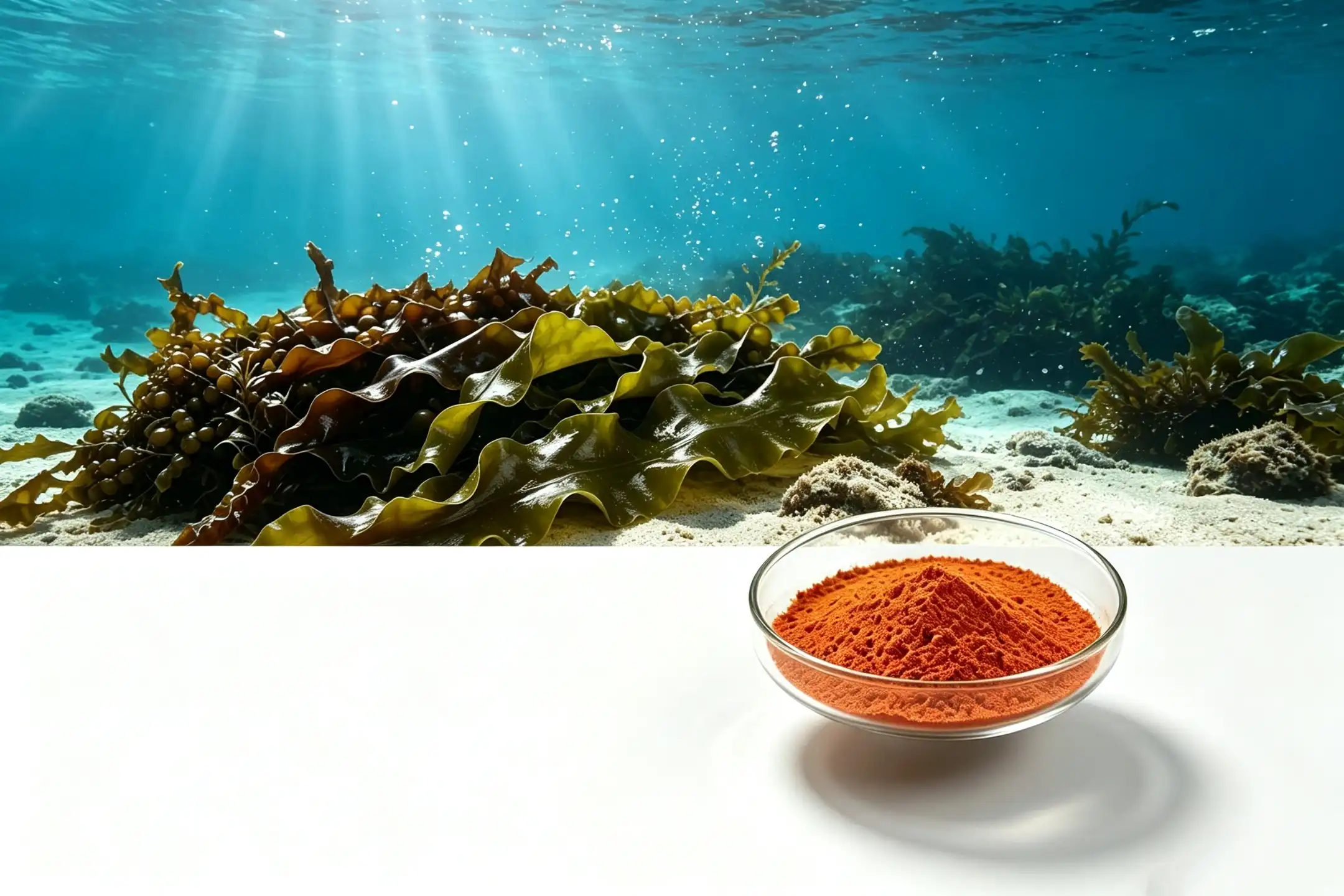
Top 5 Benefits of Fucoxanthin Powder for Health and Wellness
Fucoxanthin Extract Powder is a xanthophyll pigment that comes from the ocean. Its chemical structure makes it different from compounds found in plants that grow on land. This beneficial ingredient, which comes mostly from brown seaweeds like wakame and kombu, has gotten a lot of attention in the functional food and health supplement businesses. Because it works on metabolic processes without stimulating the central nervous system, it can be used naturally to help with weight loss, skin health, antioxidant support, and other health issues. Fucoxanthin Extract Powder gives stable results when it is standardized to contain at least 10% active fucoxanthin using modern supercritical CO2 extraction methods. This makes sure that there are no solvent residues and that the product can be used in a wide range of formulations.
Fucoxanthin Powder Supports Effective Weight Management
As more people look for natural fat burners that don't make them jittery, the weight control area continues to grow. Fucoxanthin Extract Powder meets this need with a unique heating process that makes it different from other ingredients.
How Fucoxanthin Targets Metabolic Pathways?
Fucoxanthin raises the level of uncoupling protein 1 (UCP1) in white adipose tissue, especially in abdominal fat deposits, according to clinical studies. By separating oxidative phosphorylation, this protein helps thermogenesis happen. This turns stored fat into heat energy instead of chemical energy. When compared to caffeine or ephedrine variants, which work by activating adrenergic receptors, fucoxanthin works by changing the activity of the peroxisome proliferator-activated receptor gamma (PPARγ).
People who took 2.4 mg of fucoxanthin every day for 16 weeks lost measurable amounts of belly fat and showed changes in signs of liver function. For research and development teams making weight loss pills, this non-stimulant route can help with formulation when going after customers who are sensitive to stimulants that affect the central nervous system or who want products that can be used in the evening.

Comparative Efficacy Against Other Natural Extracts
The results show that fucoxanthin is better at targeting abdominal fat rather than subcutaneous fat when compared to spirulina and green coffee bean extract (standardized chlorogenic acid). Green coffee bean mostly stops the intake of glucose, and spirulina is high in nutrients but not very good at breaking down fat directly. Fucoxanthin is very useful for mixture recipes because it increases the oxidation of fatty acids and decreases the buildup of lipids at the same time.
Manufacturers who mix fucoxanthin with medium-chain triglycerides (MCTs) or conjugated linoleic acid (CLA) say that the two work together to improve metabolic results. The uniform brown fine powder with 10% fucoxanthin content was extracted using supercritical CO2 methods. This makes sure that the stability from batch to batch is important for clinical support and label claim verification.
Optimal Dosage and Formulation Considerations
Fucoxanthin Extract Powder with HPLC-verified purity levels and particle sizes passing 80 mesh for regular dispersion should be the first choice for procurement professionals looking for high-potency ingredients. Doses of 1.5 to 3 mg of pure fucoxanthin per day are thought to be effective. This is equal to 15 to 30 mg of a 10% standardized extract.
Because they are lipophilic, they need transport forms that make them more bioavailable, like softgels with fish oil or MCT carriers, microencapsulated beadlets for protein powders, or cyclodextrin complexes for use in drinks. Heavy metal levels below 10 ppm and moisture levels below 3 ppm keep the substance stable while it is being stored and processed. These standards are in line with FDA rules for dietary supplements and EU rules for novel foods. This makes it easier to get into markets in both North America and Europe.
Powerful Antioxidant Properties for Cellular Health
Oxidative stress speeds up the age of cells and makes chronic diseases worse, which increases the need for useful ingredients that are high in antioxidants. Fucoxanthin Extract Powder is a powerful antioxidant that can get rid of free radicals even better than other antioxidants.
Understanding Fucoxanthin's Antioxidant Mechanisms
Marine carotenoids have long conjugated double bond systems that are very good at getting rid of reactive oxygen species (ROS) and peroxyl radicals. Fucoxanthin's special allenic link and 5,6-monoepoxide group make it easier for electrons to be donated. This makes its oxygen radical absorbance capacity (ORAC) numbers higher than those of lutein and beta-carotene. Scientists have done tests in the lab that measure the activity of two antioxidant enzymes, superoxide dismutase (SOD) and glutathione peroxidase (GPx).
They found that adding fucoxanthin to the body increases the production of these enzymes, which protects cells from free radicals right away and over time. Fucoxanthin protects mitochondrial membranes by stopping lipid degradation, which would otherwise hurt the efficiency of ATP production. Nutraceutical companies that base their products on life science and cellular health can use these methods to show educated customers how their products can help them.

Comparison with Astaxanthin and Synergistic Applications
Astaxanthin is another marine pigment that comes from microalgae. Its structure is similar to fucoxanthin's, but it is not bioavailable and does not distribute itself in tissues the same way. Astaxanthin is better at crossing the blood-brain barrier, which makes it better for uses related to eye and brain health. Fucoxanthin, on the other hand, builds up more quickly in fat cells and liver cells, which supports metabolic health goals.
Manufacturers who care about quality are working on mix products that use both carotenoids to improve health in a number of ways at the same time. When making these kinds of mixes, it's important to keep them stable by filling them with nitrogen during encapsulation and packing that blocks light. Suppliers with ISO 22000 and HACCP certifications can give you the quality assurance paperwork you need for governmental filings and tests by a third party.
Enhancing Skin Health Through Fucoxanthin's Cosmetic Applications
As more people learn about the link between what you eat and how you look, the nutricosmetics market continues to grow quickly. Fucoxanthin Extract Powder has been shown to be good for your face and can be used in both topical and mouth beauty products.
Anti-Aging and Photoprotection Properties
Matrix metalloproteinase-1 (MMP-1) is expressed when ultraviolet radiation hits the skin. MMP-1 breaks down collagen fibers and speeds up the aging process. Preclinical research show that fucoxanthin stops the production of MMP-1 that is caused by UVB by blocking the nuclear factor kappa B (NF-κB) pathway. This protects the health of the dermis. Fucoxanthin also lowers tyrosinase activity, which is the rate-limiting enzyme in melanin production.
This naturally lightens the skin without the safety issues that come with hydroquinone. When cosmetic makers add fucoxanthin to serums and creams, it helps calm swelling and support barrier function because it is an anti-inflammatory. Because it is lipophilic, it is easy to mix into emulsions' oil phases. However, solubilization methods that use polysorbates or phospholipid complexes make it more compatible with water-based formulations. Brands that focus on clean beauty and marine science can talk about how brown seaweed is harvested in a way that doesn't harm the environment.
Market Trends and Procurement Advantages
Consumer choice data shows that there is a growing need for ocean-derived actives that are seen as clean and not processed too much. Certified organic Fucoxanthin Extract Powder is priced higher than other grades, but regular grades with Halal and Kosher certifications make the market more accessible. When cosmetic companies test the safety of their products, they should keep in mind that fucoxanthin's conjugated double bonds can be damaged by oxygen.

Antioxidant systems with tocopherols or rosemary extract can successfully extend the shelf life of cosmetics. When reviewing providers, procurement teams should ask for both normal Certificates of Analysis (COA) and accelerated stability data to get a sense of how the products will work in the real world. Smaller brands can get into the nutricosmetics market without having to worry too much about their inventory when suppliers keep stock on hand and offer flexible minimum order numbers. Photosensitive compounds are kept safe throughout the distribution chain with custom packing choices like nitrogen-flushed foil bags and amber glass cases.
Broad Spectrum Health Benefits Beyond Weight and Skin
New study keeps finding new ways that Fucoxanthin Extract Powder can be used as a medicine, besides its well-known uses in weight loss and antioxidant protection. These places are still growing, but they offer chances for new products to stand out.
Anti-Inflammatory and Metabolic Health Effects
Metabolic syndrome, heart disease, and insulin resistance are all caused by chronic low-grade inflammation. Fucoxanthin has strong anti-inflammatory effects by lowering the release of pro-inflammatory cytokines like interleukin-6 (IL-6) and tumor necrosis factor-alpha (TNF-α). Animal studies show that supplementing with fucoxanthin improves glucose tolerance and lowers the buildup of lipids in the liver. This suggests that fucoxanthin could be useful for people who are at risk of developing diabetes.
The chemical makes insulin work better by turning on adenosine monophosphate-activated protein kinase (AMPK), a cell energy indicator that controls how much glucose is taken in and how fat is burned. Fucoxanthin can be mixed with berberine, chromium picolinate, or alpha-lipoic acid by people who make metabolic health supplements to make complete glucose control options. Peer-reviewed publications and safety ratings are examples of technical paperwork that supports these processes. This information improves regulatory submissions and healthcare practitioner endorsements.
Cardiovascular and Immune System Support
Early research suggests that Fucoxanthin Extract Powder may be good for heart health in more than one way. It may lower oxidized LDL cholesterol, improve endothelial function, and lower measures of artery stiffness. These effects work with its anti-inflammatory abilities to deal with all the causes that raise the risk of atherosclerosis. Changing the immune system is another new area of research. Studies done in the lab have shown that increasing natural killer cell activity and macrophage function is possible.
There haven't been many human clinical studies in these areas yet, but early data suggests that fucoxanthin could be used in immune support products, especially when mixed with vitamin D3, zinc, and selenium. Product makers should make claims that are reasonable and based on the evidence that is already available, while also keeping an eye on ongoing research that may support more signs. When brands put money into clinical studies to make their fucoxanthin goods stand out, they get exclusive data on how well they work and the chance to protect their intellectual property.

Trusted and Certified Fucoxanthin Sources for B2B Procurement
When it comes to the natural products business, quality control and a reliable supply line are the keys to making B2B partnerships work. To choose the best Fucoxanthin Powder provider, you need to carefully look at a number of factors.
Essential Supplier Evaluation Criteria
Professionals in charge of buying things should make detailed scorecards for each seller that include information about their technical support, manufacturing skills, and quality systems. Verified good manufacturing practices (GMP) approval shows that the process is controlled in a way that makes sure the quality of the result is always the same. Certificates of Analysis must include heavy metal tests results (lead, arsenic, cadmium, and mercury) confirmed by ICP-MS methods and HPLC chromatograms showing the amount of fucoxanthin present.
The total plate count, yeast and mold, coliforms, Salmonella, and E. coli should all be checked for microbes with results that met or went beyond AHPA standards. Because ocean pollutants can build up over time, it's especially important to check for pesticide residues in products that come from seaweed. Customers further down the supply chain can meet the stricter requirements for supply chain openness set by retailers and regulators if their suppliers provide full traceability paperwork, from where the crops were harvested to how they were extracted and packaged. Each package should come with batch-specific paperwork that includes a COA, an MSDS, allergen labels, the status of GMOs, and BSE/TSE compliance statements.
Practical Procurement Considerations
Standardized Fucoxanthin Extract Powder usually comes in minimum order quantities between 25 and 100 kilograms. However, some providers can work with smaller trial amounts for product development. Volume-based price tiers encourage bigger commitments by lowering costs by 15–25% for yearly contracts worth more than one metric ton. Lead times change with the seasons because of when seaweed is harvested. In the Northern Hemisphere, the best times to get brown algae are in the spring and early summer. Setting up smart store buffers keeps formulation from stopping during slow times.
For foreign orders, payment terms usually include a 30% deposit and the remaining 70% due against the bill of lading. However, if you have a good relationship with the seller, you may be able to get net-30 or net-60 terms. Choosing the right Incoterms has a big effect on the total landed cost. For example, FOB price moves the risk to the port of origin, while CIF terms include freight and insurance to the location. When reviewing quotes from suppliers, procurement teams should think about the total cost of ownership, which includes things like duties, customs exchange, storage, and quality verification testing.
Ongoing Quality Assurance and Relationship Management
Post-purchase quality control includes more than just inspecting items as they come in. It also includes keeping an eye on their security and checking stored items on a regular basis. Because Fucoxanthin Extract Powder is easily broken down by oxygen, it needs to be stored in a cool, dry, light-protected place—ideally below 25°C with a relative humidity of less than 60%. Using first-in, first-out (FIFO) inventory rotation keeps used materials from changing the specs of the final product.
Setting up business reviews with key providers every three months helps you stay on top of new problems by talking about things like quality trends, planning for capacity, regulatory changes, and innovation pipelines. Suppliers who offer expert application help, such as formulation advice, working together on stability studies, and regulation advice, offer more than just low prices. Long-term relationships with suppliers who are reliable, communicate clearly, and are always looking for ways to improve lower the risk in the supply chain and allow co-development of unique delivery systems and customized specs that make a business more competitive.
Conclusion
Fucoxanthin Extract Powder is a highly proven, multifunctional ingredient that provides important benefits for weight loss, skin health, cardiovascular wellness, and antioxidant supplementation. Its unique marine origin, non-stimulant effects, and growing body of study make it a good choice for the natural products market, which is growing.
To make commercialization work, you need to pay close attention to the quality of the sellers you choose, giving priority to those with thorough certifications, strict testing methods, and a history of reliable supply. Fucoxanthin Extract Powder can be used in a lot of different ways, which is good for formulators. On the other hand, buying teams like that the ingredient is stable with regulators and is popular with consumers. As more therapeutic uses are found through study, early adopters who start making fucoxanthin-based products gain an edge in a health market that is becoming more competitive.
FAQ
Q1: What is the recommended daily dosage of fucoxanthin for weight management?
A: In clinical studies that show metabolic benefits, 2.4 mg of pure fucoxanthin daily is used, which is equal to 24–30 mg of a 10% standardized extract. For measurable results, effective methods normally last between 8 and 16 weeks. Combining fucoxanthin with lipotropic ingredients that work well together may get better results with slightly smaller amounts of each ingredient alone, thanks to how they work together.
Q2: How does fucoxanthin compare to synthetic weight loss ingredients in safety profiles?
A: Fucoxanthin has good safety features according to toxicological tests, with no known adverse effect levels (NOAEL) that are significantly higher than the suggested supplement amounts. Ephedrine alkaloids and manufactured stimulants raise the chance of heart disease. Fucoxanthin, on the other hand, works through non-adrenergic routes and doesn't change blood pressure or heart rate. This safety rating makes it easier for more people to get the drug and lowers worries about contraindications.
Q3: Can fucoxanthin be used in beverage applications?
A: Standard lipophilic Fucoxanthin Extract Powder needs special transport methods to be mixed into water-based drinks. Versions that dissolve in cold water (CWS) and use microencapsulation or cyclodextrin complexation make stable dispersion possible in healthy drinks, protein shakes, and ready-to-drink forms. These changed forms keep their potency while being able to handle the high temperatures and changing pH levels that are common in the beverage making industry.
Partner with Sigma for Premium Fucoxanthin Extract Powder Supply
Shaanxi Sigma Biotechnology sells Fucoxanthin Extract Powder that is safe for use in medicine. The powder comes from clean marine settings and is handled using supercritical CO2 extraction. Our dark fine powder is certified by ISO 22000, HACCP, and Halal and has a particle size of 80 mesh, a heavy metal content below 10 ppm, and a fucoxanthin content of at least 10%. As a result of keeping a large inventory, we can meet just-in-time production needs with shipping times of 5 to 7 days without sacrificing quality.
Technical teams offer full recipe help, advice on how to keep things stable, and legal paperwork that meets the strict requirements of the US FDA and the EU. Our OEM/ODM services are flexible enough to handle a wide range of project types, from large orders for well-known brands to unique specs for new formulas. Contact sarah@sxsigma.com right away to get samples, a certificate of authenticity (COA), and reasonable prices from your trusted Fucoxanthin Extract Powder maker. We look forward to working with you for a long time.
References
1. Miyashita K, Hosokawa M. Fucoxanthin in the Management of Obesity and Its Related Disorders. Journal of Functional Foods, 2017, 36:195-202.
2. Abidov M, Ramazanov Z, Seifulla R, Grachev S. The Effects of Xanthigen in the Weight Management of Obese Premenopausal Women with Non-Alcoholic Fatty Liver Disease and Normal Liver Fat. Diabetes, Obesity and Metabolism, 2010, 12(1):72-81.
3. Peng J, Yuan JP, Wu CF, Wang JH. Fucoxanthin, a Marine Carotenoid Present in Brown Seaweeds and Diatoms: Metabolism and Bioactivities Relevant to Human Health. Marine Drugs, 2011, 9(10):1806-1828.
4. Maeda H, Hosokawa M, Sashima T, Miyashita K. Dietary Combination of Fucoxanthin and Fish Oil Attenuates the Weight Gain of White Adipose Tissue and Decreases Blood Glucose in Obese/Diabetic KK-Ay Mice. Journal of Agricultural and Food Chemistry, 2007, 55(19):7701-7706.
5. Hu X, Li Y, Li C, Fu Y, Cai F, Chen Q, Li D. Combination of Fucoxanthin and Conjugated Linoleic Acid Attenuates Body Weight Gain and Improves Lipid Metabolism in High-Fat Diet-Induced Obese Rats. Archives of Biochemistry and Biophysics, 2012, 519(1):59-65.
6. Shimoda H, Tanaka J, Shan SJ, Maoka T. Anti-Pigmentary Activity of Fucoxanthin and Its Influence on Skin mRNA Expression of Melanogenic Molecules. Journal of Pharmacy and Pharmacology, 2010, 62(9):1137-1145.
- 1
- 12
- 13
- 14
- 19


